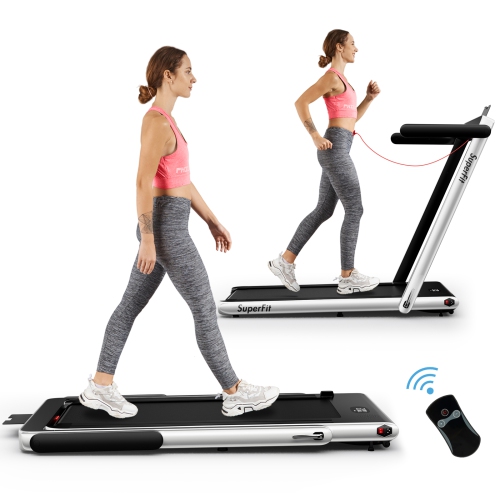
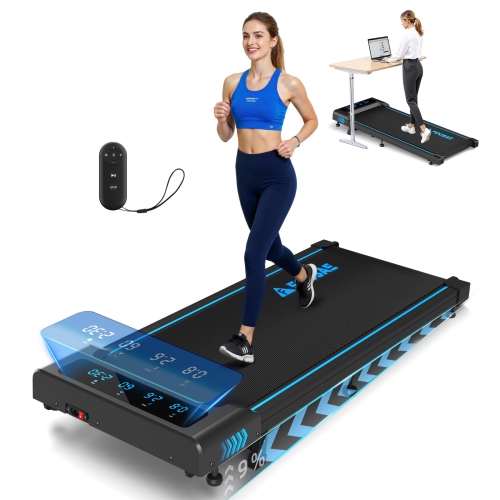
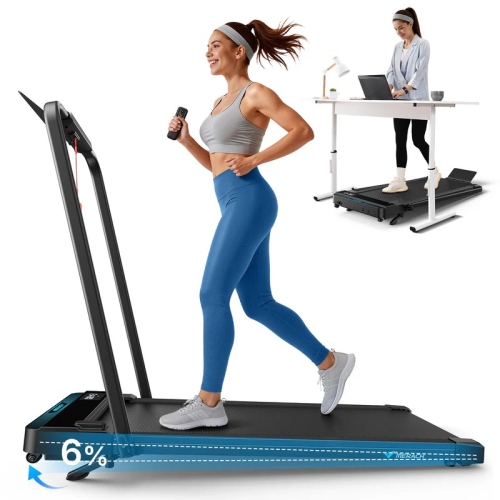
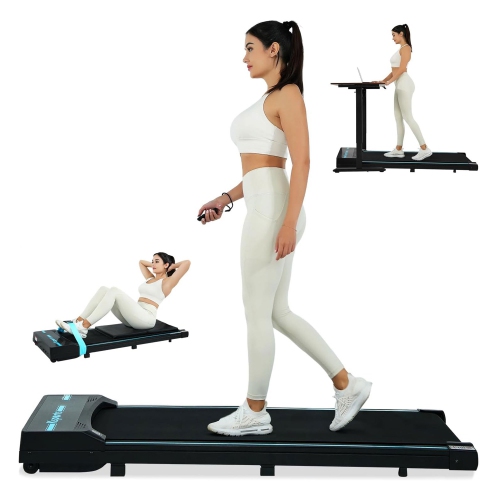
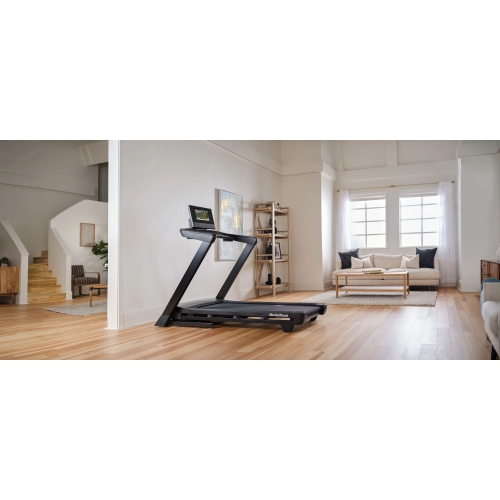
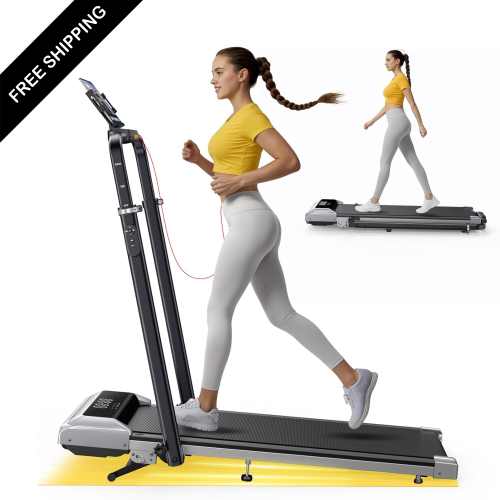
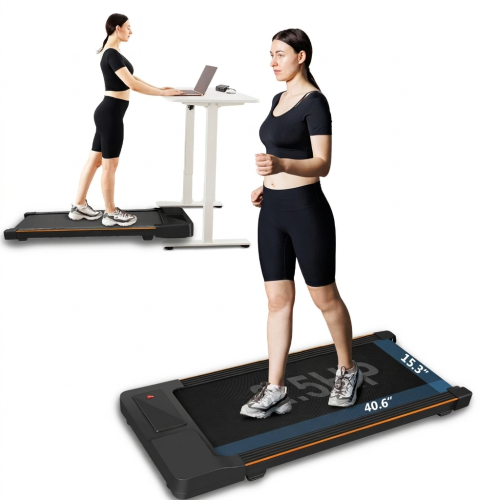
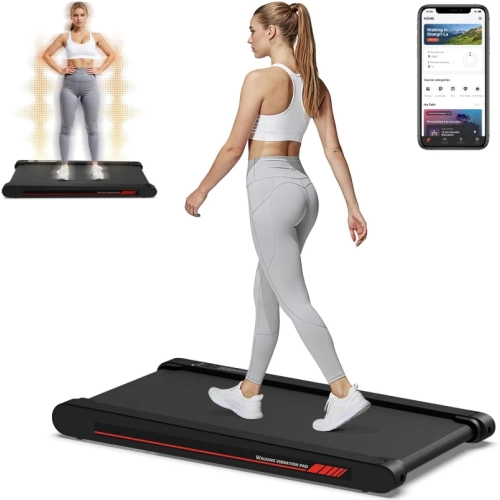
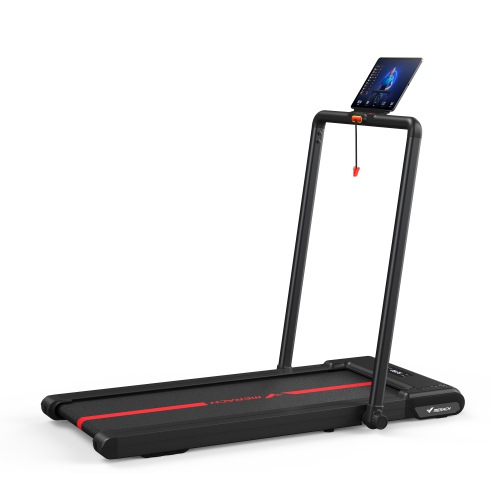
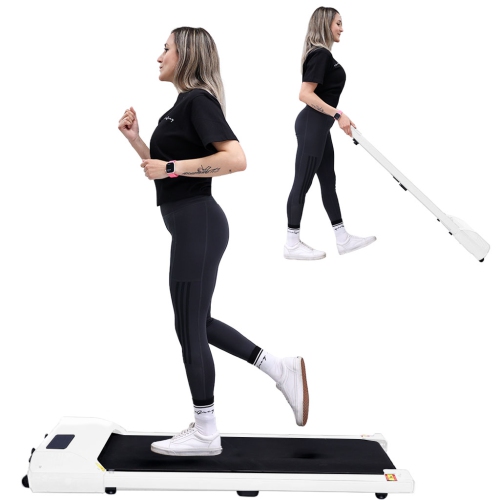
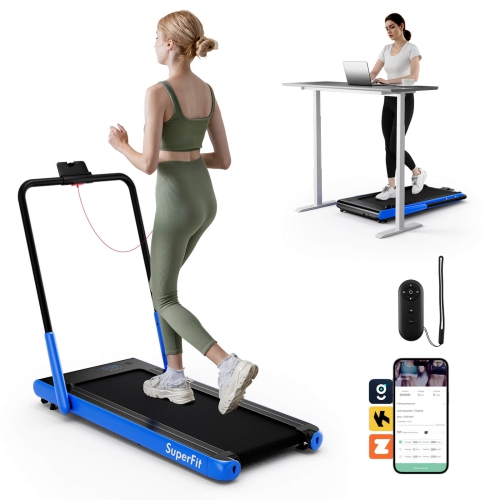
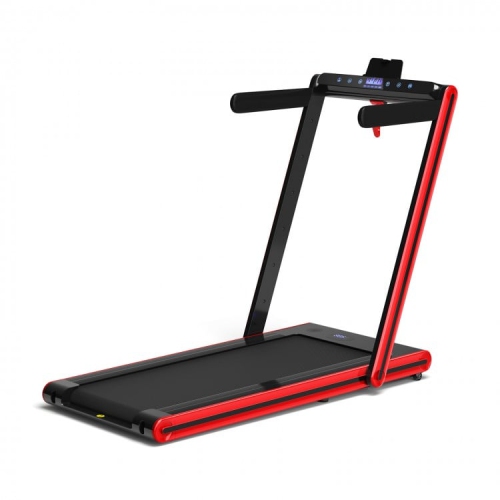
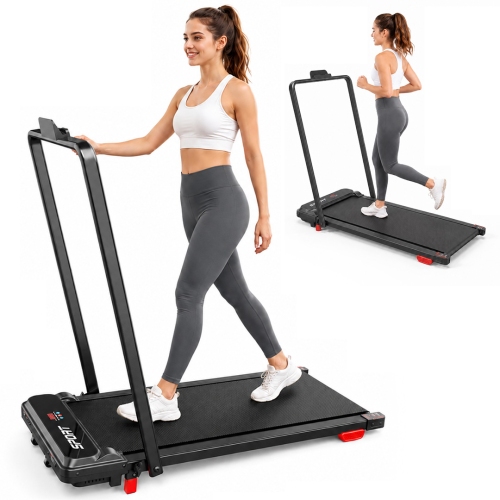
Cardio Treadmills

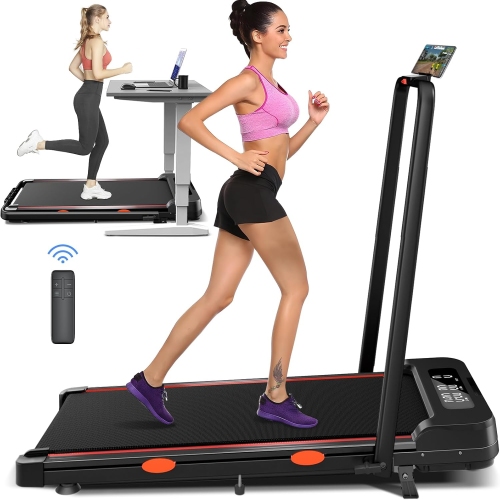
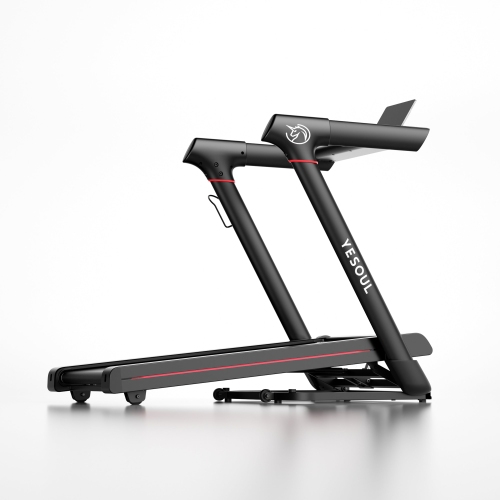
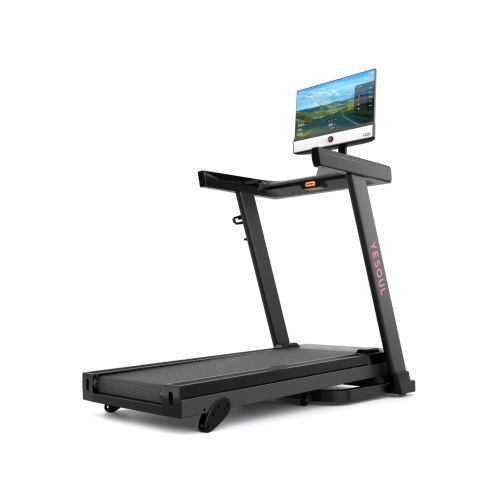
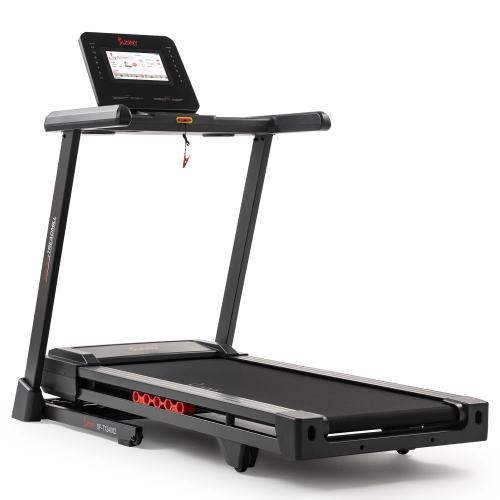
Find cardio treadmills for walking, jogging, or running at home. Compare speed ranges, incline settings, belt dimensions, and overall size to choose a treadmill that suits your workout goals and available space.
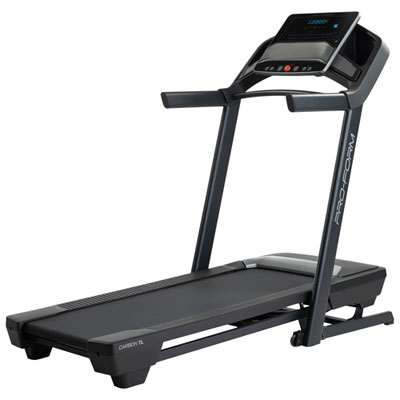
Read More

Sort

The right treadmill fits your stride and your space

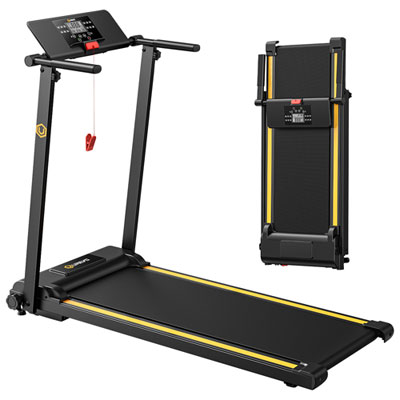
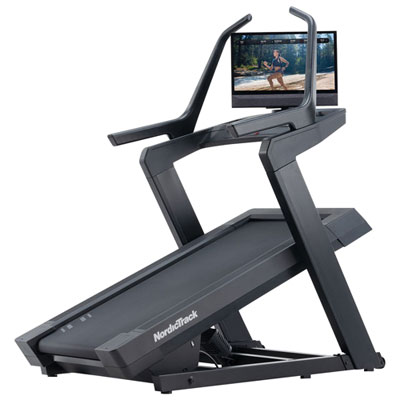
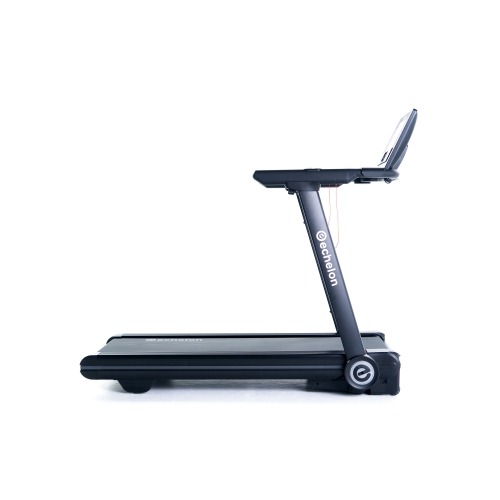
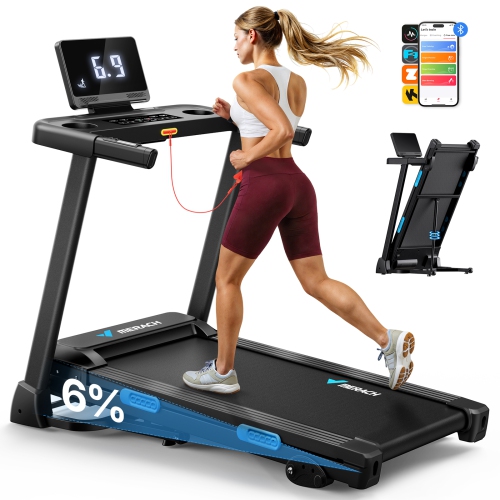
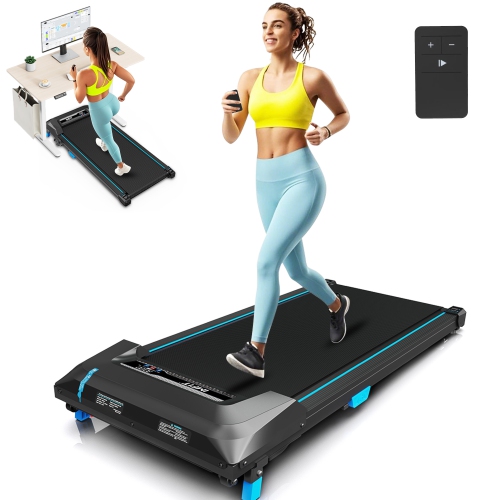
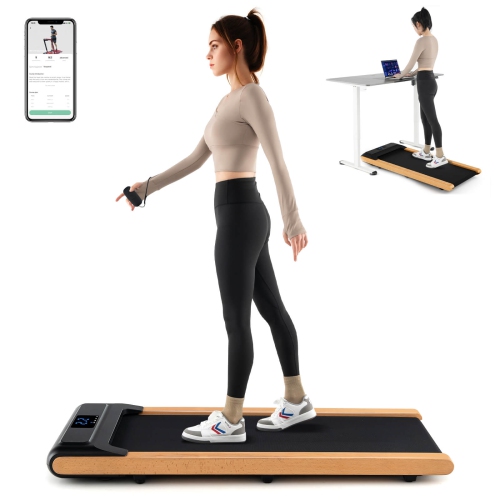
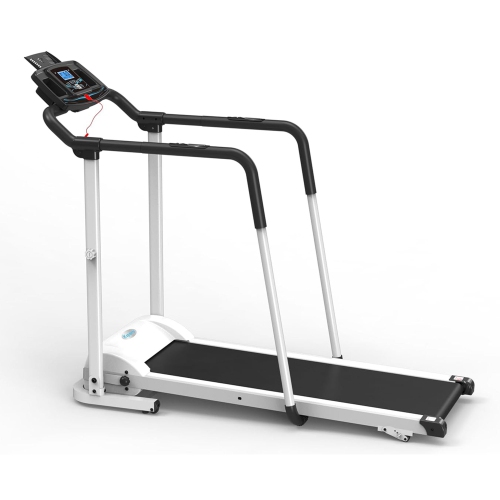
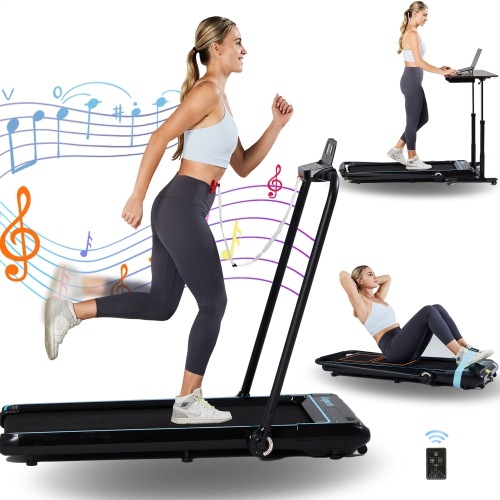
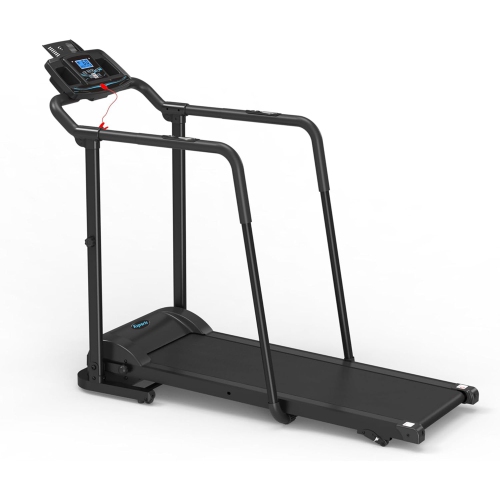
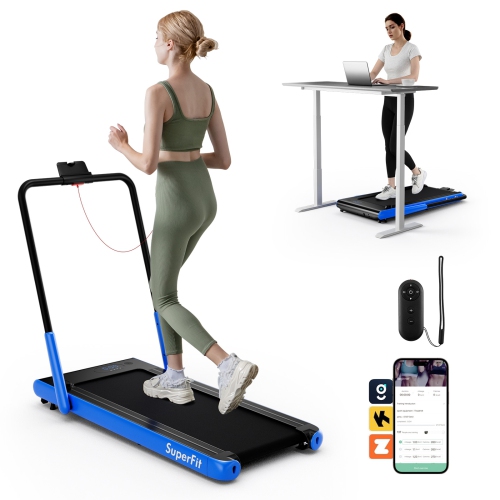
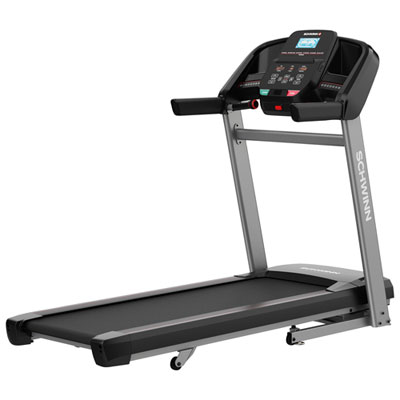
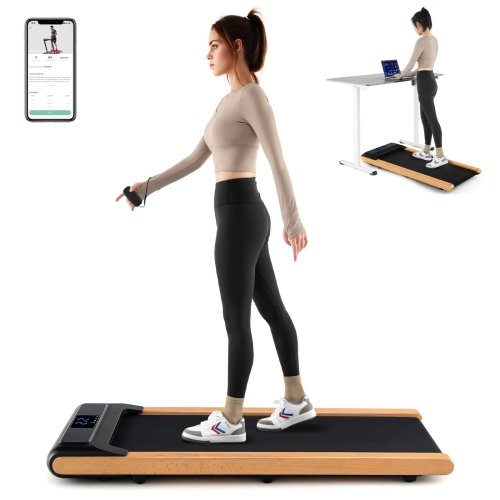
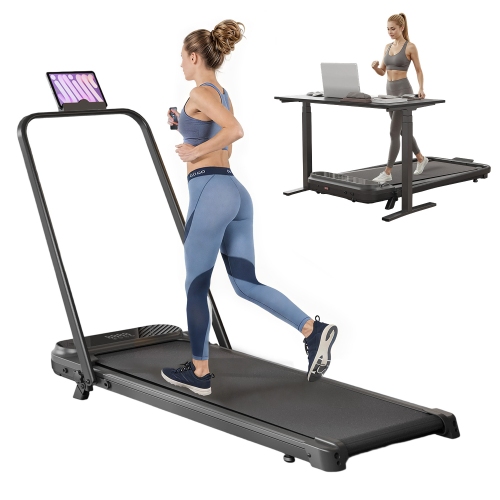
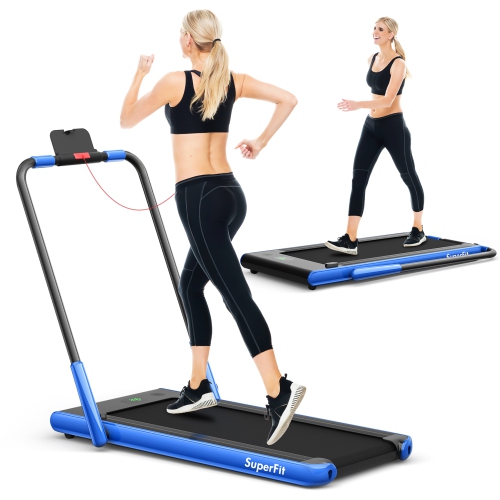
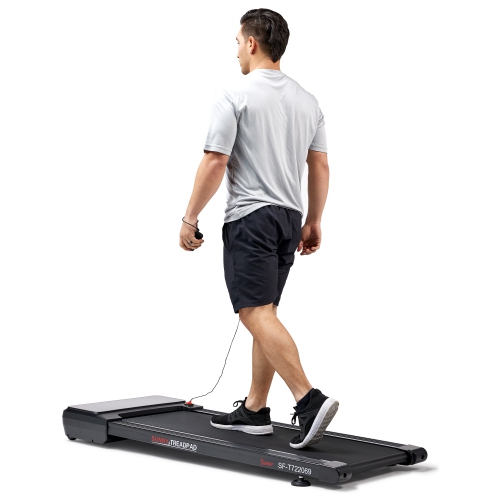
Cardio treadmills bring walking, jogging, and running into a familiar home setting, making it easier to build regular movement around work, family, and other commitments. A brisk walk before the day gets busy, a steady lunchtime jog, or a longer run with a favourite playlist can all suit the same category of equipment, though individual treadmill designs serve different purposes. Walking-focused treadmills tend to emphasize comfortable lower-speed movement, while equipment intended for running needs to accommodate a faster pace, longer strides, and repeated foot strikes. For someone building confidence with exercise, predictable speed controls can help establish a comfortable rhythm. More experienced runners may value the ability to hold a consistent pace or alternate between harder efforts and easier recovery periods. Adjustable incline, where included, adds another way to vary a session without relying entirely on speed. An uphill walk can feel quite different from walking on a level belt, bringing variety to an otherwise familiar activity. The construction beneath the belt matters just as much as the settings on the console. A sturdy frame, often made with steel components, provides the foundation, while the deck, rollers, and belt work together to support smooth movement. Deck cushioning varies by design and can change how each step feels, although personal comfort depends on the user’s stride, footwear, and preferences. A motorized treadmill also needs a drive system suited to the intended pace and duration of use; occasional walking and frequent running place different demands on the equipment. Motor descriptions are most useful when considered alongside the manufacturer’s stated use, rather than treated as a single measure of overall quality. In a shared household, the most suitable treadmill is one that accommodates the needs of everyone who will use it, from a shorter walker taking relaxed steps to a taller runner settling into a full stride. That combination of intended use, supportive construction, and comfortable movement gives cardio treadmills their practical role in a home exercise space.
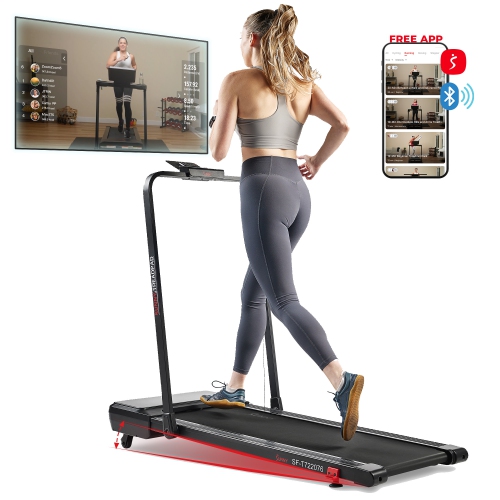
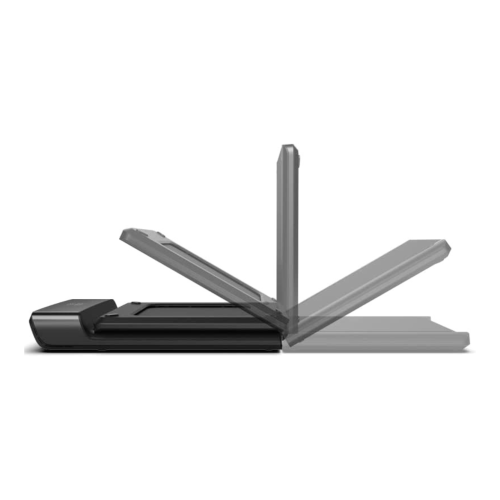
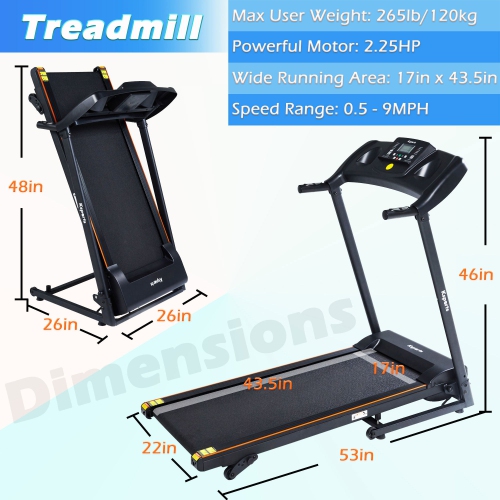
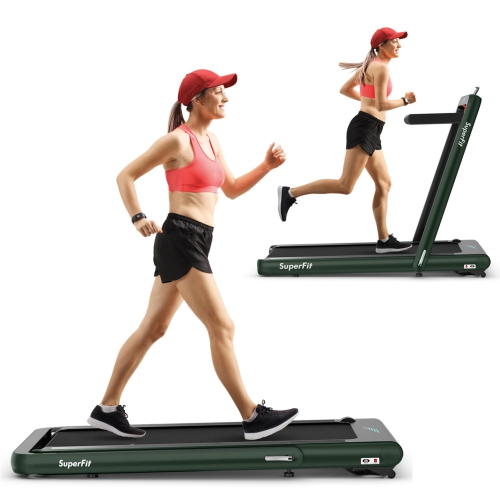
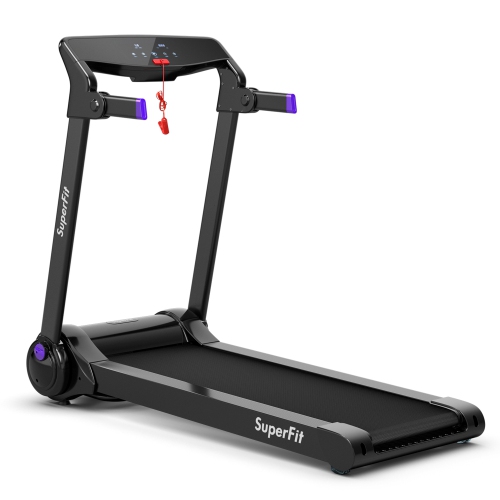
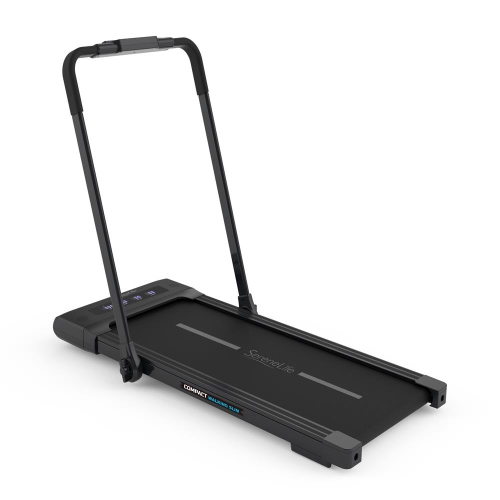
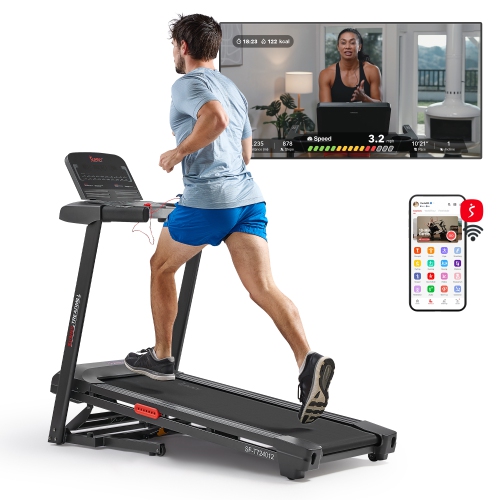
How a treadmill fits both the person and the room has a noticeable effect on everyday use. Belt width provides room for natural side-to-side movement, while usable belt length becomes especially important as stride length increases. Someone who feels comfortable walking on a compact surface may want more space when jogging or running, particularly during changes in pace. Handrails should be within comfortable reach without encouraging an awkward posture, and the console should be easy to read without repeatedly looking down at the feet. Clearly marked speed and incline controls can make small adjustments less distracting in the middle of a session. Step-up height also affects access, and an incline setting can raise the user farther from the floor, making overhead clearance important in rooms with lower ceilings. The treadmill’s footprint includes more than the frame itself: safe use requires the surrounding clearance specified by the manufacturer, along with space to get on and off without navigating around furniture. Folding designs can free up floor area between sessions, but the folded dimensions, lifting mechanism, and weight still influence how practical storage will be. Transport wheels may help with repositioning, though a treadmill remains a substantial piece of equipment rather than something every user will want to move daily. In a living area or shared home, motor sound and the impact of footsteps also deserve consideration; a suitable equipment mat may help protect flooring and reduce some vibration, without making operation silent. Beyond these physical details, console features can shape the experience. Basic displays may show time, distance, and speed, while some treadmills add programmed workouts, incline information, or compatible heart-rate connections. Fitness readings are estimates rather than medical measurements. Device shelves and accessible controls can be more useful than an elaborate screen for someone who prefers their own entertainment. Across Treadmills for Fitness, these practical differences help distinguish equipment for a straightforward walking habit from equipment suited to more varied training.
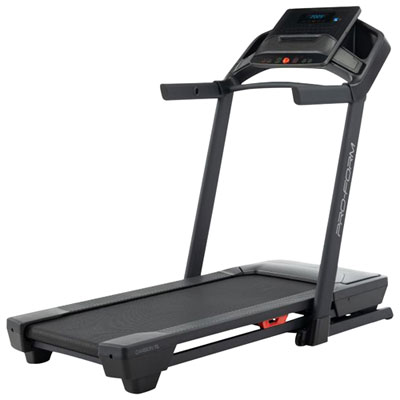
Long-term satisfaction with a cardio treadmill often comes from the details that make it comfortable to use and straightforward to maintain. A stable feel underfoot, a belt that tracks properly, and controls that respond consistently matter well beyond the first few workouts. Durability depends on matching the machine to its stated user weight limit, intended activity, and expected frequency of use, as well as following its care requirements. A household where several people exercise each day will place different demands on a treadmill than someone taking a few short walks each week. Sweat, dust, and debris can affect surfaces and moving parts over time, so routine care usually includes wiping down accessible areas with a suitable cloth and keeping the surrounding floor clean. Cleaning methods, belt adjustments, and lubrication requirements differ between designs; some decks require specific lubricants, while others have different maintenance arrangements. The owner’s manual is the appropriate reference for those details and for any work near electrical or moving components. Footwear with clean soles helps keep grit off the belt, and keeping drinks in a secure holder reduces the chance of spills reaching the console. Safe operation is equally important to daily ownership. Where an emergency stop clip is supplied, attaching it as directed provides a way to interrupt the belt if the user moves unexpectedly away from the console. Children and pets need to remain clear during operation and while the equipment is being stored or adjusted. A manageable starting pace and gradual changes in speed make it easier to settle into each session without rushing. For someone returning to exercise after an injury or managing a health condition, a qualified healthcare professional can help establish appropriate activity limits. As a gift, a treadmill is best treated as a shared decision about space, comfort, and personal exercise preferences rather than a surprise. Whether it supports gentle walking breaks or structured running sessions, its lasting value comes from how well it fits the user’s goals and daily life.
Read More

FAQ

Some products may be subject to Environmental Handling Fees (EHF) depending on your province. Learn more about EHFs.