Treadmills for Fitness
Achieve your workout goals from the comfort of home with treadmills for fitness, designed to help you stay active and motivated year-round. Whether you're looking to kickstart a new routine or enhance your current training, finding the right treadmill can make all the difference in your fitness journey. Explore a wide selection of options to match your space, preferences, and exercise needs, and take the next step toward reaching your health and wellness objectives.
Sort
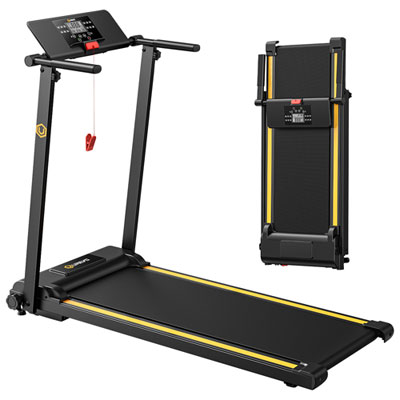
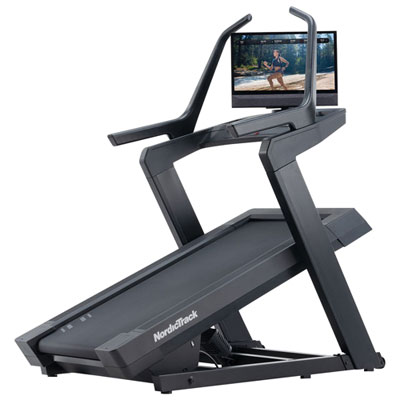
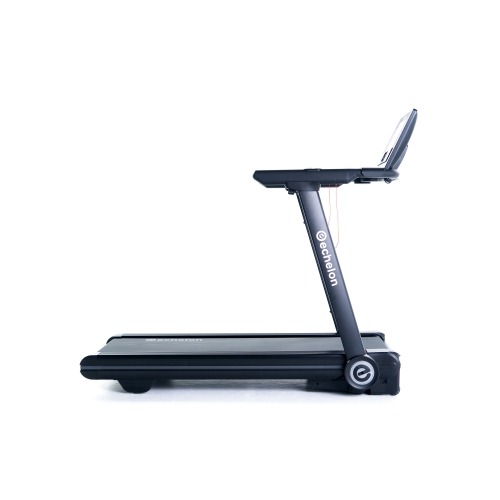
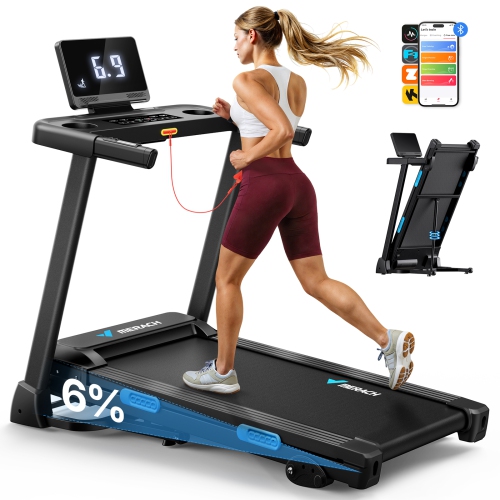

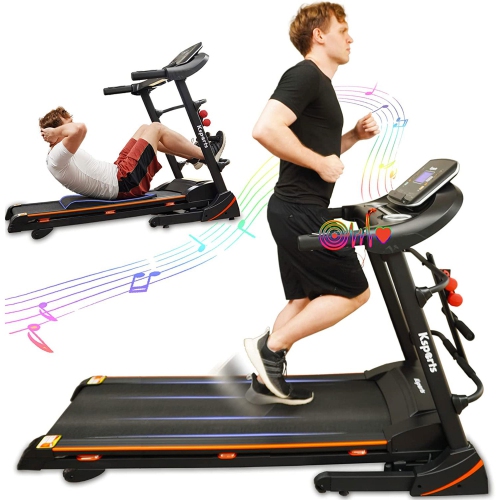
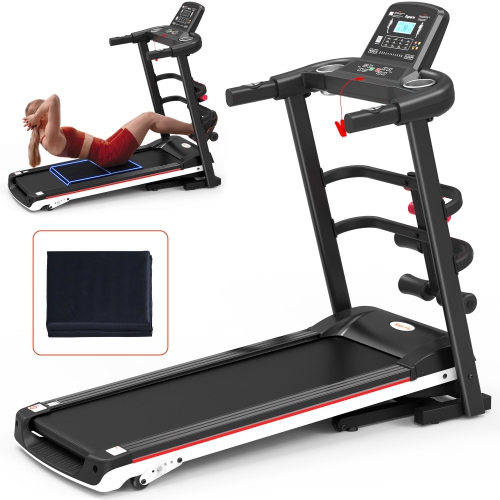
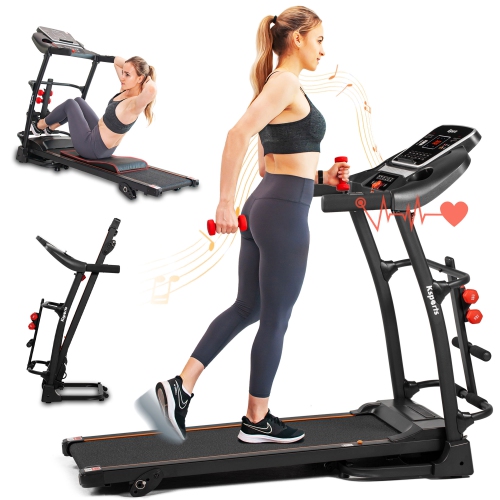
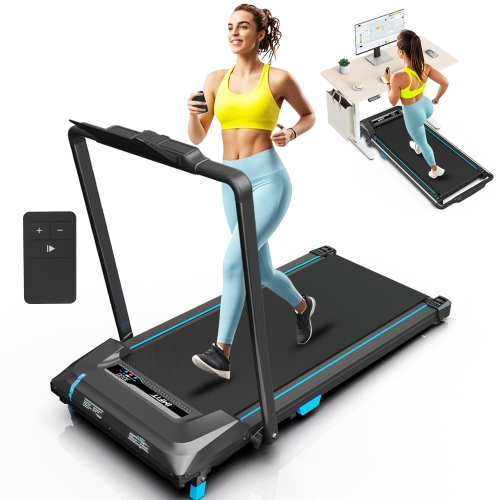
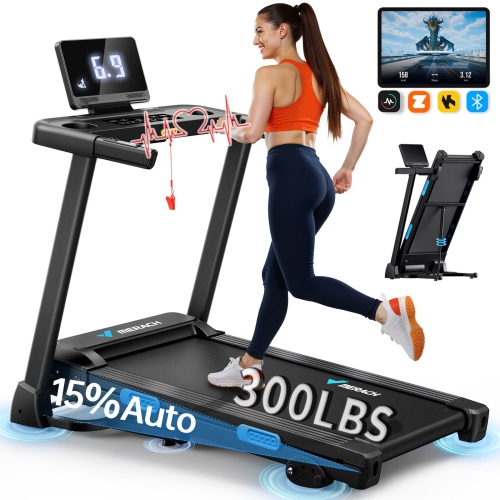


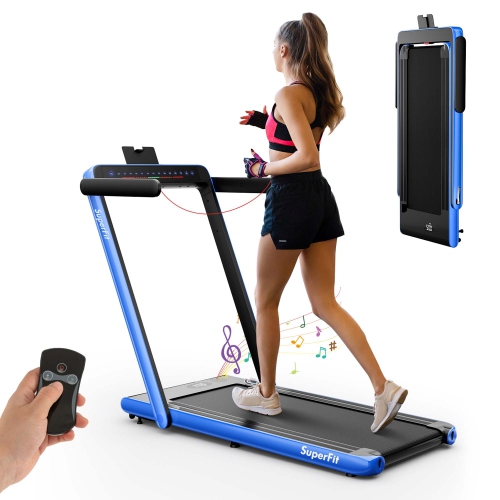
Why walking and running call for different treadmills
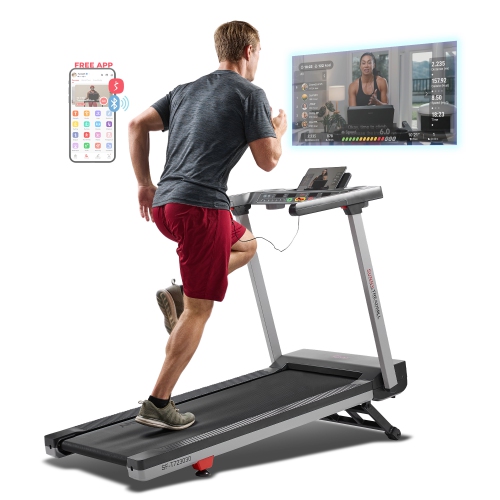
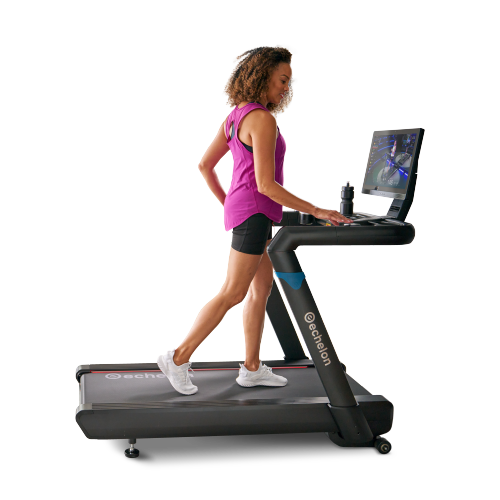
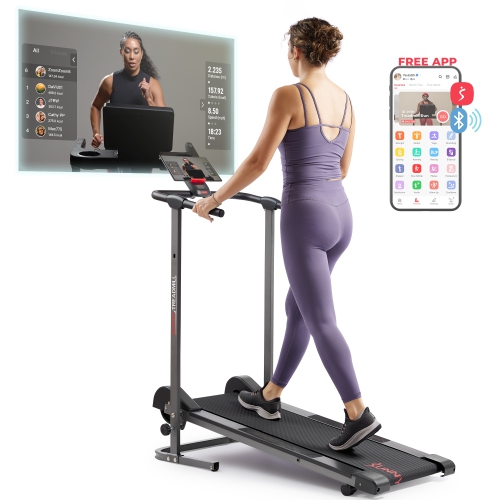
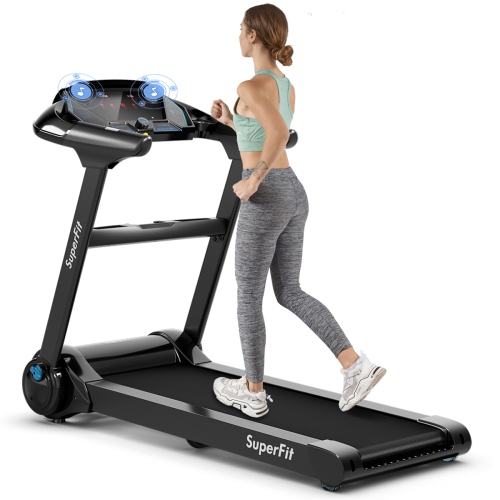
Treadmills for fitness are indoor exercise machines with a moving belt that supports walking, jogging, or running in place. Motorized treadmills move the belt at a selected speed, while manual treadmills rely on the user’s movement; some manual designs have a curved running surface and respond directly to changes in pace. The right type depends on how the machine will be used, from a steady walk between work tasks to regular running sessions with intervals and incline changes. Walking generally places different demands on a treadmill than sustained running, so a compact walking model and a full-size running treadmill are not interchangeable. A runner needs enough belt length and width to maintain a natural stride without feeling crowded, particularly when increasing speed. Taller users and people with longer strides may also appreciate a more generous running surface. Maximum speed, supported user weight, and the manufacturer’s intended use help establish whether a treadmill suits a particular household. Motor ratings provide useful context, but horsepower alone does not describe the quality of the machine. Continuous-duty ratings, where provided, are more relevant to sustained operation than peak figures, and the frame, drive system, and intended session length also matter. For a household where several people exercise most days, a treadmill designed for frequent use is a better match than one intended for occasional short walks. Adjustable incline adds another way to vary a session without relying only on faster speeds, making it useful for brisk uphill walking as well as running workouts. The incline range and adjustment method differ across treadmills, with powered adjustment allowing changes through the controls and manual adjustment usually requiring the session to stop. Built-in programmes can combine changes in speed and incline, while straightforward manual controls suit people who prefer to set their own pace. Whether the goal is building a regular movement habit, practising a consistent running pace, or adding cardio to strength training, a treadmill offers a repeatable workout setting with familiar controls close at hand.
Construction and fit influence how a treadmill feels long after the first few sessions. Steel frames are common in full-size machines, while aluminium and other materials may appear in selected structural components. A stable frame, secure handrails, and a well-supported deck matter when a walking pace becomes a jog or when different household members share the machine. The belt typically has a textured surface for traction, with materials and layered construction varying by design. Deck cushioning can soften the feel of foot strikes compared with a harder surface, although the amount of cushioning differs and no treadmill can guarantee freedom from joint discomfort or injury. Some people prefer a firmer feel for running, while others value a more forgiving deck for longer walks. Comfortable athletic footwear and sufficient room for a natural stride remain important regardless of the cushioning system. Practical fit also includes the room around the machine. A treadmill’s footprint is only part of its space requirement: the manufacturer’s specified clearance behind and beside it must also be accommodated. Ceiling height deserves attention for taller users, especially where incline raises the deck. A level, suitable floor supports stable operation, and a compatible equipment mat may help protect flooring and reduce some transmitted vibration, though it will not eliminate the sound of a motor or repeated foot strikes. Folding treadmills can make a shared room easier to use, but the folded dimensions, lifting mechanism, and weight determine how practical storage will be. Transport wheels help with repositioning on suitable surfaces; they do not necessarily make a heavy treadmill easy to move between floors. A treadmill that folds upright may still occupy substantial floor space, while a low-profile walking design may have different speed and stride limitations. For a spare room that also serves as an office, those details can be more important than an extensive programme menu. The distinction between space-saving storage and comfortable exercise space helps keep everyday use realistic rather than leaving the machine tucked away because it is awkward to set up.
Day-to-day usability often comes down to details that are easy to overlook in a feature list. Clearly labelled speed and incline controls allow small adjustments without interrupting the rhythm of a session, and an accessible stop control and safety key support safer operation when used as directed. A readable display can show time, distance, speed, and incline, making it easier to repeat a familiar workout or track gradual changes in activity. Calorie estimates and readings from handgrip sensors are approximate rather than precise measurements, so they are best treated as general feedback. Bluetooth, Wi-Fi, compatible training apps, and device holders can add flexibility where supported, but a treadmill should still suit the user’s basic exercise needs without relying on a particular connected feature. A tablet holder is useful only if it keeps the screen visible without obscuring essential controls, and conveniently placed storage helps keep a water bottle within reach. Regular care helps preserve the belt, deck, and drive components. Maintenance requirements vary, but commonly include removing dust, wiping away perspiration with an appropriate cloth, and checking for belt alignment or unusual sounds. Belt lubrication is required on some treadmills and not on others; the manufacturer’s instructions specify whether it is needed, which lubricant is suitable, and how often to apply it. Cleaning and maintenance should follow the stated shutdown and unplugging procedures, and adjustments should stay within the tasks approved for the owner. Children and pets need to remain away from moving belts, and the safety key should be stored securely when the treadmill is not in use. For shared spaces, Treadmills for Home brings the focus to exercise equipment that fits domestic routines and room layouts. A treadmill can also be a thoughtful gift for someone who already enjoys walking or running, provided their preferences, available space, and willingness to maintain the machine are understood. Matching the equipment to the person’s usual pace, stride, and routine makes it more likely to become a comfortable part of everyday fitness.
Top selling and popular products
-
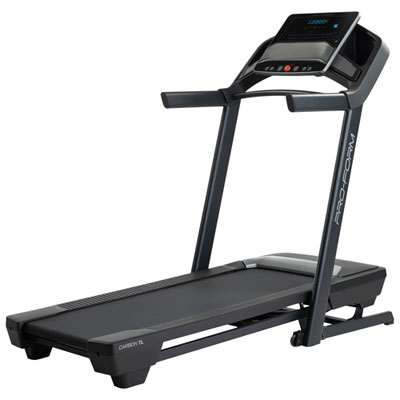 Your price for this item is $1099.98
-
 Your price for this item is $2901.98
-
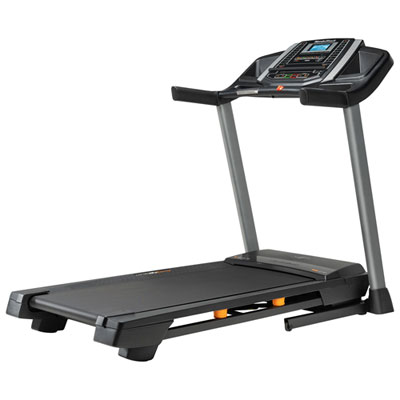 Your price for this item is $995.98
-
 Your price for this item is $1278.98
-
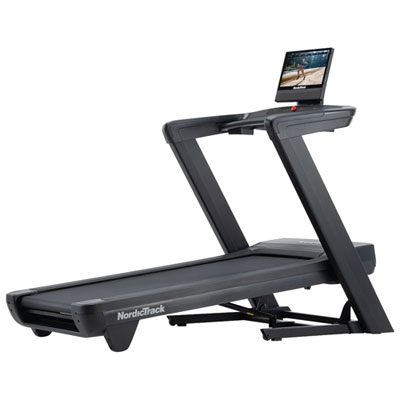 Your price for this item is $2501.98
-
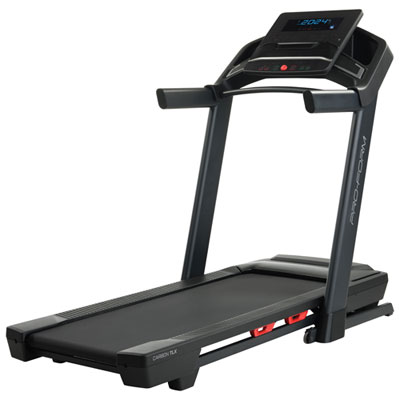 Your price for this item is $1399.99
-
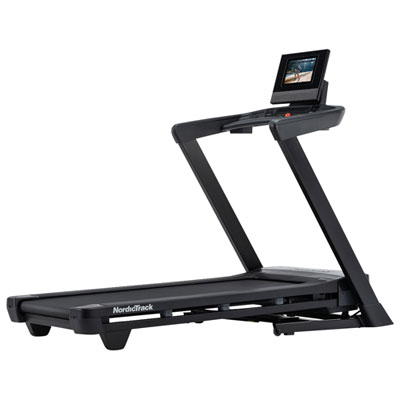 Your price for this item is $1799.99
-
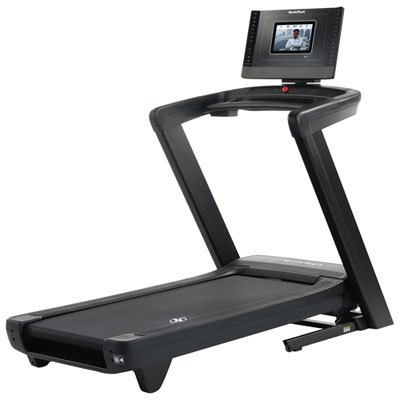 Your price for this item is $2698.98
Discover more categories related to Treadmills for Fitness

Top Collections:
Pokemon Centers, Best Cameras for Sports Photography, Kindle Devices, Samsung Galaxy Phones, Canon G7X Cameras, Pokémon 30th Celebration Cards, Refurbished Apple Laptops, iPhone 15 Apple, Laptops for Students, Budget Smartphones
Some products may be subject to Environmental Handling Fees
(EHF) depending on your province.
Learn more about EHFs.