Cell Phone Headsets

Find cell phone headsets for hands-free calls, video chats, and everyday listening. Compare options by phone compatibility, connection type, microphone features, and fit to choose a headset that suits how and where you use your phone.

Read More

Sort

Comfortable calls that fit around your day

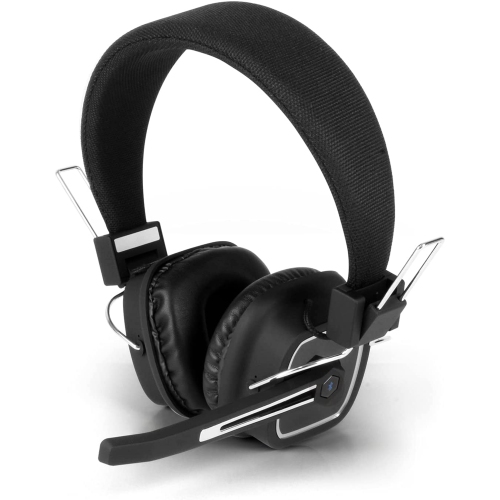
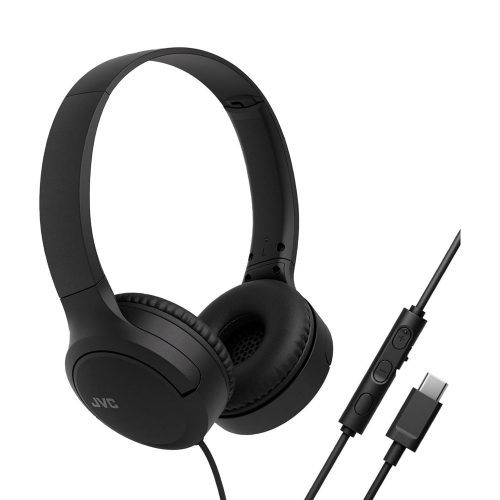
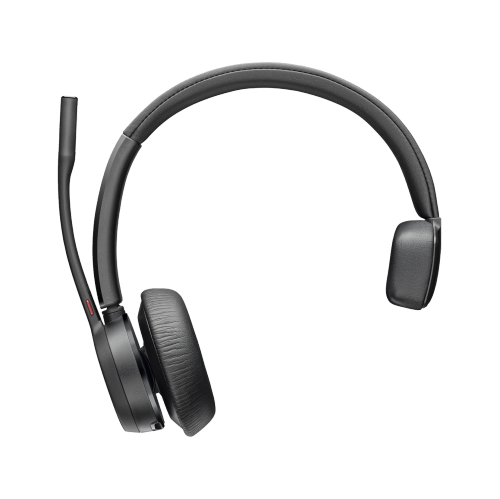
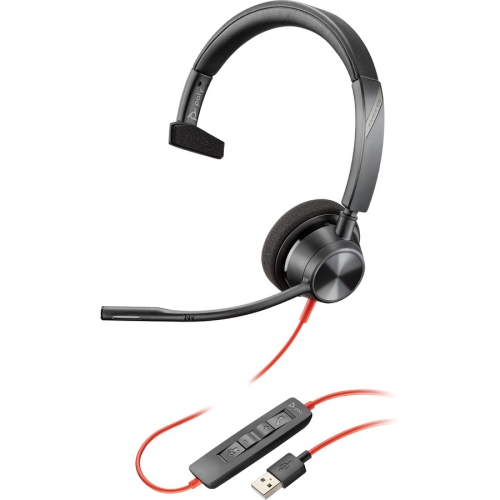
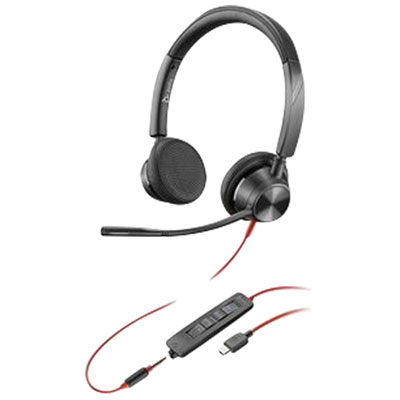
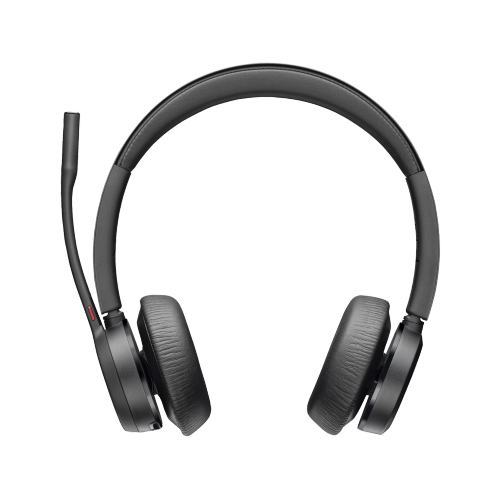
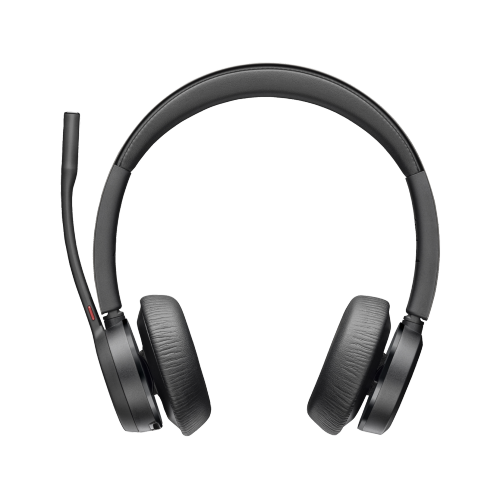
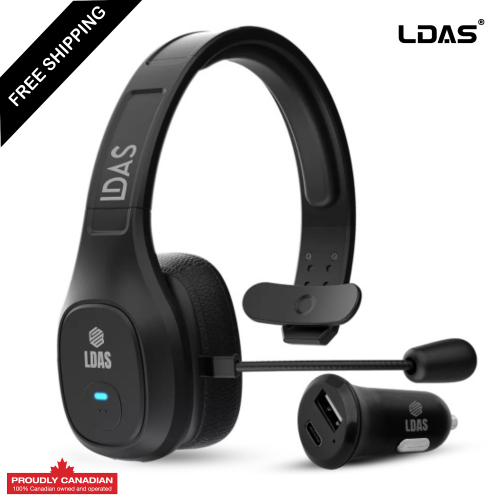
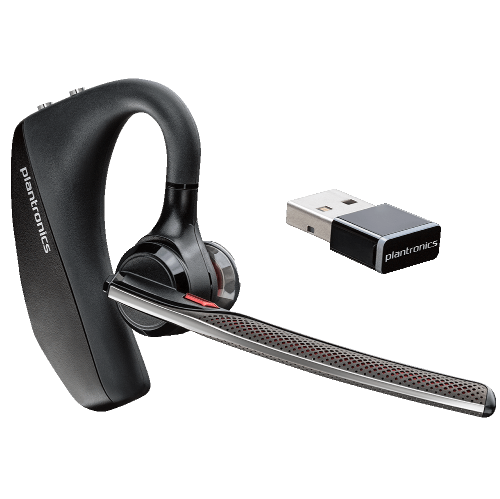
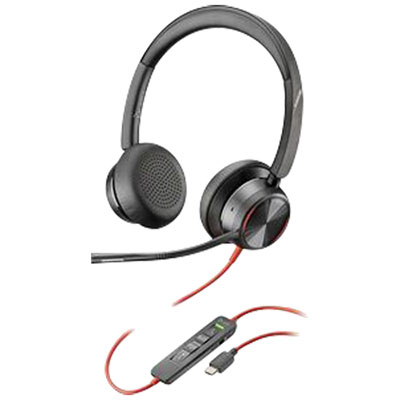
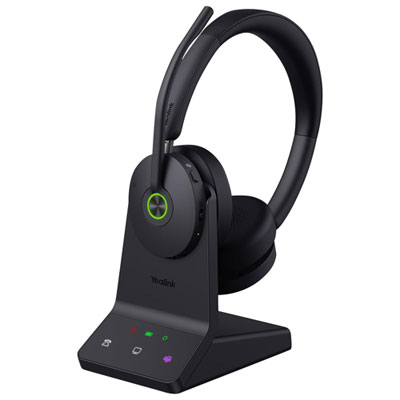
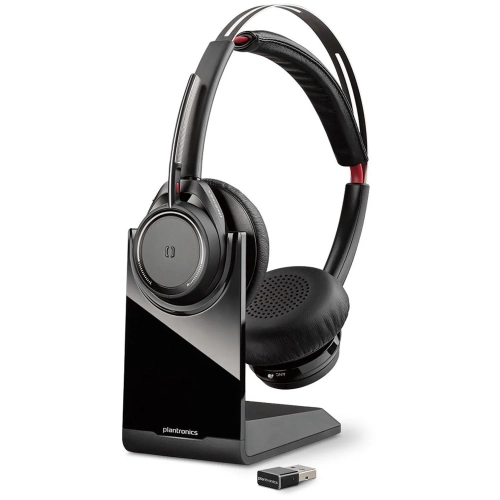
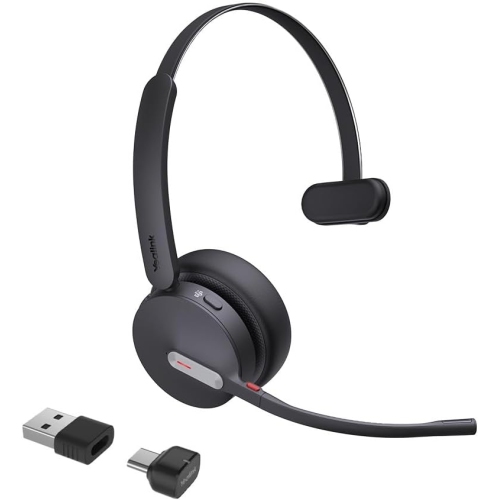
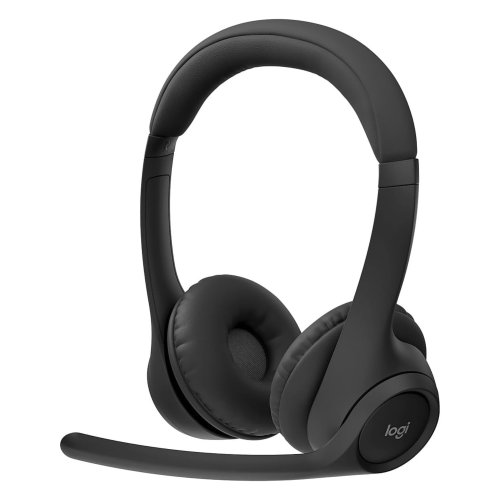
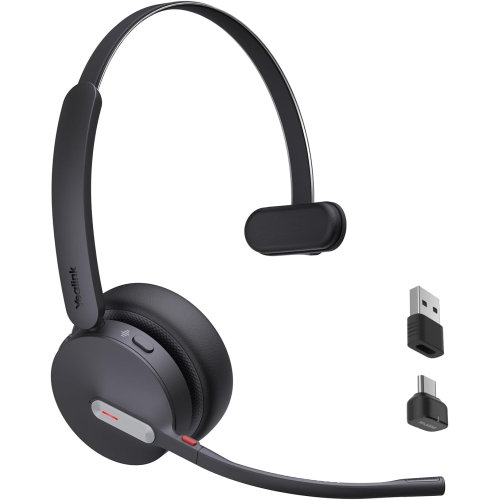
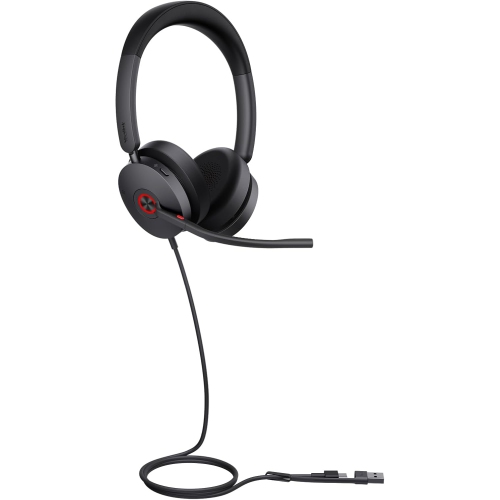
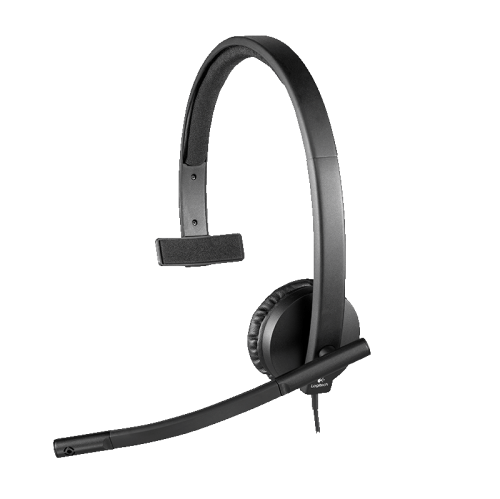
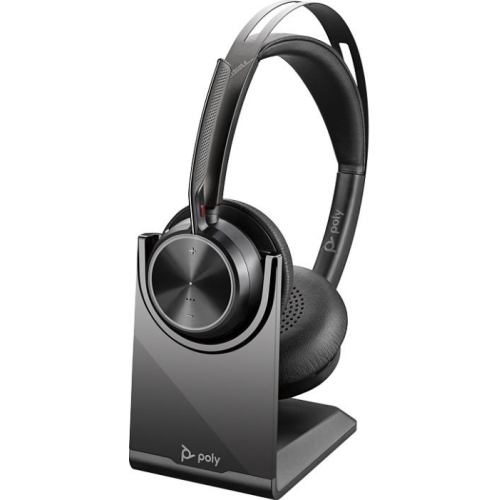
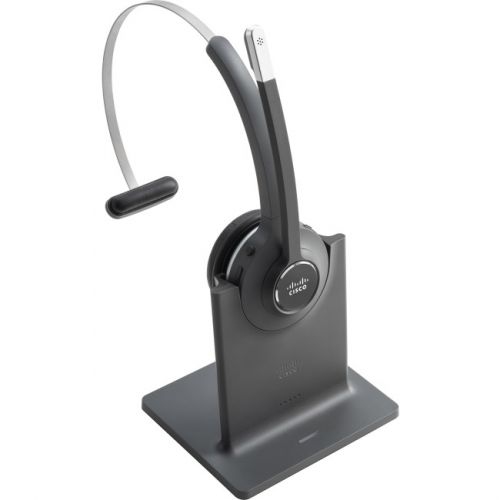
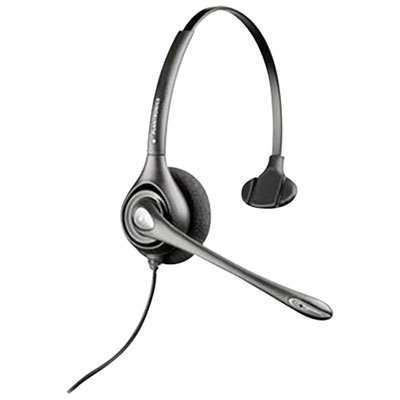
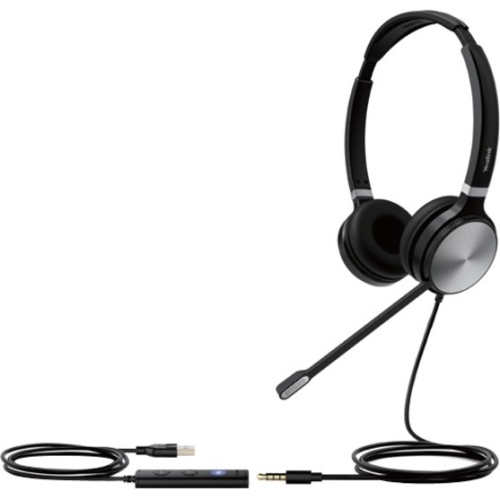
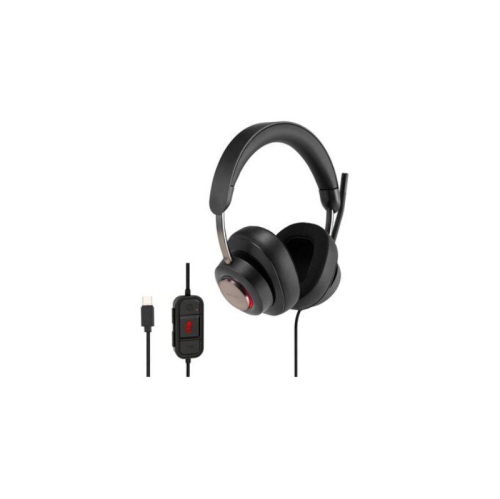
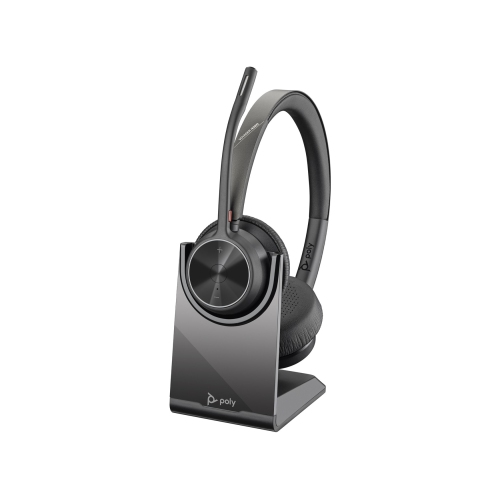
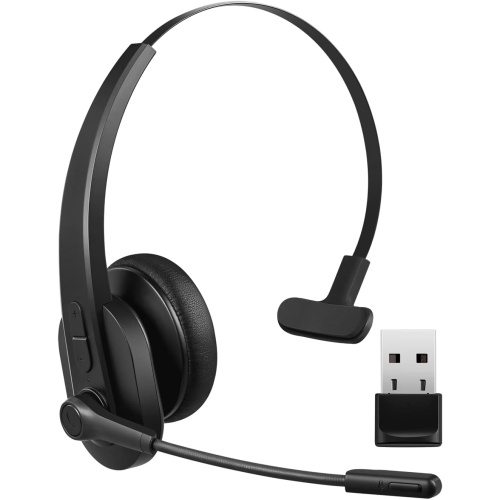
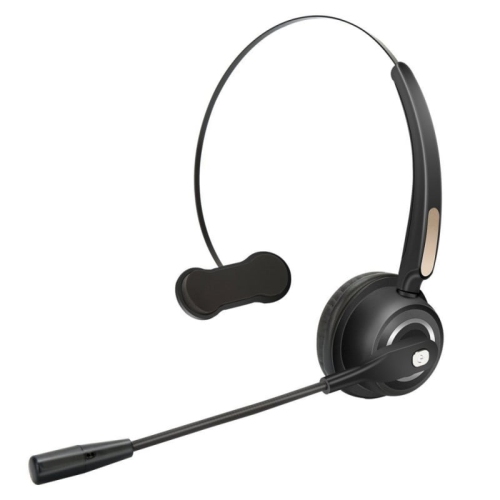
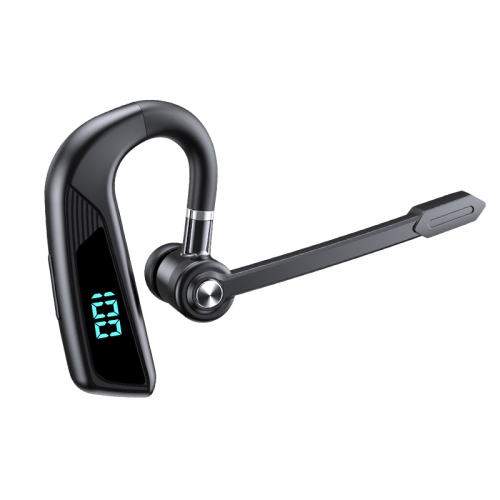
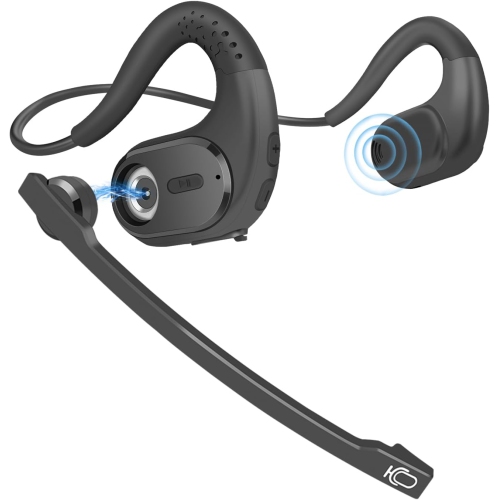
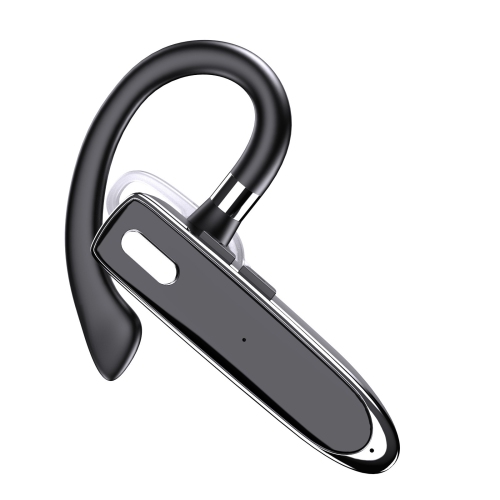
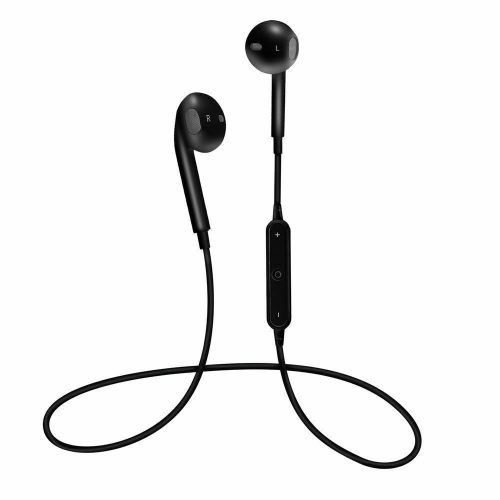
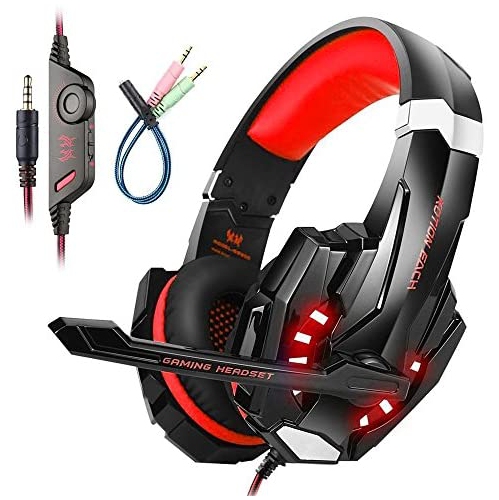
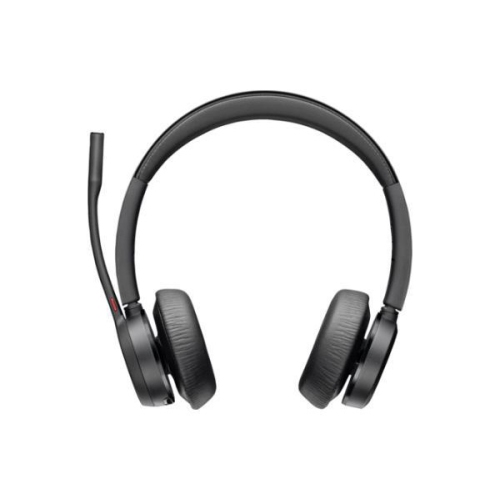
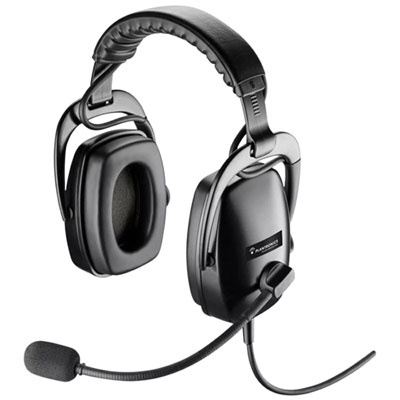
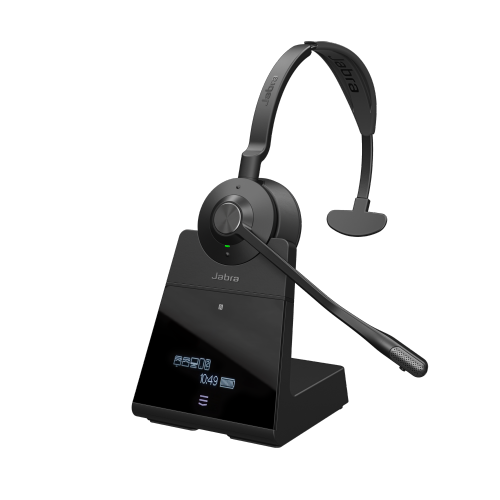
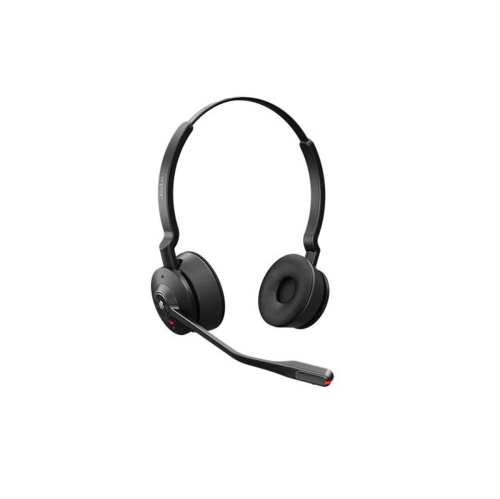
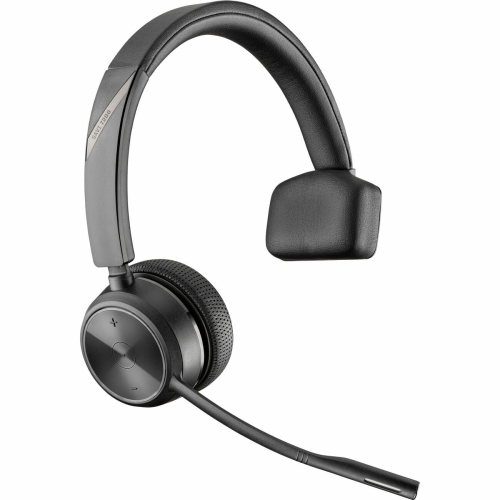
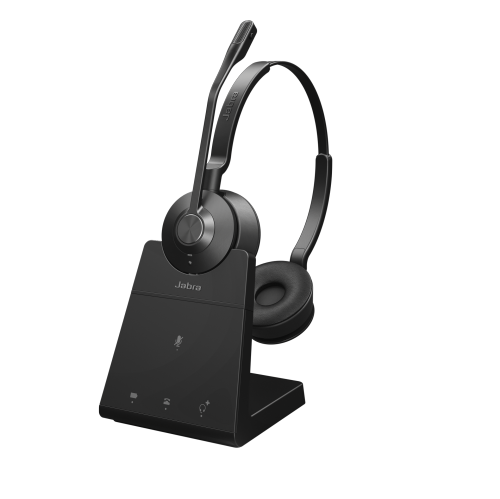
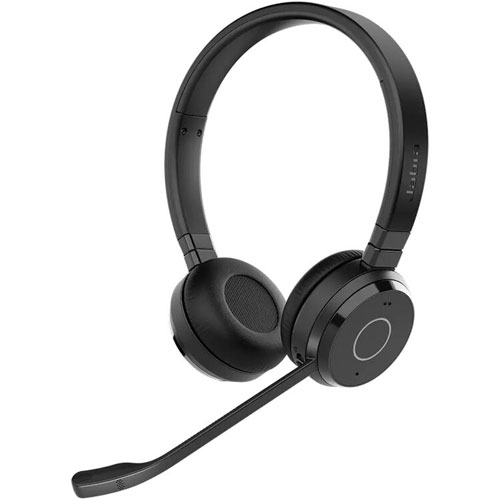
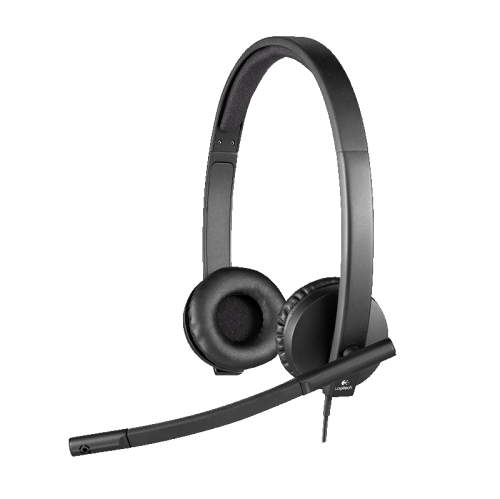
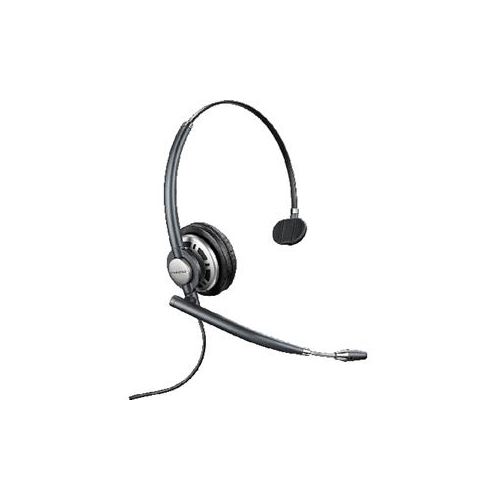
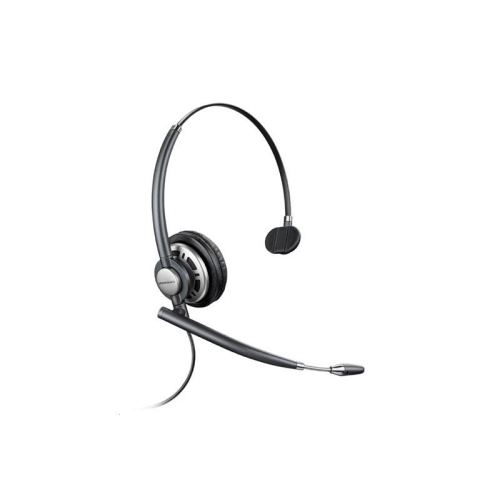
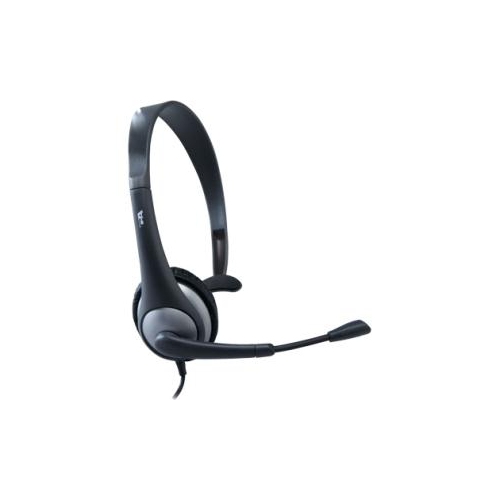
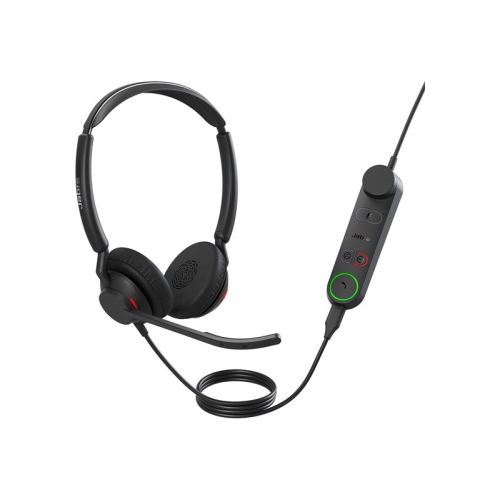
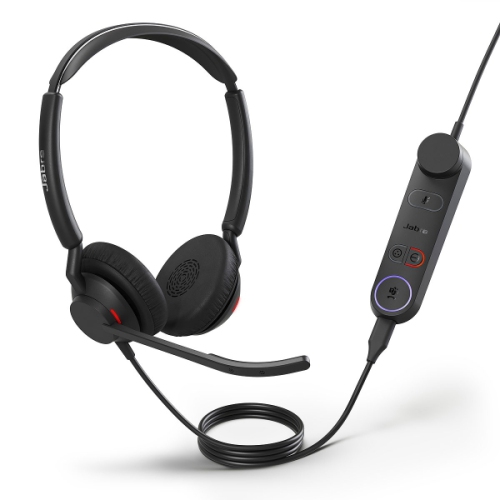
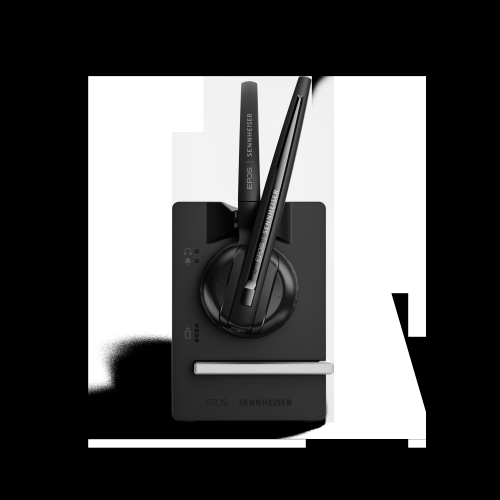
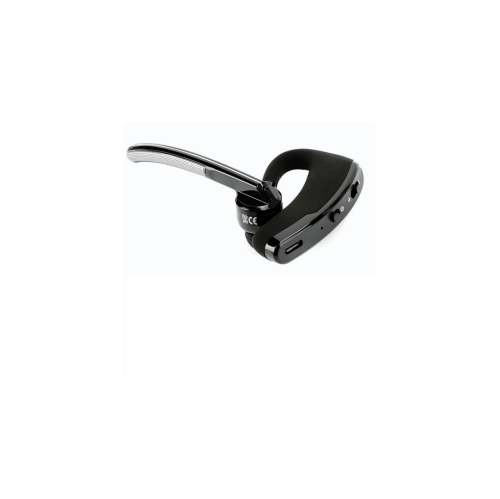
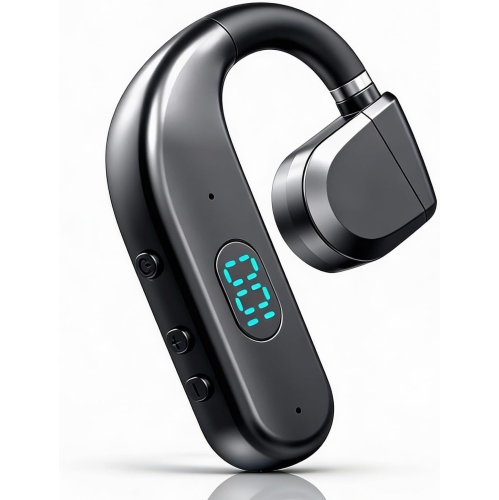
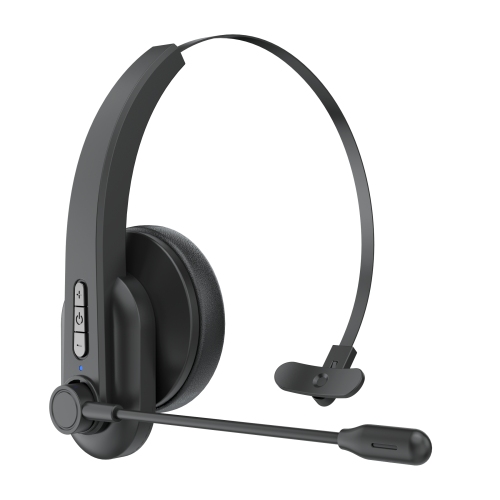
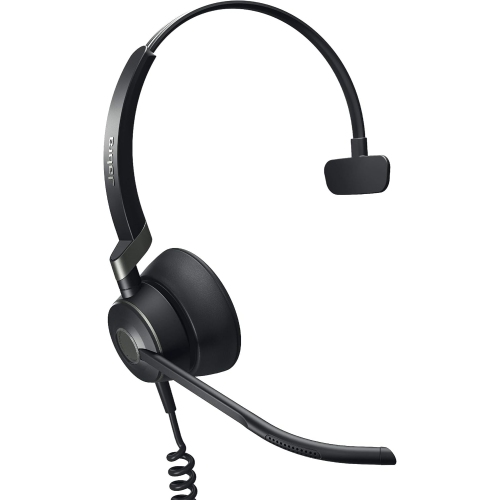
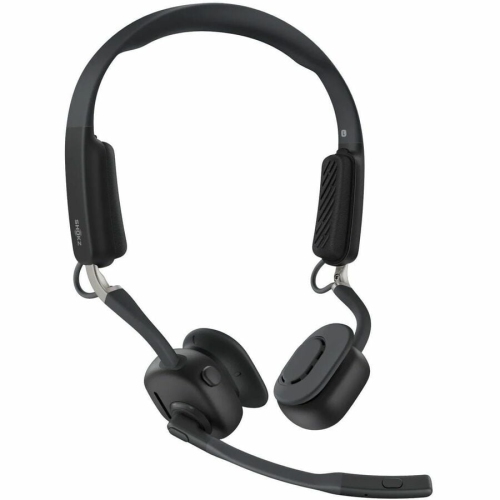
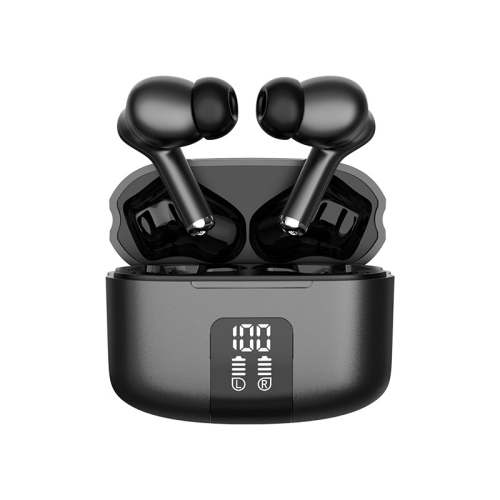
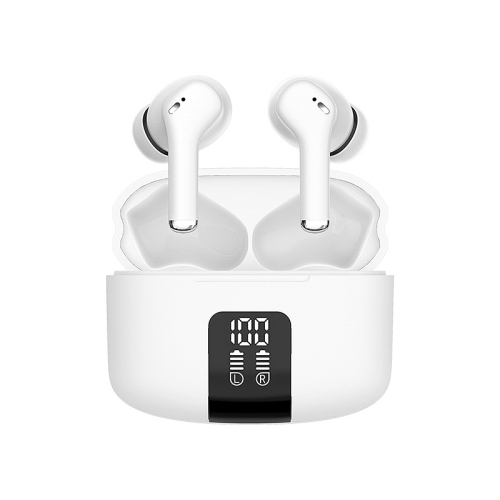
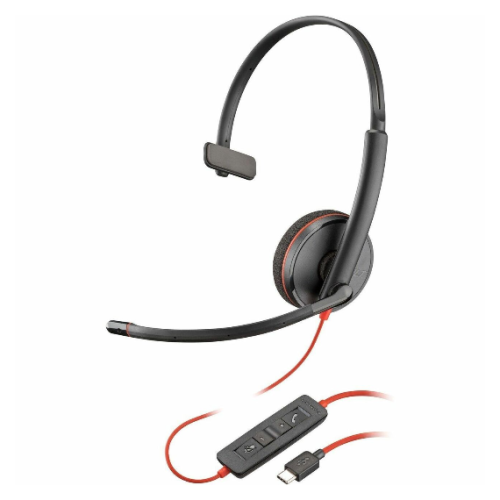
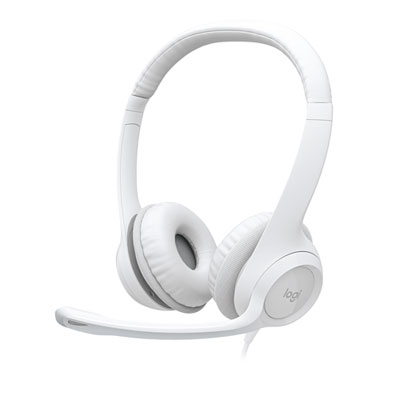
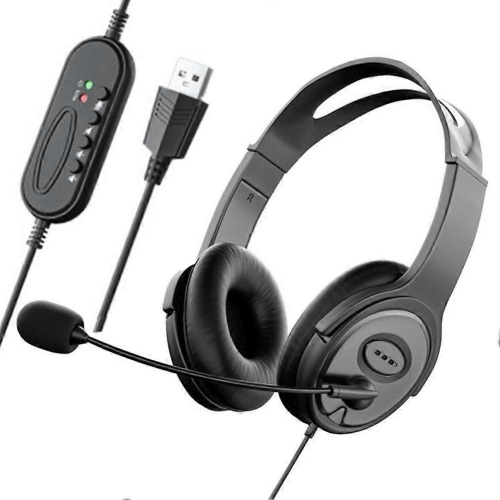
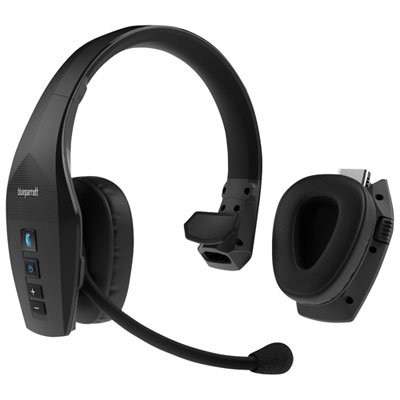
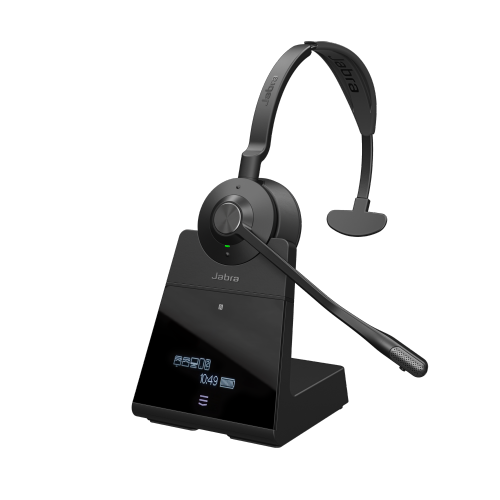
Cell phone headsets make everyday conversations easier to fit around the rest of the day, whether that means joining a meeting from a home office, speaking with family while folding laundry, or taking a call between appointments. A microphone close to the mouth and an earpiece that stays comfortably in place can make a noticeable difference during longer conversations. The category includes compact single-ear headsets, in-ear designs with microphones built into the earbuds or cable, and on-ear or over-ear styles with adjustable headbands. Each suits a different routine. A single-ear design leaves one ear uncovered, which may suit someone who needs to hear nearby conversation, although it does not replace attention to surrounding activity. Stereo headsets deliver sound to both ears and can serve double duty for calls, podcasts, and music. Wired connections offer a straightforward option without a headset battery to recharge, while wireless designs provide more freedom to move away from a phone within the supported connection range. Compatibility matters beyond whether a plug fits or a wireless connection pairs successfully. A phone’s connector, operating system, and support for microphone input and call controls can all affect how a headset works. USB-C and 3.5 mm connections are not interchangeable, and an adapter needs to support the functions required for the phone and headset combination. Bluetooth headsets can offer convenient cable-free calling, while models with multipoint support may connect to a phone and another compatible device at the same time. Switching behaviour varies, particularly when a call interrupts audio playing elsewhere. For someone moving between a laptop meeting and a mobile call, that distinction can be more useful than a long list of audio specifications. Easy-to-find answer, end-call, volume, and mute controls also help keep attention on the conversation rather than on a phone screen. Physical buttons can be particularly reassuring when a quick press is easier to locate by touch than a small touch-sensitive surface.

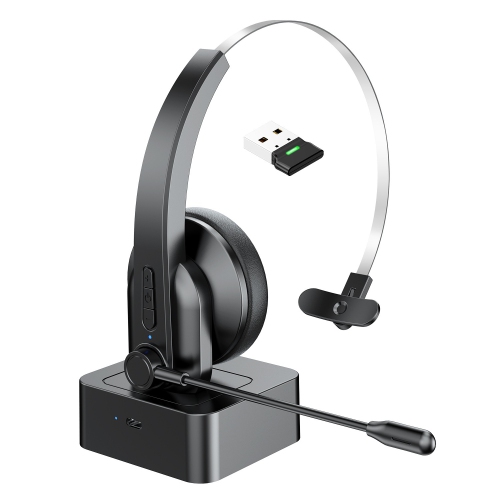
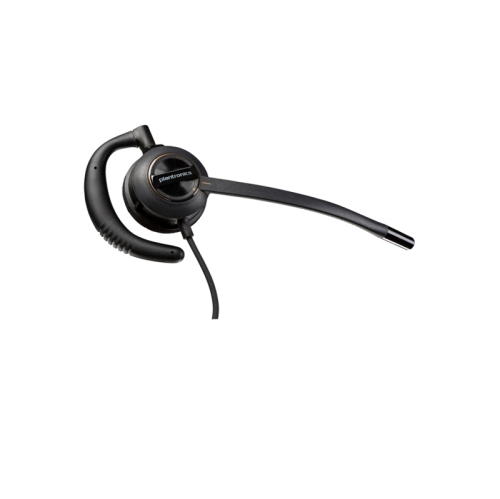
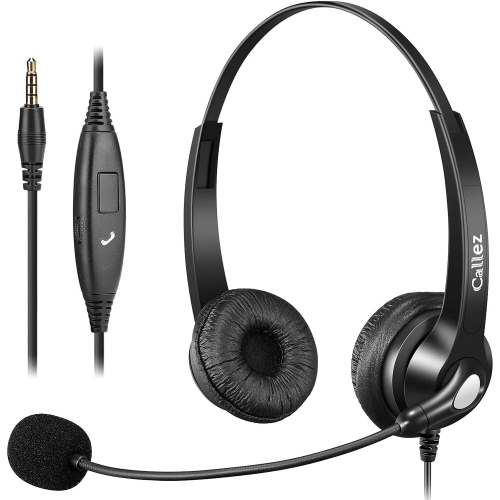
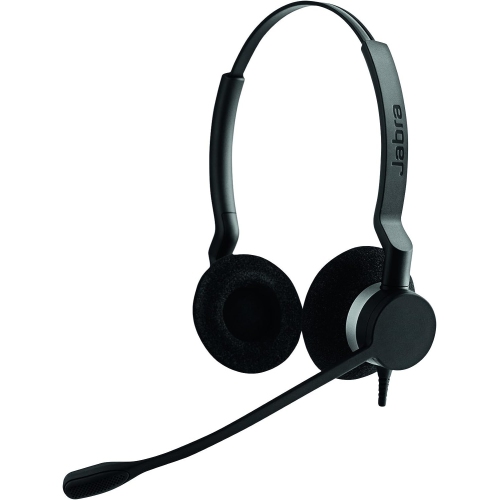
Comfort becomes especially important when a short check-in turns into an extended conversation. In-ear headsets often use silicone or foam tips, with different sizes helping the earpiece sit securely without excessive pressure. A proper seal can improve perceived sound quality and reduce the temptation to raise the volume, but a larger tip is not automatically a better fit. Ear shape varies, and each ear may need a different size. Ear hooks or stabilizing fins can add support for people who move around while talking, provided they do not rub against glasses or press uncomfortably behind the ear. On-ear and over-ear headsets distribute their weight differently, making headband adjustment, clamping pressure, and ear-cushion shape worth considering. Soft padding and breathable fabric can feel different from smooth synthetic coverings over a full afternoon of calls. Lightweight plastic helps keep weight down, while metal reinforcement at stress points may add strength; hinge construction and the way moving parts are joined matter as much as the material name. Microphone design deserves similar attention. A boom microphone places the pickup closer to the voice, and an adjustable arm can help position it consistently without resting directly in front of the breath. Built-in microphones keep a headset more compact, though performance can vary with placement and background sound. Microphone noise reduction is intended to make speech clearer to the person on the other end; active noise cancellation primarily reduces certain sounds heard by the wearer. Neither guarantees that a busy café or a room full of conversation will disappear from a call. Clear voice pickup, a dependable mute function, and comfortable listening levels are often more valuable for regular conversations than features intended mainly for music. For desk-based roles centred on repeated customer conversations, Call Center Headsets offer a related category, with connection compatibility still important when use includes a cell phone. A headset intended for a computer or desk phone should not be assumed to work with a mobile device without the appropriate supported connection.

Day-to-day convenience also depends on the details that become noticeable after several hours of use. Wireless battery specifications may list separate figures for talk time, listening time, and standby time, so the figure that matches the intended use is the most relevant. A charging case can extend use across several sessions, but its total capacity is different from the uninterrupted call time available from a single charge. Accessible charging ports, clear battery indicators, and a useful low-battery alert help avoid an unexpected interruption halfway through an appointment or family conversation. Wired headsets have their own practical details: a cable needs enough length to reach a phone comfortably without catching on drawer handles, and reinforced strain relief can help protect the points where the cable meets the plug or earpiece. Pulling from the connector rather than the cord and storing the cable in loose loops can reduce unnecessary wear. For either style, a protective pouch or case helps keep microphones, ear tips, and controls from rubbing against keys and other loose belongings in a bag. Regular care is usually simple, but it should suit the materials and the manufacturer’s directions. A soft cloth can remove surface dirt, while removable tips or cushions may have separate cleaning requirements. Moisture should be kept out of charging contacts, microphone openings, and connectors, and cleaned parts should dry fully before reassembly or charging. Any stated water-resistance rating has limits and should not be treated as permission to rinse or immerse a headset. Replaceable ear tips and cushions can help maintain comfort as contact surfaces wear. These practical qualities also make cell phone headsets a thoughtful gift for a student coordinating group projects, a relative who enjoys long catch-ups, or someone whose workday includes frequent mobile calls. Matching the connection type, wearing style, and controls to that person’s routine matters more than choosing the most elaborate design. The best fit is a headset that makes speech easy to follow, remains comfortable through a typical conversation, and feels simple enough to use every day.
Read More

FAQ

Some products may be subject to Environmental Handling Fees (EHF) depending on your province. Learn more about EHFs.