3D Phone Cases
Elevate your smartphone experience with 3D phone cases that blend style and protection seamlessly. These innovative cases transform your device into a canvas of creativity, offering unique textures and designs that stand out from the ordinary. Whether you're looking to express your personality or add an extra layer of durability, 3D phone cases provide an eye-catching solution that complements any lifestyle. Explore a variety of vibrant colors and intricate patterns, ensuring your phone not only stays safe but also becomes a true reflection of you.
Sort


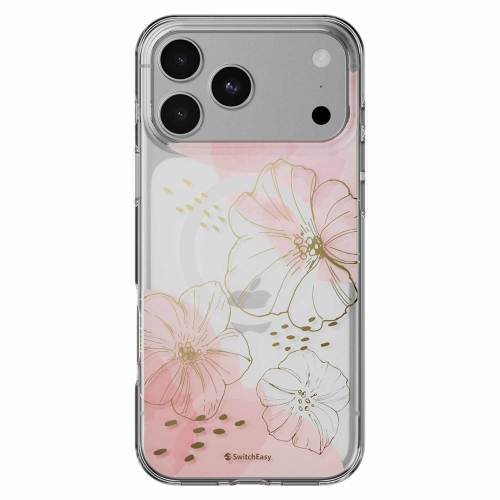
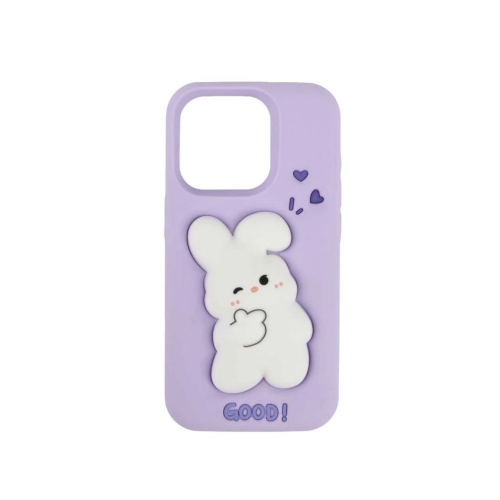
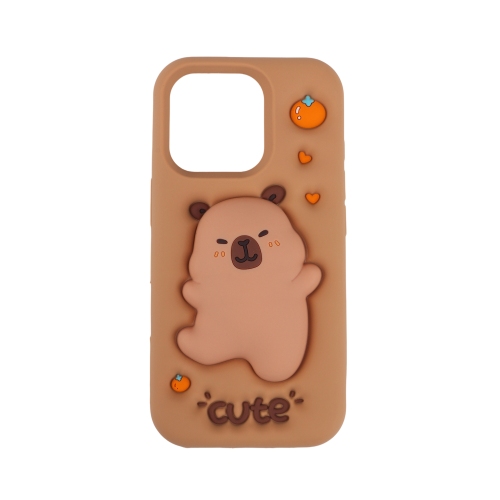
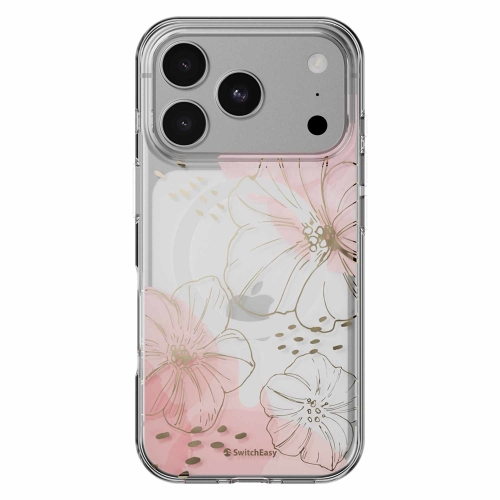


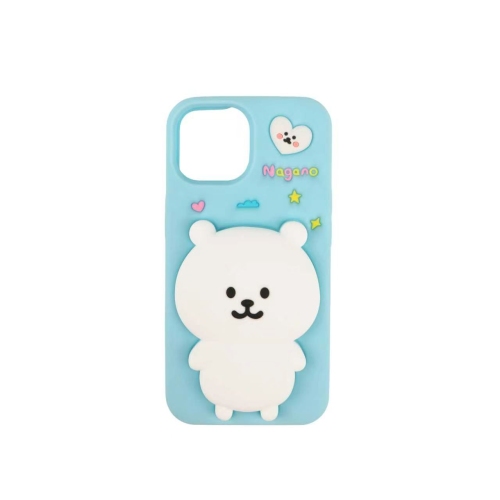


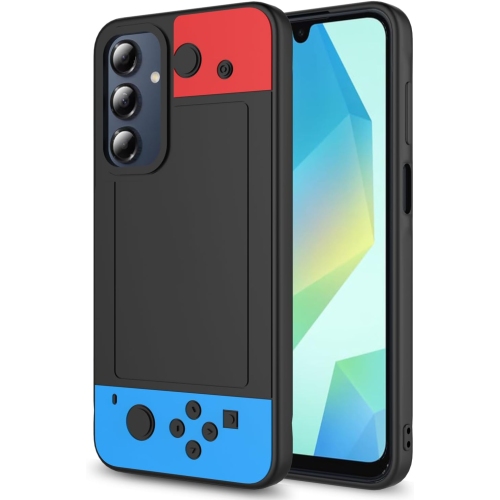


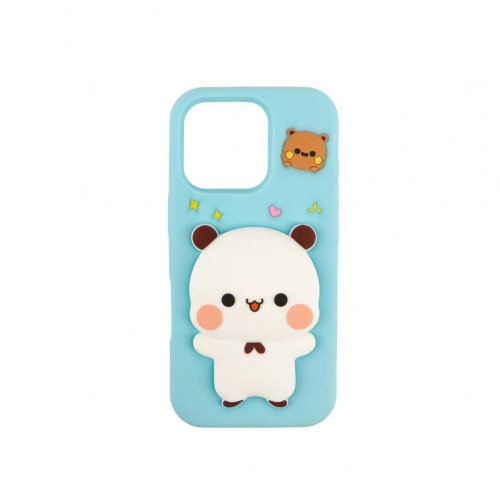


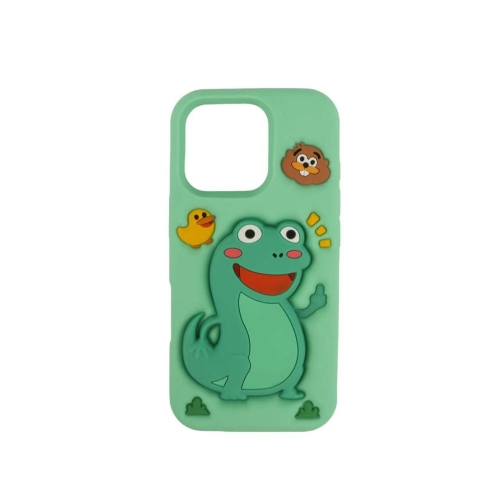

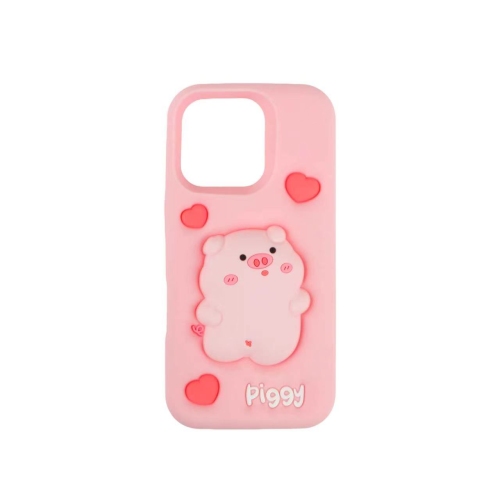


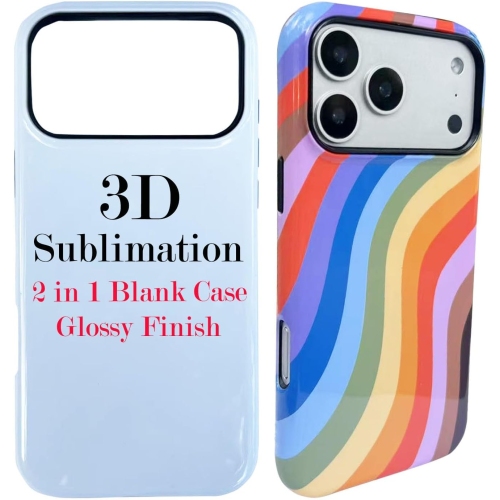
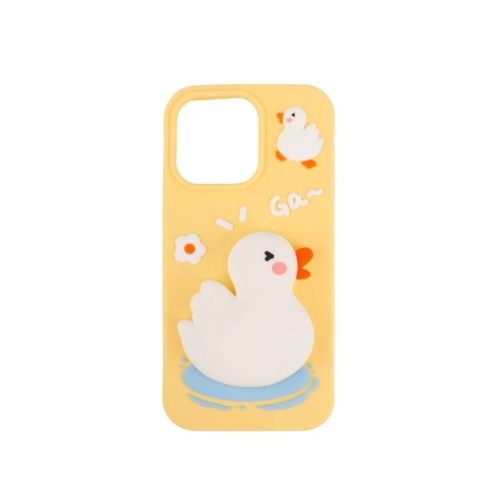
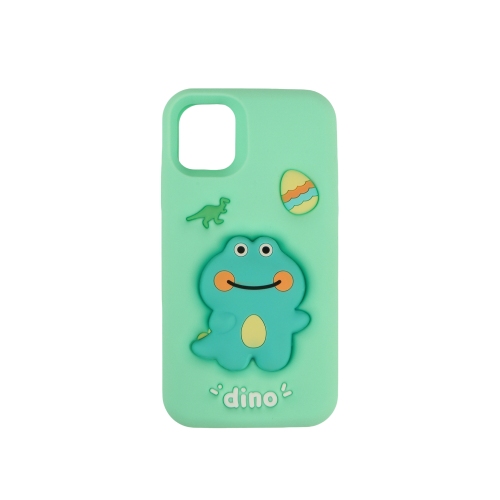


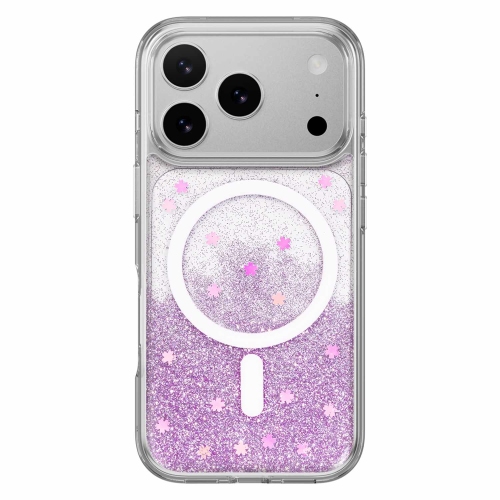


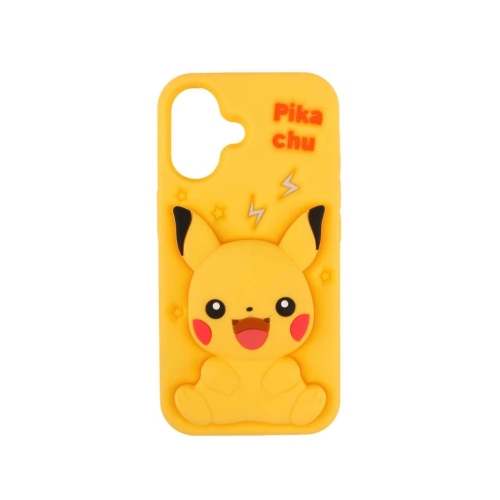

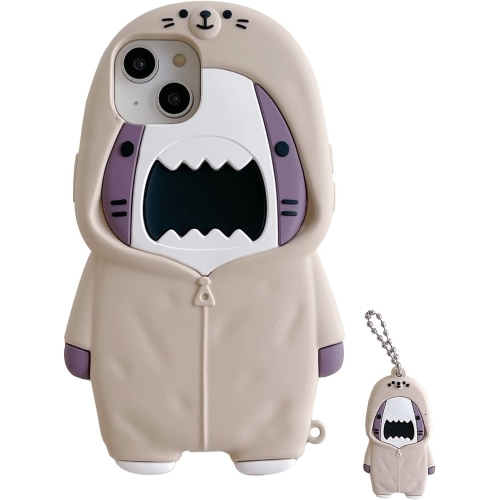


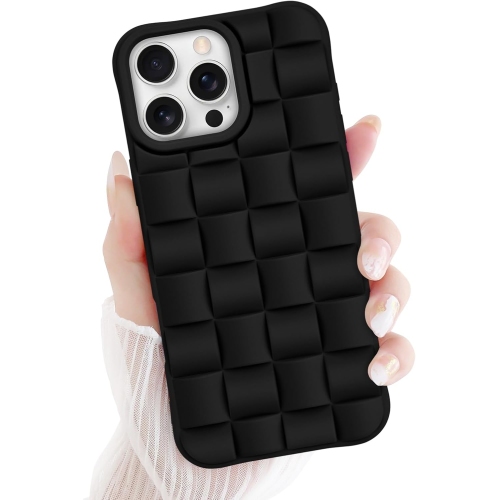


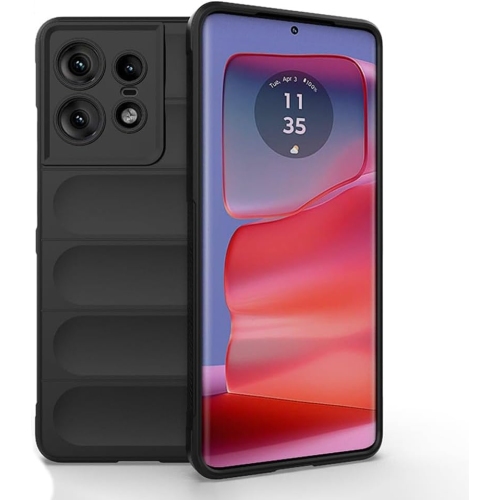


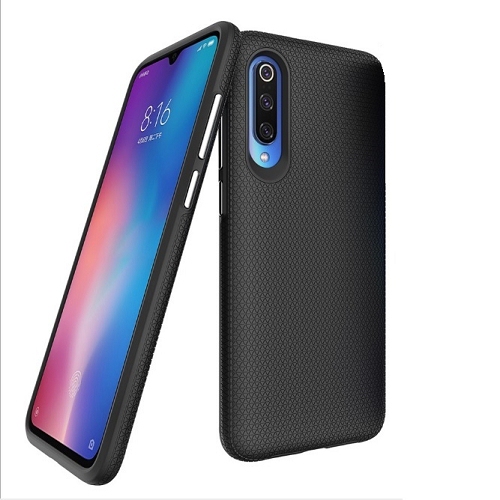


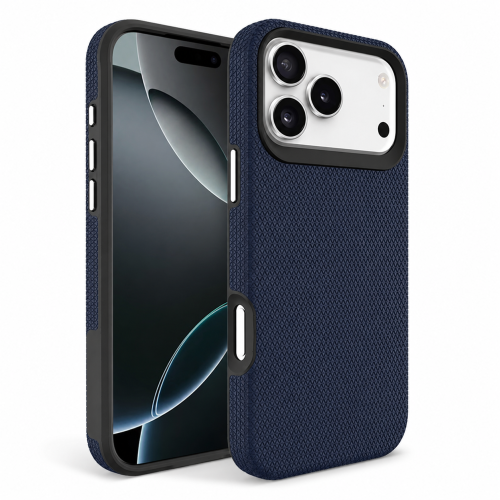

Raised designs that feel as distinctive as they look
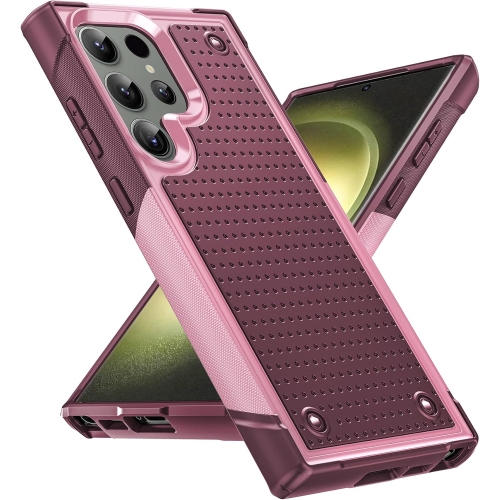
3D phone cases are phone covers with raised, three-dimensional details, such as sculpted shapes, embossed patterns, or tactile surfaces, rather than a design that is only printed flat. The term can also refer to cases made through 3D printing, although a case with a dimensional appearance is not necessarily manufactured that way. Some styles add subtle ridges or geometric lines to a slim shell; others turn the back of a phone into a more expressive accessory with rounded forms, playful shapes, or layered details. That variety makes the category appealing to people who want their phone to feel distinctive in the hand as well as look different on a desk. Materials contribute just as much to the experience as the design. Silicone can have a soft, flexible feel, while thermoplastic polyurethane, often called TPU, combines flexibility with a firmer structure. Rigid plastic shells can support sharply defined shapes, and some constructions pair a harder back with a flexible border. None of these materials alone establishes how well a case will protect a phone: thickness, corner construction, fit, and any documented testing also matter. A deeply sculpted back may feel cushioned without providing the same protection around the screen or camera. Surface finishes vary, too. Smooth, rounded details can feel comfortable against the palm, while fine grooves create a different tactile impression. For designs where surface texture is the main feature, Textured Phone Cases offer another way to explore raised patterns without necessarily adding a large sculpted shape. Colour and finish influence how noticeable those details become: a single-colour design draws attention to shadows and contours, while contrasting colours make individual shapes stand out. The overall effect can be understated, graphic, or deliberately playful, depending on the depth and placement of the details.
Fit is especially important with 3D phone cases because the outer shape can distract from the precise dimensions underneath. Compatibility depends on the exact phone model, not simply a similar screen size or a shared product family. Differences in camera placement, side buttons, microphone openings, and charging ports can prevent an otherwise similar-looking case from fitting correctly. A properly fitted case should sit securely around the device without pressing buttons unintentionally or leaving an edge loose. Raised borders around the screen and camera lenses may help keep those surfaces from touching a flat tabletop, but their effectiveness depends on their height and the shape of the surface beneath them. An oversized back detail can also change how a phone rests: it may rock during typing or sit at an angle instead of lying flat. That can be a small inconvenience for someone who answers messages with the phone on a desk, yet hardly noticeable for someone who usually holds it. Grip is similarly personal. A broad sculpted detail may give fingers somewhere to rest, while a protrusion near the lower edge could interfere with one-handed typing. Pocket space matters as well, particularly when a phone needs to slide easily into fitted clothing or a small bag compartment. Charging and mounting accessories add another consideration. A thick or uneven back can interfere with wireless charging, and compatibility should be confirmed rather than assumed from the case material. Magnetic attachment requires suitable construction and alignment; a raised design alone does not provide it. Car mounts, phone stands, and controller grips may also need a flat contact area or enough clearance around the edges. Cable access deserves attention, too, since a narrow port opening may accommodate one connector but not another with a wider housing. These practical details determine whether a bold design feels effortless throughout the day or needs to be removed whenever the phone is charged, mounted, or placed in a stand.
The most suitable 3D phone case balances its visual character with the way the phone is handled and carried. Someone who uses a phone mainly for calls, messages, and photos may enjoy a prominent sculpted design, while a frequent mobile gamer may prefer details that stay clear of the fingers during a two-handed grip. For a student, commuter, or anyone moving between bags and desks, securely attached details and manageable dimensions can matter more than an elaborate silhouette. As a gift, a dimensional case can reflect a recipient’s favourite colours or playful sense of style, provided the exact phone model and preferred level of bulk are known. It is a personal accessory that gets handled repeatedly, so comfort matters beyond the first impression. Care generally centres on keeping raised details, corners, and openings free of dirt. Grooves can collect lint from pockets, and pale or matte surfaces may show marks more readily than darker, smoother finishes. Cleaning should follow the case manufacturer’s directions, with the phone removed before any washing that is permitted for the case itself. A soft cloth can reach broad surfaces, while a soft brush may help loosen dry debris from shallow recesses without scraping the finish. Solvents, abrasive cleaners, and forceful scrubbing can damage coatings or decorative details, so stronger cleaning is not automatically better. The phone and case should both be dry before they are put back together. Occasional removal also makes it easier to notice grit trapped against the device, stretched edges, cracks, or separation around attached shapes. Raised elements that repeatedly catch on bag linings or pocket seams may wear differently from the main shell. No case makes a phone damage-proof, but a secure fit, comfortable shape, and care suited to the material can help a distinctive design remain a practical everyday accessory.
Top selling and popular products
-
 Your price for this item is $82.99
-
 Your price for this item is $52.99
-
 Your price for this item is $47.25
-
 Your price for this item is $47.25
-
 Your price for this item is $75
-
 Your price for this item is $18.24
-
 Your price for this item is $14.99
-
 Your price for this item is $48.75
Discover more categories related to 3D Phone Cases

Top Collections:
Pokemon Centers, Kindle Devices, Best Cameras for Sports Photography, Pokémon 30th Celebration Cards, Apple iPhones 16, Canon G7X Cameras, iPhone 15 Apple, Flip Phones, Samsung Galaxy Phones, Alarm Clock
Some products may be subject to Environmental Handling Fees
(EHF) depending on your province.
Learn more about EHFs.