Fast Chargers
Looking to supercharge your device's battery life in no time? Look no further than our collection of fast chargers. These powerful accessories are designed to deliver lightning-fast charging speeds, ensuring that you spend less time waiting and more time enjoying your favorite devices. Whether you're a busy professional who needs a quick power boost on the go or a tech-savvy individual who wants to optimize their charging experience, our fast chargers are here to make your life easier. With a wide variety of options available, you'll find the perfect fast charger to suit your needs and keep you powered up throughout the day.
Sort
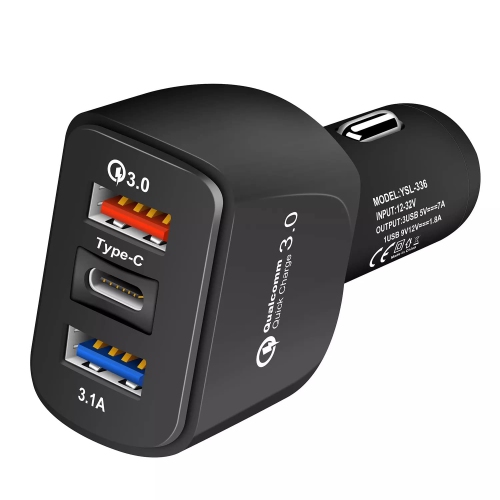
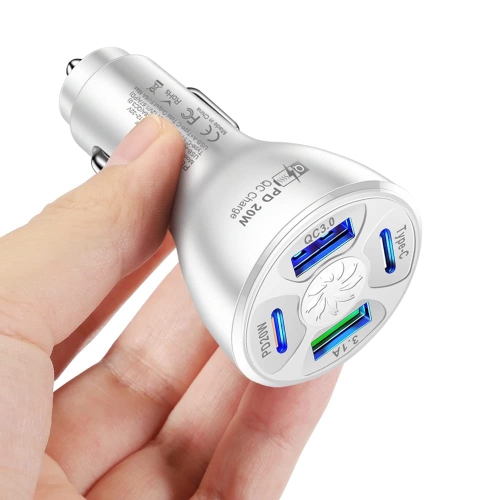
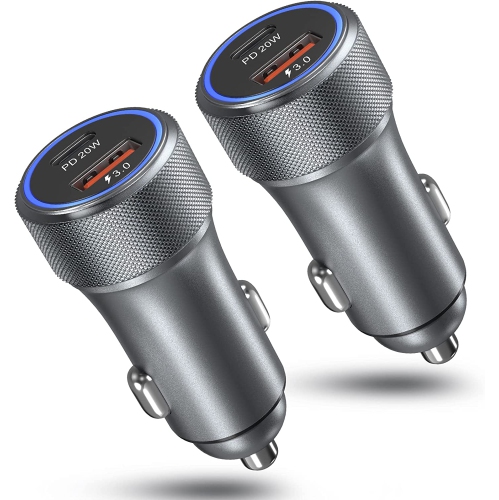
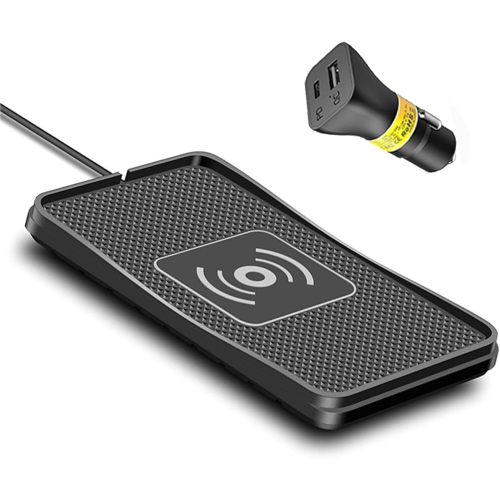
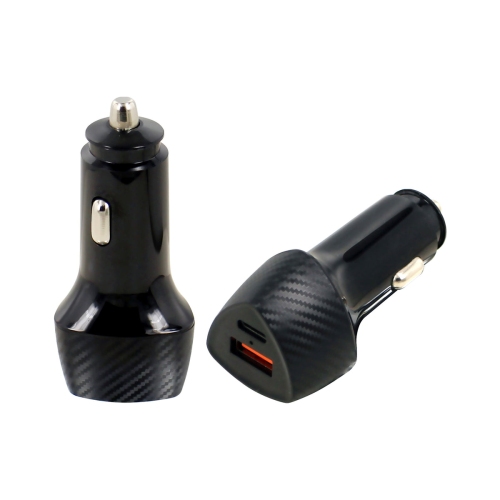
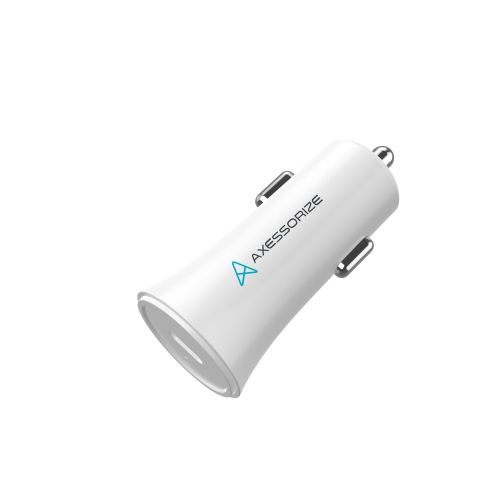
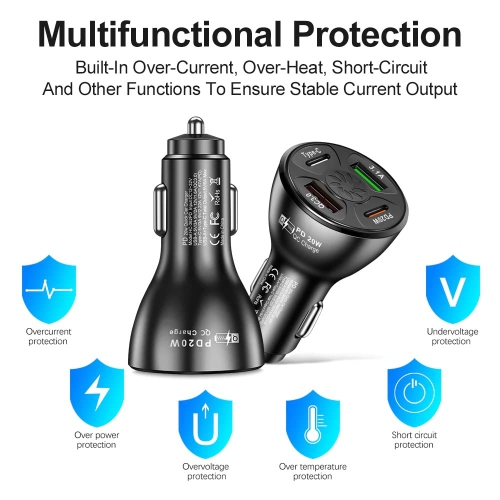
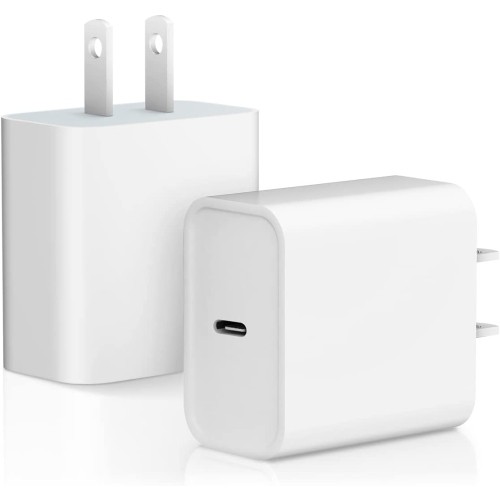
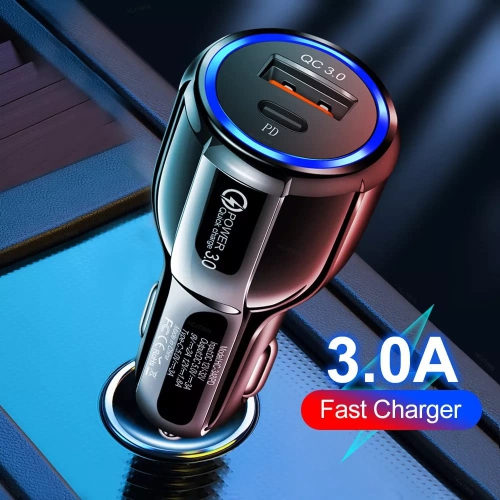
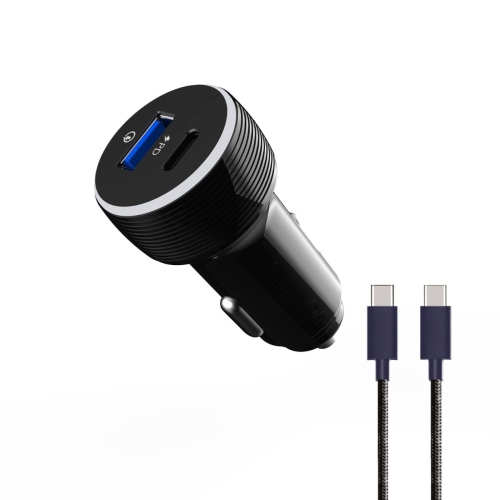
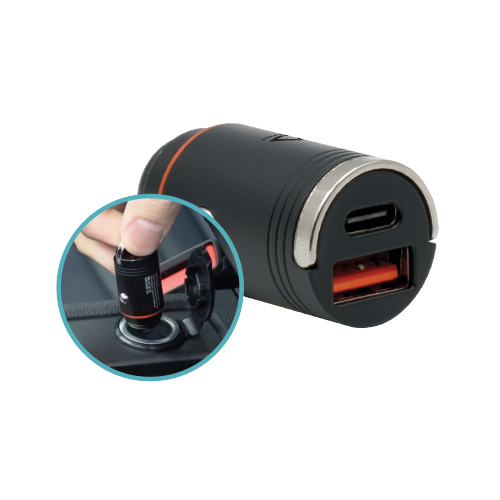
![LDAS ELECTRONICS 2-Pack USB C Car Charger Fast Charge, 48W Car Cigarette Lighter USB Charger[Mini&metal], Lisen USBc Fast Car Charger Adapter I also love the fact that the body is not plastic; it is metal](https://multimedia.bbycastatic.ca/multimedia/products/500x500/170/17078/17078130.png)
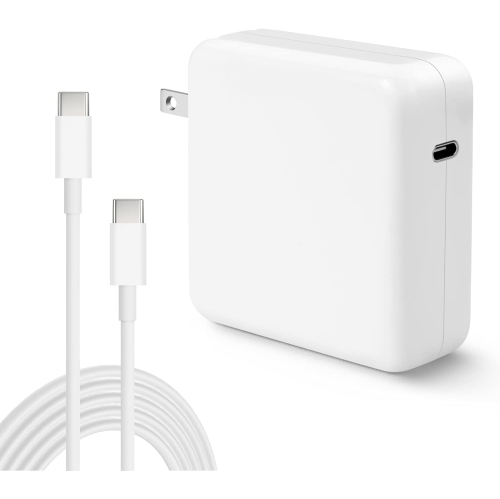

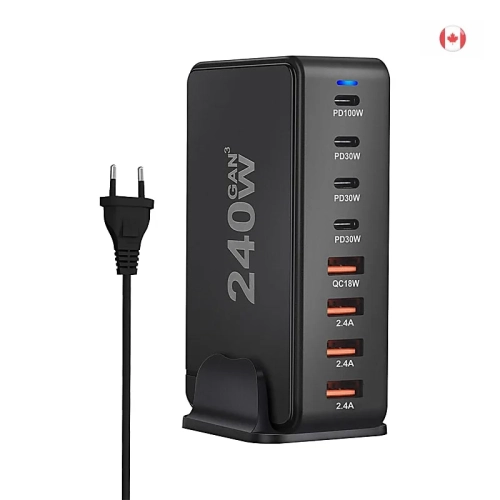
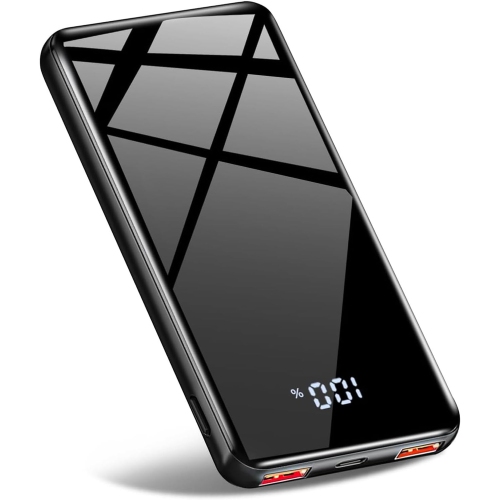
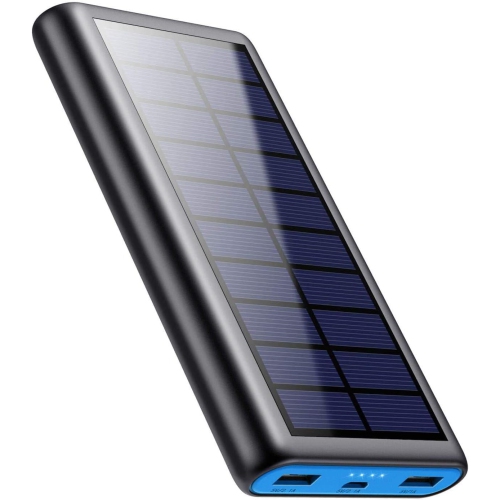
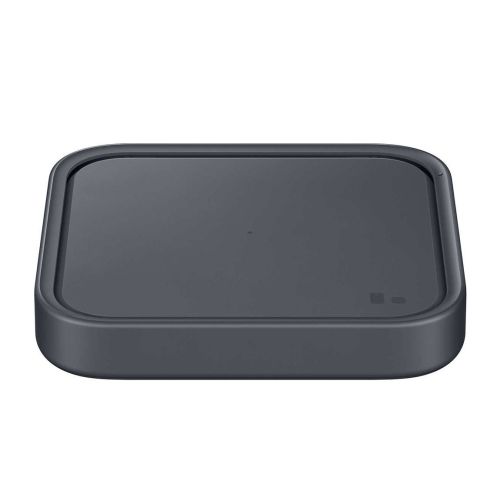
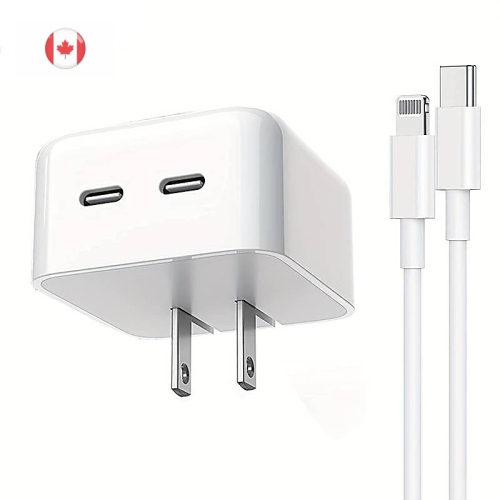
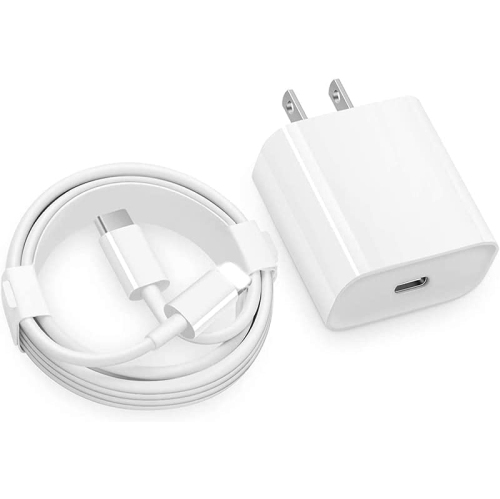
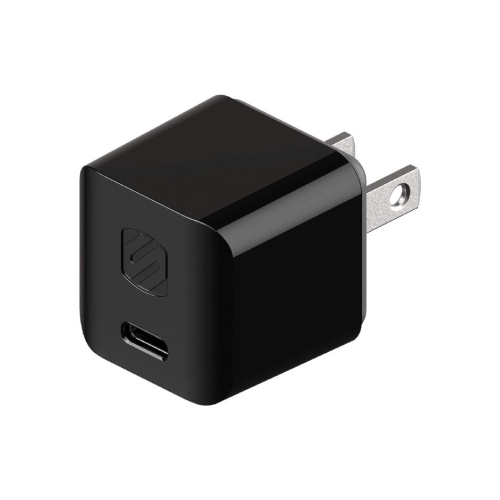
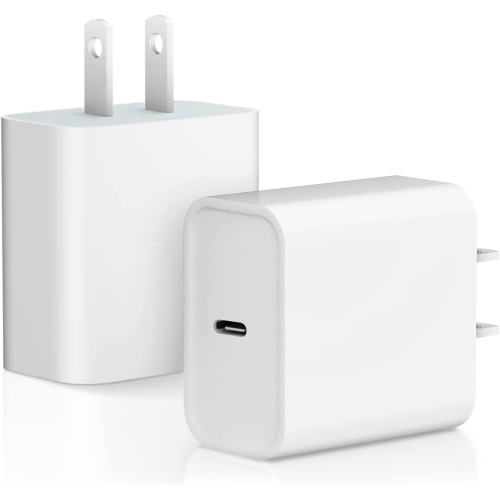
![GENER Iphone Fast Charger [Apple Mfi Certified] 20W Pd USB C Wall Charger Block w 6Ft USB C to Lightning Cable & Apple Charger for Iphone](https://multimedia.bbycastatic.ca/multimedia/products/500x500/175/17540/17540653.webp)
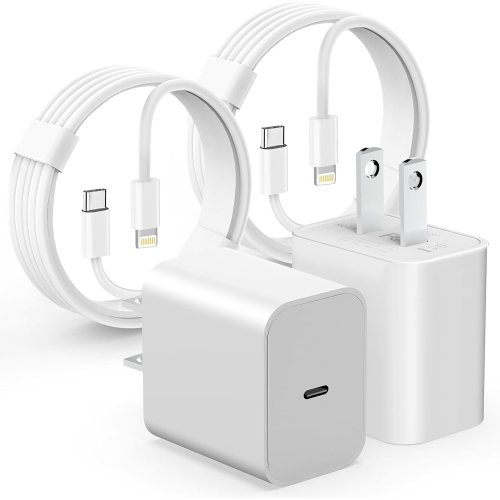
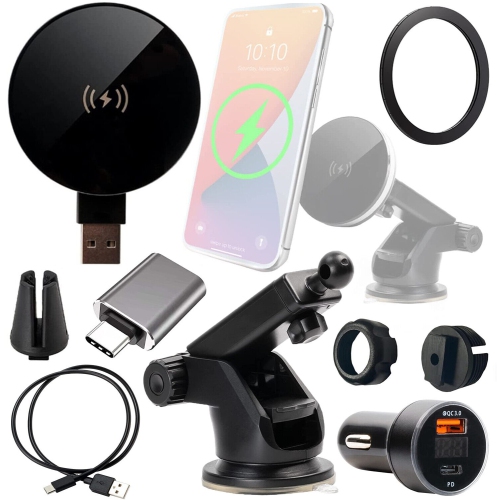
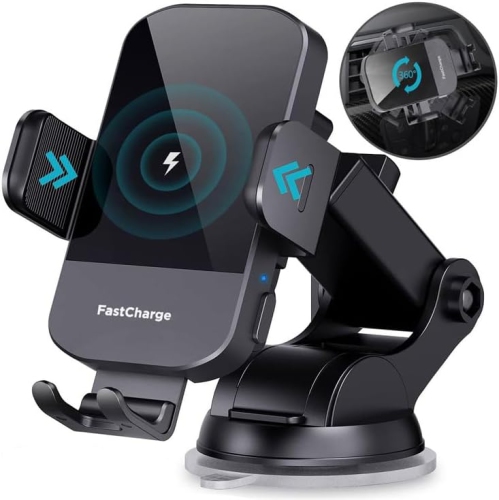
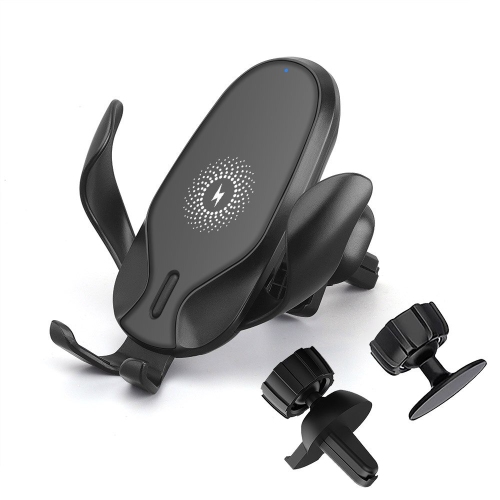
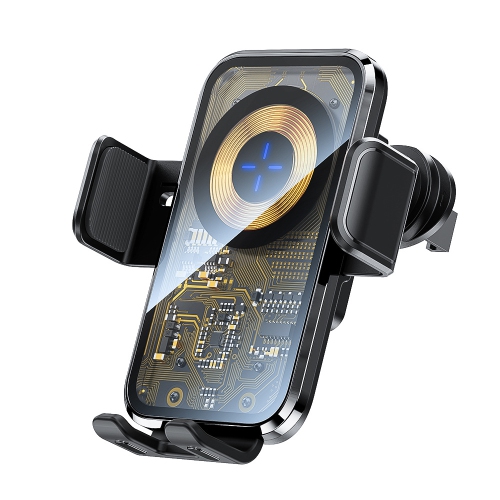
![YOULIGHTS Magsafe Car Mount Charger, [All-Metal] 15W Fast Magsafe Car Charger, Hands Free Magnetic Phone Charger Holder Dashboard for Iphone In Black](https://multimedia.bbycastatic.ca/multimedia/products/500x500/191/19199/19199260.jpeg)
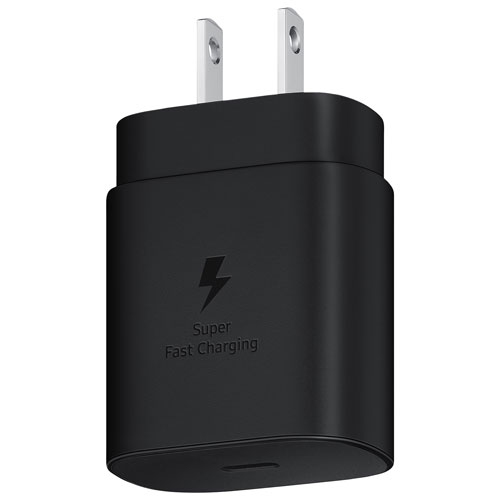
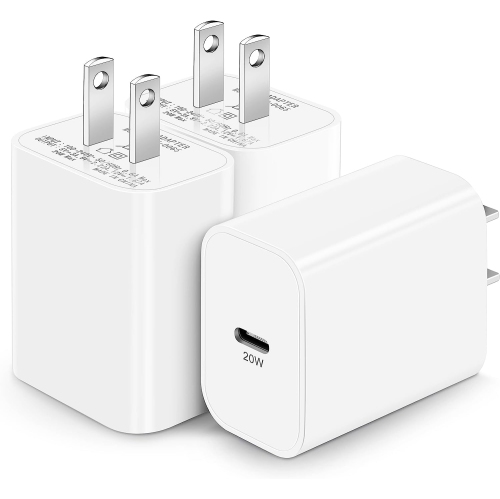
![IGENJUN 4Pack [Apple Mfi ] Iphone Fast Charger, 20W USB C Charger Wall Charger Block w Pd 3.0, Compact USB C Power Adapter for Iphone 14/14 Pro](https://multimedia.bbycastatic.ca/multimedia/products/500x500/173/17351/17351185.jpeg)
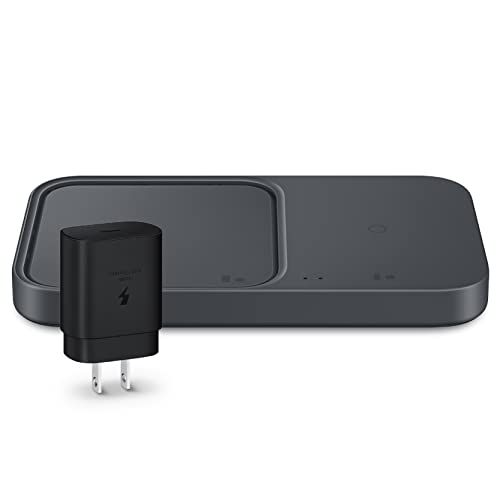
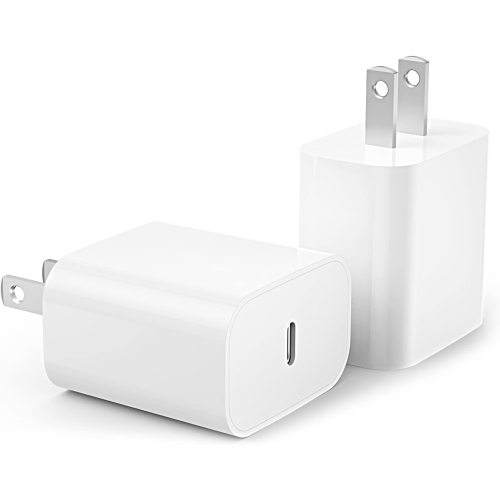
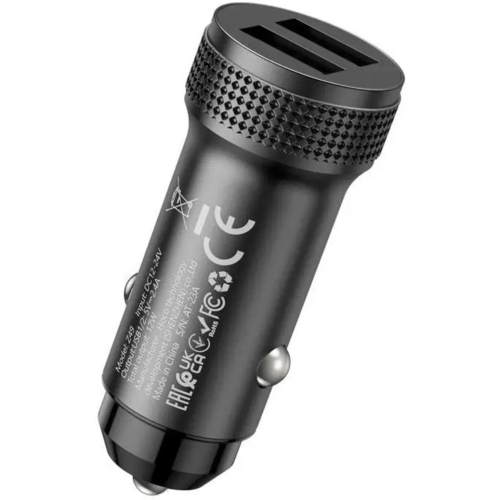
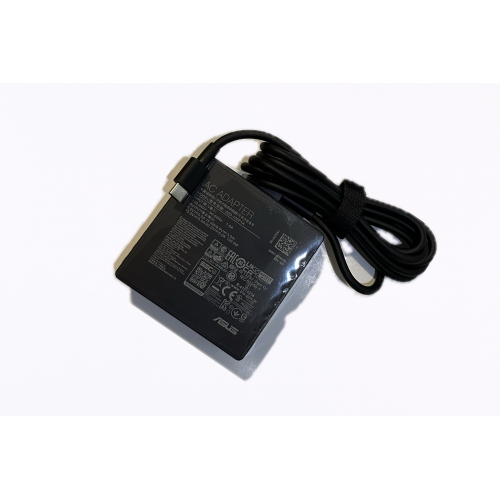
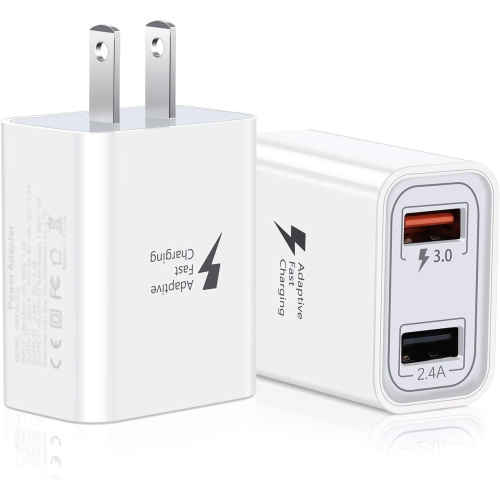

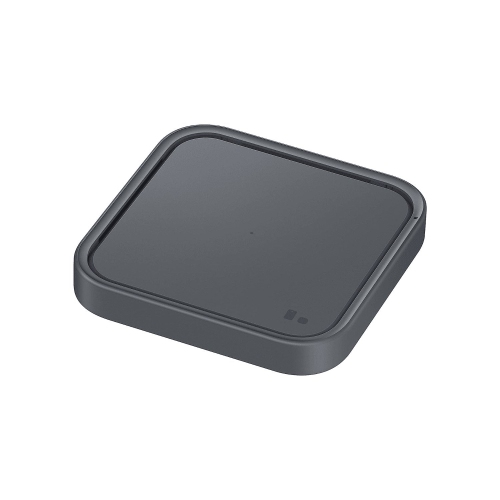
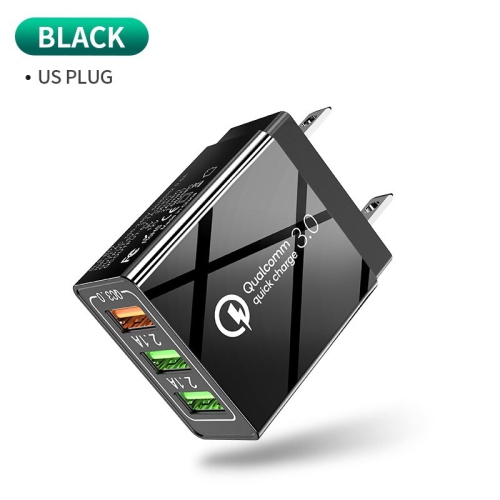
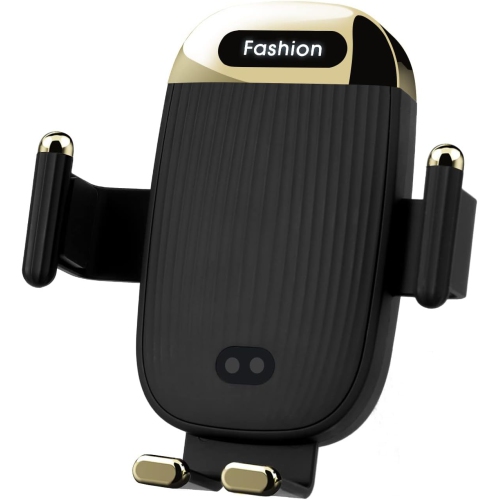

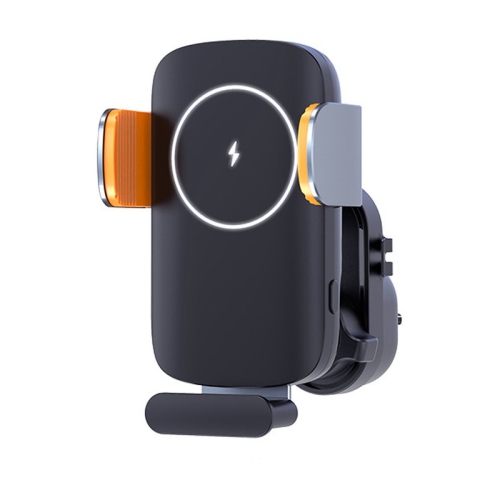
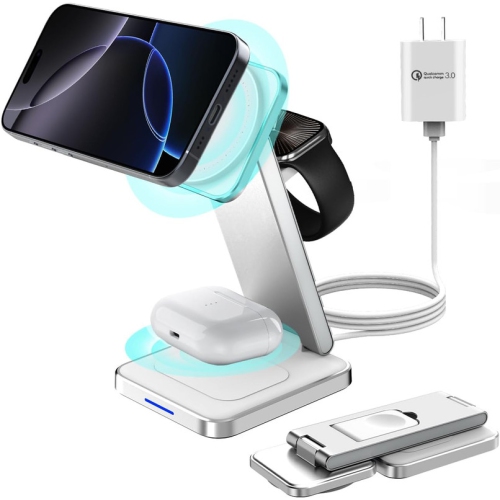
![UNKNOWN 2 Pack USB C Fast Charger, Type C Fast Charging Charger Adapter With [Apple Mfi Certified] USB C to Lightning Cable 3](https://multimedia.bbycastatic.ca/multimedia/products/500x500/181/18144/18144686.jpeg)
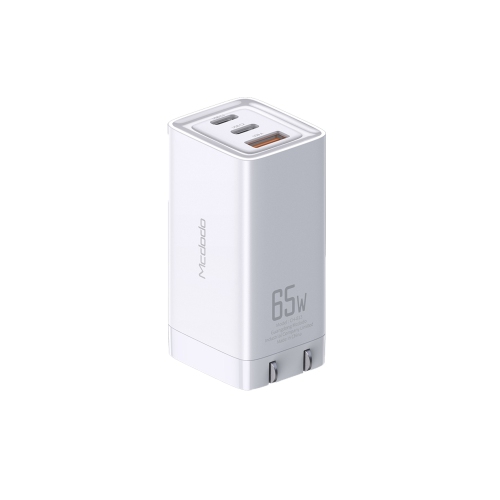
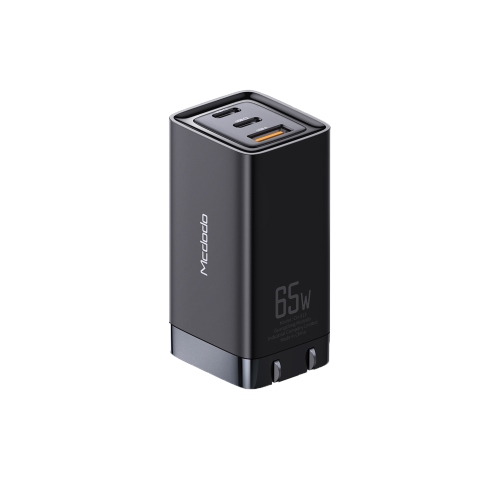
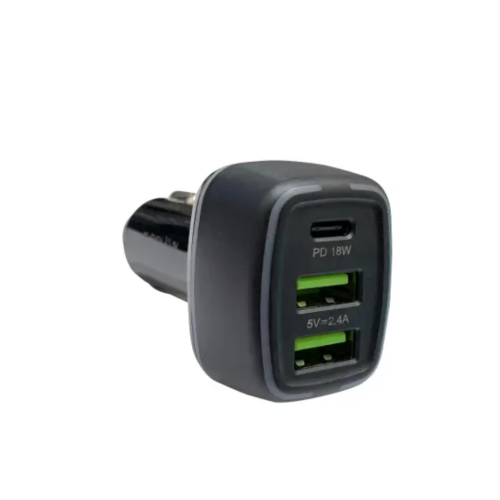
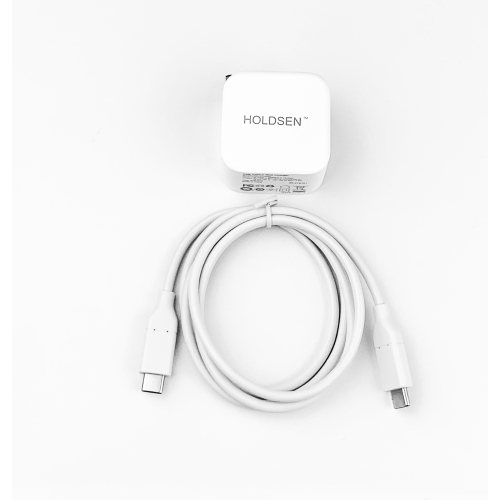
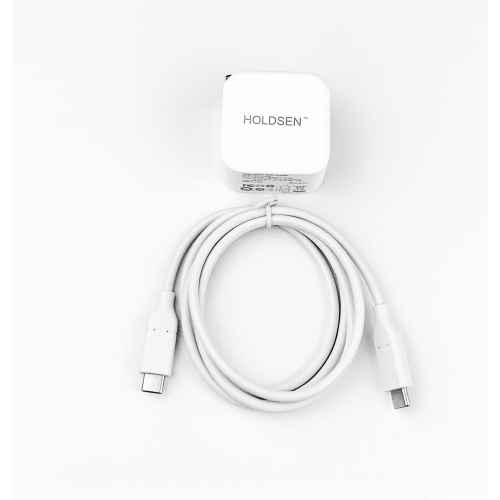
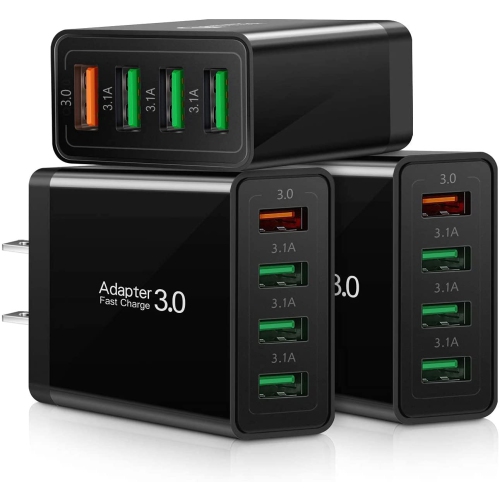
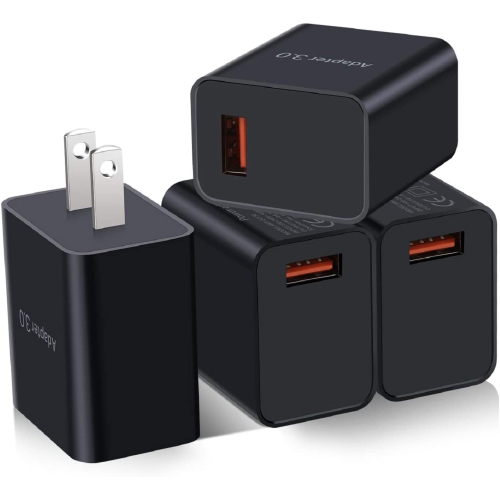
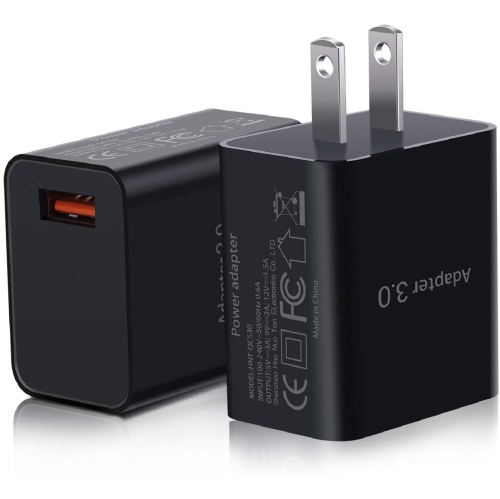

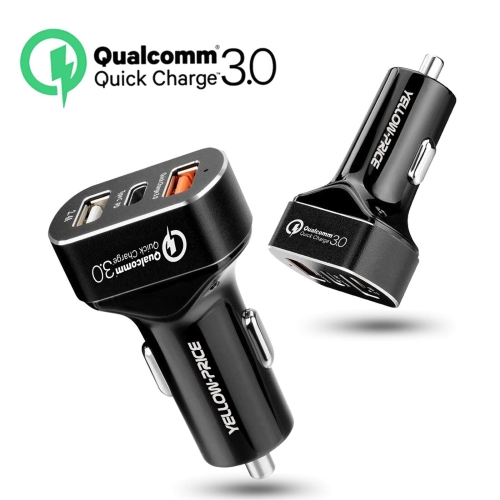
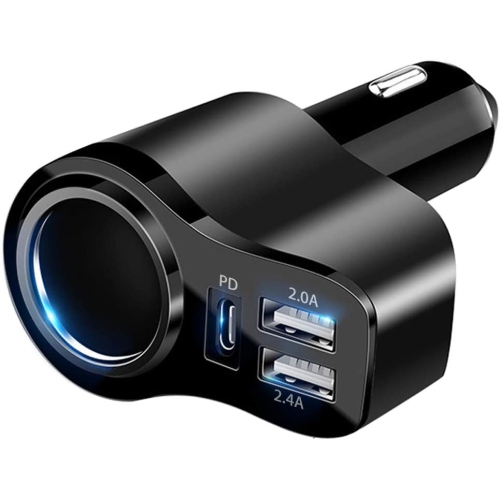
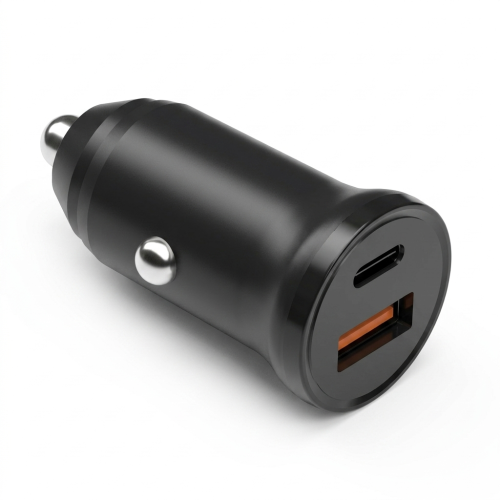
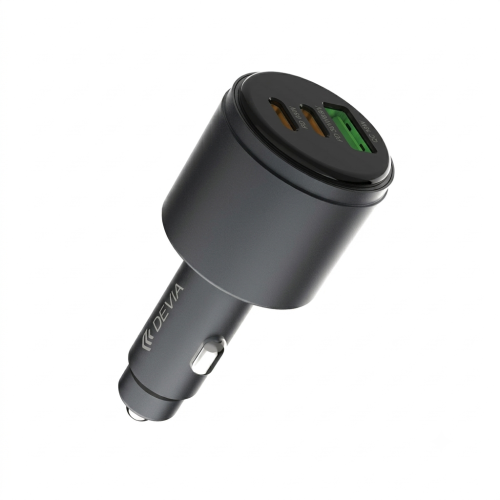
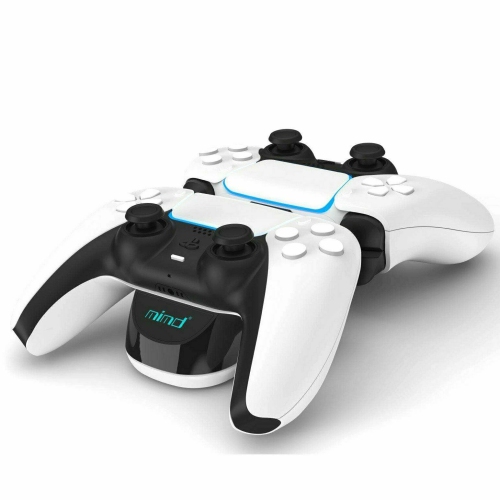

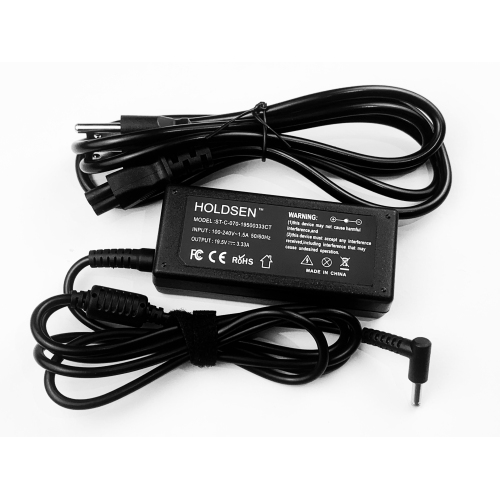

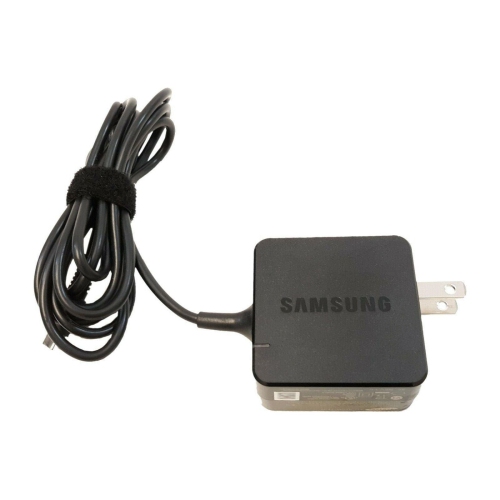
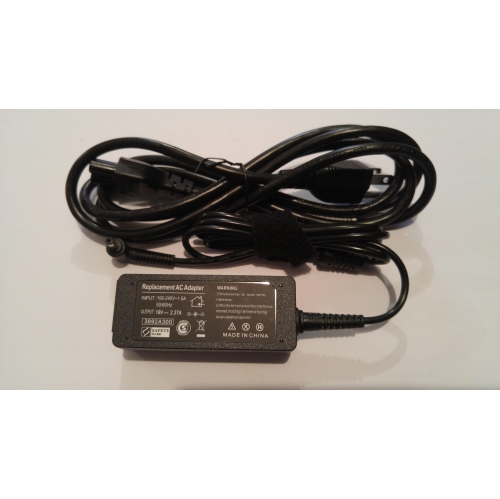
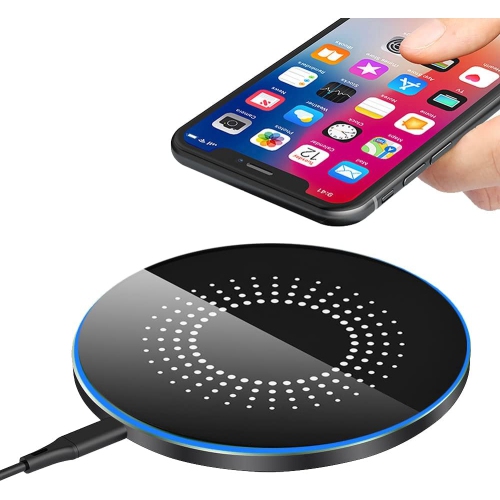
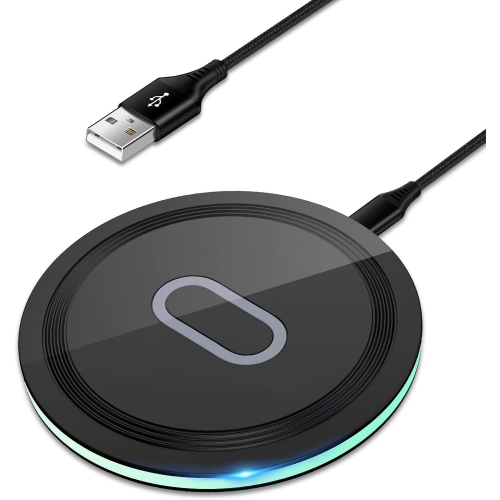
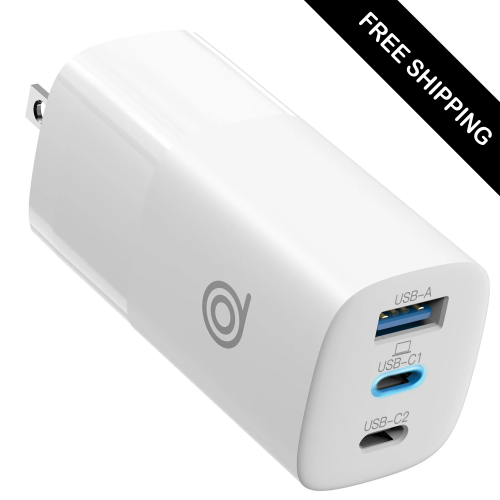
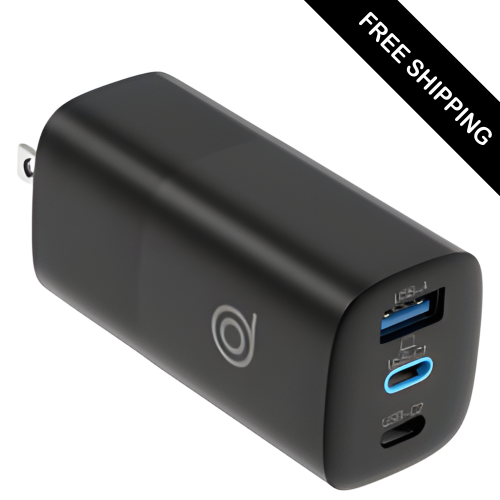
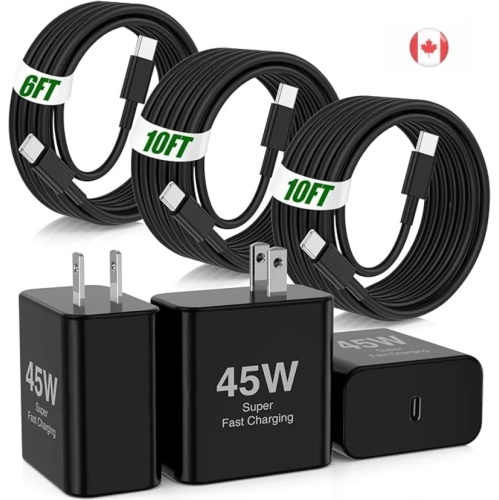
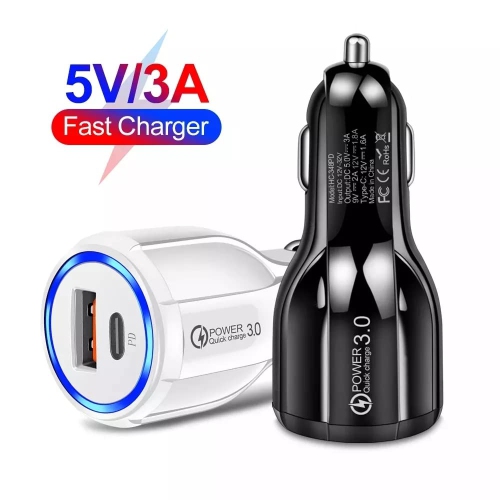
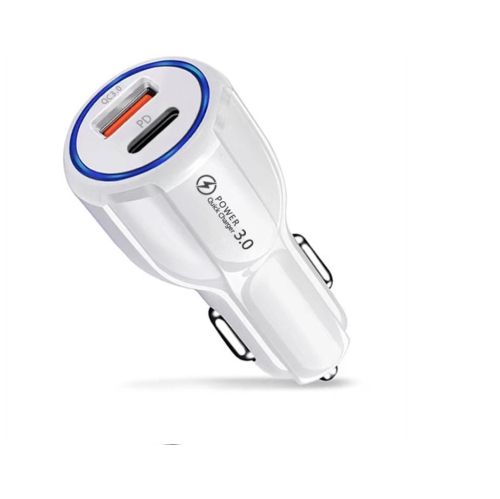
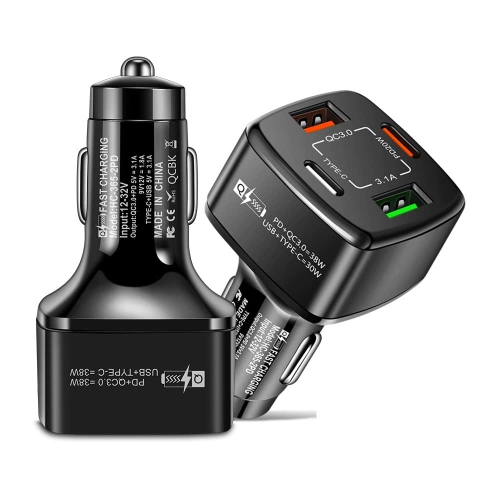
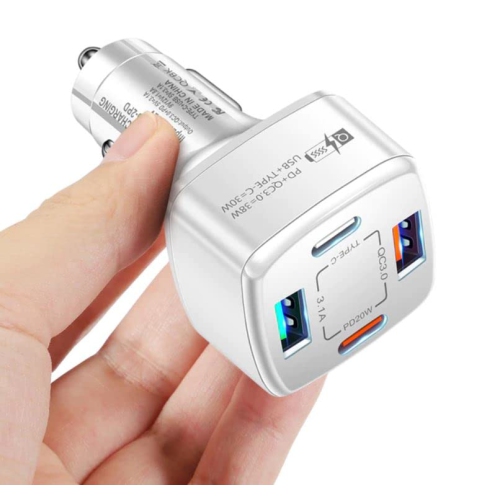
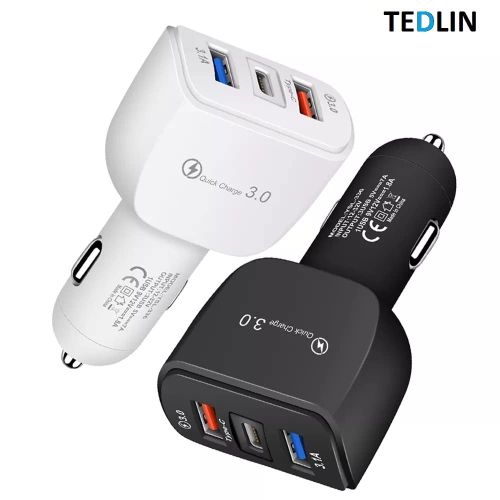

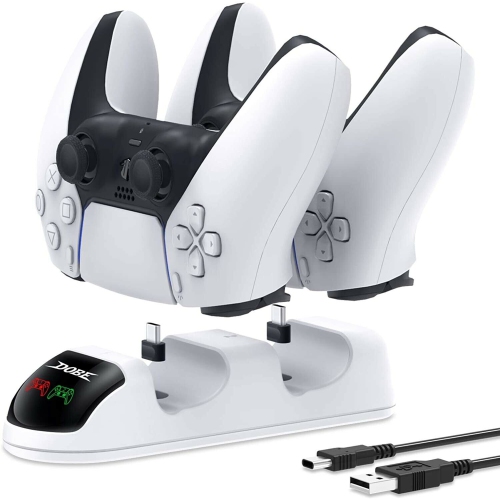
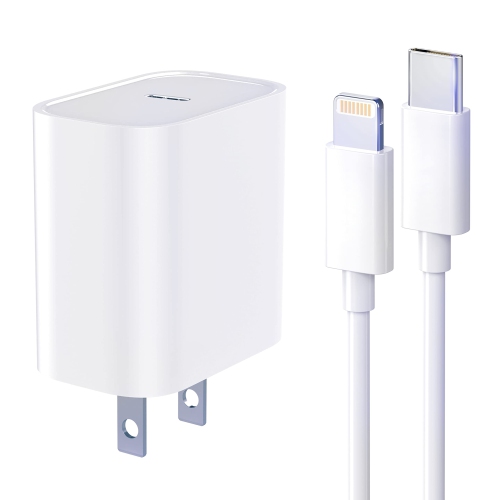
![GNUADZ 3Pack Iphone 12 13 Fast Charger [Apple Mfi ], 20W Pd Adapter w 6Ft Type C to Lightning Cable Fast Charging USB C Wall Charger for Iphone](https://multimedia.bbycastatic.ca/multimedia/products/500x500/173/17354/17354710.jpeg)
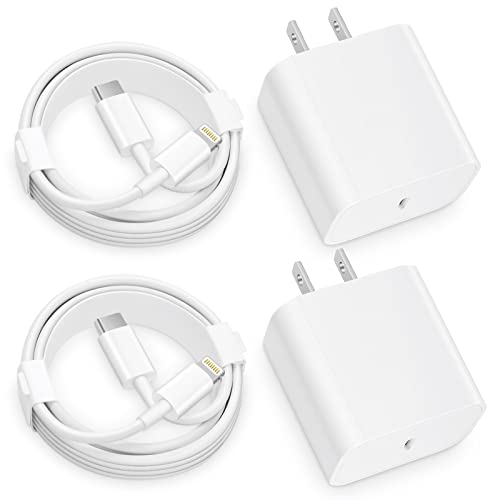
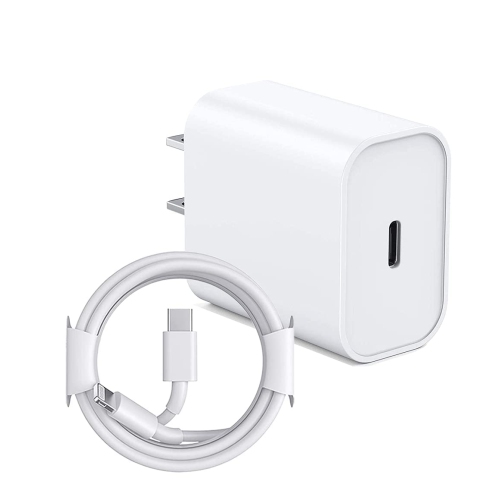
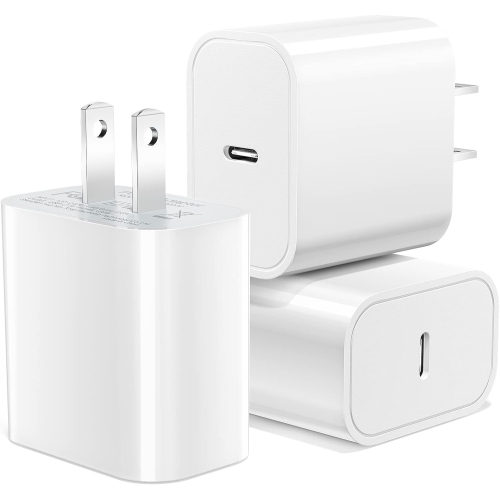

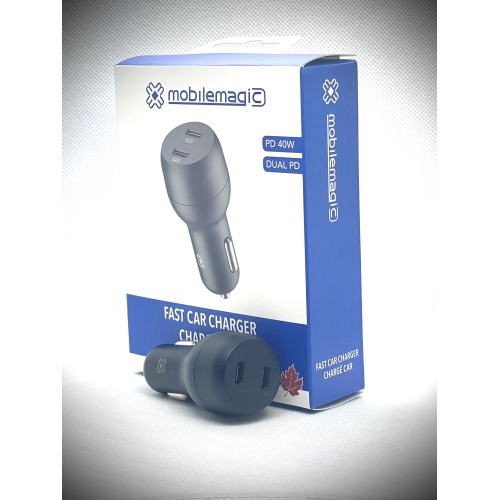
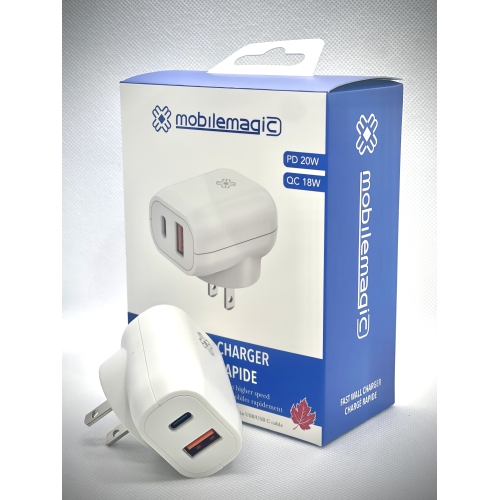
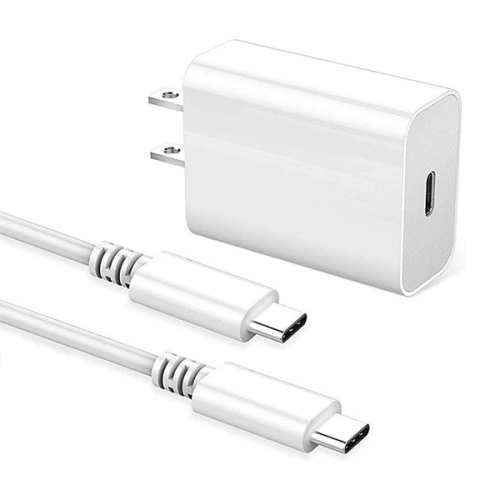




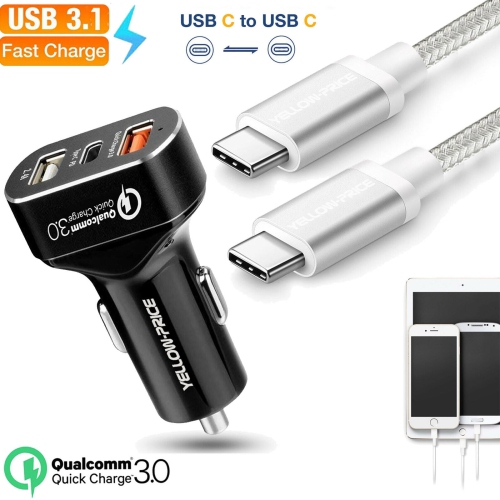
![UNKNOWN USB C Cable Fast Charge [2 Pack 10Ft] USB Type C Fast Charger Cable Durable Braided Type C Cable Fast Charge Compatible](https://multimedia.bbycastatic.ca/multimedia/products/500x500/181/18144/18144144.jpeg)
How charging speeds, power levels, connections, and safety features differ
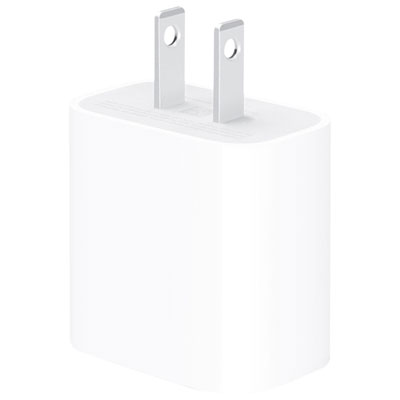
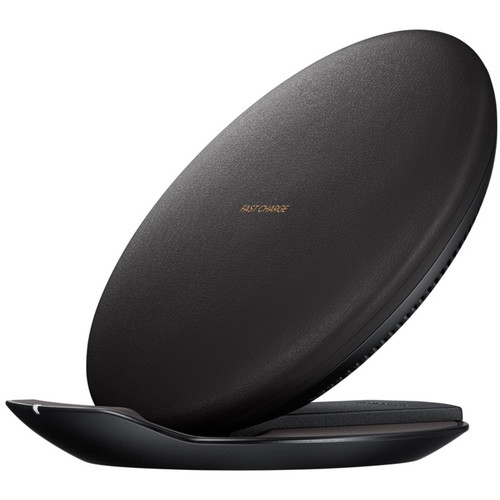
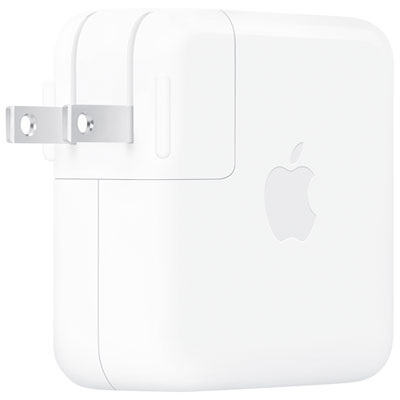
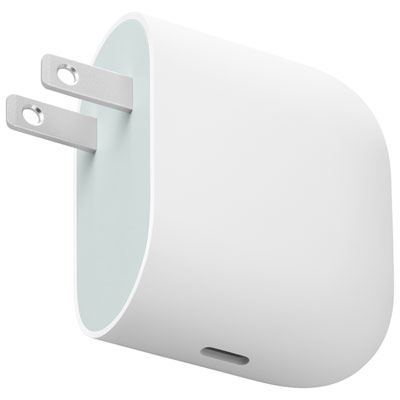
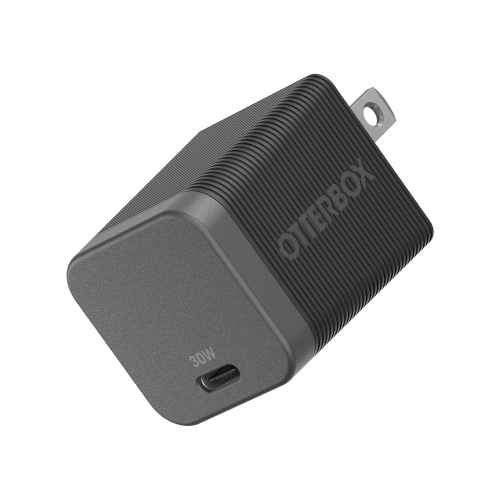
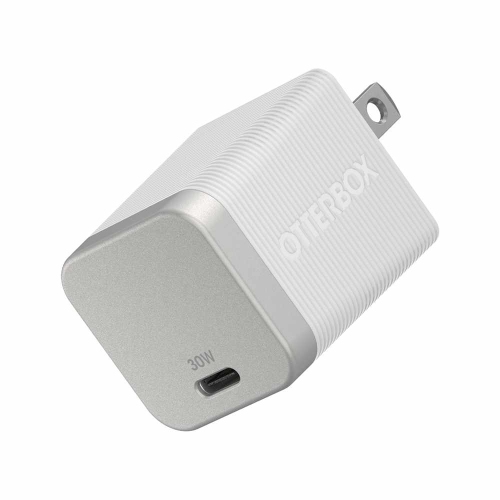
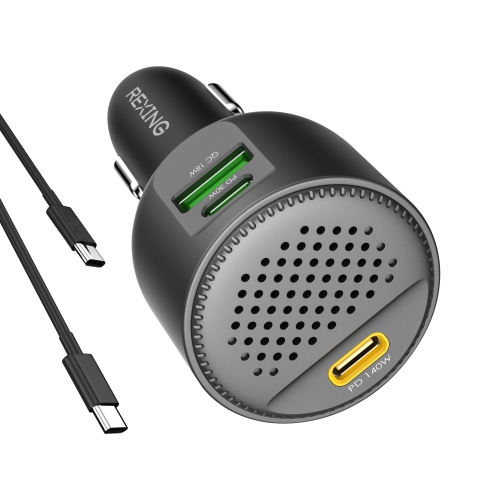
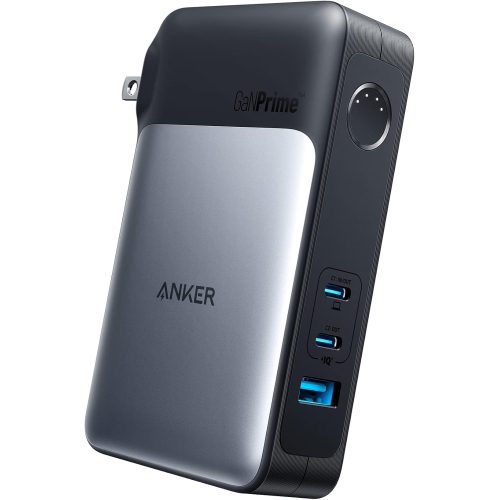
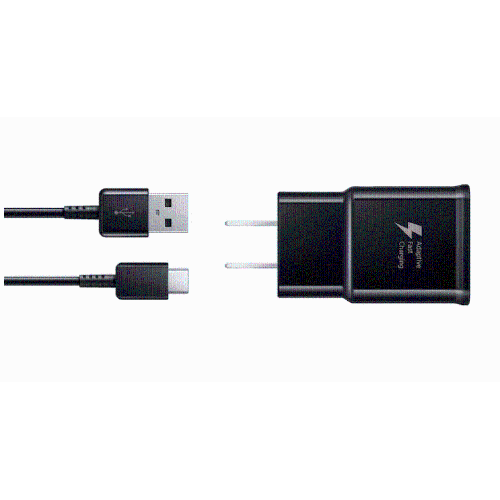
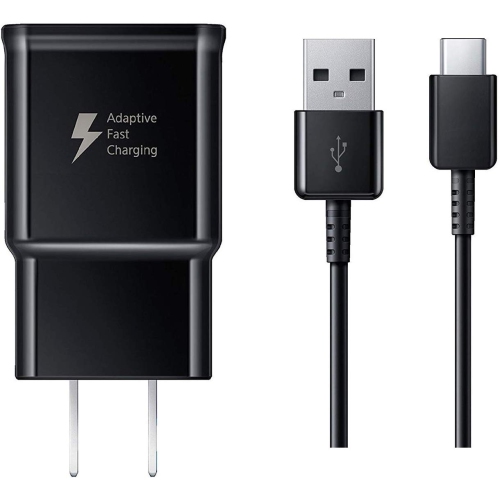
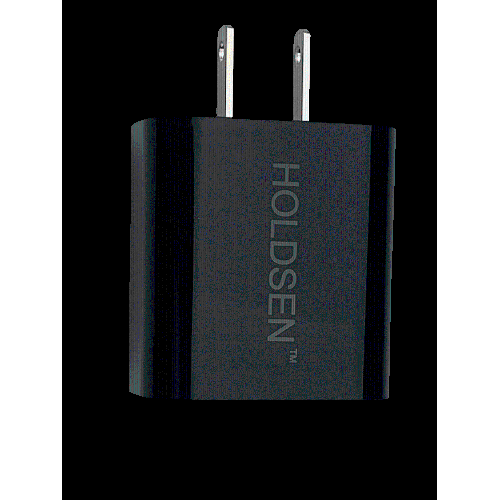
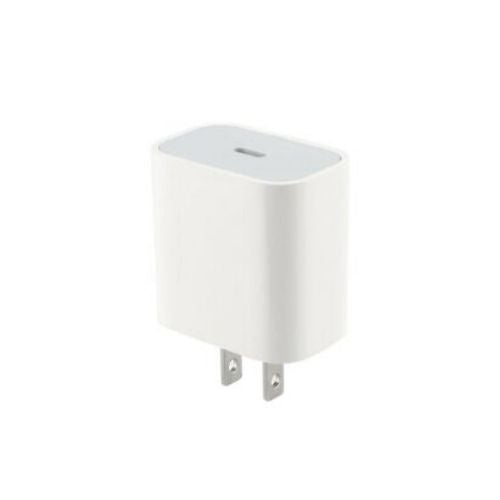
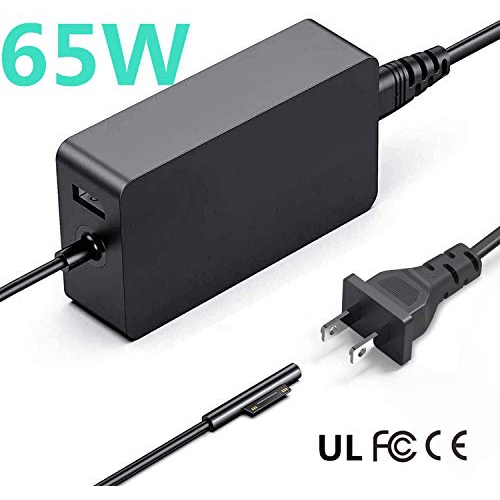
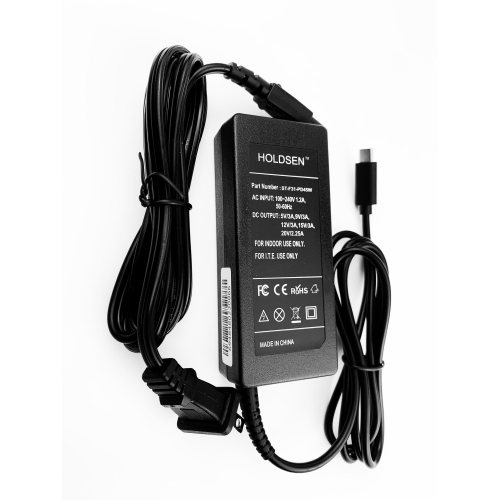
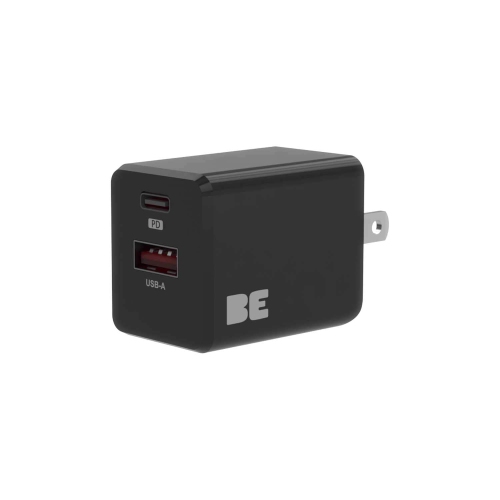
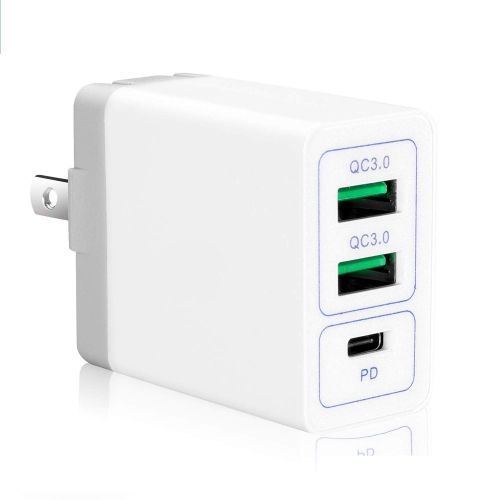
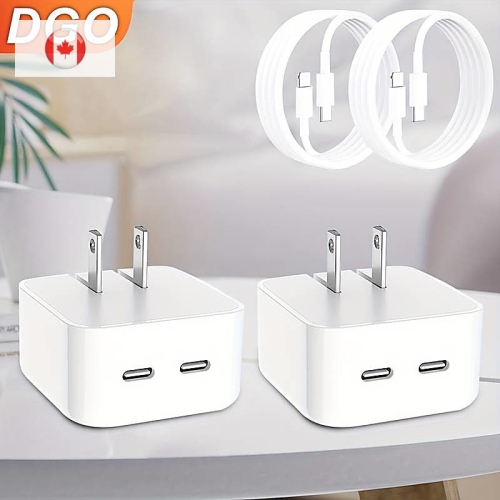
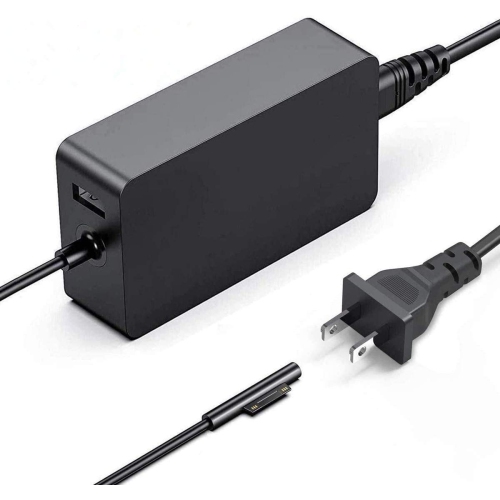
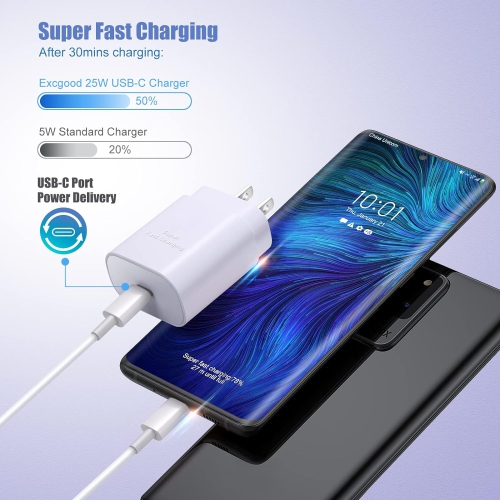
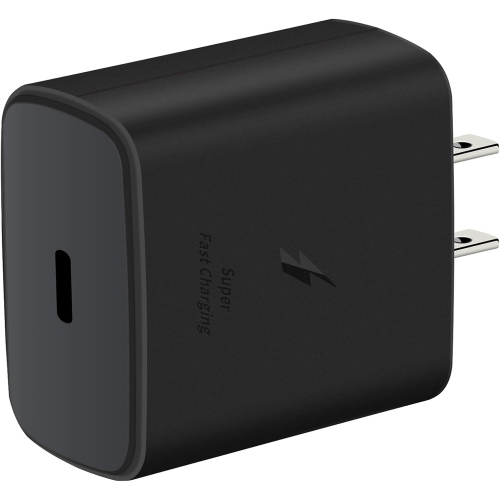
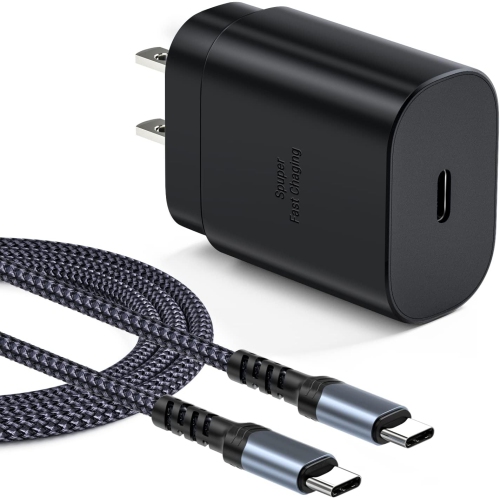
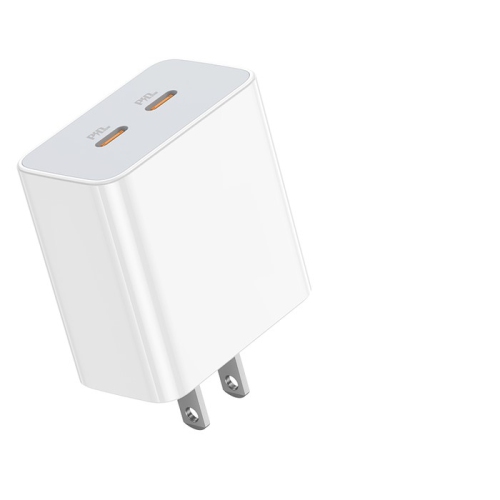
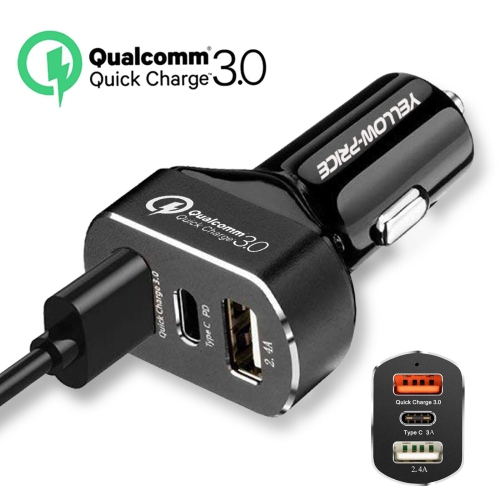
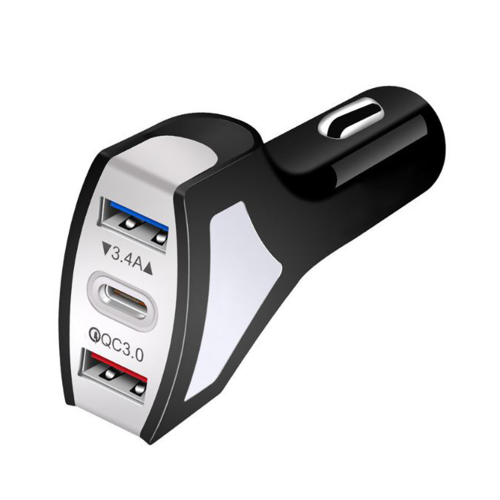
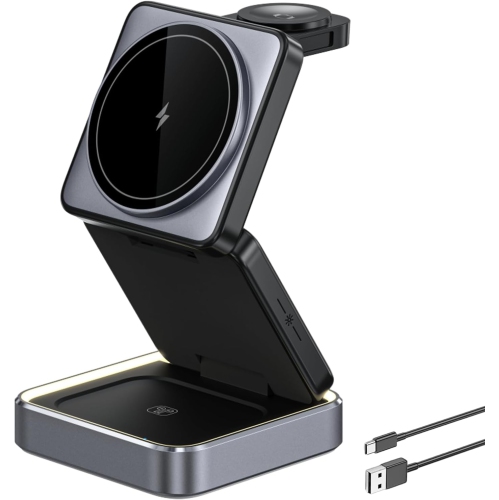
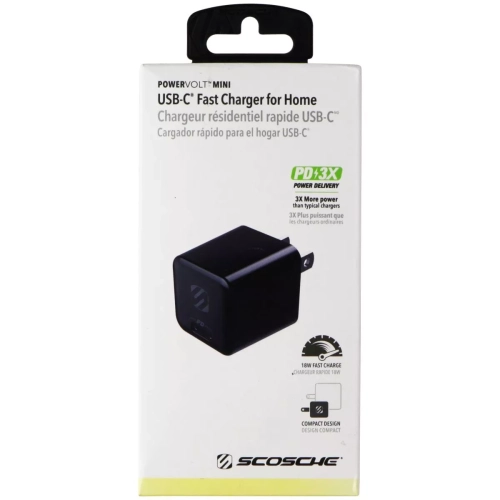
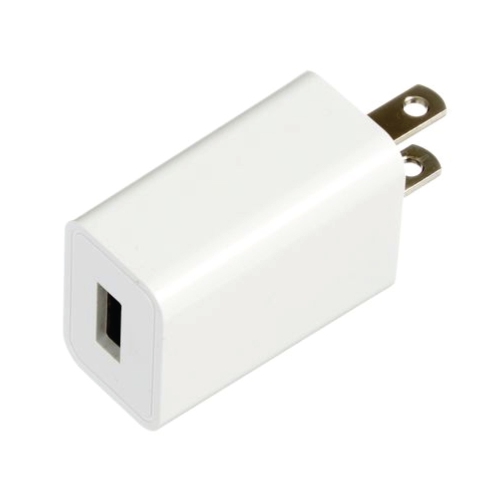
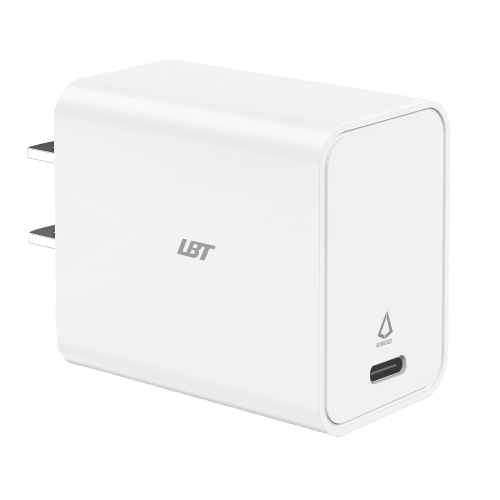
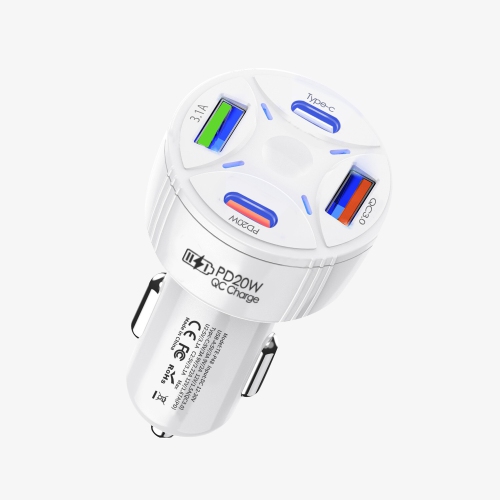
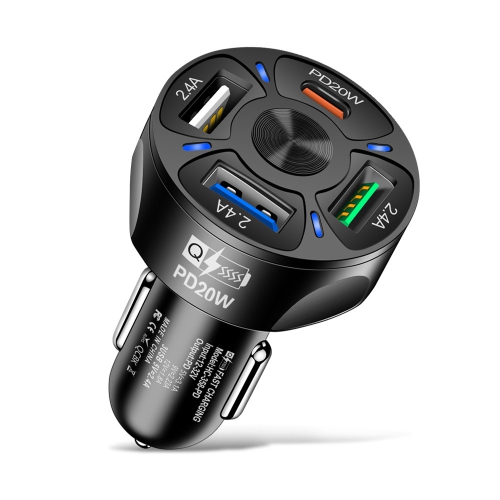
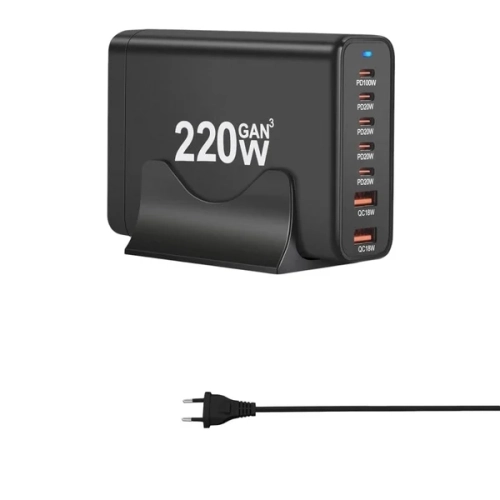
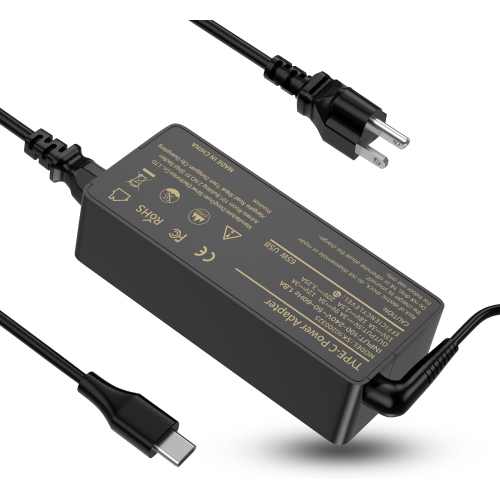
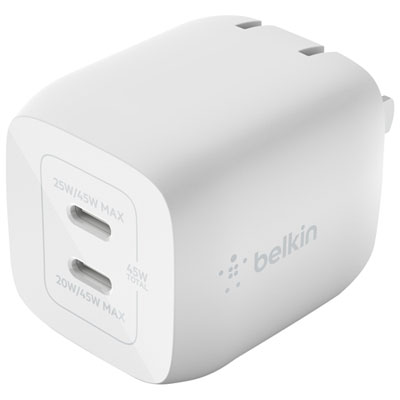
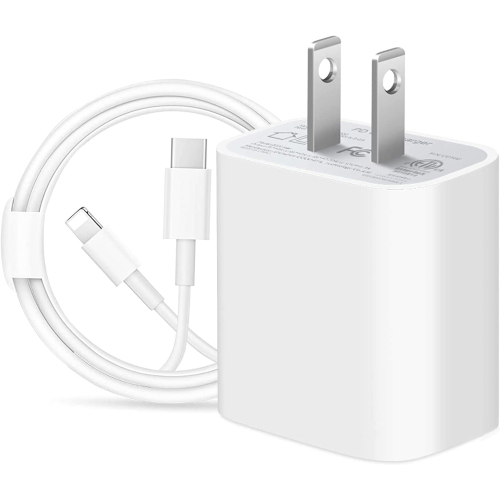
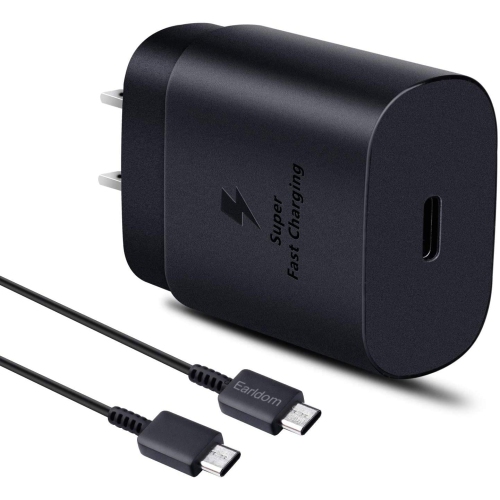
Fast chargers are designed to reduce the time spent waiting for a device or vehicle to regain useful power. In the world of personal electronics, a fast charger usually refers to a wall adapter, car charger, power bank, or multi-port charging station that supports higher power output than older standard chargers. USB-C Power Delivery (PD) is one of the most widely used charging standards, while Programmable Power Supply (PPS) can adjust voltage and current in fine increments for compatible phones and other devices. Compact GaN chargers use gallium nitride components to deliver substantial power in a smaller form, making them convenient for a desk, bedside table, carry-on bag, or work kit. A 25W charger may be well suited to many smartphones, while 45W, 65W, 100W, or higher-output models can support tablets, handheld gaming devices, cameras, and compatible laptops. The actual charging speed depends on the device, cable, battery level, and charging protocol, so a high-wattage adapter will not automatically make every device charge faster. Before choosing a fast charger, check the maximum input supported by each device and confirm that the included or existing cable can carry the required power. A USB-C-to-USB-C cable is often needed for USB-C PD, and some laptops require a higher-wattage cable for their fastest charging performance.
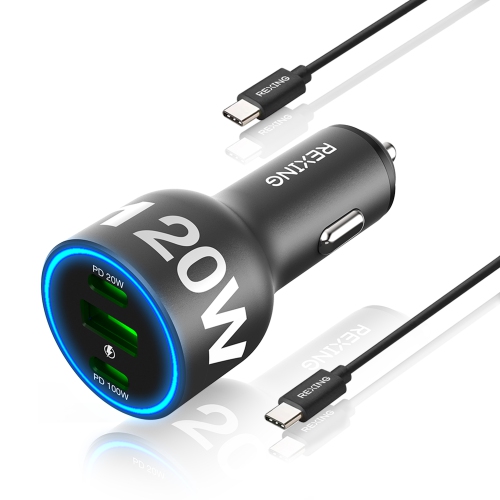
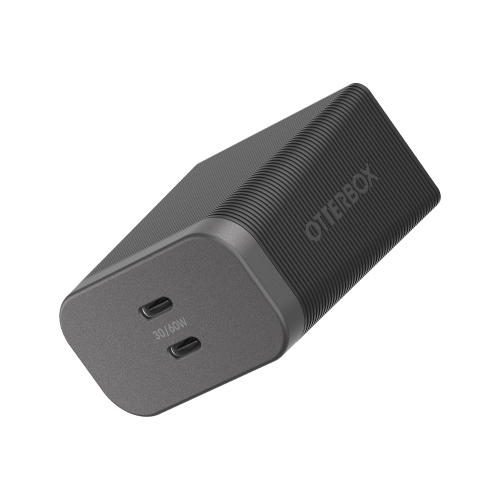
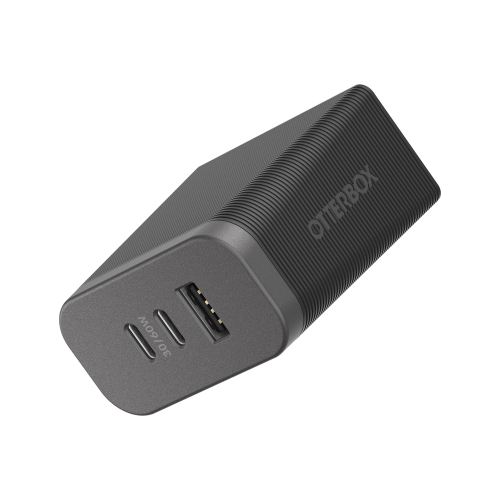
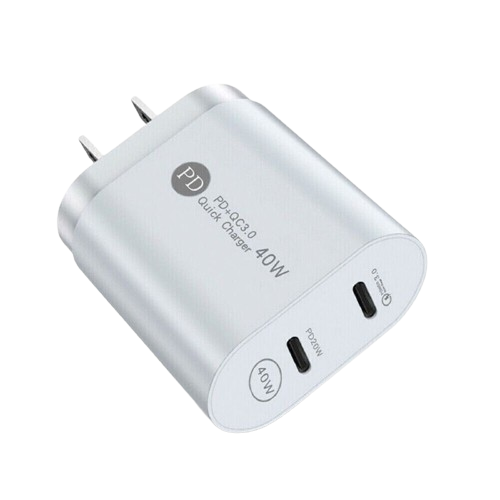
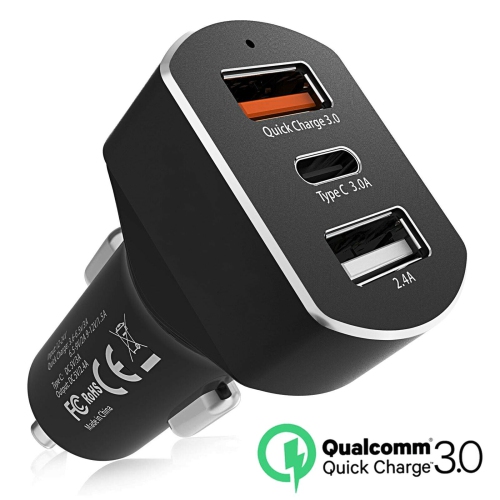
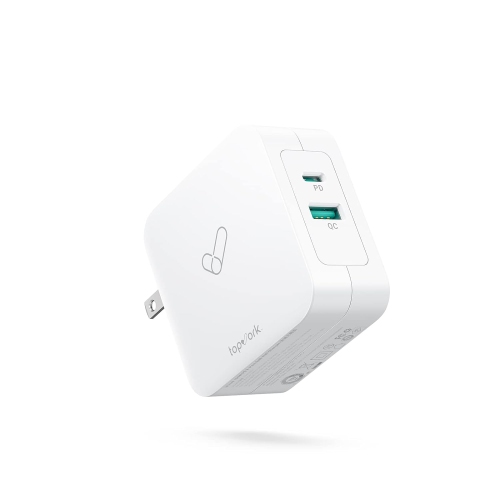
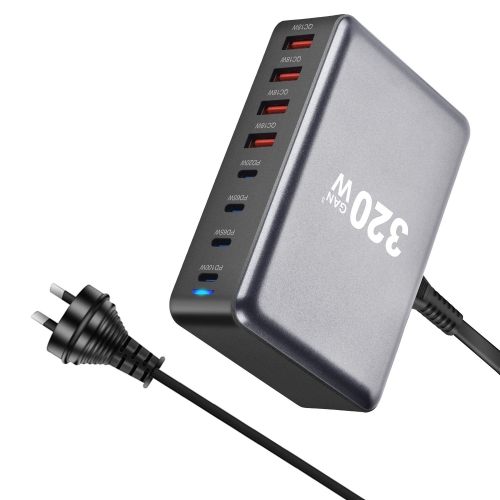
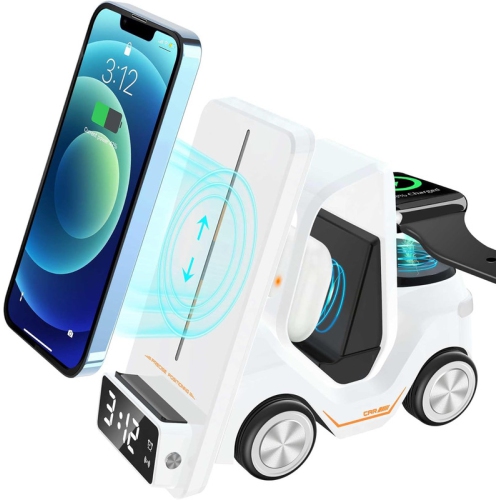
Port selection is another practical consideration. A single-port charger can direct its full output to one device, which is useful when charging a laptop or when you want the simplest setup. Multi-port chargers are helpful for shared spaces, travel, and everyday routines where a phone, earbuds, smartwatch, tablet, or laptop may need power at the same time. Keep in mind that the total wattage may be divided when several devices are connected, and some ports may provide different output levels. A charger with intelligent power allocation can help distribute available power without requiring several wall adapters. Size and plug design also matter: a slim model may fit neatly behind furniture or in a crowded power bar, while a foldable plug can make packing easier. Look for built-in safeguards such as over-current, over-voltage, short-circuit, and temperature protection, particularly when the charger will be used overnight or in a busy household. Heat is a normal part of rapid power delivery, but a well-designed unit should manage temperature and adjust output when necessary. Fast chargers can be useful for commuters who need enough battery for navigation after a short stop, students moving between classes, professionals working away from a desk, and families sharing charging space at home. They can also make thoughtful gifts for someone starting a new job, heading to school, travelling, or replacing a collection of mismatched older adapters. For a phone upgrade, browsing Fast Charging Phones alongside a compatible charger can help ensure the device and power accessory are matched from the start.
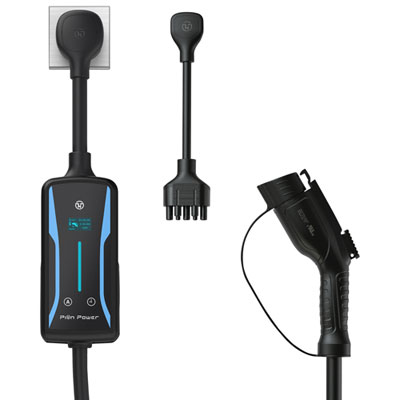
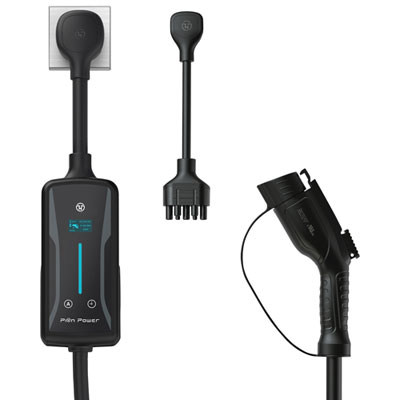
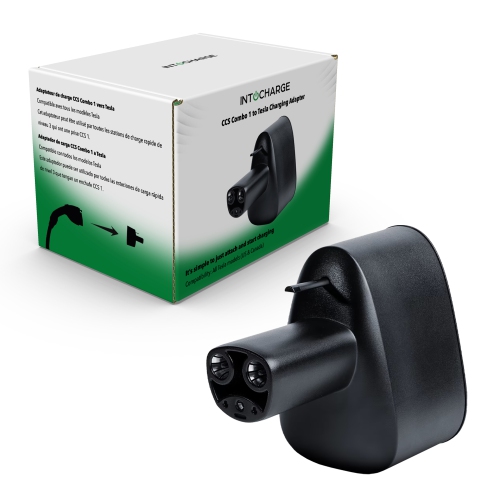
Fast charging also describes electric vehicle charging, although EV fast chargers are a different category from USB wall adapters and mobile-device accessories. Public DC fast charging, sometimes called Level 3 charging, sends direct current to an EV battery at a much higher rate than a typical home AC charger. Depending on the vehicle, battery condition, temperature, charger output, and state of charge, a short stop may add significant driving range, and many EVs can reach approximately 80% charge in about 30 to 45 minutes under suitable conditions. Some vehicles and high-power stations may add several hundred kilometres of range in roughly 15 to 30 minutes, but charging speed generally slows as the battery approaches full capacity. Compatibility should be confirmed before planning a stop, since EVs may use different connector types, including CCS, NACS, or CHAdeMO, and not every vehicle accepts every charging standard. Drivers should also check whether an adapter is approved for their vehicle, how much power the car can accept, and whether the station’s rated output matches the vehicle’s charging capability. Mapping tools and charging-station apps can help locate suitable public stations, review connector availability, check operating status, and plan longer journeys around charging stops. For home use, a Level 2 charger is often more appropriate than a public DC fast charger because it is designed for longer overnight sessions, while DC fast charging is intended for quicker stops when travelling or when extra range is needed. Whether the goal is to top up a phone before leaving the house or add range during a road trip, the best fast charger is one that matches the device or vehicle, uses the right connection, provides suitable power, and fits naturally into the way it will be used.
Port selection is another practical consideration. A single-port charger can direct its full output to one device, which is useful when charging a laptop or when you want the simplest setup. Multi-port chargers are helpful for shared spaces, travel, and everyday routines where a phone, earbuds, smartwatch, tablet, or laptop may need power at the same time. Keep in mind that the total wattage may be divided when several devices are connected, and some ports may provide different output levels. A charger with intelligent power allocation can help distribute available power without requiring several wall adapters. Size and plug design also matter: a slim model may fit neatly behind furniture or in a crowded power bar, while a foldable plug can make packing easier. Look for built-in safeguards such as over-current, over-voltage, short-circuit, and temperature protection, particularly when the charger will be used overnight or in a busy household. Heat is a normal part of rapid power delivery, but a well-designed unit should manage temperature and adjust output when necessary. Fast chargers can be useful for commuters who need enough battery for navigation after a short stop, students moving between classes, professionals working away from a desk, and families sharing charging space at home. They can also make thoughtful gifts for someone starting a new job, heading to school, travelling, or replacing a collection of mismatched older adapters. For a phone upgrade, browsing Fast Charging Phones alongside a compatible charger can help ensure the device and power accessory are matched from the start.
Fast charging also describes electric vehicle charging, although EV fast chargers are a different category from USB wall adapters and mobile-device accessories. Public DC fast charging, sometimes called Level 3 charging, sends direct current to an EV battery at a much higher rate than a typical home AC charger. Depending on the vehicle, battery condition, temperature, charger output, and state of charge, a short stop may add significant driving range, and many EVs can reach approximately 80% charge in about 30 to 45 minutes under suitable conditions. Some vehicles and high-power stations may add several hundred kilometres of range in roughly 15 to 30 minutes, but charging speed generally slows as the battery approaches full capacity. Compatibility should be confirmed before planning a stop, since EVs may use different connector types, including CCS, NACS, or CHAdeMO, and not every vehicle accepts every charging standard. Drivers should also check whether an adapter is approved for their vehicle, how much power the car can accept, and whether the station’s rated output matches the vehicle’s charging capability. Mapping tools and charging-station apps can help locate suitable public stations, review connector availability, check operating status, and plan longer journeys around charging stops. For home use, a Level 2 charger is often more appropriate than a public DC fast charger because it is designed for longer overnight sessions, while DC fast charging is intended for quicker stops when travelling or when extra range is needed. Whether the goal is to top up a phone before leaving the house or add range during a road trip, the best fast charger is one that matches the device or vehicle, uses the right connection, provides suitable power, and fits naturally into the way it will be used.
Top selling and popular products
-
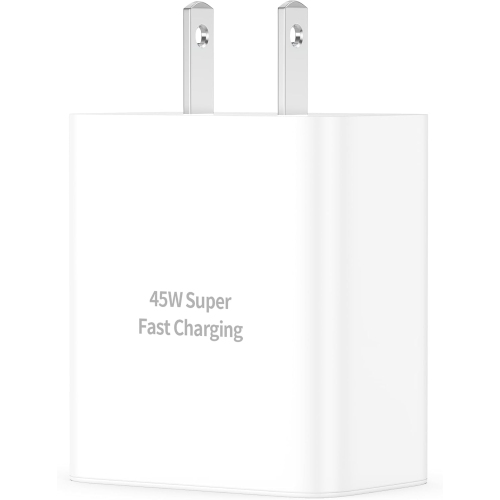 Your price for this item is $27.99
 -
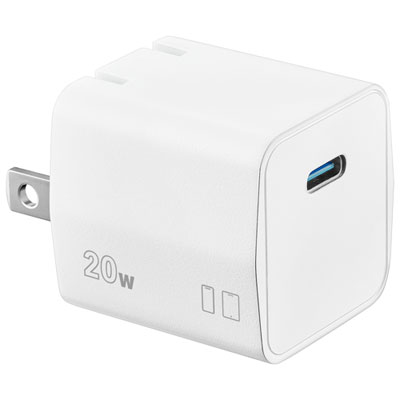 Your price for this item is $16.99
 -
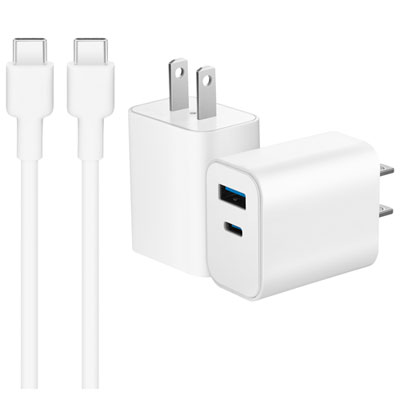 Your price for this item is $24.99
 -
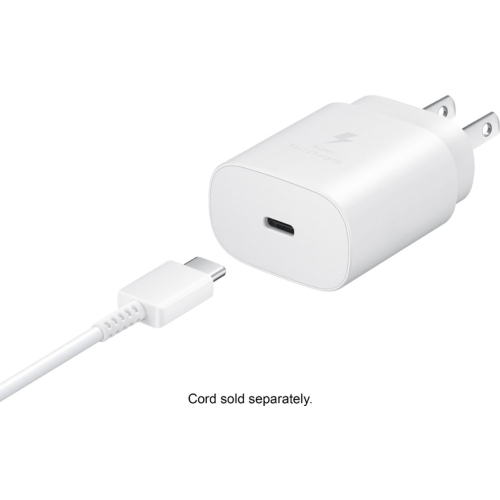 Your price for this item is $25
 -
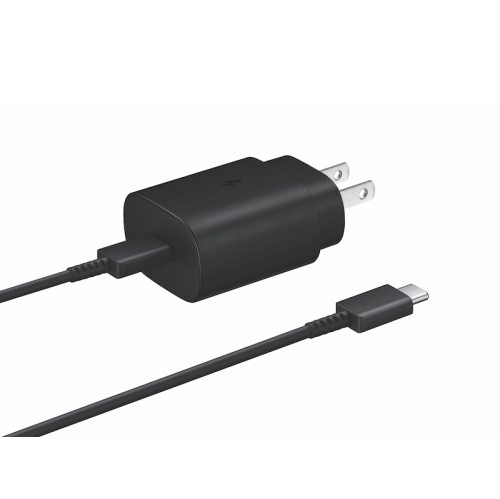 Your price for this item is $14.96
 -
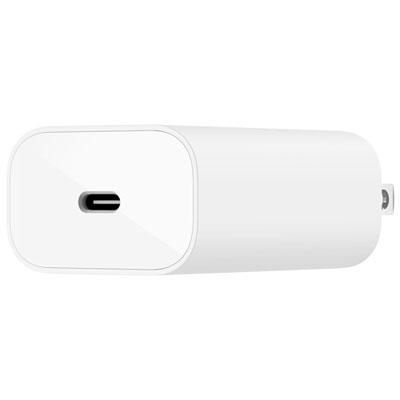 Your price for this item is $19.98
 -
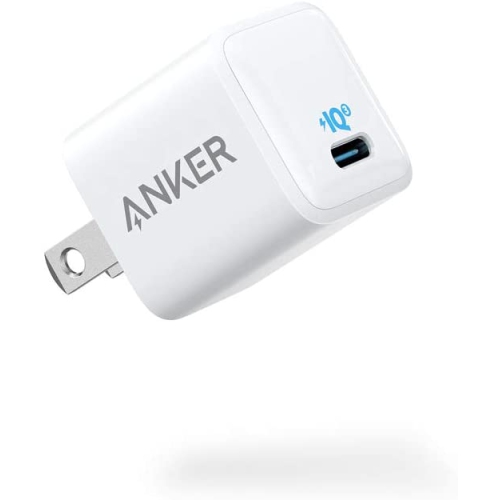 Your price for this item is $80.99
 -
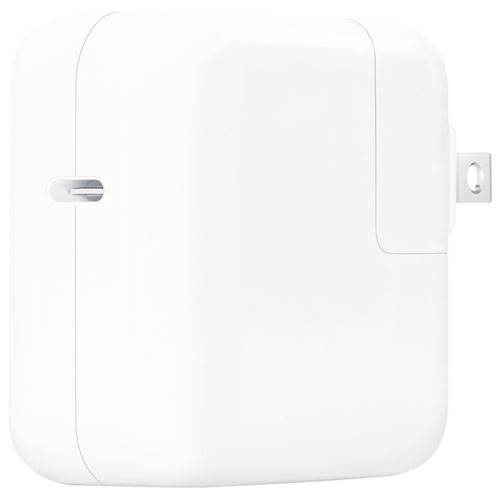 Your price for this item is $55
Discover more categories related to Fast Chargers
Top Collections:
Pokemon Centers, Best Budget Office Chairs, Budget 4K TVs, Kindle Devices, Best Laptops for Writers, Canon G7X Cameras, Apple iPhones 16, iPhone 15 Apple, Laptops for Business Work, Xiaomi Phones
Some products may be subject to Environmental Handling Fees
(EHF) depending on your province.
Learn more about EHFs.