Hifi Earphones
Immerse yourself in a world of superior sound quality with our selection of HiFi earphones, designed to elevate your listening experience to new heights. Whether you're an audiophile seeking the perfect balance of crisp highs and deep bass or simply someone who appreciates clear, detailed audio, these earphones deliver exceptional performance. With sleek designs and comfortable fits, they are perfect for long listening sessions at home or on the go. Explore options that cater to every style and preference, ensuring you find the ideal pair to meet your audio needs. Discover how HiFi earphones can transform your music, podcasts, and more into an auditory masterpiece.
Sort







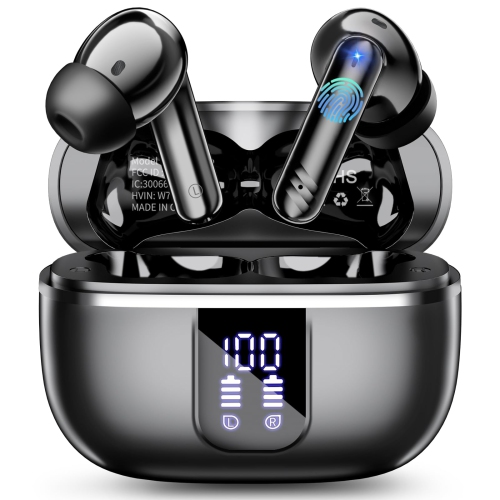


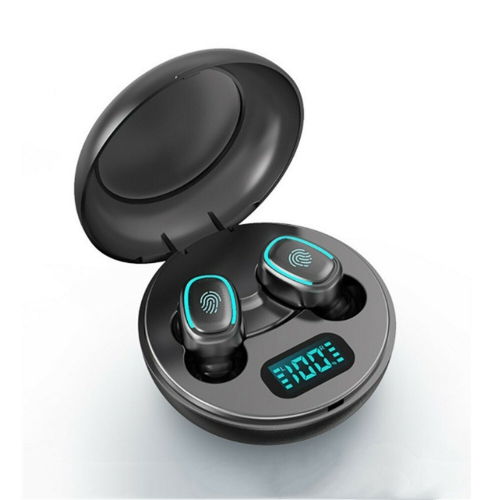


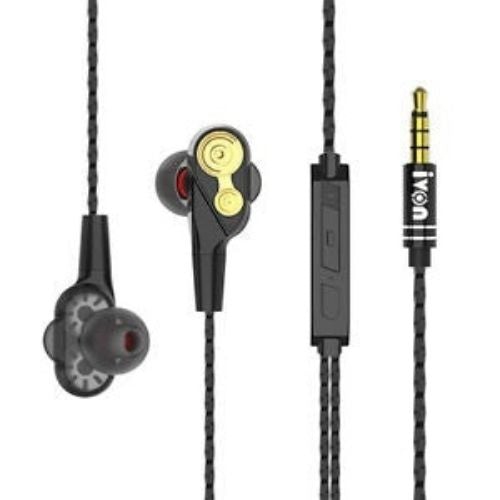


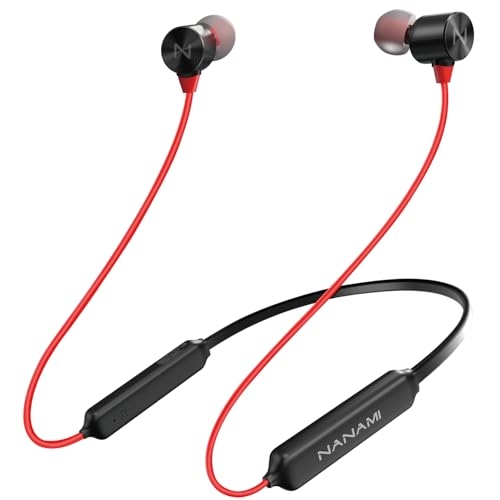
















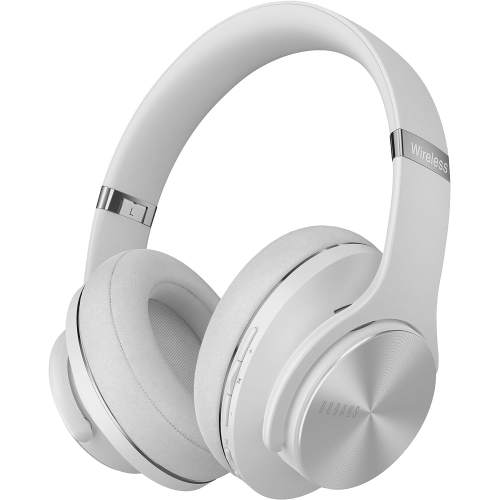
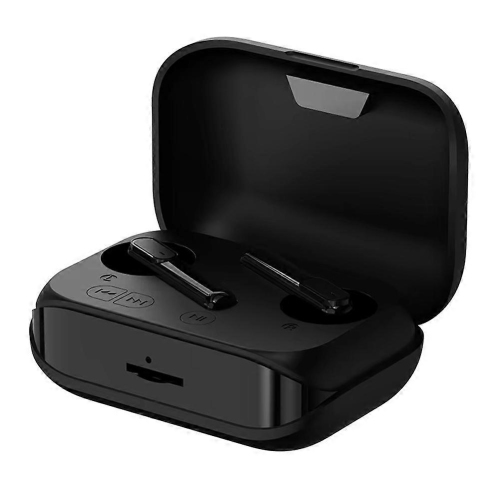

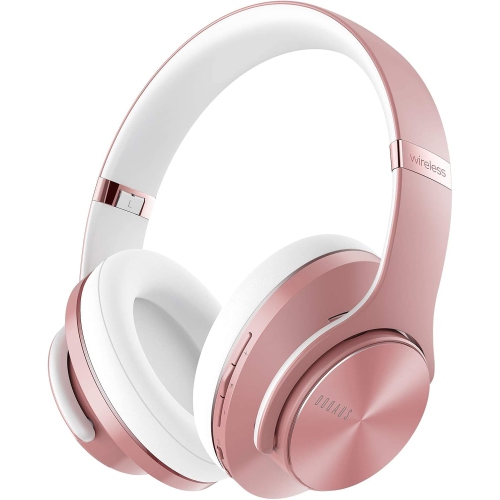

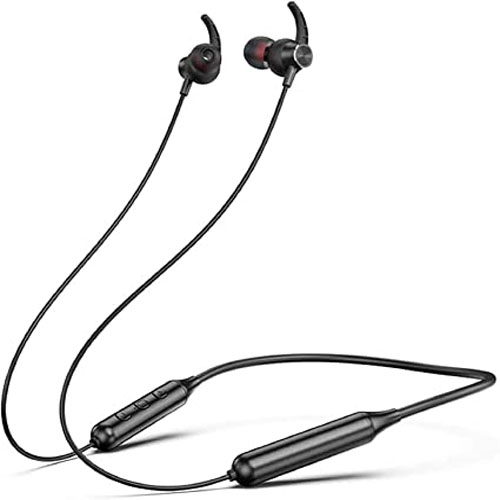
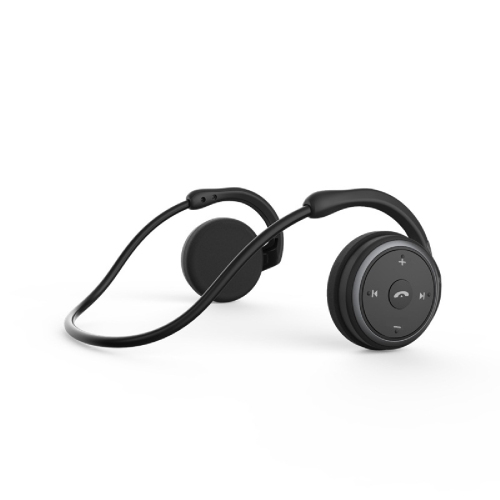
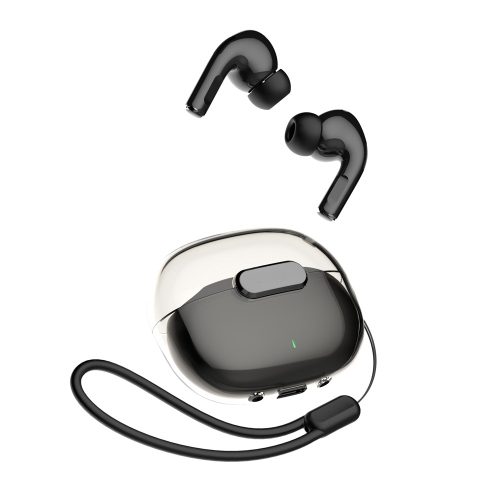


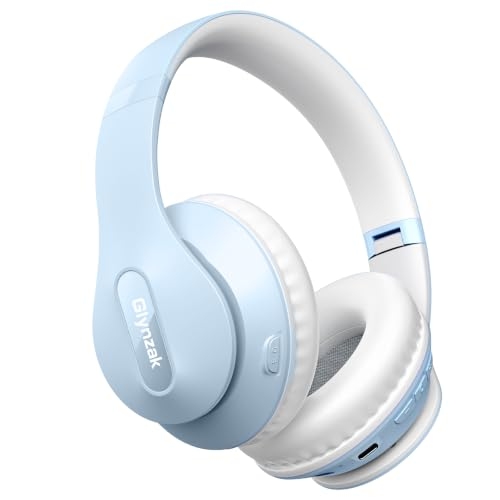

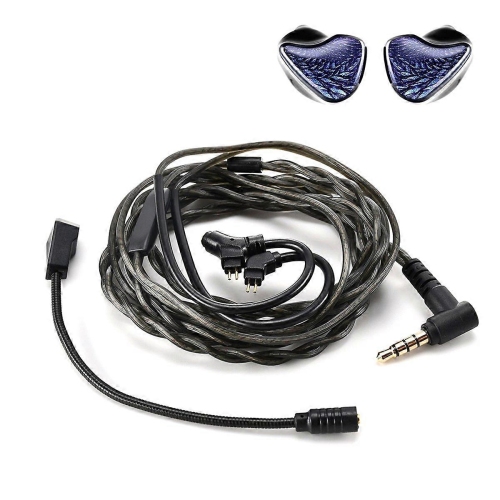
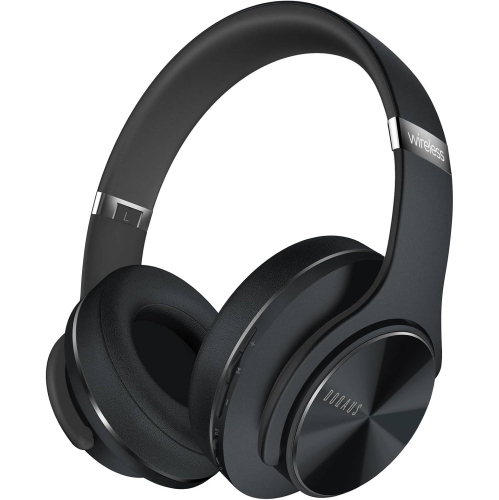


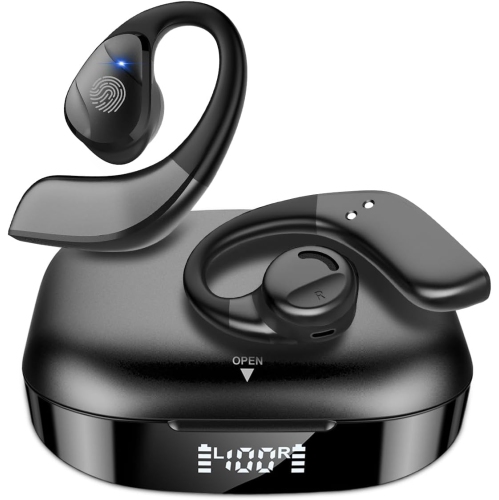
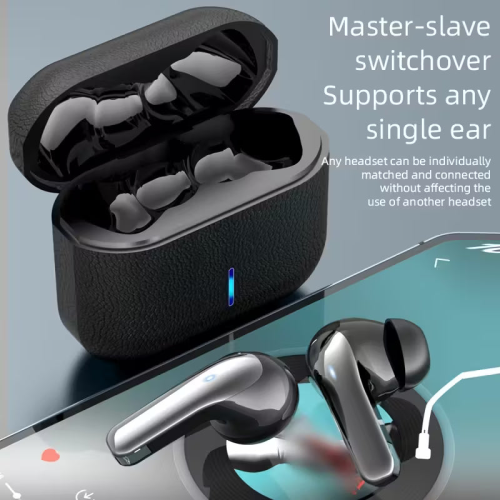

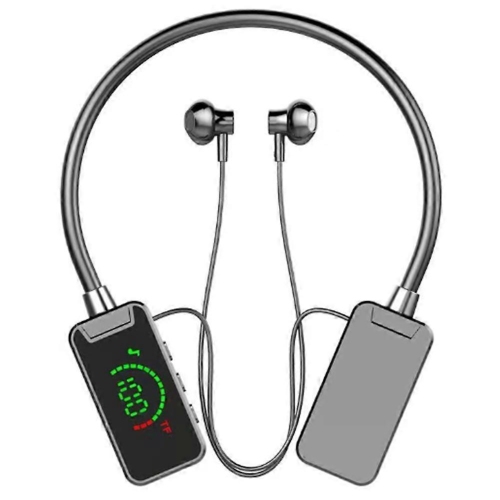





























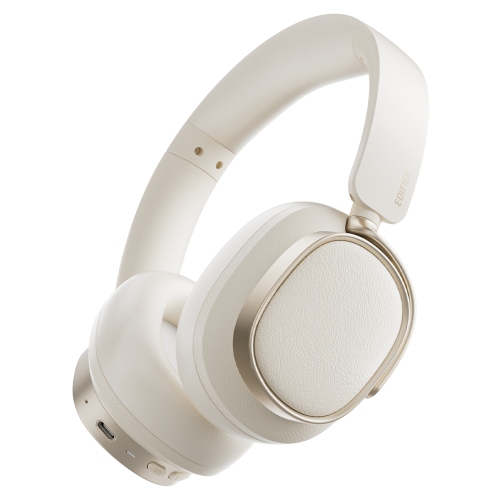


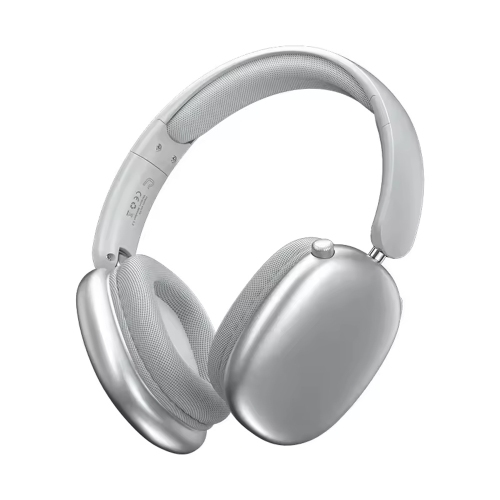

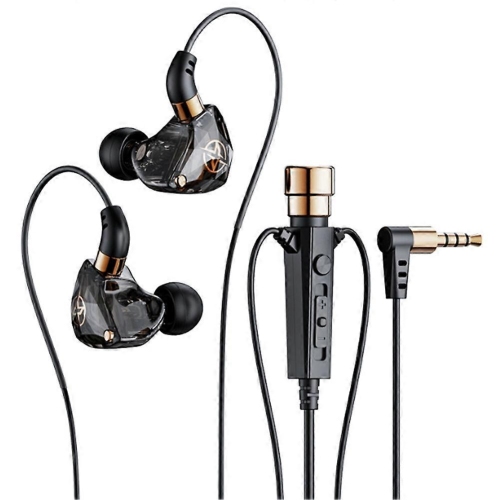
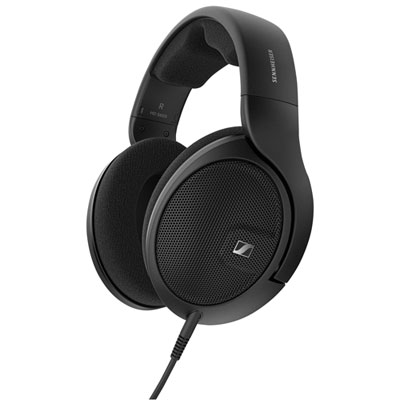
Why familiar songs can reveal details you’ve never noticed
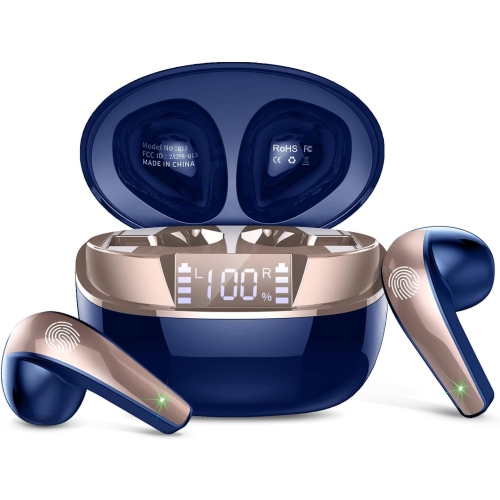
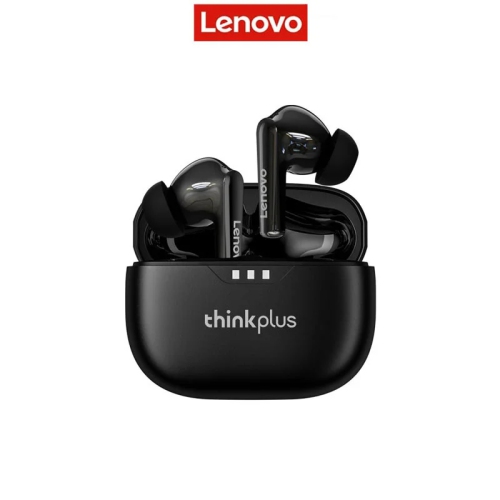
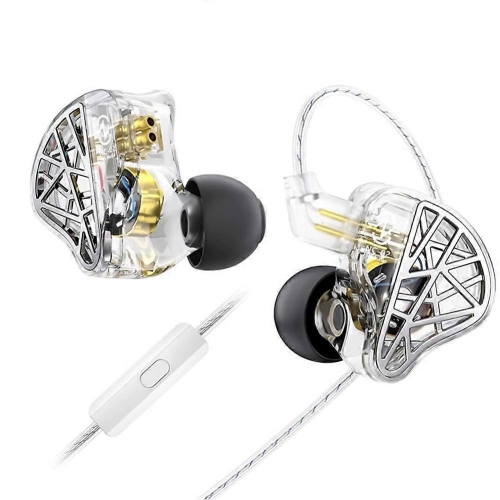
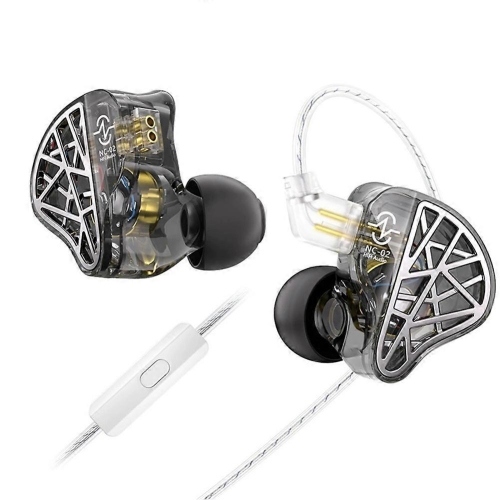
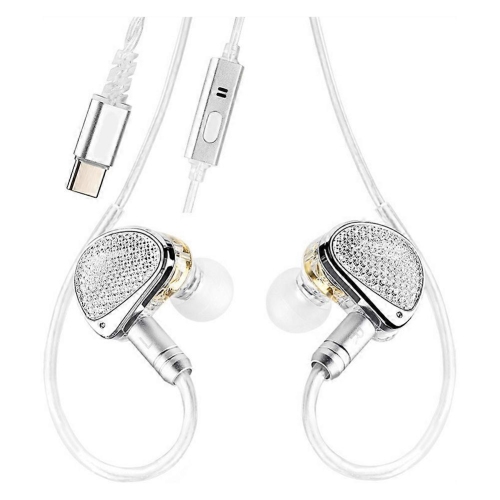
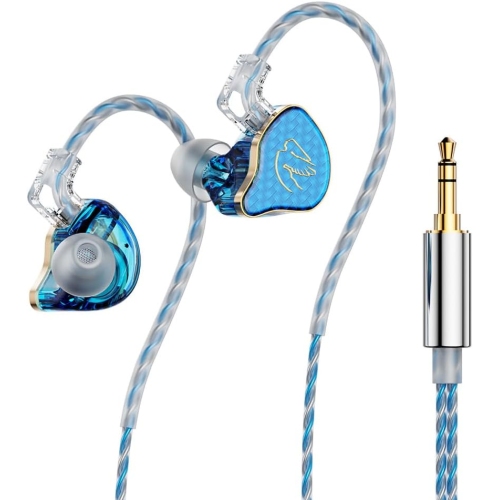
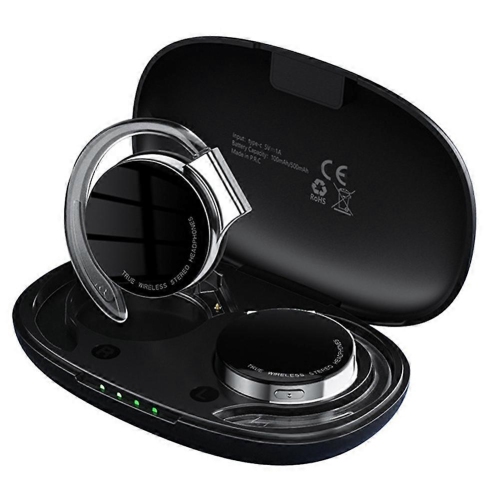
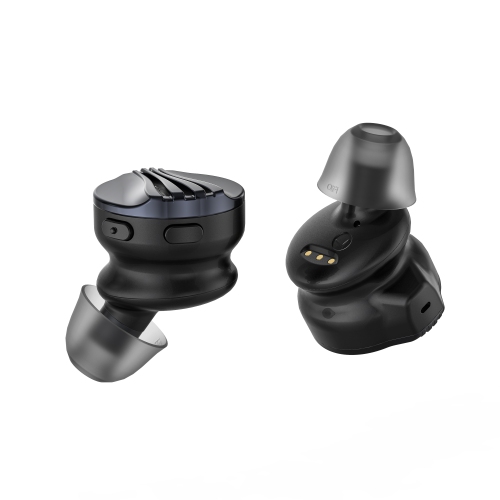
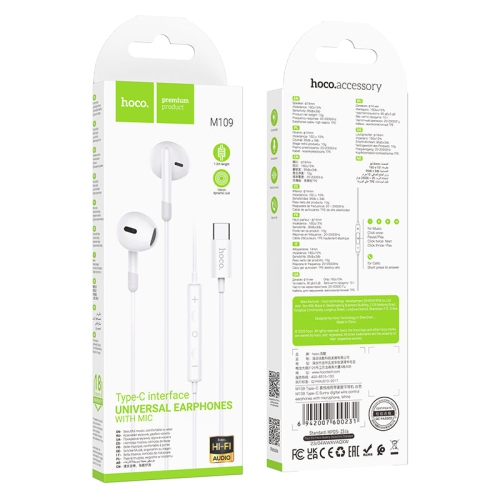
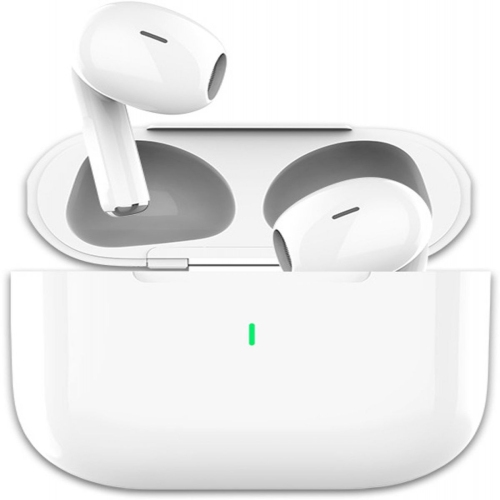
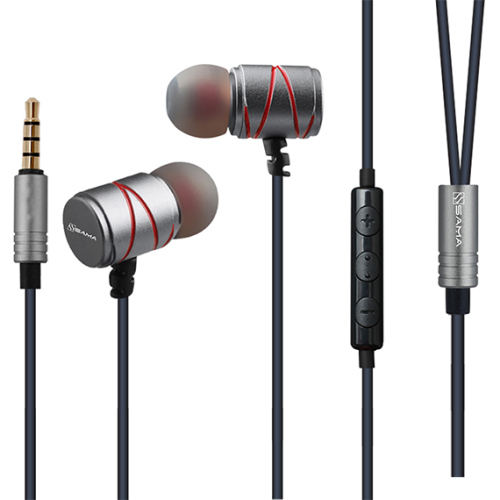
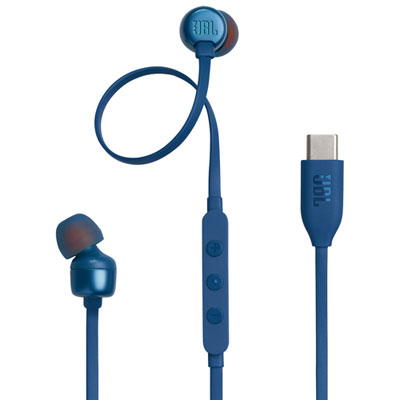
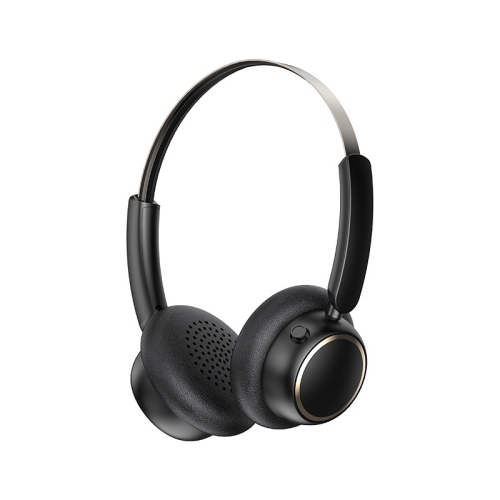
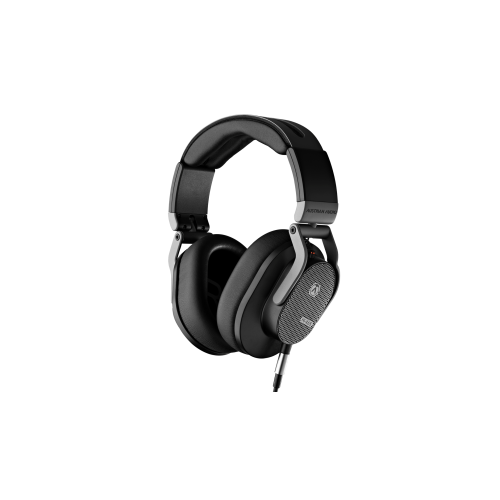
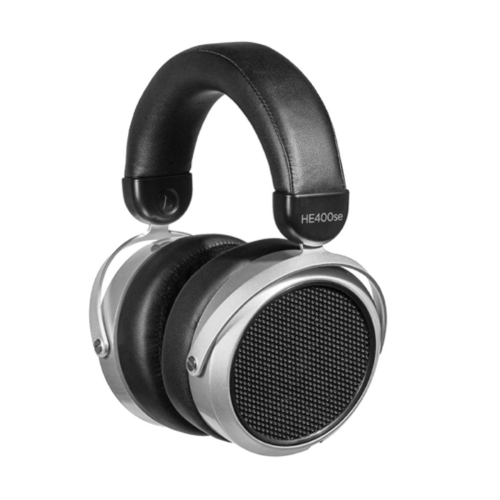
Hi-fi earphones are compact, in-ear headphones designed to reproduce music with clarity, detail, and a balanced sense of space. High fidelity means staying faithful to the source, whether that is the texture of an acoustic guitar, the weight of a bass line, or the quiet breath before a vocal begins. Many hi-fi earphones take the form of wired in-ear monitors, often called IEMs, while wireless options pair sound-focused designs with everyday convenience. The appeal is easy to understand when a familiar song reveals something you had barely noticed before: a backing harmony tucked behind the singer, the soft brush of a cymbal, or the lingering resonance of a piano note. Good sound is not simply about bringing every detail forward, though. The relationship between bass, midrange, and treble helps determine whether music feels warm and relaxed, crisp and lively, or relatively neutral. A neutral sound signature aims to keep different parts of the music in proportion, while a warmer presentation can give voices and lower instruments more body. Neither description guarantees a better match for every listener. Someone who spends hours with vocal jazz may have different preferences from someone whose playlists lean towards electronic music or guitar-driven rock. Driver design is another useful distinction. Dynamic drivers use a moving diaphragm and can cover a broad frequency range; balanced armature drivers are often used for particular frequency bands; and hybrid earphones combine driver types. Some designs use planar magnetic drivers, which offer another approach to moving the diaphragm. The number of drivers alone does not establish sound quality, and a well-tuned single-driver design can be more satisfying than a poorly integrated multi-driver system. For shoppers comparing sound-focused options, High-Performance In-Ear Headphones offers a related category to explore. Across these designs, the most useful priorities remain consistent: a sound signature you enjoy, a secure fit, and compatibility with the equipment you already use.
Fit deserves as much attention as technical specifications because the seal between the ear tip and ear canal directly affects bass response, outside noise, and comfort. Even capable hi-fi earphones can sound thin when that seal is incomplete. Included tip sizes are a starting point rather than a guarantee, and it is perfectly normal to need a different size in each ear. Silicone tips are generally easy to clean, while foam tips compress before insertion and expand to follow the ear canal’s shape. The better choice depends on comfort, the earphone design, and how securely the tips sit during use. A shallow, lightweight shell may suit someone who dislikes pressure in the ear, while a contoured housing with an over-ear cable can feel more stable during a commute or an extended listening session. Think about the small practical details, too: whether the shells press against your ears under a winter hat, whether the cable brushes noisily against a coat, and whether the carrying case fits into the pocket you actually use. Passive noise isolation comes from the physical seal; active noise cancellation uses microphones and electronic processing to reduce certain outside sounds. They are different features, and wired IEMs do not necessarily include active noise cancellation. For wireless earphones, ambient listening modes can make brief conversations more convenient, but they do not replace paying attention to your surroundings. A secure seal may also make music easier to hear without turning the volume up to compete with background noise. Keep listening levels moderate and allow breaks during longer sessions. Comfort matters just as much for someone concentrating on an album at home as it does for a student listening between classes or a traveller settling into a train seat. Water-resistance ratings are worth checking if exercise is part of the plan, since sound quality alone does not make an earphone suitable for sweat or rain. Cleaning requirements, replacement ear tips, and a protective case also influence how easily a pair fits into daily life.
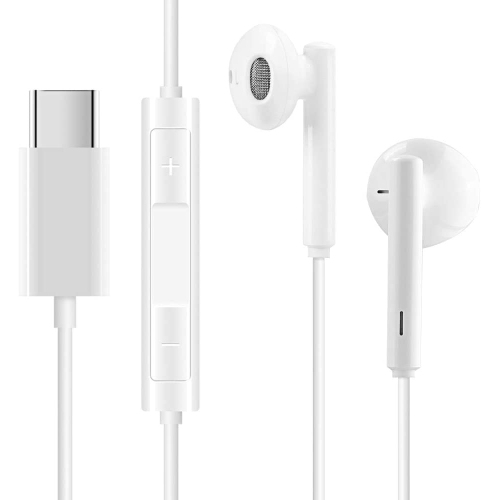
Choosing between wired and wireless hi-fi earphones usually comes down to where you listen and what you connect them to. Wired models avoid earphone battery charging and can provide a straightforward connection to a compatible headphone output. Many phones and some computers lack that output, so a suitable USB-C or other device-compatible audio adapter may be necessary. An adapter with a digital-to-analogue converter, or DAC, converts digital audio into the analogue signal the earphones need. More expensive equipment is not automatically necessary: many sensitive IEMs work well with a modest, well-matched source, while some designs benefit from greater amplification. Sensitivity and impedance are useful specifications to consider together rather than treating either figure as a stand-alone measure of quality. Very sensitive earphones may reveal background hiss from some outputs. Connector compatibility matters as well; a 3.5 mm plug and a 4.4 mm balanced plug require different sockets, and a balanced connection is not inherently a promise of better sound. Detachable cables can make replacement easier, provided the connector type and fit match the earphones. Wireless models remove the cable to your device, making them convenient for commuting, desk work, and moving around the house. Their performance depends on the complete design, including tuning, fit, and the Bluetooth audio formats supported by both the earphones and the source device. Battery life, charging-case capacity, microphone performance, and controls deserve attention alongside sound. Calls and online meetings are easier with an appropriate microphone setup, which is not included with every wired model. For music lovers, better-quality source audio can be worthwhile, but earphones cannot restore detail missing from the original recording or file. As a gift, hi-fi earphones can suit a musician listening closely to arrangements, a frequent traveller who values compact personal audio, or someone who enjoys unwinding with an album during the cooler months. Device compatibility, fit preferences, and the option to exchange them are particularly helpful considerations when buying for another person. The most satisfying choice is a pair that makes everyday listening feel engaging without adding unnecessary friction to the way its owner listens.
Top selling and popular products
-
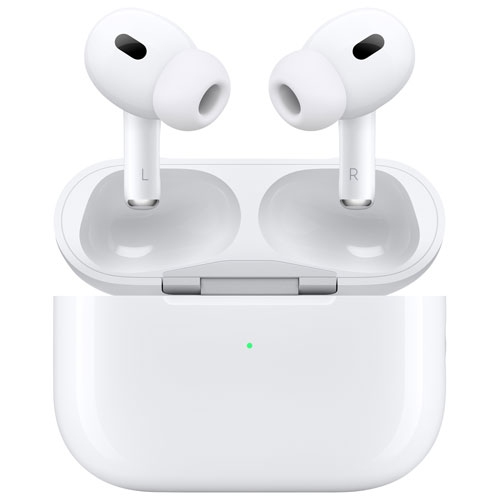 Your price for this item is $349.99
-
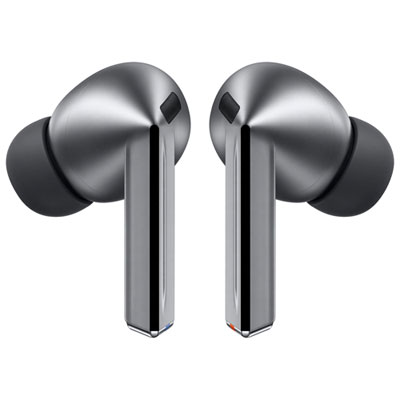 Your price for this item is $329.99
-
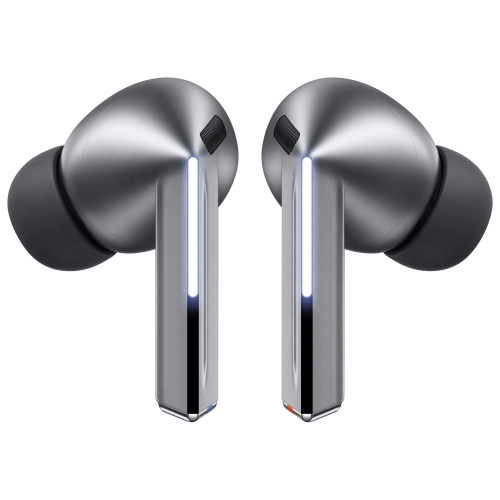 Your price for this item is $229
-
 Your price for this item is $215
-
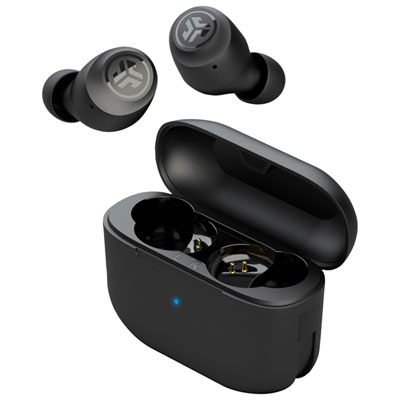 Your price for this item is $34.99
-
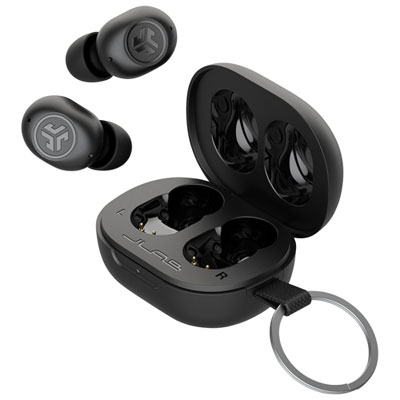 Your price for this item is $59.99
-
 Your price for this item is $189
-
 Your price for this item is $89.99
Discover more categories related to Hifi Earphones

Top Collections:
Pokemon Centers, Best Cameras for Sports Photography, Kindle Devices, Samsung Galaxy Phones, Canon G7X Cameras, Pokémon 30th Celebration Cards, Refurbished Apple Laptops, iPhone 15 Apple, Laptops for Students, Budget Smartphones
Some products may be subject to Environmental Handling Fees
(EHF) depending on your province.
Learn more about EHFs.