iPhone 14 Protective Cases
Protect your beloved iPhone 14 in style with our wide selection of protective cases. Whether you're looking for a sleek and slim design or maximum durability, we have the perfect case to suit your needs. Our collection features an array of colors, materials, and styles to match your personal taste and lifestyle. From rugged cases that can withstand the toughest drops and shocks to stylish options that add a touch of elegance to your device, we have something for everyone.
Sort
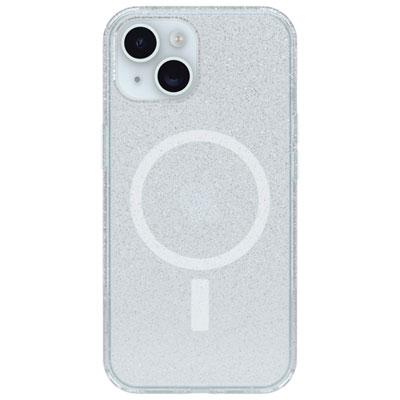
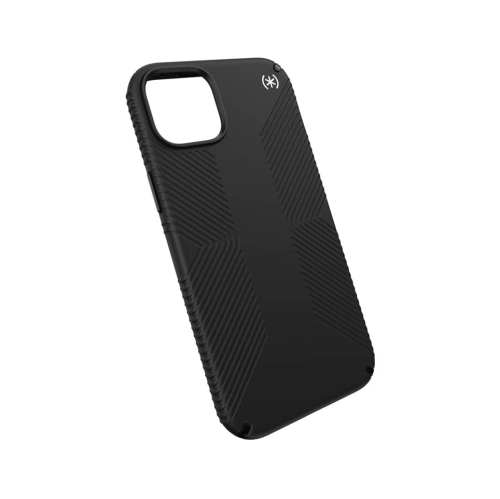
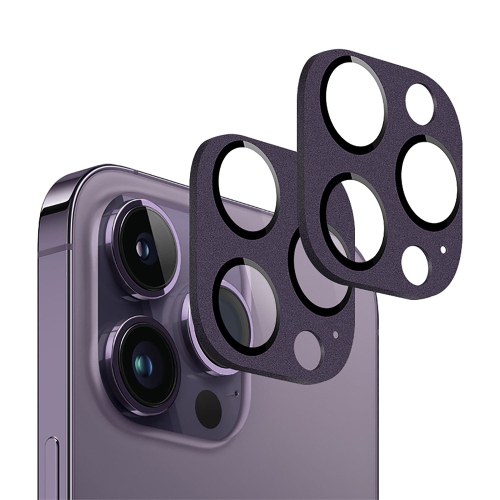
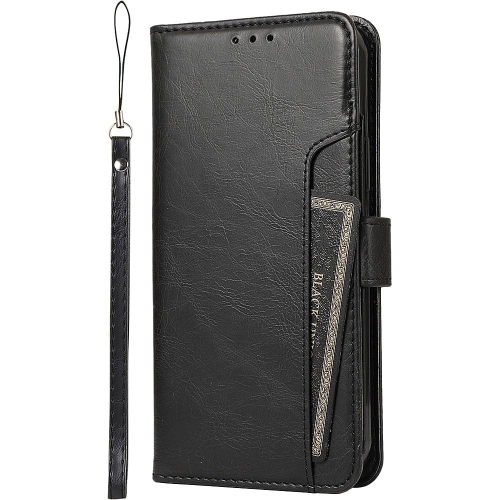
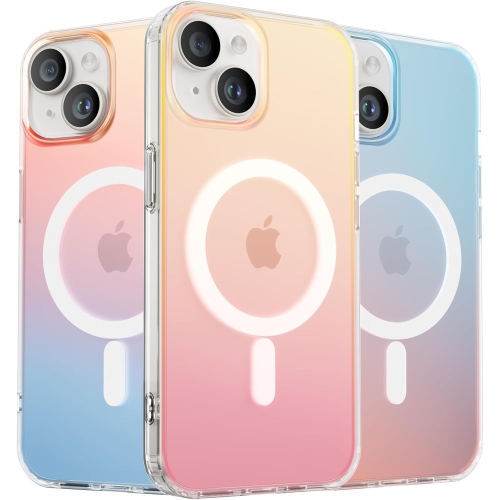
![MOBYLI Crystal Clear Slim Protective Case for Iphone 14 Pro (6.1 Inch) [Shockproof, Transparent, Anti Scratch, Anti Yellowing]](https://multimedia.bbycastatic.ca/multimedia/products/500x500/165/16501/16501021.jpeg)
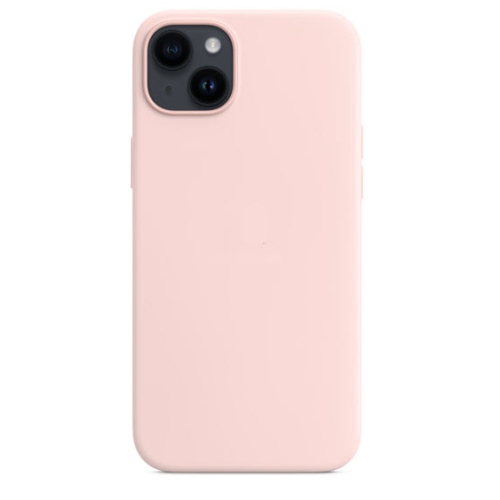
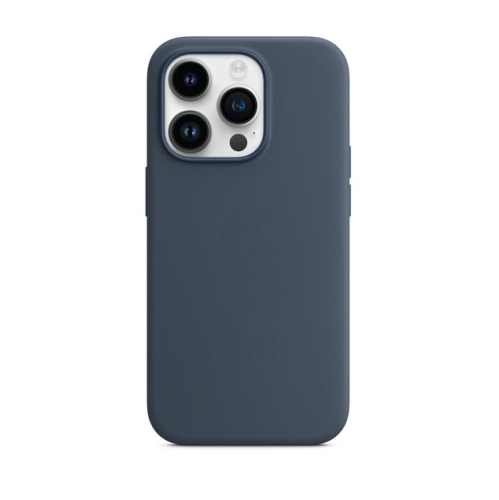
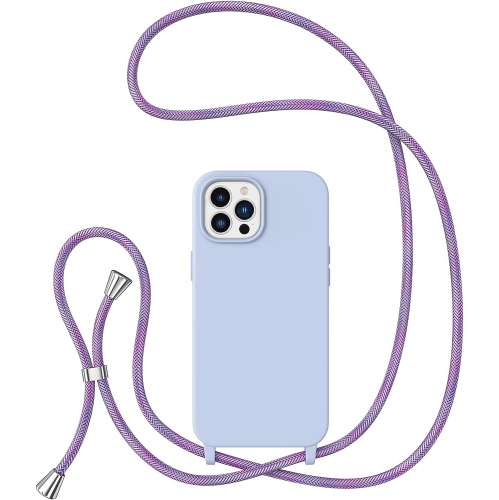
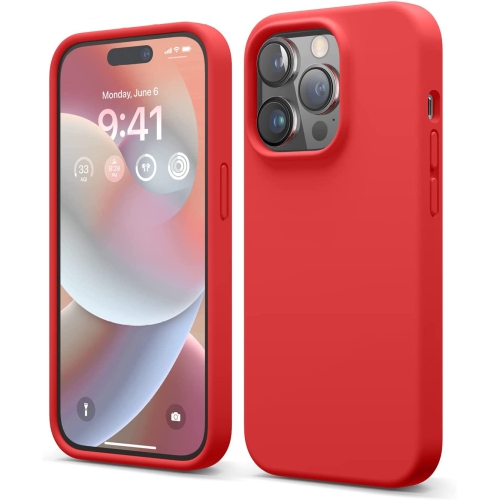
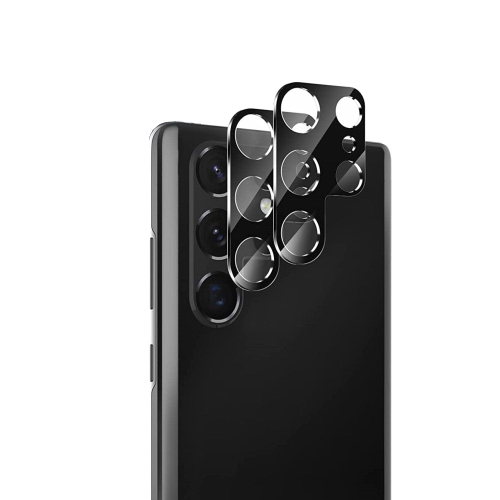
![HLD [5 In 1] Designed for Iphone 14 Case With 2 Pack Tempered Glass Screen Protector + 2 Pack Camera Lens Protector, [Military G](https://multimedia.bbycastatic.ca/multimedia/products/500x500/165/16569/16569452.jpeg)
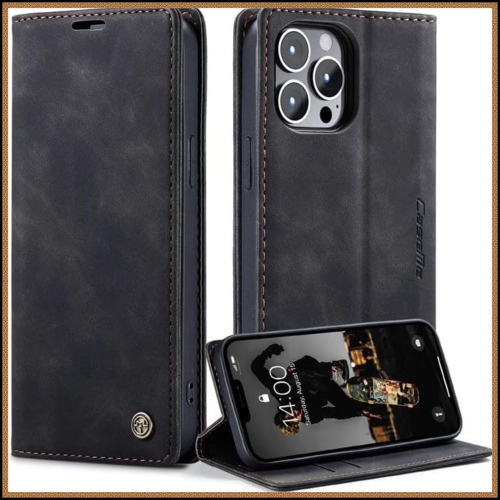
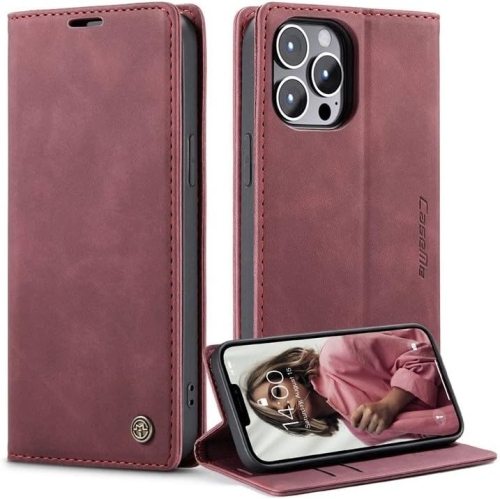
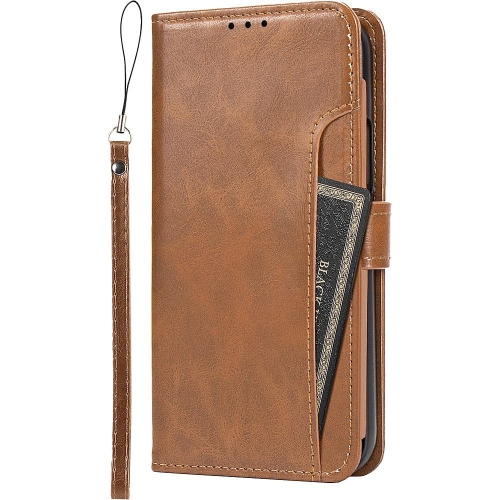
![GENERIC Case for Iphone 14 6.1" 5G, Genuine Leather Iphone 14 Wallet Folio Case [Magnetic Closure] [Rfid Blocking Card](https://multimedia.bbycastatic.ca/multimedia/products/500x500/173/17389/17389348.jpeg)
![HLD Magnetic Clear Case for Iphone 14 Case Compatible With Magsafe, [No.1 Strong Magnets][Never Yellow], Shockproof Protective Sli](https://multimedia.bbycastatic.ca/multimedia/products/500x500/165/16569/16569502.jpeg)
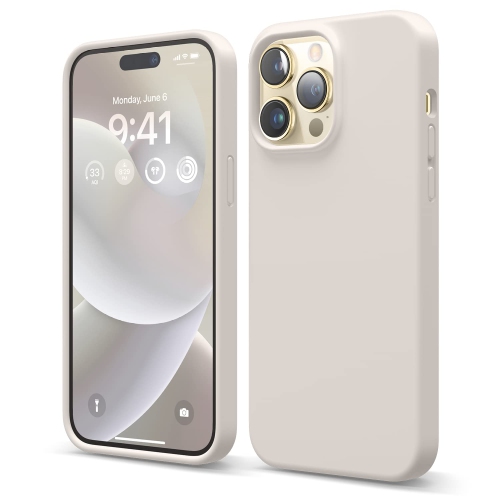
![HLD [5 In 1] Designed for Iphone 14 Case With 2 Pack Tempered Glass Screen Protector + 2 Pack Camera Lens Protector, [Military G](https://multimedia.bbycastatic.ca/multimedia/products/500x500/165/16569/16569461.jpeg)
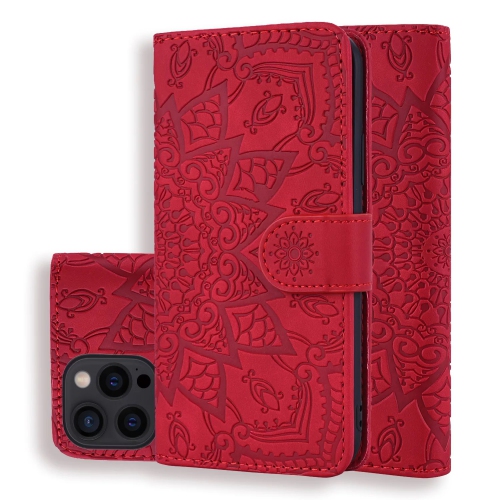
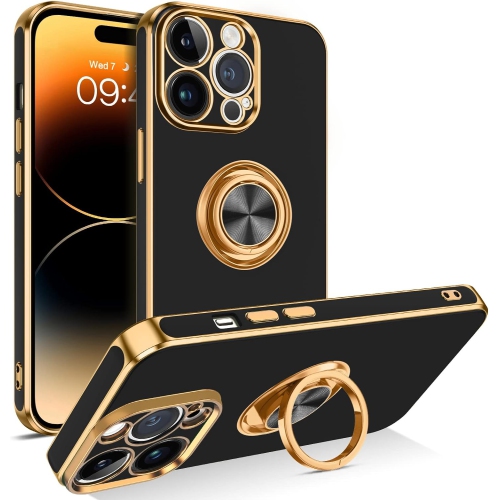
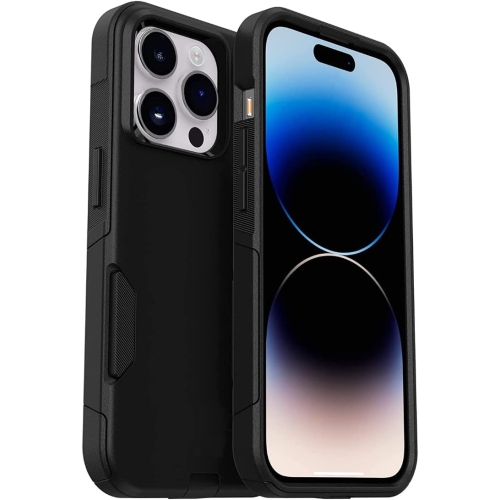
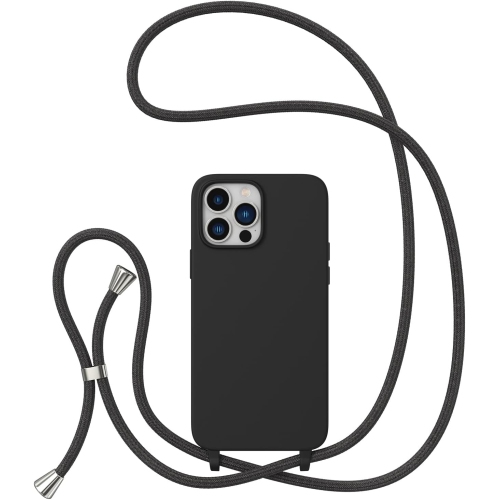
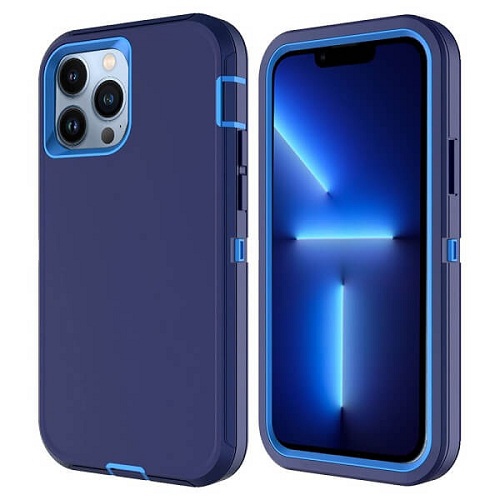
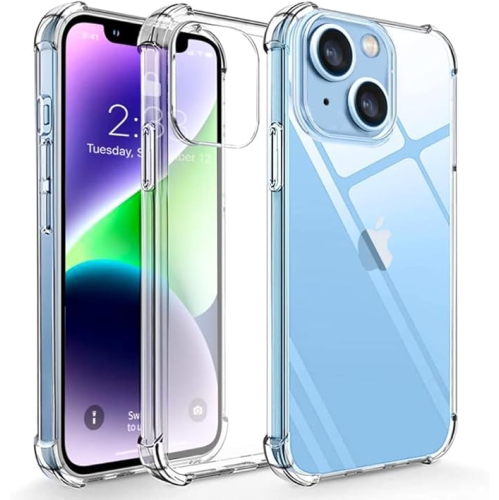
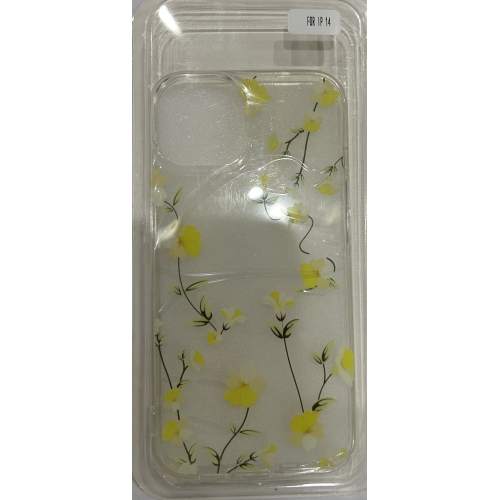
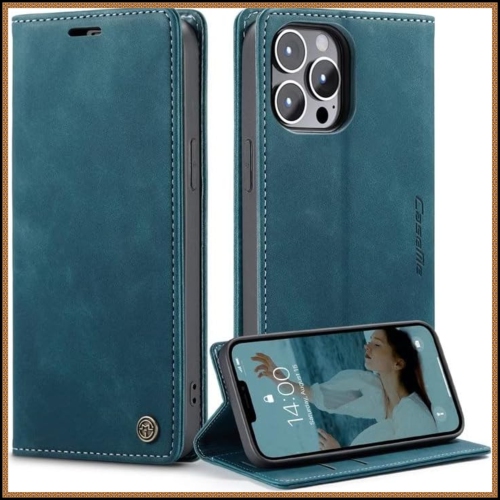
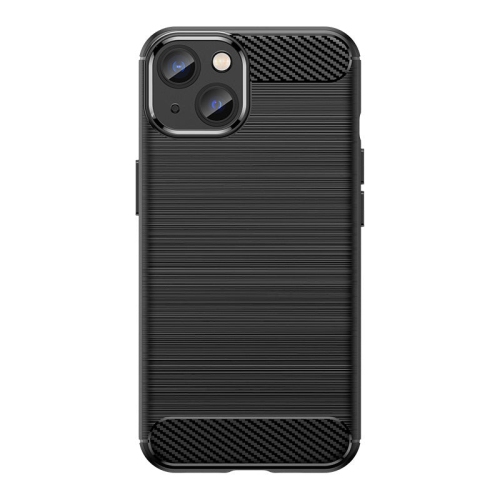
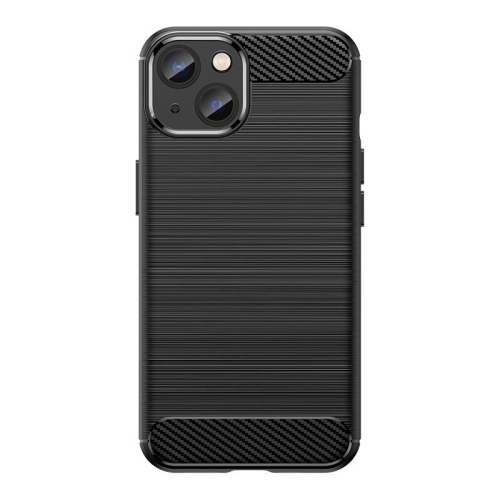
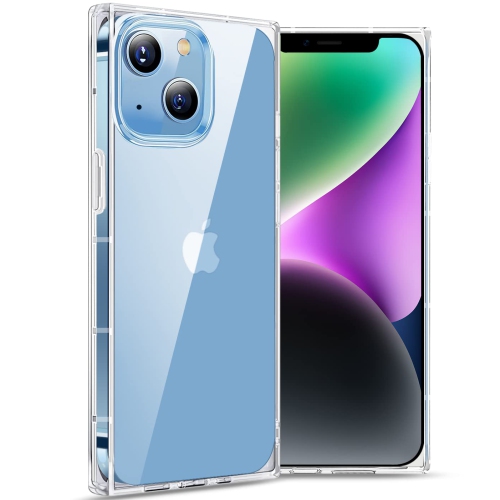
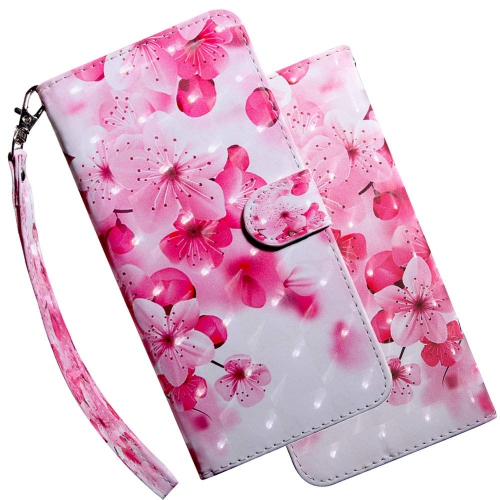
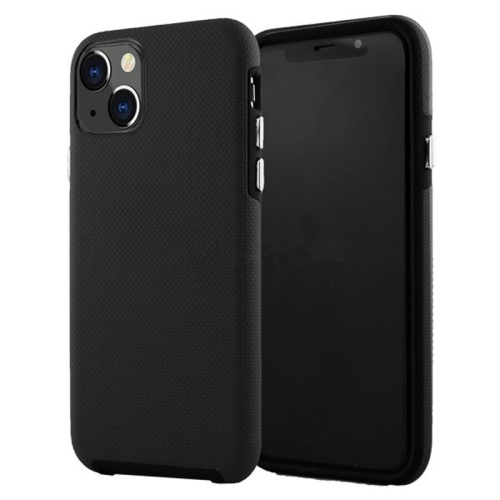
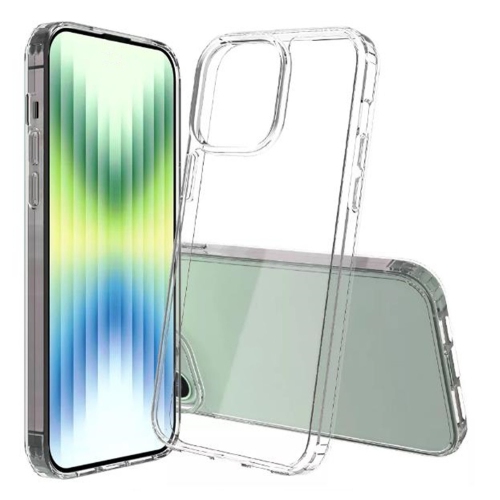
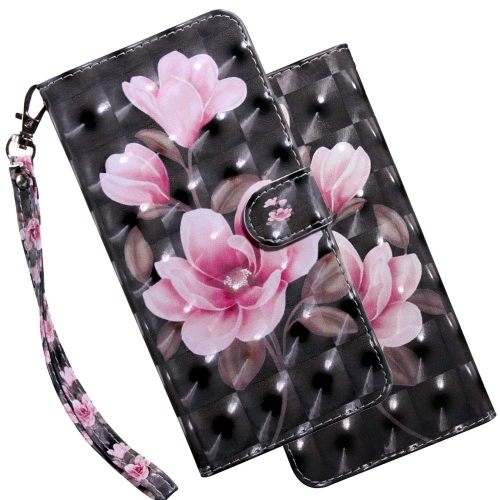
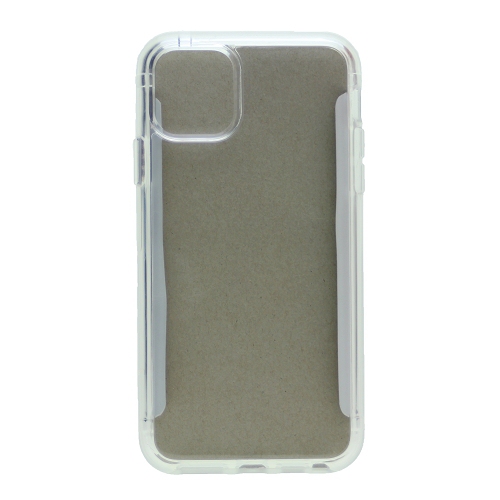
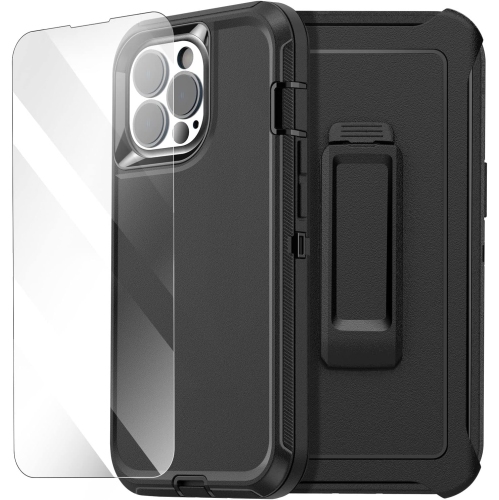
![GENERIC Case Wallet for Iphone 14 6.1", Protective [Tpu Shockproof Inner Shell], Pu Leather [Rfid Blocking] [4 Card](https://multimedia.bbycastatic.ca/multimedia/products/500x500/173/17387/17387608.jpeg)
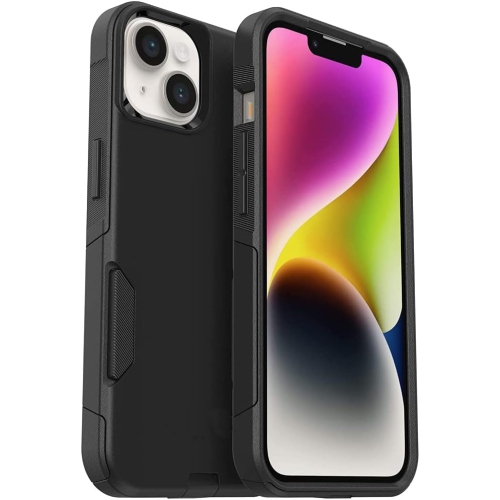
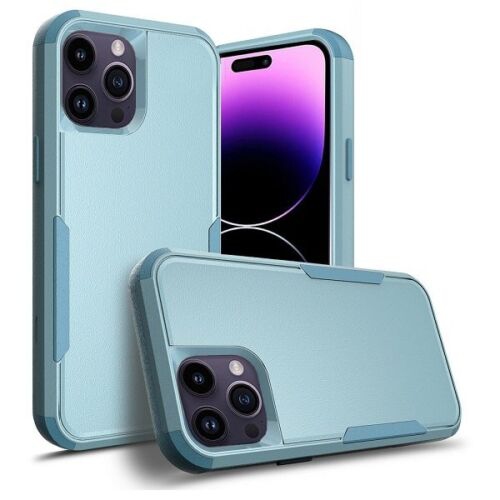
![MOBYLI Crystal Clear Slim Protective Case for Iphone 14 Plus (6.7 Inch) [Shockproof, Transparent, Anti Scratch, Anti Yellowing]](https://multimedia.bbycastatic.ca/multimedia/products/500x500/165/16501/16501020.jpeg)
![MOBYLI Crystal Clear Slim Protective Case for Iphone 14 (6.1 Inch) [Shockproof, Transparent, Anti Scratch, Anti Yellowing]](https://multimedia.bbycastatic.ca/multimedia/products/500x500/165/16501/16501018.jpeg)
![MOBYLI Crystal Clear Slim Protective Case for Iphone 14 Pro Max (6.7 Inch) [Shockproof, Transparent, Anti Scratch, Anti Yellowing]](https://multimedia.bbycastatic.ca/multimedia/products/500x500/165/16501/16501019.jpeg)
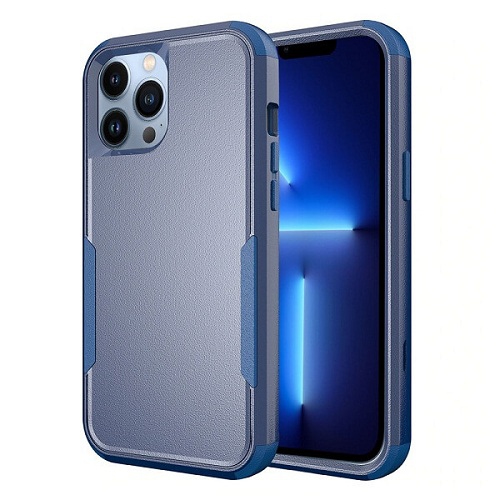
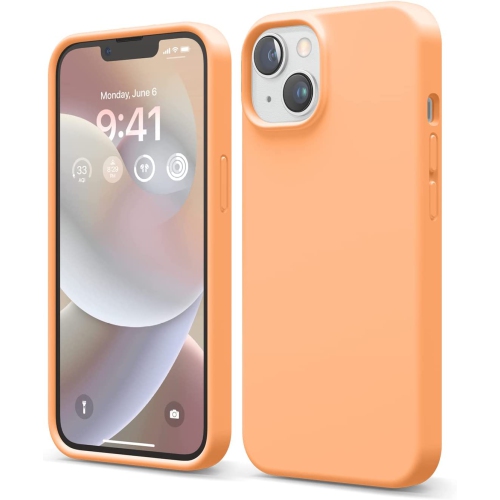
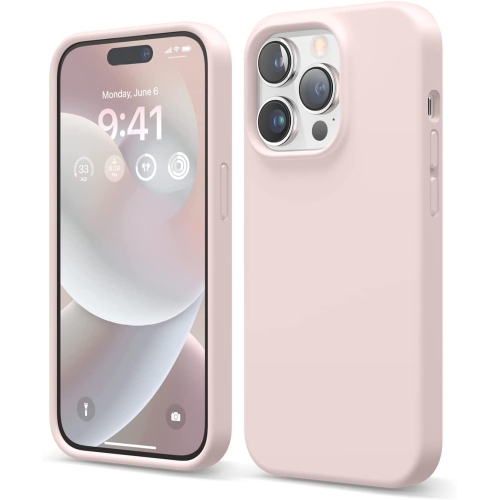
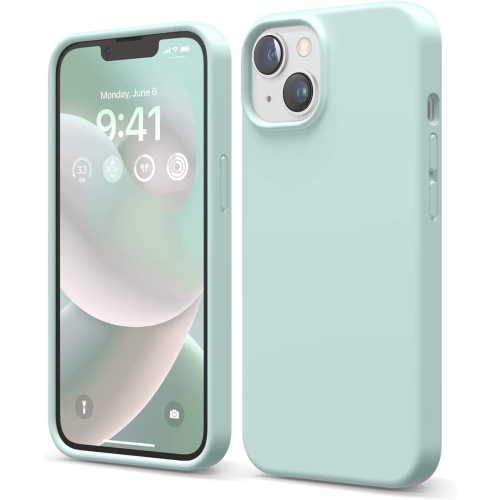
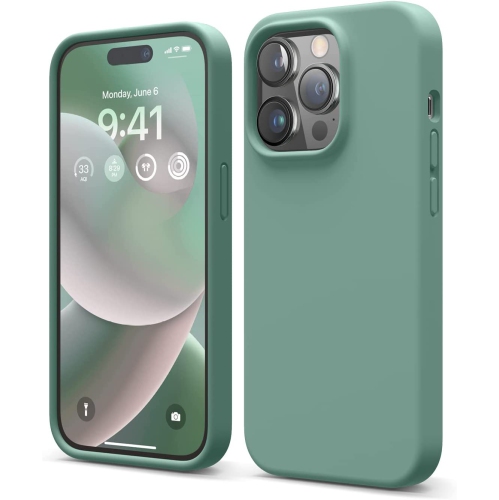
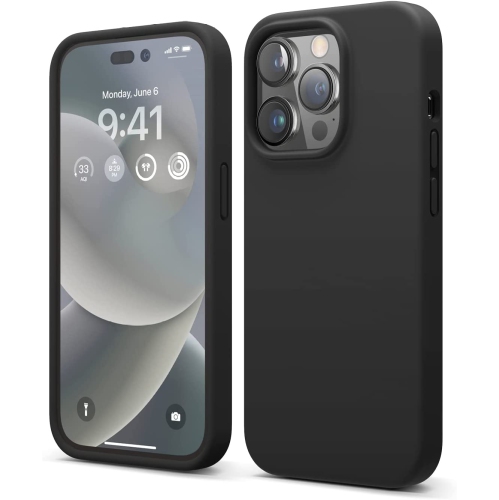
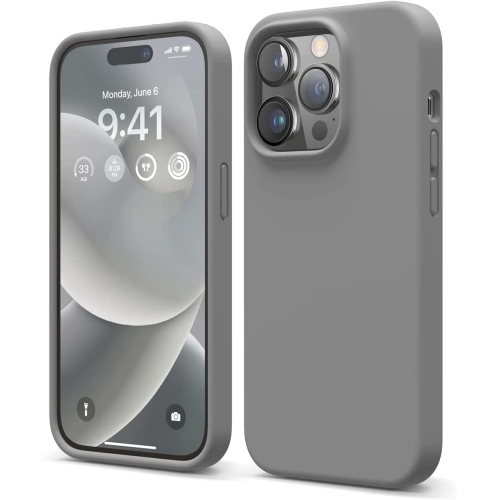
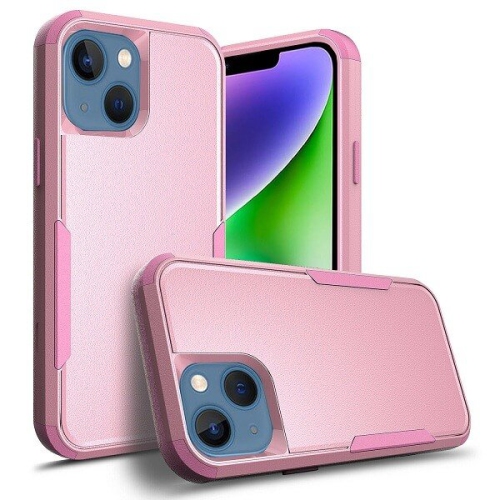
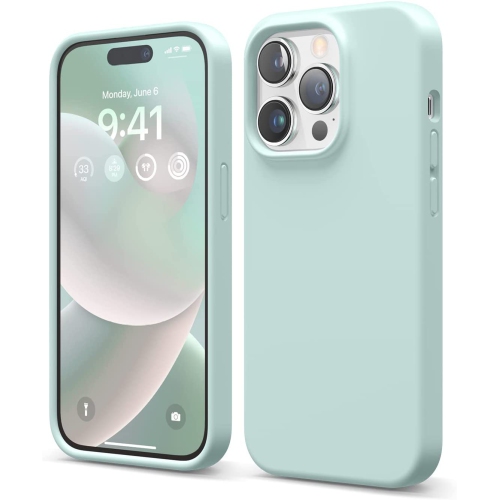
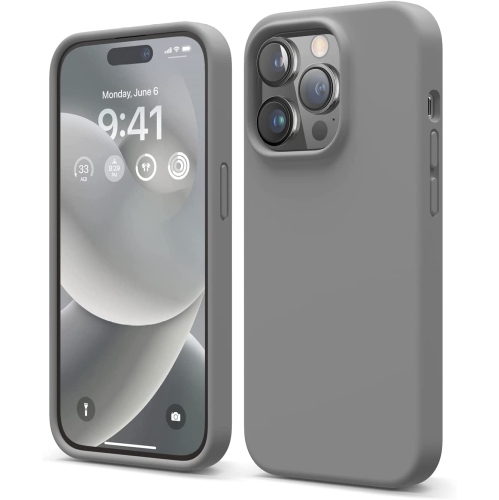
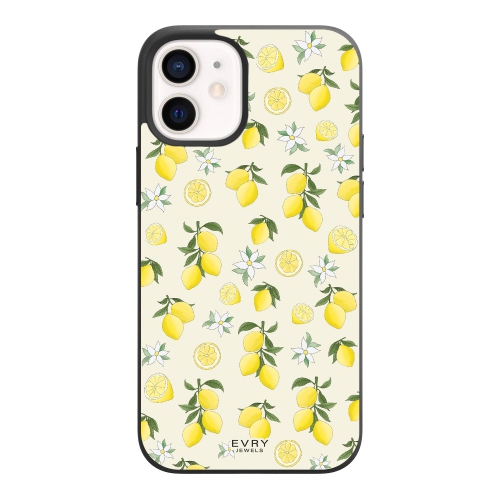
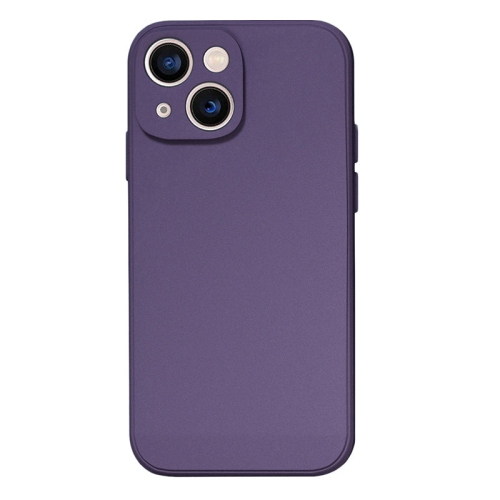
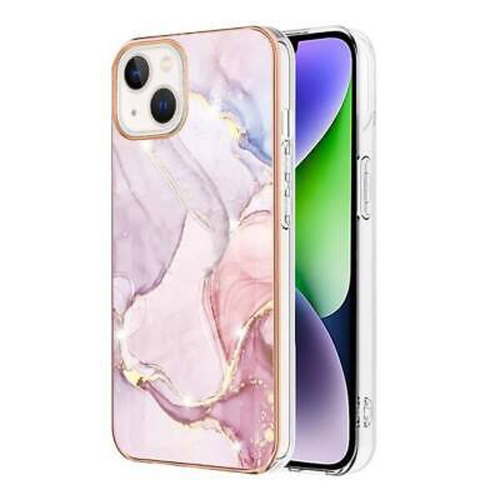
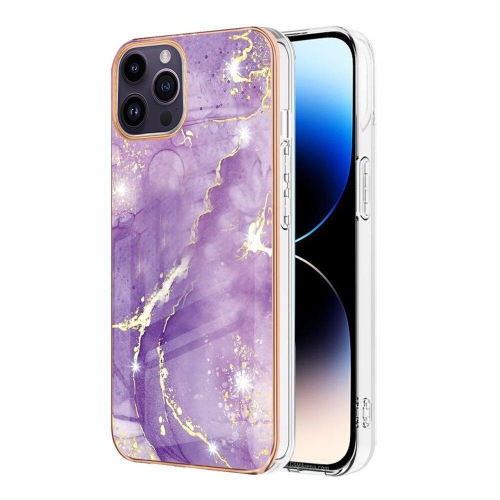
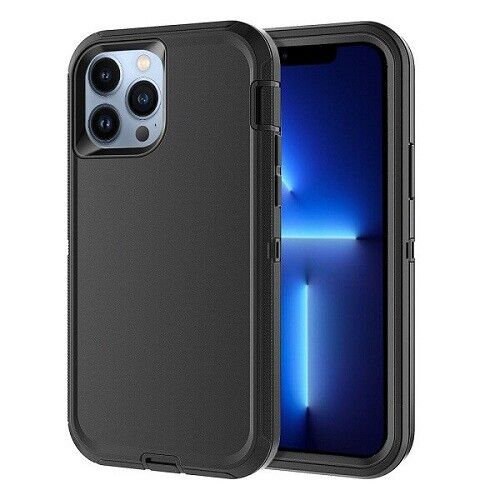
![MOBYLI Ultra Protective Dual Layer [PC+ Tpu] Armor Case for Iphone 14 Pro Max (Navy Blue)](https://multimedia.bbycastatic.ca/multimedia/products/500x500/166/16689/16689152.jpeg)
![MOBYLI Ultra Protective Dual Layer [PC+ Tpu] Armor Case for Iphone 14 Pro (Red)](https://multimedia.bbycastatic.ca/multimedia/products/500x500/166/16689/16689151.jpeg)
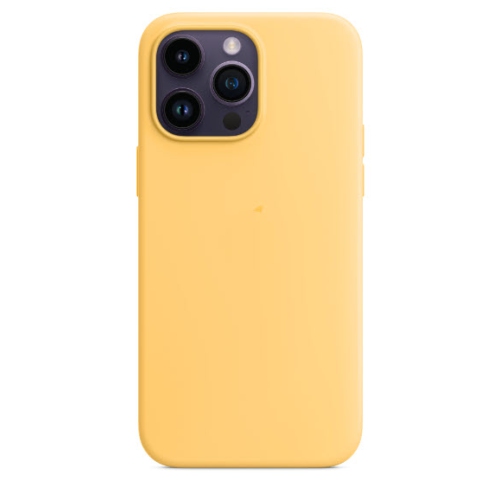
![MOBYLI Ultra Protective Dual Layer [PC+ Tpu] Armor Case for Iphone 14 Pro (Metallic Grey)](https://multimedia.bbycastatic.ca/multimedia/products/500x500/166/16689/16689148.jpeg)
![MOBYLI Ultra Protective Dual Layer [PC+ Tpu] Armor Case for Iphone 14 Pro Max (Black)](https://multimedia.bbycastatic.ca/multimedia/products/500x500/166/16689/16689147.jpeg)
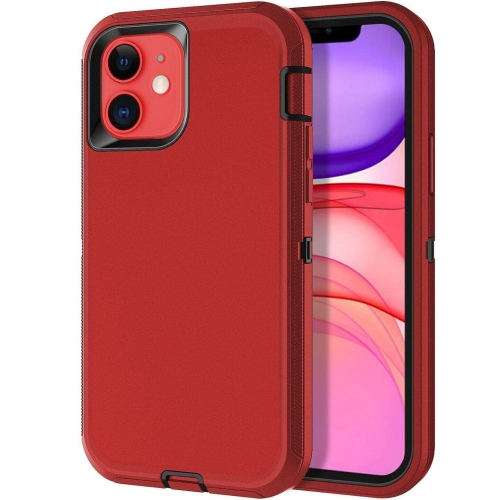
![MOBYLI Ultra Protective Dual Layer [PC+ Tpu] Armor Case for Iphone 14 Pro Max (Red)](https://multimedia.bbycastatic.ca/multimedia/products/500x500/166/16689/16689146.jpeg)
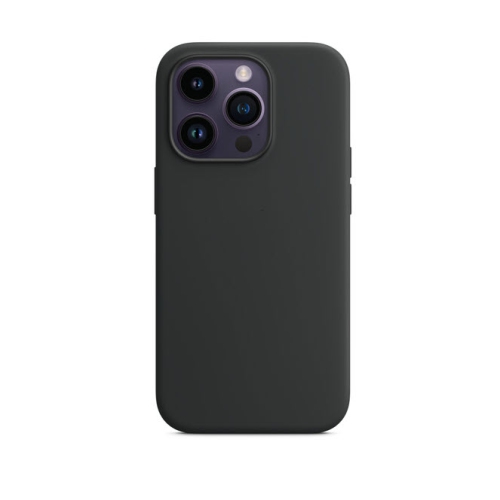
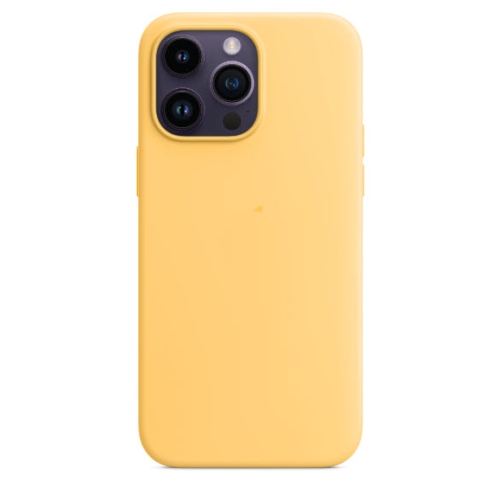
![MOBYLI Ultra Protective Dual Layer [PC+ Tpu] Armor Case for Iphone 14 Pro (Deep Purple)](https://multimedia.bbycastatic.ca/multimedia/products/500x500/166/16689/16689140.jpeg)
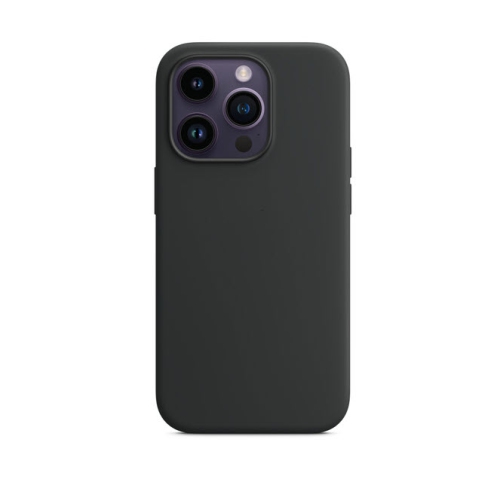
![MOBYLI Ultra Protective Dual Layer [PC+ Tpu] Armor Case for Iphone 14 Pro (Black)](https://multimedia.bbycastatic.ca/multimedia/products/500x500/166/16689/16689138.jpeg)
![MOBYLI Ultra Protective Dual Layer [PC+ Tpu] Armor Case for Iphone 14 Pro Max (Deep Purple)](https://multimedia.bbycastatic.ca/multimedia/products/500x500/166/16689/16689134.jpeg)
![MOBYLI Ultra Protective Dual Layer [PC+ Tpu] Armor Case for Iphone 14 Pro Max (Metallic Grey)](https://multimedia.bbycastatic.ca/multimedia/products/500x500/166/16689/16689131.jpeg)
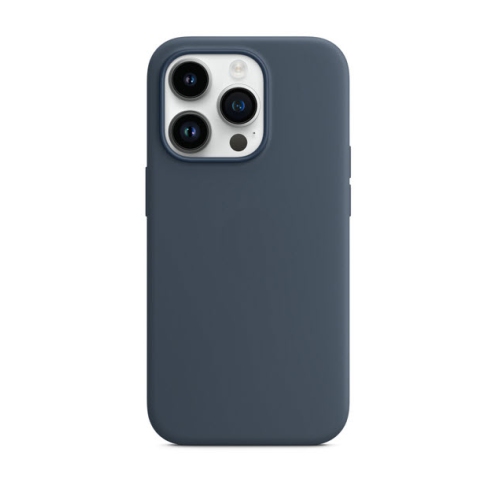
![MOBYLI Ultra Protective Dual Layer [PC+ Tpu] Armor Case for Iphone 14 Pro (Navy Blue)](https://multimedia.bbycastatic.ca/multimedia/products/500x500/166/16689/16689129.jpeg)
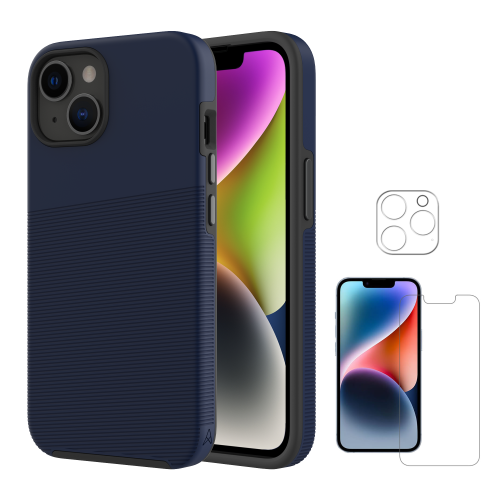
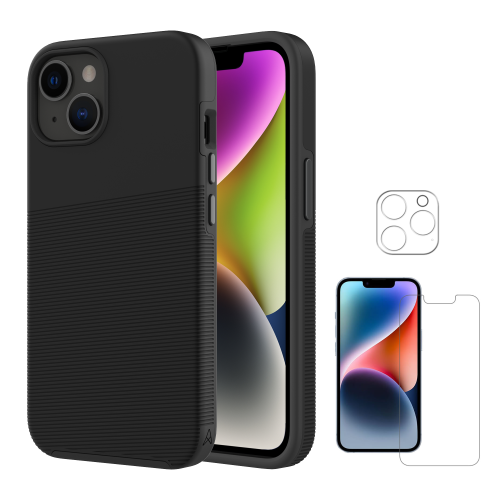
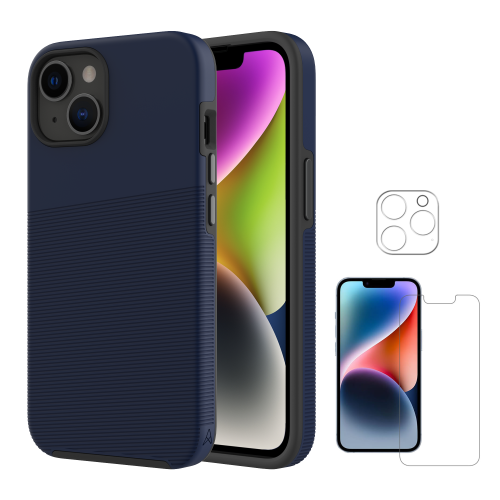
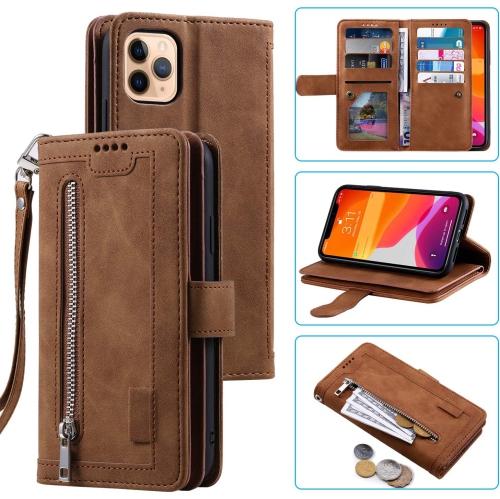
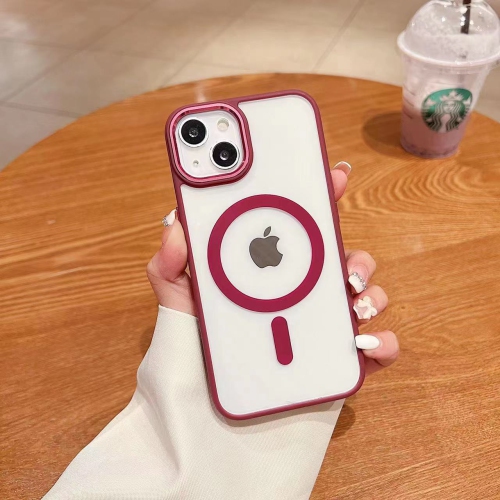
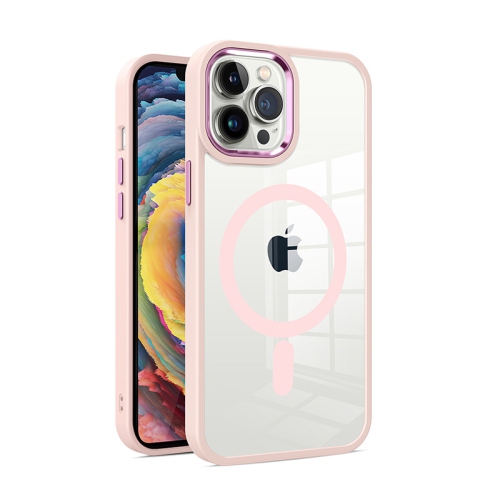
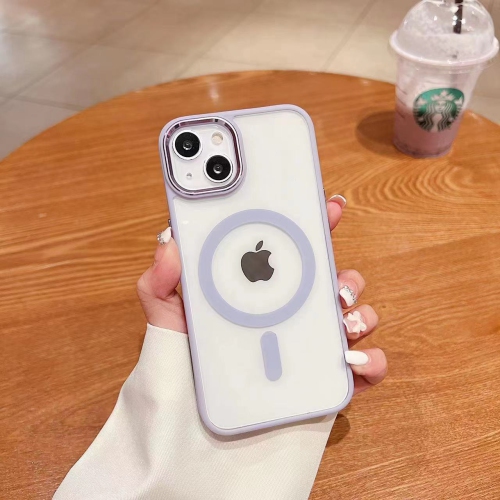
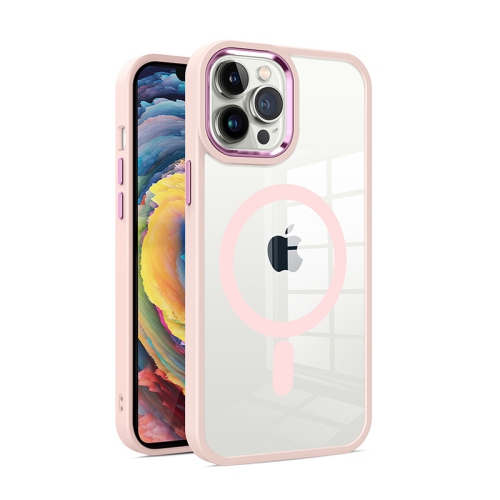
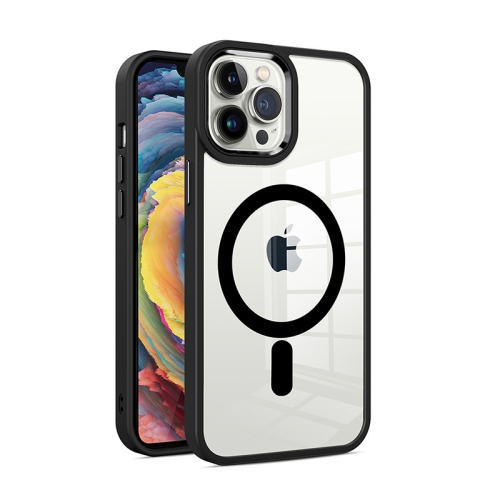
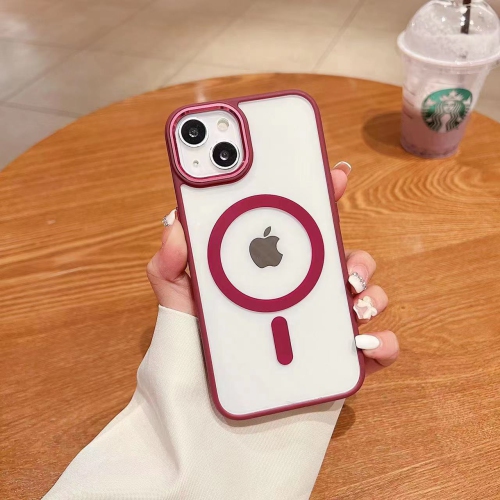
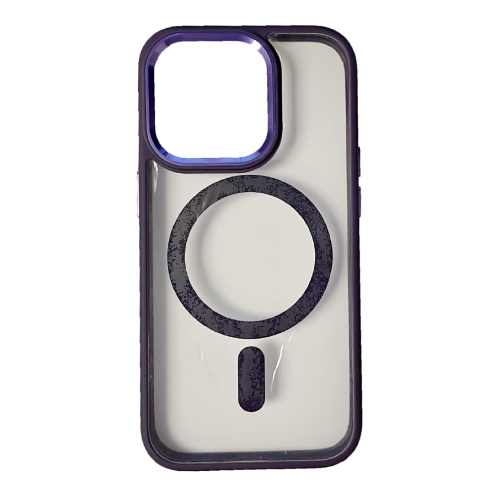
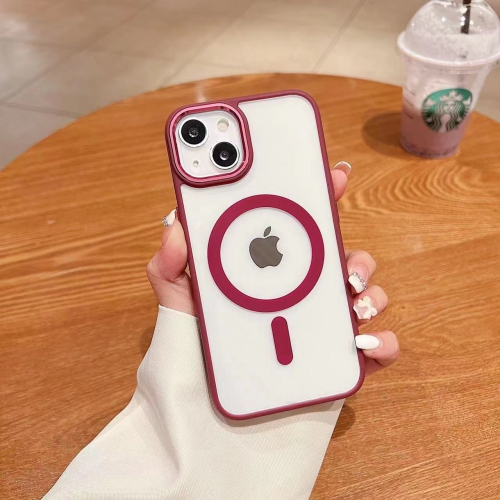
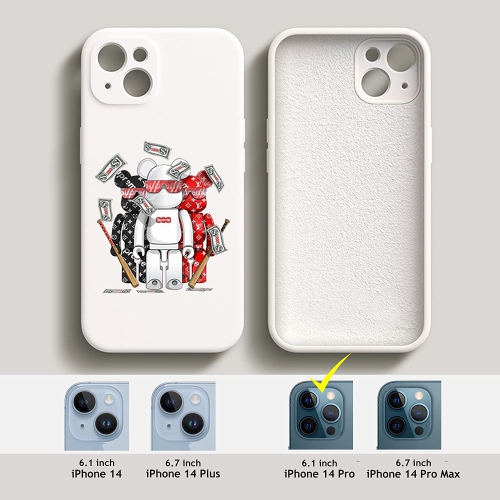
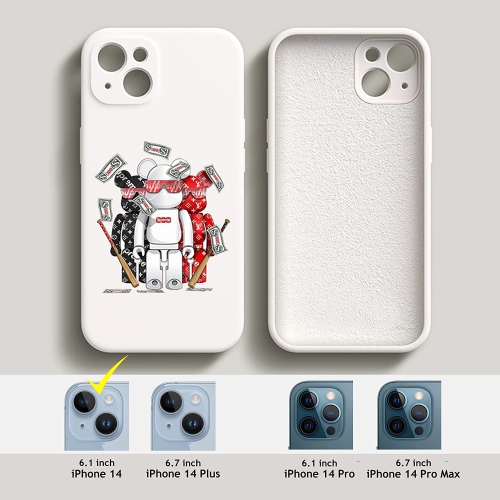
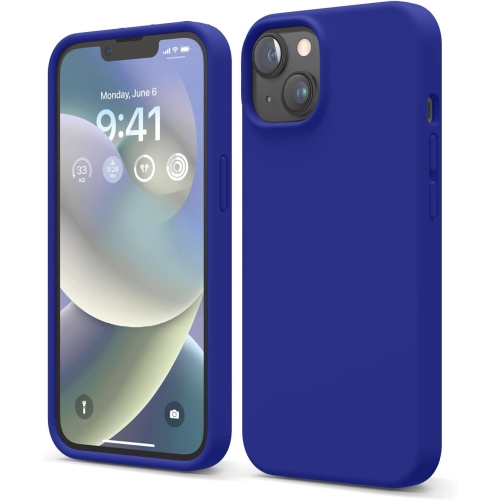
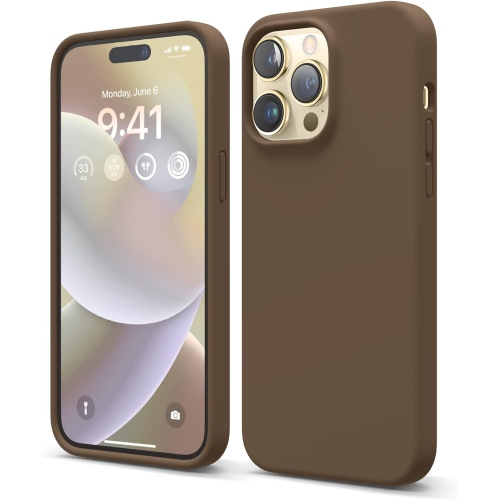

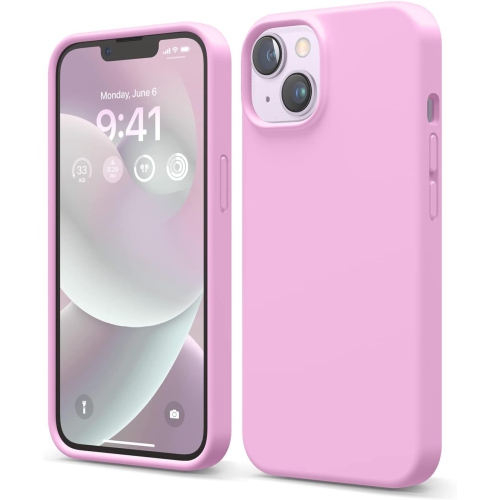
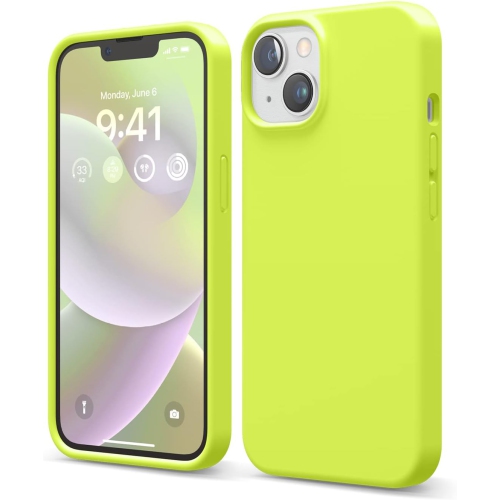
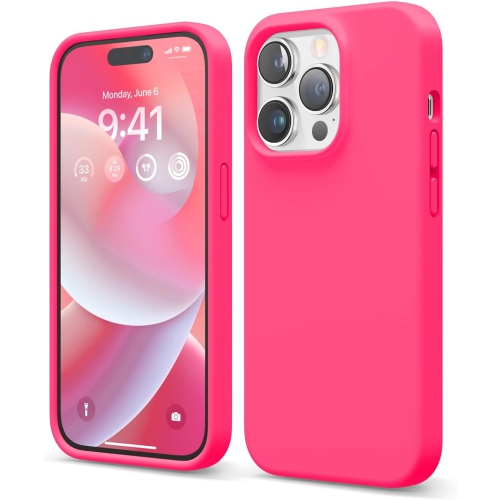
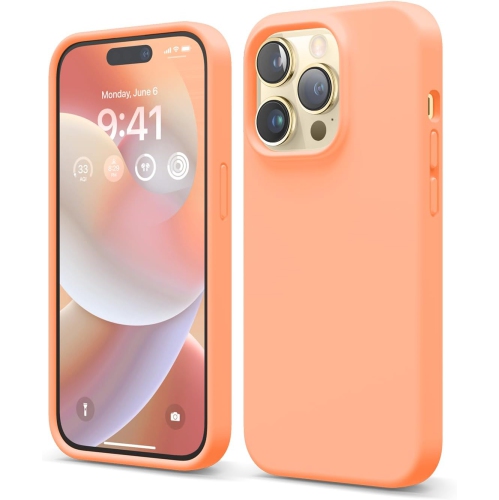
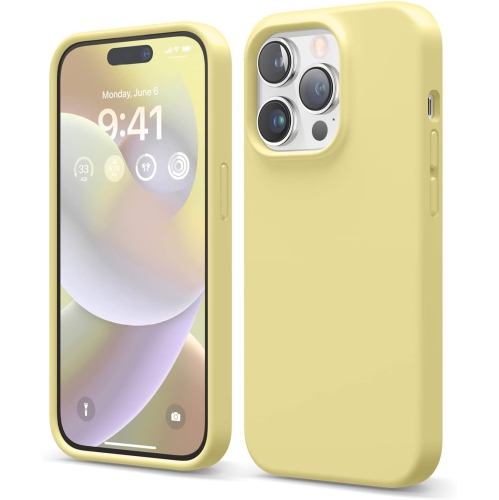
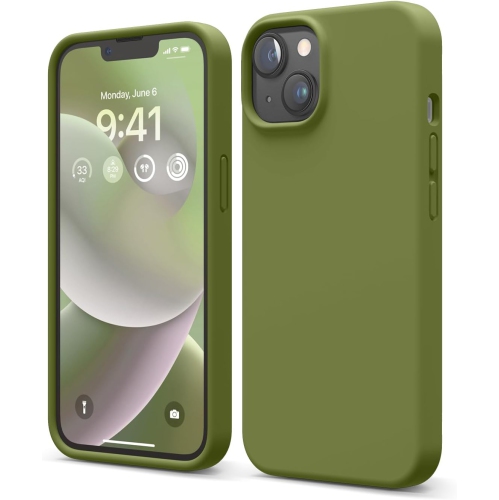
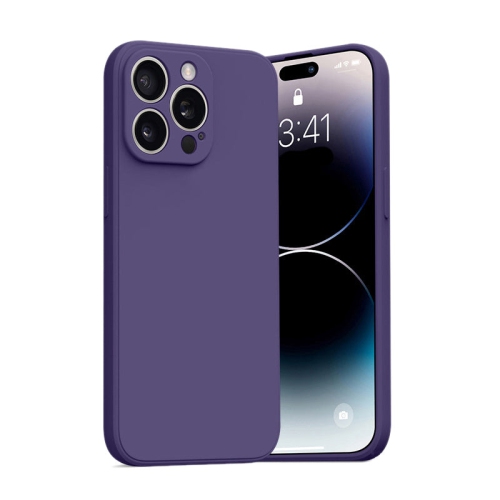
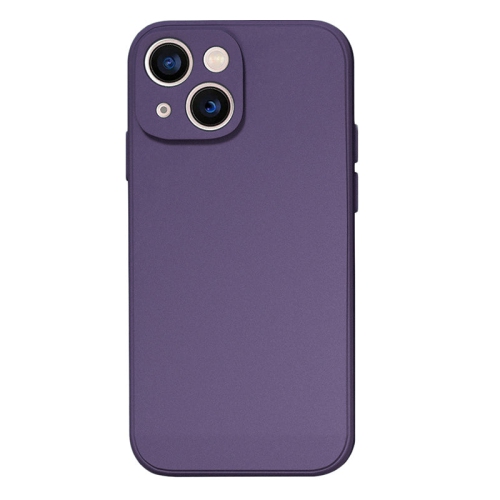
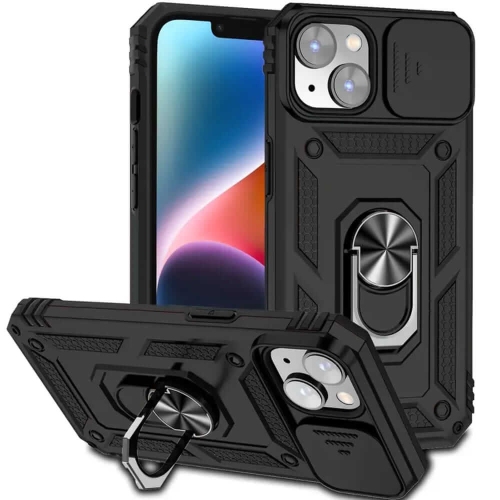
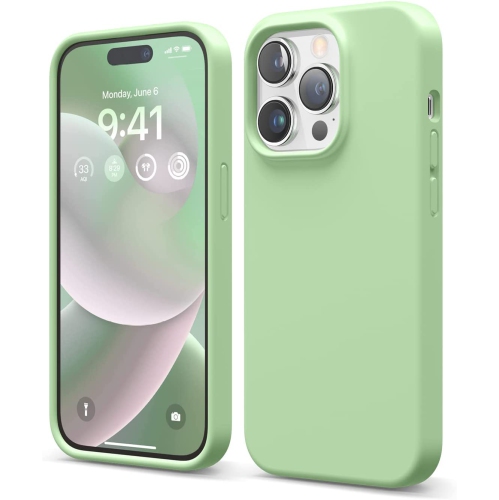
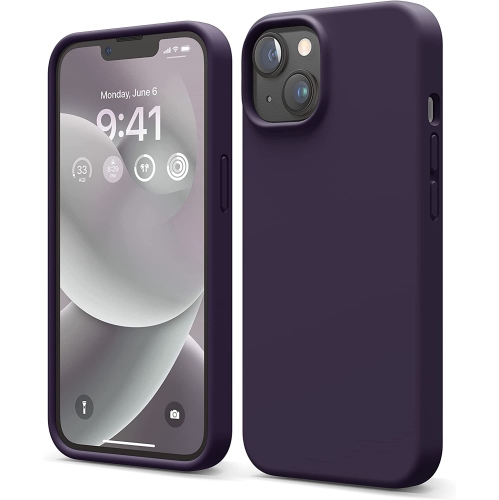

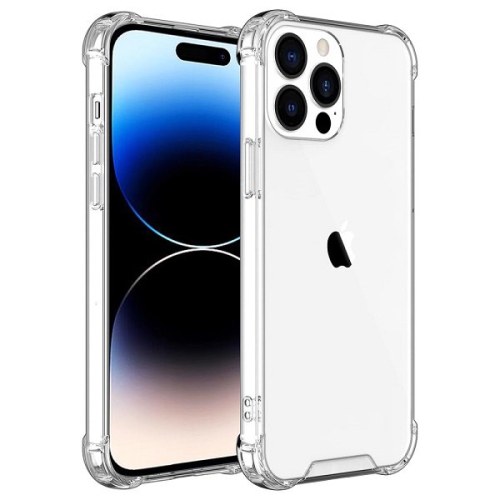
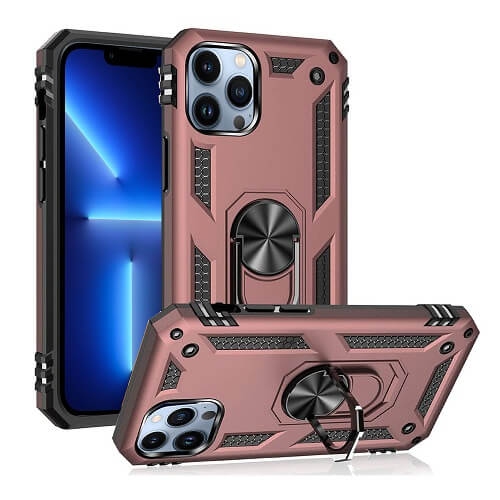
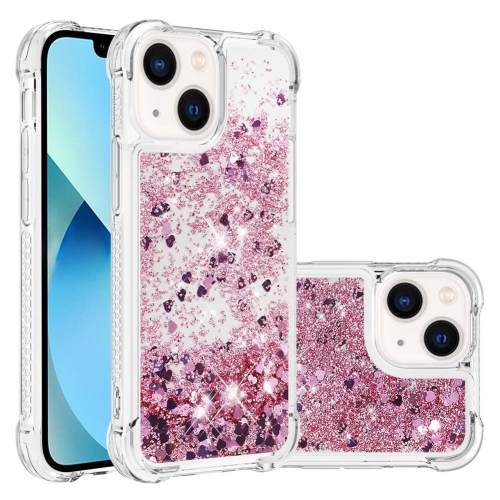
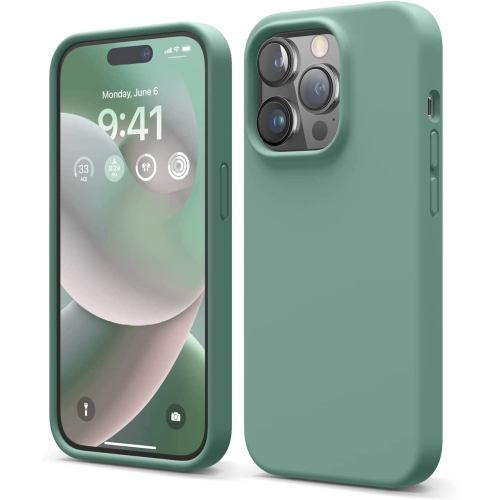
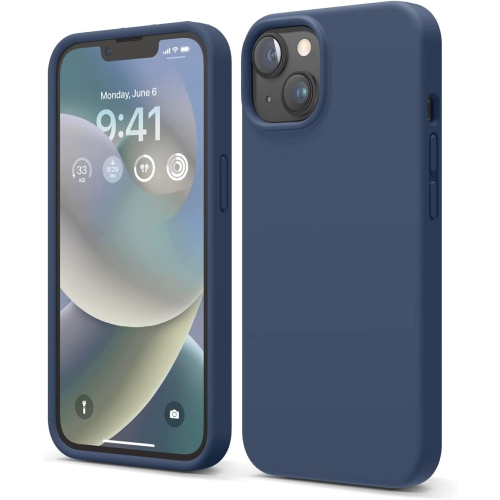
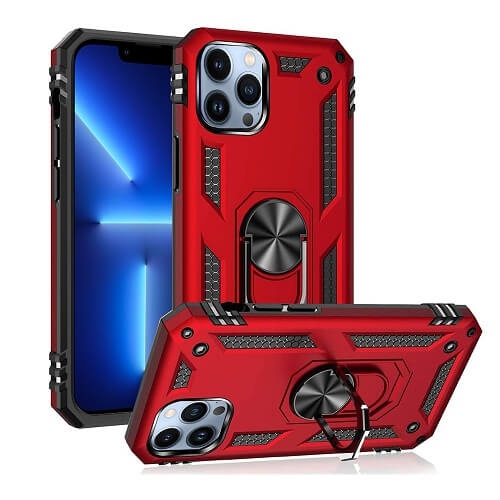
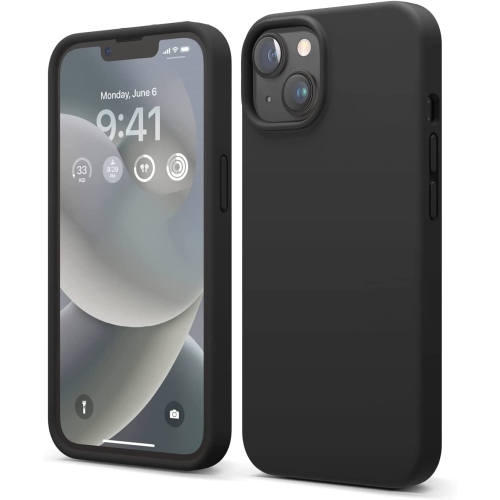
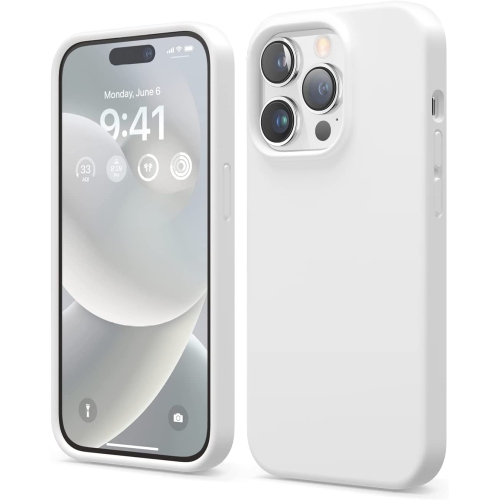
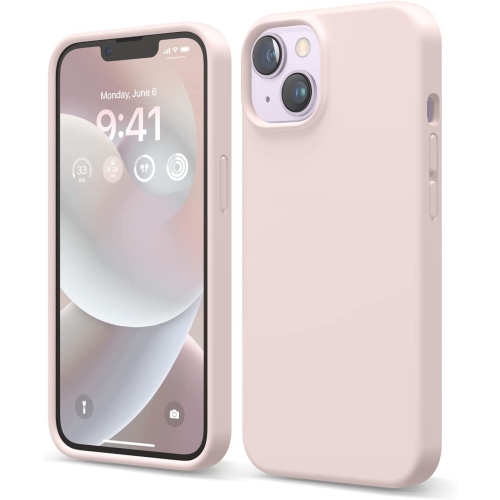
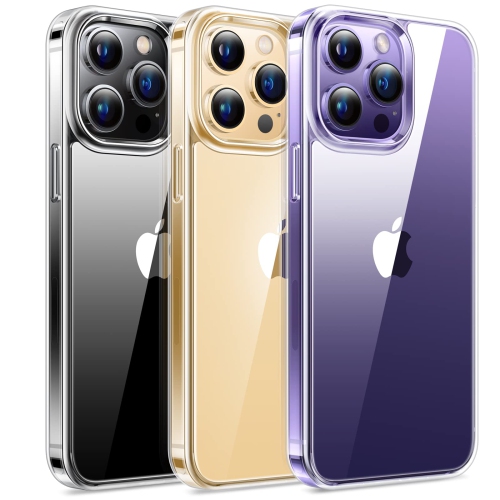
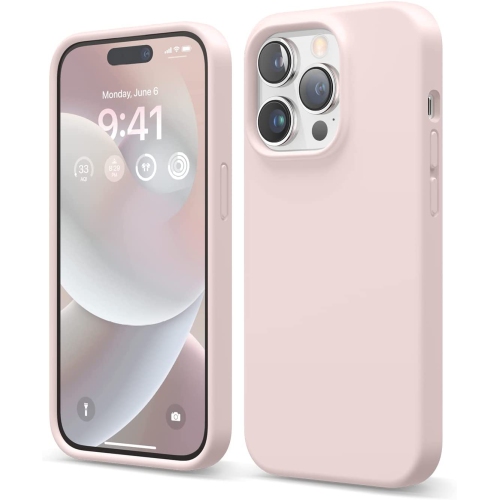
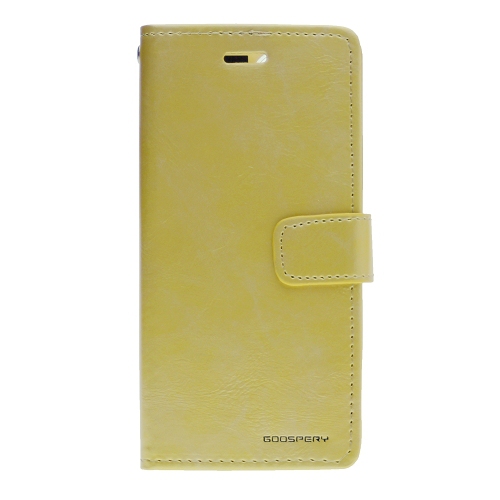
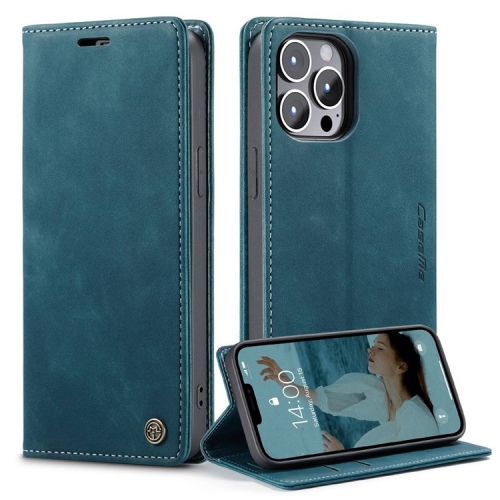
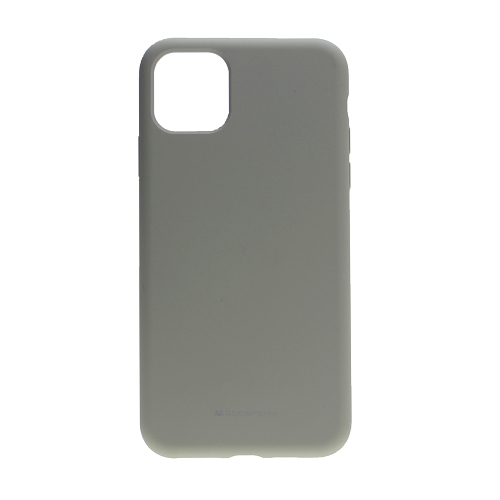
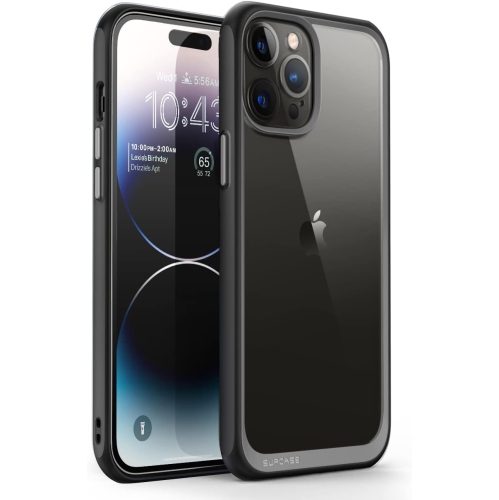
![GENERIC Iphone 14 Pro Max Case, [Tempered Glass Screen Protector+Camera Lens Protector] Full Body Clear Bumper Iphone](https://multimedia.bbycastatic.ca/multimedia/products/500x500/173/17388/17388159.jpeg)
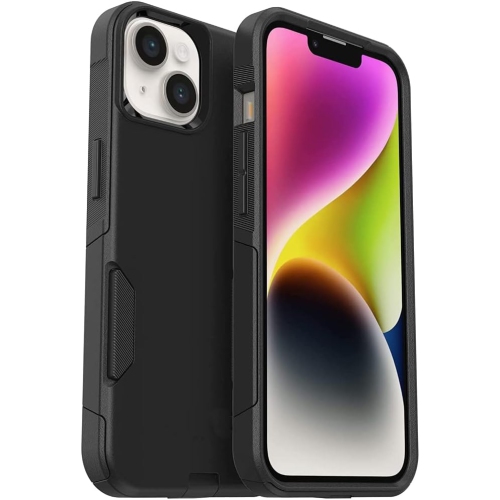
![GENERIC Iphone 14 Plus Protective Case - Gripzilla Compatible With Magsafe [Rugged + Tough] Armored Slim Cover](https://multimedia.bbycastatic.ca/multimedia/products/500x500/173/17387/17387233.jpeg)
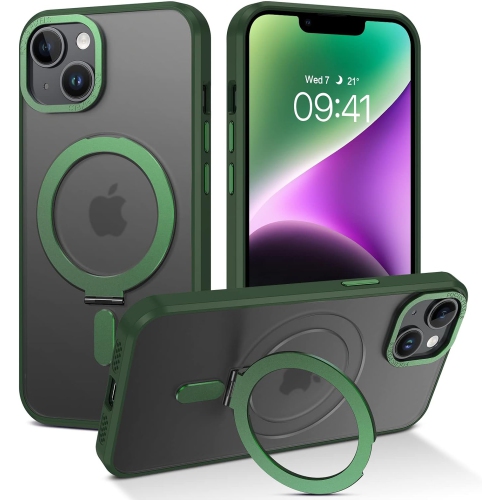
![GENERIC for Iphone 14 Pro Case, Iphone 14 Pro Phone Case With HD Screen Protector, [Military Grade 16Ft. Drop Tested] Ring](https://multimedia.bbycastatic.ca/multimedia/products/500x500/173/17389/17389517.jpeg)
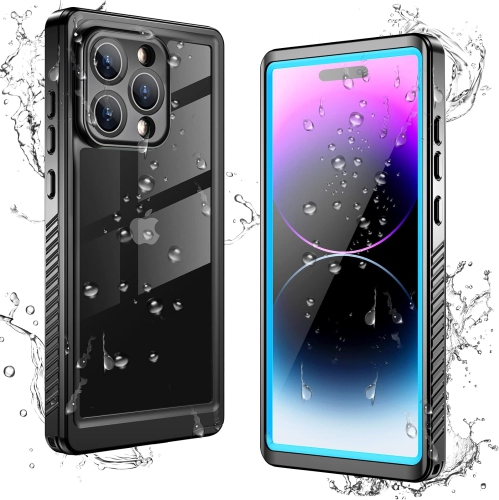
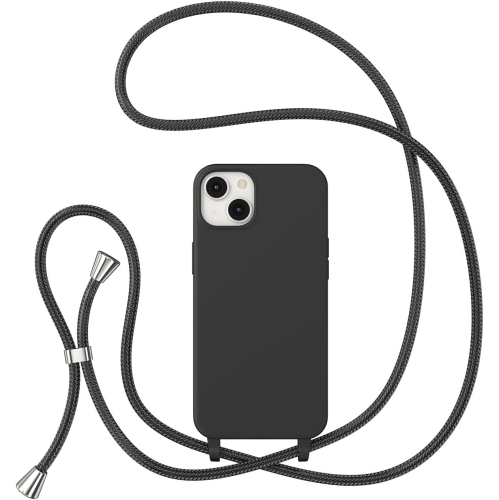
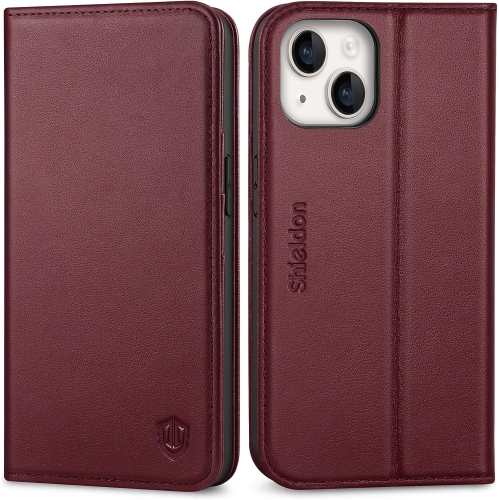
![GENERIC Case for Iphone 14 Wallet Case 6.1", Flip Wallet Pu Leather Magnetic Protective Cover With [Rfid Blocking] [4](https://multimedia.bbycastatic.ca/multimedia/products/500x500/173/17387/17387982.jpeg)
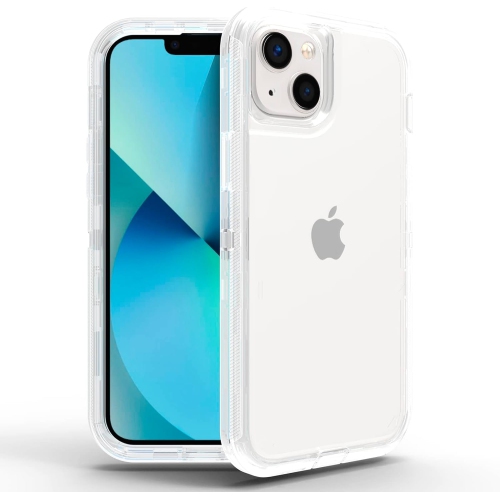
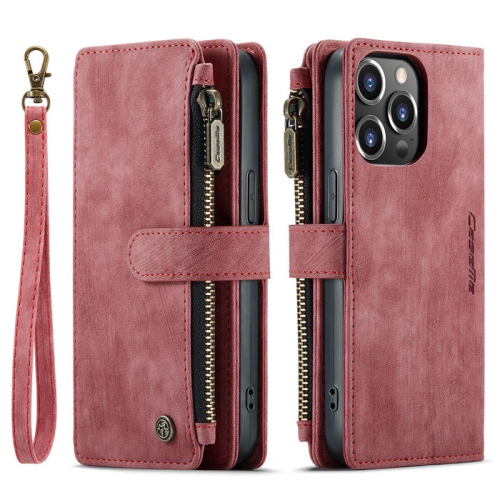
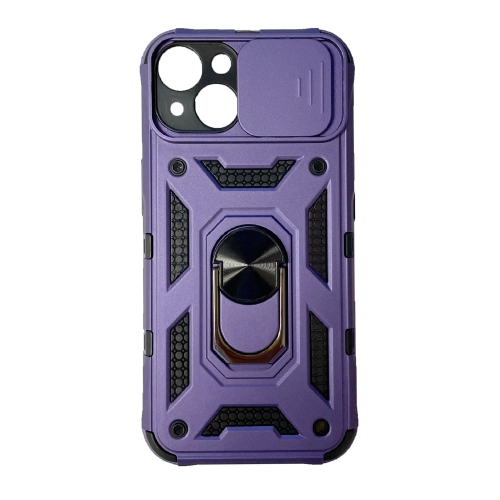
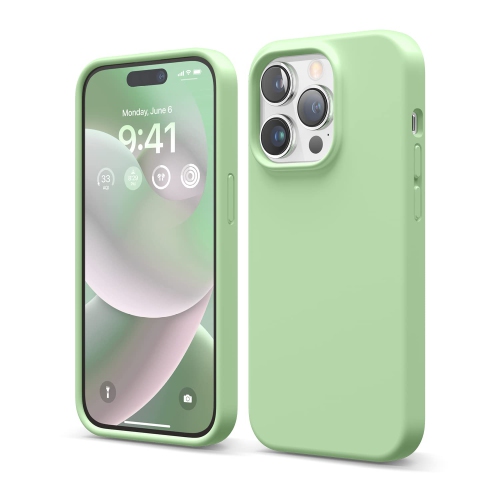
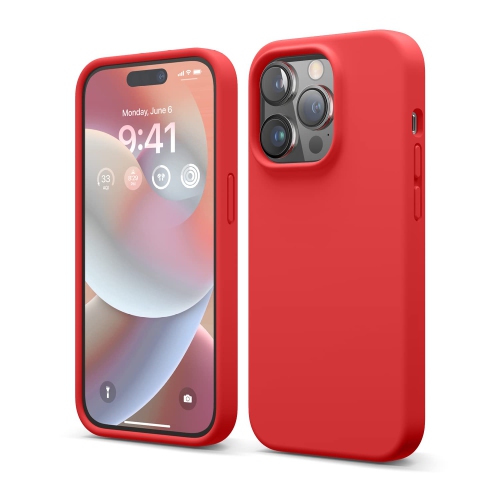
![HLD [5 In 1] Designed for Iphone 14 Case With 2 Pack Tempered Glass Screen Protector + 2 Pack Camera Lens Protector, [Military G](https://multimedia.bbycastatic.ca/multimedia/products/500x500/165/16569/16569444.jpeg)
![HLD [5 In 1] Designed for Iphone 14 Case With 2 Pack Tempered Glass Screen Protector + 2 Pack Camera Lens Protector, [Military G](https://multimedia.bbycastatic.ca/multimedia/products/500x500/165/16569/16569442.jpeg)
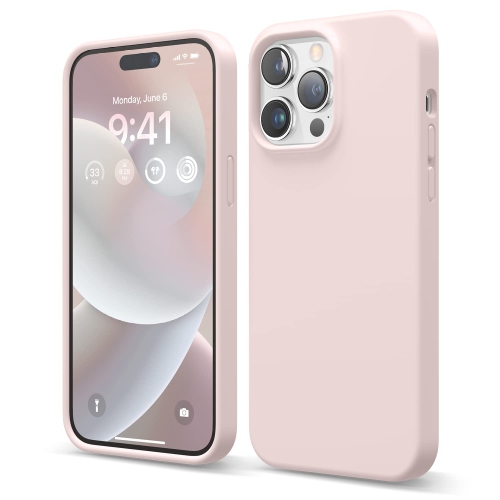
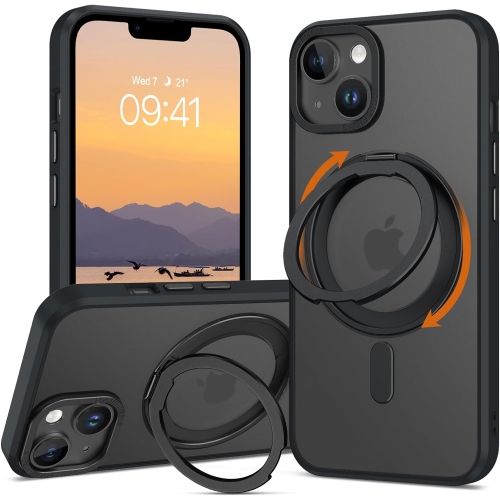
![GENERIC Case for Iphone 14 6.1", Wallet Case With [Rfid Blocking] [4 Card Slot] Kickstand [Shockproof Tpu Interior Case]](https://multimedia.bbycastatic.ca/multimedia/products/500x500/173/17387/17387086.jpeg)
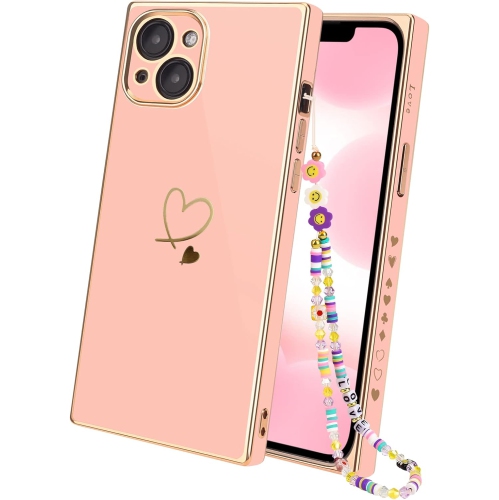
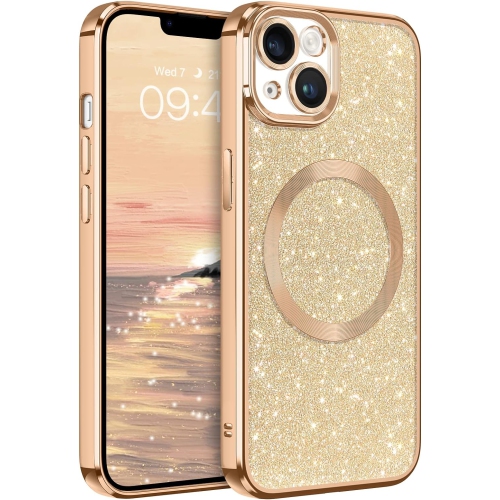
![GENERIC Case Wallet for Iphone 14 Plus 6.7", Protective [Tpu Shockproof Inner Shell], Pu Leather [Rfid Blocking] [4 Card](https://multimedia.bbycastatic.ca/multimedia/products/500x500/173/17386/17386451.jpeg)
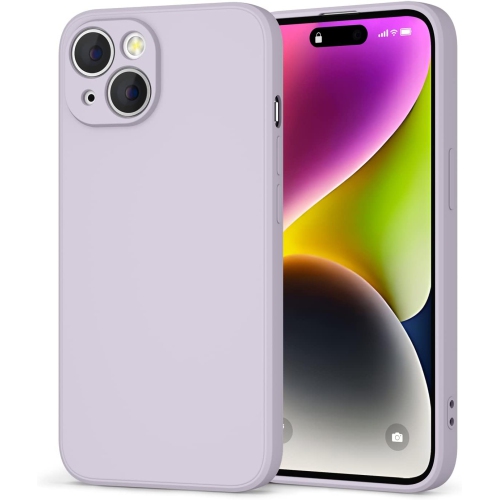
![GENERIC Case for Iphone 14 Pro Premium Pu Leather Simple Wallet Case [Card Slots] [Kickstand] [Magnetic Closure]](https://multimedia.bbycastatic.ca/multimedia/products/500x500/173/17386/17386628.jpeg)
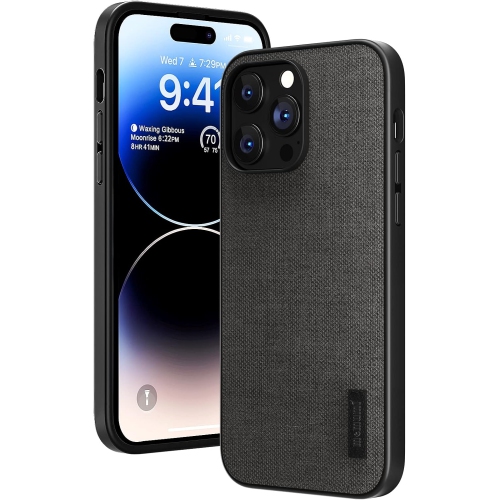
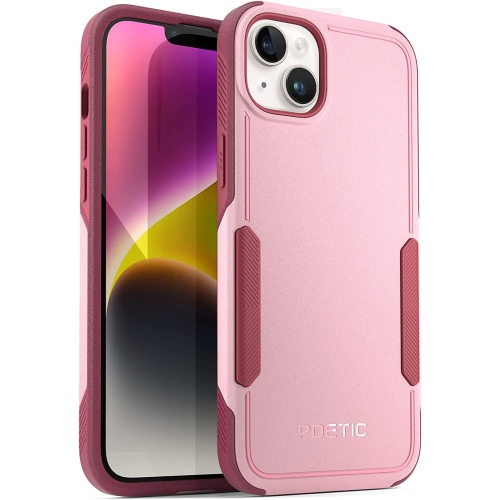
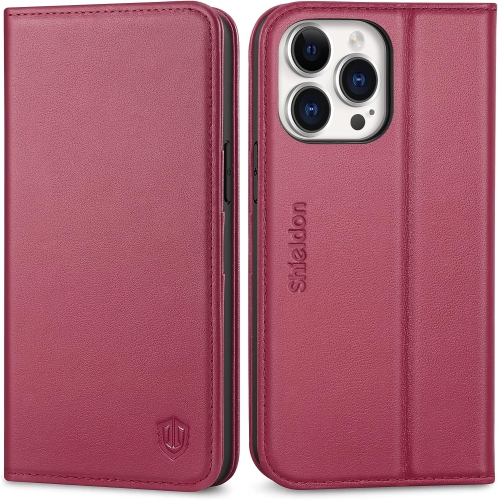
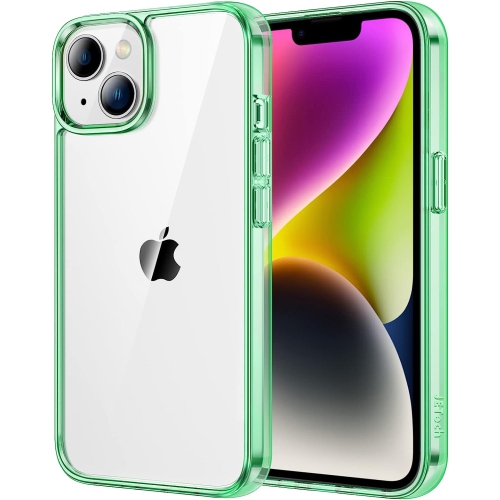
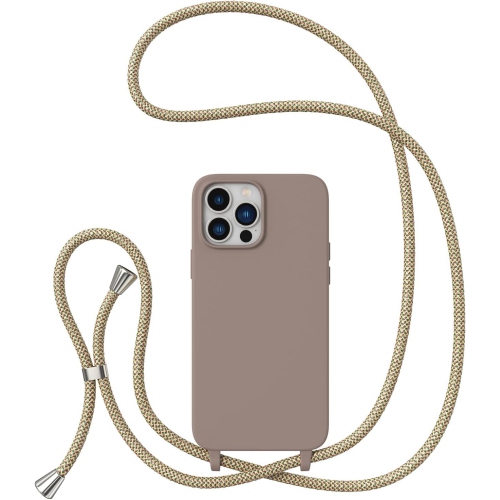
![GENERIC for Iphone 14 Pro Case, Iphone 14 Pro Phone Case With HD Screen Protector, [Military Grade 16Ft. Drop Tested] Ring](https://multimedia.bbycastatic.ca/multimedia/products/500x500/173/17385/17385271.jpeg)
![GENERIC Iphone 14 Plus Protective Case - Gripzilla Compatible With Magsafe [Rugged + Tough] Armored Slim Cover](https://multimedia.bbycastatic.ca/multimedia/products/500x500/173/17387/17387206.jpeg)
![GENERIC Guardian Case for Iphone 14 6.1 Inch, [6Ft Mil-Grade Drop Tested], Full-Body Hybrid Shockproof Bumper Cover](https://multimedia.bbycastatic.ca/multimedia/products/500x500/173/17385/17385213.jpeg)
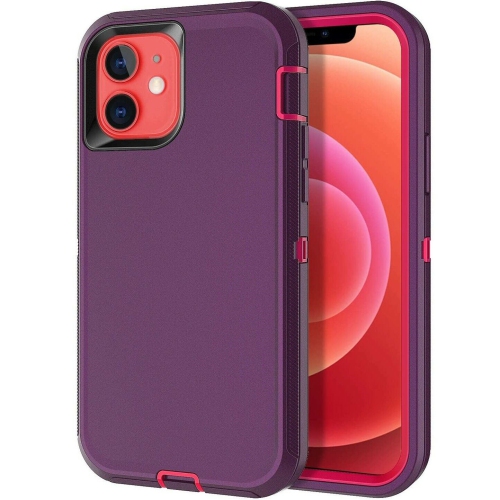
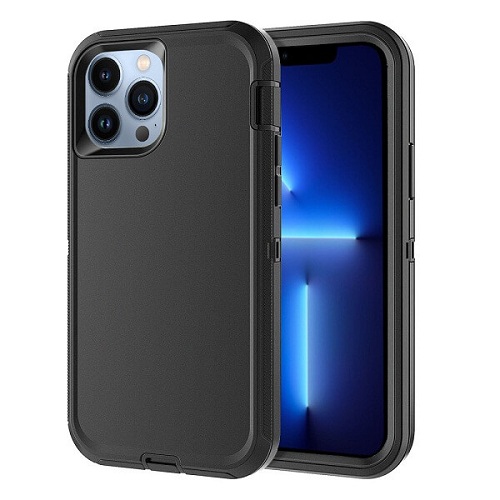
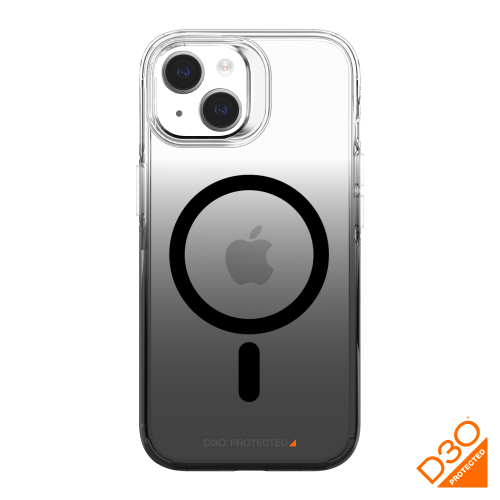
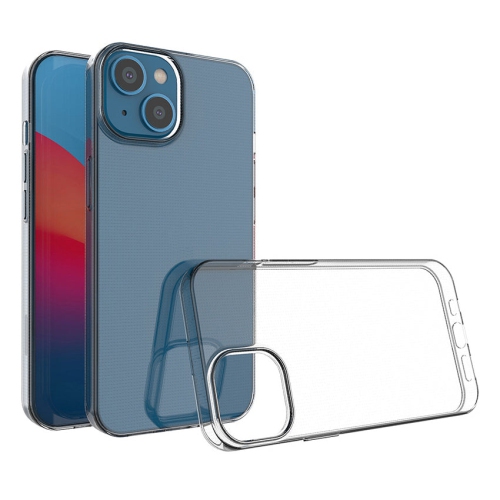
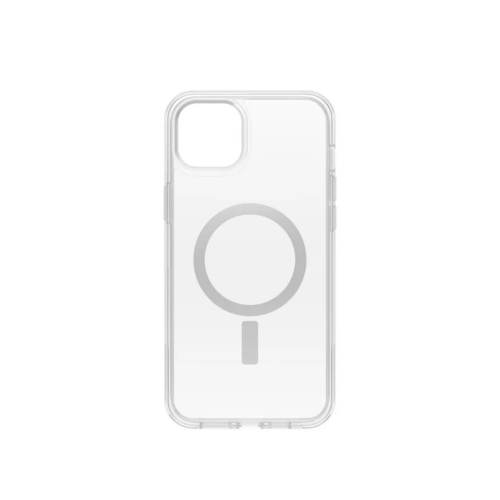
![UNKNOWN for Iphone 14 Pro Case, Iphone 14 Pro Phone Case With HD Screen Protector, [Military Grade 16Ft. Drop Tested] Ring](https://multimedia.bbycastatic.ca/multimedia/products/500x500/182/18212/18212811.jpeg)
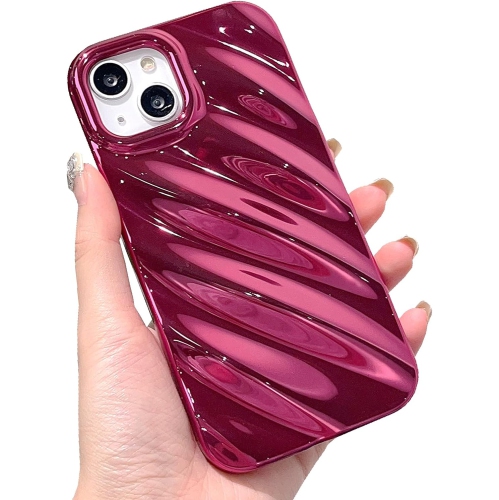
![UNKNOWN for Iphone 12 Pro Max Case, [Not Yellowing] Ultra Thin Shockproof Transparent Hard PC Bezel-Less Phone Case](https://multimedia.bbycastatic.ca/multimedia/products/500x500/182/18212/18212303.jpeg)
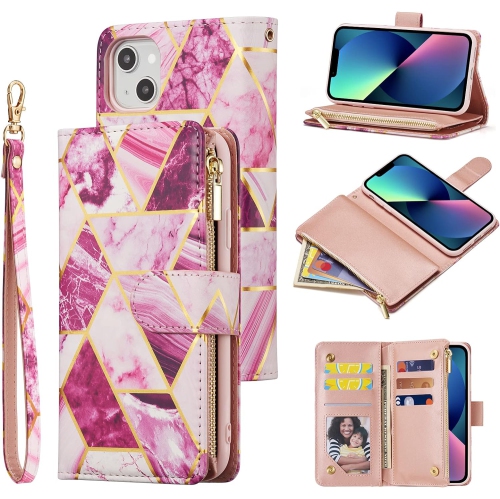
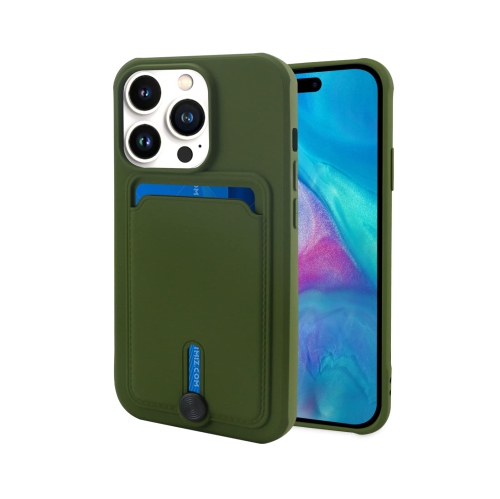
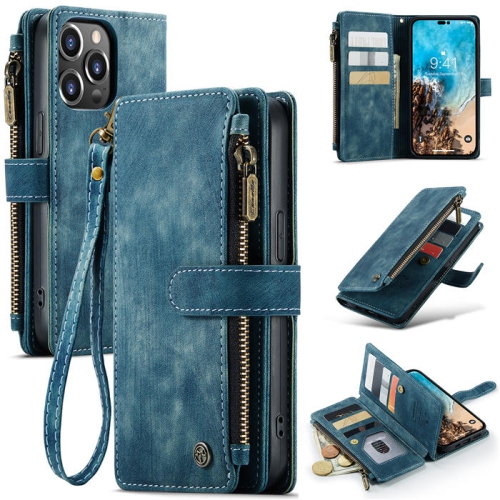
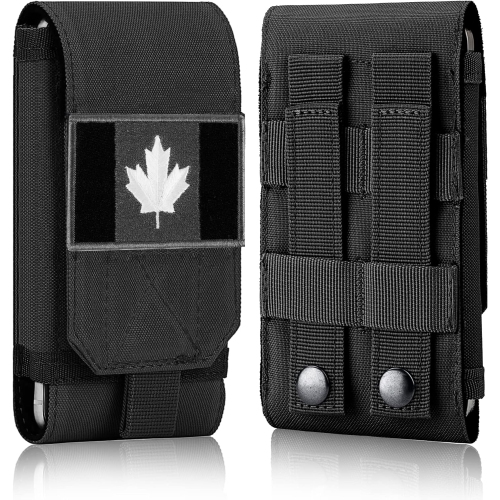
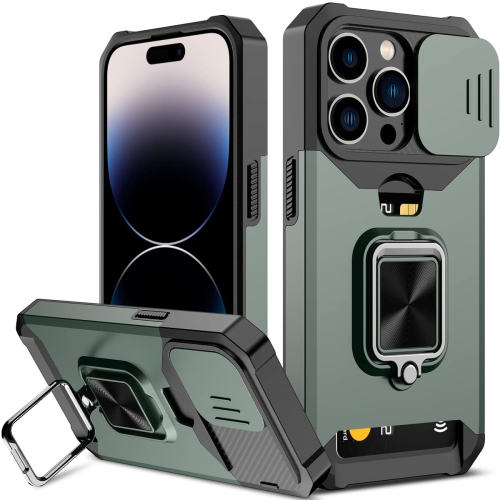

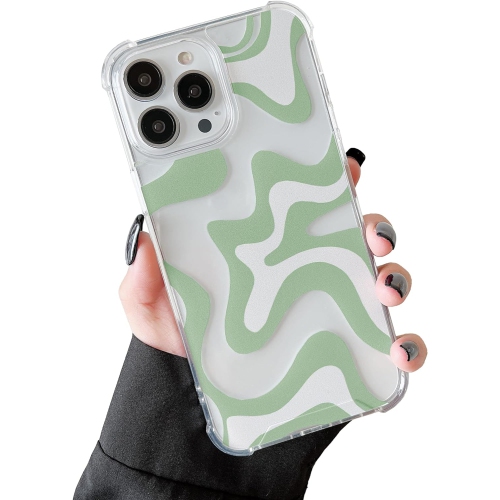
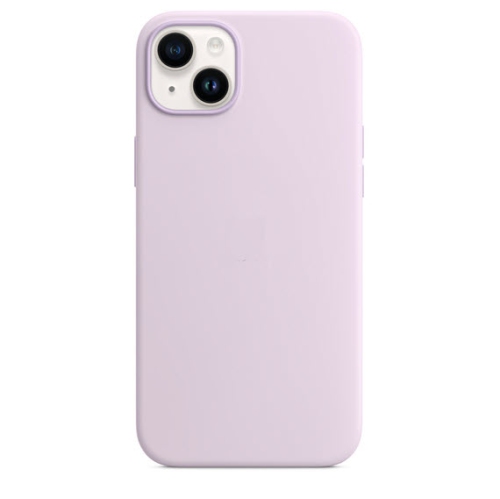
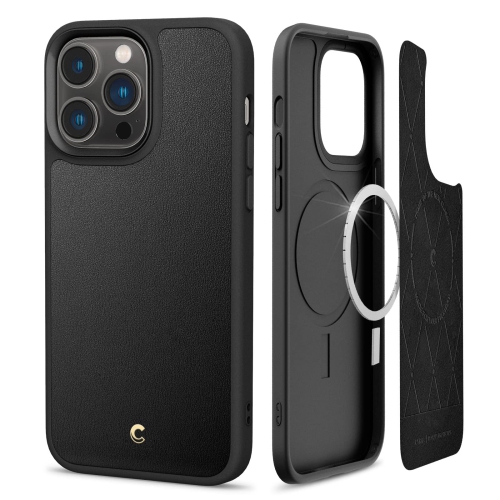
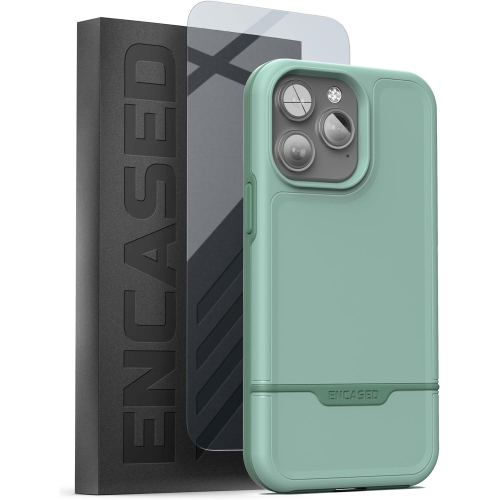
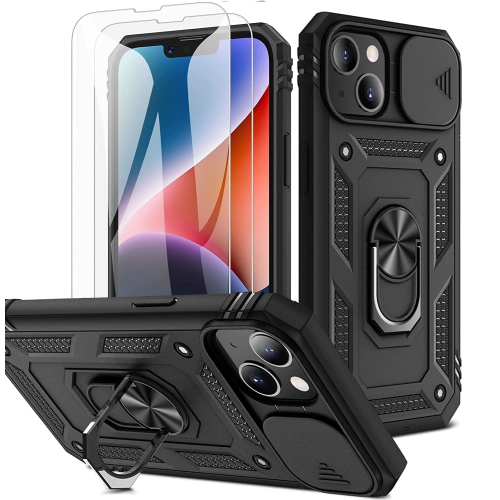
![GENERIC Wallet Case for Iphone 14 6.1-Inch, [Rfid Blocking] [4 Card Slots] Tpu Interior Protective Case, Magnetic Folio](https://multimedia.bbycastatic.ca/multimedia/products/500x500/173/17387/17387049.jpeg)
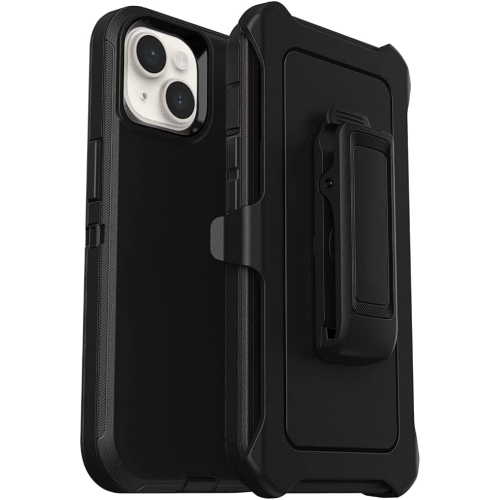
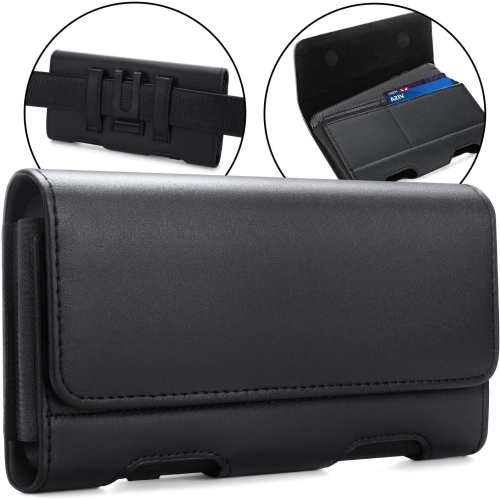
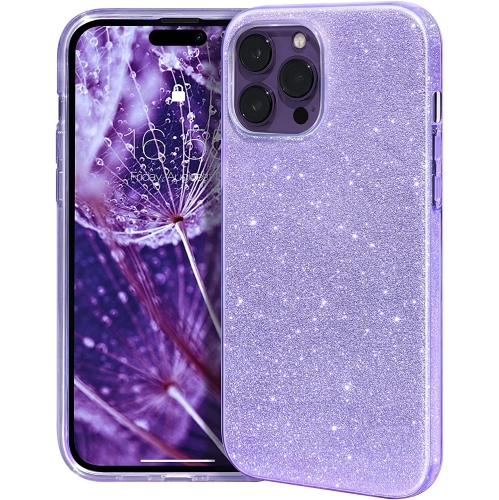
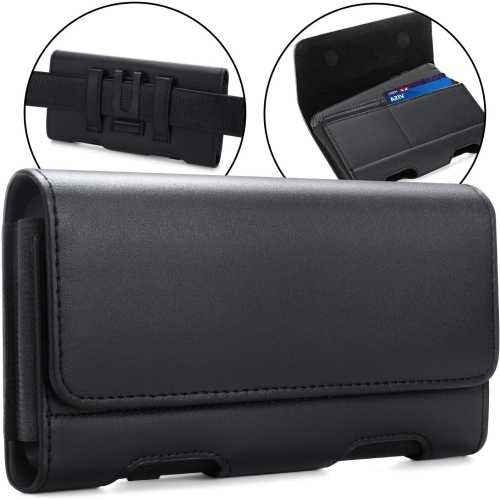
![UNKNOWN Iphone 14 Pro Magnetic Wireless Charging Case [Clearmag Series] Thin, Protective & Scratch Resistant Acrylic](https://multimedia.bbycastatic.ca/multimedia/products/500x500/182/18213/18213052.jpeg)
Everyday phone protection depends on more than thickness
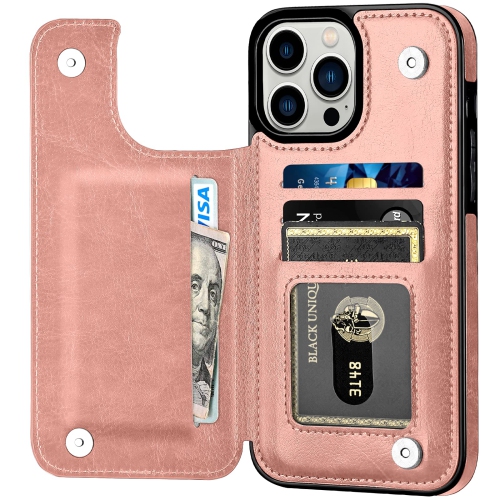
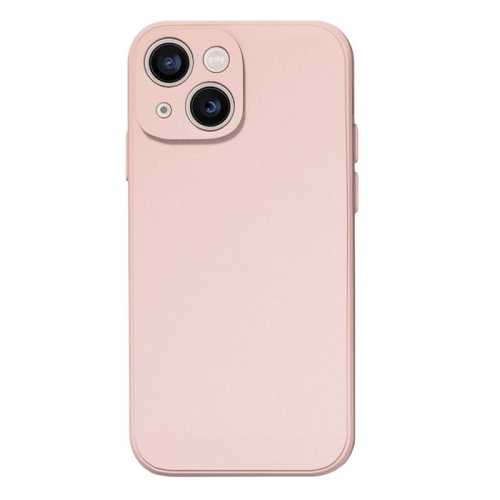
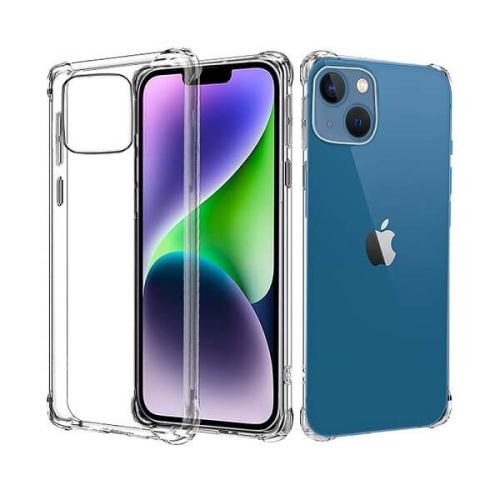
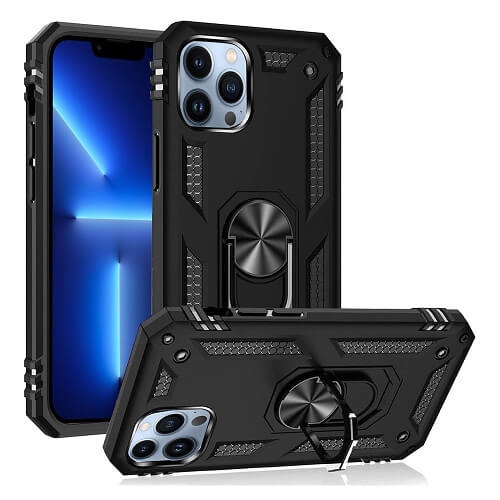
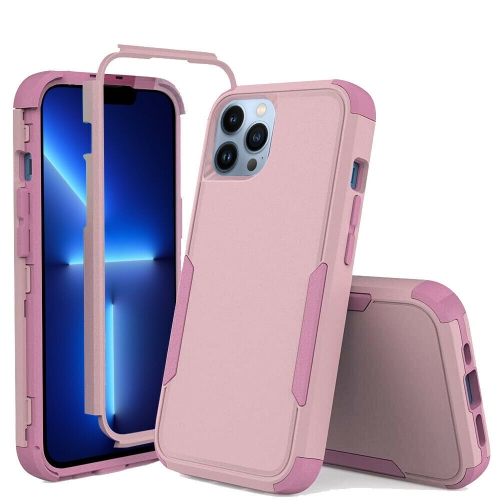
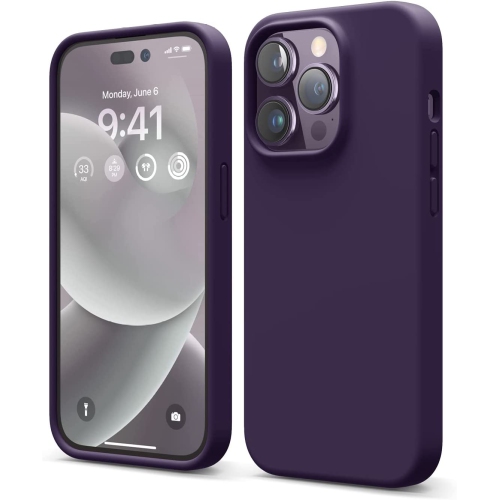
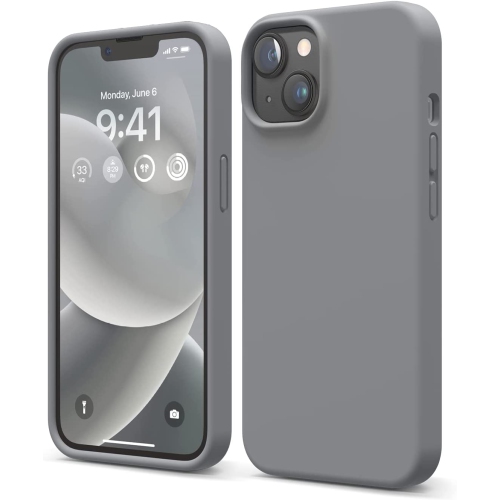
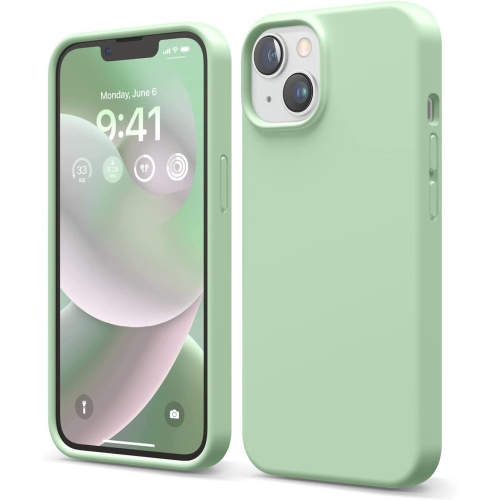
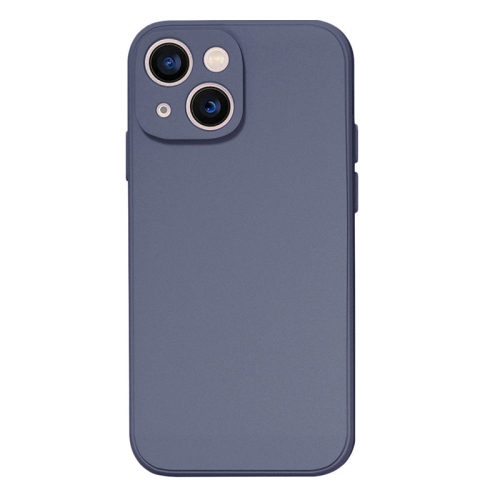
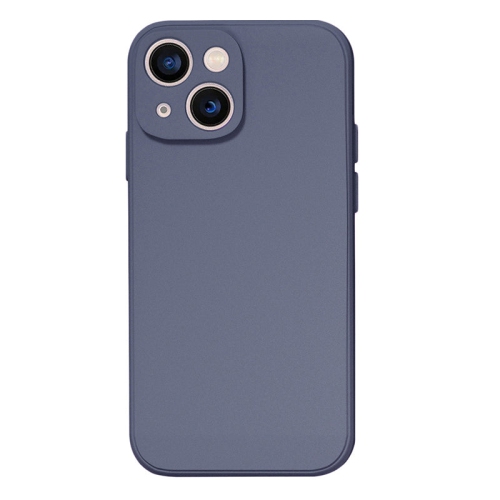
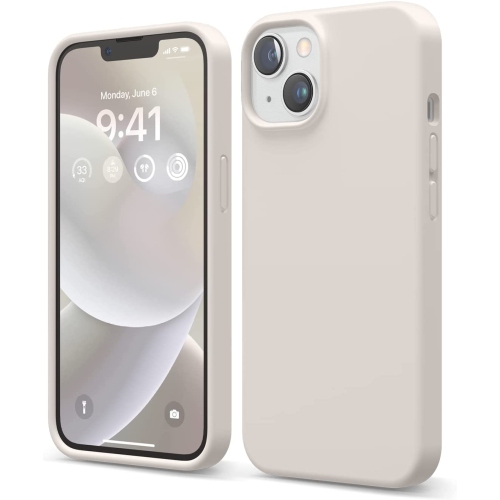
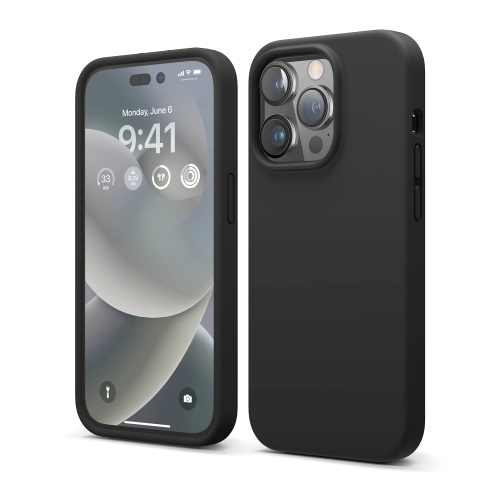
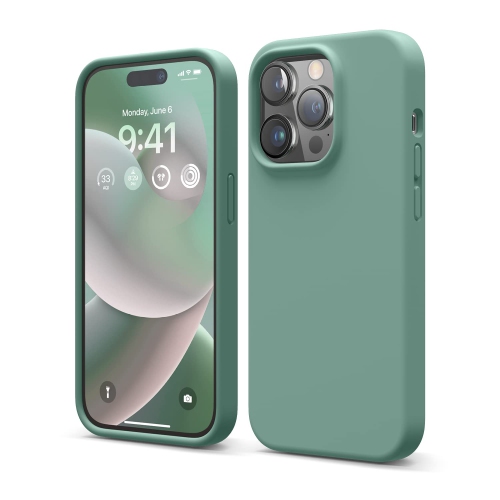
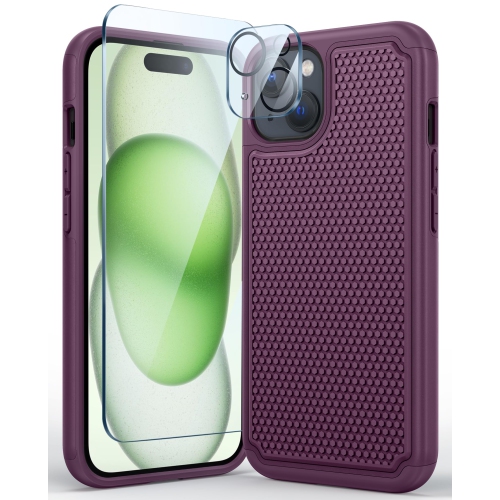
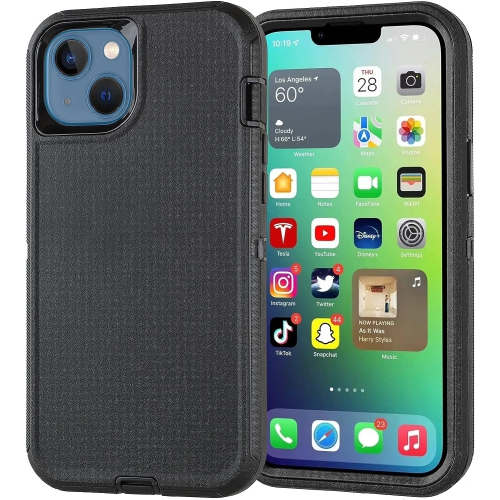
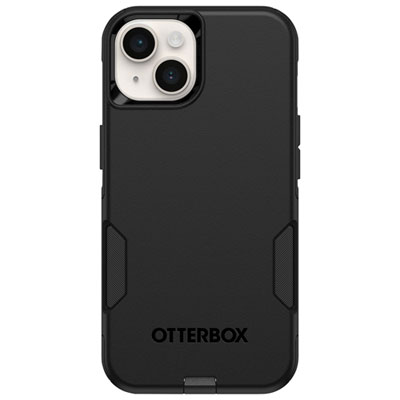
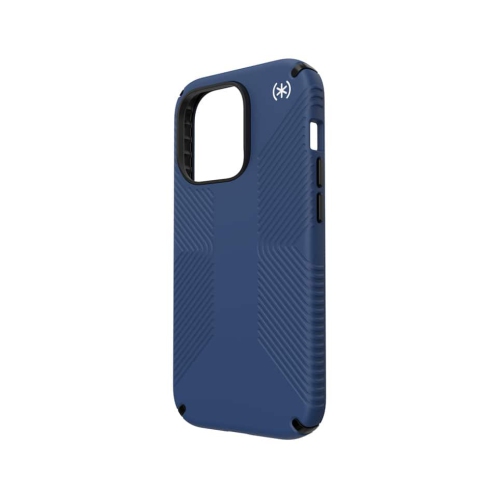
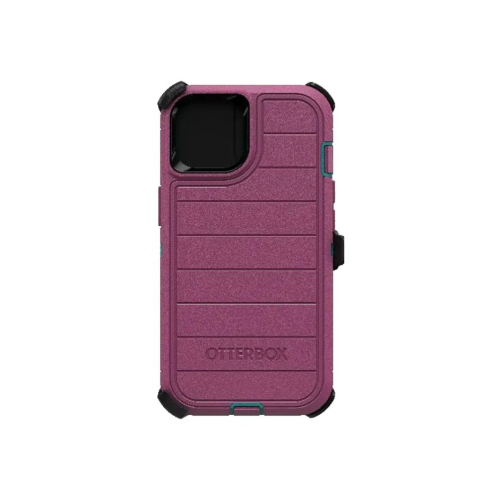
iPhone 14 protective cases add a layer between a frequently handled phone and the hard surfaces it encounters throughout the day, from a tiled kitchen floor to the pavement beside a parked car. Their usefulness comes from a combination of secure fit, cushioning, surface coverage, and grip rather than thickness alone. Flexible cases often use thermoplastic polyurethane, commonly called TPU, which bends around the phone and can help absorb the force of everyday bumps. Rigid polycarbonate shells provide structure and resist scuffs, while layered designs combine a firm outer panel with a softer interior or bumper. Silicone offers a soft-touch finish that can feel reassuring in the hand, although some finishes attract lint from pockets and bags. Clear cases let the phone’s colour show through; opaque, patterned, and textured styles offer different ways to make a familiar device feel more personal. Clear materials may develop discolouration with age, heat, and exposure to light, even when treated to slow that process. For commuters, students, parents, and anyone moving between appointments, a slightly textured back or grippy edge can make the phone easier to hold while checking directions or taking a quick photograph. Reinforced corners and cushioned edges are useful features to compare because a fall can concentrate force at the point of impact. Raised borders around the screen and camera can help keep those surfaces from touching a flat tabletop, but they cannot prevent contact with every uneven surface. A protective case reduces certain everyday risks; it does not make a phone unbreakable or guarantee that a fall will leave it undamaged. Where drop-test information is provided, the stated height, test conditions, and surfaces matter more than a broad claim of toughness. A slim shell may suit careful handling and light daily use, while a layered case with substantial corner coverage may be a better match for a phone that spends the day moving between a backpack, a desk, and busy hands.
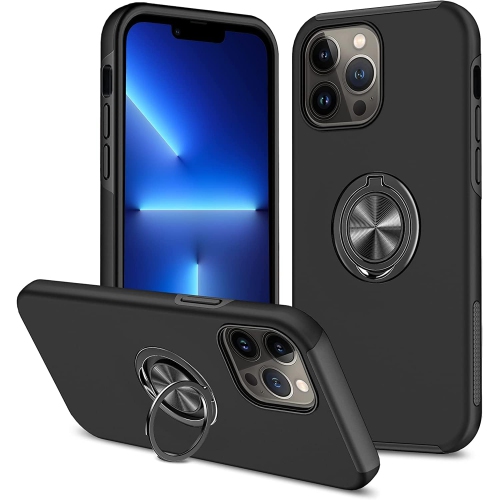
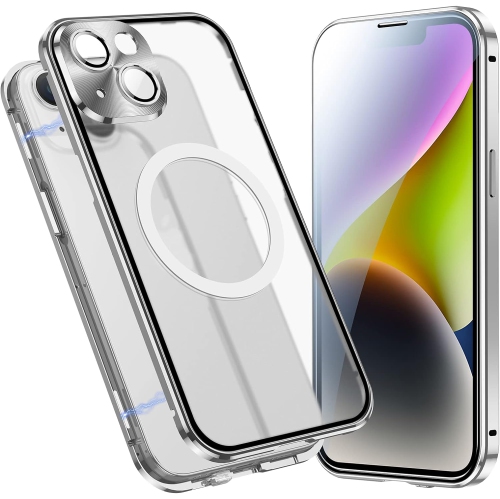
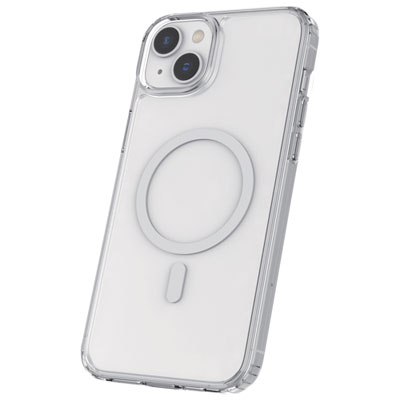
Precise compatibility is essential when choosing a protective case for an iPhone 14. Similar model names and screen sizes do not establish fit: the case needs to match the phone’s dimensions, camera arrangement, button positions, and port openings. The standard iPhone 14 and iPhone 14 Pro should not be treated as interchangeable, even though both have a 6.1-inch display. Owners of the Pro model can browse Protective Cases for iPhone 14 Pro for the corresponding fit. On a properly fitted case, the corners sit securely, the sides do not pull away during ordinary handling, and covered buttons remain easy to press. An accurately positioned opening for the ring/silent switch is particularly helpful for anyone who changes sound settings throughout the day. The charging-port cutout also needs enough room for the connector being used, especially when a cable has a wider housing. Screen protector compatibility deserves attention, too: a tight case lip can lift the edge of a protector if the two accessories overlap. For wireless charging, material, thickness, and any attachments on the back can affect performance. Cases with integrated magnetic alignment features can support a more secure connection with compatible magnetic chargers and accessories, while a case that permits wireless charging does not necessarily provide that magnetic hold. Metal plates, bulky wallet sections, and some stands can interfere with charging or require removal first. These details matter in familiar situations, such as setting a phone on a bedside charging pad or attaching it to a compatible dashboard mount before a drive. Built-in stands can be convenient for video calls, and covered card compartments can reduce the number of separate essentials carried on a short outing. Each feature changes the case’s shape and weight, so the most useful design is one that supports everyday routines without making the phone awkward to hold, charge, or slip into a pocket.
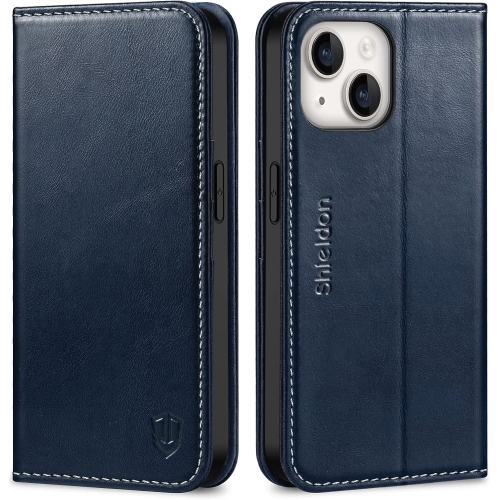
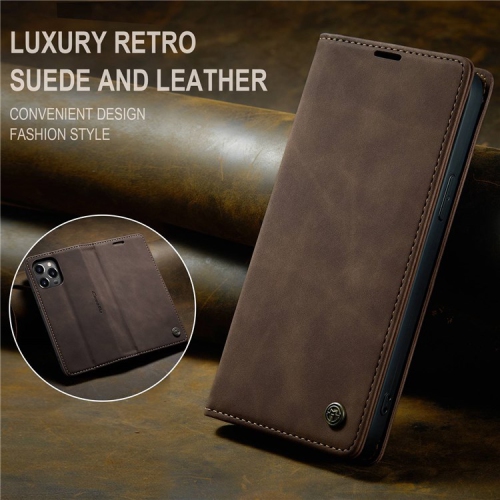
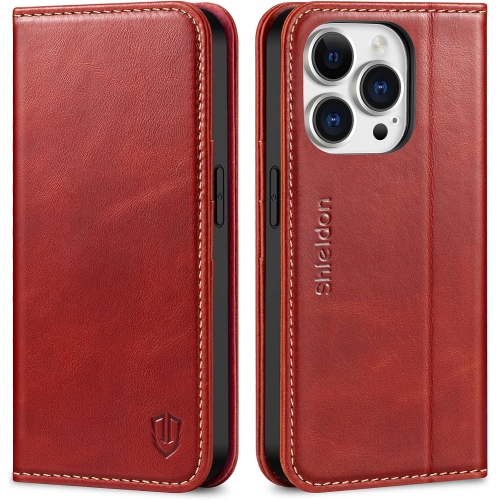
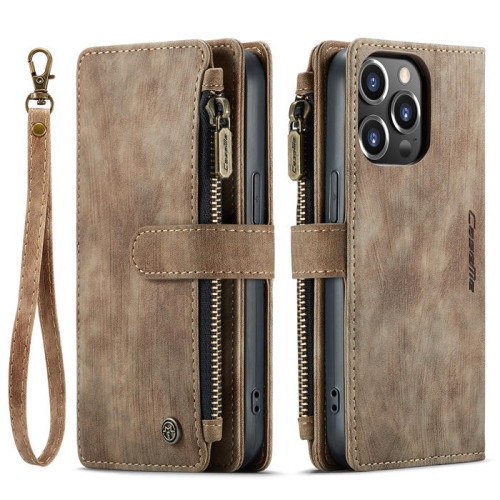
Durability also depends on how a case is used and cared for over time. A snug, smooth-backed design can slide easily into a jacket pocket, while pronounced ridges and rubberized edges may offer a firmer hold but catch on fabric. During the cooler months, those differences can become more noticeable when handling a phone with gloves or reaching into a crowded coat pocket. For travel, a full-coverage folio can help shield the screen from loose objects in a bag when its cover is closed; for frequent photography, a less bulky case may be easier to grip steadily with one hand. Anyone who uses a wrist strap should look for a purpose-built attachment point and follow its stated limits rather than improvising an attachment around a port opening. Protective cases can also make practical gifts for someone starting school, commuting to work, or simply wanting a different look for a phone they already own, provided the exact phone model is confirmed first. Colour and finish are personal choices, but everyday comfort is equally important: rounded edges, responsive button covers, and a balanced weight all affect how a case feels after repeated use. Routine cleaning helps keep the fit and finish in good condition. Fine grit trapped between the case and phone can rub against surfaces, so occasional removal and gentle cleaning are worthwhile, particularly after carrying the device in a bag with crumbs or dust. Cleaning methods vary by material; a soft cloth and the maker’s care directions are safer starting points than abrasive pads, strong solvents, or prolonged soaking. The phone and case should be dry before they are put back together. Leather and fabric finishes may need different care from plastic or silicone, and colour transfer can occur when light finishes rub against dark textiles. Cracked corners, stretched edges, loose components, or a case that no longer holds the phone firmly are signs that its protective role may be compromised. Thoughtful material choices, an exact fit, and straightforward upkeep help an iPhone 14 protective case remain a comfortable, useful part of daily life.
Precise compatibility is essential when choosing a protective case for an iPhone 14. Similar model names and screen sizes do not establish fit: the case needs to match the phone’s dimensions, camera arrangement, button positions, and port openings. The standard iPhone 14 and iPhone 14 Pro should not be treated as interchangeable, even though both have a 6.1-inch display. Owners of the Pro model can browse Protective Cases for iPhone 14 Pro for the corresponding fit. On a properly fitted case, the corners sit securely, the sides do not pull away during ordinary handling, and covered buttons remain easy to press. An accurately positioned opening for the ring/silent switch is particularly helpful for anyone who changes sound settings throughout the day. The charging-port cutout also needs enough room for the connector being used, especially when a cable has a wider housing. Screen protector compatibility deserves attention, too: a tight case lip can lift the edge of a protector if the two accessories overlap. For wireless charging, material, thickness, and any attachments on the back can affect performance. Cases with integrated magnetic alignment features can support a more secure connection with compatible magnetic chargers and accessories, while a case that permits wireless charging does not necessarily provide that magnetic hold. Metal plates, bulky wallet sections, and some stands can interfere with charging or require removal first. These details matter in familiar situations, such as setting a phone on a bedside charging pad or attaching it to a compatible dashboard mount before a drive. Built-in stands can be convenient for video calls, and covered card compartments can reduce the number of separate essentials carried on a short outing. Each feature changes the case’s shape and weight, so the most useful design is one that supports everyday routines without making the phone awkward to hold, charge, or slip into a pocket.
Durability also depends on how a case is used and cared for over time. A snug, smooth-backed design can slide easily into a jacket pocket, while pronounced ridges and rubberized edges may offer a firmer hold but catch on fabric. During the cooler months, those differences can become more noticeable when handling a phone with gloves or reaching into a crowded coat pocket. For travel, a full-coverage folio can help shield the screen from loose objects in a bag when its cover is closed; for frequent photography, a less bulky case may be easier to grip steadily with one hand. Anyone who uses a wrist strap should look for a purpose-built attachment point and follow its stated limits rather than improvising an attachment around a port opening. Protective cases can also make practical gifts for someone starting school, commuting to work, or simply wanting a different look for a phone they already own, provided the exact phone model is confirmed first. Colour and finish are personal choices, but everyday comfort is equally important: rounded edges, responsive button covers, and a balanced weight all affect how a case feels after repeated use. Routine cleaning helps keep the fit and finish in good condition. Fine grit trapped between the case and phone can rub against surfaces, so occasional removal and gentle cleaning are worthwhile, particularly after carrying the device in a bag with crumbs or dust. Cleaning methods vary by material; a soft cloth and the maker’s care directions are safer starting points than abrasive pads, strong solvents, or prolonged soaking. The phone and case should be dry before they are put back together. Leather and fabric finishes may need different care from plastic or silicone, and colour transfer can occur when light finishes rub against dark textiles. Cracked corners, stretched edges, loose components, or a case that no longer holds the phone firmly are signs that its protective role may be compromised. Thoughtful material choices, an exact fit, and straightforward upkeep help an iPhone 14 protective case remain a comfortable, useful part of daily life.
Top selling and popular products
-
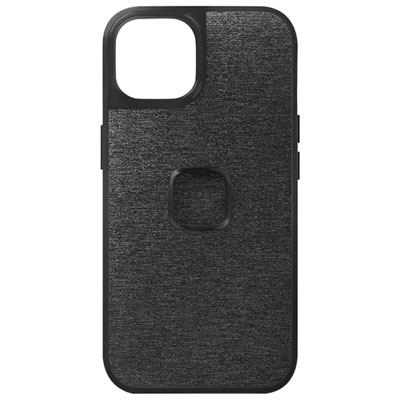 Your price for this item is $54.95
 -
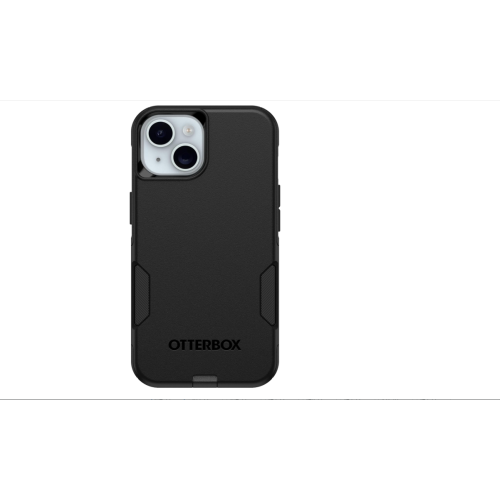 Your price for this item is $99.99
 -
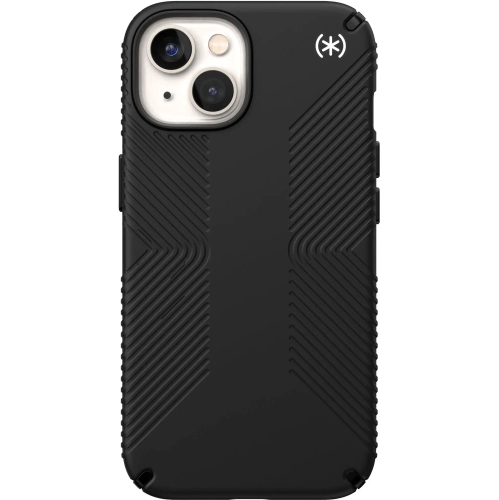 Your price for this item is $82.99
 -
 Your price for this item is $45
 -
 Your price for this item is $99.99
 -
 Your price for this item is $99.99
 -
 Your price for this item is $59.99
 -
 Your price for this item is $52
Discover more categories related to iPhone 14 Protective Cases
Top Collections:
Pokemon Centers, Kindle Devices, Best Budget Office Chairs, Apple iPhones 16, Best Laptops for Writers, iPhone 15 Apple, Canon G7X Cameras, Refurbished Apple Laptops, Alarm Clock, Motorola Razr Phones
Some products may be subject to Environmental Handling Fees
(EHF) depending on your province.
Learn more about EHFs.