LED Light Bars
LED light bars are an efficient and effective way to light up large areas. Light bars are a type of lighting fixture that consists of multiple LED light bulbs arranged in a row. These bulbs are typically arranged in a linear fashion and can be mounted on walls, ceilings, or other surfaces. Here are some great options available.
Sort
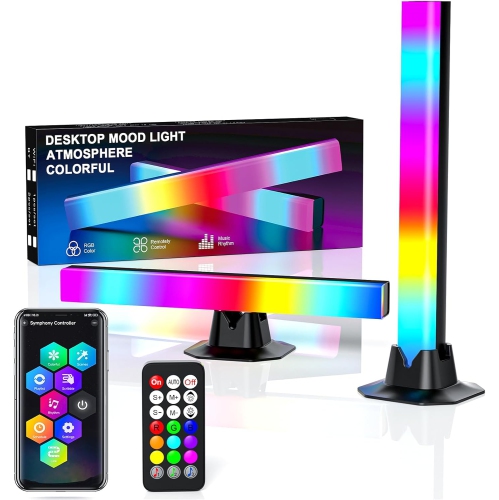
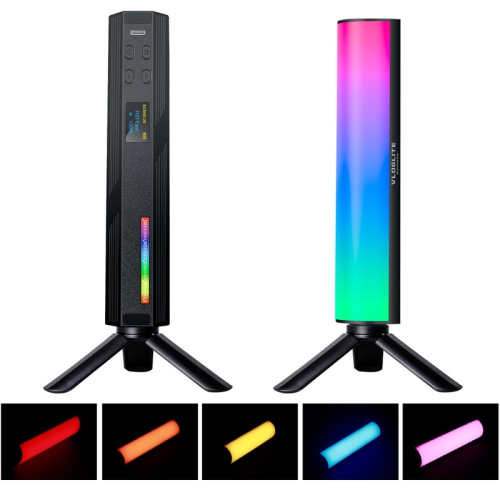
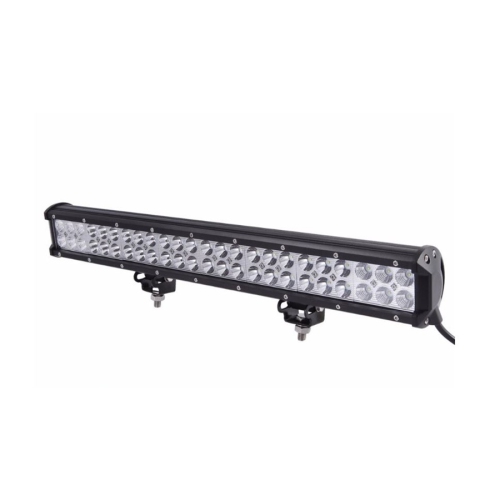
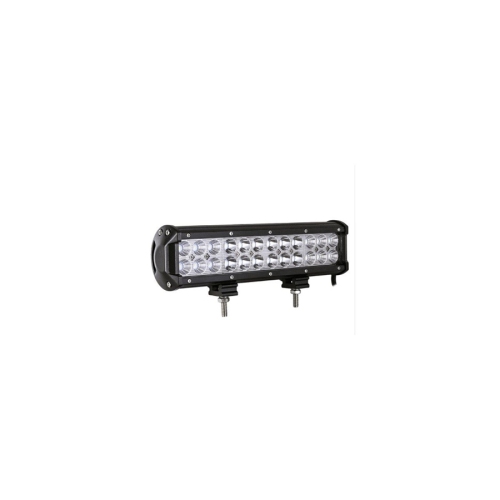
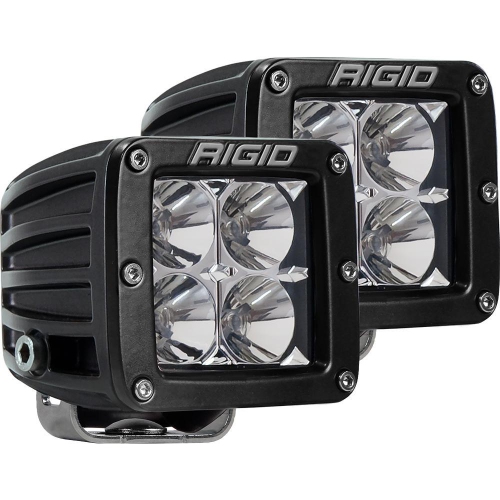
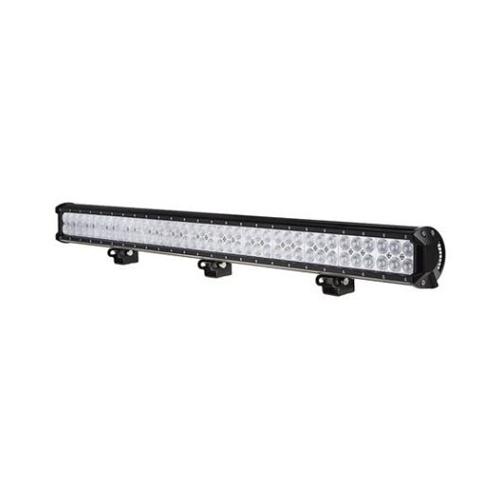
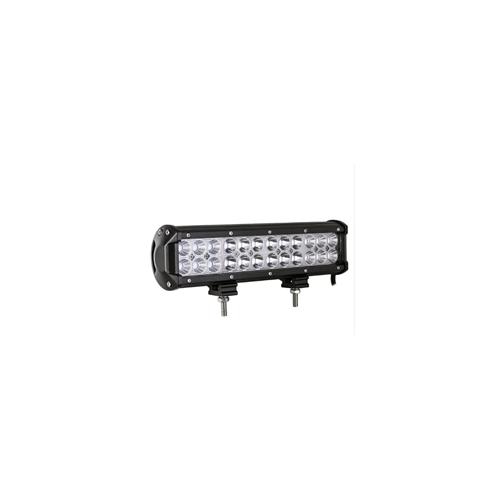
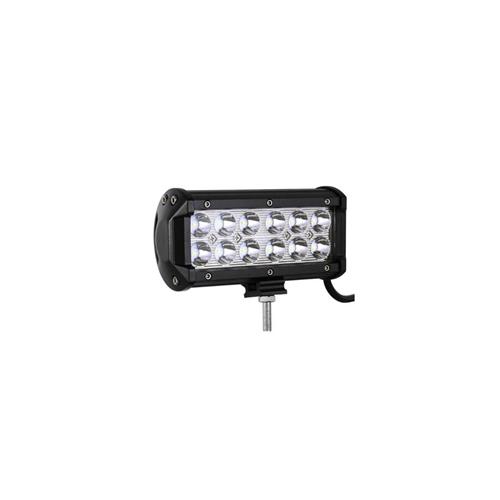
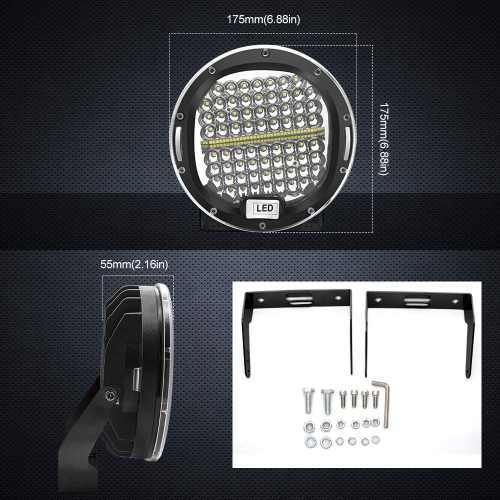
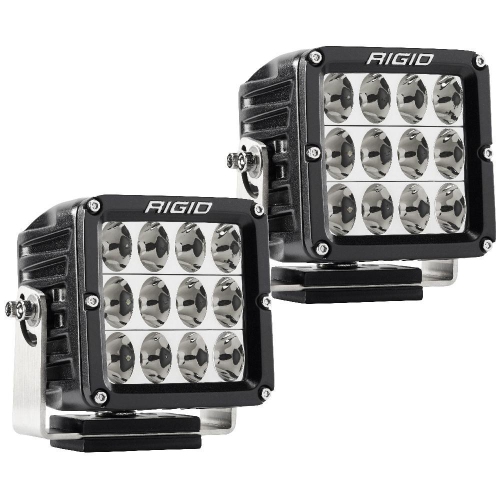
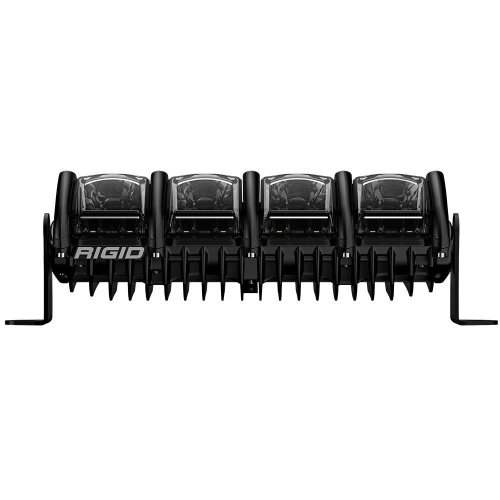
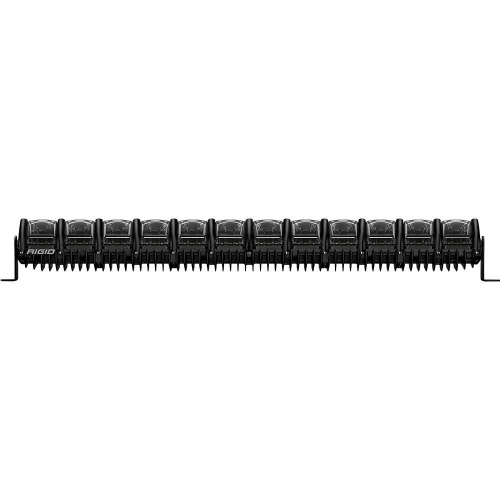
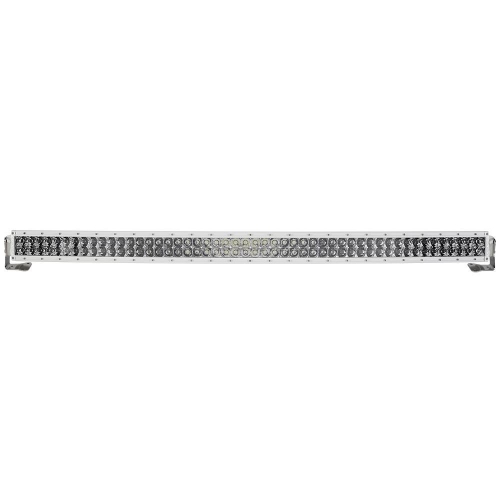

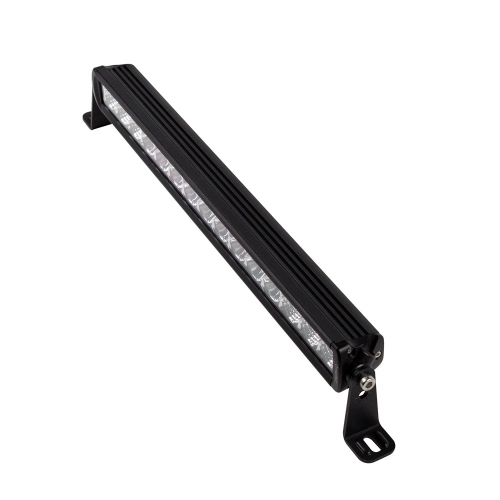

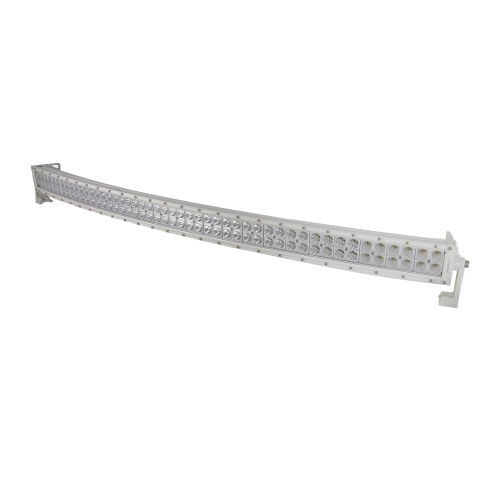
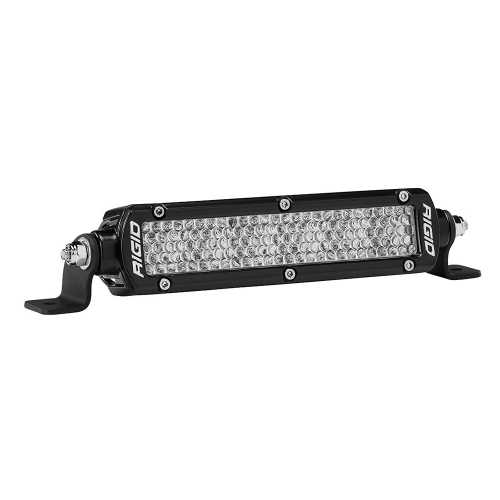
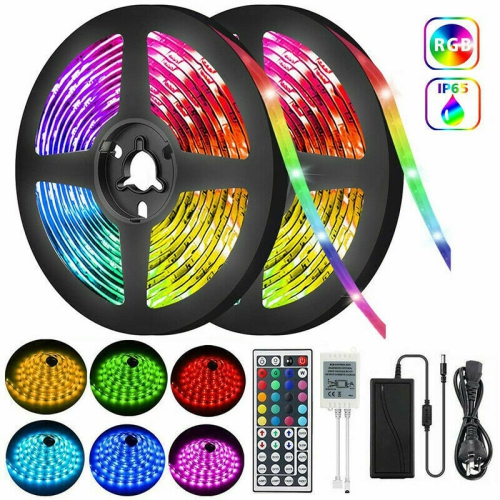
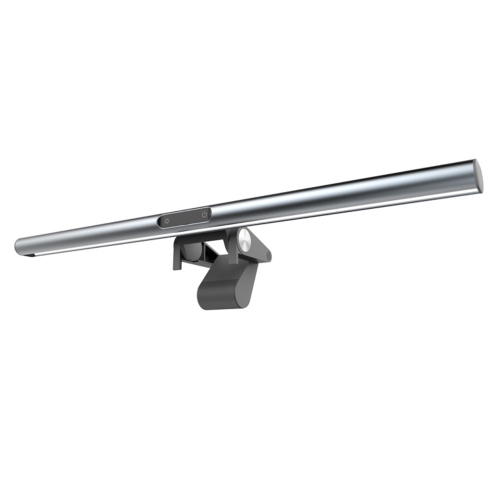
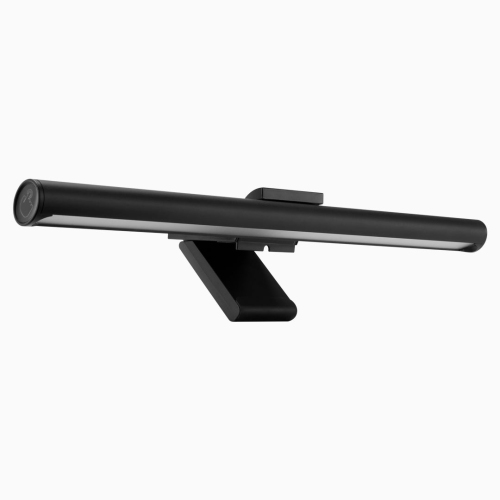
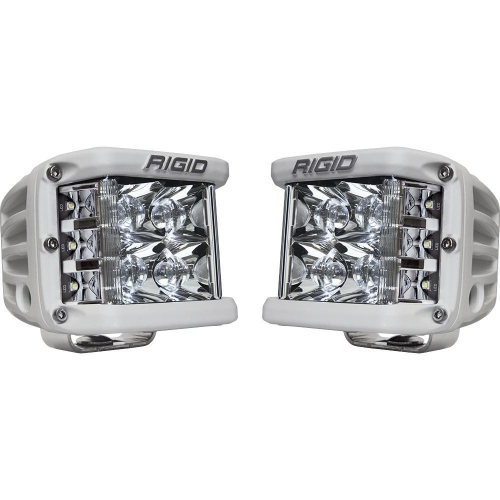
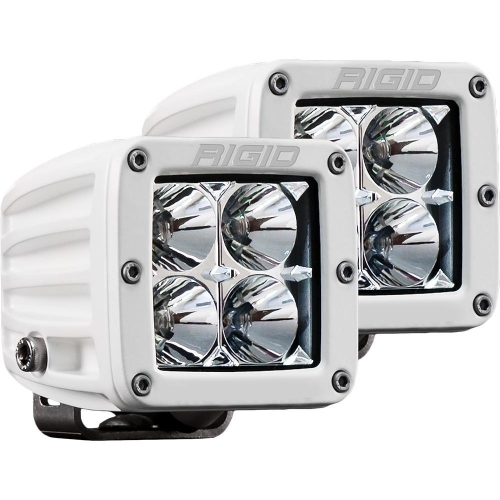

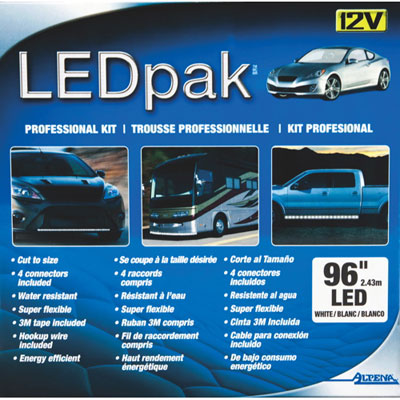
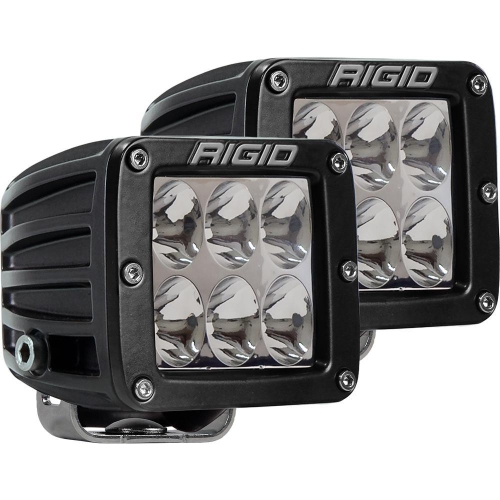
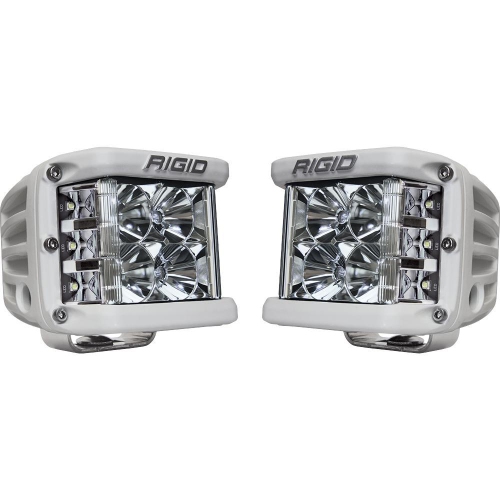


What to consider for brighter, more reliable auxiliary lighting
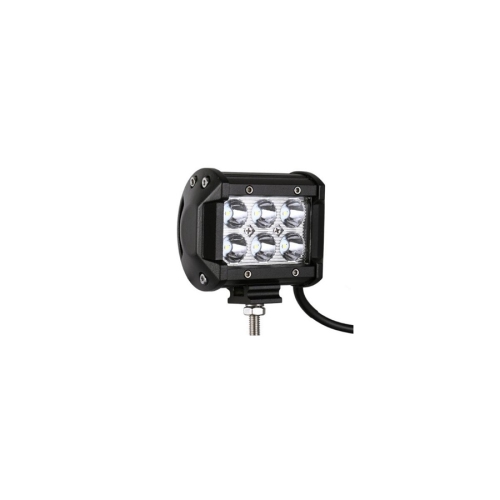
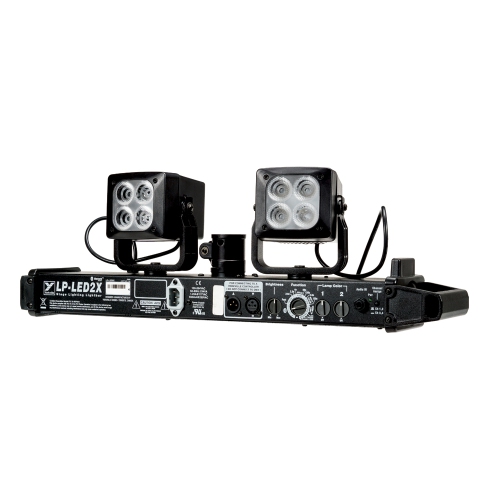
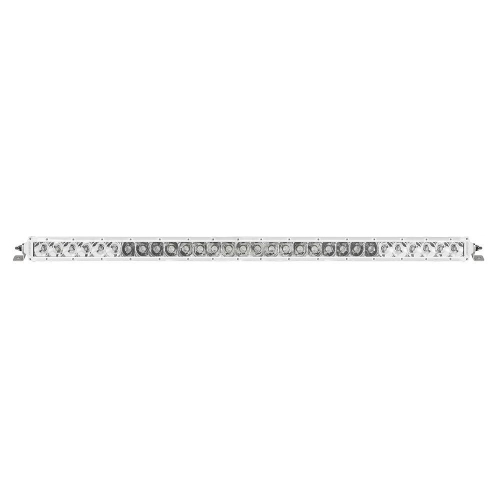
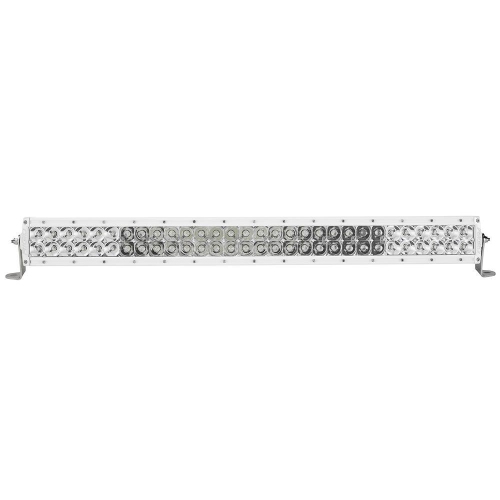
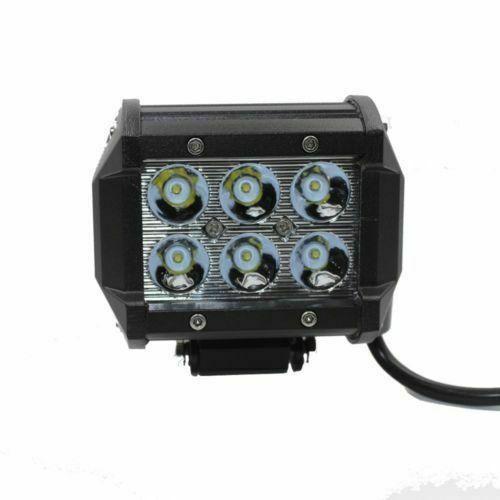
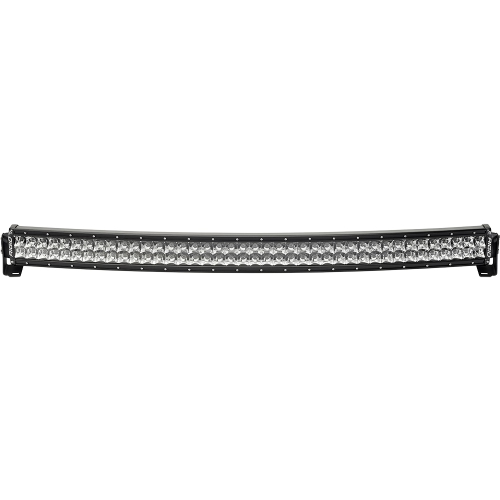
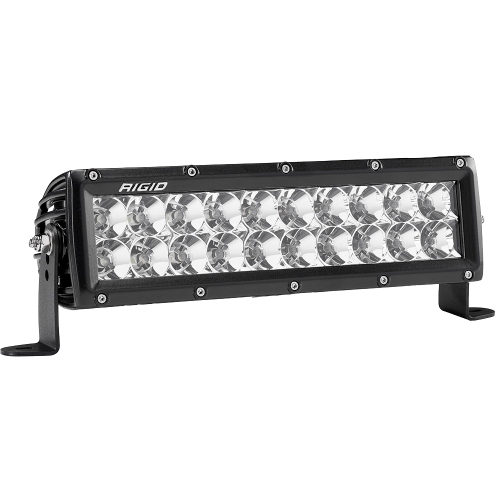
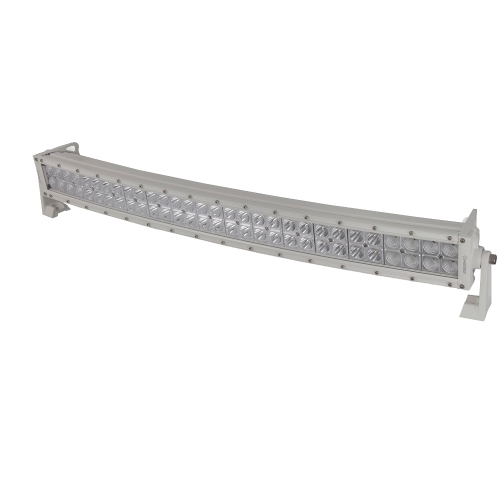
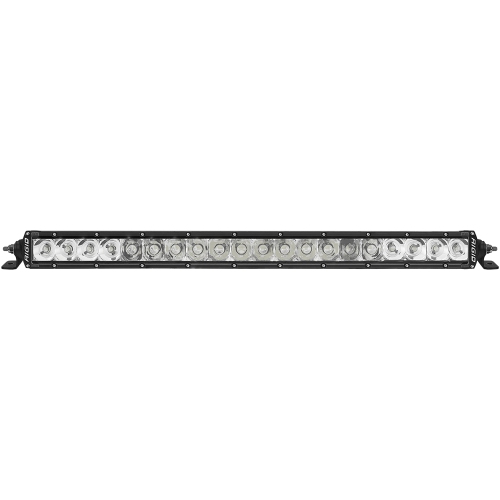
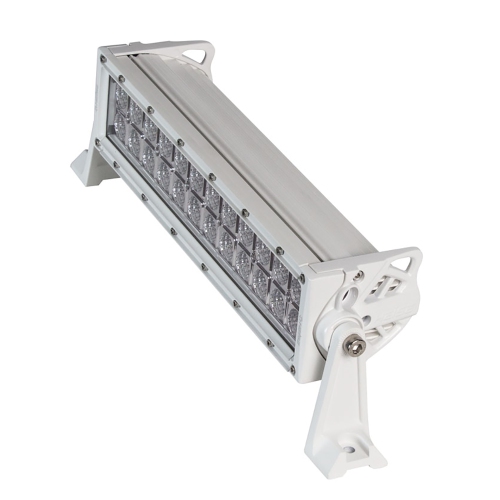
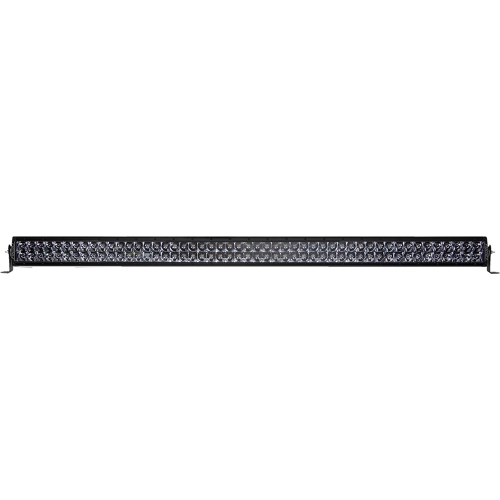
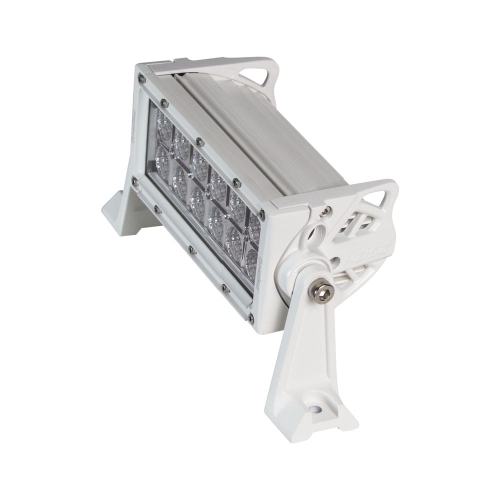
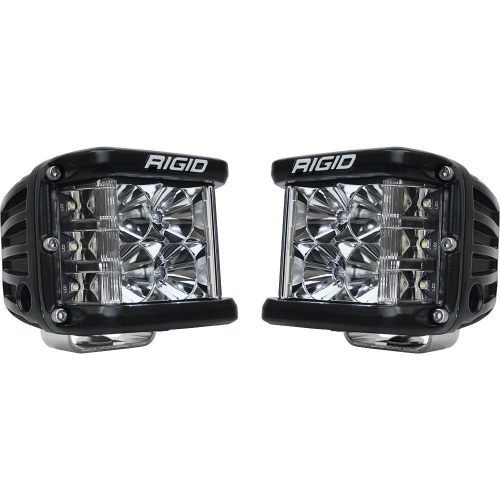
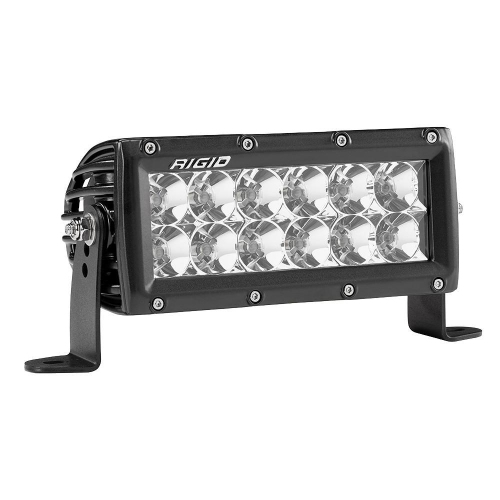
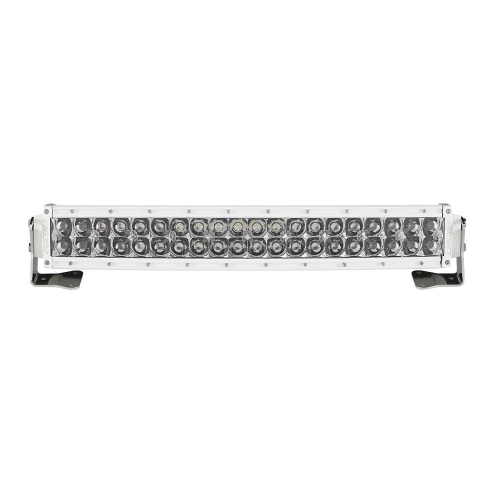
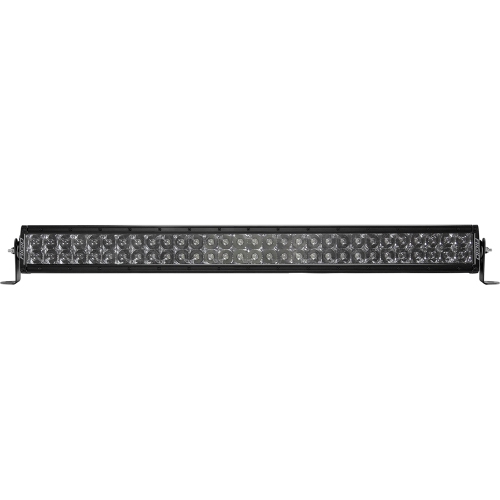
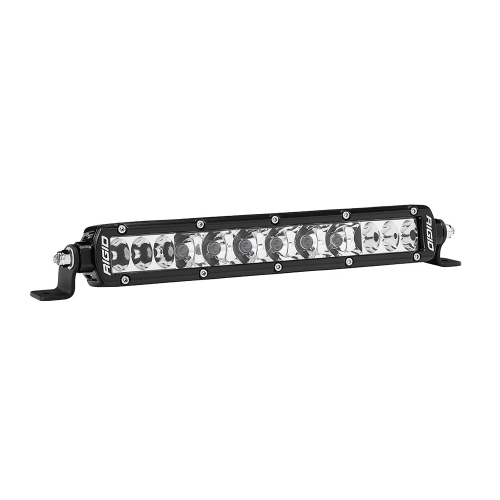
LED light bars are a practical way to add focused, high-output illumination to vehicles, equipment and work areas where standard headlights or built-in lighting may not provide enough visibility. They are commonly used on trucks, SUVs, utility vehicles, trailers, tractors, boats, snowplows and off-road equipment, as well as in workshops, garages and outdoor workspaces. A light bar can help illuminate an unlit driveway, reveal the edges of a trail or brighten a work area after sunset, making it easier to see obstacles, tools and surrounding terrain. For drivers who spend time on rural roads, back trails or remote properties, auxiliary lighting can provide a wider and longer view than regular headlights alone. It is also useful for towing, property maintenance, camping and emergency roadside tasks. When choosing among LED light bars, start with the intended mounting location and the amount of space available. Compact single-row designs can suit smaller vehicles, roof racks, bumpers and equipment with limited clearance, while larger multi-row bars may produce more light for open areas and demanding off-road use. Measure the mounting surface carefully, including the distance between brackets, and consider whether the bar will sit above, below or behind another component. A slim profile can be helpful when reducing wind resistance, avoiding contact with branches or keeping the installation neat. If you are exploring related lighting for a home, workshop or interior project, browse LED Lights for additional options that can complement a vehicle or equipment lighting setup.
Beam pattern is one of the most important specifications because it determines where the light is directed. Spot beams concentrate illumination into a narrower, longer-reaching pattern, which can be useful on open roads, fields and trails where seeing farther ahead is the priority. Flood beams spread light over a wider area and are well suited to lighting the sides of a vehicle, a campsite, a worksite or a driveway. Combo beams combine spot and flood sections to provide distance and width in one unit, making them a versatile choice for changing conditions. Pay attention to advertised lumen output, but do not use that number alone to compare products. Lens design, reflector shape, colour temperature, beam angle and mounting position all affect how useful the light feels in practice. A very bright bar aimed poorly can create glare, reflections or dark areas, while a well-positioned moderate-output bar may provide more comfortable coverage. Look for a durable housing, sturdy brackets and effective heat dissipation, particularly if the bar will be exposed to vibration, road spray, dust or rough terrain. An IP67 rating generally indicates protection from dust and temporary immersion, while IP68 and IP69K ratings can offer additional protection for demanding conditions, depending on the manufacturer’s stated testing and limitations. Sealed connectors and corrosion-resistant hardware can make installation more dependable during wet, snowy and dusty driving. During the cooler months, road salt, slush and freezing temperatures can place extra demands on outdoor equipment, so inspect mounting points and connections regularly. A light bar rated for outdoor use is not automatically suitable for every environment; verify the operating temperature range and care instructions before installation.
Wiring and compatibility deserve the same attention as brightness and beam pattern. Some LED light bars include a complete harness with a switch, fuse, relay and connectors, while others require these components to be purchased separately. A properly sized fuse helps protect the circuit, and a relay can prevent the switch from carrying more current than it is designed to handle. Check the bar’s voltage requirements against the vehicle or equipment electrical system, and confirm that the alternator and battery can support the added load. Wiring should be routed away from sharp edges, hot exhaust parts, moving belts and suspension components, with connections protected from moisture and abrasion. For a clean installation, many users prefer a dash-mounted switch, while others choose a handlebar, console or auxiliary control panel depending on the application. Follow local rules regarding auxiliary lighting, colour, height and use on public roads; lights intended for off-road use may need to remain switched off on streets or highways. A light bar can also make a thoughtful gift for someone who enjoys camping, fishing, farm work, motorsports, trail driving or hands-on projects, particularly when you know the type of vehicle or equipment they use. Before giving one as a gift, check the available mounting space, electrical system and preferred beam pattern, since a compact flood bar and a long-range spot bar serve very different purposes. Prices can range from about $30 for basic, compact options to more than $1,500 for professional-grade setups, with mid-range choices balancing output, weather resistance, construction and installation accessories. Reviewing size, beam pattern, protection rating, wiring requirements and intended use together makes it easier to choose LED light bars that provide useful illumination without creating an unnecessarily complicated installation.
Beam pattern is one of the most important specifications because it determines where the light is directed. Spot beams concentrate illumination into a narrower, longer-reaching pattern, which can be useful on open roads, fields and trails where seeing farther ahead is the priority. Flood beams spread light over a wider area and are well suited to lighting the sides of a vehicle, a campsite, a worksite or a driveway. Combo beams combine spot and flood sections to provide distance and width in one unit, making them a versatile choice for changing conditions. Pay attention to advertised lumen output, but do not use that number alone to compare products. Lens design, reflector shape, colour temperature, beam angle and mounting position all affect how useful the light feels in practice. A very bright bar aimed poorly can create glare, reflections or dark areas, while a well-positioned moderate-output bar may provide more comfortable coverage. Look for a durable housing, sturdy brackets and effective heat dissipation, particularly if the bar will be exposed to vibration, road spray, dust or rough terrain. An IP67 rating generally indicates protection from dust and temporary immersion, while IP68 and IP69K ratings can offer additional protection for demanding conditions, depending on the manufacturer’s stated testing and limitations. Sealed connectors and corrosion-resistant hardware can make installation more dependable during wet, snowy and dusty driving. During the cooler months, road salt, slush and freezing temperatures can place extra demands on outdoor equipment, so inspect mounting points and connections regularly. A light bar rated for outdoor use is not automatically suitable for every environment; verify the operating temperature range and care instructions before installation.
Wiring and compatibility deserve the same attention as brightness and beam pattern. Some LED light bars include a complete harness with a switch, fuse, relay and connectors, while others require these components to be purchased separately. A properly sized fuse helps protect the circuit, and a relay can prevent the switch from carrying more current than it is designed to handle. Check the bar’s voltage requirements against the vehicle or equipment electrical system, and confirm that the alternator and battery can support the added load. Wiring should be routed away from sharp edges, hot exhaust parts, moving belts and suspension components, with connections protected from moisture and abrasion. For a clean installation, many users prefer a dash-mounted switch, while others choose a handlebar, console or auxiliary control panel depending on the application. Follow local rules regarding auxiliary lighting, colour, height and use on public roads; lights intended for off-road use may need to remain switched off on streets or highways. A light bar can also make a thoughtful gift for someone who enjoys camping, fishing, farm work, motorsports, trail driving or hands-on projects, particularly when you know the type of vehicle or equipment they use. Before giving one as a gift, check the available mounting space, electrical system and preferred beam pattern, since a compact flood bar and a long-range spot bar serve very different purposes. Prices can range from about $30 for basic, compact options to more than $1,500 for professional-grade setups, with mid-range choices balancing output, weather resistance, construction and installation accessories. Reviewing size, beam pattern, protection rating, wiring requirements and intended use together makes it easier to choose LED light bars that provide useful illumination without creating an unnecessarily complicated installation.
Top selling and popular products
-
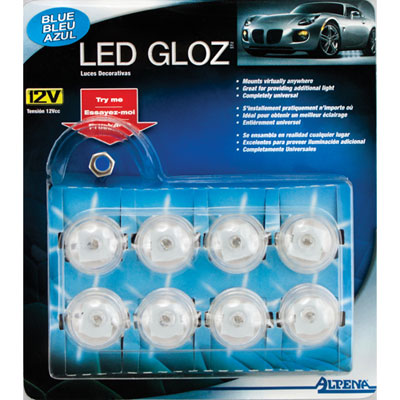 Your price for this item is $16.99
 -
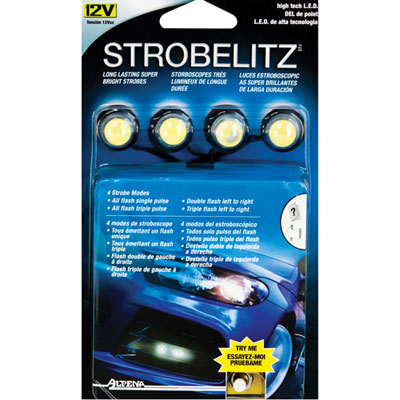 Your price for this item is $31.99
 -
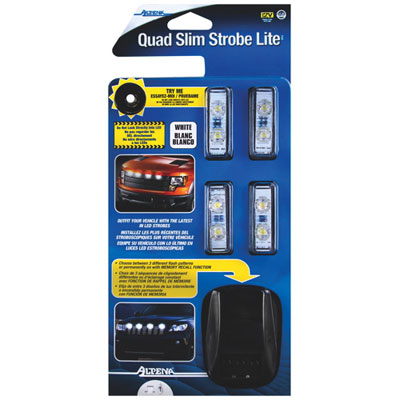 Your price for this item is $48.99
 -
 Your price for this item is $36.99
 -
 Your price for this item is $36.96
 -
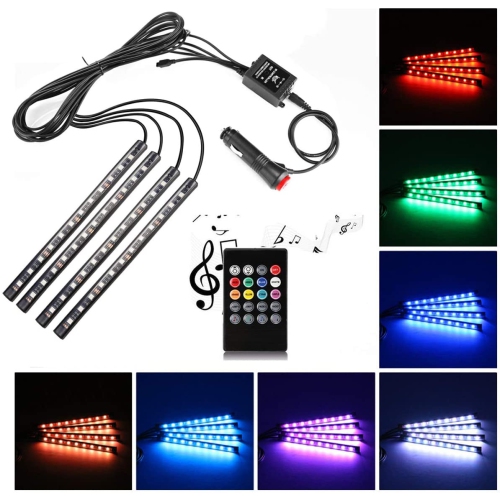 Your price for this item is $29.99
 -
 Your price for this item is $52.96
 -
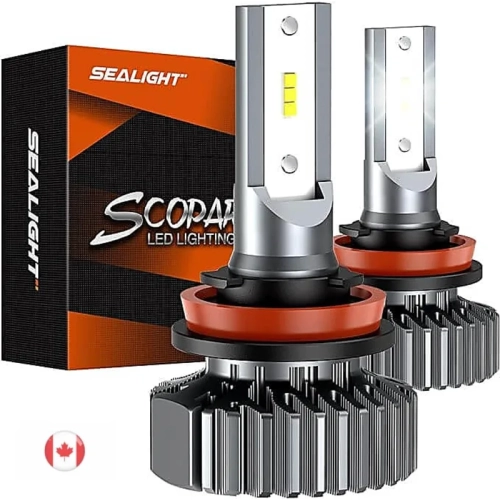 Your price for this item is $59.99
Discover more categories related to LED Light Bars
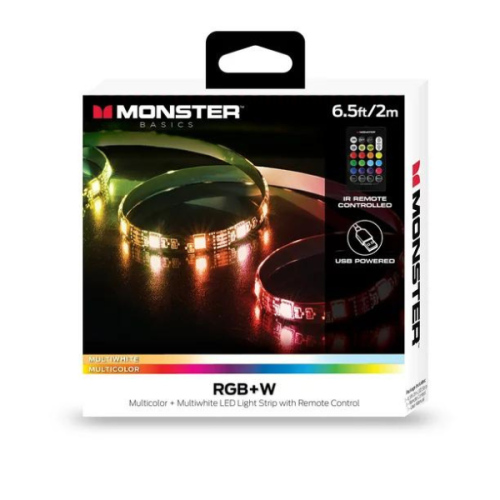
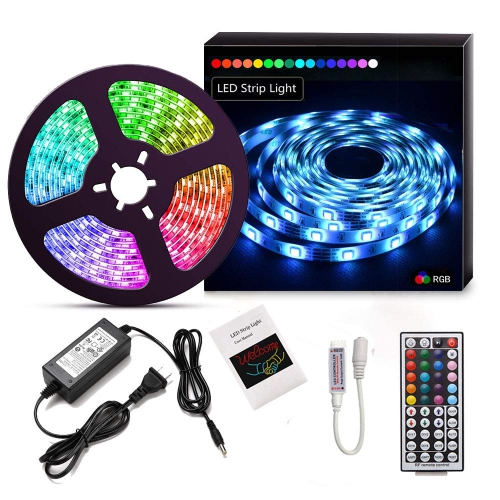
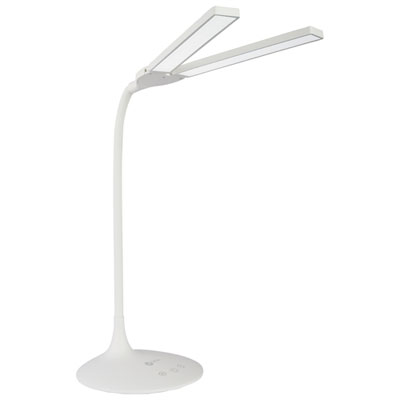
Top Collections:
Pokemon Centers, Kindle Devices, Best Budget Office Chairs, Apple iPhones 16, Best Laptops for Writers, iPhone 15 Apple, Canon G7X Cameras, Refurbished Apple Laptops, Alarm Clock, Motorola Razr Phones
Some products may be subject to Environmental Handling Fees
(EHF) depending on your province.
Learn more about EHFs.