Luggage Finders
Looking for a hassle-free way to keep track of your luggage while traveling? Look no further than our collection of luggage finders. These handy devices are designed to make your travel experience smoother by helping you locate your bags quickly and easily. Whether you're a frequent flyer or an occasional traveler, our selection of luggage finders offers a range of features to suit your needs. From GPS tracking to Bluetooth connectivity, you'll find the perfect solution to ensure that your belongings are never lost or misplaced again. Say goodbye to the stress of searching for your suitcase at the airport carousel and say hello to peace of mind with our top-notch luggage finders.
Sort

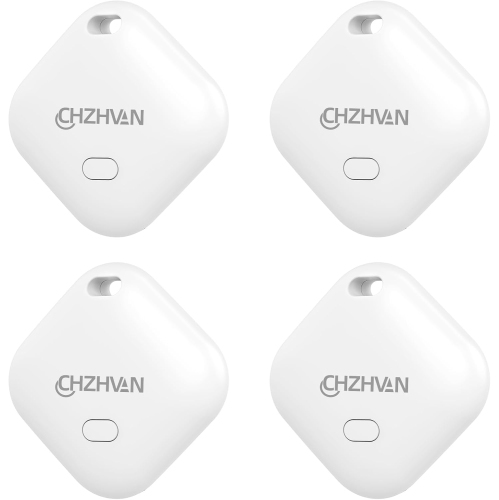

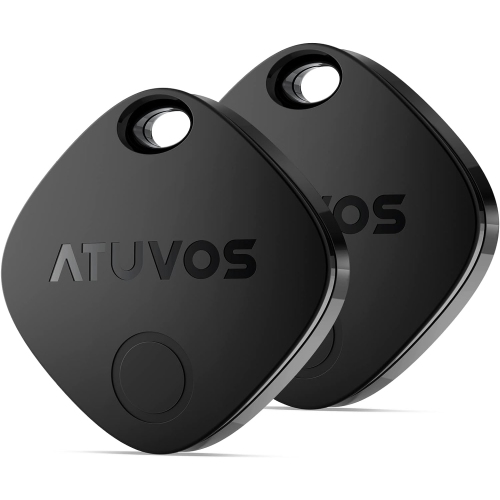
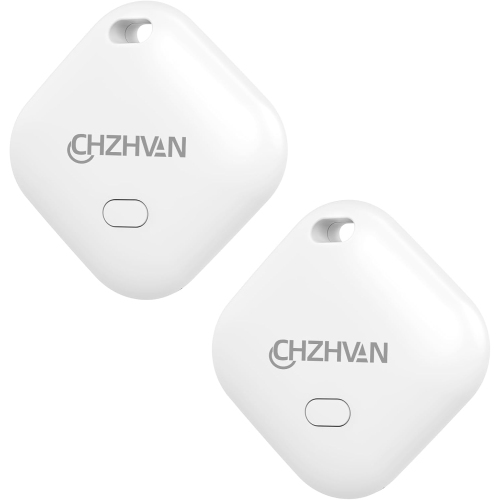


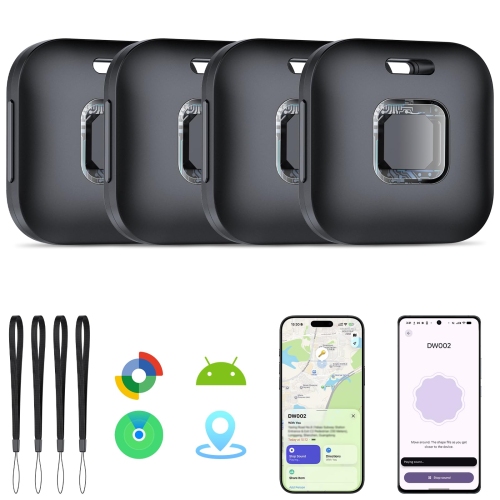

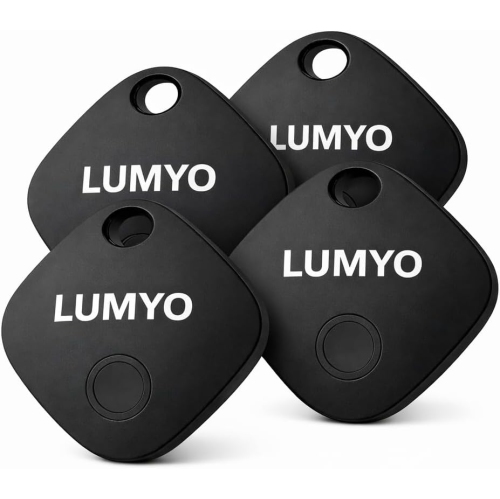


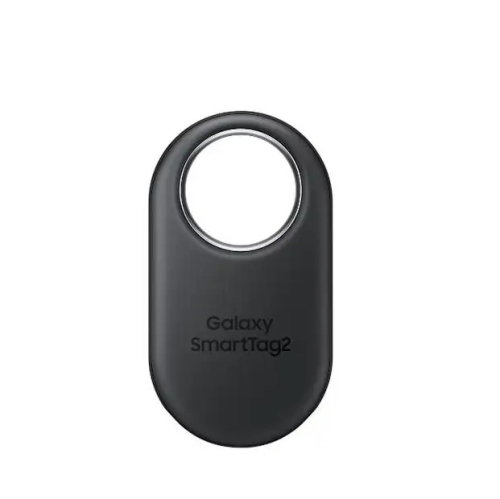
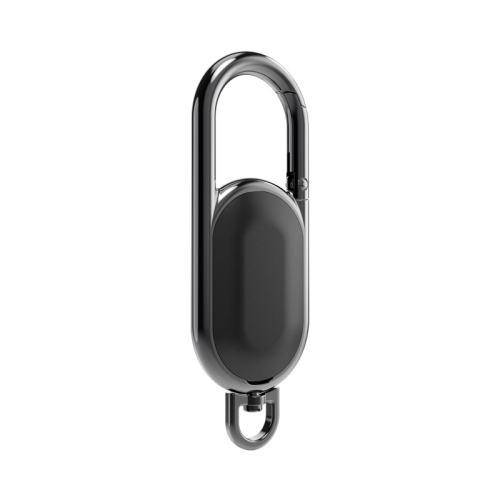

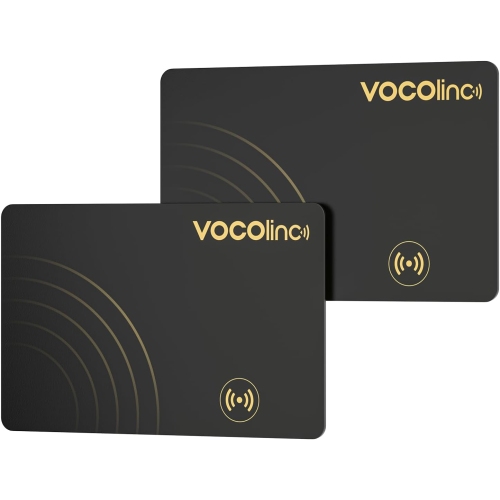
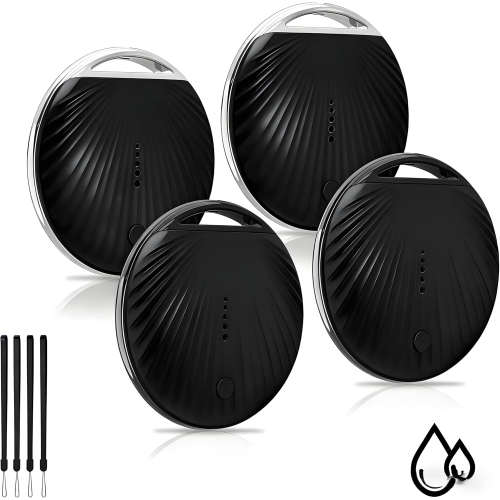
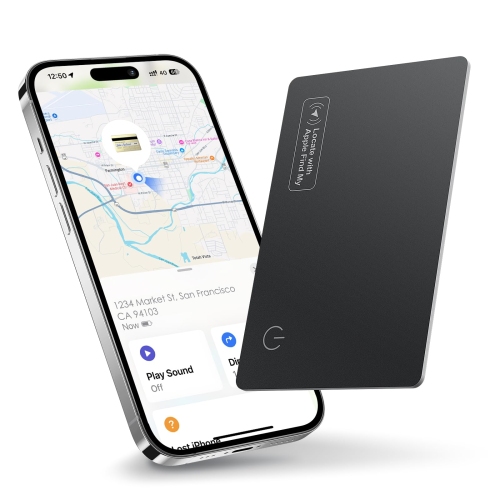
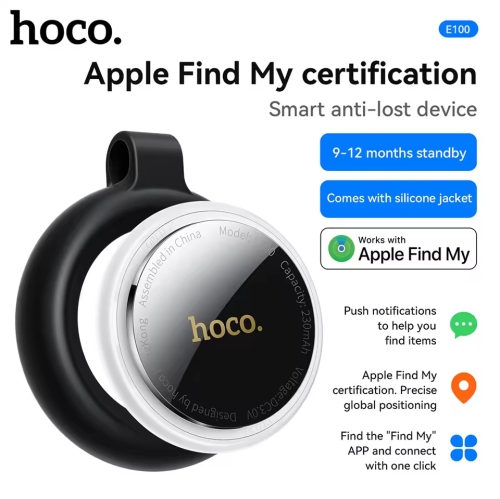








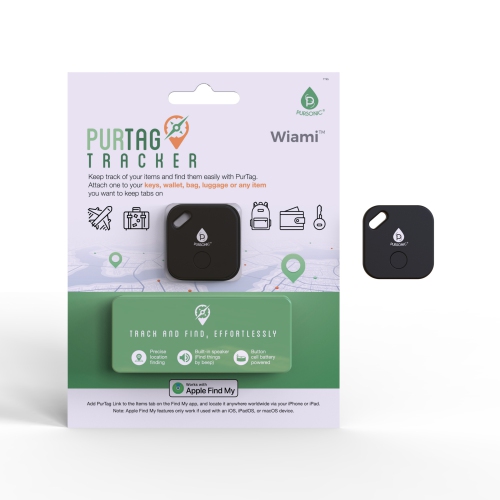


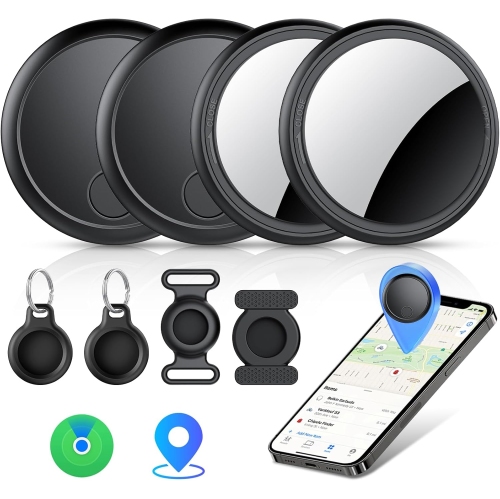

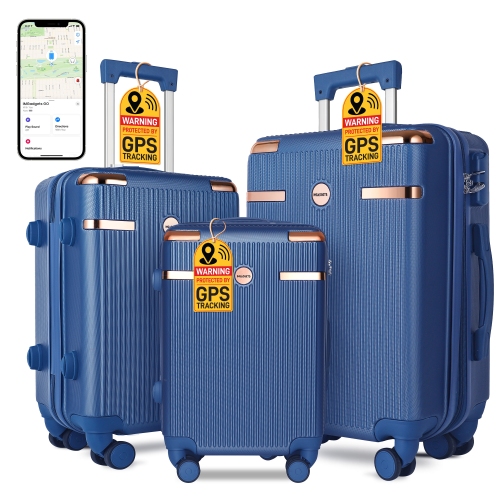
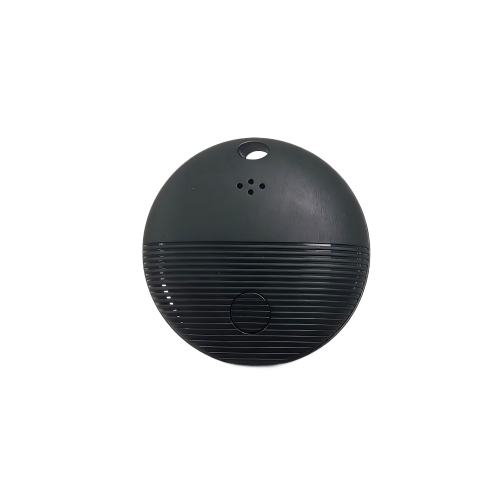



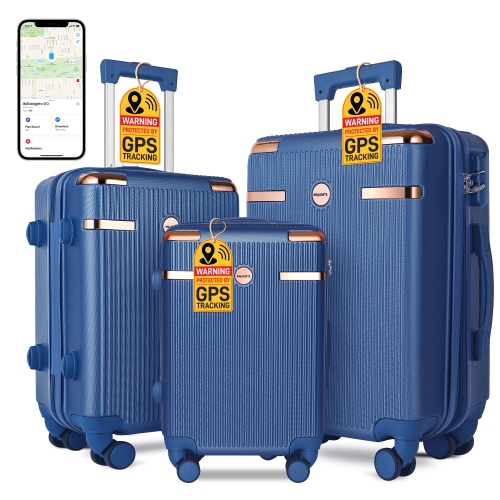


How Bluetooth, network, and GPS tracking technologies differ
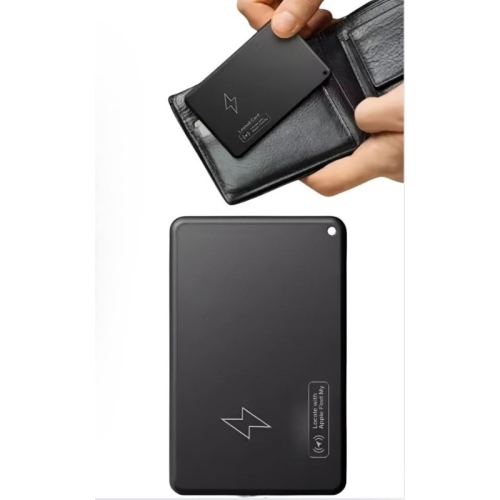
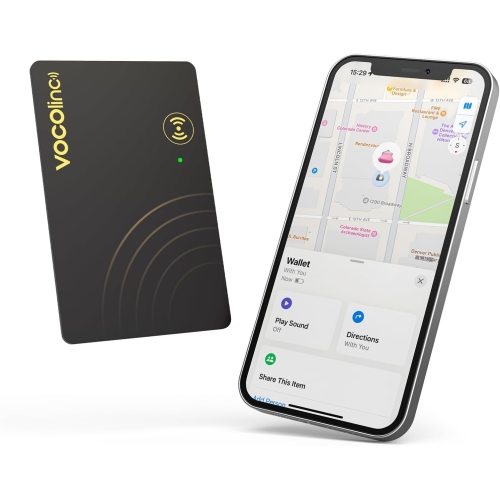
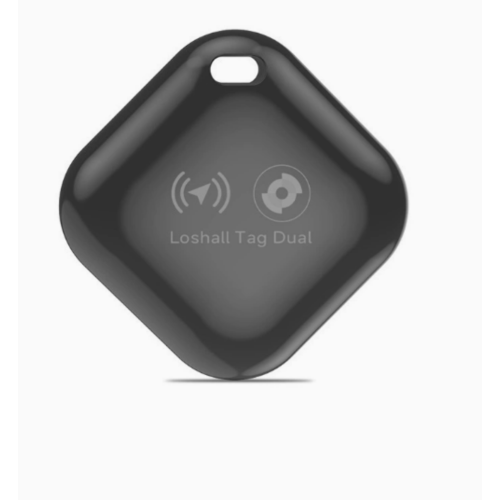
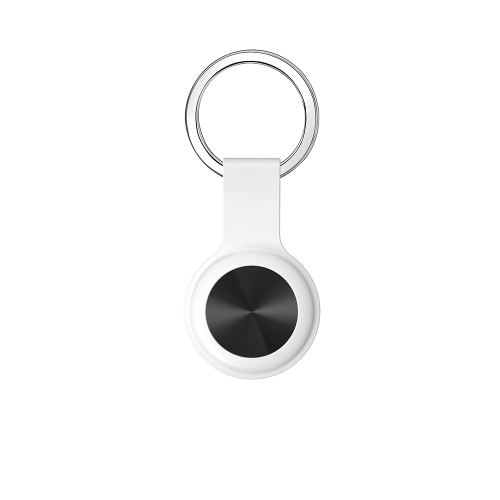
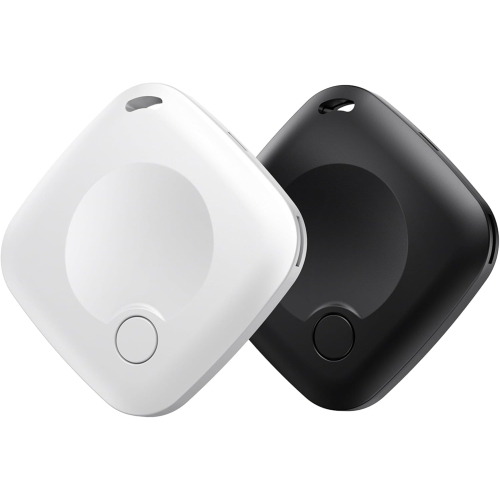
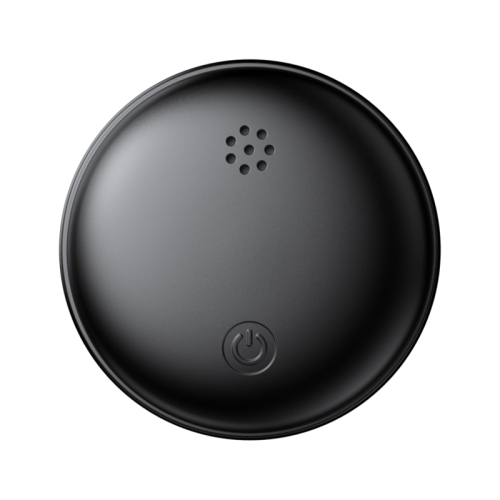
Luggage finders are compact electronic devices designed to help travellers keep track of suitcases, carry-on bags, backpacks, and other essentials while they are on the move. Depending on the type, a luggage finder may use Bluetooth, a crowd-sourced smartphone network, or cellular and GPS technology to show the approximate location of a bag through a companion app. A Bluetooth tracker is useful when your luggage is nearby, such as when you are standing beside a busy baggage carousel, checking a hotel room, or trying to locate a carry-on in an overhead compartment. These devices generally connect directly to a compatible smartphone and can often make a sound when activated, helping you identify a bag among several similar cases. Network-connected tags can provide location updates over much greater distances when other participating smartphones pass near the tagged luggage. This can be helpful if a suitcase is separated from you at an airport, left in a taxi, or routed to a different destination. Cellular and GPS luggage finders are built for travellers who want more frequent or wide-area tracking, although they may require a mobile data plan or subscription and can perform differently depending on network coverage, battery life, and local regulations. Reviewing how each technology works before choosing a luggage finder makes it easier to select a device that fits the way you travel and the level of location information you want.
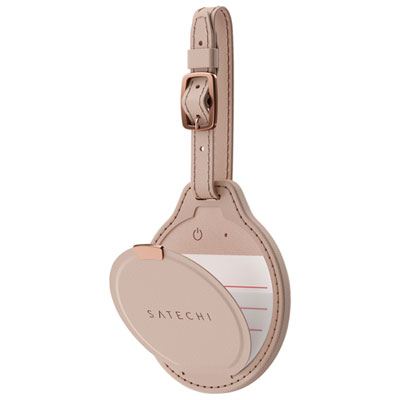
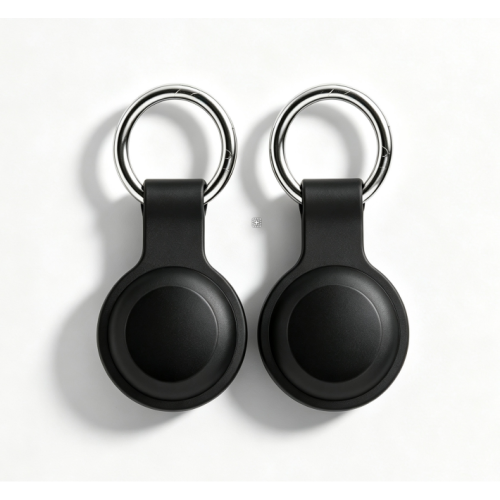
Compatibility is one of the most important details to consider. Some luggage finders are made for a particular mobile operating system, while others support both iOS and Android phones through a dedicated app. Check the device requirements before purchasing, especially if more than one person may need access to the tracker’s location. Battery design also matters during longer trips. Some units use replaceable coin-cell batteries, while others have rechargeable batteries that need to be topped up before departure. Look for information about expected battery life, charging connections, low-battery alerts, and whether the tracker can remain active throughout a multi-stop journey. Size and shape are worth considering as well. A slim finder can slide into a luggage pocket, passport compartment, or interior lining without taking up much space, while a keyring-style design can attach to a zip pull, handle, or strap. A secure attachment helps prevent the device from shifting around inside a suitcase or falling out when the bag is opened. Travellers who want an added layer of protection may prefer a luggage finder with motion alerts, a built-in alarm, or an integrated lock, while others may favour a simple tag that quietly reports its last known location. A luggage finder works best when it is paired with practical identification information, so adding a visible contact card or browsing Luggage Tags can make it easier for a carrier, hotel, or airport employee to reach you if the bag is found.
These devices can be useful for frequent flyers, families travelling with several suitcases, students moving between home and school, and anyone who regularly carries valuable equipment in a checked or unattended bag. They are also thoughtful gifts for someone preparing for a first major trip, a destination wedding, a cruise, a study term away from home, or a return to regular travel during the cooler months. A luggage finder can offer reassurance without adding much weight, particularly for travellers who have experienced the uneasy wait at a carousel while wondering whether their bag made the same connection. Before leaving, install the required app, pair the device with your phone, label the tracker within the app, and test its sound or location function. It is wise to record the luggage finder’s identifier and keep the app updated, while also checking any account, privacy, or notification settings that affect location sharing. For air travel, place the finder where it can remain with the bag and follow the airline’s rules for electronic devices with batteries; spare lithium batteries may have separate packing requirements. Tracking technology is helpful, but it does not replace baggage receipts, travel insurance, or reporting procedures when luggage is delayed or missing. Choose a finder based on your phone, destination, trip length, desired tracking range, and willingness to manage charging or subscription fees. With the right match, a small device can make it easier to identify a suitcase, monitor its journey, and stay organised from the moment you leave home until your luggage is safely unpacked.
Top selling and popular products
-
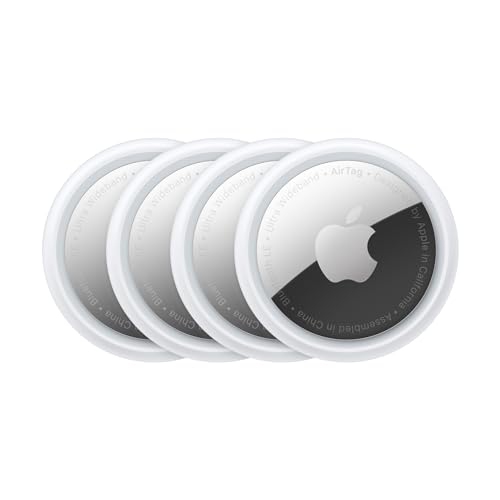 Your price for this item is $119
-
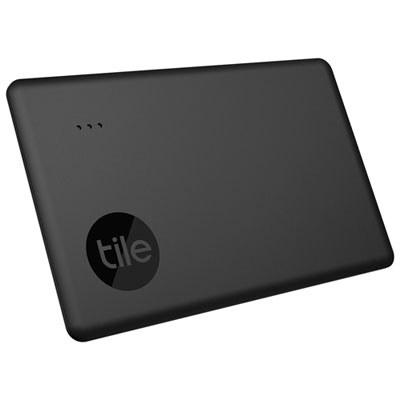 Your price for this item is $49.99
-
 Your price for this item is $98.95
-
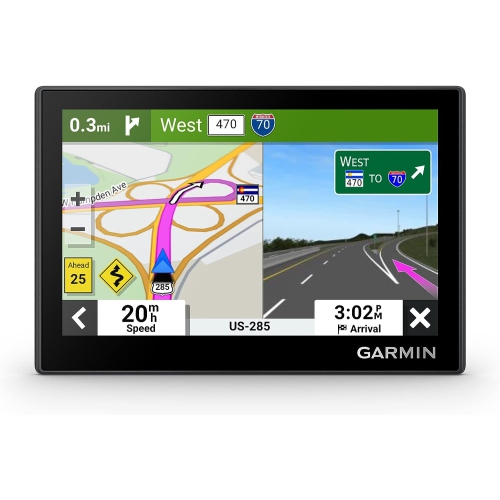 Your price for this item is $229.99
-
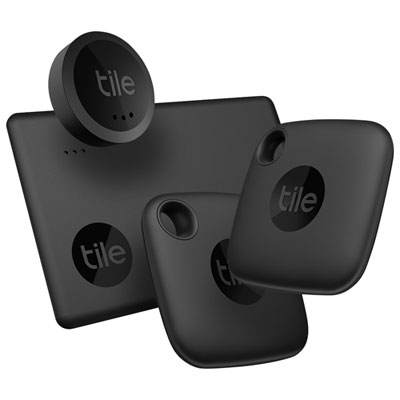 Your price for this item is $109.99
-
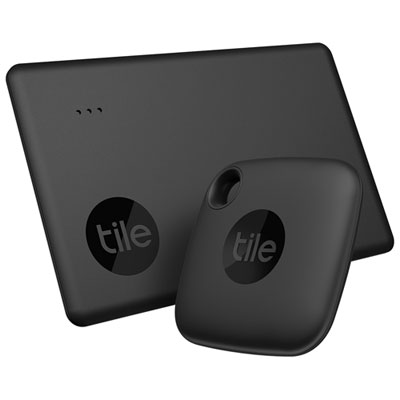 Your price for this item is $47.99
-
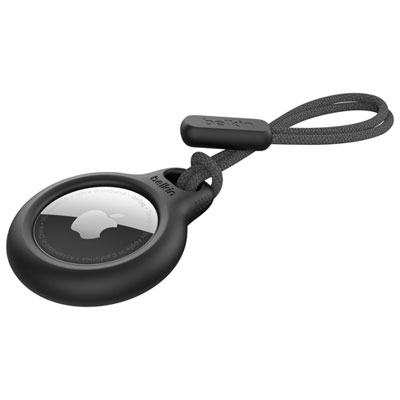 Your price for this item is $15.95
-
 Your price for this item is $39.99
Discover more categories related to Luggage Finders

Top Collections:
Pokemon Centers, Kindle Devices, Best Budget Office Chairs, Canon G7X Cameras, Apple iPhones 16, Samsung Galaxy Phones, Refurbished Apple Laptops, Laptops for Students, iPhone 15 Apple, Budget Smartphones
Some products may be subject to Environmental Handling Fees
(EHF) depending on your province.
Learn more about EHFs.