Device To Track Your Luggage
Traveling with peace of mind is now more accessible than ever with a device to track your luggage. Whether you're a frequent flyer or heading out on a once-in-a-lifetime adventure, keeping tabs on your belongings ensures you can focus on the journey ahead. These innovative tracking devices are designed to seamlessly integrate into your travel routine, providing real-time updates and location information. Explore a range of options that cater to every traveler’s needs, offering reliability and convenience so you can enjoy every moment without the worry of lost luggage.
Sort
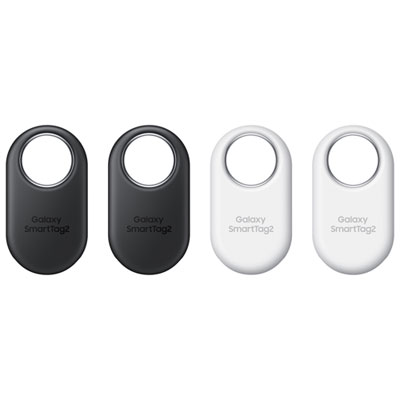

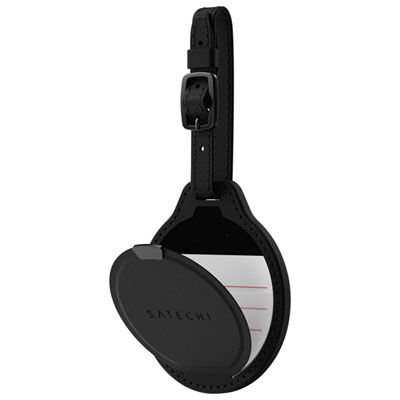

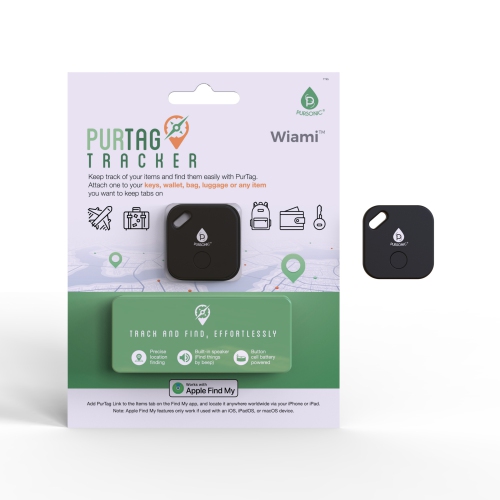


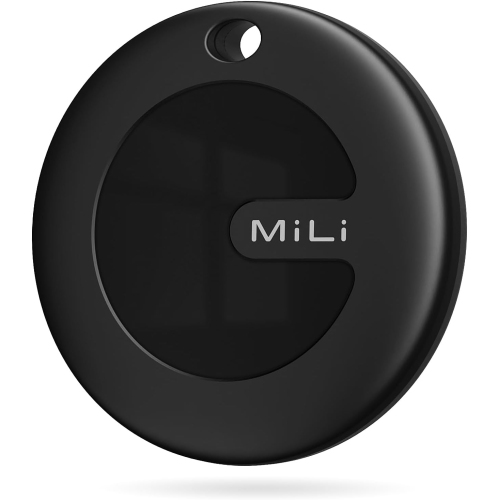







What to know about compatibility, batteries, and location updates
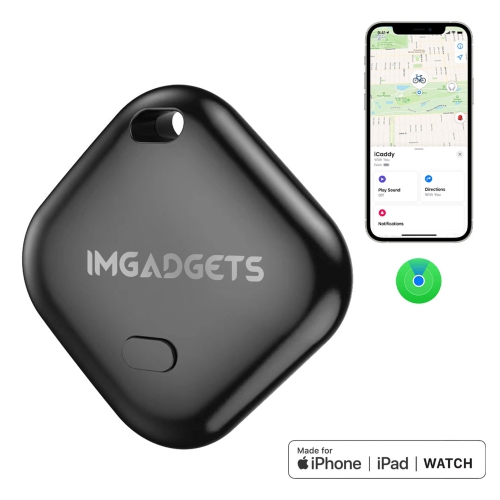
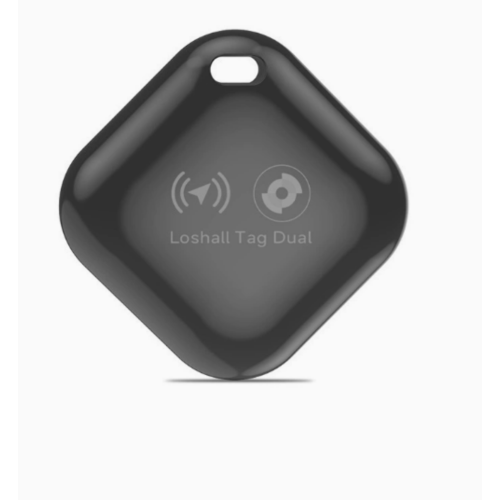
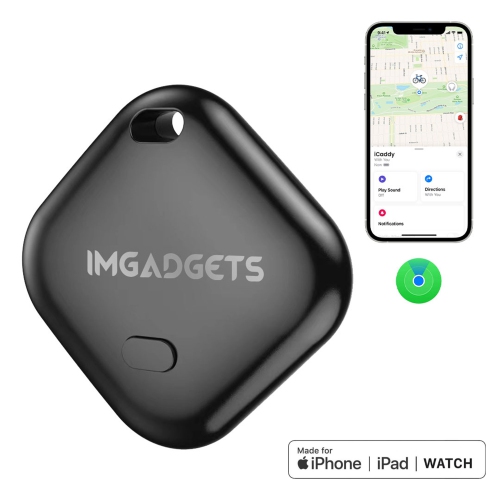
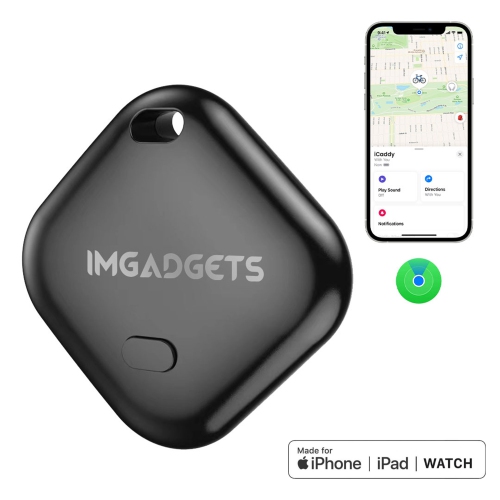
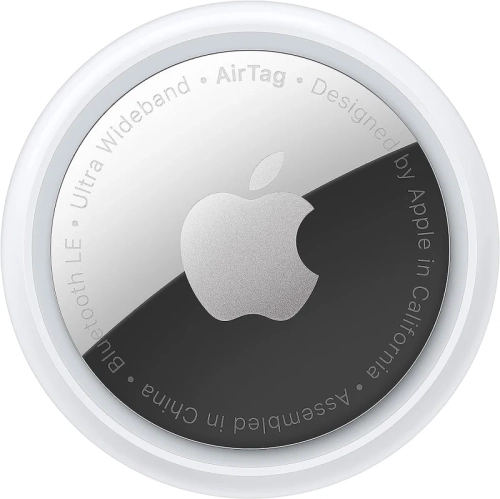
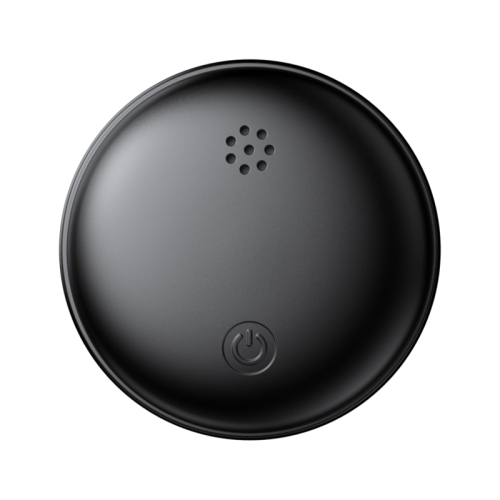
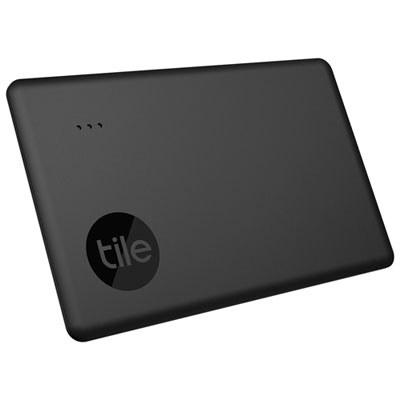
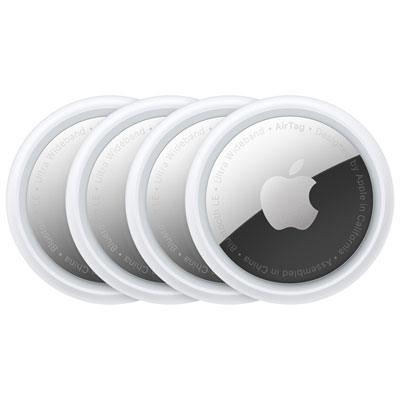
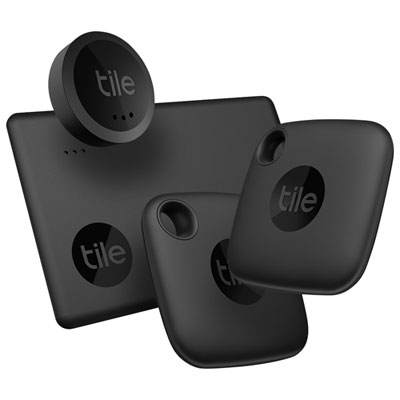
A device to track your luggage can add reassurance to the parts of travel that are usually the most uncertain. These compact electronic accessories attach to a suitcase, backpack, duffel bag, camera case, or other travel item and connect with a compatible smartphone to help you check where your belongings were last detected. At a busy airport, that information can be especially useful: instead of wondering whether a bag is still in the aircraft, waiting on the carousel, or travelling along a different route, you may be able to view its approximate location through a mobile app. Most luggage trackers are not satellite GPS devices and do not provide a continuous real-time position from anywhere on earth. Many use Bluetooth to communicate with nearby smartphones, then rely on a large crowdsourced device network to update the location when another compatible phone passes within range. That distinction matters when comparing options. A tracker can be very effective in an airport, hotel, train station, or city where many phones are nearby, while updates may be less frequent in a remote area or inside a quiet vehicle. Travellers who use an iPhone should look for a model designed for their phone’s operating system, while Android users should choose a tracker that works with their device and its supported locating network. Compatibility is one of the most important details to check before buying, since a tracker made for one ecosystem may not offer the same features, setup process, or location support on another. For more options designed specifically for suitcases and travel bags, browse Air Tags for Luggage.
Battery design is another practical consideration. Some luggage trackers use a replaceable coin-cell battery that can last for many months or close to a year, depending on use and settings. Others have a built-in rechargeable battery that can be topped up with a charging cable before a trip. Replaceable batteries are convenient for travellers who do not want to remember another device at the end of a journey, while rechargeable models may be appealing if you already keep your travel electronics together in one charging pouch. Check the battery type, estimated life, low-battery notifications, and whether a replacement battery is easy to find. A weather-resistant housing is also worthwhile. Suitcases can sit on wet tarmac, roll across slushy pavement, or be left beside a pool or ferry terminal, so protection from splashes and dust can help a tracker remain dependable during changing conditions. Look at how the device attaches as well. A small keychain-style tag can be slipped into an interior pocket or fastened to a handle, while a smart luggage tag may be visible from the outside and provide a convenient place for contact details. Some models combine tracking with an alarm, movement alert, or built-in lock, which can be useful when a bag is left in a hotel room, luggage storage area, or shared vehicle. Keep in mind that an alert is a helpful notification rather than a guarantee of security, and a tracker should not replace a sturdy suitcase lock, an identification label, or careful attention to your belongings. For the best chance of receiving a location update, place the device where its signal is not completely surrounded by dense metal or tightly packed electronics. An interior pocket is often a good compromise because it keeps the tracker discreet while leaving it close enough to the outside of the bag for reliable communication.
These devices can suit frequent flyers, students moving between home and campus, commuters who carry equipment, families managing several bags, and anyone who feels uneasy about checked luggage being separated from its owner. They can also make a thoughtful gift for a graduate preparing for a new adventure, a relative who travels for work, or a friend who enjoys road trips and weekend getaways. Before departure, pair the tracker with your smartphone, give it a clear name such as “black suitcase” or “carry-on backpack,” confirm that location permissions and notifications are enabled, and test the sound or proximity feature if one is available. It is wise to record the tracker’s serial information and keep the app updated, particularly before travelling during the cooler months when bags may move between heated terminals and wet outdoor loading areas. During check-in, place the tracker inside the correct piece of luggage and make sure the suitcase tag displays accurate contact information without revealing more personal detail than necessary. If a checked bag does not appear on the carousel, the app may help show whether it is nearby, still at the departure airport, or has been detected somewhere else, giving you useful information when speaking with airline staff. If a bag is misplaced at a hotel or station, a sound or recently updated location may help narrow the search. Tracking devices are most helpful when paired with sensible travel habits: keep valuables and essential medication in your carry-on, photograph your luggage before handing it over, use distinctive but secure tags, and confirm that the device is permitted under the airline’s rules for baggage and batteries. Whether you choose a simple Bluetooth tracker, a rechargeable model, a tag with an alarm, or a locking design, focus on phone compatibility, network coverage, battery maintenance, attachment method, water resistance, and the way you expect to travel. With the right setup, a small tracker can provide a clearer sense of where your luggage is from the moment it leaves your hand until it reaches the destination.
Top selling and popular products
-
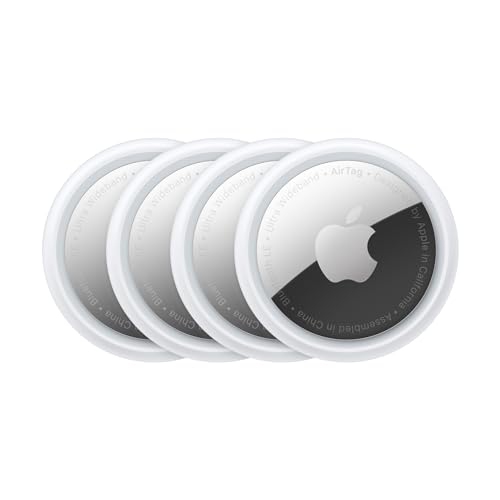 Your price for this item is $119
-
 Your price for this item is $49.99
-
 Your price for this item is $98.95
-
 Your price for this item is $229.99
-
 Your price for this item is $109.99
-
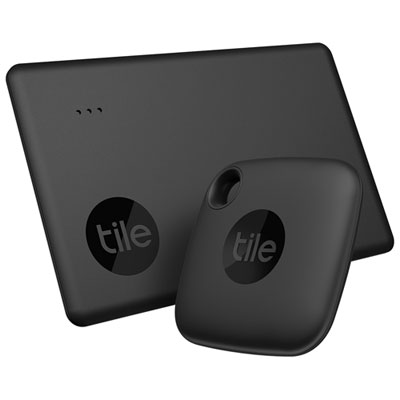 Your price for this item is $47.99
-
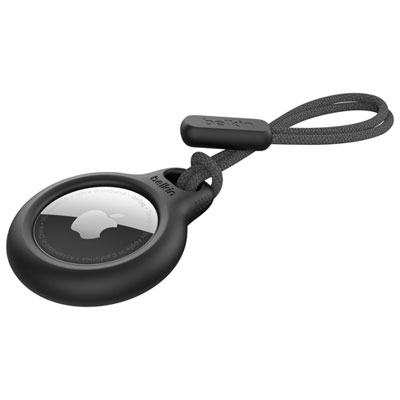 Your price for this item is $15.95
-
 Your price for this item is $39.99
Discover more categories related to Device To Track Your Luggage

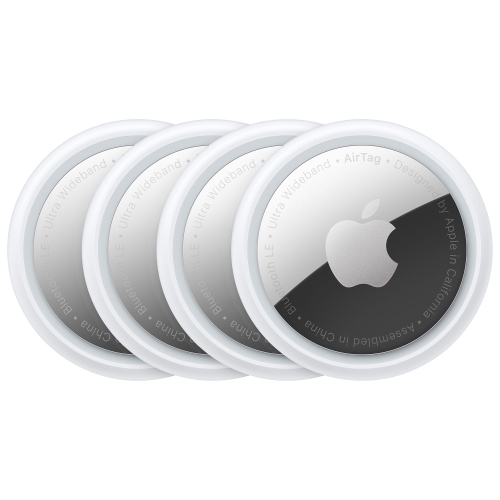
Top Collections:
Pokemon Centers, Kindle Devices, Best Budget Office Chairs, Canon G7X Cameras, Apple iPhones 16, Samsung Galaxy Phones, Refurbished Apple Laptops, Laptops for Students, iPhone 15 Apple, Budget Smartphones
Some products may be subject to Environmental Handling Fees
(EHF) depending on your province.
Learn more about EHFs.