Repair Tools
Looking to tackle DIY repairs around the house? Look no further than our comprehensive collection of repair tools. From screwdrivers and wrenches to pliers and hammers, we have everything you need to handle a wide range of projects. Whether you're fixing a leaky faucet, assembling furniture, or working on your car, our selection of high-quality repair tools will help you get the job done with ease. With durable construction and ergonomic designs, these tools are built to last and provide optimal performance. Explore our extensive range of repair tools and empower yourself to take on any repair task with confidence.
Sort
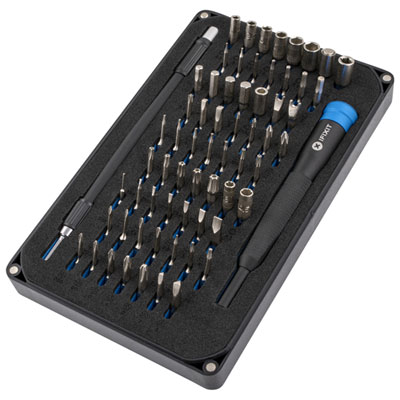
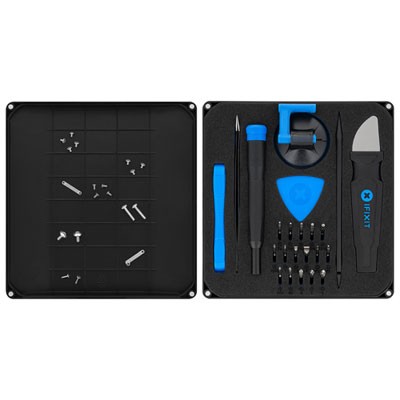
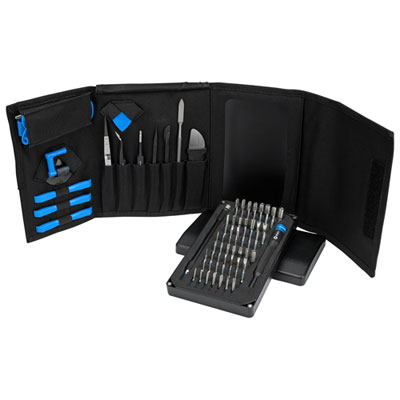
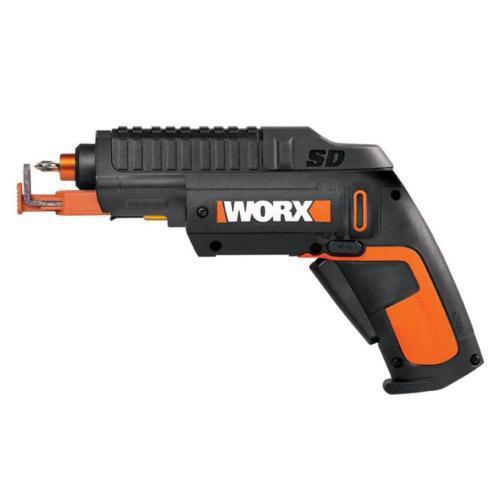
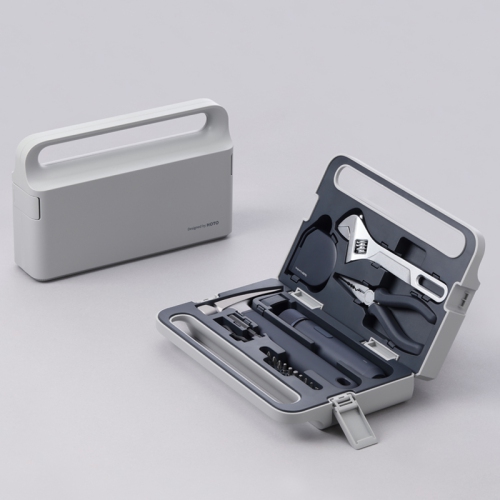
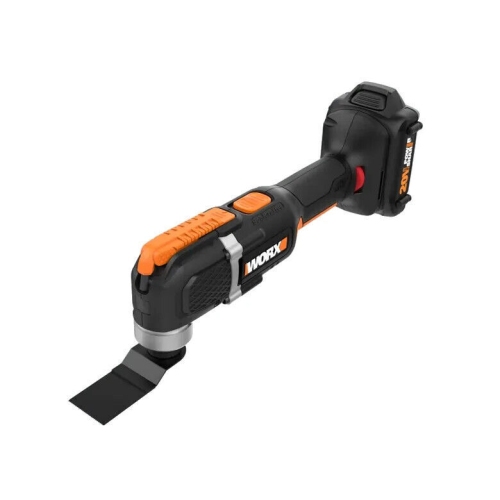
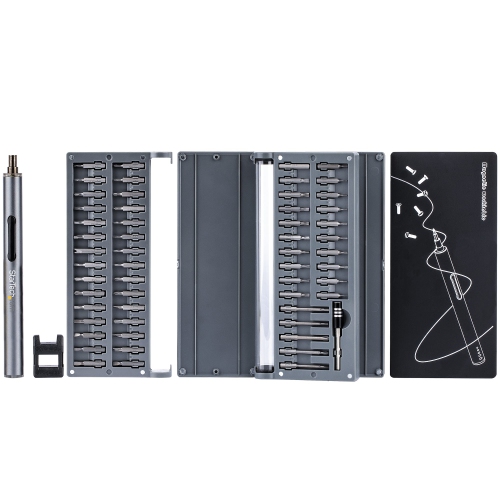
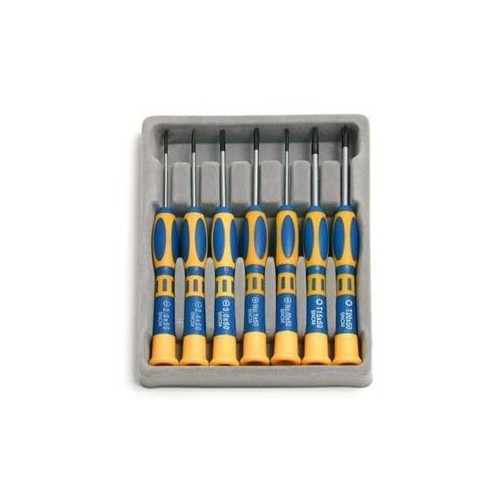
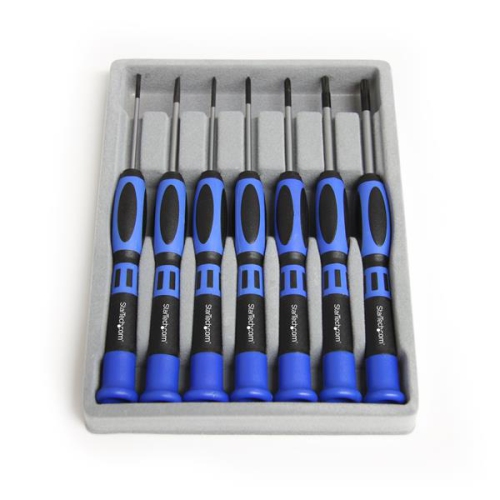
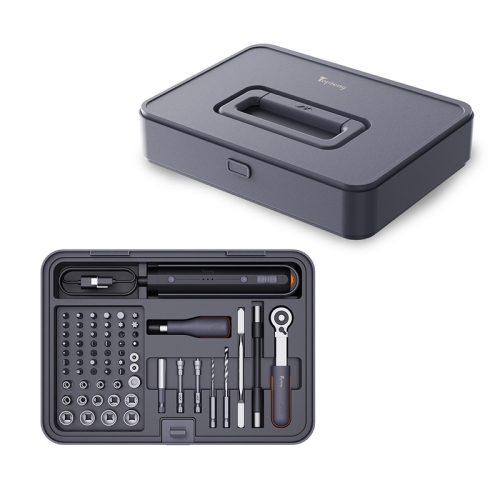
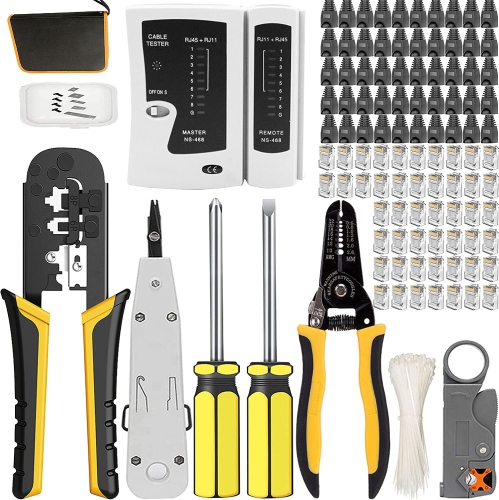


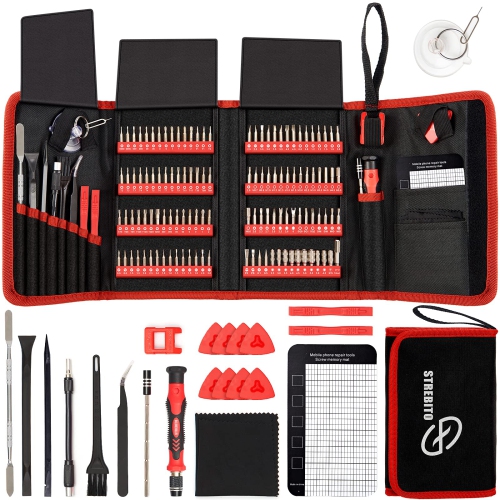
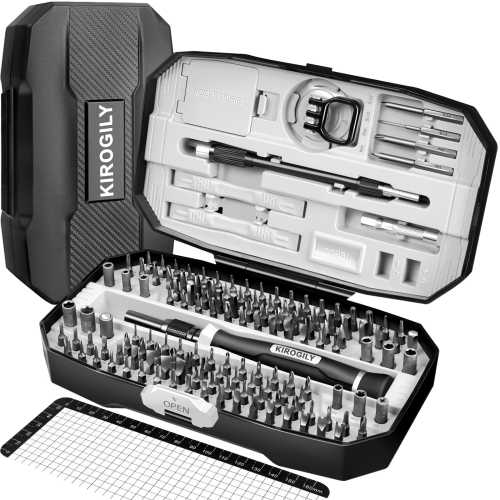
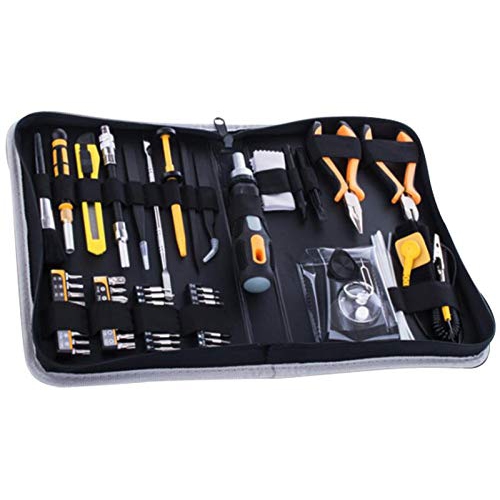
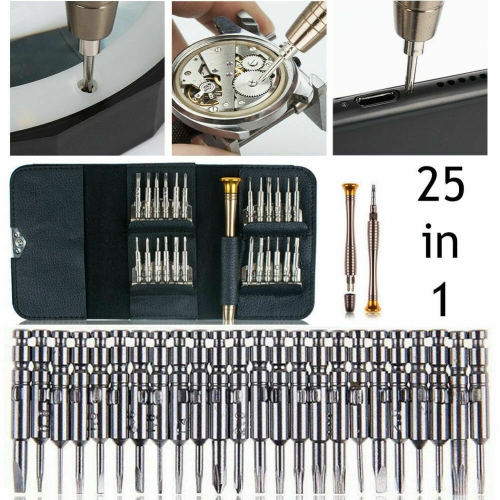
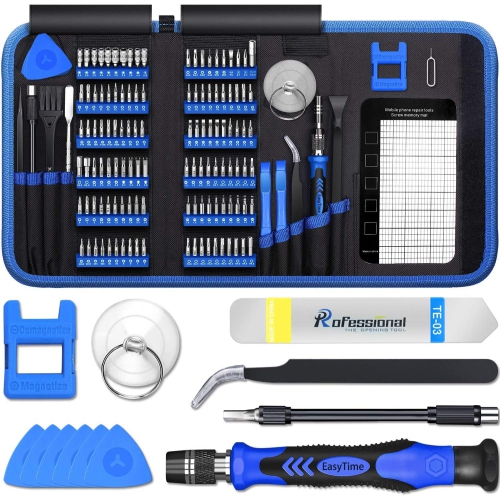
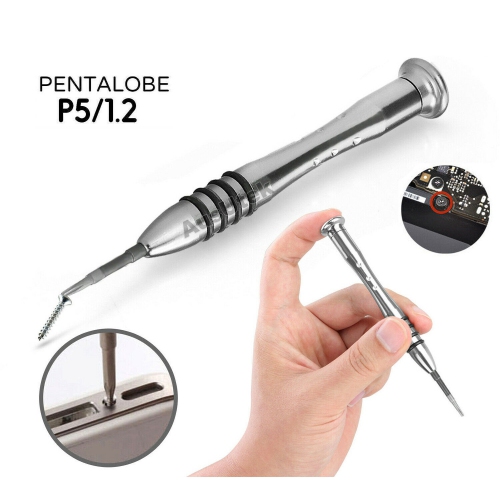
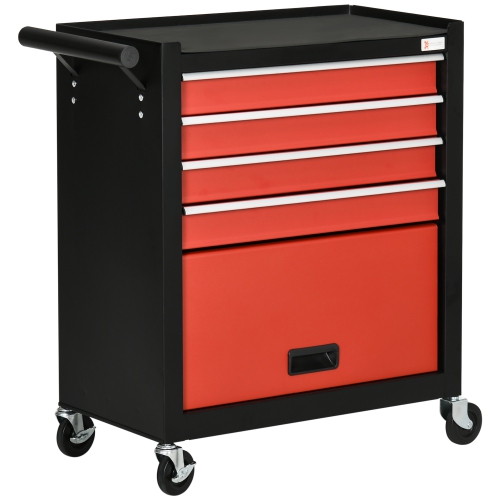
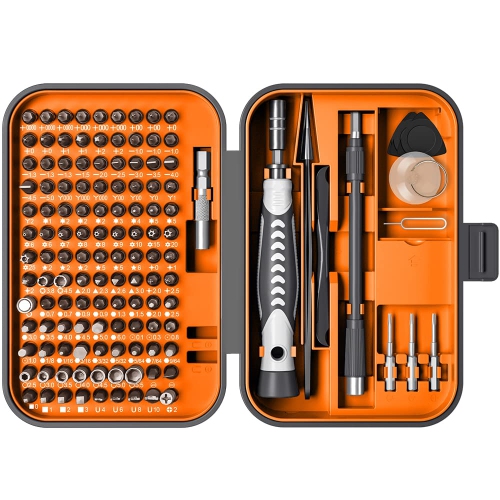
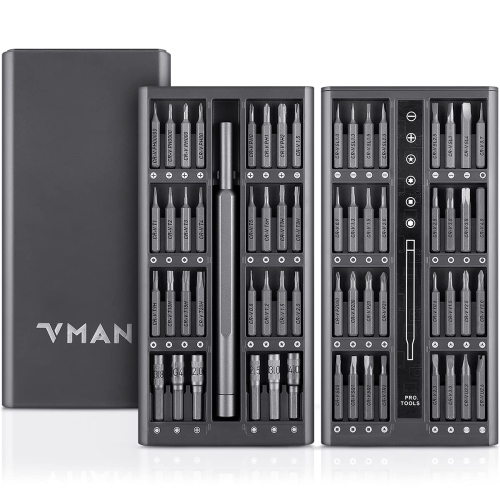

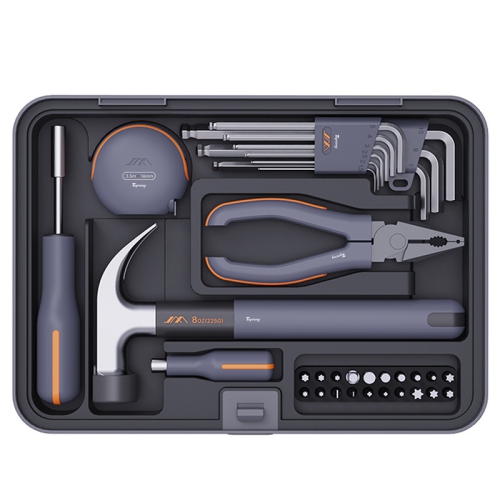
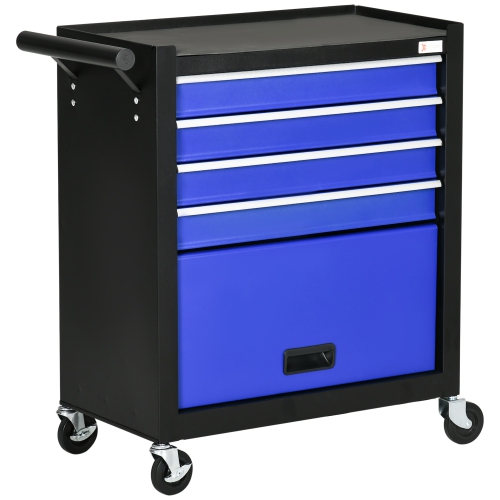
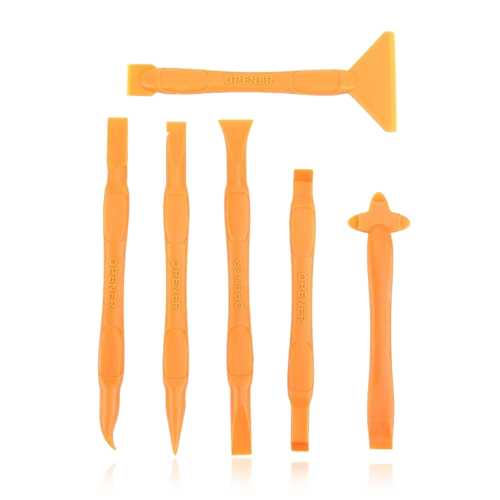

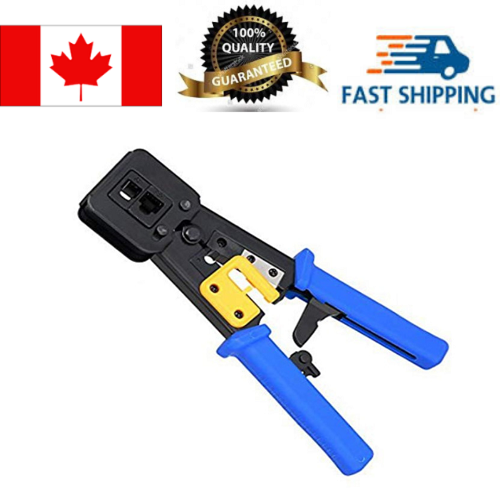
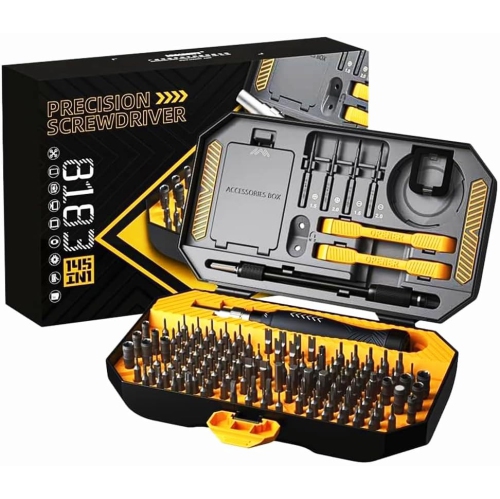
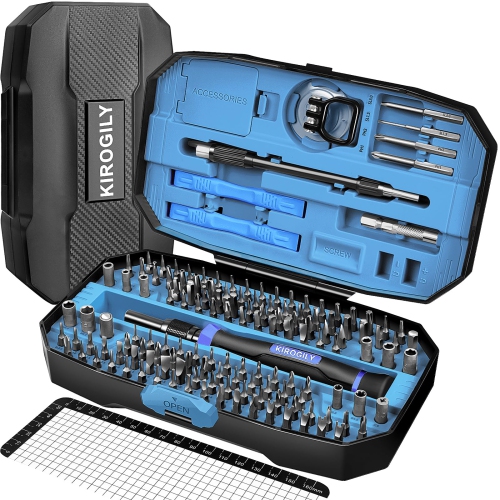
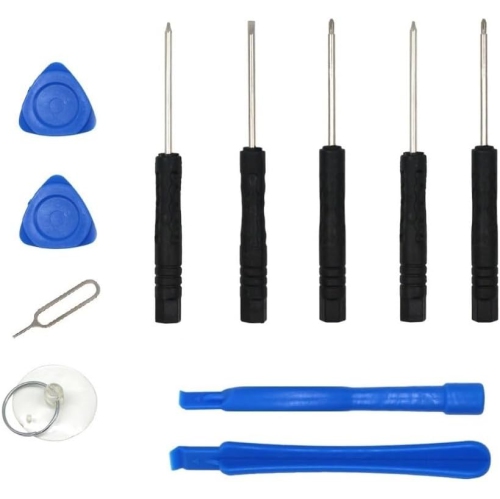
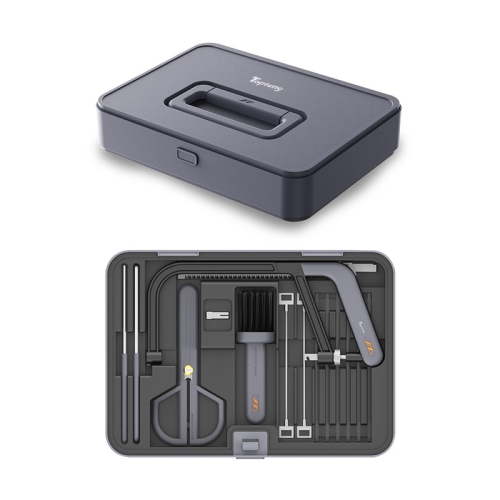
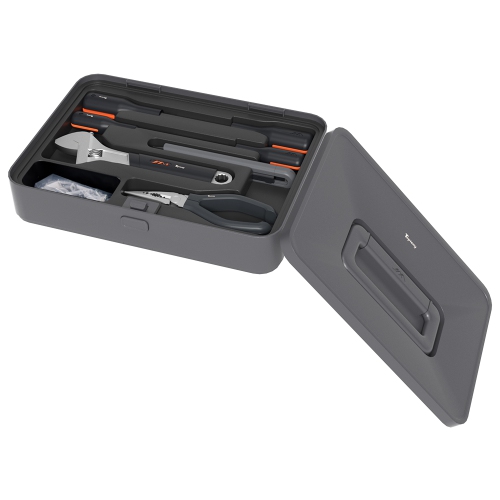
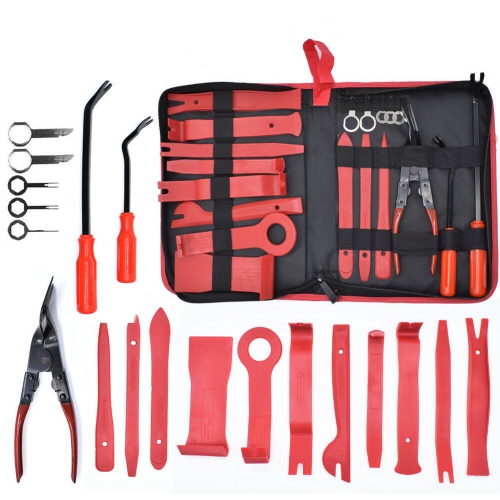
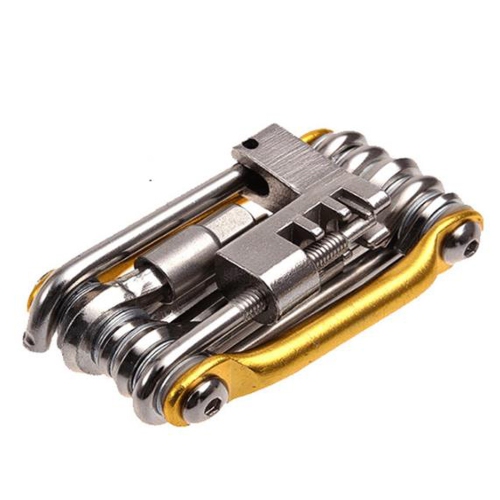
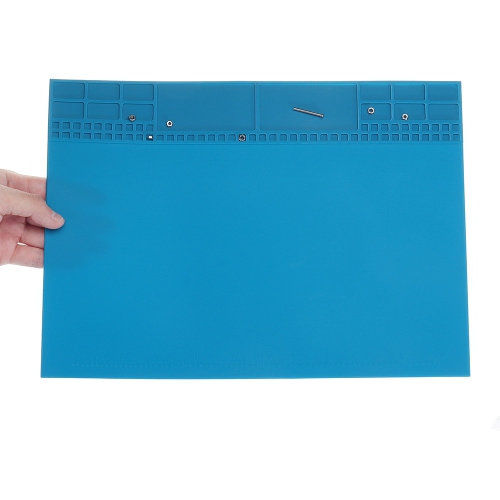
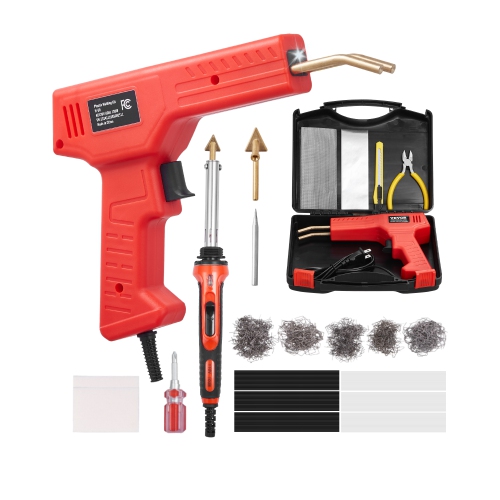
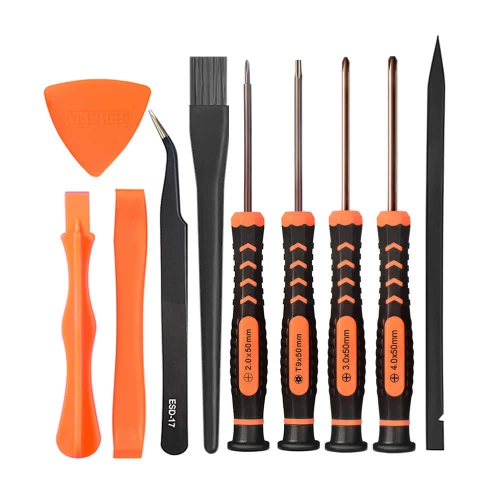
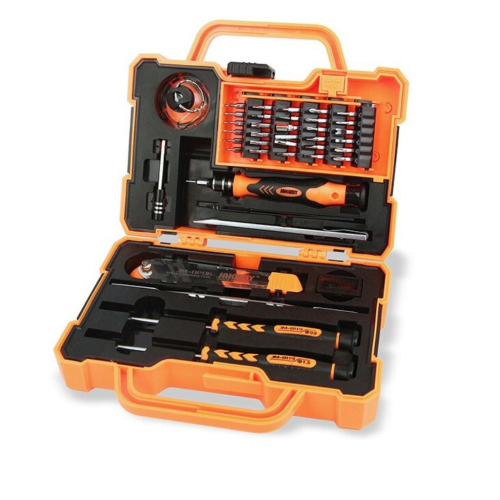
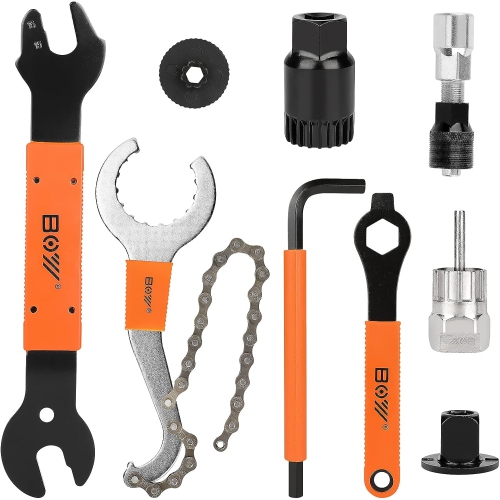
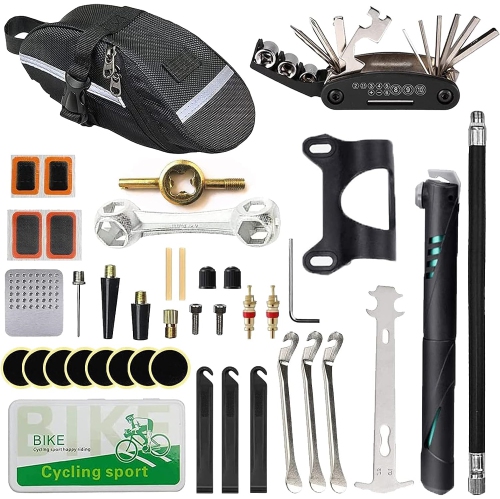
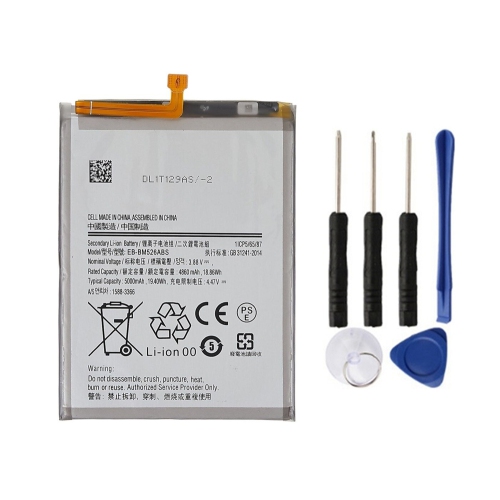
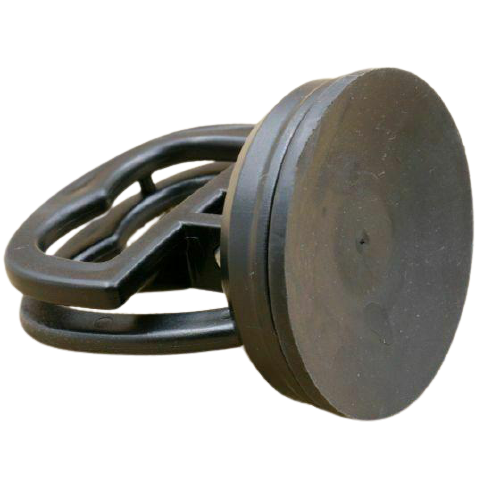
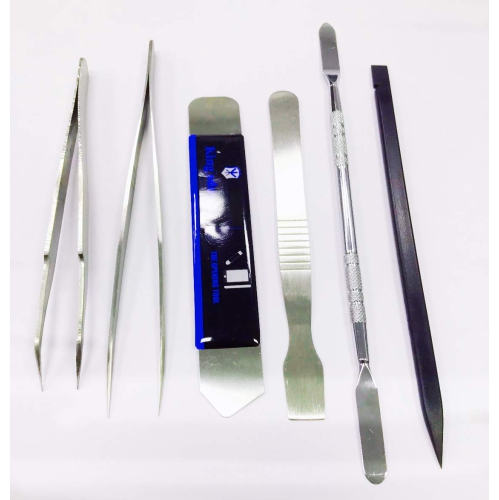
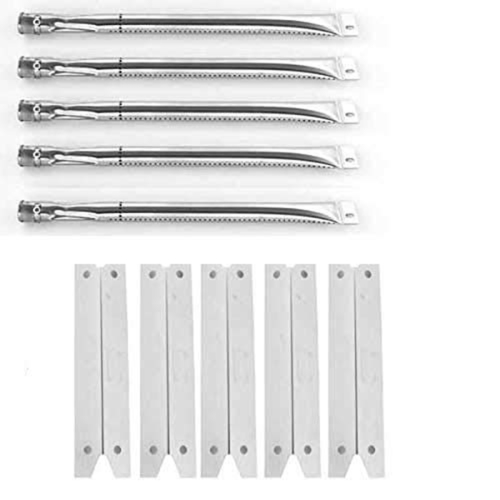
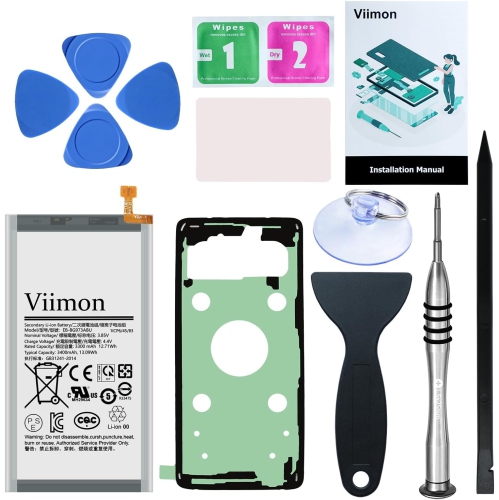
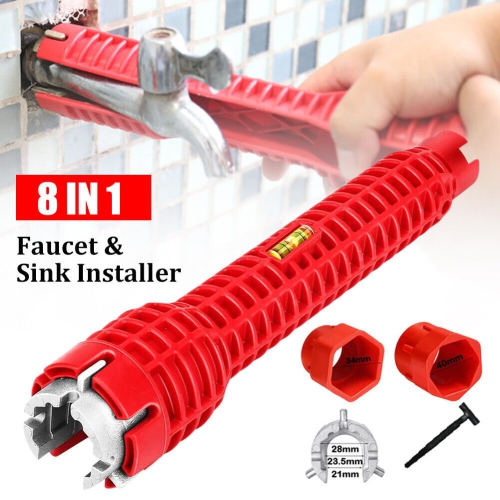

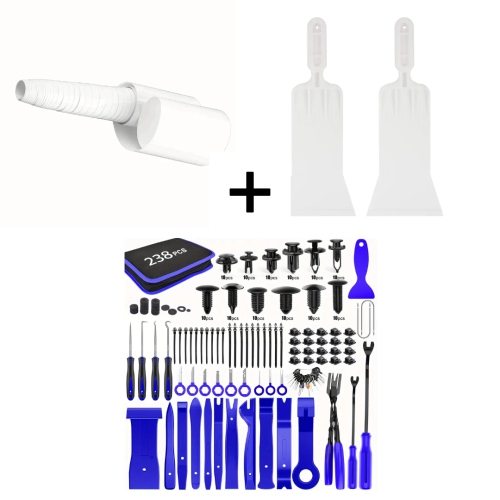
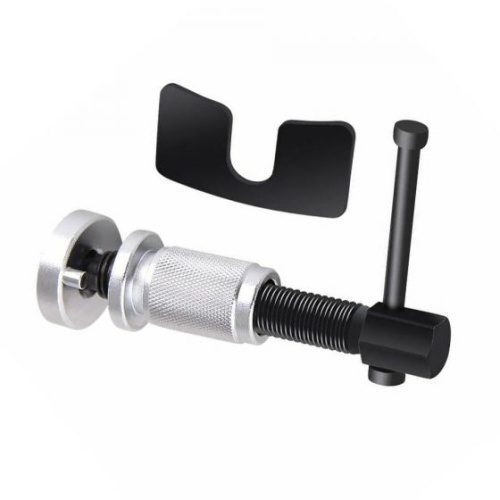
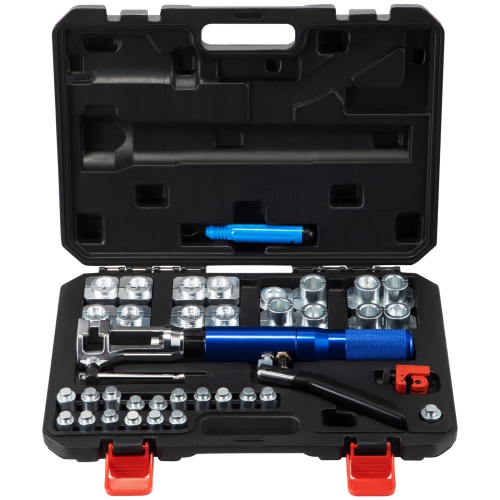
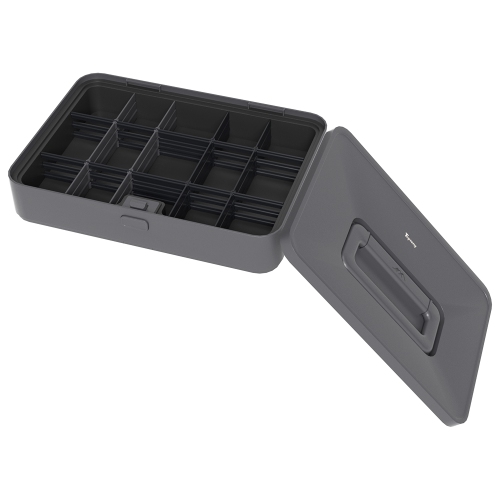

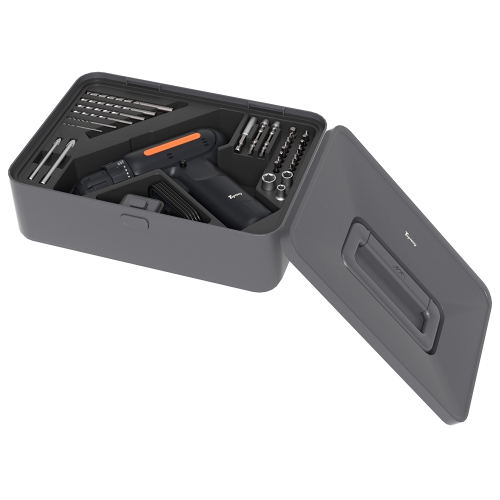

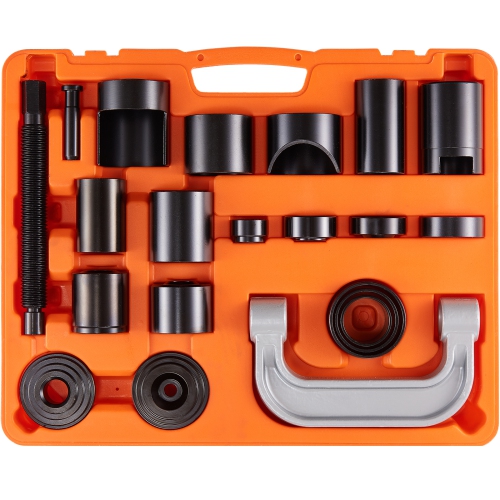
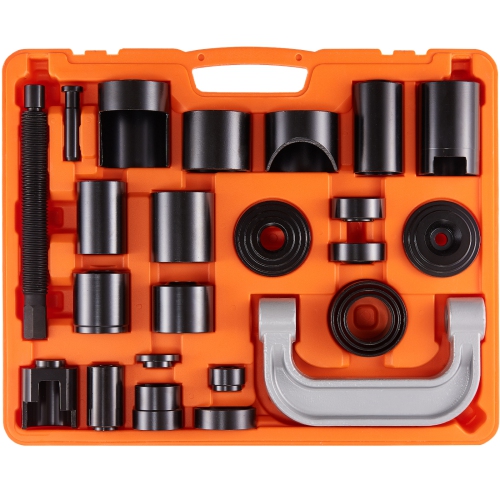
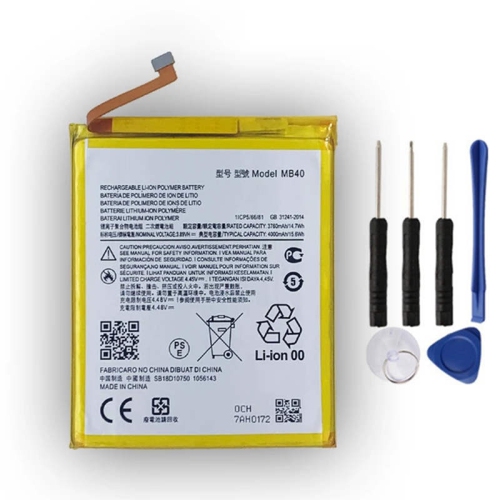
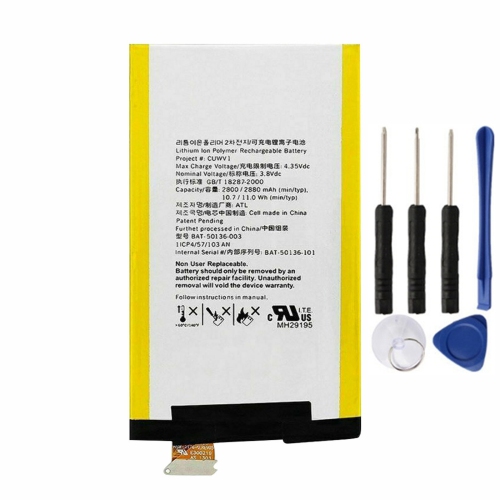
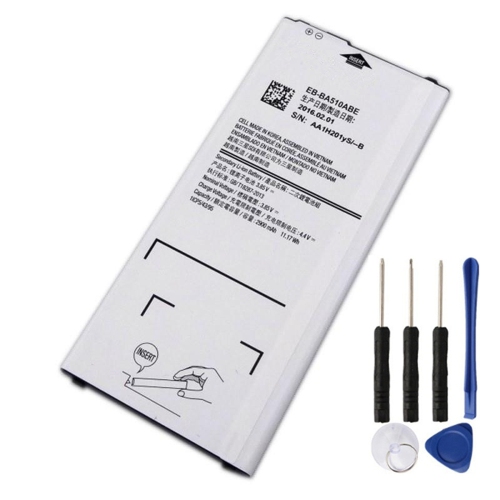
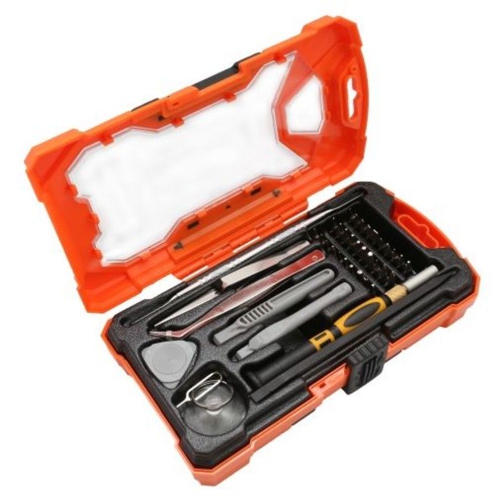
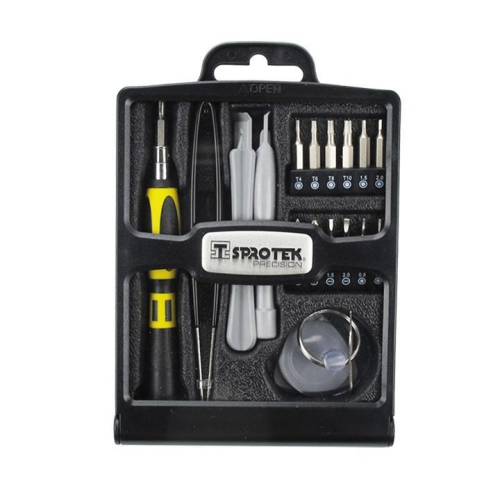
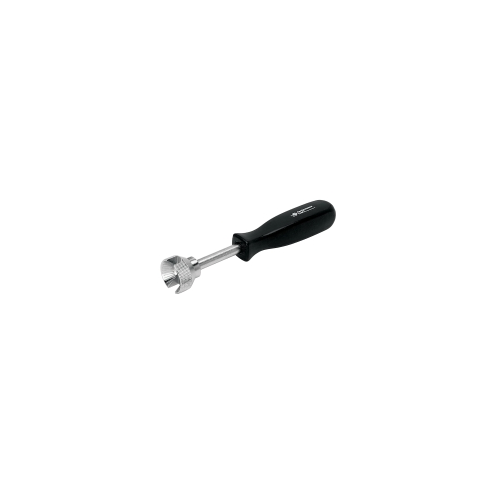
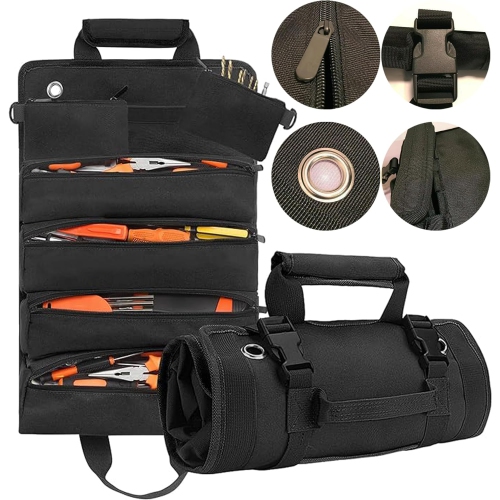
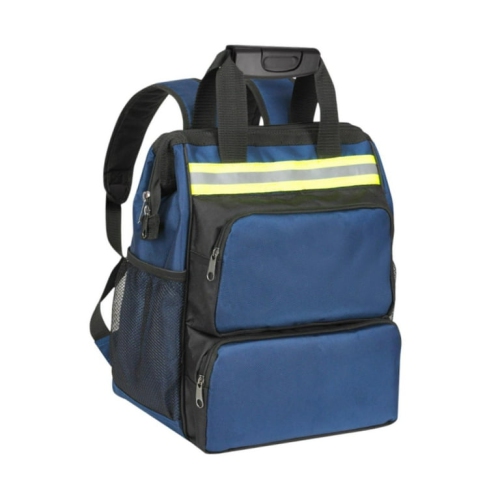
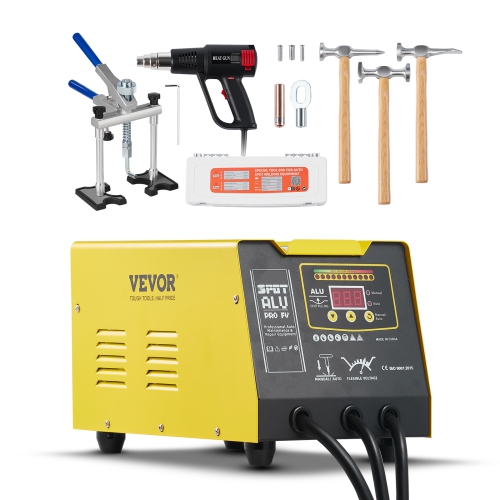
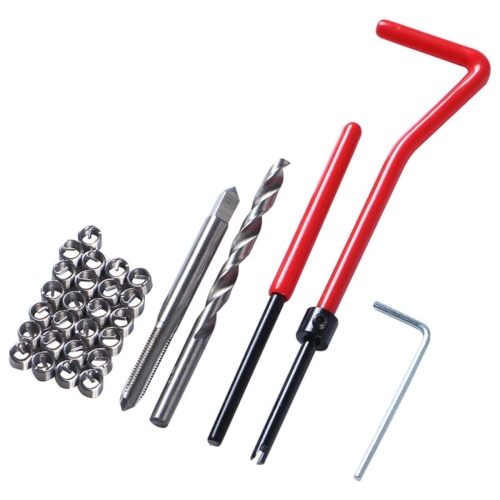
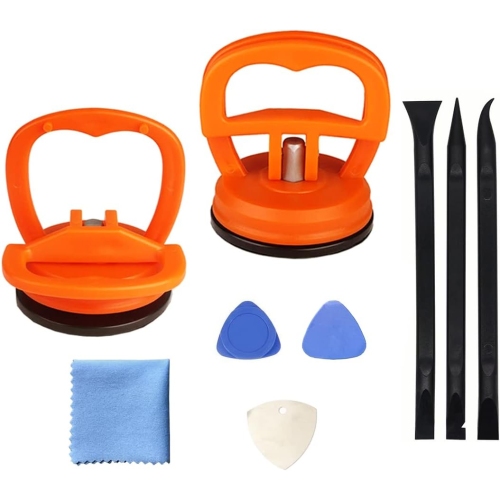
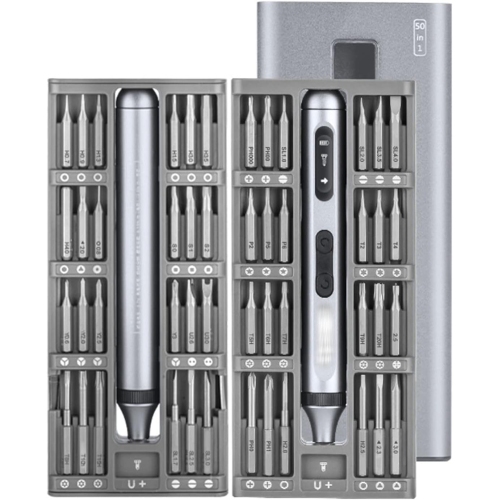

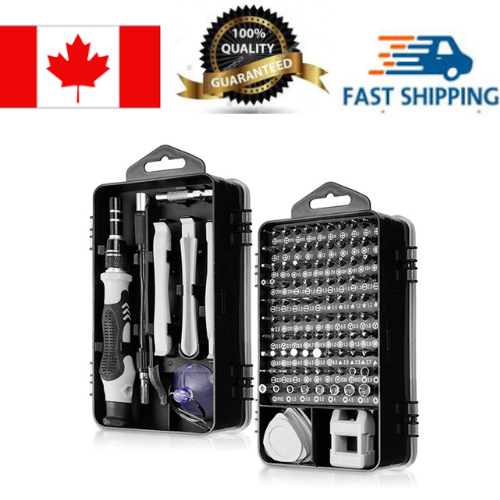
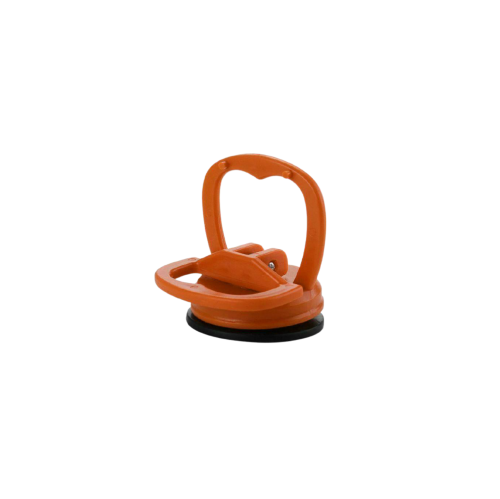
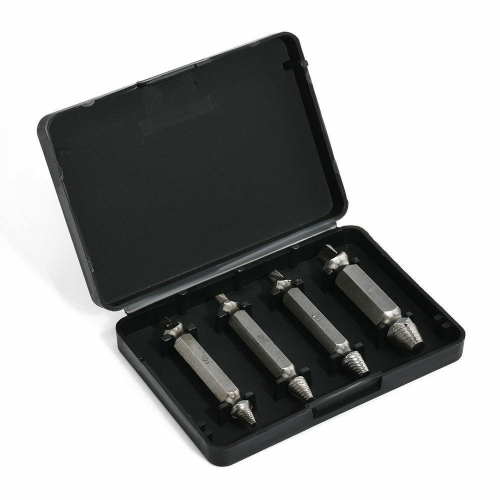

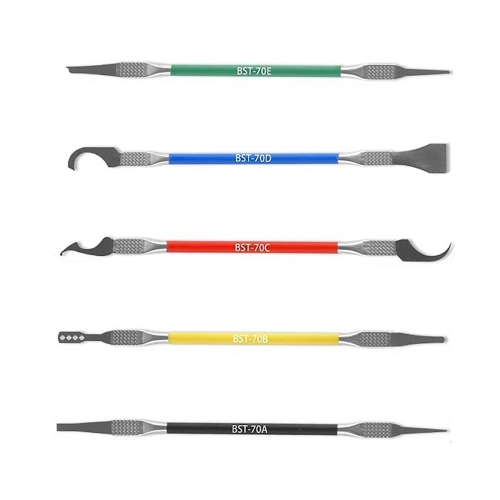
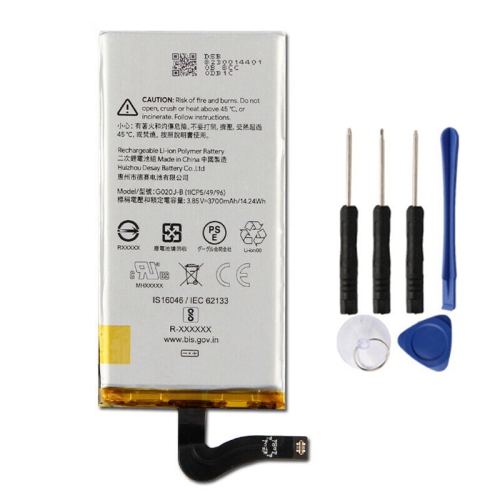
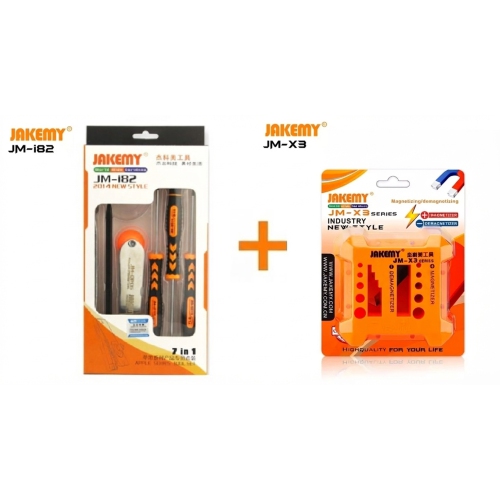
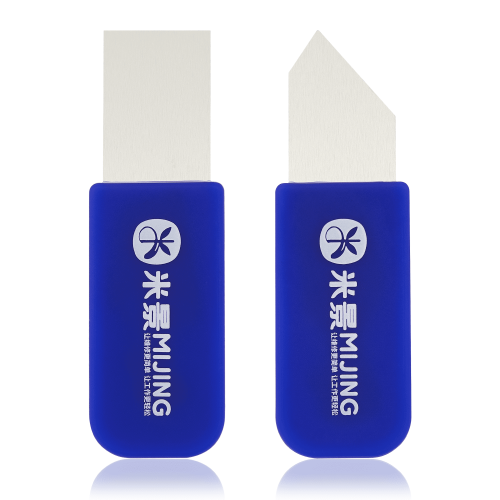
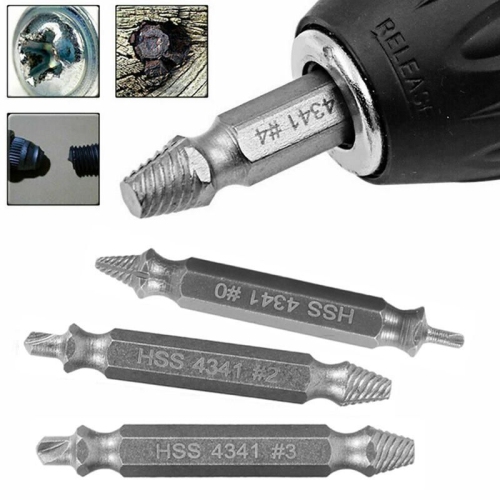
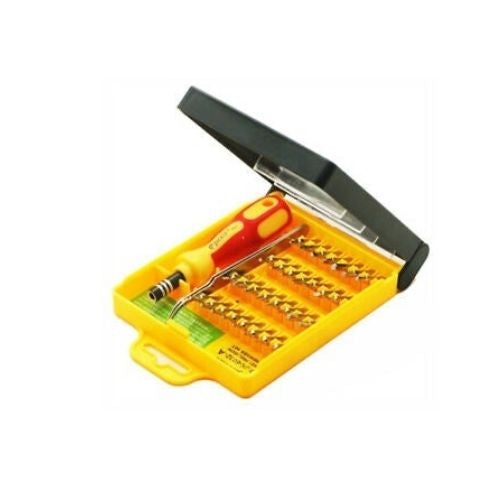
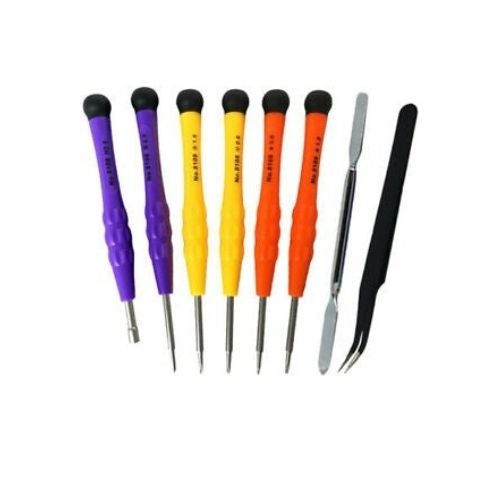

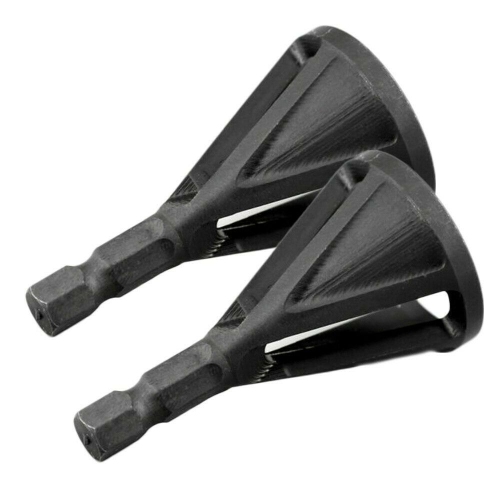
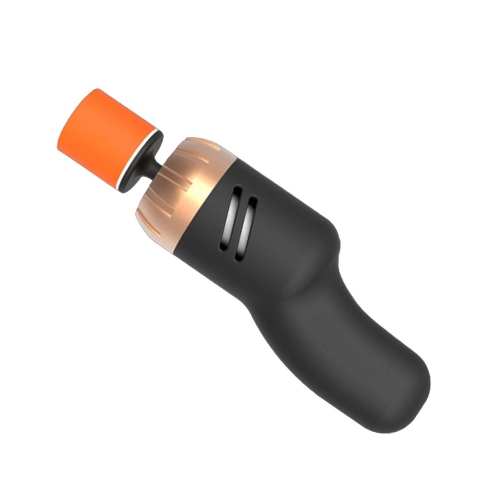
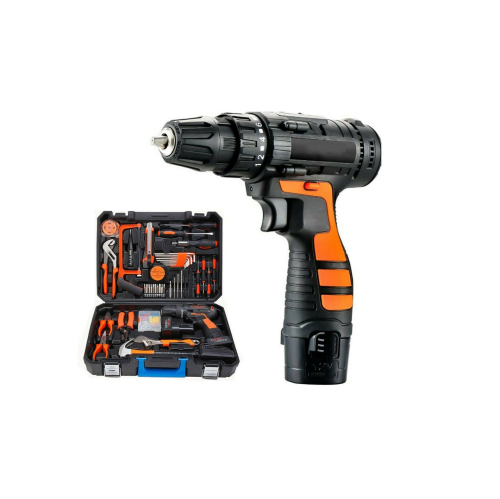
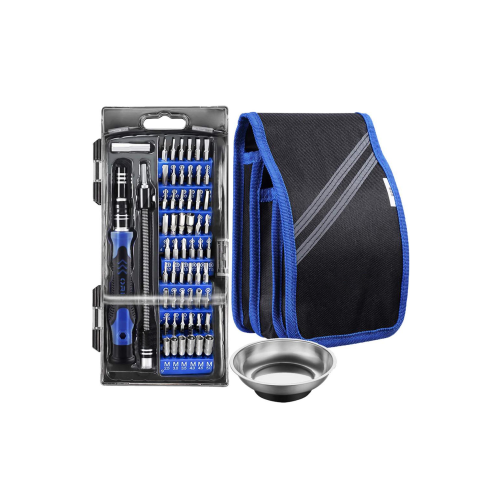
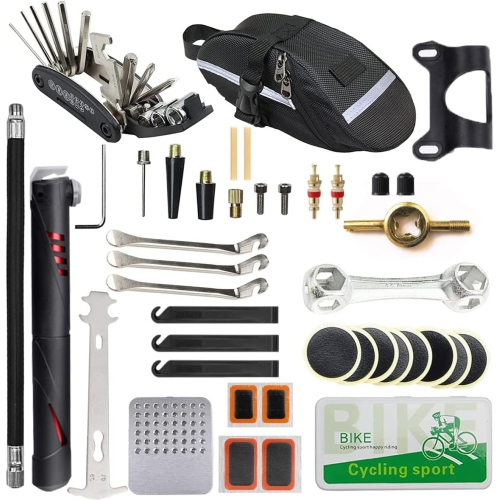
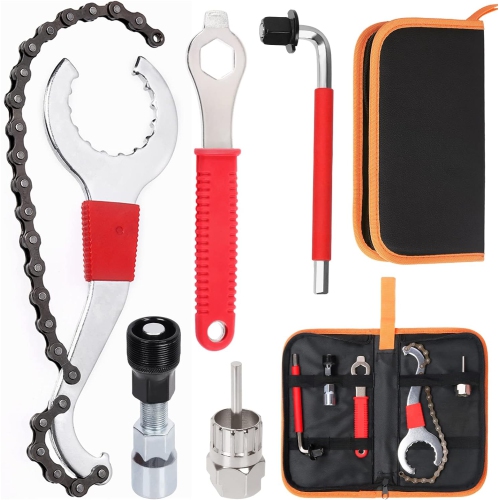
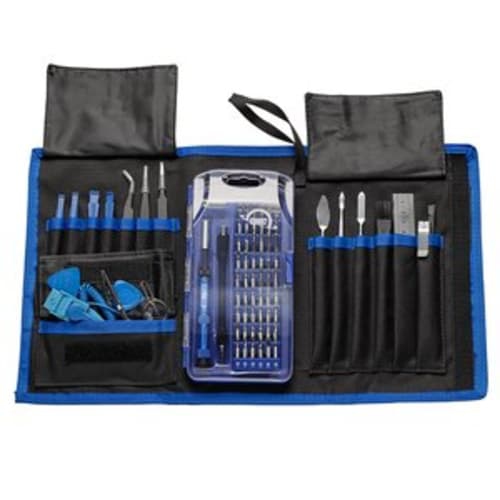
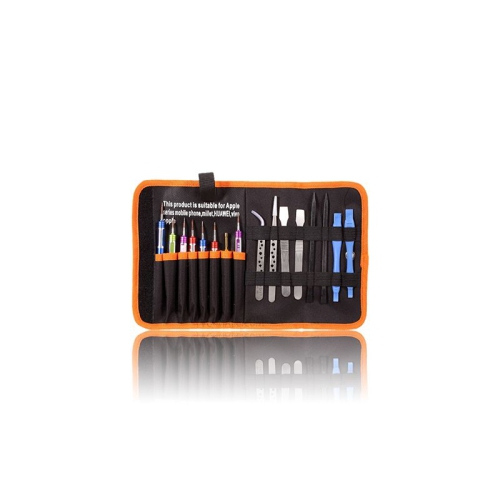
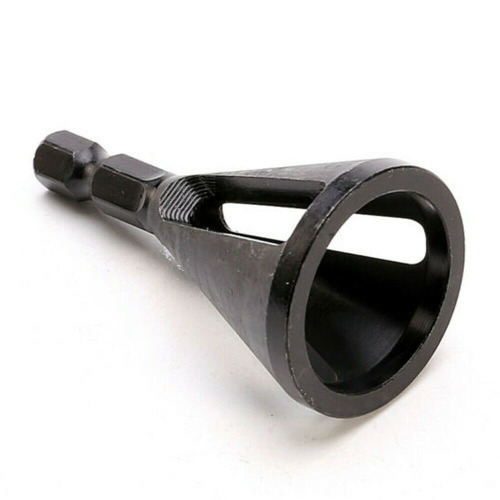
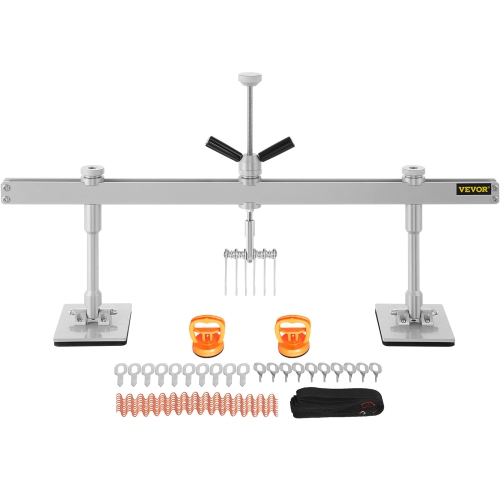
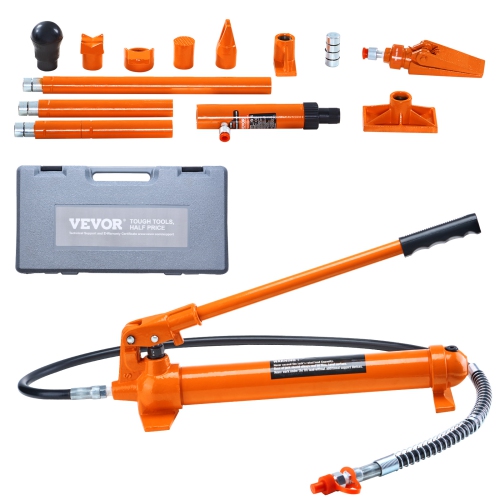
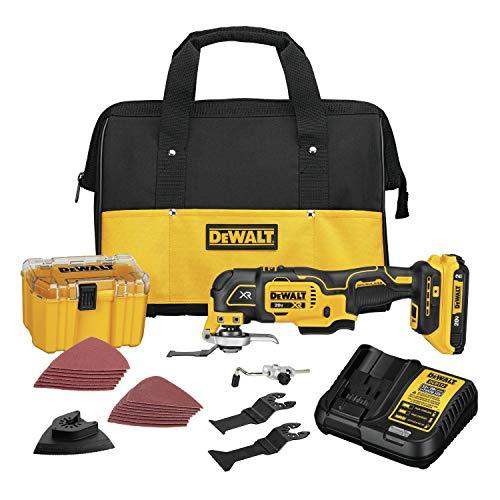
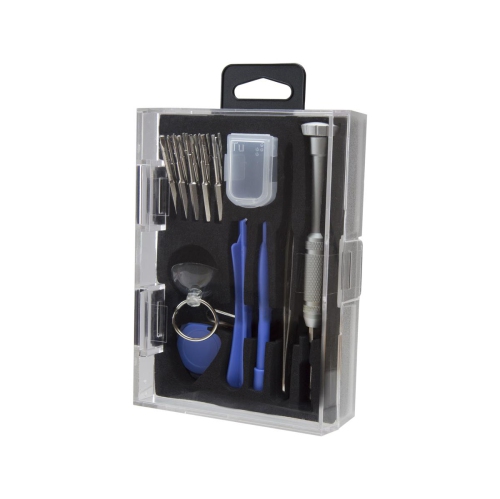
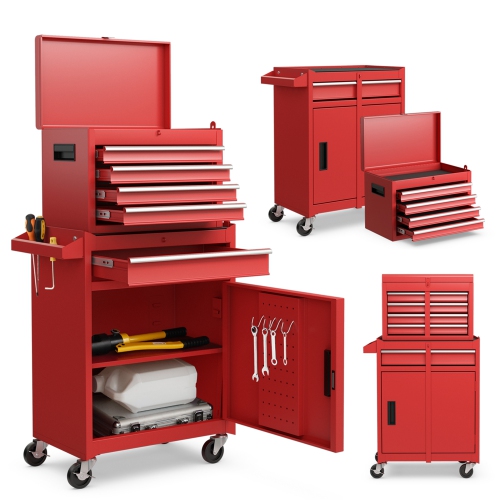
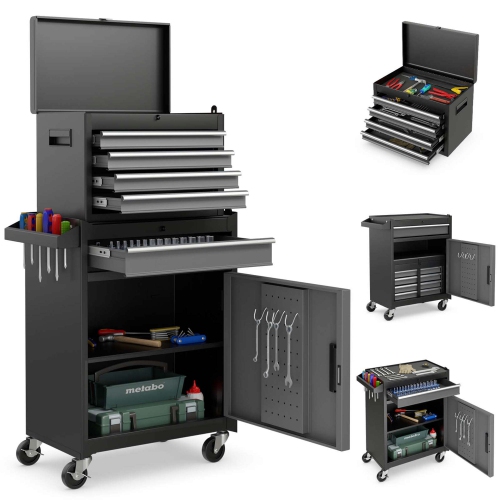
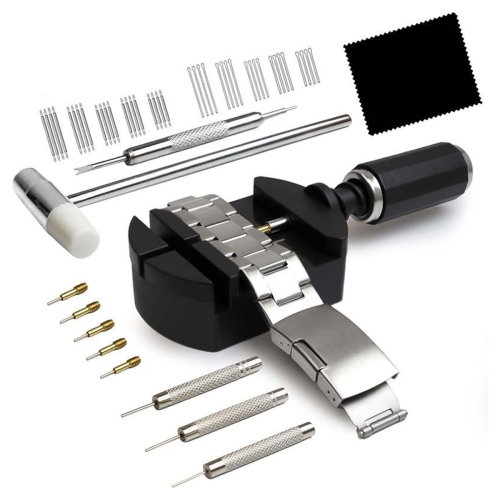
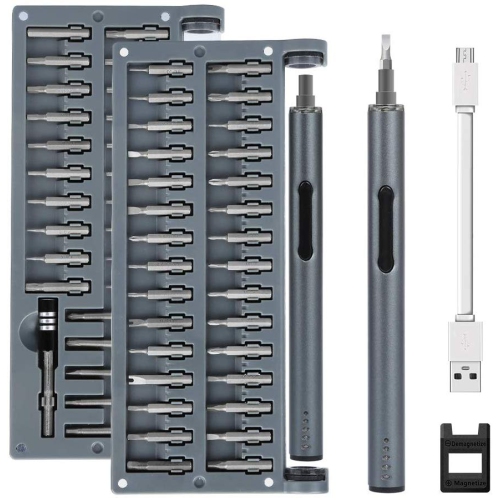
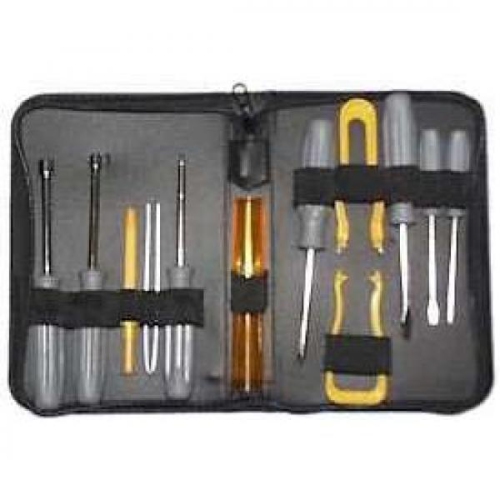
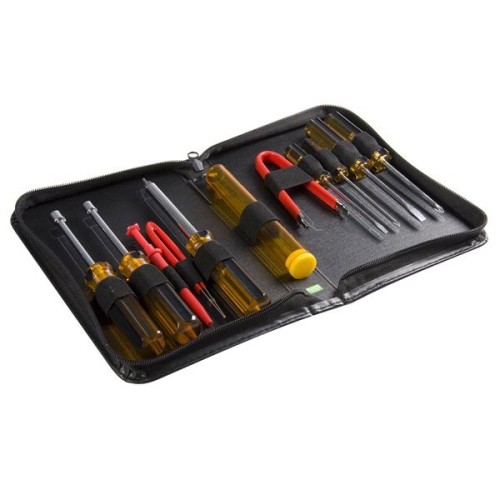
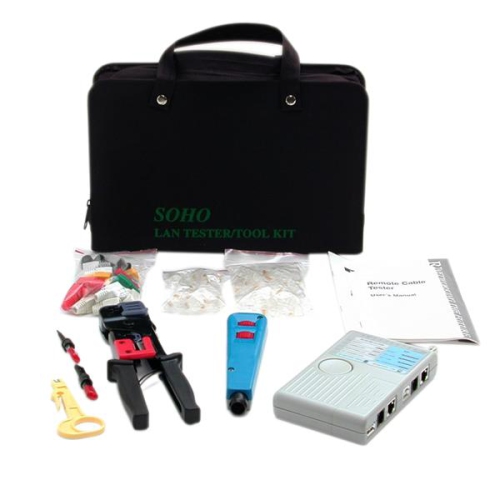
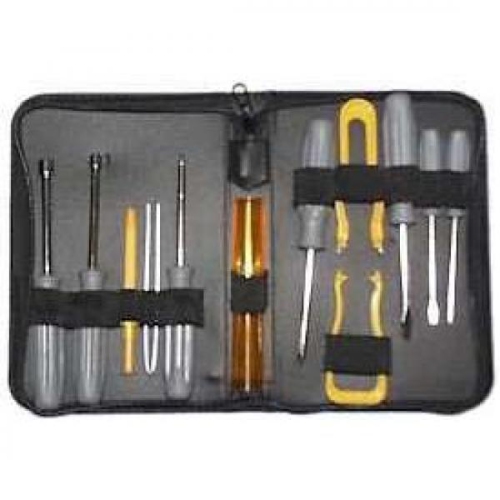
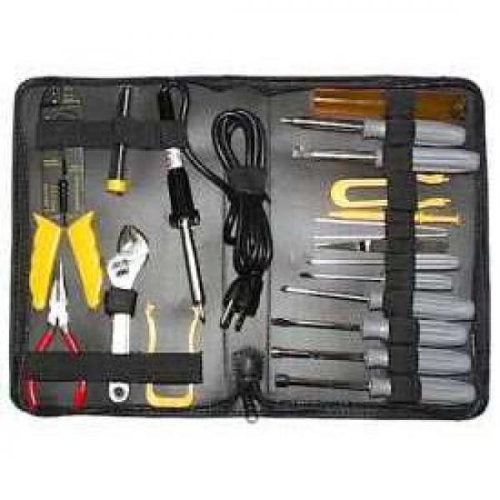
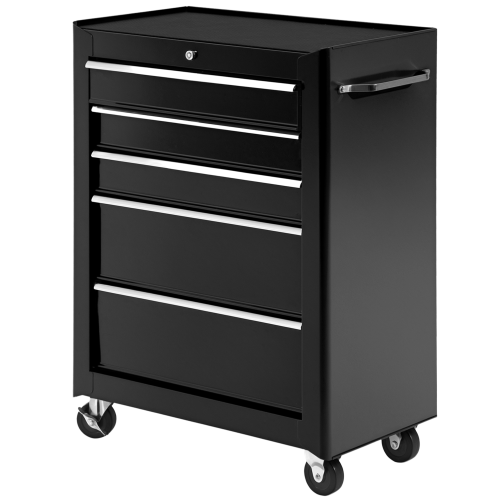
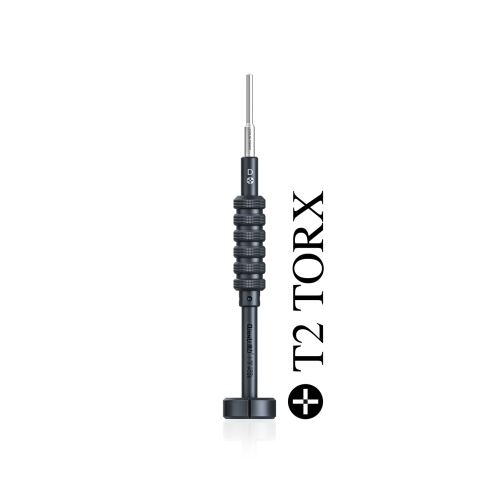

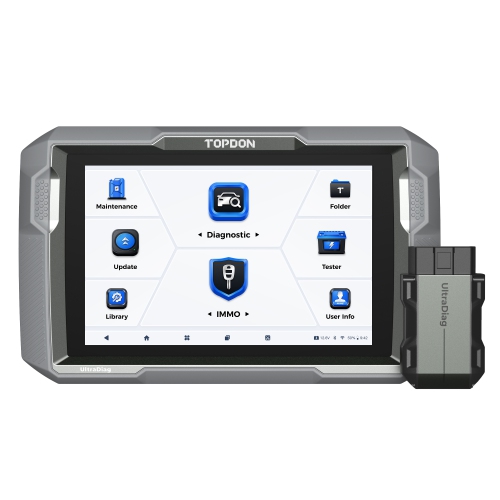
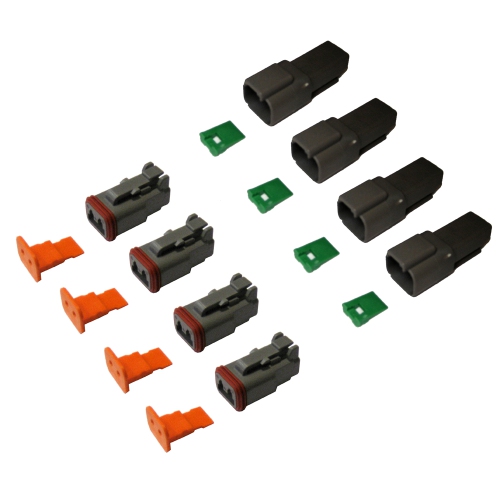
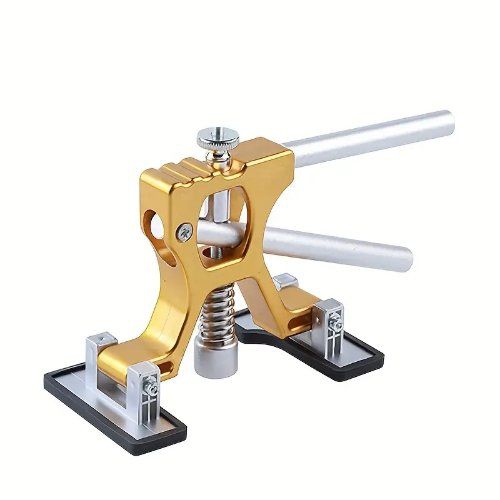

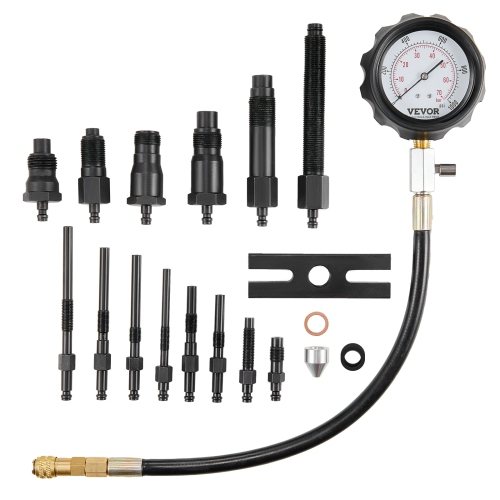
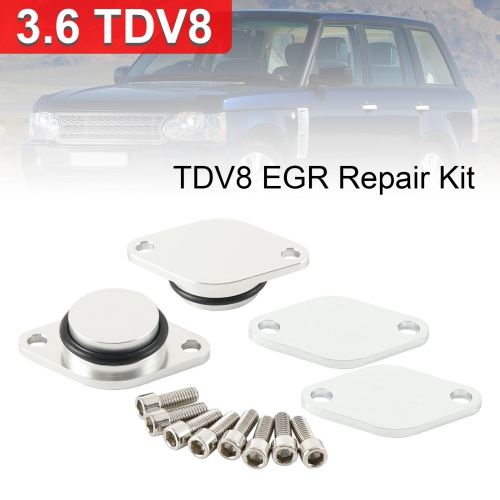
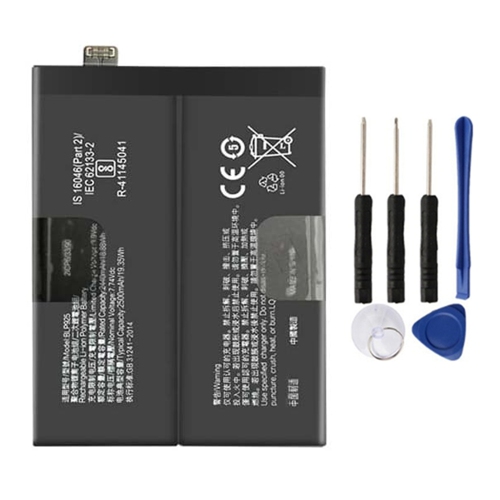
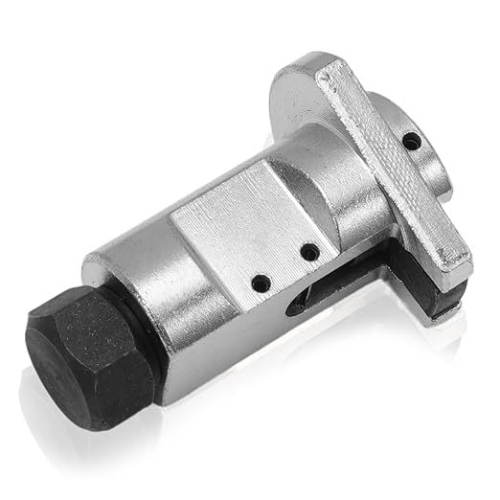
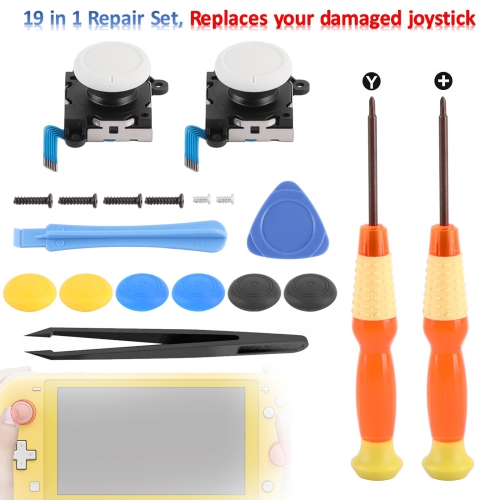
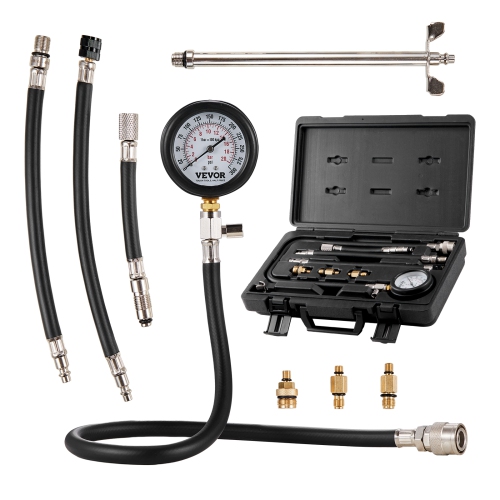
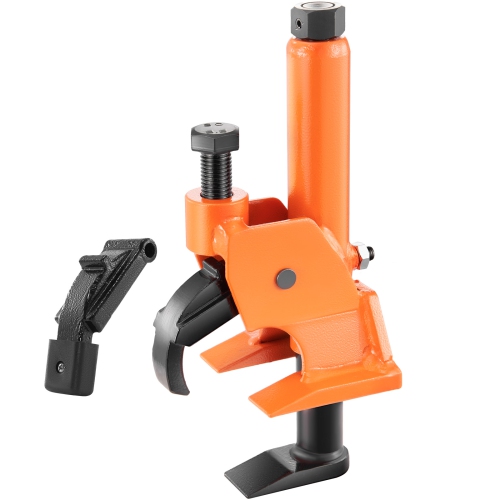
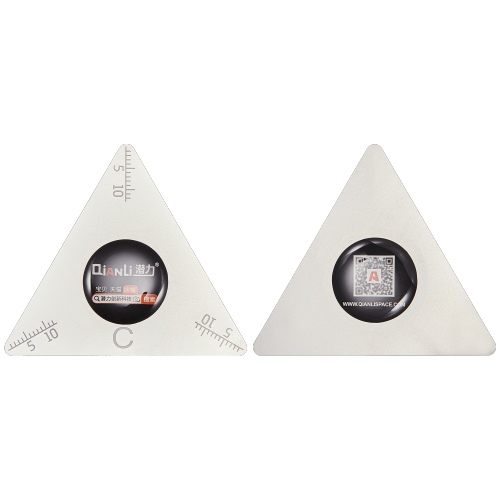
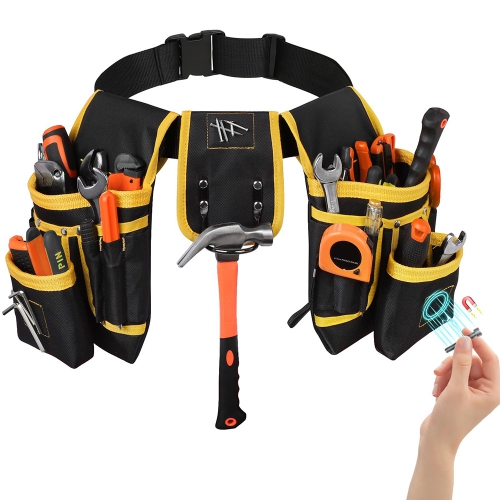
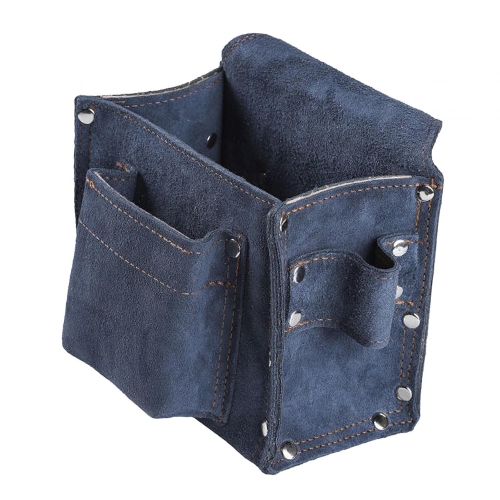

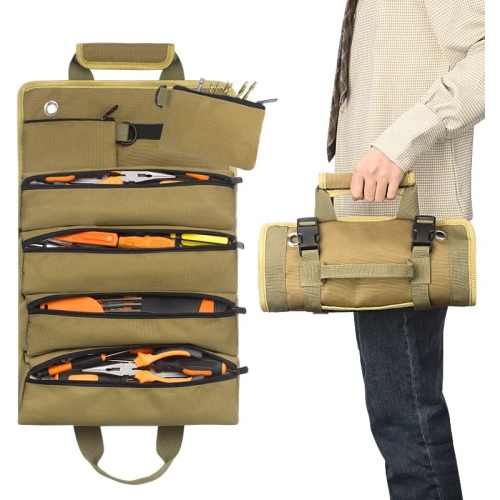
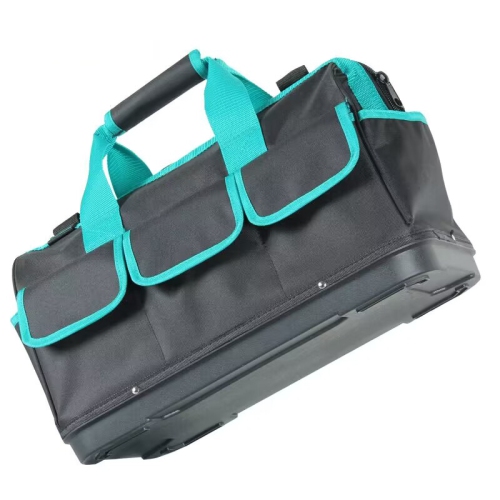
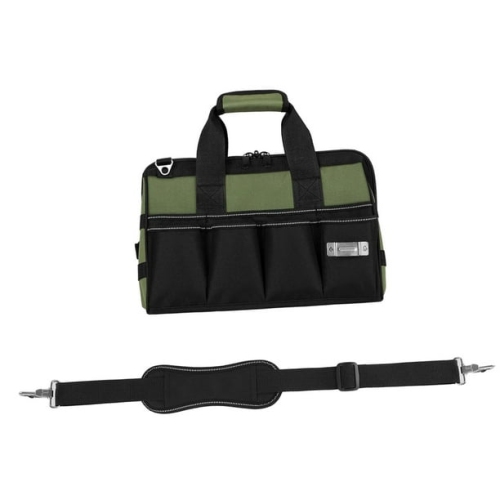

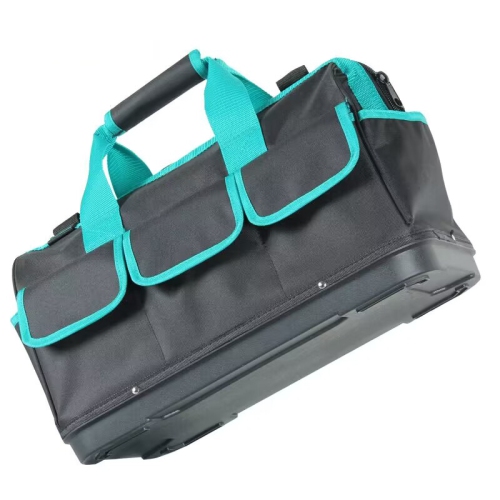
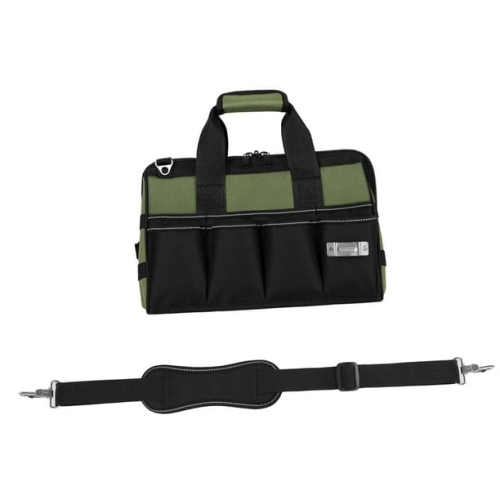
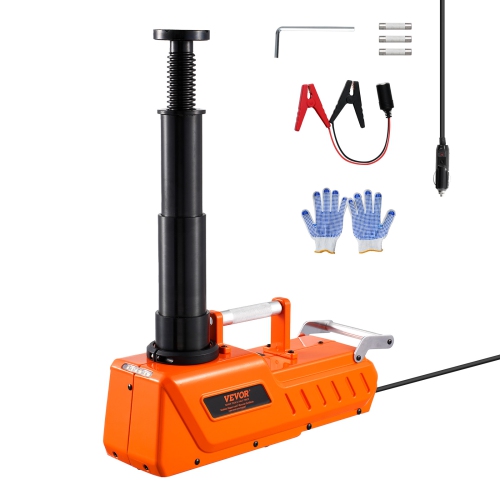
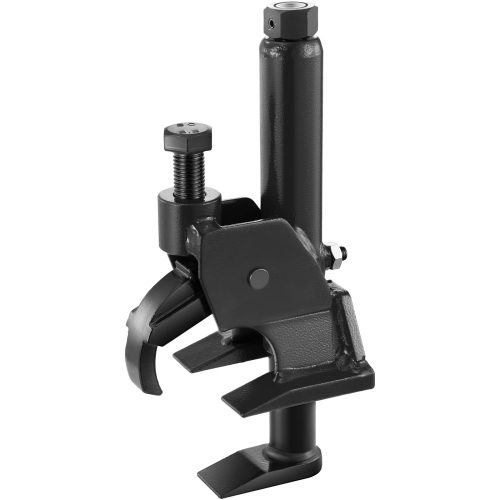
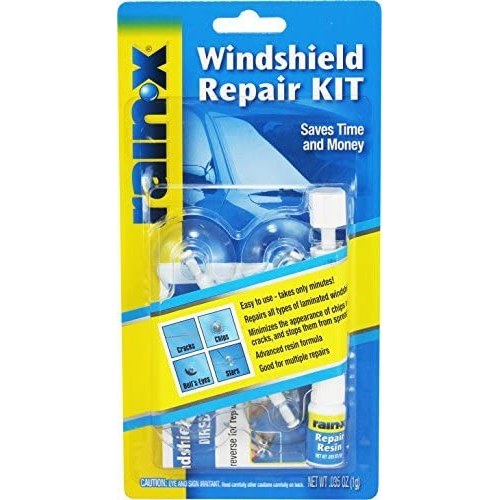
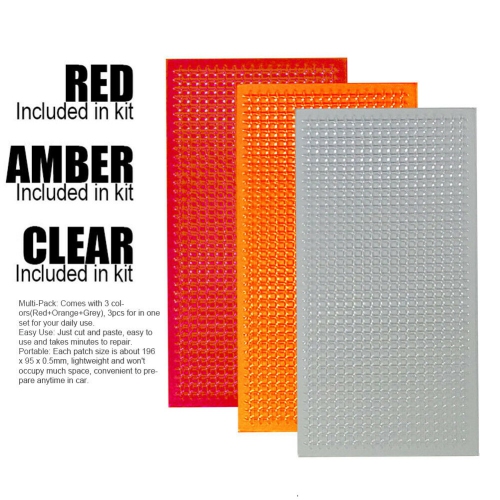
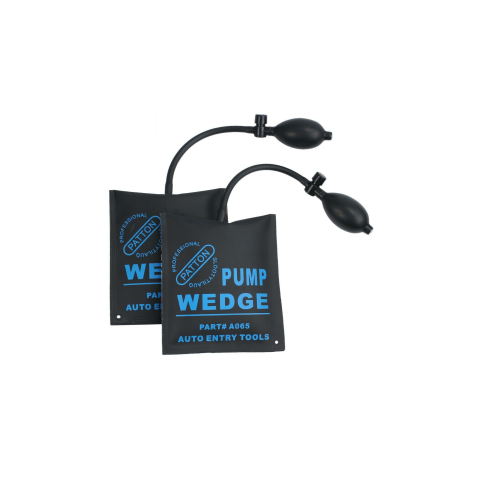
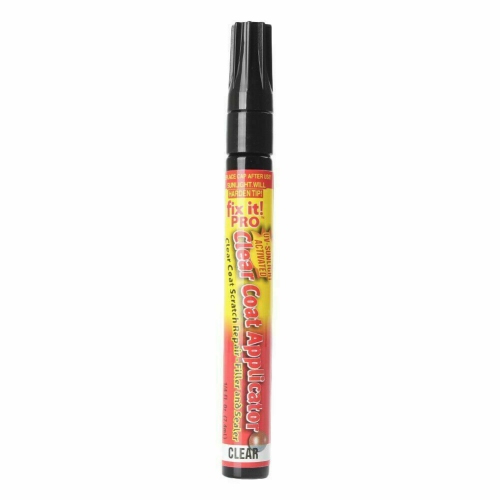
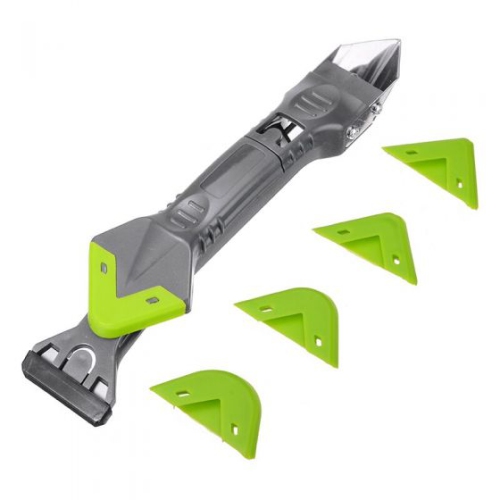
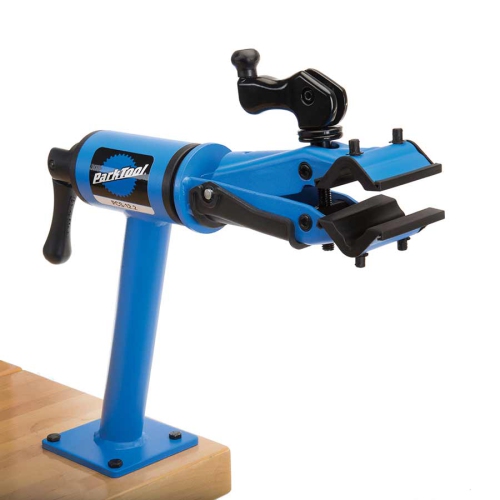
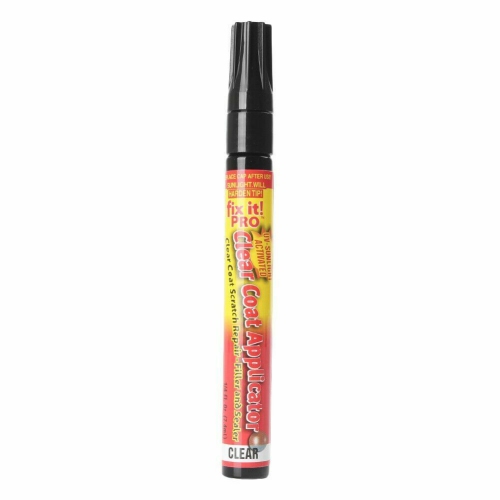
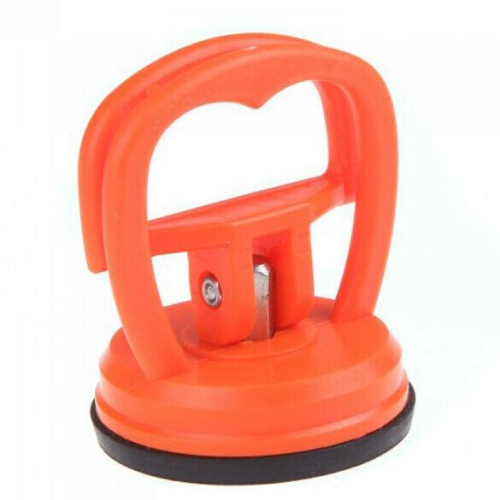
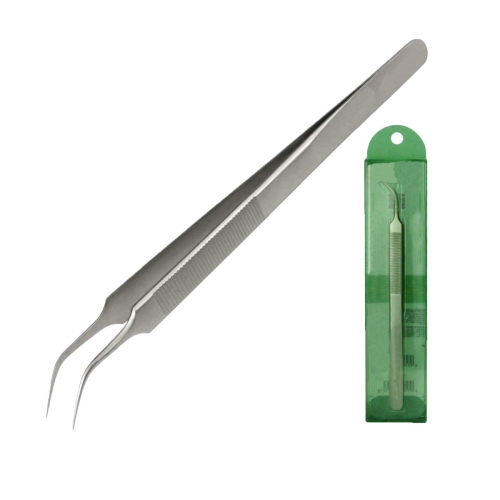
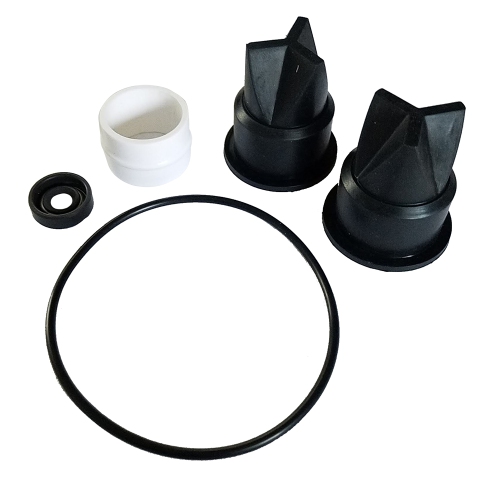
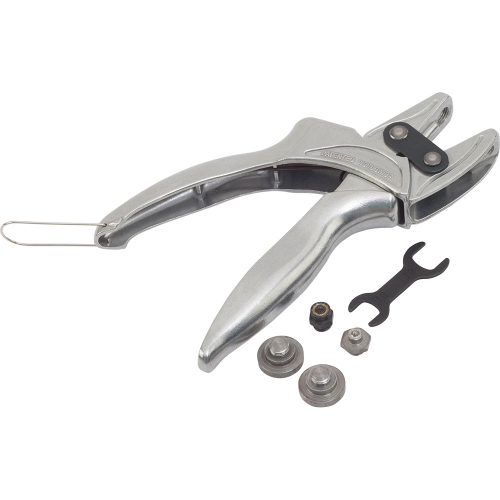

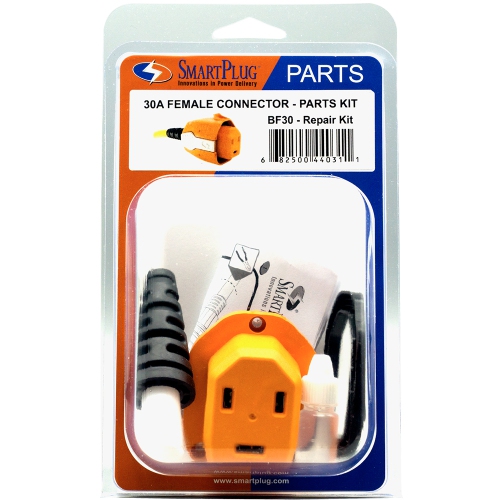
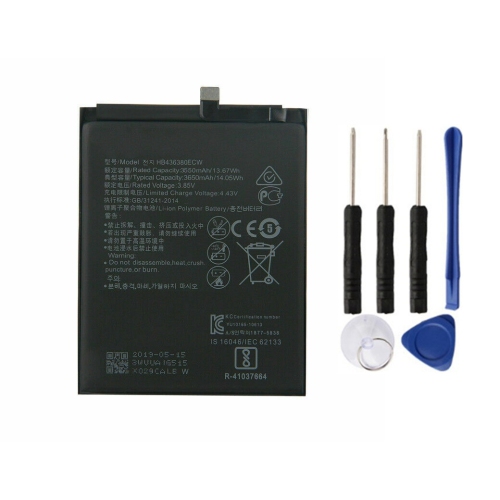
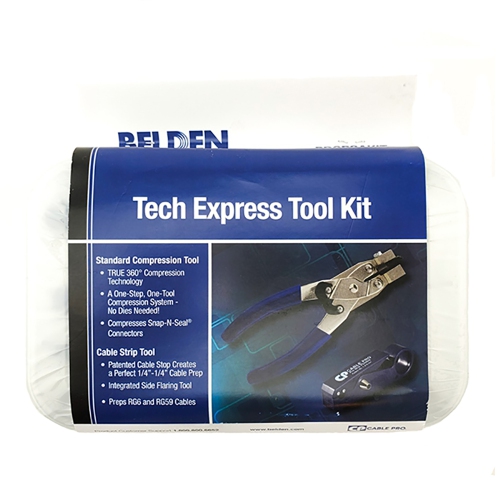
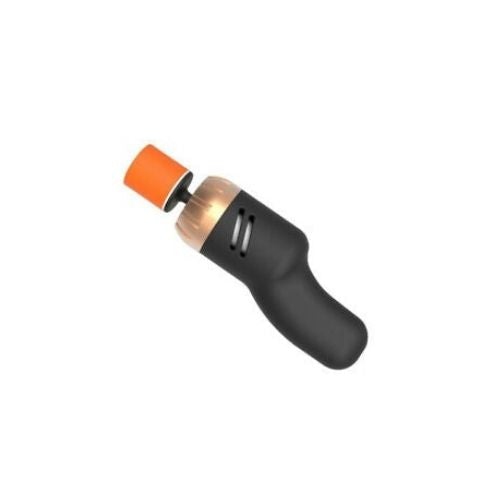
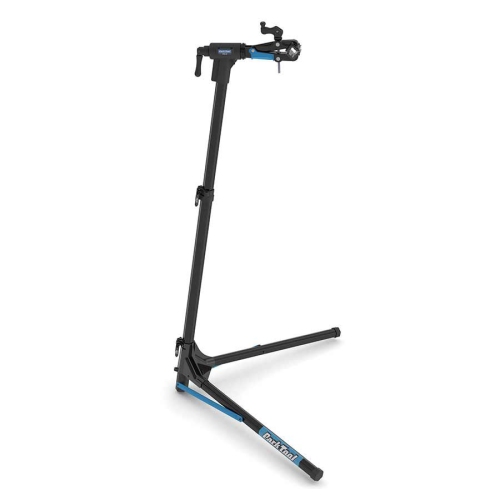
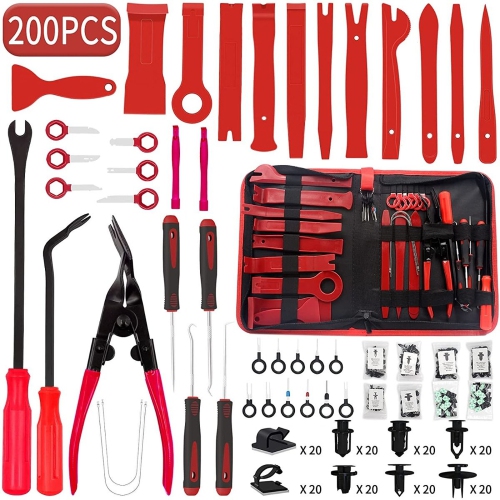
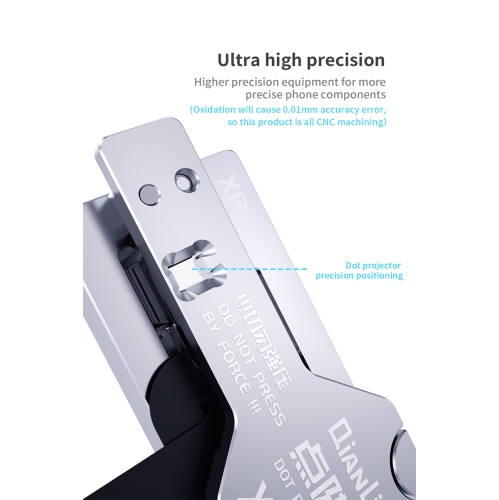
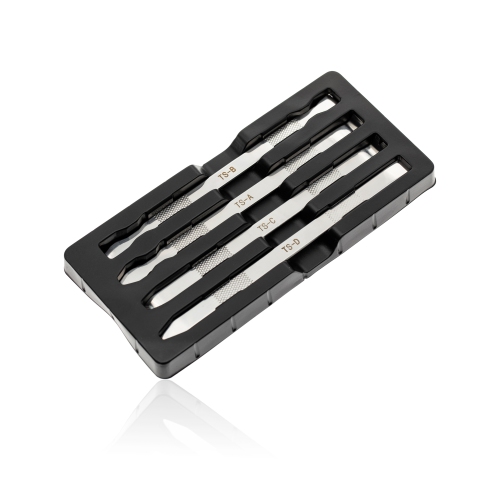
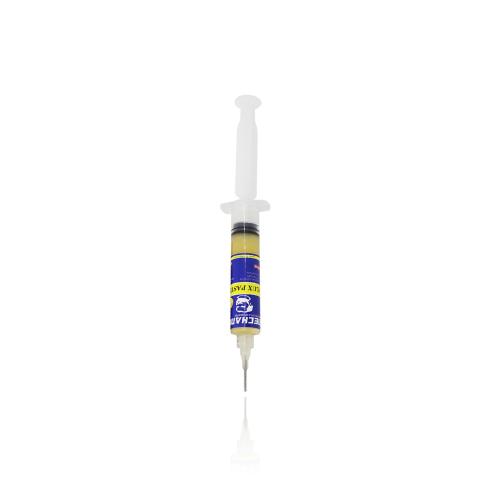
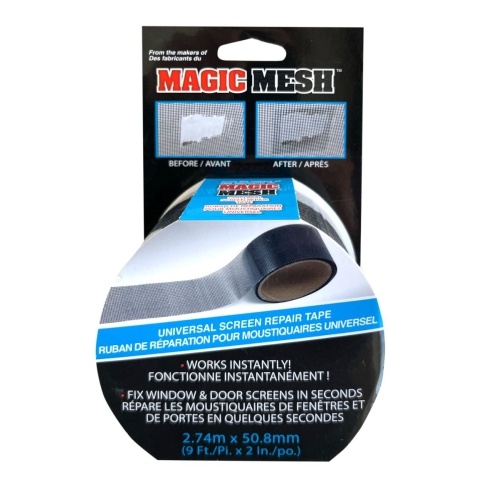
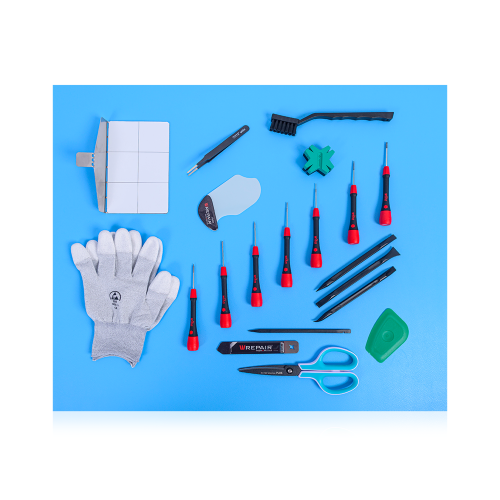
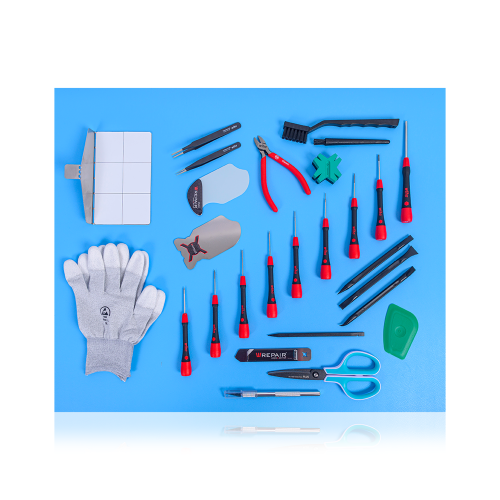
Versatile tools for household fixes and precision electronics repairs
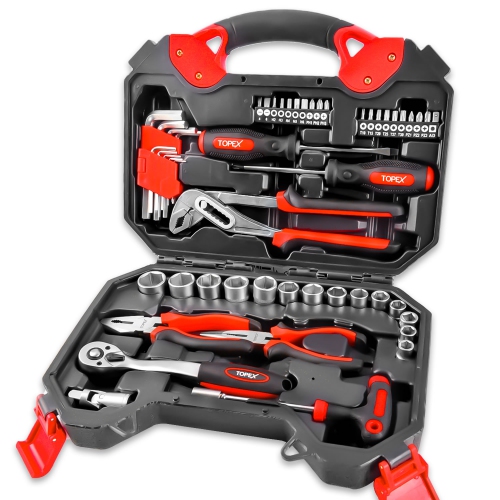
Repair tools help turn everyday fixes into manageable tasks, whether you are tightening a loose hinge, assembling furniture, replacing a switch plate, adjusting a bicycle, or working inside a small electronic device. A well-chosen collection can cover a wide range of household and hobby projects without taking up much room in a drawer, toolbox, or workshop cabinet. For general repairs, start with versatile essentials such as a claw hammer, a measuring tape, an adjustable wrench, and a set of pliers. A 14- or 16-ounce claw hammer is suitable for driving and removing common nails, hanging hardware, and completing light carpentry work. Slip-joint pliers can grip different shapes and sizes, while needle-nose pliers are useful for reaching into narrow spaces, bending wire, and holding small components. Cutting pliers are designed for trimming wire, cable ties, and other suitable materials, but should always be matched to the job to avoid damaging the tool or creating a safety hazard. An adjustable wrench can accommodate a range of nut and bolt sizes, making it practical for plumbing connections, furniture hardware, and household equipment. A retractable tape measure provides quick, reliable dimensions for installations, replacement parts, shelving, picture hanging, and repairs where a few millimetres can make the difference between a secure fit and a frustrating adjustment. Screwdrivers are another core part of any repair setup. A multi-bit screwdriver saves space by combining common tip styles in one handle, while a ratcheting screwdriver can make repetitive fastening easier by reducing the need to lift and reposition the tool. Look for clearly marked bits and a comfortable grip, especially if a repair may involve dozens of screws.
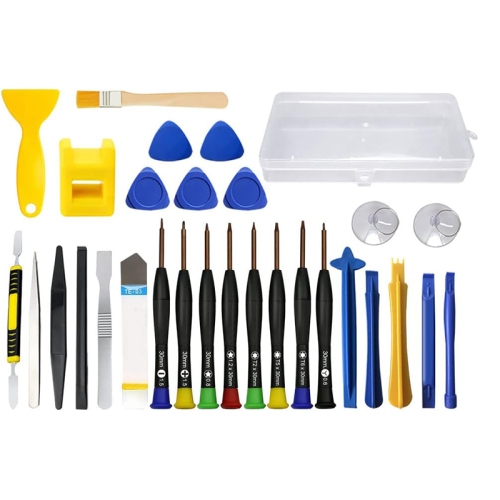
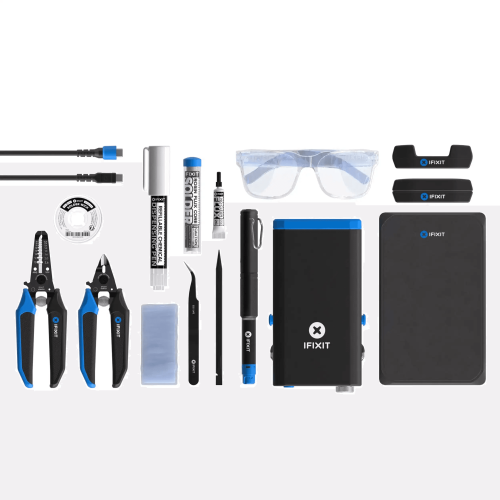
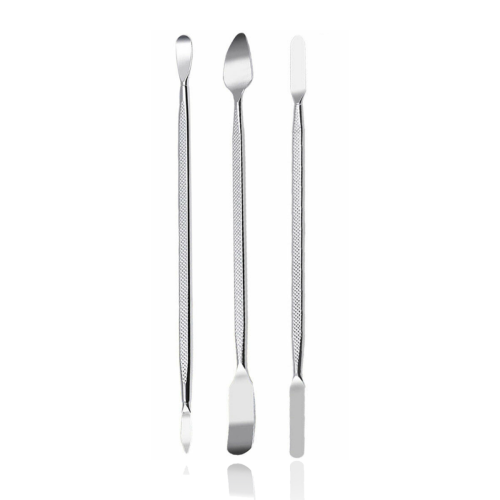
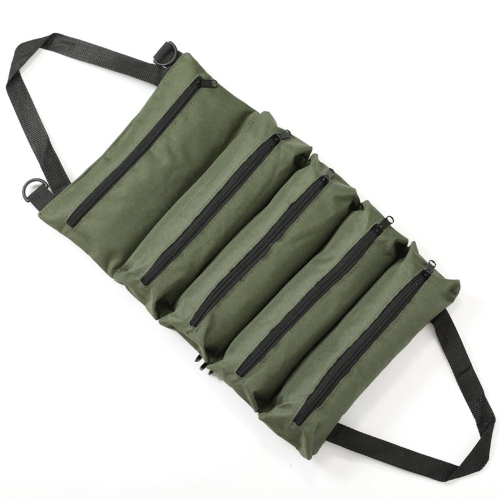
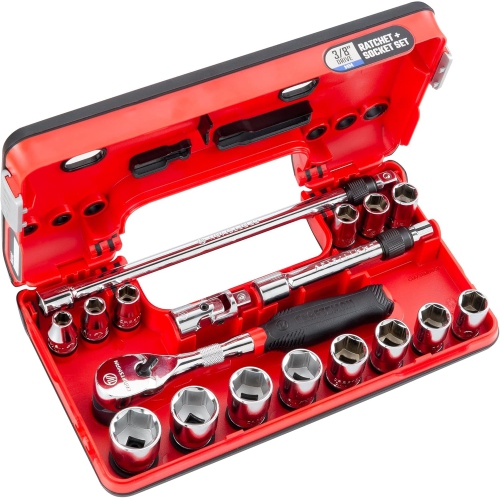
Different repairs call for different levels of precision, and choosing the right tool can help protect both the fastener and the item being repaired. Standard flathead and Phillips bits are useful for many household tasks, but small appliances, computers, cameras, game controllers, phones, and other electronics may use Torx, hex, tri-point, or other specialised screw profiles. A precision repair kit with a selection of small bits can help reach recessed screws and delicate components, while opening picks and plastic pry tools can separate fitted panels with less risk of scratching surfaces. Spudgers are useful for lifting connectors, guiding cables, and working around compact assemblies, and an anti-static wrist strap can help reduce the risk of electrostatic discharge when handling sensitive electronics. Magnetic bit holders can keep tiny screws from slipping into hard-to-reach spaces, although magnets should be used carefully around components that may be affected by magnetic fields. For automotive and heavier household repairs, a socket and wrench set offers more leverage and a secure fit around nuts and bolts. A selection of metric sockets is particularly useful for many Canadian vehicles, bicycles, appliances, and furniture systems, while a broader set may include both metric and imperial sizes for greater flexibility. Chrome vanadium steel is commonly used in sockets and hand tools because it provides strength for regular fastening tasks. Ratchet handles, extension bars, universal joints, and torque accessories can make it easier to work in confined areas, but fastening should never be forced beyond the tool’s intended capacity. For larger projects, consider how the tools will be stored and transported. A fitted case with labelled compartments helps keep small bits, sockets, drivers, and accessories organised, so the right piece is easier to find when a repair is already underway. If your needs extend beyond basic fixes, explore Maintenance Tools for additional equipment suited to regular upkeep and more specialised work.
Repair tools can be useful for homeowners, renters, students, hobbyists, cyclists, makers, technicians, and anyone who prefers to handle straightforward maintenance with care. They can also make a practical gift for someone moving into a first apartment, setting up a home office, restoring furniture, maintaining a bicycle, or building a personal workshop. A compact precision kit may suit someone who works with electronics or small household devices, while a general hand-tool set can be more useful for a new homeowner facing loose cabinet pulls, squeaky doors, picture frames, and flat-pack assembly. Before buying, think about the repairs the recipient is most likely to handle, the space available for storage, and whether portability matters. A compact case is convenient for a dorm room, vehicle, desk drawer, or condo, while a larger assortment is better for a dedicated workbench and varied projects. Comfort is important as well: non-slip handles, balanced designs, readable markings, and smooth ratcheting action can make a noticeable difference during longer jobs. Check that the set includes the sizes and bit types you need rather than choosing based only on the total piece count. More pieces do not always mean greater usefulness if many are duplicates or unrelated to the intended repairs. It is also wise to pair hand tools with practical accessories such as a work light, magnetic tray, protective eyewear, cut-resistant gloves, replacement blades, and a sturdy organiser. Use each tool only for its intended purpose, select the correct size to prevent stripped fasteners, and disconnect power before opening or servicing electrical equipment. For electronics, keep liquids away from the work area, take note of cable positions before disassembly, and store removed screws in labelled sections. For plumbing, automotive, or mains electrical work, follow the manufacturer’s instructions and seek qualified assistance when the repair involves pressurised systems, fuel, structural components, or live wiring. With the right combination of general-purpose and precision tools, small repairs can become more orderly, more accurate, and easier to complete during the cooler months, when household equipment, vehicles, and home projects often receive extra attention.
Different repairs call for different levels of precision, and choosing the right tool can help protect both the fastener and the item being repaired. Standard flathead and Phillips bits are useful for many household tasks, but small appliances, computers, cameras, game controllers, phones, and other electronics may use Torx, hex, tri-point, or other specialised screw profiles. A precision repair kit with a selection of small bits can help reach recessed screws and delicate components, while opening picks and plastic pry tools can separate fitted panels with less risk of scratching surfaces. Spudgers are useful for lifting connectors, guiding cables, and working around compact assemblies, and an anti-static wrist strap can help reduce the risk of electrostatic discharge when handling sensitive electronics. Magnetic bit holders can keep tiny screws from slipping into hard-to-reach spaces, although magnets should be used carefully around components that may be affected by magnetic fields. For automotive and heavier household repairs, a socket and wrench set offers more leverage and a secure fit around nuts and bolts. A selection of metric sockets is particularly useful for many Canadian vehicles, bicycles, appliances, and furniture systems, while a broader set may include both metric and imperial sizes for greater flexibility. Chrome vanadium steel is commonly used in sockets and hand tools because it provides strength for regular fastening tasks. Ratchet handles, extension bars, universal joints, and torque accessories can make it easier to work in confined areas, but fastening should never be forced beyond the tool’s intended capacity. For larger projects, consider how the tools will be stored and transported. A fitted case with labelled compartments helps keep small bits, sockets, drivers, and accessories organised, so the right piece is easier to find when a repair is already underway. If your needs extend beyond basic fixes, explore Maintenance Tools for additional equipment suited to regular upkeep and more specialised work.
Repair tools can be useful for homeowners, renters, students, hobbyists, cyclists, makers, technicians, and anyone who prefers to handle straightforward maintenance with care. They can also make a practical gift for someone moving into a first apartment, setting up a home office, restoring furniture, maintaining a bicycle, or building a personal workshop. A compact precision kit may suit someone who works with electronics or small household devices, while a general hand-tool set can be more useful for a new homeowner facing loose cabinet pulls, squeaky doors, picture frames, and flat-pack assembly. Before buying, think about the repairs the recipient is most likely to handle, the space available for storage, and whether portability matters. A compact case is convenient for a dorm room, vehicle, desk drawer, or condo, while a larger assortment is better for a dedicated workbench and varied projects. Comfort is important as well: non-slip handles, balanced designs, readable markings, and smooth ratcheting action can make a noticeable difference during longer jobs. Check that the set includes the sizes and bit types you need rather than choosing based only on the total piece count. More pieces do not always mean greater usefulness if many are duplicates or unrelated to the intended repairs. It is also wise to pair hand tools with practical accessories such as a work light, magnetic tray, protective eyewear, cut-resistant gloves, replacement blades, and a sturdy organiser. Use each tool only for its intended purpose, select the correct size to prevent stripped fasteners, and disconnect power before opening or servicing electrical equipment. For electronics, keep liquids away from the work area, take note of cable positions before disassembly, and store removed screws in labelled sections. For plumbing, automotive, or mains electrical work, follow the manufacturer’s instructions and seek qualified assistance when the repair involves pressurised systems, fuel, structural components, or live wiring. With the right combination of general-purpose and precision tools, small repairs can become more orderly, more accurate, and easier to complete during the cooler months, when household equipment, vehicles, and home projects often receive extra attention.
Top selling and popular products
-
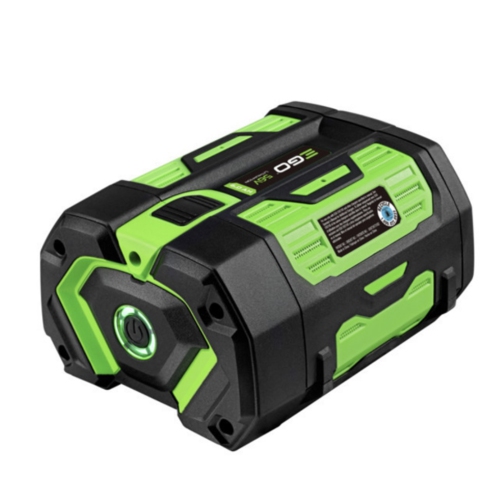 Your price for this item is $374.99
 -
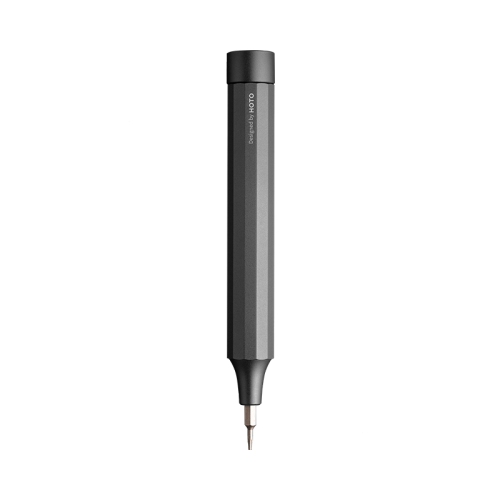 Your price for this item is $31.99
 -
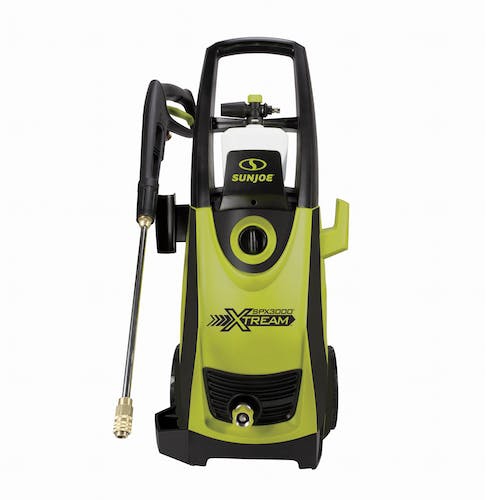 Your price for this item is $344.99
 -
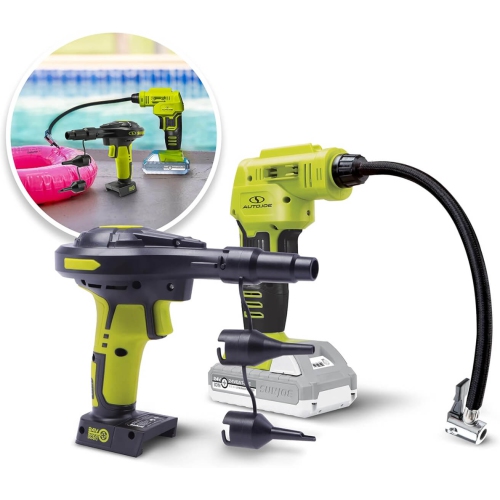 Your price for this item is $114.99
 -
 Your price for this item is $129.99
 -
 Your price for this item is $29.99
 -
 Your price for this item is $133.99
 -
 Your price for this item is $99.99
Discover more categories related to Repair Tools
Top Collections:
Pokemon Centers, Kindle Devices, Best Budget Office Chairs, Apple iPhones 16, Best Laptops for Writers, iPhone 15 Apple, Canon G7X Cameras, Refurbished Apple Laptops, Alarm Clock, Motorola Razr Phones
Some products may be subject to Environmental Handling Fees
(EHF) depending on your province.
Learn more about EHFs.