Removal Tools
Looking for the right tools to make your DIY projects a breeze? Look no further than our selection of removal tools. Whether you're tackling a home renovation or simply need to remove old fixtures, these versatile and reliable tools are designed to help you get the job done quickly and efficiently. From pry bars to screw extractors, our collection of removal tools is sure to have everything you need to tackle any project with ease. So, say goodbye to stubborn nails, screws, and fasteners, and hello to a smoother and more efficient DIY experience.
Sort
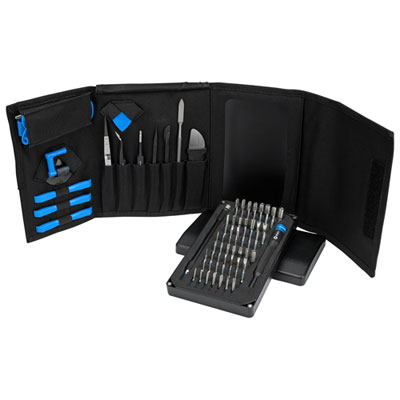
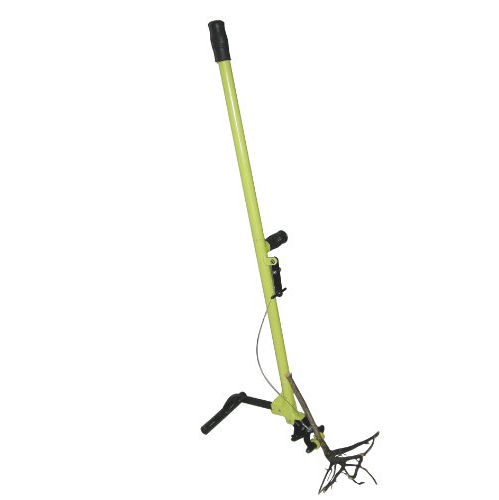
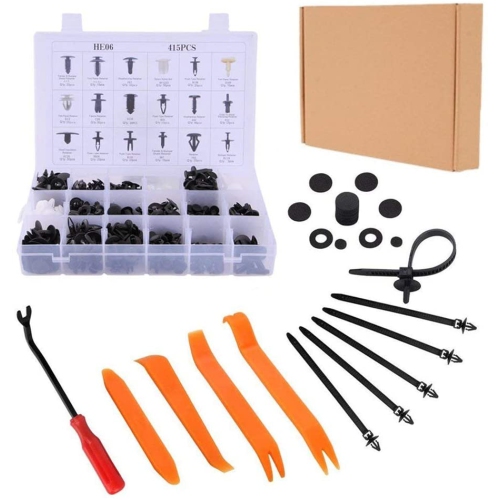

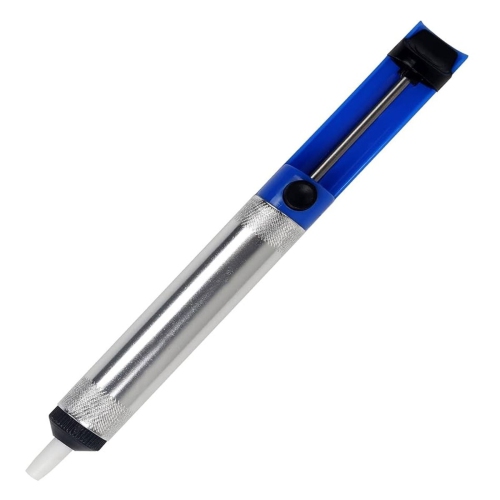
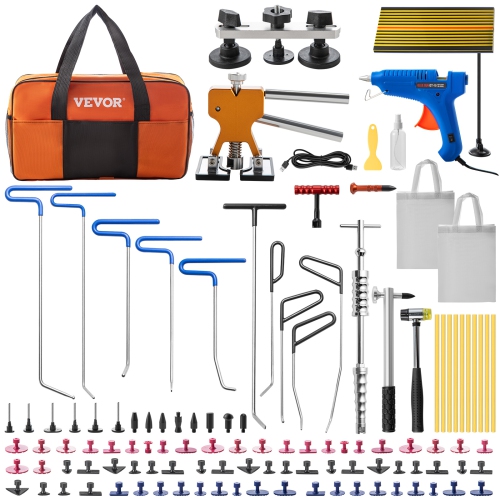
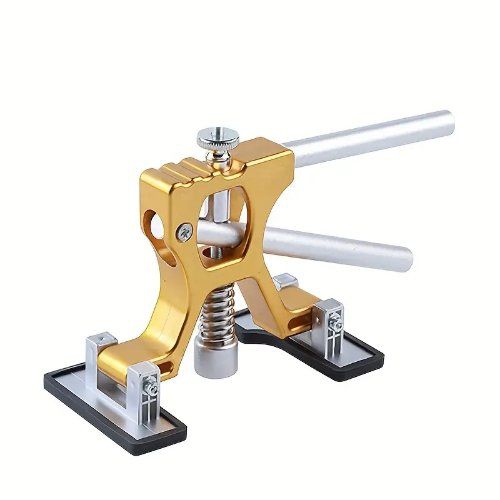
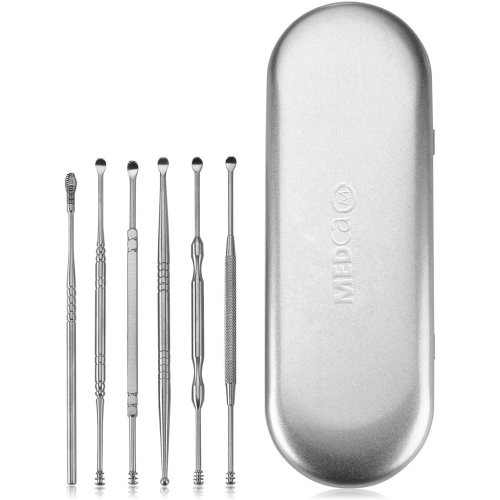
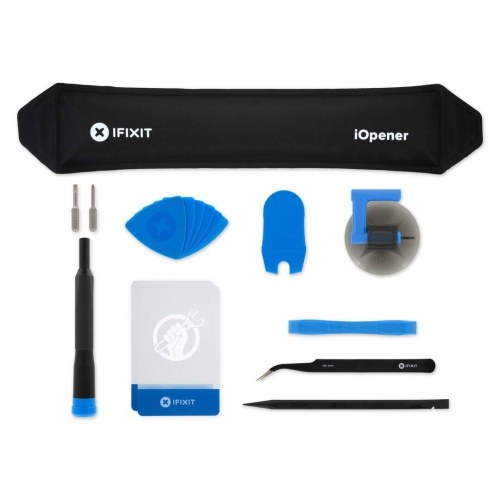
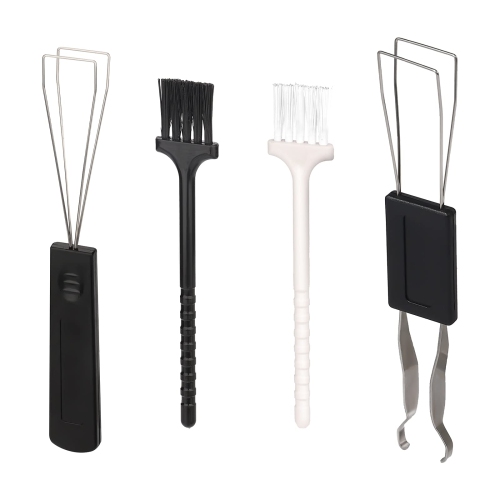
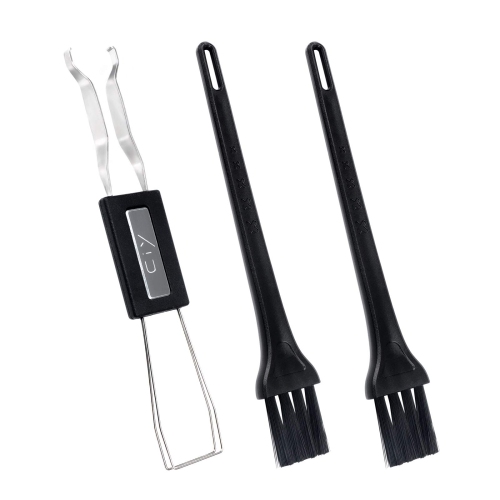
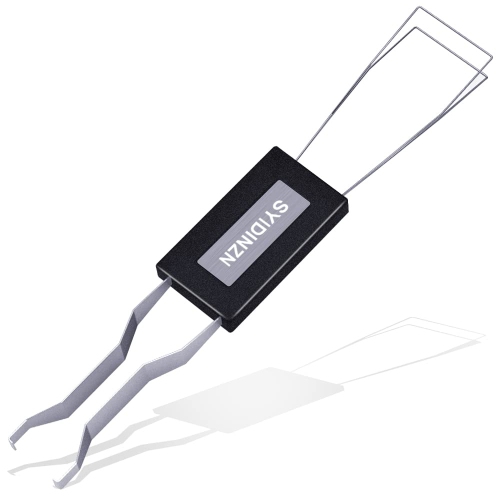
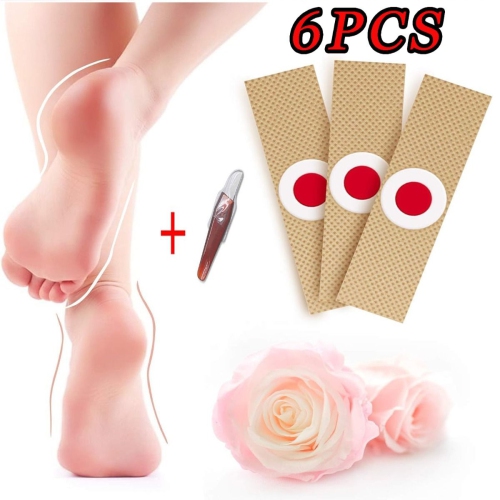
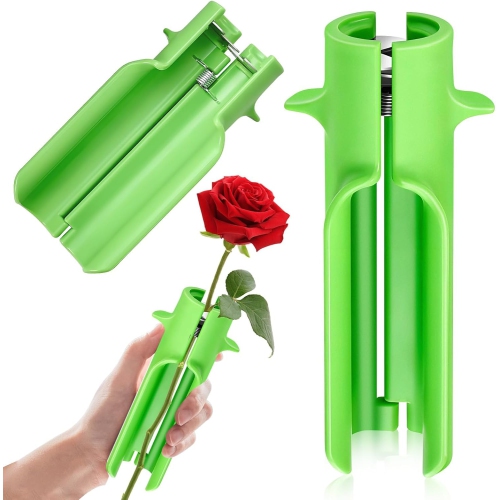
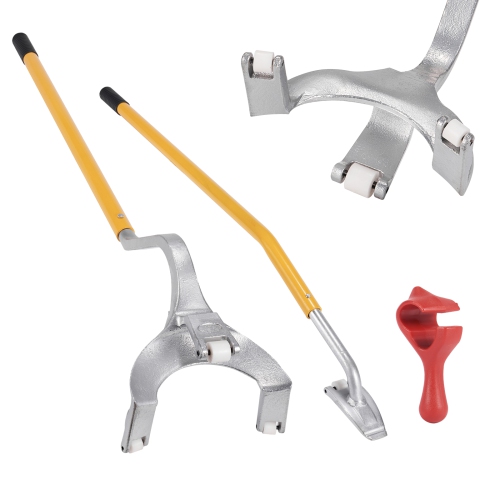
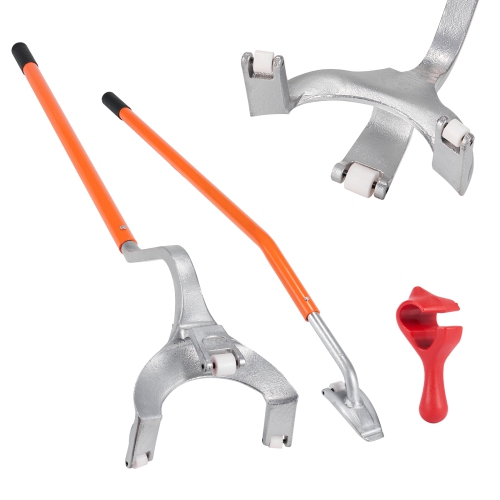
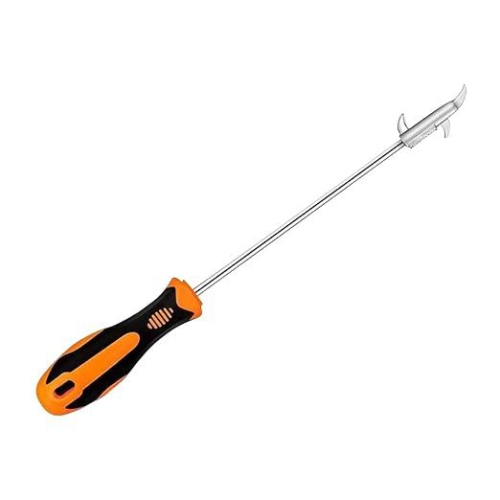
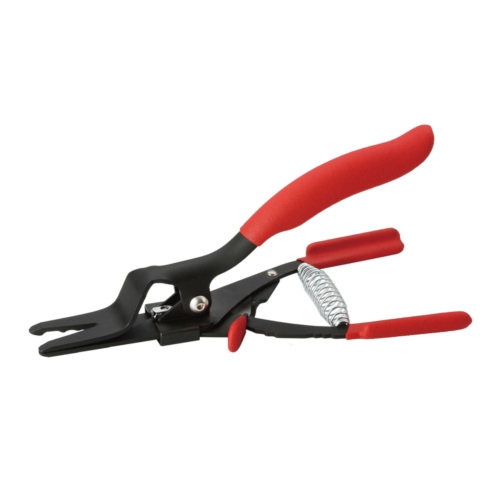
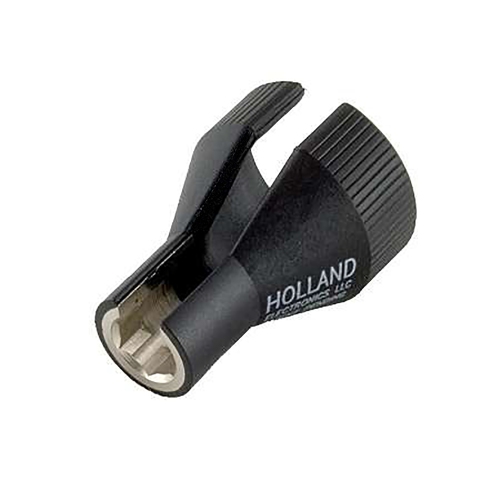
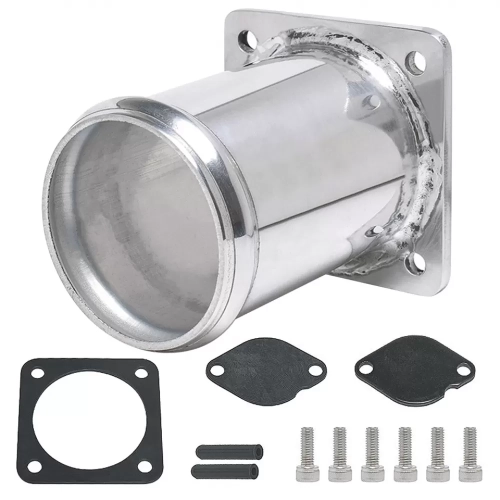
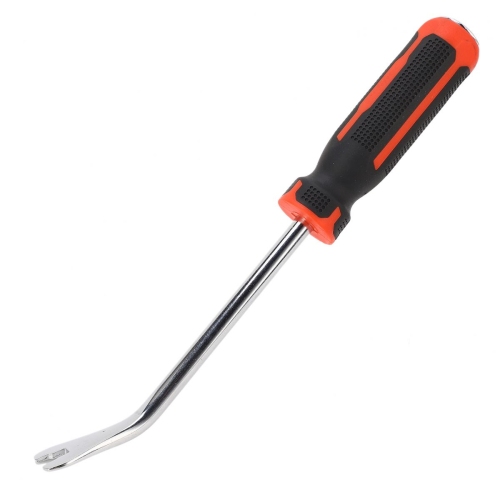
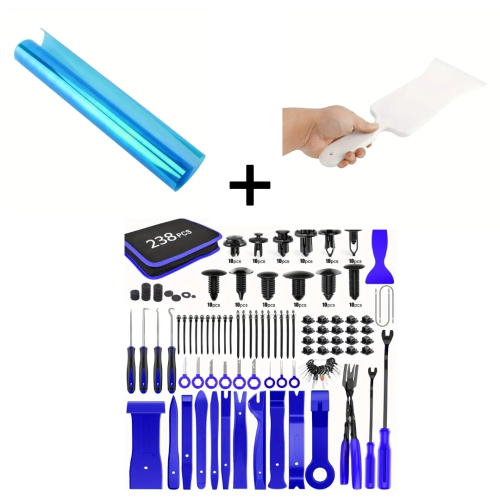
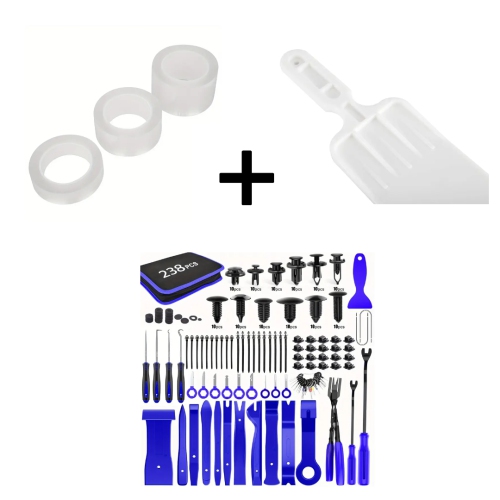

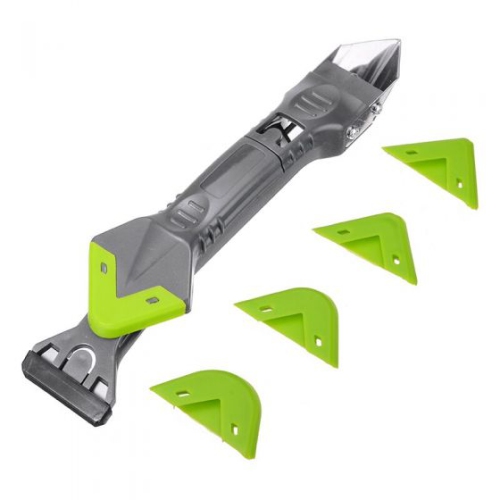
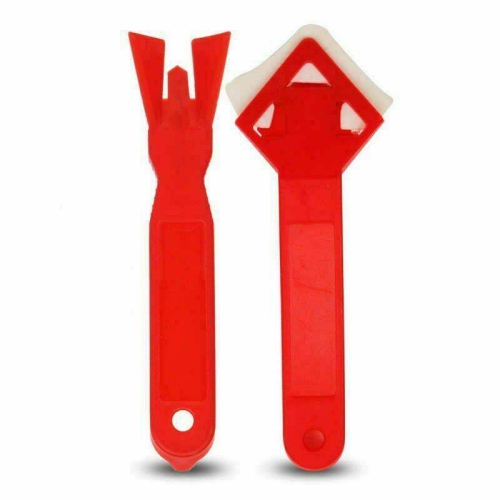
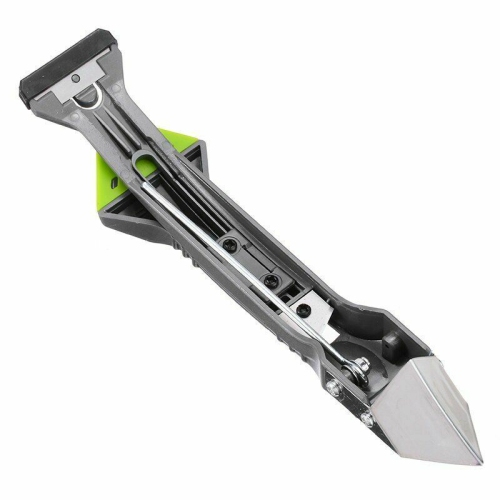
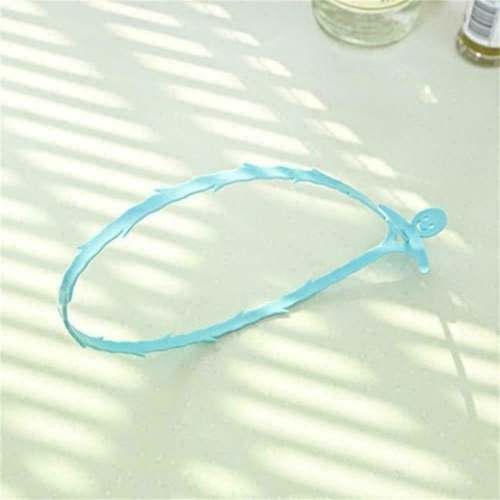
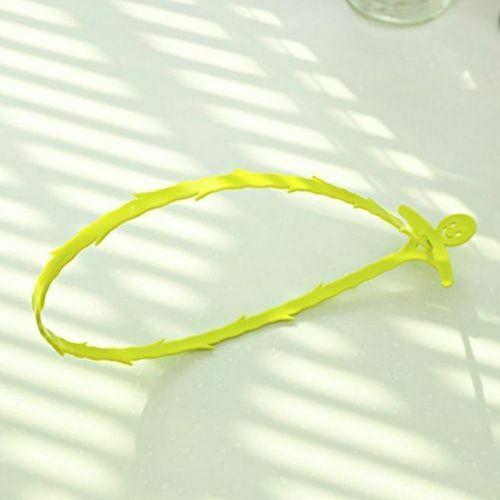
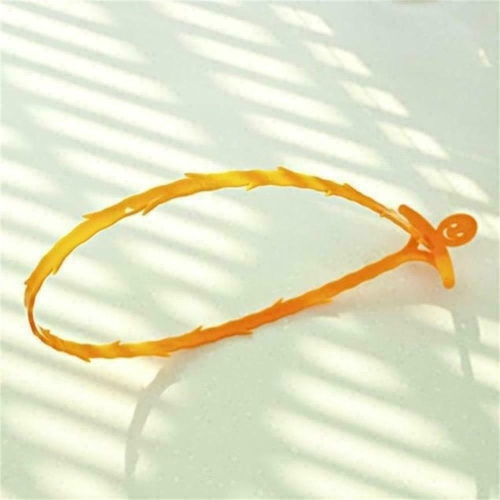


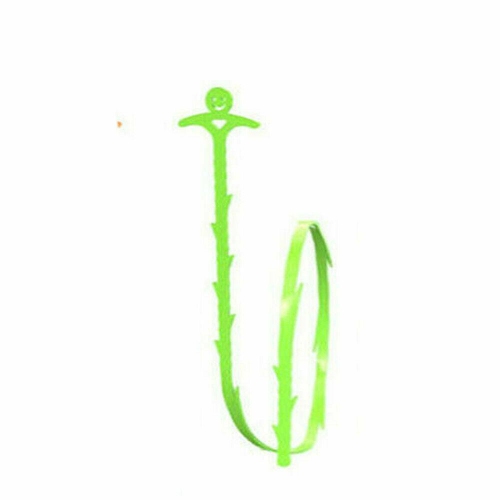


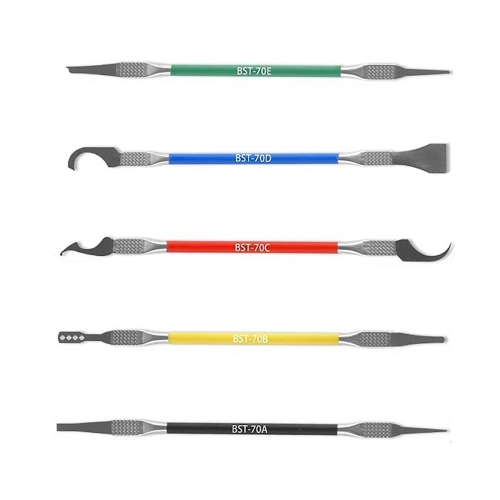
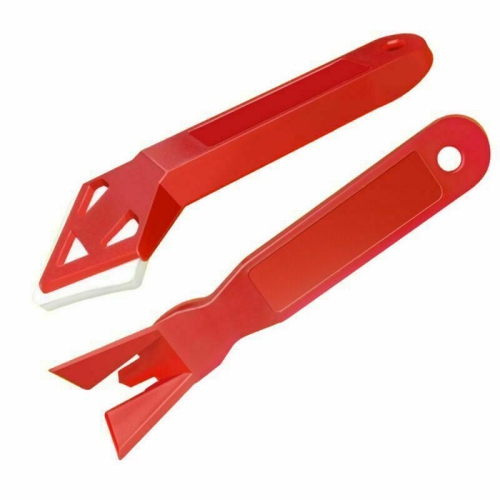
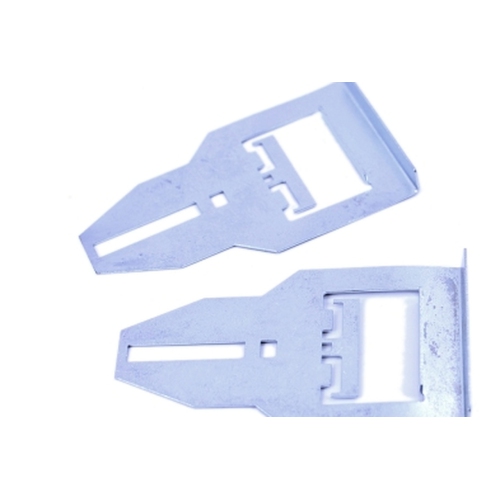
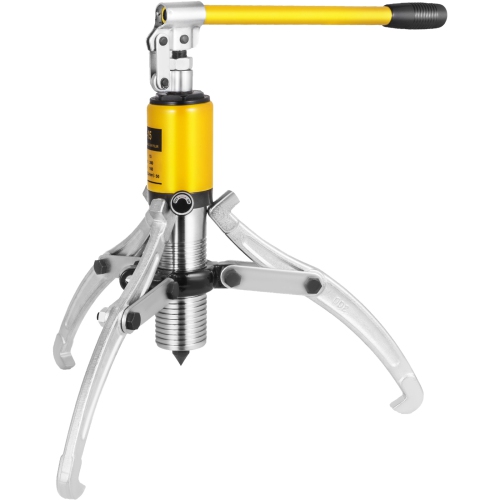
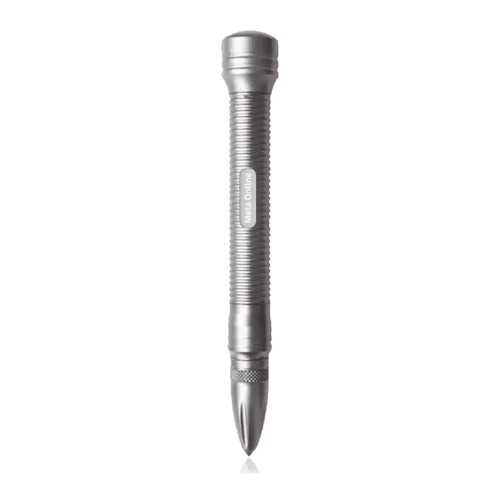

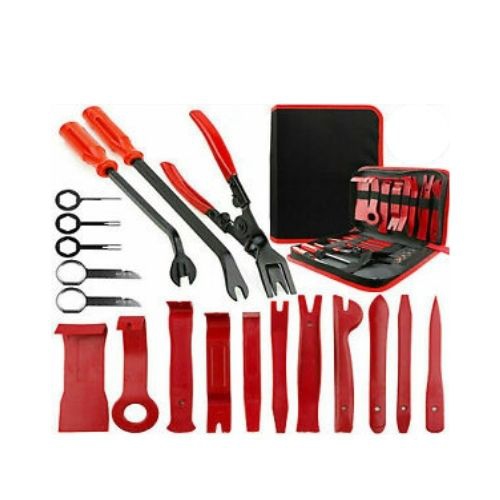
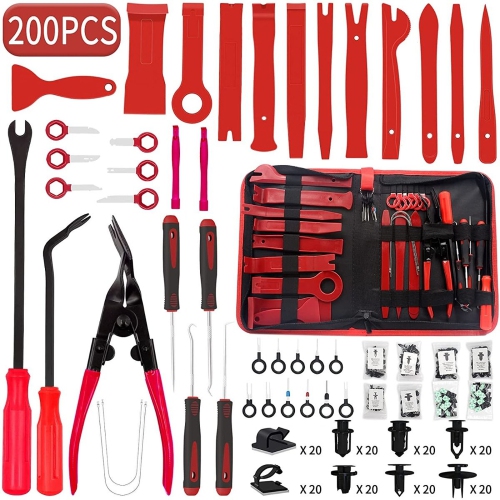
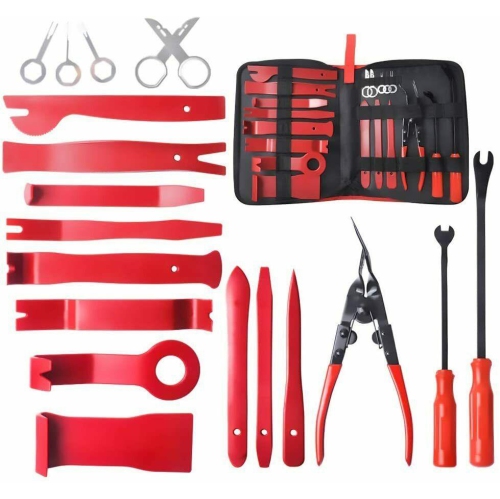
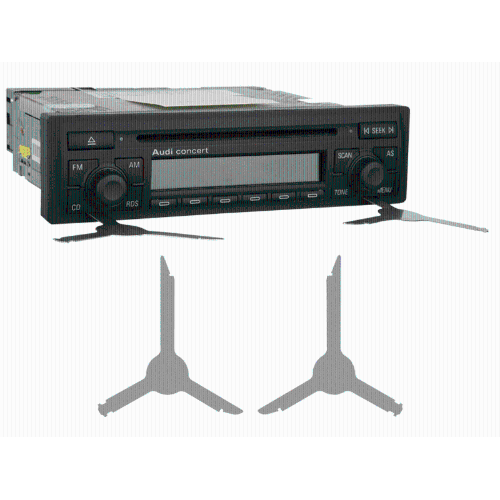
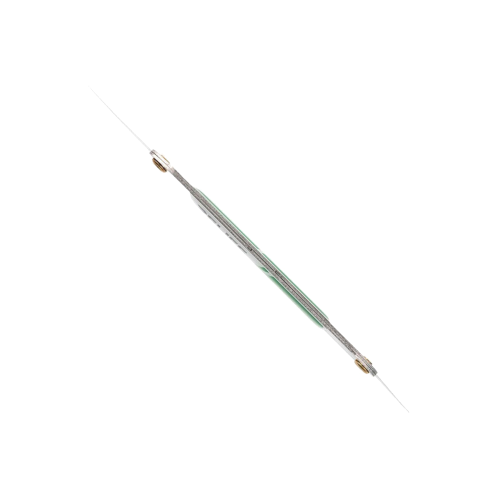
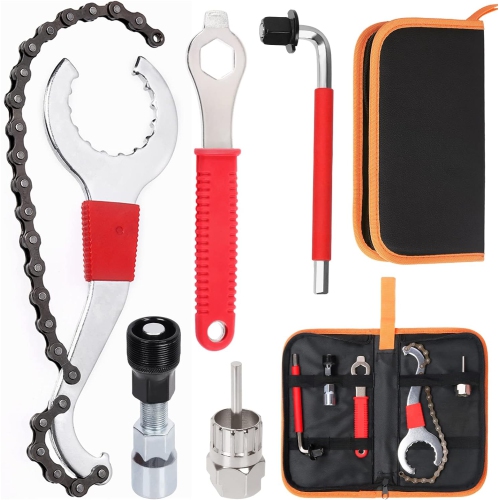
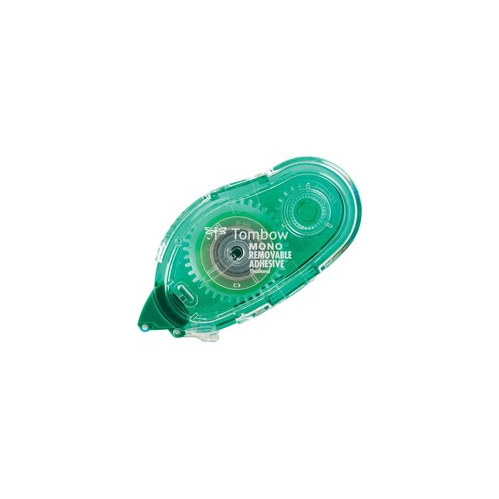
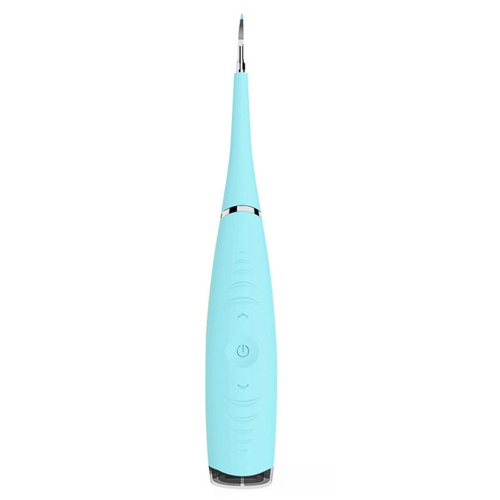
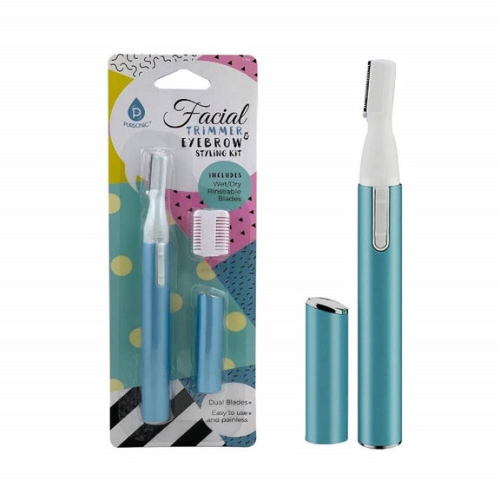

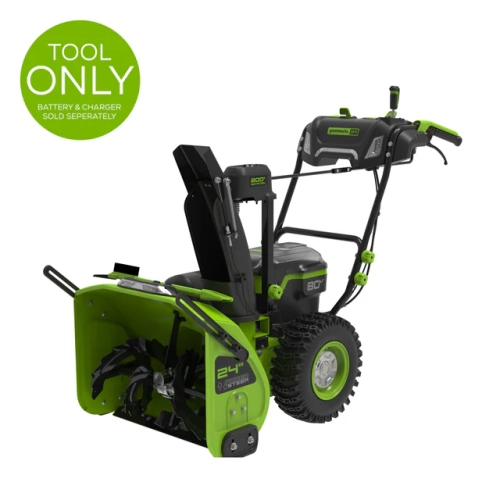

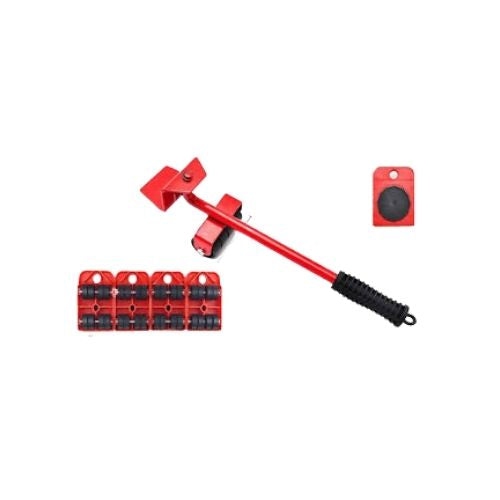
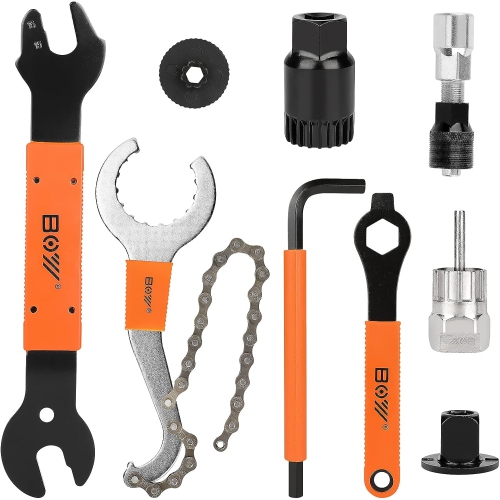
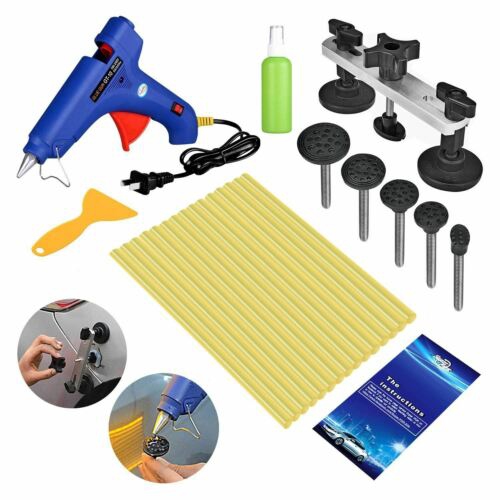

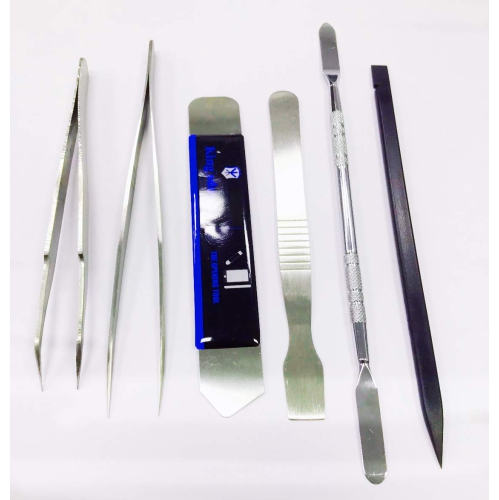
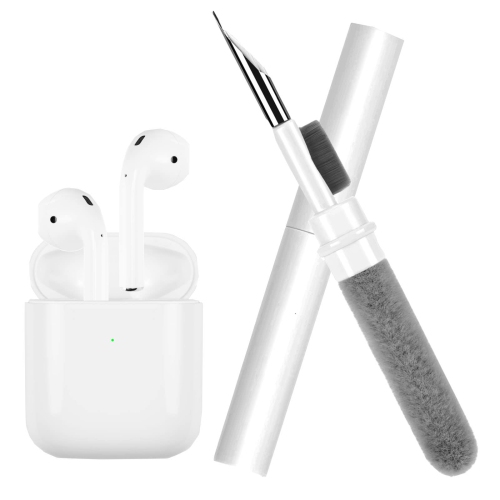
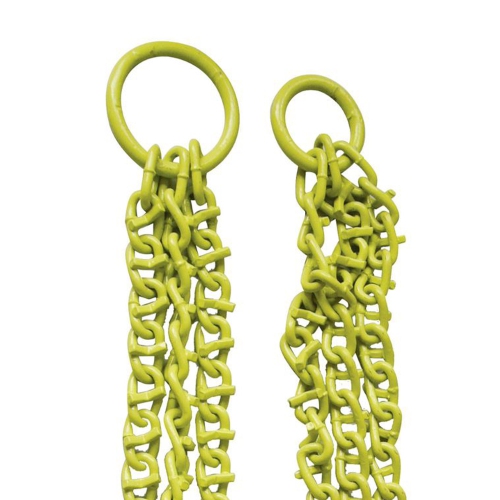

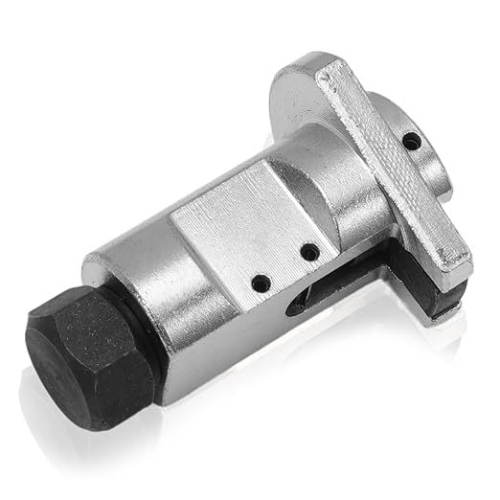
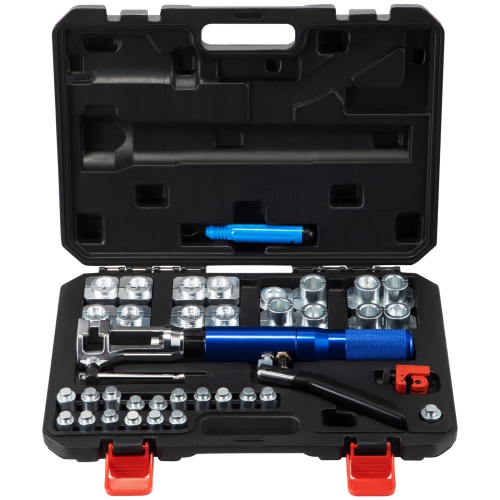
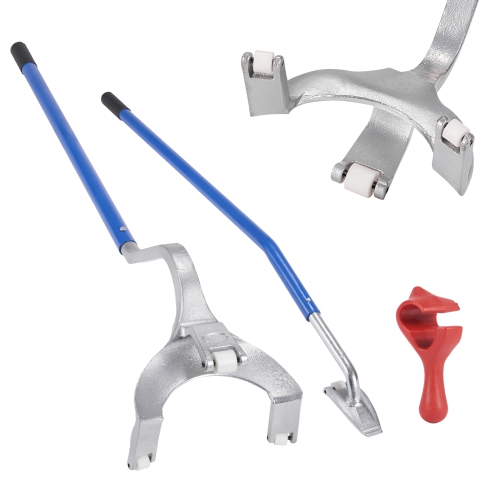
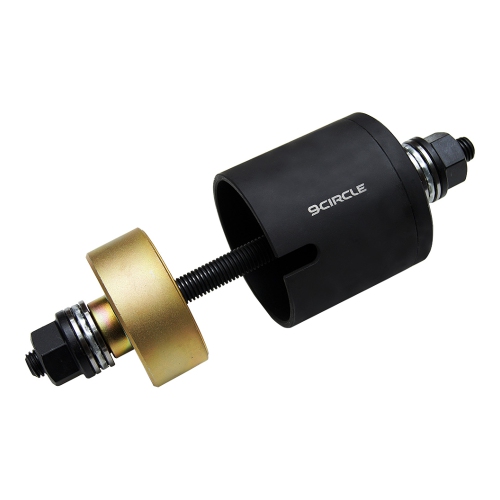


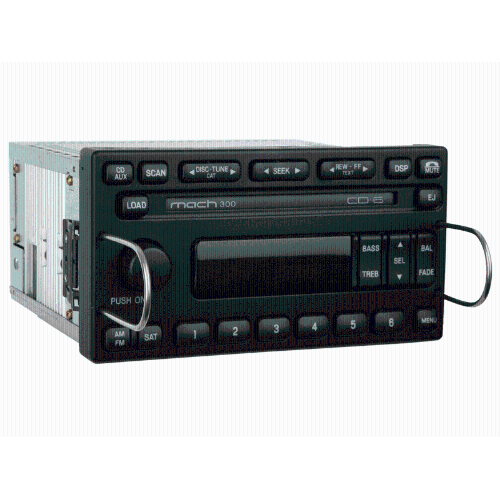
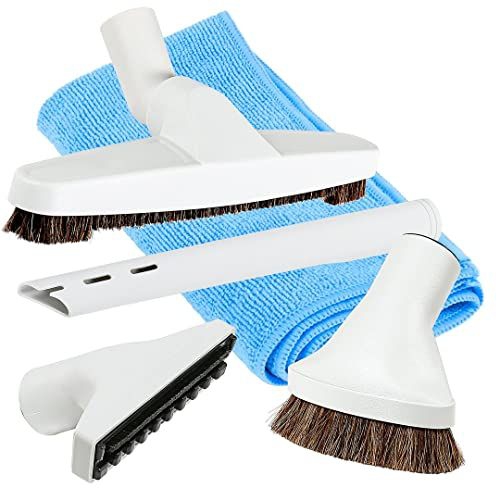
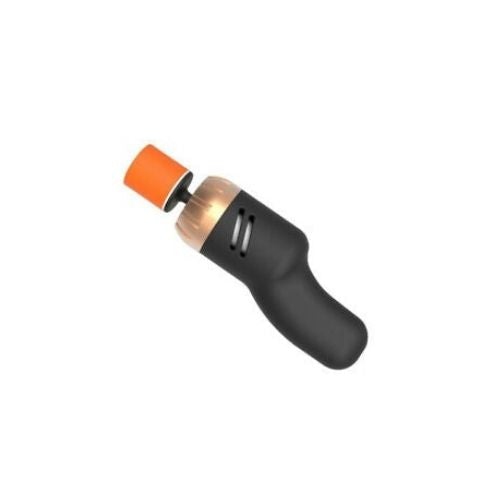
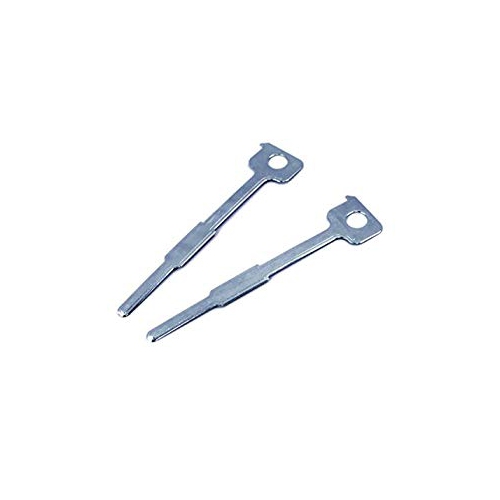
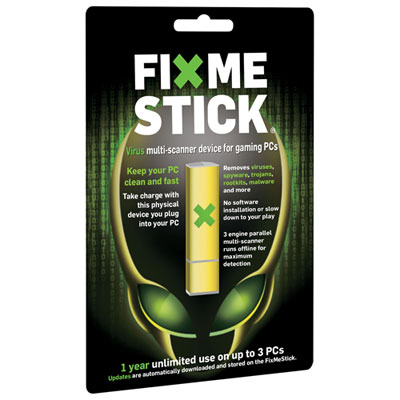


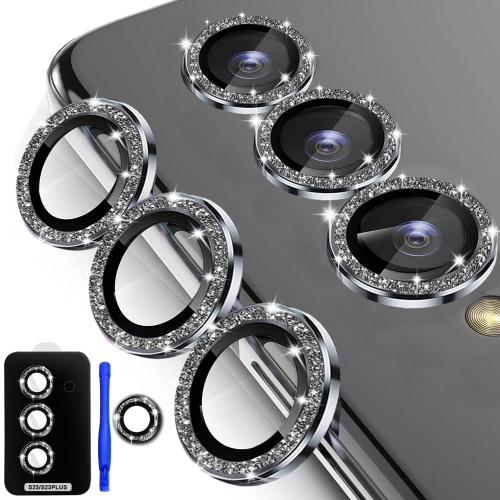
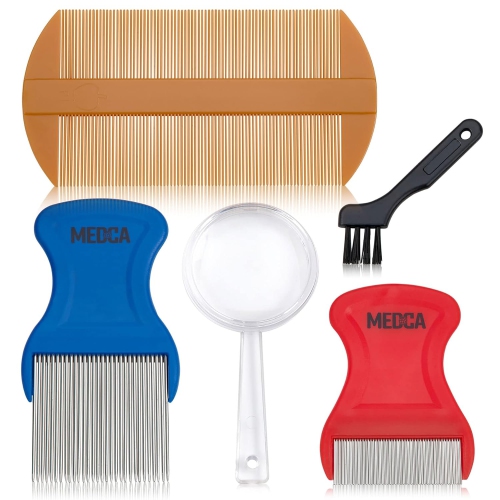
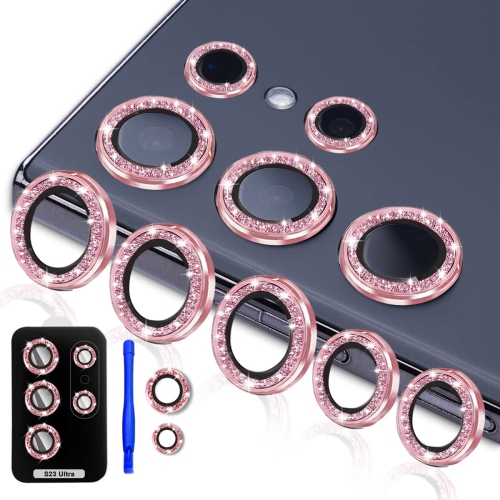
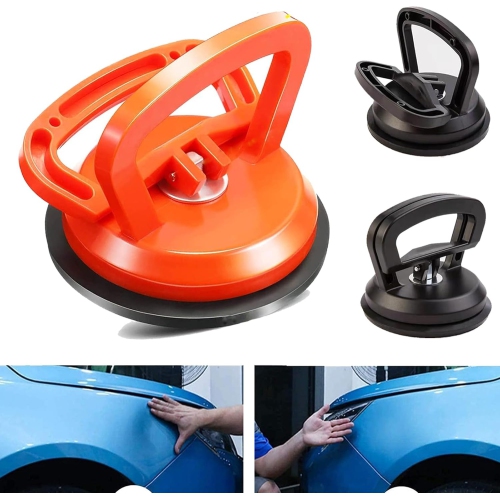
Why tip shape matters when releasing parts and fasteners
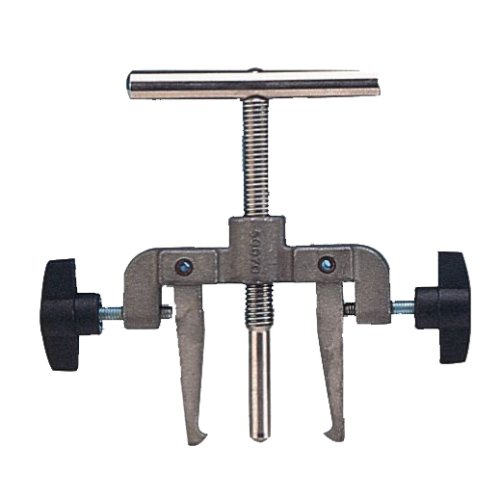
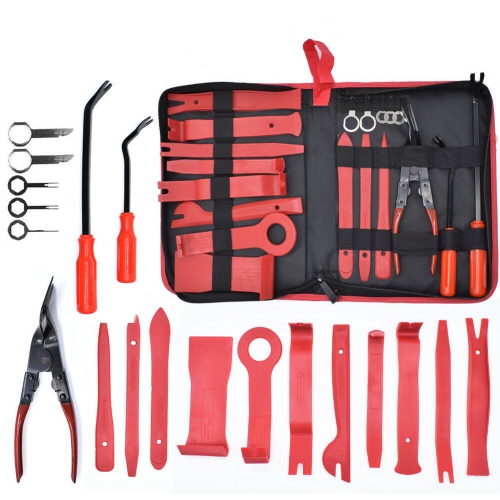
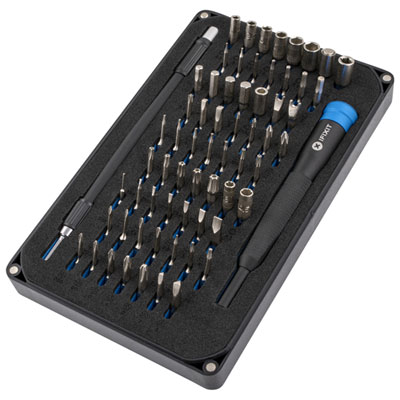
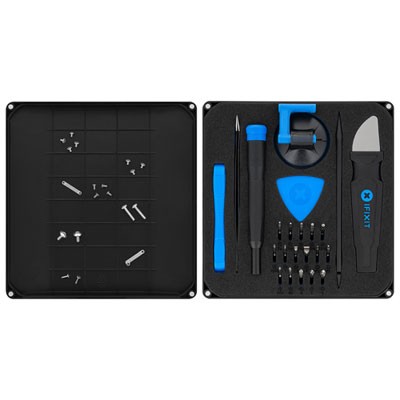
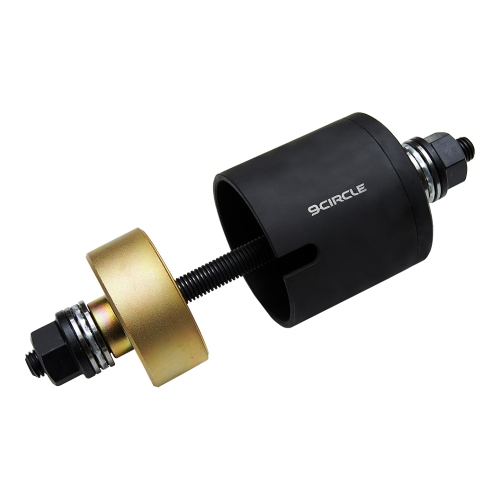
Removal tools are purpose-built tools for lifting, releasing, separating, or extracting parts and fasteners during repairs, maintenance, and disassembly. Unlike a general-purpose screwdriver used to pry something loose, a removal tool has a working end shaped for a particular connection, whether that is a staple embedded in upholstery, a retaining clip behind a vehicle door panel, or a tightly fitted mechanical component. The term can also describe software that uninstalls computer programs, but physical removal tools serve a different purpose: they help apply leverage, gripping force, or pulling pressure where it is needed. Common categories include staple removers, trim and clip removers, precision opening tools, and mechanical pullers. Each addresses a different challenge, so the object being removed and the surface around it matter more than the size of the tool alone. A broad, thin edge can spread pressure along a panel, while a forked tip can reach around a fastener stem and support its head. A puller uses controlled force to draw a fitted part away from its mounting point rather than relying on repeated blows or uneven prying. These distinctions are useful for anyone maintaining a vehicle, repairing furniture, working on household fixtures, or opening compatible electronic housings. For example, releasing a reusable trim clip calls for a different contact shape than pulling a metal staple from a wooden chair frame. Access also matters: a straight handle may work well on an exposed surface, while an angled shaft can help reach a recessed attachment without forcing the wrist into an awkward position. Removal tools belong alongside the broader range of Trade Tools used to take assemblies apart and prepare them for repair or replacement. Their value is not simply in getting a part loose; a suitable tool can help preserve surrounding surfaces, keep reusable components intact, and make it easier to understand how an assembly fits together.
Materials and construction affect how a removal tool behaves under pressure. Plastic and nylon prying tools are often suited to finished trim and housings because their contact edges are less likely than exposed metal to mark a surface. They are not scratch-proof, however: grit caught on an edge, an unsuitable angle, or excessive force can still damage a finish. A slightly flexible blade may help work along a seam, but too much flex can make it difficult to release a stubborn clip. Metal tools generally provide greater rigidity for demanding extraction tasks, with steel commonly used where a narrow tip must resist bending or a shaft must carry substantial leverage. Hardening, edge shape, and overall construction all influence durability; material alone does not establish whether a tool is suitable for a particular job. Smoothly finished contact points are especially important around visible surfaces, while secure handle attachments matter when pulling against resistance. Handle shape deserves attention as well. A rounded grip can distribute pressure across the palm, and a textured surface can improve control, but a bulky handle may not fit into a confined space. For staple removal, the working tip needs to reach beneath the staple crown without digging unnecessarily into the material below. Paper staples and upholstery staples differ in size, holding strength, and the support they need during extraction. For automotive trim, the fork opening and approach angle should match the clip and the available clearance. Mechanical pullers require closer dimensional checks, including reach, spread, jaw configuration, and the specified application. A tool described as universal still has limits, and compatibility should be confirmed against the assembly and the tool’s stated specifications. Precision opening work has its own requirements: a thin entry edge may be useful, but hidden cables, adhesives, and fragile clips can make an apparently simple seam difficult to separate. Tools intended for prying are not automatically electrically insulated, and a comfortable plastic handle should never be treated as proof of electrical protection.
The most useful assortment of removal tools reflects the work likely to be done rather than the largest possible piece count. Someone who regularly removes interior vehicle panels may benefit from several edge widths and offsets, while a furniture repair hobbyist may place more importance on staple access, leverage, and a grip that remains comfortable through repeated pulling. A household repair kit may need a small selection of complementary shapes for occasional access to clips and covers. Sets can be helpful when fasteners sit at different depths or approach angles, but several nearly identical tools may offer less practical coverage than a few genuinely different profiles. Clear size markings and organized storage make those differences easier to spot before work begins. A fitted tray, pouch, or divided case can also keep sharp tips away from finished surfaces and make missing pieces noticeable. Care is usually straightforward: remove dust and residue after use, follow the manufacturer’s cleaning directions, and dry tools before storing them. Adhesive residue should be treated with a cleaner compatible with both the tool material and any nearby finish. Plastic edges can develop burrs or become distorted, while metal tips can bend, chip, or wear; either condition can reduce control and leave marks on the next surface they touch. Damaged tools should be taken out of use rather than pushed through another difficult job. Good working conditions matter just as much as tool selection. Supporting the assembly, keeping small fasteners in a container, and checking the location of clips before applying pressure can prevent avoidable damage. Eye protection is appropriate when staples, clips, or other small parts could spring free. If a component will not release with the expected amount of force, a concealed screw, locking tab, or application-specific procedure may be involved. Vehicle areas containing airbags and electronic devices containing batteries require particular caution and the relevant service instructions. For a practical gift, removal tools make the most sense when the recipient’s repair interests and existing equipment are known. A well-matched addition to a familiar task is more useful than a specialized tool with no clear application. Across these uses, fit, access, controlled force, and sound construction are the qualities that make removal tools dependable companions for careful disassembly.
Materials and construction affect how a removal tool behaves under pressure. Plastic and nylon prying tools are often suited to finished trim and housings because their contact edges are less likely than exposed metal to mark a surface. They are not scratch-proof, however: grit caught on an edge, an unsuitable angle, or excessive force can still damage a finish. A slightly flexible blade may help work along a seam, but too much flex can make it difficult to release a stubborn clip. Metal tools generally provide greater rigidity for demanding extraction tasks, with steel commonly used where a narrow tip must resist bending or a shaft must carry substantial leverage. Hardening, edge shape, and overall construction all influence durability; material alone does not establish whether a tool is suitable for a particular job. Smoothly finished contact points are especially important around visible surfaces, while secure handle attachments matter when pulling against resistance. Handle shape deserves attention as well. A rounded grip can distribute pressure across the palm, and a textured surface can improve control, but a bulky handle may not fit into a confined space. For staple removal, the working tip needs to reach beneath the staple crown without digging unnecessarily into the material below. Paper staples and upholstery staples differ in size, holding strength, and the support they need during extraction. For automotive trim, the fork opening and approach angle should match the clip and the available clearance. Mechanical pullers require closer dimensional checks, including reach, spread, jaw configuration, and the specified application. A tool described as universal still has limits, and compatibility should be confirmed against the assembly and the tool’s stated specifications. Precision opening work has its own requirements: a thin entry edge may be useful, but hidden cables, adhesives, and fragile clips can make an apparently simple seam difficult to separate. Tools intended for prying are not automatically electrically insulated, and a comfortable plastic handle should never be treated as proof of electrical protection.
The most useful assortment of removal tools reflects the work likely to be done rather than the largest possible piece count. Someone who regularly removes interior vehicle panels may benefit from several edge widths and offsets, while a furniture repair hobbyist may place more importance on staple access, leverage, and a grip that remains comfortable through repeated pulling. A household repair kit may need a small selection of complementary shapes for occasional access to clips and covers. Sets can be helpful when fasteners sit at different depths or approach angles, but several nearly identical tools may offer less practical coverage than a few genuinely different profiles. Clear size markings and organized storage make those differences easier to spot before work begins. A fitted tray, pouch, or divided case can also keep sharp tips away from finished surfaces and make missing pieces noticeable. Care is usually straightforward: remove dust and residue after use, follow the manufacturer’s cleaning directions, and dry tools before storing them. Adhesive residue should be treated with a cleaner compatible with both the tool material and any nearby finish. Plastic edges can develop burrs or become distorted, while metal tips can bend, chip, or wear; either condition can reduce control and leave marks on the next surface they touch. Damaged tools should be taken out of use rather than pushed through another difficult job. Good working conditions matter just as much as tool selection. Supporting the assembly, keeping small fasteners in a container, and checking the location of clips before applying pressure can prevent avoidable damage. Eye protection is appropriate when staples, clips, or other small parts could spring free. If a component will not release with the expected amount of force, a concealed screw, locking tab, or application-specific procedure may be involved. Vehicle areas containing airbags and electronic devices containing batteries require particular caution and the relevant service instructions. For a practical gift, removal tools make the most sense when the recipient’s repair interests and existing equipment are known. A well-matched addition to a familiar task is more useful than a specialized tool with no clear application. Across these uses, fit, access, controlled force, and sound construction are the qualities that make removal tools dependable companions for careful disassembly.
Top selling and popular products
-
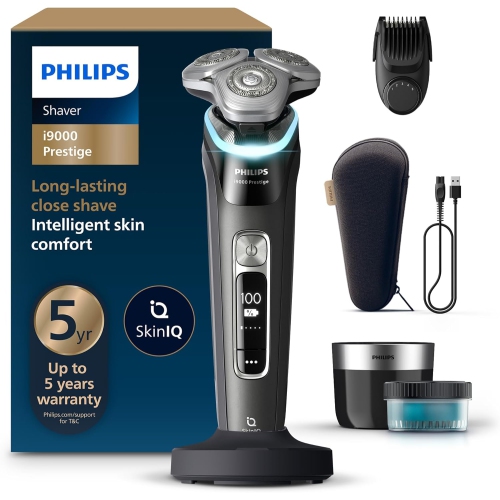 Your price for this item is $699.99
 -
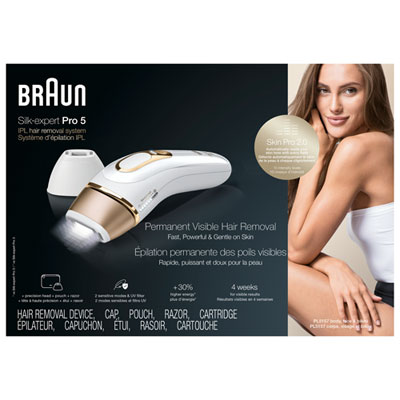 Your price for this item is $499.99
 -
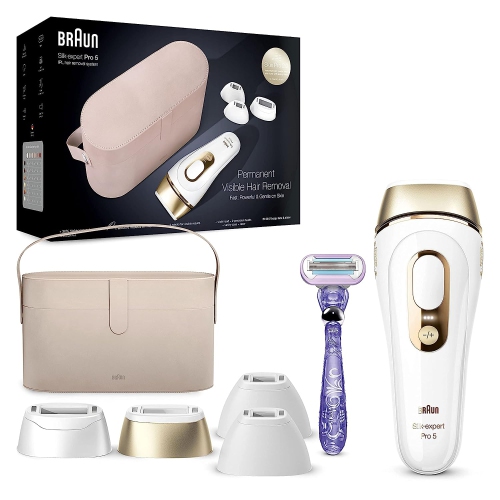 Your price for this item is $899.97
 -
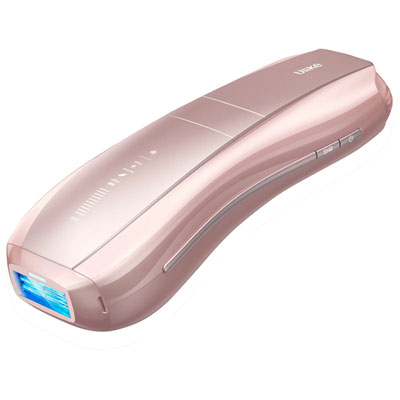 Your price for this item is $499.99
 -
 Your price for this item is $749.99
 -
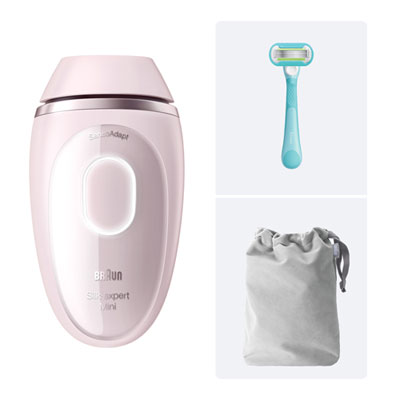 Your price for this item is $299.99
 -
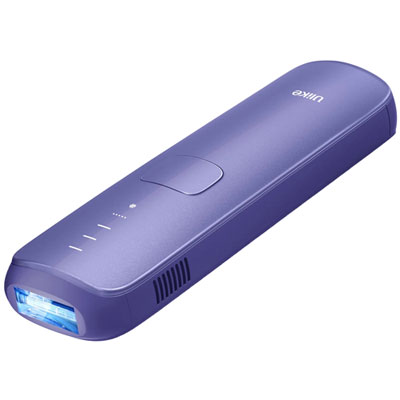 Your price for this item is $359.99
 -
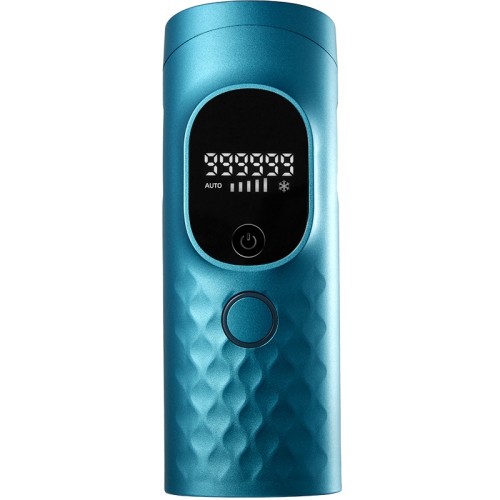 Your price for this item is $102.99
Discover more categories related to Removal Tools

Top Collections:
Pokemon Centers, Kindle Devices, Best Budget Office Chairs, Apple iPhones 16, Best Laptops for Writers, iPhone 15 Apple, Canon G7X Cameras, Refurbished Apple Laptops, Alarm Clock, Motorola Razr Phones
Some products may be subject to Environmental Handling Fees
(EHF) depending on your province.
Learn more about EHFs.