Samsung A14 5G
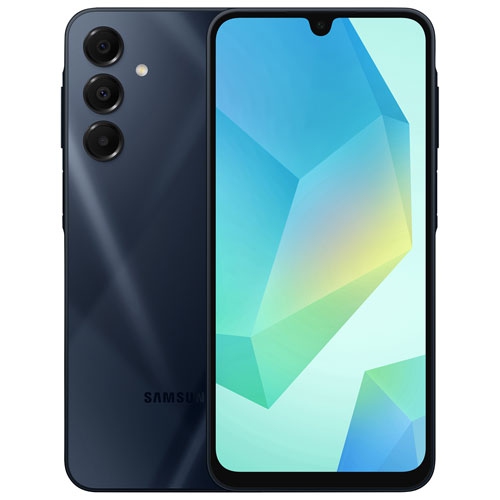
Discover the perfect blend of cutting-edge technology and sleek design with the latest 5G smartphone. Elevate your mobile experience with lightning-fast connectivity, ensuring seamless streaming, gaming, and browsing on the go. With a vibrant display and long-lasting battery life, staying connected has never been more enjoyable or efficient. Whether capturing stunning photos or managing daily tasks, this device is engineered to meet all your needs effortlessly. Dive into a world of endless possibilities and redefine what it means to stay ahead in today's fast-paced digital age.
Sort


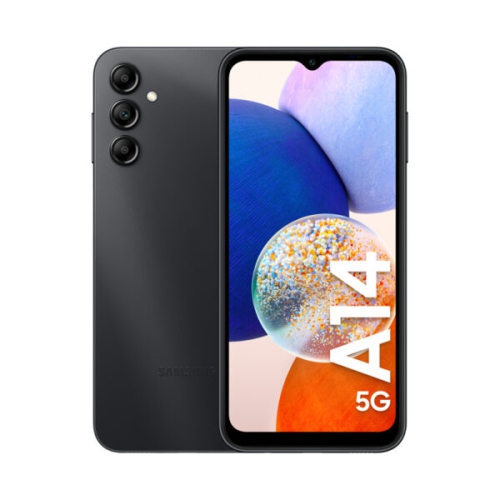









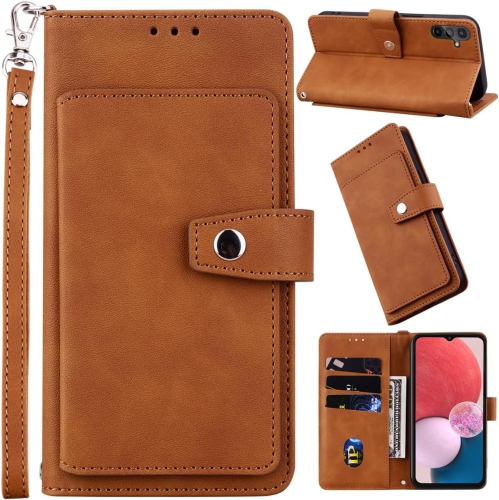
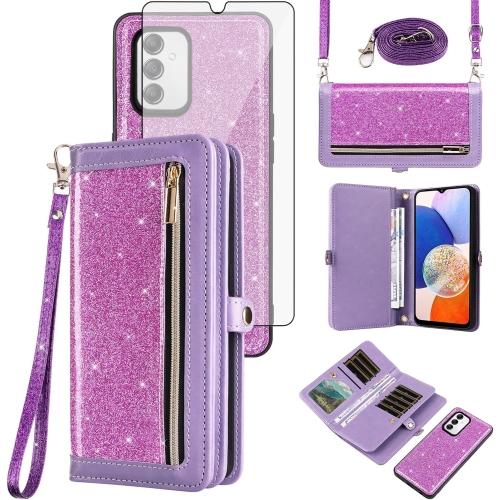
A 6.6-inch screen with room for everyday life
Everyday 5G smartphones bring calling, messaging, photography, navigation, and entertainment together in a familiar touchscreen format. They suit people who want to read an email comfortably, follow directions across town, join a video call, or keep family conversations close at hand without carrying several devices. A 6.6-inch Full HD+ LCD provides a generous viewing area for these tasks, with a resolution of 1080 × 2408 helping small text, map labels, and photo details remain distinct. A 90Hz refresh rate can make scrolling through messages and moving between screens look smoother, although the effect also depends on the app and its content. Screen size affects more than viewing: a larger display gives an on-screen keyboard more room, but it can also make reaching the upper corners with one thumb less comfortable. For someone who regularly reads documents or increases text size, that extra space may be particularly useful. An octa-core processor supports routine activities such as web browsing, music playback, and switching between everyday apps, while memory configurations influence how readily apps remain open in the background. Configurations with 4GB or 6GB of RAM should be assessed separately rather than treated as interchangeable, especially when several apps are used together. These phones are generally better suited to daily communication and casual entertainment than demanding games or lengthy video-editing sessions. Connectivity matters just as much as the screen and processor. A 5G connection can support responsive browsing and streaming where the carrier provides compatible coverage, but the experience depends on signal strength, network traffic, and the phone’s supported frequency bands. Wi-Fi offers another connection option at home, school, or work, while Bluetooth connects compatible headphones, speakers, and vehicle audio systems. Carrier compatibility and whether a handset is unlocked are important details for anyone bringing an existing mobile service to a different phone.
Camera features give an everyday smartphone much of its usefulness beyond calls and messages. A camera setup centred on a 50MP main sensor can capture family gatherings, a pet sitting by a window, or the details of a handwritten note, though resolution alone does not determine the finished image. Lighting, focus, lens quality, and image processing all influence how natural faces look and how much detail remains in darker areas. A 2MP macro camera is intended for close subjects, such as the texture of a leaf or a small craft project, while a 2MP depth sensor assists with separating a portrait subject from the background. These supporting cameras serve different purposes and should not be confused with an ultrawide camera or an optical zoom lens. A 13MP front camera supports selfies and video conversations, with soft, even light generally producing clearer results than a bright window directly behind the person. Storage becomes important as photos, downloaded music, and saved videos accumulate. Internal capacities such as 64GB and 128GB describe total storage, with some space reserved for the operating system and installed software. On configurations supporting expansion up to 1TB, a compatible microSD card can provide room for personal files, although not every app can be moved to the card. Battery capacity is another part of everyday use: a 5,000mAh battery provides a substantial energy reserve, but time between charges varies with screen brightness, mobile reception, navigation, gaming, and video calls. Support for 15W wired charging describes the charging capability rather than a guaranteed full-charge time, and the power adapter and cable must support the required charging standard. A USB-C port handles charging and compatible data connections, while a 3.5mm headphone jack accommodates wired listening without a separate audio adapter. These practical connections can be useful for a student listening to a lesson, a commuter enjoying a playlist, or someone who prefers keeping familiar headphones in use.
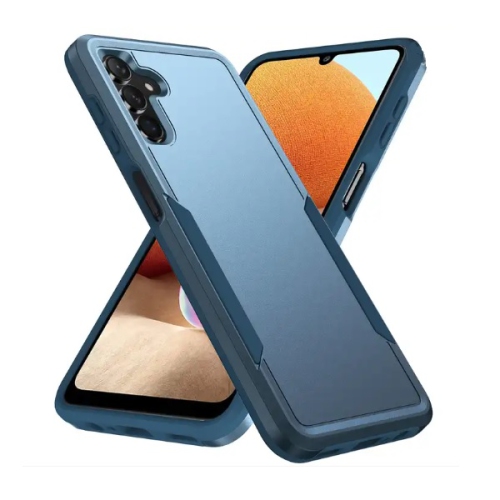
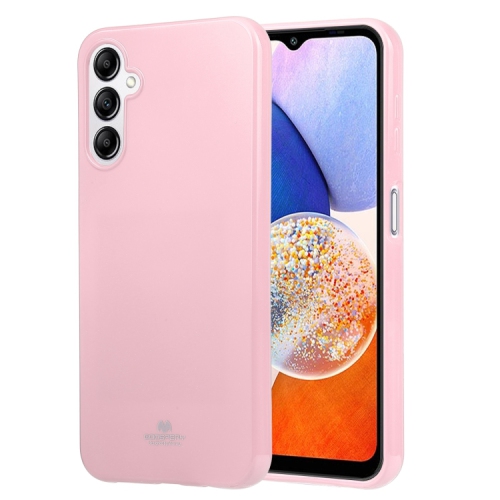
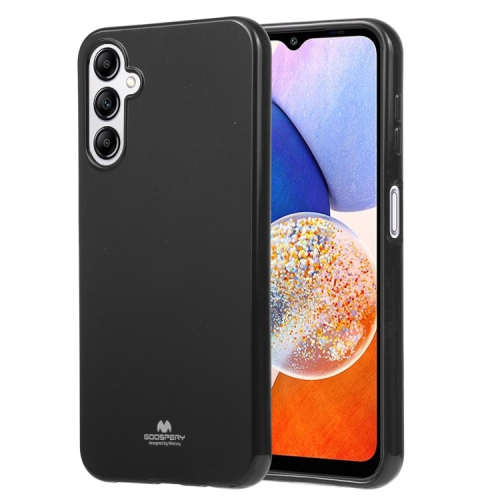
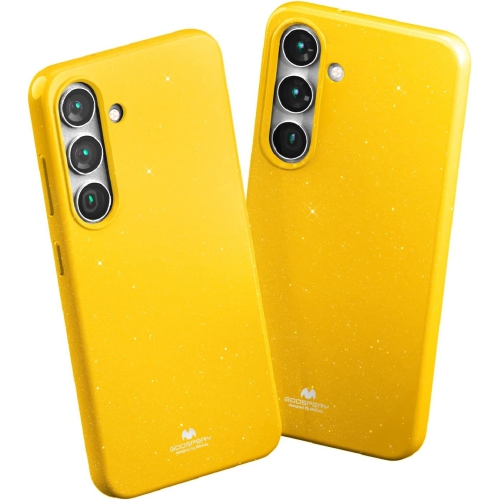
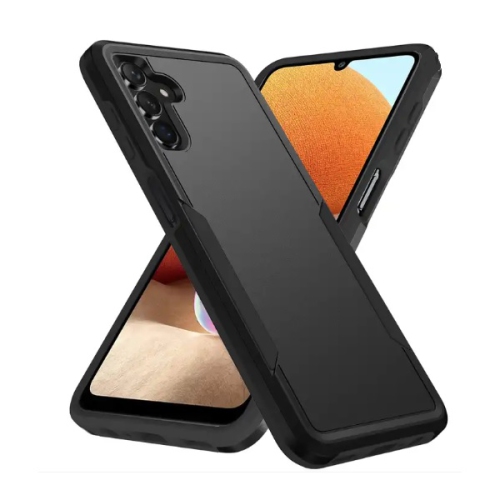
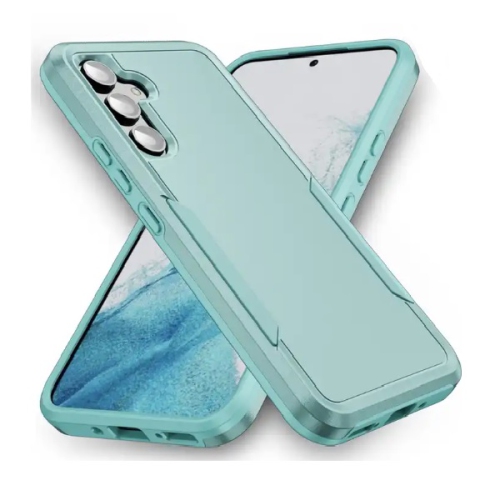
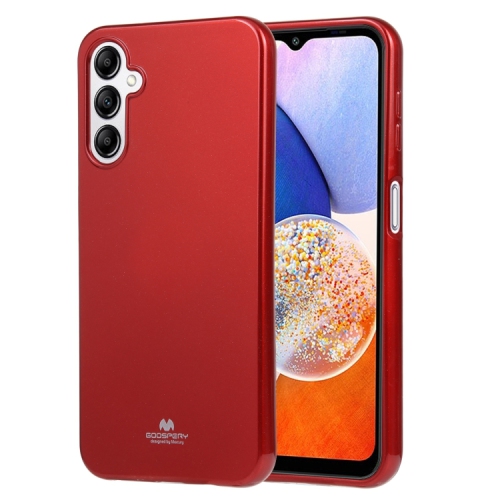
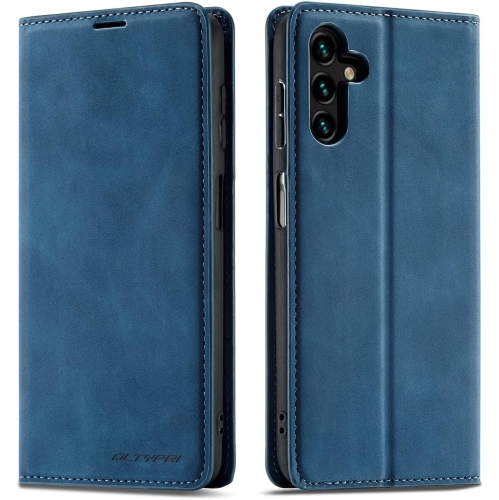
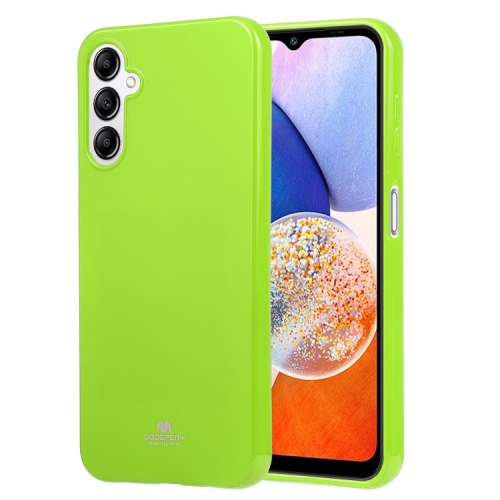
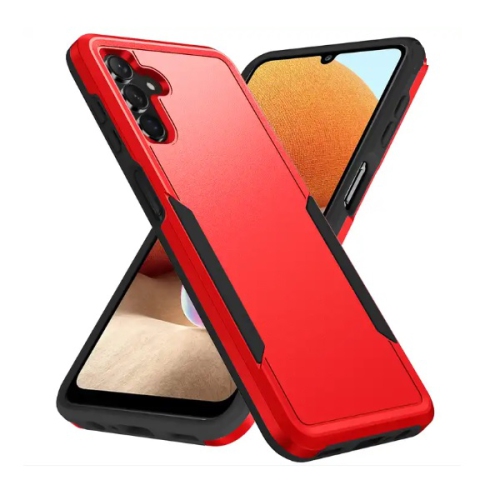
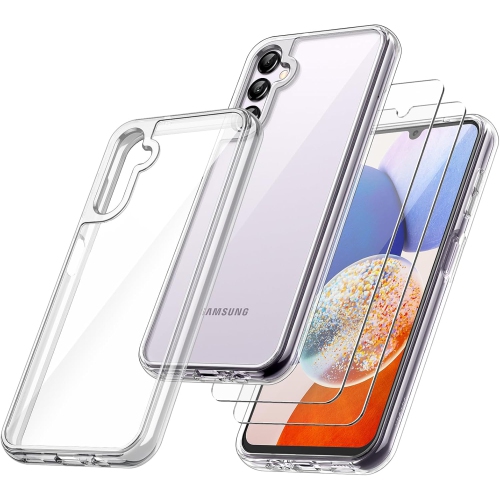
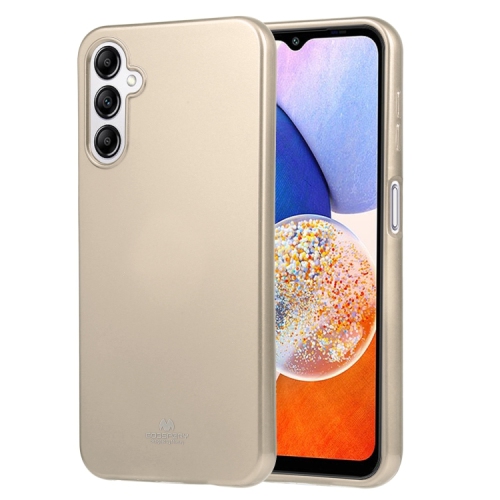
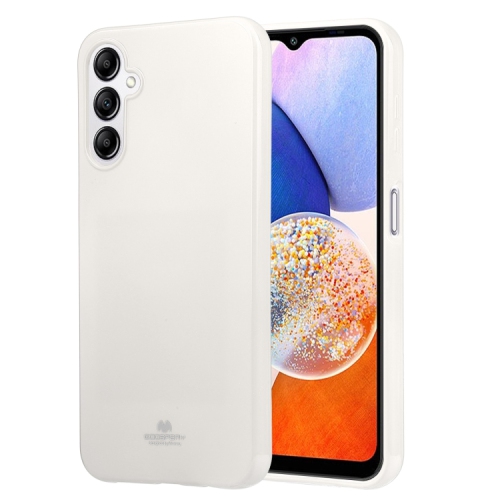
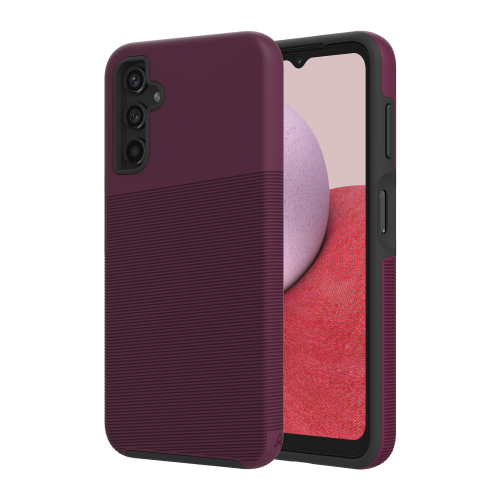
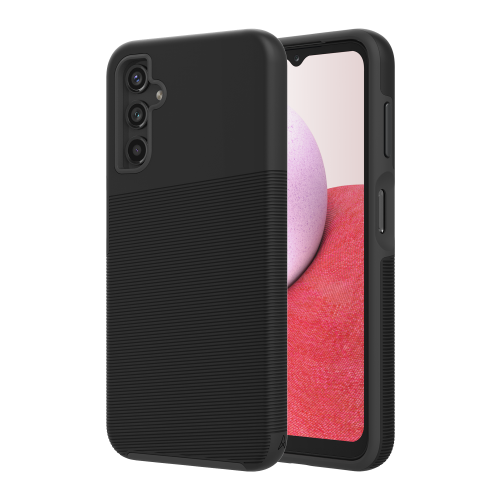
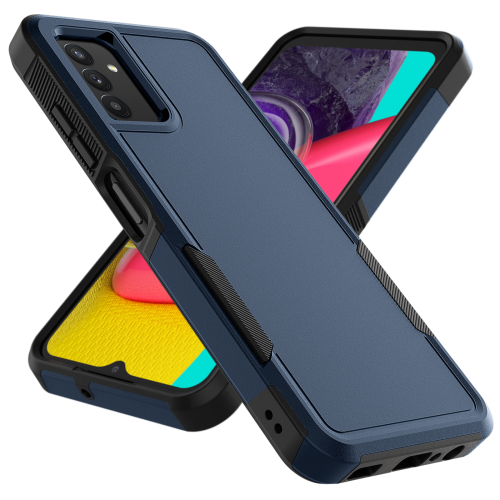
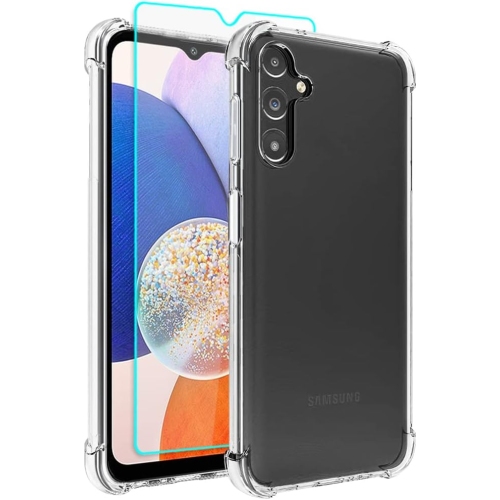
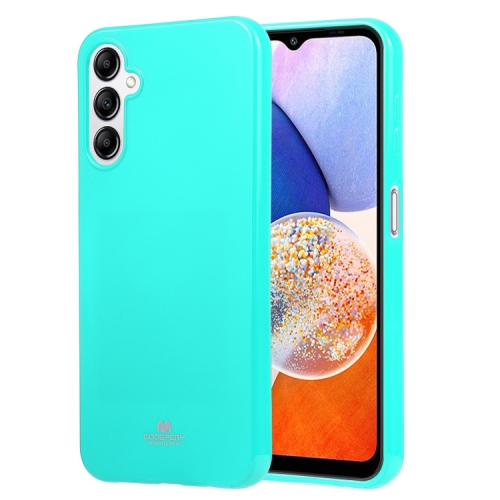
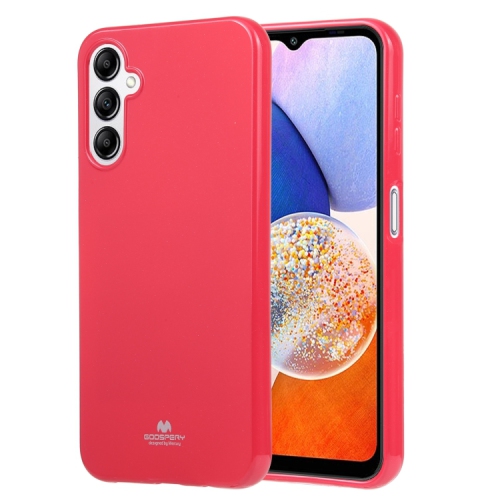
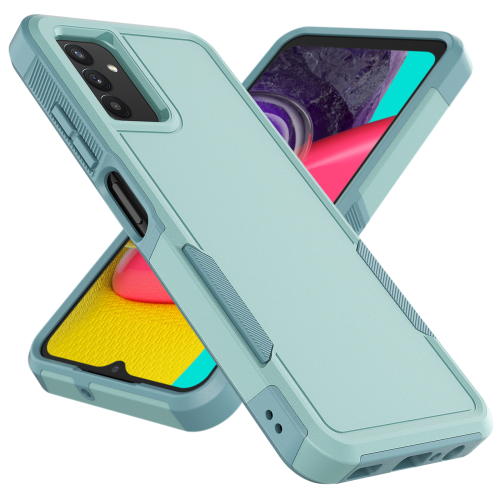
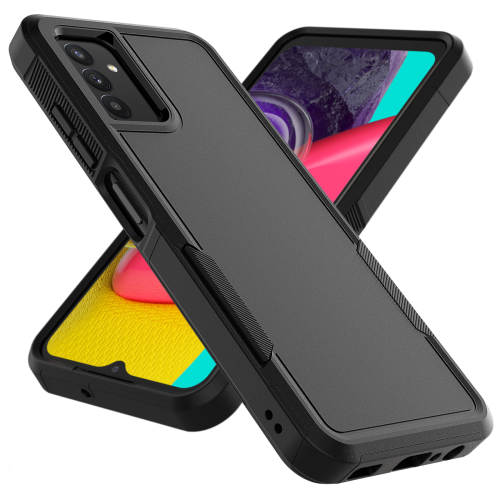
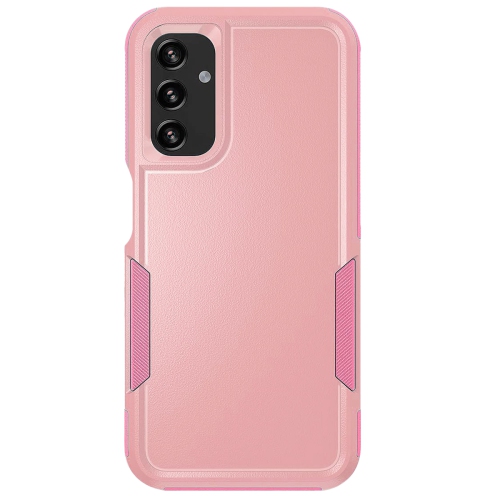
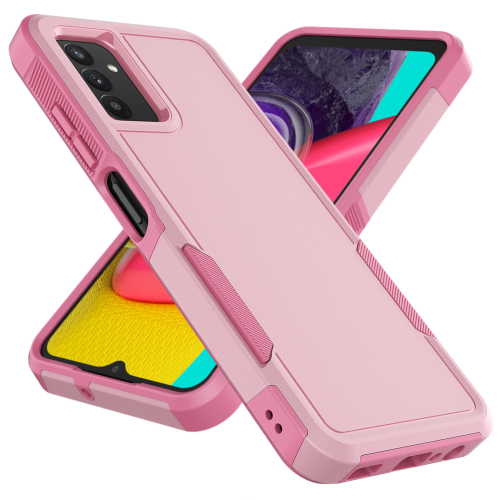
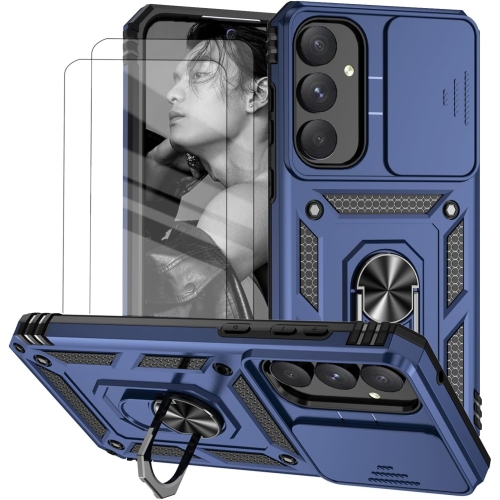
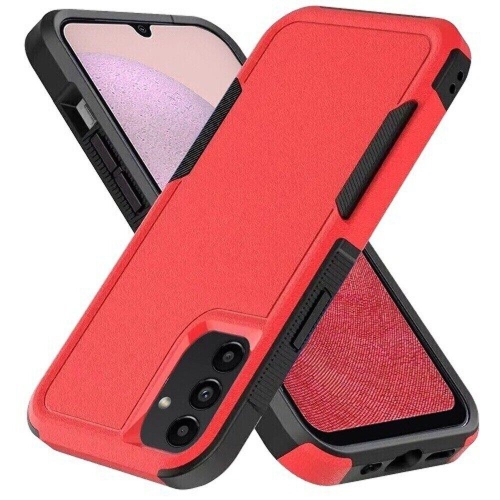
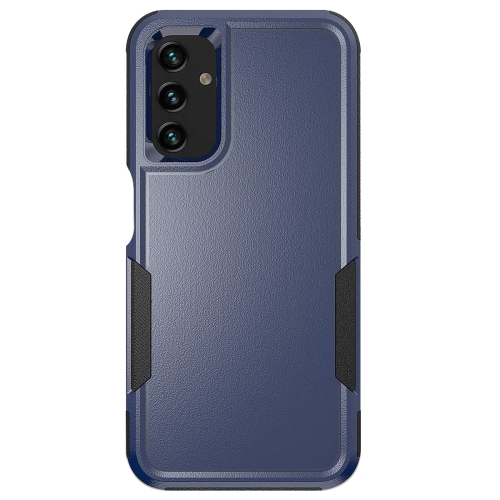
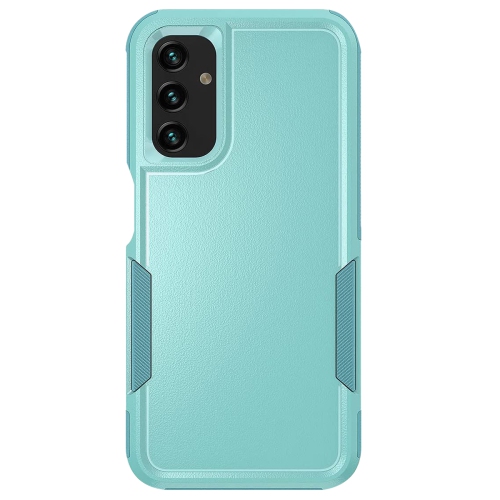
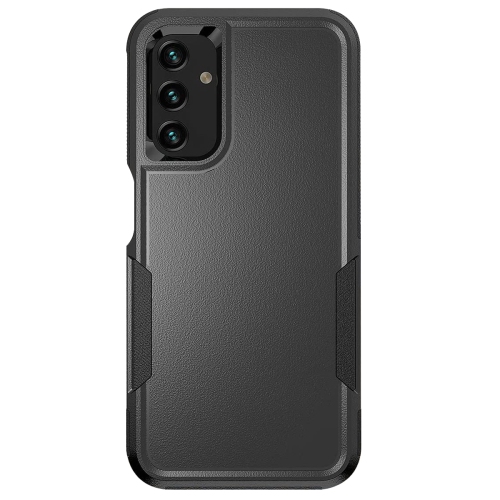
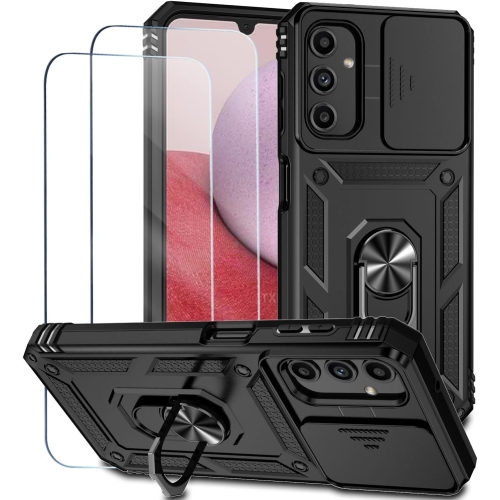
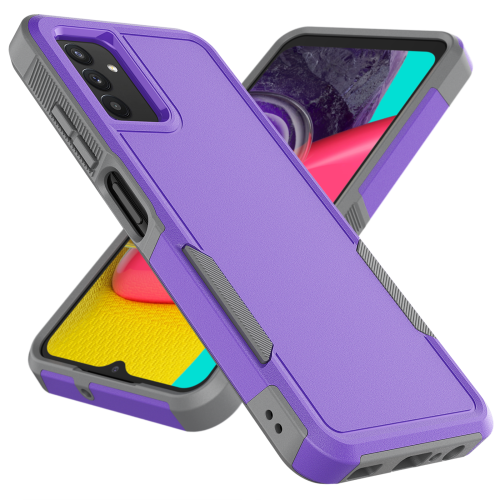
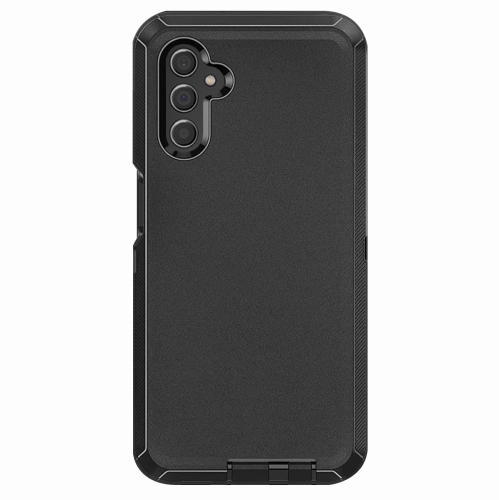
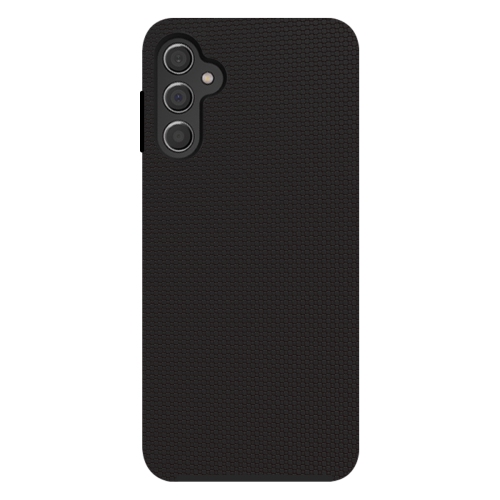
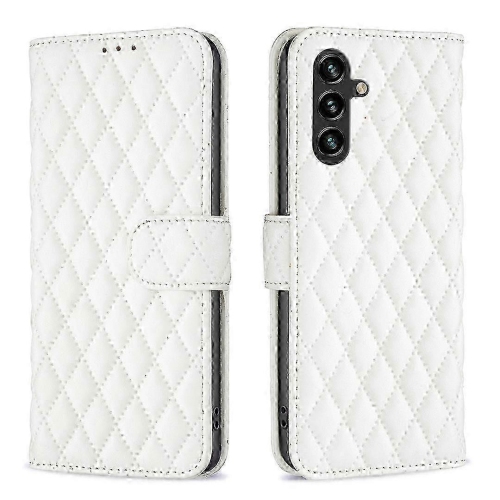
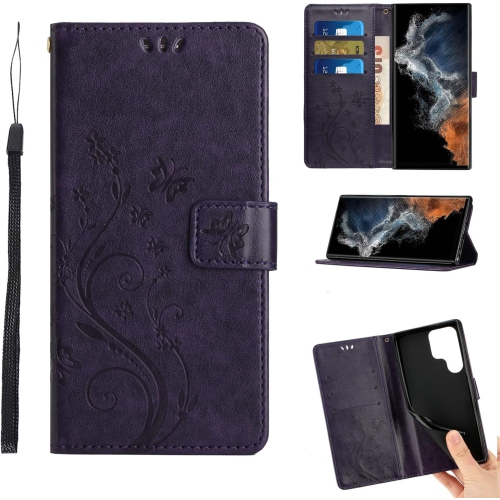
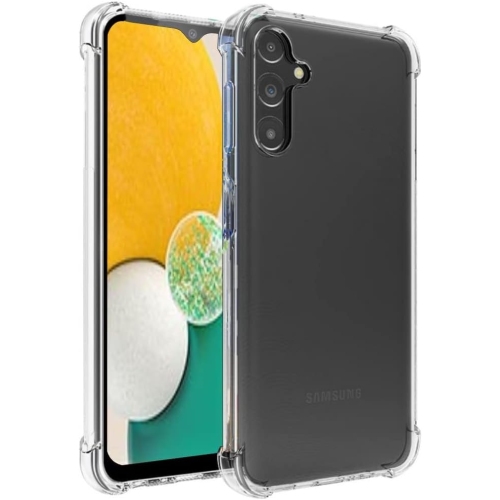
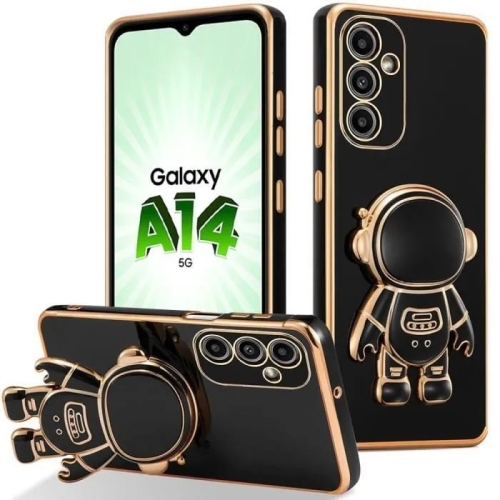
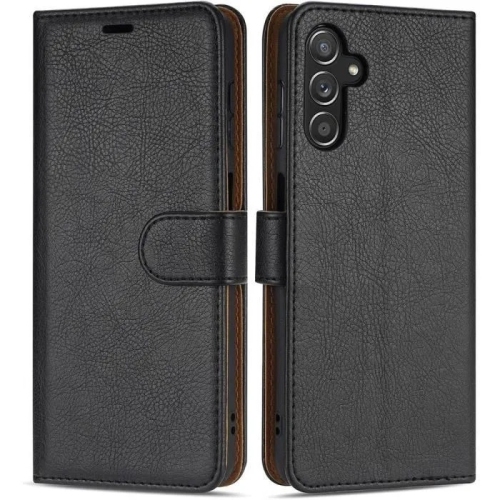
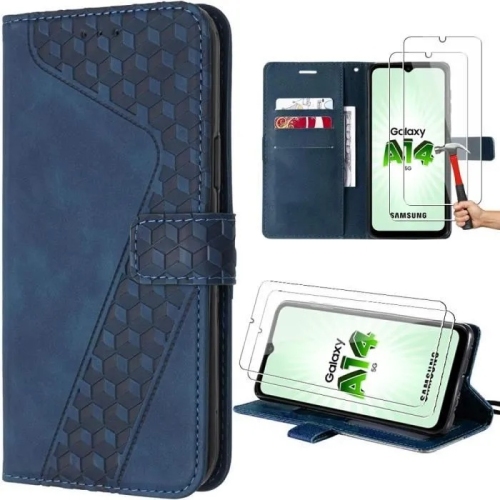
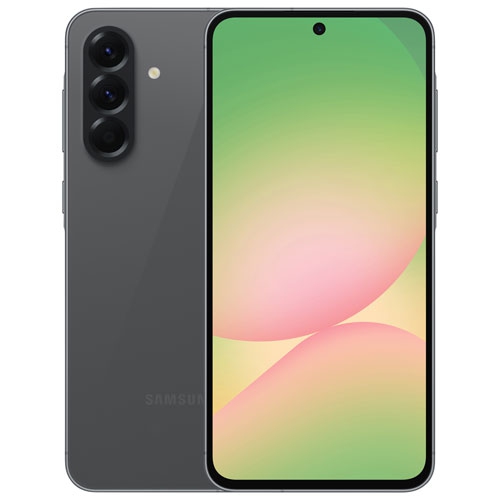
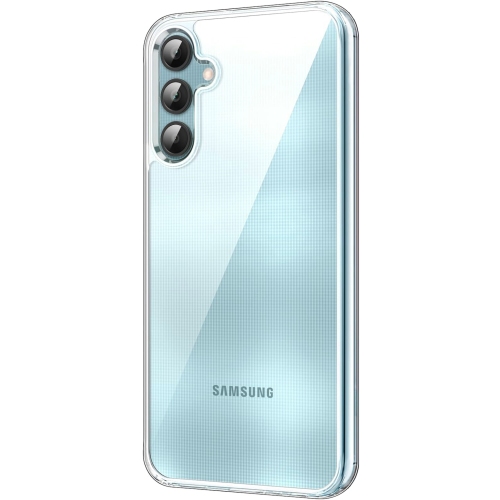
Physical construction, comfort, and care help determine how well a smartphone fits into a daily routine. A textured plastic back and frame offer a different feel from smooth glass, while a weight of around 202g to 205g is noticeable enough to consider for extended reading or one-handed use. Texture may make the surface easier to hold, but it does not prevent a phone from slipping off a table or being damaged in a fall. A well-fitting case can add grip and protect edges, provided its cutouts match the cameras, charging port, speaker, and buttons. A screen protector adds a replaceable surface against everyday scratches, though neither accessory makes a handset damage-proof. Model-specific fit is essential: two phones with similar screen measurements may still have different body dimensions, button positions, and camera layouts. For a related phone comparison, Samsung Galaxy A16 5G provides another point of reference, but cases and screen protectors should not be assumed to fit both devices. Routine care is straightforward. A soft, lint-free cloth helps remove fingerprints, and keeping grit out of pockets and bags reduces contact with abrasive particles. Charging ports should remain free of debris, and liquid exposure should be avoided unless the exact handset has a stated protection rating appropriate to that exposure. Security also belongs in everyday ownership. A side-mounted fingerprint reader can make unlocking convenient, while a strong passcode remains important for protecting messages, photos, and accounts. Face unlock methods differ in their level of protection and should not automatically be treated as equivalent to fingerprint authentication. Software support, security updates, and compatibility with essential apps are particularly relevant when a phone is intended for longer-term use. As a gift, this type of smartphone can suit a student, a relative who prefers a larger screen, or someone replacing a familiar handset, especially when carrier compatibility, accessibility needs, and the transfer of contacts and photos have been considered.
Top selling and popular products
-
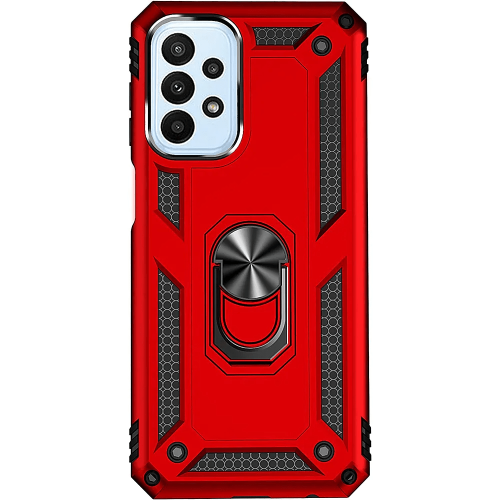 Your price for this item is $59.99
-
 Your price for this item is $9.99
-
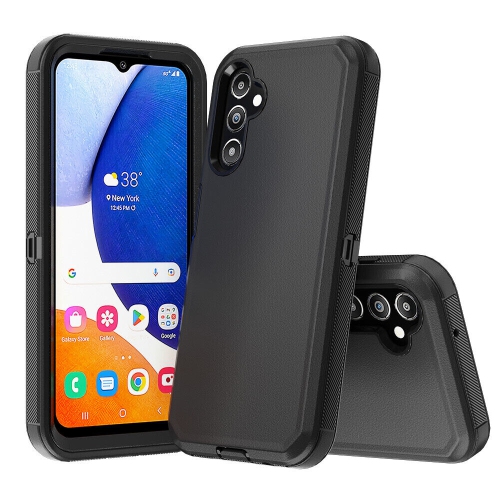 Your price for this item is $15.99
-
 Your price for this item is $15.99
-
 Your price for this item is $15.99
-
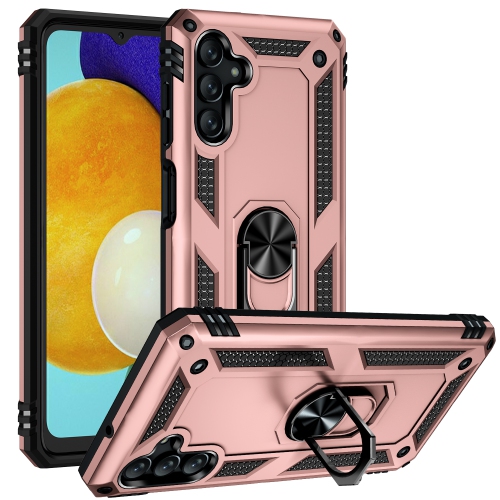 Your price for this item is $13.99
-
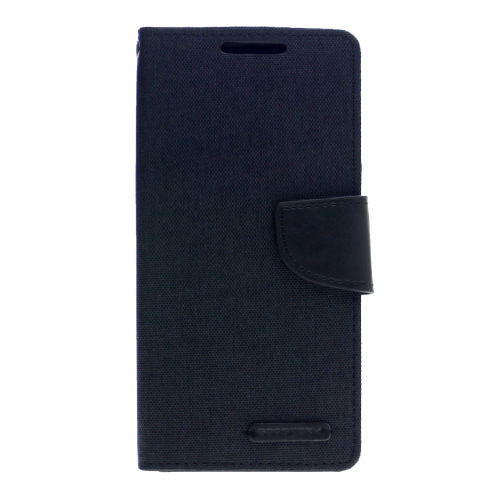 Your price for this item is $15.19
-
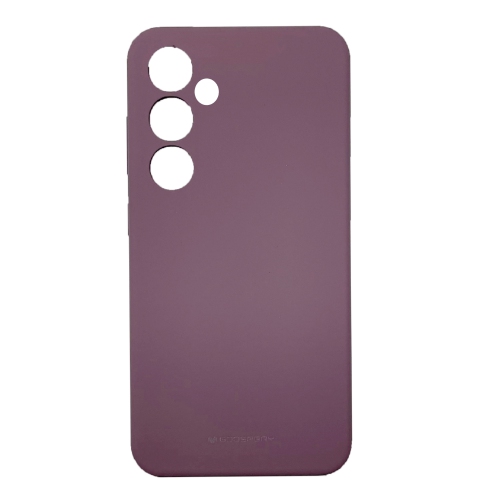 Your price for this item is $19.99
Discover more categories related to Samsung A14 5G
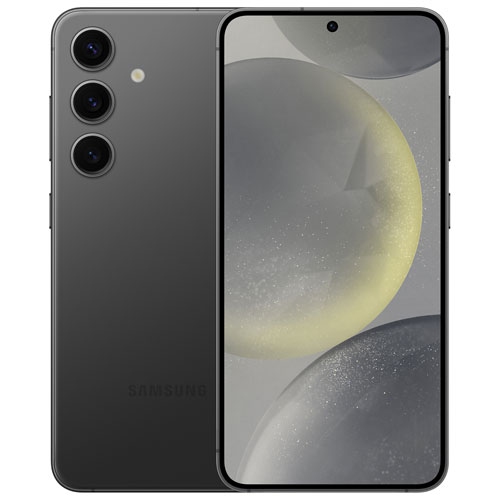
Top Collections:
Best Black Friday Deals This Year, Best Black Friday Deals On Electronics, Kindle Devices, Pokemon Centers, Best Black Friday Deals On Apple Products, Best Cameras for Sports Photography, Dyson Airwrap, Pokémon 30th Celebration Cards, Apple iPhone 17 Pro, Canon G7X Cameras
Some products may be subject to Environmental Handling Fees
(EHF) depending on your province.
Learn more about EHFs.