Talk And Text Phone Plans
Looking for the perfect talk and text phone plan to keep you connected without breaking the bank? Look no further! Our selection of talk and text phone plans offers a variety of options to suit your communication needs, whether you're a frequent caller or prefer to stick to texting. With affordable pricing and flexible features, staying in touch with friends and family has never been easier. Explore our range of talk and text phone plans below to find the ideal fit for you.
Sort
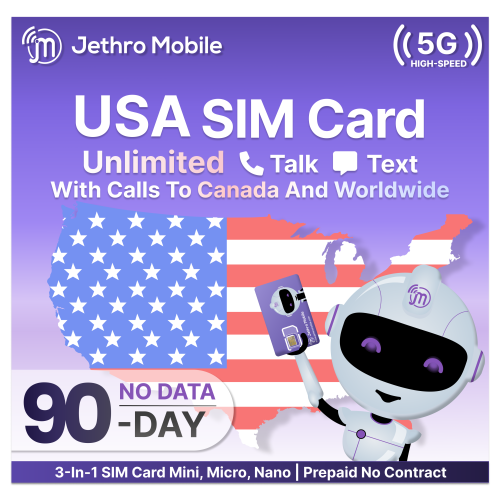
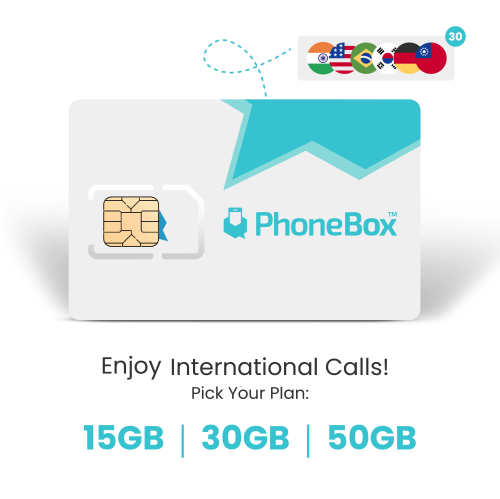
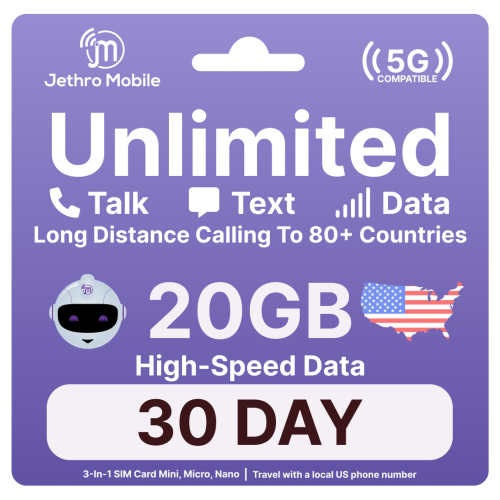
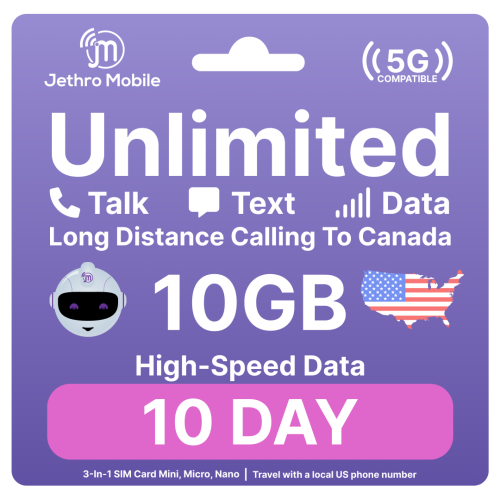
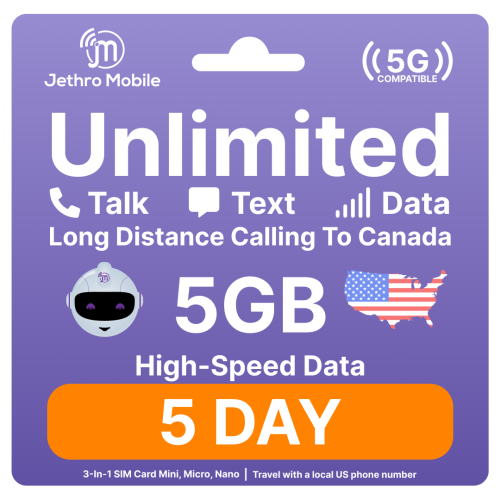
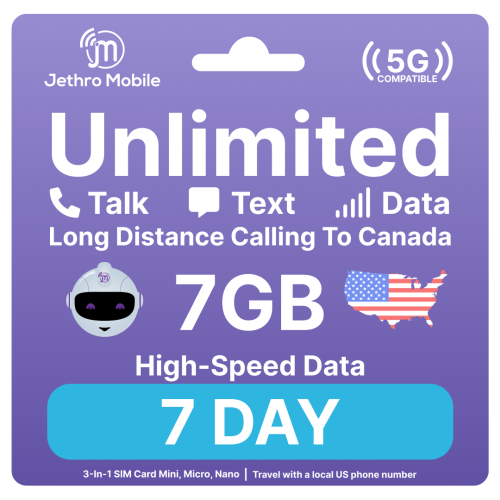
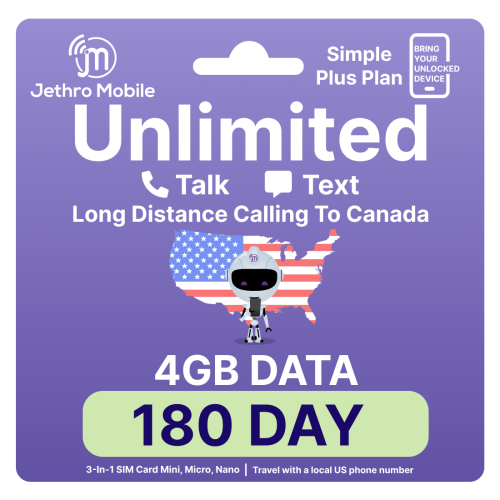
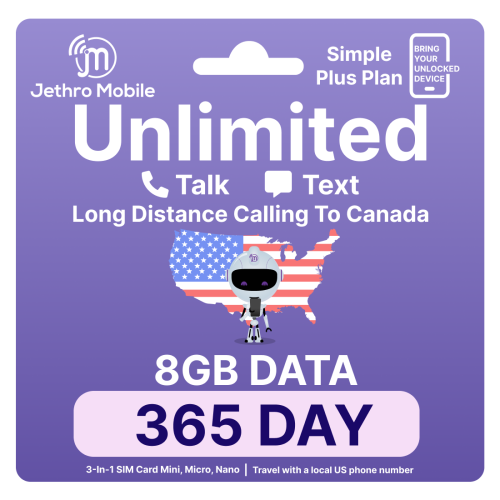
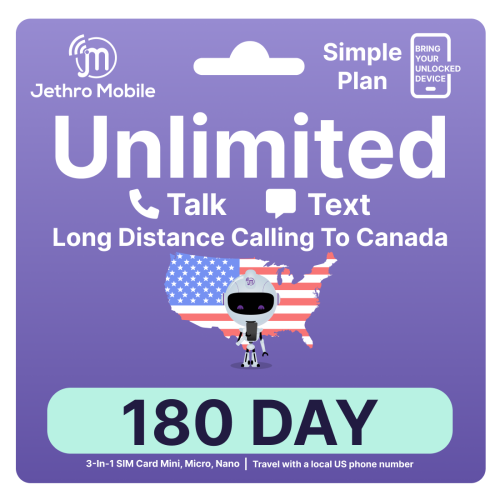
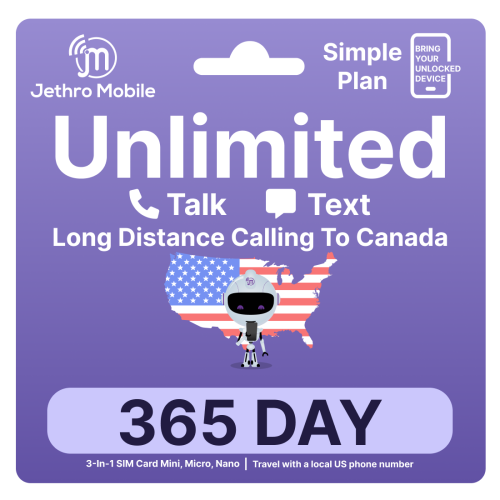
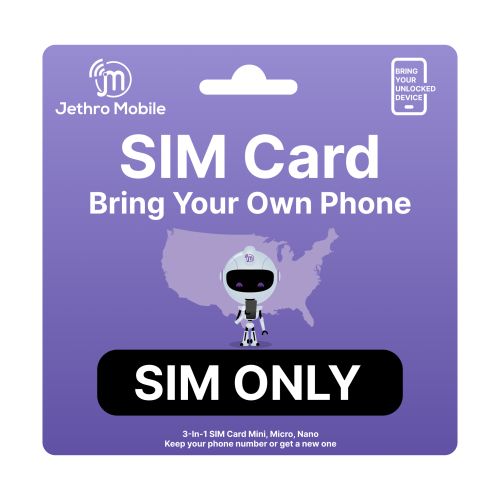
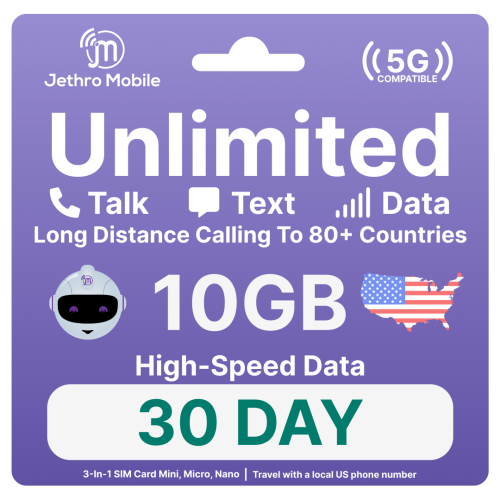
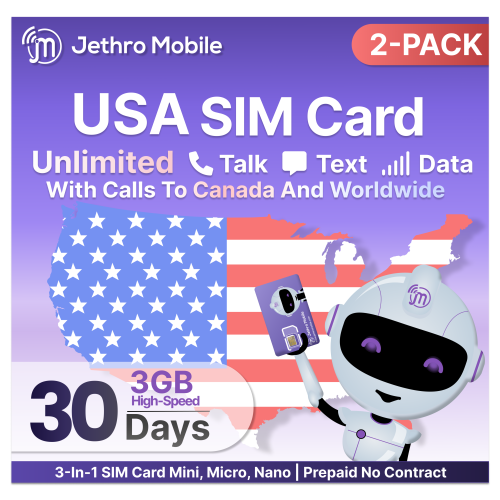
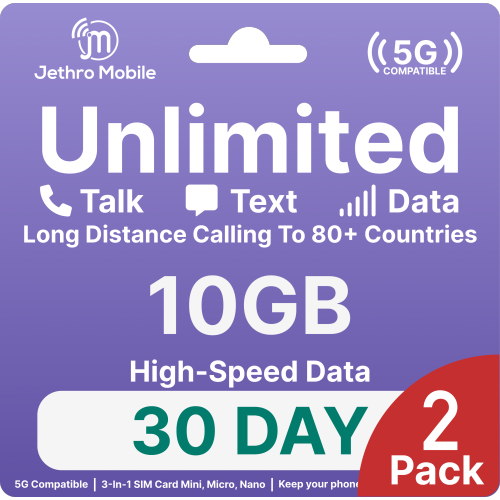
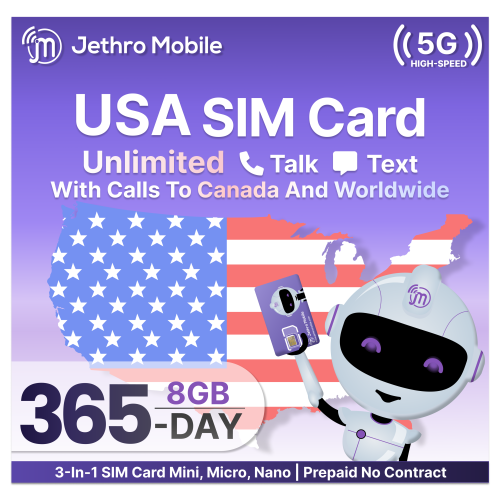
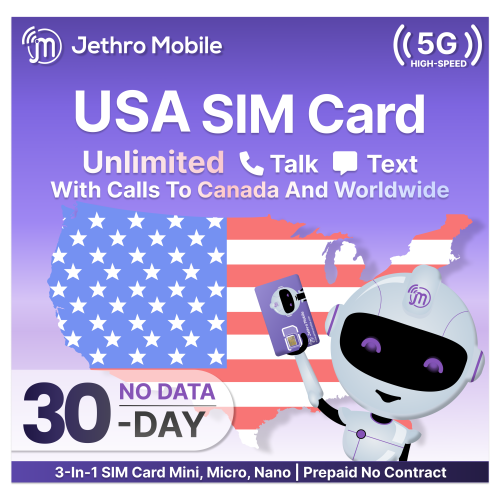
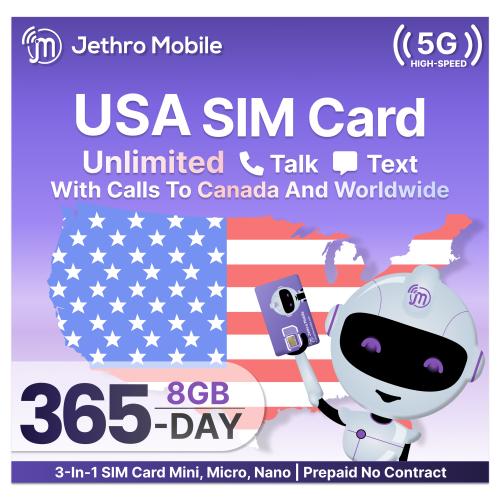
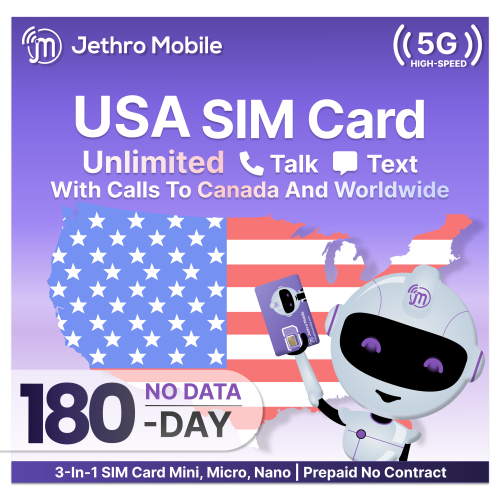
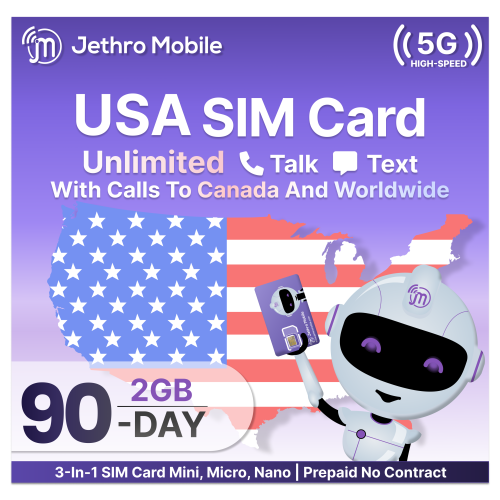
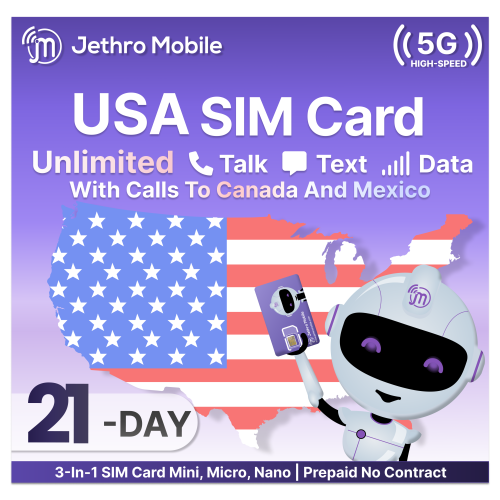
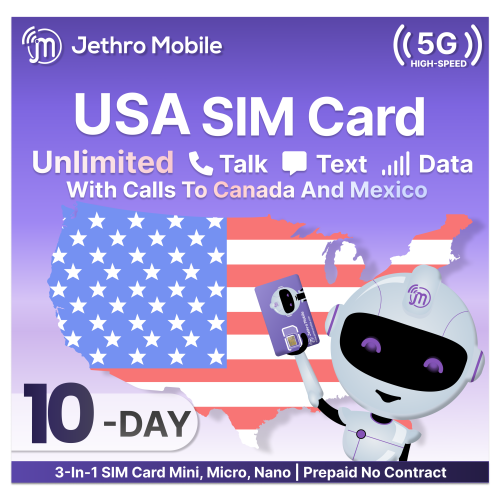
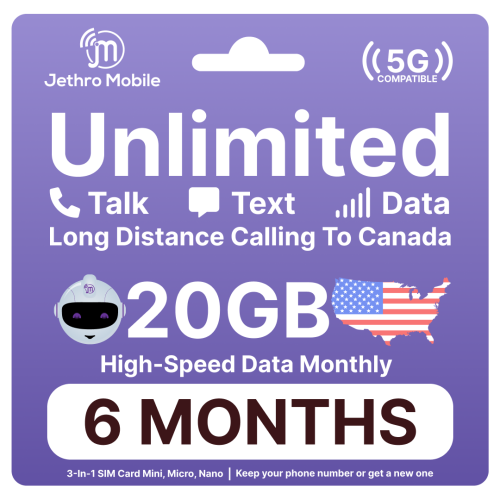
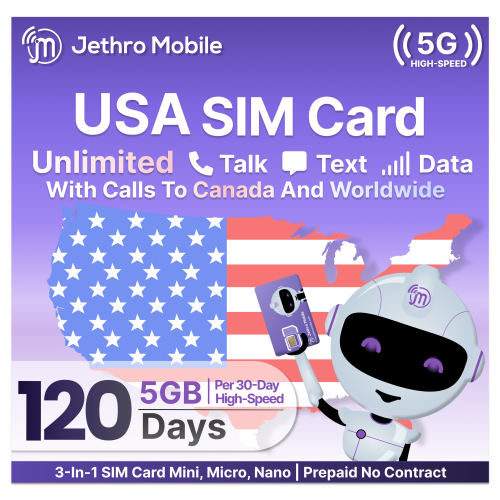
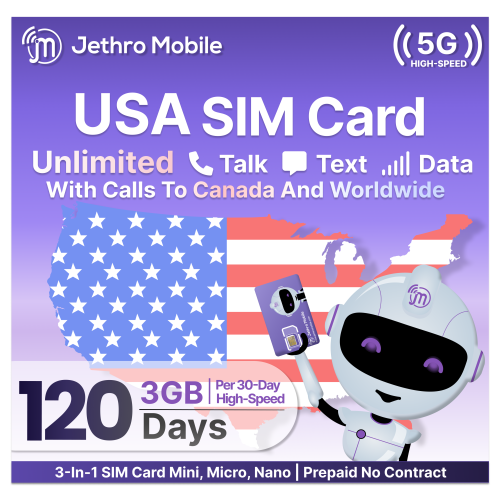
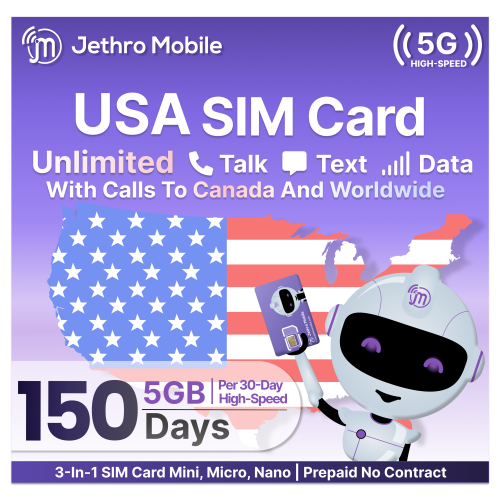
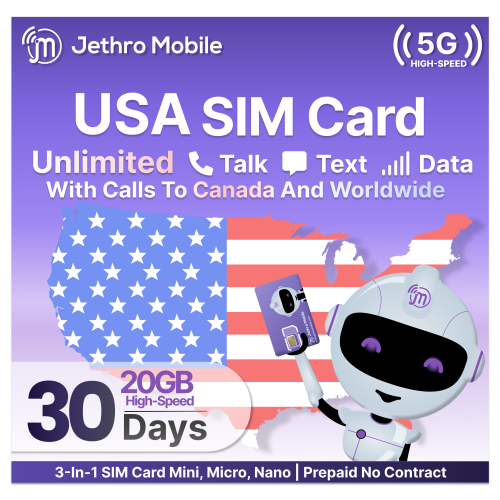
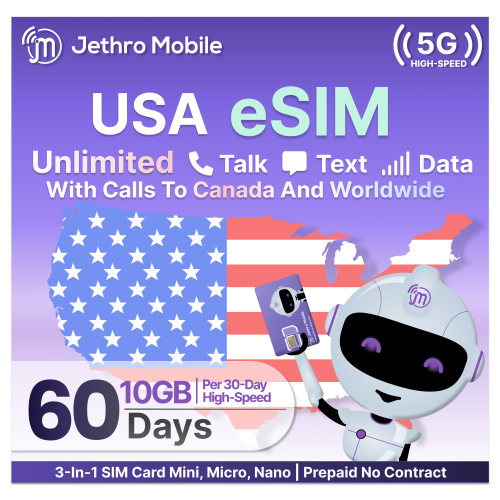
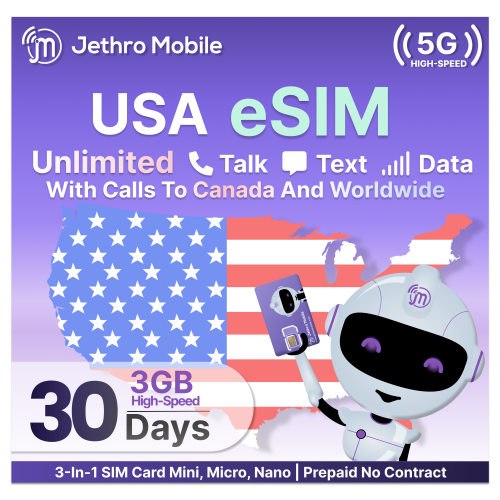
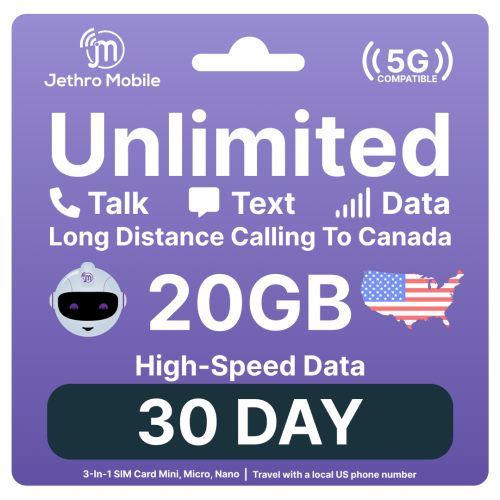
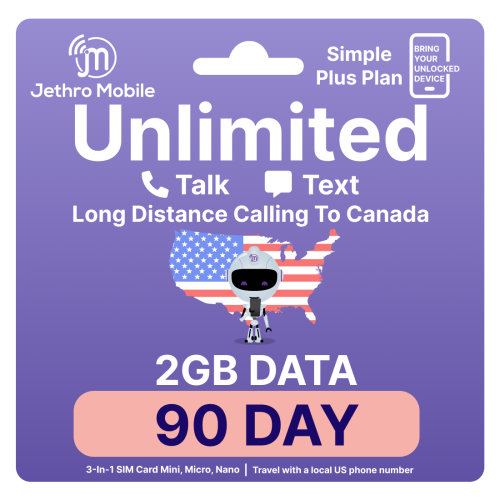
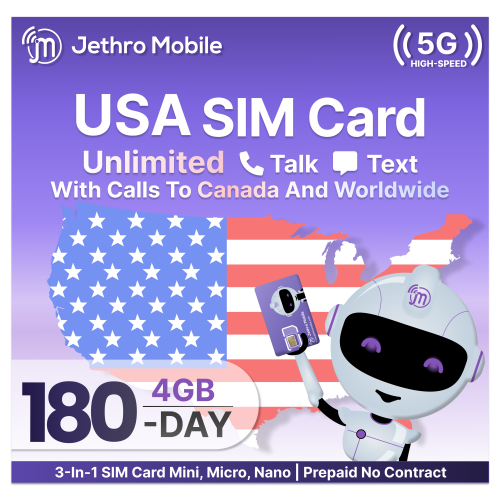
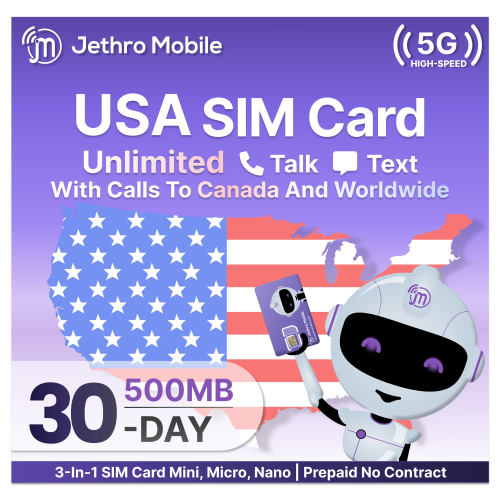
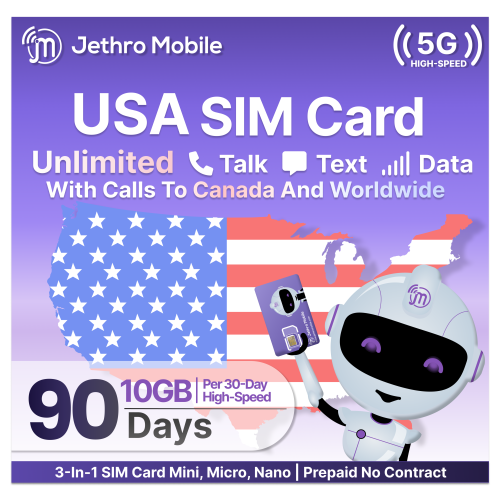
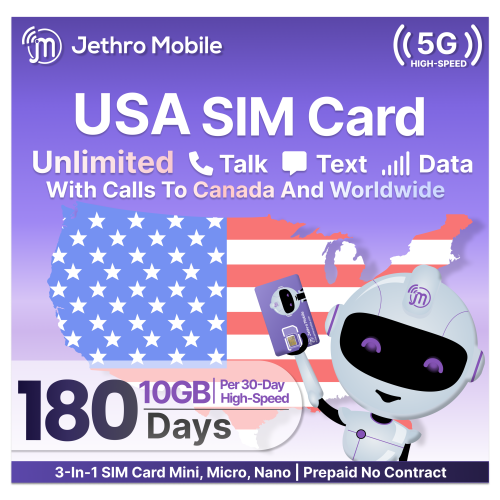
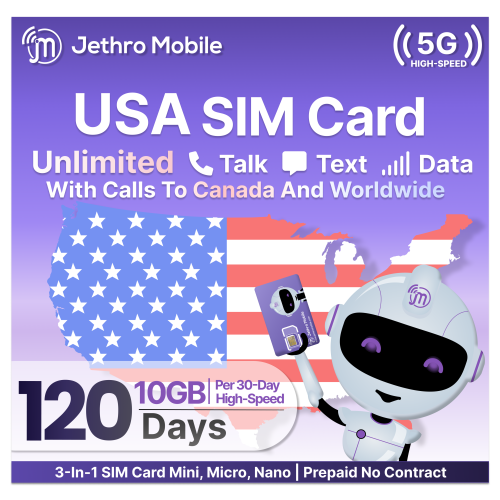
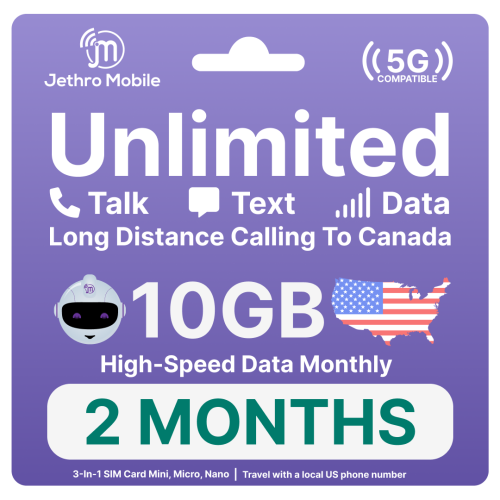
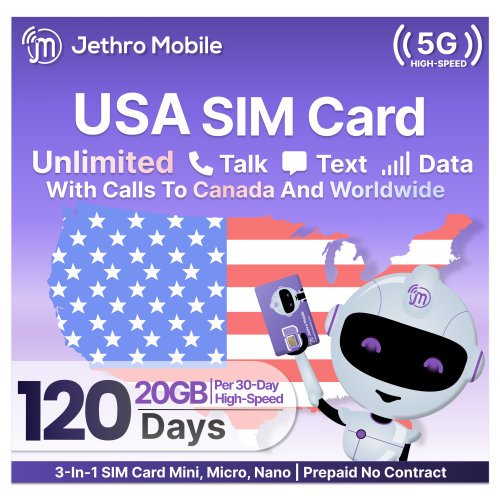
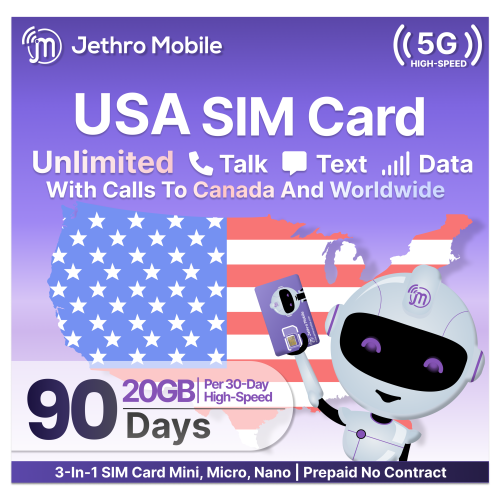
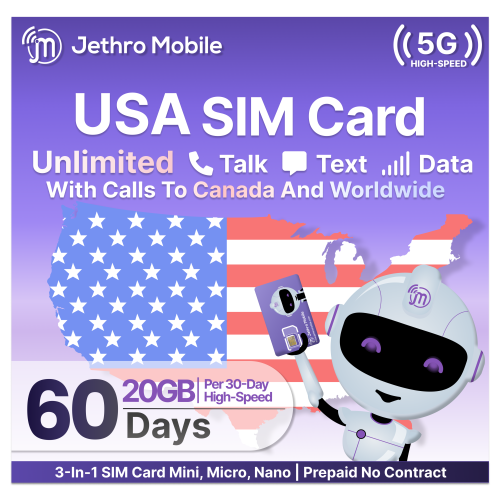
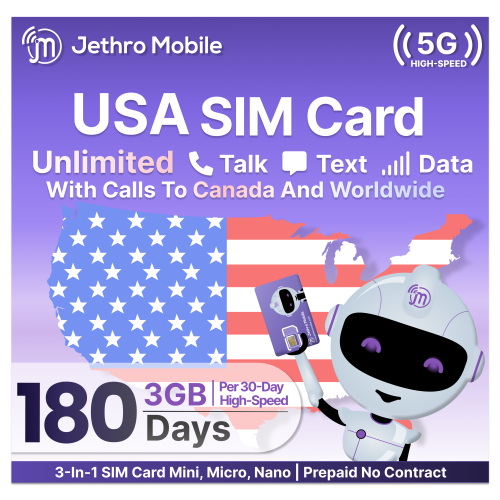
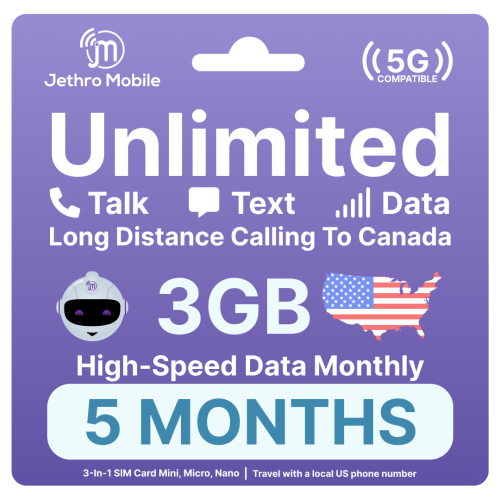
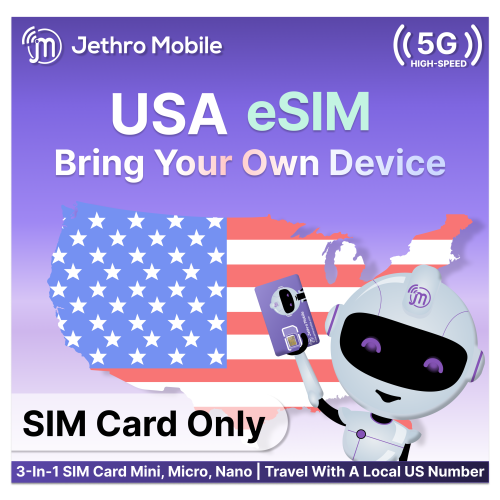
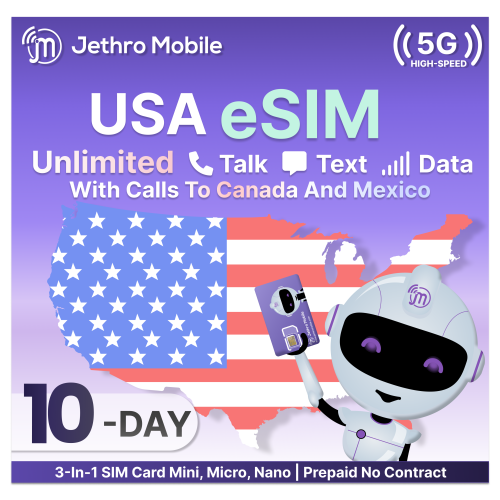
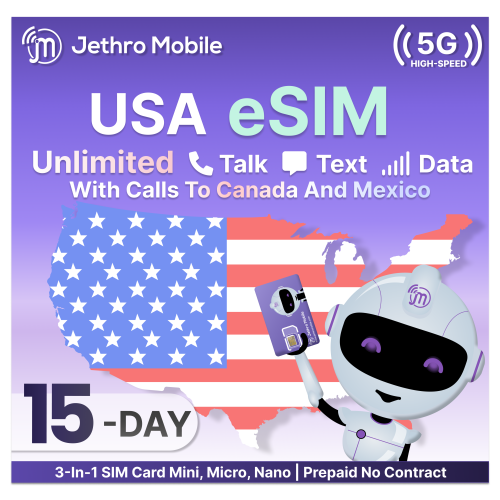
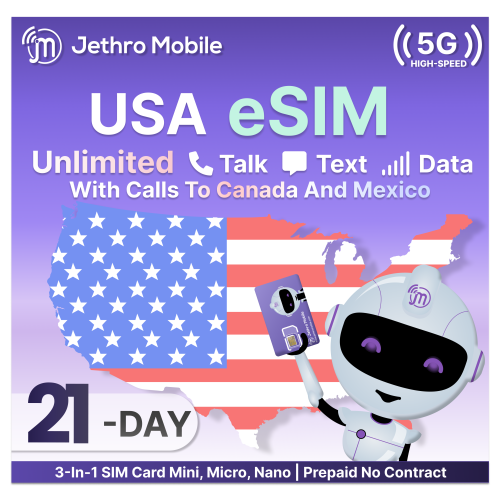
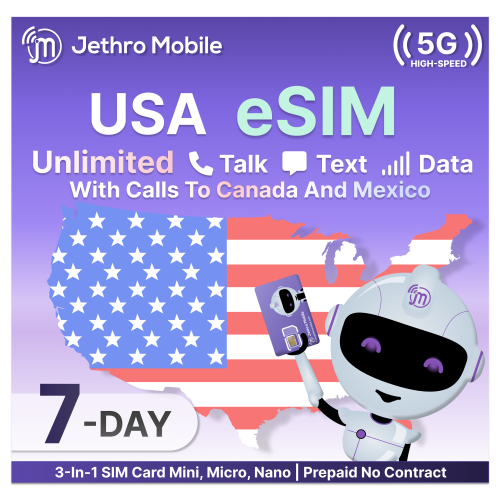
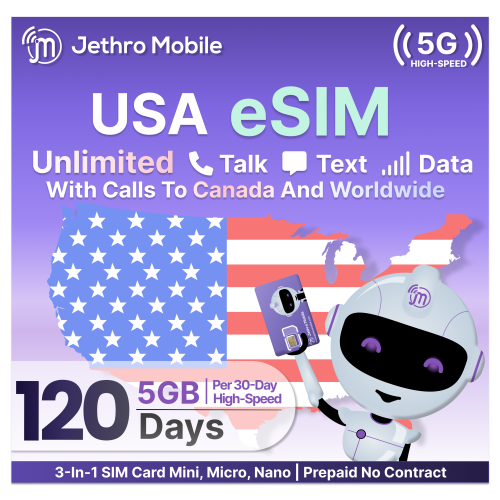
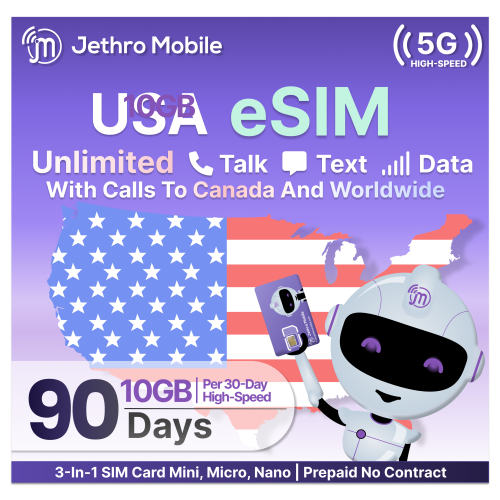
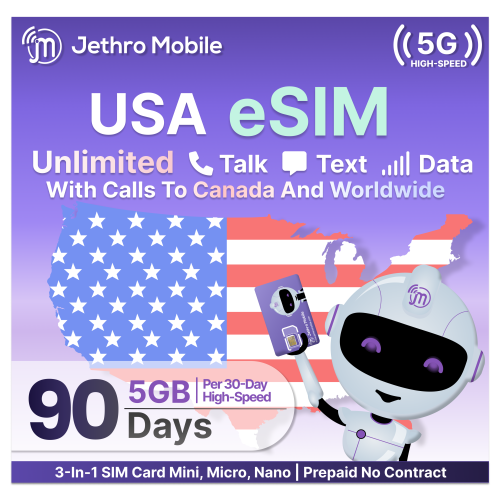
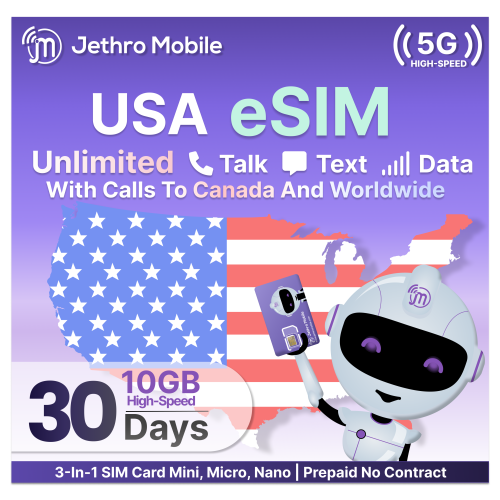
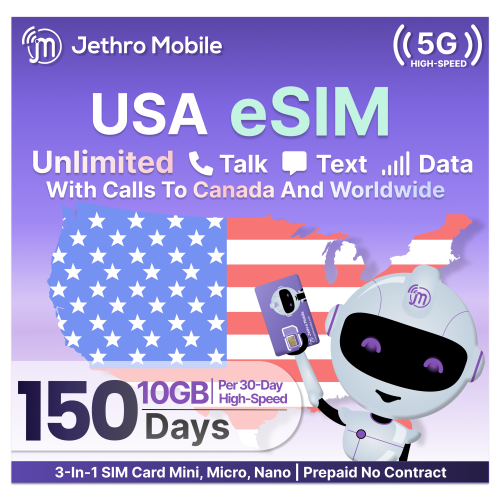
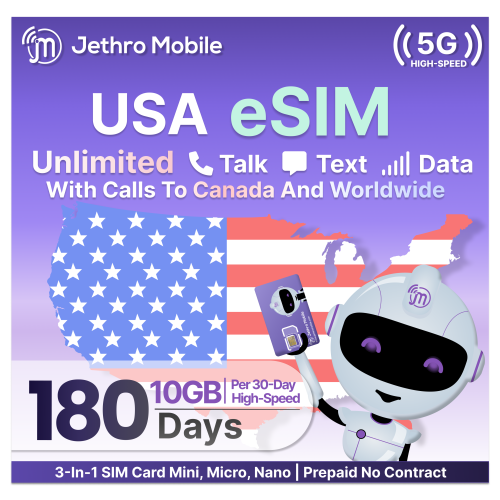
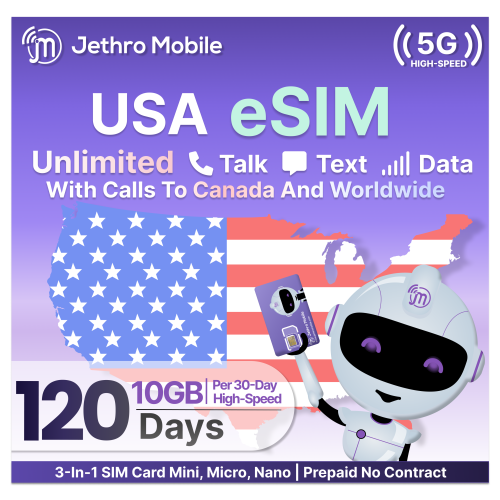
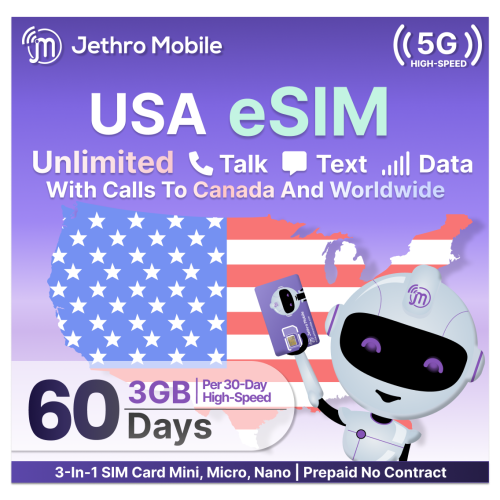
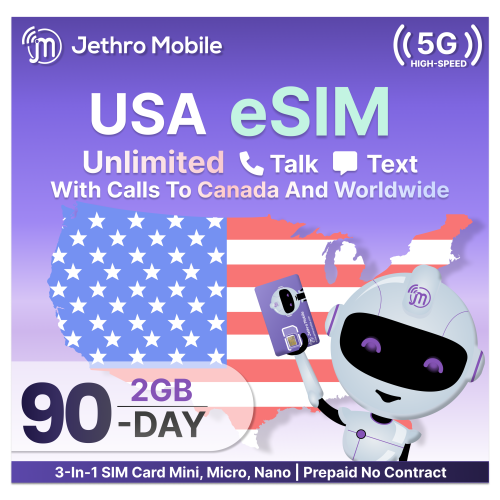
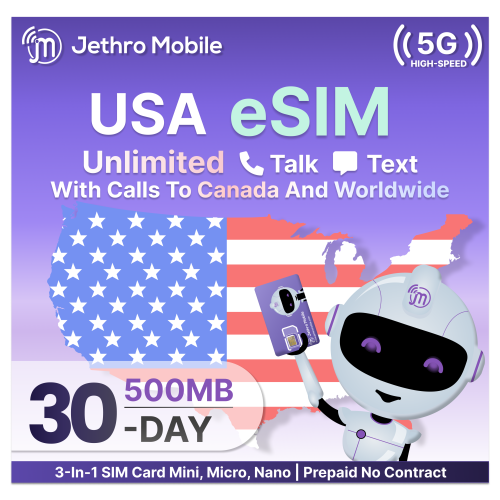
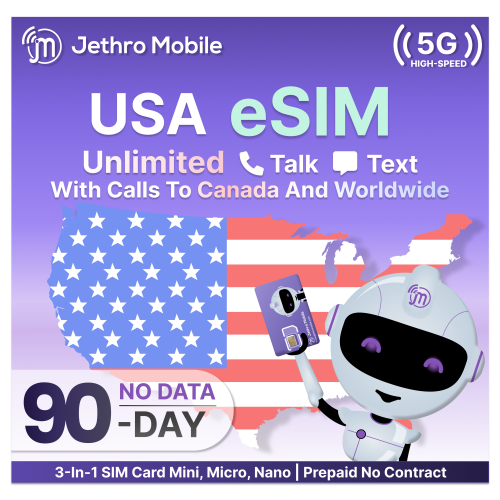
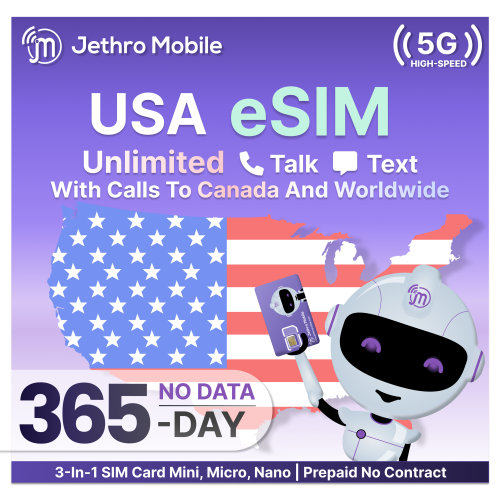
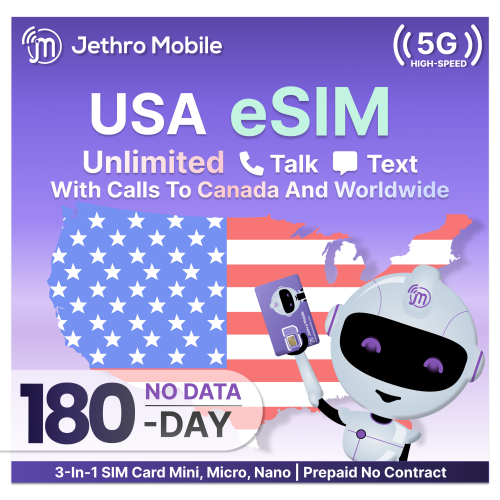
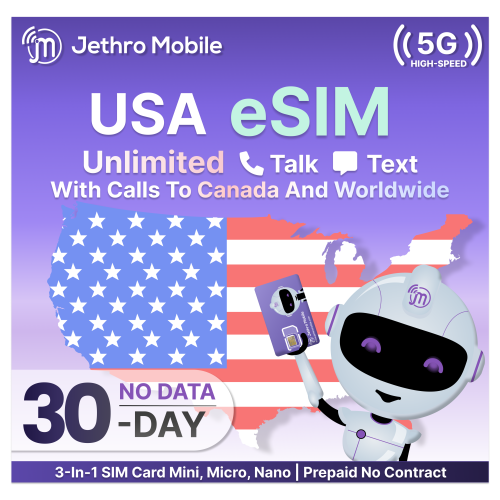
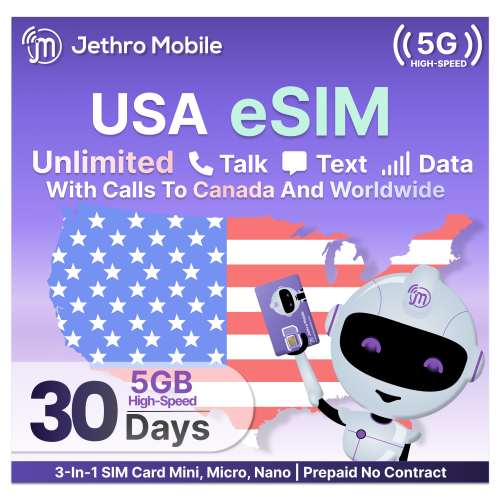
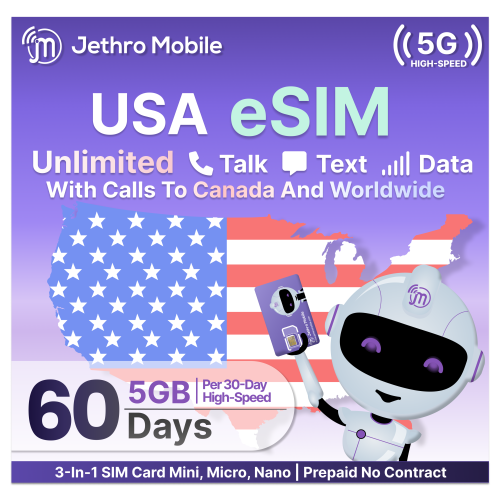
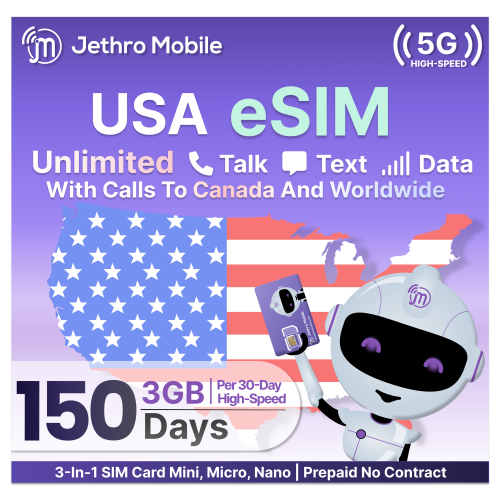
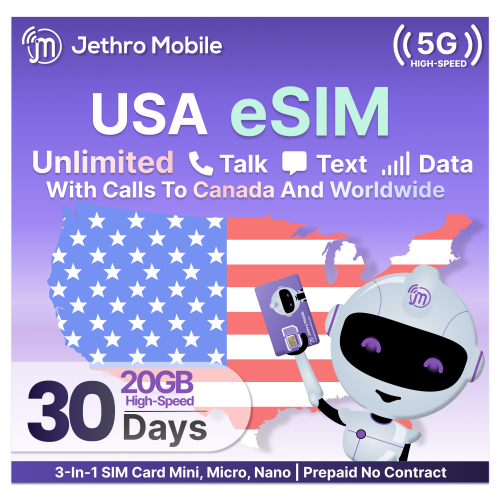
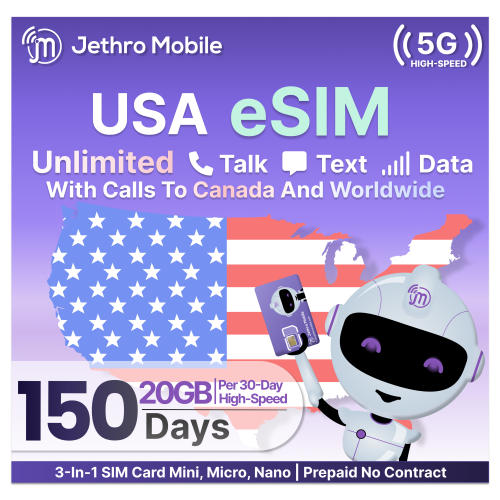
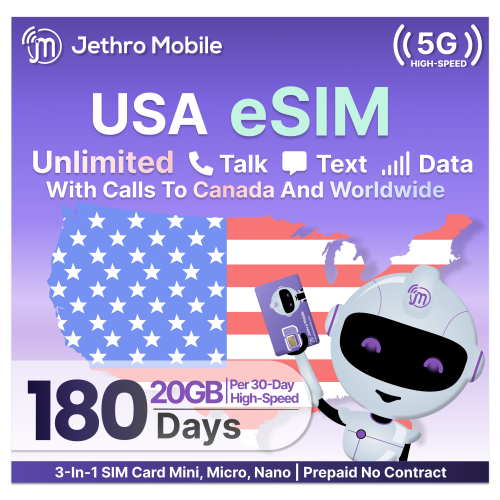
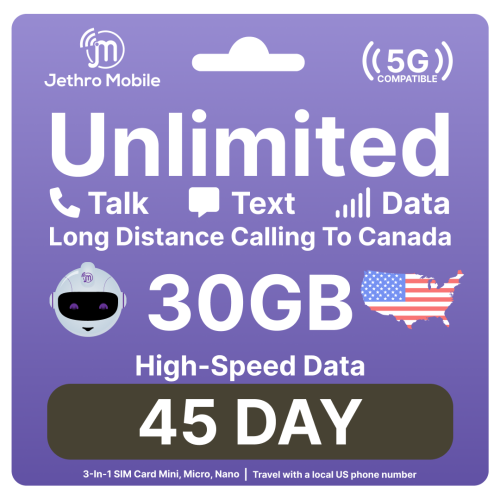
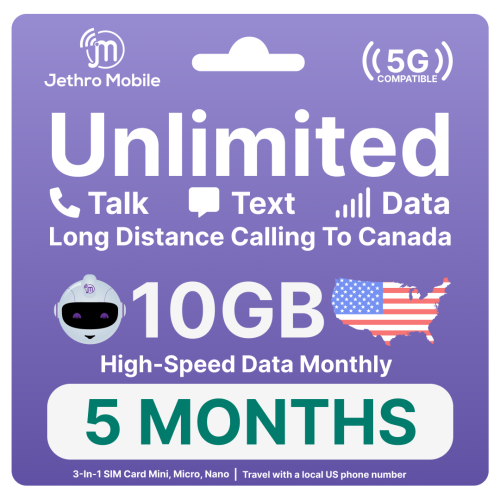


Everyday calls and texts without a large data allowance
Talk and text phone plans are mobile services built around voice calls and text messaging, making them a practical choice when staying reachable matters more than having mobile internet access. In Canada, these plans may include a set allowance of calling minutes or unlimited calling, along with a specified number of texts or unlimited messaging. Some include a small amount of data, while others leave mobile data out altogether. Around $25 to $40 per month can be a useful starting range for budgeting, although lower-cost options may be available and the total depends on the provider, included features, billing arrangement, taxes, and any additional charges. The important distinction is what the service covers: unlimited talk does not automatically mean international calling, and unlimited texting does not necessarily include every type of message or destination. Canada-wide calling generally lets you call Canadian numbers while using your service within its included Canadian coverage area; it does not mean calls made while travelling abroad are covered. For someone who mostly calls family, exchanges short updates, or uses a phone to arrange appointments, a basic plan can provide the essentials without a large data allowance. Think of the everyday exchanges that keep a household moving: a quick call about a delayed pickup, a text saying dinner is on the table, or a message confirming that someone has arrived safely. These plans can suit students whose internet use happens mainly over Wi-Fi, adults who prefer calling to using apps, and older family members who want familiar ways to stay in touch. They can also work well for a separate personal or work number, provided the calling allowance matches how often it will be used. During the cooler months, when travel delays and changing schedules can mean an extra call home, dependable coverage may matter far more than a long list of extras.
Prepaid and postpaid talk and text plans offer different ways to manage the service. With prepaid service, you pay in advance for an allowance or service period, which can make spending easier to track. Some plans renew automatically when sufficient funds are available, while others require a top-up or purchase before the service expires. Renewal periods are worth comparing closely: a plan that renews every 30 days does not follow exactly the same billing schedule as one charged by calendar month. Unused minutes, texts, or account balances may expire unless the terms specifically allow them to carry forward. Postpaid service generally involves a monthly bill, may require a credit check, and can include charges for usage outside the plan. Neither arrangement is automatically the better value; the better fit depends on whether you prefer paying ahead, receiving a regular bill, or keeping occasional use separate from your main phone service. For a light user, a modest allowance may be enough, but someone who spends long stretches catching up with relatives may appreciate unlimited Canada-wide calling. It is also worth checking whether incoming calls count towards a limited minute allowance and whether voicemail, caller ID, call waiting, and call forwarding are included or cost extra. A low advertised rate can look different once activation fees, required payment arrangements, or optional features are added. If a price depends on automatic payments or a temporary discount, the regular rate and eligibility terms deserve attention as well. Texting details matter just as much. Standard SMS messages differ from picture messages, group conversations, and internet-based chat services, which may need data or Wi-Fi and may have separate requirements. Receiving appointment reminders or verification codes can be another useful reason to keep a mobile number active, though support for short-code messages should be confirmed. For a broader view of service options, Mobile Cell Phone Plans includes alternatives to consider alongside a talk-and-text-focused service.
The phone you already own, and the places you use it, are just as important as the monthly allowance. Bringing an existing phone can help avoid a separate device purchase, but it needs to be unlocked and compatible with the chosen network. A phone that still turns on and holds a charge is not necessarily compatible with present-day calling requirements. Support for the provider’s voice-over-LTE service can be particularly important for older devices, so compatibility is worth confirming before moving a number or activating a SIM card. Depending on the device and provider, activation may use a physical SIM or an eSIM. Coverage should fit ordinary routines: the kitchen where most calls happen, the route to work, a family member’s neighbourhood, and any rural areas visited regularly. Coverage maps provide a useful starting point, but buildings, terrain, and the phone itself can affect reception. Wi-Fi calling may help in some indoor locations when supported by both the phone and provider, although availability and billing rules vary. For smartphone users, a plan without mobile data still allows many online activities over Wi-Fi, but maps, email, ride-booking apps, and other connected features may not work away from it unless information has been downloaded beforehand. That trade-off can be perfectly comfortable for someone who mainly wants calls and texts, yet frustrating for someone who relies on live directions while out. Travel needs deserve similar attention: domestic coverage, international long-distance calling, and roaming outside Canada are separate features, and one does not imply the others are included. If keeping an existing number matters, arrange the transfer through the new provider before cancelling the old service, and keep the account details available. For a family member’s first phone or a simpler everyday setup, helping with activation, saved contacts, voicemail, and clear payment arrangements can make the service easier to use from the start. The strongest fit is a plan whose coverage, calling rules, messaging features, and ongoing cost match everyday habits without leaving essential connections to chance.
Prepaid and postpaid talk and text plans offer different ways to manage the service. With prepaid service, you pay in advance for an allowance or service period, which can make spending easier to track. Some plans renew automatically when sufficient funds are available, while others require a top-up or purchase before the service expires. Renewal periods are worth comparing closely: a plan that renews every 30 days does not follow exactly the same billing schedule as one charged by calendar month. Unused minutes, texts, or account balances may expire unless the terms specifically allow them to carry forward. Postpaid service generally involves a monthly bill, may require a credit check, and can include charges for usage outside the plan. Neither arrangement is automatically the better value; the better fit depends on whether you prefer paying ahead, receiving a regular bill, or keeping occasional use separate from your main phone service. For a light user, a modest allowance may be enough, but someone who spends long stretches catching up with relatives may appreciate unlimited Canada-wide calling. It is also worth checking whether incoming calls count towards a limited minute allowance and whether voicemail, caller ID, call waiting, and call forwarding are included or cost extra. A low advertised rate can look different once activation fees, required payment arrangements, or optional features are added. If a price depends on automatic payments or a temporary discount, the regular rate and eligibility terms deserve attention as well. Texting details matter just as much. Standard SMS messages differ from picture messages, group conversations, and internet-based chat services, which may need data or Wi-Fi and may have separate requirements. Receiving appointment reminders or verification codes can be another useful reason to keep a mobile number active, though support for short-code messages should be confirmed. For a broader view of service options, Mobile Cell Phone Plans includes alternatives to consider alongside a talk-and-text-focused service.
The phone you already own, and the places you use it, are just as important as the monthly allowance. Bringing an existing phone can help avoid a separate device purchase, but it needs to be unlocked and compatible with the chosen network. A phone that still turns on and holds a charge is not necessarily compatible with present-day calling requirements. Support for the provider’s voice-over-LTE service can be particularly important for older devices, so compatibility is worth confirming before moving a number or activating a SIM card. Depending on the device and provider, activation may use a physical SIM or an eSIM. Coverage should fit ordinary routines: the kitchen where most calls happen, the route to work, a family member’s neighbourhood, and any rural areas visited regularly. Coverage maps provide a useful starting point, but buildings, terrain, and the phone itself can affect reception. Wi-Fi calling may help in some indoor locations when supported by both the phone and provider, although availability and billing rules vary. For smartphone users, a plan without mobile data still allows many online activities over Wi-Fi, but maps, email, ride-booking apps, and other connected features may not work away from it unless information has been downloaded beforehand. That trade-off can be perfectly comfortable for someone who mainly wants calls and texts, yet frustrating for someone who relies on live directions while out. Travel needs deserve similar attention: domestic coverage, international long-distance calling, and roaming outside Canada are separate features, and one does not imply the others are included. If keeping an existing number matters, arrange the transfer through the new provider before cancelling the old service, and keep the account details available. For a family member’s first phone or a simpler everyday setup, helping with activation, saved contacts, voicemail, and clear payment arrangements can make the service easier to use from the start. The strongest fit is a plan whose coverage, calling rules, messaging features, and ongoing cost match everyday habits without leaving essential connections to chance.
Top selling and popular products
-
 Your price for this item is $9.99
 -
 Your price for this item is $26.6
 -
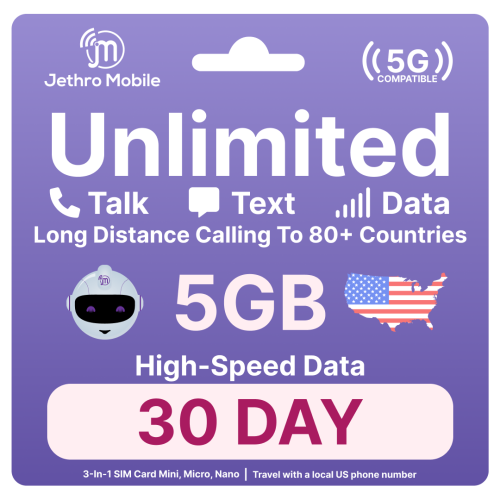 Your price for this item is $32.3
 -
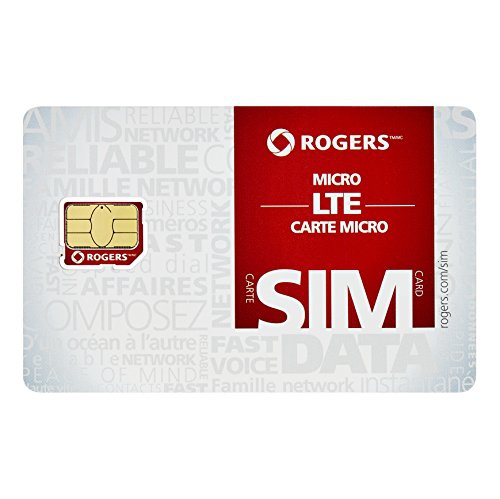 Your price for this item is $11.99
 -
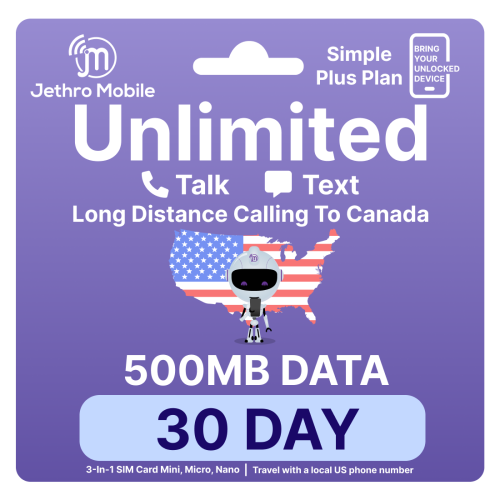 Your price for this item is $20
 -
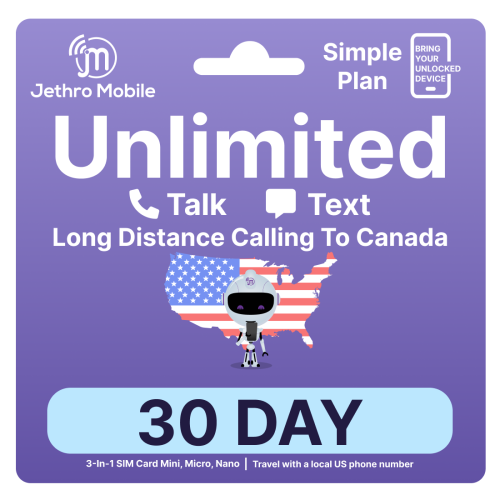 Your price for this item is $14
 -
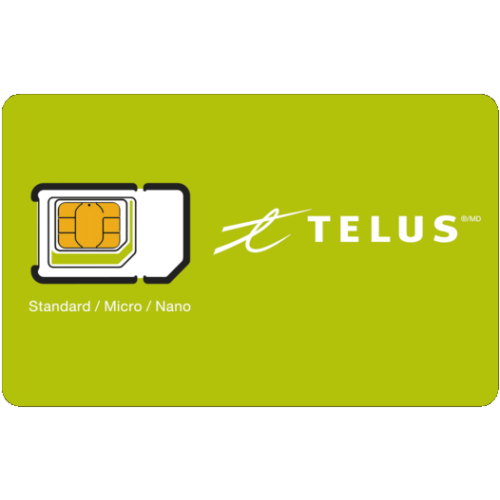 Your price for this item is $9.99
 -
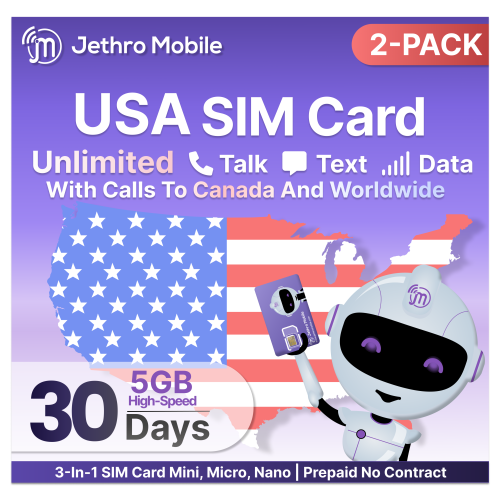 Your price for this item is $64.6
Discover more categories related to Talk And Text Phone Plans


Top Collections:
Pokemon Centers, Budget 4K TVs, Best Budget Office Chairs, Kindle Devices, Canon G7X Cameras, Apple iPhones 16, iPhone 15 Apple, Laptops for Business Work, Xiaomi Phones, Flip Phones
Some products may be subject to Environmental Handling Fees
(EHF) depending on your province.
Learn more about EHFs.