Touchscreen Phones
In today's fast-paced digital world, touchscreen phones have become an essential tool for staying connected and managing daily tasks with ease. These sleek devices offer intuitive interfaces that make navigation a breeze, allowing users to effortlessly browse the web, stay in touch with loved ones, and enjoy a myriad of apps and entertainment options. Whether you're looking for a device to capture stunning photos, manage your work on the go, or simply stay entertained during downtime, touchscreen phones offer versatility and convenience to meet your lifestyle needs. Explore our diverse selection to find the perfect fit for your tech-savvy life.
Sort
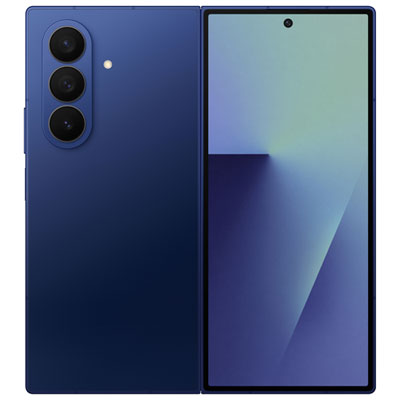
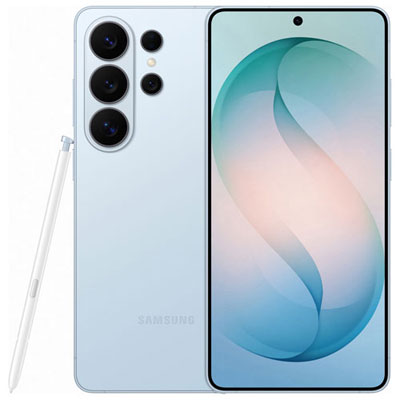
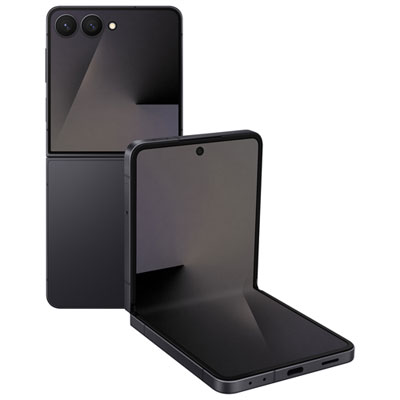
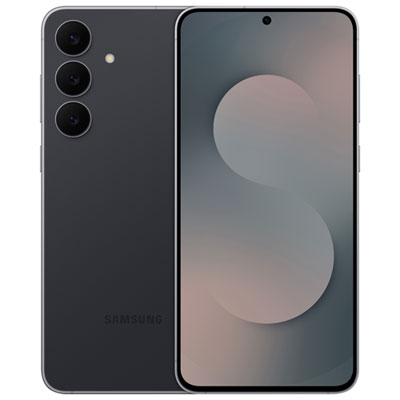
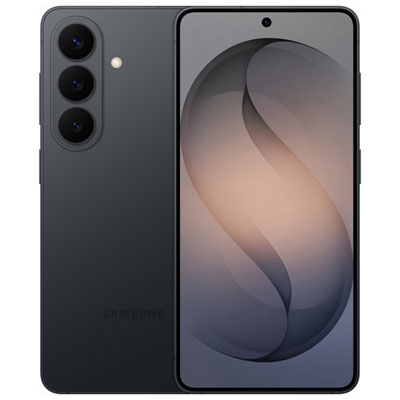

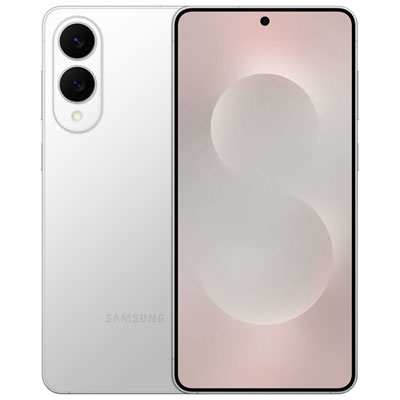
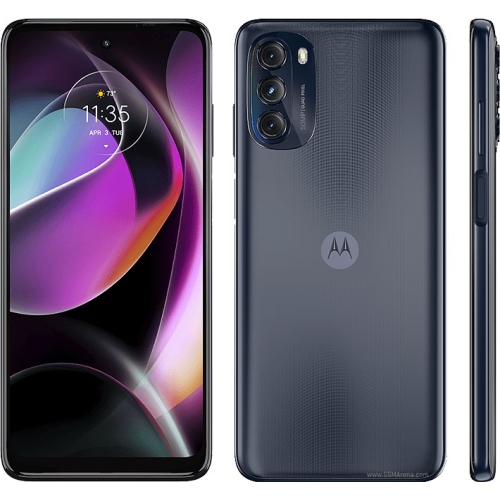
How responsive displays support everyday communication and travel
Touchscreen phones are mobile devices designed for direct interaction with an on-screen interface. Instead of relying primarily on a physical keypad, users tap icons, swipe through menus, drag items, type on a virtual keyboard, and use gestures such as pinch-to-zoom. Most modern phones use capacitive touchscreen technology, which detects the natural electrical properties of a finger and can recognize several points of contact at once. This makes it possible to enlarge a map with two fingers, move through a photo gallery with a quick swipe, or play games with responsive, multi-touch controls. Older resistive touchscreens worked differently, registering pressure when two internal layers met at a particular point. While resistive displays could be used with a stylus or gloved hand, capacitive screens became the standard for smartphones because they offer smoother navigation, clearer gestures, and a more natural feel. The early history of touchscreen phones includes communicator-style devices with stylus input, followed by the widespread adoption of glass capacitive displays in the late 2000s. Today, touchscreen phones cover a wide range of sizes, features, and price points, making them suitable for everyday communication, photography, entertainment, schoolwork, travel, and staying connected with family. Explore the selection of Touch-Screen Phones to compare devices built around convenient, hands-on control.
When choosing a touchscreen phone, start with the way it will be used each day. A compact display can be easier to hold in one hand and slip into a pocket, while a larger screen gives maps, video calls, recipes, reading apps, and streaming content more room to breathe. Look at display resolution, brightness, colour quality, and refresh rate if smooth scrolling or gaming is important. A bright screen can be easier to see outdoors during a walk or commute, while a display with strong viewing angles is helpful when sharing photos with someone beside you. Touch response matters just as much as visual quality: the best experience feels immediate when typing a message, moving between apps, or adjusting a photo. Consider how the phone fits into everyday routines as well. Battery capacity is important for long workdays, road trips, festivals, and travel days when a power outlet may be out of reach. Storage capacity affects how many photos, videos, downloaded shows, games, and apps can remain on the device. Camera performance, microphone quality, speaker clarity, charging options, wireless connectivity, and network compatibility can also shape the experience. Security features such as a fingerprint reader, facial recognition, or a passcode help protect personal information, while accessibility tools can make a phone more comfortable to use through larger text, magnification, voice control, screen readers, and simplified visual settings. A protective case and screen protector are practical additions, especially for a phone that will travel in a backpack, ride in a vehicle, or share space with keys and other everyday items. Touchscreens generally respond best to clean, dry fingers; water, dirt, thick gloves, or a damaged surface can affect accuracy, so durability and ease of maintenance are worth considering.
Touchscreen phones can suit a first-time smartphone user, a busy professional, a student, a frequent traveller, or anyone replacing an older mobile device. They provide a central place for calls, text messages, calendars, navigation, banking, tickets, weather updates, music, social apps, and video chats, reducing the need to carry several separate devices. For families, a touchscreen phone can make it easier to share photos, coordinate plans, and keep in touch when schedules become busy during the transition from warm-weather activities to the cooler months. A parent or grandparent may appreciate a clear display, straightforward menus, loud speakers, and adjustable text, while a photographer or content creator may prioritize camera controls, storage, and a vibrant screen for reviewing images. For commuters, one-handed navigation and dependable battery life can make the difference between a relaxed trip and a frantic search for a charger. For travellers, a responsive display can help with boarding passes, translation tools, maps, hotel details, and ride information. These phones can also make thoughtful gifts for a student heading to a new school, a family member who wants easier video calls, or someone moving into a first apartment and managing more of their daily life independently. When comparing options, think beyond headline specifications and picture the phone in its real setting: held with one hand while carrying groceries, checked under bright sunlight at a bus stop, placed on a bedside table overnight, or used to capture a child’s laugh before the moment passes. Matching screen size, touch sensitivity, battery life, storage, camera capabilities, accessibility settings, and overall comfort to those familiar situations helps narrow the selection to a touchscreen phone that feels useful from the first tap.
When choosing a touchscreen phone, start with the way it will be used each day. A compact display can be easier to hold in one hand and slip into a pocket, while a larger screen gives maps, video calls, recipes, reading apps, and streaming content more room to breathe. Look at display resolution, brightness, colour quality, and refresh rate if smooth scrolling or gaming is important. A bright screen can be easier to see outdoors during a walk or commute, while a display with strong viewing angles is helpful when sharing photos with someone beside you. Touch response matters just as much as visual quality: the best experience feels immediate when typing a message, moving between apps, or adjusting a photo. Consider how the phone fits into everyday routines as well. Battery capacity is important for long workdays, road trips, festivals, and travel days when a power outlet may be out of reach. Storage capacity affects how many photos, videos, downloaded shows, games, and apps can remain on the device. Camera performance, microphone quality, speaker clarity, charging options, wireless connectivity, and network compatibility can also shape the experience. Security features such as a fingerprint reader, facial recognition, or a passcode help protect personal information, while accessibility tools can make a phone more comfortable to use through larger text, magnification, voice control, screen readers, and simplified visual settings. A protective case and screen protector are practical additions, especially for a phone that will travel in a backpack, ride in a vehicle, or share space with keys and other everyday items. Touchscreens generally respond best to clean, dry fingers; water, dirt, thick gloves, or a damaged surface can affect accuracy, so durability and ease of maintenance are worth considering.
Touchscreen phones can suit a first-time smartphone user, a busy professional, a student, a frequent traveller, or anyone replacing an older mobile device. They provide a central place for calls, text messages, calendars, navigation, banking, tickets, weather updates, music, social apps, and video chats, reducing the need to carry several separate devices. For families, a touchscreen phone can make it easier to share photos, coordinate plans, and keep in touch when schedules become busy during the transition from warm-weather activities to the cooler months. A parent or grandparent may appreciate a clear display, straightforward menus, loud speakers, and adjustable text, while a photographer or content creator may prioritize camera controls, storage, and a vibrant screen for reviewing images. For commuters, one-handed navigation and dependable battery life can make the difference between a relaxed trip and a frantic search for a charger. For travellers, a responsive display can help with boarding passes, translation tools, maps, hotel details, and ride information. These phones can also make thoughtful gifts for a student heading to a new school, a family member who wants easier video calls, or someone moving into a first apartment and managing more of their daily life independently. When comparing options, think beyond headline specifications and picture the phone in its real setting: held with one hand while carrying groceries, checked under bright sunlight at a bus stop, placed on a bedside table overnight, or used to capture a child’s laugh before the moment passes. Matching screen size, touch sensitivity, battery life, storage, camera capabilities, accessibility settings, and overall comfort to those familiar situations helps narrow the selection to a touchscreen phone that feels useful from the first tap.
Top selling and popular products
-
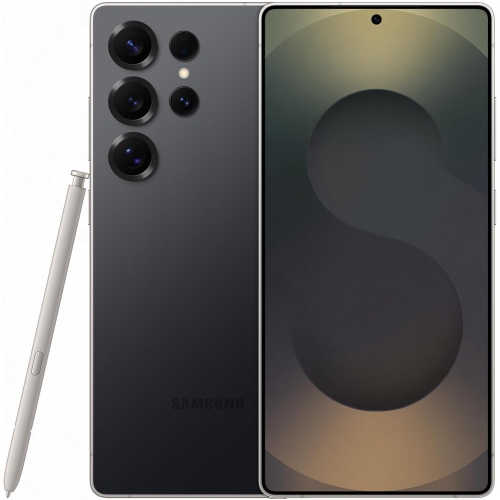 Your price for this item is $1399.99
 -
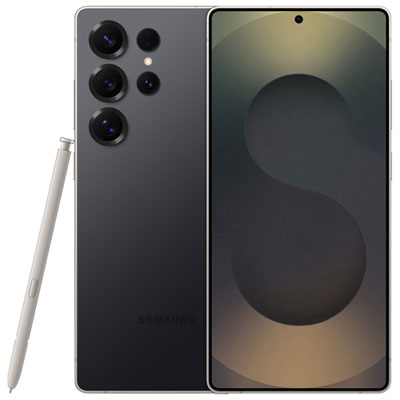 Your price for this item is $1767.97
 -
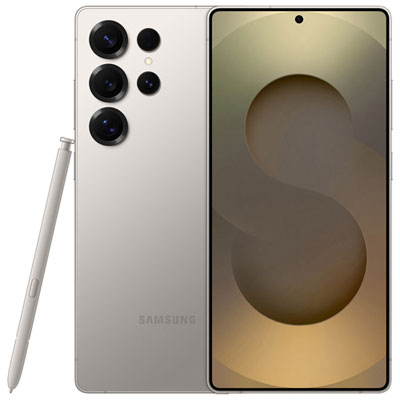 Your price for this item is $1947.97
 -
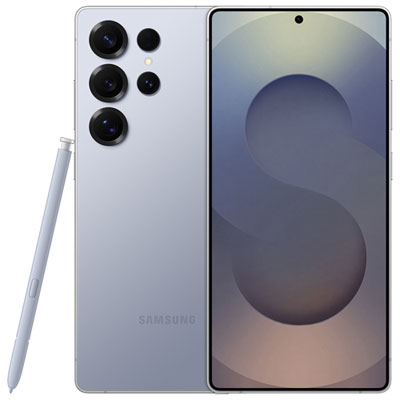 Your price for this item is $1767.97
 -
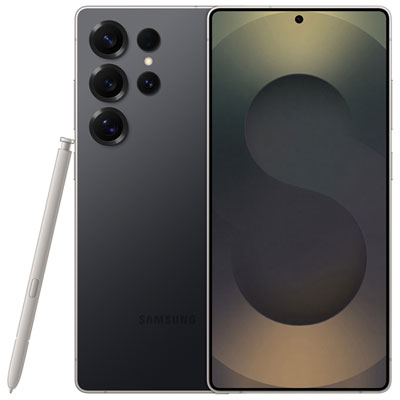 Your price for this item is $1947.97
 -
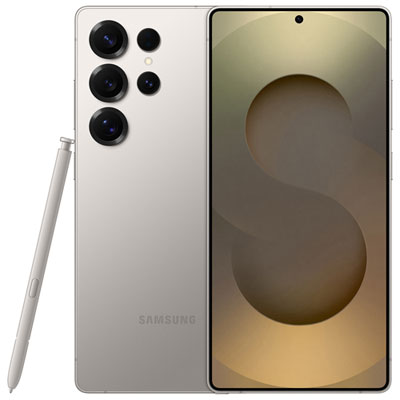 Your price for this item is $1767.97
 -
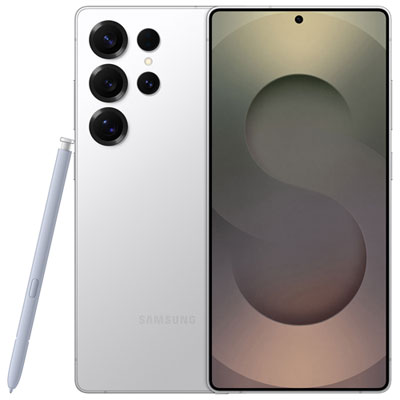 Your price for this item is $1767.97
 -
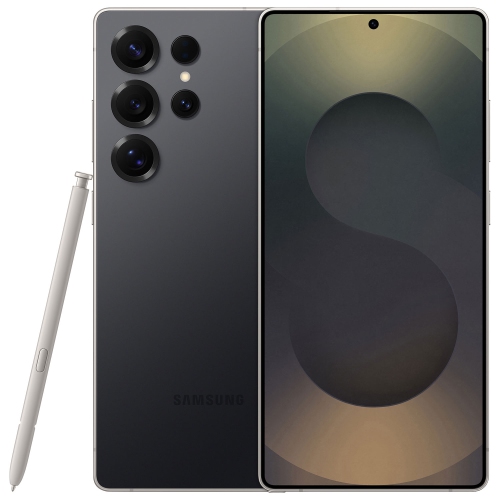 Your price for this item is $1099.99
Discover more categories related to Touchscreen Phones
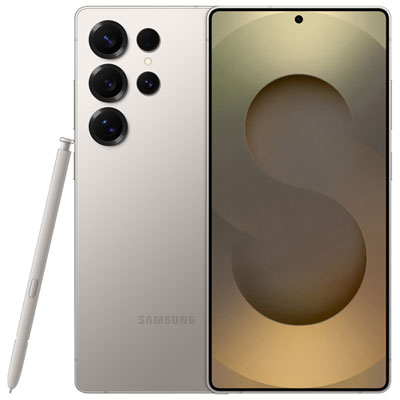
Top Collections:
Pokemon Centers, Budget 4K TVs, Kindle Devices, Canon G7X Cameras, Apple iPhones 16, iPhone 15 Apple, Laptops for Business Work, Flip Phones, Xiaomi Phones, Refurbished Apple Laptops
Some products may be subject to Environmental Handling Fees
(EHF) depending on your province.
Learn more about EHFs.