Gaming Cellphone
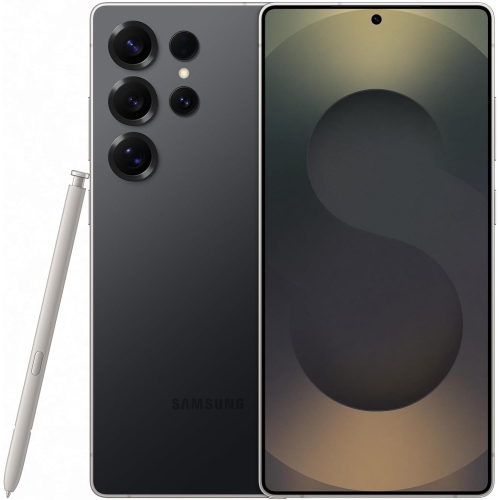
Looking for a cellphone that takes your gaming experience to the next level? Look no further! Our gaming cellphone collection offers a wide range of devices designed with gamers in mind. Whether you're a casual gamer or a hardcore enthusiast, these phones are equipped with powerful processors, stunning displays, and advanced features to deliver an immersive gaming experience like never before. Stay ahead of the competition and enjoy seamless gameplay, stunning graphics, and lightning-fast performance with our gaming cellphone selection. Get ready to level up your gaming on the go!
Sort


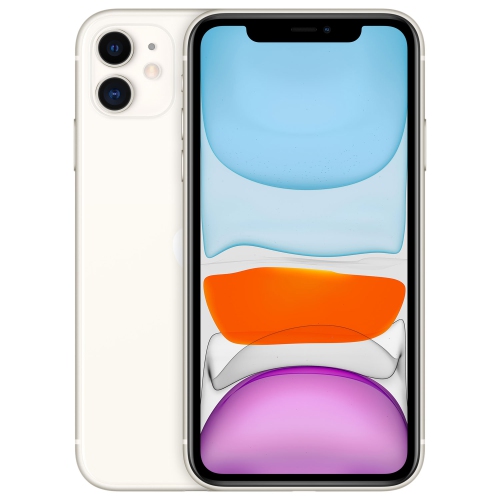


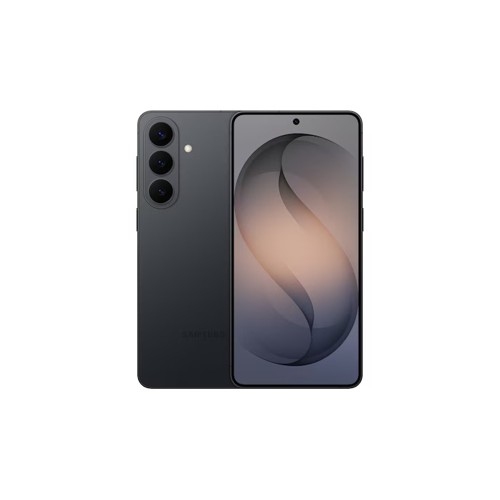
Why smooth mobile gaming takes more than power
A gaming cellphone is a smartphone suited to playing mobile games, with performance, display quality, touch response, and battery capacity that support anything from quick puzzle rounds to demanding multiplayer matches. Some phones are designed specifically for gaming, while others combine capable gaming hardware with the cameras, communication tools, and familiar features of an everyday smartphone. The difference becomes noticeable when a game asks the phone to render detailed scenery, track several players, and respond to rapid inputs at the same time. A capable processor and graphics hardware help handle that workload, while sufficient memory allows games and background apps to run without constant reloading. Storage serves a different purpose: it holds installed games, downloaded content, photos, and recordings. Large game downloads and ongoing updates can occupy considerable space, particularly for someone who keeps several favourites installed. Smooth play depends on more than a single specification, though. A high-refresh-rate screen can display motion more smoothly when the game supports matching frame rates, but a 120Hz display does not guarantee that every game will run at 120 frames per second. Game settings, software support, and the phone’s ability to maintain performance all contribute to the experience. Responsive touch input is equally valuable when steering through a tight corner or moving between on-screen controls during a fast match. Dedicated gaming designs may include additional touch controls, performance settings, or built-in cooling, whereas general-purpose phones may offer a more understated design and broader emphasis on everyday features. Cooling and power management matter during longer sessions because demanding games place a sustained load on the hardware. The practical goal is consistent play rather than a brief burst of speed: steady movement, predictable controls, and fewer interruptions when a match becomes busy. For someone who mainly plays word games or turn-based puzzles, comfortable handling and dependable battery life may be more meaningful than the highest possible graphics settings.
The screen and physical design shape how a gaming phone feels in use just as much as its internal hardware. A larger display gives maps, menus, and touch controls more room, making it easier to follow the action without fingers covering important details. A smaller or lighter phone may be more comfortable to carry and hold, especially when gaming is only one part of the day. Display resolution affects the clarity of text and fine detail, while contrast and colour reproduction influence how easily objects stand out in a scene. Brightness can help keep darker areas readable, although higher brightness settings also draw more power. During landscape play, the position of the charging port, speakers, camera bump, and side buttons can affect grip. Rounded edges and balanced weight may reduce pressure against the palms, while a textured case can make a smooth glass or metal surface easier to hold. Glass backs, metal frames, and plastic finishes each have a different feel; none removes the need to consider drops, scratches, and daily wear. A protective case needs to fit the exact phone design, with clear access to controls and any cooling openings. Screen protectors also need the correct dimensions and compatibility with features such as fingerprint recognition. Touchscreen controls work well for many games, but compatible controllers can offer physical buttons and analogue sticks for titles that support them. Compatibility is important because controller support varies between games, and an accessory that attaches directly to the phone must accommodate its size and port placement. Care is generally straightforward: a soft, lint-free cloth helps remove fingerprints, and charging ports or ventilation openings should remain free of debris without being probed with sharp objects. Water-resistance ratings describe specific testing conditions rather than protection against every spill or accident. Following the device’s care instructions helps preserve the screen, finish, and connections that get frequent use through gaming, messaging, and charging.
A cell phone for gaming performance still needs to work well away from the game screen. Battery capacity provides useful context, but actual runtime depends on the game, display brightness, frame-rate settings, network connection, and other activity. A short puzzle session on a commute places different demands on a phone than an extended online match with voice chat and screen recording. Faster charging can make breaks more convenient when the phone and charger support the same charging standard, though maximum charging speeds are not maintained throughout the entire charging cycle. Reliable connectivity is especially important for multiplayer games. Wi-Fi and cellular connections both depend on signal quality and network conditions, and a powerful phone cannot remove delays caused by a congested connection or a distant game server. Cloud gaming adds another consideration: because the game runs remotely and streams to the phone, connection consistency and service compatibility become central to the experience. Audio contributes to play as well. Clear speakers make dialogue and game effects easier to hear, while compatible headphones can help separate footsteps, alerts, and voice chat from surrounding noise. Wireless audio delay varies by the phone, headphones, and connection, which can matter in games where timing is critical. Everyday features deserve equal attention, including camera quality, readable notifications, navigation, accessibility settings, and software support. Security updates and operating-system compatibility can influence how well a phone continues to serve both gaming and ordinary tasks over time. For a gift recipient, preferred games, operating system, hand comfort, and existing accessories are more useful starting points than an assumption that every player wants the largest device. Account setup and game progress also matter, since purchases and saved data do not always transfer between platforms. Casual players, competitive mobile gamers, and people who enjoy story-driven adventures can all use gaming-capable phones, but their priorities differ. The most suitable balance is one that makes favourite games enjoyable without sacrificing the comfort, communication features, and dependable daily use expected from a cellphone.
Top selling and popular products
-
 Your price for this item is $244
-
 Your price for this item is $219.99
-
 Your price for this item is $278.89
-
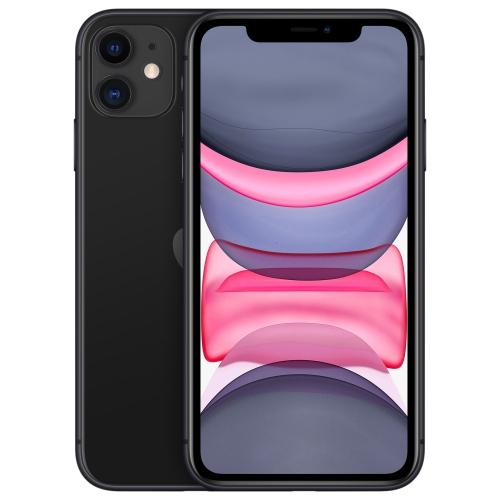 Your price for this item is $257
-
 Your price for this item is $275
-
 Your price for this item is $263
-
 Your price for this item is $269.99
-
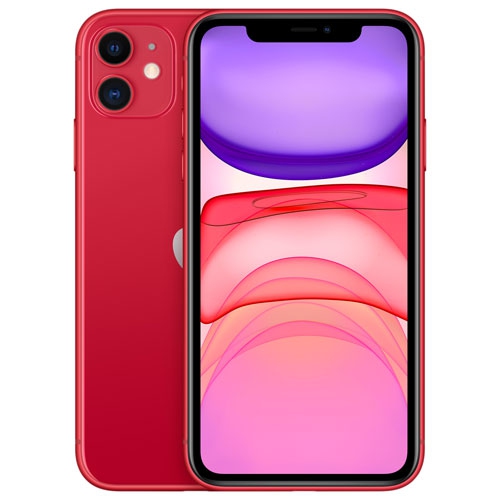 Your price for this item is $359.99
Discover more categories related to Gaming Cellphone


Top Collections:
Best Black Friday Deals This Year, Best Black Friday Deals On Electronics, Kindle Devices, Pokemon Centers, Best Black Friday Deals On Apple Products, Best Cameras for Sports Photography, Dyson Airwrap, Pokémon 30th Celebration Cards, Apple iPhone 17 Pro, Canon G7X Cameras
Some products may be subject to Environmental Handling Fees
(EHF) depending on your province.
Learn more about EHFs.