Lounge Living Room
A living room is a place where people can relax, entertain guests, and spend quality time with family. It can also be the focal point of your home, where you spend most of your time when you're just lounging or lazying around. Good living room lounge furniture can make all the difference in how you feel when you walk into that space. Here are some great options for living room lounge furniture available.
Sort
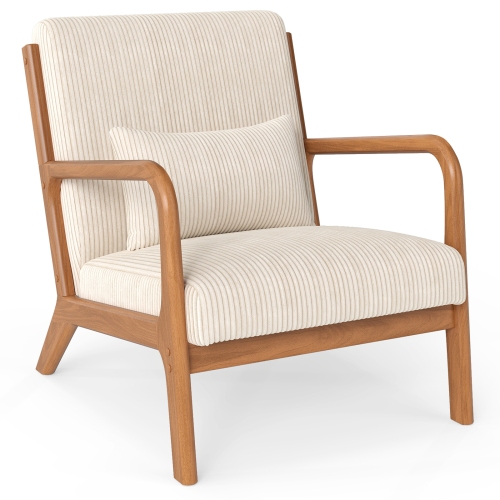
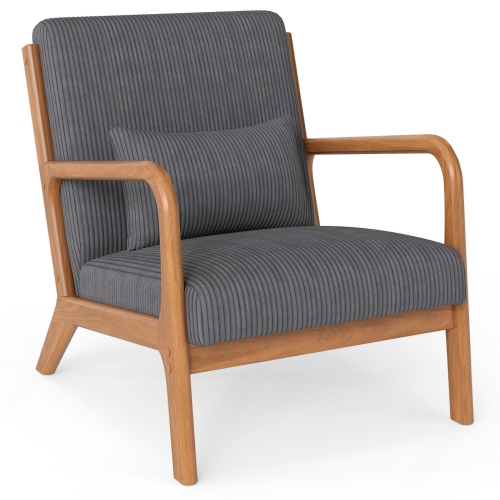
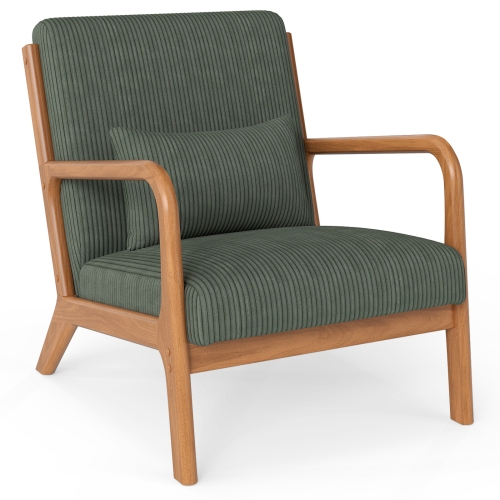
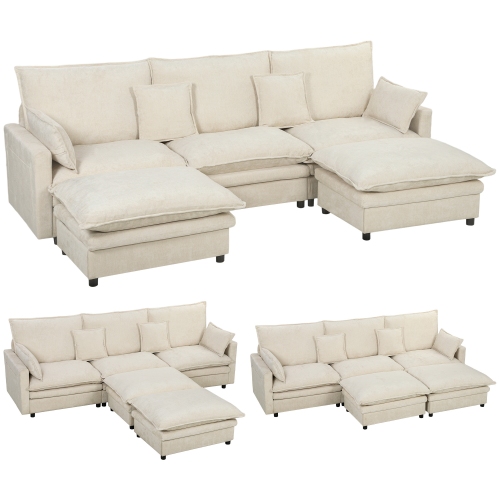
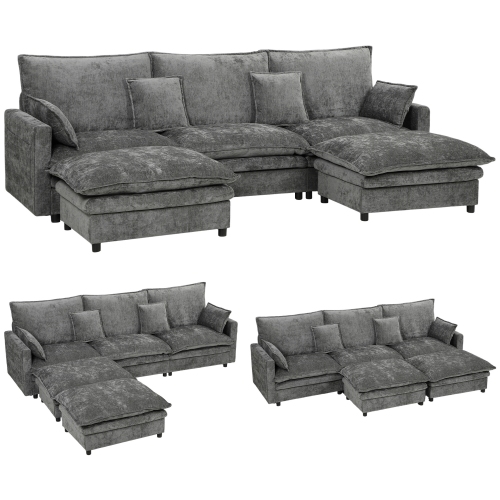
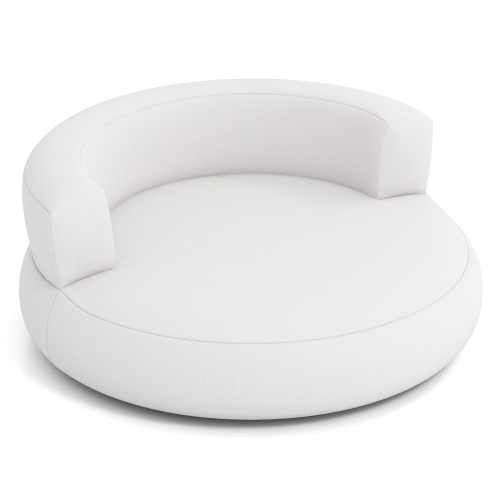
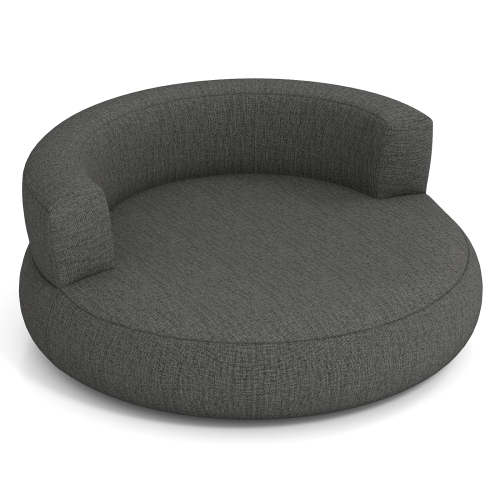
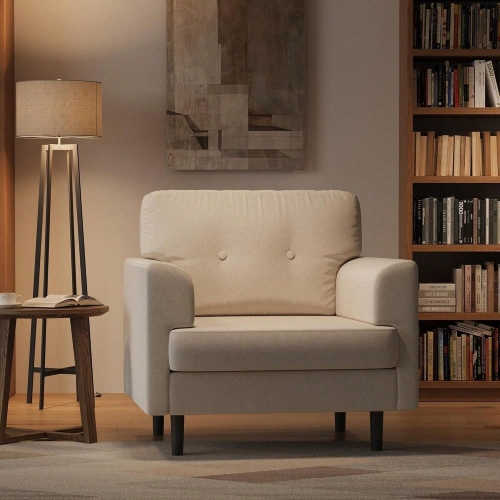
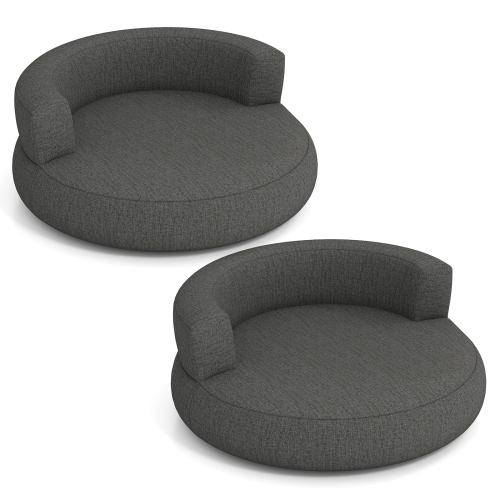
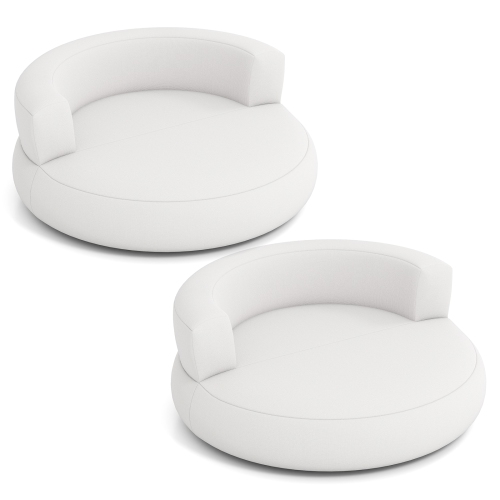
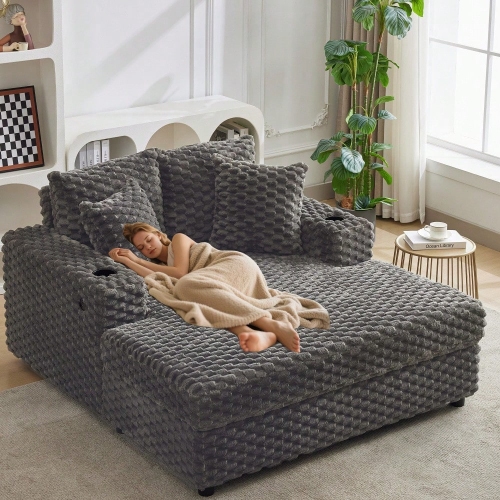
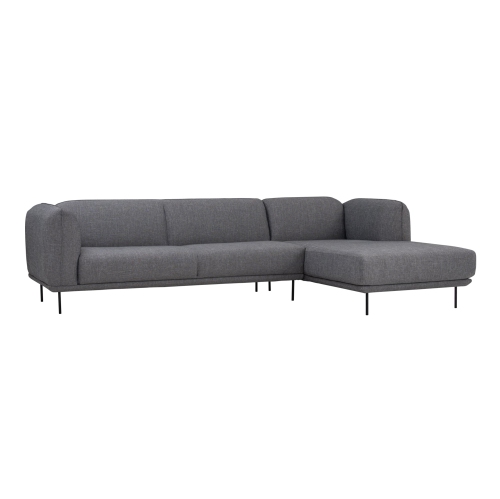
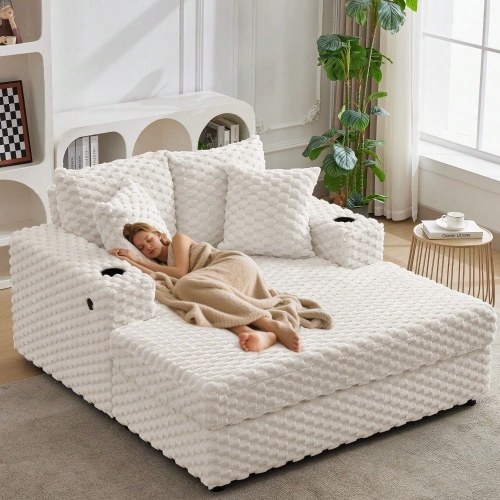
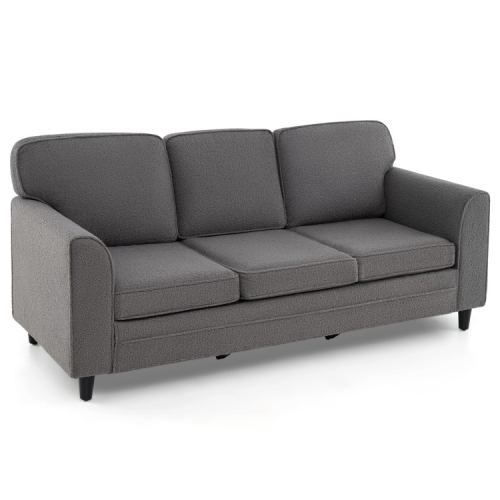
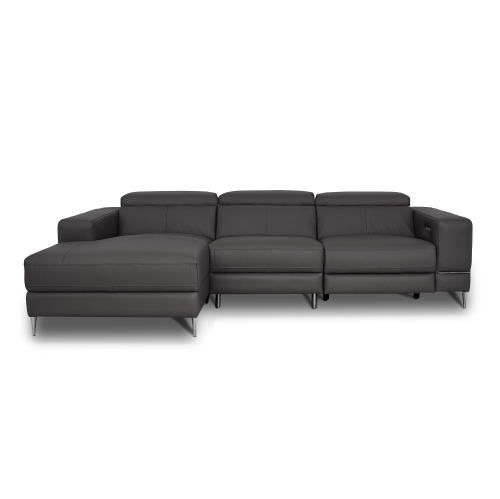
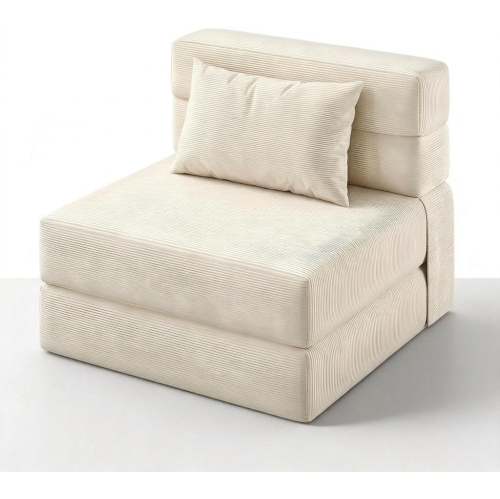
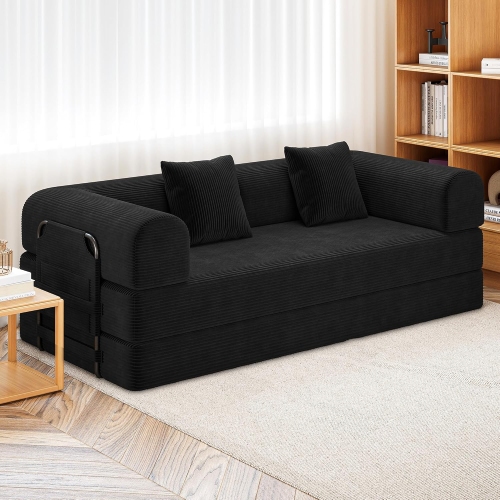
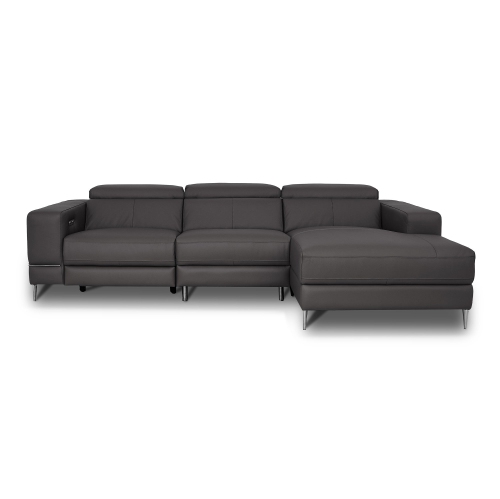
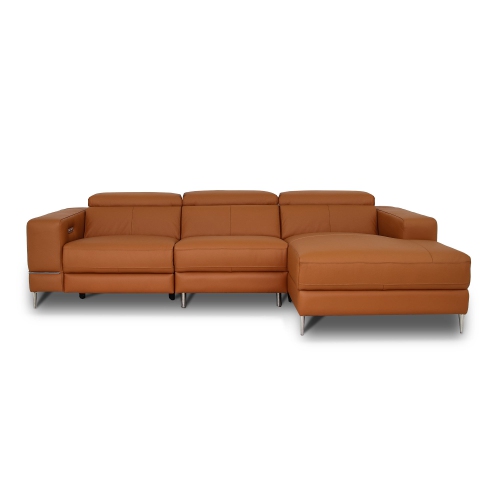


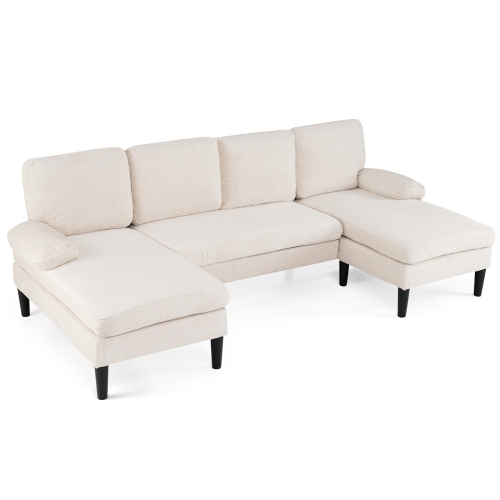
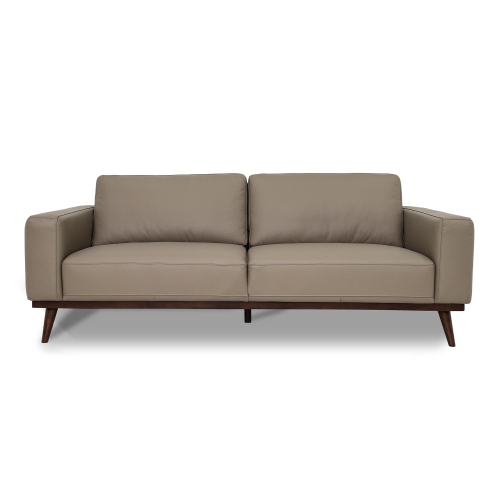
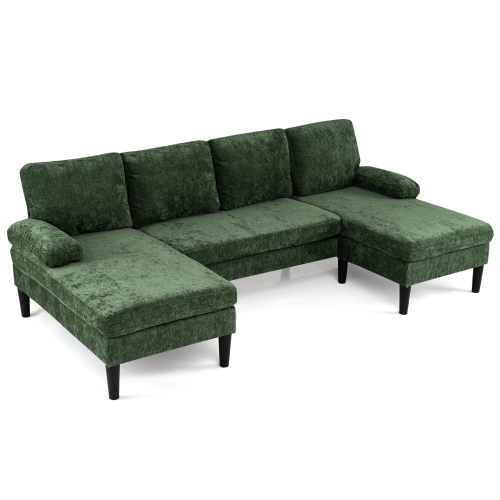
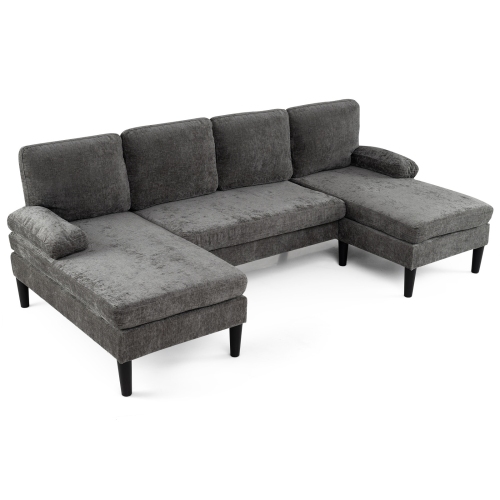
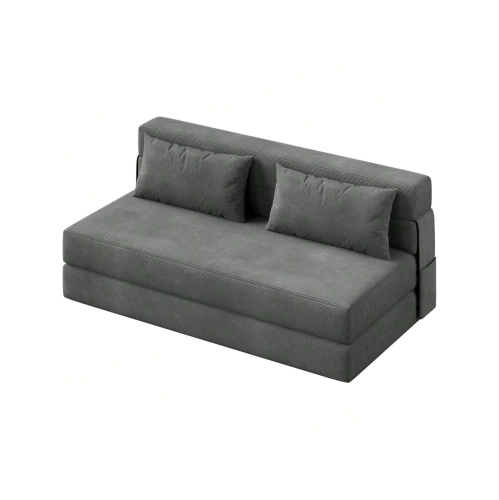

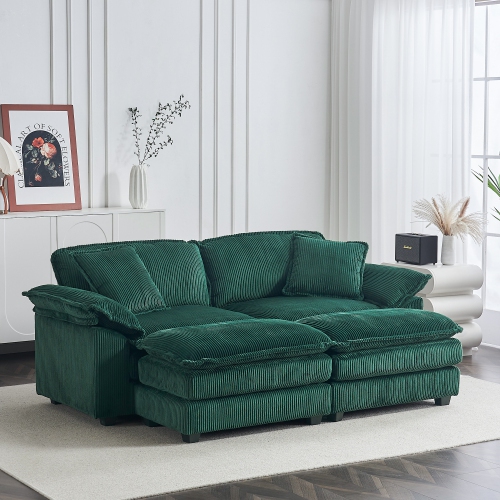
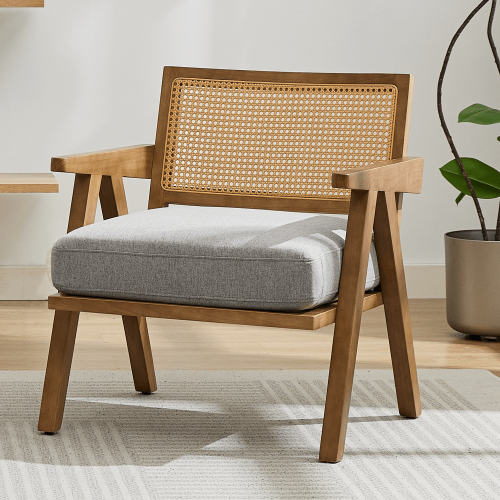
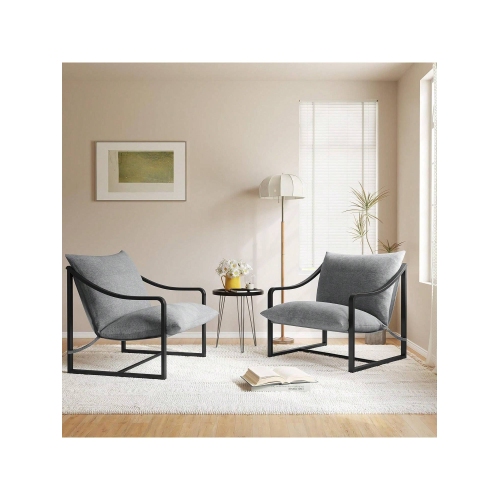

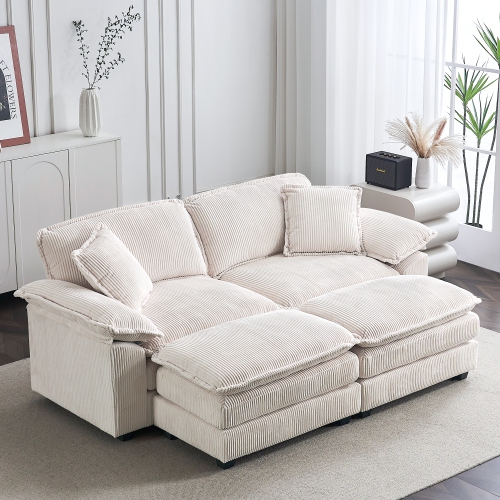
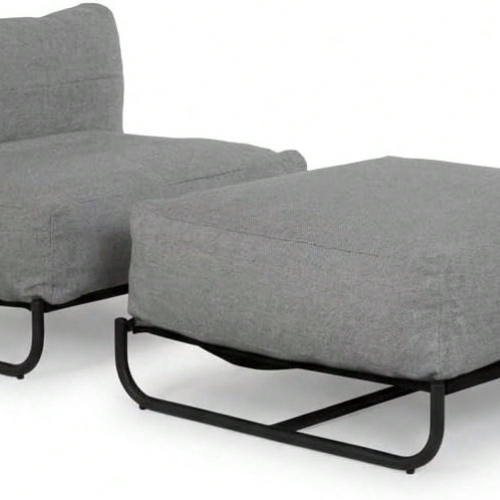
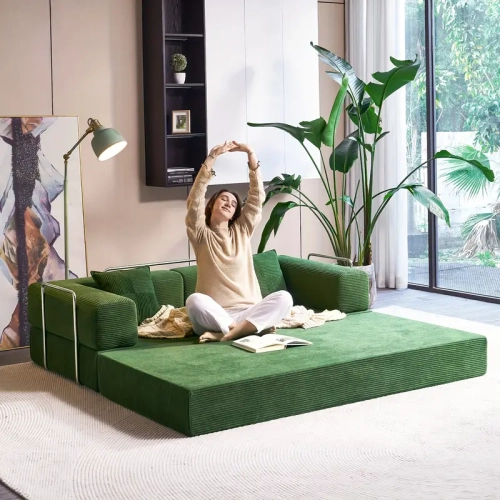
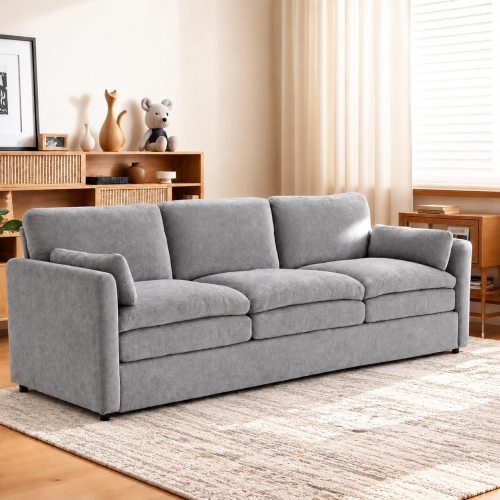

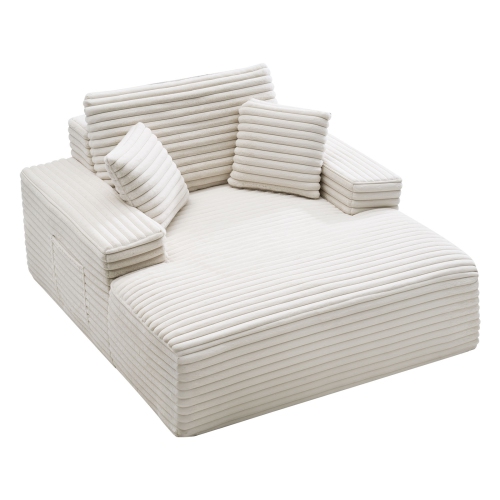
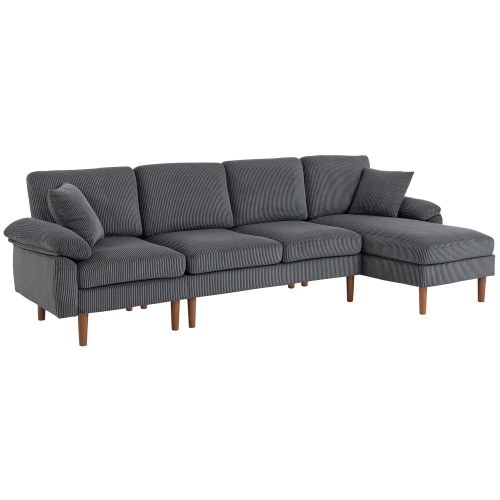

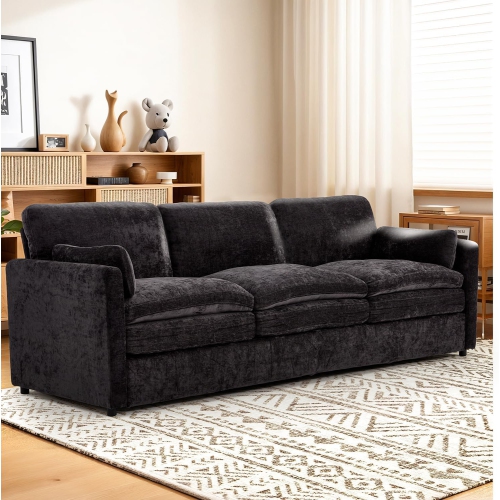
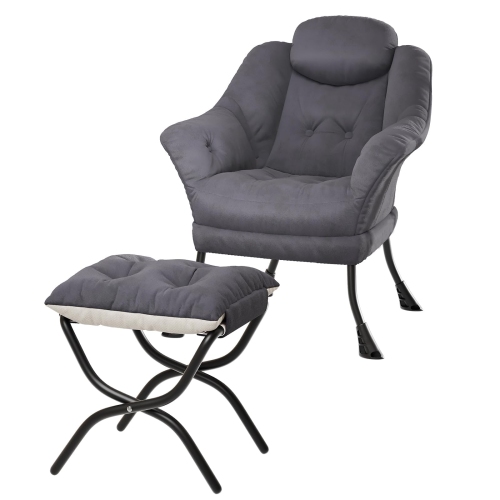
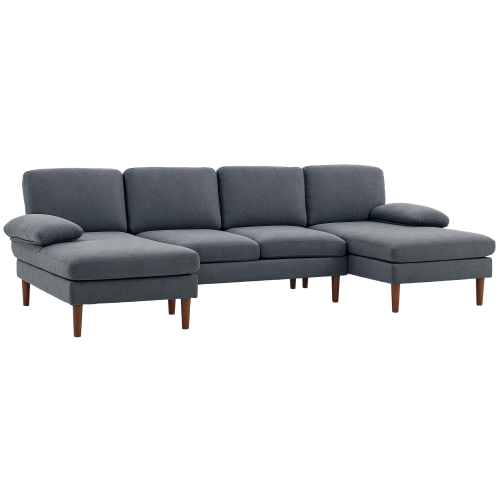
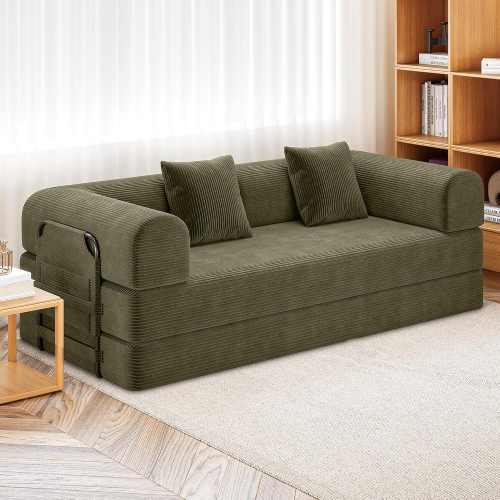
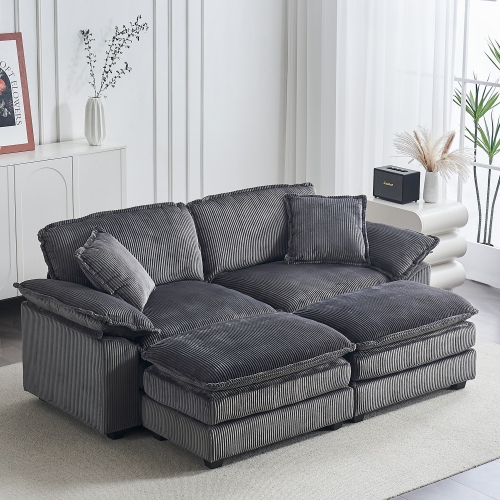
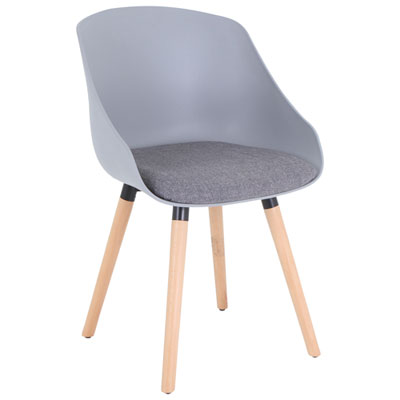
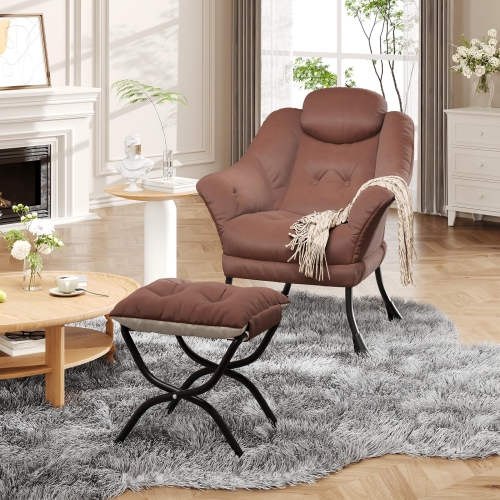
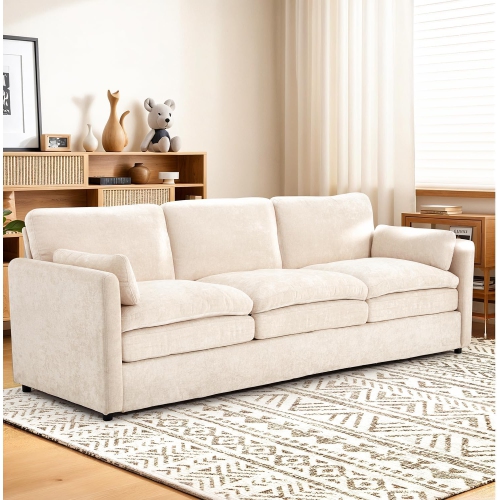
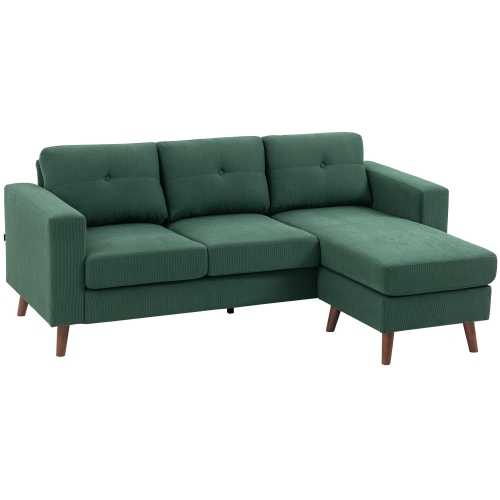
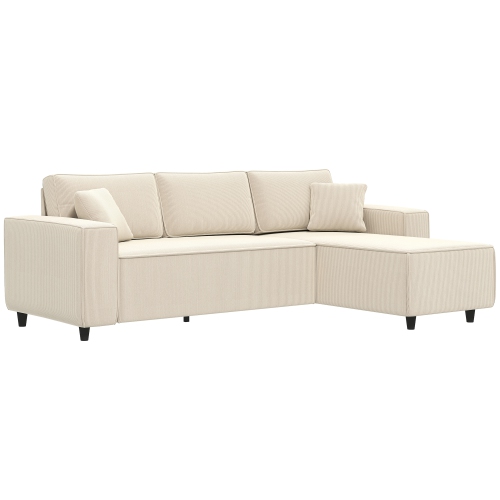
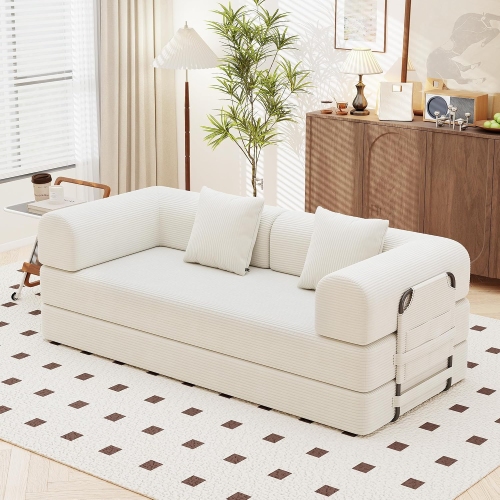
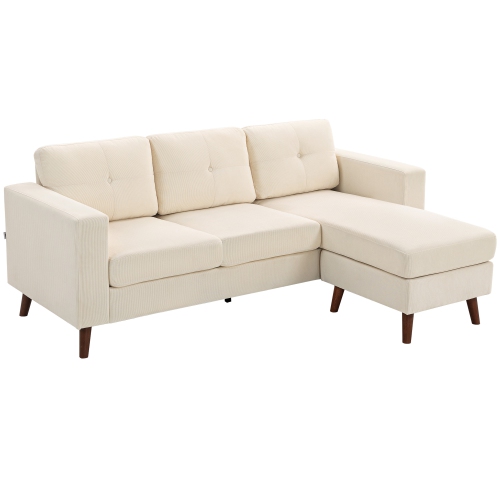
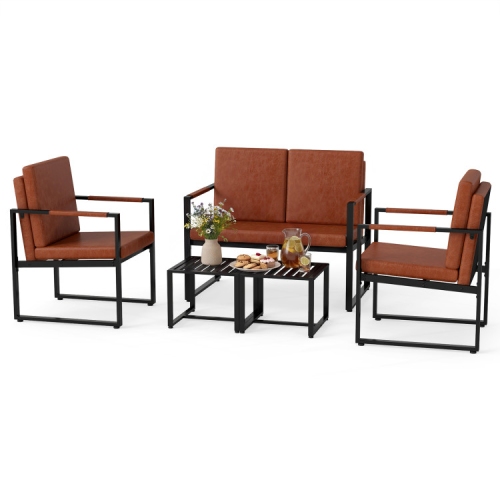
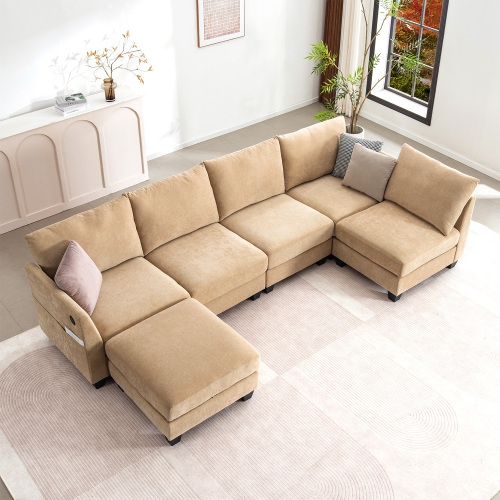
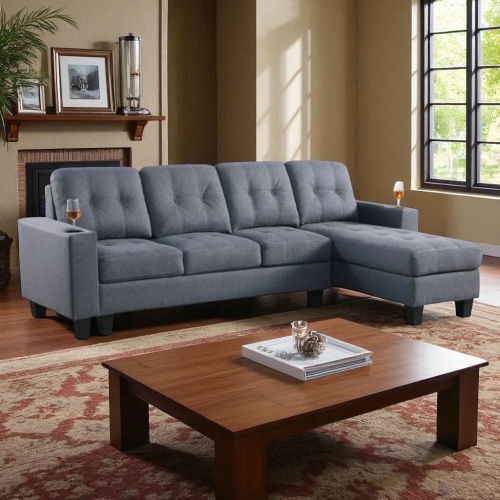
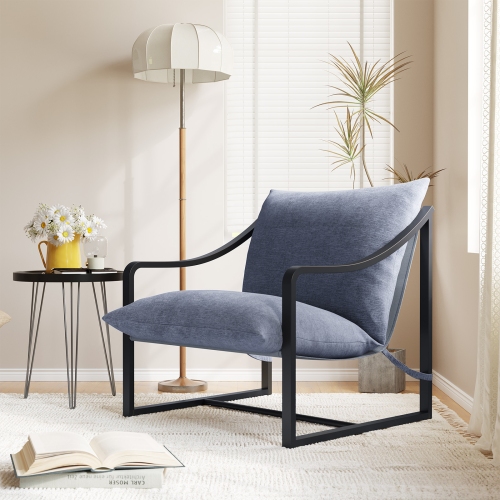
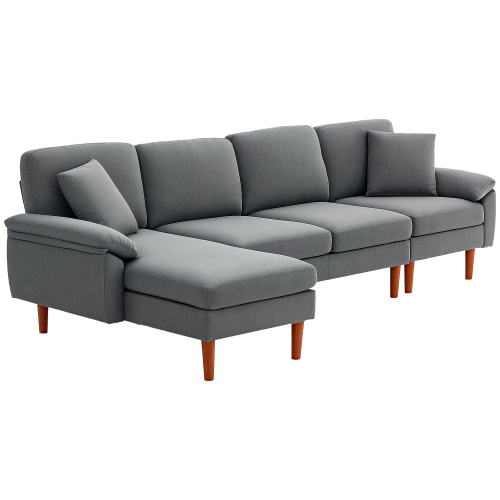
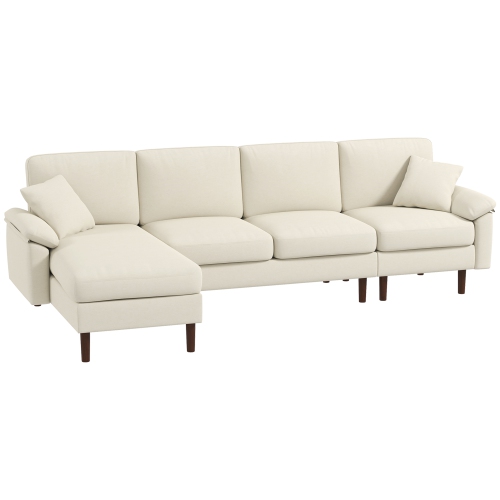
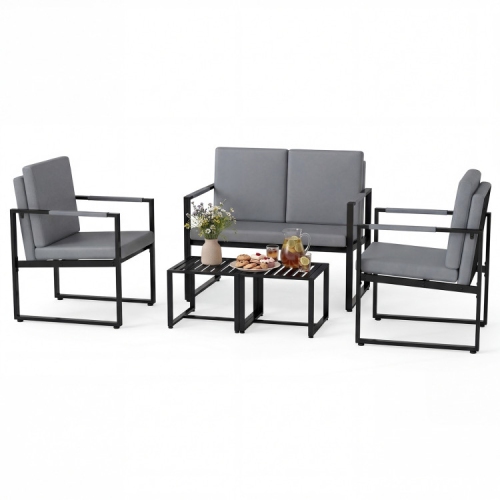
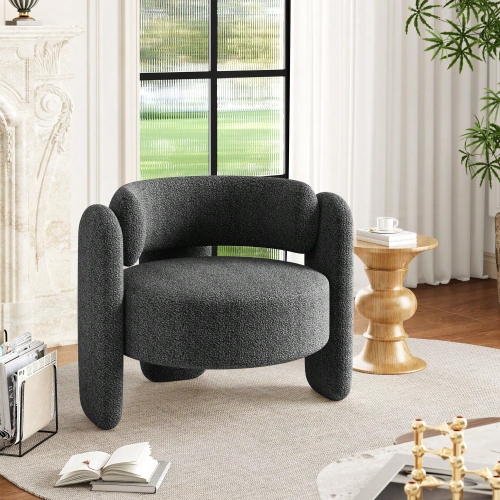
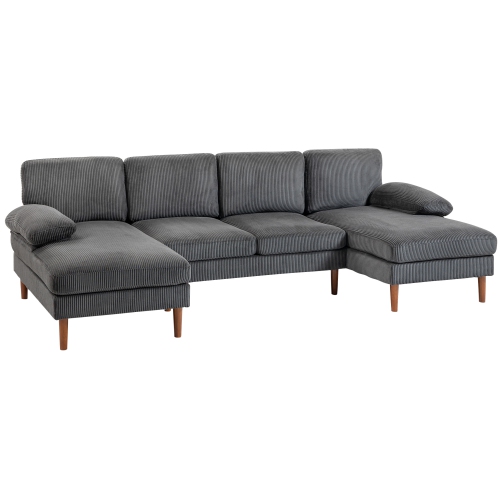
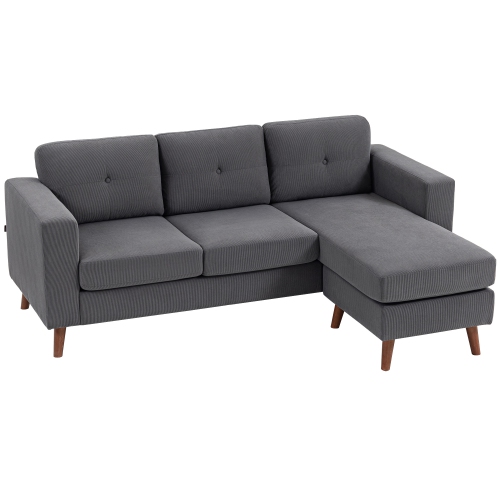
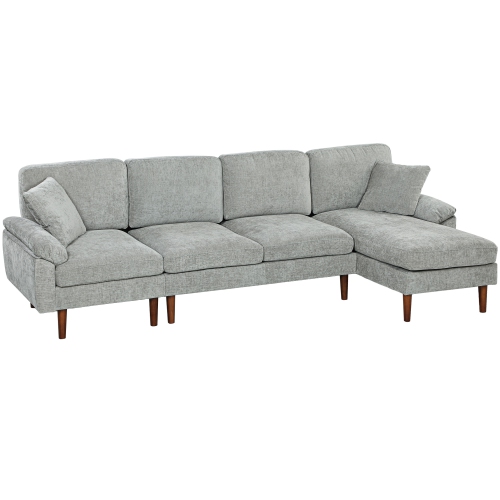
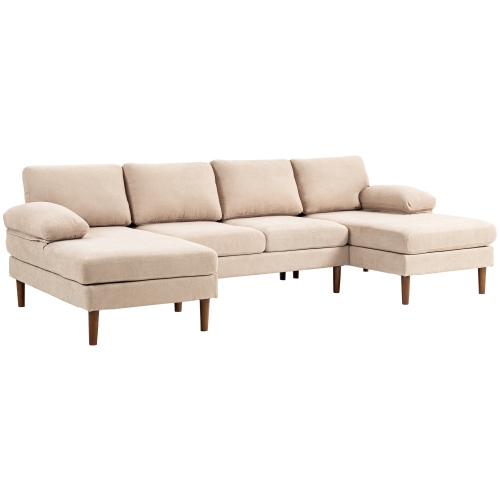
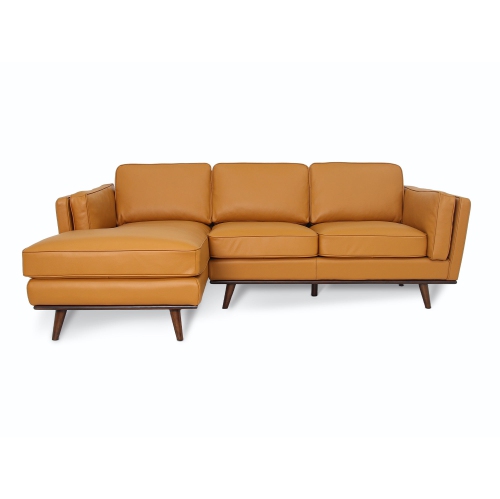
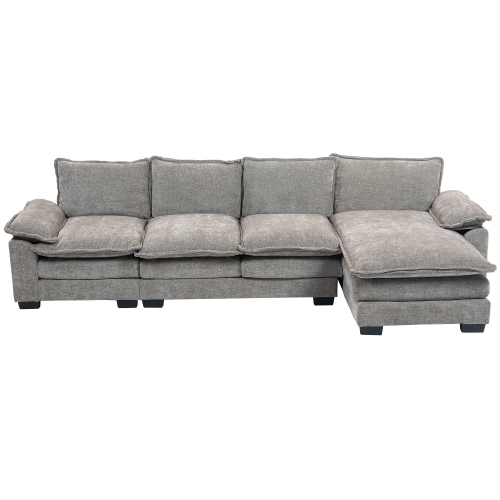
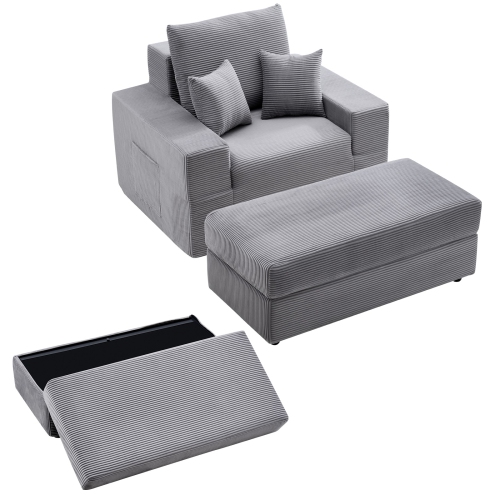
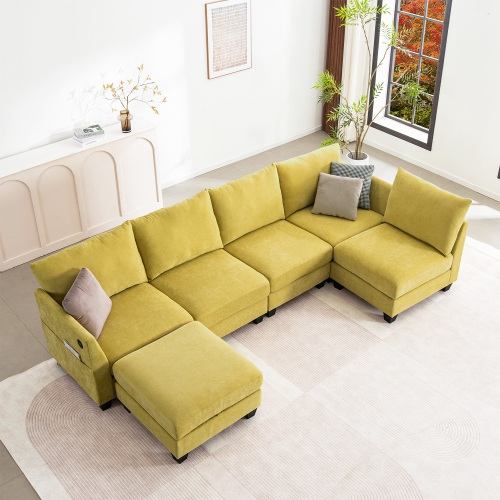
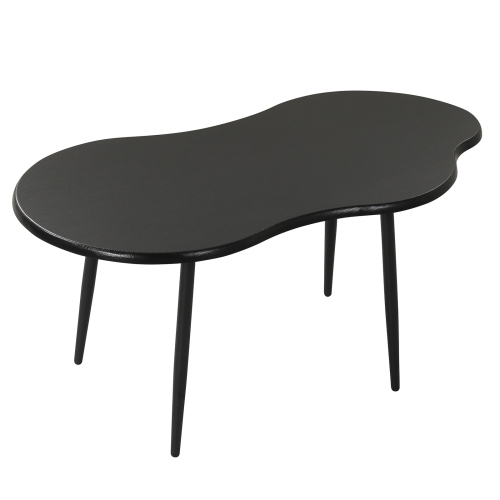
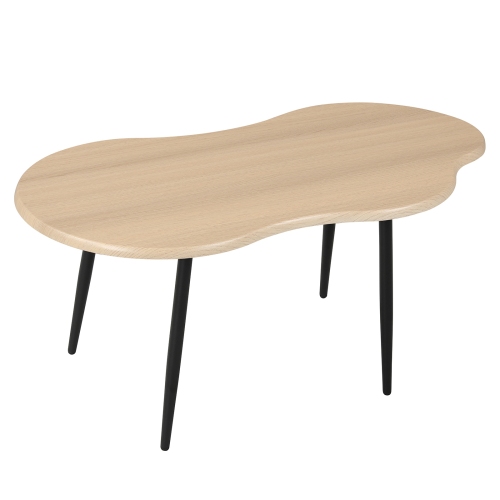
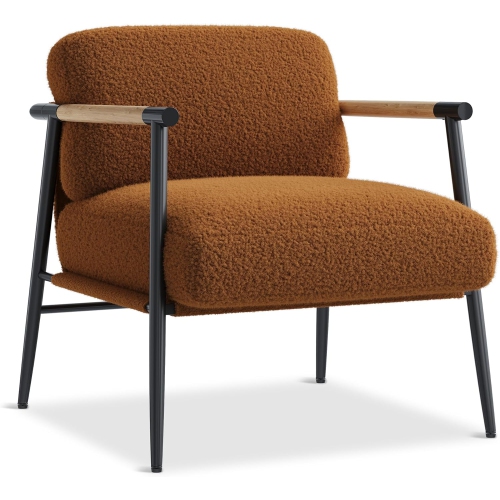
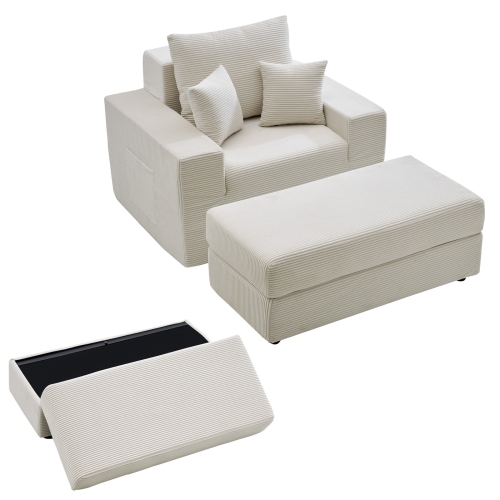
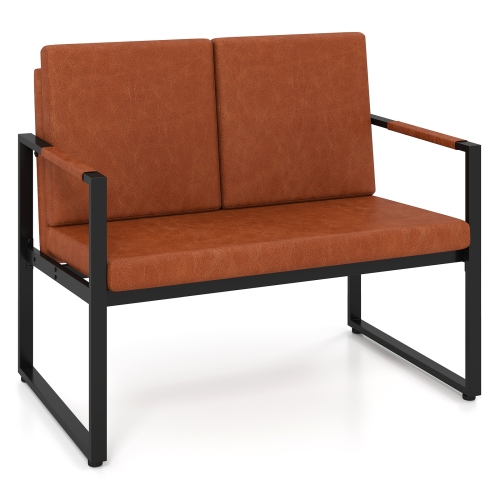
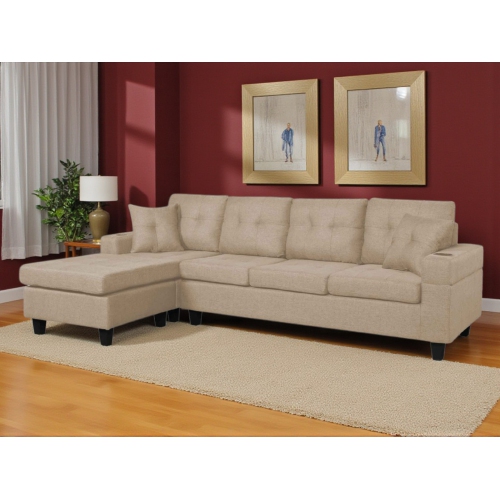
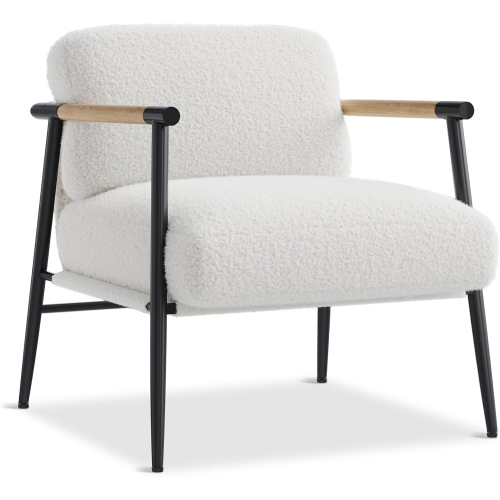
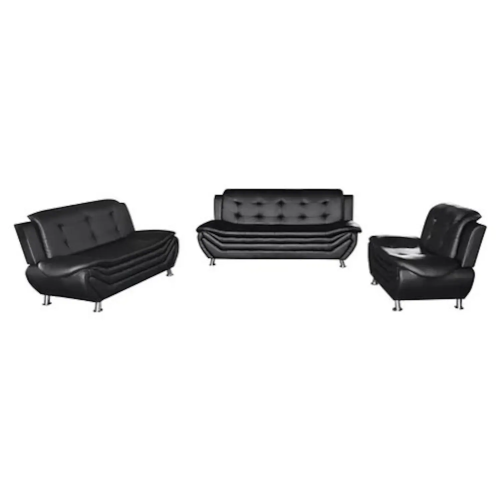
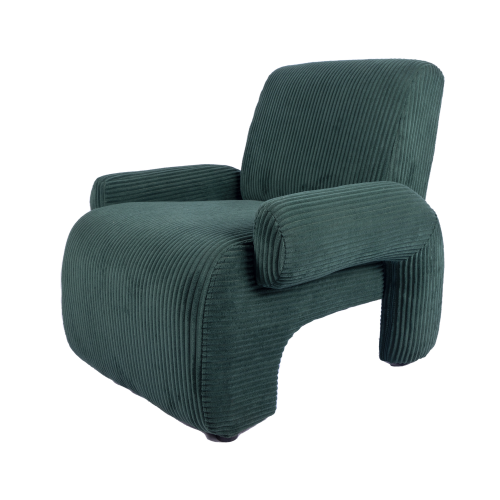
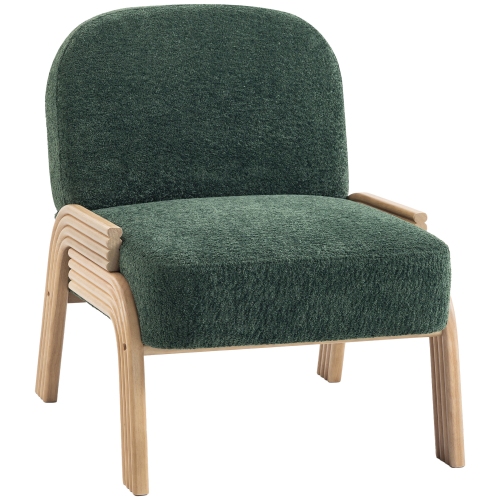
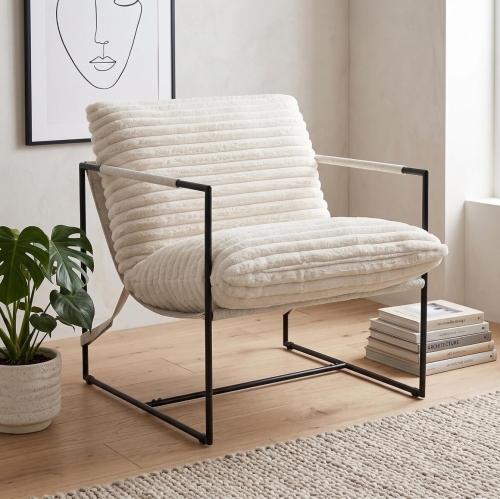
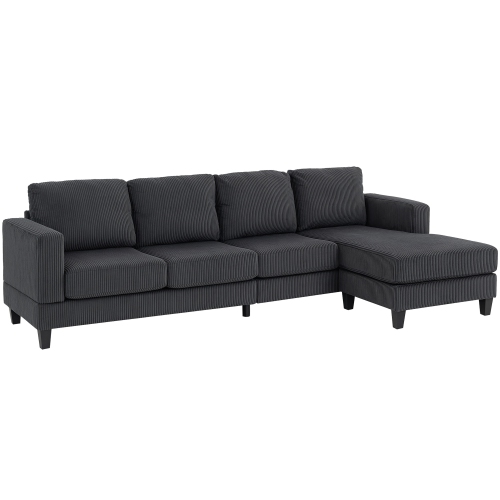
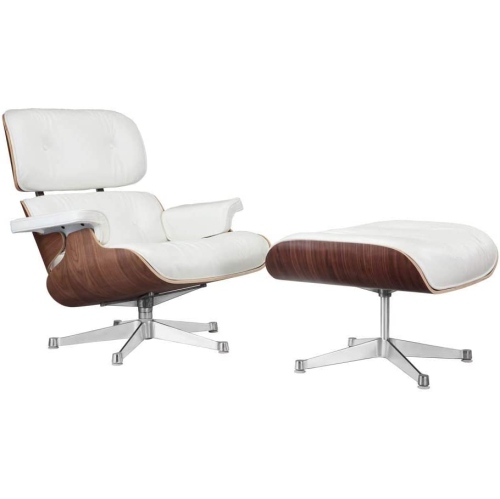
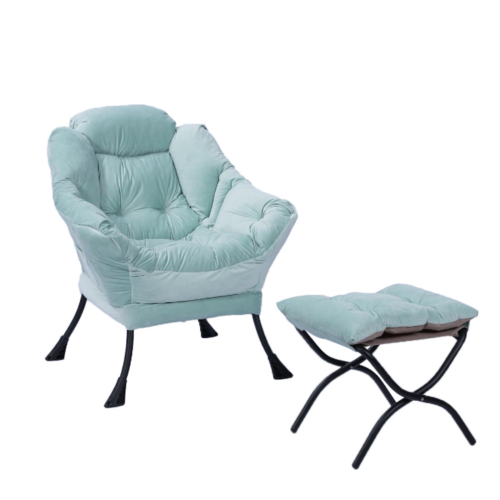
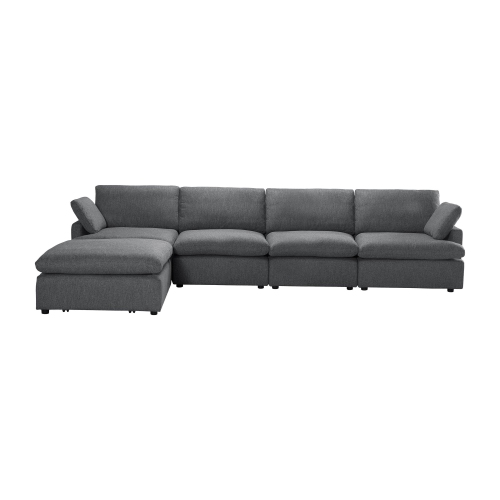
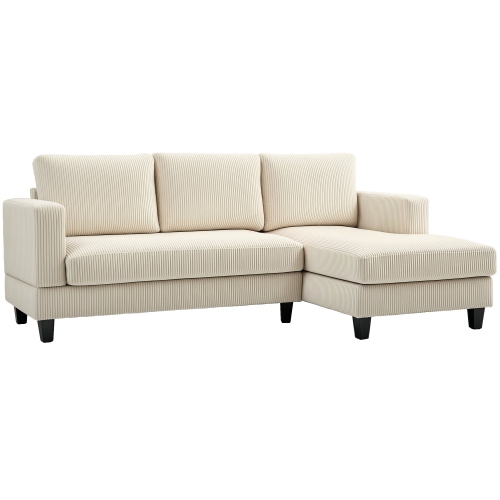
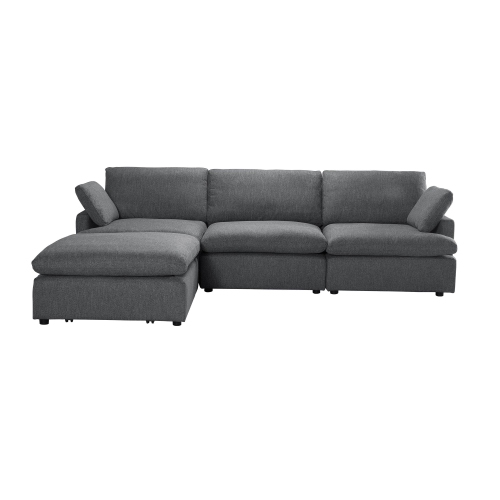
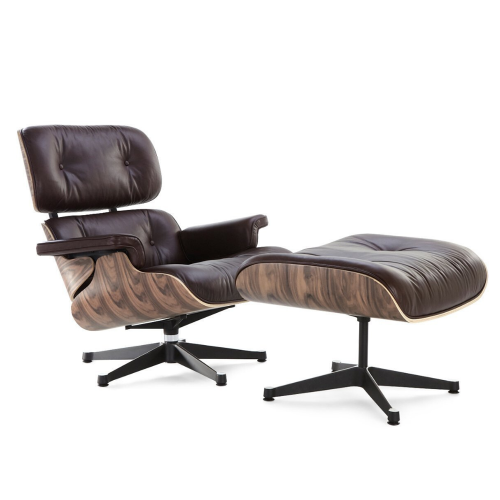

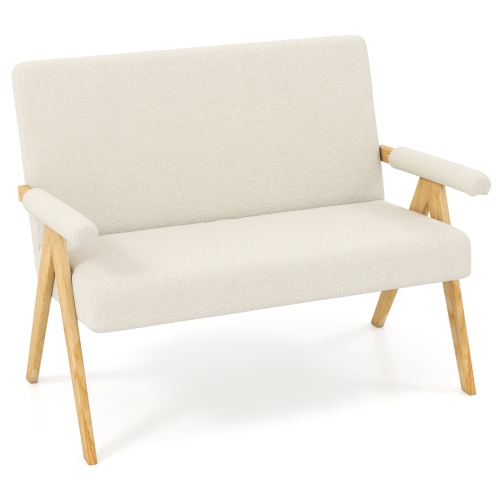
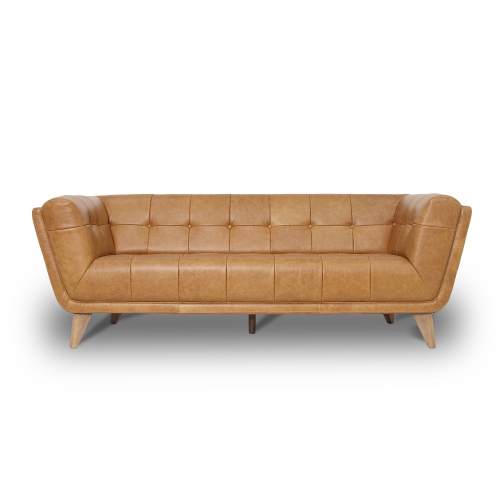
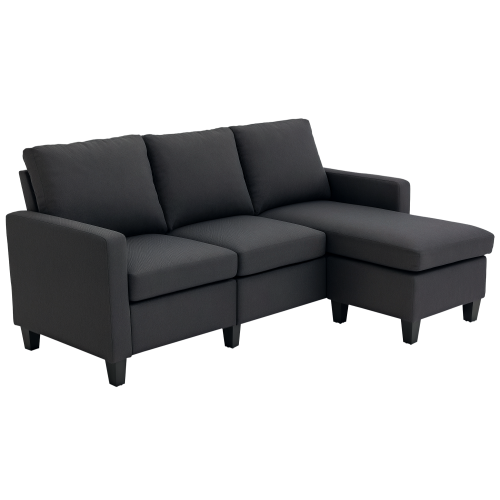
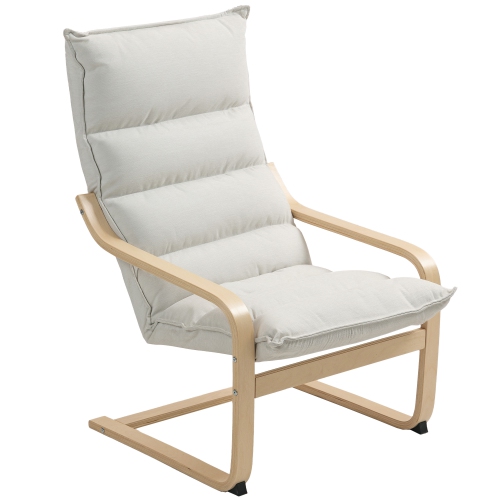
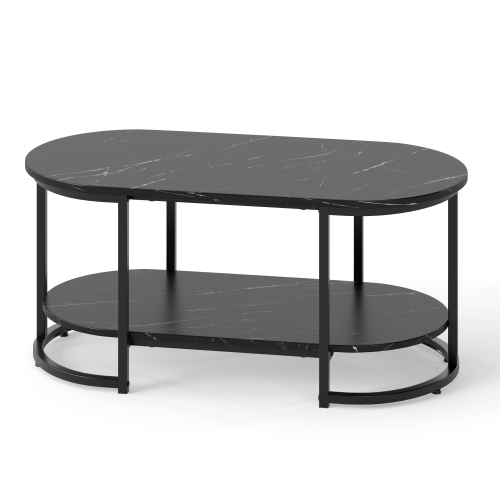
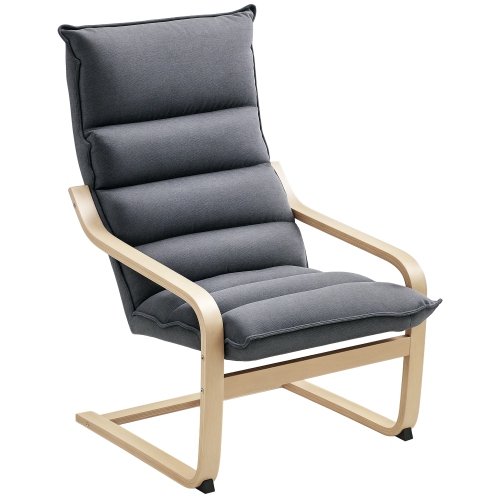
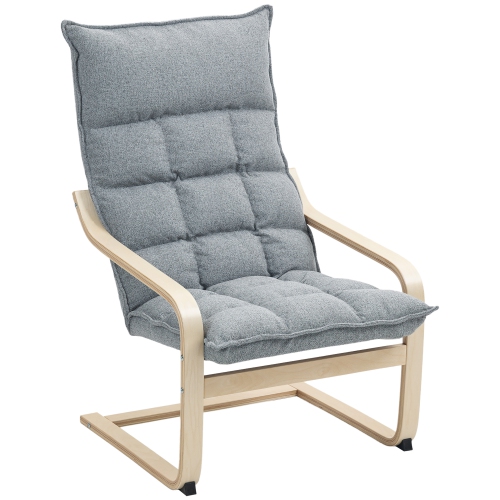
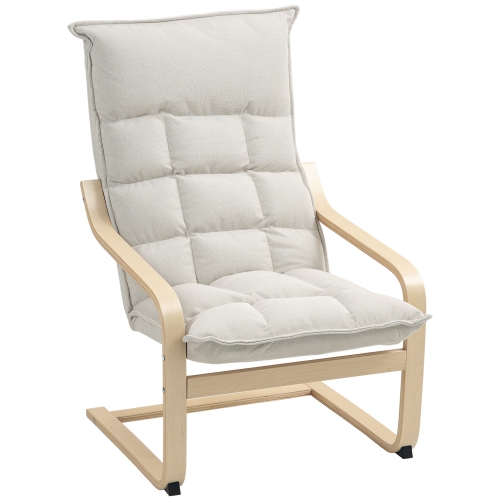
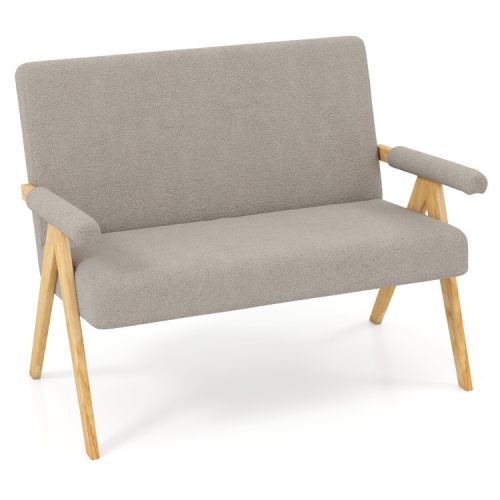

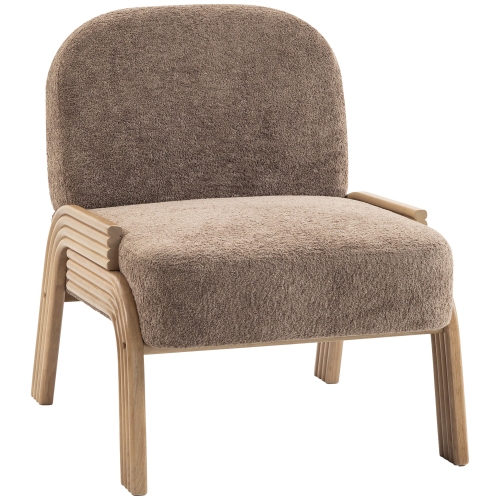
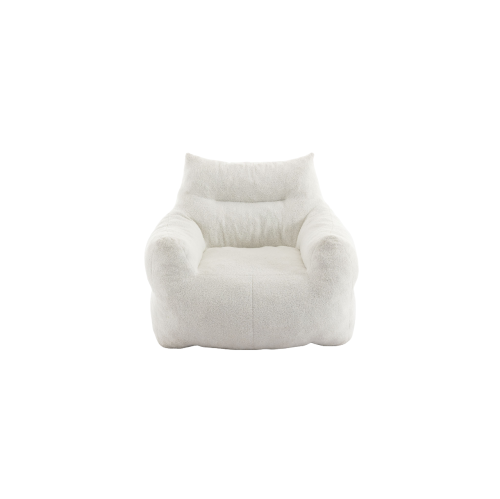
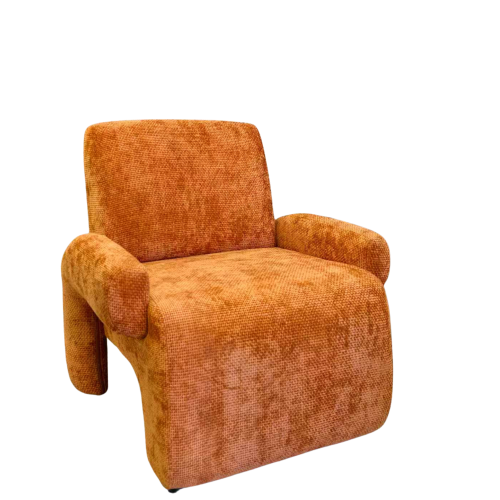
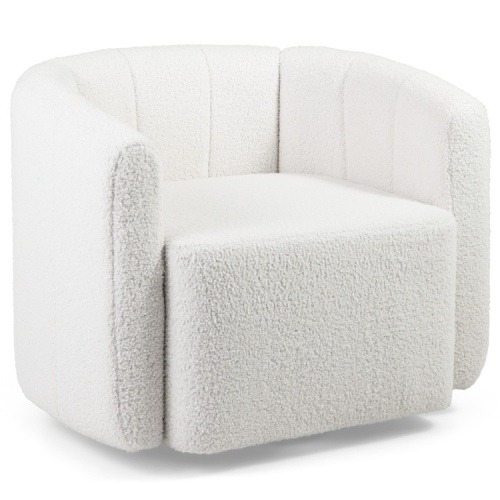
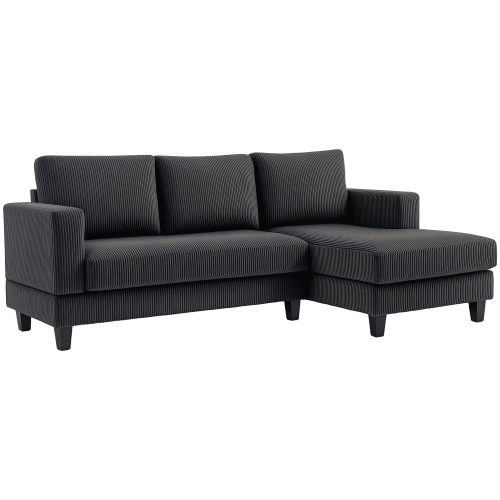
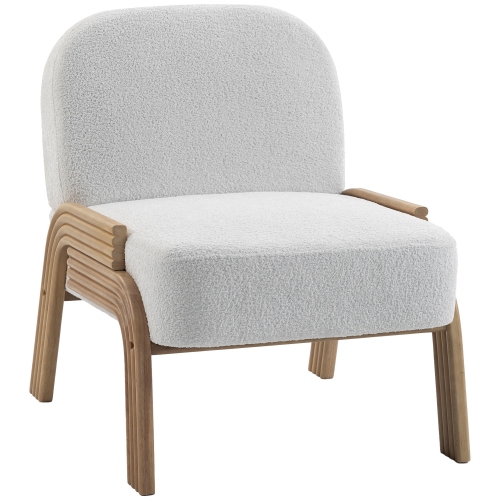
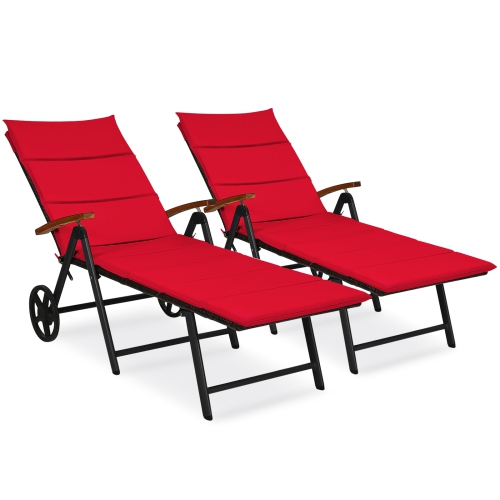
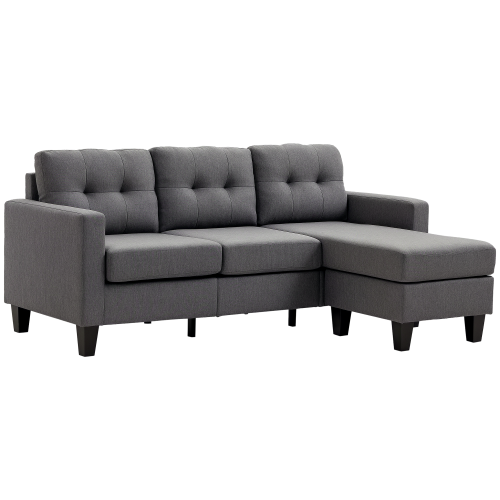
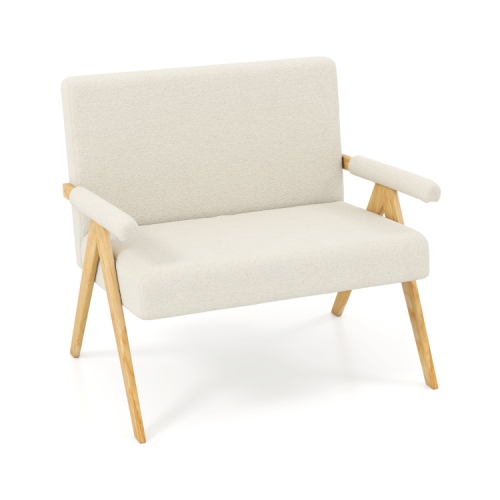
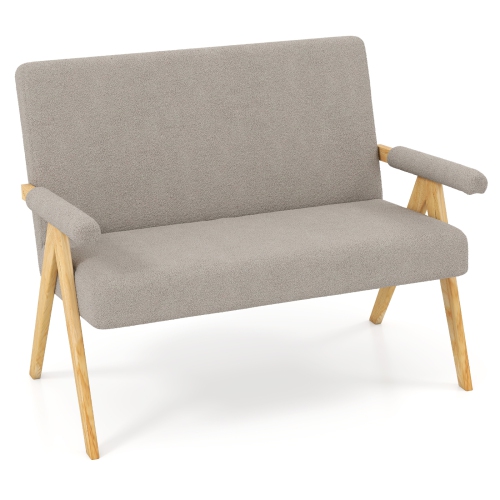
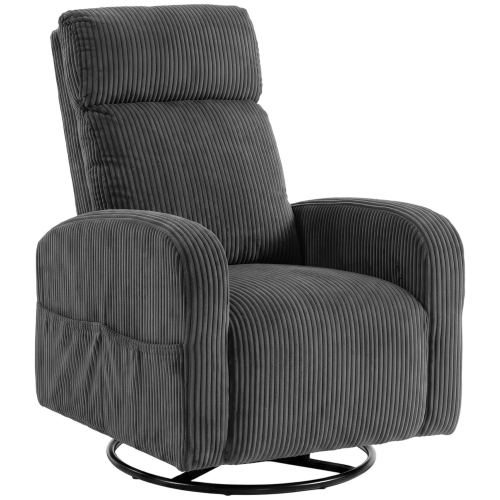
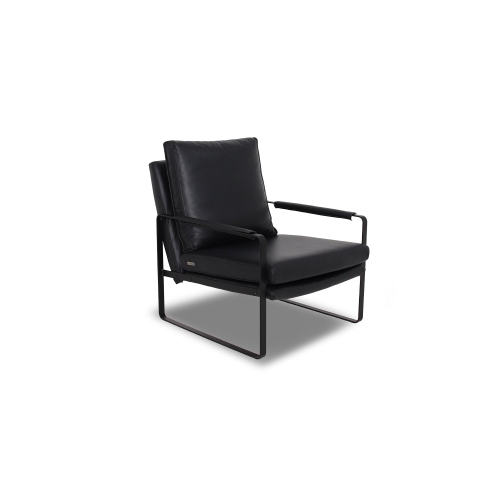
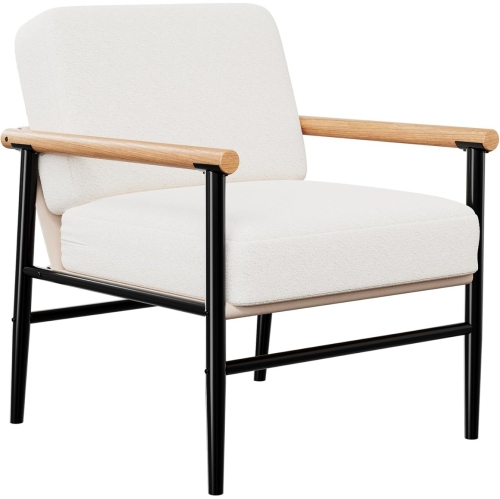
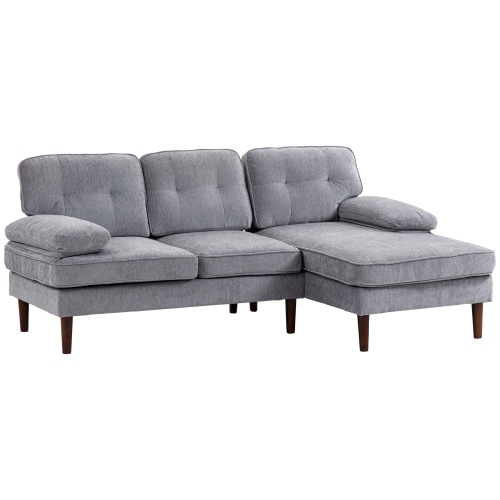
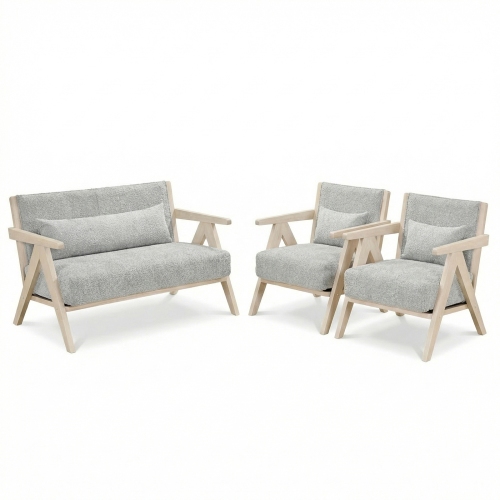
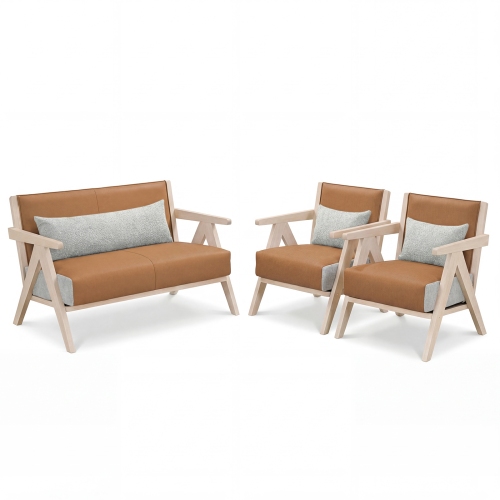
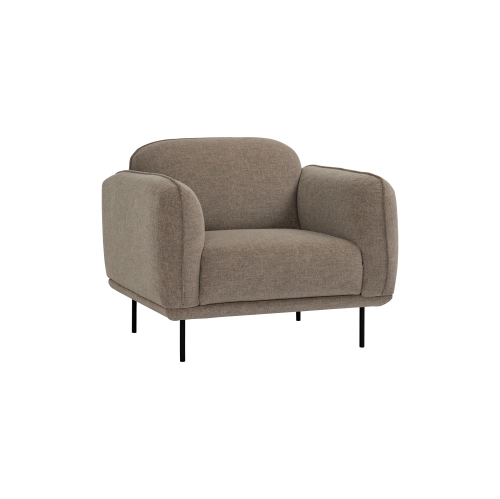
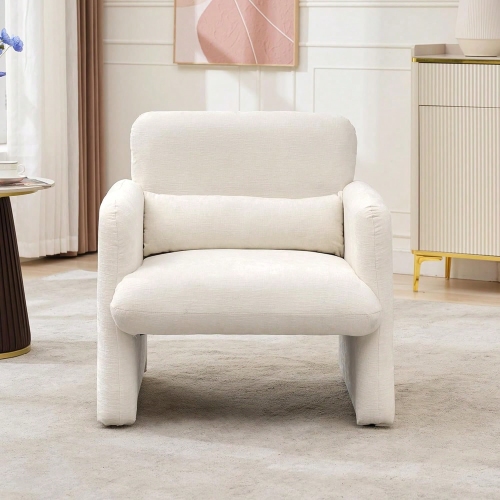
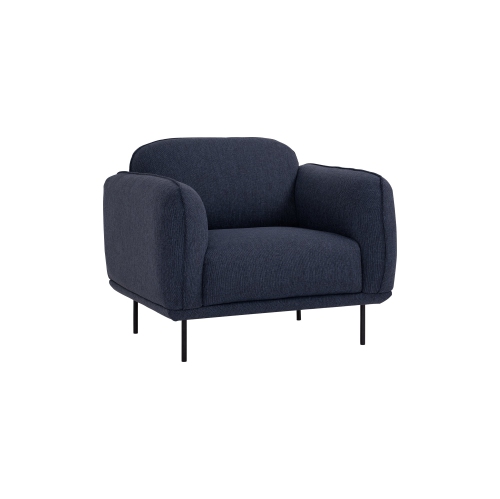
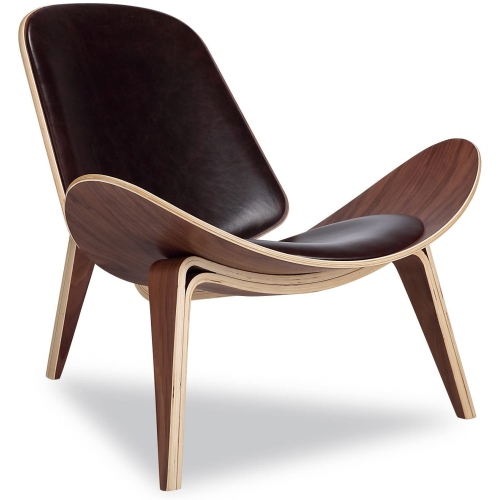
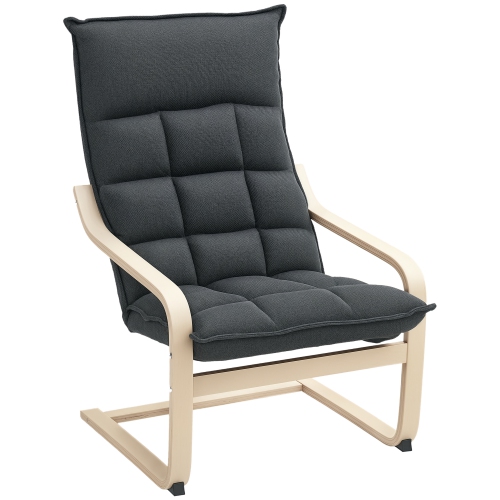


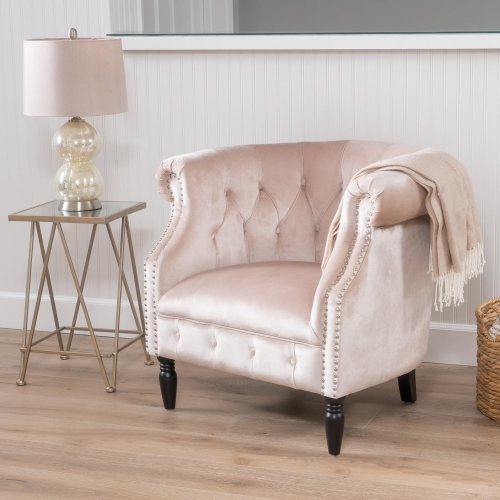
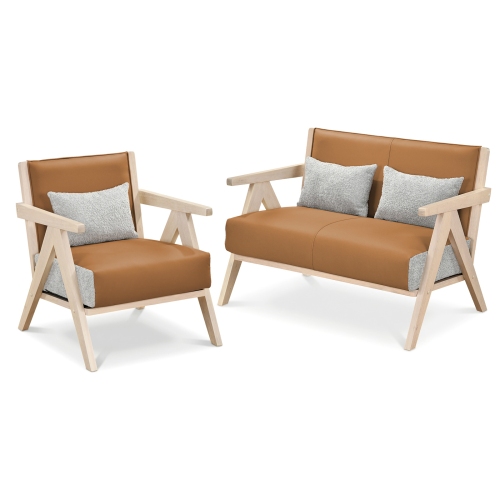
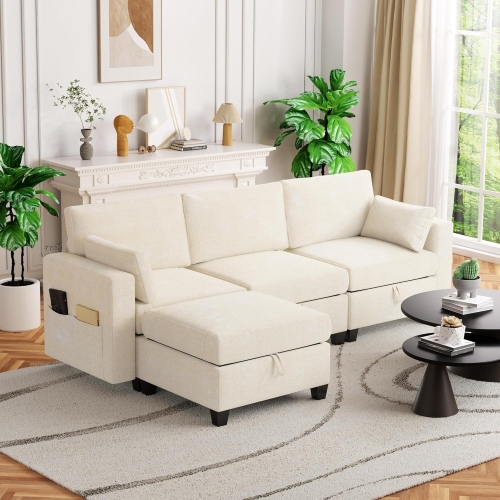
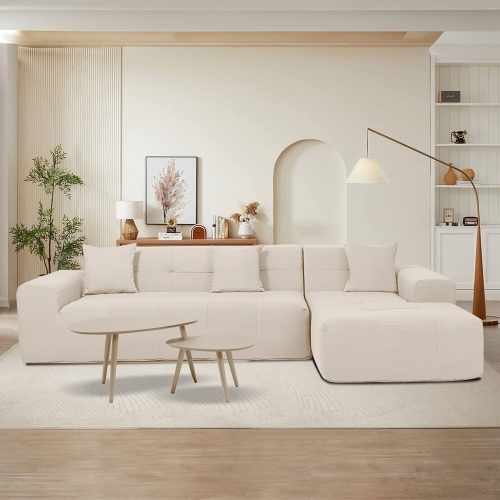
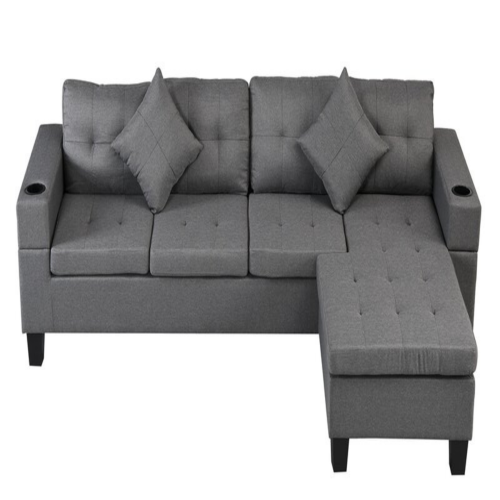
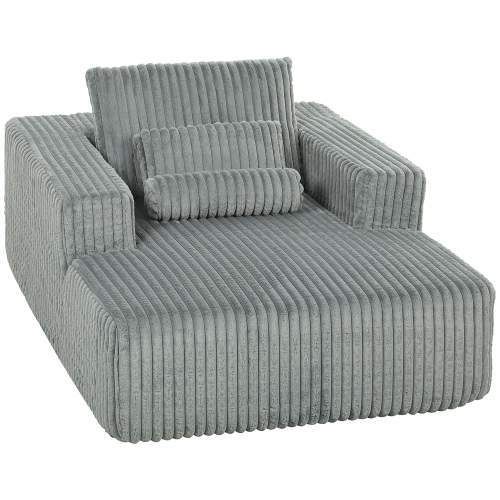
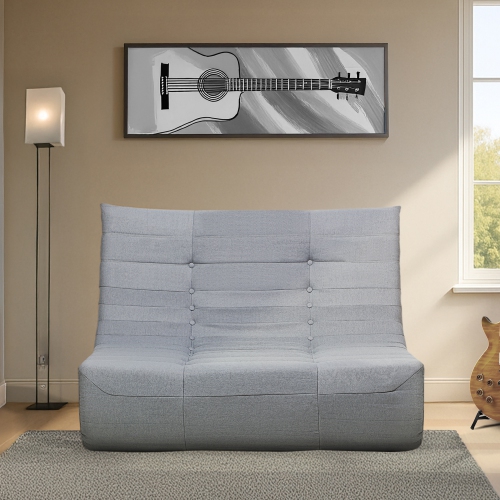
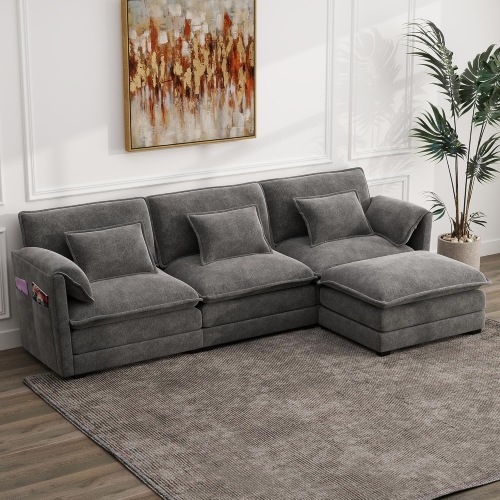
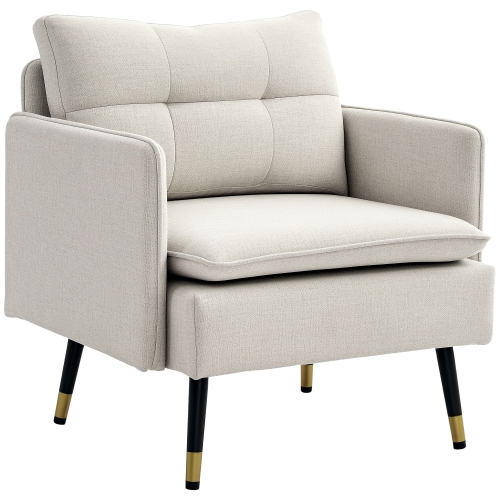
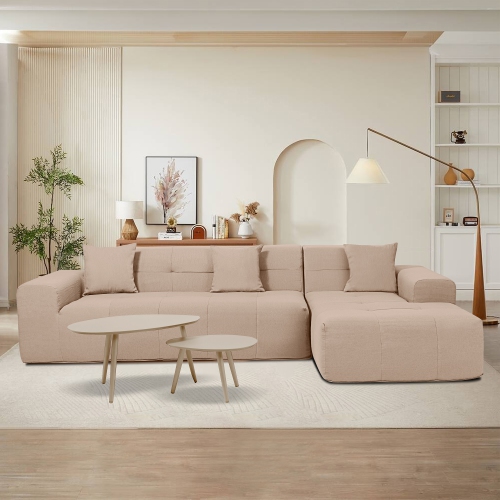
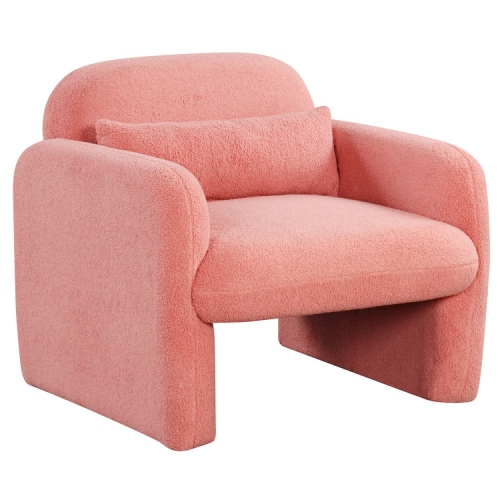


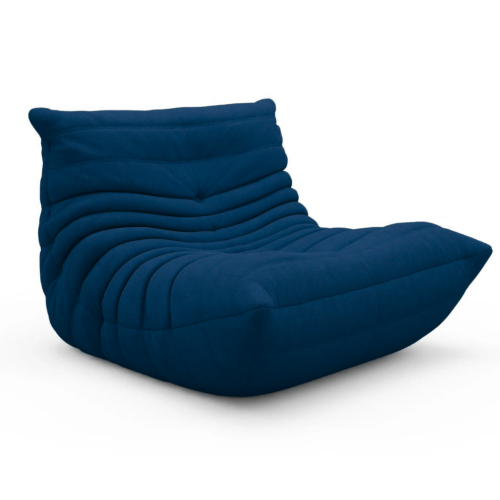
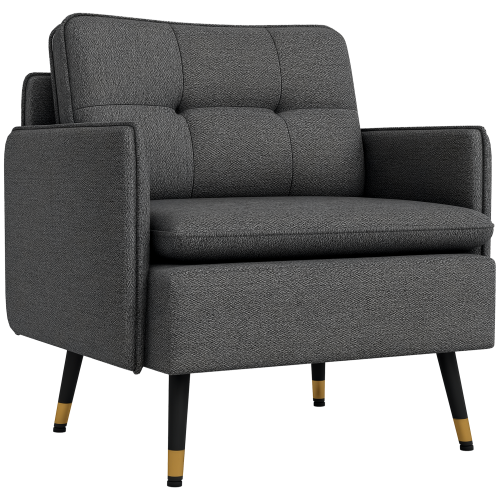
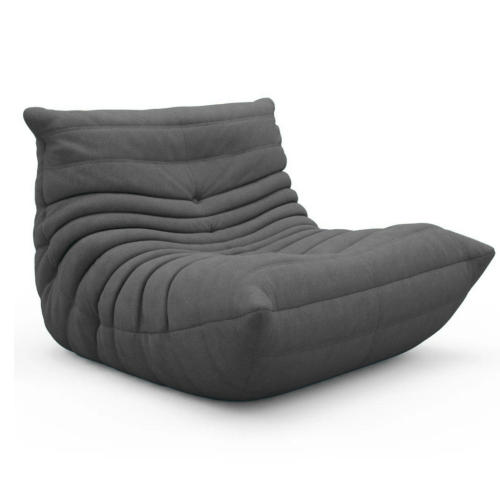
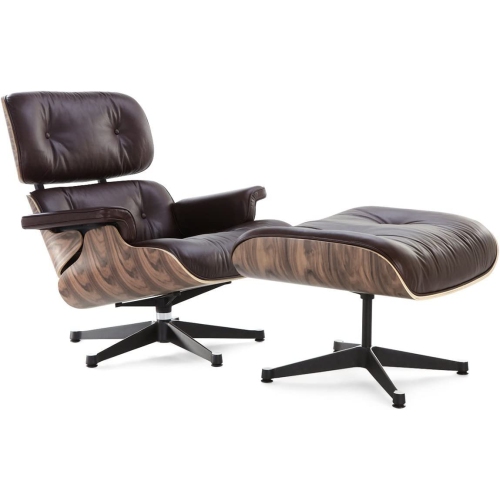
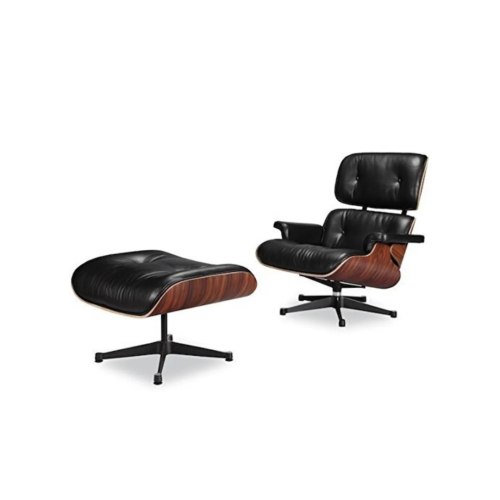
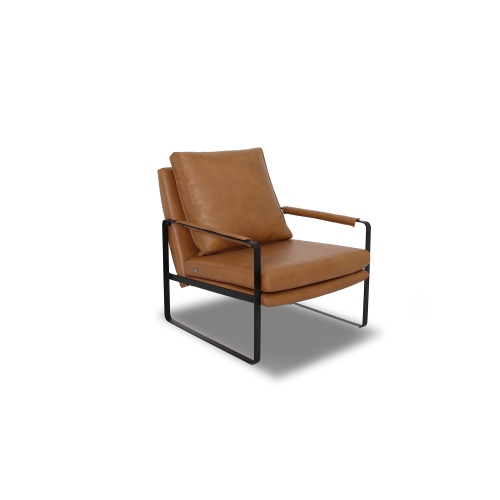
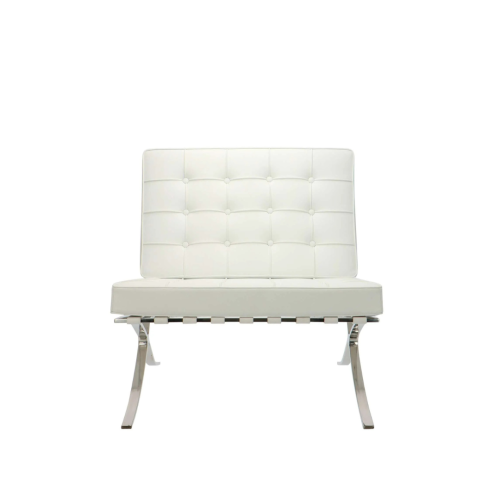
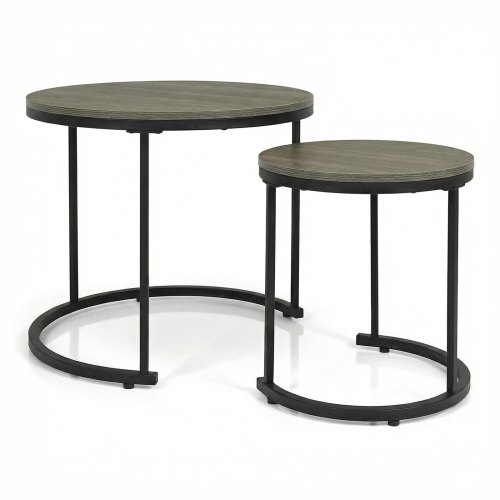

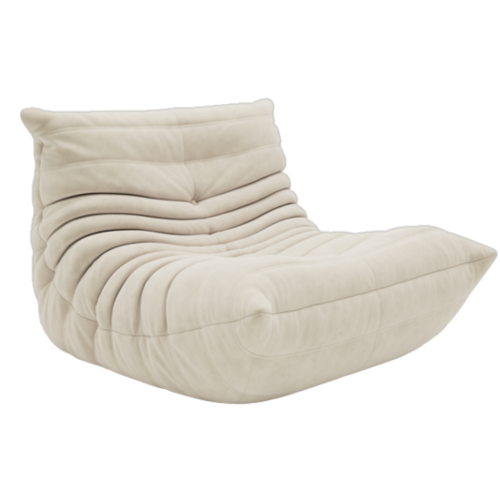
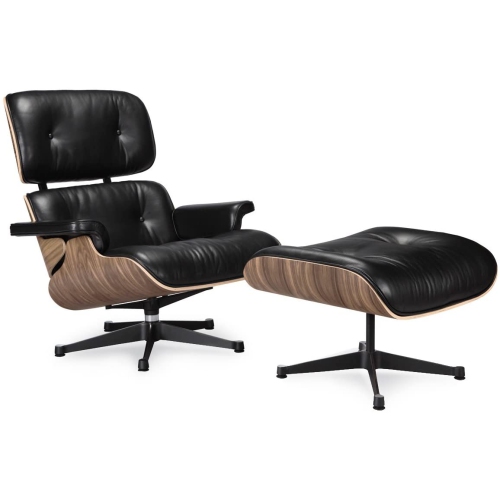
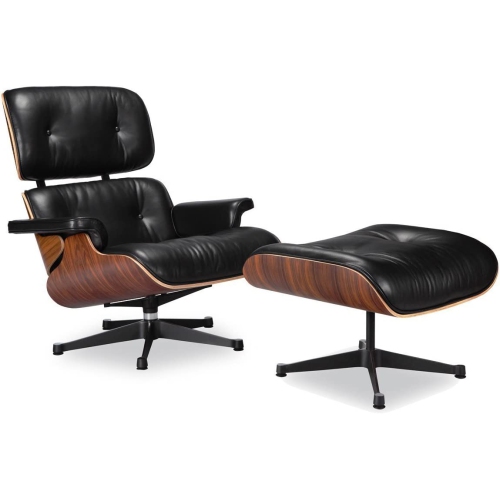
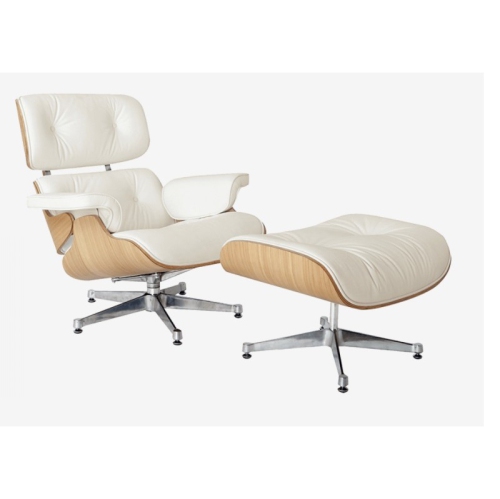
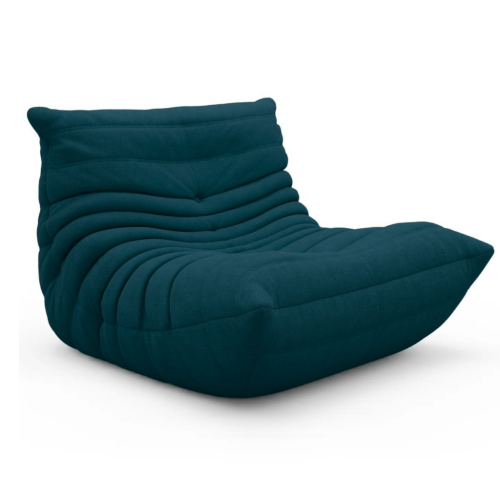
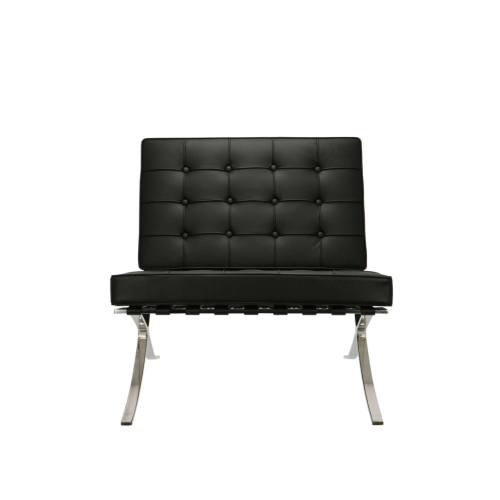

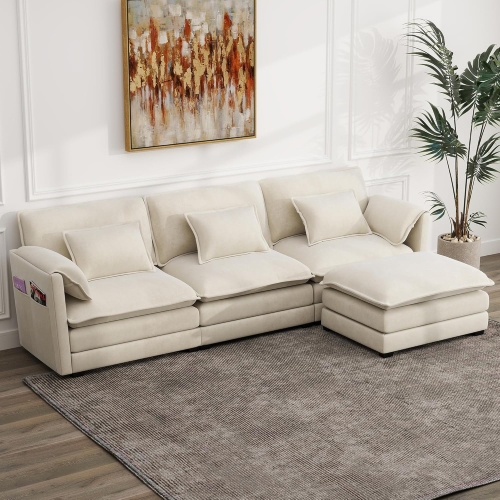
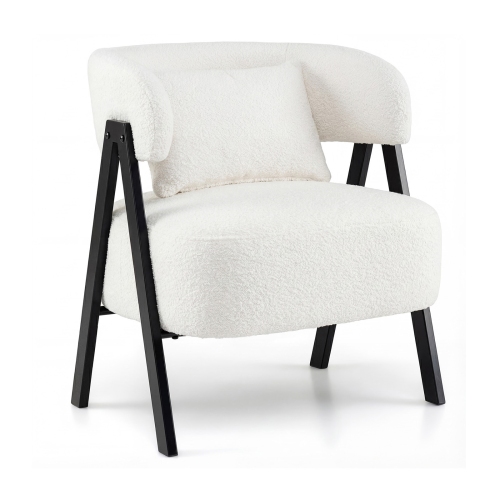
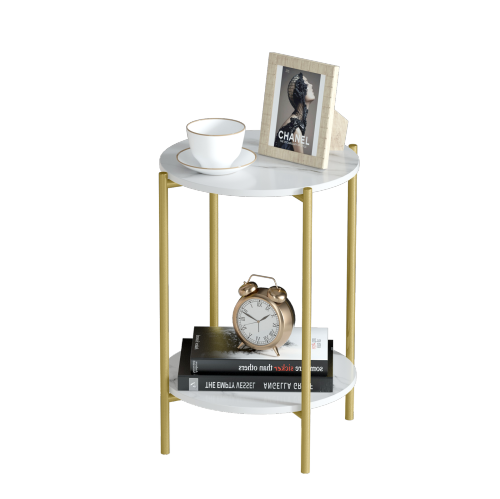
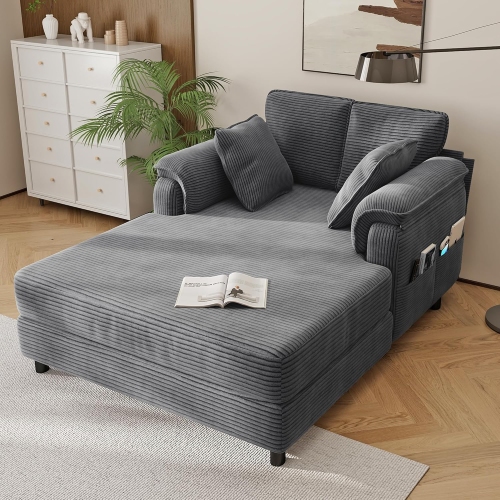
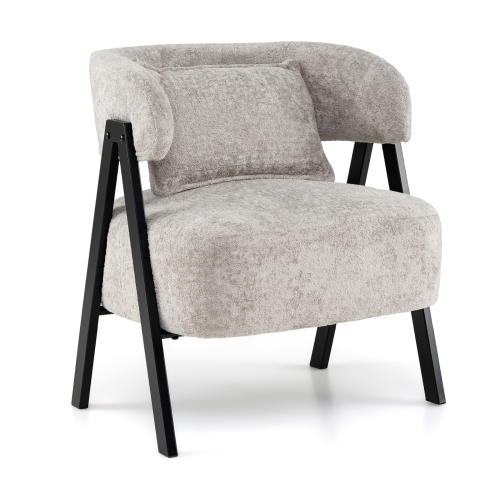
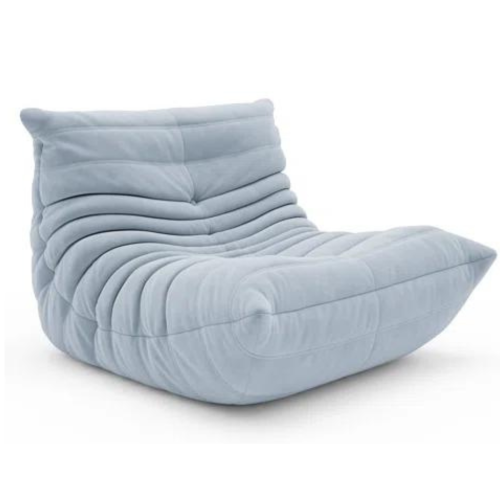
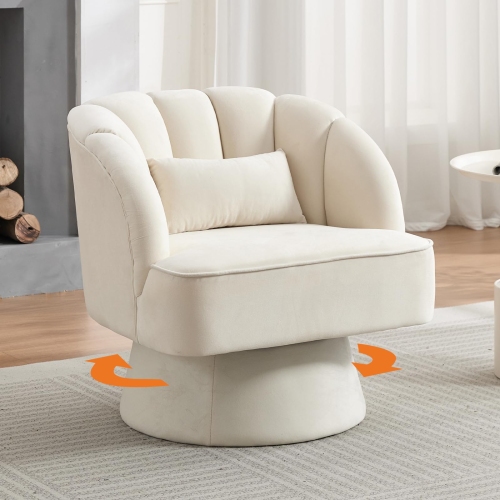
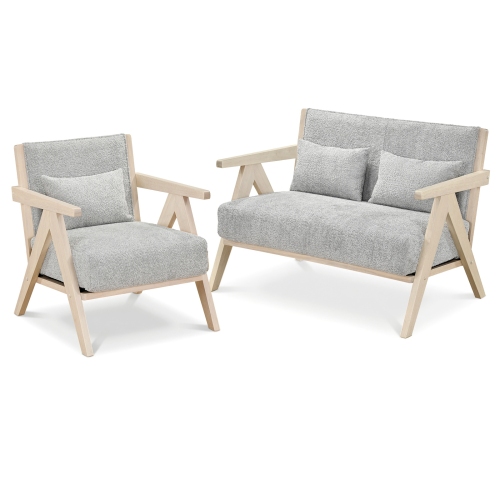
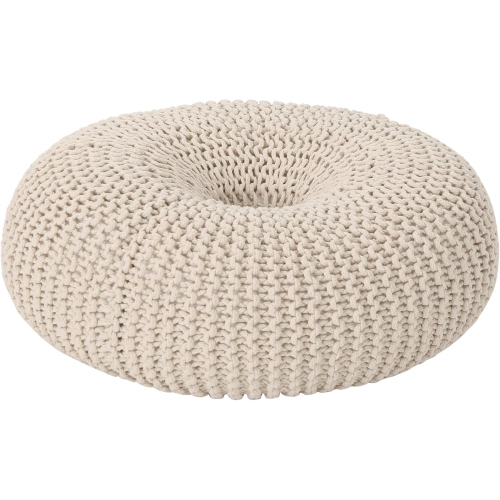
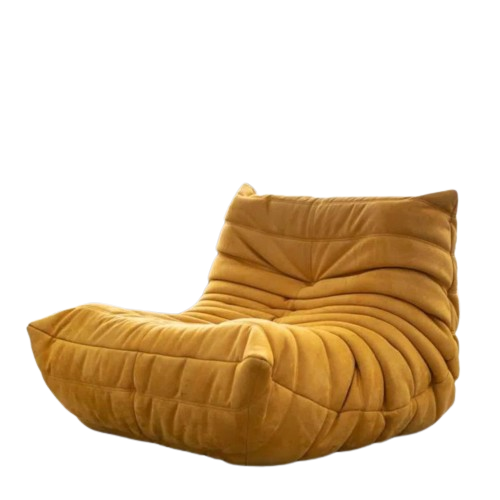
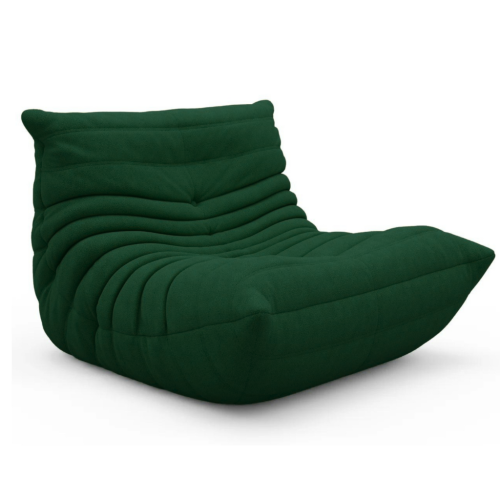
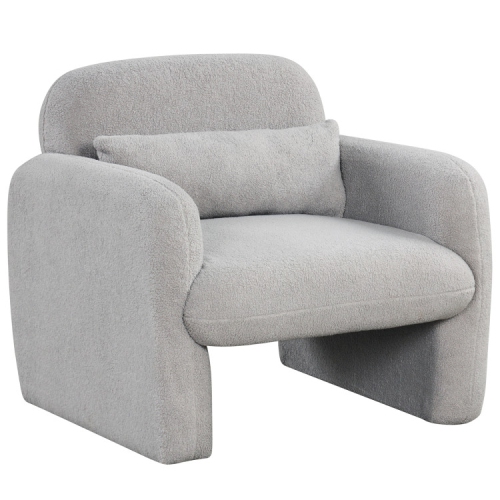
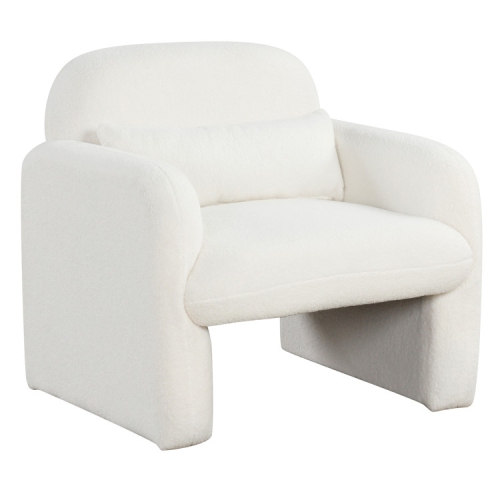
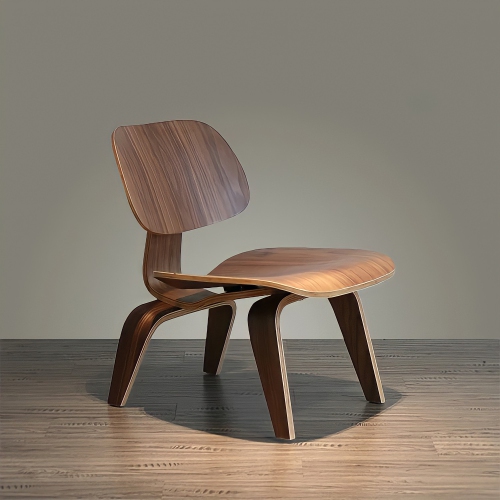
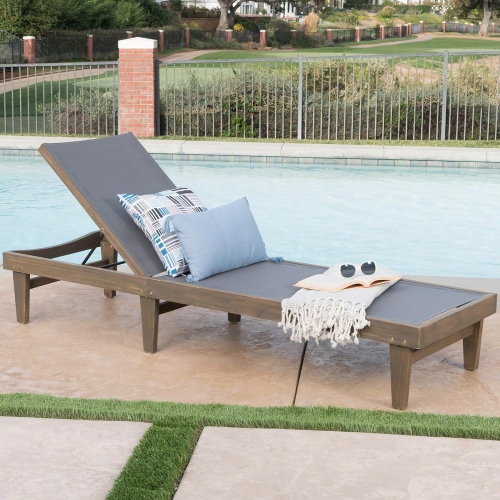

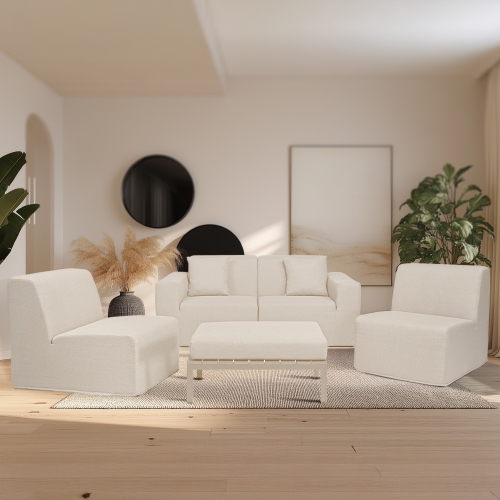
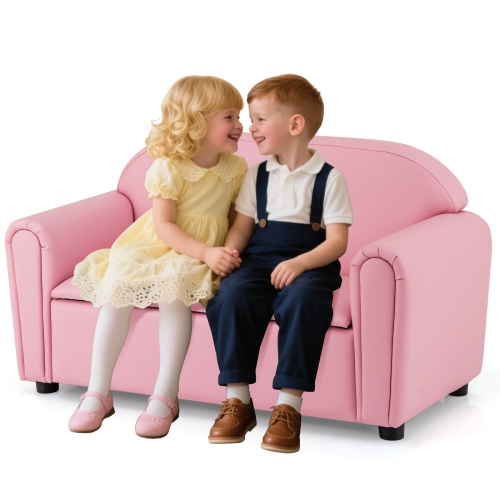
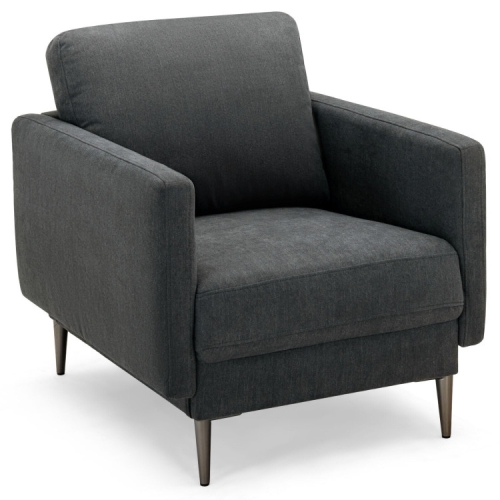
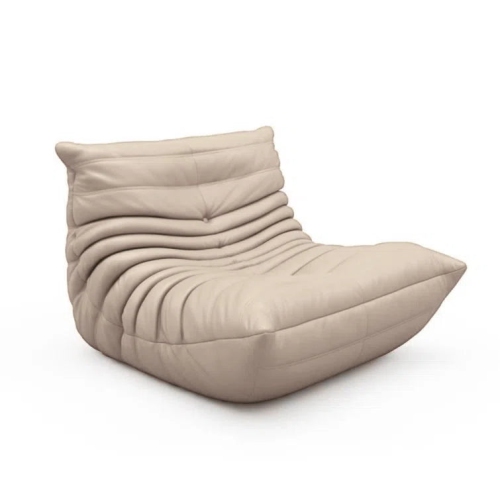
Comfort goes beyond cushions to a layout that works
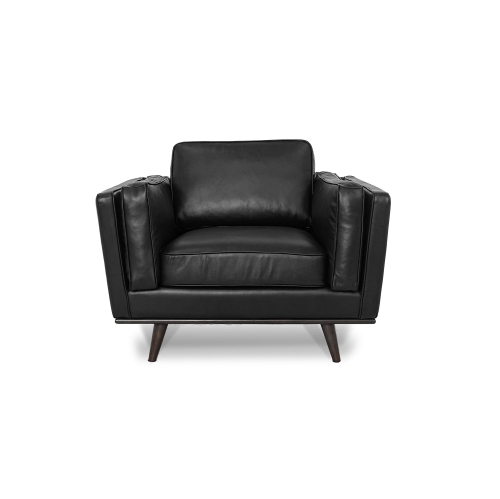
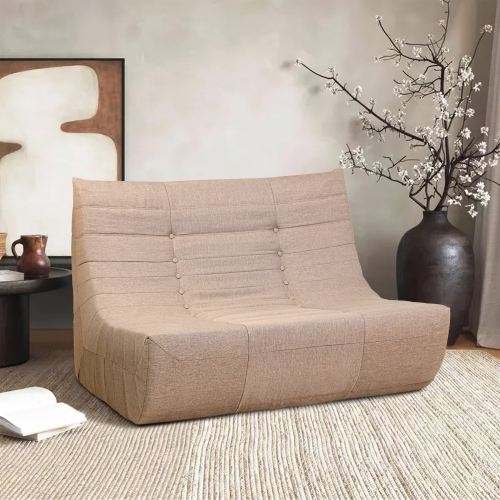
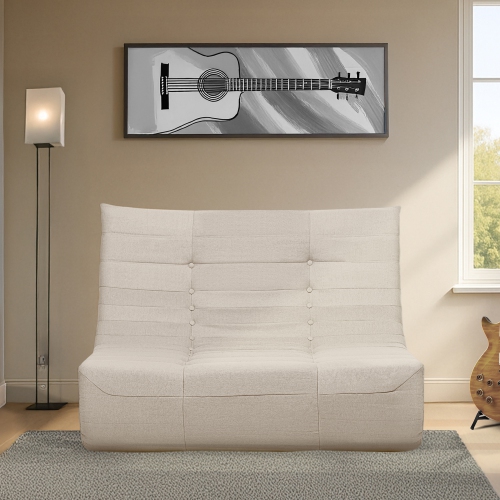
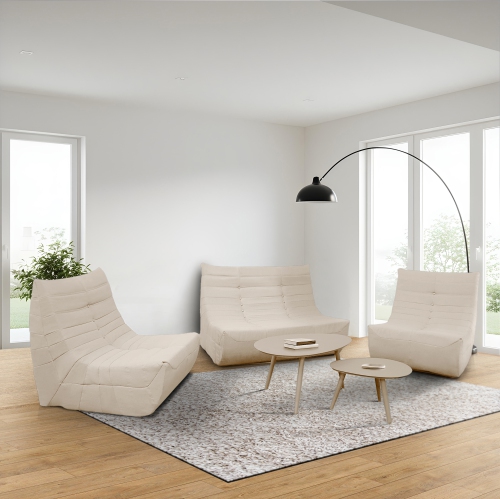
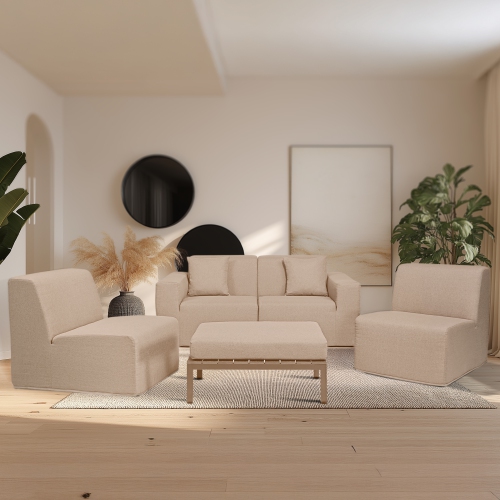
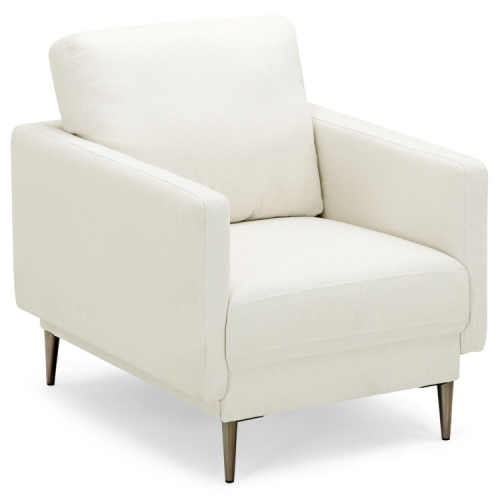
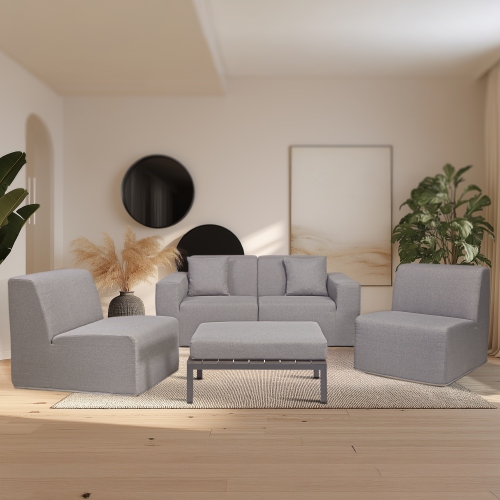
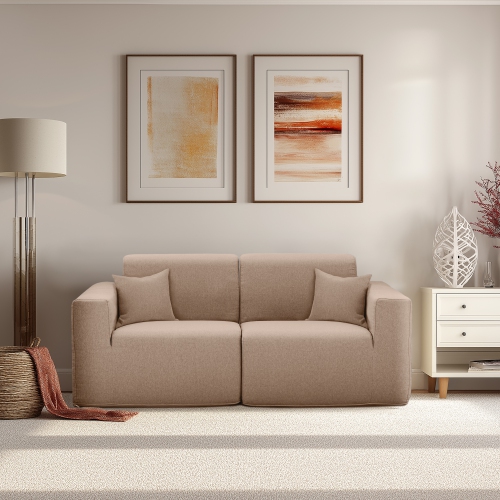
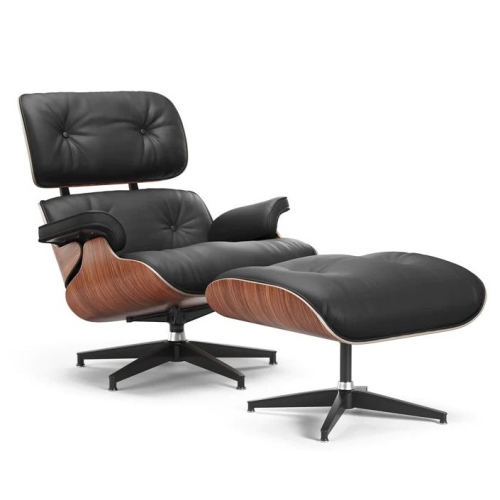
A lounge living room is a relaxed sitting space built around comfortable seating, practical surfaces, and a layout that makes everyday activities feel easy. Sofas, sectionals, lounge chairs, ottomans, and occasional tables give the room its shape, whether the space is used for reading, conversation, watching a film, or stretching out after a busy day. Deep seats and broad cushions suit people who like to curl up with their feet tucked beneath them, while a shallower seat can feel more comfortable for someone who prefers to sit upright with both feet on the floor. Back height, cushion firmness, and arm placement matter just as much as the overall silhouette: a low, sculptural sofa creates an open sightline, but a higher back offers more support when sitting for longer periods. Sectionals can define a shared lounging area in an open-plan home, while a sofa paired with separate chairs gives each person a distinct place to settle in. A right-angle arrangement encourages conversation without requiring every seat to face the same direction. In a smaller room, a loveseat and a compact chair can provide comfortable seating without crowding the route between doorways. The proportions of living room lounge chairs vary considerably, from upright designs with exposed legs to wider seats with generous arms, so their footprint includes more than the sitting surface alone. Reclining designs also need clearance for the backrest and footrest when extended. Room measurements, doorway widths, stair turns, and lift dimensions all influence how larger furniture fits into a home. An ottoman can provide a place to rest tired legs, serve as extra seating when its construction allows, or move aside when the room needs more open floor space. For households sharing a lounge between quiet reading and lively visits, a mix of seat depths and positions often feels more accommodating than several identical seats. Enough space to stand, turn, and walk around the furniture helps the room remain comfortable beyond the cushions themselves.
Materials and construction shape both the feel of lounge furniture and the attention it needs over time. Woven upholstery brings texture to a room, with tightly woven fabrics generally less prone to snagging than loose, open weaves. Velvet has a soft surface and a rich appearance that changes with the direction of the pile, while textured fabrics can soften the look of large sofas and chairs. Leather develops character with use, although its finish affects how it responds to scratches, spills, and direct light. Faux leather offers a different surface feel and requires care suited to its coating rather than treatments intended for natural leather. Colour also changes the room’s character: pale upholstery creates a light, spacious impression, deeper tones lend visual weight, and patterned textiles can make small marks less noticeable. In homes with children or pets, cleanable surfaces, removable covers where provided, and upholstery suited to frequent use can make everyday upkeep more manageable. A fabric’s suitability for cleaning should come from its care label rather than its appearance; some covers can be washed, while others require spot cleaning or professional attention. Regular vacuuming with an appropriate upholstery attachment helps remove crumbs and dust from seams, and blotting a spill promptly is less likely to spread it than rubbing. Cushions filled with foam tend to hold a defined shape, while fibre or feather blends can offer a softer feel that benefits from regular fluffing. Supportive suspension, sound frame construction, and firmly fitted joints contribute to comfort and durability, especially when seating is used daily. Solid wood, plywood, and metal can each play a role in furniture construction, and the quality of the assembly matters alongside the material itself. Where the manufacturer recommends it, rotating loose cushions helps distribute wear across sitting surfaces. Throws and accent cushions add another layer of comfort without changing the main furniture, but their fabrics need appropriate care too. A washable throw can be particularly useful on a favourite reading seat, where frequent use concentrates wear in one spot.
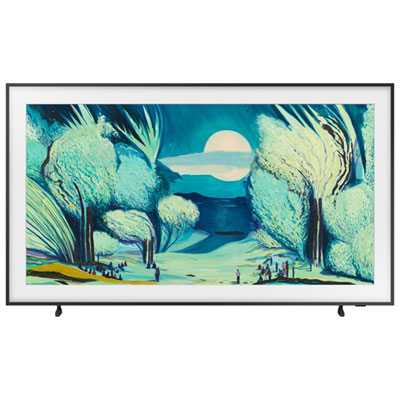
Tables, storage, rugs, and lighting complete a lounge living room by keeping useful things close without filling every open space. A side table beside a chair gives a mug, book, or pair of glasses a convenient landing place, while a coffee table serves several seats at once. Table height works best in relation to the seating around it: a surface close to the height of a sofa cushion or chair arm is easier to reach than one that sits noticeably above or below it. Rounded edges can make movement more comfortable in a tight arrangement, and nesting tables offer separate surfaces that can move apart for guests and tuck together afterwards. Wood brings warmth and visible grain, glass keeps a tabletop visually light, and metal introduces a crisp contrast; each has its own cleaning needs and resistance to everyday marks. Coasters and suitable protective pads help limit damage from moisture, heat, and objects moved across a surface. An area rug can connect a sofa and chairs into a single seating zone, particularly when the front furniture legs rest comfortably within its edges. Low-pile rugs are generally easier to vacuum and allow small tables to sit more steadily, while thicker textures feel softer underfoot. A rug pad suited to the flooring can help reduce movement and add cushioning. Lighting works alongside these layers rather than relying on one bright ceiling fixture. A reading lamp directs light towards a page, a shaded table lamp creates a gentler pool of light beside a sofa, and adjustable lighting supports different activities in the same room. Where television is part of the space, screen position and glare matter alongside seating comfort; lamps placed thoughtfully can illuminate the room without reflecting directly in the screen. Media furniture and closed storage keep remotes, games, and cables from taking over the surfaces used for relaxing. Open shelves leave room for books and a few personal objects without requiring every possession to be on display. Together, well-proportioned furniture and useful finishing touches create a lounge that feels welcoming during a quiet evening alone, a shared film night, or an unhurried conversation with friends.
Top selling and popular products
-
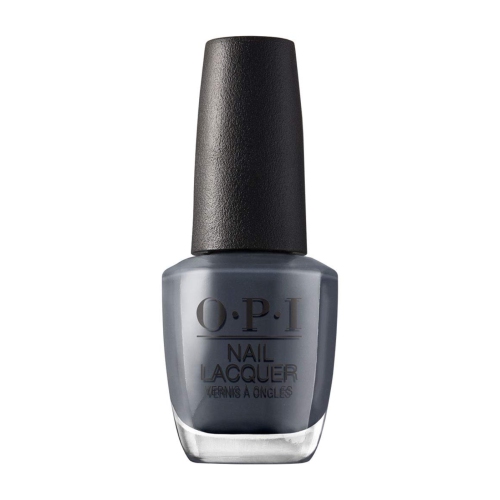 Your price for this item is $13.3
-
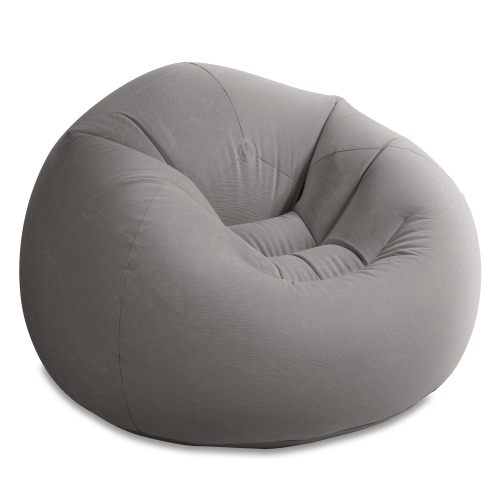 Your price for this item is $108.99
-
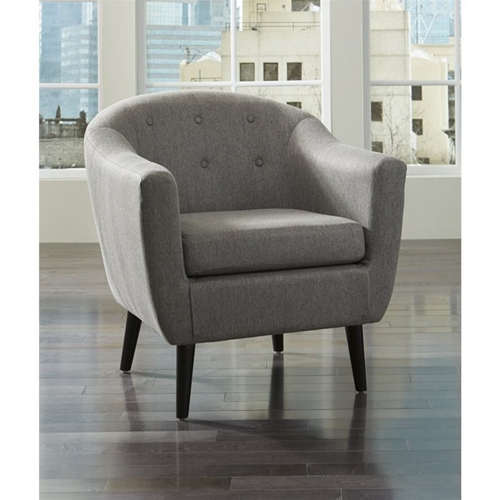 Your price for this item is $544.85
-
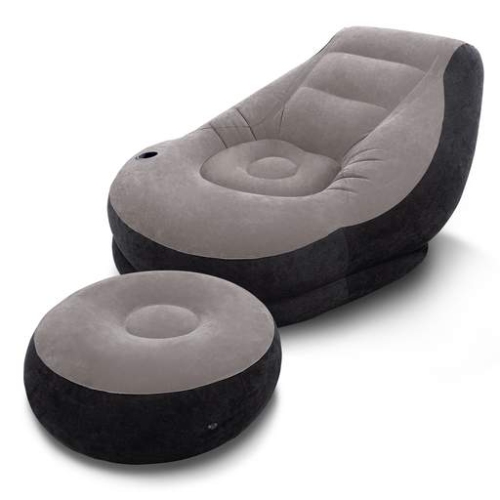 Your price for this item is $288.99
-
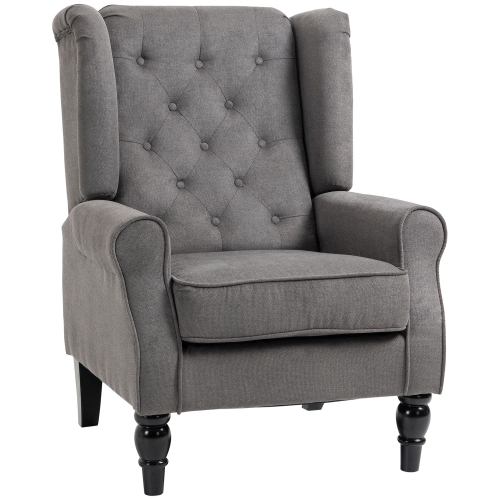 Your price for this item is $249.99
-
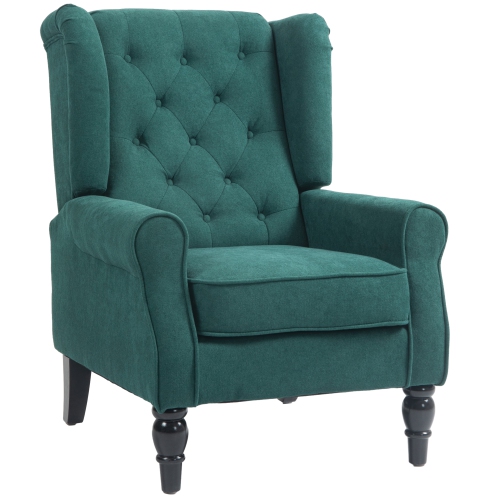 Your price for this item is $244.99
-
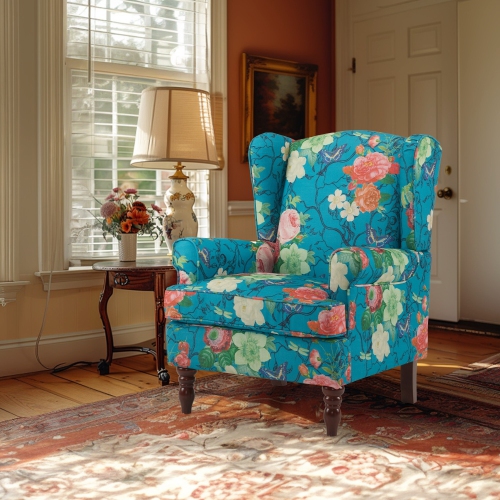 Your price for this item is $249.99
-
 Your price for this item is $167.99
Discover more categories related to Lounge Living Room
Top Collections:
Best Black Friday Deals This Year, Best Black Friday Deals On Electronics, Kindle Devices, Dyson Airwrap, Best Cameras for Sports Photography, Best Budget Office Chairs, Canon G7X Cameras, PS5 Pro Consoles, Best Black Friday Deals On Apple Products, XBOX One S Consoles
Some products may be subject to Environmental Handling Fees
(EHF) depending on your province.
Learn more about EHFs.