Cheap TV Screens

Browse cheap TV screens to find a television that fits your budget, room, and viewing needs. Compare lower-priced options by screen size and resolution, and check each listing for connection options and built-in features so you can choose a TV that works with your devices.
Sort

How room size and viewing habits shape TV choices

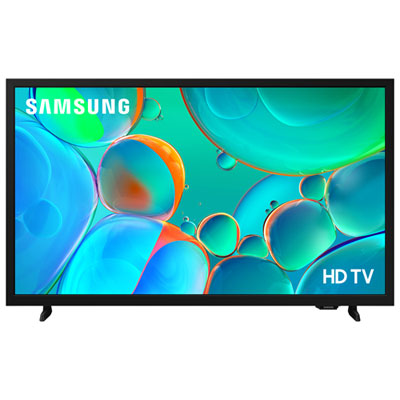
TV screens bring everyday entertainment into living rooms, bedrooms, dens, and other spaces where a dedicated display makes watching more comfortable. For most shoppers, the term refers to a complete television with a display, speakers, and connections, rather than a replacement panel for an existing set. Compact televisions suit smaller rooms, while larger screens give films, live sports, and shared viewing more visual presence. A screen’s size is measured diagonally, so a 32-inch television is not 32 inches wide; the frame, stand, and overall dimensions determine how it fits on furniture. In a small apartment, a narrow media unit may matter as much as the distance between the sofa and the screen. In a bedroom, a clear view from the bed and accessible controls may be more useful than a particularly large display. Picture resolution is another distinction. HD screens can suit casual viewing on smaller displays, Full HD provides more detail, and 4K offers a finer pixel structure that becomes more noticeable on larger screens or at closer seating distances. The quality of the source matters too: a clear broadcast or high-resolution stream gives a television more detail to display than an older, heavily compressed video. LED televisions use an LCD panel illuminated by LEDs, while QLED televisions add a quantum-dot layer to an LCD design to help produce colour. Neither label alone describes the entire viewing experience, which also depends on contrast, brightness, processing, and viewing angle. A family watching from several seats may notice off-centre picture quality more than someone sitting directly in front of the screen. Browsing Inexpensive TVs can begin with these everyday needs: the room, the seating arrangement, and the programs that will appear on screen most often. Those details help distinguish a television suited to background news in a den from one intended for film nights, gaming, or following fast-moving action.
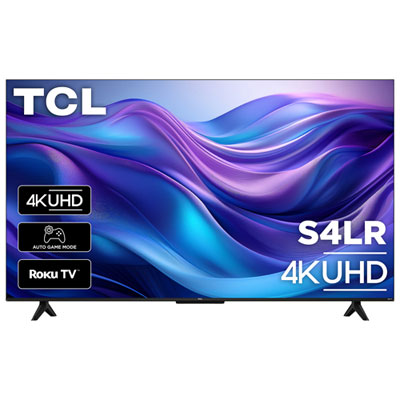
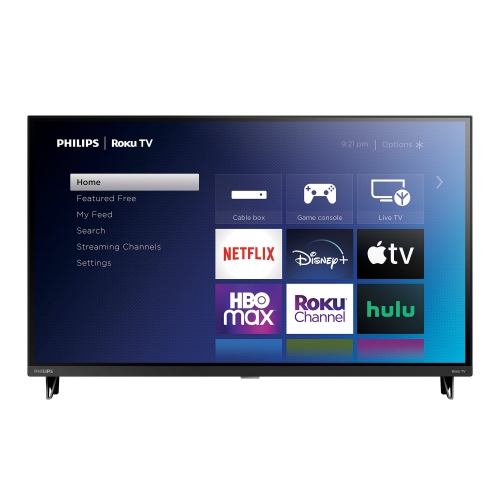
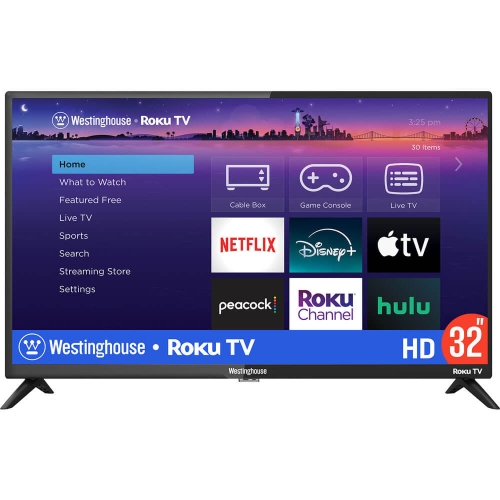
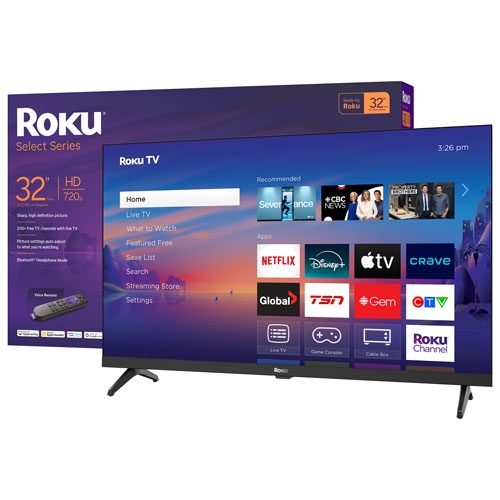
Connections and built-in features shape how a television works with the rest of a home entertainment setup. Smart TVs connect to the internet and run supported streaming apps, bringing on-demand programs and other content onto the screen without always needing a separate streaming device. App support varies by operating system and can change over time, and some services require subscriptions or separate accounts. Wi-Fi provides a wireless connection, while an Ethernet port, where included, allows a wired connection that can be useful when wireless reception is inconsistent. HDMI inputs connect devices such as game consoles, streaming players, and disc players. A household using several sources benefits from enough inputs to leave those devices connected rather than repeatedly reaching behind the television to swap cables. An HDMI port labelled ARC or eARC can carry sound to compatible audio equipment, although both devices and the cable connection need to support the intended features. USB ports have different purposes across televisions, so their presence does not automatically mean support for every video file, accessory, or recording function. For gaming, resolution is only part of the picture: input lag, supported refresh rates, and compatibility with a console’s output also affect how responsive play feels. A stated motion-processing figure is not necessarily the panel’s native refresh rate, an important distinction for fast sports and games. Sound deserves similar attention. Slim cabinets leave limited room for speakers, and dialogue clarity can depend on speaker placement, room acoustics, and available sound settings. A television positioned inside a deep shelving unit may sound different from the same screen on an open stand. Clear menus, readable text, remote-control layout, caption support, and compatible accessibility features can also make daily use easier. These details are especially relevant for a shared household, a guest room, or a television given to a family member who prefers straightforward controls over a long list of features.
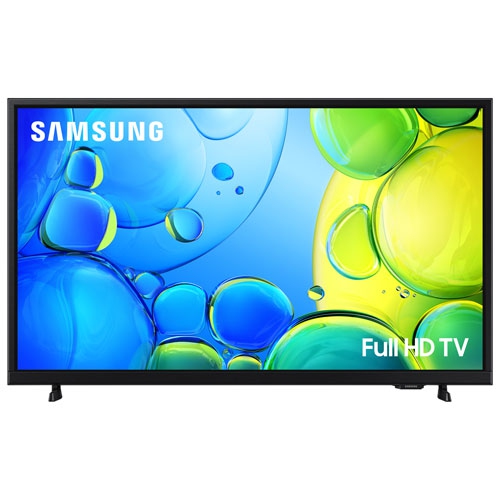
The physical design of a TV screen affects placement, care, and how well it stands up to everyday handling. Many televisions combine a plastic outer housing with internal metal supports and a display surface that needs gentle treatment. Thin frames create a clean appearance, but the panel is not a surface to grip, press, or use as leverage when moving the set. Larger televisions are easier to handle safely with two people following the manufacturer’s lifting instructions. On furniture, the stand’s footprint matters: widely spaced feet may require a broader cabinet than a central pedestal, even when the screen dimensions are similar. A level, stable surface and an appropriate anti-tip restraint are particularly important in homes with children or pets. For wall mounting, the television’s weight, mounting-hole pattern, bracket compatibility, and wall construction all need to match the installation. Cable clearance also matters, especially when connections face straight back towards the wall. A little space around the cabinet helps maintain the ventilation specified by the manufacturer, while thoughtful cable routing keeps plugs accessible and reduces strain on connectors. Day-to-day cleaning is usually simple, but the correct method protects the screen’s coating. With the television turned off and unplugged, a clean, dry microfibre cloth can remove light dust using minimal pressure; any additional cleaning should follow the manufacturer’s directions. Liquid should never be sprayed directly onto the screen, and abrasive materials or unsuitable household cleaners can damage the finish. Placement away from splashes and areas where objects regularly brush against the panel can help prevent accidental damage. Reflections are another practical consideration: a lamp or bright window directly opposite the display can make darker scenes harder to see. A slight change in position may improve visibility without changing the television itself. For a student furnishing a first apartment, a family creating a shared entertainment area, or someone giving a television as a housewarming gift, screen size is only one part of a good fit. Straightforward operation, suitable connections, secure placement, and manageable care all contribute to a television that feels at home in its intended space.

FAQ

Some products may be subject to Environmental Handling Fees (EHF) depending on your province. Learn more about EHFs.