Cheapest Wireless Chargers

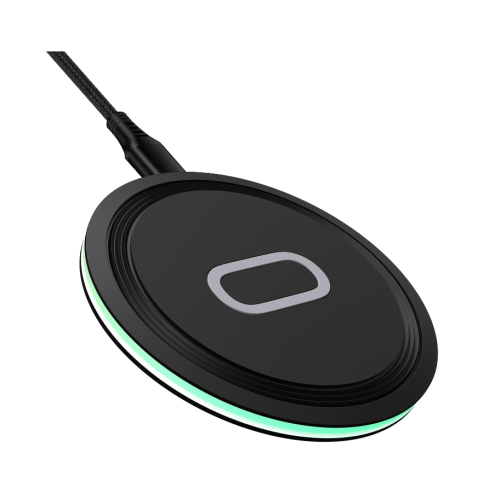
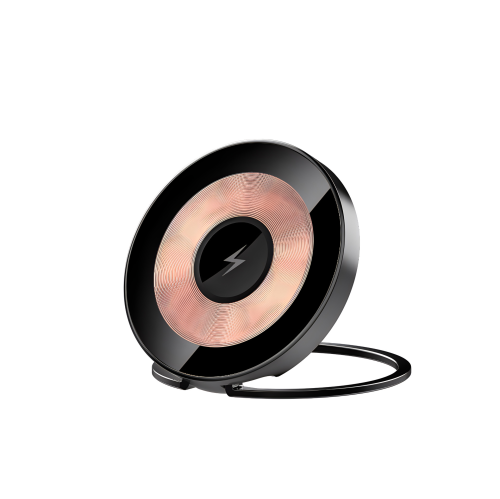
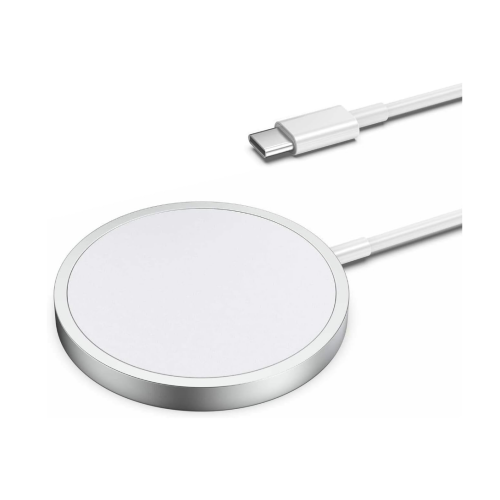
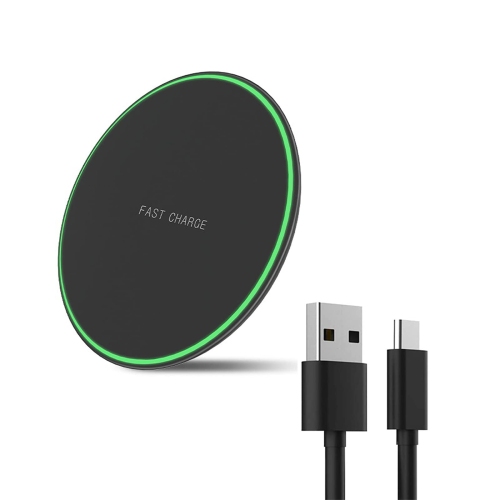
Looking for the cheapest wireless chargers? Compare lower-priced options by device compatibility and supported charging speeds to find one that fits your needs. Check each listing to see whether a power adapter is included or sold separately, so you can compare the total cost rather than the charger’s price alone.
Read More

Sort

Why higher wattage does not always mean faster charging

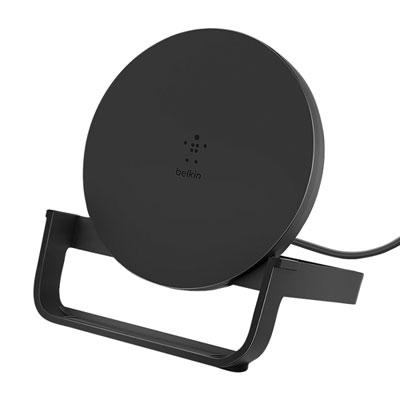
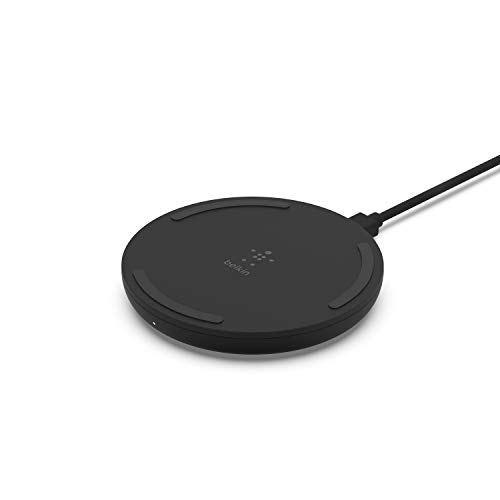
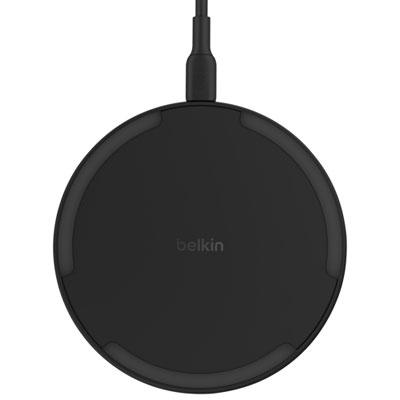
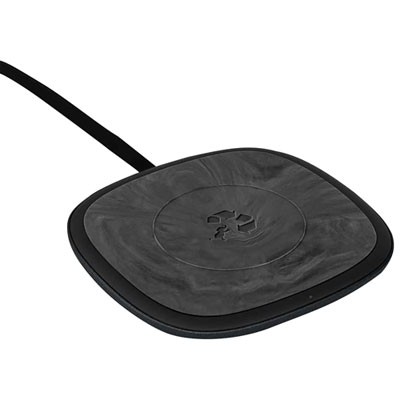
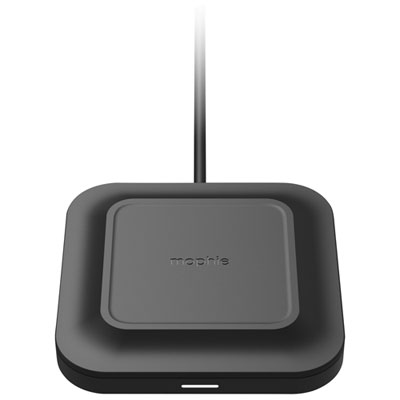
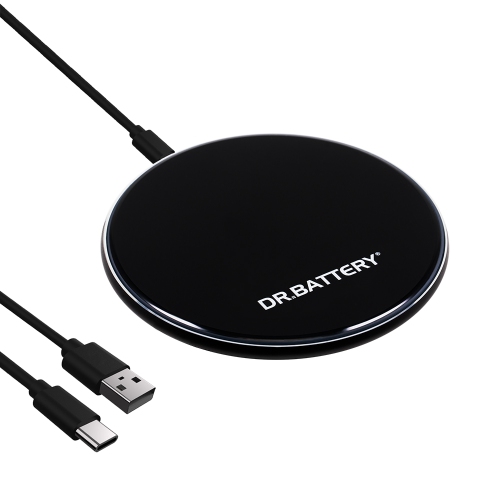
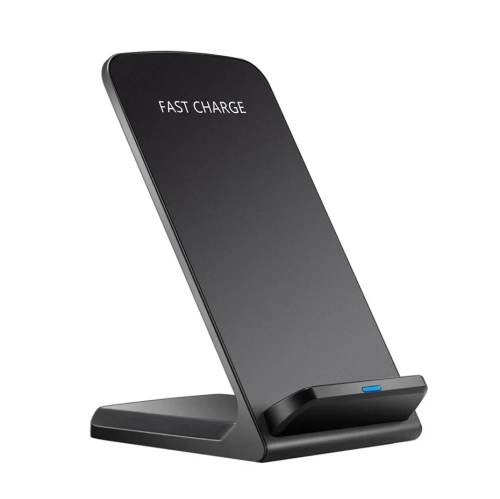
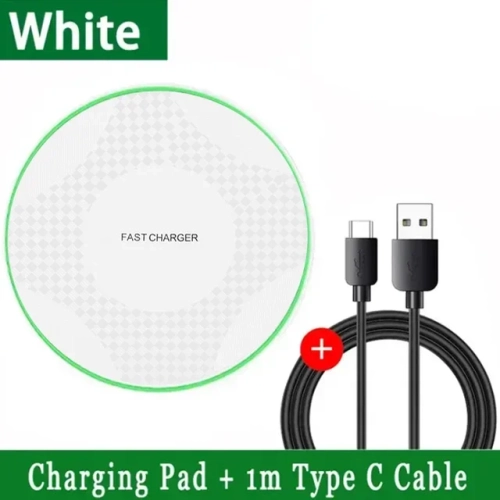
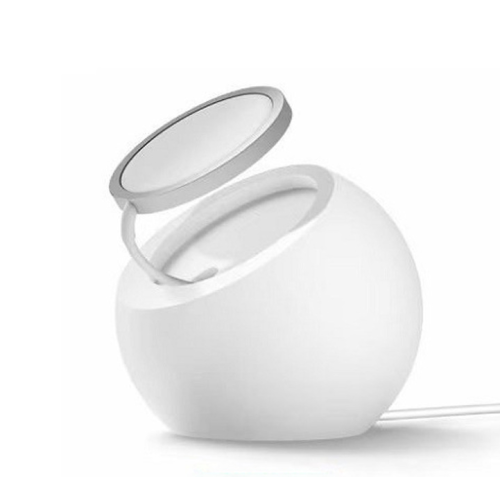
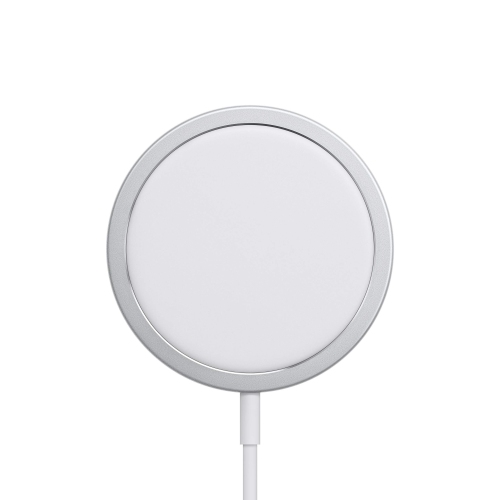
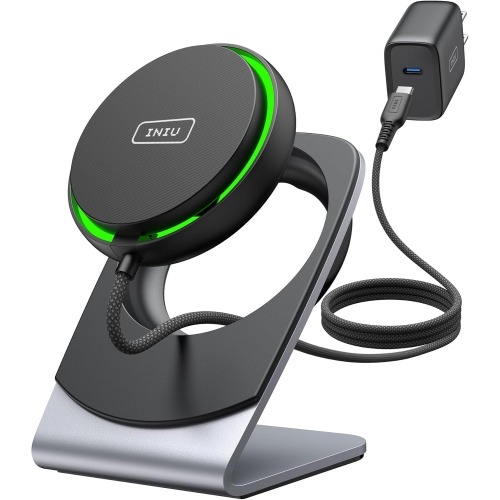
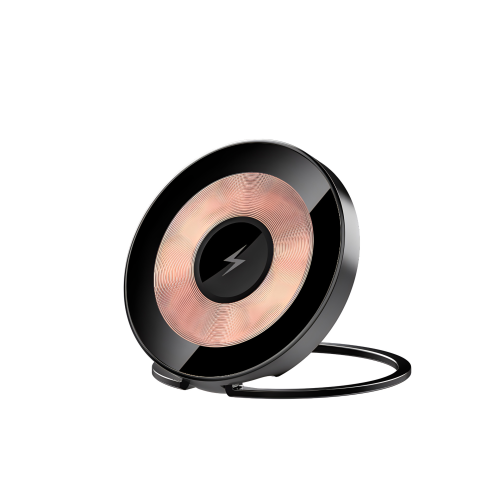
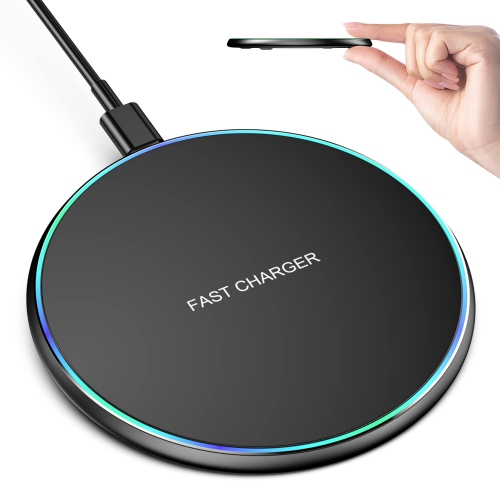
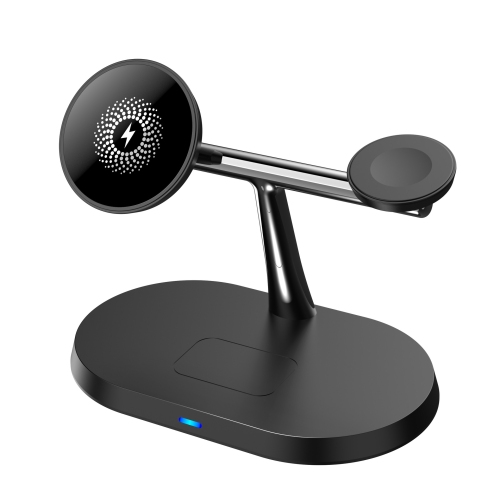
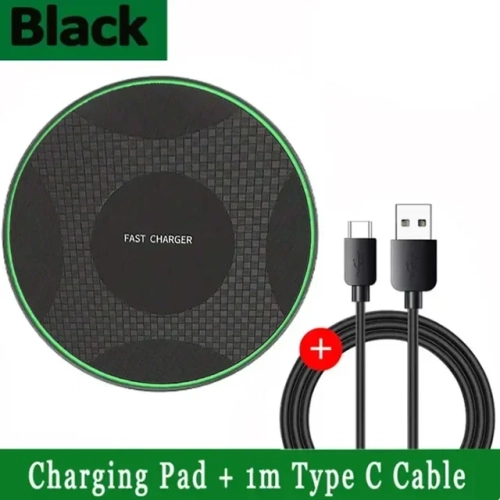
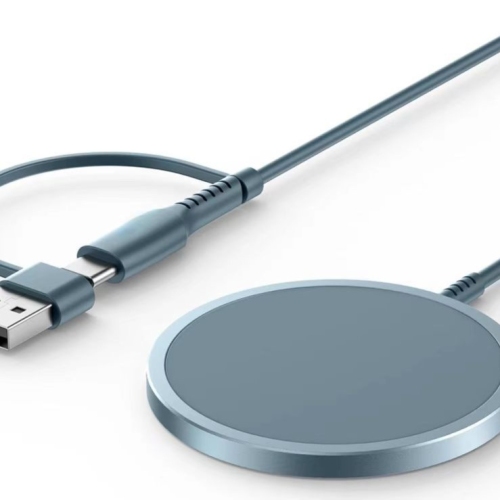
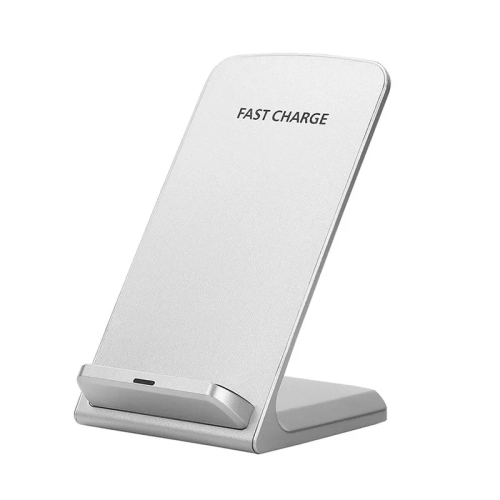
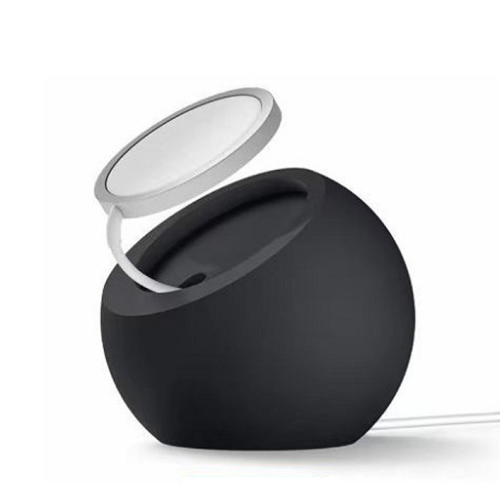
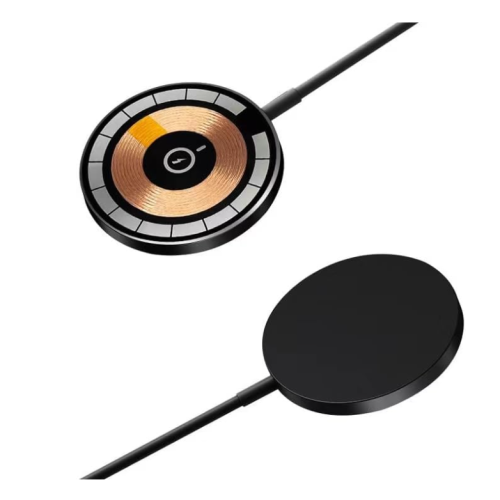
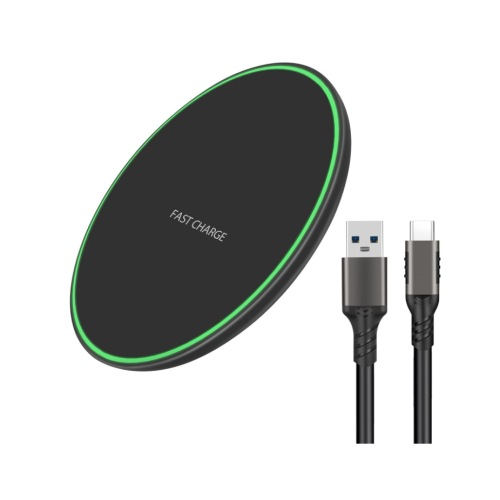
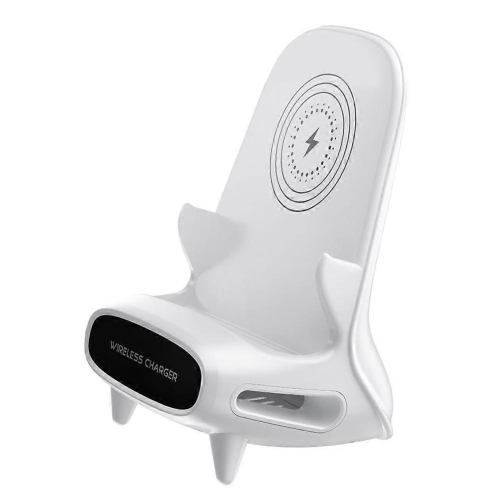
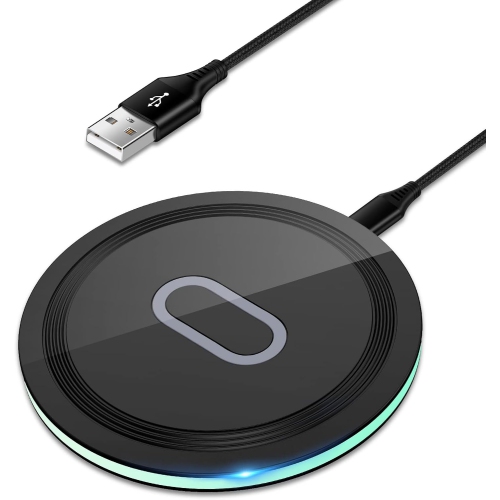
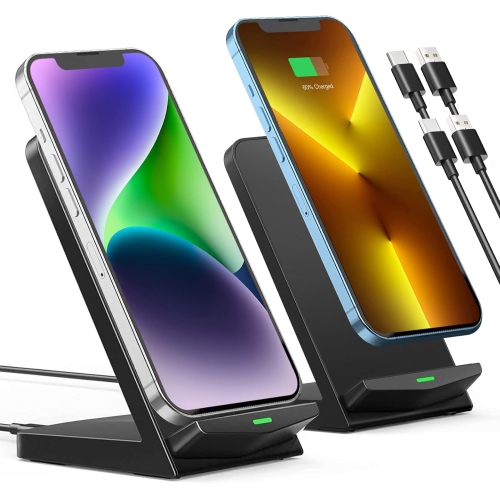
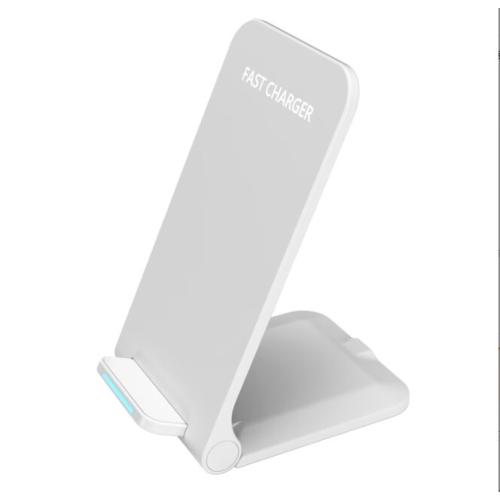
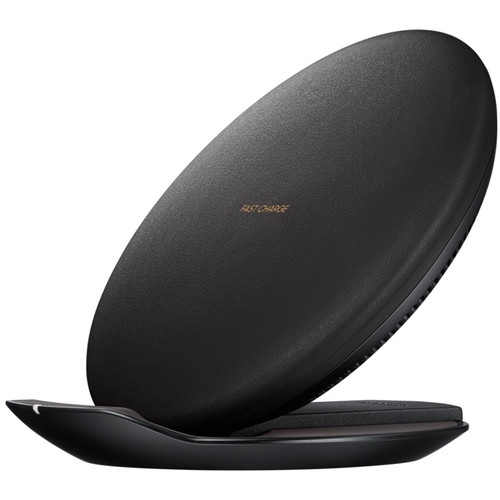
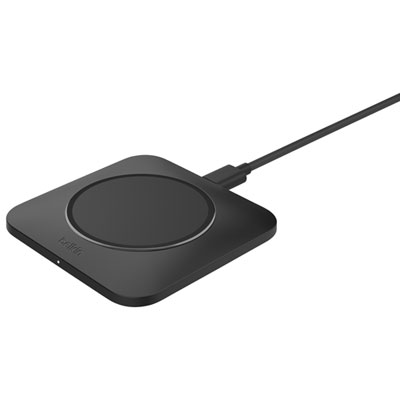
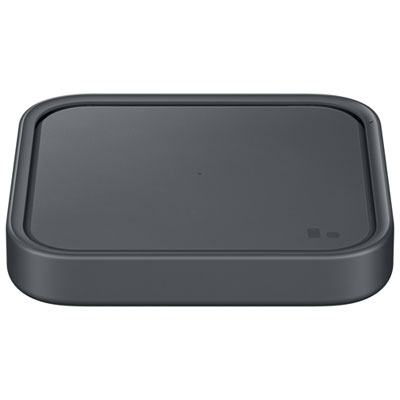
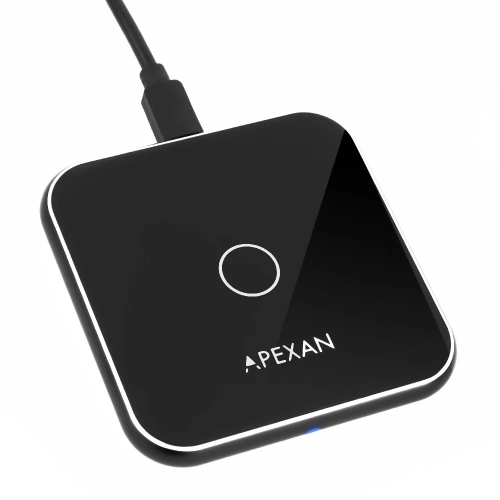
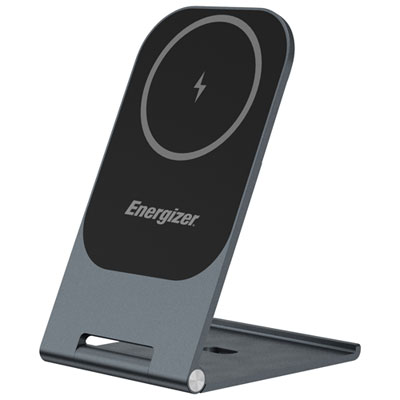
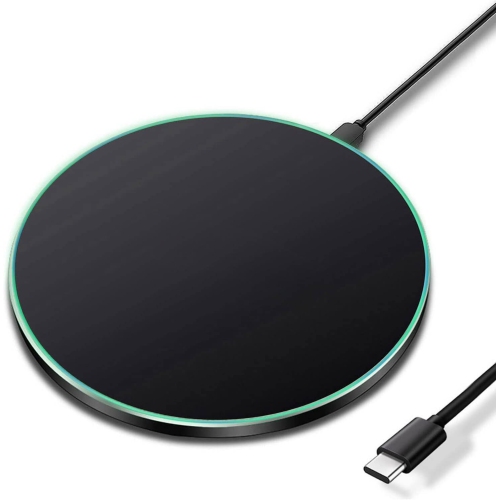
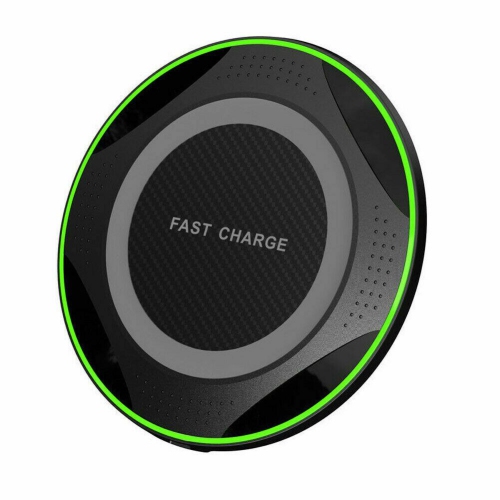
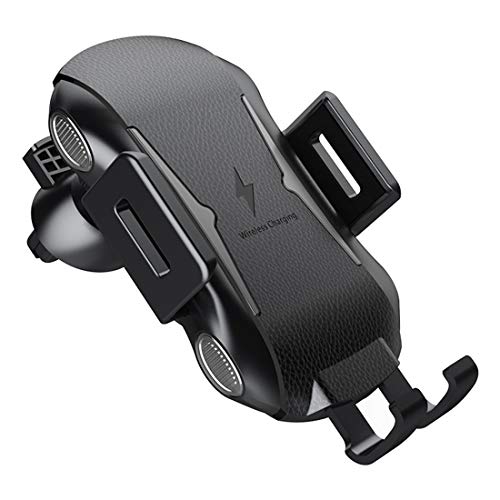
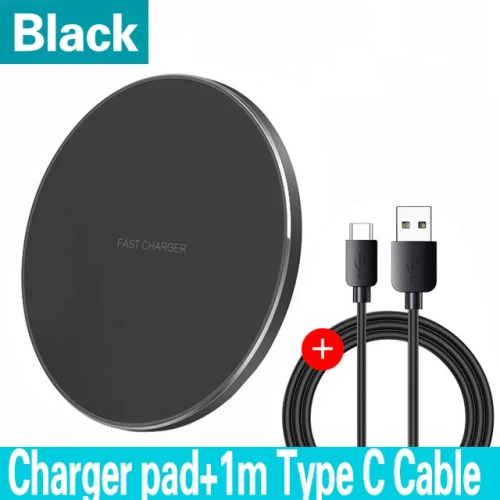
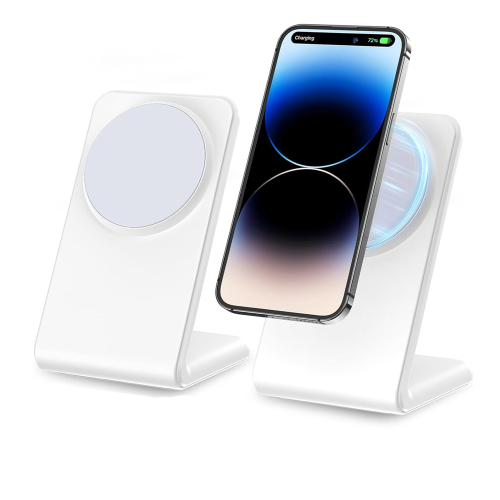
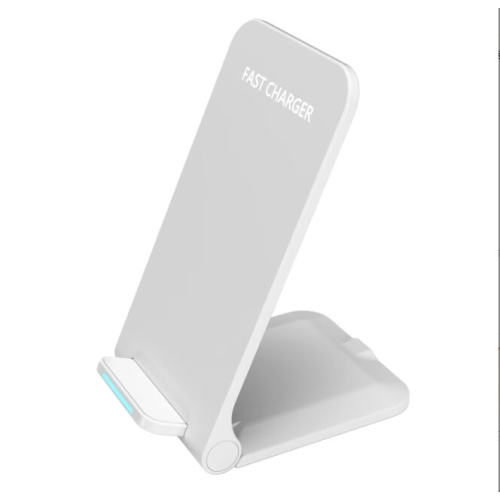
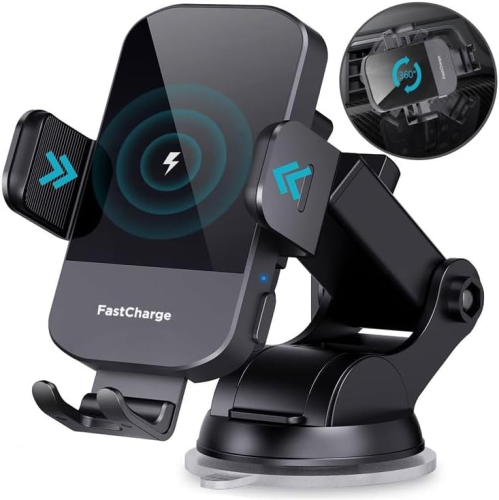
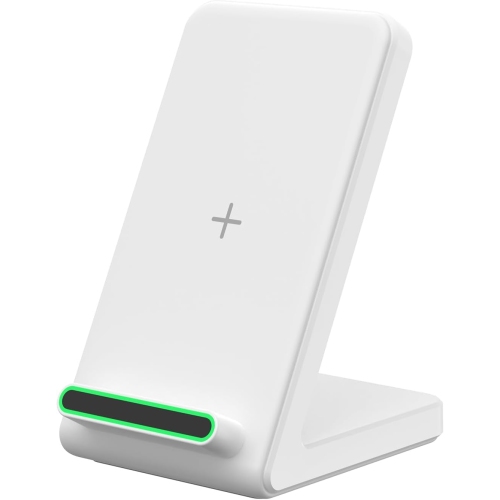
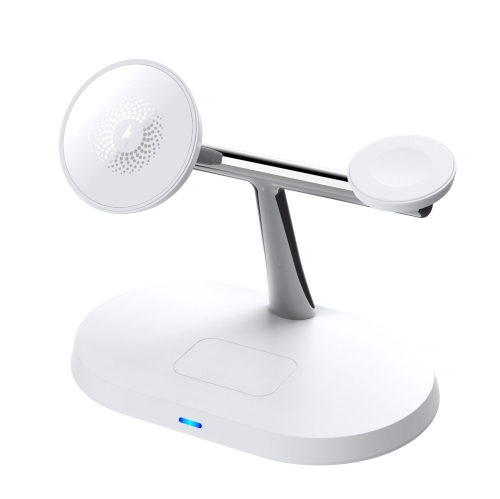
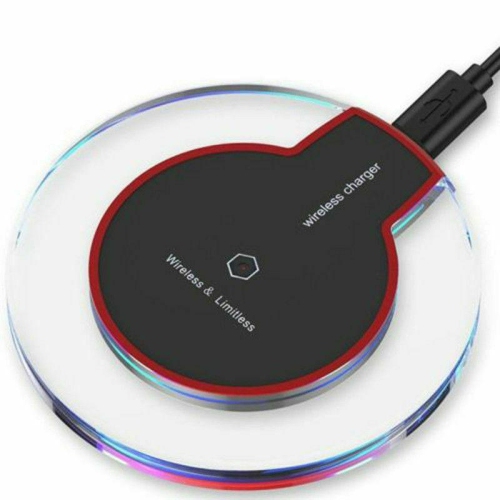
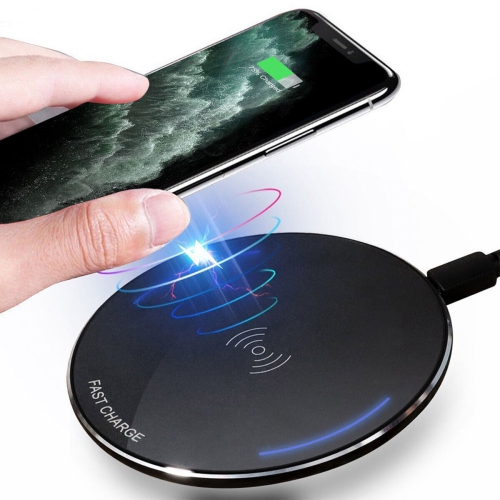
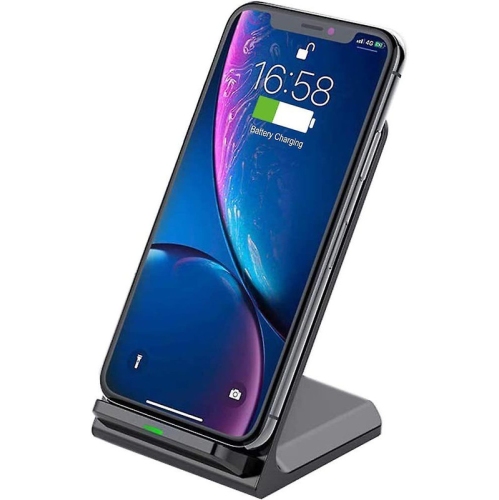
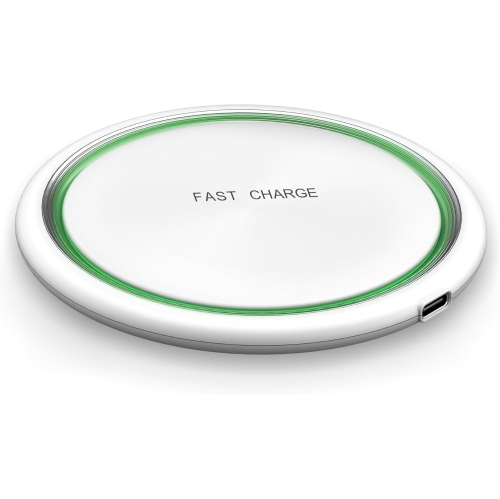
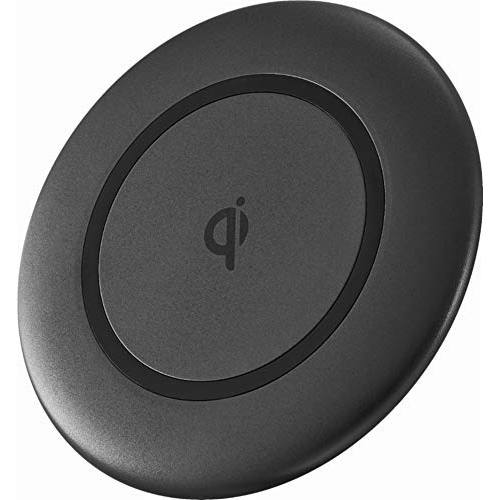
Wireless chargers power compatible smartphones without a cable being plugged directly into the handset. A charging coil inside the pad or stand transfers energy to a receiving coil in the phone when the two are correctly aligned. For everyday use, a basic Qi-compatible charger can provide a convenient place to set down a supported phone between calls, beside a keyboard, or on a bedside table. Wireless charging does not make the entire setup cable-free: the charger still needs a power source, usually through a cable connected to a suitable wall adapter. The phone must also support wireless charging; a charging pad cannot add that capability to a handset that lacks it. Flat pads offer a low-profile surface for setting a phone down, while upright stands keep the screen visible for notifications, video calls, or checking the time. Some stands accommodate both portrait and landscape positions, although the phone’s receiving coil still needs to line up with the charger. A compact pad can suit a small bedside table, while a stand with a broad base may be a better fit for a desk where the screen needs to remain visible. Non-slip feet help keep the charger steady, and a grippy contact surface can prevent a vibrating phone from gradually shifting out of position. Indicator lights also affect everyday comfort: a clearly visible charging signal is useful at a desk, but a dim or switchable light may be preferable beside a bed. A straightforward charger with dependable alignment can be more useful than extra features that do not suit the space. Cable length and the location of the nearest outlet matter, too, particularly when the charger needs to sit on a narrow shelf or at the far end of a desk. Keeping the charging surface within easy reach makes it simpler to put the phone back in the correct position after reading a message.

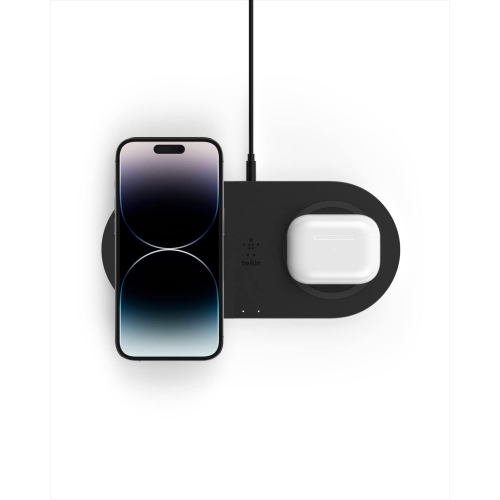
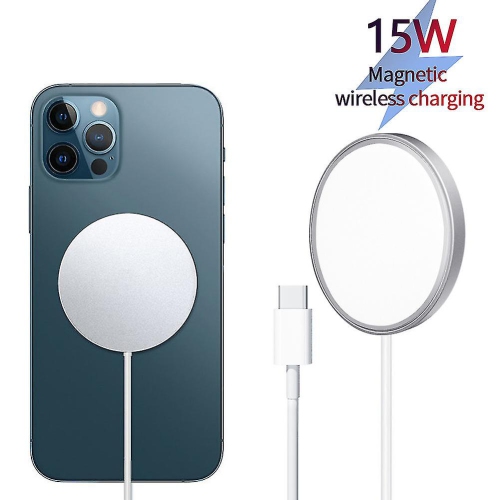
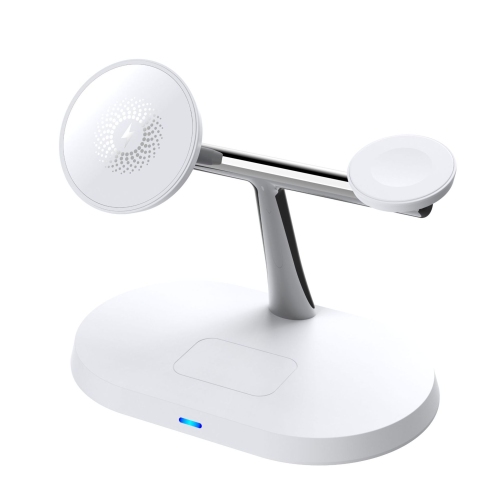
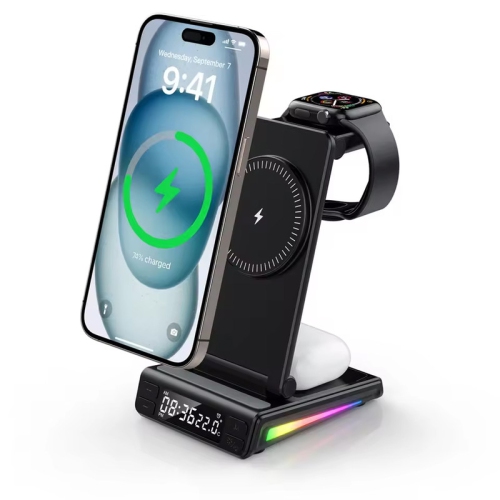
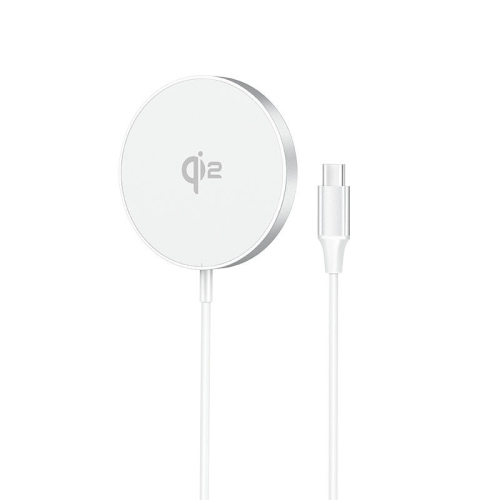
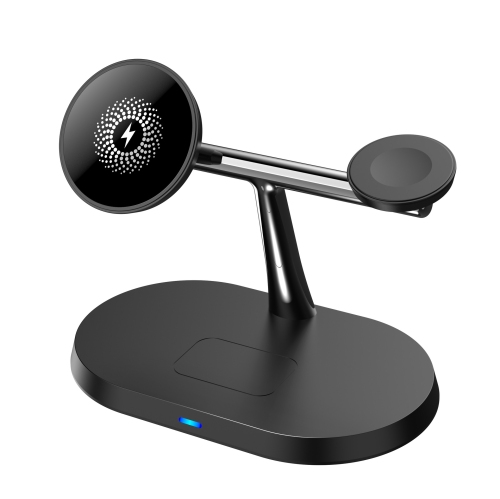
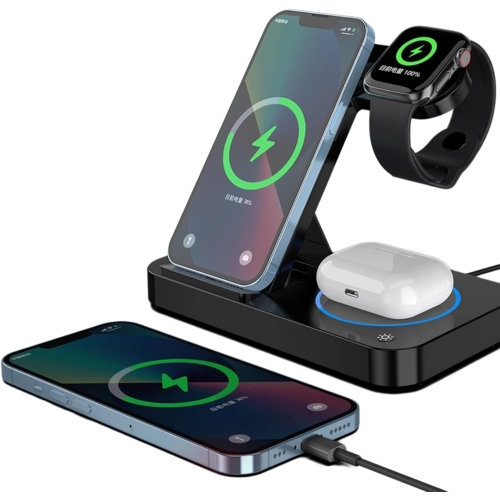
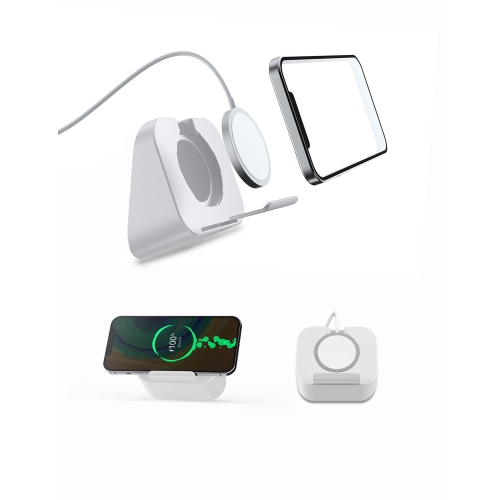
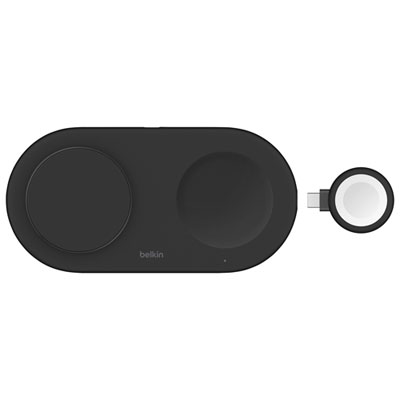
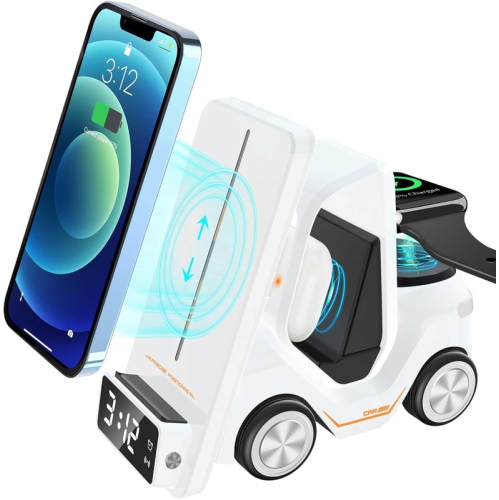
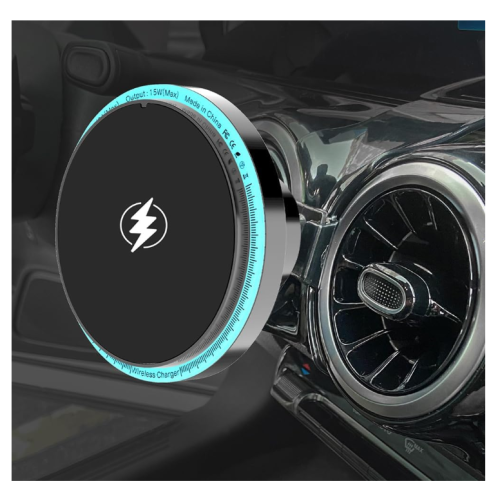
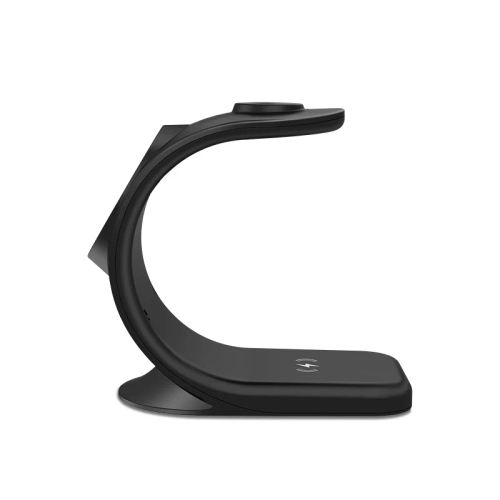
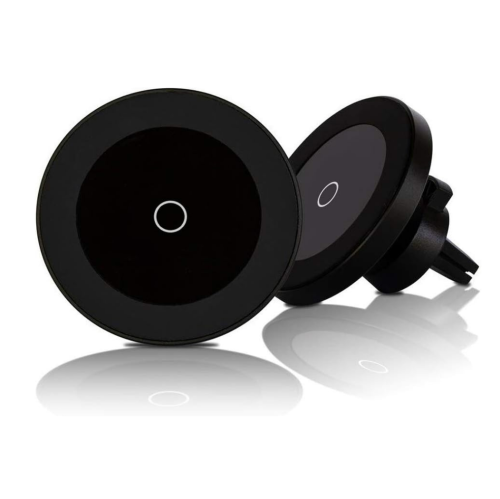
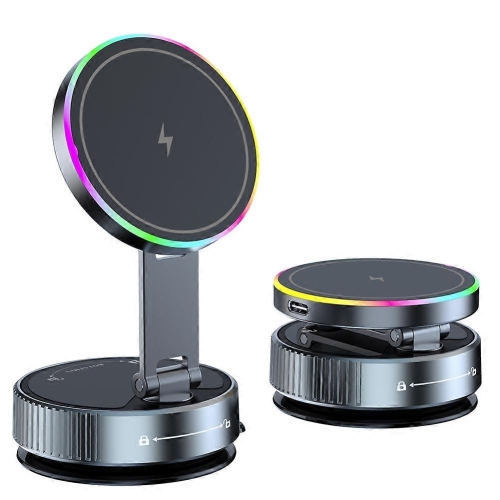
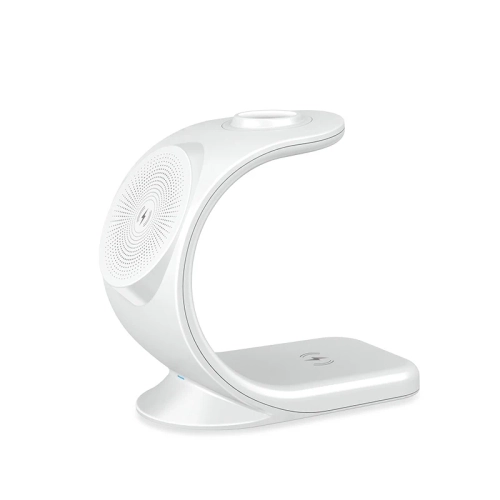
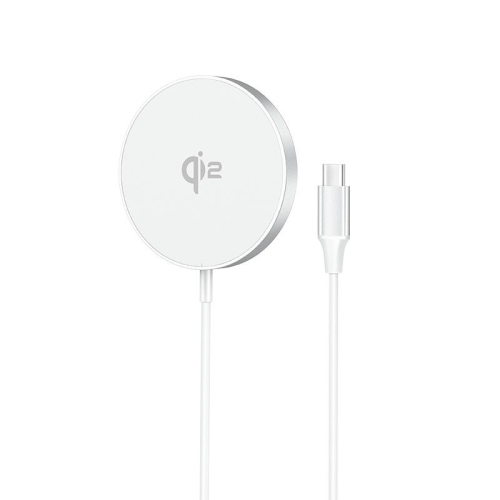
Compatibility determines how well a wireless charger fits a particular phone and routine. Qi is a widely used wireless charging standard, but the charger’s stated wattage is not a promise that every supported phone will charge at that output. Charging performance depends on the phone’s own limits, the charging standard supported by both devices, the power adapter, the cable, and how accurately the coils line up. Fast wireless charging requires a compatible combination of these components, and some charging modes have additional manufacturer requirements. A higher-wattage pad will not force a phone to accept more power than it supports. The same attention to compatibility applies when comparing Wireless Chargers for Samsung, since charging support and maximum wireless input vary between phone models. Magnetic alignment can help hold a compatible handset over the charging coil, but magnetic attachment alone does not establish charging compatibility or guarantee a particular speed. Qi2-compatible magnetic charging also depends on support from the phone and charger, rather than simply the presence of magnets in a case. Case fit deserves attention because thick covers, attached wallets, metal plates, and some grips can prevent the phone from sitting close enough to the charging surface. A case described as suitable for wireless charging is helpful, but its stated compatibility should still match the phone and charger. Credit cards and other cards should not sit between the handset and charging pad. Camera bumps can affect how a phone rests on a flat surface, while a stand’s lower ledge needs enough room for the handset and its case. Chargers intended for several devices require separate compatibility checks for each charging position. Wireless earbuds need a charging case that supports wireless charging, and a smartwatch may require its own dedicated charging connection rather than a general-purpose phone pad. For shared use, clearly defined charging positions can make it easier to place each device correctly, though simultaneous charging may divide the total power between positions.
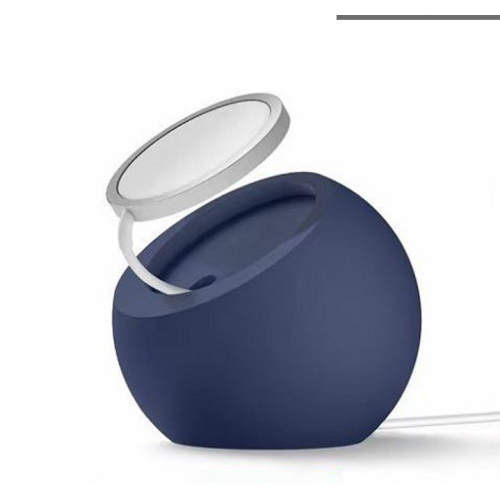
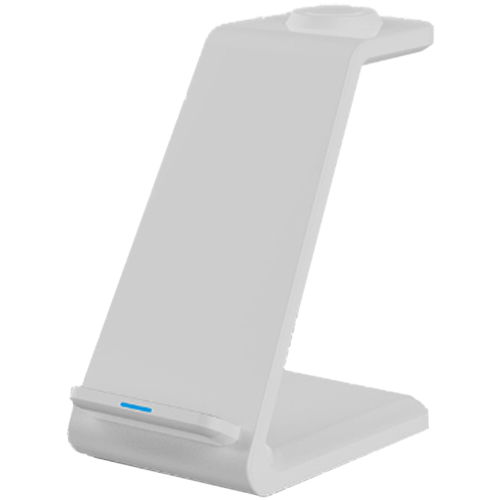
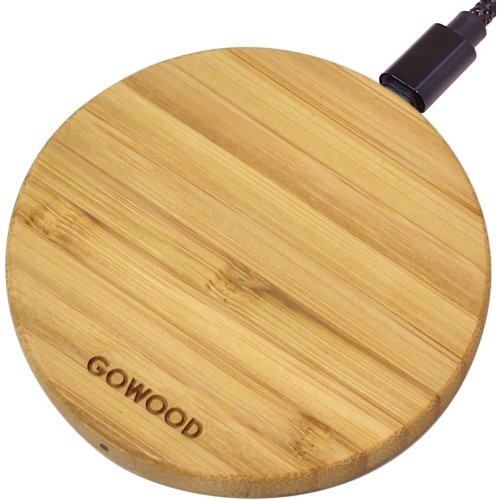
Materials and construction influence how a wireless charger feels in daily use and how well it handles repeated placement and removal. Plastic housings keep many designs lightweight, while metal-bodied designs can feel more substantial; neither material alone establishes charging performance or durability. Silicone or rubber contact points provide cushioning and grip, and a stable base helps prevent a stand from tipping when a phone is lifted away. Smooth surfaces are generally simple to wipe clean, whereas fabric-covered finishes may need more careful spot cleaning according to the manufacturer’s directions. Before cleaning, disconnect the charger and use a soft, dry cloth unless its care instructions specify another method. Dust, crumbs, and loose metal objects should be kept off the charging surface, and cables should be routed where they are less likely to be pulled, pinched, or bent sharply. Some warmth during charging is normal, but ventilation matters: the charger should sit on a firm, uncovered surface rather than beneath bedding, papers, or clothing. Charging may slow or pause when a device becomes too warm, particularly while it is also running demanding apps. A wireless charger suits the pauses already built into a day, such as working at a desk, reading in a chair, or leaving a phone on a bedside table. A cable can still be useful when the phone needs to be held and moved around while charging. For travel between a home and an office, a compact pad with a detachable cable can be easier to pack than a tall stand, provided its required adapter travels with it. Wireless chargers can also make practical gifts for students, commuters, or anyone who regularly sets a compatible phone in the same spot. Confirming the recipient’s phone model, case style, and included power accessories helps ensure the charger fits their routine without requiring unexpected changes to the setup.
Read More

FAQ

Some products may be subject to Environmental Handling Fees (EHF) depending on your province. Learn more about EHFs.