Black Analog Clock
Clocks are a familiar fixture in most homes and offices. It's a simple device, but one that can be personalized to fit your style and the room's decor. Whether you prefer a modern or traditional look, or want something that's more subtle, we've got you covered. Here are some great black analog clocks available.
Sort






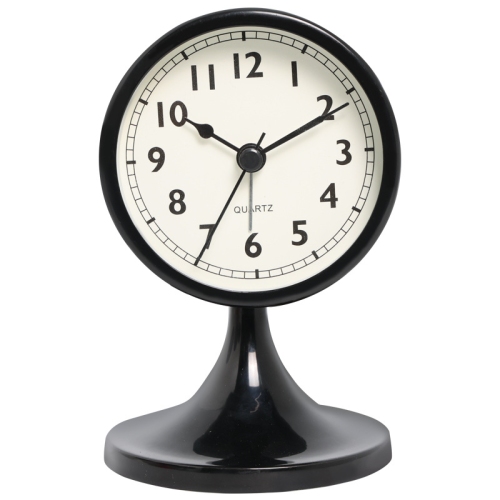


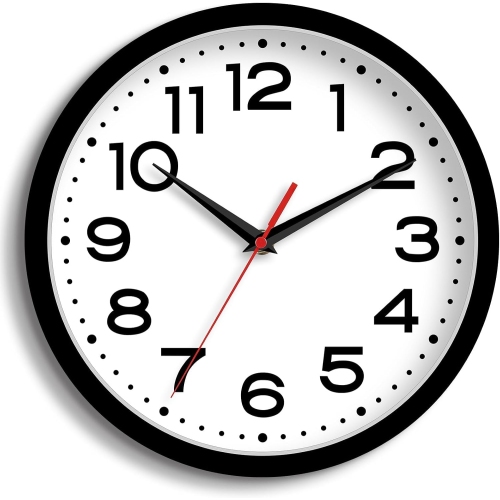





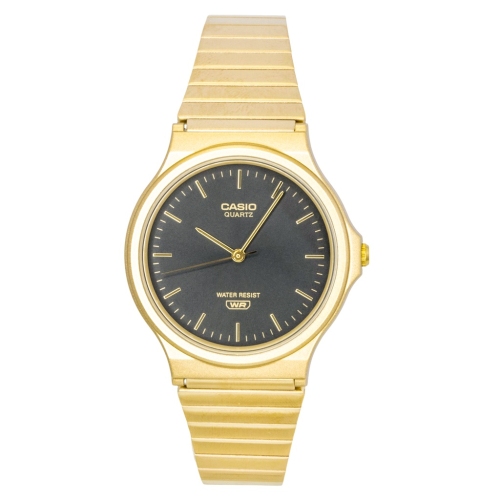




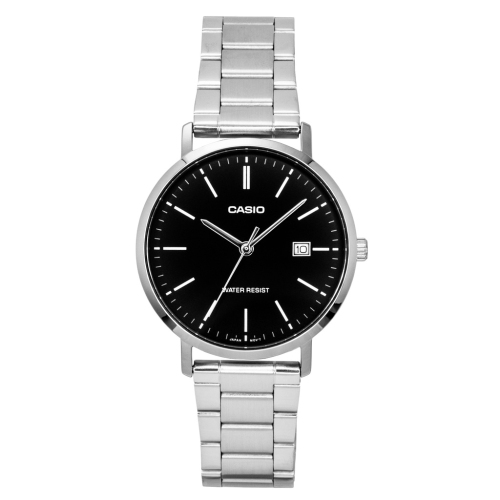
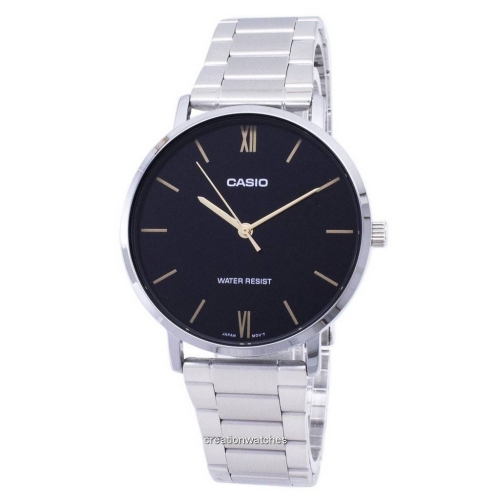





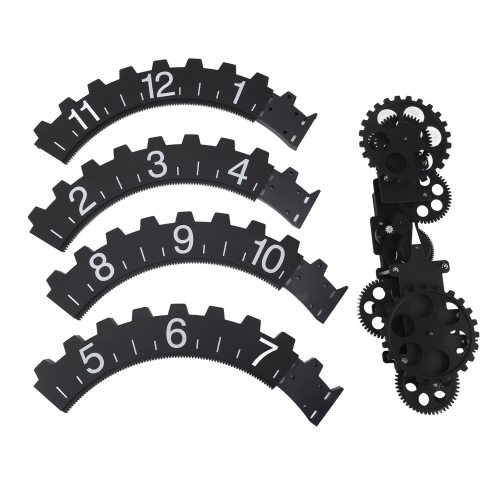

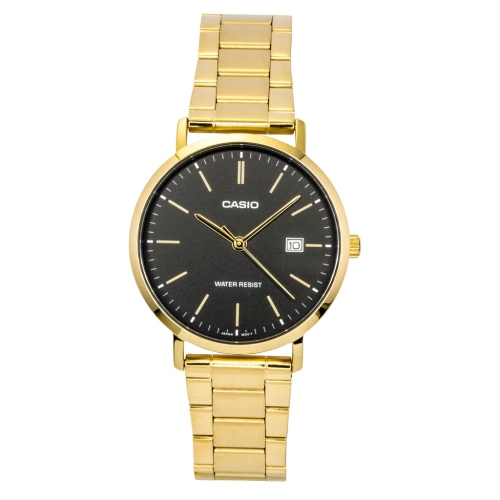


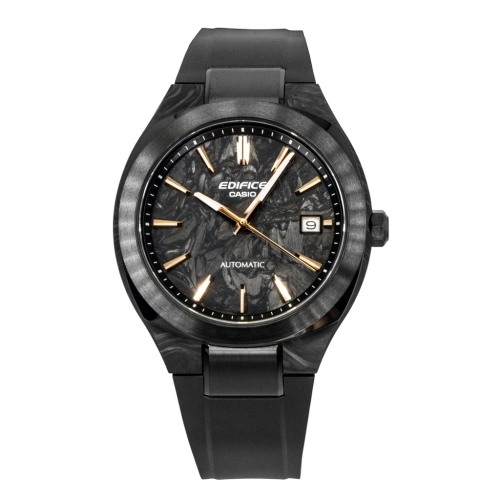


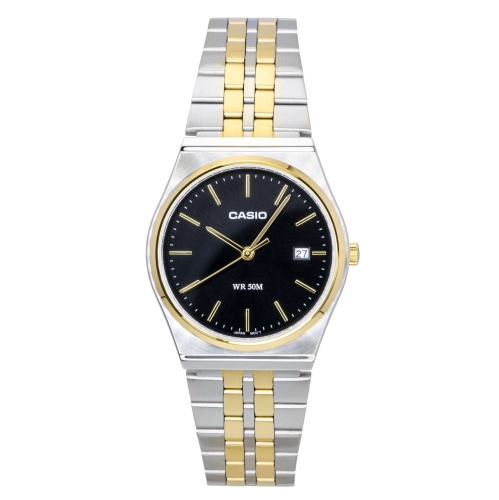



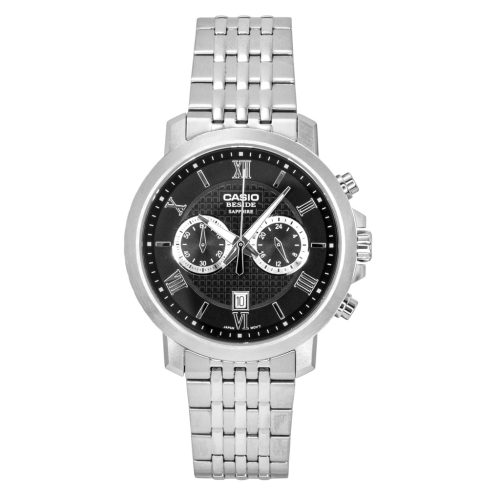


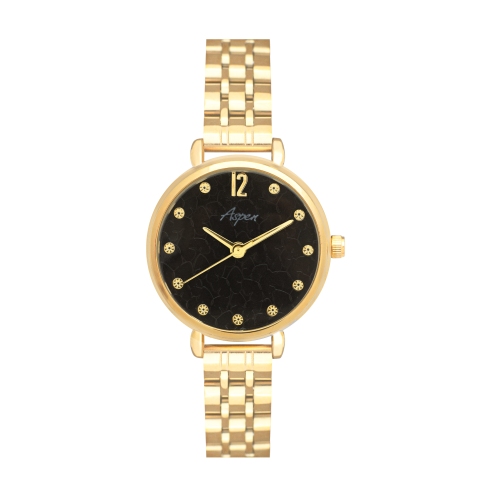


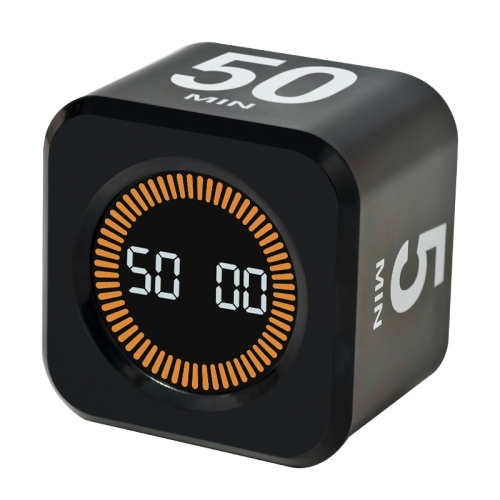



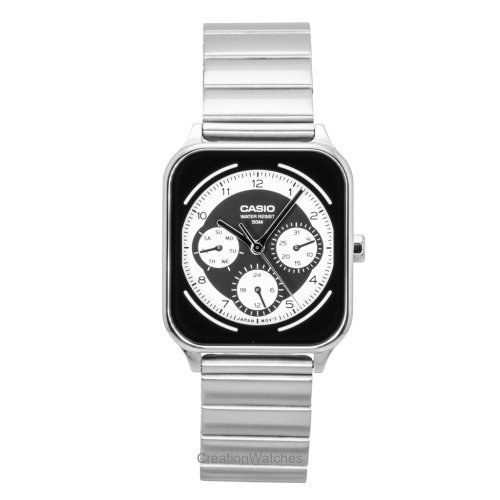


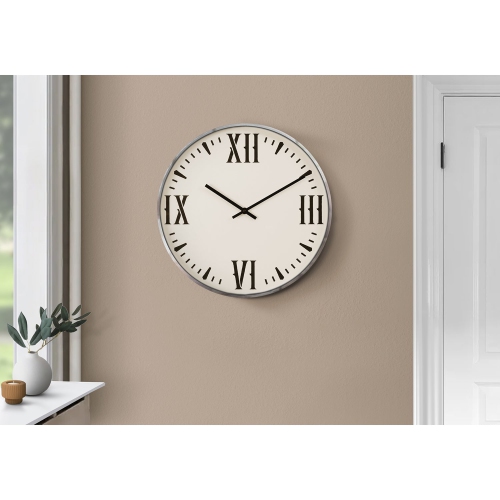











Why clock face contrast matters as much as size
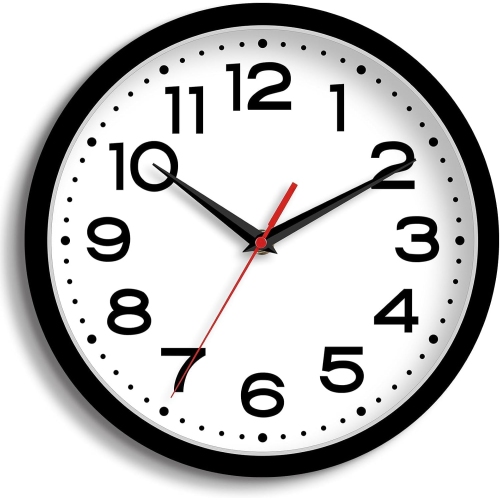
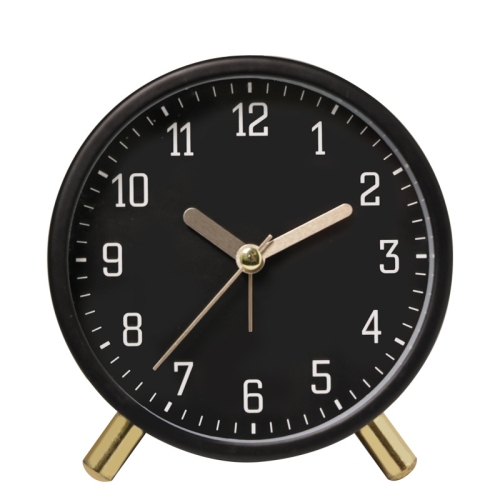
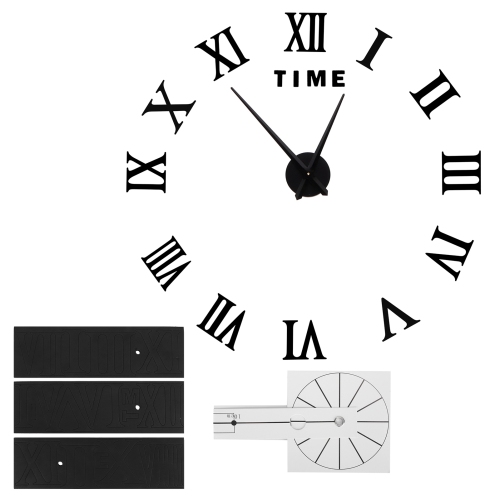
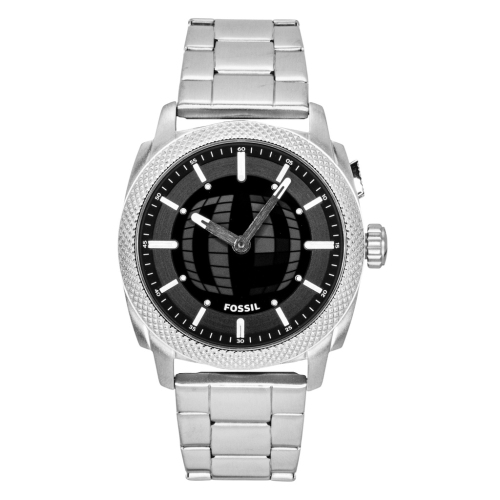
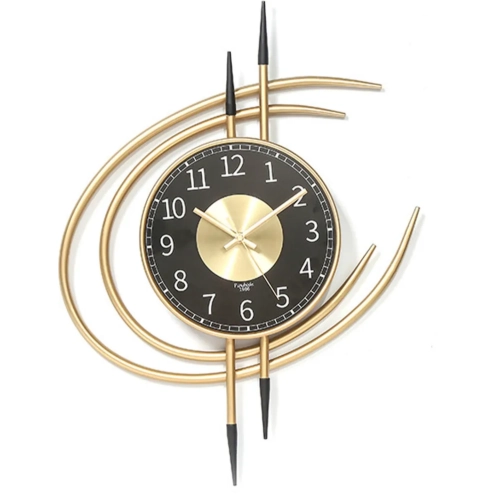
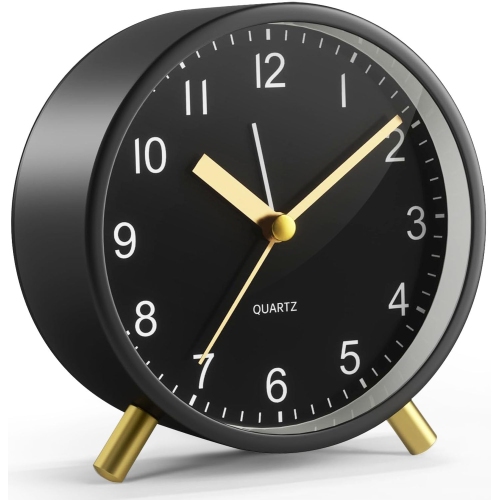
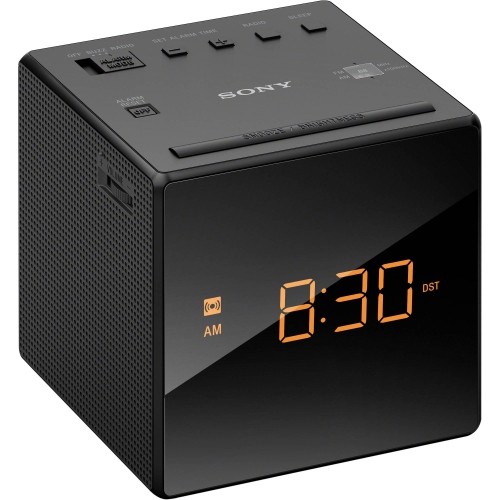
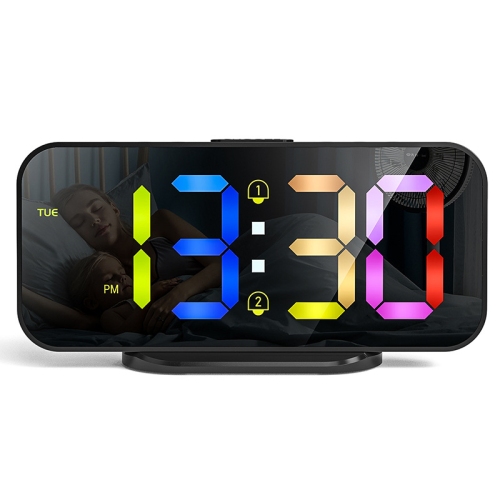
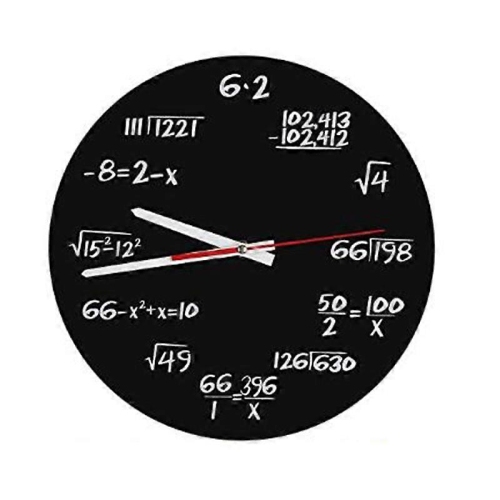
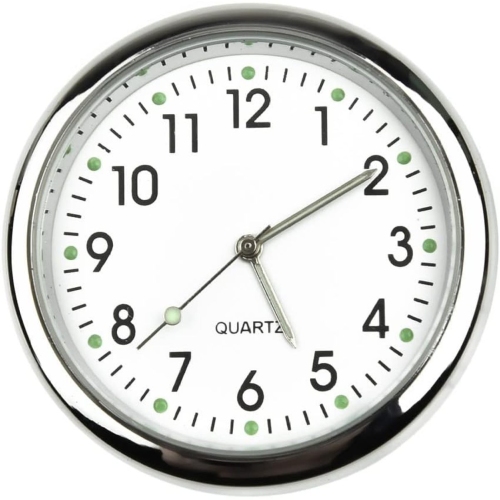
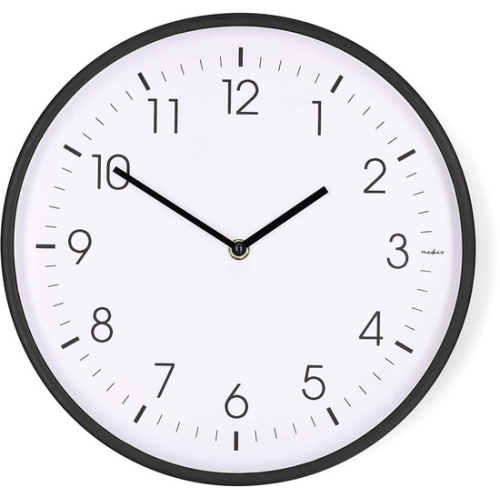
Black analog clocks display the time with moving hands, pairing a familiar clock face with a black frame, dial, or both. The colour works easily with many interiors: a slim black rim can echo the lines of a monitor or picture frame, while a substantial dark case can stand out against a pale wall. Wall clocks make the time visible across a room without taking up a surface, while desk, mantel, and shelf clocks keep it close to a work area, bedside table, or reading chair. The best fit depends as much on the face as on the overall shape. A white or cream dial with black hands and clear numerals offers strong contrast; a black dial with light-coloured hands creates a darker, more understated look while still being easy to read. Black hands against a black face can be harder to distinguish, particularly in a dim corner. Arabic numerals feel familiar and straightforward, Roman numerals lend a traditional character, and simple hour markers keep the appearance uncluttered. Open-frame designs allow the wall behind the clock to become part of its appearance, so the wall colour affects how clearly the hands and markers stand out. Size also changes how a clock feels in a room. A compact face suits a desk or narrow shelf, whereas a larger diameter can give a broad wall a clear focal point. Measurements in inch units describe the physical size, but numeral height, hand thickness, and viewing distance matter just as much for everyday readability. In a kitchen, for example, a clock may need to be legible from the table as well as the counter. Above a living-room console, its proportions may matter more than closely spaced minute markings. These differences give black analog clocks a place in both practical workspaces and thoughtfully arranged living areas.
Materials and construction influence the finish, weight, and day-to-day care of a black analog clock. Metal cases can have crisp edges and a substantial feel, with matte finishes offering a restrained appearance and glossy finishes catching more light. Moulded plastic cases are often lighter, which can be useful for smaller desk clocks or wall clocks where weight is a consideration. Wood cases with a black finish bring visible grain or shaped detailing into the design, depending on how they are made. A glass lens protects the dial from dust and is generally more resistant to fine scratches than a plastic lens, although glass can break if knocked or dropped. Plastic lenses reduce weight but can mark more easily during cleaning. Lens-free designs avoid reflections across the face, though their exposed hands need protection from accidental contact. For routine care, a soft, dry cloth is usually suitable for removing surface dust; any further cleaning should follow the maker’s directions, with liquid kept away from the movement and battery compartment. Placement contributes to durability, too. A clock intended for a dry indoor room may not be suitable beside a steamy shower or directly above a cooking surface. Secure wall mounting needs to account for the clock’s weight, its hanging point, and the wall material. Inside the case, the movement determines how the hands advance and what sound they make. Quartz movements are common in household analog clocks, but their sound varies. A stepping second hand may produce an audible tick, while a sweep-style movement generally reduces that distinct ticking sound. A quiet bedroom or recording space can make small mechanical sounds more noticeable than a busy kitchen does. Descriptions such as silent or non-ticking are therefore worth considering alongside the intended setting, rather than treating them as a guarantee of complete silence. Battery requirements, access to the time-setting control, and the ease of removing the clock from its mount also affect everyday convenience.
A black analog clock can serve different purposes throughout a home or workplace without needing to dominate the room. In a home office, a clear dial within a comfortable sightline offers a quick time check during calls or focused work, without opening another screen. In a shared kitchen or entryway, a wall-mounted face gives everyone a common reference when getting ready to leave. For children learning to tell time, distinct hour and minute hands, familiar numerals, and visible minute markers can make the relationship between the hands easier to understand. For someone who finds small details difficult to see, a larger face is most useful when it also has strong contrast and uncluttered markings; size alone does not ensure readability. A bedside clock has a different set of priorities. A stable base, a readable viewing angle, and a movement suited to a quiet room may matter more than decorative detail. Alarm functions and illuminated faces are separate features, not standard characteristics of analog clocks, so those needs depend on the design. On a shelf, enough depth for the base and clearance around the hands or case help the clock sit securely among books and photographs. Black finishes can connect these practical pieces with existing hardware, lamps, shelving, and furniture, whether the room leans traditional, industrial, or minimal. They also make clocks a versatile housewarming, graduation, or new-office gift, particularly when the recipient’s available space and preferred style are known. A compact tabletop clock can suit someone with limited wall space, while a larger wall clock may be a better match for an open living area. For rooms where a numerical time display would be easier to read, the Black Digital Wall Clock collection offers a related option. Analog designs retain their own appeal through the visible movement of the hands and the way a well-proportioned face can be both useful and part of the room’s character.
Top selling and popular products
-
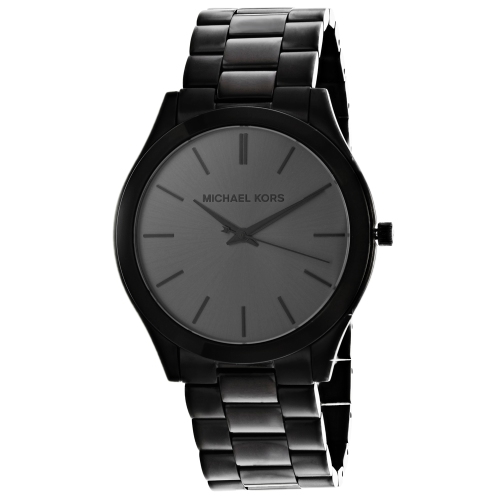 Your price for this item is $325
-
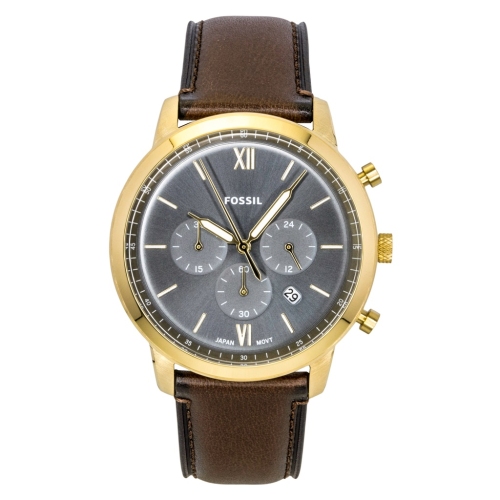 Your price for this item is $218.83
-
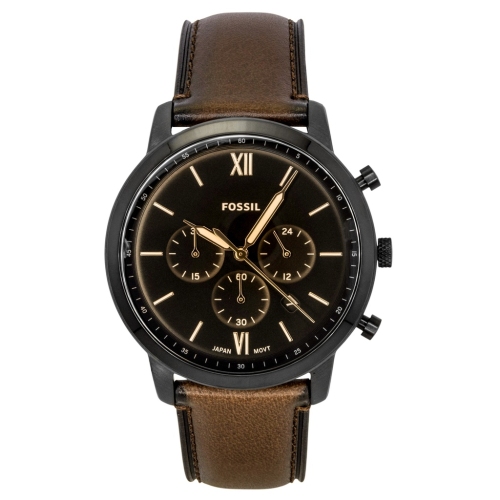 Your price for this item is $218.83
-
 Your price for this item is $223.38
-
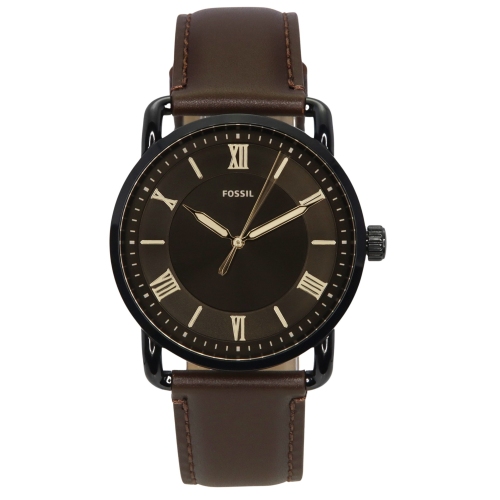 Your price for this item is $185.16
-
 Your price for this item is $266.65
-
 Your price for this item is $260.93
-
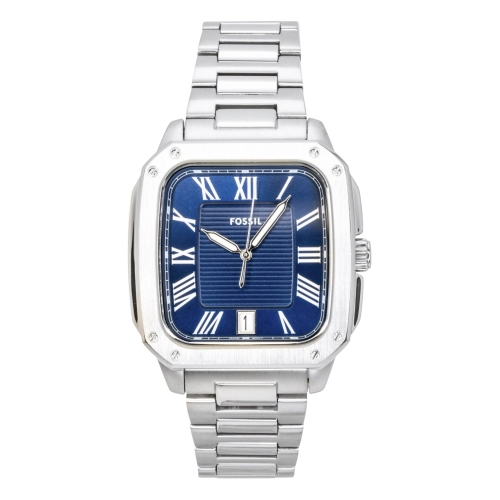 Your price for this item is $227.25
Discover more categories related to Black Analog Clock


Top Collections:
Pokemon Centers, Best Cameras for Sports Photography, Kindle Devices, Samsung Galaxy Phones, Canon G7X Cameras, Pokémon 30th Celebration Cards, Refurbished Apple Laptops, iPhone 15 Apple, Laptops for Students, Budget Smartphones
Some products may be subject to Environmental Handling Fees
(EHF) depending on your province.
Learn more about EHFs.