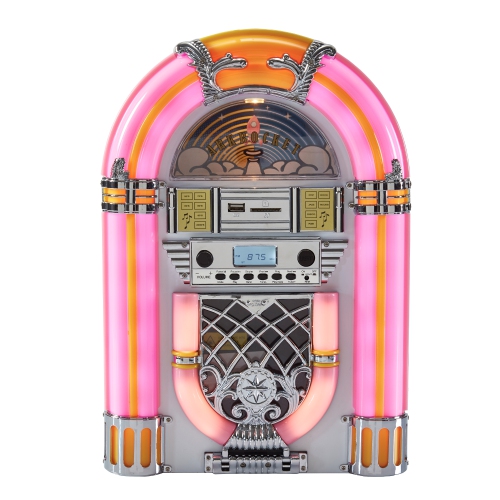
Compact CD Stereo Systems with Separate Speakers

Compact CD stereo systems with separate speakers let you enjoy your CDs in a smaller setup while positioning the speakers to suit your room. Compare system and speaker dimensions, playback controls, and available connections to find a mini stereo system that fits your space and listening habits.

Read More

A dedicated place for CDs without the bulky setup

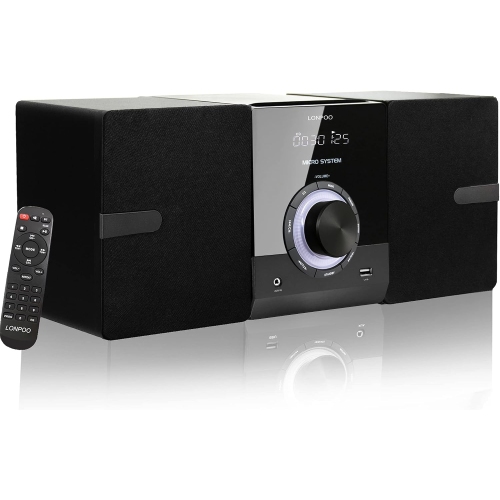
Compact CD stereo systems with separate speakers combine a small central CD player and amplifier with two detached speakers that can be positioned independently. Often called micro hi-fi or mini stereo systems, they bring disc playback and two-channel sound into spaces where a full-size component setup would be impractical. The central unit handles playback and volume, while the left and right speakers create a stereo soundstage: vocals may appear near the centre, with instruments spread across the space between them, depending on the recording. This arrangement suits bedrooms, home offices, dens, and smaller living rooms, giving a favourite album a dedicated place without requiring a large equipment cabinet. Separate speakers also offer flexibility that a single-box player cannot match. They can sit on either side of a desk, occupy different sections of a sturdy shelf, or stand beside a low media console while the main unit remains within easy reach. Placement makes a noticeable difference. Speakers positioned at a similar height and aimed towards the listening area can produce a more balanced presentation than speakers crowded together in one corner. Enough distance between them helps establish stereo separation, although the best spacing depends on the room and the listening position. A little clearance from walls may reduce overly heavy bass, particularly with rear-ported speaker cabinets. Compact does not mean every system fits every shelf, so the useful measurements include the central unit, both speakers, connecting cables, and space for ventilation. A top-loading CD compartment needs clearance above it, while a front-loading tray needs room to open without hitting a cabinet door. Speaker cable length also affects how freely the components can be arranged. For someone who enjoys sitting down with an album booklet, listening while preparing dinner, or keeping music nearby during desk work, this format offers a straightforward balance of physical media, manageable size, and flexible placement.

Playback features determine how naturally a compact stereo fits into an existing music collection. Standard audio CD playback is the foundation, but support for CD-R, CD-RW, and discs containing MP3 files varies by model. That distinction matters for listeners with personally compiled discs or older digital music archives. Bluetooth, when included, can add wireless playback from a compatible phone or tablet, allowing the same speakers to handle a saved playlist or a streaming service alongside CDs. Wi-Fi features are separate from Bluetooth and should not be assumed; network playback, supported services, and app controls depend on the system. USB ports also differ in purpose: some play supported music files, while others provide charging only. An auxiliary input can accommodate a compatible external audio source, and a headphone output is useful for listening without filling the room with sound. Radio reception may be another consideration, especially for someone who likes music programs or spoken-word broadcasts, though tuner functions and antenna arrangements vary. Everyday controls deserve as much attention as the feature list. A readable display, clearly marked buttons, a responsive volume dial, and a remote control can make a system comfortable to use from a desk or armchair. Track programming, repeat playback, and sleep timers may be useful, but they are not universal features. Sound preferences matter, too. Clear vocals and balanced midrange can suit acoustic music and dialogue, while listeners who favour bass-heavy tracks may appreciate adjustable bass and treble. Smaller speaker cabinets have physical limits, so a compact system should not automatically be expected to deliver the deep bass or room-filling output of larger equipment. Power specifications are most useful when their measurement conditions are comparable; a wattage figure alone does not describe clarity, bass extension, or performance at a comfortable listening level. The supplied speakers and amplifier are generally intended to work together, and compatibility matters if either component is replaced.

Materials, construction, and care all influence how well a compact CD stereo system holds up to regular use. Central units commonly combine metal and plastic parts, while speaker cabinets may use wood-based panels or moulded materials with fabric or metal grilles. A wood-effect finish does not necessarily indicate solid wood, and cabinet appearance alone does not establish sound quality. Stable surfaces, secure connections, and protected speaker drivers are more useful practical considerations. On a busy desk, placing the speakers where papers and mugs will not press against their grilles helps protect them; on a bookshelf, keeping the ventilation openings clear helps the central unit release heat as intended. A turntable-style display arrangement may look appealing, but stacking books or decorative objects on a CD player can obstruct vents or interfere with its lid. Routine care is usually uncomplicated: a soft, dry cloth removes surface dust, while discs are best handled by their edges and returned to their cases after playback. When cleaning is needed, wiping a disc gently from the centre towards the outer edge, rather than in circles, helps limit damage from trapped grit. Liquids should stay away from controls, speaker openings, and the disc mechanism, and any deeper cleaning should follow the manufacturer's directions. Turning the system off before changing speaker connections and avoiding excessive volume that produces audible distortion are sensible habits for long-term use. For gifting, this category is particularly relevant to someone with a treasured CD collection, a smaller home, or a preference for physical controls rather than phone-based operation. The recipient's shelf space, preferred music sources, and comfort with menus matter more than a long list of rarely used functions. Within the broader range of Best Stereo Systems, compact CD models with separate speakers suit listeners who want an integrated player and amplifier without giving up independent speaker placement. Their appeal lies in a familiar experience: choosing an album, placing the disc in the player, and settling into music through two speakers arranged to suit the room.
Read More

FAQ

Some products may be subject to Environmental Handling Fees (EHF) depending on your province. Learn more about EHFs.