Compare KitchenAid Hand Mixers

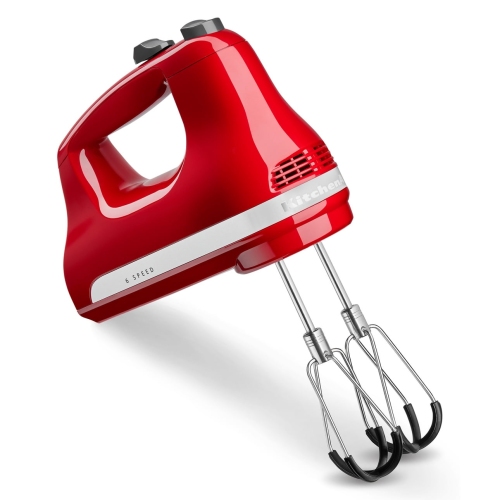
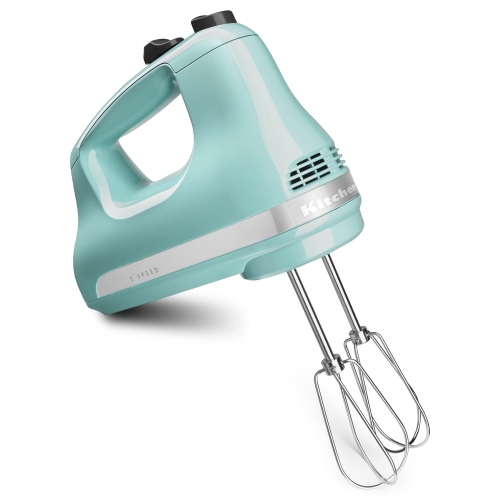
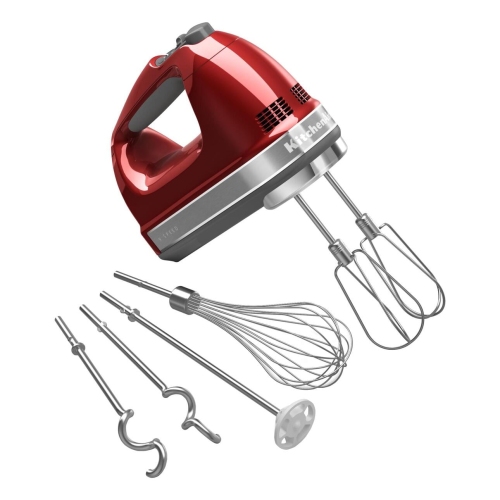
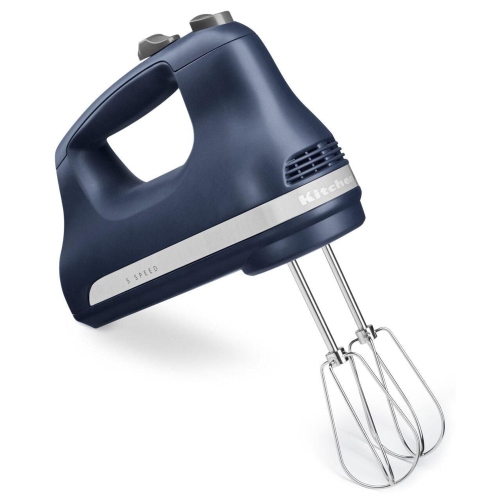
Compare KitchenAid hand mixers to find one that fits your baking routine. Review each model’s specifications for speed settings, included attachments, and design details to help you choose a handheld mixer for tasks such as mixing batter or whipping cream.
Read More

Sort

How handling and attachments shape your baking routine

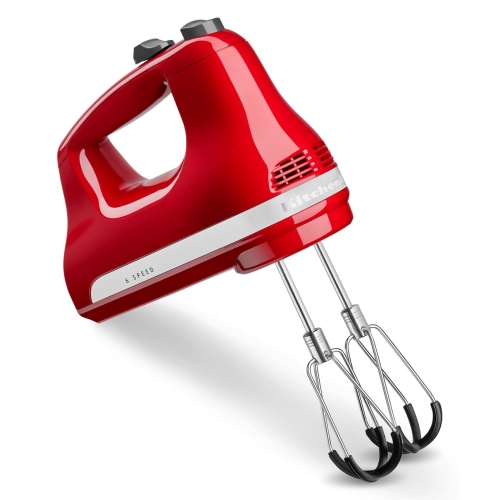
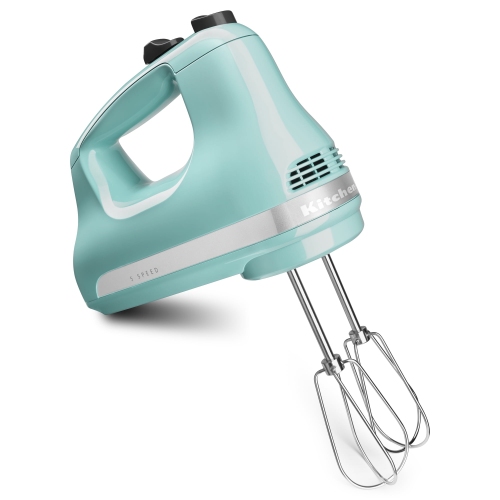
Compare KitchenAid hand mixers by the features that matter most for your everyday baking and food preparation, from speed control and handling to attachment options and storage. A hand mixer brings powered mixing to a bowl you already use, making it a practical choice for tasks such as preparing cake batter, creaming butter and sugar, whipping cream, and blending smooth frostings. Its handheld format lets you move the beaters through the mixture and around the bowl rather than keeping the bowl in one fixed position. This type of mixer can suit occasional bakers, households preparing smaller batches, and home cooks who want a compact appliance without dedicating counter space to a stand mixer. When comparing options, consider the recipes you make most often and the quantities you typically prepare. A mixer chosen for light whipping and everyday batters may involve different priorities than one intended for frequent baking or thicker mixtures.

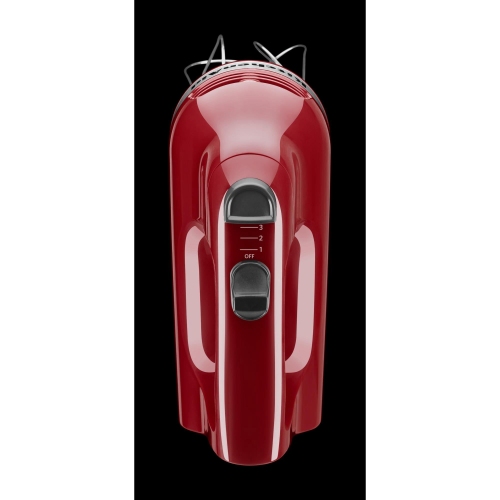
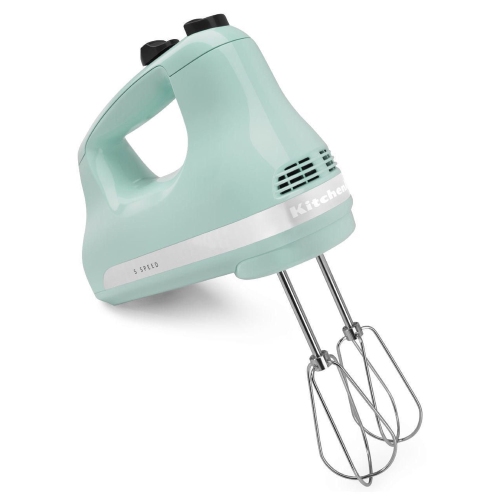
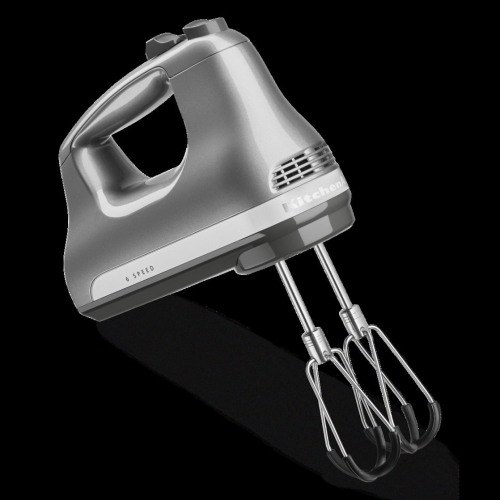
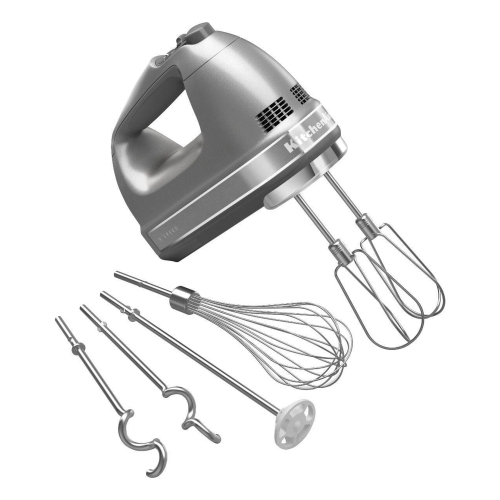
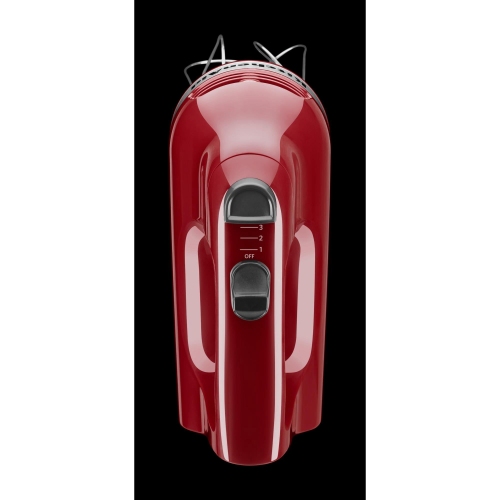
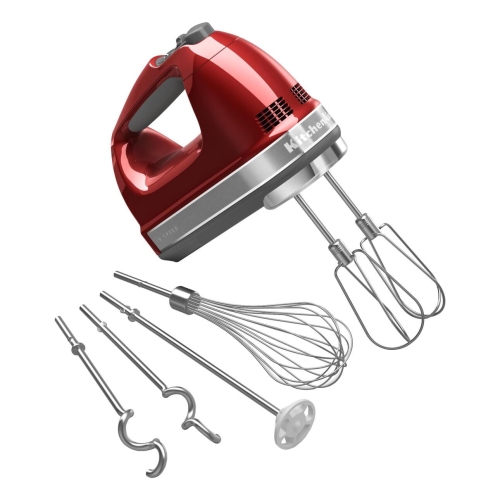
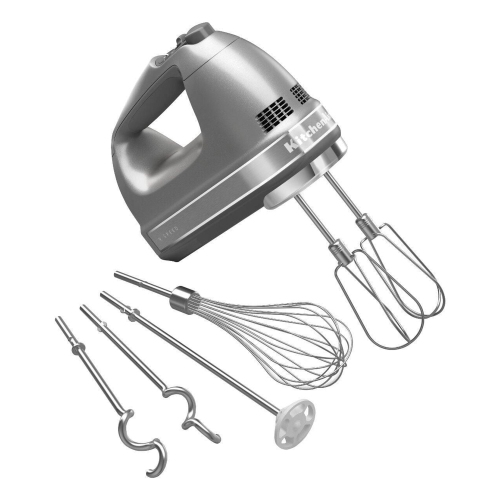
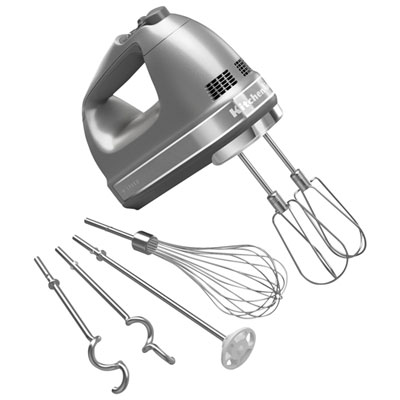
Speed settings and control placement help distinguish how a KitchenAid hand mixer fits into your preparation routine. Lower-speed operation is useful when bringing dry ingredients into a wet mixture, while higher speeds can support whipping tasks that incorporate air. The number of settings is only one consideration; the ability to select a suitable pace for each stage of a recipe also matters. Handle shape, overall weight, and the position of the controls can influence comfort, particularly when you hold the mixer for longer stretches. Cord length and placement are worth comparing alongside the location of your kitchen outlets and the space around your mixing bowl. Beater shape and attachment compatibility are other useful points of comparison, since different mixing tasks call for different tools. Included attachments should match the work you expect to do, while compatibility with additional accessories may matter if you want to broaden your preparation options later. For denser mixtures, intended uses and capacity recommendations are more meaningful than speed count alone.

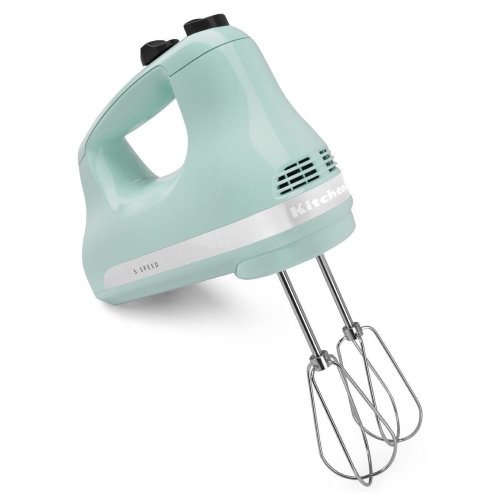
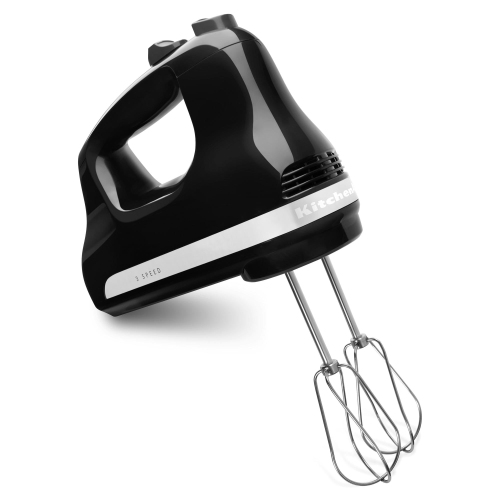
Cleaning, storage, and kitchen layout also play a part in choosing among KitchenAid hand mixers. Removable attachments separate the parts that contact food from the motor housing, but care requirements are important to compare, including whether attachments are suitable for a dishwasher or require washing by hand. An attachment-release control, manageable cord storage, and a convenient place to keep the beaters can make the appliance easier to put away between uses. Compare the mixer's dimensions with your available cupboard or drawer space, especially if you prefer to keep counters clear. Colour and finish can be another consideration when coordinating with other kitchen appliances, though comfort and mixing needs remain central to the choice. For a baking enthusiast, a first kitchen, or someone adding a smaller companion to a stand mixer, a hand mixer offers a distinct balance of portability and everyday usefulness. Looking at handling, controls, attachment needs, and care requirements together helps you compare KitchenAid hand mixers on more than appearance alone.

Read More

FAQ

Some products may be subject to Environmental Handling Fees (EHF) depending on your province. Learn more about EHFs.