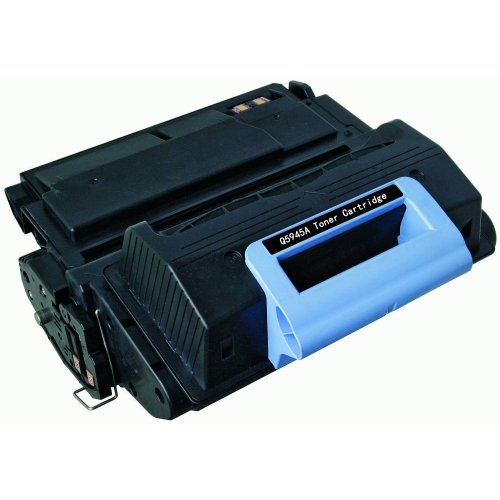
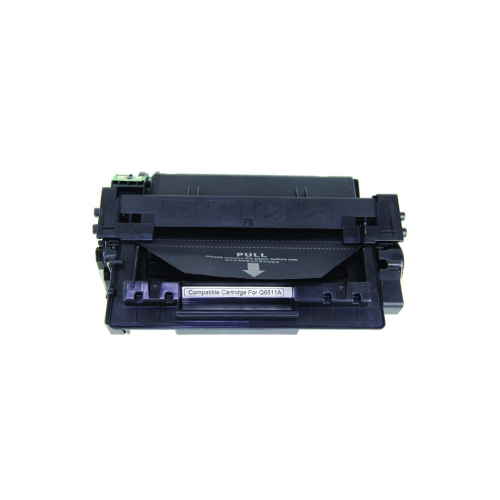
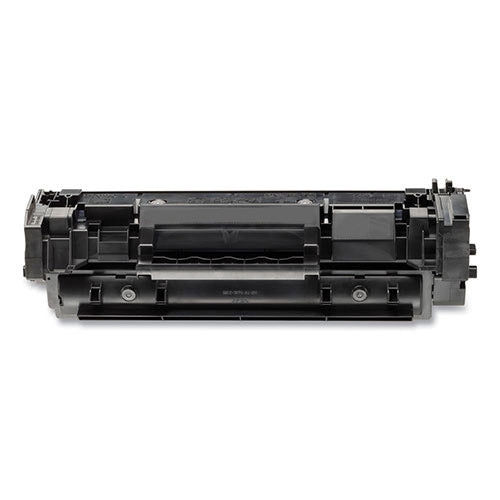
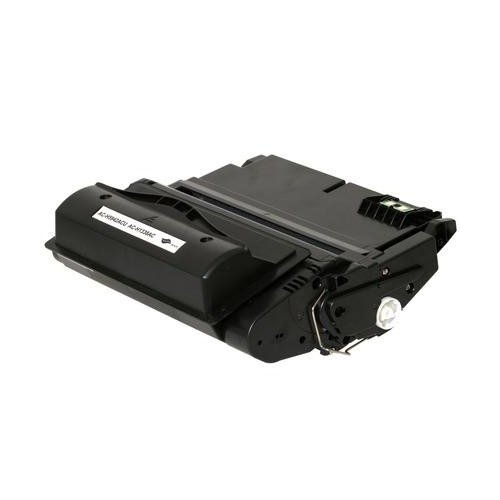
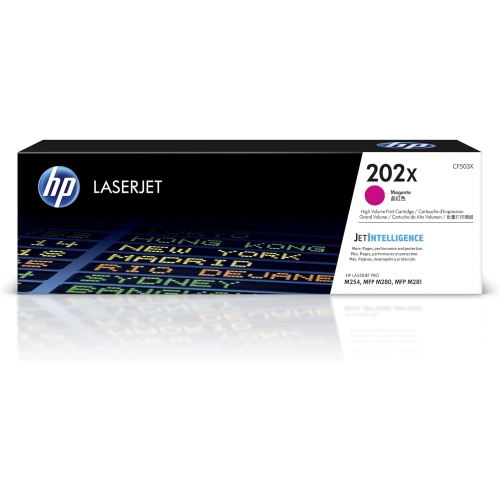
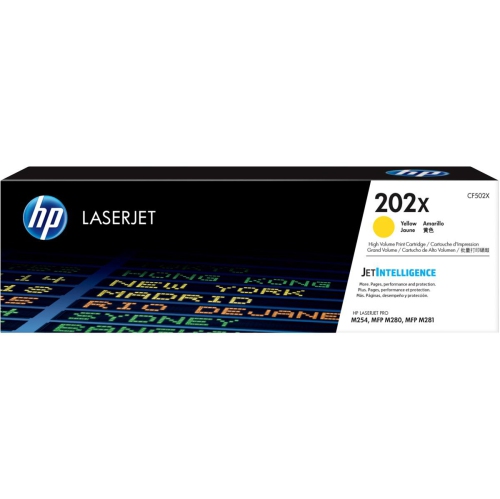
Compatible HP LaserJet Toner Cartridges

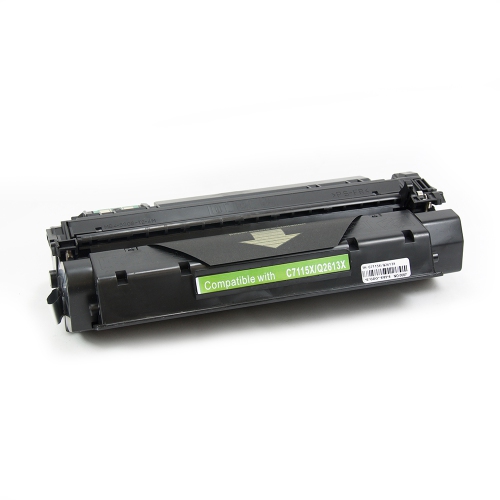
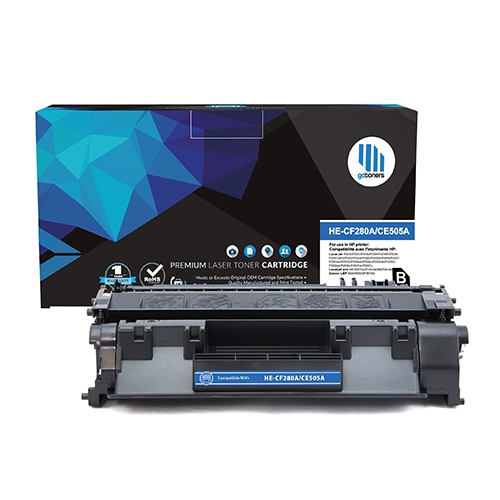
Find compatible HP LaserJet toner cartridges by matching your printer model and cartridge number to the listed options. Check each cartridge’s compatibility details, toner colour, and page yield to choose a replacement that fits your printer and printing needs.
Read More

Why toner compatibility goes beyond the printer brand

Compatible laser toner cartridges are replacement printing supplies made by third-party manufacturers for use with specified laser printers. Their suitability depends on the exact printer model and cartridge series, not simply on a shared brand name or a similar-looking cartridge body. For a home office printing correspondence, a student preparing course notes, or a small business producing invoices, the right match helps keep everyday documents clear and legible. Laser printers use fine toner powder rather than liquid ink, transferring it to the page through an imaging process and bonding it to the paper with heat and pressure. Toner formulations commonly contain resin particles, pigments, and other additives that support this process. The cartridge housing holds the toner and positions its working components within the printer; depending on the design, it may also contain an imaging drum or work alongside a separate drum unit. These distinctions matter because replacing a toner cartridge does not necessarily replace every component involved in producing a clean page. Compatible cartridges are generally newly manufactured alternatives to original supplies, while remanufactured cartridges use previously used housings that have been inspected, serviced, and refilled. Product descriptions should identify which type is being offered rather than treating the terms as interchangeable. The broader HP LaserJet Cartridges category provides context for the cartridge families used across these printers, but compatibility still needs to be established at the individual model level. A cartridge intended for a compact monochrome printer will not automatically suit a larger multifunction machine, even if both handle the same paper sizes. Black toner supports text-heavy work such as shipping documents, forms, and meeting agendas, while colour laser printers typically use separate black, cyan, magenta, and yellow cartridges for presentations, charts, and other colour documents. Clear identification of the printer, cartridge family, and required colour is the foundation of a suitable replacement.

Fit involves both the cartridge’s physical construction and its communication with the printer. Mounting points, drive mechanisms, seals, and electrical contacts need to match the intended machine, while some printers also rely on a cartridge chip to identify supplies or report toner levels. A printer’s full model number, including any letters or suffixes, offers a more reliable reference than its general series name. The code on an existing cartridge can help narrow the search, but the replacement’s stated compatibility list remains important, particularly when several machines have similar names. Some compatible cartridges include a chip, some require a chip transfer, and some may not support every supply-status feature. Printer security features or firmware updates can also affect whether a third-party cartridge is accepted, so broad claims of universal compatibility deserve caution. These details are especially relevant for a shared office printer, where a supply that physically slides into place still needs to function with that machine’s settings and firmware. Capacity is another practical distinction. Standard-yield and high-yield versions may serve different printing volumes, but a higher-capacity cartridge is suitable only when the printer explicitly supports it. Page yield is an estimate measured under stated test conditions, not a promise that every user will print that exact number of pages. Short letters with generous margins use toner differently from dense reports, full-page graphics, or presentation slides with large areas of colour. In colour printing, individual cartridges can also run down at different rates; repeated blue charts, for example, place a different demand on the toner set than mostly black text. A household printing occasional forms may have different capacity needs from a reception desk producing paperwork throughout the day. Single-colour replacements suit situations where only one cartridge needs attention, while sets can be useful for machines with several supplies approaching replacement. Pack contents should make clear whether the package contains toner cartridges, drum units, or both, since those parts are not interchangeable.

Print quality becomes most noticeable in the small details: the fine lines of a spreadsheet, the edges of a barcode, the punctuation in a contract, or pale shading behind a chart. A suitable toner cartridge should support readable text and consistent coverage when paired with the correct printer settings and appropriate paper. Results depend on more than toner alone, however. Paper type, moisture in the paper, a worn imaging drum, or residue elsewhere in the printer can contribute to streaking, background marks, or uneven density. A barcode that looks dark enough to the eye may still be difficult to scan if its narrow spaces are blurred, making a sample page worthwhile before a large batch of labels or documents. For colour work, toner is well suited to everyday business graphics, though printed shades can differ from what appears on a screen. Handling and storage also influence a cartridge’s condition over its working life. Keeping an unused cartridge sealed in its original packaging helps protect it from dust, light, and accidental contact with sensitive surfaces. Storage conditions should follow the manufacturer’s stated limits, away from direct sunlight and sources of heat or moisture. During installation, protective strips, clips, or covers need to be removed as directed, without forcing the cartridge into position. Exposed drum surfaces and electrical contacts are best left untouched, and any instructions about gently redistributing toner should be followed for that cartridge design. If loose toner escapes, the printer manufacturer’s cleaning instructions are the appropriate reference; an ordinary household vacuum is not suitable for collecting fine toner powder. Once installed, a test print can reveal whether text is sharp, coverage is even, and the printer recognizes the replacement. Keeping the cartridge details with the printer records makes the next replacement simpler, particularly in workplaces with several different machines. For home offices, study spaces, service counters, and administrative teams, dependable toner supplies are less about extra features than about a precise fit, consistent output, and straightforward day-to-day printing.
Read More

FAQ

Some products may be subject to Environmental Handling Fees (EHF) depending on your province. Learn more about EHFs.