1.75 MM Filaments
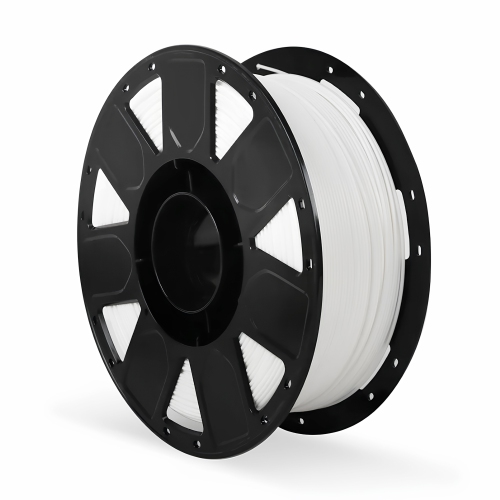
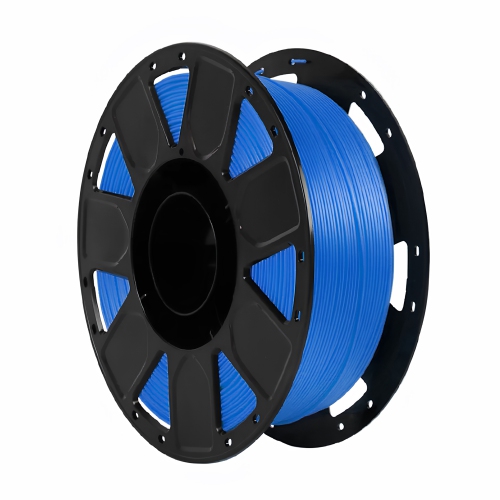
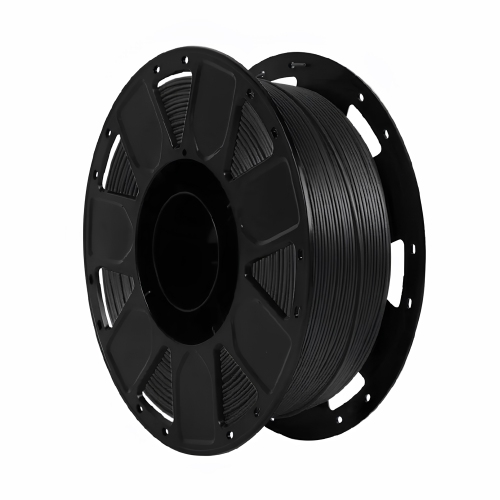
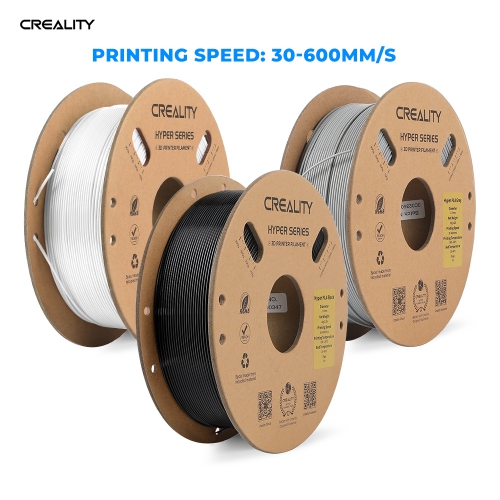
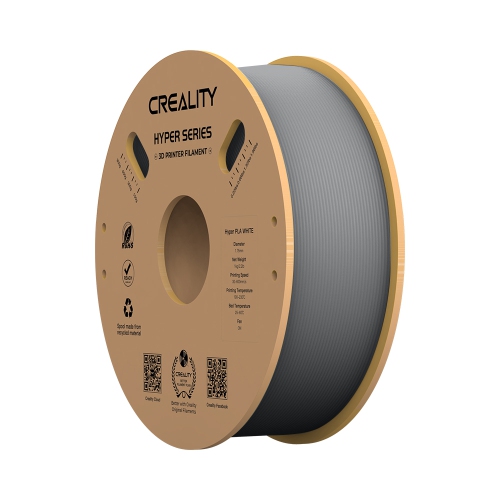
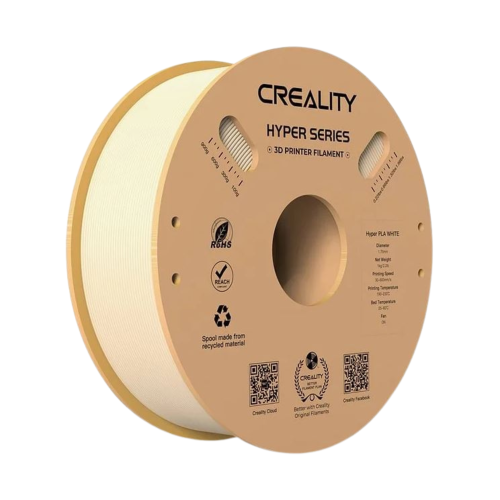
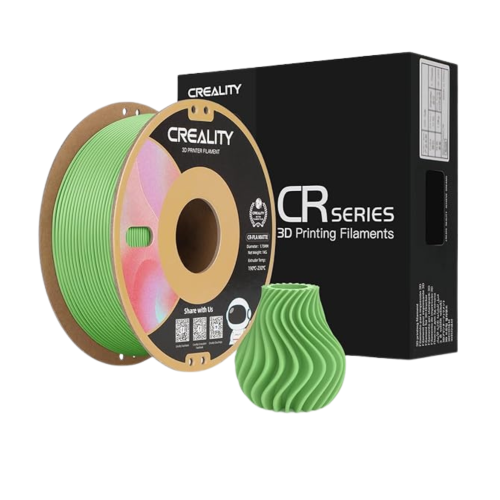
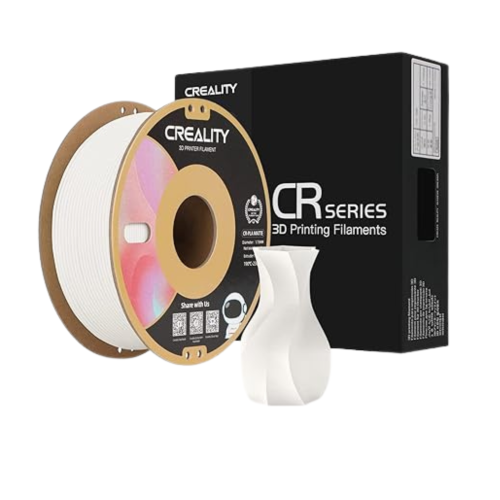
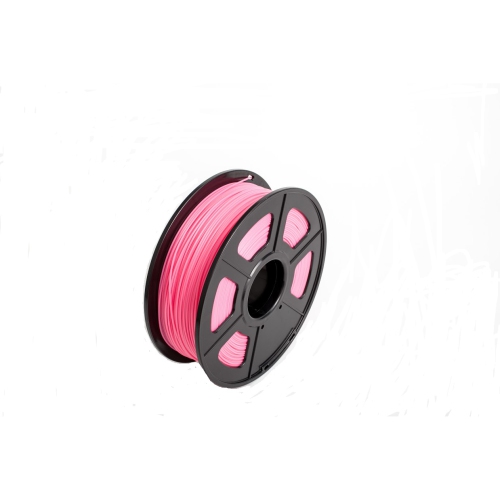
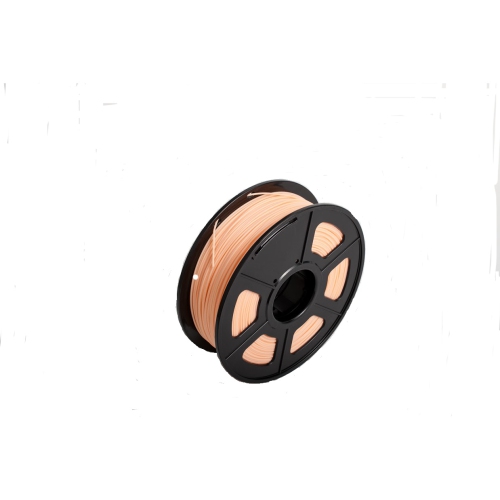
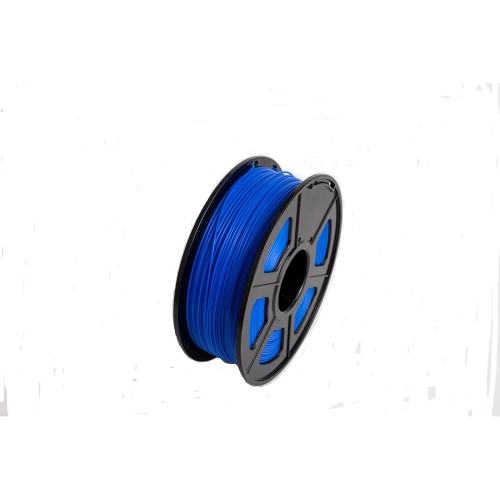
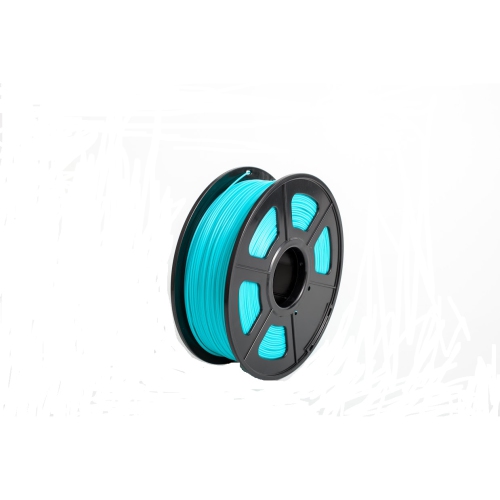
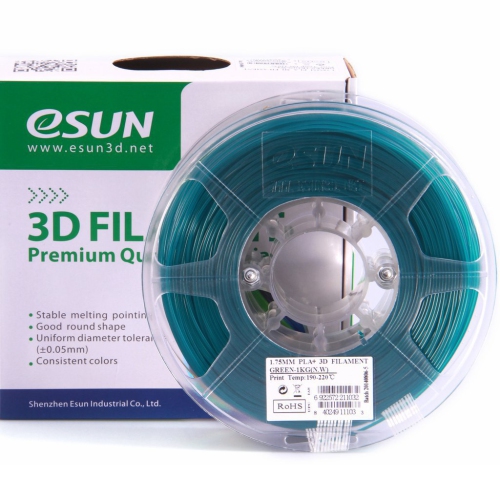
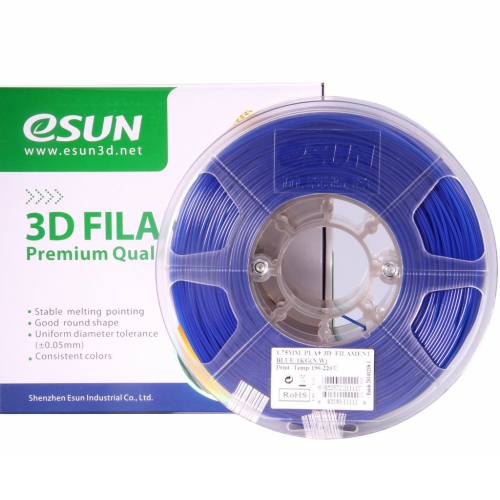
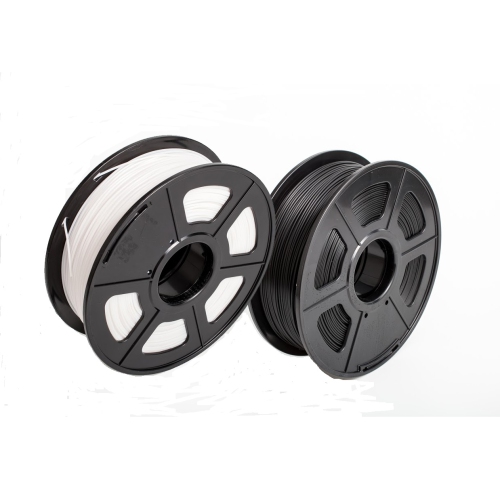
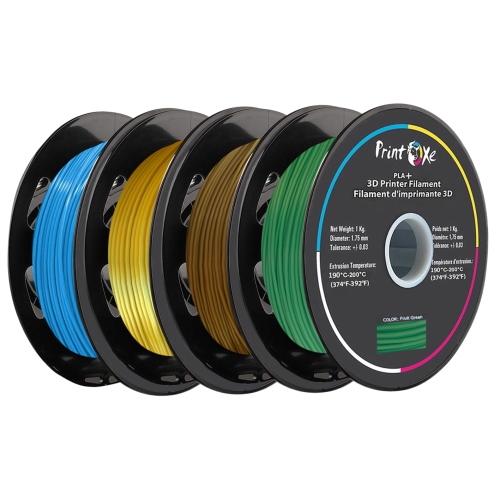
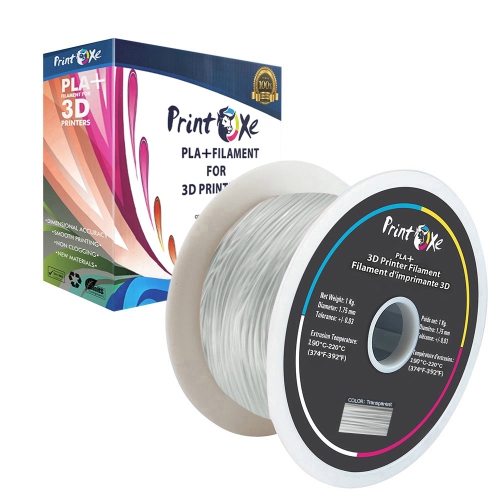
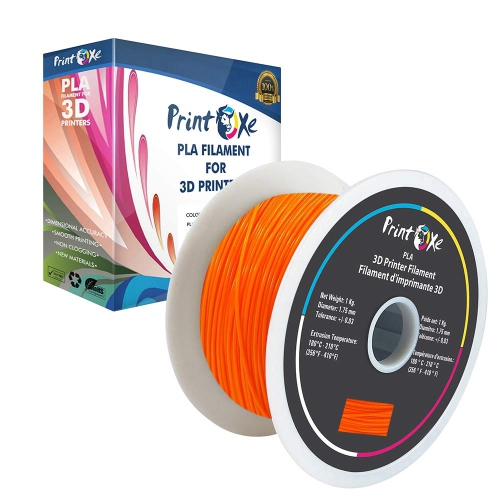
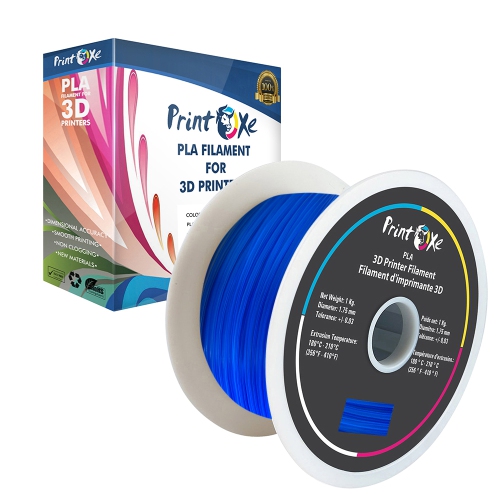
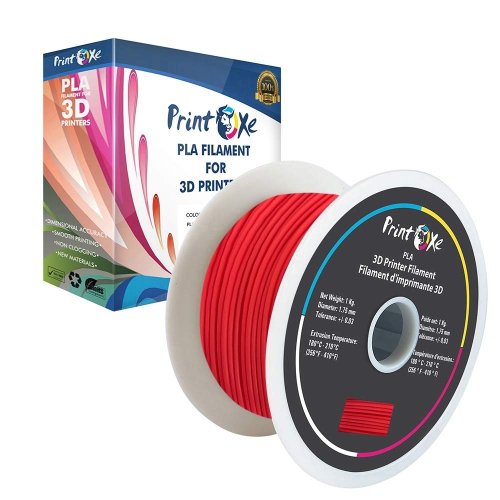
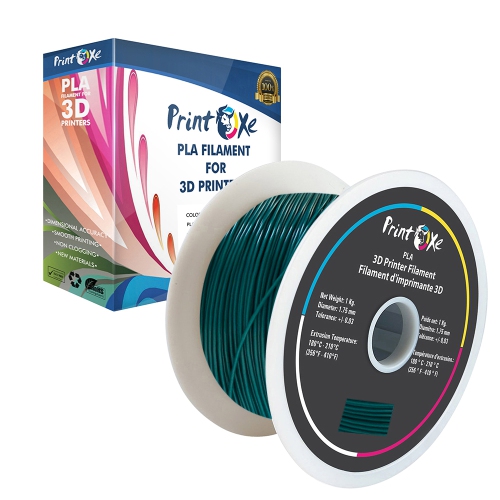
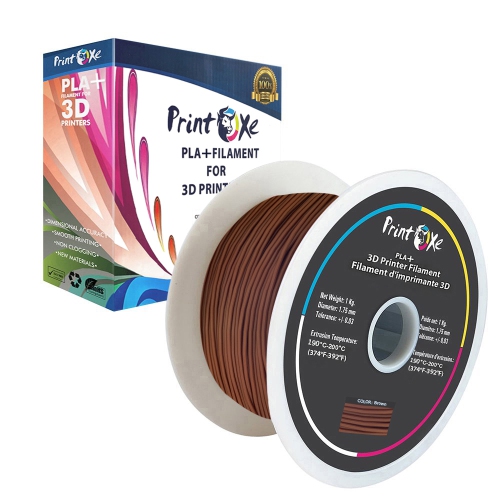
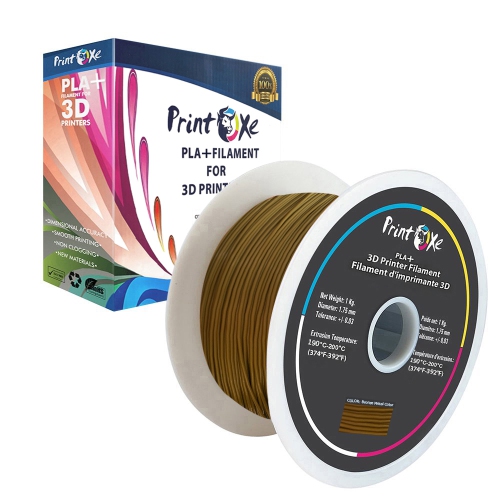
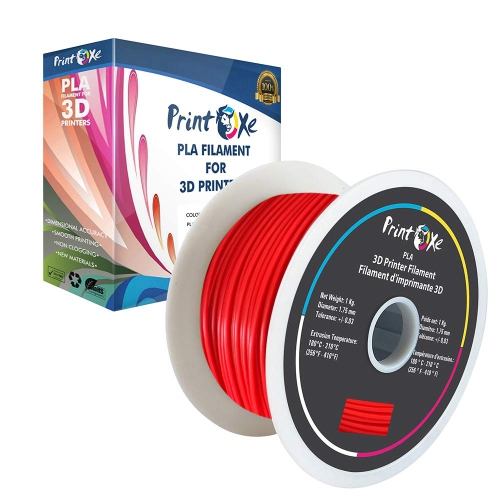
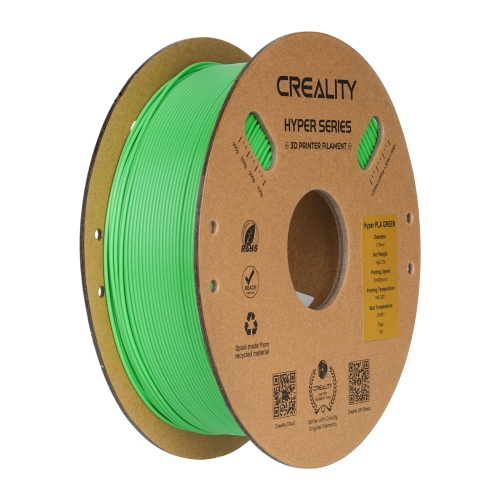
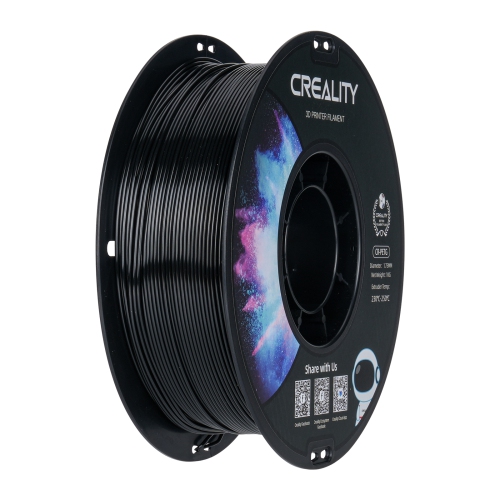
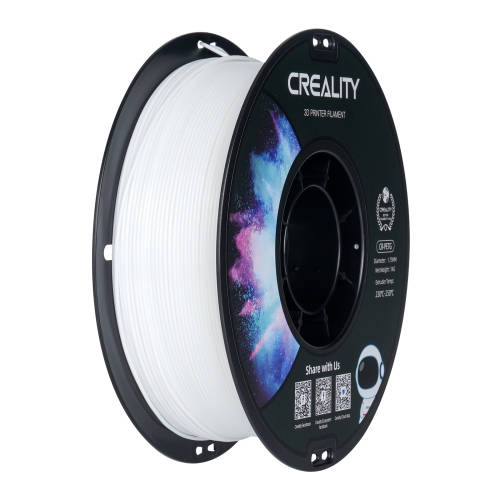
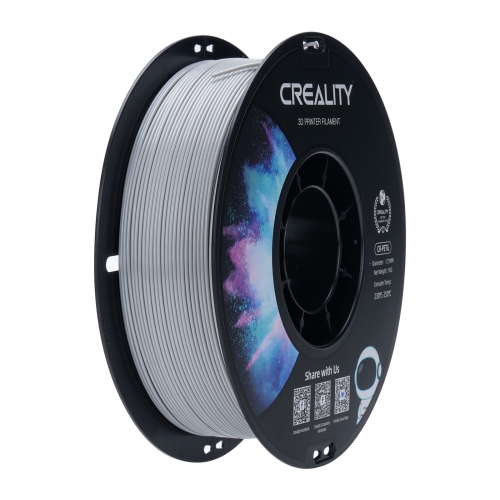
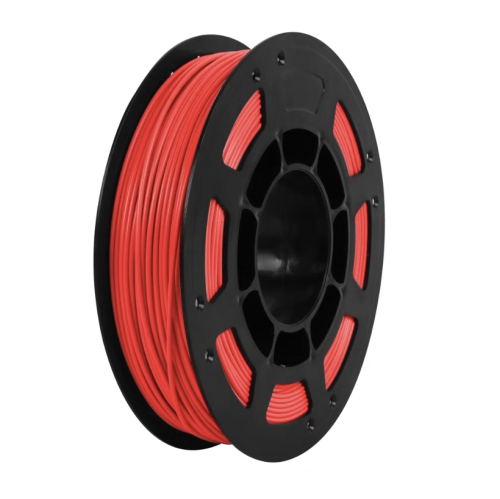
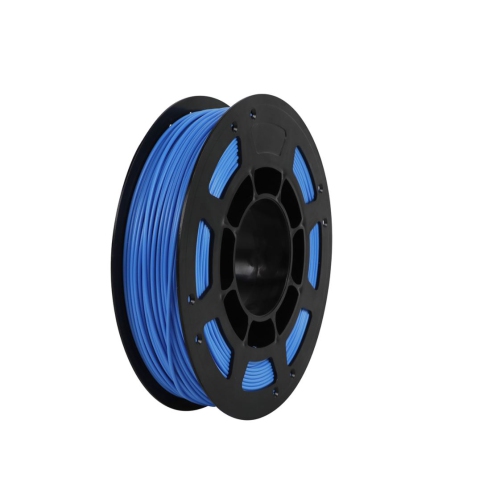
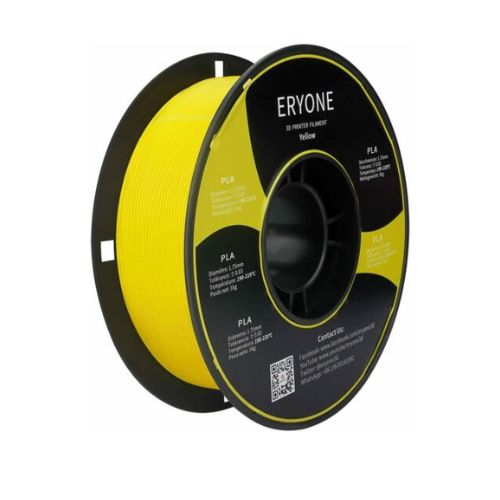
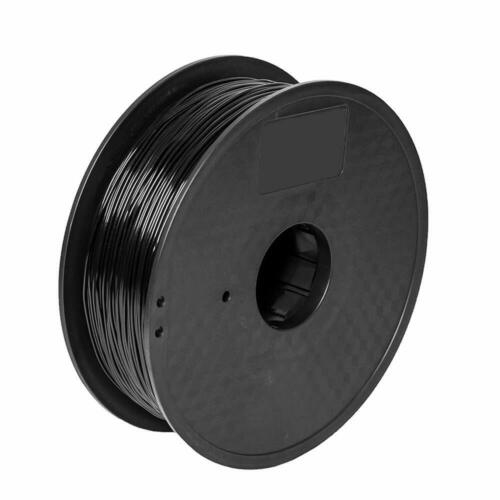
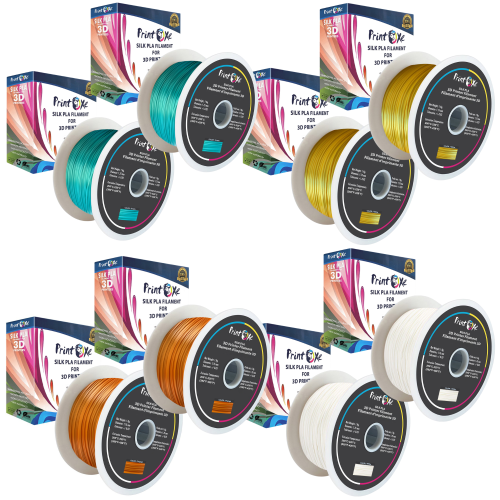
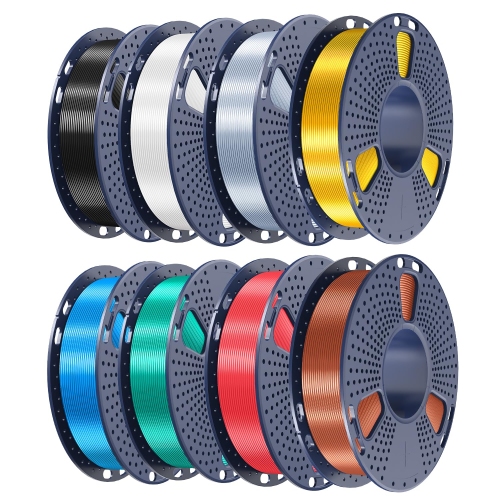
Explore this wide selection of 1.75mm filaments, essential for 3D printing enthusiasts looking to bring their creative projects to life. Whether you're a seasoned maker or just starting out, these filaments offer high-quality materials in various colors and types to suit your specific printing needs. Elevate your printing experience with our range of versatile and reliable 1.75mm filaments, designed to deliver precise and consistent results every time.
Sort


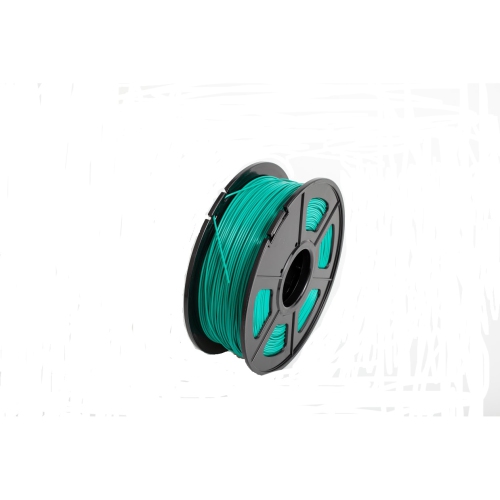
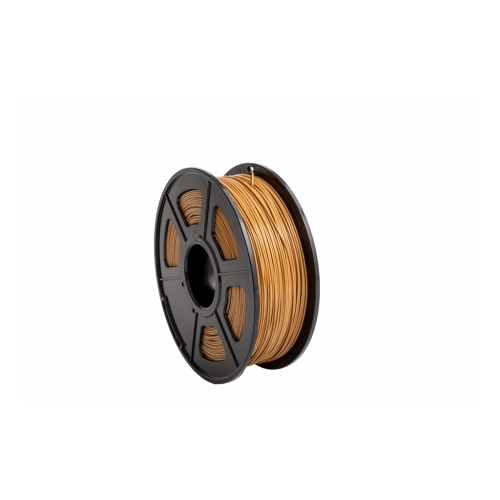
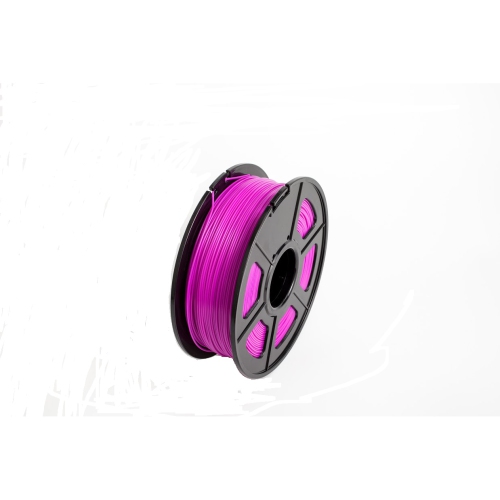
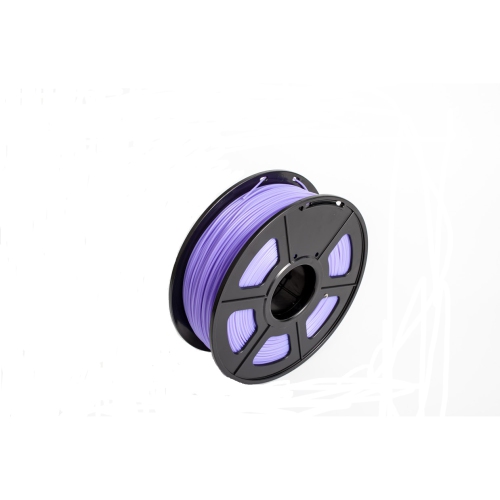




























Why filament choice matters beyond colour and diameter
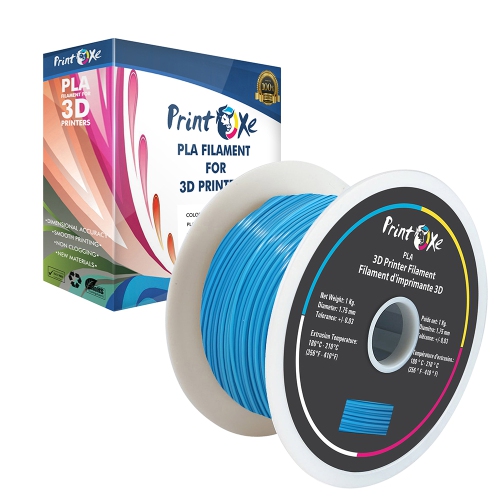
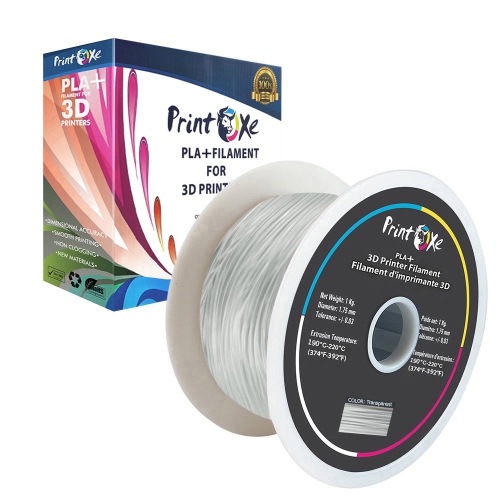
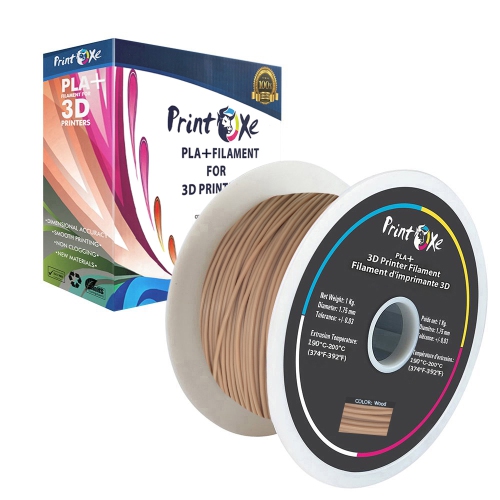
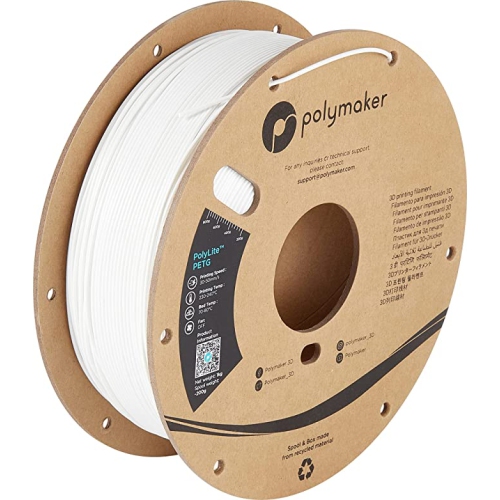
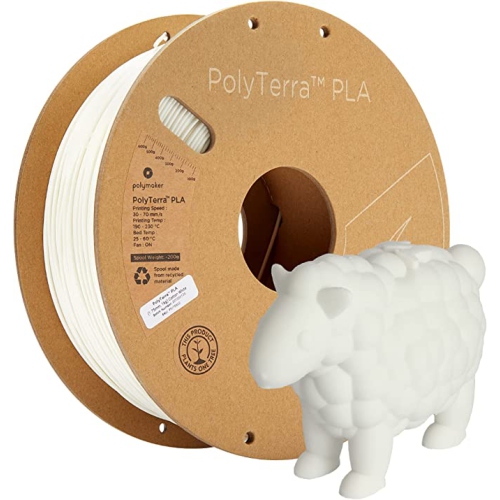
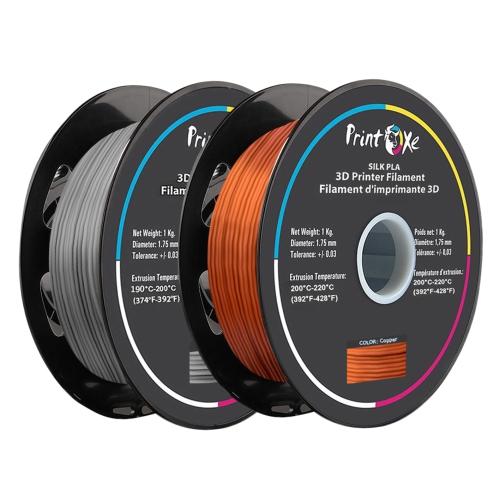
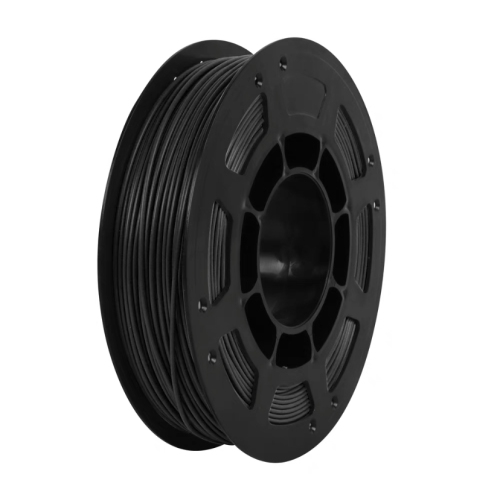
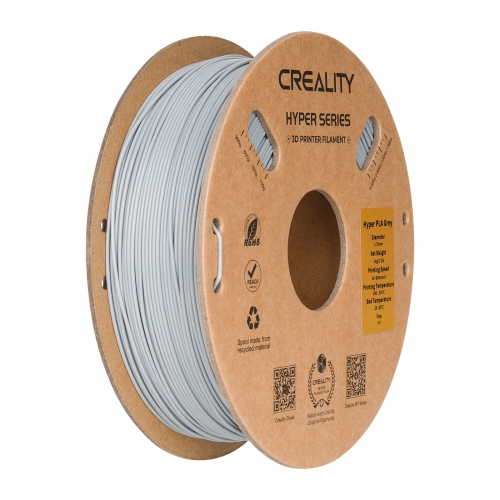
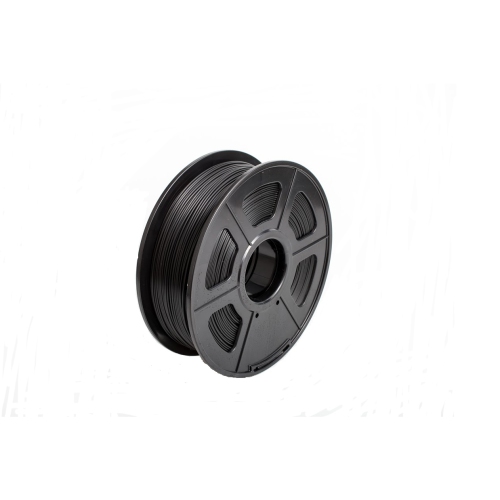
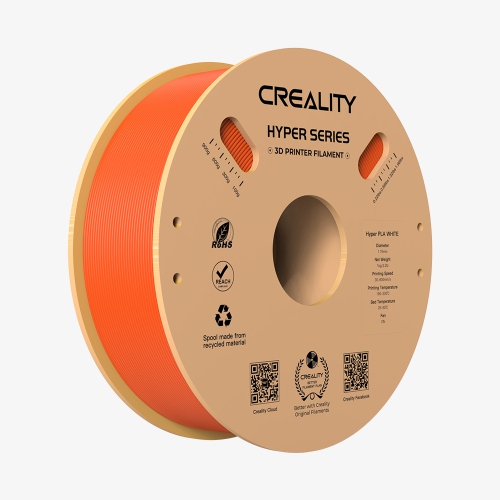
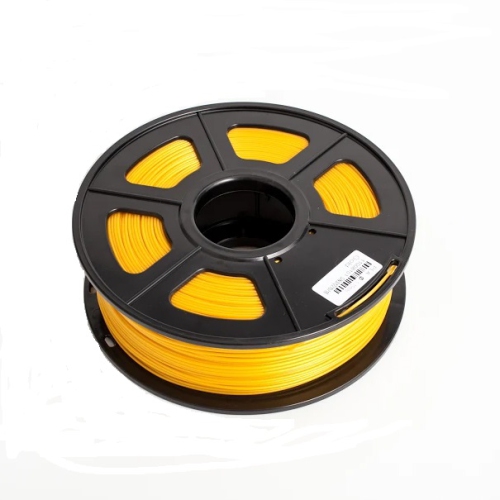
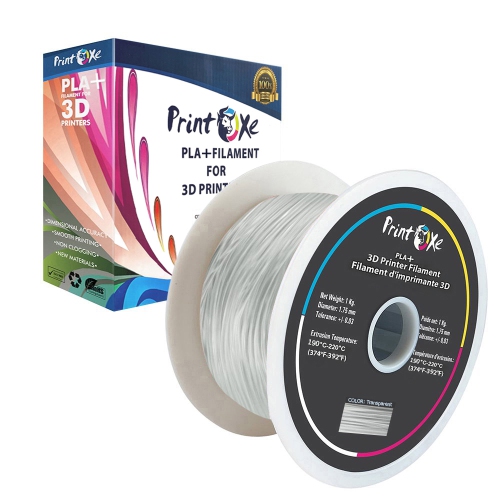
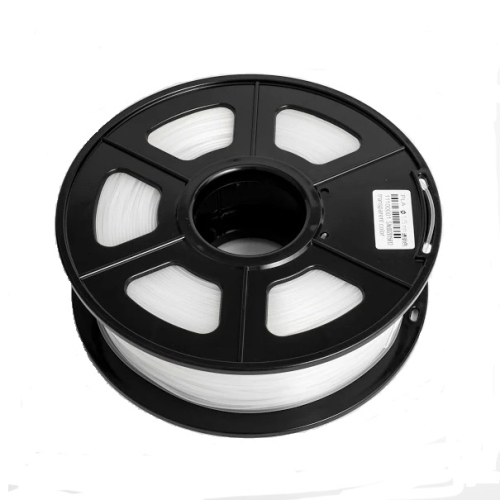
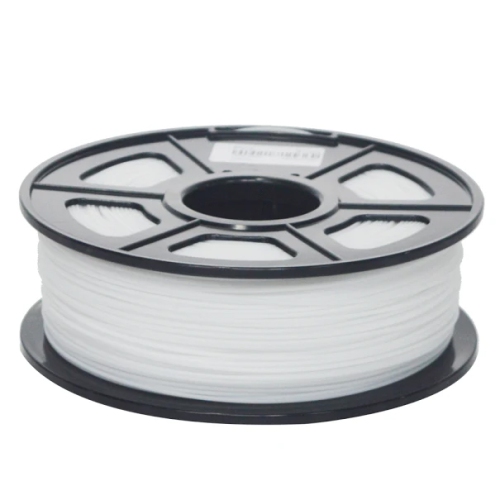
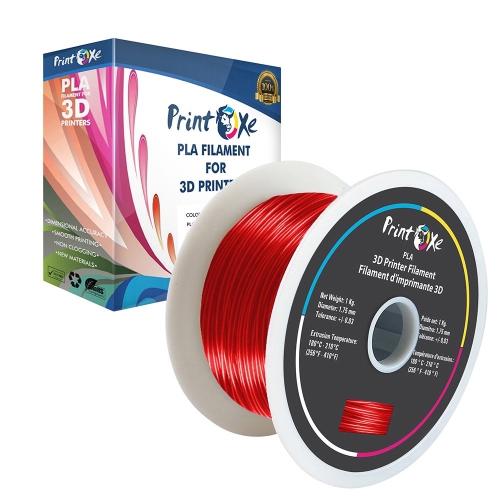
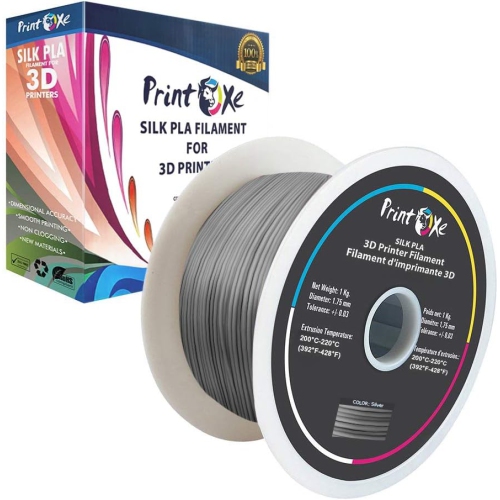
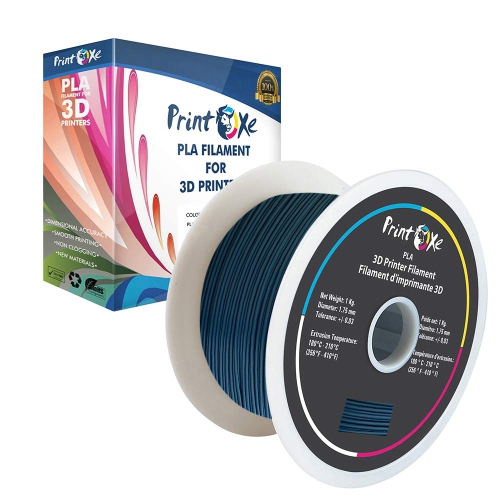
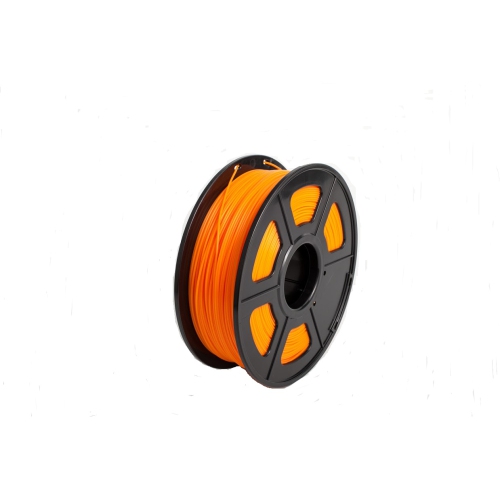
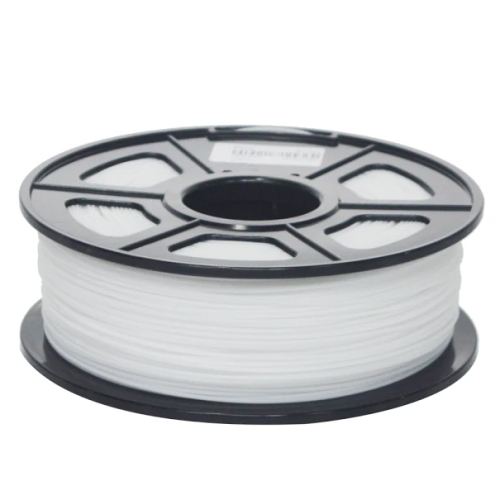
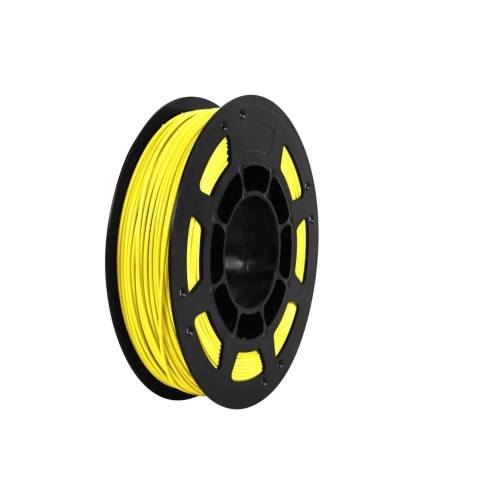
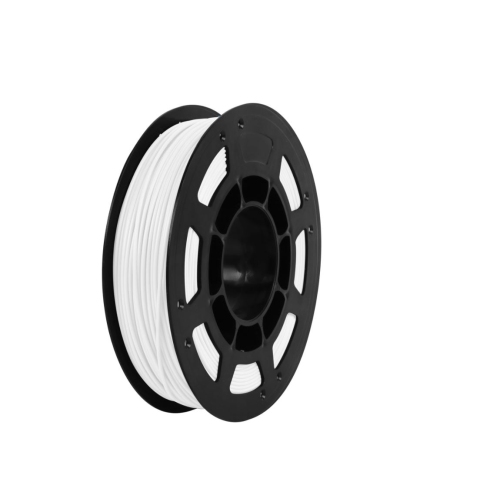
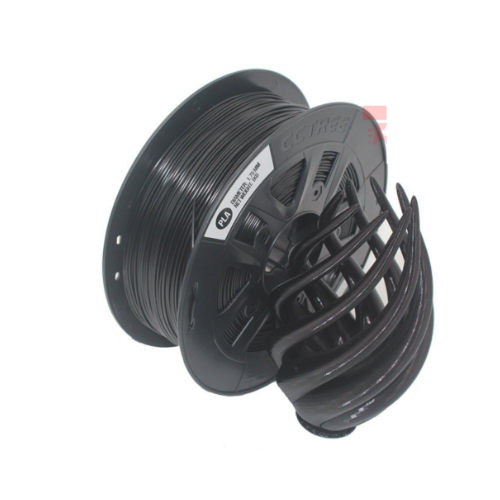
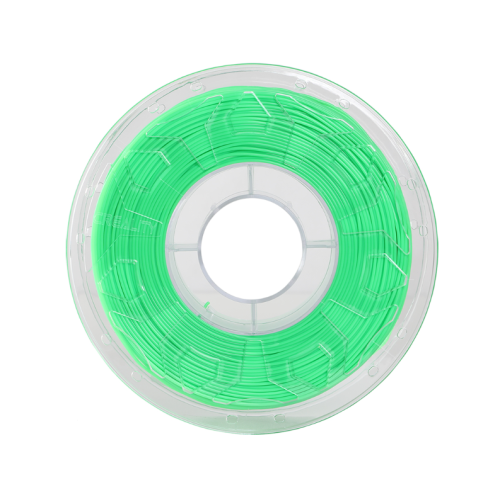
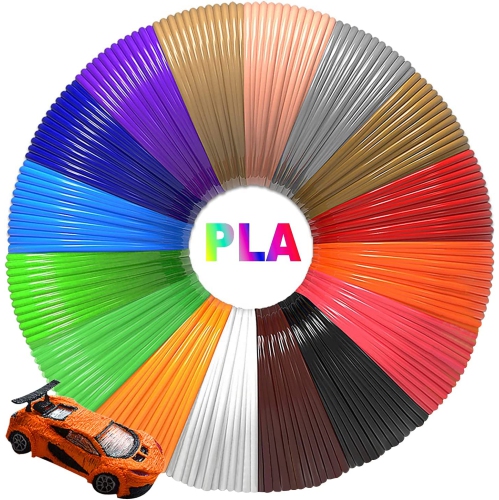
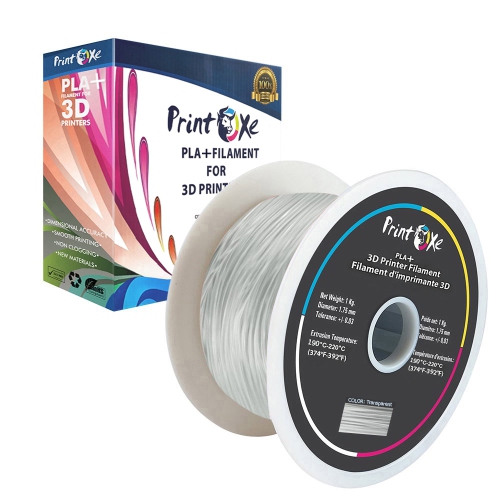
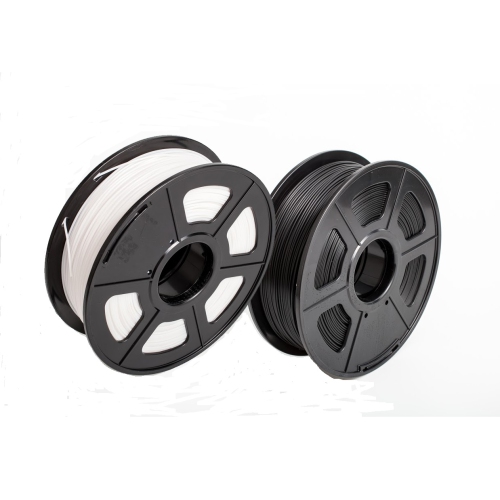
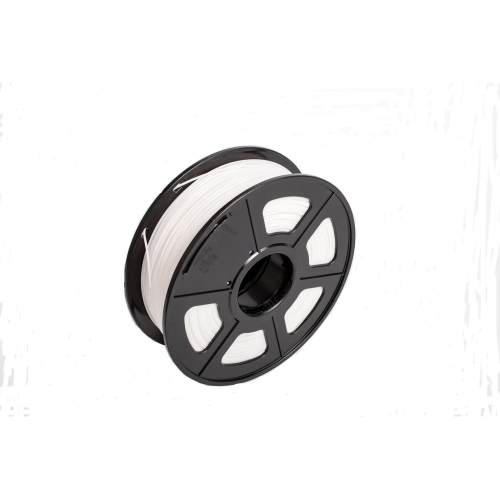
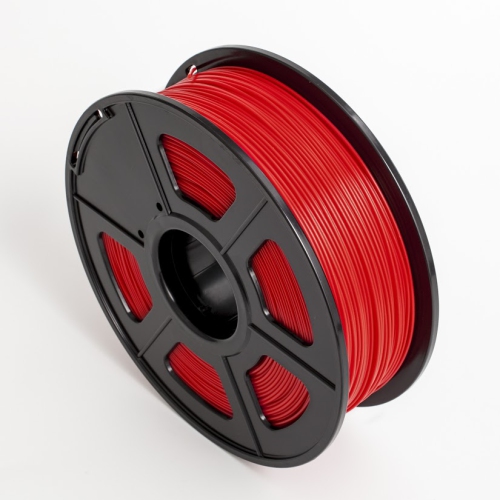
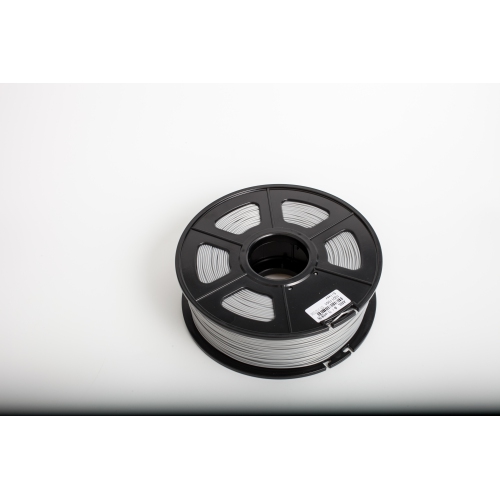
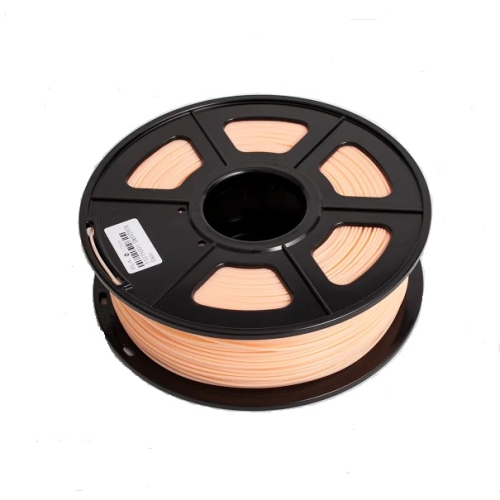
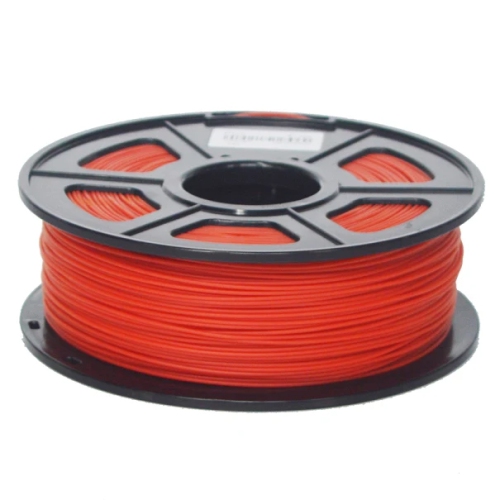
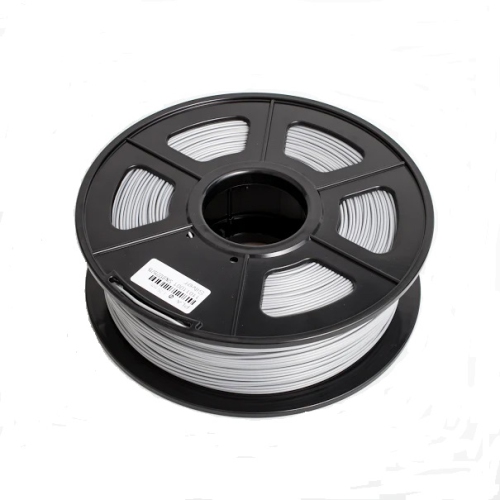
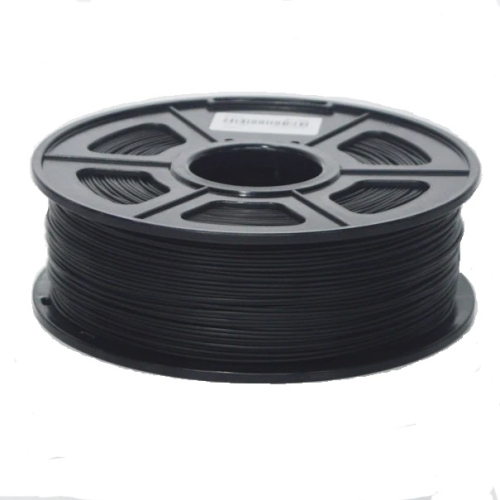
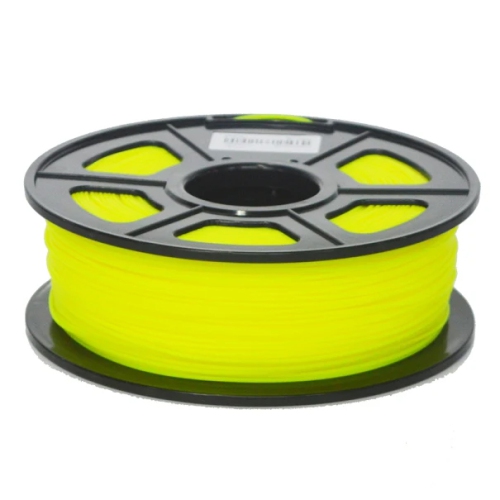
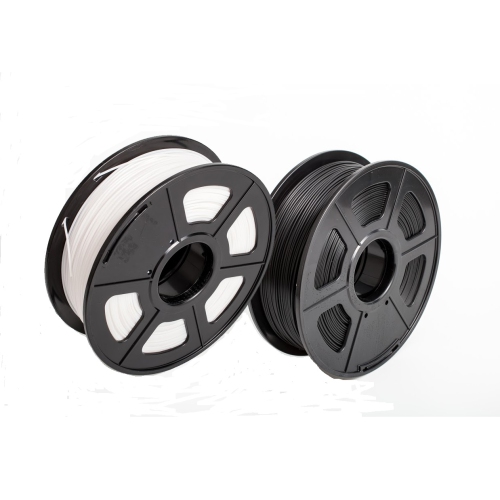
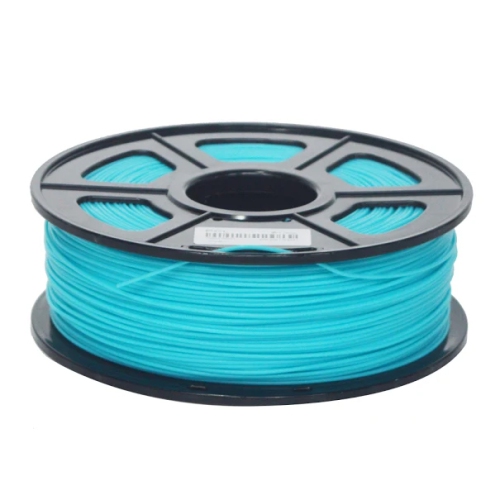
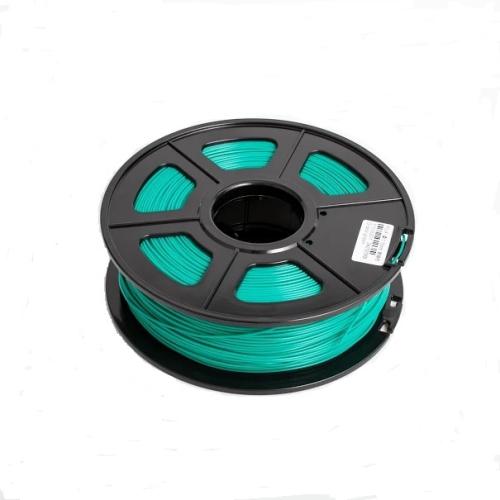
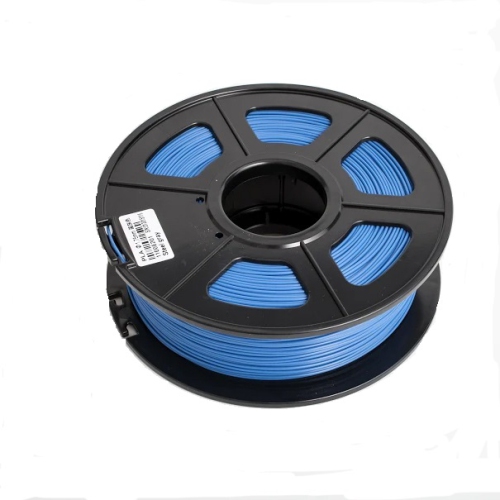
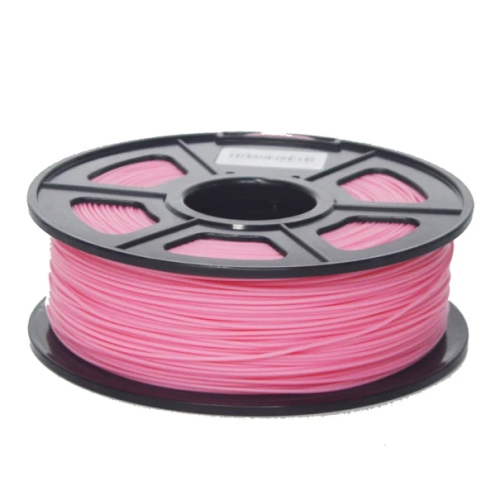
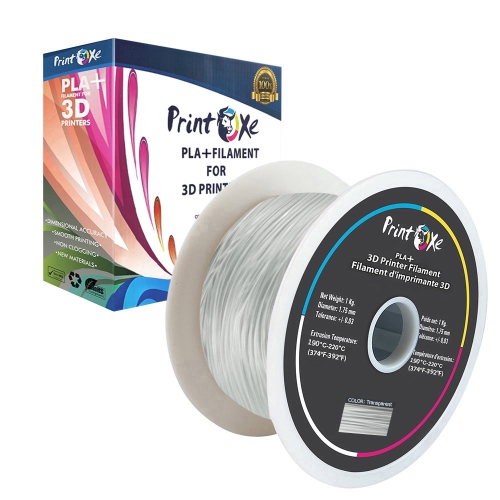
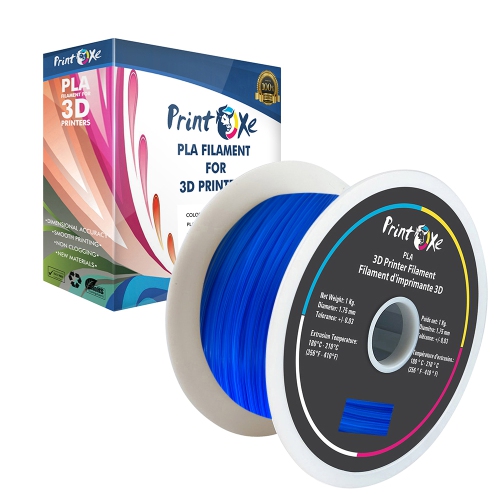
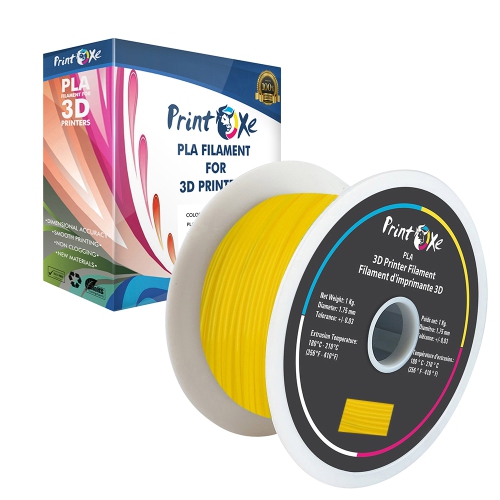
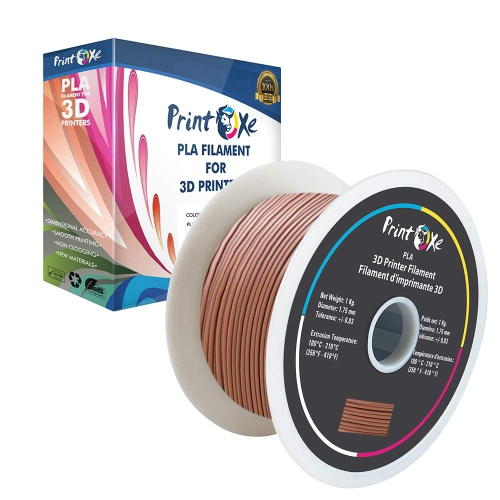
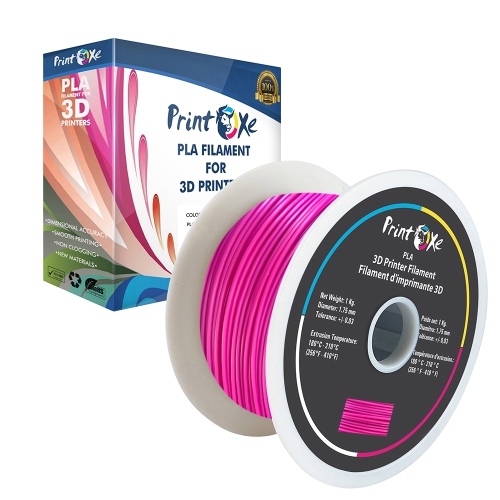
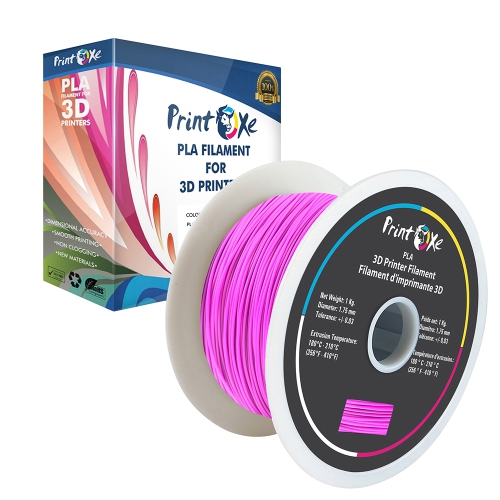
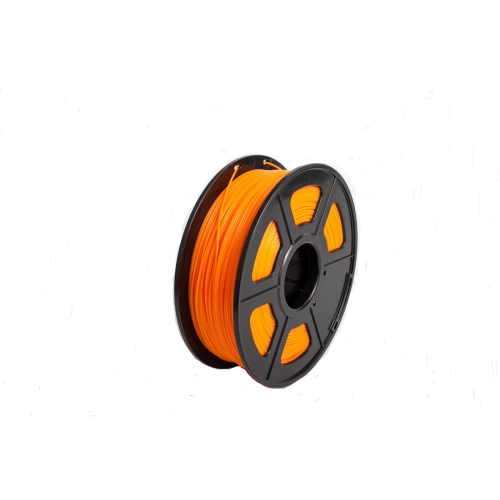
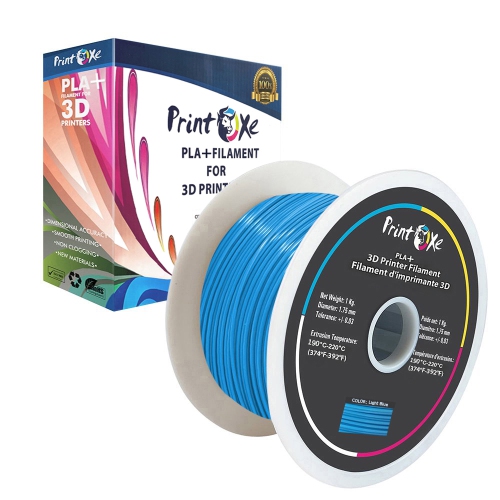
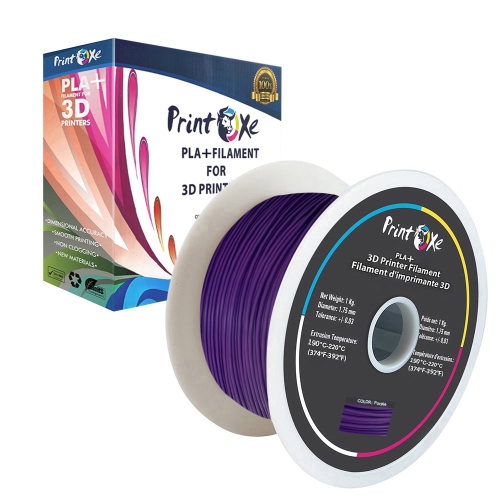
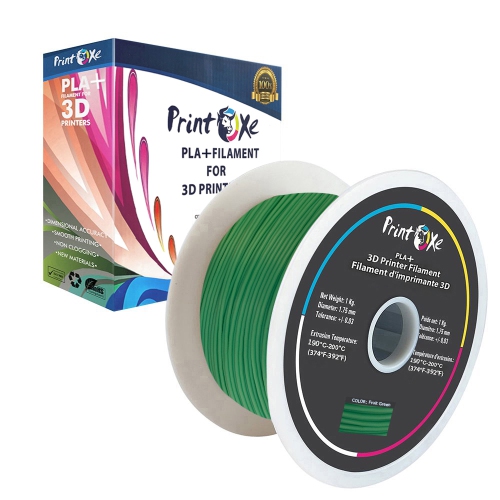
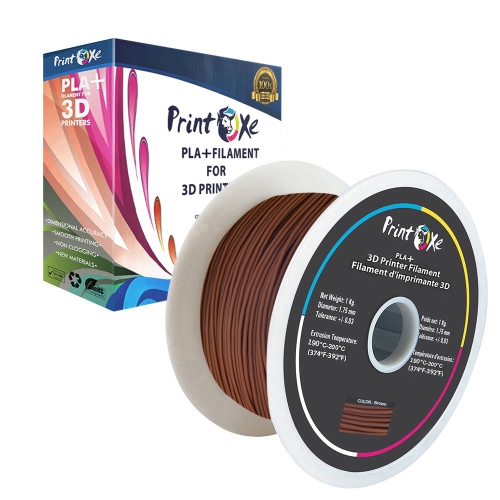
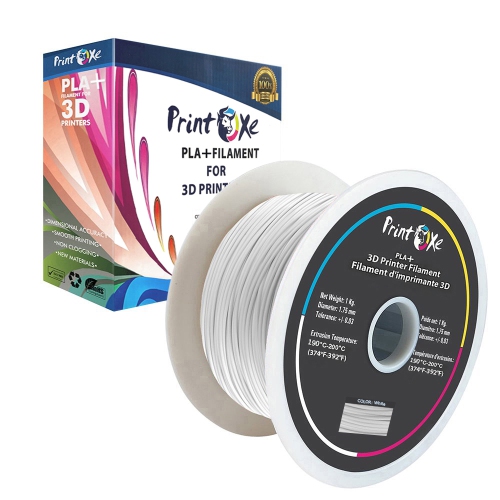
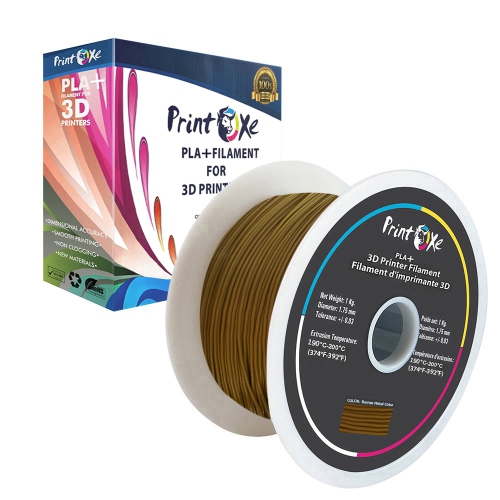
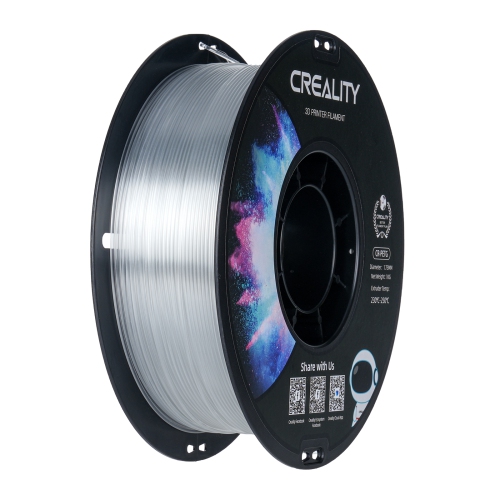
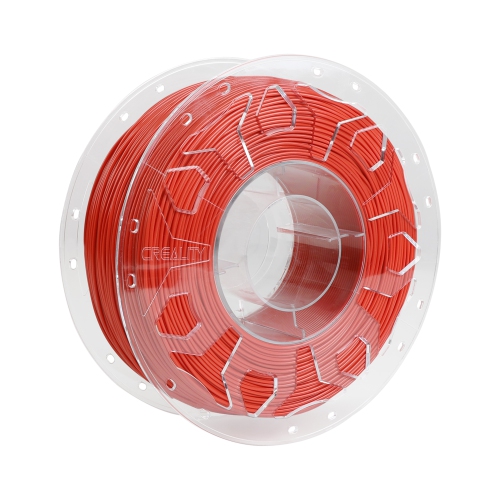
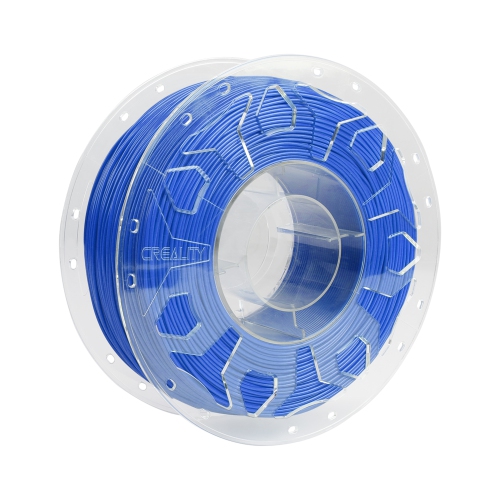
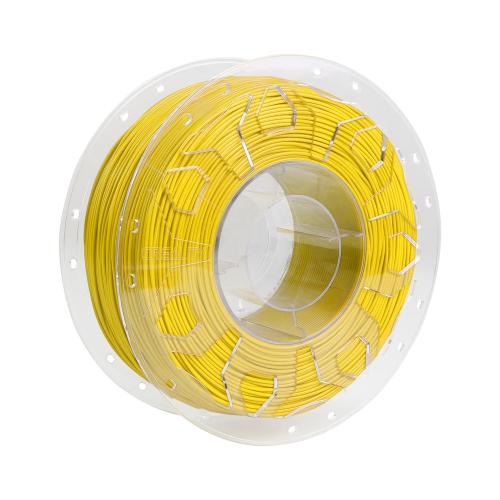
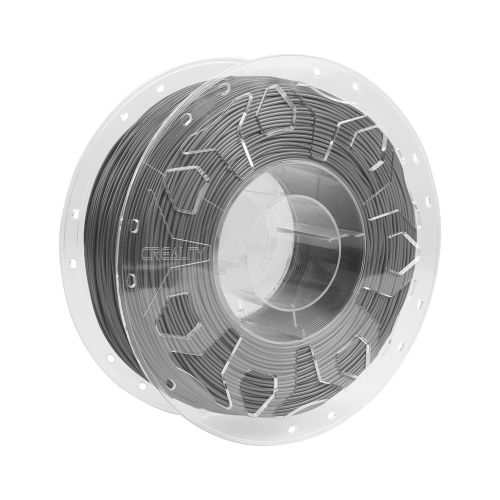
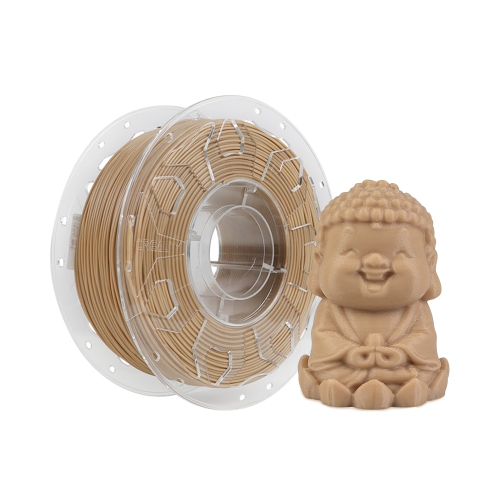
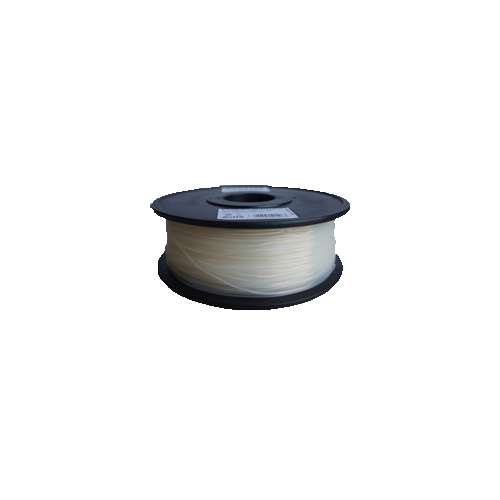
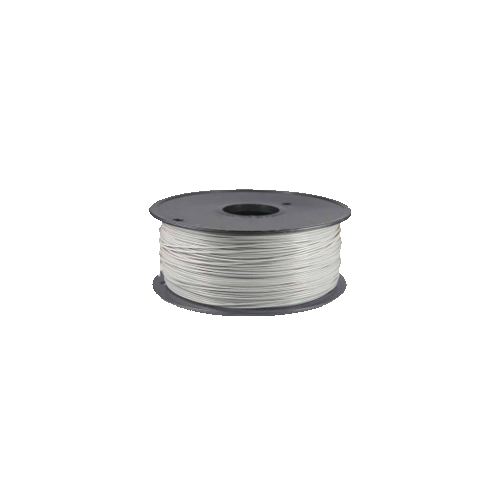
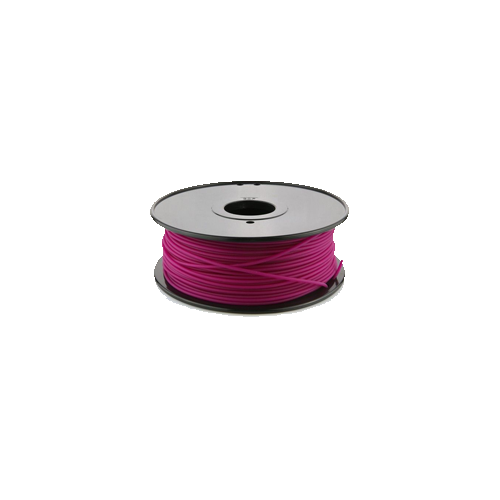
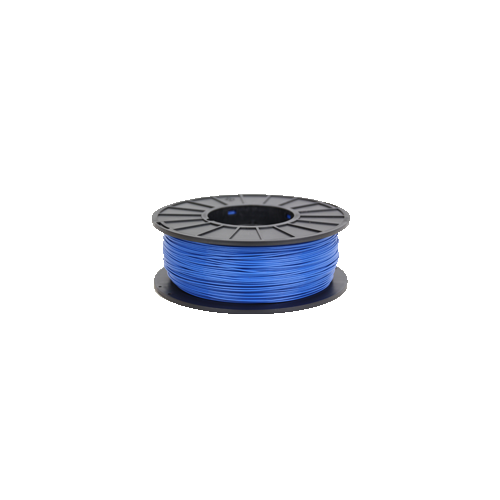
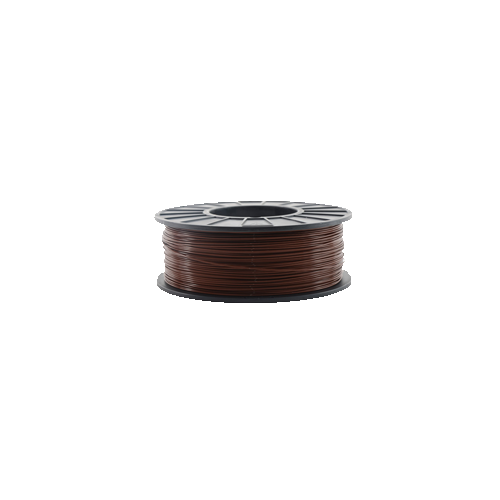
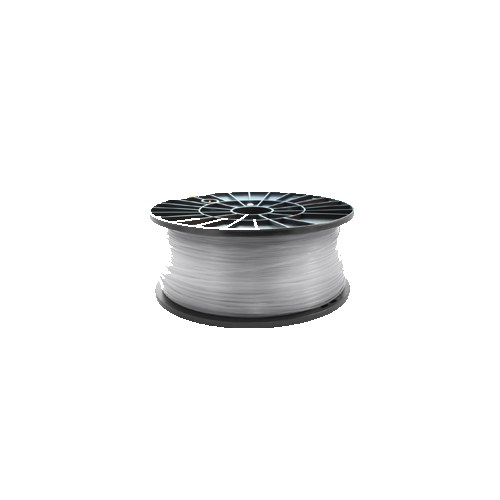
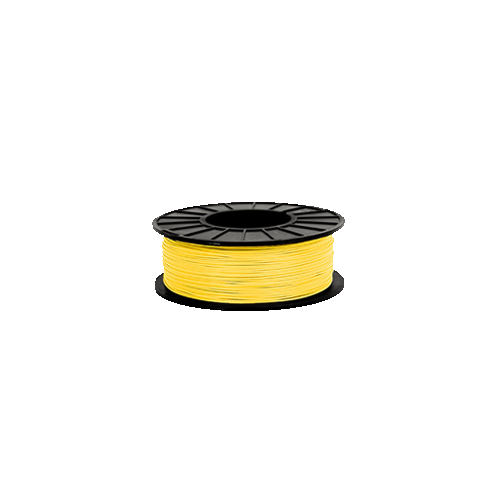
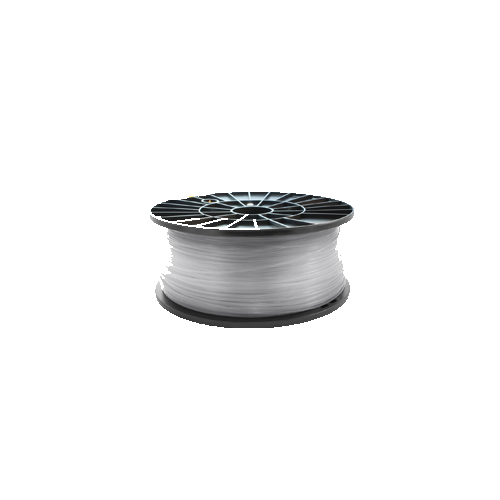
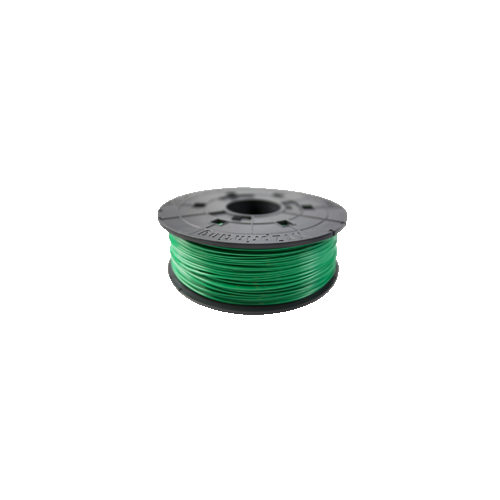
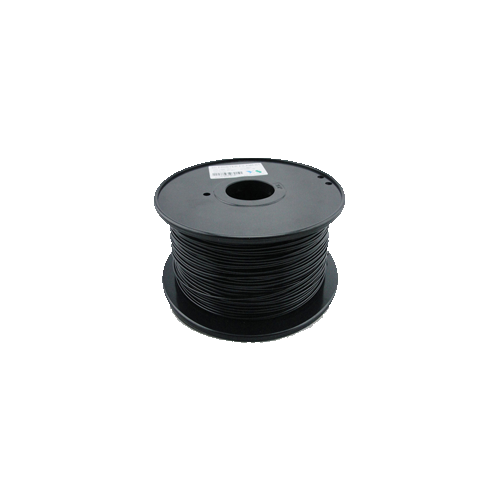
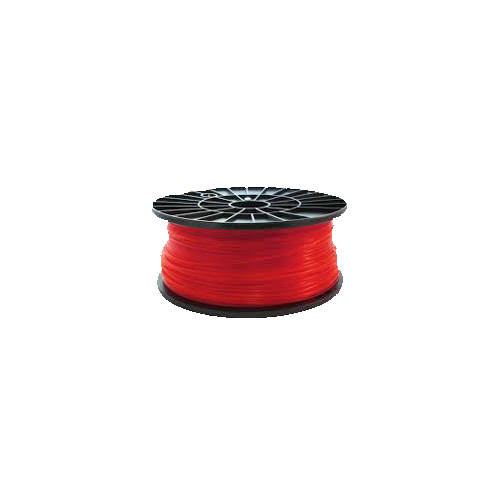
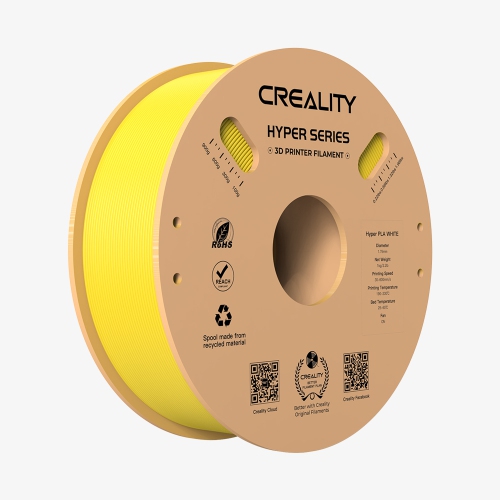
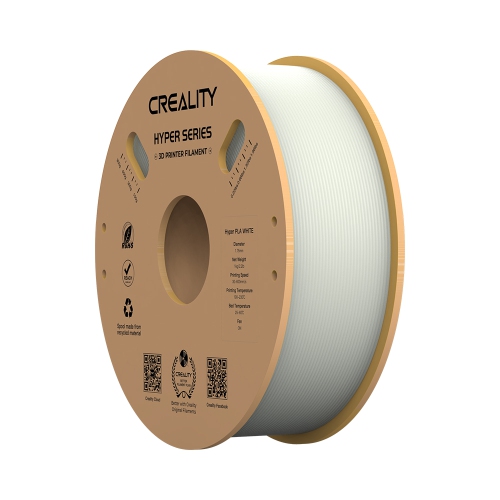
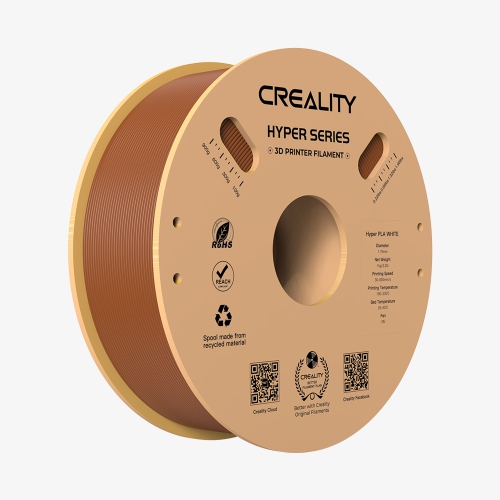
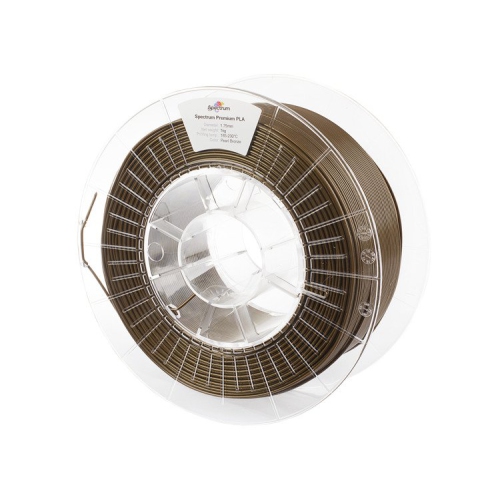
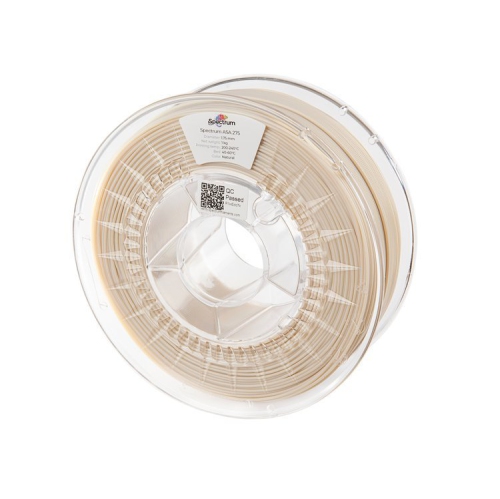
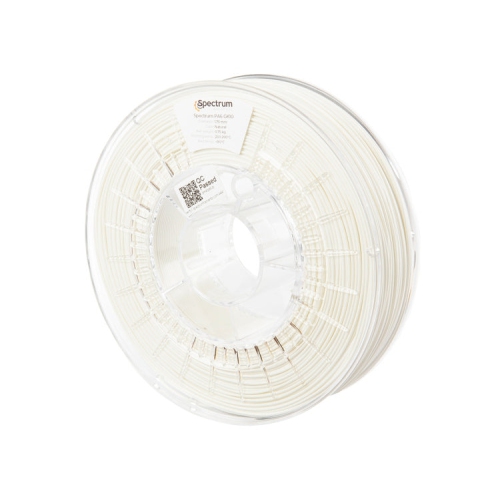
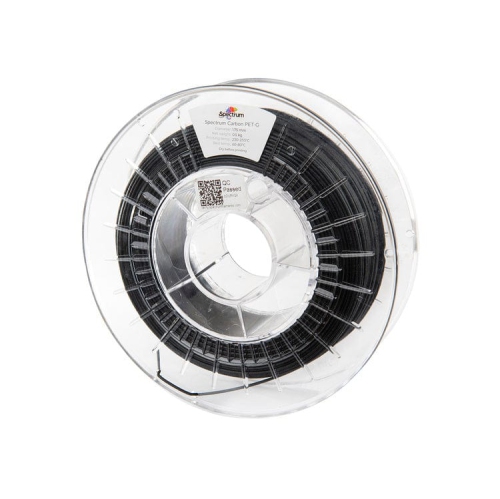
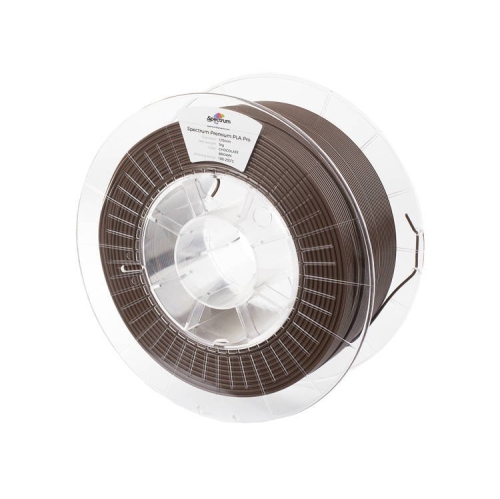
1.75 mm filaments are thermoplastic materials used by many desktop fused deposition modelling (FDM) 3D printers to build objects layer by layer. The measurement refers to the diameter of the unheated strand, not the nozzle opening, printed line width, or finished layer height. A printer designed for 1.75 mm filament needs that diameter throughout its feeding system; 2.85 mm filament is not a direct substitute. Within the 1.75 mm format, different plastics offer distinct combinations of stiffness, flexibility, surface finish, and resistance to heat or impact. PLA, or polylactic acid, is a common starting point for decorative models, architectural mock-ups, desk accessories, and early prototypes because it generally prints with relatively little warping. Many standard PLA formulations use nozzle settings around 190°C to 220°C, although the filament maker’s stated range should take priority, particularly for modified blends or faster printing. A heated build plate can help with first-layer adhesion, but its settings depend on the material and printing surface. PETG is often chosen for practical parts that need more toughness and moisture resistance than standard PLA typically provides, while TPU suits flexible applications such as protective bumpers, soft feet, and bendable components. ABS and ASA can suit more demanding applications, but they usually require more attention to printer enclosure, ventilation, and shrinkage during cooling. For shoppers comparing the wider range of materials, 3D Printing Filaments provides a broader category to explore alongside this diameter-specific selection. The most useful distinction is what a finished print needs to do: a detailed display model calls for different properties than a repeatedly flexed clip or a bracket supporting a load. Students, hobbyists, designers, educators, and makers can all use 1.75 mm filament, but matching the plastic to the project matters more than choosing by colour alone. A clean-looking print is only part of the result; its suitability also depends on how it behaves during everyday handling.
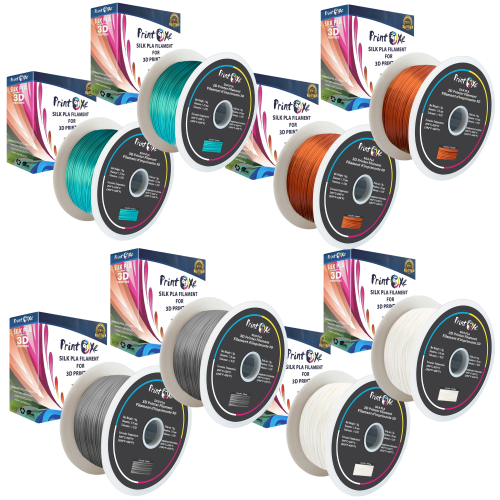
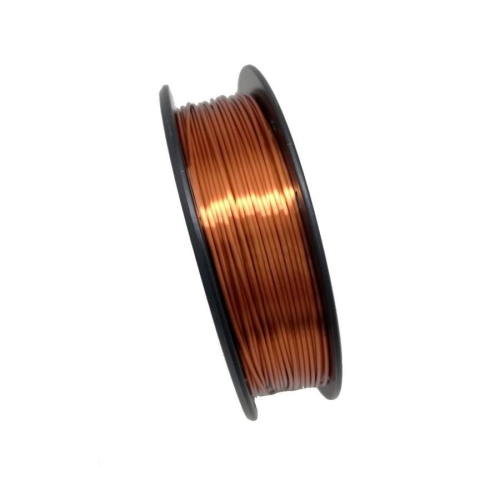
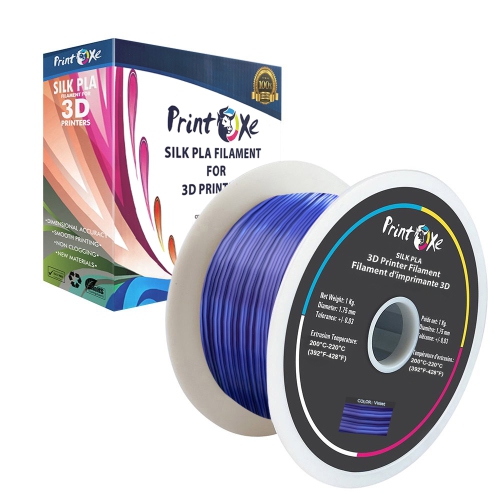
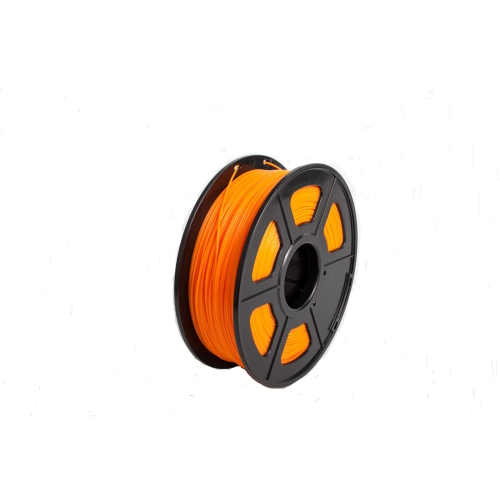
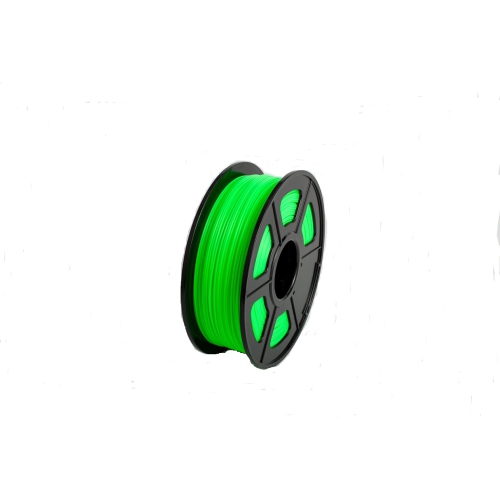
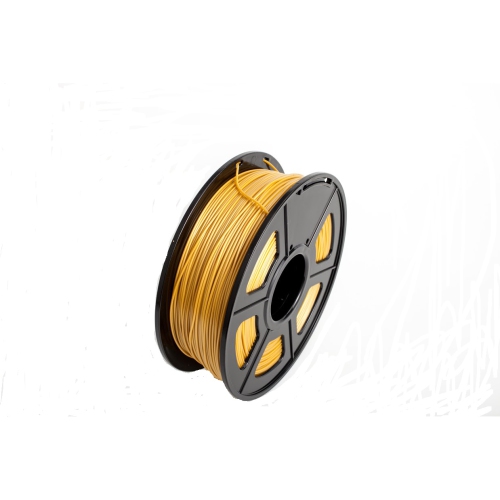
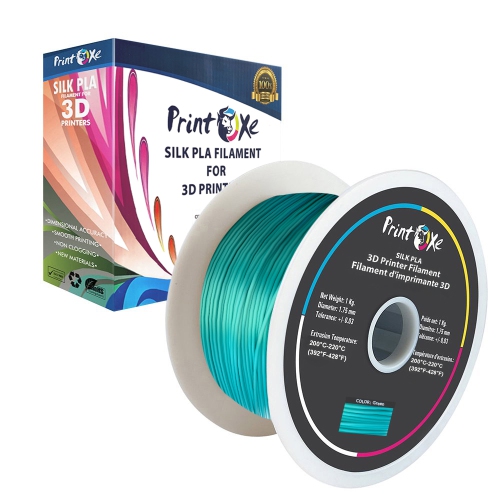
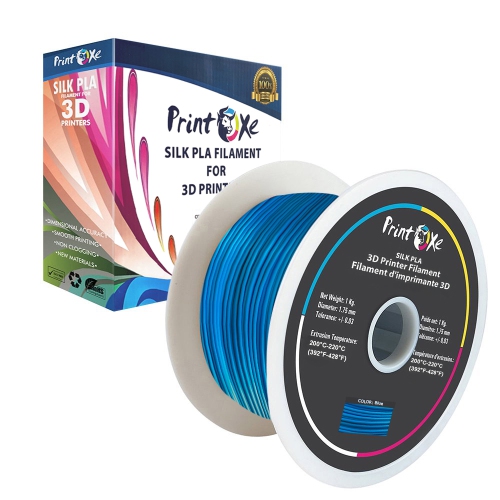
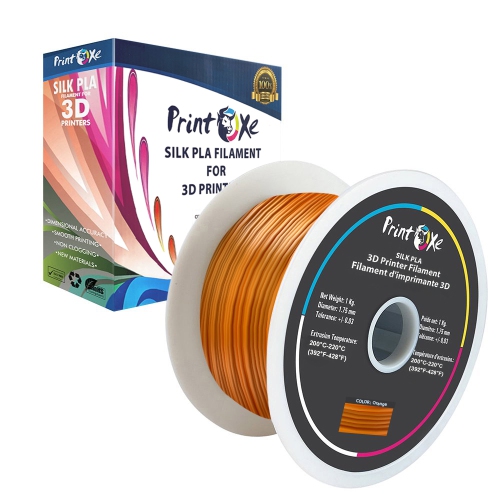
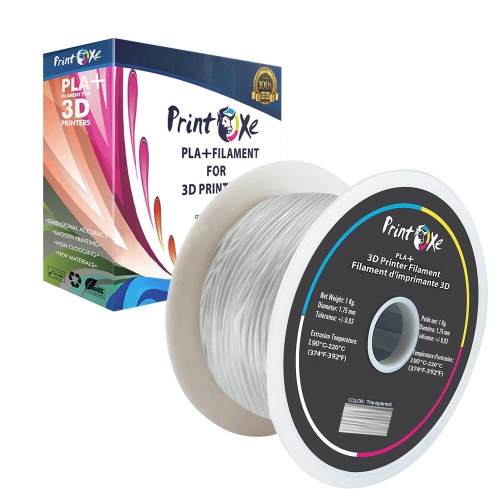
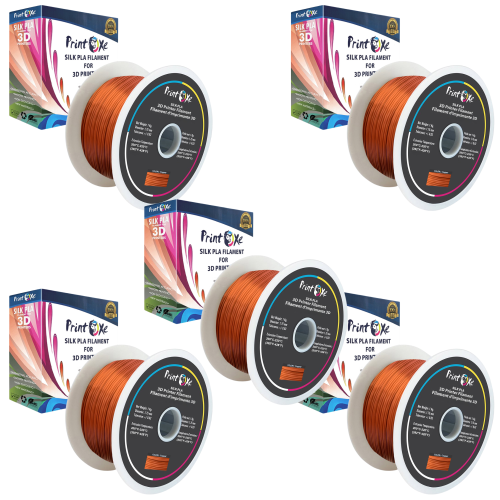
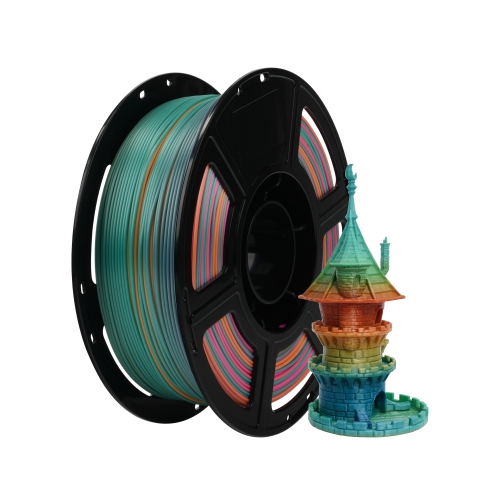
Material choice shapes both the printing process and the character of the finished object. Standard PLA tends to produce crisp detail and a rigid feel, making it useful for lettering, miniature scenery, presentation models, and drawer dividers. Its limitations become more noticeable when a part must tolerate heat, repeated bending, or a sharp impact. PETG often offers a useful balance for frequently handled objects, though it can leave fine strands between separate features and may need careful adjustment of retraction and cooling. TPU can produce resilient, flexible prints, but its softness makes feeding more demanding; compatibility depends on the printer’s extruder design and the filament’s hardness rating. A direct-drive extruder often makes flexible materials easier to manage, although some other setups can handle suitable formulations. Nylon and fibre-filled blends introduce further considerations, including moisture control, nozzle wear, and the printer’s supported operating range. Carbon-fibre-filled or glass-fibre-filled filament may require a wear-resistant nozzle, and some formulations need a larger nozzle opening than a standard setup uses. Finishes also deserve attention. Matte surfaces can soften the appearance of layer lines, glossy finishes catch the light, and translucent plastics can produce interesting visual effects without necessarily becoming optically clear. Silk-style PLA is often selected for its sheen, but its strength and layer bonding may differ from ordinary PLA. Colour-changing and multicolour effects depend partly on the length of each colour segment and the amount of material a model consumes, so a small charm may look quite different from a tall vase printed from the same spool. For gifts, filament can be a thoughtful choice for someone who already enjoys 3D printing, provided the diameter, material, and spool format match their equipment. Knowing whether they make detailed models, practical workshop accessories, or flexible parts helps narrow the choice without relying on colour preference alone. The intended finish matters, too: a part destined for painting has different surface priorities from one displayed straight off the build plate.
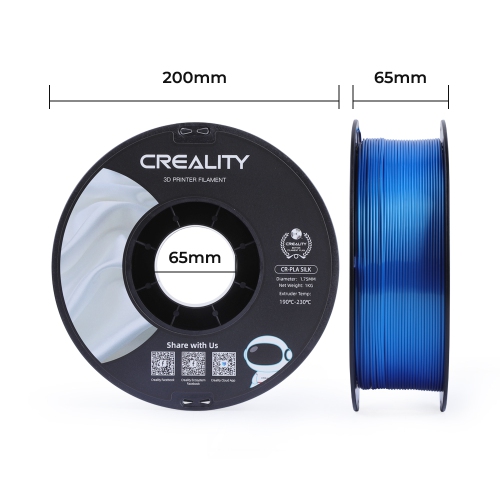
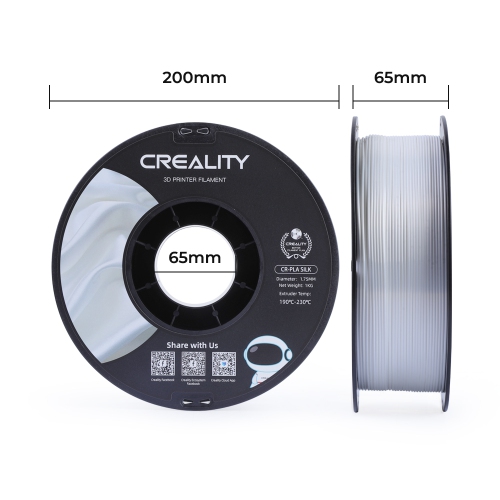
Reliable printing starts with compatibility beyond the 1.75 mm label. The printer must support the material’s nozzle and build-plate requirements, and its spool holder or enclosed feeding system must accommodate the spool’s dimensions and construction. Net filament weight describes the amount of printing material, not the combined weight of the filament and spool. Diameter consistency and roundness help the extruder feed a predictable amount of plastic; stated tolerances such as ±0.02 mm or ±0.05 mm describe allowable variation, but they do not guarantee a clog-free print. Nozzle condition, moisture, slicer settings, and the filament path also affect results. A secure first layer and settings matched to the material are especially important on long prints, where a small feeding problem can spoil hours of work. Keeping the loose end secured prevents it from slipping under neighbouring loops and creating a snag during unwinding. Between projects, sealed storage with desiccant helps limit moisture absorption, particularly for moisture-sensitive materials such as nylon and some flexible filaments. Popping during extrusion, unusually rough surfaces, and increased stringing can indicate damp filament, though other setup issues can cause similar symptoms. Drying should follow the material maker’s guidance and the spool’s heat limits rather than a single setting applied to every plastic. Finished-part durability depends on design as well as material: wall thickness, layer orientation, infill, and layer bonding all influence strength. A hook printed with its layers poorly aligned to the load may split even when the plastic itself is tough. Light cleaning with a soft cloth and a compatible mild cleaner is generally preferable to harsh solvents or high heat unless the material’s care guidance states otherwise. Printed objects intended for food contact, children’s use, or safety-critical duties need more scrutiny than decorative pieces; a material name alone does not establish suitability. With the diameter, formulation, equipment requirements, and intended use aligned, 1.75 mm filament supports projects ranging from a neatly fitted cable organizer to a detailed scale model or a prototype refined through several test prints.
Material choice shapes both the printing process and the character of the finished object. Standard PLA tends to produce crisp detail and a rigid feel, making it useful for lettering, miniature scenery, presentation models, and drawer dividers. Its limitations become more noticeable when a part must tolerate heat, repeated bending, or a sharp impact. PETG often offers a useful balance for frequently handled objects, though it can leave fine strands between separate features and may need careful adjustment of retraction and cooling. TPU can produce resilient, flexible prints, but its softness makes feeding more demanding; compatibility depends on the printer’s extruder design and the filament’s hardness rating. A direct-drive extruder often makes flexible materials easier to manage, although some other setups can handle suitable formulations. Nylon and fibre-filled blends introduce further considerations, including moisture control, nozzle wear, and the printer’s supported operating range. Carbon-fibre-filled or glass-fibre-filled filament may require a wear-resistant nozzle, and some formulations need a larger nozzle opening than a standard setup uses. Finishes also deserve attention. Matte surfaces can soften the appearance of layer lines, glossy finishes catch the light, and translucent plastics can produce interesting visual effects without necessarily becoming optically clear. Silk-style PLA is often selected for its sheen, but its strength and layer bonding may differ from ordinary PLA. Colour-changing and multicolour effects depend partly on the length of each colour segment and the amount of material a model consumes, so a small charm may look quite different from a tall vase printed from the same spool. For gifts, filament can be a thoughtful choice for someone who already enjoys 3D printing, provided the diameter, material, and spool format match their equipment. Knowing whether they make detailed models, practical workshop accessories, or flexible parts helps narrow the choice without relying on colour preference alone. The intended finish matters, too: a part destined for painting has different surface priorities from one displayed straight off the build plate.
Reliable printing starts with compatibility beyond the 1.75 mm label. The printer must support the material’s nozzle and build-plate requirements, and its spool holder or enclosed feeding system must accommodate the spool’s dimensions and construction. Net filament weight describes the amount of printing material, not the combined weight of the filament and spool. Diameter consistency and roundness help the extruder feed a predictable amount of plastic; stated tolerances such as ±0.02 mm or ±0.05 mm describe allowable variation, but they do not guarantee a clog-free print. Nozzle condition, moisture, slicer settings, and the filament path also affect results. A secure first layer and settings matched to the material are especially important on long prints, where a small feeding problem can spoil hours of work. Keeping the loose end secured prevents it from slipping under neighbouring loops and creating a snag during unwinding. Between projects, sealed storage with desiccant helps limit moisture absorption, particularly for moisture-sensitive materials such as nylon and some flexible filaments. Popping during extrusion, unusually rough surfaces, and increased stringing can indicate damp filament, though other setup issues can cause similar symptoms. Drying should follow the material maker’s guidance and the spool’s heat limits rather than a single setting applied to every plastic. Finished-part durability depends on design as well as material: wall thickness, layer orientation, infill, and layer bonding all influence strength. A hook printed with its layers poorly aligned to the load may split even when the plastic itself is tough. Light cleaning with a soft cloth and a compatible mild cleaner is generally preferable to harsh solvents or high heat unless the material’s care guidance states otherwise. Printed objects intended for food contact, children’s use, or safety-critical duties need more scrutiny than decorative pieces; a material name alone does not establish suitability. With the diameter, formulation, equipment requirements, and intended use aligned, 1.75 mm filament supports projects ranging from a neatly fitted cable organizer to a detailed scale model or a prototype refined through several test prints.
Top selling and popular products
-
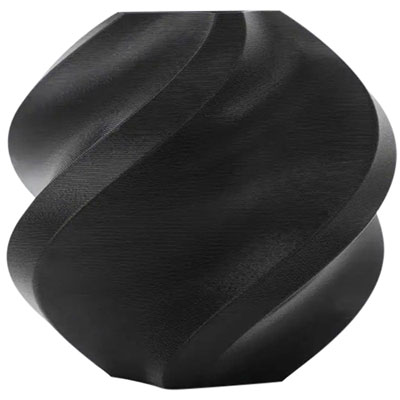 Your price for this item is $22.99
 -
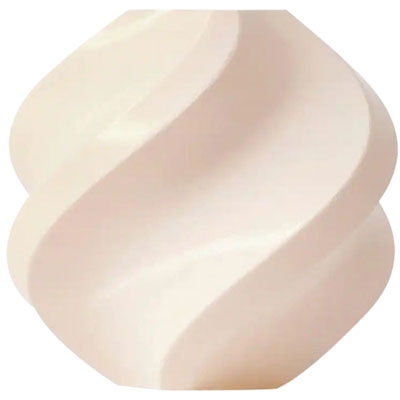 Your price for this item is $22.99
 -
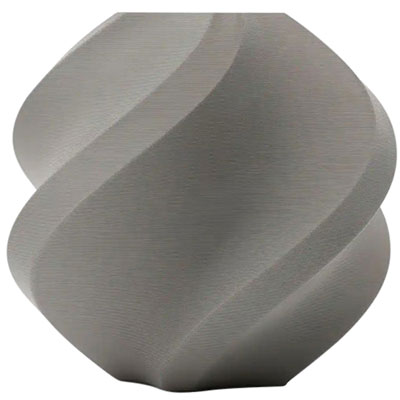 Your price for this item is $22.99
 -
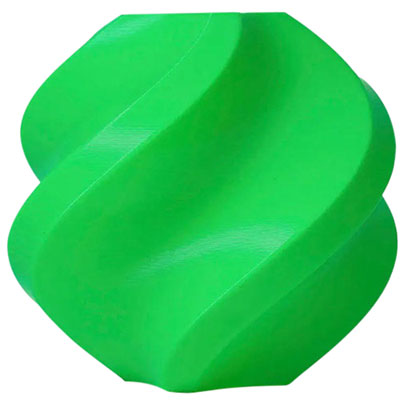 Your price for this item is $22.99
 -
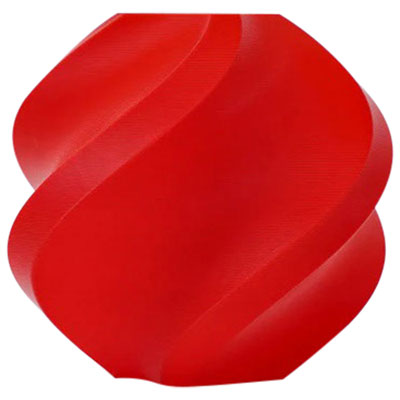 Your price for this item is $22.99
 -
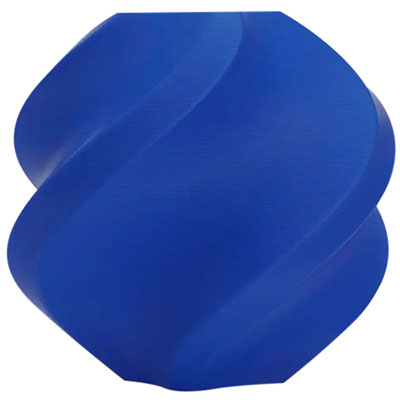 Your price for this item is $22.99
 -
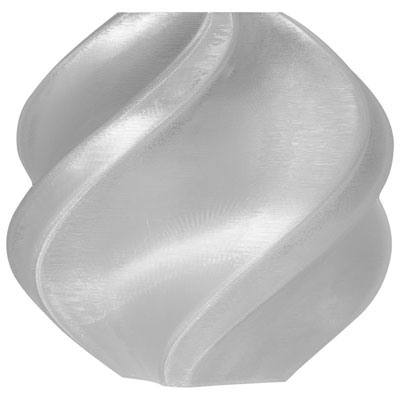 Your price for this item is $22.99
 -
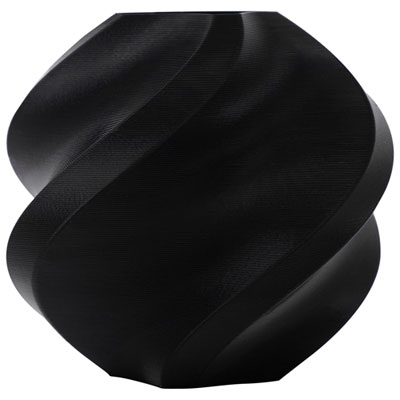 Your price for this item is $22.99
Discover more categories related to 1.75 MM Filaments
Top Collections:
Pokemon Centers, Kindle Devices, Best Budget Office Chairs, Apple iPhones 16, Best Laptops for Writers, iPhone 15 Apple, Canon G7X Cameras, Refurbished Apple Laptops, Alarm Clock, Motorola Razr Phones
Some products may be subject to Environmental Handling Fees
(EHF) depending on your province.
Learn more about EHFs.