AMD AM5 CPU
Discover the latest in high-performance computing with AMD AM5 CPU options designed to power your desktop experience. Whether you're looking to upgrade your system for gaming, creative projects, or everyday tasks, AMD AM5 CPUs offer a versatile foundation for building a fast and responsive PC. Explore a range of processors compatible with the AM5 platform and find the ideal solution to meet your computing needs.
Sort

Why processor compatibility goes beyond the socket
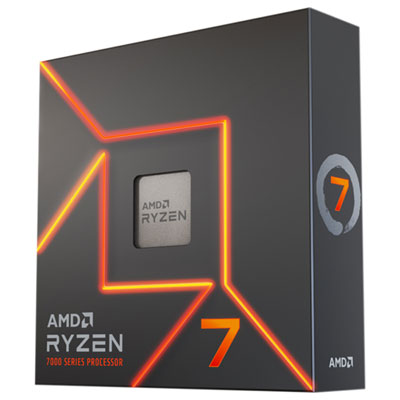
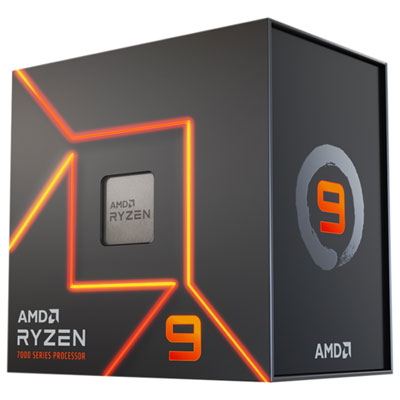
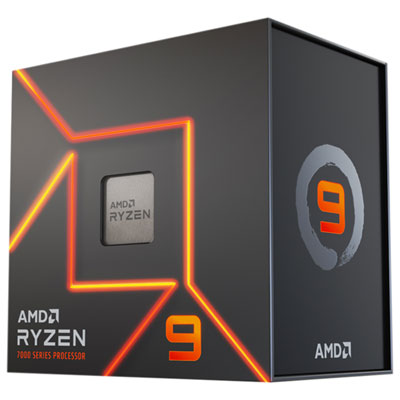
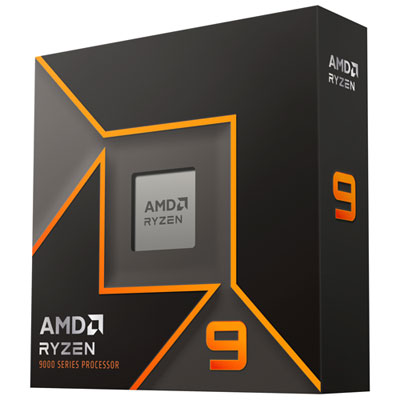
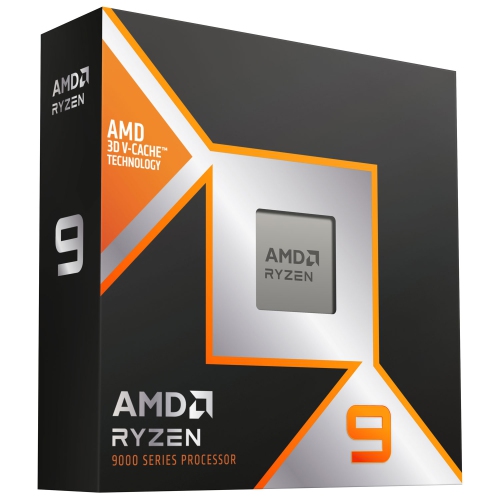
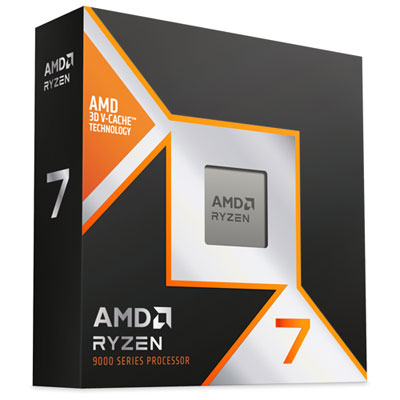
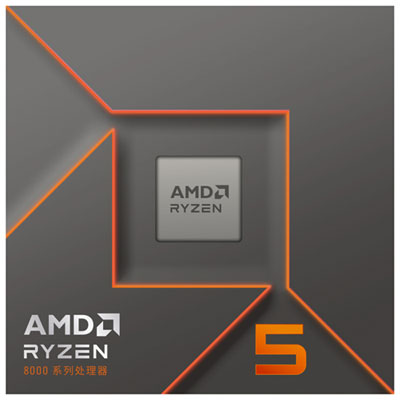
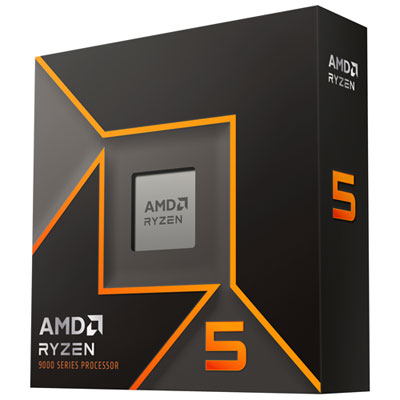
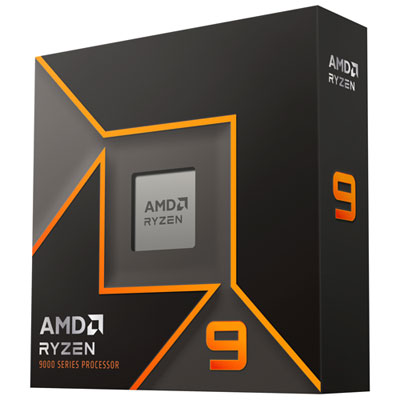
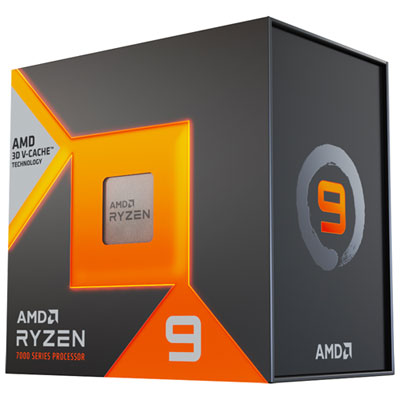
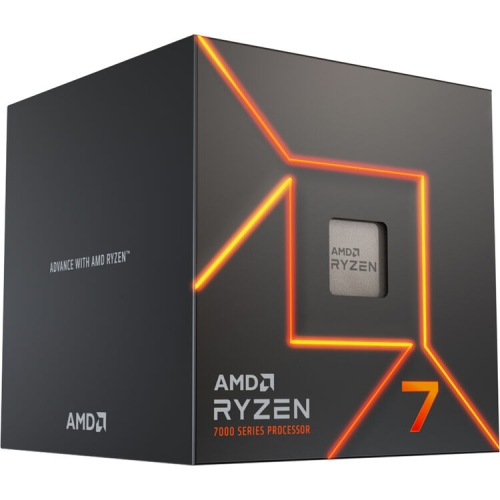
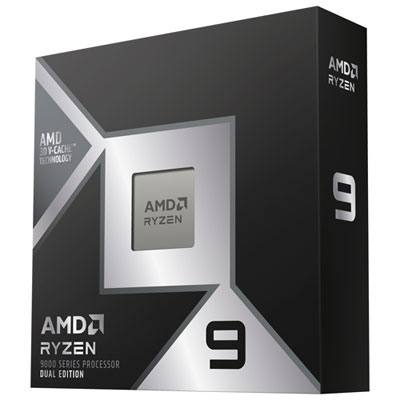
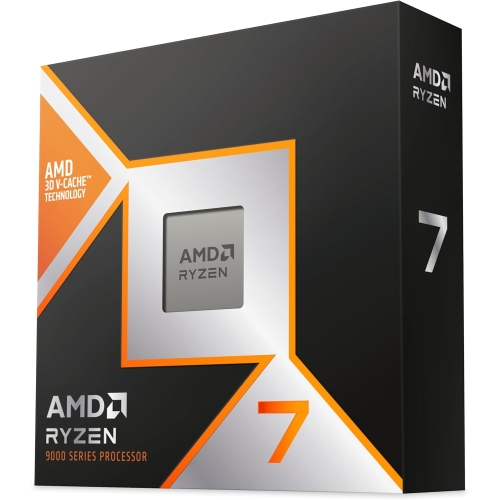
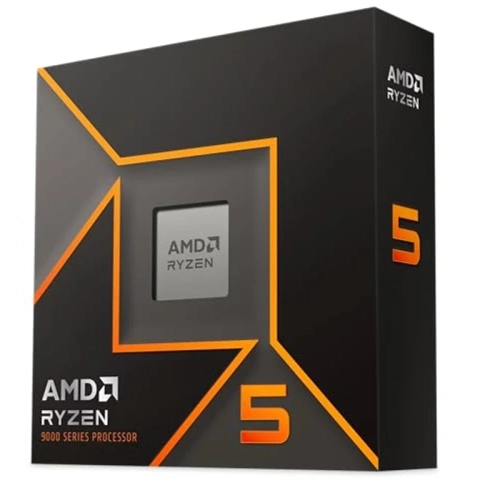
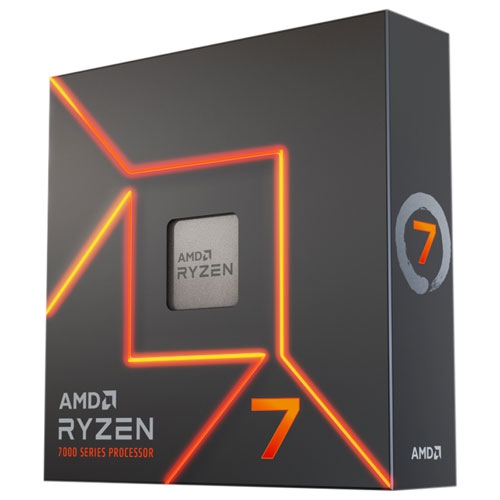
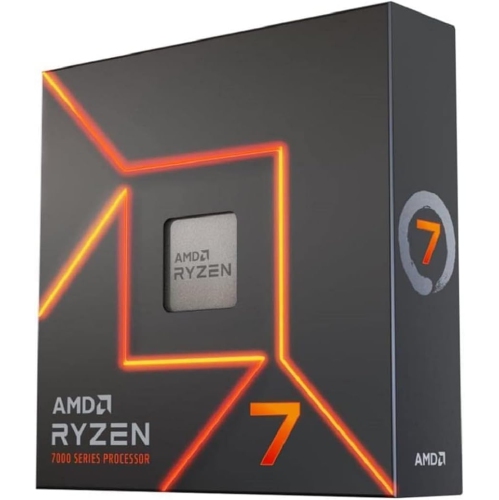
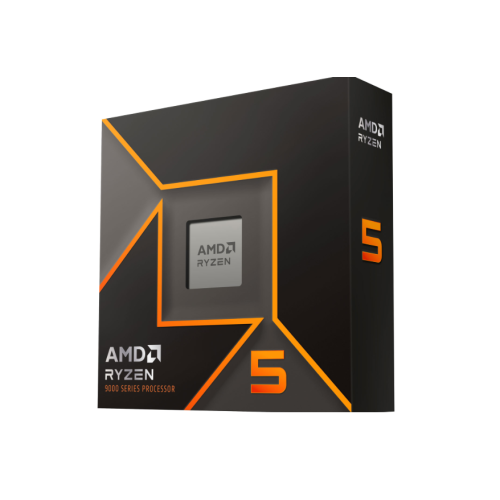
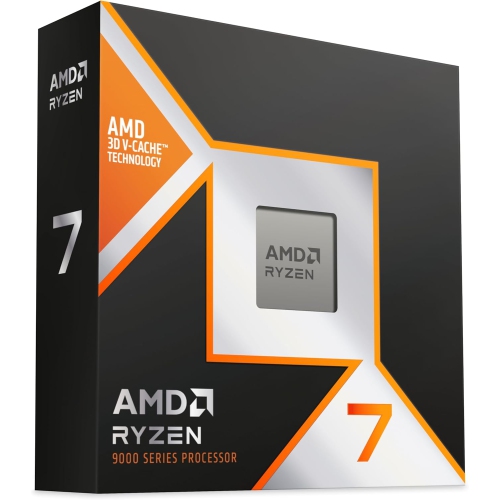
AMD AM5 CPUs are desktop processors designed for motherboards with the AM5 socket, a platform used for gaming PCs, home computers and creative workstations. The socket uses an LGA 1718 design, with 1,718 contacts in the motherboard socket and flat contact pads on the underside of the processor. This physical connection determines which motherboard a CPU can use: an AM5 processor cannot fit an AM4 socket, even if the two processors look similar. AM5 systems use DDR5 memory rather than DDR4, so moving from an older platform can involve replacing the processor, motherboard and memory together. For an existing AM5 desktop, compatibility depends on the motherboard’s processor support list and installed BIOS version, not simply the socket name. A newer processor may need a BIOS update before the computer can start, and some motherboards support updates without a working CPU installed. That feature can be useful when assembling a system from separate components. When browsing AMD Ryzen Processors, the socket designation helps distinguish CPUs intended for an AM5 build from those designed for another platform. Graphics capability is another important distinction within the category. Many AM5 processors include integrated graphics, but some require a dedicated graphics card. Basic integrated graphics can handle desktop display duties and troubleshooting, while processors with more capable integrated graphics may also suit lighter gaming. Performance varies substantially, so the presence of integrated graphics alone does not indicate how well a game will run. A motherboard’s display connectors also depend on graphics support from the installed processor; an HDMI or DisplayPort connection on the rear panel does not create that capability by itself. For a desktop used mainly for documents, browser tabs, video calls and media playback, these details can matter more than choosing the highest core count.
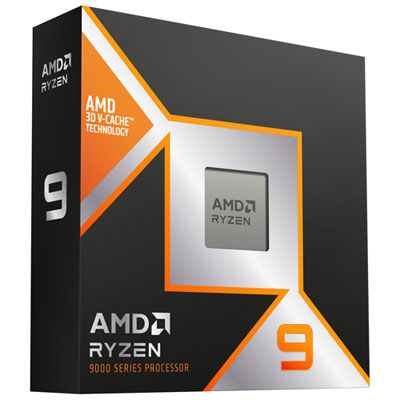
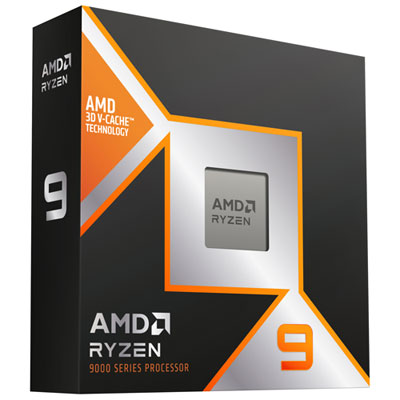
Performance differences between AM5 CPUs become clearer when matched to the work a computer does. Cores and threads affect how much processing work can happen in parallel, while architecture, clock speed and cache influence how quickly different tasks are completed. A higher clock speed is not a reliable ranking on its own, particularly across processor generations. For gaming, the processor helps handle game logic, physics and the instructions sent to the graphics card. A fast CPU can be especially useful for high-refresh-rate play, although the graphics card, resolution and individual game all influence the result. Additional cache can improve performance in some games without delivering the same advantage in every application. A gaming desktop that also streams, records footage or runs voice chat benefits from enough processing headroom to keep those tasks from interrupting play. Video editing, software compilation, three-dimensional rendering and other heavily threaded workloads can make better use of additional cores, provided the application is designed to use them. Photo editing and general office work often involve a mixture of lightly threaded actions and occasional bursts of heavier processing. This makes a balanced system more useful than a processor chosen around one headline specification. Memory capacity matters when large projects, virtual machines or many applications remain open at once, while memory speed and latency can also influence performance. A matched DDR5 kit installed in the motherboard’s recommended slots supports the intended memory configuration, though advertised memory profiles depend on CPU and motherboard support. AM5 platforms can also provide PCIe connectivity for graphics cards and fast storage. The supported PCIe generation and usable lane configuration vary with both the processor and motherboard, so an AM5 label does not guarantee that every expansion slot runs at PCIe 5.0 speeds. Storage connections, expansion needs and the intended graphics card all contribute to how well the completed desktop fits everyday use.
Physical fit, cooling and careful handling are just as important as processing specifications. A desktop CPU combines silicon circuitry with a protective metal heat spreader that transfers heat to a compatible cooler. Although processors have no moving parts, their contact pads and the motherboard’s socket contacts need protection from dirt, mishandling and installation damage. The processor should sit in the socket according to its alignment markers, without being forced into place. Many coolers designed for AM4 can also work with AM5, but compatibility depends on their mounting hardware and whether they rely on the motherboard’s original backplate. Confirmation from the cooler manufacturer is more reliable than assuming that similar mounting holes guarantee a fit. Cooler height, radiator clearance, memory clearance and case airflow also affect the finished build, especially in compact desktops where space above and around the socket is limited. Some processors are packaged with a cooler, while others require a separate cooling solution, and the cooling capacity needed depends on the processor and workload. Sustained rendering or lengthy gaming sessions can produce different cooling demands from brief office tasks. Thermal paste helps transfer heat between the processor and cooler; correct application and mounting pressure matter more than simply adding more paste. During ongoing use, keeping dust out of heatsinks, fans and case filters helps maintain airflow and consistent operation. Processor power specifications are useful starting points, but they should not be treated as the complete system’s power requirements or an exact statement of maximum CPU consumption. The graphics card, motherboard and other components also influence power supply requirements. For someone upgrading a familiar desktop, an AM5 CPU can extend the usefulness of a compatible system without replacing every component. For a first-time builder or a gift recipient who enjoys assembling PCs, the best match is a processor that suits the intended software and fits the motherboard, memory and cooling already chosen. That compatibility turns an individual component into a dependable part of the whole computer.
Top selling and popular products
-
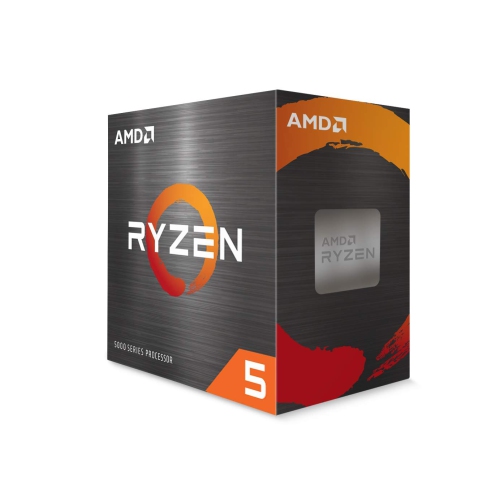 Your price for this item is $479.99
-
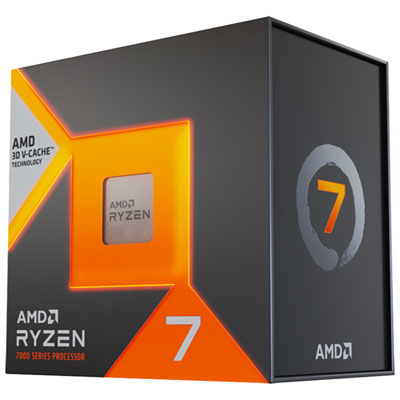 Your price for this item is $559.99
-
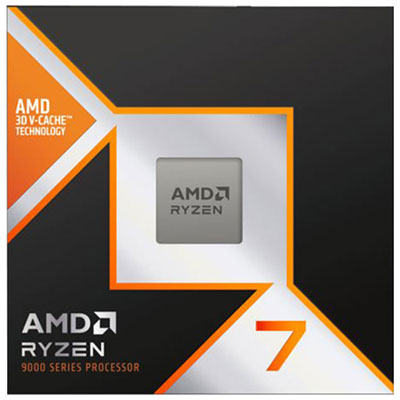 Your price for this item is $549.98
-
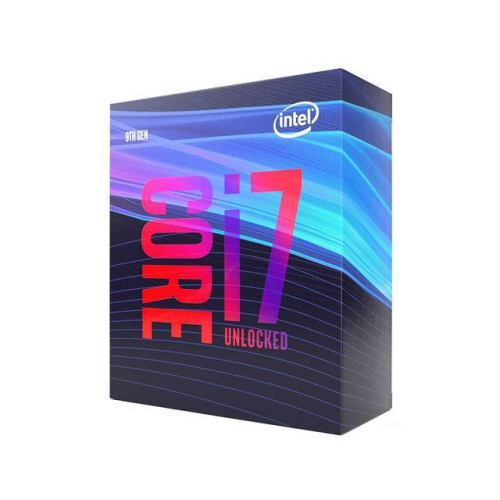 Your price for this item is $509.68
-
 Your price for this item is $690
-
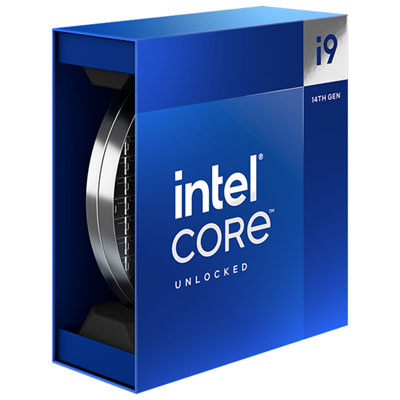 Your price for this item is $699.99
-
 Your price for this item is $487.99
-
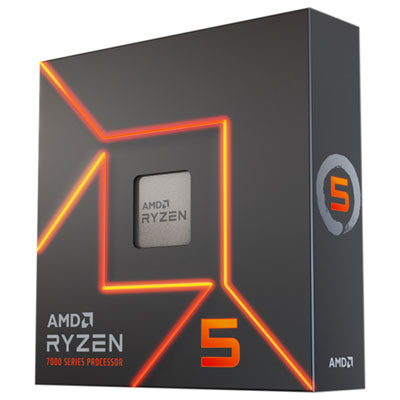 Your price for this item is $268.99
Discover more categories related to AMD AM5 CPU
Top Collections:
Best Black Friday Deals This Year, Best Black Friday Deals On Electronics, Kindle Devices, Best Black Friday Deals On Apple Products, Best Budget Office Chairs, Best Cameras for Sports Photography, Dyson Airwrap, Canon G7X Cameras, Best Laptops for Writers, Samsung Galaxy Phones
Some products may be subject to Environmental Handling Fees
(EHF) depending on your province.
Learn more about EHFs.