Bluetooth Transmitter Adapters
Upgrade your audio experience with a Bluetooth Transmitter Adapter, the perfect solution for connecting your favorite devices wirelessly. Whether you're looking to enjoy music, movies, or calls without the hassle of cords, these adapters offer seamless compatibility and convenience. Explore a wide selection of Bluetooth Transmitter Adapters designed to enhance connectivity in your home, car, or on the go. Find the ideal option to suit your needs and enjoy effortless wireless freedom with every use.
Sort


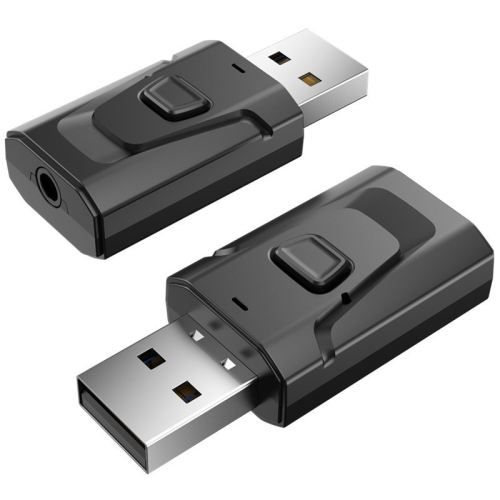

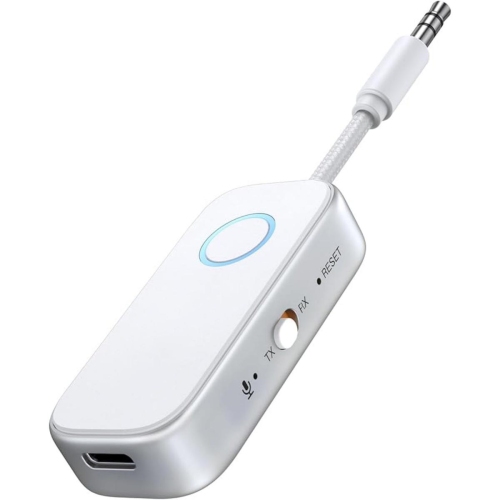


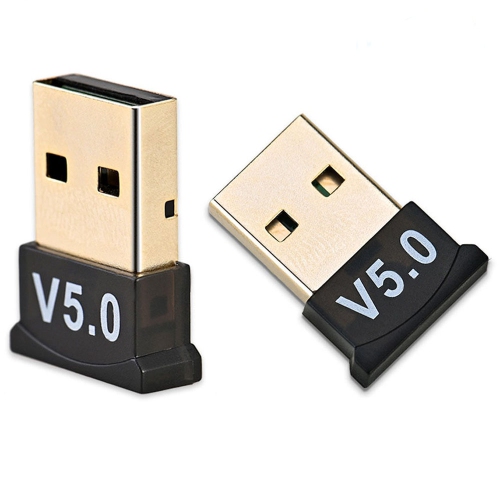
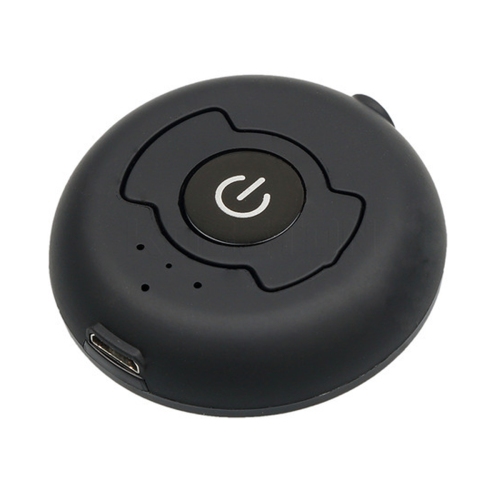


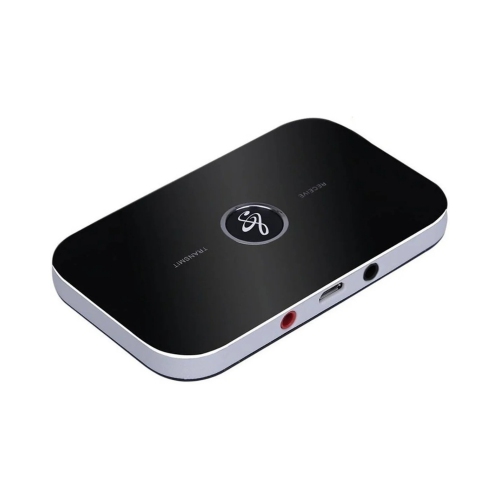
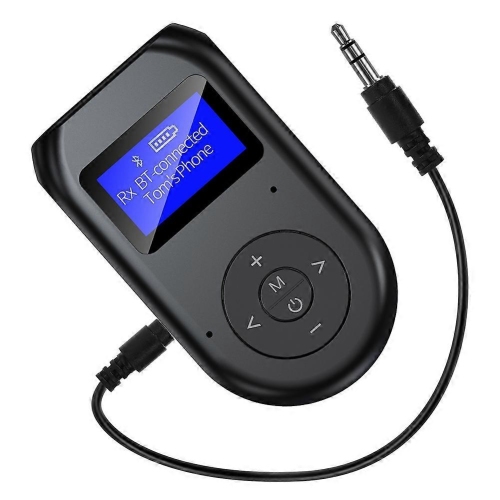


Wireless listening from the audio equipment you already own
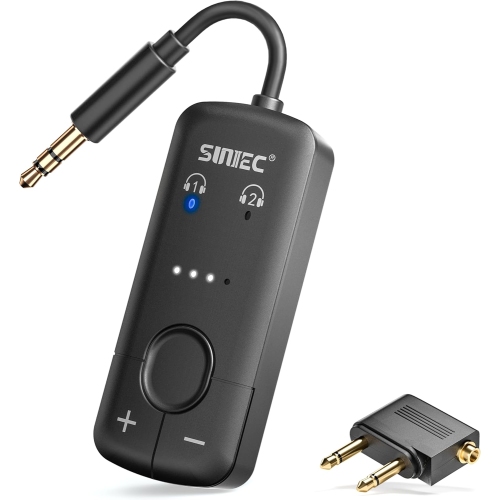
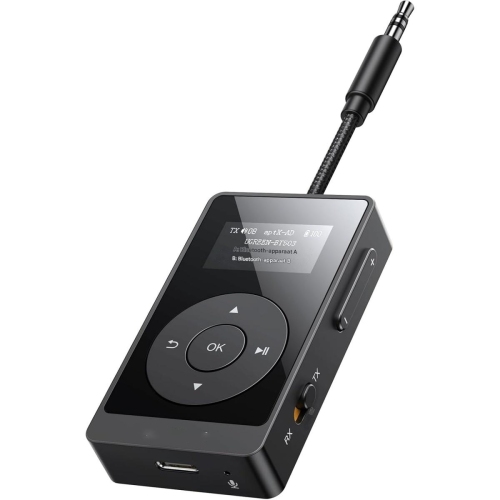
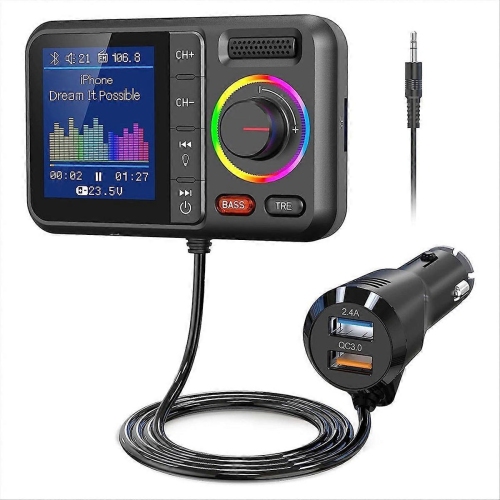
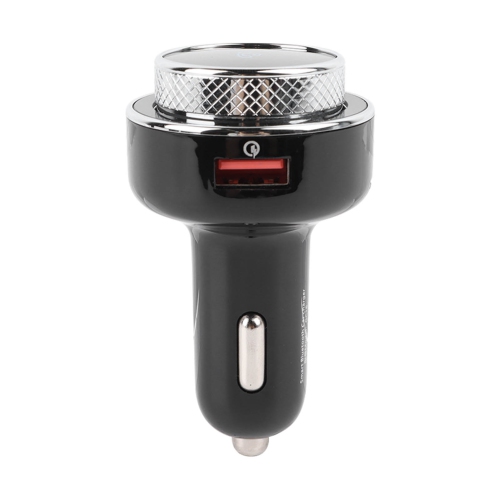
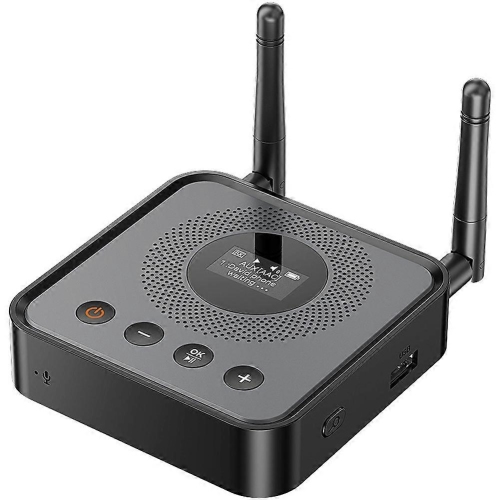
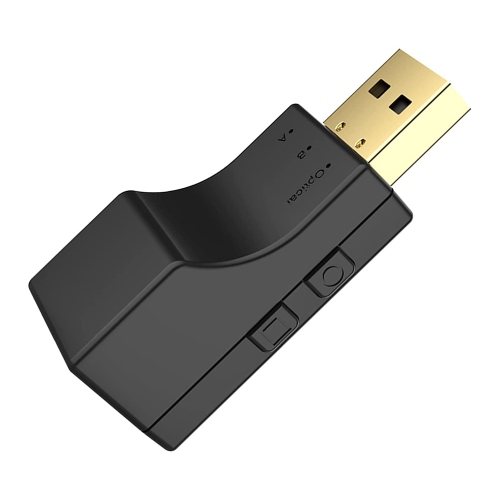
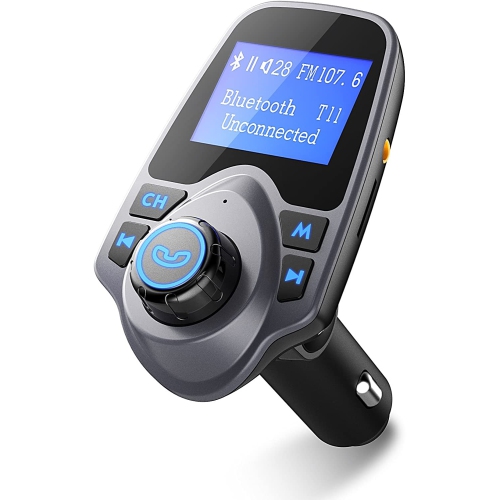
A Bluetooth transmitter adapter connects to a compatible wired audio output and sends sound wirelessly to Bluetooth headphones, earbuds, or speakers. It gives an audio source without built-in Bluetooth transmission a way to work with wireless listening devices, without replacing the source itself. Common uses include listening to television dialogue through headphones, connecting earbuds to an aircraft entertainment system, or playing music from an older stereo through a Bluetooth speaker. The connection starts with the audio output on the source: a 3.5 mm headphone socket, RCA audio outputs, or an optical digital output, depending on the adapter. These connections are not interchangeable, so the adapter’s inputs and included cables need to match the equipment involved. For devices with a standard headphone output, Bluetooth Headphone Jack Transmitters provide a connection focused on that familiar socket. A television’s USB port may supply power without carrying audio, while a USB audio transmitter requires a source that supports its audio function. The distinction between a transmitter and a receiver is just as important. A transmitter sends audio to Bluetooth headphones or speakers; a receiver accepts Bluetooth audio from a phone or another source and passes it to wired speakers, a stereo, or a compatible car audio input. Adapters with both functions typically switch between transmitting and receiving rather than doing both at once. For a car stereo with an AUX input, the required function is usually receiving audio from a phone, not transmitting it. Bluetooth FM transmitters are a separate type of connection that sends sound to a car radio over an FM frequency. Understanding these differences keeps the category grounded in its main purpose: carrying audio from an existing source to compatible wireless listening equipment. A compact adapter can be a useful addition beside a living-room television or in a travel pouch, but its suitability depends on the direction of the audio signal and the sockets it connects.
Sound quality and timing depend on the complete connection, not just the transmitter’s Bluetooth version. Audio codecs determine how sound is encoded for wireless playback, and both the transmitter and the listening device need to support the same codec to use its benefits. A low-latency feature can help keep dialogue closer to lip movements, but headphones without compatible support may use a different mode with more delay. That distinction matters most for television, films, and games; a small delay is usually less noticeable during music listening. Competitive gaming and live instrument monitoring can demand tighter timing than a Bluetooth connection provides. Optical connections bring another consideration: some transmitters accept stereo PCM audio but cannot decode compressed surround-sound formats. The source’s output settings therefore affect compatibility, even when the cable fits correctly. Models supporting two simultaneous listening connections can let two people hear the same programme through separate headphones, useful when watching a film without turning up the television speakers. Remembering several previously paired devices is not the same as streaming to two pairs at once, and dual listening can affect codec options or audio timing. Volume behaviour also varies. A headphone output may follow the source’s volume setting, while a fixed line-level or optical output may leave adjustment to the headphones or another supported control. Keeping television speakers active alongside wireless headphones depends on the television’s own audio options. Wireless range is similarly dependent on the setup: walls, furniture, nearby wireless activity, and the receiving device can all affect performance. Placement with fewer obstructions can help maintain a stable connection across a room. Most audio-only transmitters are intended for listening rather than two-way communication, so a headset’s microphone may not work for calls or game chat through the adapter. For everyday use, compatibility, stable playback, and accessible controls can matter more than a long list of wireless specifications.
Physical design makes a noticeable difference when an adapter moves between home and travel use. A small body with a short, flexible audio lead can sit beside a device without placing as much leverage on its headphone socket as a rigid plug-in design. Direct-plug adapters keep the setup compact, although a recessed socket, protective case, or closely spaced neighbouring ports can limit the fit. Some aircraft entertainment systems use a dual-prong connection, which requires an appropriate connector rather than a standard single plug alone. Cabin use also remains subject to the airline’s rules. Lightweight plastic housings are easy to carry, while metal housings can feel more substantial; either design benefits from secure connectors, strain relief, and controls that tolerate regular handling. A protective pouch helps keep the adapter, charging lead, and audio connectors together and reduces pressure on exposed plugs inside a bag. Battery-powered transmitters suit listening away from a power socket, while USB-powered designs can be convenient for a television setup that stays in one place. Battery life varies with operating mode, connected devices, and other conditions, and support for listening while charging is a separate feature rather than an automatic assumption. Easy-to-read status lights, clearly marked transmit and receive modes, and accessible pairing buttons can make repeated use less fiddly, particularly for someone who prefers simple controls. Care is straightforward: a soft, dry cloth removes surface dust, and cables are best disconnected by holding the plug rather than pulling the lead. Keeping moisture out of ports and avoiding tight bends at cable joints helps protect the connections. These adapters can make practical gifts for travellers, film fans who share a living space, or someone who wants to keep using familiar audio equipment with wireless headphones. A suitable gift matches the recipient’s source connections and headphones rather than relying on a general promise of compatibility. With the right fit, a small transmitter can support private listening on a sofa, shared audio on a journey, or music playback from equipment that still has plenty of use left.
Top selling and popular products
-
 Your price for this item is $49.99
-
 Your price for this item is $9.97
-
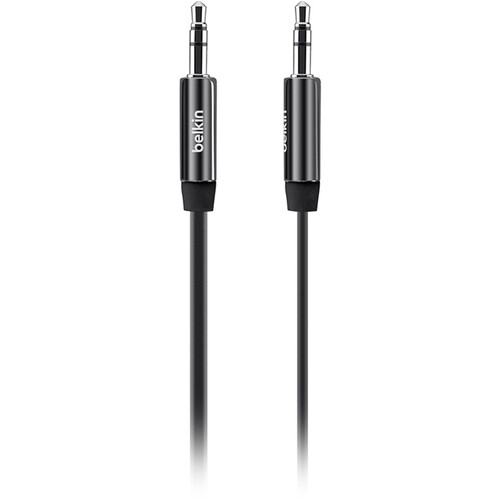 Your price for this item is $49.68
-
 Your price for this item is $149.98
-
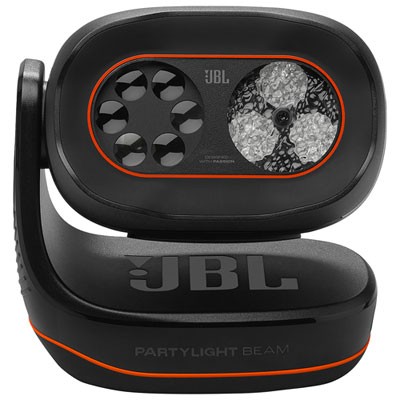 Your price for this item is $219.98
-
 Your price for this item is $73
-
 Your price for this item is $59
-
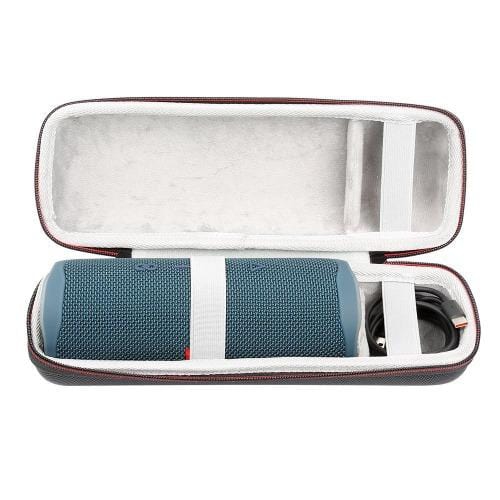 Your price for this item is $59
Discover more categories related to Bluetooth Transmitter Adapters
Top Collections:
Pokemon Centers, Best Cameras for Sports Photography, Kindle Devices, Samsung Galaxy Phones, Canon G7X Cameras, Pokémon 30th Celebration Cards, Refurbished Apple Laptops, iPhone 15 Apple, Laptops for Students, Budget Smartphones
Some products may be subject to Environmental Handling Fees
(EHF) depending on your province.
Learn more about EHFs.