Bulk Cat6 Cables
Looking to upgrade your network infrastructure with reliable and high-speed connectivity solutions? Bulk cat6 cables are designed to meet the demands of today's data-driven world. These cables are perfect for businesses, IT professionals, and homeowners looking to optimize their network performance. With fast data transfer speeds and durable construction, bulk cat6 cables provide a cost-effective solution for all your networking needs. Browse our range of options to find the perfect fit for your project.
Sort
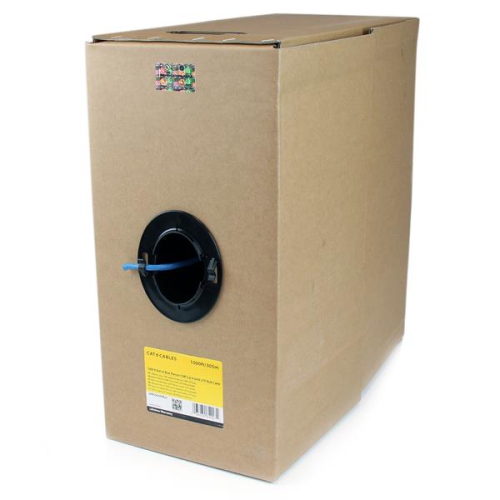

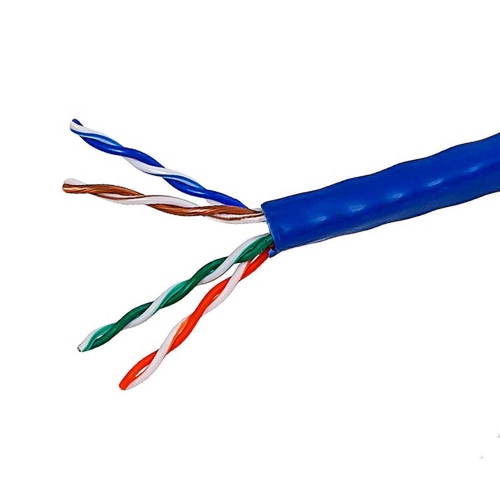
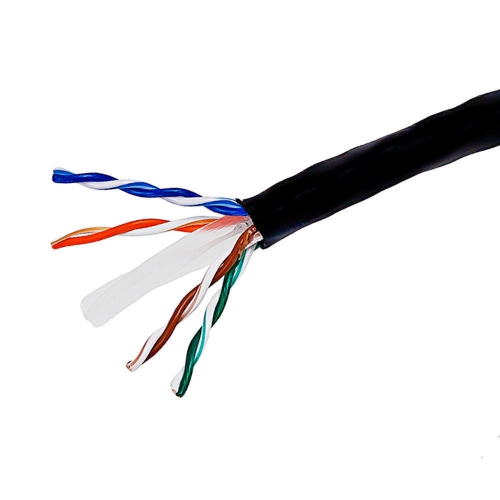
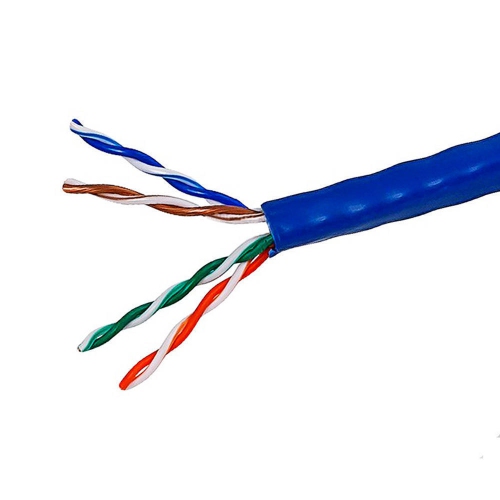
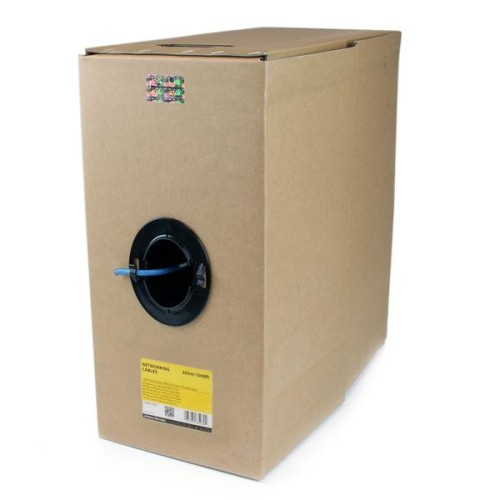
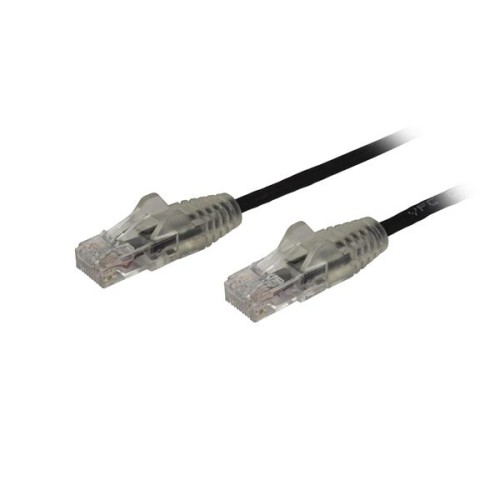

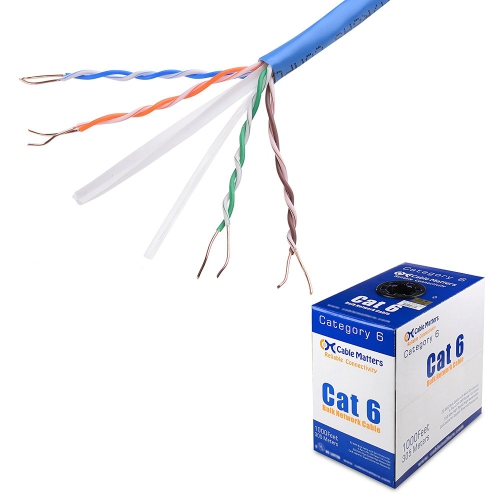
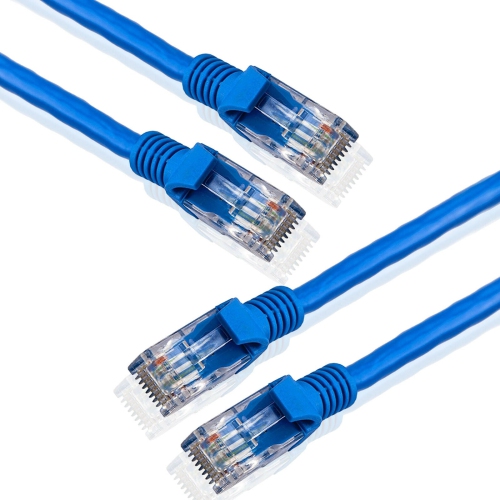
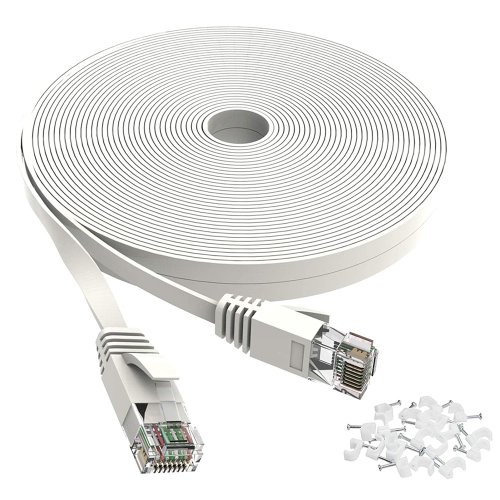
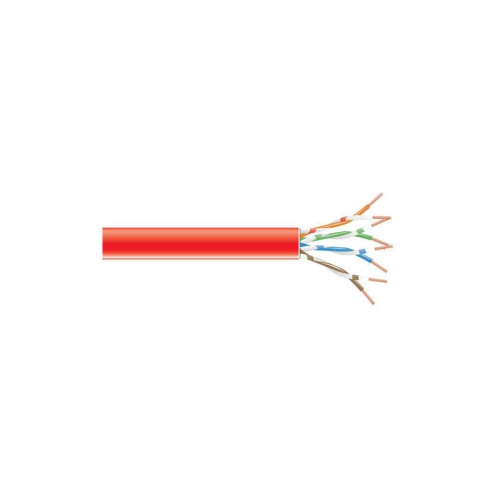
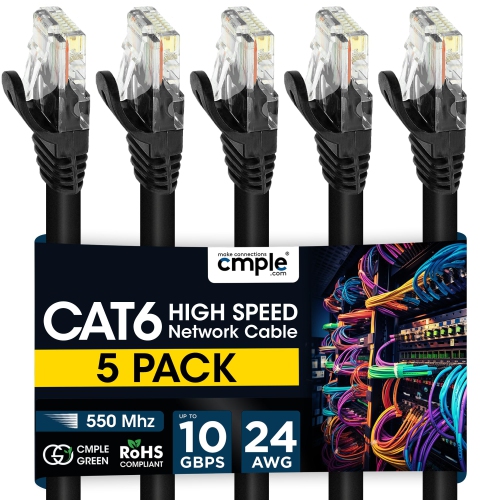
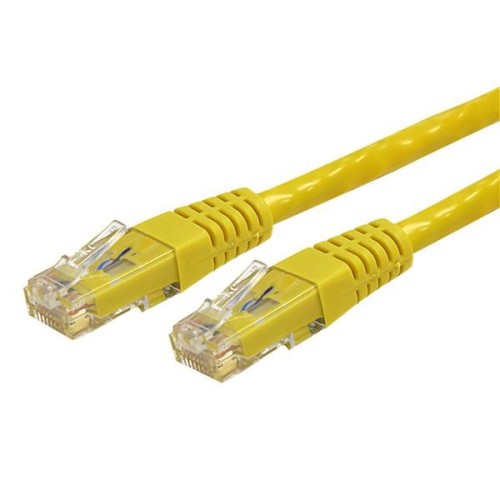
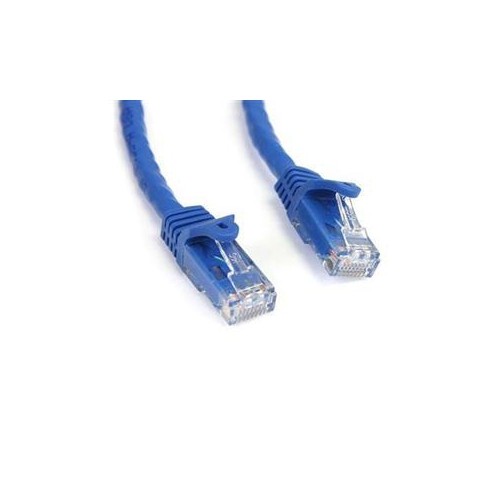
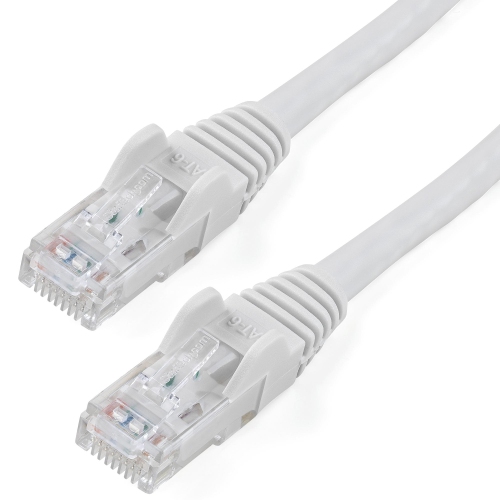
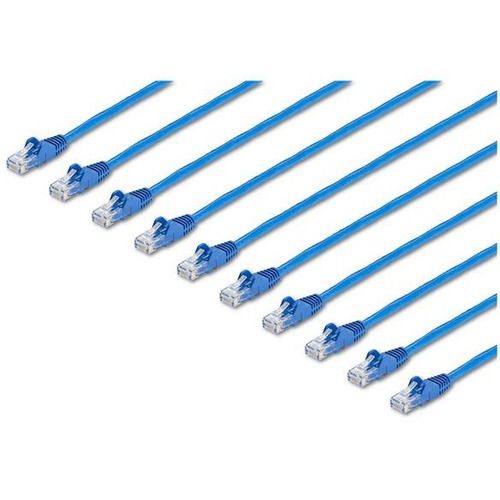
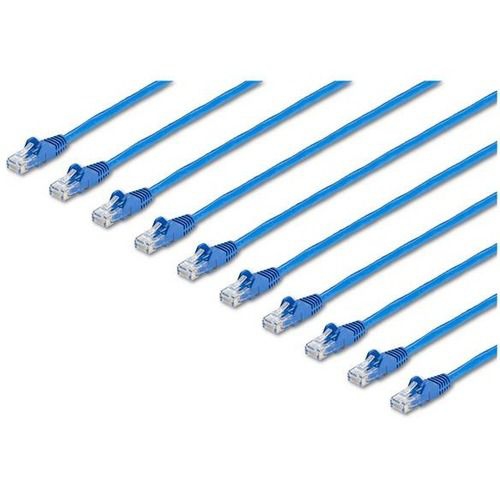
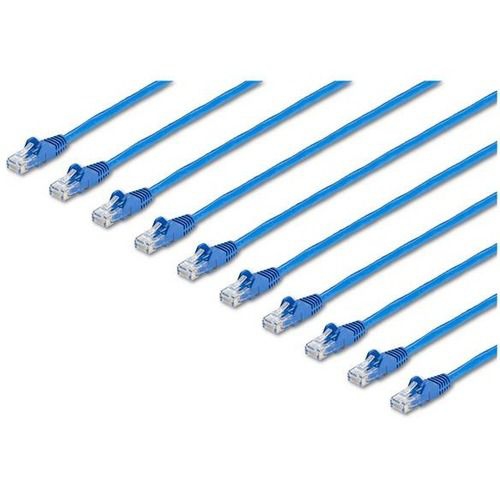
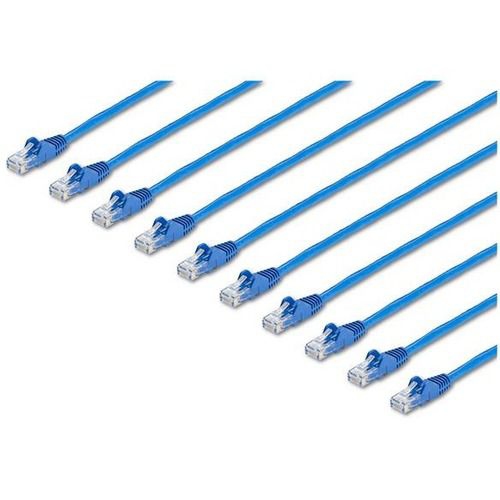

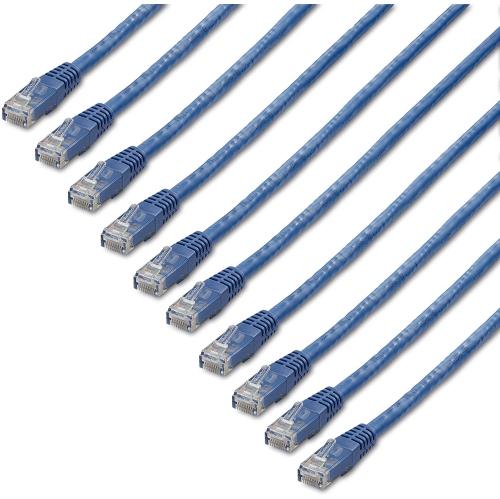
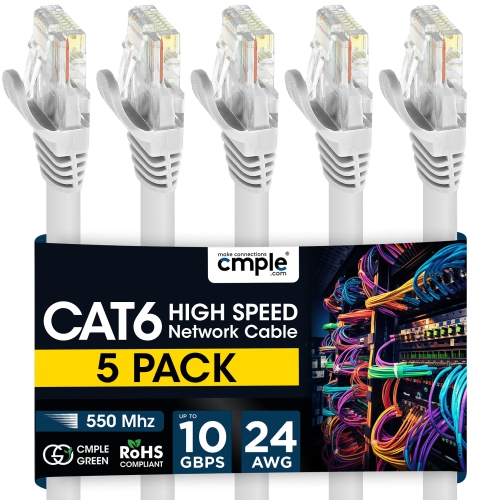
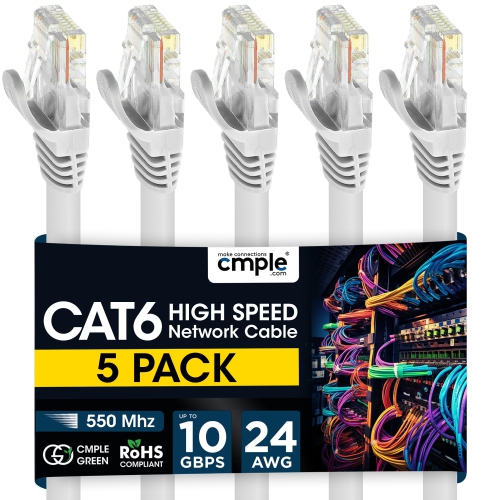
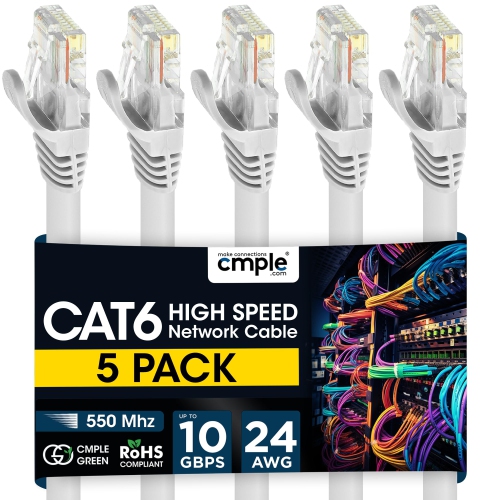
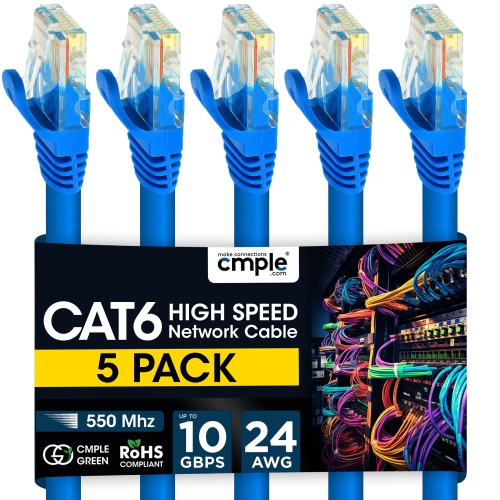
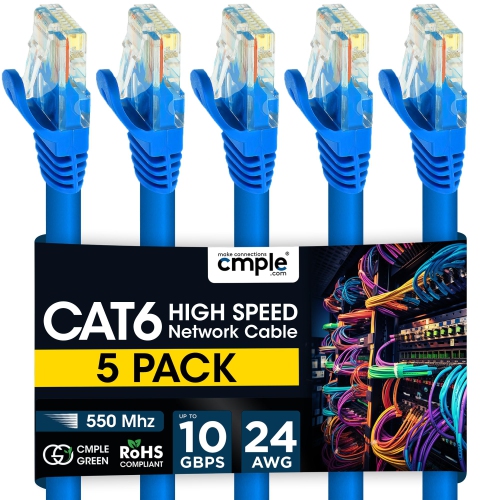
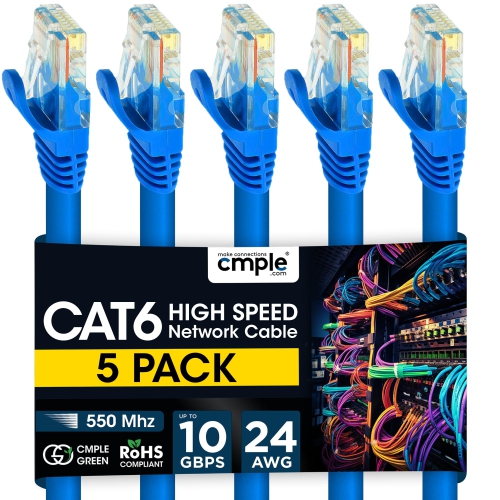
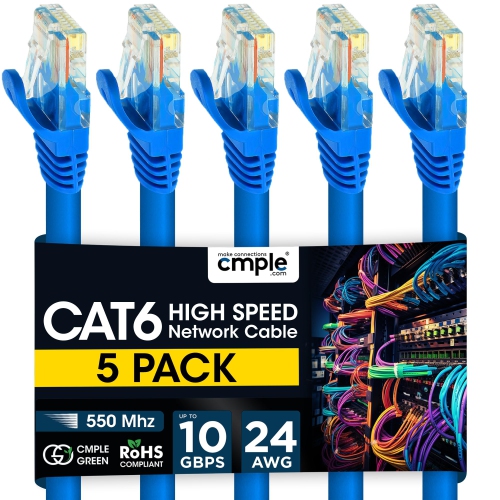
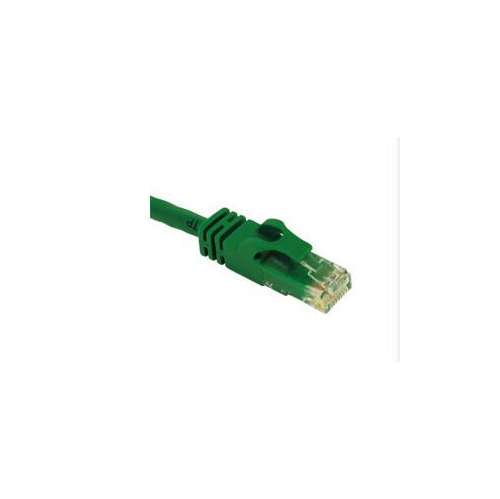
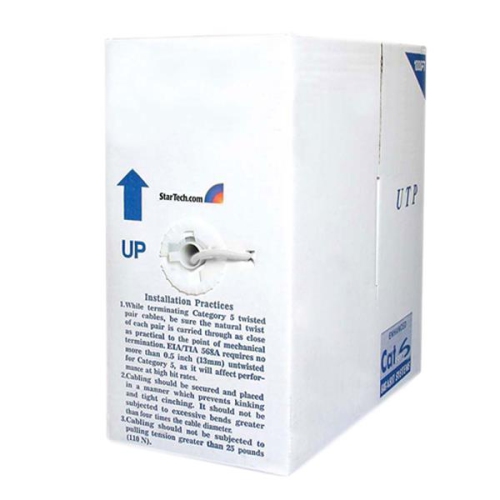
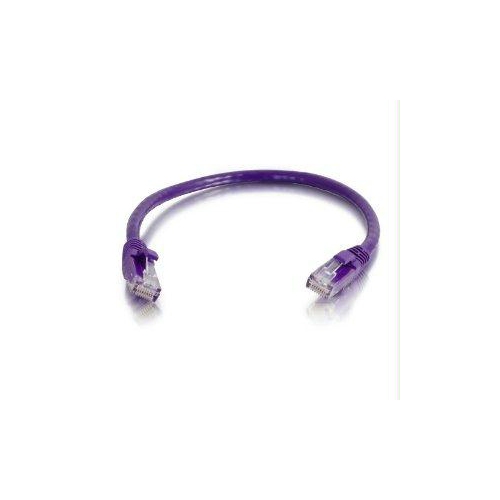
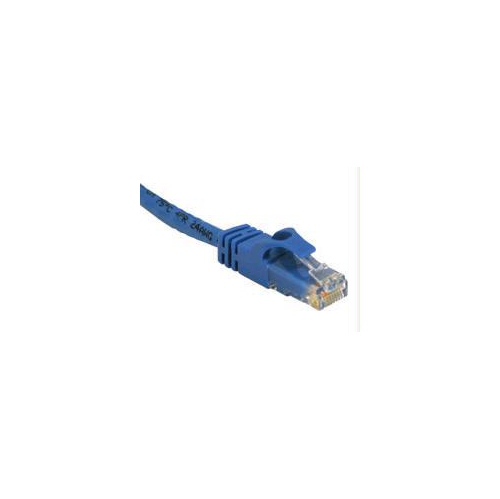
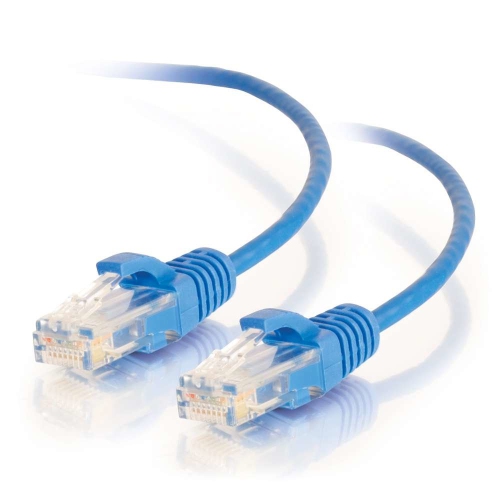
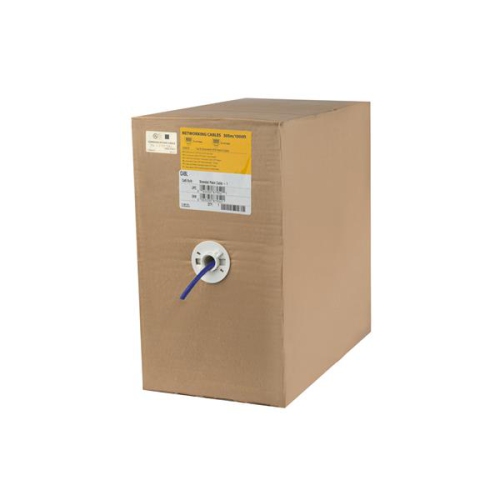
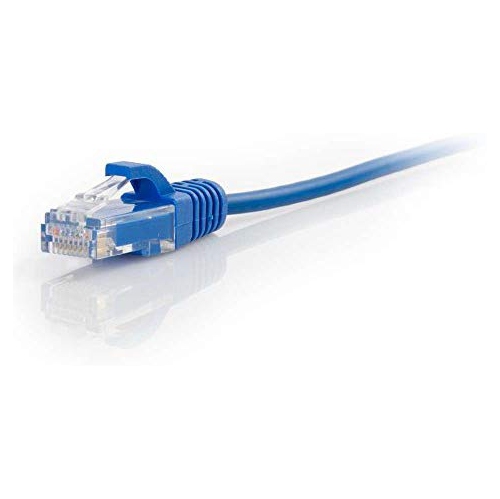
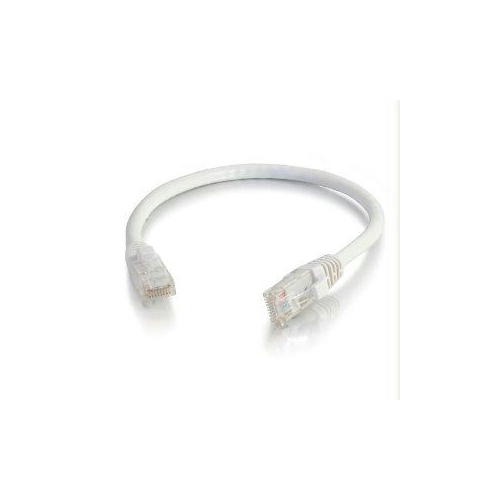
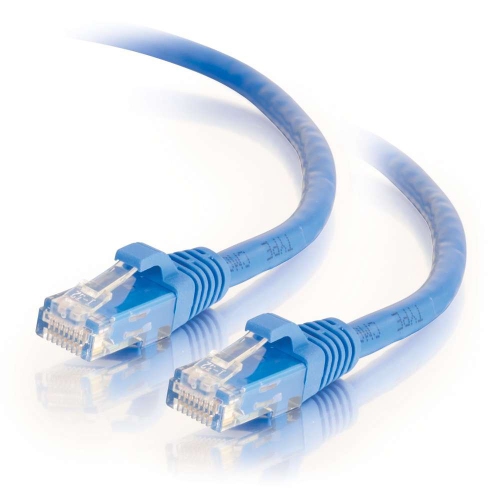
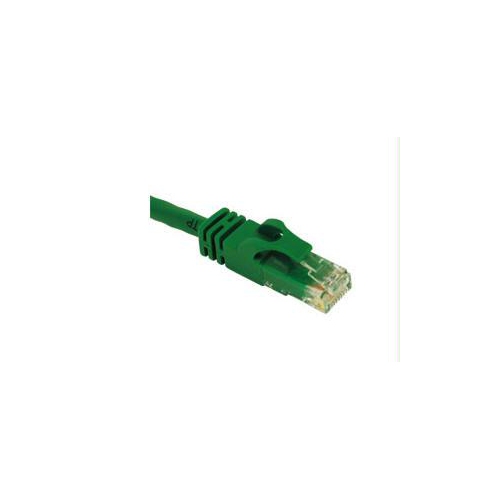
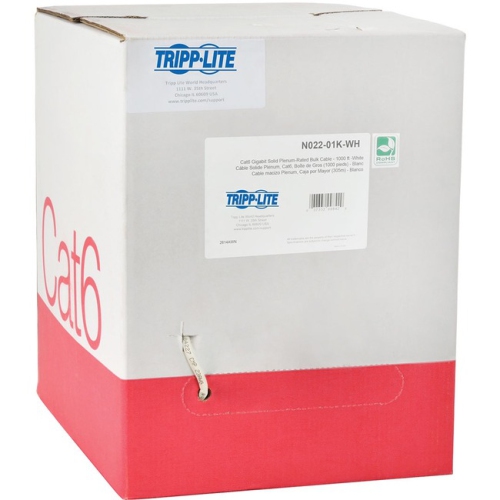
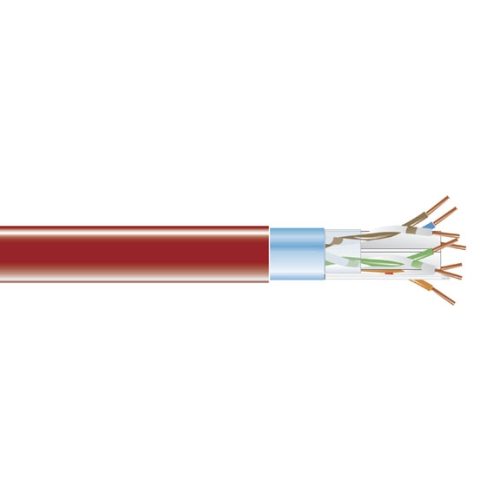
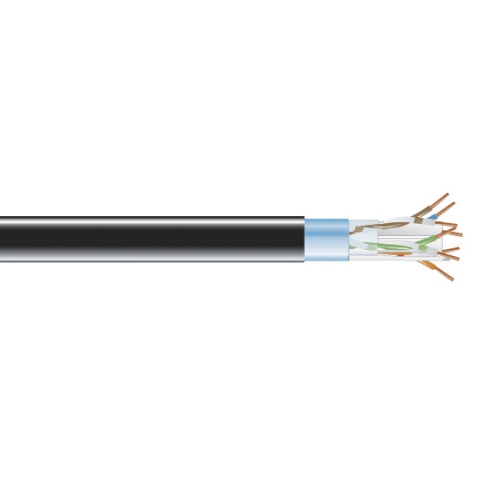
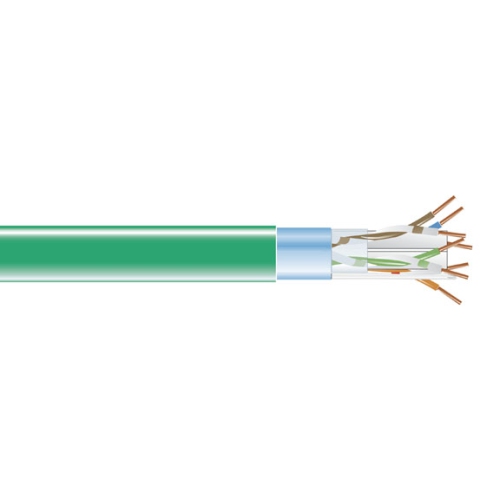
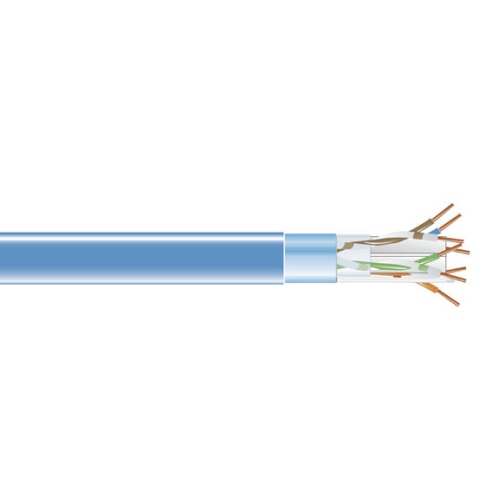
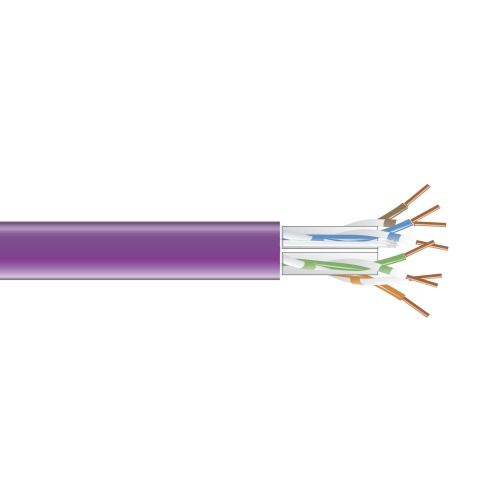
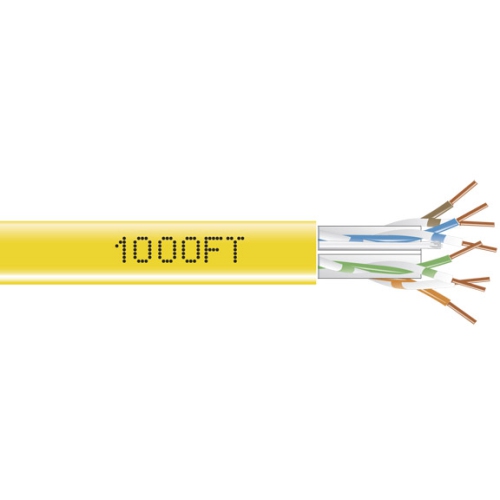
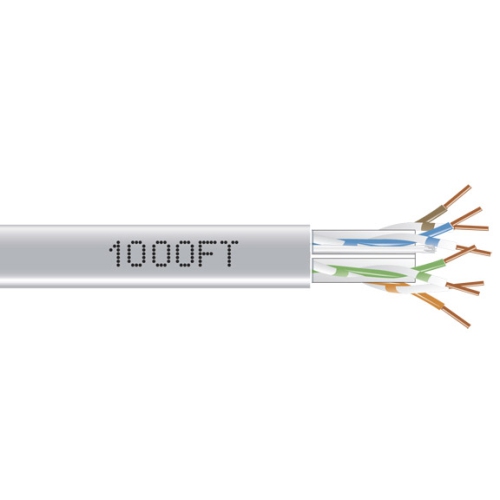
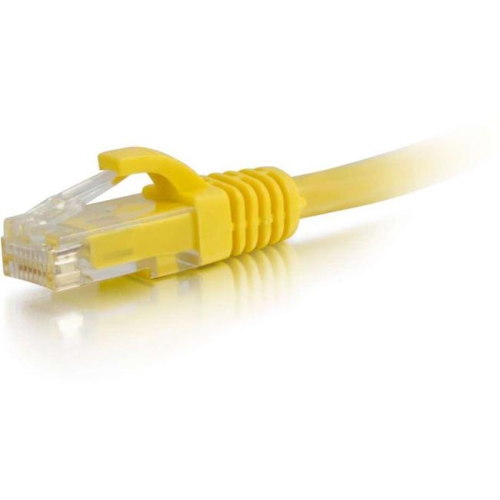

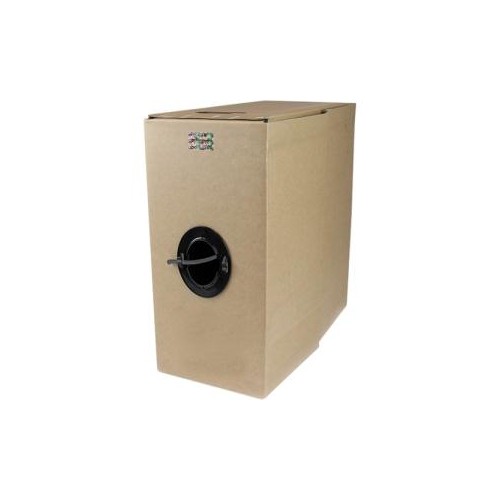
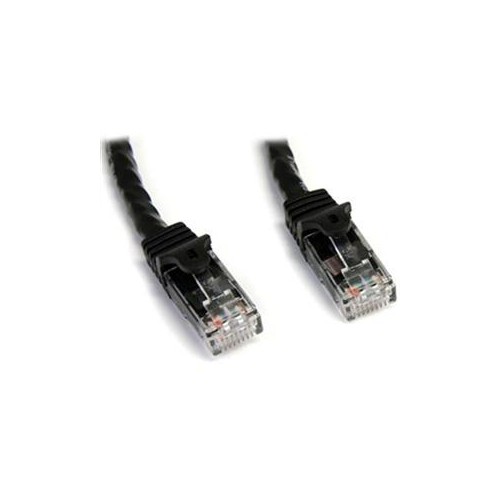
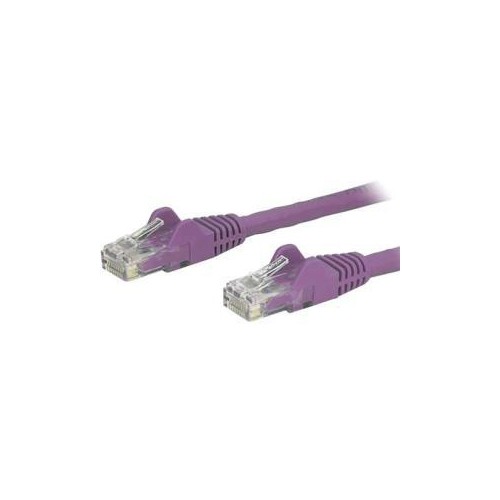
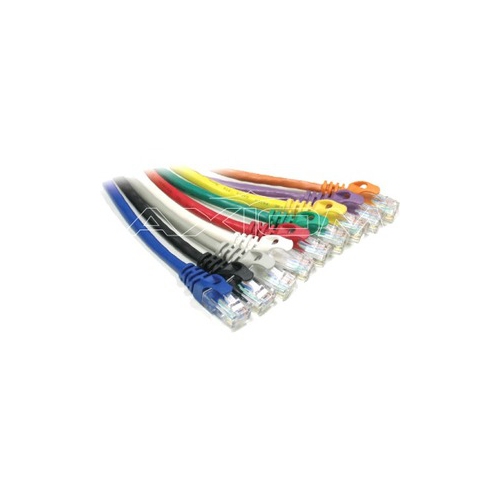
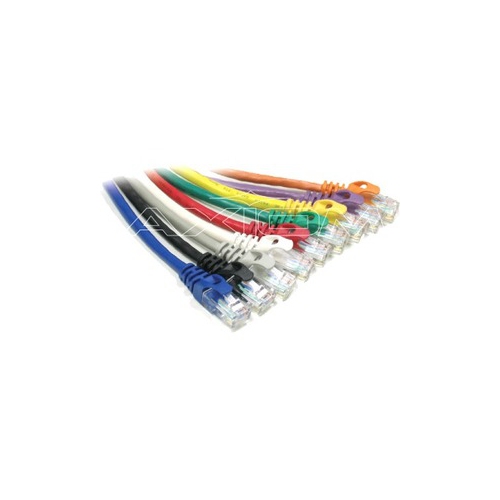
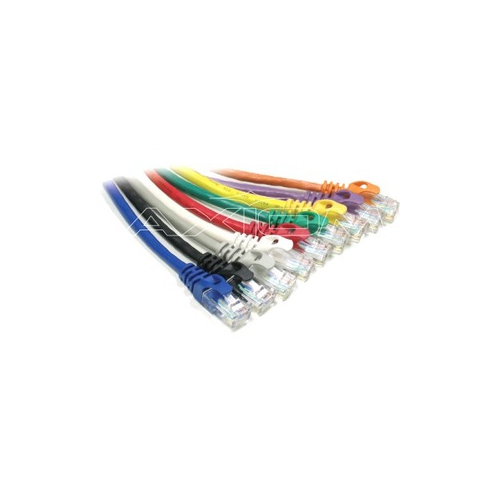
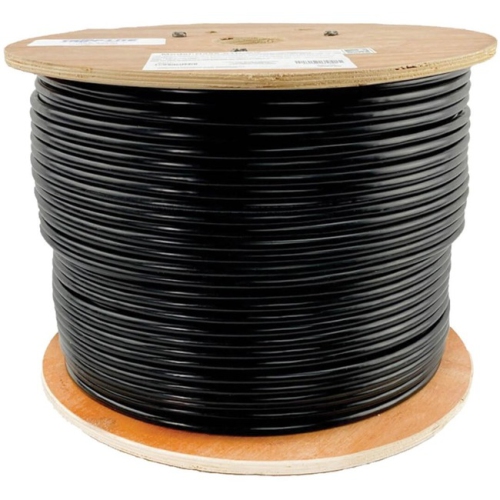
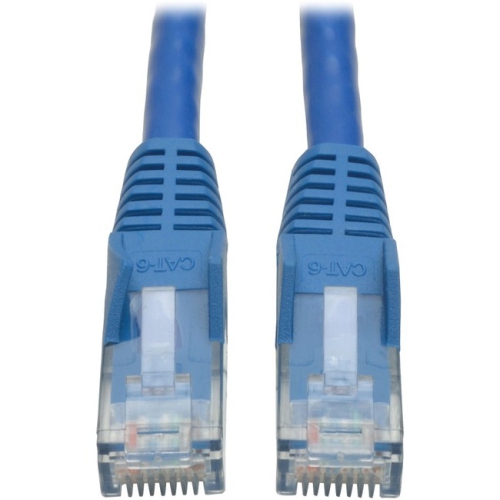
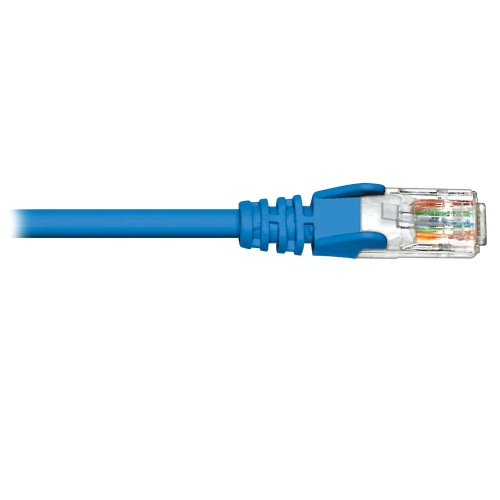
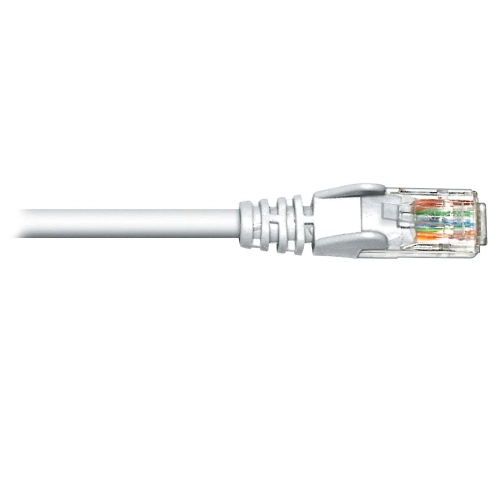
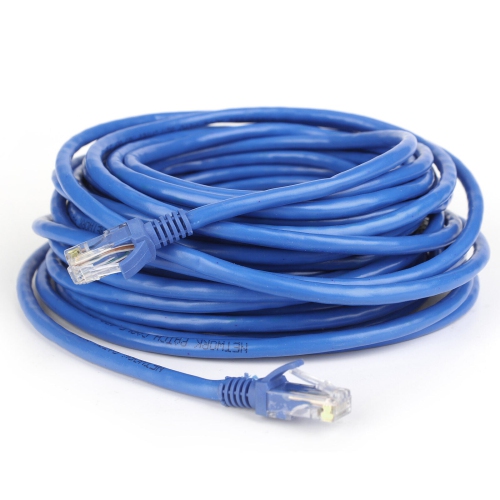
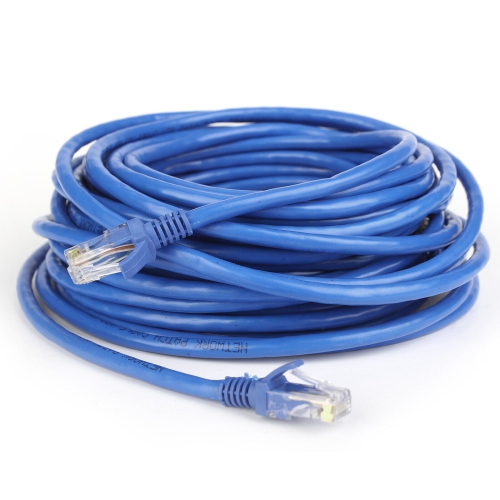
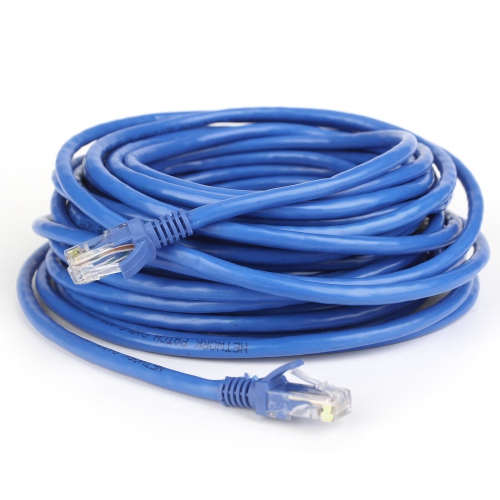
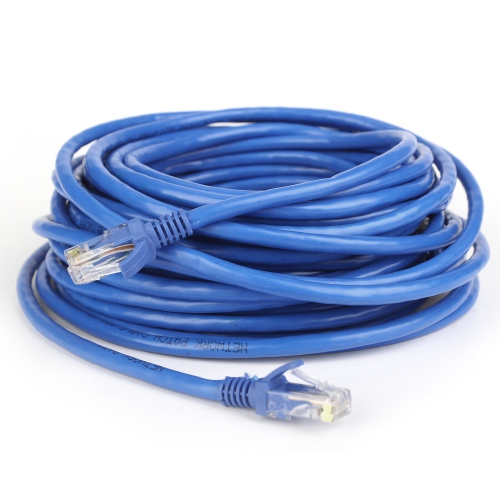
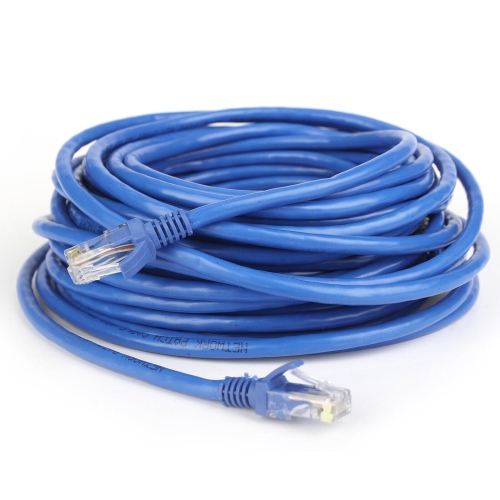
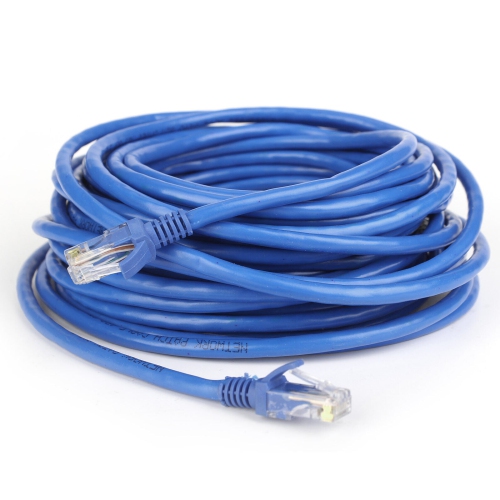
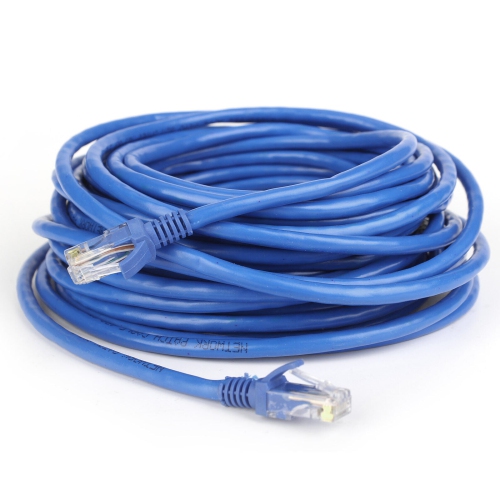
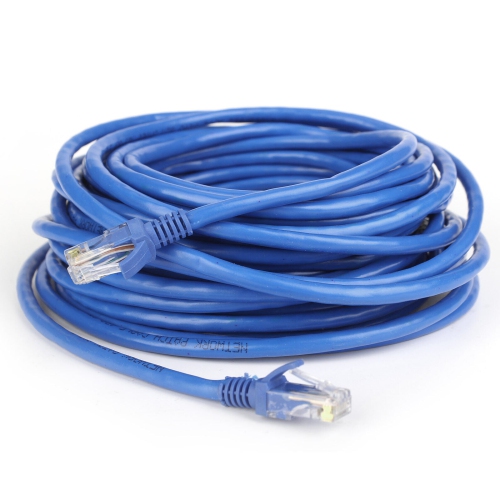
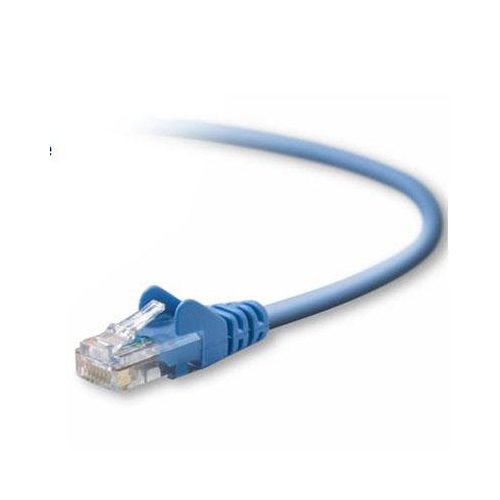
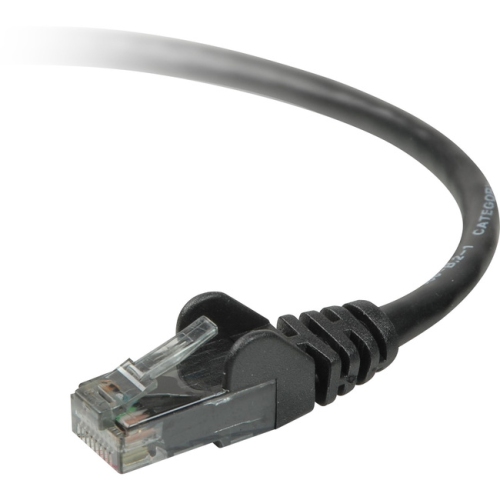
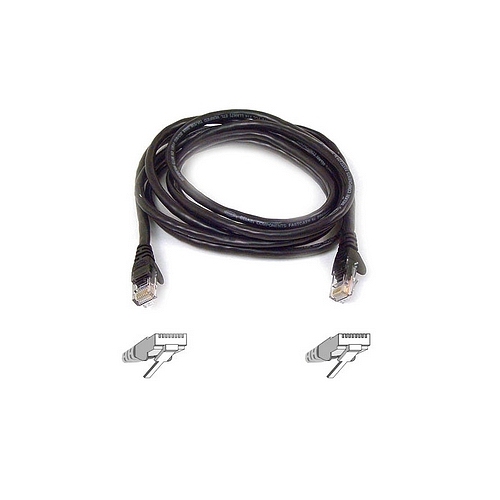
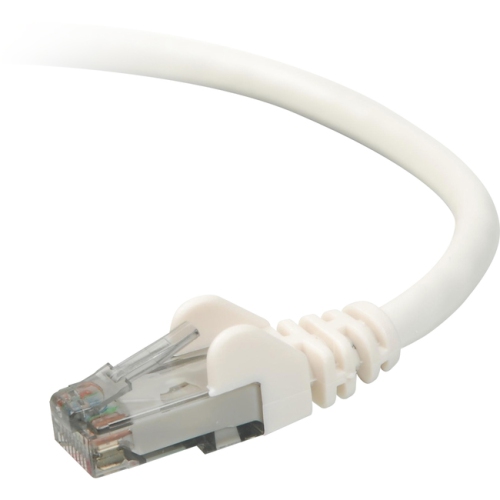
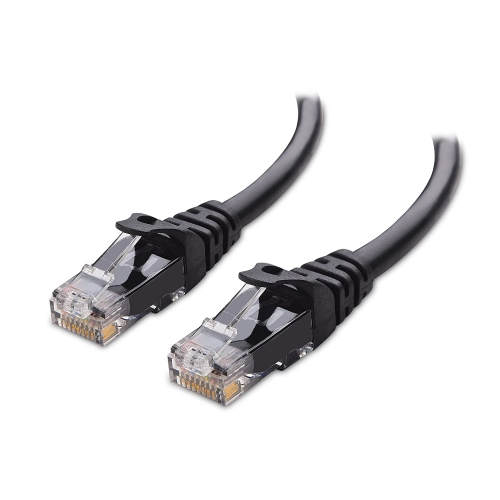
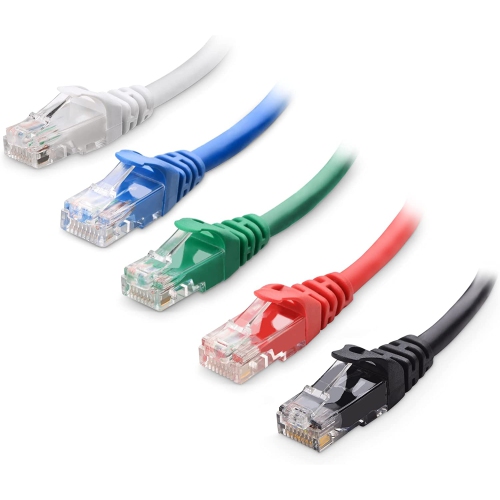
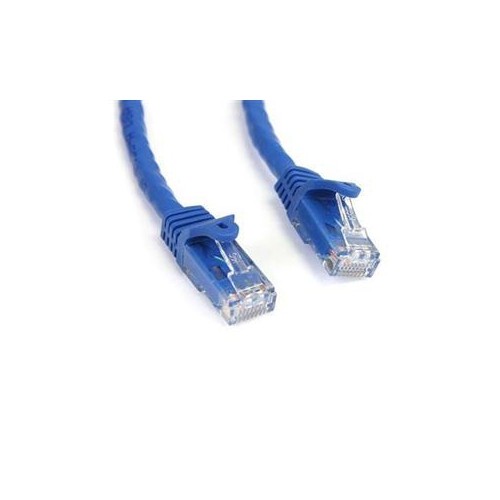
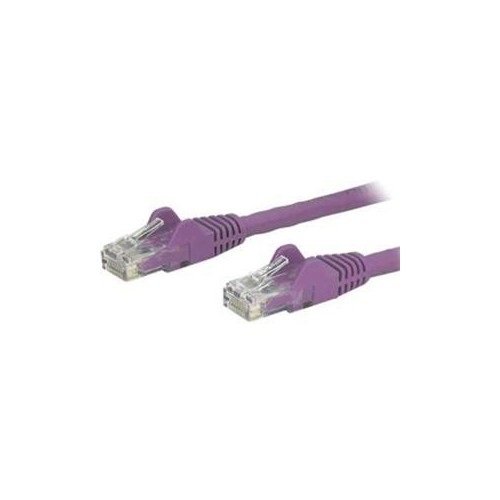
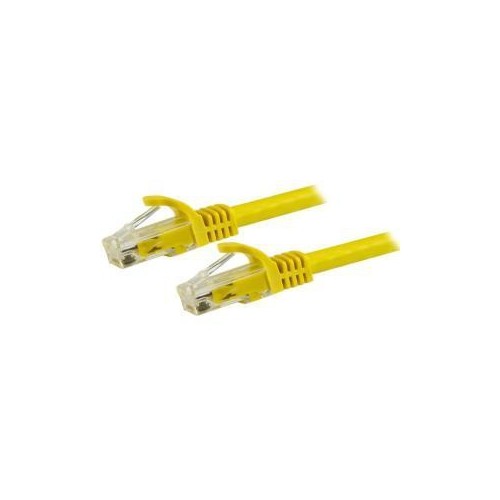
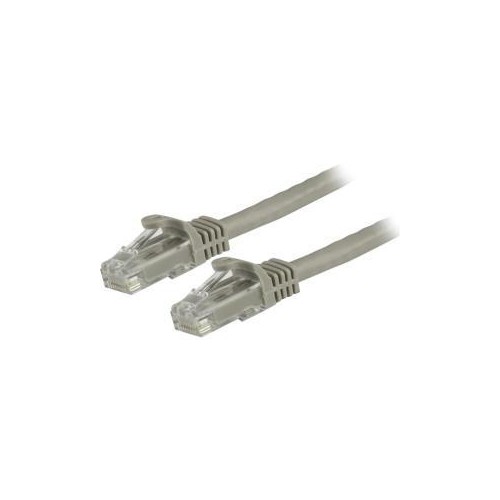
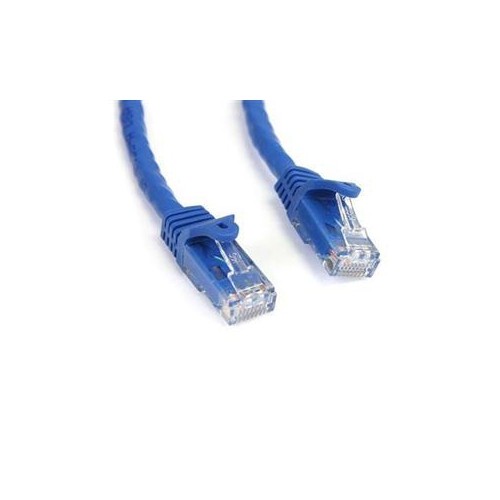
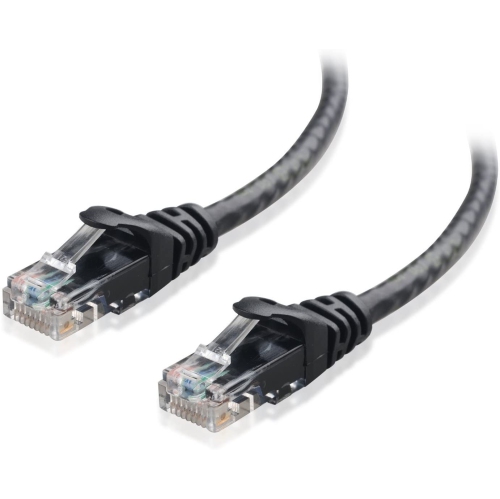
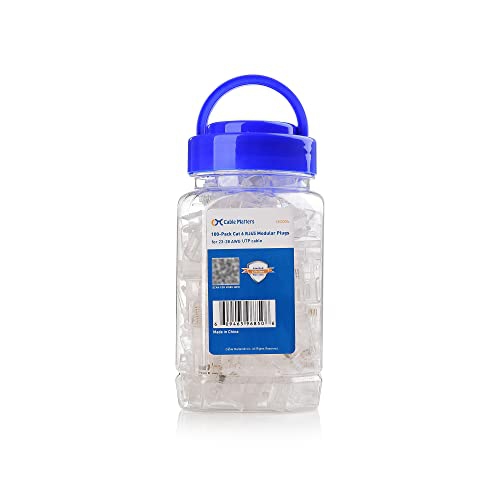
Custom-length Ethernet runs for wiring beyond the desk
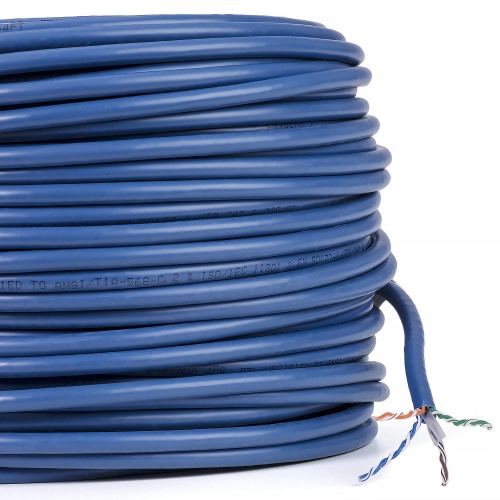
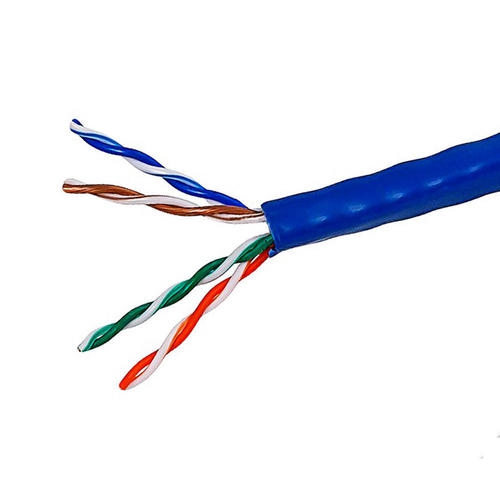
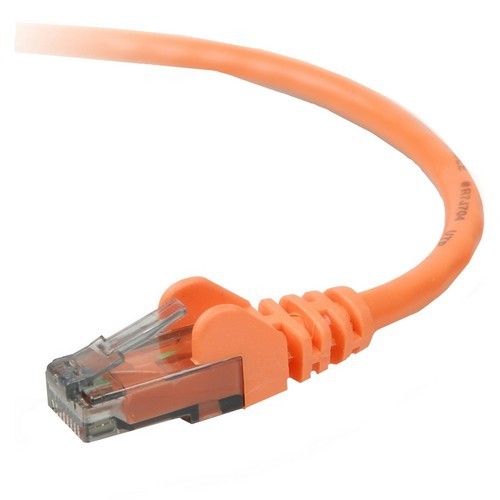
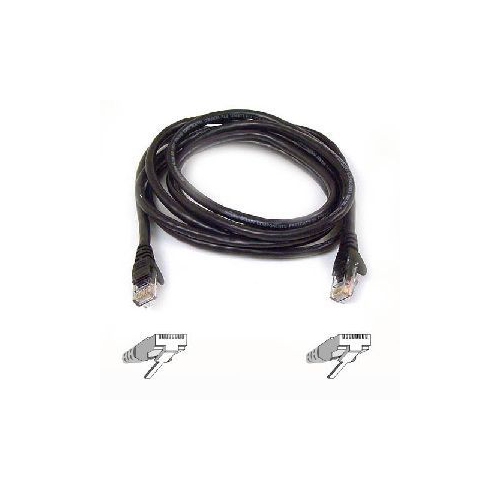
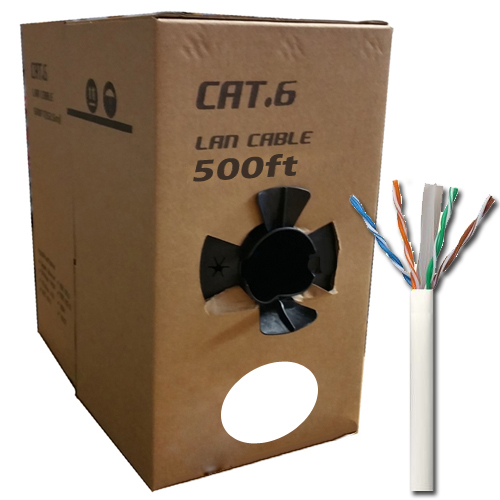
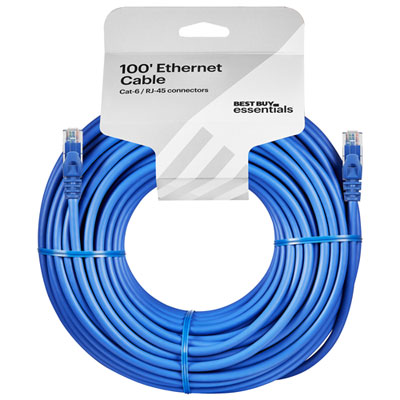
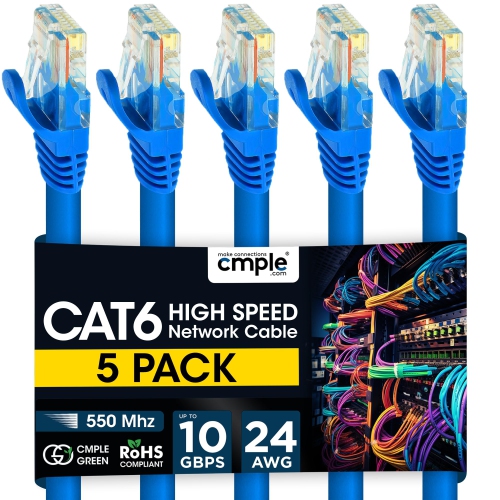
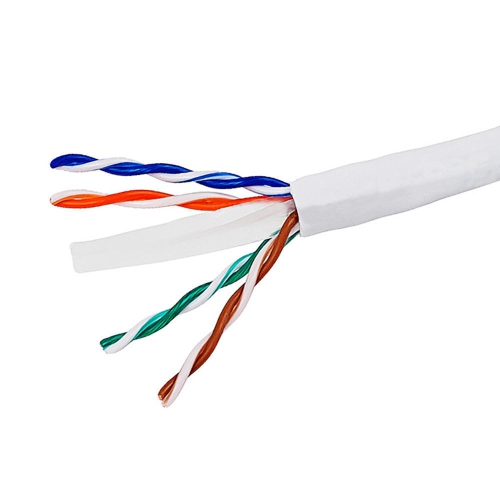
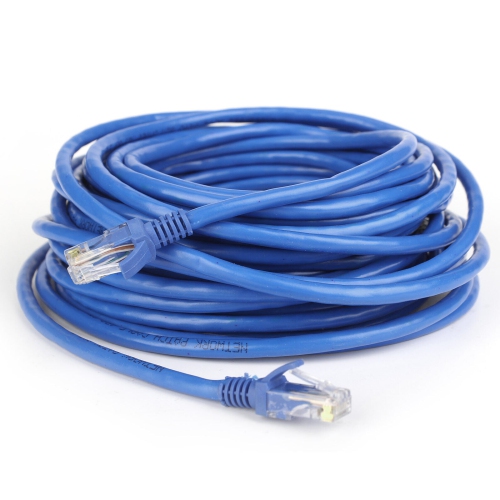
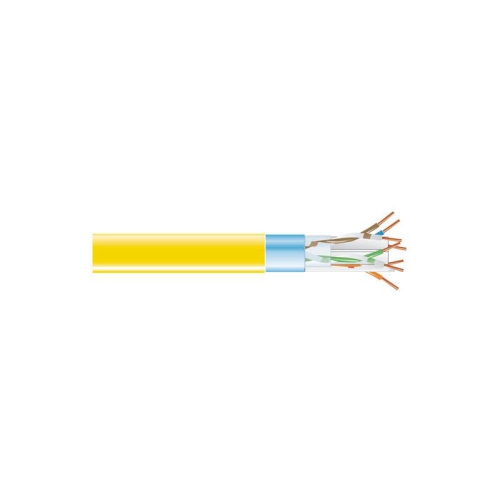
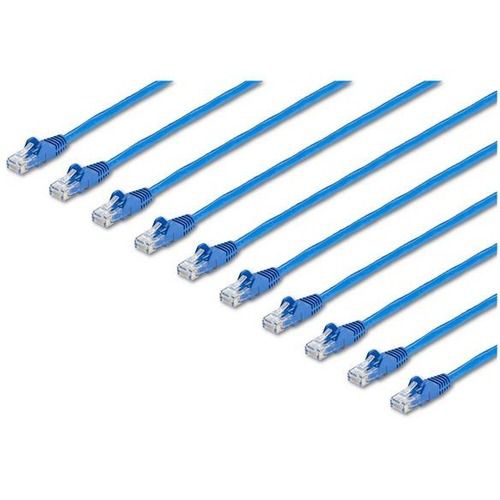
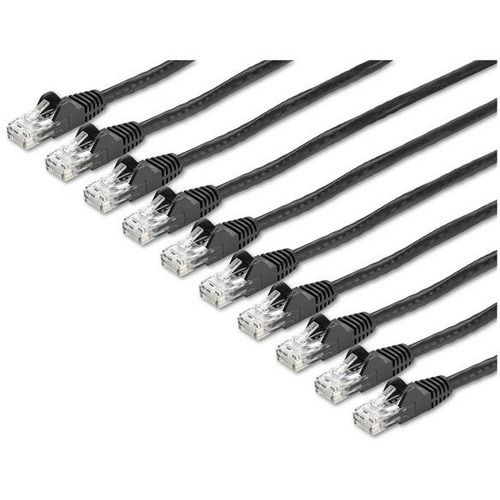
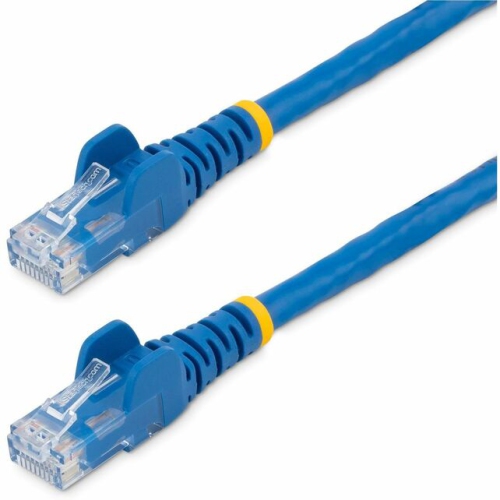
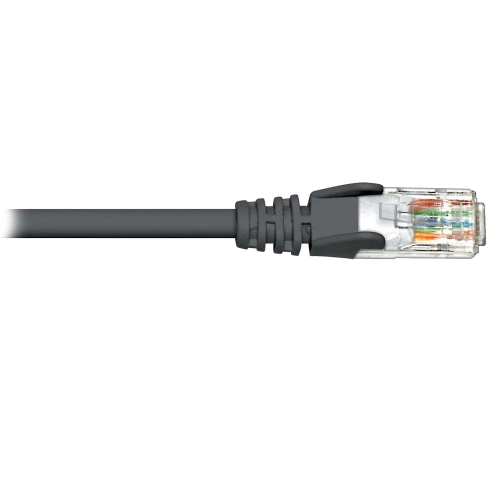
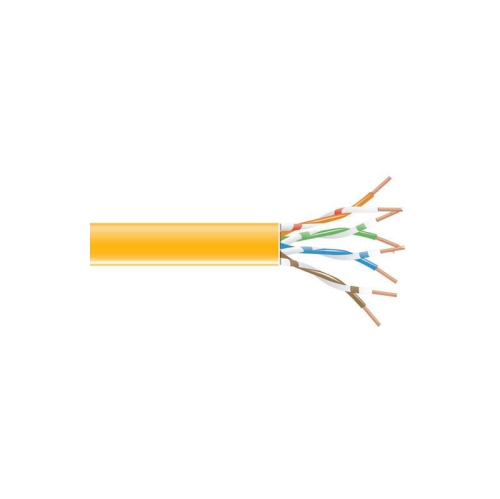
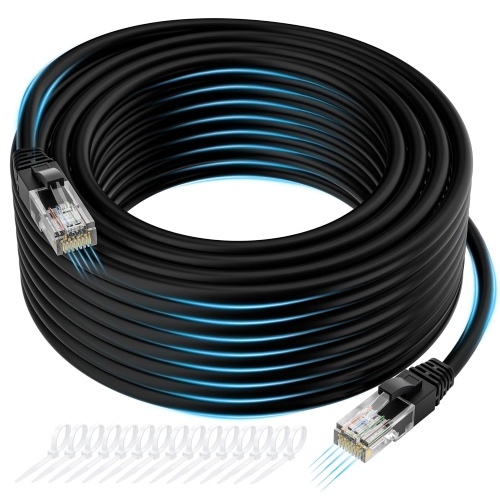
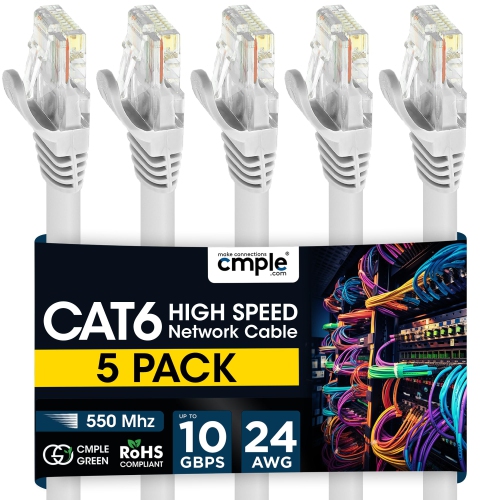
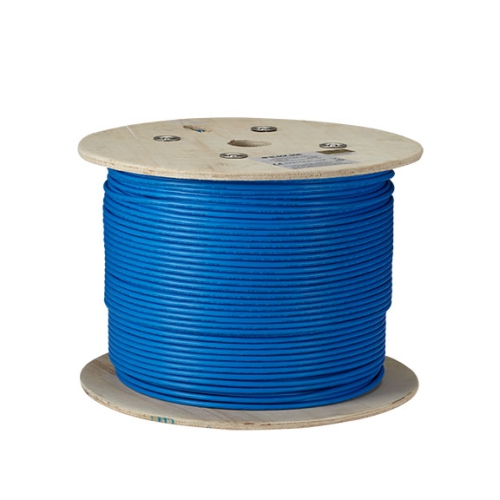
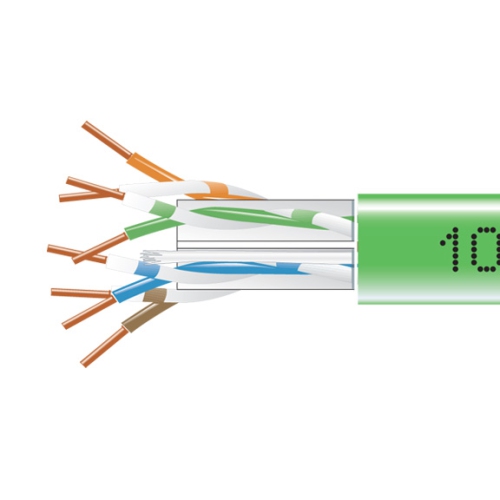
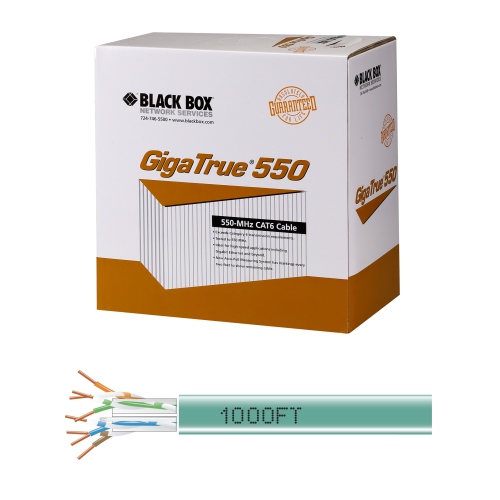
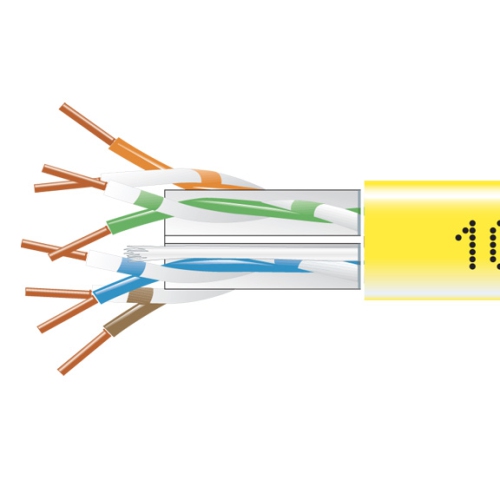
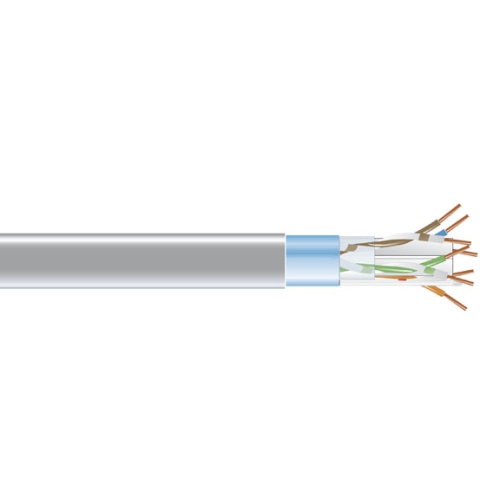
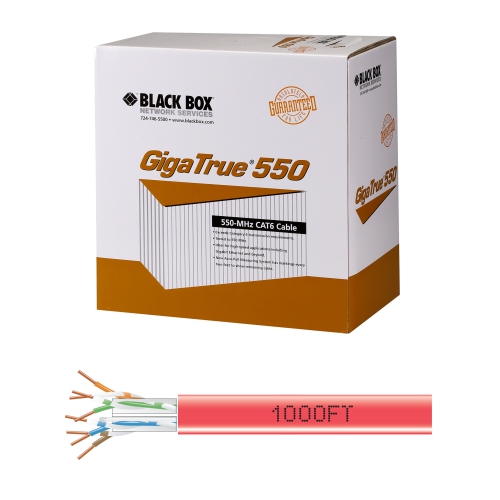
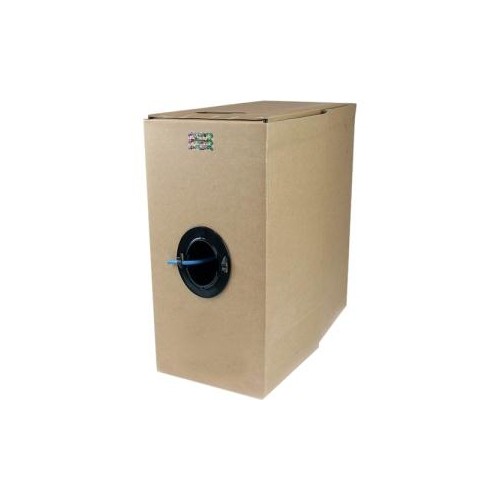
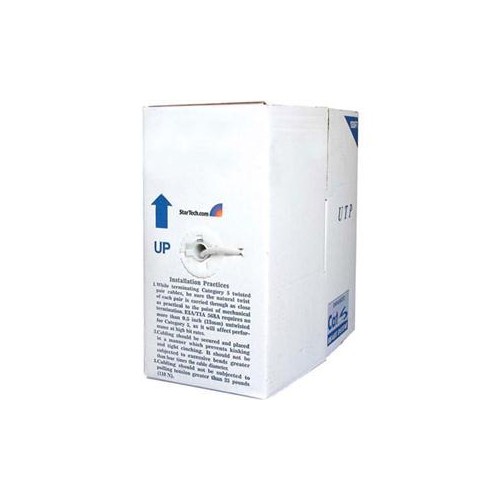
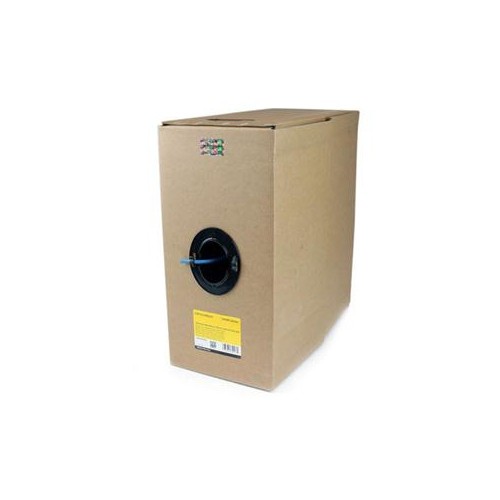
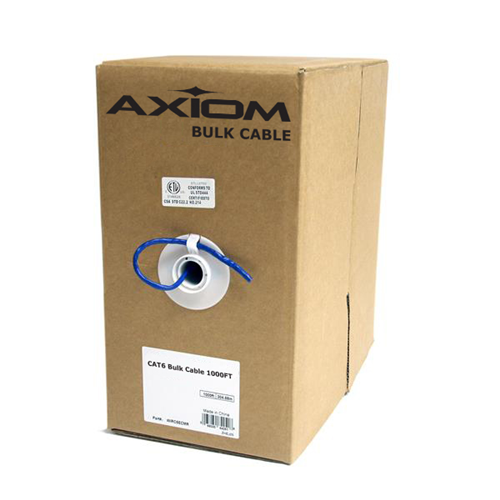
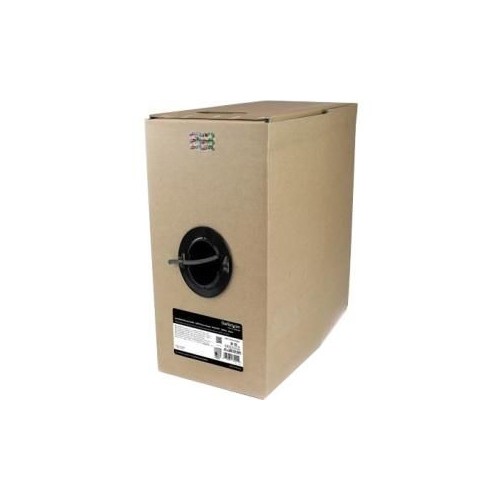
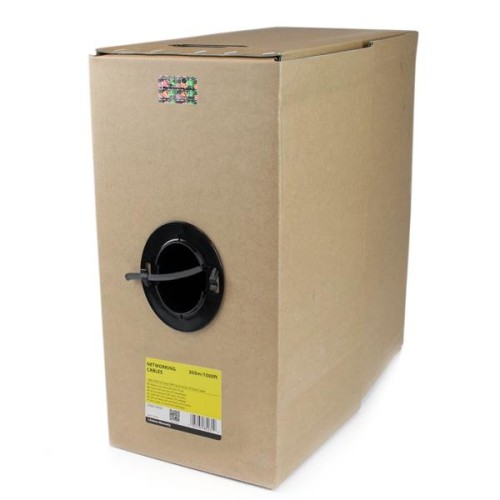
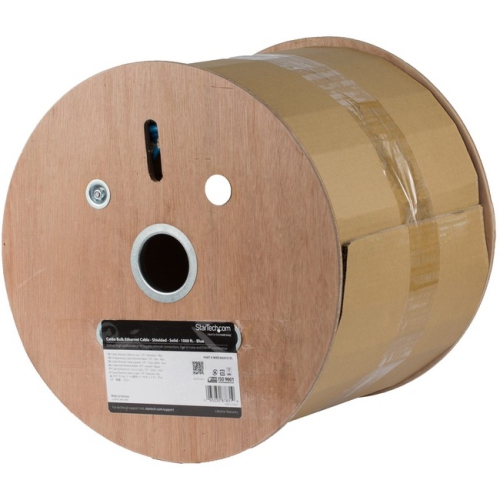
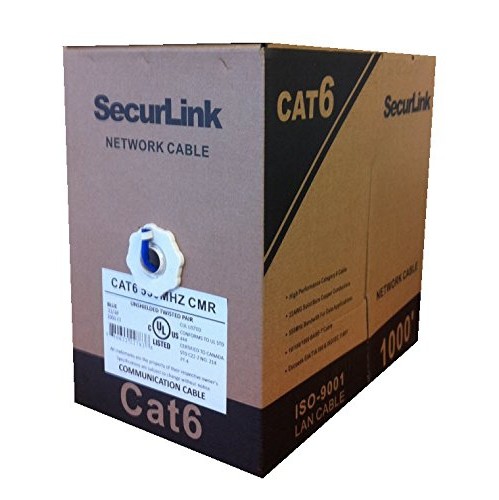
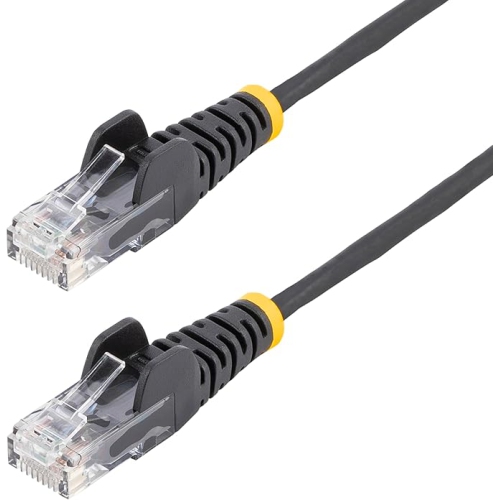
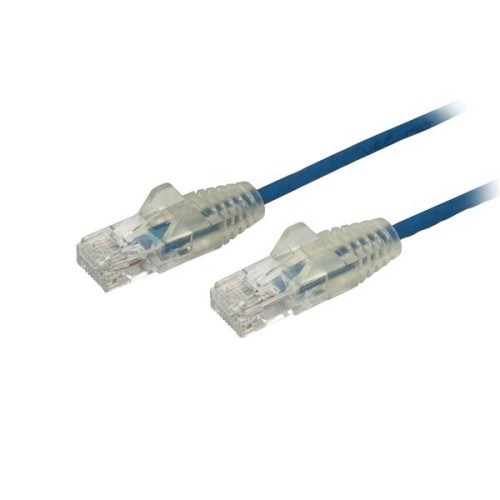
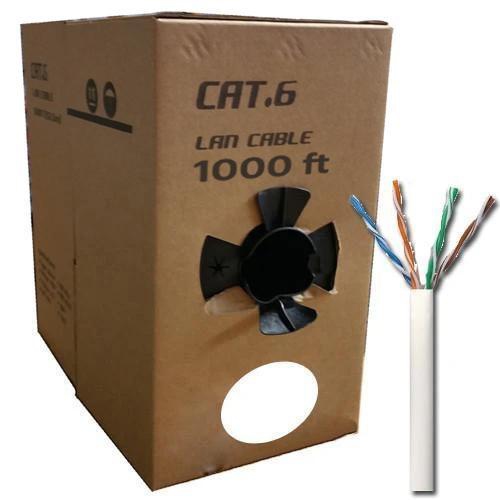
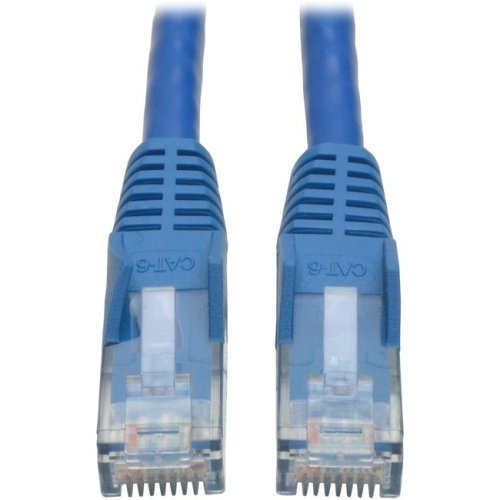
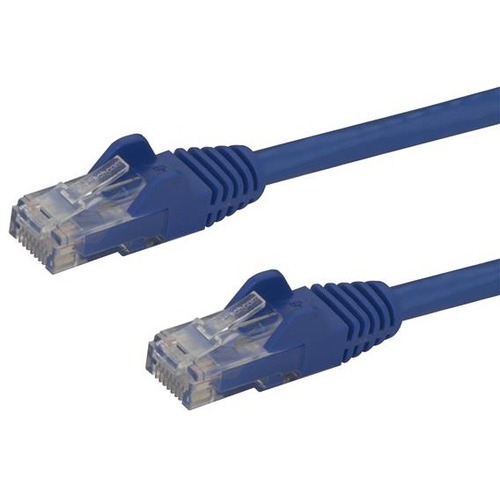
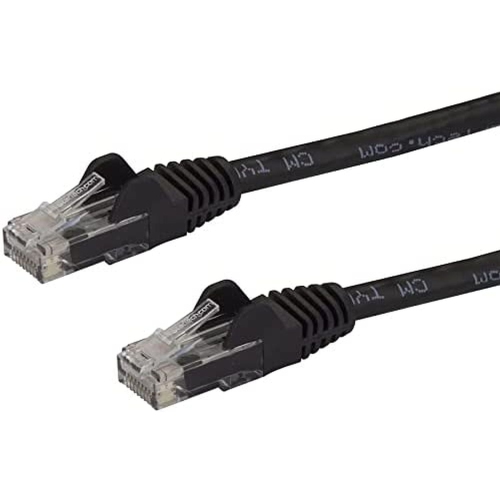
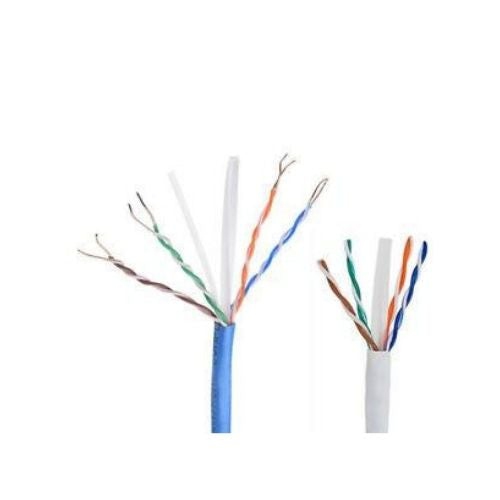
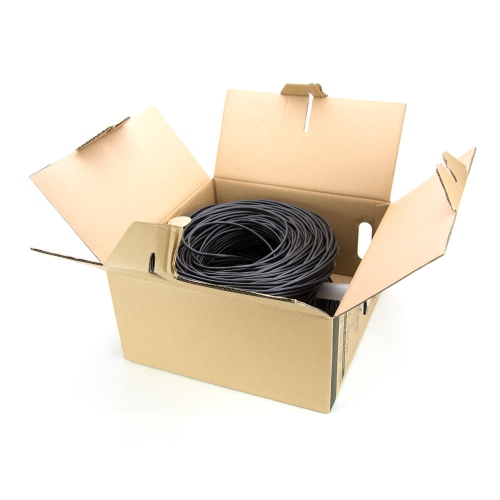
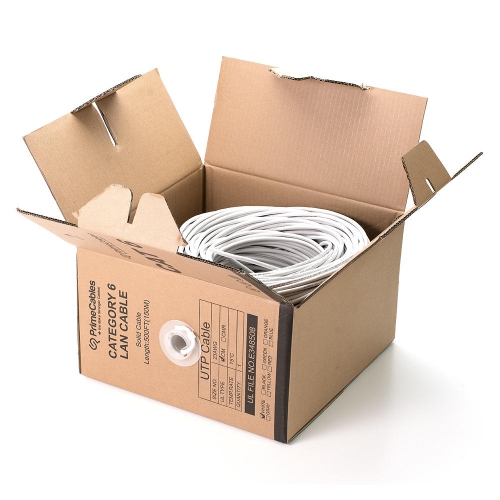
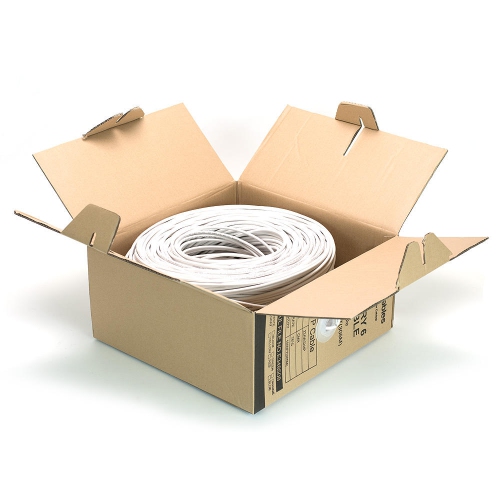
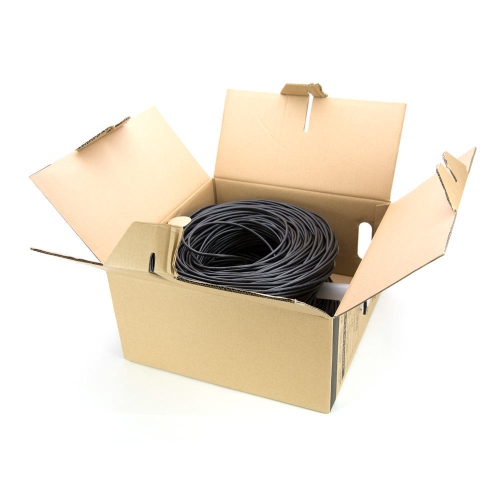
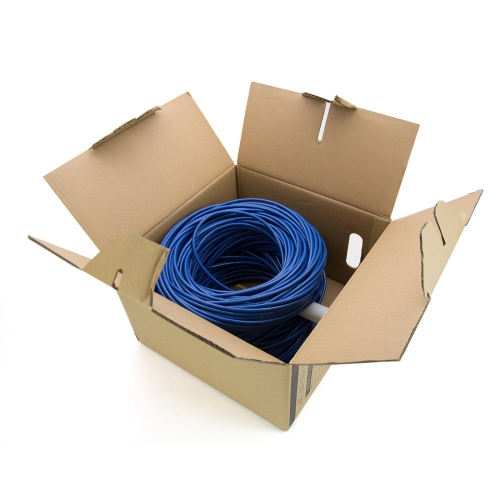
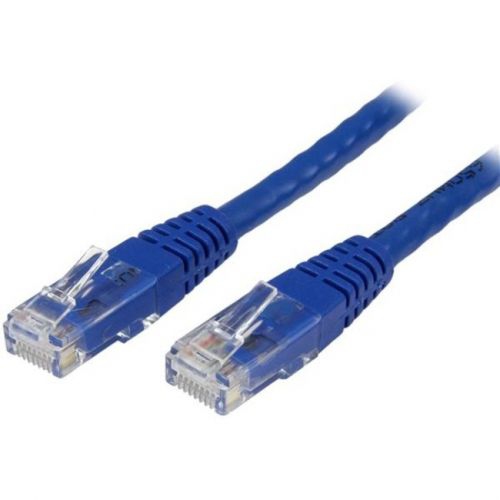
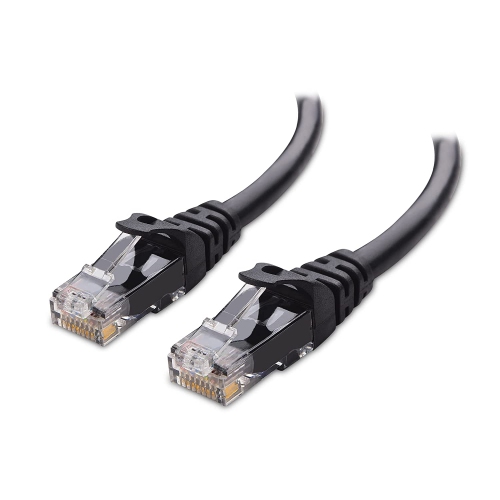
Bulk Cat6 cables are unterminated Ethernet cables supplied in pull boxes or on reels for network installations that need custom cable lengths. Rather than connecting two devices straight out of the box, bulk cable is cut to suit each route and terminated with compatible jacks, patch panels, or connectors. Common lengths include 500 feet and 1,000 feet, making this format practical for wiring several rooms, fitting out an office, or adding network connections throughout a small business. Inside the jacket, four twisted pairs of insulated conductors carry data, with the pair arrangement helping limit interference and crosstalk. Cat6 cabling is specified for frequencies up to 250 MHz and supports Gigabit Ethernet over a properly installed channel of up to 100 metres, typically consisting of 90 metres of permanent cabling plus patch cords. It can also support 10 Gigabit Ethernet over shorter distances, often up to 55 metres, depending on installation conditions and interference from neighbouring cables. For a full 100-metre 10 Gigabit connection, Cat6A is the more appropriate category. Those distinctions matter when a cable route travels from a basement network cabinet to an upstairs office rather than simply across a desk. Bulk Cat6 Ethernet cable suits fixed connections for desktop computers, gaming systems, network storage, smart televisions, and wireless access points. A wired link can also help keep video meetings and large file transfers consistent without relying entirely on Wi-Fi coverage. For homeowners renovating open walls, installers adding data outlets, or businesses arranging workstations, custom-length runs make it easier to keep wiring organized and avoid piles of excess cord. Bulk cable serves a different purpose from ready-made patch leads: the permanent run usually ends at a wall jack or patch panel, while a shorter flexible cable connects the equipment. The broader range of Cat6 Network Cables is relevant when a project needs both installed wiring and finished connections between devices.
Conductor material and construction are important differences between bulk network cables that may look similar from the outside. Solid bare copper conductors are the preferred choice for standards-based structured cabling, providing suitable electrical performance for data transmission and compatible Power over Ethernet applications. Copper-clad aluminium, often shortened to CCA, is not equivalent to solid copper: its higher resistance can cause greater voltage loss and additional heat under load, making it unsuitable for standards-compliant Cat6 structured cabling. The distinction is especially important when a ceiling-mounted access point, security camera, or VoIP phone receives both data and power through the same cable. Power over Ethernet suitability also depends on conductor size, cable length, bundle size, termination quality, and the power requirements of the connected equipment; the Cat6 label alone does not establish suitability for every powered installation. Solid conductors are commonly used for permanent routes because they work well with compatible punch-down terminations and are intended to remain in place. Stranded copper conductors provide greater flexibility for leads that move or bend frequently, such as the connection between a desk outlet and a computer. Neither construction should be paired with a connector simply because it fits through the opening. Connector specifications need to match the cable category, conductor gauge, solid or stranded construction, and insulation diameter. Many bulk Cat6 cables use 23 AWG conductors, although dimensions vary, and thicker cable can require different plugs or more room in a wall box. Unshielded twisted-pair cable, commonly marked U/UTP, suits many household and office installations. Shielded designs can be appropriate where electrical interference is a concern, but their benefits depend on compatible components and correct bonding and grounding. Some Cat6 constructions also include an internal separator to maintain spacing between pairs. That added structure can make the cable stiffer, which matters when several runs share a conduit or turn into a compact cabinet. Matching the complete connection, from cable to jack to patch panel, helps preserve the intended performance.
The outer jacket determines where bulk Cat6 cable can be installed, so installation ratings deserve as much attention as speed specifications. CMR identifies a riser-rated cable, while CMP identifies a plenum-rated cable with more stringent flame and smoke characteristics for applicable air-handling spaces. In Canada, recognized approval markings, relevant flame-test designations such as FT4 or FT6, and local building and electrical requirements all need consideration; a CMR or CMP description alone should not be treated as confirmation that a cable is suitable for every route. A suspended ceiling is not automatically a plenum, and network cable should not be routed through an HVAC duct without specific authorization under applicable requirements. Outdoor and direct-burial applications require jackets and construction expressly rated for those uses rather than ordinary indoor cable. Physical fit also affects installation quality. Cable diameter, conduit capacity, bend radius, and allowable pulling tension determine how easily a run can pass through a route without damage. At a tight corner behind a wall plate, a gentle bend protects the pair geometry better than a sharp fold. Along a support tray, loosely secured hook-and-loop straps help organize bundles without crushing the jackets. Suitable supports and appropriate separation from electrical wiring are also important, with local requirements determining the details. Pull boxes offer convenient payout for many room-to-room runs, while reels can be useful with a suitable stand for controlled dispensing. Printed distance markings help track cable use and estimate remaining length, and different jacket colours can distinguish destinations or network functions without changing performance. Allowing a modest service loop at each end leaves room for future termination work without creating unnecessary coils. Clear labels at both ends make it easier to identify the office outlet or ceiling access point later. During termination, keeping pair twists close to the contacts and using a consistent T568A or T568B wiring scheme helps protect signal quality. A basic cable tester checks continuity and wire mapping, while a certification tester can verify installed Cat6 performance. Once installed, fixed cable needs little routine care beyond protection from crushing, moisture outside its rating, and repeated bending, with accessible connections making later changes simpler.
Conductor material and construction are important differences between bulk network cables that may look similar from the outside. Solid bare copper conductors are the preferred choice for standards-based structured cabling, providing suitable electrical performance for data transmission and compatible Power over Ethernet applications. Copper-clad aluminium, often shortened to CCA, is not equivalent to solid copper: its higher resistance can cause greater voltage loss and additional heat under load, making it unsuitable for standards-compliant Cat6 structured cabling. The distinction is especially important when a ceiling-mounted access point, security camera, or VoIP phone receives both data and power through the same cable. Power over Ethernet suitability also depends on conductor size, cable length, bundle size, termination quality, and the power requirements of the connected equipment; the Cat6 label alone does not establish suitability for every powered installation. Solid conductors are commonly used for permanent routes because they work well with compatible punch-down terminations and are intended to remain in place. Stranded copper conductors provide greater flexibility for leads that move or bend frequently, such as the connection between a desk outlet and a computer. Neither construction should be paired with a connector simply because it fits through the opening. Connector specifications need to match the cable category, conductor gauge, solid or stranded construction, and insulation diameter. Many bulk Cat6 cables use 23 AWG conductors, although dimensions vary, and thicker cable can require different plugs or more room in a wall box. Unshielded twisted-pair cable, commonly marked U/UTP, suits many household and office installations. Shielded designs can be appropriate where electrical interference is a concern, but their benefits depend on compatible components and correct bonding and grounding. Some Cat6 constructions also include an internal separator to maintain spacing between pairs. That added structure can make the cable stiffer, which matters when several runs share a conduit or turn into a compact cabinet. Matching the complete connection, from cable to jack to patch panel, helps preserve the intended performance.
The outer jacket determines where bulk Cat6 cable can be installed, so installation ratings deserve as much attention as speed specifications. CMR identifies a riser-rated cable, while CMP identifies a plenum-rated cable with more stringent flame and smoke characteristics for applicable air-handling spaces. In Canada, recognized approval markings, relevant flame-test designations such as FT4 or FT6, and local building and electrical requirements all need consideration; a CMR or CMP description alone should not be treated as confirmation that a cable is suitable for every route. A suspended ceiling is not automatically a plenum, and network cable should not be routed through an HVAC duct without specific authorization under applicable requirements. Outdoor and direct-burial applications require jackets and construction expressly rated for those uses rather than ordinary indoor cable. Physical fit also affects installation quality. Cable diameter, conduit capacity, bend radius, and allowable pulling tension determine how easily a run can pass through a route without damage. At a tight corner behind a wall plate, a gentle bend protects the pair geometry better than a sharp fold. Along a support tray, loosely secured hook-and-loop straps help organize bundles without crushing the jackets. Suitable supports and appropriate separation from electrical wiring are also important, with local requirements determining the details. Pull boxes offer convenient payout for many room-to-room runs, while reels can be useful with a suitable stand for controlled dispensing. Printed distance markings help track cable use and estimate remaining length, and different jacket colours can distinguish destinations or network functions without changing performance. Allowing a modest service loop at each end leaves room for future termination work without creating unnecessary coils. Clear labels at both ends make it easier to identify the office outlet or ceiling access point later. During termination, keeping pair twists close to the contacts and using a consistent T568A or T568B wiring scheme helps protect signal quality. A basic cable tester checks continuity and wire mapping, while a certification tester can verify installed Cat6 performance. Once installed, fixed cable needs little routine care beyond protection from crushing, moisture outside its rating, and repeated bending, with accessible connections making later changes simpler.
Top selling and popular products
-
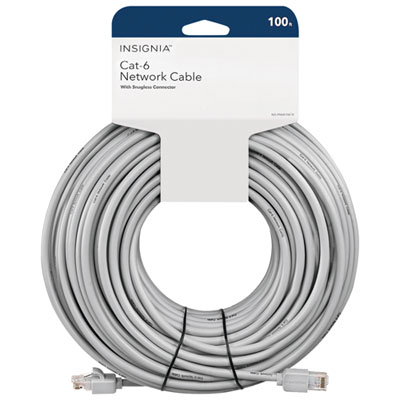 Your price for this item is $49.95
 -
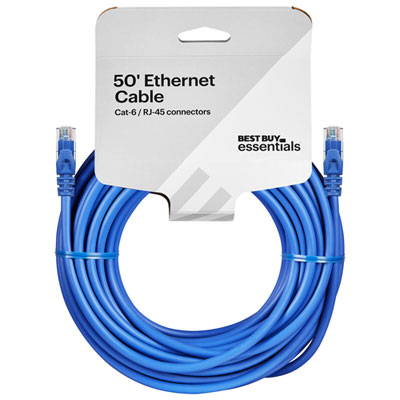 Your price for this item is $24.99
 -
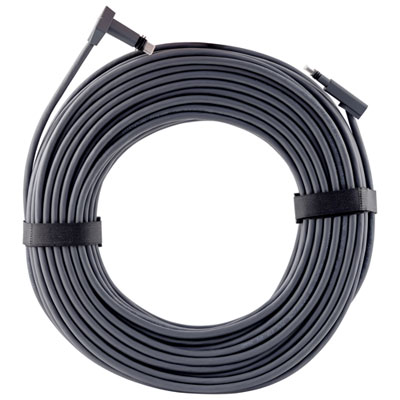 Your price for this item is $164.99
 -
 Your price for this item is $11.68
 -
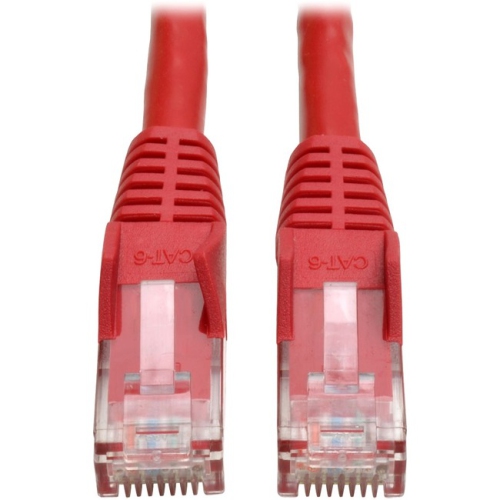 Your price for this item is $68.68
 -
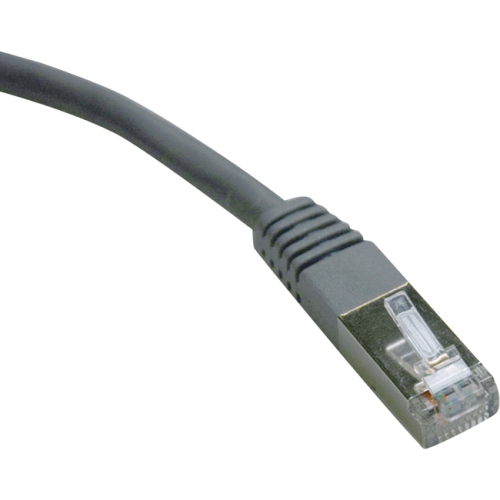 Your price for this item is $47.68
 -
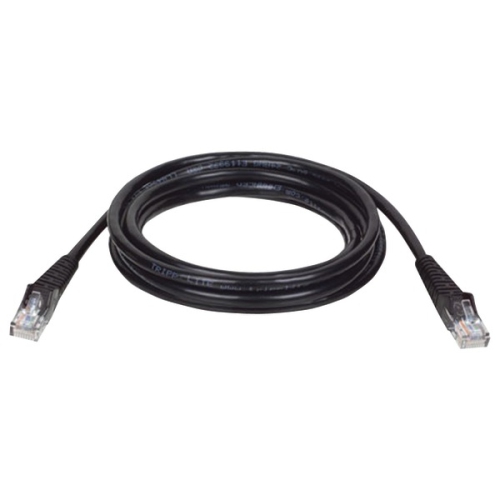 Your price for this item is $46.68
 -
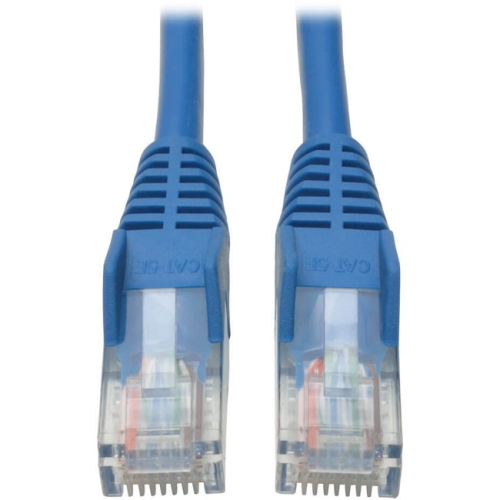 Your price for this item is $24.68
Discover more categories related to Bulk Cat6 Cables
Top Collections:
Pokemon Centers, Kindle Devices, Best Budget Office Chairs, Apple iPhones 16, Best Laptops for Writers, iPhone 15 Apple, Canon G7X Cameras, Refurbished Apple Laptops, Alarm Clock, Motorola Razr Phones
Some products may be subject to Environmental Handling Fees
(EHF) depending on your province.
Learn more about EHFs.