Cable Tie
Organize and secure cables with ease using cable ties, the versatile solution for your organization needs. Say goodbye to tangled cords and messy workspaces by neatly bundling cables together for a clutter-free environment. Whether you're tidying up your home entertainment system, office workspace, or managing cables in an industrial setting, cable ties offer a simple and effective way to keep everything in order. Explore this range of cable ties in various sizes and materials to find the perfect solution for your cable management requirements.
Sort

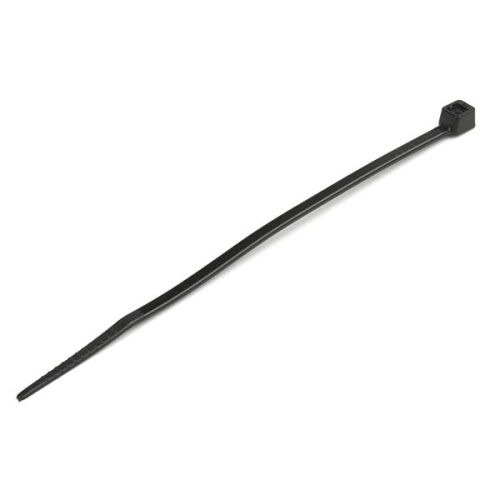
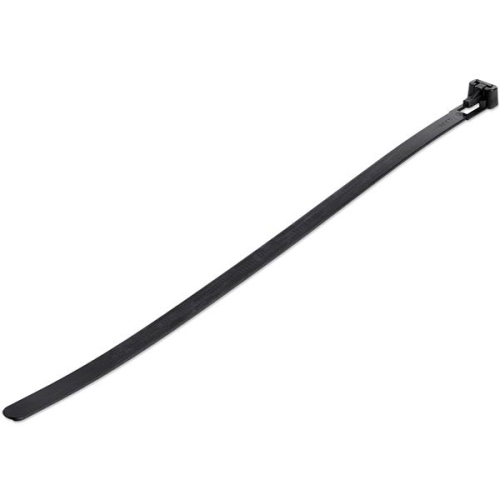
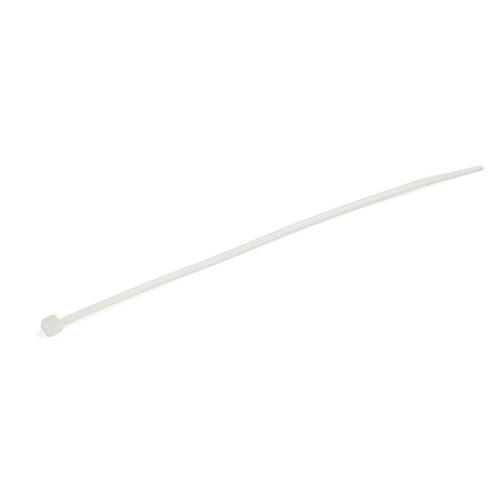
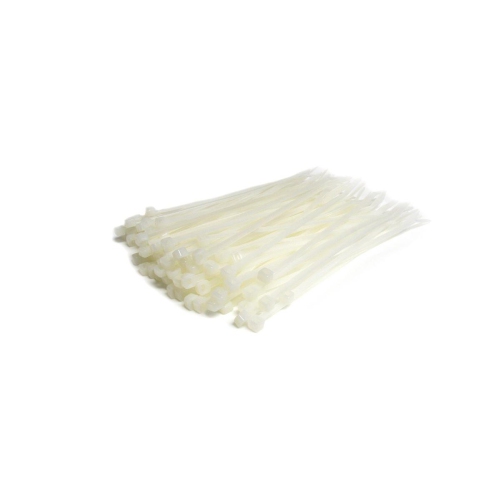

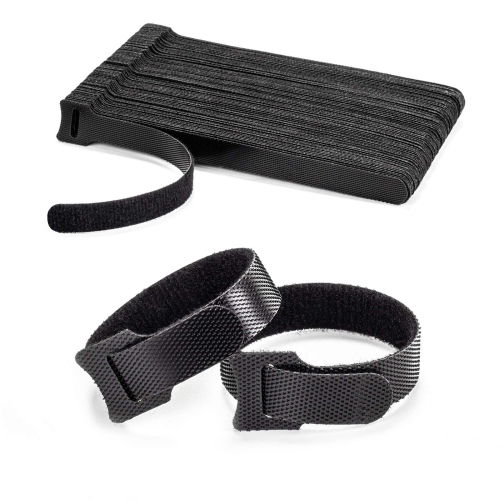
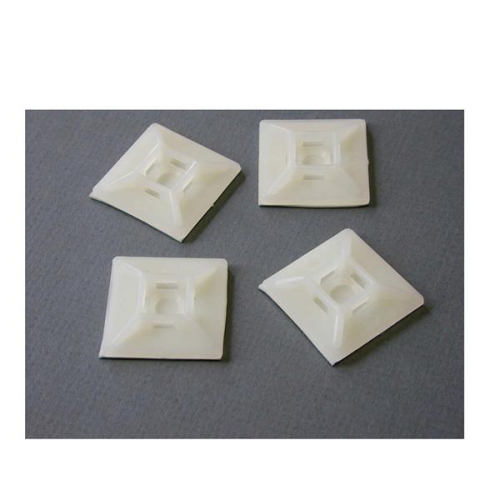
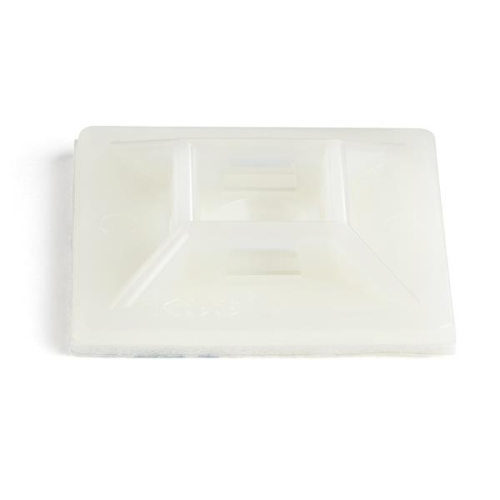

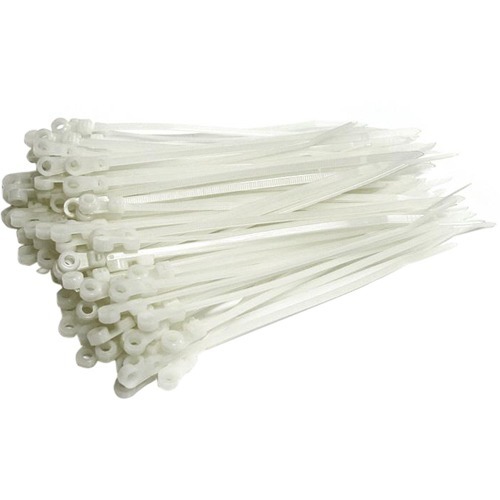
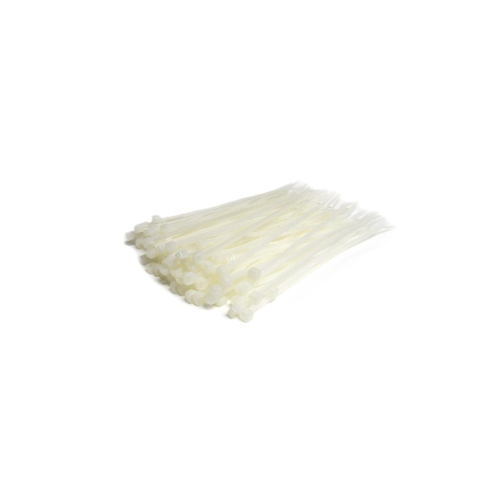
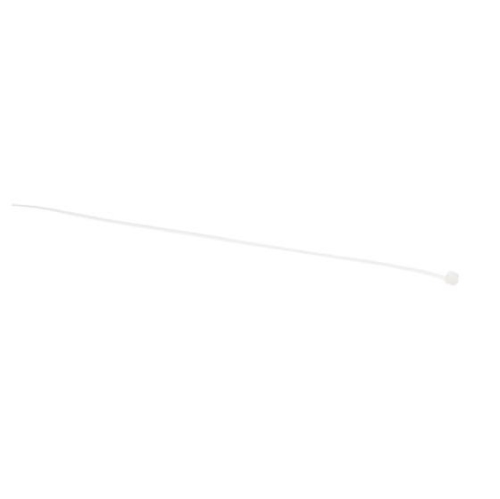

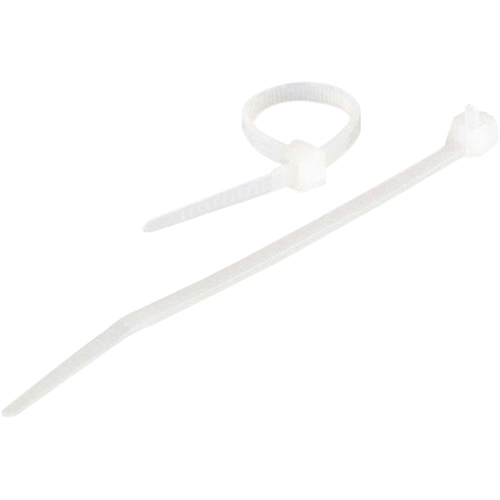

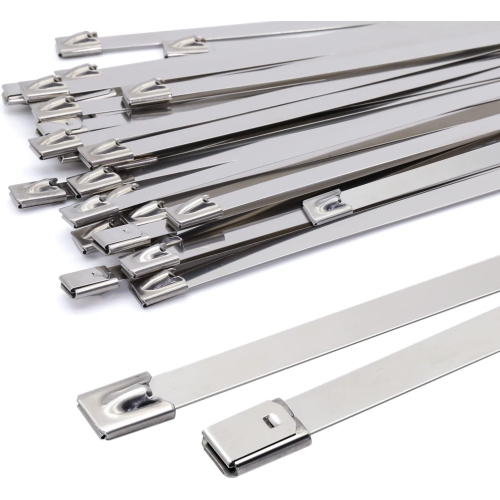
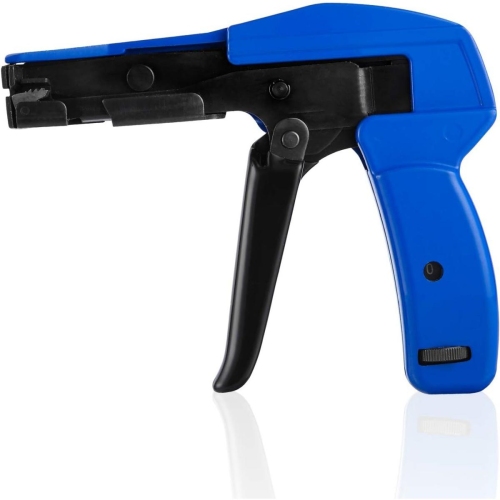
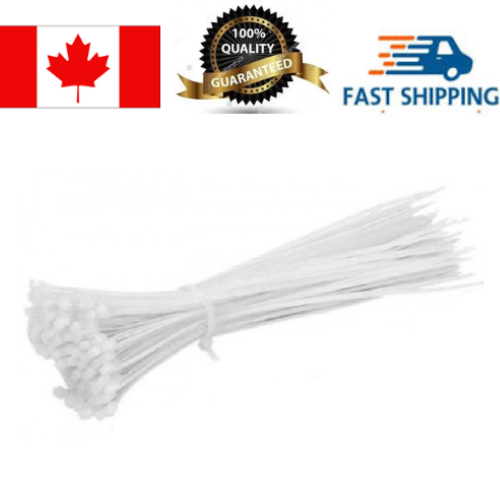
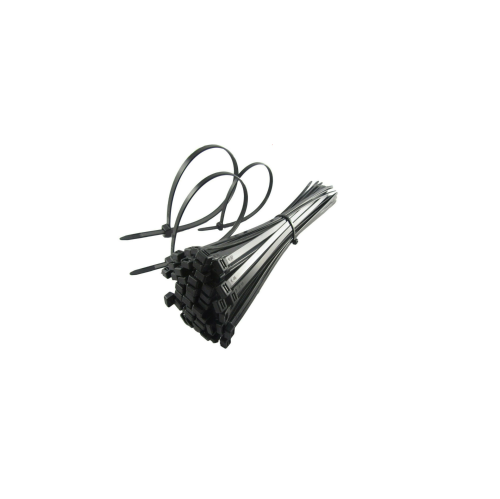
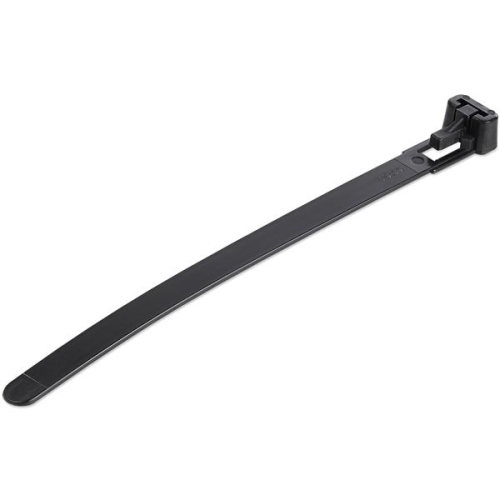
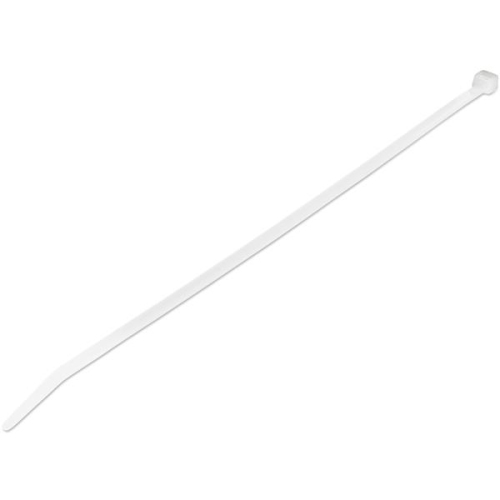
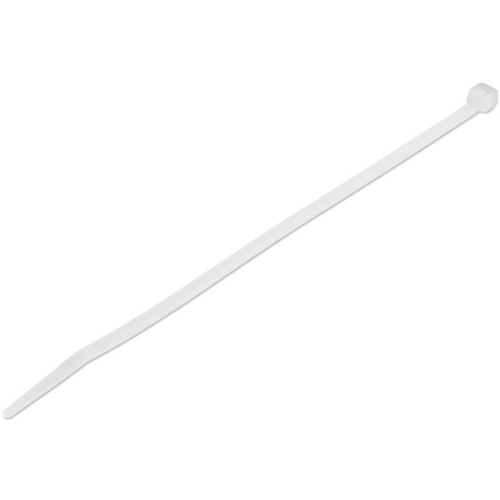
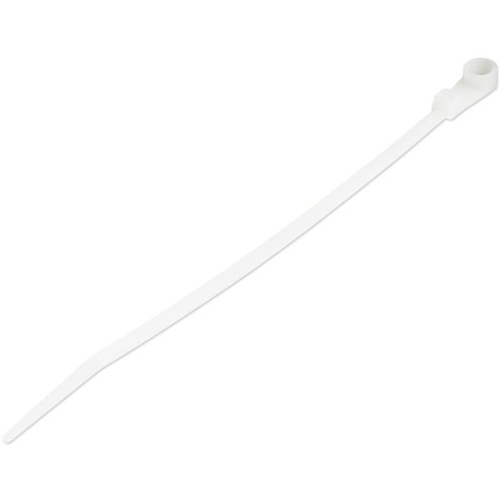
Practical fastening for tidy bundles and easier cable maintenance
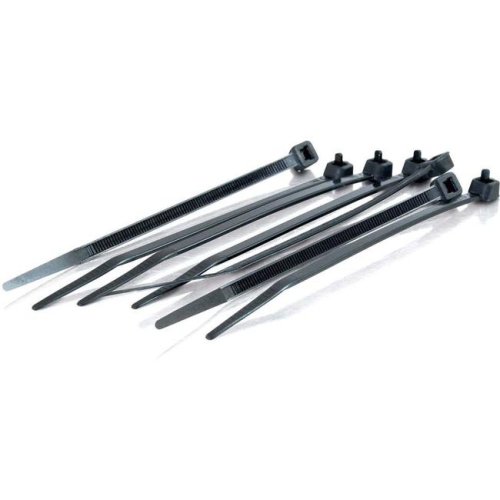
Cable ties, also called zip ties, are simple fasteners that make a noticeable difference wherever cords, wires, hoses, or small components need to stay together. Each tie has a flexible strip with small teeth and a locking head that holds the strip in place as it is pulled through. They are useful for bringing order to a crowded space behind a desk, securing cables along the back of a television stand, grouping power cords in a workshop, or keeping a bundle of charging cables from spreading across a bedside table. They can also help with temporary setups, moving day, home projects, craft work, photography equipment, computer installations, and light repairs. When choosing cable ties, start by considering the approximate thickness of the bundle and the amount of room available around it. A tie that is too short may not close securely, while an overly long tie can leave a large tail that is awkward to trim. Length, loop diameter, material, and tensile strength all affect how well a cable tie suits the job. Light-duty options are practical for small groups of cords and everyday organization, while heavier-duty ties are designed for larger bundles or applications where a stronger hold is needed. Packs with a variety of sizes can be convenient for a home toolbox because the right fit is not always obvious until the cables are gathered together.
The intended environment is another important consideration. Standard nylon cable ties are well suited to many indoor applications, including entertainment centres, computer desks, office equipment, lamps, and small appliances. For use outdoors or in areas exposed to strong sunlight, look for ties made with UV-resistant material, as ordinary indoor ties may become brittle over time when exposed to weather and repeated temperature changes. Stainless steel cable ties are suited to demanding conditions involving high heat, abrasion, or heavy-duty fastening, including certain workshop, automotive, construction, and industrial tasks. Releasable cable ties include a small release tab that allows the locking mechanism to be opened, making them useful when cables need to be added, removed, or rearranged later. This feature is especially handy for growing home-office setups, seasonal lighting, temporary event equipment, and electronics that require regular servicing. Cable ties are not a substitute for proper electrical connectors, insulation, strain relief, or approved mounting hardware, and they should not be tightened so firmly that they pinch, crush, or damage a cable’s outer jacket. For delicate cords, leave enough room to avoid pressure on the insulation, and keep ties away from hot surfaces, moving parts, sharp edges, and sources of water unless the fastener is specifically suited to those conditions. Those looking for other ways to keep cords in place may also find useful organization options among Cable Holders.
Using a cable tie is straightforward: gather the wires or items into a neat bundle, pass the tapered end through the locking head, and pull until the bundle is secure without being compressed. A pair of snips or flush cutters can remove the extra tail, leaving a cleaner finish than twisting or bending the excess by hand. Take care when trimming, since a sharp cut edge can scratch skin or catch on clothing; flush-cutting tools or a small file can help create a smoother result when the tie is within reach. For cable management behind furniture, it is often helpful to group cords according to their destination and leave a little slack near plugs, ports, and movable equipment. This makes future adjustments easier and reduces strain when a device is moved. Cable ties are practical for students setting up a study area, families sorting charging leads, hobbyists organizing a workbench, and anyone preparing a home for a move. They can also make a useful addition to a housewarming, new-home, dorm-room, workshop, or home-office gift basket when paired with other organization accessories. During the warmer months, outdoor-rated ties can help secure garden lighting, patio equipment, and temporary cables, while during the cooler months they can keep indoor cords tidy around entertainment areas and workspaces. Whether the task involves a handful of thin charging leads or a substantial cable bundle, choosing the correct material, size, release style, and strength helps create a tidy installation that stays easier to inspect and maintain.
The intended environment is another important consideration. Standard nylon cable ties are well suited to many indoor applications, including entertainment centres, computer desks, office equipment, lamps, and small appliances. For use outdoors or in areas exposed to strong sunlight, look for ties made with UV-resistant material, as ordinary indoor ties may become brittle over time when exposed to weather and repeated temperature changes. Stainless steel cable ties are suited to demanding conditions involving high heat, abrasion, or heavy-duty fastening, including certain workshop, automotive, construction, and industrial tasks. Releasable cable ties include a small release tab that allows the locking mechanism to be opened, making them useful when cables need to be added, removed, or rearranged later. This feature is especially handy for growing home-office setups, seasonal lighting, temporary event equipment, and electronics that require regular servicing. Cable ties are not a substitute for proper electrical connectors, insulation, strain relief, or approved mounting hardware, and they should not be tightened so firmly that they pinch, crush, or damage a cable’s outer jacket. For delicate cords, leave enough room to avoid pressure on the insulation, and keep ties away from hot surfaces, moving parts, sharp edges, and sources of water unless the fastener is specifically suited to those conditions. Those looking for other ways to keep cords in place may also find useful organization options among Cable Holders.
Using a cable tie is straightforward: gather the wires or items into a neat bundle, pass the tapered end through the locking head, and pull until the bundle is secure without being compressed. A pair of snips or flush cutters can remove the extra tail, leaving a cleaner finish than twisting or bending the excess by hand. Take care when trimming, since a sharp cut edge can scratch skin or catch on clothing; flush-cutting tools or a small file can help create a smoother result when the tie is within reach. For cable management behind furniture, it is often helpful to group cords according to their destination and leave a little slack near plugs, ports, and movable equipment. This makes future adjustments easier and reduces strain when a device is moved. Cable ties are practical for students setting up a study area, families sorting charging leads, hobbyists organizing a workbench, and anyone preparing a home for a move. They can also make a useful addition to a housewarming, new-home, dorm-room, workshop, or home-office gift basket when paired with other organization accessories. During the warmer months, outdoor-rated ties can help secure garden lighting, patio equipment, and temporary cables, while during the cooler months they can keep indoor cords tidy around entertainment areas and workspaces. Whether the task involves a handful of thin charging leads or a substantial cable bundle, choosing the correct material, size, release style, and strength helps create a tidy installation that stays easier to inspect and maintain.
Top selling and popular products
-
 Your price for this item is $180.75
 -
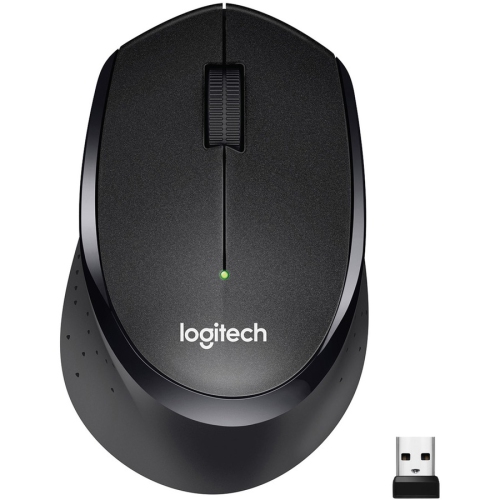 Your price for this item is $24.99
 -
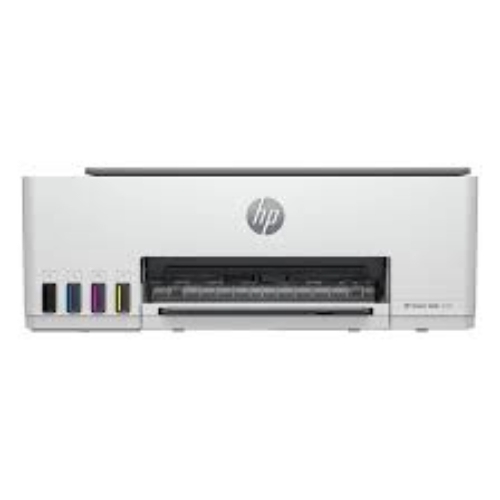 Your price for this item is $400
 -
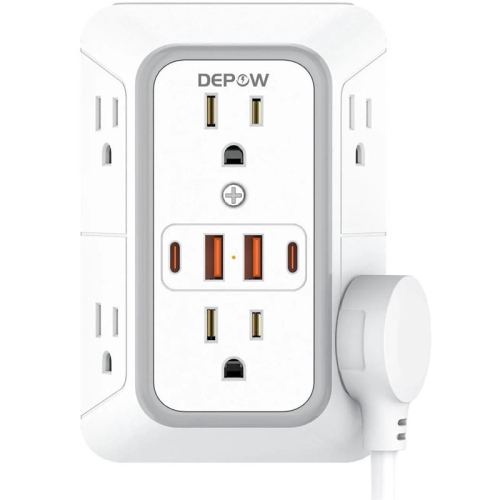 Your price for this item is $14.98
 -
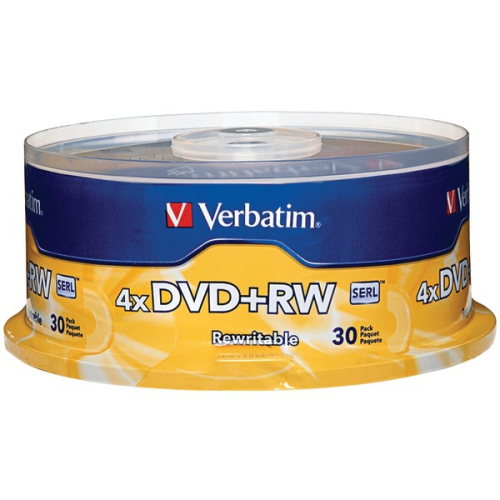 Your price for this item is $106.68
 -
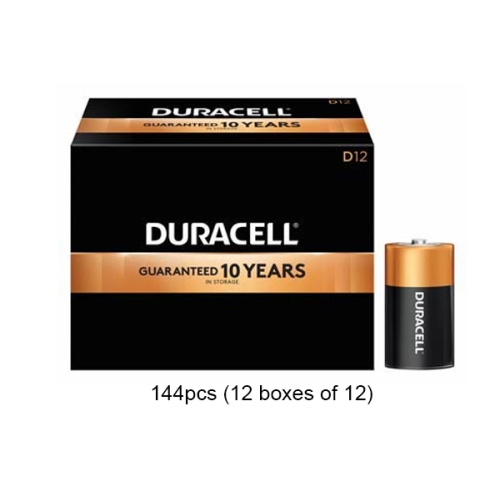 Your price for this item is $379.97
 -
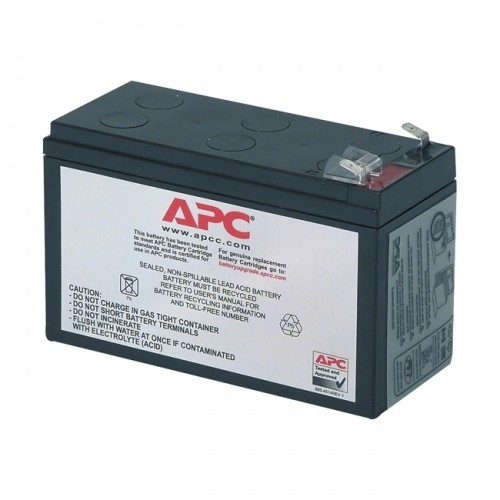 Your price for this item is $110.37
 -
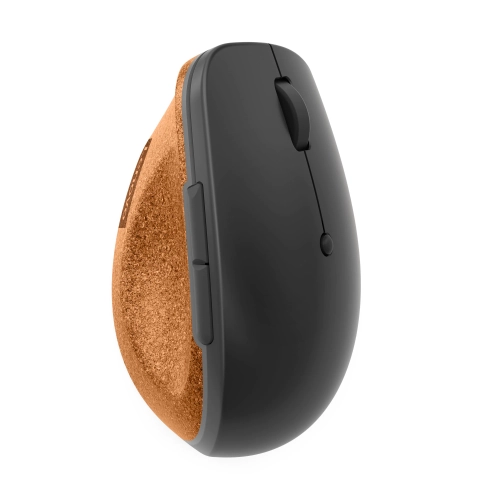 Your price for this item is $75.58
Discover more categories related to Cable Tie
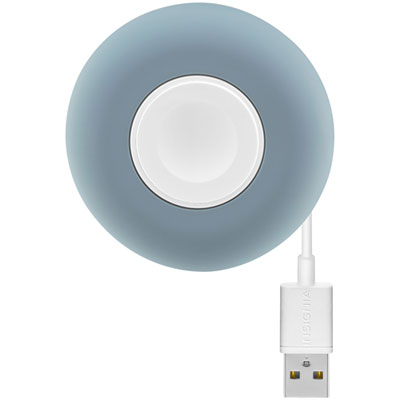
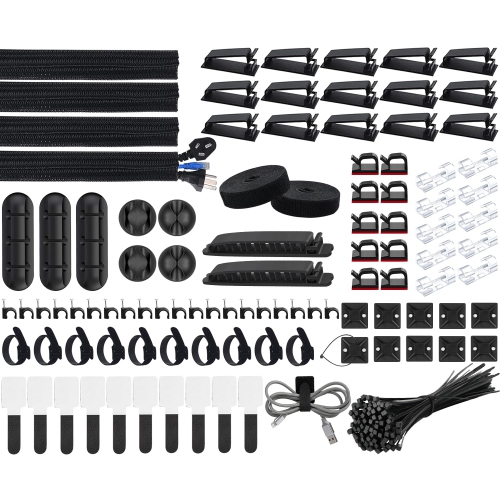
Top Collections:
Pokemon Centers, Kindle Devices, Best Budget Office Chairs, Apple iPhones 16, Best Laptops for Writers, iPhone 15 Apple, Canon G7X Cameras, Refurbished Apple Laptops, Alarm Clock, Motorola Razr Phones
Some products may be subject to Environmental Handling Fees
(EHF) depending on your province.
Learn more about EHFs.