Car Decal Stickers
Enhance the look of your vehicle with our extensive collection of car decal stickers. Whether you're looking to add a touch of personal style or make a bold statement, these stickers are the perfect way to customize your ride. From sleek and minimalist designs to eye-catching graphics, our wide range of options ensures there's something for every taste and preference. Made from high-quality materials, our car decal stickers are durable, weather-resistant, and easy to apply, guaranteeing long-lasting and vibrant results. Transform your car into a unique reflection of your personality with our selection of car decal stickers.
Sort

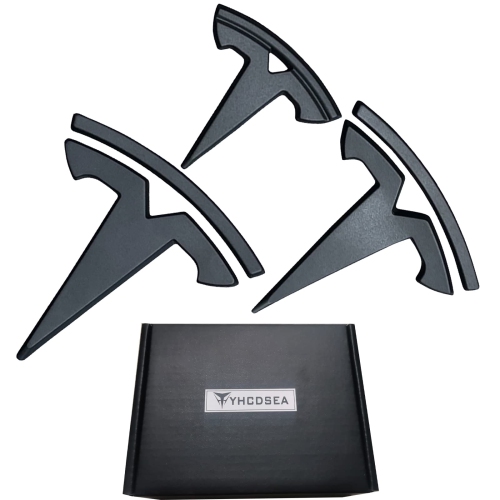
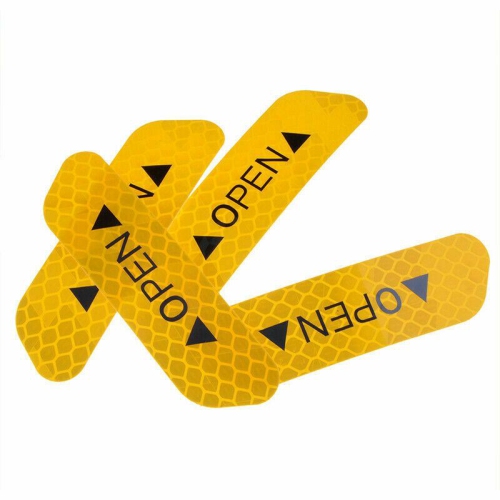

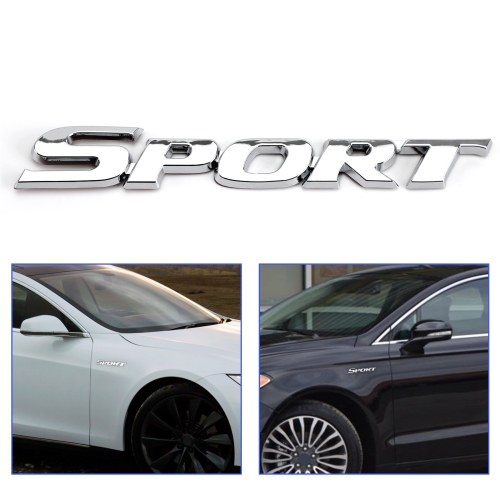
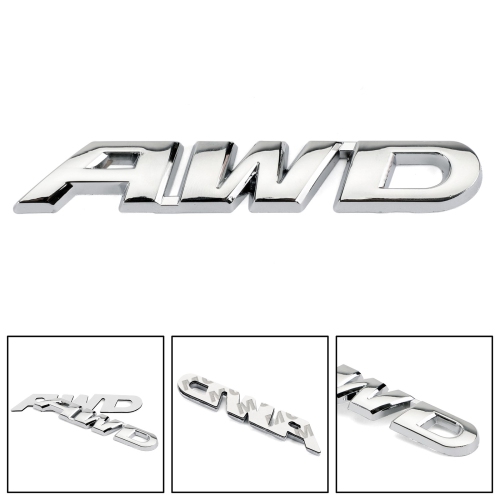
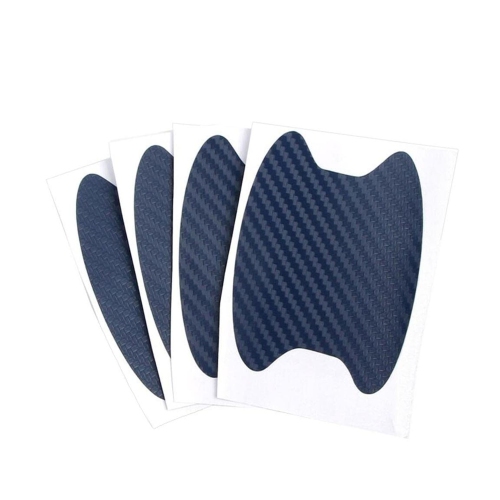
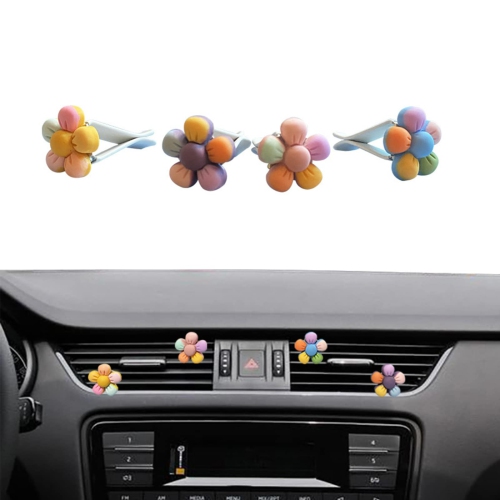
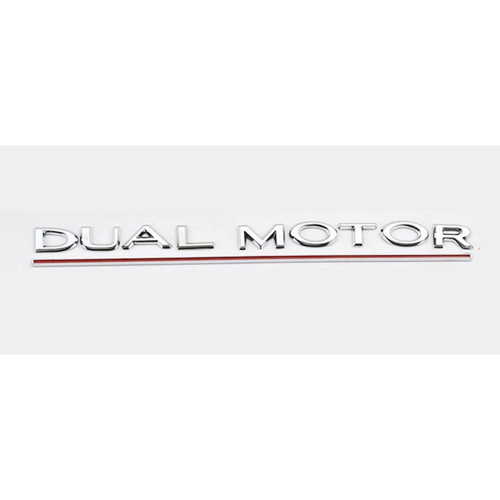
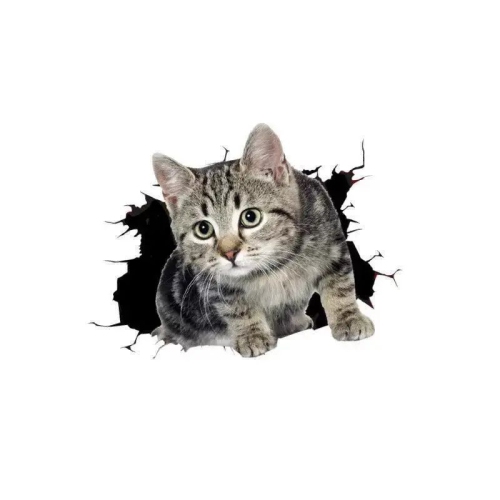

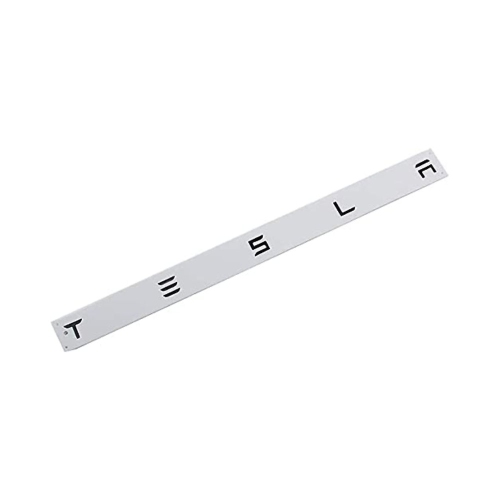
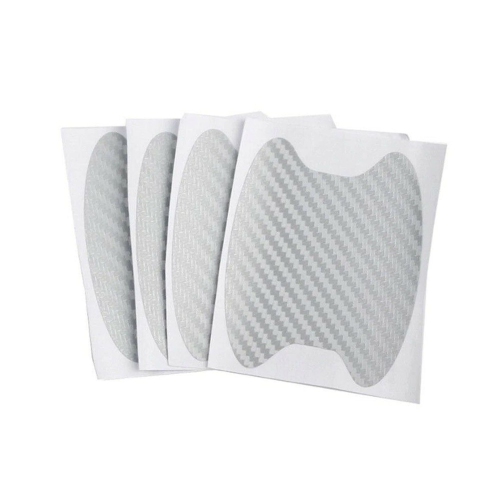
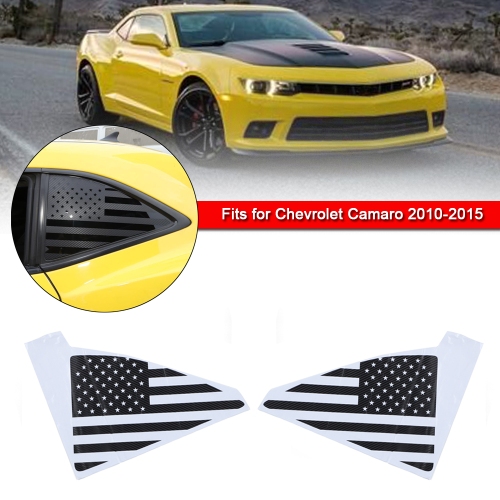

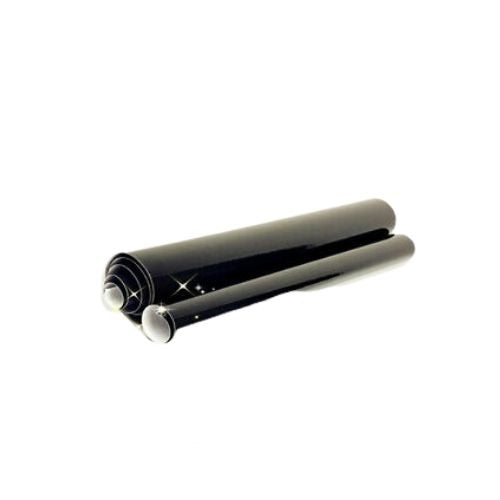
How vinyl graphics give your vehicle a distinct identity
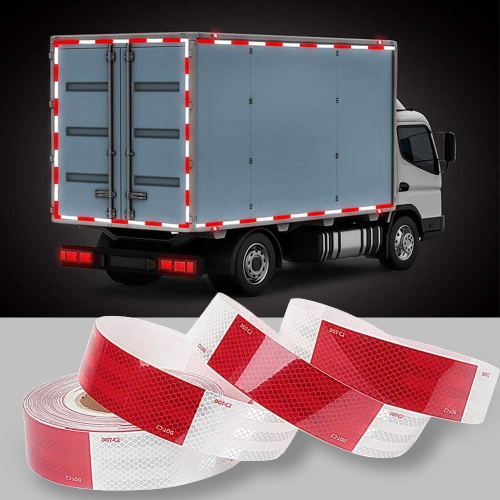
Car decal stickers are adhesive graphics, lettering, or printed designs that add a personal touch or display information on a vehicle. They can be as understated as a small silhouette near the rear hatch or as prominent as a business name across a door panel. Common uses include expressing an interest, identifying a club, adding a decorative accent, and displaying business contact details. Vinyl is a common material because it is flexible enough to follow many vehicle contours and can support crisp lettering, detailed illustrations, and solid blocks of colour. Printed stickers typically carry a design on a continuous piece of material, while cut-vinyl decals leave individual letters or shapes on the surface after the application layer is removed. That difference affects the finished appearance: a printed design may have a visible background or border, whereas separate vinyl lettering lets the vehicle’s paint or glass show between the characters. Clear backgrounds can create a less conspicuous edge, although the appearance of printed colours depends on the surface underneath and whether the printing includes an opaque backing. Matte finishes offer a subdued look, while glossy finishes have a more reflective sheen that can complement polished paint. Colour contrast matters as much as the illustration itself. Dark lettering may disappear against tinted glass, and pale graphics can be difficult to distinguish on a light-coloured panel. Scale also changes the effect. A compact graphic can look intentional beside a badge, while a larger design needs enough uninterrupted space to remain readable. For drivers considering how decals might work alongside other vehicle accents, Car Decoration Ideas offers a broader starting point. The most suitable car decals balance appearance with their purpose, whether that means making a parked vehicle easier to recognize or giving a work vehicle a clear, consistent identity.
Fit involves more than checking a decal’s width and height. The usable area of a vehicle panel may be interrupted by seams, handles, mouldings, badges, or pronounced curves, all of which can affect how smoothly an adhesive design sits. A wide rectangular sticker that fits within a door’s measurements may still cross a crease, while a narrow line of lettering may suit the flatter section above it. Product descriptions should identify whether the decal is intended for painted bodywork, automotive glass, or another specified surface; suitability for one does not establish suitability for every part of a vehicle. Textured plastic, rubber trim, deteriorating clear coat, and recently refinished paint can present adhesion or removal concerns. Existing waxes, sealants, and surface treatments may also influence the bond. Application styles vary, with some designs supplied as peel-and-stick pieces and others using transfer tape to hold separate elements in alignment. Transfer tape is a temporary carrier, not part of the final graphic, and is distinct from the backing that protects the adhesive before use. Larger designs and fine lettering generally require more careful positioning than a small, single-piece sticker. A clean, dry surface free of dust, grease, and residue gives compatible adhesive a better foundation, but the cleaning method must suit both the vehicle finish and the decal manufacturer’s directions. Some films are designed for dry application, while others permit a different method, so a single technique should not be assumed to work for every decal. Placement also needs to leave the vehicle fully functional. Graphics should not obstruct the driver’s view, licence plates, lights, mirrors, cameras, or sensors, and local requirements may restrict window graphics or reflective materials. A design that looks appealing on an empty pane of glass can become distracting from the driver’s seat. Considering sightlines and vehicle features keeps personalization from interfering with everyday use.
Durability depends on the vinyl, adhesive, printing, protective layers, surface condition, and care rather than on appearance alone. A decal described for vehicle use is generally a more relevant choice than an ordinary paper sticker, but claims such as washable, fade-resistant, or removable still need to be checked against the manufacturer’s stated limitations. A protective laminate can help shield printed graphics from light scuffs and cleaning wear, while exposed edges remain potential lifting points if they are repeatedly rubbed or caught. Fine tips, thin lettering, and intricate cut-outs need particular care around their edges. Frequent contact with a door handle, rear wiper, or loading area can affect a decal differently from placement on an undisturbed panel. Gentle cleaning with compatible products is usually preferable to abrasive scrubbing, and pressure-washing equipment should not be directed closely at decal edges unless the care instructions expressly allow it. Adhesive may also need a specified period to develop its bond before washing. Removable adhesive can be useful for drivers who like to change designs, but removable does not mean guaranteed residue-free or safe for every finish. Age, previous repairs, and the condition of the underlying paint can all influence removal, making surface compatibility especially important on leased or borrowed vehicles. Permanent adhesives are intended for a stronger, longer-term bond and may require more effort to remove. For personal use, a decal can reflect a hobby, favourite animal, or shared family interest without changing the vehicle’s main features. It can also make a thoughtful gift for someone who enjoys personalizing their car, provided the size, design, and intended placement suit their preferences; applying it without their agreement is best avoided. For business use, simple graphics and comfortably spaced lettering often communicate more clearly than a crowded layout, particularly when viewed from a distance. Whether decorative or informational, well-chosen car decal stickers bring together a suitable material, a compatible surface, a readable design, and realistic care expectations for a finish that feels deliberate rather than improvised.
Fit involves more than checking a decal’s width and height. The usable area of a vehicle panel may be interrupted by seams, handles, mouldings, badges, or pronounced curves, all of which can affect how smoothly an adhesive design sits. A wide rectangular sticker that fits within a door’s measurements may still cross a crease, while a narrow line of lettering may suit the flatter section above it. Product descriptions should identify whether the decal is intended for painted bodywork, automotive glass, or another specified surface; suitability for one does not establish suitability for every part of a vehicle. Textured plastic, rubber trim, deteriorating clear coat, and recently refinished paint can present adhesion or removal concerns. Existing waxes, sealants, and surface treatments may also influence the bond. Application styles vary, with some designs supplied as peel-and-stick pieces and others using transfer tape to hold separate elements in alignment. Transfer tape is a temporary carrier, not part of the final graphic, and is distinct from the backing that protects the adhesive before use. Larger designs and fine lettering generally require more careful positioning than a small, single-piece sticker. A clean, dry surface free of dust, grease, and residue gives compatible adhesive a better foundation, but the cleaning method must suit both the vehicle finish and the decal manufacturer’s directions. Some films are designed for dry application, while others permit a different method, so a single technique should not be assumed to work for every decal. Placement also needs to leave the vehicle fully functional. Graphics should not obstruct the driver’s view, licence plates, lights, mirrors, cameras, or sensors, and local requirements may restrict window graphics or reflective materials. A design that looks appealing on an empty pane of glass can become distracting from the driver’s seat. Considering sightlines and vehicle features keeps personalization from interfering with everyday use.
Durability depends on the vinyl, adhesive, printing, protective layers, surface condition, and care rather than on appearance alone. A decal described for vehicle use is generally a more relevant choice than an ordinary paper sticker, but claims such as washable, fade-resistant, or removable still need to be checked against the manufacturer’s stated limitations. A protective laminate can help shield printed graphics from light scuffs and cleaning wear, while exposed edges remain potential lifting points if they are repeatedly rubbed or caught. Fine tips, thin lettering, and intricate cut-outs need particular care around their edges. Frequent contact with a door handle, rear wiper, or loading area can affect a decal differently from placement on an undisturbed panel. Gentle cleaning with compatible products is usually preferable to abrasive scrubbing, and pressure-washing equipment should not be directed closely at decal edges unless the care instructions expressly allow it. Adhesive may also need a specified period to develop its bond before washing. Removable adhesive can be useful for drivers who like to change designs, but removable does not mean guaranteed residue-free or safe for every finish. Age, previous repairs, and the condition of the underlying paint can all influence removal, making surface compatibility especially important on leased or borrowed vehicles. Permanent adhesives are intended for a stronger, longer-term bond and may require more effort to remove. For personal use, a decal can reflect a hobby, favourite animal, or shared family interest without changing the vehicle’s main features. It can also make a thoughtful gift for someone who enjoys personalizing their car, provided the size, design, and intended placement suit their preferences; applying it without their agreement is best avoided. For business use, simple graphics and comfortably spaced lettering often communicate more clearly than a crowded layout, particularly when viewed from a distance. Whether decorative or informational, well-chosen car decal stickers bring together a suitable material, a compatible surface, a readable design, and realistic care expectations for a finish that feels deliberate rather than improvised.
Top selling and popular products
-
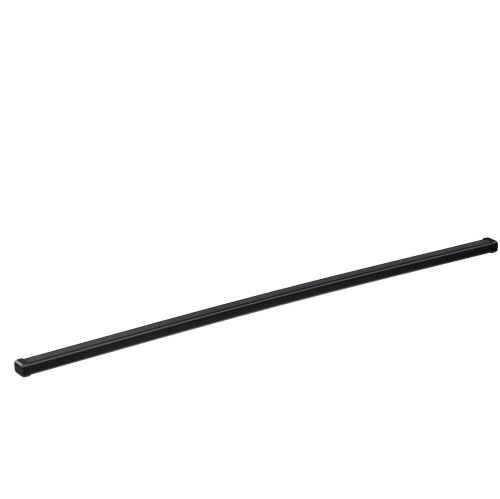 Your price for this item is $236.5
 -
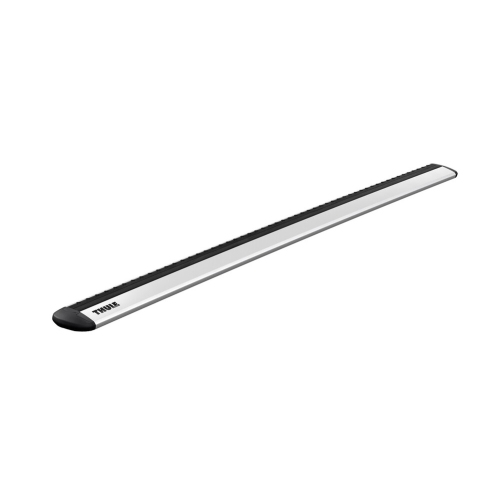 Your price for this item is $332.45
 -
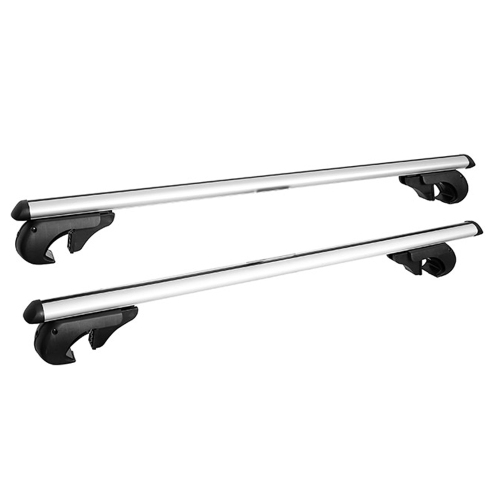 Your price for this item is $119.99
 -
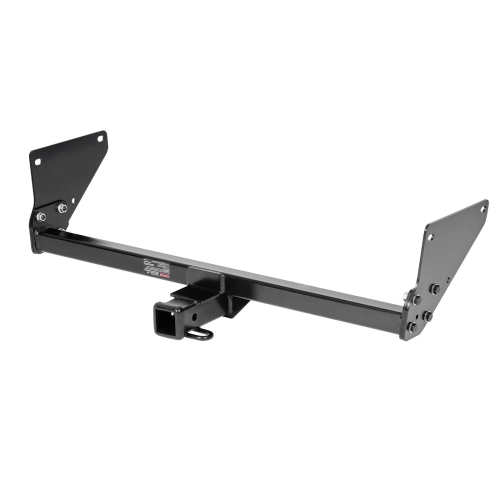 Your price for this item is $178.99
 -
 Your price for this item is $18.99
 -
 Your price for this item is $144.81
 -
 Your price for this item is $289.99
 -
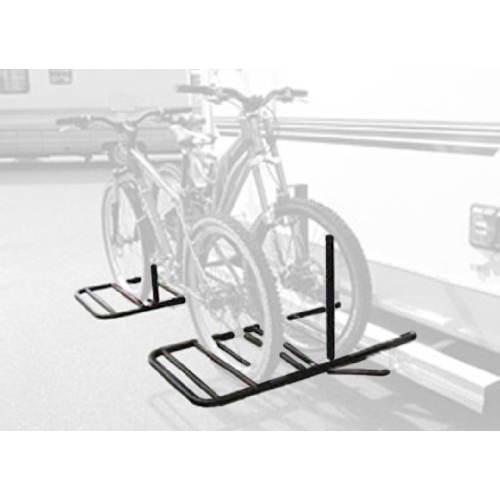 Your price for this item is $413.84
Discover more categories related to Car Decal Stickers
Top Collections:
Pokemon Centers, Kindle Devices, Best Budget Office Chairs, Apple iPhones 16, Canon G7X Cameras, iPhone 15 Apple, Alarm Clock, Refurbished Apple Laptops, Flip Phones, Best Laptops for Writers
Some products may be subject to Environmental Handling Fees
(EHF) depending on your province.
Learn more about EHFs.