Cat 7 Ethernet Cables for Data Centers
Cat 7 Ethernet Cables for Data Centers provide a reliable solution for high-performance networking environments. Engineered to support the demanding requirements of modern data centers, these cables help maintain efficient and stable network connections. With a focus on robust connectivity, Cat 7 Ethernet Cables for Data Centers are ideal for managing large volumes of data and ensuring smooth operations across your critical infrastructure. Explore a range of options designed to keep your systems running seamlessly and your network performing at its best.
Sort


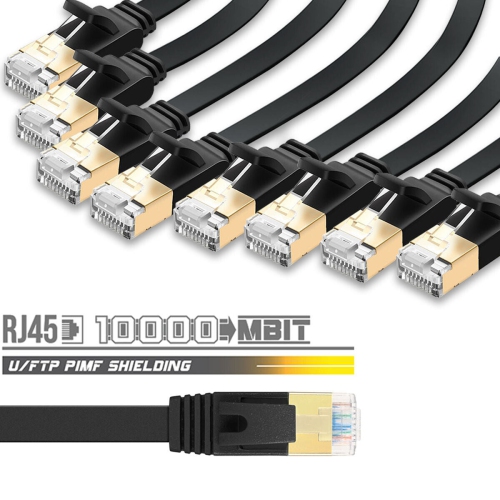
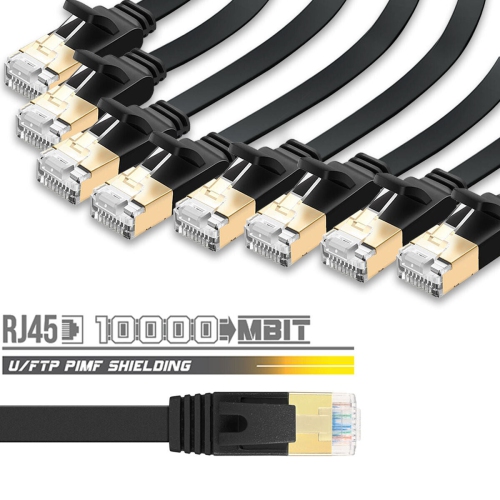


Why dependable 10 Gigabit links need more than shielding
Cat 7 Ethernet cables for data centres are shielded copper network cables used to connect compatible servers, switches, patch panels, and network storage equipment. Category 7 cabling is specified to 600 MHz and supports 10GBASE-T Ethernet at up to 10 Gbps over a properly installed channel of up to 100 metres, including its patch cords and connections. These figures describe different characteristics: MHz refers to the cabling’s transmission frequency specification, while Gbps describes the Ethernet data rate. A higher frequency rating alone does not make a server transfer files faster; the network interfaces, switches, storage, and complete cabling channel also determine performance. For IT teams maintaining virtualized servers, shared storage, or busy application networks, this makes Cat 7 relevant to copper links where shielding and dependable 10 Gigabit connectivity are priorities. A short connection between a server and a nearby switch has different routing needs from a permanent run between equipment rooms, even when both carry the same Ethernet signal. Factory-terminated patch cords suit accessible equipment connections, while bulk installation cable is intended for structured cabling with compatible terminations and testing. The 100-metre distance is a channel limit, not a promise that any individual 100-metre patch cord will deliver a compliant connection. Common structured cabling layouts allocate up to 90 metres to the permanent link and the remaining distance to patch cords, subject to the applicable design requirements. Cat 7 is defined within ISO/IEC cabling standards and is associated with Class F channel performance; it is not a recognized cabling category within ANSI/TIA standards. That distinction matters in facilities with specified cabling standards, documentation requirements, or established maintenance practices. Its intended role is therefore best understood as part of a planned network rather than a universal upgrade for every copper connection. Replacing a working cable on a 1 Gigabit port does not turn that port into a 10 Gigabit interface, and a Cat 7 label does not establish support for 25, 40, or 100 Gigabit Ethernet.
The construction of Cat 7 Ethernet cables is especially relevant in densely populated racks, where many data connections run close together. Typical S/FTP construction combines an overall braided screen with foil shielding around each of the four twisted pairs. The individual screens help limit crosstalk between pairs, while the outer screen helps reduce interference from external sources. Shielding reduces these effects rather than eliminating every possible source of signal disturbance, and its effectiveness depends on suitable connectors, continuous shielding, and bonding carried out to the applicable installation requirements. Conductor material is another useful distinction: solid bare copper is appropriate for permanent structured cabling, while stranded copper is commonly used in patch cords that need more flexibility for equipment connections. Copper-clad aluminium is not equivalent to solid copper and can present resistance and compliance concerns, particularly where Power over Ethernet is involved. Cable jackets also serve different purposes. PVC jackets are common on patch leads, while low-smoke, zero-halogen jackets are designed to limit smoke and halogen emissions under specified fire conditions. Neither description alone establishes approval for every installation location; routing through walls, risers, or air-handling spaces requires the appropriate Canadian cable markings and compliance with local requirements. In a rack, physical fit can be just as important as the electrical specification. Braiding, foil, and thicker jackets can make a shielded cable bulkier and less flexible than an unshielded alternative. A bundle that bends comfortably along a rack side may become awkward behind a shallow cabinet door or next to closely spaced ports. Overall diameter, connector length, latch design, and the manufacturer’s minimum bend radius help determine whether a cable will fit without placing strain on a socket. Moulded strain relief supports the transition between the plug and jacket, while snag-resistant boots can protect retaining tabs during routing. The most practical length leaves enough slack for servicing without creating coils that obstruct access to adjacent equipment. Colour-coded jackets and clear labels also make individual links easier to trace when several similar connections share the same patch panel.
Connector compatibility deserves particular attention because many cables sold as Cat 7 patch cords use familiar RJ45 plugs, while full Class F channels use connector systems such as GG45 or TERA. An RJ45-terminated cable may connect directly to standard Ethernet equipment, but the category printed on its jacket does not by itself prove that the complete channel meets Class F requirements. Cable specifications, connector ratings, termination quality, and test results provide a more useful picture of the finished link. For a server with an RJ45 10GBASE-T interface, compatibility means matching the physical port and required Ethernet performance, not simply choosing the highest category number. This is also why Cat 6A remains a common option for standardized 10 Gbps copper channels over 100 metres. Networks with different requirements may also include Cat6 Cables for Data Centers, particularly for Gigabit connections; Cat 6 support for 10 Gbps is limited to shorter distances and depends on installation conditions. Links requiring higher Ethernet rates need their own cabling plan, with Cat 8 supporting 25GBASE-T and 40GBASE-T over channels up to 30 metres, and compatible fibre or direct-attach assemblies serving many server and switch connections. For Cat 7 installations, durability depends partly on how the cable is handled after it reaches the rack. Tight cable ties can deform the jacket, sharp bends can disturb pair geometry, and pulling on the cord instead of the plug can stress the termination. Reusable hook-and-loop straps, supported routing, and space around connector boots help keep connections accessible without compressing bundles. Routine care is straightforward: intact jackets, secure latches, clean connectors, and legible labels make maintenance easier. A patch cord with a crushed section, exposed shielding, or a broken retaining tab is a poor fit for a link that needs to remain dependable through repeated servicing. For network administrators, installation technicians, and businesses maintaining server rooms, well-matched Cat 7 cabling brings together appropriate shielding, practical lengths, compatible terminations, and documented performance. Those details matter when a technician needs to replace a server, trace a storage connection, or move a patch lead without disturbing the rest of the rack.
Top selling and popular products
-
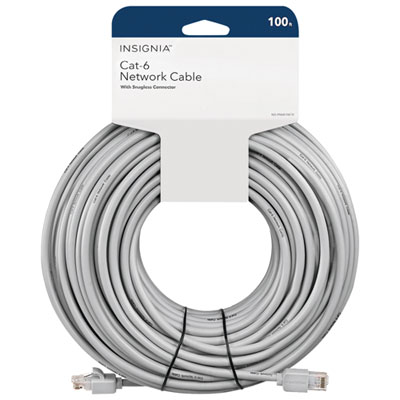 Your price for this item is $49.95
-
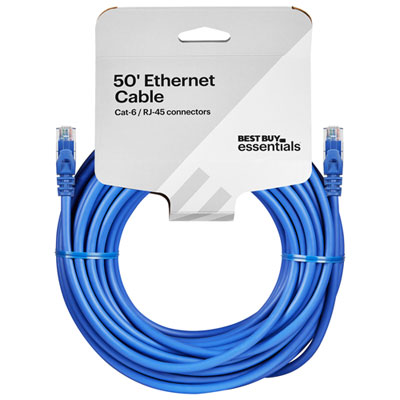 Your price for this item is $24.99
-
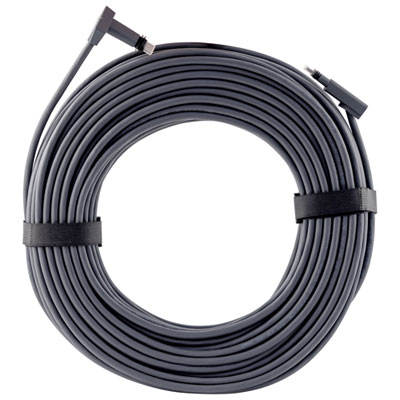 Your price for this item is $164.99
-
 Your price for this item is $11.68
-
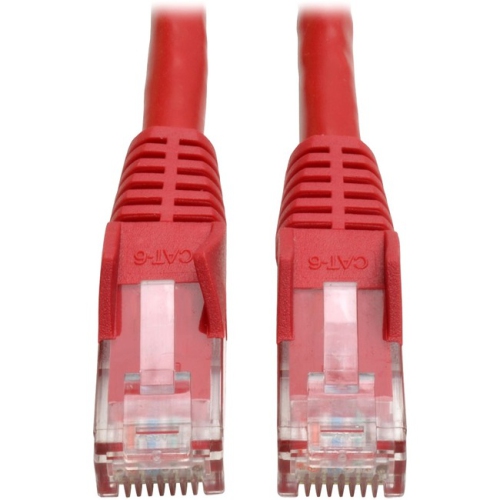 Your price for this item is $69.68
-
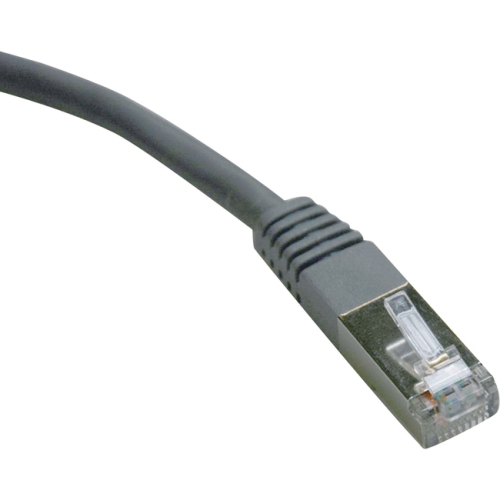 Your price for this item is $47.68
-
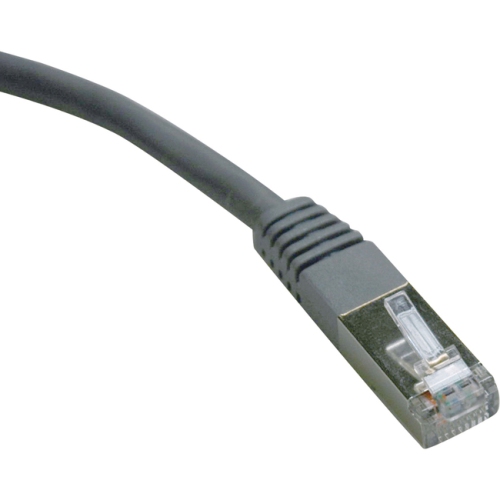 Your price for this item is $50.99
-
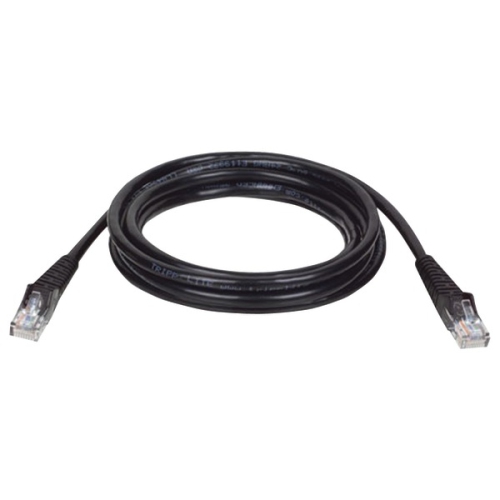 Your price for this item is $47.68
Discover more categories related to Cat 7 Ethernet Cables for Data Centers
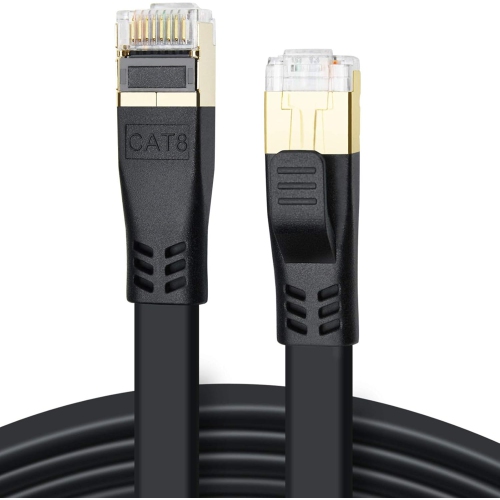
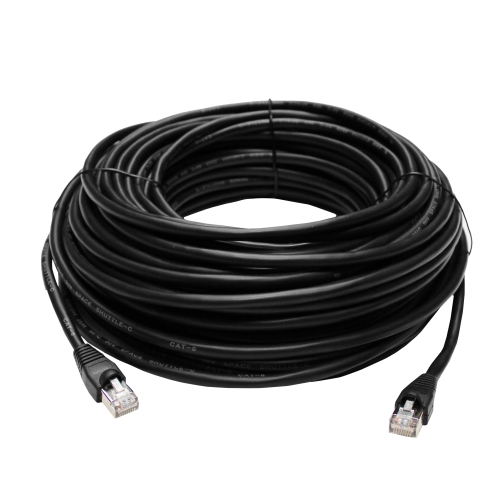


Top Collections:
Pokemon Centers, Kindle Devices, Best Budget Office Chairs, Canon G7X Cameras, Apple iPhones 16, Samsung Galaxy Phones, Refurbished Apple Laptops, Laptops for Students, iPhone 15 Apple, Budget Smartphones
Some products may be subject to Environmental Handling Fees
(EHF) depending on your province.
Learn more about EHFs.