Combination Locks
Combination locks provide a reliable and convenient way to secure your belongings, whether at the gym, school, or on the go. With a variety of styles and sizes available, these locks offer a versatile solution for safeguarding everything from lockers to luggage. Designed for ease of use, combination locks eliminate the need for keys, allowing you to set your own personalized code for quick access. Discover how these practical security tools can enhance your peace of mind by keeping your valuables safe and secure.
Sort

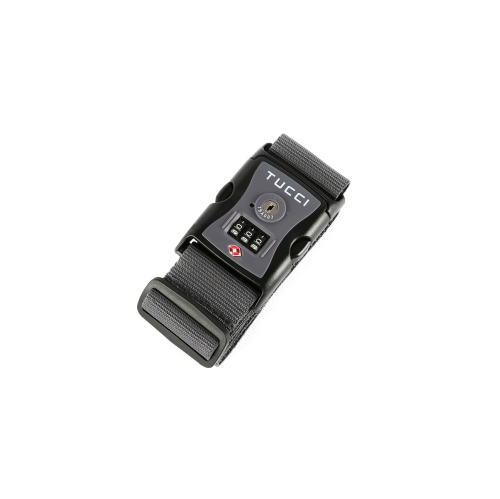
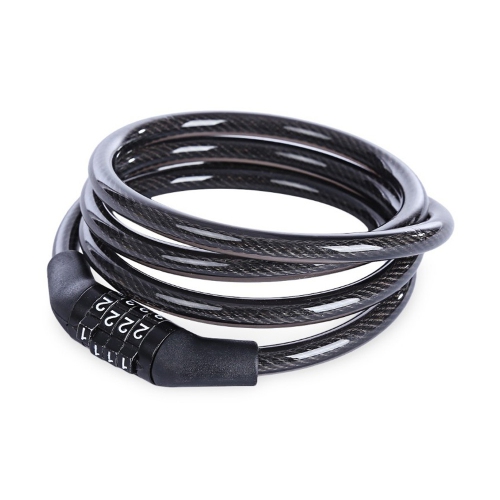
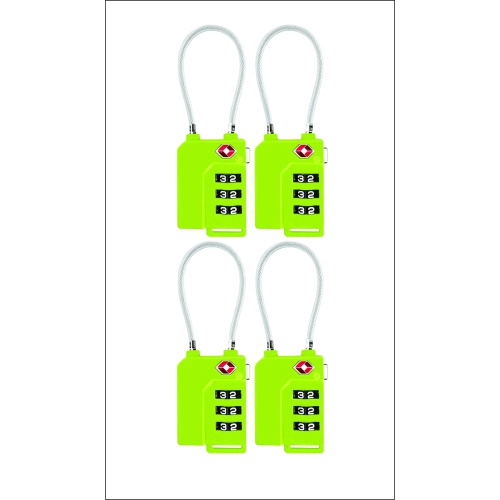
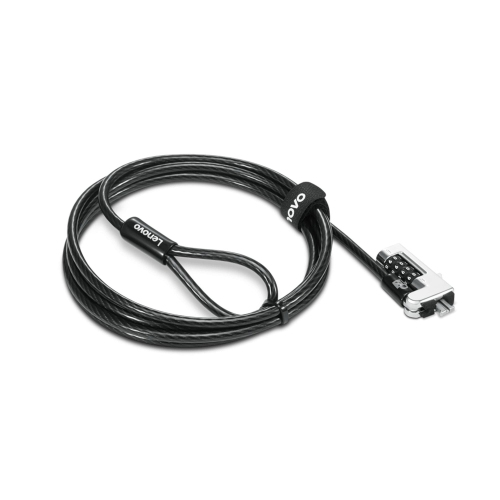
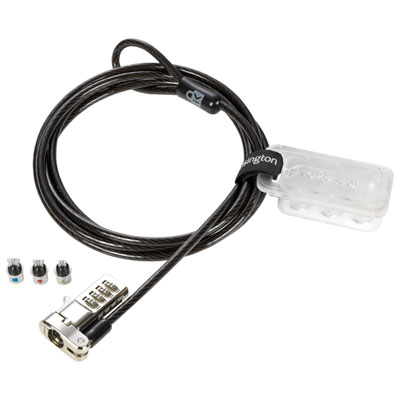
Understand key-free security for lockers, luggage and storage
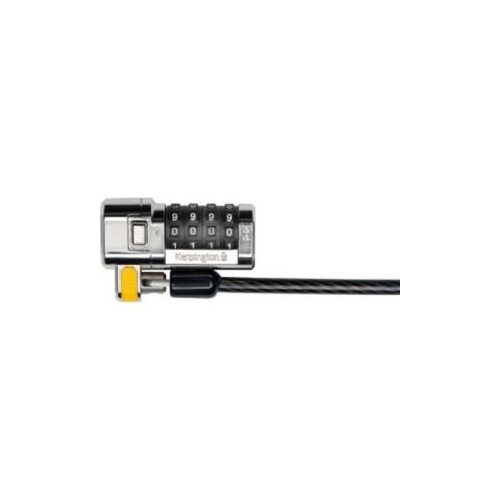
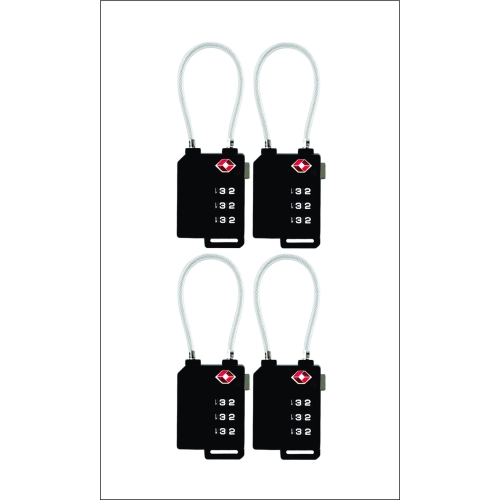
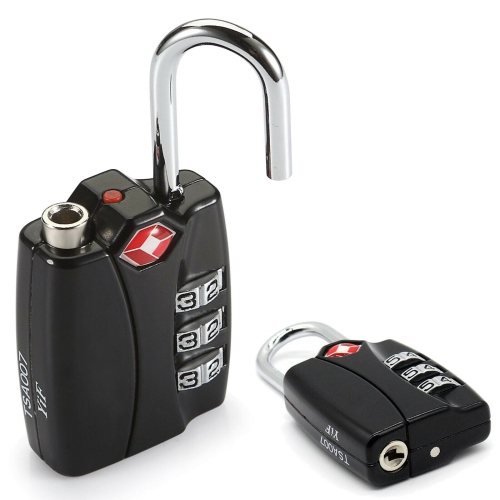
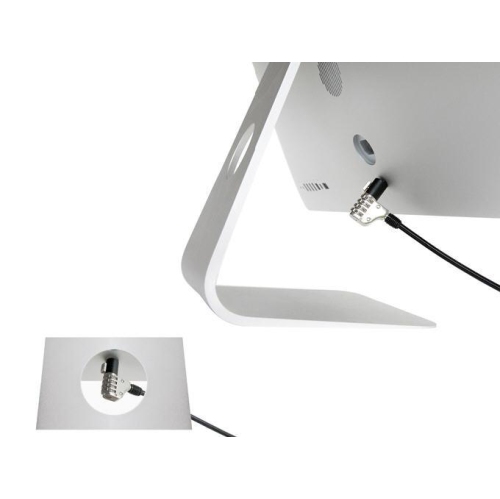
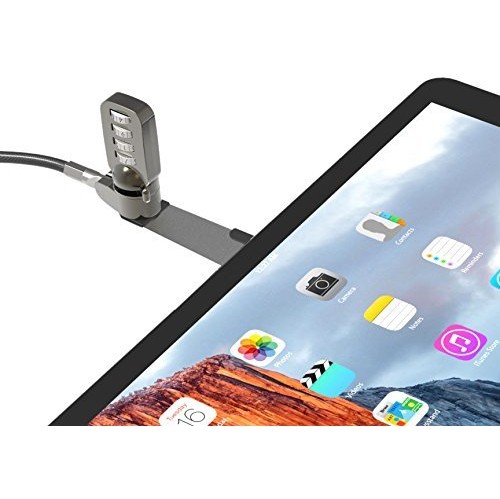
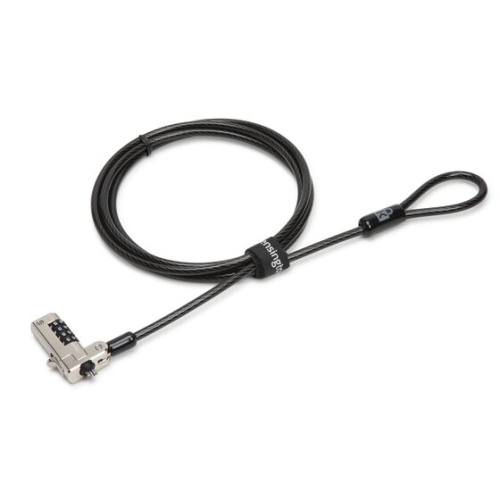
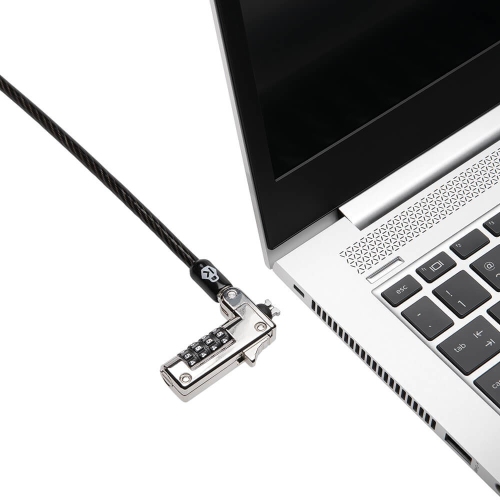
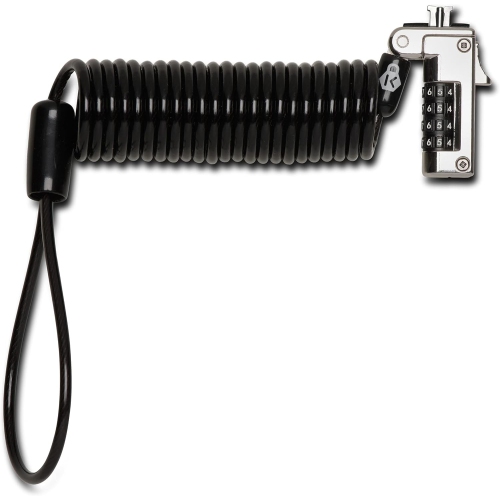
Combination locks provide a practical way to secure belongings without carrying or keeping track of a physical key. Instead of a keyway, they use a sequence of numbers, letters or symbols that must be entered in the correct order. This makes them useful for school lockers, gym lockers, storage cabinets, sheds, gates, luggage, backpacks, toolboxes and bike cables. A traditional rotary dial padlock usually has one dial and a metal shackle, while a wheel-style lock uses several numbered or lettered wheels that line up to form a code. Some models are resettable, allowing you to choose a personal combination, while others come with a preset code that remains unchanged. When selecting a lock, consider where it will be used, how often it will be opened and the type of item being protected. A compact lock can be convenient for a locker or suitcase, whereas outdoor storage may call for a larger shackle, a more substantial body and materials designed to withstand changing weather. Shackle clearance is also important: the shackle must fit comfortably through the opening on a locker hasp, gate, storage latch or cable fitting without leaving excessive room for tampering. For travel, look for a format that is easy to handle at airports and simple to read when you are working with luggage in a busy terminal or dim hotel room. For regular daily use, a combination that can be recalled easily without being obvious to others can save time and reduce frustration.
Rotary dial locks are operated by clearing the mechanism before entering the sequence. In many traditional designs, this means turning the dial clockwise, or to the right, for three or more complete turns, then stopping at the first number. The dial is then turned counter-clockwise, or to the left, making one full turn past the first number before stopping at the second number. Finally, turn the dial clockwise directly to the last number and stop there. Pulling up on the shackle should release it when the correct sequence has been entered. Instructions can vary by design, so the directions supplied with the lock should always take priority, particularly when setting or changing a combination. Wheel locks work differently: turn each wheel until the required digits or letters line up with the reference mark, then pull the shackle or release the latch. Before attaching a new lock to a valuable item, practise opening and closing it several times while it is in your hand. This helps confirm that the wheels move smoothly, the numbers are easy to see and the combination has been recorded correctly. Keep the code in a secure place rather than writing it on the lock, luggage tag or locker door. Avoid simple sequences that someone familiar with you could guess, such as a birthday, street number or repeated digit. If a lock is resettable, change the combination while the lock is open and follow the reset position carefully; forcing the reset mechanism or turning the wheels at the wrong stage can leave the lock set to an unintended code. A small amount of patience at the beginning can prevent the familiar experience of standing beside a locker or storage bin, turning the dial again and again, wondering whether the first number was passed one time too many.
The right combination lock depends on the balance between convenience, access and the level of protection needed. A three- or four-wheel lock can be quick to open when several people need access, making it suitable for shared lockers, sports equipment and family luggage. A word-based lock may be easier for some users to remember, especially children or anyone who finds small numbers difficult to distinguish, while a traditional dial can offer a familiar feel and a clean, key-free design. For bicycles, consider whether the lock is intended to secure a helmet, accessory or lower-risk item rather than serve as the only security measure for a valuable bicycle in an unattended public area. For outdoor use, check the body and shackle construction, smooth operation and resistance to moisture, dust and temperature changes. During the warmer months, locks may be used at campsites, pools, cottages and outdoor recreation areas; during the cooler months, gloves, rain and cold fingers can make a small mechanism more difficult to operate, so a readable dial and comfortable grip can make a noticeable difference. Combination locks are also useful gifts for students moving into residence, travellers preparing for a trip, athletes using a shared facility or anyone organizing a new workshop, locker area or storage space. For households with several locks, using a consistent style can make access more straightforward, but avoid using one combination everywhere. When a lock is no longer needed, resettable models can be assigned to a new use, while non-resettable models should be stored with their combination details until they are needed again. Those who prefer a code-based approach for doors or larger access points may also want to explore Key Code Locks. Whether securing a school locker, suitcase, cabinet or gate, choose a lock that fits the hardware properly, use a combination you can manage confidently and test the complete setup before leaving belongings unattended.
Rotary dial locks are operated by clearing the mechanism before entering the sequence. In many traditional designs, this means turning the dial clockwise, or to the right, for three or more complete turns, then stopping at the first number. The dial is then turned counter-clockwise, or to the left, making one full turn past the first number before stopping at the second number. Finally, turn the dial clockwise directly to the last number and stop there. Pulling up on the shackle should release it when the correct sequence has been entered. Instructions can vary by design, so the directions supplied with the lock should always take priority, particularly when setting or changing a combination. Wheel locks work differently: turn each wheel until the required digits or letters line up with the reference mark, then pull the shackle or release the latch. Before attaching a new lock to a valuable item, practise opening and closing it several times while it is in your hand. This helps confirm that the wheels move smoothly, the numbers are easy to see and the combination has been recorded correctly. Keep the code in a secure place rather than writing it on the lock, luggage tag or locker door. Avoid simple sequences that someone familiar with you could guess, such as a birthday, street number or repeated digit. If a lock is resettable, change the combination while the lock is open and follow the reset position carefully; forcing the reset mechanism or turning the wheels at the wrong stage can leave the lock set to an unintended code. A small amount of patience at the beginning can prevent the familiar experience of standing beside a locker or storage bin, turning the dial again and again, wondering whether the first number was passed one time too many.
The right combination lock depends on the balance between convenience, access and the level of protection needed. A three- or four-wheel lock can be quick to open when several people need access, making it suitable for shared lockers, sports equipment and family luggage. A word-based lock may be easier for some users to remember, especially children or anyone who finds small numbers difficult to distinguish, while a traditional dial can offer a familiar feel and a clean, key-free design. For bicycles, consider whether the lock is intended to secure a helmet, accessory or lower-risk item rather than serve as the only security measure for a valuable bicycle in an unattended public area. For outdoor use, check the body and shackle construction, smooth operation and resistance to moisture, dust and temperature changes. During the warmer months, locks may be used at campsites, pools, cottages and outdoor recreation areas; during the cooler months, gloves, rain and cold fingers can make a small mechanism more difficult to operate, so a readable dial and comfortable grip can make a noticeable difference. Combination locks are also useful gifts for students moving into residence, travellers preparing for a trip, athletes using a shared facility or anyone organizing a new workshop, locker area or storage space. For households with several locks, using a consistent style can make access more straightforward, but avoid using one combination everywhere. When a lock is no longer needed, resettable models can be assigned to a new use, while non-resettable models should be stored with their combination details until they are needed again. Those who prefer a code-based approach for doors or larger access points may also want to explore Key Code Locks. Whether securing a school locker, suitcase, cabinet or gate, choose a lock that fits the hardware properly, use a combination you can manage confidently and test the complete setup before leaving belongings unattended.
Top selling and popular products
-
 Your price for this item is $24.99
 -
 Your price for this item is $54.99
 -
 Your price for this item is $43.68
 -
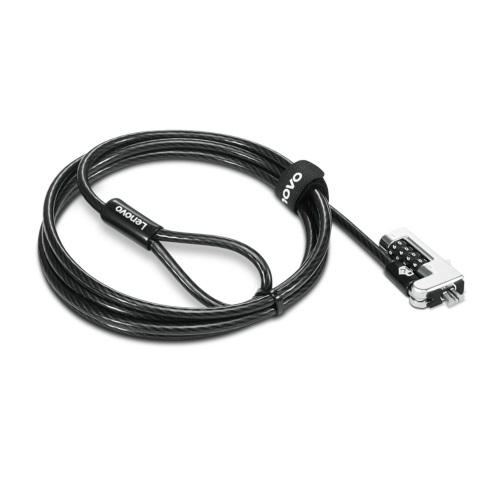 Your price for this item is $60.38
 -
 Your price for this item is $49.88
 -
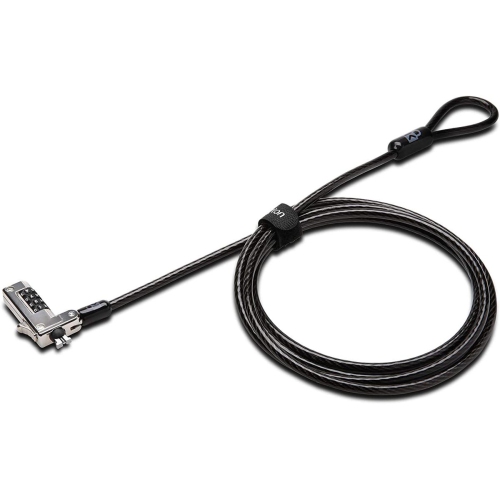 Your price for this item is $48.99
 -
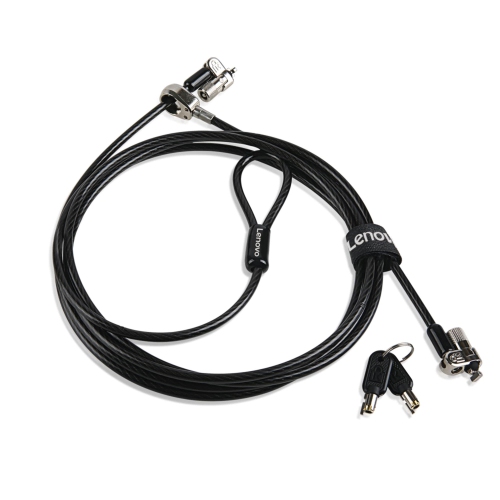 Your price for this item is $83.14
 -
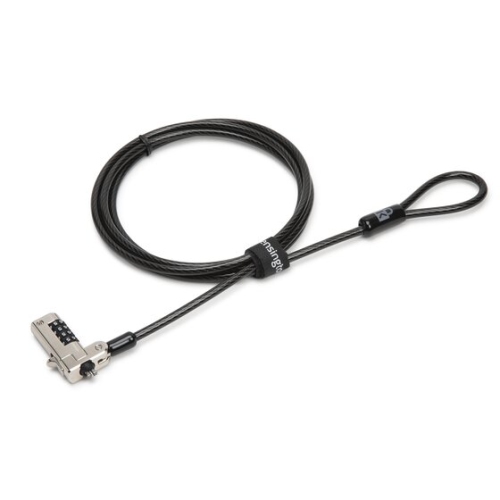 Your price for this item is $51.99
Discover more categories related to Combination Locks
Top Collections:
Pokemon Centers, Kindle Devices, Best Budget Office Chairs, Apple iPhones 16, Best Laptops for Writers, iPhone 15 Apple, Canon G7X Cameras, Refurbished Apple Laptops, Alarm Clock, Motorola Razr Phones
Some products may be subject to Environmental Handling Fees
(EHF) depending on your province.
Learn more about EHFs.