DC Power Supplies
Looking for a reliable and efficient way to power up your electronic devices? Look no further than our wide selection of DC power supplies. Whether you're a tech enthusiast or a professional in need of a dependable power source, our range of DC power supplies has got you covered. From compact and portable options to high-capacity units, we have everything you need to keep your devices running smoothly. With advanced features and cutting-edge technology, these power supplies offer stability, precision, and versatility for all your power needs. Explore our collection today and find the perfect DC power supply to meet your requirements.
Sort




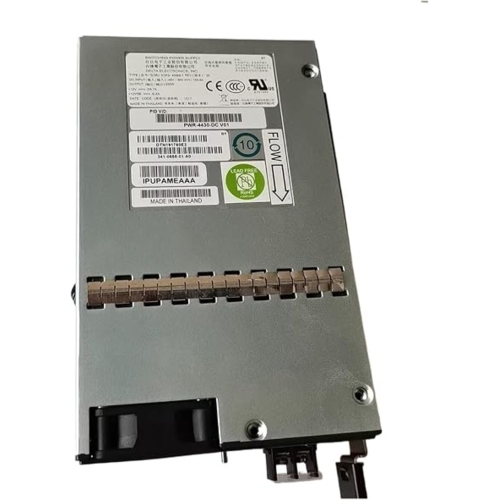

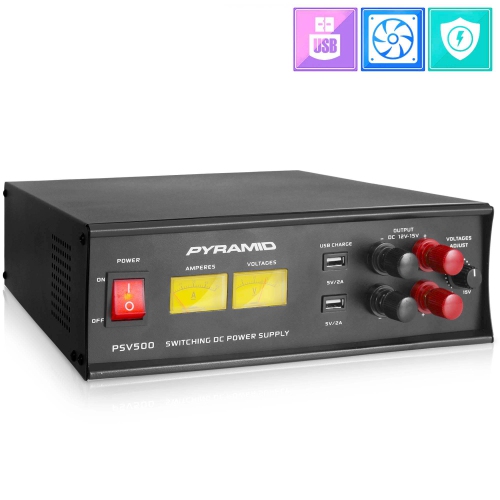
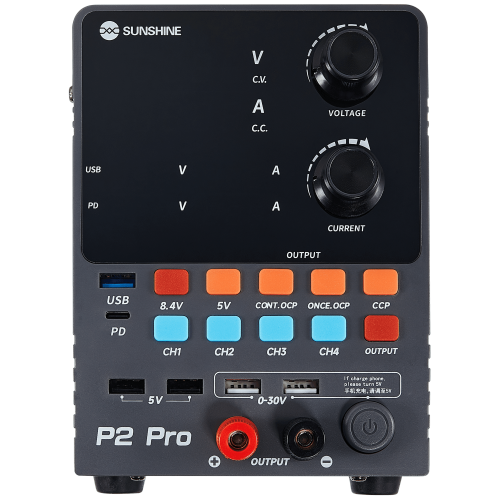
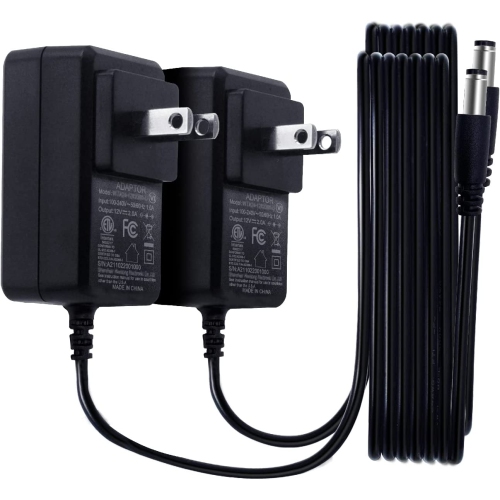


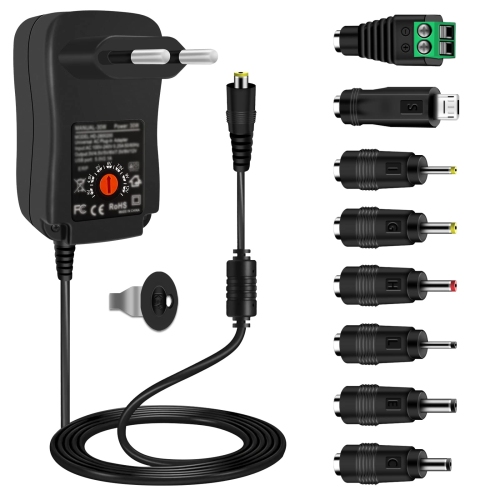
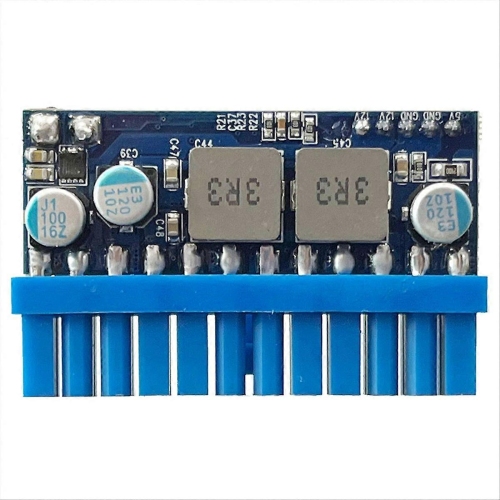
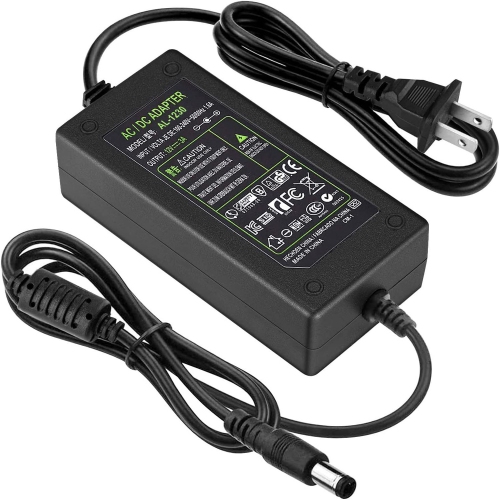

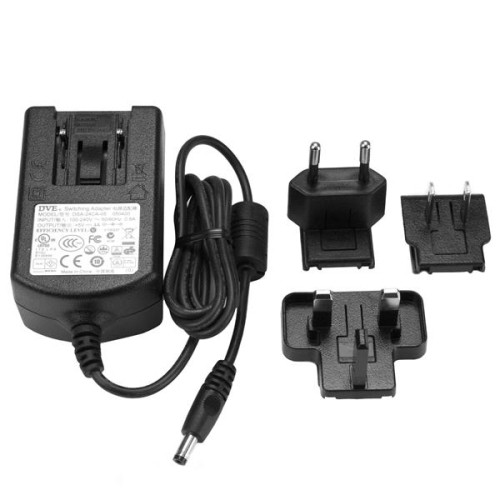

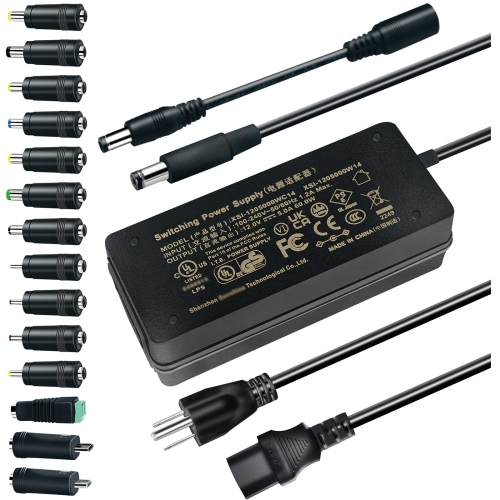
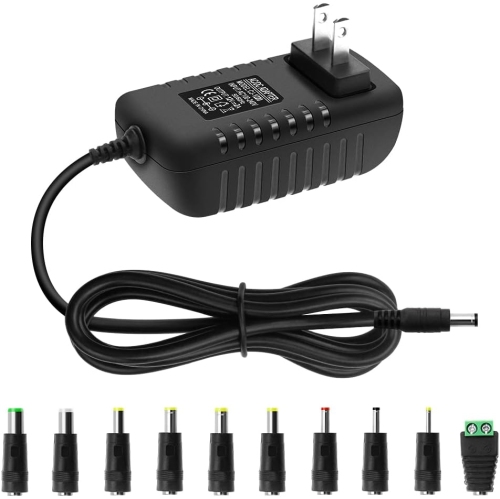
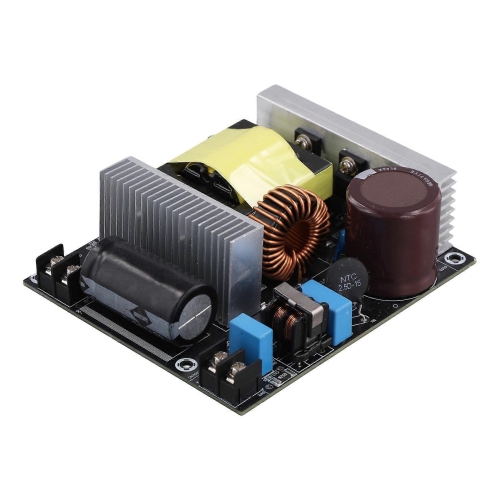
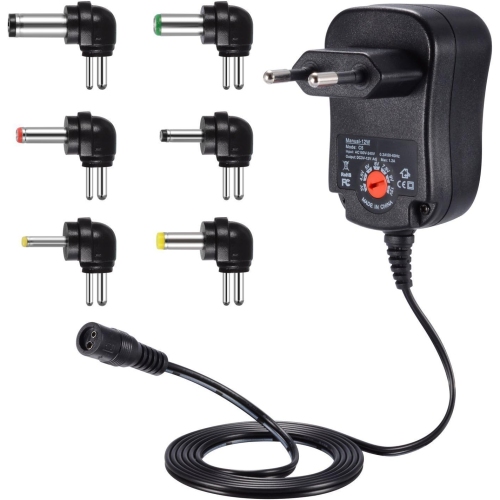







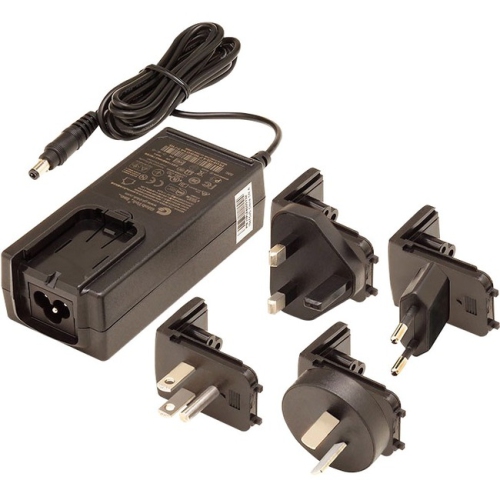
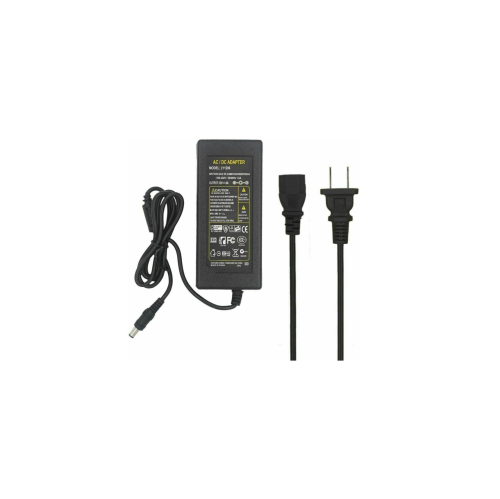
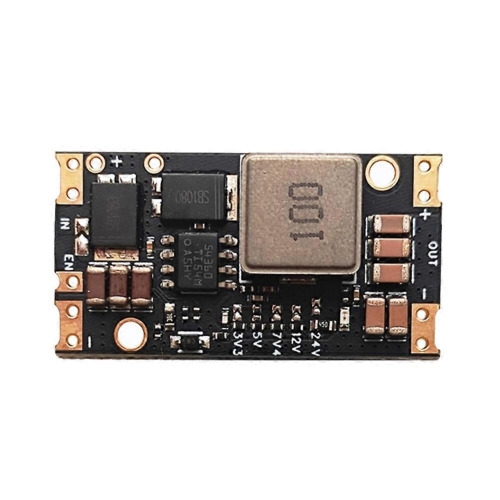
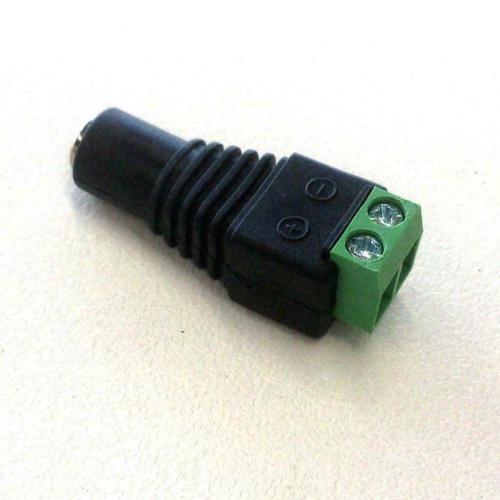





















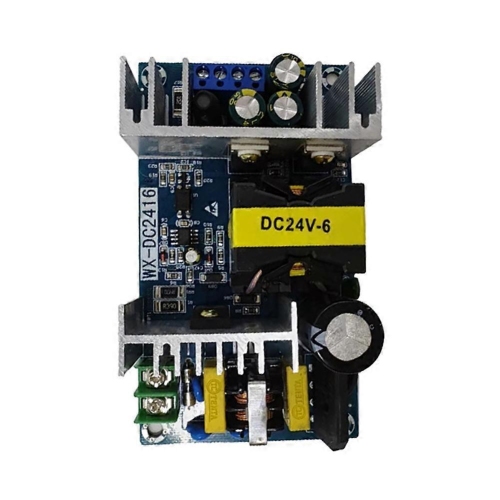
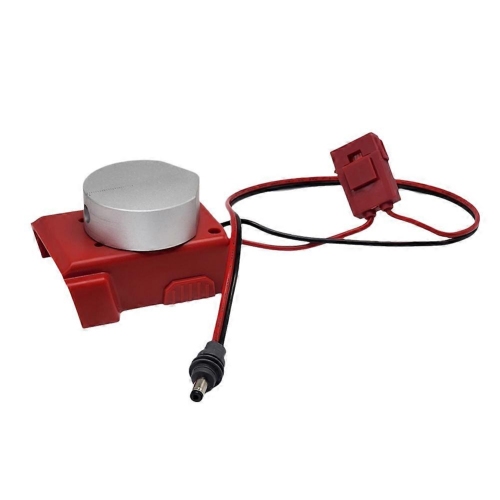

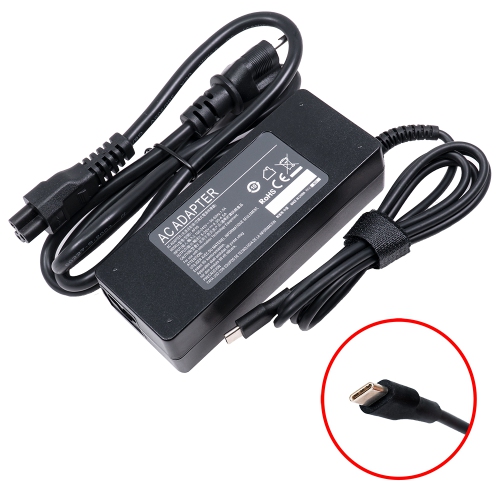













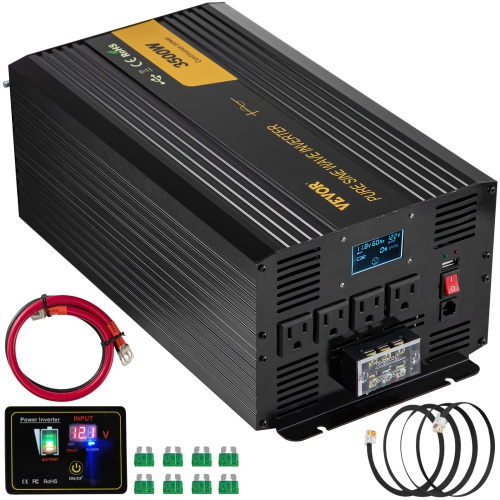

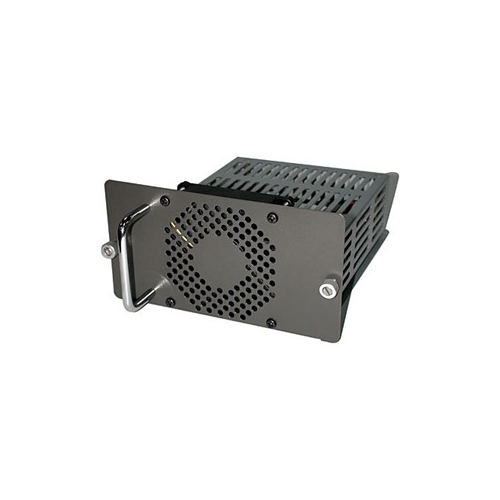

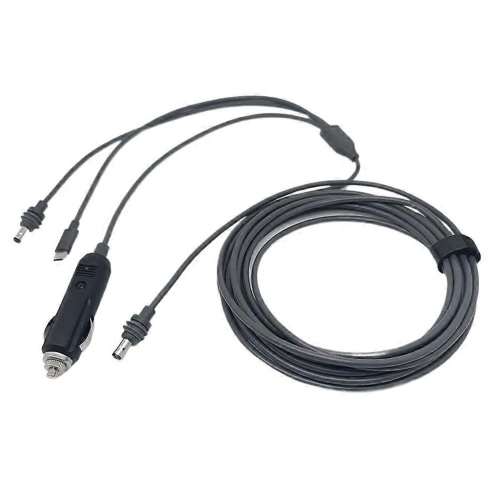


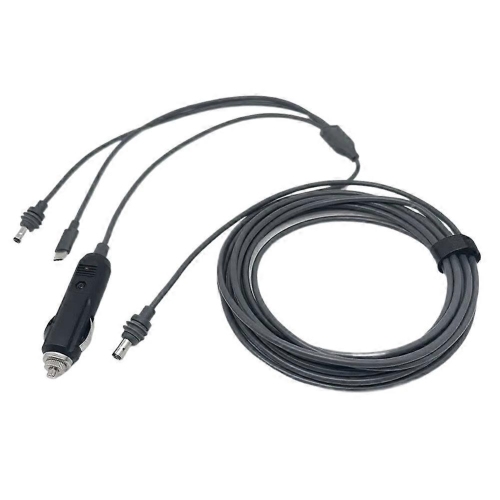
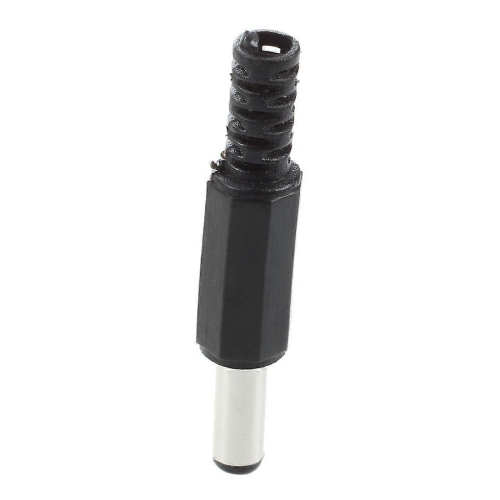
The right voltage is only the starting point
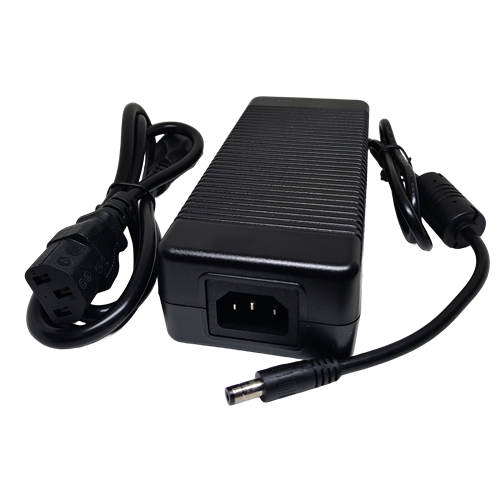
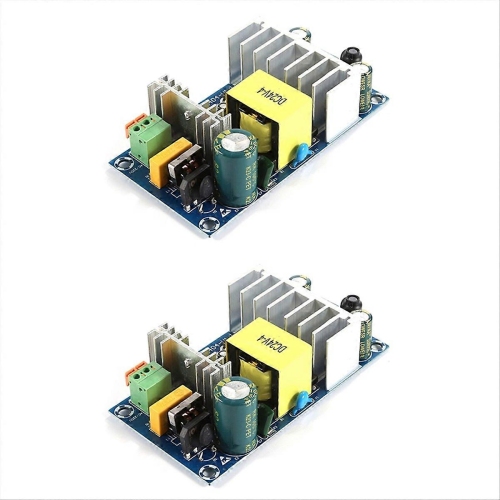
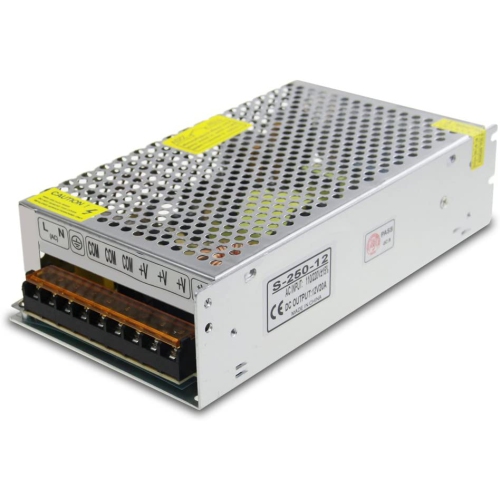
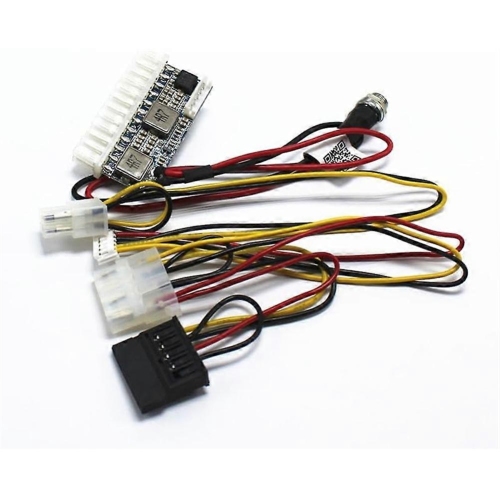
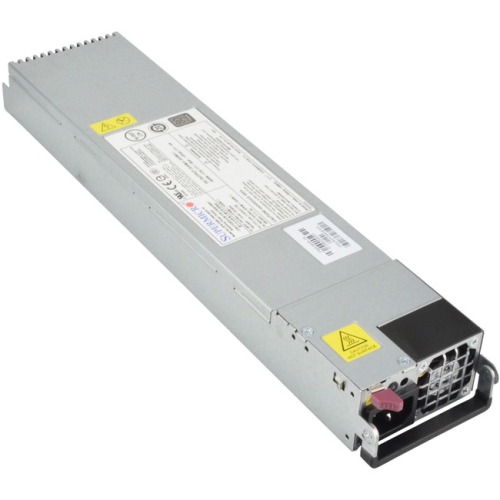
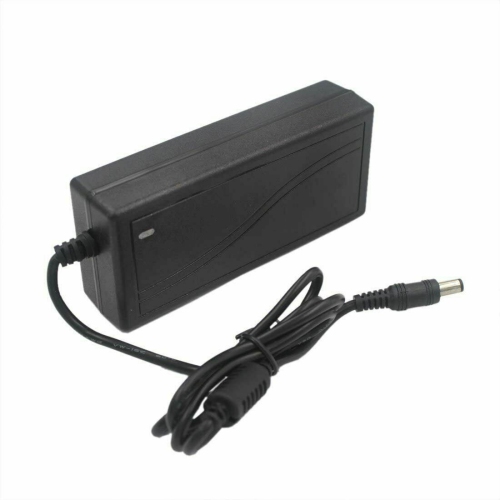
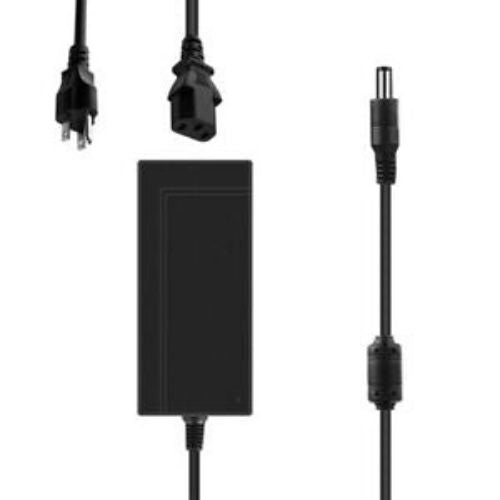
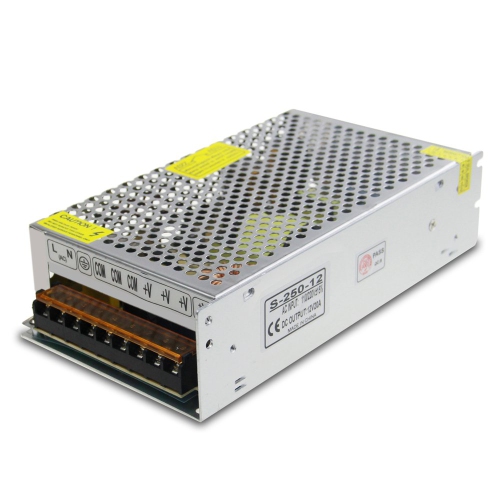
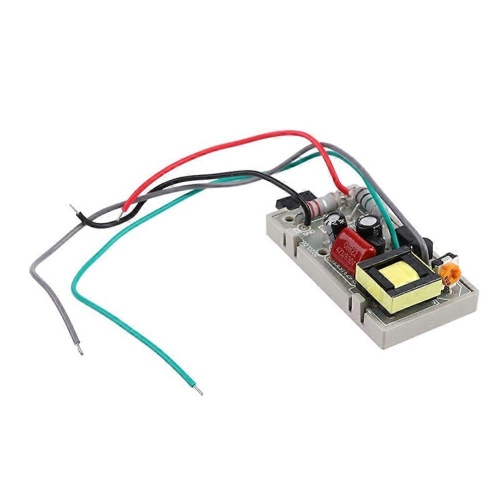
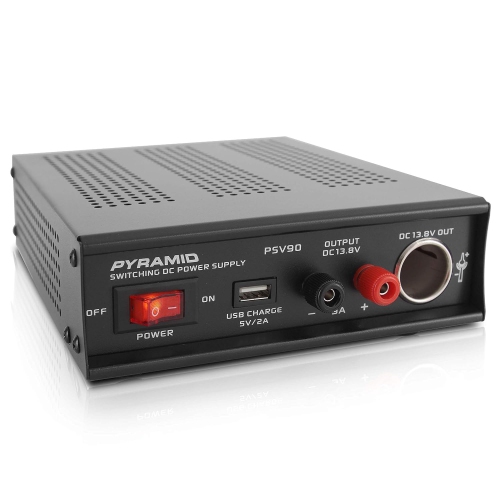
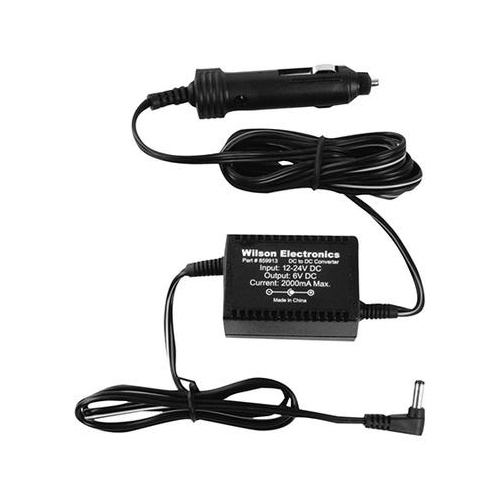
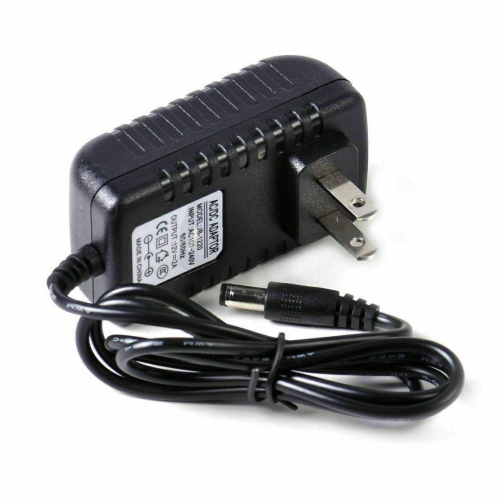
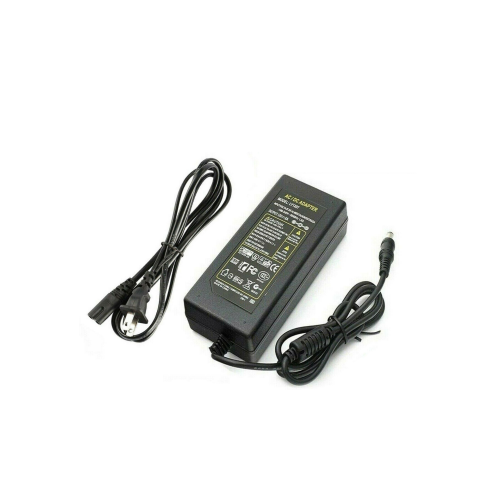
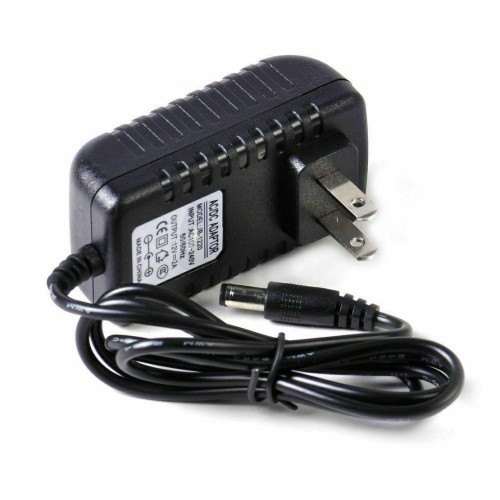
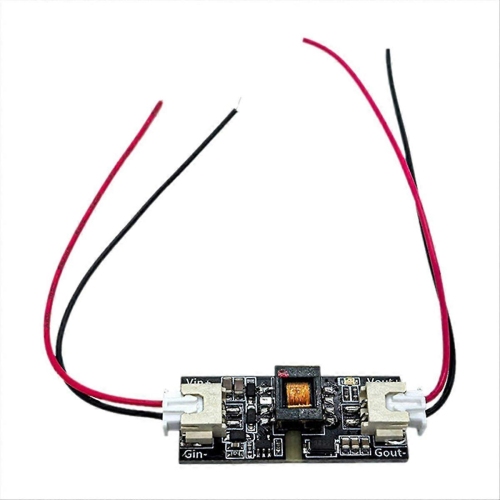
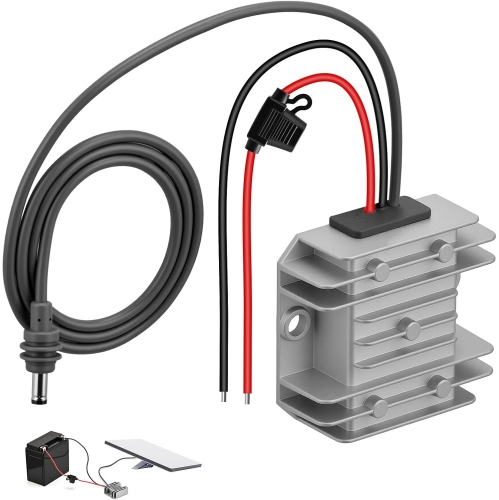
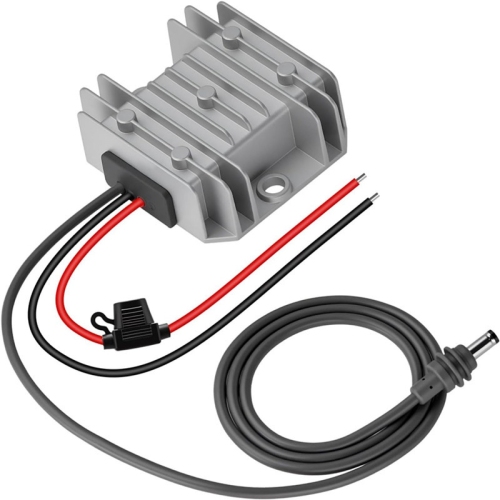
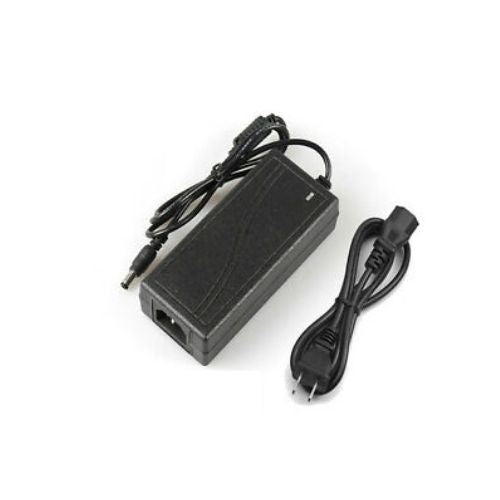
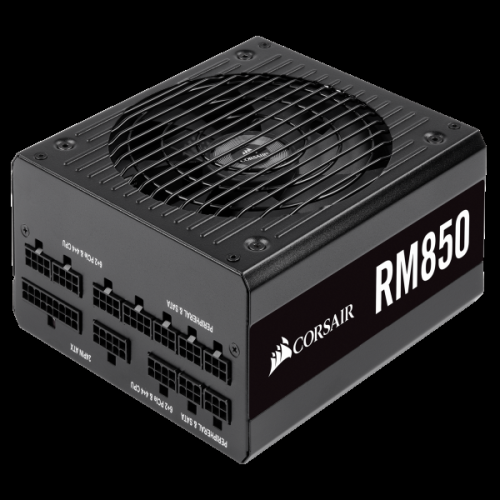
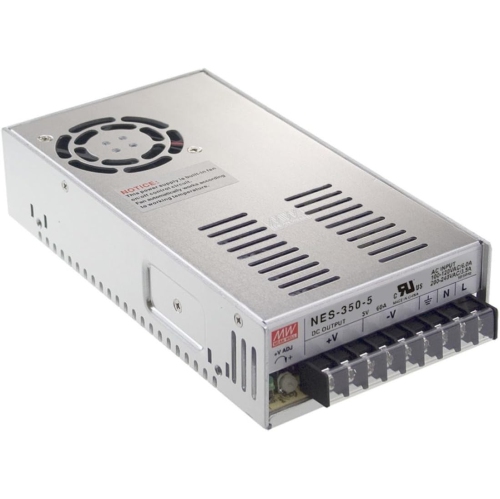
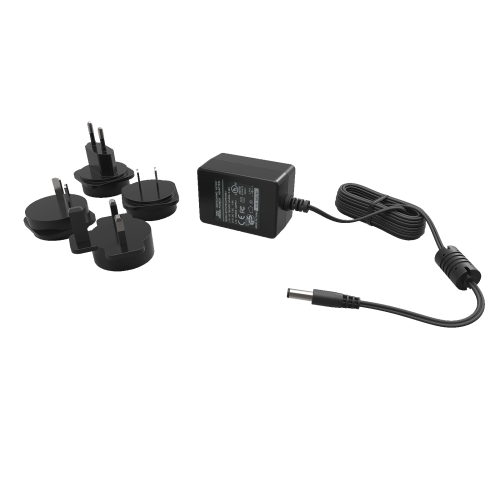
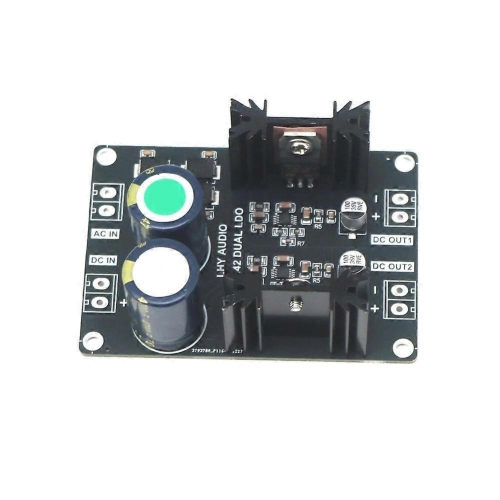
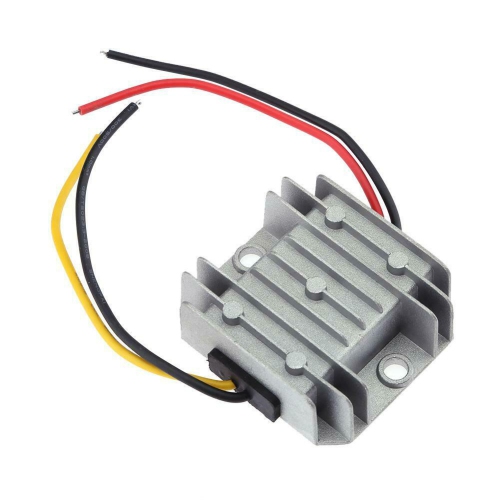
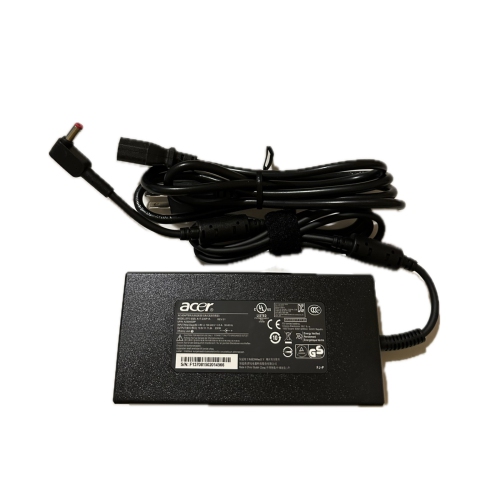
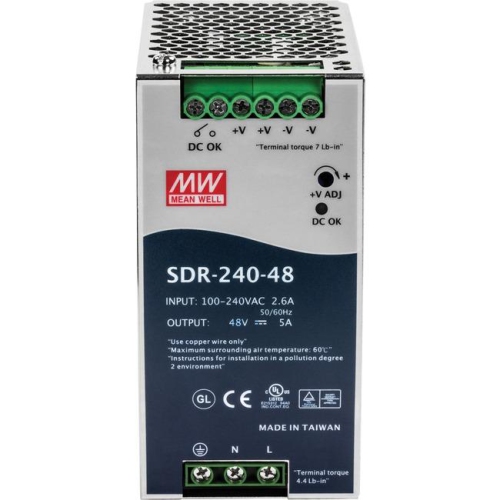
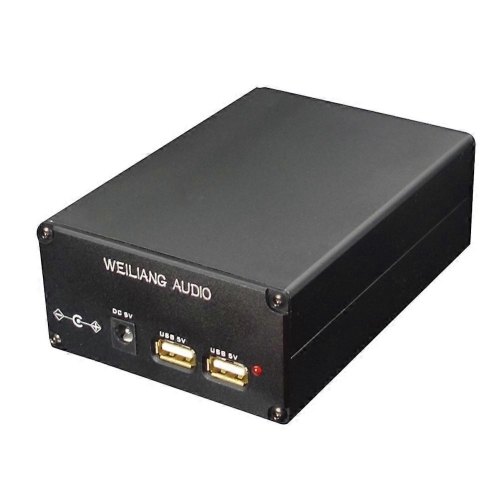
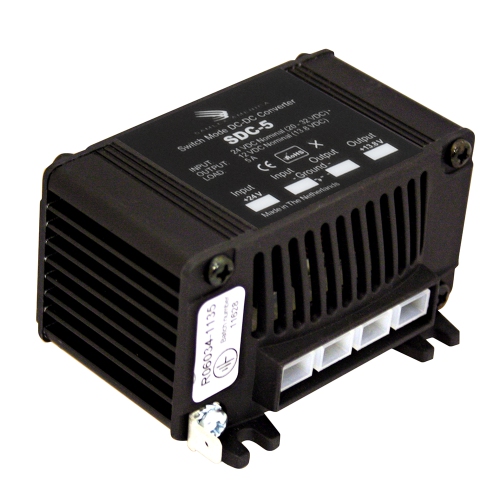
DC power supplies provide direct current (DC) electricity to operate electronic devices, develop circuits, and support testing or repair work. Many convert alternating current (AC) from a wall outlet into a controlled DC output, while DC-to-DC designs convert an existing DC source to a different output level. Unlike AC, which periodically reverses direction, DC flows in one direction with a defined positive and negative polarity. A regulated supply helps maintain its specified output as the connected load changes, within the unit’s operating limits. These characteristics make DC power supplies useful for electronics workbenches, low-voltage lighting, compatible audio equipment, small motors, and control systems. Their formats range from enclosed adapters for everyday equipment to adjustable benchtop units with displays and dedicated controls. Linear power supplies use linear regulation and are often valued for low electrical noise, making them well suited to sensitive analogue circuits and audio testing. They generally produce more heat and can be larger than comparable switching designs. Switching power supplies use high-frequency switching to convert power efficiently in a compact package, although their electrical noise characteristics deserve attention when powering sensitive circuitry. Neither design is automatically the better choice: output quality, capacity, physical size, and intended use all matter. Fixed-output supplies serve equipment that needs one specified voltage, while variable models support projects with different requirements. Programmable supplies add digital or remote control for repeatable testing, automated measurements, and development work. Benchtop models bring these capabilities into a freestanding format, while enclosed modules and DIN-rail supplies are designed for installation within compatible equipment or control cabinets. For hobbyists, technicians, students, and product developers, the practical distinction is how the supply fits the task, whether that means keeping a small circuit powered steadily or observing how a prototype behaves under a changing load.
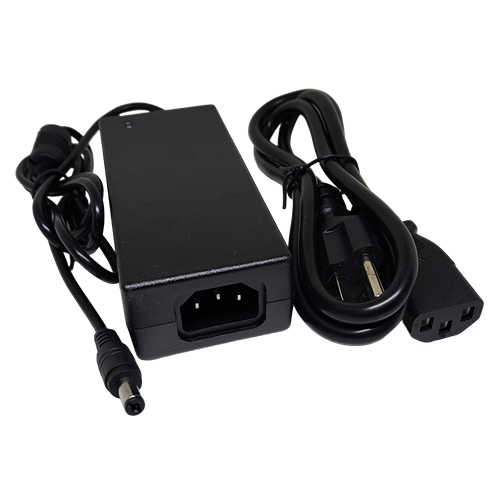
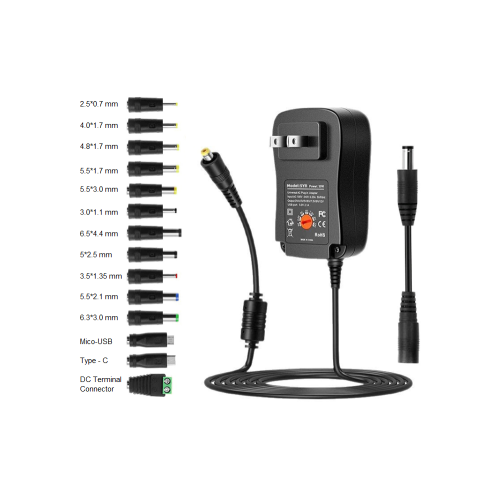
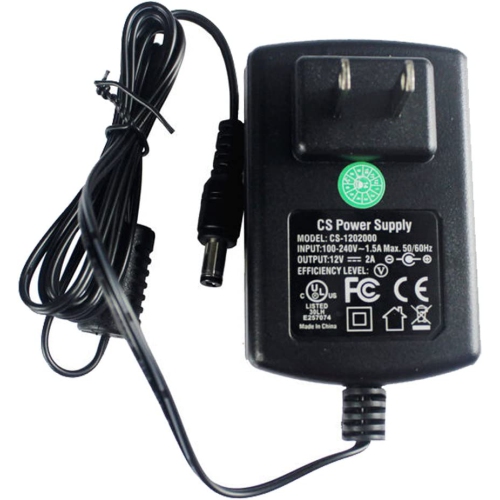
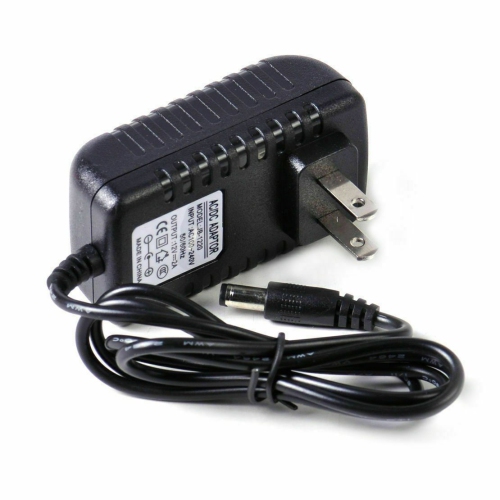
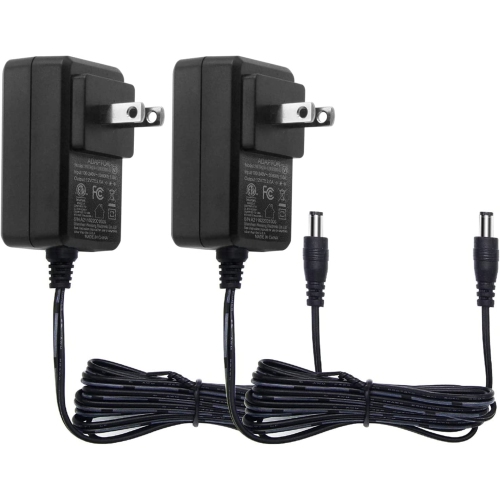
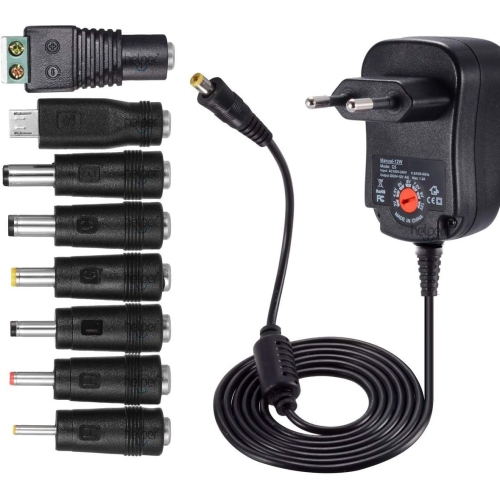
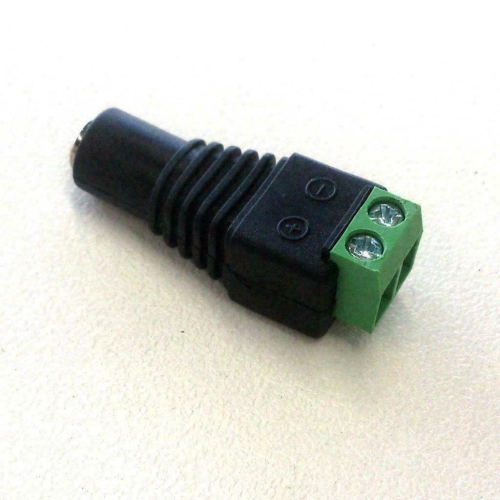
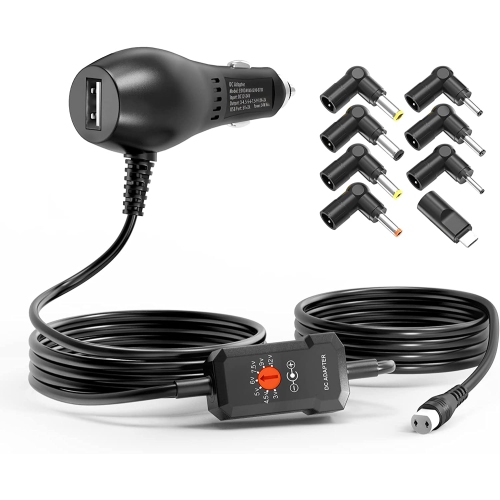
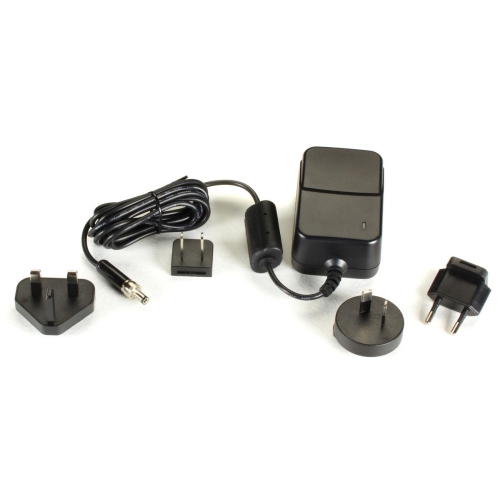
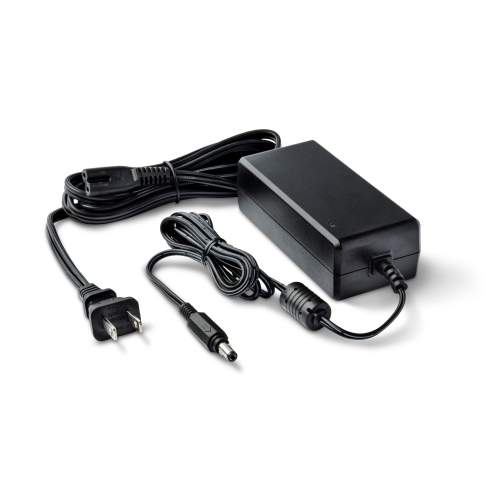
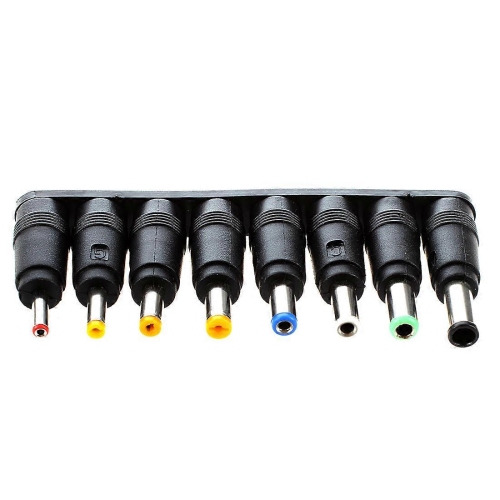
Electrical compatibility starts with the voltage a device requires, the current it draws, and the way power reaches its input. A device specified for 12V DC needs a compatible 12V output unless its documentation explicitly permits a wider range. A 12V DC power supply is relevant to equipment designed for that voltage, but voltage alone does not establish compatibility. The supply must also provide adequate current, use the correct connector, and match the required polarity. With a conventional constant-voltage supply, a higher current rating indicates the capacity available; it does not normally force that full current through the device. For example, equipment drawing 2A at 12V requires 24W during that operating condition. Motors and other loads may briefly draw more current at startup, so their documented requirements matter as much as their typical running demand. Adjustable supplies also have operating limits: the highest voltage and current settings are not necessarily available together, particularly when a model has a shared maximum power rating. Connector details can be just as decisive. Barrel plugs may look alike while differing in inner diameter, outer diameter, insertion length, or centre-pin polarity. Screw terminals and binding posts suit different connections and require properly rated wiring or leads. For supplies connected to a Canadian wall outlet, the input rating must support the local AC supply, and applicable Canadian electrical safety certification is an important consideration. Protection features can include overvoltage, overcurrent, short-circuit, and overtemperature protection, though their behaviour varies by design. Adjustable current limiting is especially useful during circuit development because it can restrict delivered current when a load demands more than the selected limit. It is distinct from a protective shutdown that switches the output off. A general-purpose DC supply should not be treated as a battery charger unless it is explicitly designed and approved for the battery chemistry and charging task involved.
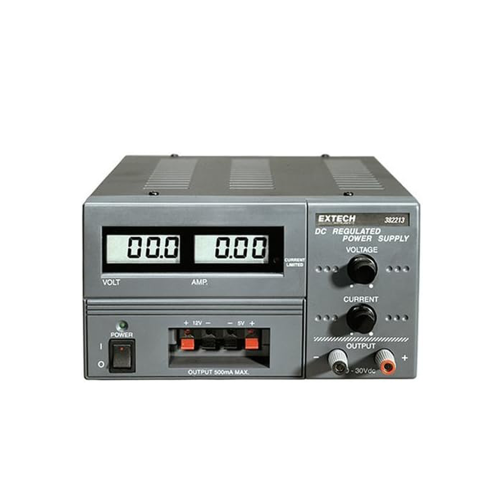
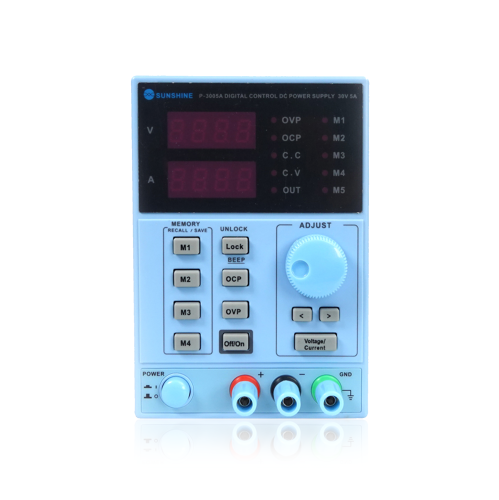
Daily usability depends on more than the electrical ratings printed on the housing. On a busy workbench, a clear voltage and current display makes it easier to see what a connected circuit is actually receiving. Separate output controls can allow settings to be checked before power reaches the load, while fine adjustment controls help with small changes that would be difficult to make using a coarse dial alone. Constant-voltage and constant-current indicators show which operating mode is active; in constant-current operation, the supply adjusts its voltage within its capabilities to maintain the selected current. Multiple output channels can support circuits with more than one voltage requirement, but channel isolation, grounding, and permitted series or parallel connections must be confirmed in the documentation rather than assumed. Remote sensing, where supported, can compensate for voltage drop along suitable leads, while remote control interfaces are useful for recording results or repeating test sequences. Physical construction also affects how comfortably a supply fits its intended setting. Steel or aluminium housings, secure terminals, sturdy feet, and accessible controls can contribute to dependable bench use, while compact insulated enclosures suit compatible plug-in applications. A carrying handle may be useful when equipment moves between work areas; a fixed installation places greater emphasis on mounting clearances, enclosure requirements, and access to connections. Cooling arrangements deserve attention, since ventilation space and fan noise can influence placement beside recording equipment or a quiet workstation. Normal care generally involves disconnecting power before exterior cleaning, keeping ventilation openings clear, and checking leads for cracked insulation, loose plugs, or damaged connectors. Liquids, metal debris, and blocked vents have no place around powered test equipment. Open-frame and cabinet-mounted supplies need appropriate installation and protection from accidental contact with hazardous connections. For occasional electronics projects, straightforward controls and suitable output capacity may be the priorities. For frequent troubleshooting or development, readable measurements, stable output, repeatable settings, and durable connections can make a meaningful difference over years of use.
Top selling and popular products
-
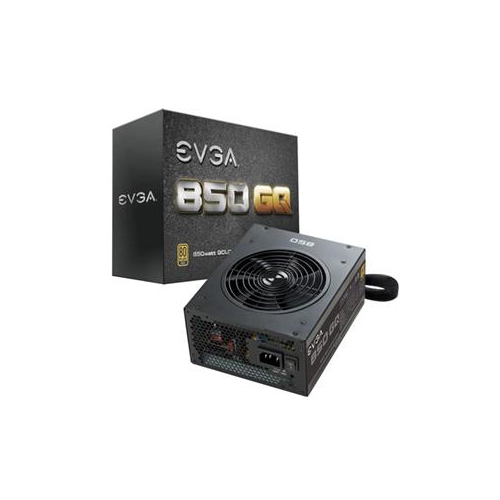 Your price for this item is $264.68
-
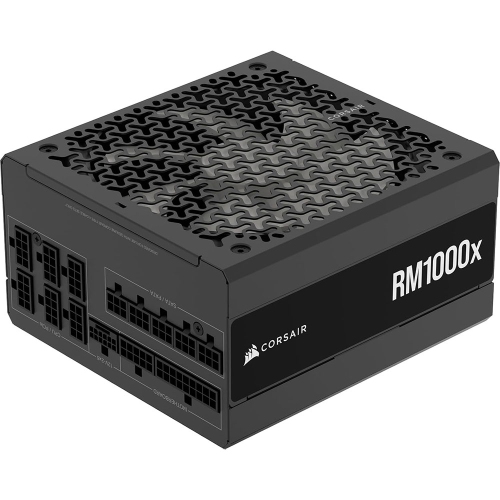 Your price for this item is $294.99
-
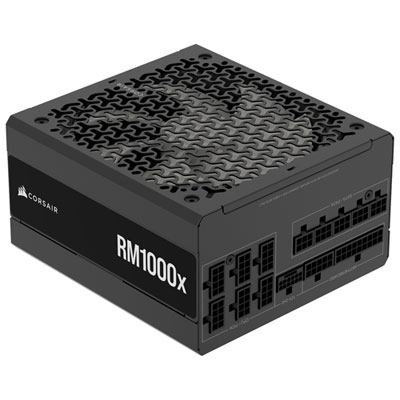 Your price for this item is $224.99
-
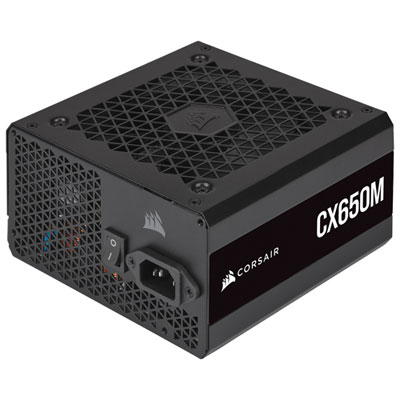 Your price for this item is $99.95
-
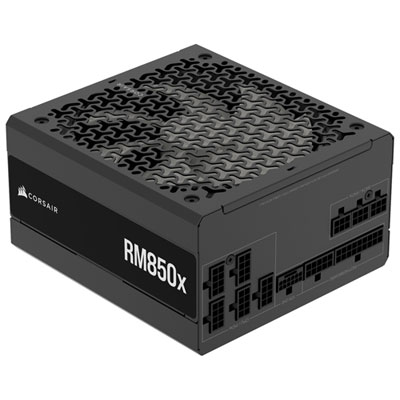 Your price for this item is $174.99
-
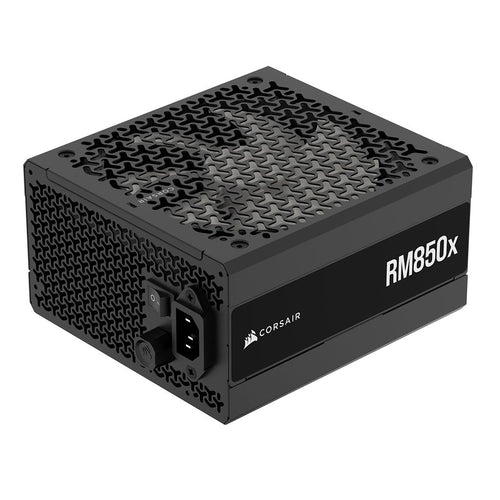 Your price for this item is $199.99
-
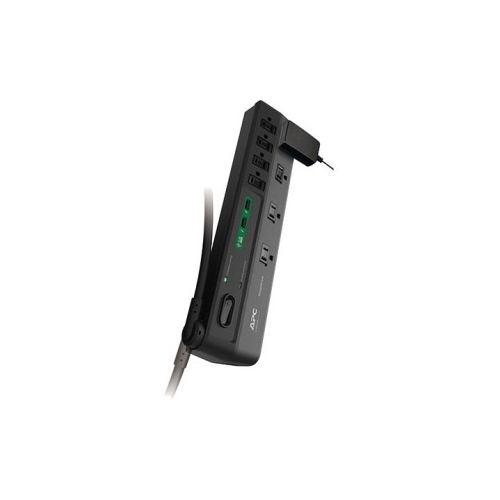 Your price for this item is $60.47
-
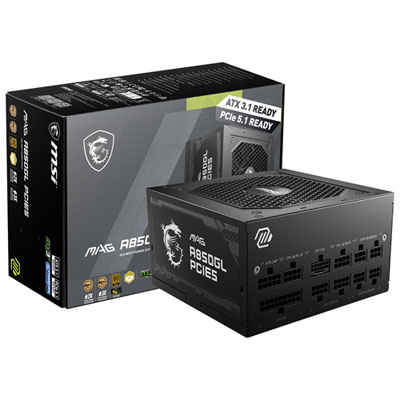 Your price for this item is $149.98
Discover more categories related to DC Power Supplies
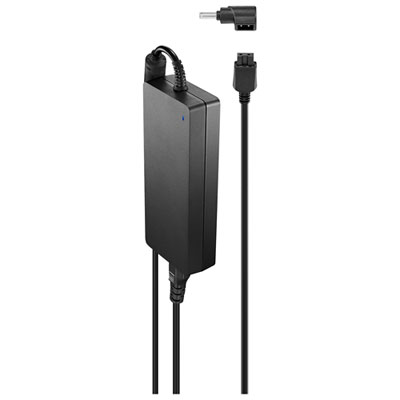

Top Collections:
Pokemon Centers, Kindle Devices, Best Budget Office Chairs, Canon G7X Cameras, Apple iPhones 16, Samsung Galaxy Phones, Refurbished Apple Laptops, Laptops for Students, iPhone 15 Apple, Budget Smartphones
Some products may be subject to Environmental Handling Fees
(EHF) depending on your province.
Learn more about EHFs.