Dvd Media
Looking to expand your DVD collection or upgrade your media storage options? Look no further than our wide selection of DVD media at Best Buy Canada. Whether you're a movie enthusiast, a music lover, or simply looking for a reliable way to store important data, our range of DVD media has got you covered. With various storage capacities and formats available, you can find the perfect solution to suit your needs. Explore our collection today and take your entertainment or data storage to the next level.
Sort
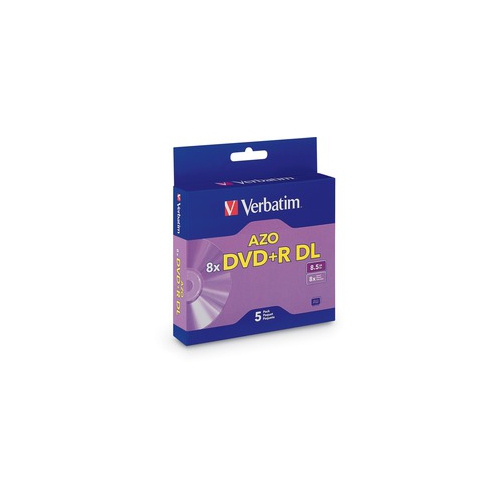

![RANDOM MEDIA Making Sweet Tea - (Dolby, Ac-3) - [DVD]](https://multimedia.bbycastatic.ca/multimedia/products/500x500/173/17303/17303999.jpeg)
![DREAMSCAPE MEDIA Torchlighters: The Adoniram & Ann Judson Story - [DVD]](https://multimedia.bbycastatic.ca/multimedia/products/500x500/191/19164/19164511.png)
![RANDOM MEDIA Parallel Love - [DVD]](https://multimedia.bbycastatic.ca/multimedia/products/500x500/173/17303/17303775.jpeg)
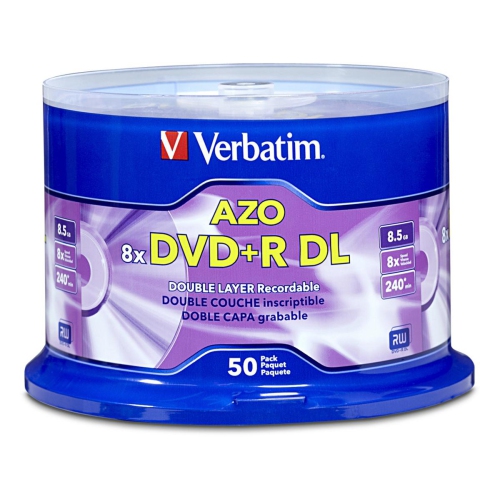
![RANDOM MEDIA Sidewalk Traffic - [DVD]](https://multimedia.bbycastatic.ca/multimedia/products/500x500/173/17304/17304331.jpeg)
![DREAMSCAPE MEDIA Moon Landing: World's Greatest Hoax? - [DVD]](https://multimedia.bbycastatic.ca/multimedia/products/500x500/192/19207/19207796.jpeg)
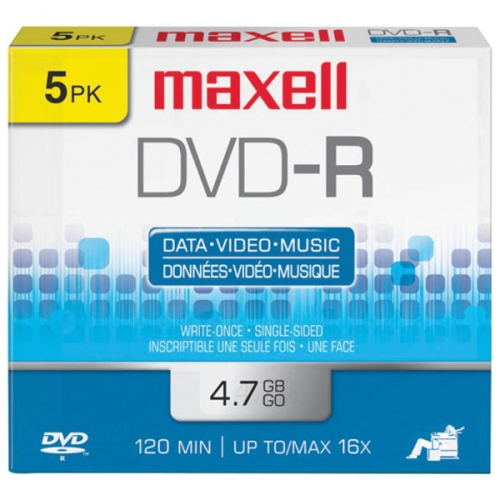
![MONGREL MEDIA Time Crimes - [DVD]](https://multimedia.bbycastatic.ca/multimedia/products/500x500/156/15690/15690960.jpeg)
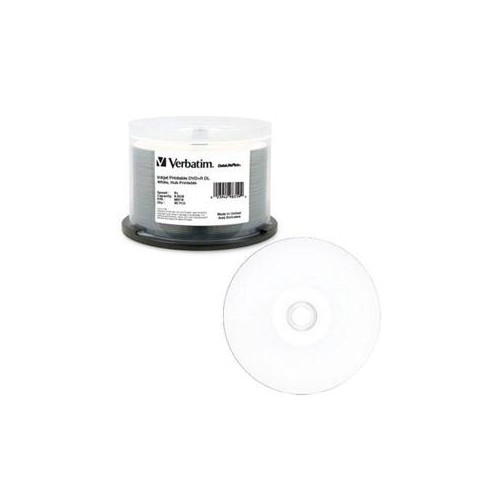
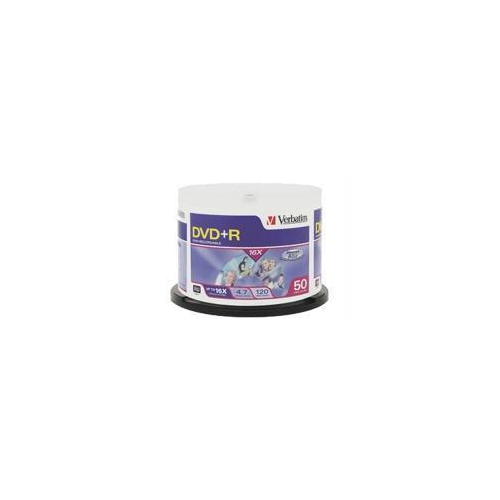
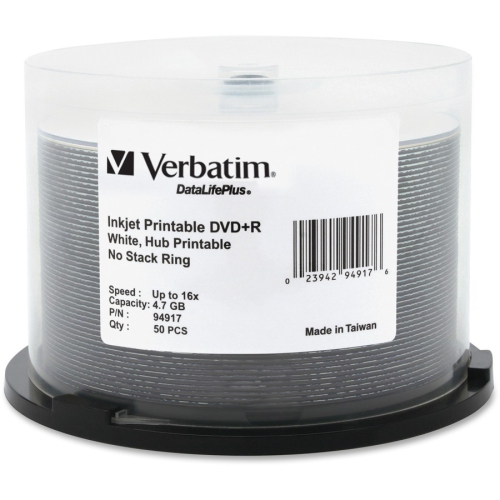
![BRAINSTORM MEDIA The Isle - [DVD]](https://multimedia.bbycastatic.ca/multimedia/products/500x500/186/18616/18616028.jpeg)
![BRAINSTORM MEDIA Cat Daddies - (Dolby, Ac-3) - [DVD]](https://multimedia.bbycastatic.ca/multimedia/products/500x500/186/18612/18612646.jpeg)
![DREAMSCAPE MEDIA Heroes Of The Empire - [DVD]](https://multimedia.bbycastatic.ca/multimedia/products/500x500/191/19164/19164481.jpeg)
![DREAMSCAPE MEDIA Mad Max Exposed - [DVD]](https://multimedia.bbycastatic.ca/multimedia/products/500x500/197/19714/19714374.jpeg)
![MONGREL MEDIA Terri - [DVD]](https://multimedia.bbycastatic.ca/multimedia/products/500x500/193/19310/19310727.jpeg)
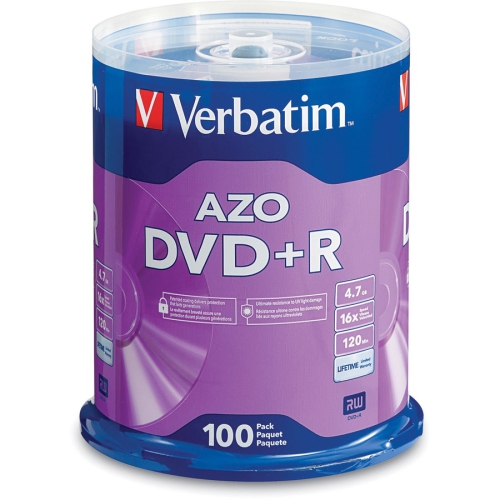
![ARK MEDIA AMERICAN American Experience: Kissinger - [DVD]](https://multimedia.bbycastatic.ca/multimedia/products/500x500/201/20158/20158759.jpeg)

![RED PHOENIX MEDIA The Damned Lands - [DVD]](https://multimedia.bbycastatic.ca/multimedia/products/500x500/196/19674/19674892.jpeg)
![United 93 - (Widescreen, Subtitled, Dubbed, Dolby, AC-3) - [DVD] Great Emotional Movie](https://multimedia.bbycastatic.ca/multimedia/products/500x500/155/15593/15593801.jpeg)
![MONGREL MEDIA Shuttle: Never Ride With A Stranger - [DVD]](https://multimedia.bbycastatic.ca/multimedia/products/500x500/193/19311/19311239.jpeg)
![GT MEDIA The Firm: Bootcamp Maximum Calorie Burn - [DVD]](https://multimedia.bbycastatic.ca/multimedia/products/500x500/193/19310/19310991.jpeg)
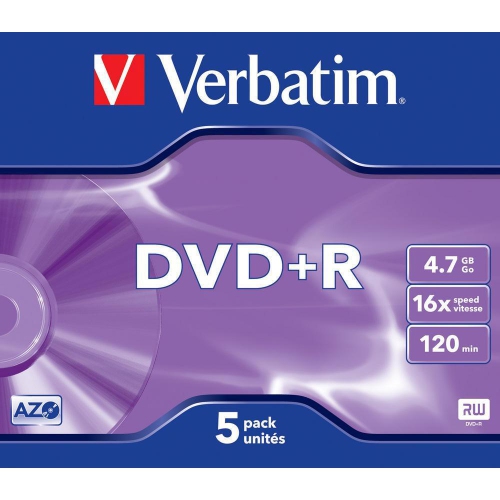
![VERBATIM [10 Pack ] 43556 DVD+R Color Slim Pack 5](https://multimedia.bbycastatic.ca/multimedia/products/500x500/158/15865/15865438.jpeg)
![RAINBOW MEDIA GROUP Alyah And The Cove - (Dolby, Ac-3) - [DVD]](https://multimedia.bbycastatic.ca/multimedia/products/500x500/186/18616/18616318.jpeg)
![MENTAL BRAIN MEDIA Hugh Harman & Rudolf Ising's Uncensored Cartoons From The 1930S Volume 3 - [DVD]](https://multimedia.bbycastatic.ca/multimedia/products/500x500/173/17306/17306448.jpeg)
![MONGREL MEDIA Dead Water - [DVD]](https://multimedia.bbycastatic.ca/multimedia/products/500x500/186/18603/18603285.jpeg)
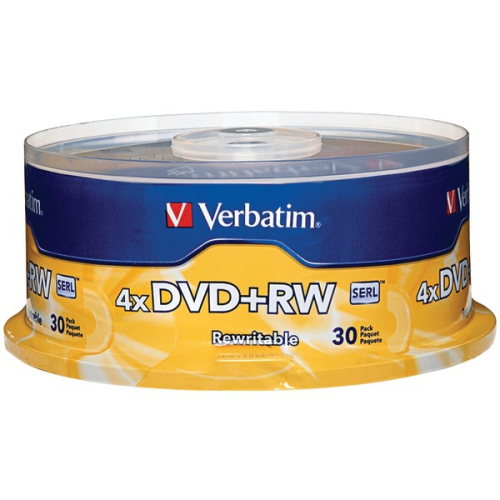
![C MAX MEDIA The Preacher to The Popes - [DVD]](https://multimedia.bbycastatic.ca/multimedia/products/500x500/186/18615/18615469.jpeg)
![RISING SUN MEDIA Harvest Of The Dead: Halloween Night - [DVD]](https://multimedia.bbycastatic.ca/multimedia/products/500x500/173/17303/17303134.jpeg)
![GOLDHILL HOME MEDIA The U - Uncut - The Midwest - [DVD]](https://multimedia.bbycastatic.ca/multimedia/products/500x500/193/19310/19310796.jpeg)
![STONECUTTER MEDIA LT Train Wreck - Wildest Cat Fight Mayhem - [DVD]](https://multimedia.bbycastatic.ca/multimedia/products/500x500/173/17303/17303665.jpeg)
![RISING SUN MEDIA Shhhh - [DVD]](https://multimedia.bbycastatic.ca/multimedia/products/500x500/173/17306/17306522.jpeg)
![SCREEN MEDIA Inkubus - [DVD]](https://multimedia.bbycastatic.ca/multimedia/products/500x500/173/17308/17308772.jpeg)
![MONGREL MEDIA Grown Up Movie Star - [DVD]](https://multimedia.bbycastatic.ca/multimedia/products/500x500/155/15593/15593650.jpeg)
![UNIVERSAL STUDIOS Yashahime: Princess Half-Demon - Season 1 Part 2 [DVD]](https://multimedia.bbycastatic.ca/multimedia/products/500x500/181/18197/18197862.jpeg)

![UNIVERSAL STUDIOS Pokémon Journeys: Season 23 - The Journey Starts Today [DVD]](https://multimedia.bbycastatic.ca/multimedia/products/500x500/182/18209/18209009.jpeg)
![MONGREL MEDIA Answer Man - [DVD]](https://multimedia.bbycastatic.ca/multimedia/products/500x500/193/19310/19310637.jpeg)
![UNIVERSAL STUDIOS Pok#mon The Movie: Volcanion And The Mechanical Marvel [DVD] Pokémon movies are the best](https://multimedia.bbycastatic.ca/multimedia/products/500x500/181/18197/18197915.jpeg)
![STONECUTTER MEDIA LT Extreme Legends: Steve Austin - [DVD]](https://multimedia.bbycastatic.ca/multimedia/products/500x500/173/17303/17303955.jpeg)
![VANTAGE MEDIA Terezin - [DVD]](https://multimedia.bbycastatic.ca/multimedia/products/500x500/197/19703/19703142.jpeg)

![Wish You Well - [DVD]](https://multimedia.bbycastatic.ca/multimedia/products/500x500/156/15690/15690818.jpeg)

![UNIVERSAL STUDIOS Naruto Shippuden Uncut Set 38 [DVD] The last episodes of one of the best series ever made very sad to see it end](https://multimedia.bbycastatic.ca/multimedia/products/500x500/182/18208/18208905.jpeg)
![UNIVERSAL STUDIOS Castlevania: Season 1 [DVD] Great collection](https://multimedia.bbycastatic.ca/multimedia/products/500x500/181/18197/18197880.jpeg)
![SCREEN MEDIA Who's Your Monkey - [DVD]](https://multimedia.bbycastatic.ca/multimedia/products/500x500/194/19459/19459168.jpeg)

![UNIVERSAL STUDIOS French Girl [DVD] [DVD]](https://multimedia.bbycastatic.ca/multimedia/products/500x500/186/18603/18603287.jpeg)

![UNIVERSAL STUDIOS Sailor Moon Super S The Movie [DVD] Love it so much](https://multimedia.bbycastatic.ca/multimedia/products/500x500/182/18208/18208900.jpeg)
![UNIVERSAL STUDIOS Hunter X Hunter: The Last Mission [DVD] Great movie!](https://multimedia.bbycastatic.ca/multimedia/products/500x500/182/18210/18210823.jpeg)
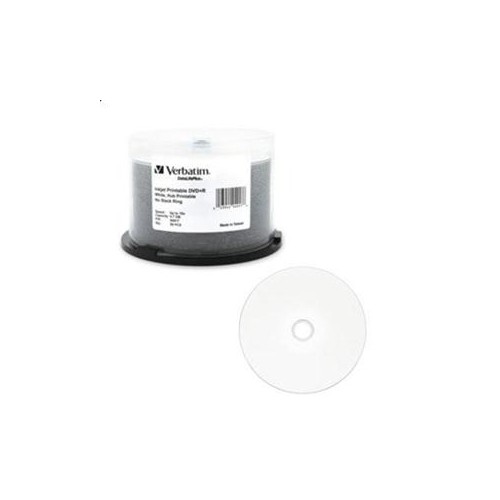
![VANTAGE MEDIA What Remains - [DVD]](https://multimedia.bbycastatic.ca/multimedia/products/500x500/196/19675/19675022.jpeg)
![UNIVERSAL STUDIOS Death Note - Complete Set [DVD] Best series](https://multimedia.bbycastatic.ca/multimedia/products/500x500/182/18208/18208473.jpeg)
![TIMELESS MEDIA Lock, Stock And Barrel - [DVD]](https://multimedia.bbycastatic.ca/multimedia/products/500x500/155/15588/15588431.jpeg)
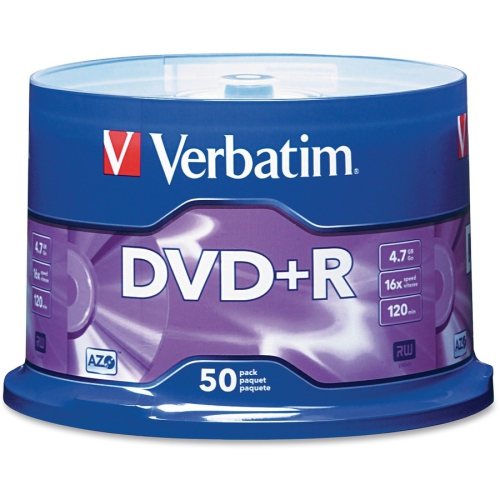
![UNIVERSAL STUDIOS Pokemon The Movie 3: Spell Of The Uknown [DVD] I love POKÉMON](https://multimedia.bbycastatic.ca/multimedia/products/500x500/181/18197/18197781.jpeg)


![UNIVERSAL STUDIOS One-Punch Man: Season 2 [DVD] Great show](https://multimedia.bbycastatic.ca/multimedia/products/500x500/181/18197/18197639.jpeg)

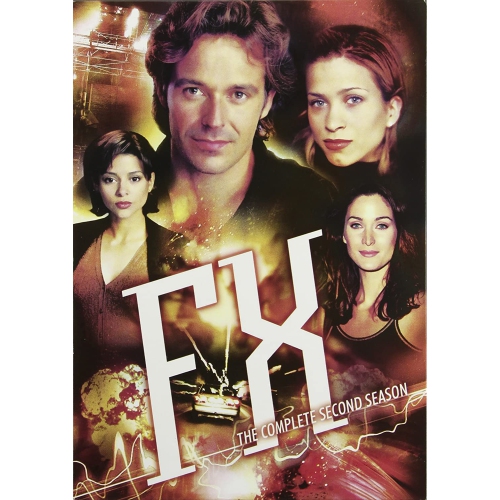
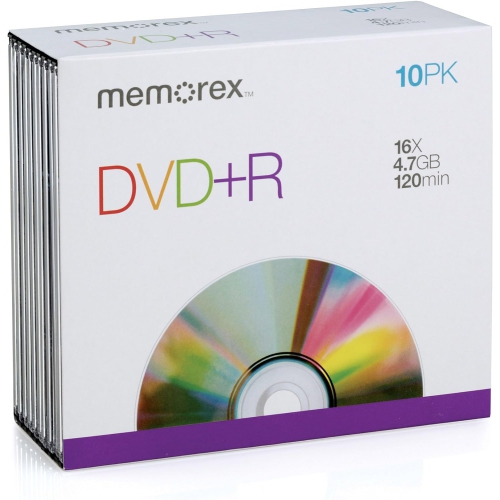
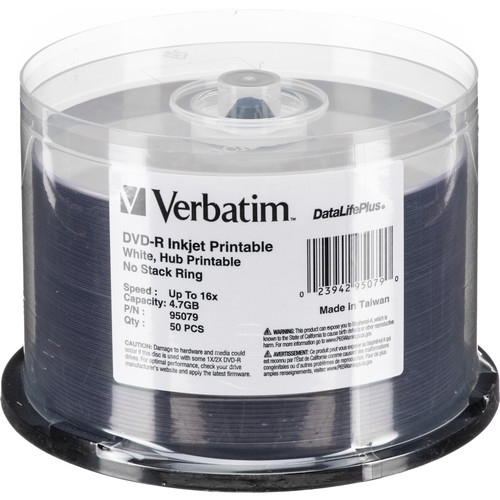
![VIZ MEDIA Pokémon: The First Three Movies (Movies 1–3) [DVD] (2018)](https://multimedia.bbycastatic.ca/multimedia/products/500x500/197/19751/19751983.jpeg)
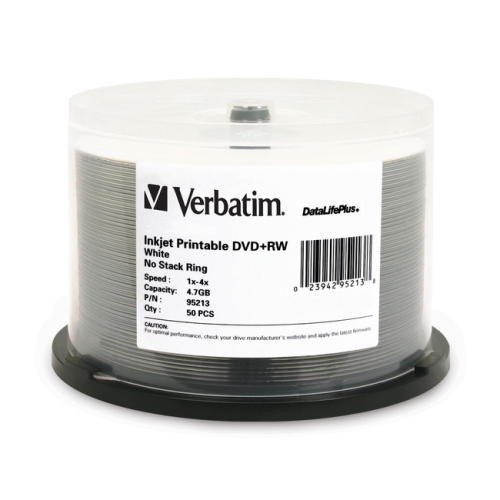
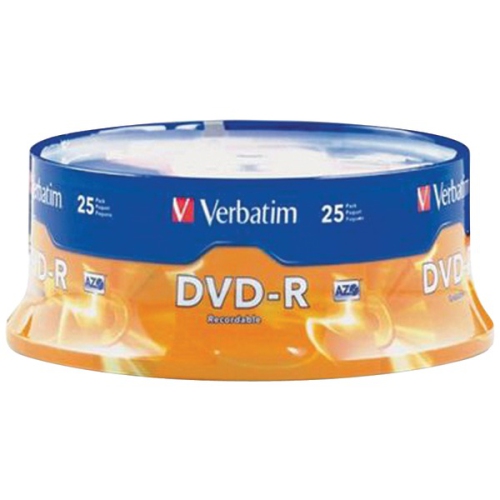
![VIZ MEDIA Pokemon Elements: Volume 2: Fire - (Full Frame, Subtitled) - [DVD]](https://multimedia.bbycastatic.ca/multimedia/products/500x500/193/19311/19311128.jpeg)

![UNIVERSAL STUDIOS Sailor Moon Season 1 Part 2 [DVD] Love the sailor moon serious!](https://multimedia.bbycastatic.ca/multimedia/products/500x500/182/18208/18208588.jpeg)
![UNIVERSAL STUDIOS Sailor Moon R: Season 2 Part 1 [DVD]](https://multimedia.bbycastatic.ca/multimedia/products/500x500/182/18208/18208660.jpeg)
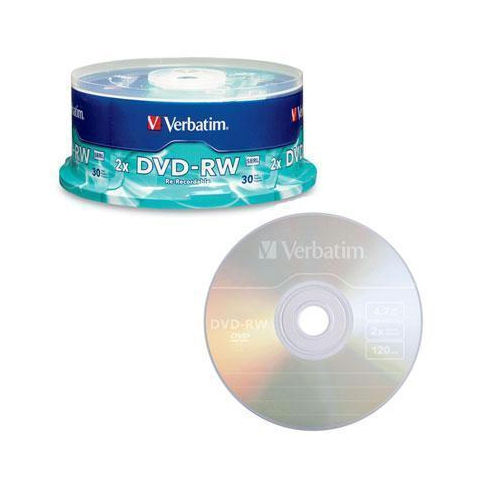
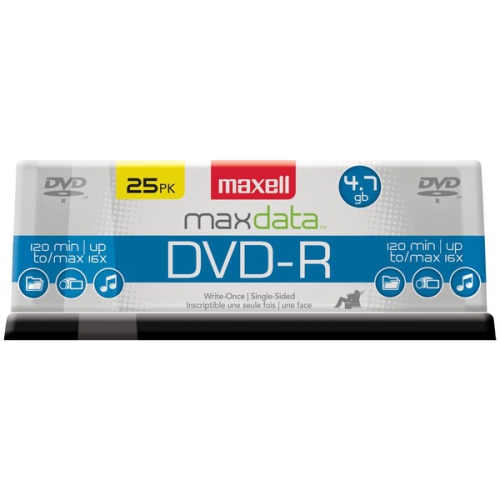
![MONGREL MEDIA The Good Heart - [DVD]](https://multimedia.bbycastatic.ca/multimedia/products/500x500/192/19221/19221431.jpeg)
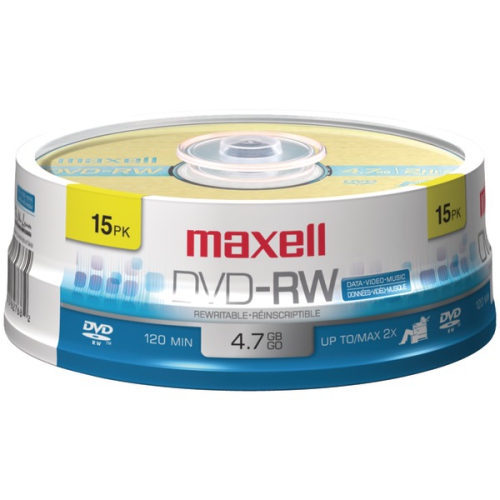

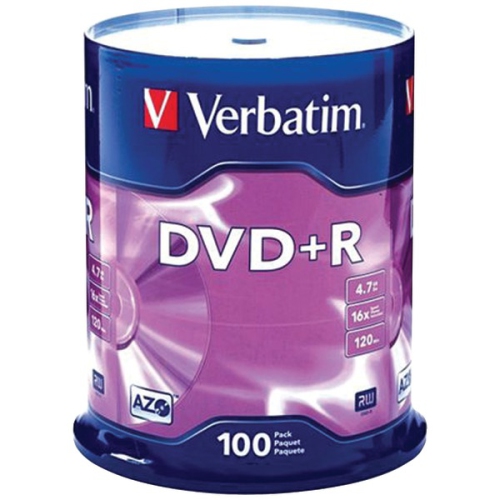

![UNIVERSAL STUDIOS Sailor Moon Season 1 Part 1 [DVD]](https://multimedia.bbycastatic.ca/multimedia/products/500x500/182/18208/18208387.jpeg)

![UNIVERSAL STUDIOS Pokémon Journeys: Season 23 - Destination: Coronation [DVD] In Multicolor](https://multimedia.bbycastatic.ca/multimedia/products/500x500/181/18197/18197813.jpeg)
![VIDCO-345 A Midsummer Nights Dream (1996) (English) [DVD]](https://multimedia.bbycastatic.ca/multimedia/products/500x500/118/11802/11802107.jpg)

![UNIVERSAL STUDIOS Sailor Moon S The Movie [DVD] GREAT PICTURE BUT NOT ENGLISH NAMES & SONGS](https://multimedia.bbycastatic.ca/multimedia/products/500x500/182/18208/18208702.jpeg)
![UNIVERSAL STUDIOS Sailor Moon Supers [DVD] Love sailor moon](https://multimedia.bbycastatic.ca/multimedia/products/500x500/182/18210/18210771.jpeg)
![UNIVERSAL STUDIOS Shippuden Movie 7 [DVD] Love Naruto](https://multimedia.bbycastatic.ca/multimedia/products/500x500/182/18208/18208521.jpeg)
![UNIVERSAL STUDIOS K Return Of Kings [DVD]](https://multimedia.bbycastatic.ca/multimedia/products/500x500/182/18208/18208404.jpeg)
![VID-CO Guy X (English) [DVD]](https://multimedia.bbycastatic.ca/multimedia/products/500x500/118/11802/11802740.jpeg)
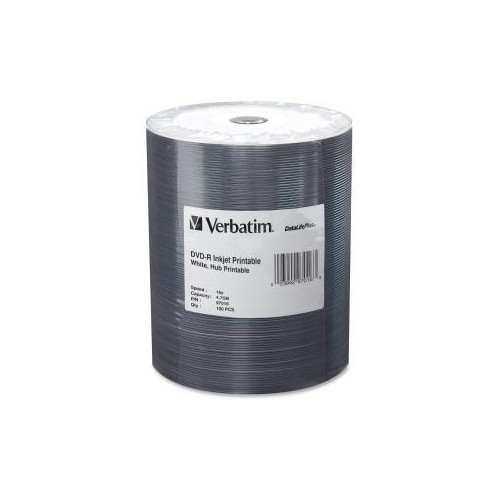
![Cr - [DVD]](https://multimedia.bbycastatic.ca/multimedia/products/500x500/193/19310/19310608.jpeg)
![VID-CO Righteous Kill / Traitor (Double Feature) (Bilingual) [DVD]](https://multimedia.bbycastatic.ca/multimedia/products/500x500/118/11803/11803995.jpeg)
![UNIVERSAL STUDIOS Pokémon: Sun And Moon Ultra Legends - The Last Grand Trial [DVD]](https://multimedia.bbycastatic.ca/multimedia/products/500x500/181/18197/18197685.jpeg)
![UNIVERSAL STUDIOS Castlevania Season 2 [DVD]](https://multimedia.bbycastatic.ca/multimedia/products/500x500/182/18208/18208803.jpeg)
![UNIVERSAL STUDIOS Castlevania: Complete Season 3 [DVD]](https://multimedia.bbycastatic.ca/multimedia/products/500x500/182/18208/18208994.jpeg)
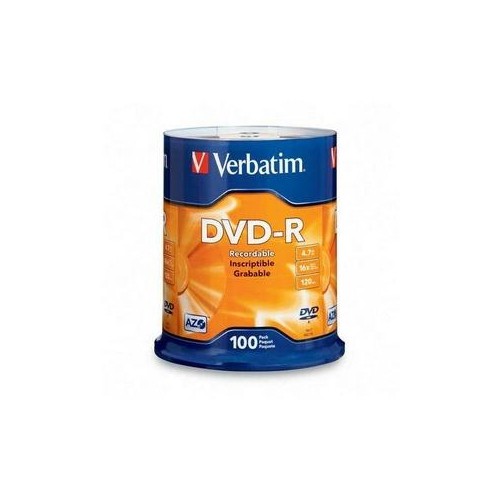

![UNIVERSAL STUDIOS Naruto Shippuden Uncut Set 36 [DVD] Great Show](https://multimedia.bbycastatic.ca/multimedia/products/500x500/182/18208/18208815.jpeg)
![LINUS Dvod - [DVD]](https://multimedia.bbycastatic.ca/multimedia/products/500x500/174/17475/17475069.jpeg)
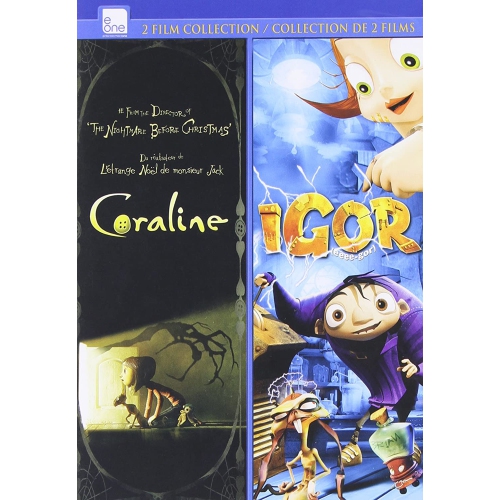
![UNIVERSAL STUDIOS Sailor Moon R Movie [DVD] Best movie](https://multimedia.bbycastatic.ca/multimedia/products/500x500/181/18197/18197928.jpeg)
![UNIVERSAL STUDIOS Naruto Shippuden Uncut Set 27 DVD [DVD] Great dvd](https://multimedia.bbycastatic.ca/multimedia/products/500x500/182/18208/18208420.jpeg)
![UNIVERSAL STUDIOS Boruto: Naruto Next Generations - The Vessel [DVD]](https://multimedia.bbycastatic.ca/multimedia/products/500x500/182/18208/18208940.jpeg)
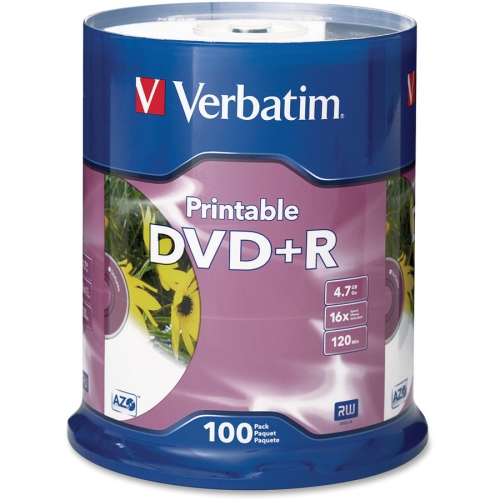
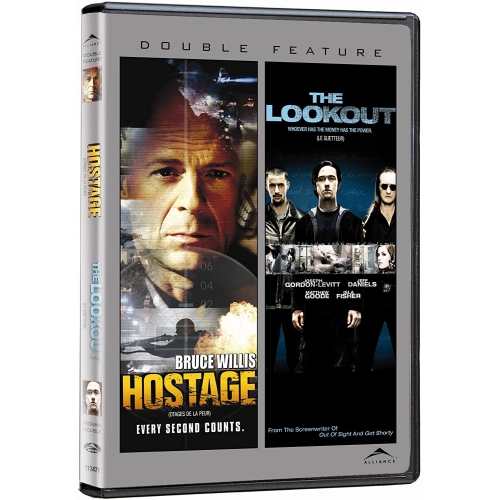
![UNIVERSAL STUDIOS Sailor Moon Sailor Stars Pt. 2 [DVD] Best season!](https://multimedia.bbycastatic.ca/multimedia/products/500x500/182/18210/18210897.jpeg)
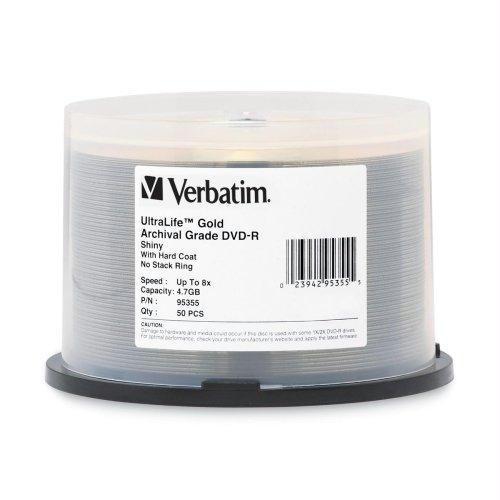
![UNIVERSAL STUDIOS Infinity Pool - DVD + Digital [DVD]](https://multimedia.bbycastatic.ca/multimedia/products/500x500/186/18602/18602825.jpeg)

![UNIVERSAL STUDIOS Naruto Shippuden Uncut Set 34 [DVD] Great](https://multimedia.bbycastatic.ca/multimedia/products/500x500/182/18210/18210836.jpeg)

![UNIVERSAL STUDIOS Pokemon Season 1: Indigo League: Part 1 [DVD] Great!!](https://multimedia.bbycastatic.ca/multimedia/products/500x500/184/18476/18476036.jpeg)
![UNIVERSAL STUDIOS Companion [DVD]](https://multimedia.bbycastatic.ca/multimedia/products/500x500/192/19275/19275634.jpeg)
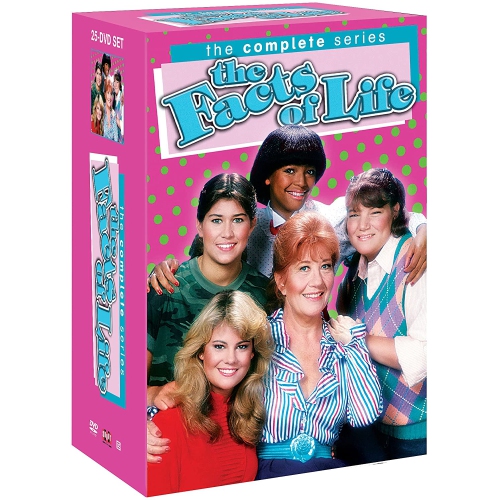
![UNIVERSAL STUDIOS Bleach Uncut Set 24 [DVD] Best](https://multimedia.bbycastatic.ca/multimedia/products/500x500/181/18197/18197596.jpeg)
![ONE MEDIA ENTERTAINM Ancient Gods Of Egypt - [DVD]](https://multimedia.bbycastatic.ca/multimedia/products/500x500/191/19164/19164424.jpeg)
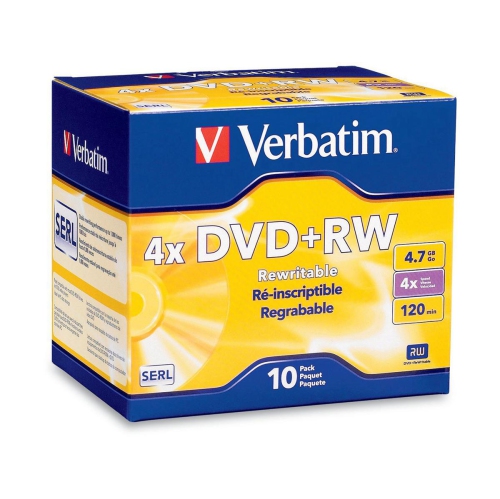
![UNIVERSAL STUDIOS Bleach Uncut Set 19 [DVD] Best battle](https://multimedia.bbycastatic.ca/multimedia/products/500x500/181/18197/18197819.jpeg)
![UNIVERSAL STUDIOS Pokémon The Series: Xyz [DVD]](https://multimedia.bbycastatic.ca/multimedia/products/500x500/192/19215/19215468.jpeg)
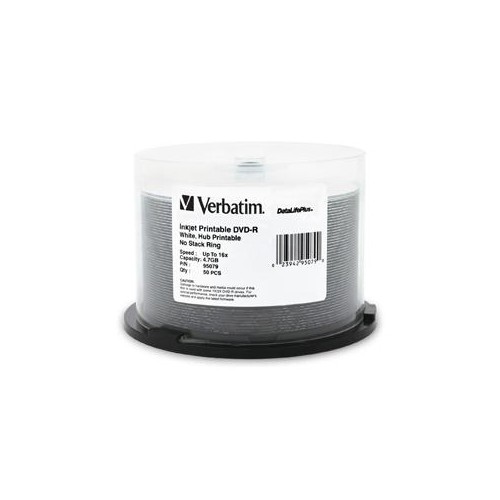
![UNIVERSAL STUDIOS Pok#mon The Series: Xy Kalos Quest Set 1 [DVD] Love Pokemon](https://multimedia.bbycastatic.ca/multimedia/products/500x500/184/18469/18469557.jpeg)
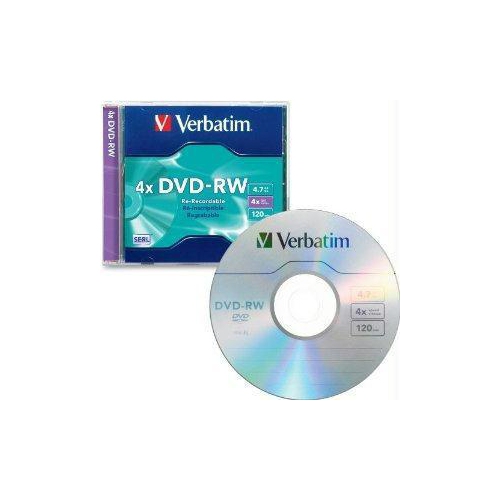
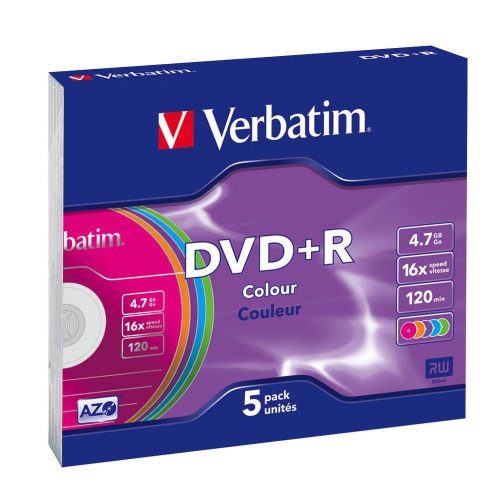
![UNIVERSAL STUDIOS Boruto : Naruto Next Generations Set 5 [DVD] great show](https://multimedia.bbycastatic.ca/multimedia/products/500x500/181/18197/18197815.jpeg)
![UNIVERSAL STUDIOS Naruto Shippuden Uncut Set 21 [DVD] Love it](https://multimedia.bbycastatic.ca/multimedia/products/500x500/181/18198/18198030.jpeg)
![UNIVERSAL STUDIOS Bleach Uncut Set 13 [DVD] SOME OF THE BEST FIGHTS OF THE ESPADAS](https://multimedia.bbycastatic.ca/multimedia/products/500x500/182/18208/18208418.jpeg)
![UNIVERSAL STUDIOS Naruto Uncut Season 1 Vol 2 Box Set [DVD] Love it](https://multimedia.bbycastatic.ca/multimedia/products/500x500/182/18208/18208634.jpeg)
![UNIVERSAL STUDIOS Inuyasha Season 1 DVD Box Set Rpkg [DVD] Love it](https://multimedia.bbycastatic.ca/multimedia/products/500x500/182/18208/18208450.jpeg)

![UNIVERSAL STUDIOS Naruto Shippuden Uncut Set 5 [DVD] Great anime series](https://multimedia.bbycastatic.ca/multimedia/products/500x500/182/18208/18208510.jpeg)
![UNIVERSAL STUDIOS Naruto Shippuden Uncut Set 10 [DVD] Great anime series](https://multimedia.bbycastatic.ca/multimedia/products/500x500/182/18208/18208696.jpeg)
![UNIVERSAL STUDIOS Naruto Uncut Season 2 Vol 1 Box Set [DVD] Love it](https://multimedia.bbycastatic.ca/multimedia/products/500x500/182/18208/18208536.jpeg)
![WARNER BROS. Scooby-Doo And The Alien Invaders/scooby-Doo On Zombie Island - Double Feature [DVD Box Set] I honestly love these movies when I was a kid](https://multimedia.bbycastatic.ca/multimedia/products/500x500/170/17082/17082901.jpeg)
![UNIVERSAL STUDIOS K Set 1 [DVD] I love this this series](https://multimedia.bbycastatic.ca/multimedia/products/500x500/182/18208/18208475.jpeg)
![UNIVERSAL STUDIOS Pokemon: Winter Celebration [DVD]](https://multimedia.bbycastatic.ca/multimedia/products/500x500/181/18197/18197693.jpeg)
![UNIVERSAL STUDIOS Pokemon Movie 8:lucario & Myst Rpkg/dvd [DVD] Great](https://multimedia.bbycastatic.ca/multimedia/products/500x500/182/18208/18208497.jpeg)
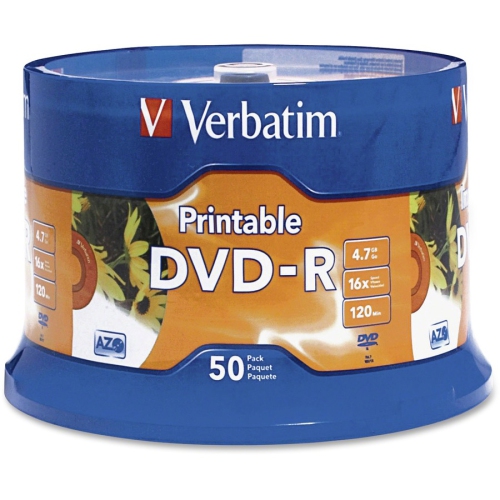
![UNIVERSAL STUDIOS Sailor Moon Crystal Set 2 [DVD] Love](https://multimedia.bbycastatic.ca/multimedia/products/500x500/184/18469/18469548.jpeg)
![The Program - [DVD] Best Football Movie of All Time](https://multimedia.bbycastatic.ca/multimedia/products/500x500/155/15588/15588604.jpeg)
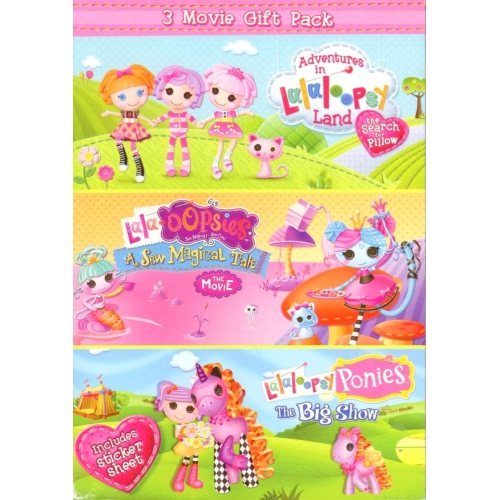
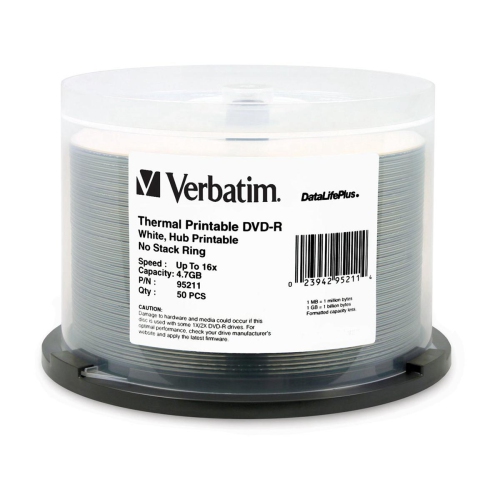
![UNIVERSAL STUDIOS Naruto Shippuden Uncut Set 24 [DVD] Great anime series](https://multimedia.bbycastatic.ca/multimedia/products/500x500/182/18208/18208456.jpeg)
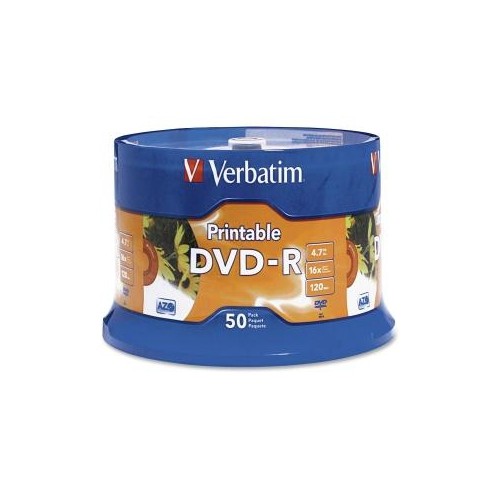
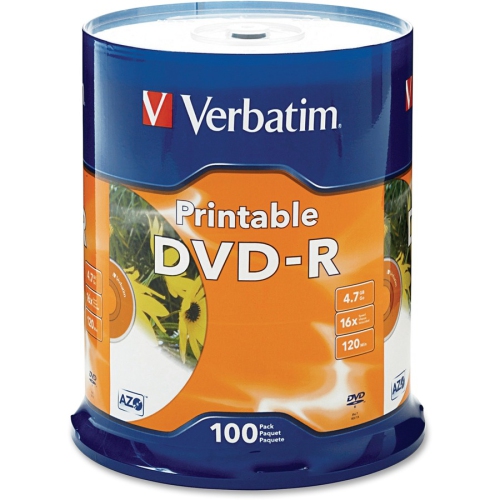
![UNIVERSAL STUDIOS Naruto: 4-Movie Collection (Box Set) [DVD]](https://multimedia.bbycastatic.ca/multimedia/products/500x500/181/18197/18197844.jpeg)
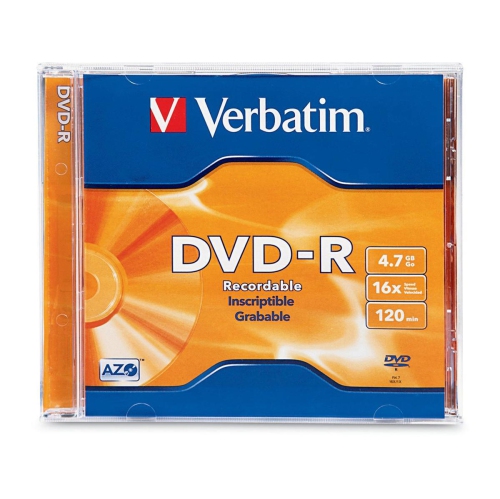

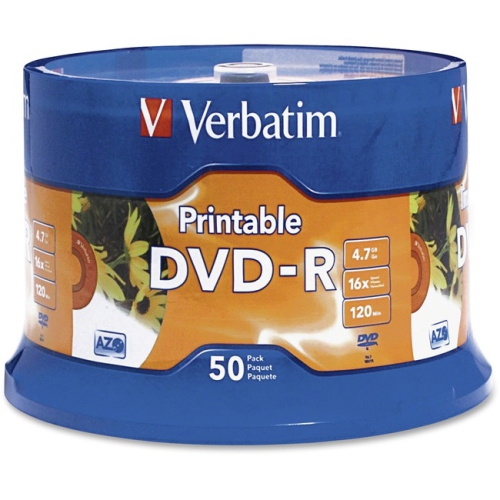
![UNIVERSAL STUDIOS Naruto Shippuden Uncut Set 32 [DVD] Great](https://multimedia.bbycastatic.ca/multimedia/products/500x500/182/18208/18208489.jpeg)

![UNIVERSAL STUDIOS Naruto Shippuden Uncut Set 13 [DVD] Great anime series](https://multimedia.bbycastatic.ca/multimedia/products/500x500/184/18476/18476014.jpeg)
![UNIVERSAL STUDIOS Pokémon: Diamond And Pearl - Battle Dimension Complete (Box Set) [DVD] Great show](https://multimedia.bbycastatic.ca/multimedia/products/500x500/182/18208/18208862.jpeg)
![UNIVERSAL STUDIOS Naruto Shippuden Uncut Set 7 [DVD] Great if you love the show naruto and love watching it over](https://multimedia.bbycastatic.ca/multimedia/products/500x500/182/18208/18208621.jpeg)
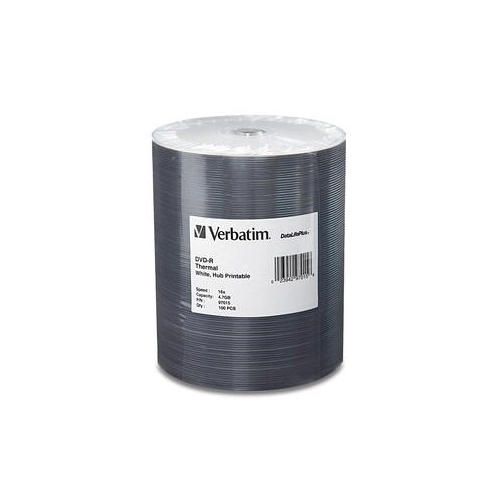

![UNIVERSAL STUDIOS Pokémon: Advanced Challenge - The Complete Collection (Box Set) [DVD] one of the best seasons ever](https://multimedia.bbycastatic.ca/multimedia/products/500x500/182/18208/18208551.jpeg)
![VID-CO West Side Story: 50Th Anniversary Edition [2 Blu-Ray + 1 DVD] (Bilingual)](https://multimedia.bbycastatic.ca/multimedia/products/500x500/157/15781/15781995.jpeg)
![VANTAGE MEDIA Creek - (Digital Theater System, Mono Sound) - [DVD] In Black](https://multimedia.bbycastatic.ca/multimedia/products/500x500/196/19674/19674889.jpeg)
![UNIVERSAL STUDIOS Pokémon: Advanced Battle - The Complete Collection (Box Set) [DVD] Great Collection](https://multimedia.bbycastatic.ca/multimedia/products/500x500/182/18208/18208425.jpeg)




DVD formats, capacities and compatibility for every project
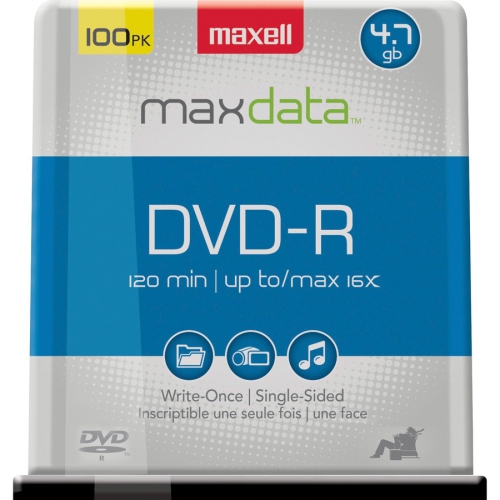
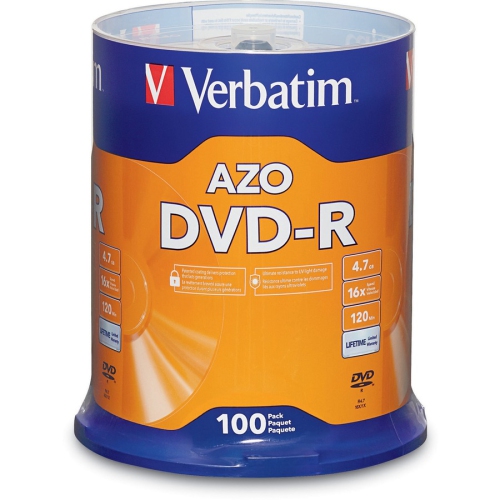
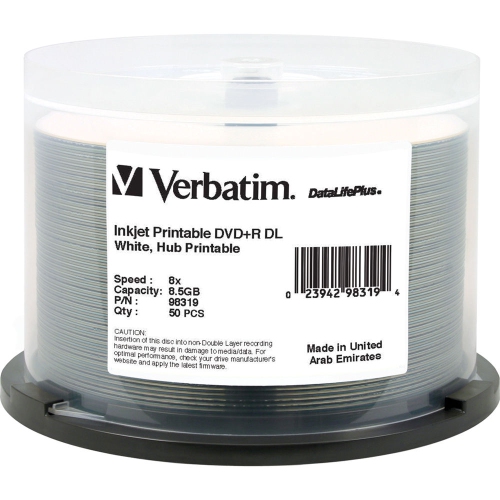
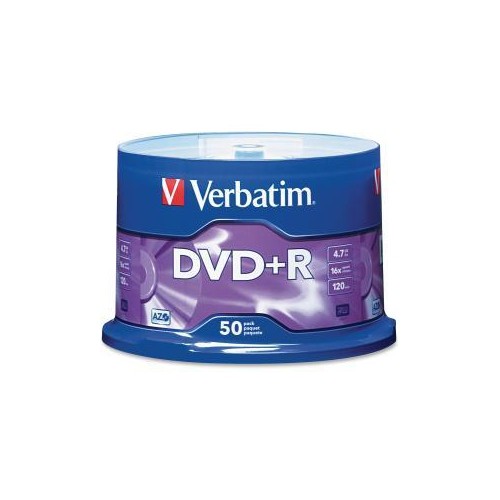
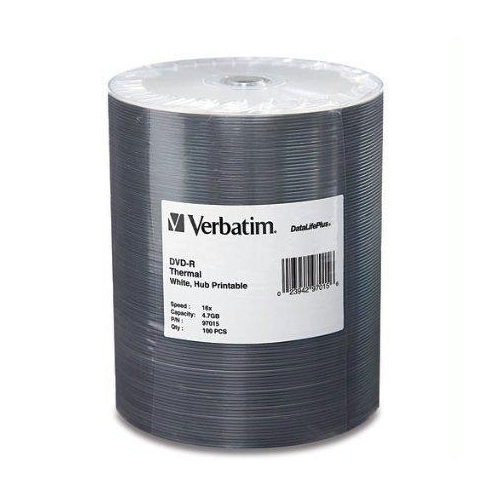
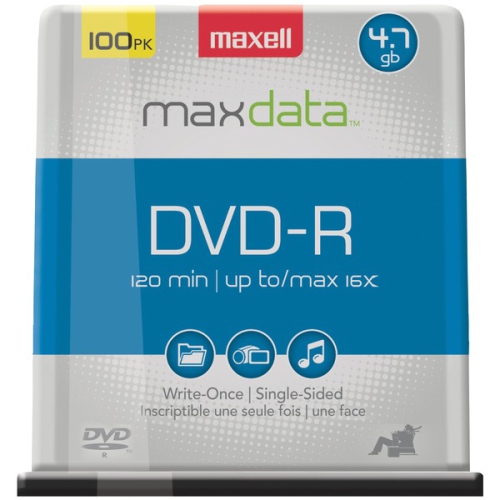
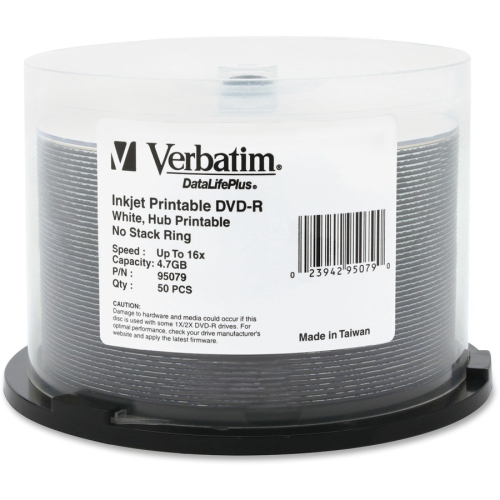
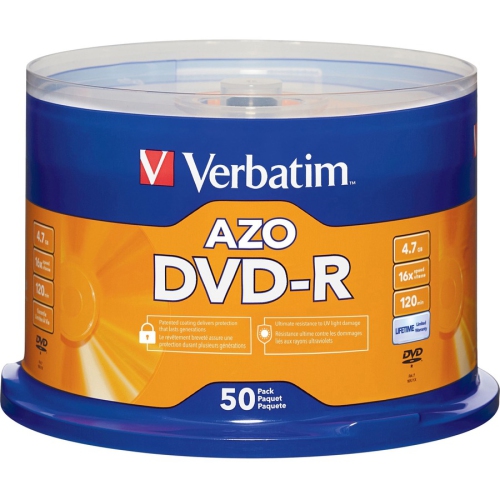
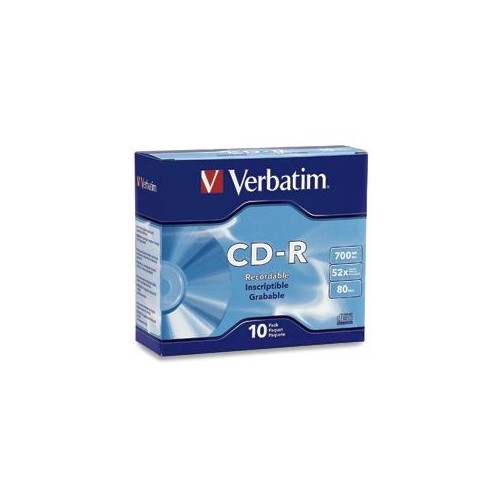
DVD media remains a practical choice for recording, sharing, organizing and enjoying digital content in a physical format. A DVD, or Digital Versatile Disc, is an optical disc that stores standard-definition video, music, photos, computer files and other digital data. Although streaming has become a familiar part of home entertainment, discs can still be useful when you want a tangible collection, dependable playback without an internet connection or a simple way to share recordings with family and friends. DVD-ROM discs are read-only media commonly used for commercially produced movies, software and other pre-recorded content, while recordable formats allow you to create your own discs. DVD-R and DVD+R discs can be written once, making them suitable for completed video projects, photo slideshows, music compilations and files that you want to keep in a fixed form. DVD-RW and DVD+RW discs can be erased and recorded again, which is convenient for temporary recordings, changing collections or testing a project before making a final copy. Dual-layer options, including DVD-R DL and DVD+R DL, offer more room than standard single-layer discs and can hold larger video files or a greater quantity of data. A typical single-layer DVD holds up to 4.7 GB, while a dual-layer disc can hold up to 8.5 GB. Capacity may also be described using terms such as DVD-5 for a single-sided, single-layer disc and DVD-9 for a single-sided, dual-layer disc; less common double-sided formats include DVD-10 and DVD-18. Understanding these labels makes it easier to select media that matches the size and type of content you plan to record.
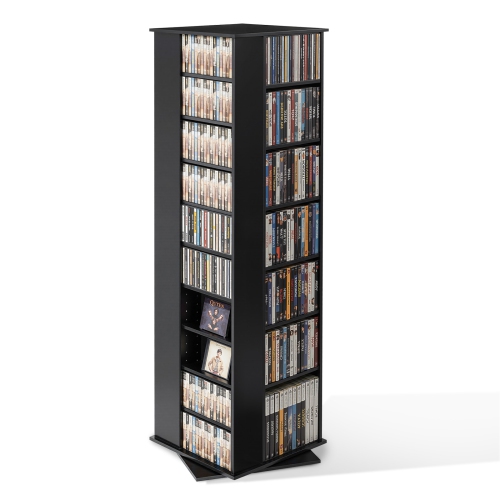
When choosing DVD media, begin by considering the device that will write or play the disc. Not every computer drive, DVD recorder or home theatre player supports every format, so checking the equipment’s specifications can help avoid compatibility issues. If a disc will be played on several older DVD players, DVD-R is often a practical format to consider, though the player’s manual remains the best source for confirmation. For material that may need to be updated, a rewritable disc can be more flexible; for a finished recording that will be shared or stored, a write-once disc may be the better fit. Capacity is another important consideration. Standard-definition home videos, presentations and photo collections may fit on a single-layer disc, while longer recordings, higher-quality transfers or collections containing several files may benefit from dual-layer media. Recording speed ratings can also matter, particularly when you are working with a large number of discs or preparing a time-sensitive project. The maximum advertised speed is not always the speed used by your drive, and the actual result depends on the recorder, software and media combination. For video, make sure the disc type is supported by the recording device and remember that some discs must be finalized before they can play in other equipment. Finalization closes the recording session and can prevent additional content from being added, so it is worth leaving enough room for menus, chapters and any final edits before completing the disc. Labels, cases and storage are useful practical details as well. A writable surface designed for clear labelling can help identify family recordings, business files or lesson materials, while a protective case helps keep discs organized and reduces the chance of scratches, dust or accidental damage. Keep discs away from direct sunlight, heat and moisture, and handle them by the centre hole and outer edge rather than touching the data surface.
DVD media can suit a wide range of households, workplaces and creative projects. Families may use recordable discs to preserve home movies, school performances, travel photos or a carefully edited slideshow for relatives who prefer physical media. A disc containing a milestone celebration, a collection of family recipes with photographs or a child’s creative project can also make a thoughtful, personal gift, especially when paired with a handwritten label and a simple case. During the cooler months, recorded films and personal video collections can provide an easy way to create a relaxed movie-night setup without relying on a network connection. DVD media is also useful for educators, community groups and small businesses that need to distribute presentations, training materials or demonstrations in a familiar format. Photographers and videographers may use discs for client previews, event recordings or duplicate copies, while travellers can prepare entertainment or reference files for compatible equipment away from home. For computer users, recordable discs can hold documents, photographs, music and other files, although the available space is more limited than that of many modern storage devices. If you are preparing video for a DVD player, check the required video format, aspect ratio, audio settings and menu options before burning, and consider creating a test disc before making several copies. Those looking specifically for recordable video discs can browse DVDR for Video to compare suitable media. Whether you are assembling a personal film library, transferring memories from an older format, preparing a presentation or creating a gift with a personal touch, selecting the right DVD capacity, recording type and device compatibility can make the finished disc easier to use and enjoy.
When choosing DVD media, begin by considering the device that will write or play the disc. Not every computer drive, DVD recorder or home theatre player supports every format, so checking the equipment’s specifications can help avoid compatibility issues. If a disc will be played on several older DVD players, DVD-R is often a practical format to consider, though the player’s manual remains the best source for confirmation. For material that may need to be updated, a rewritable disc can be more flexible; for a finished recording that will be shared or stored, a write-once disc may be the better fit. Capacity is another important consideration. Standard-definition home videos, presentations and photo collections may fit on a single-layer disc, while longer recordings, higher-quality transfers or collections containing several files may benefit from dual-layer media. Recording speed ratings can also matter, particularly when you are working with a large number of discs or preparing a time-sensitive project. The maximum advertised speed is not always the speed used by your drive, and the actual result depends on the recorder, software and media combination. For video, make sure the disc type is supported by the recording device and remember that some discs must be finalized before they can play in other equipment. Finalization closes the recording session and can prevent additional content from being added, so it is worth leaving enough room for menus, chapters and any final edits before completing the disc. Labels, cases and storage are useful practical details as well. A writable surface designed for clear labelling can help identify family recordings, business files or lesson materials, while a protective case helps keep discs organized and reduces the chance of scratches, dust or accidental damage. Keep discs away from direct sunlight, heat and moisture, and handle them by the centre hole and outer edge rather than touching the data surface.
DVD media can suit a wide range of households, workplaces and creative projects. Families may use recordable discs to preserve home movies, school performances, travel photos or a carefully edited slideshow for relatives who prefer physical media. A disc containing a milestone celebration, a collection of family recipes with photographs or a child’s creative project can also make a thoughtful, personal gift, especially when paired with a handwritten label and a simple case. During the cooler months, recorded films and personal video collections can provide an easy way to create a relaxed movie-night setup without relying on a network connection. DVD media is also useful for educators, community groups and small businesses that need to distribute presentations, training materials or demonstrations in a familiar format. Photographers and videographers may use discs for client previews, event recordings or duplicate copies, while travellers can prepare entertainment or reference files for compatible equipment away from home. For computer users, recordable discs can hold documents, photographs, music and other files, although the available space is more limited than that of many modern storage devices. If you are preparing video for a DVD player, check the required video format, aspect ratio, audio settings and menu options before burning, and consider creating a test disc before making several copies. Those looking specifically for recordable video discs can browse DVDR for Video to compare suitable media. Whether you are assembling a personal film library, transferring memories from an older format, preparing a presentation or creating a gift with a personal touch, selecting the right DVD capacity, recording type and device compatibility can make the finished disc easier to use and enjoy.
Top selling and popular products
-
![UNIVERSAL STUDIOS Pokémon: Adventures On The Islands - Complete Collection (Box Set) [DVD] In Orange](https://multimedia.bbycastatic.ca/multimedia/products/500x500/192/19276/19276062.jpeg) Your price for this item is $19.99
Your price for this item is $19.99 -
![UNIVERSAL STUDIOS Pok#mon 1: Mewtwo Strikes Back [DVD]](https://multimedia.bbycastatic.ca/multimedia/products/500x500/184/18469/18469539.jpeg) Your price for this item is $9.56
Your price for this item is $9.56 -
![UNIVERSAL STUDIOS Pokémon: Master Quest - The Complete Collection (Box Set) [DVD]](https://multimedia.bbycastatic.ca/multimedia/products/500x500/186/18602/18602567.jpeg) Your price for this item is $39.99
Your price for this item is $39.99 -
![UNIVERSAL STUDIOS Naruto Shippuden Uncut Set 29 [DVD]](https://multimedia.bbycastatic.ca/multimedia/products/500x500/182/18208/18208421.jpeg) Your price for this item is $27.83
Your price for this item is $27.83 -
![UNIVERSAL STUDIOS Naruto Shippuden Uncut Set 30 [DVD]](https://multimedia.bbycastatic.ca/multimedia/products/500x500/181/18197/18197576.jpeg) Your price for this item is $27.83
Your price for this item is $27.83 -
![UNIVERSAL STUDIOS Naruto Shippuden Uncut DVD Set 37 [DVD]](https://multimedia.bbycastatic.ca/multimedia/products/500x500/182/18208/18208825.jpeg) Your price for this item is $27.83
Your price for this item is $27.83 -
![UNIVERSAL STUDIOS Pokemon The Movie 2: The Power Of One [DVD]](https://multimedia.bbycastatic.ca/multimedia/products/500x500/182/18208/18208481.jpeg) Your price for this item is $9.56
Your price for this item is $9.56 -
![UNIVERSAL STUDIOS Pokémon - Indigo League: Season 1 - The Complete Collection (Box Set) [DVD]](https://multimedia.bbycastatic.ca/multimedia/products/500x500/184/18471/18471850.jpeg) Your price for this item is $42.99
Your price for this item is $42.99
Discover more categories related to Dvd Media
Top Collections:
Pokemon Centers, Kindle Devices, Best Budget Office Chairs, Canon G7X Cameras, Apple iPhones 16, Samsung Galaxy Phones, Refurbished Apple Laptops, Laptops for Students, iPhone 15 Apple, Budget Smartphones
Some products may be subject to Environmental Handling Fees
(EHF) depending on your province.
Learn more about EHFs.