Heavy Duty Power Cords
If you're looking for heavy-duty power cords to keep your devices connected and running smoothly, look no further! This wide selection of heavy-duty power cords is designed to meet your power needs, whether you're looking for extra length, increased durability, or both. From home offices to workshops, these power cords are built to withstand the toughest conditions and ensure a reliable power supply for all your electronic devices.
Sort





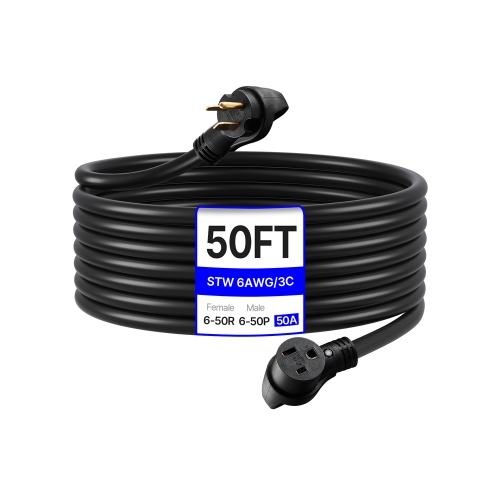
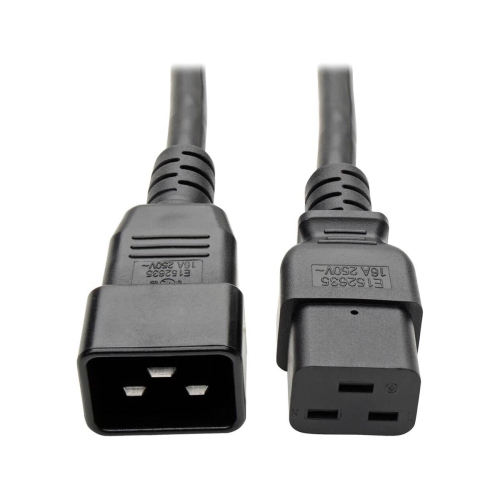
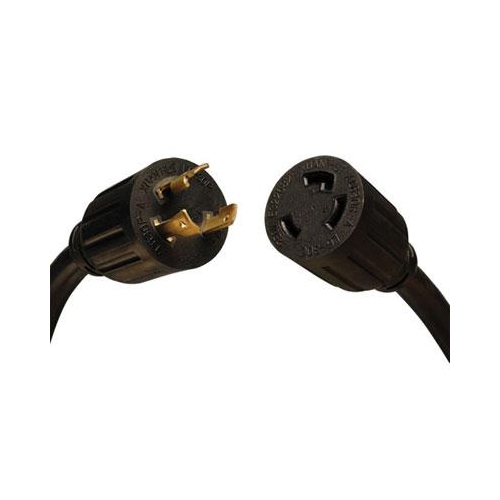
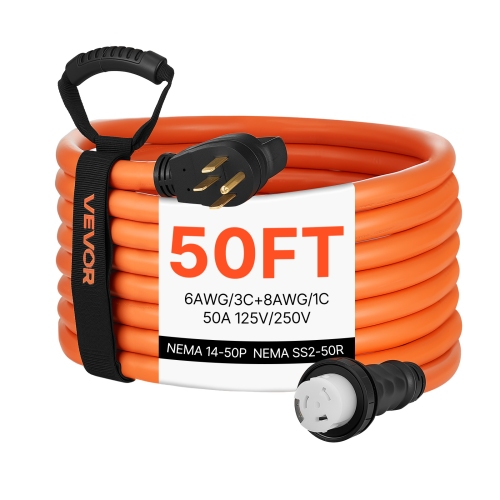








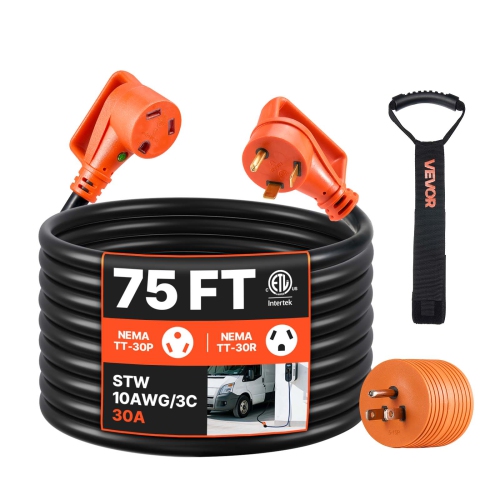
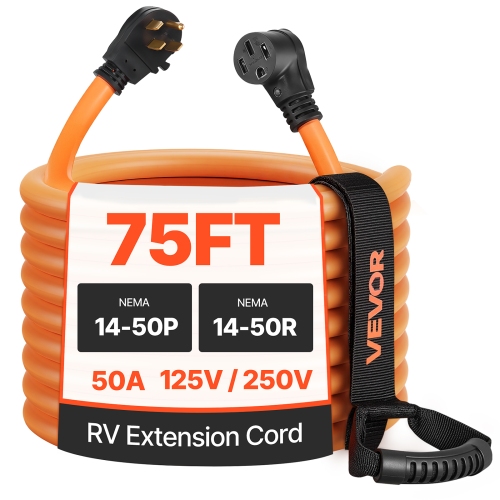
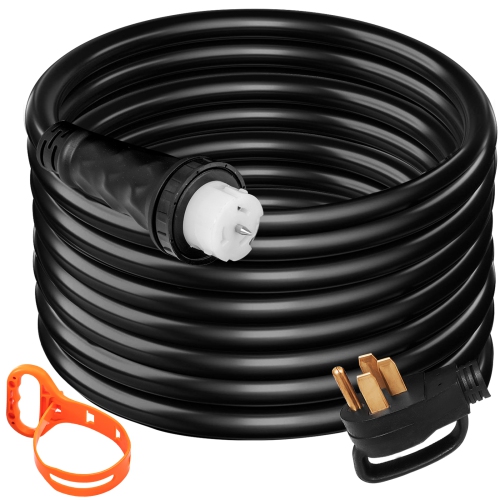
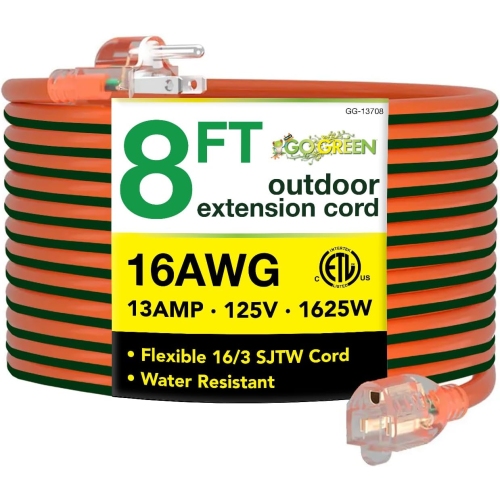






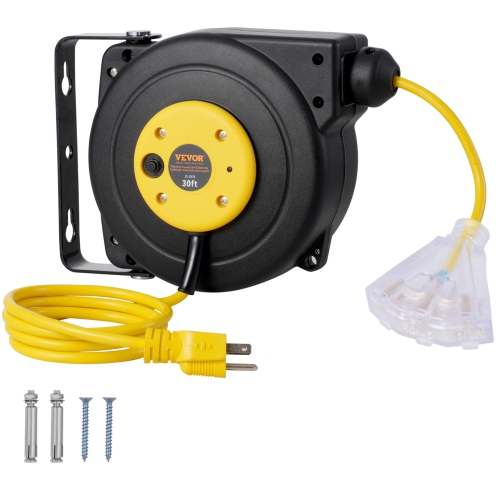
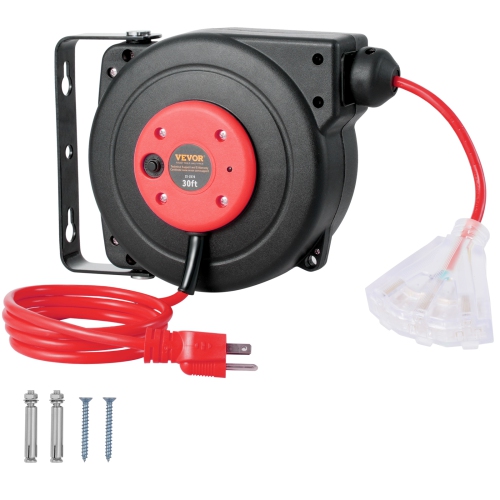
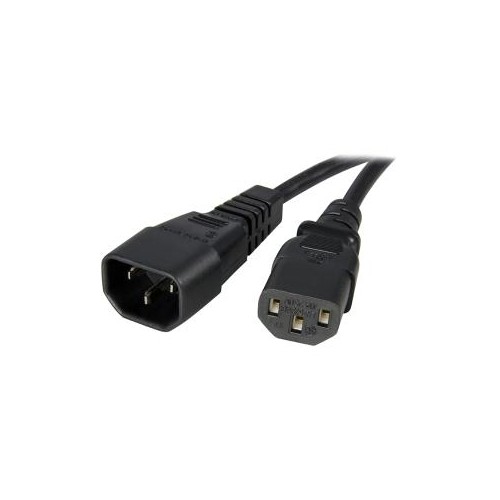

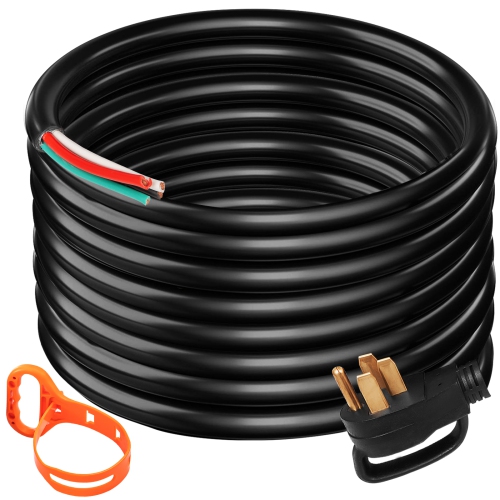
Why cord ratings matter as much as reach
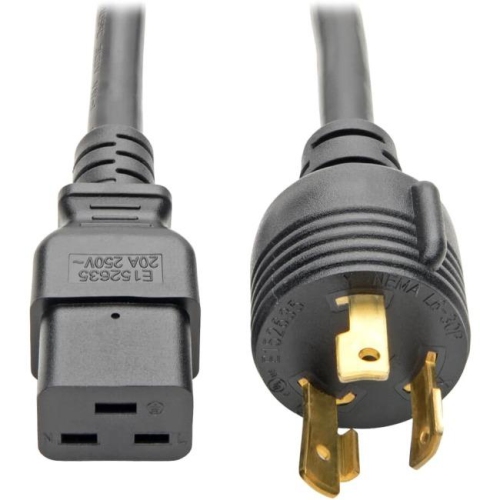
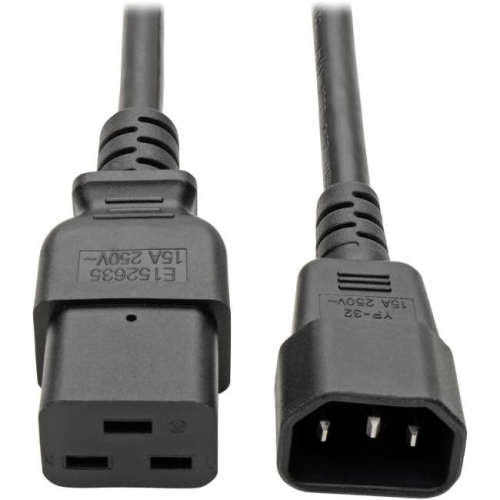
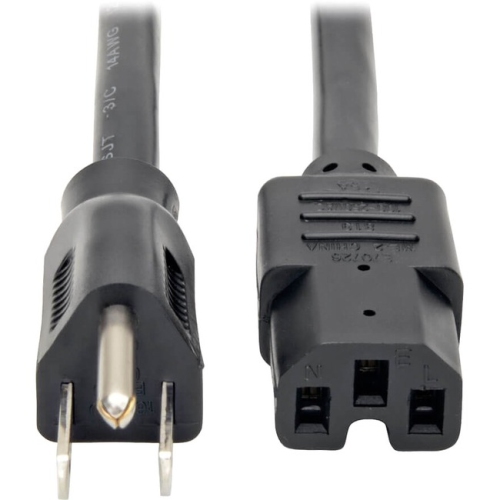
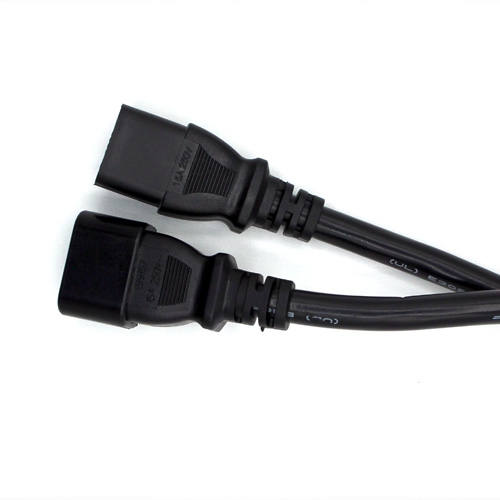
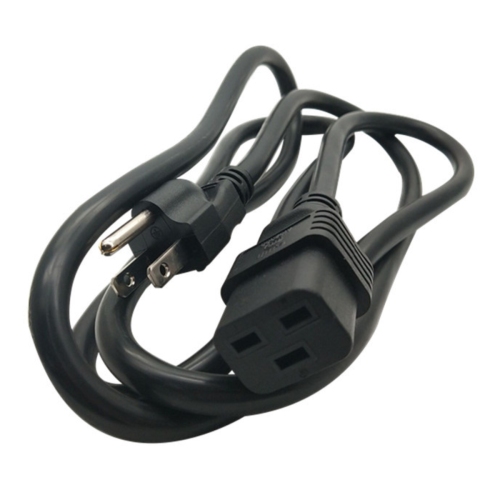
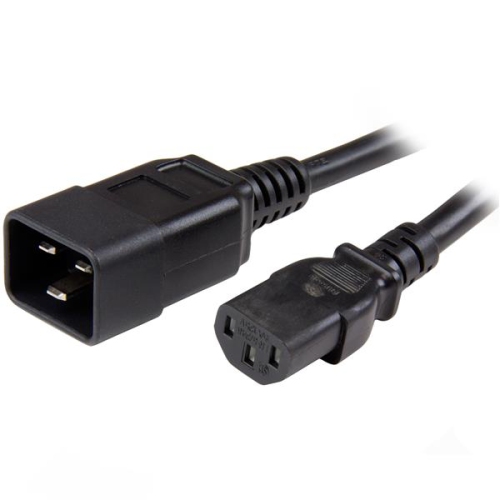
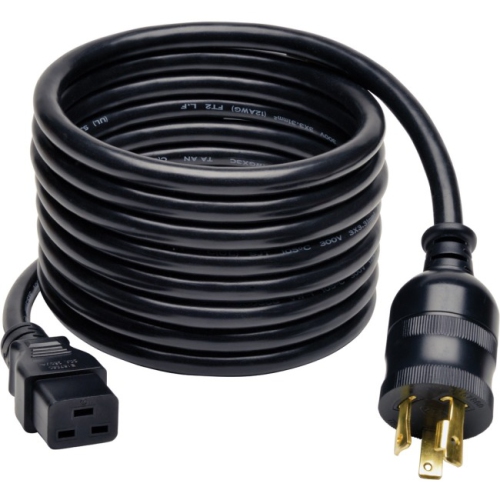
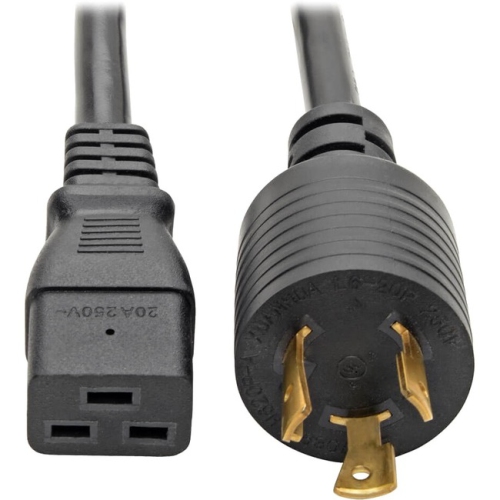
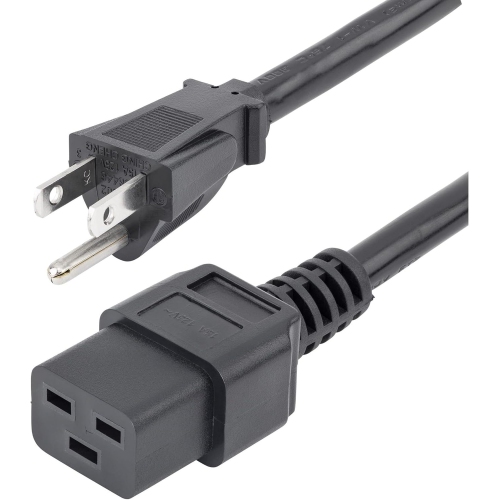
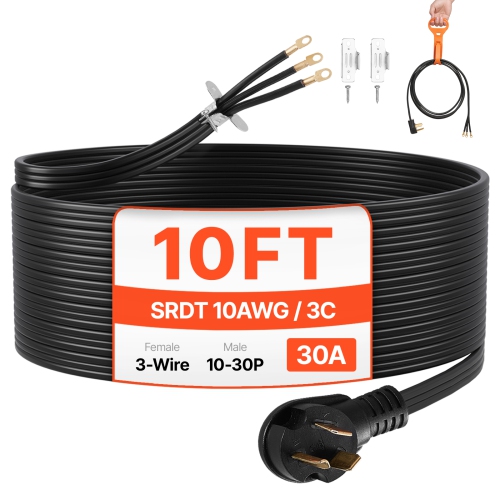
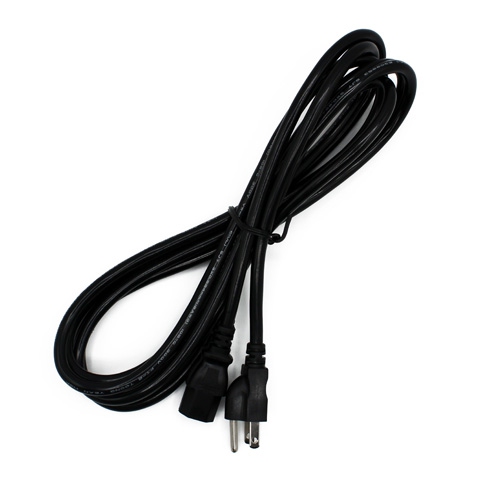
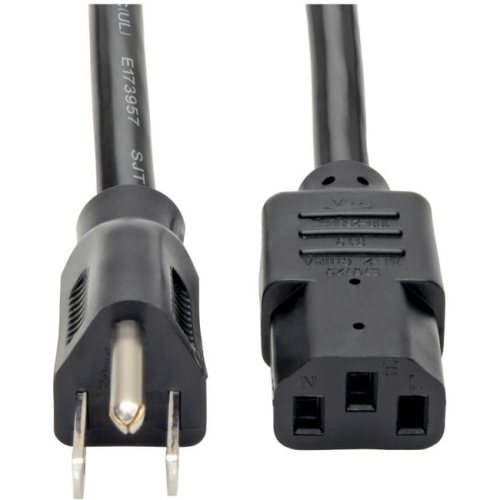
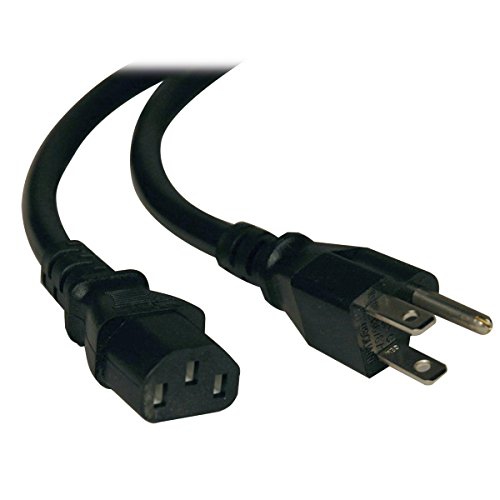
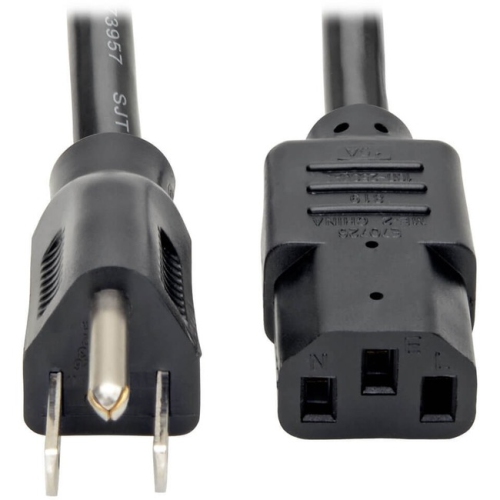
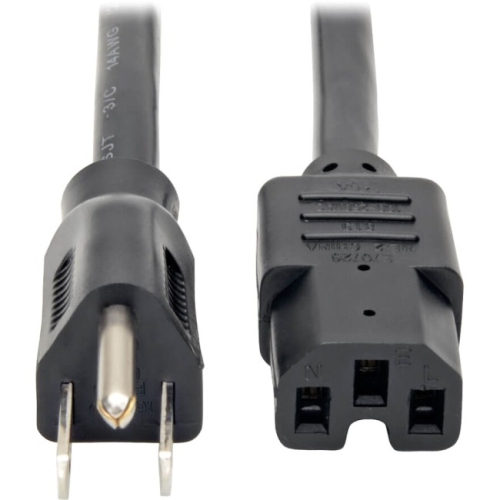
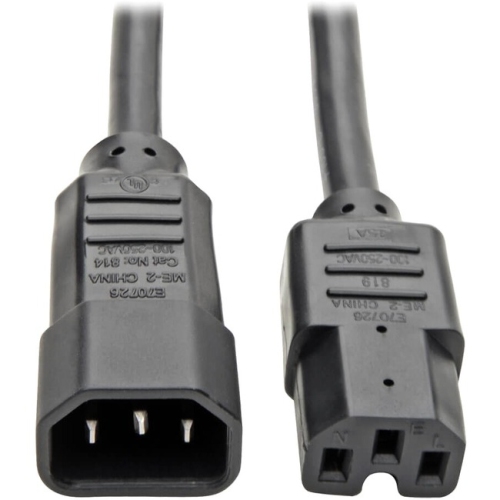
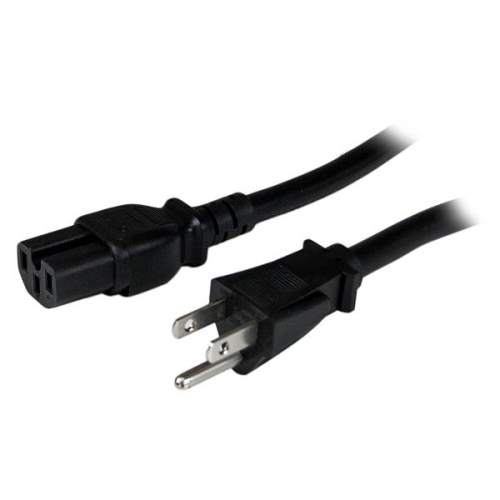
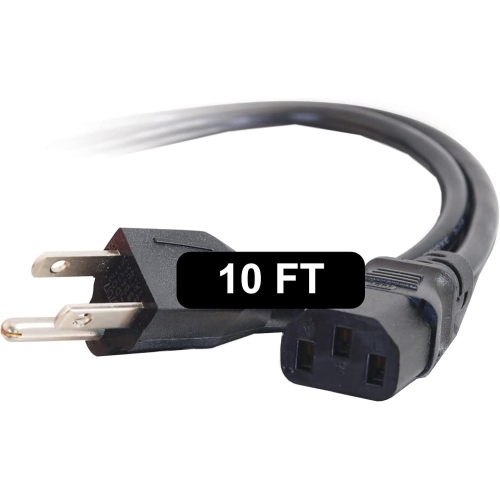
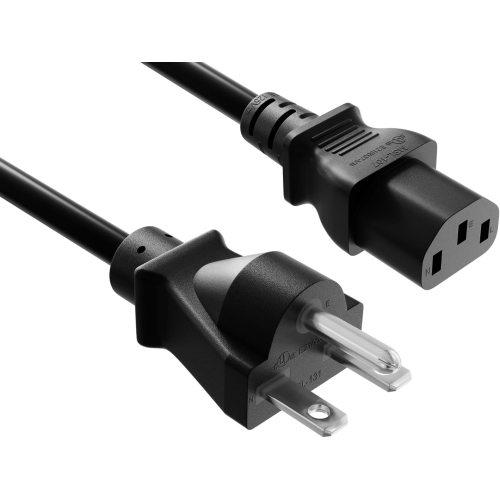
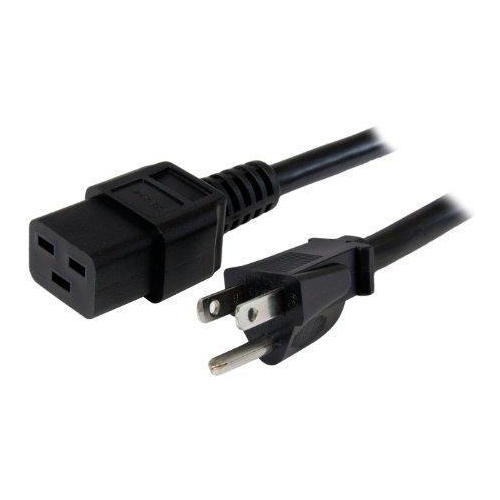
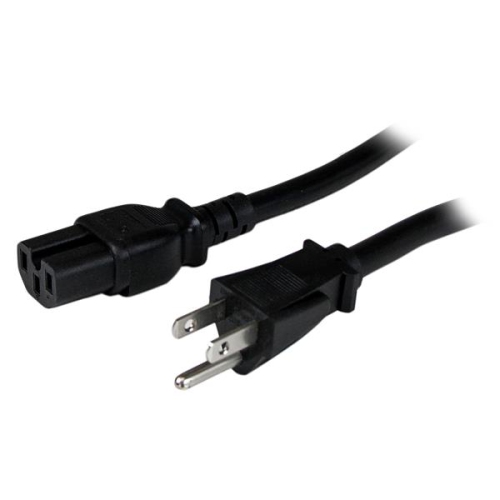
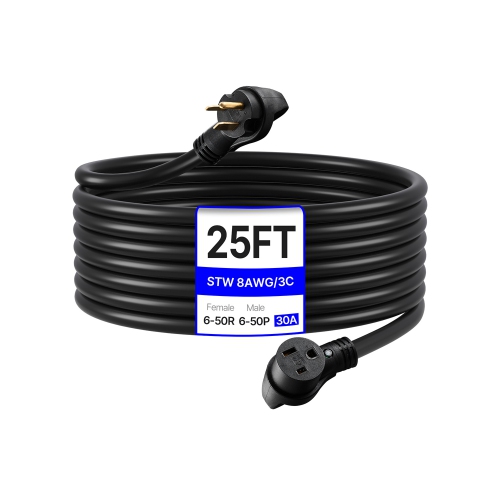
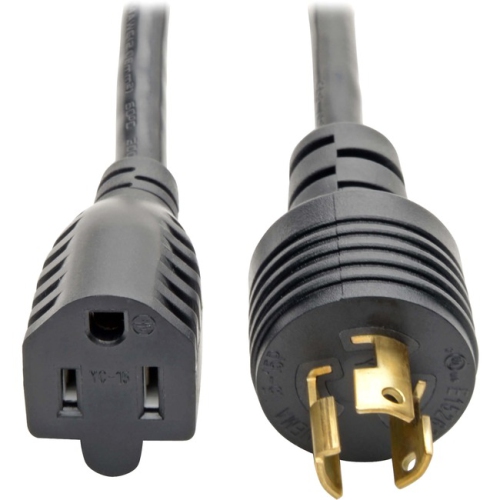
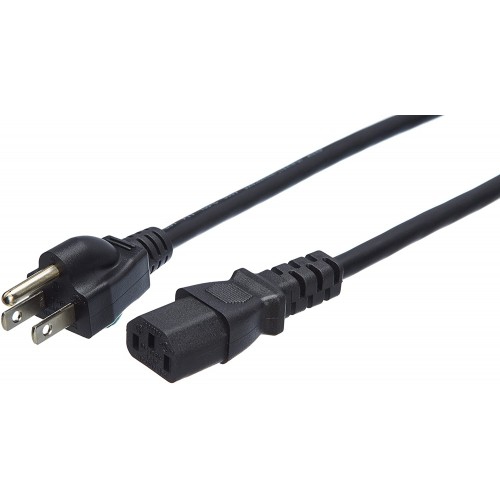
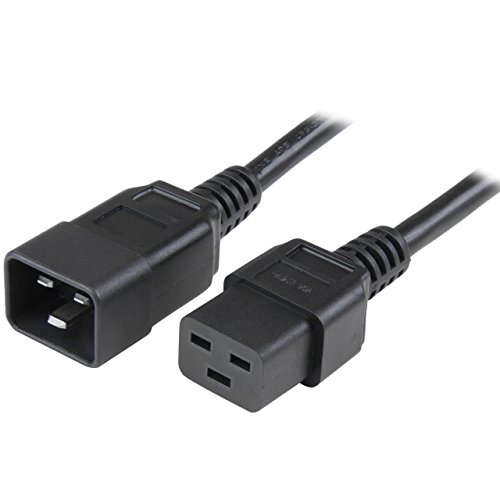
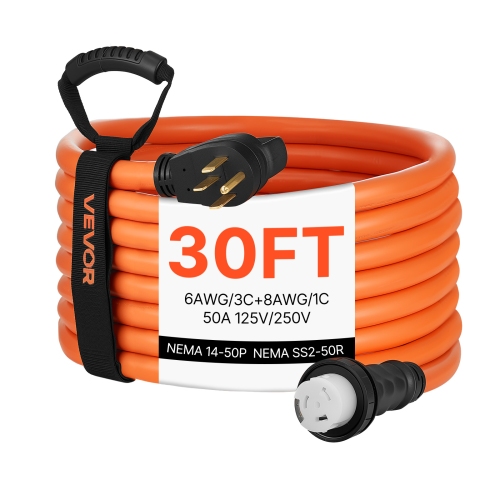
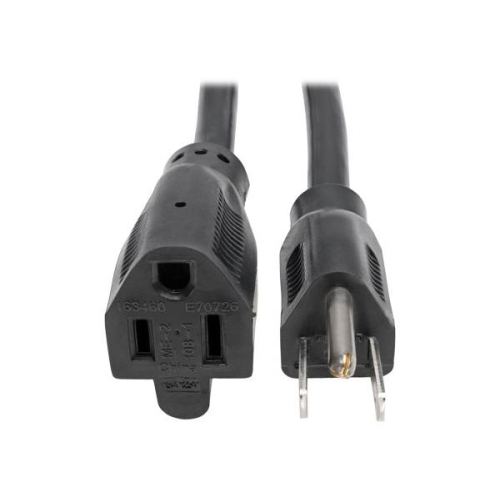
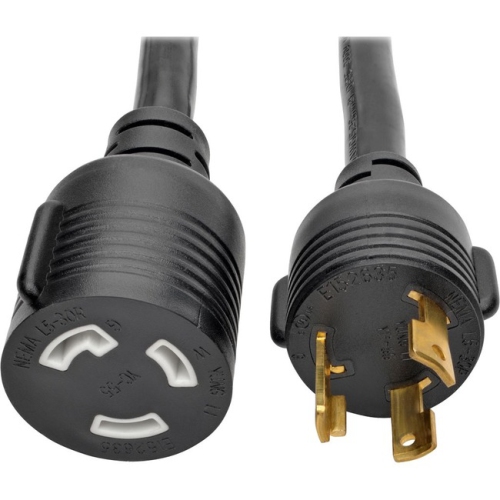
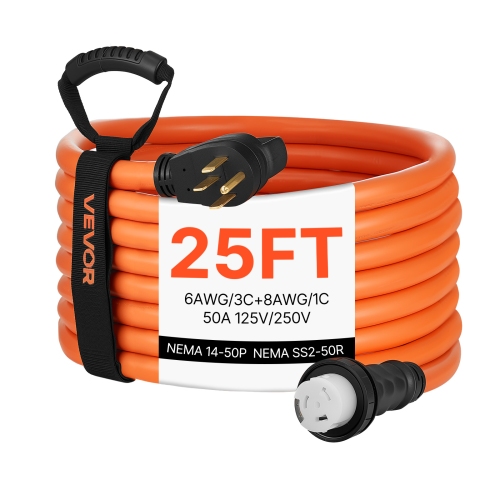
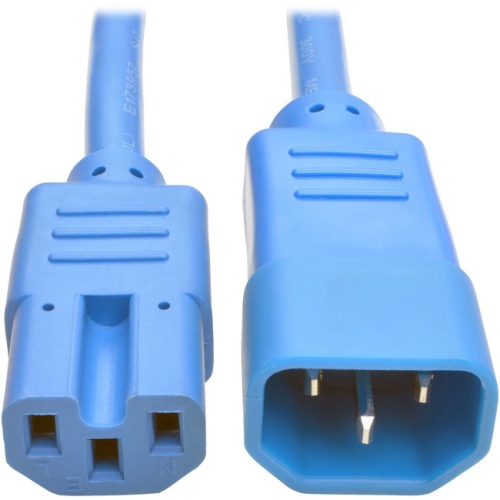
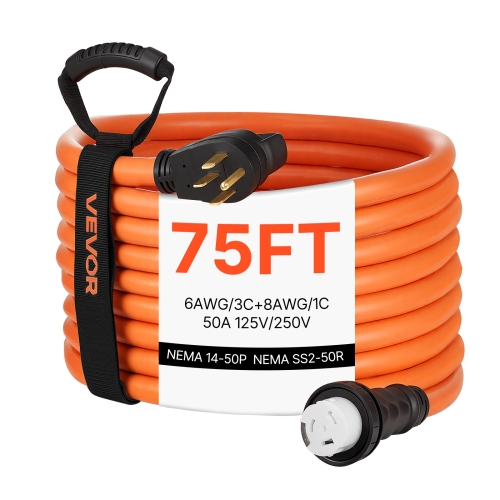
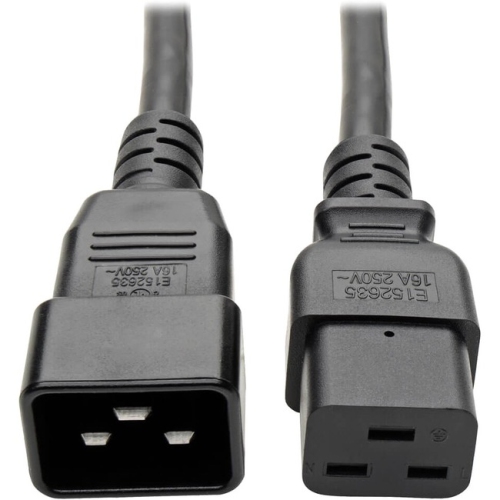
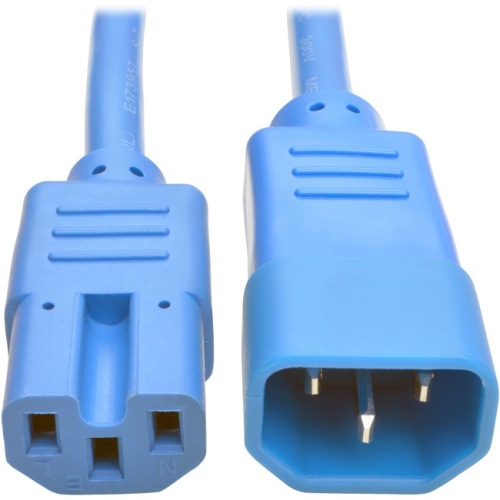
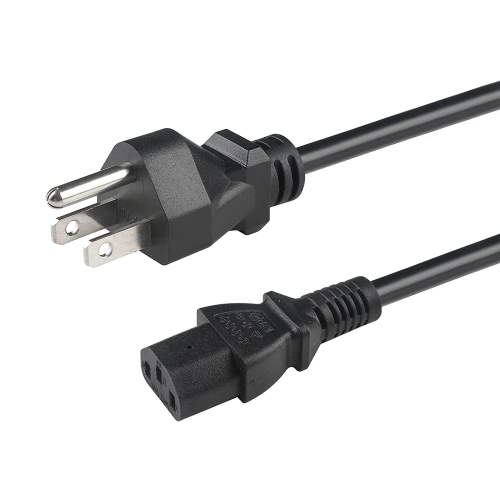
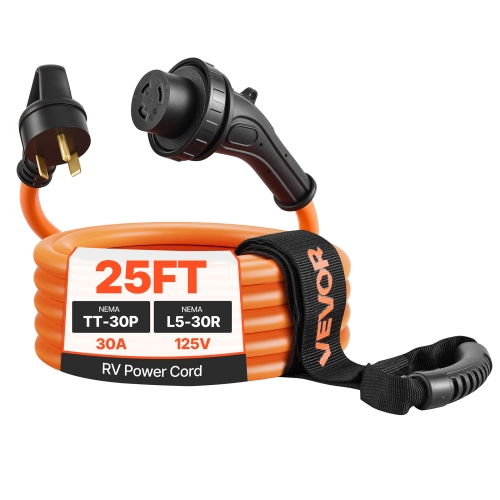
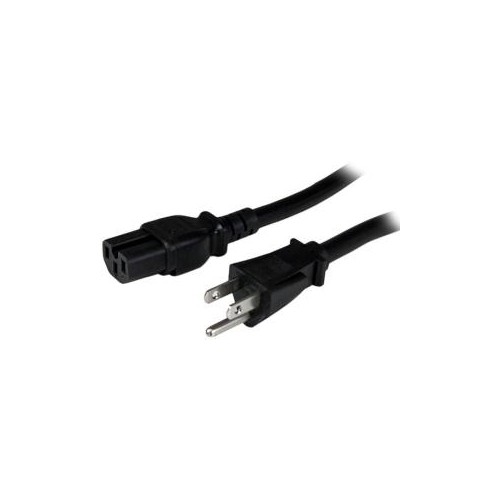
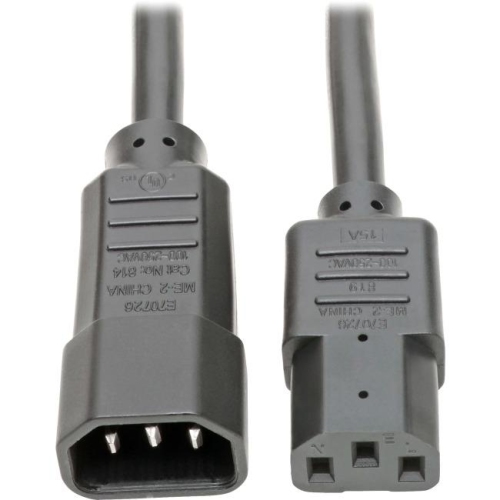
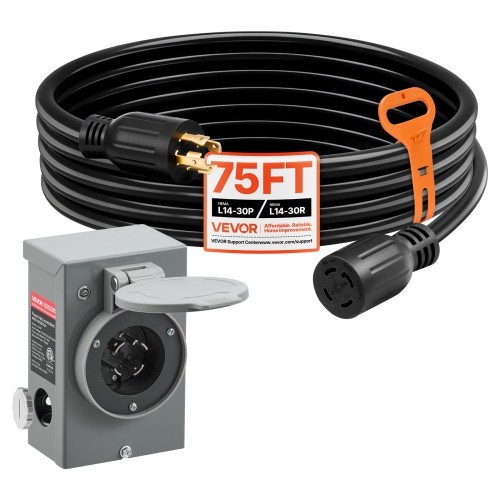
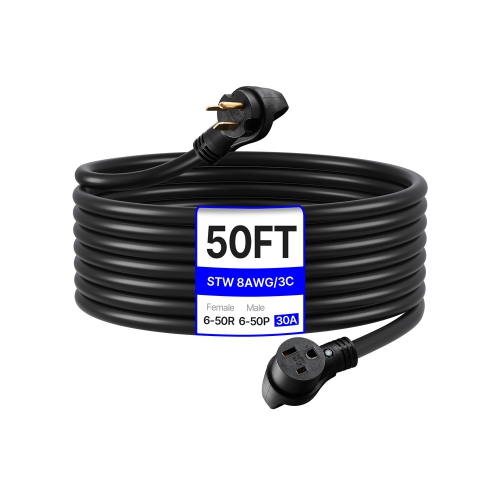
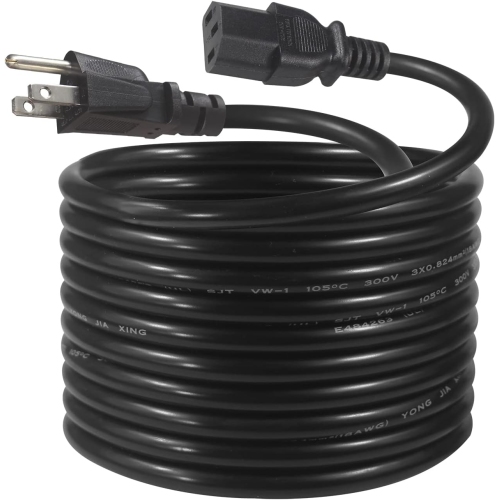
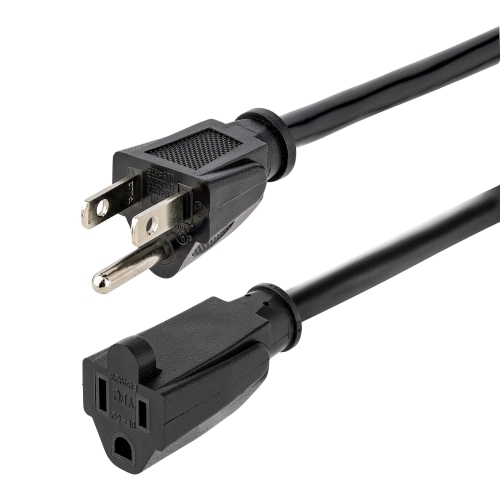
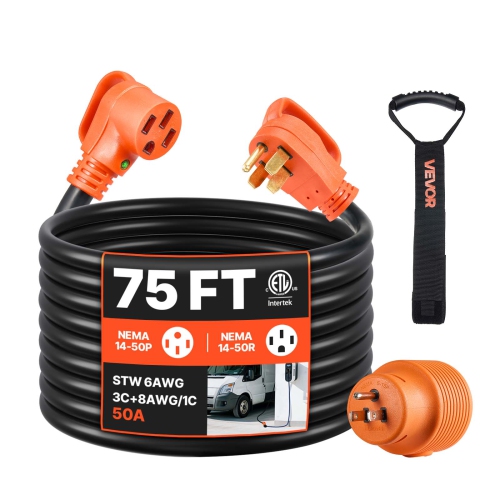
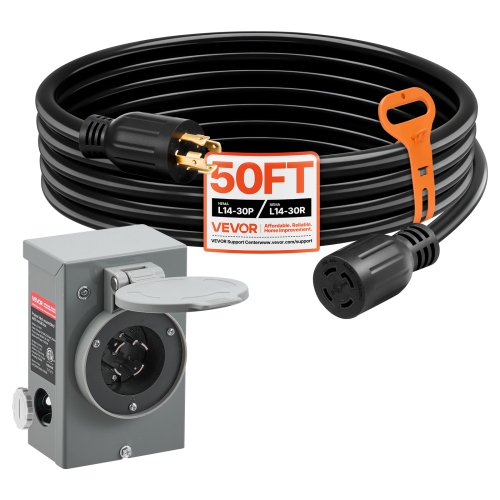
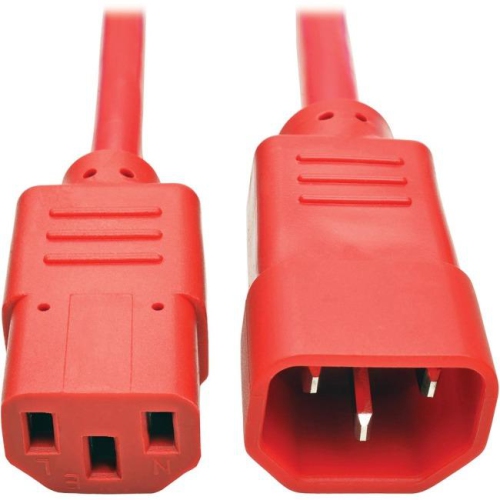
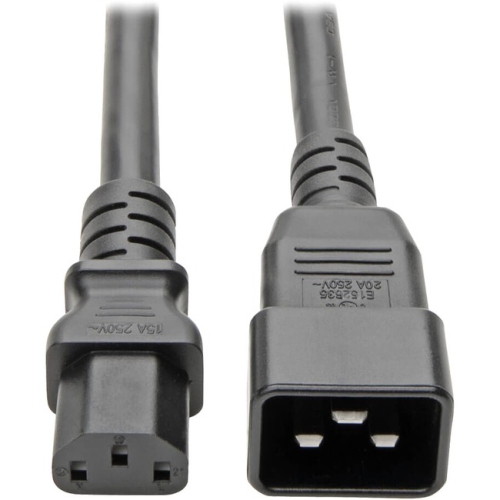
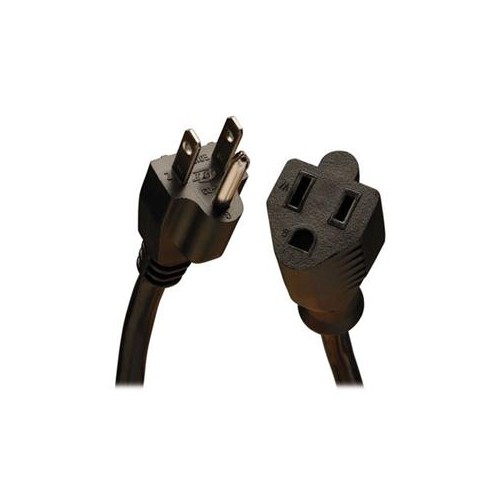
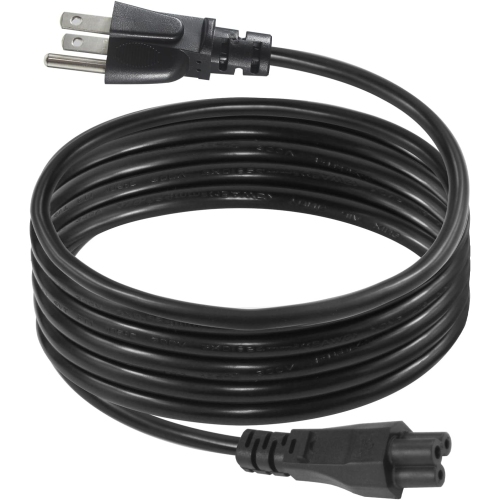
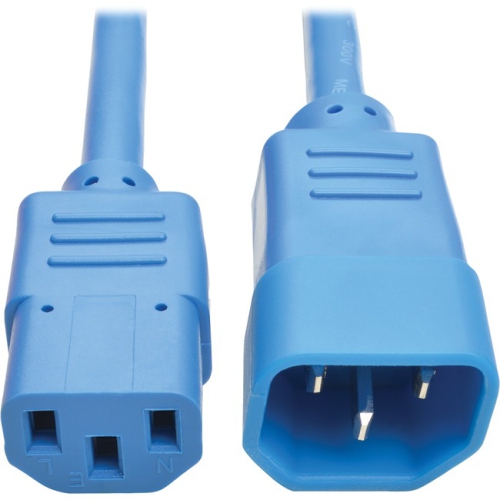
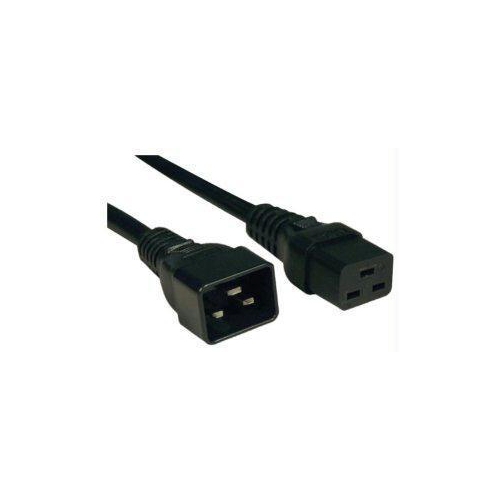
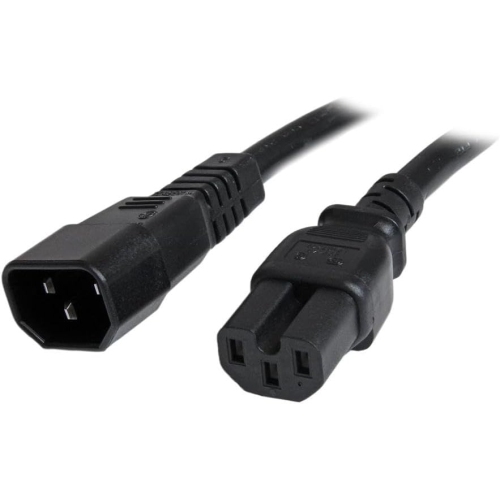
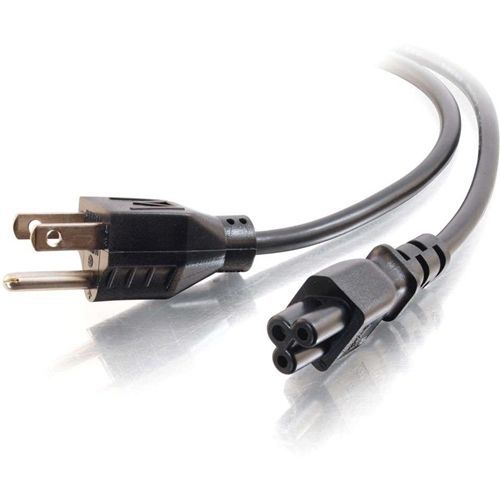
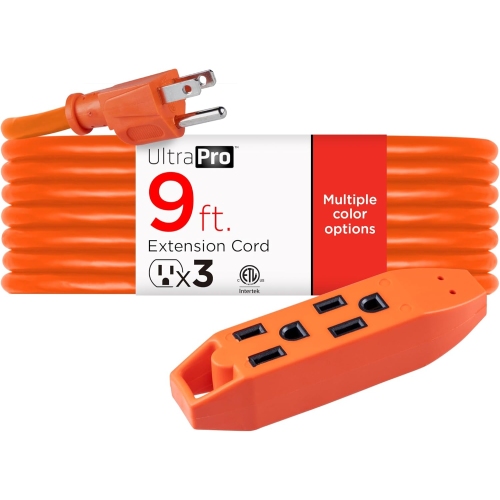
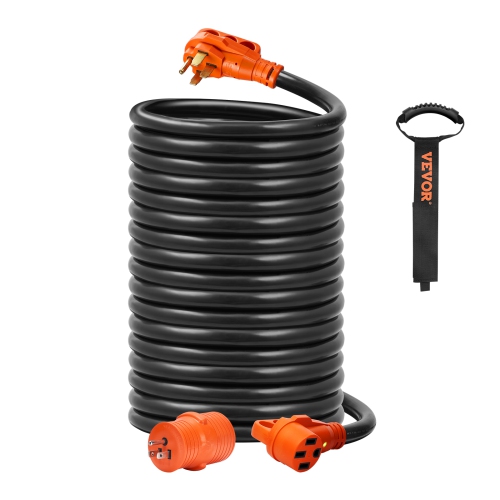
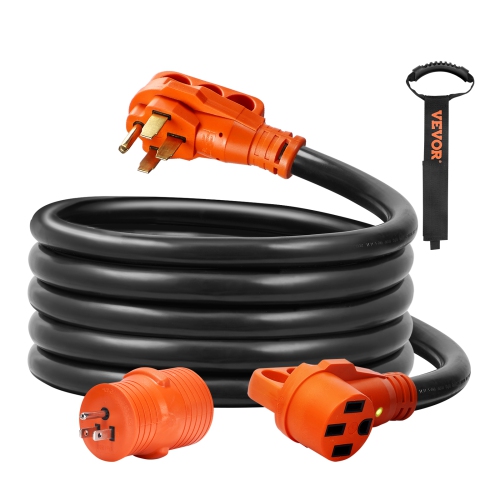
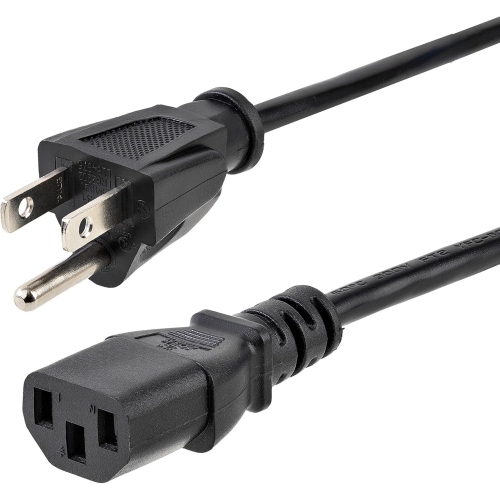
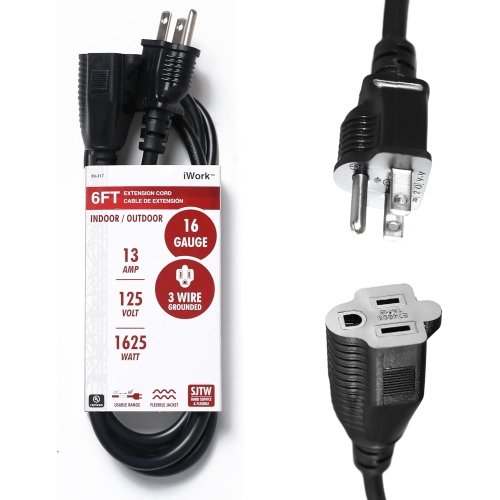
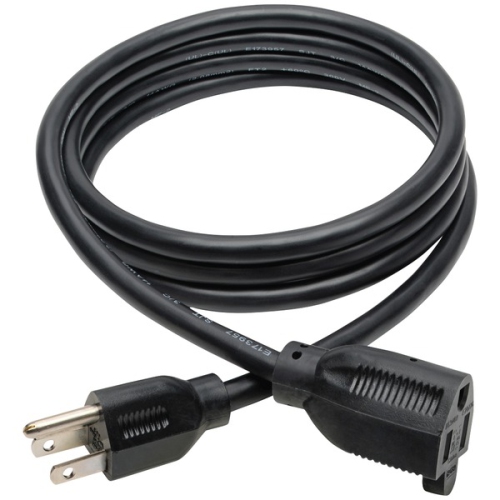
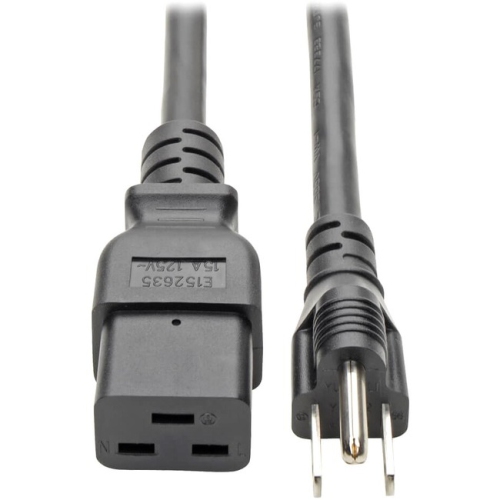
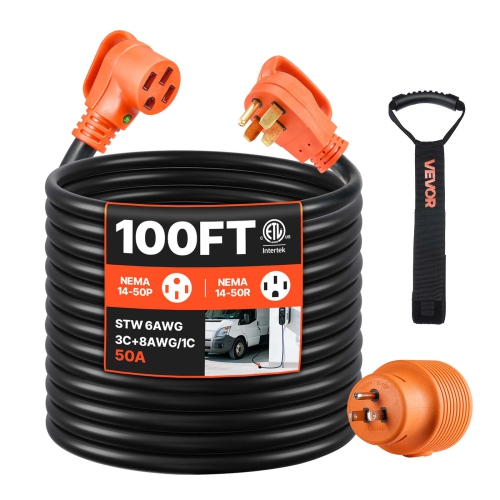
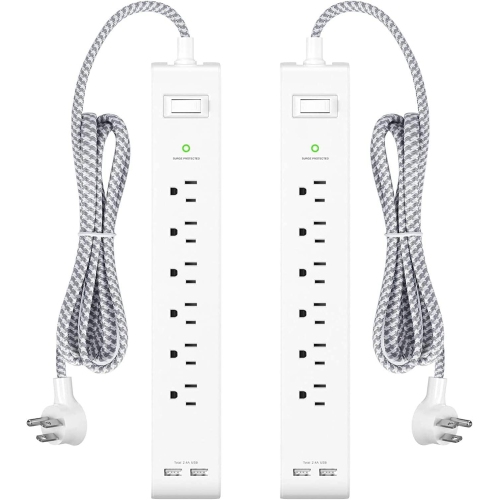
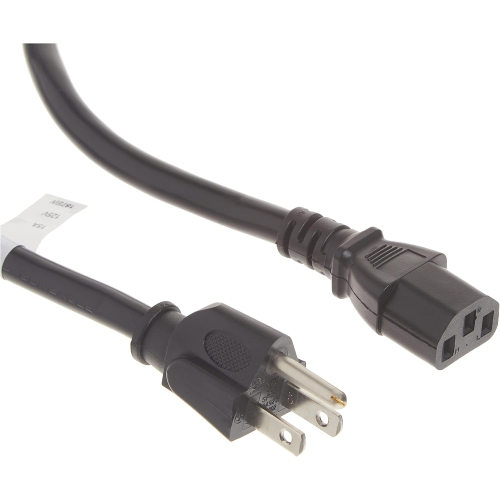
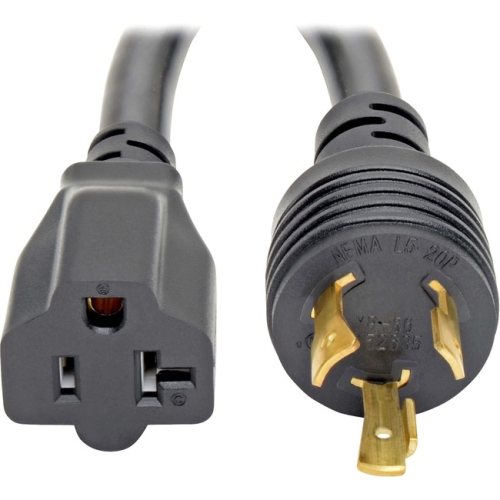
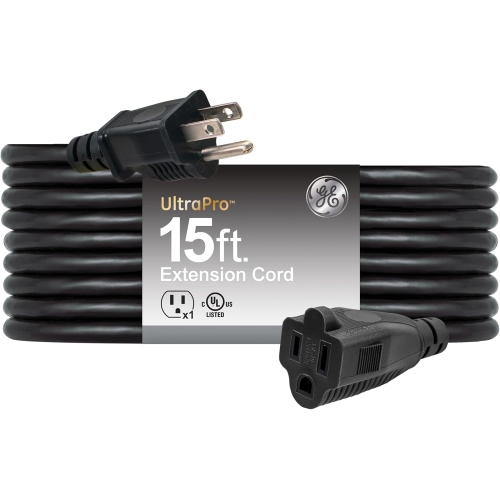
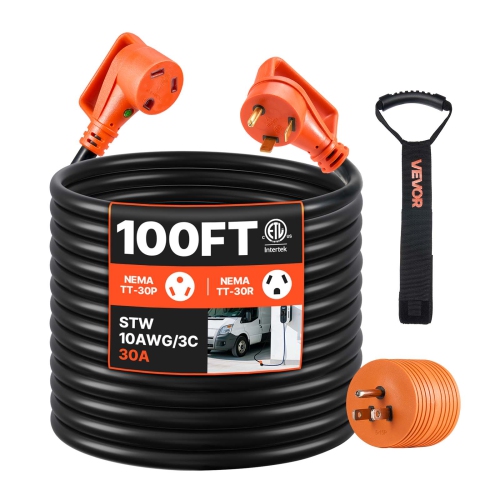
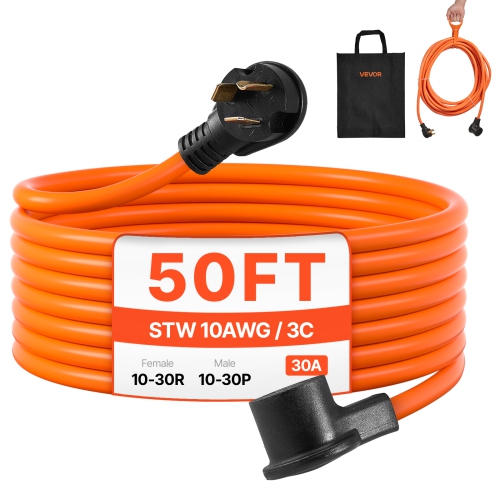
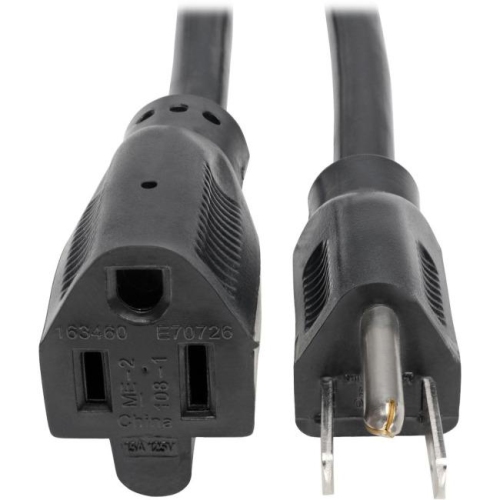
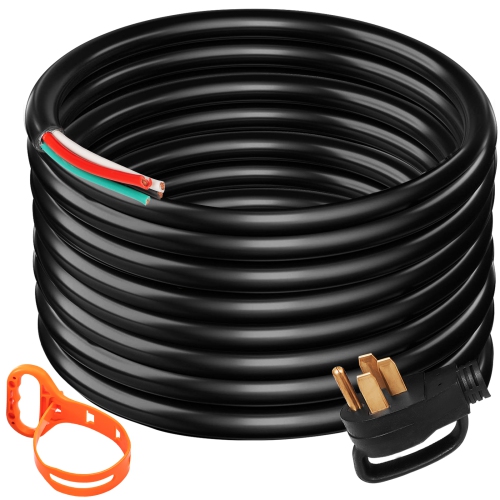
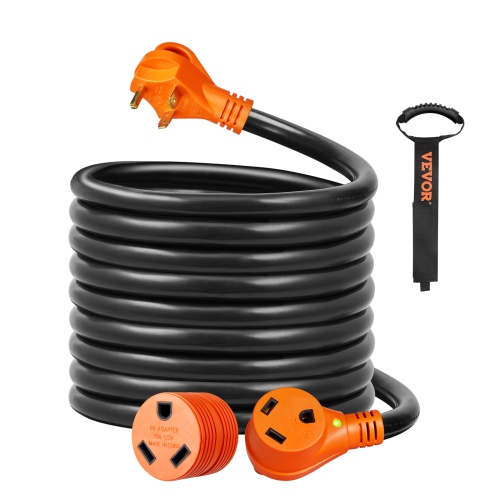
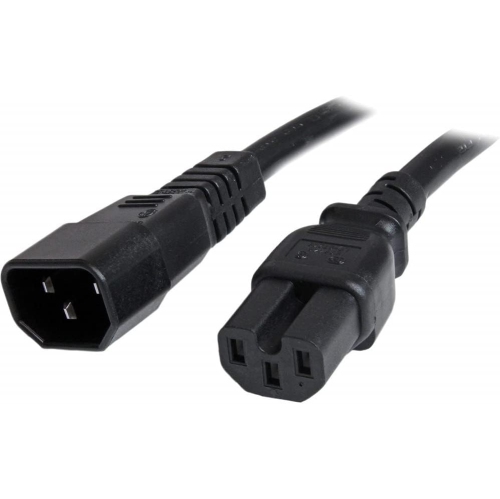
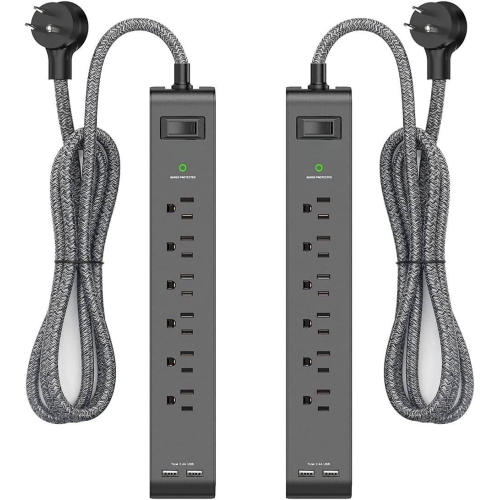
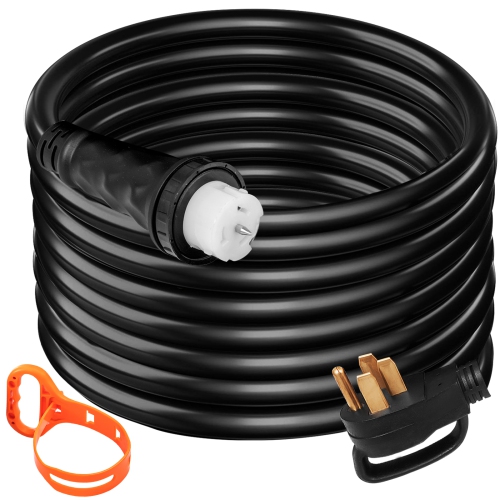
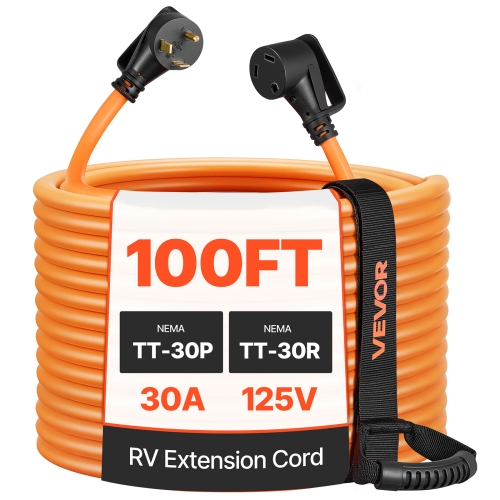
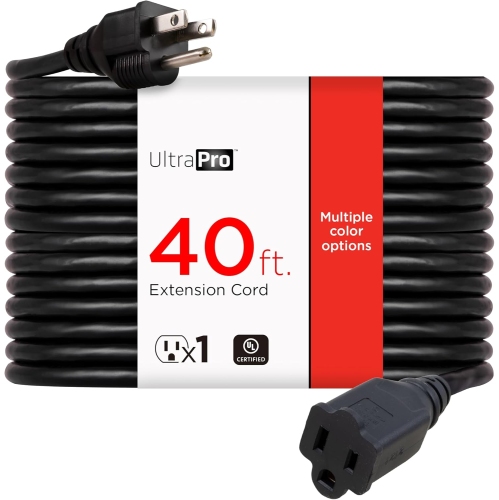
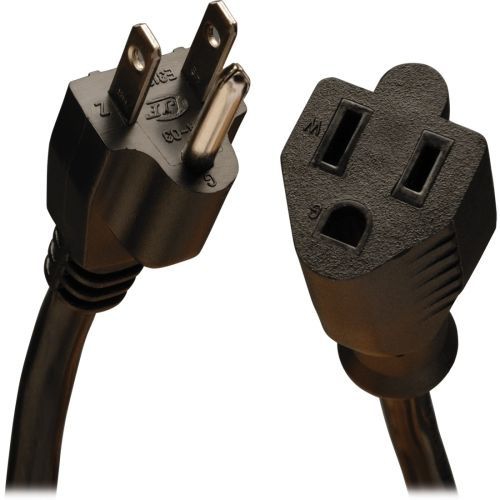
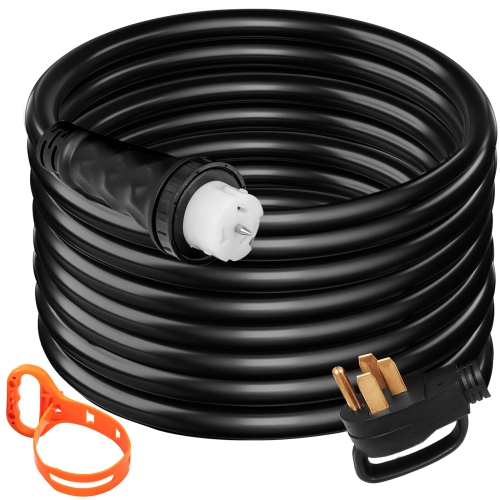
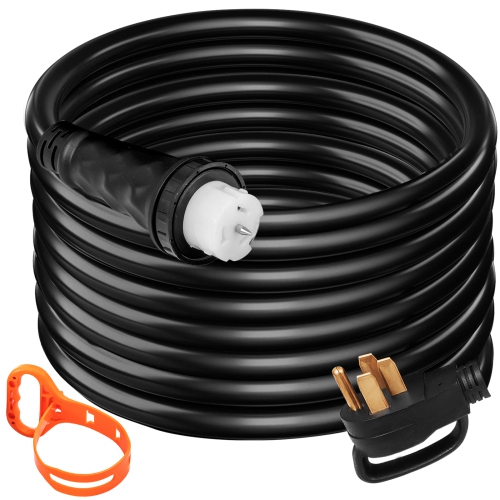
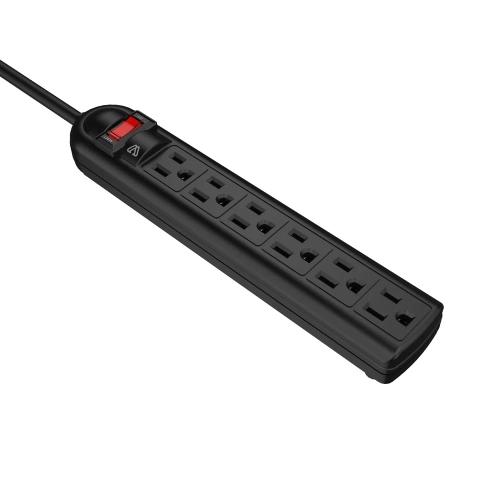
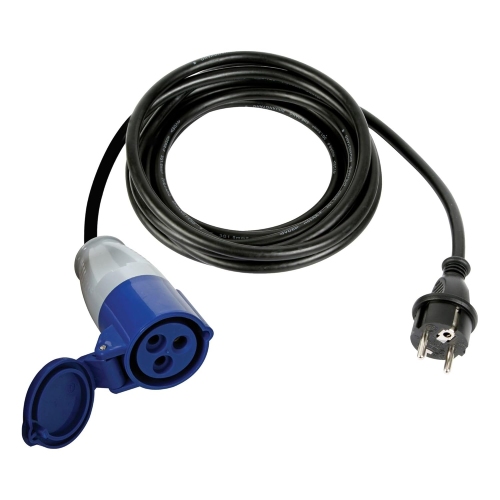
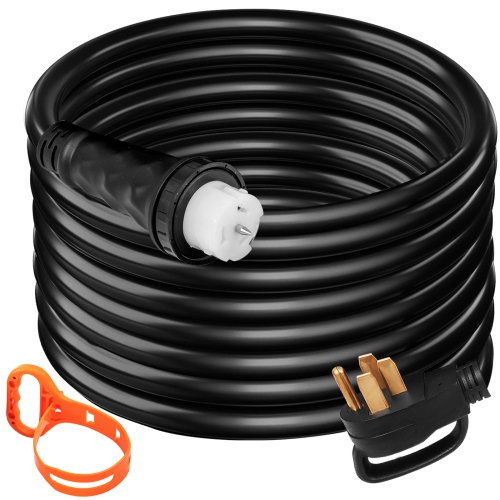
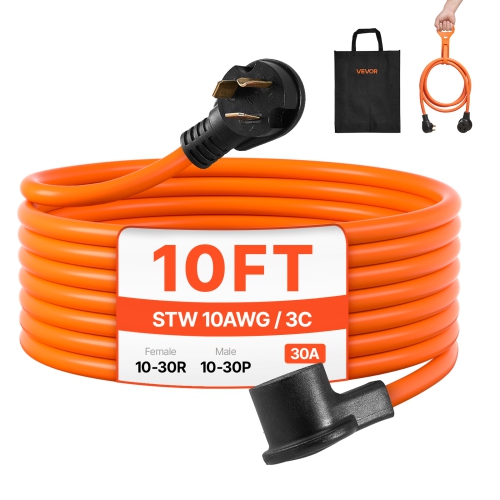
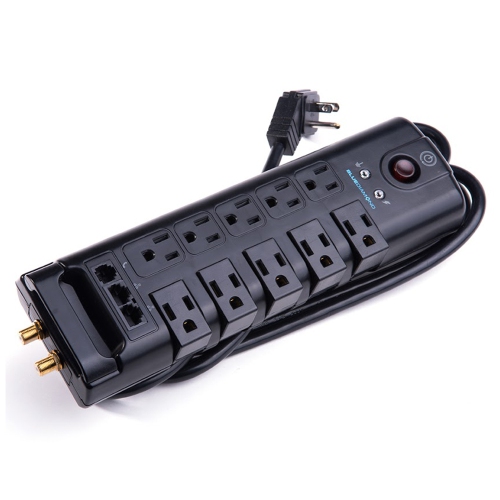
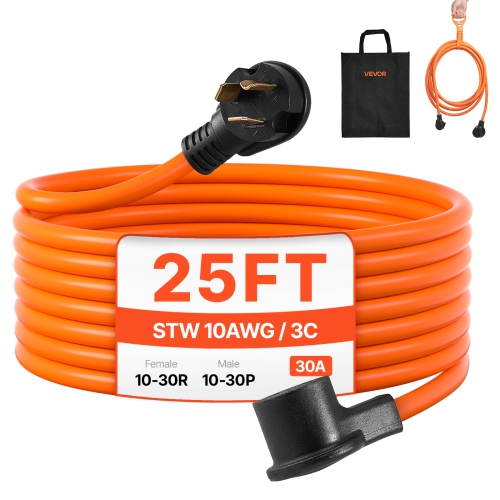
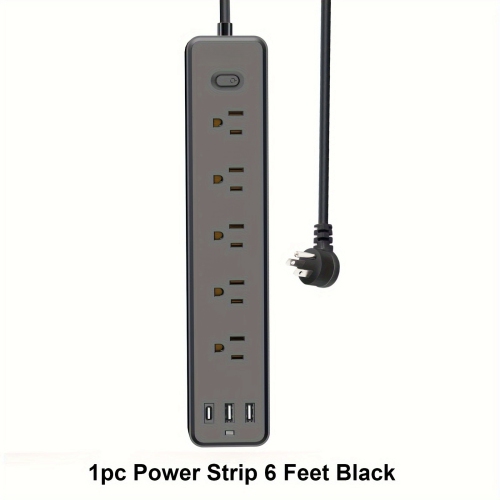
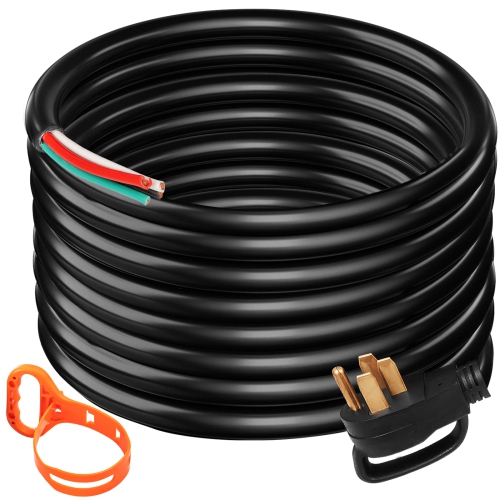
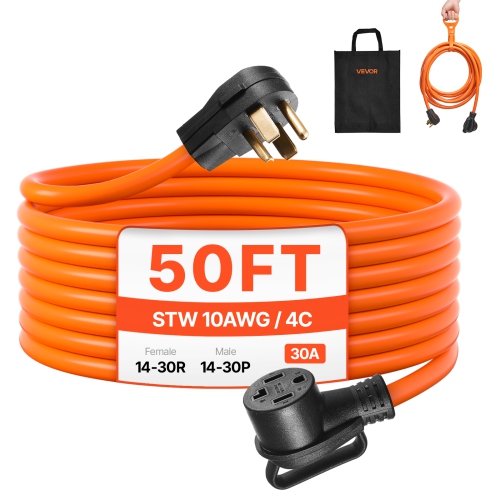
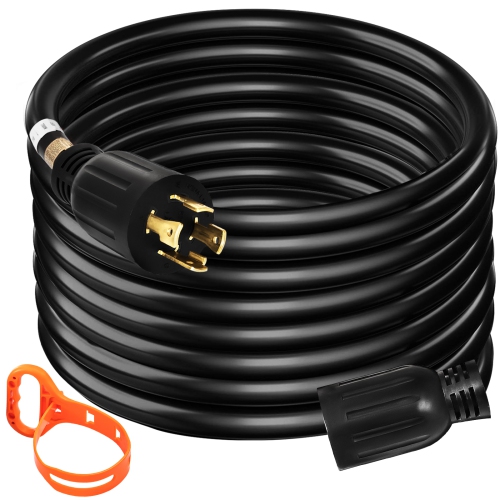
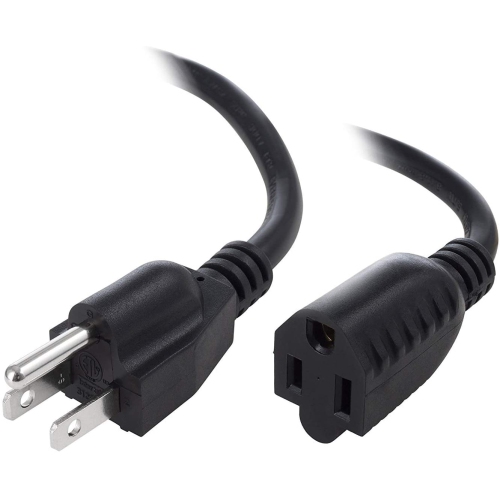
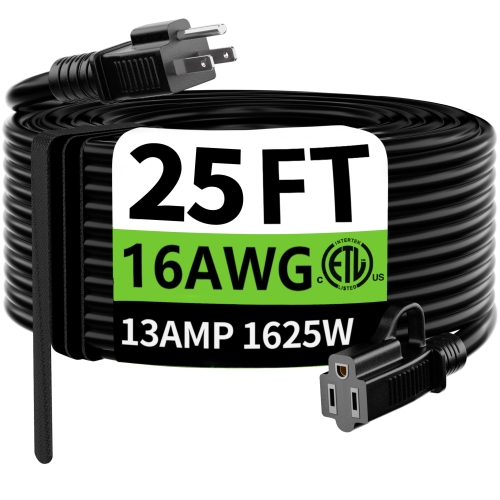
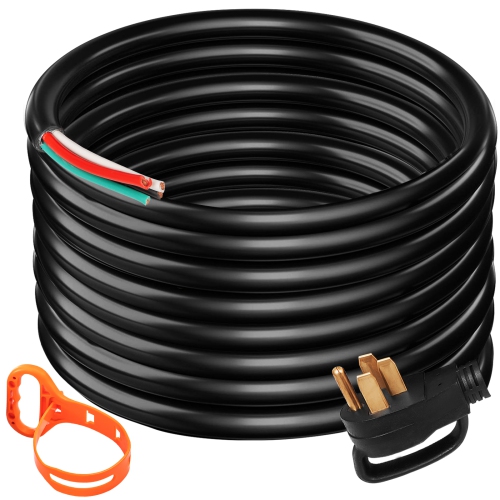
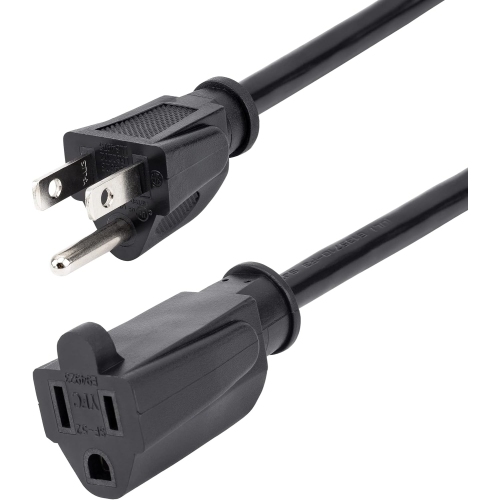
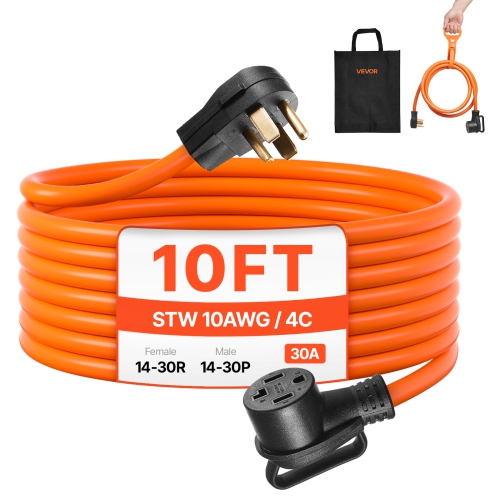
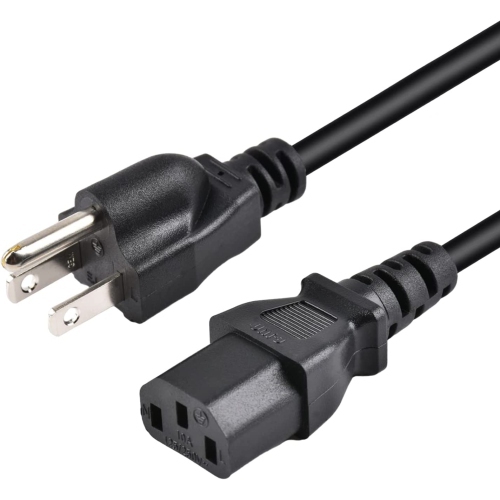
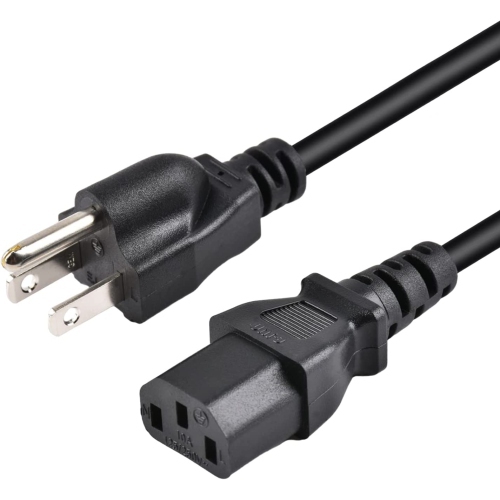
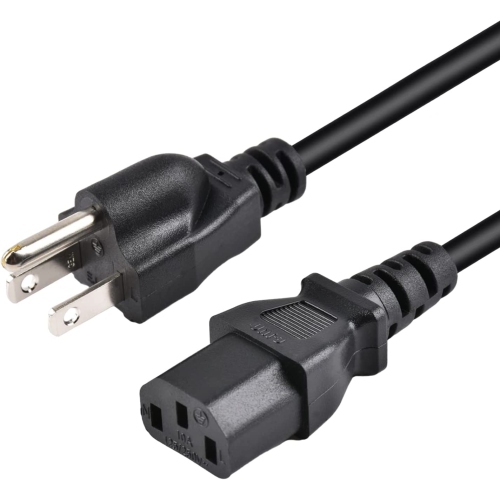
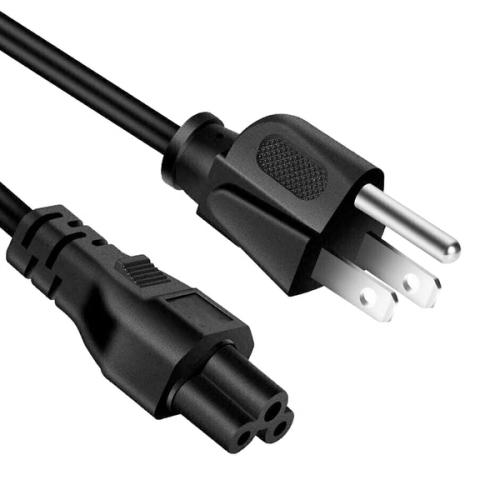
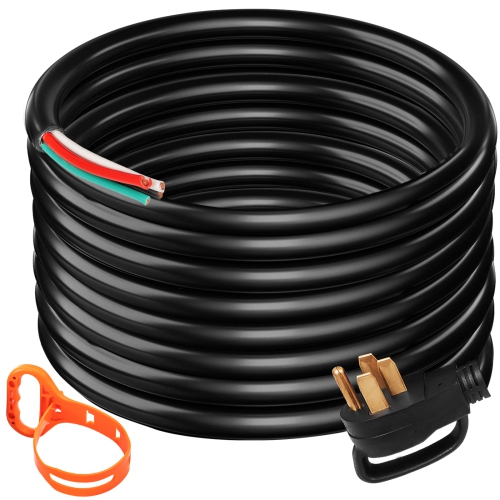
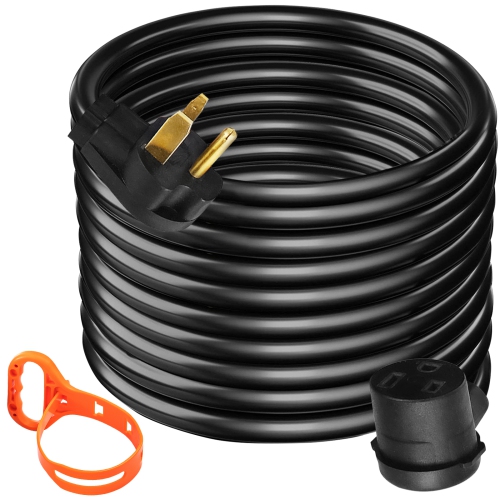
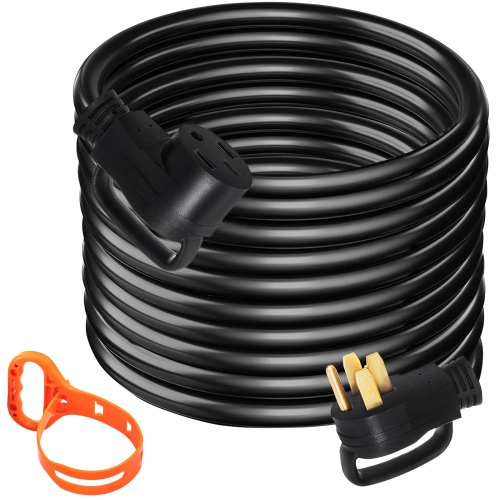
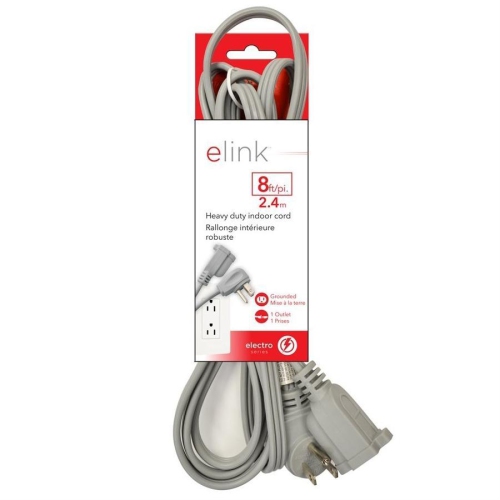
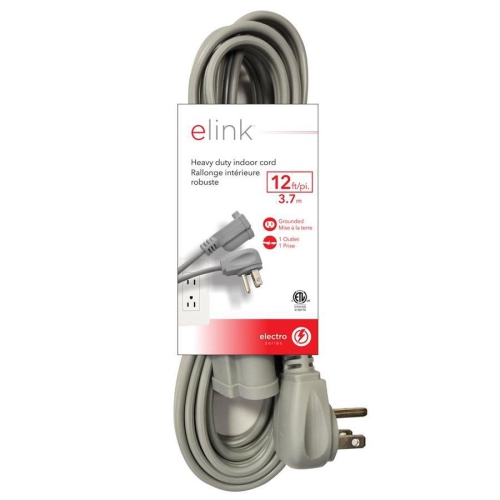
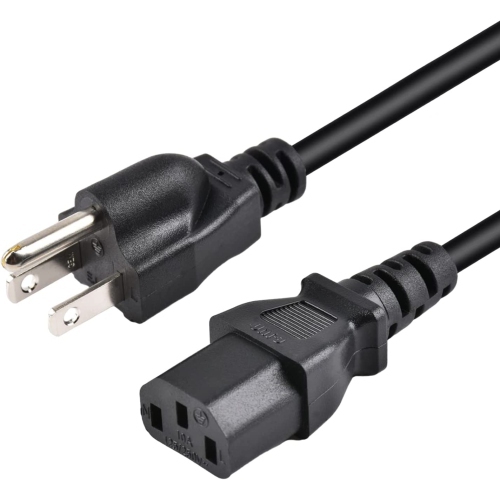
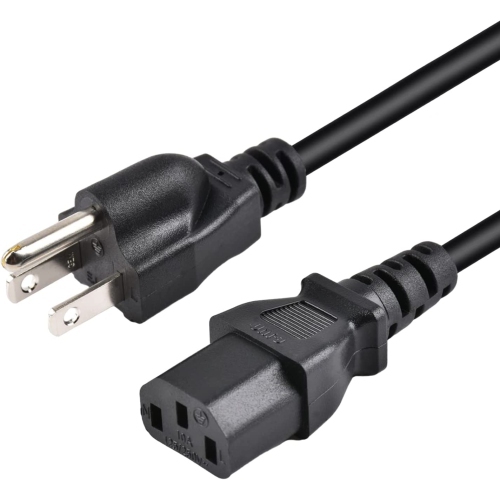
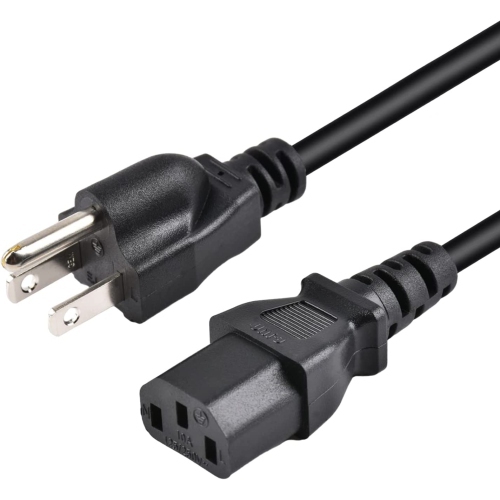
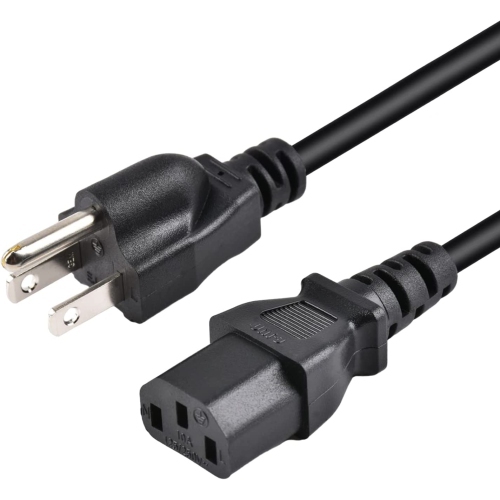
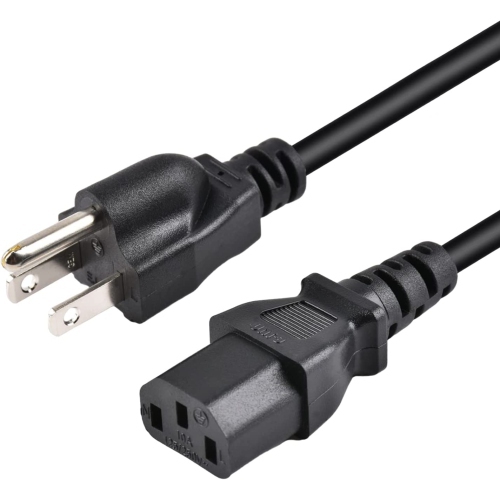
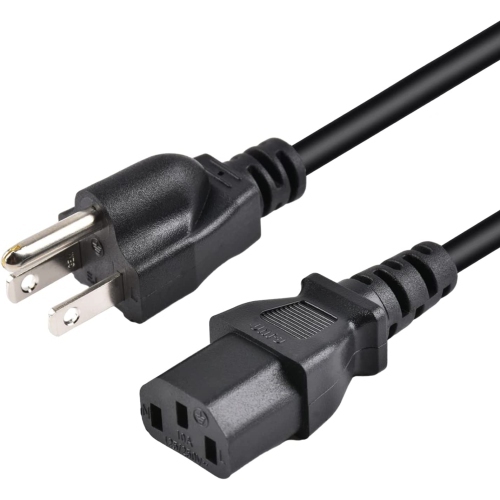
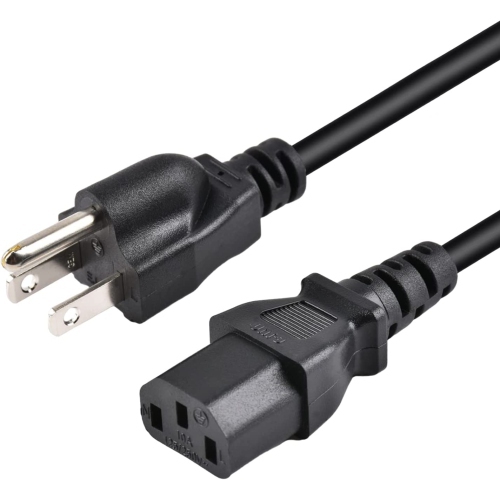
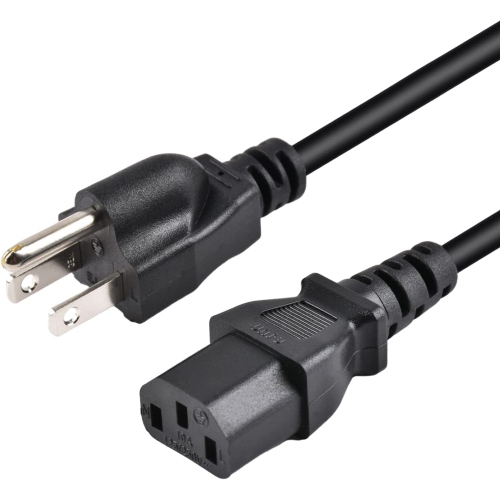
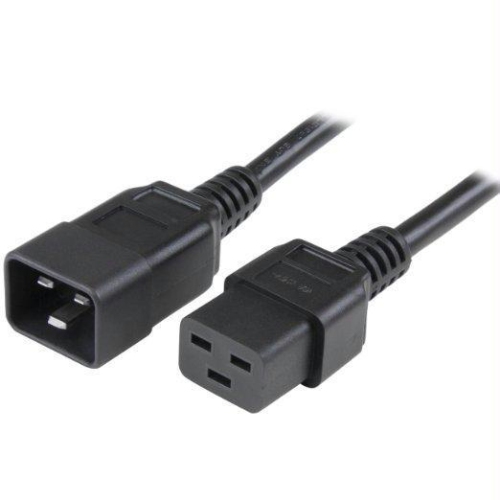
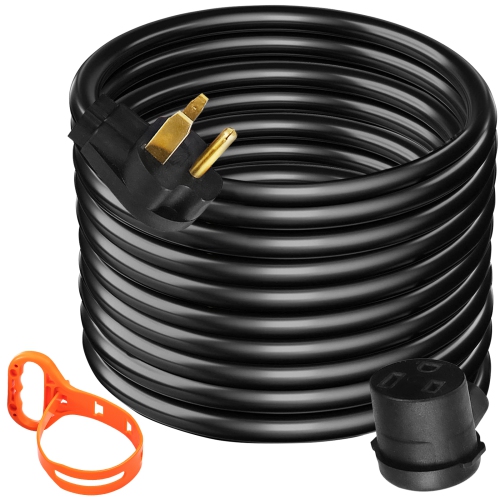
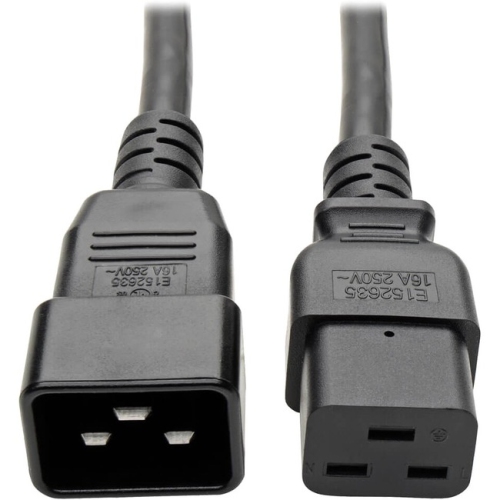
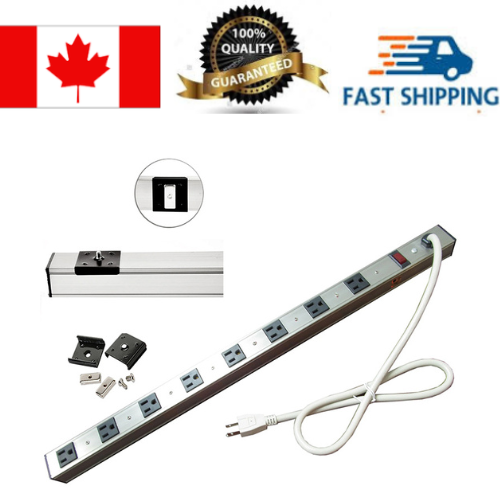
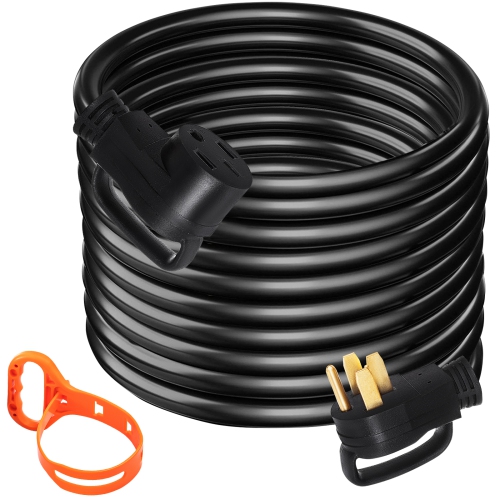
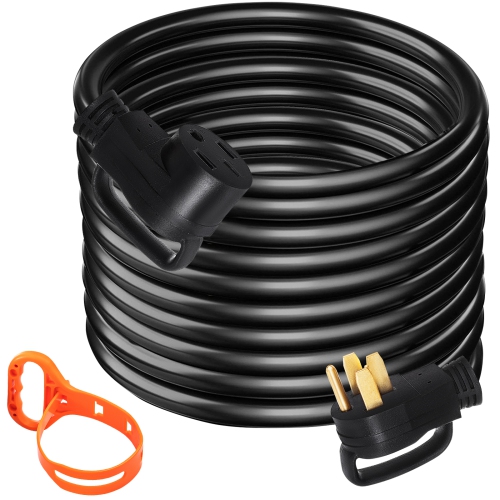
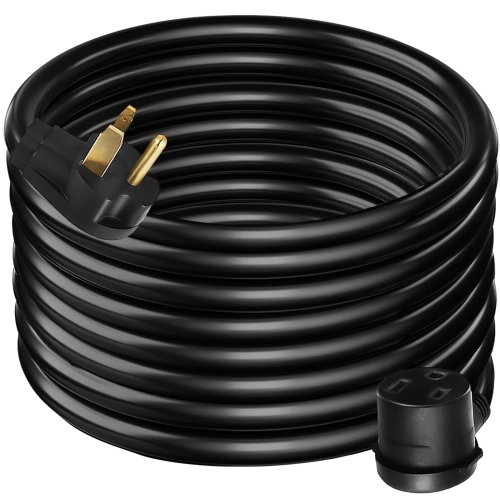
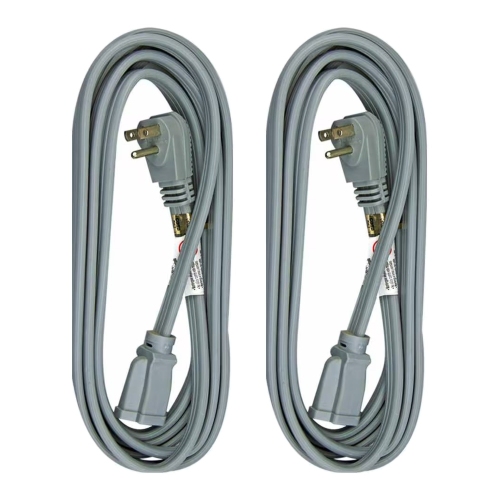
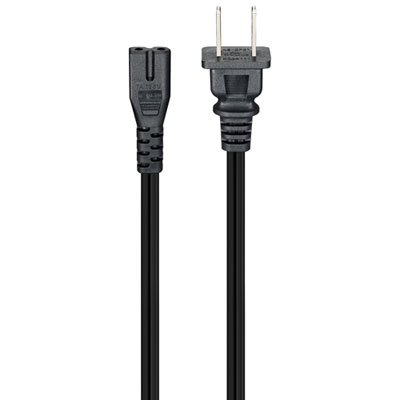
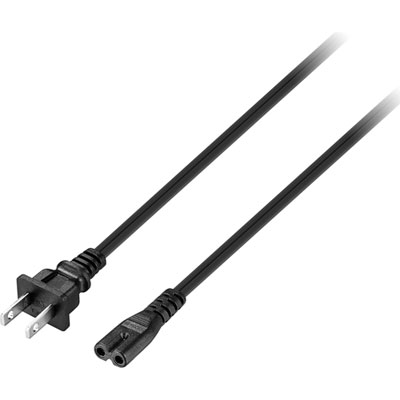
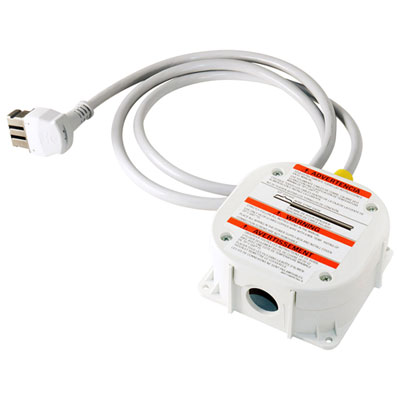
Heavy-duty power cords connect compatible tools, equipment, and appliances to an electrical supply, with construction designed for more demanding use than a lightweight household cord. The category includes extension cords that add reach and replacement power cords that connect directly to equipment through a matching inlet. In a workshop, that might mean reaching a bench-mounted tool without stretching its original cable; in a maintenance area, it could mean supplying compatible cleaning equipment while keeping the connection accessible. The most important specifications are wire gauge, cord length, voltage rating, amperage rating, and connector type. Wire gauge is commonly expressed using American Wire Gauge, or AWG: a lower number indicates a thicker conductor. For otherwise comparable cords, thicker conductors generally support greater current over a given distance with less voltage drop. Length matters because electrical resistance increases as the cable gets longer, so the same tool may require a different gauge when used across a large workspace rather than beside an outlet. A heavy-duty label alone does not establish whether a cord is suitable for a particular load. Its marked ratings and the equipment manufacturer’s requirements provide the relevant limits, including any restrictions on extension cord use. Motors can draw more current when starting than during normal operation, making the equipment’s stated cord requirements especially important. Many household outlets in Canada supply 120-volt power, but that does not make every cord or connector interchangeable. The plug configuration, grounding arrangement, circuit capacity, and connected equipment must all be compatible. A cord with a higher amperage rating cannot increase the capacity of the wall outlet or circuit supplying it. Likewise, connecting several devices does not give each device the cord’s full rated capacity independently; their combined demand still has to remain within every applicable limit. For appliances that require a direct wall connection, a heavy-duty extension cord is not a substitute. These distinctions separate a cord that simply reaches the equipment from one that is properly matched to its electrical needs.
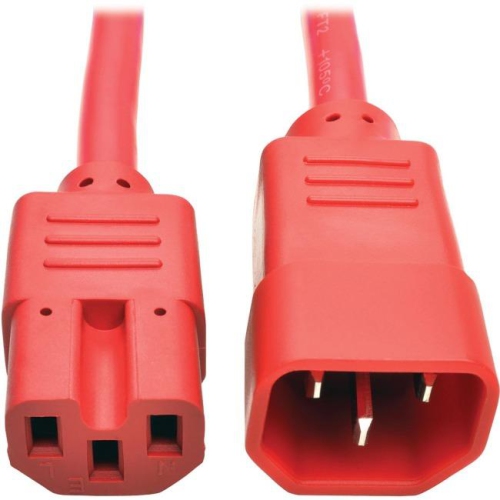
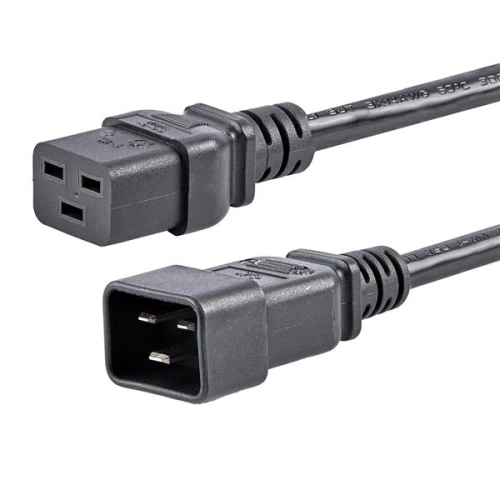
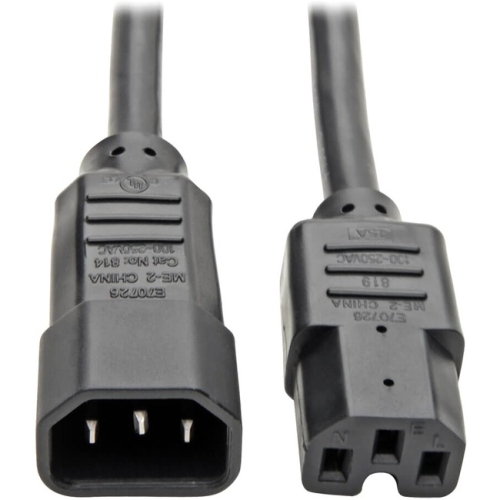
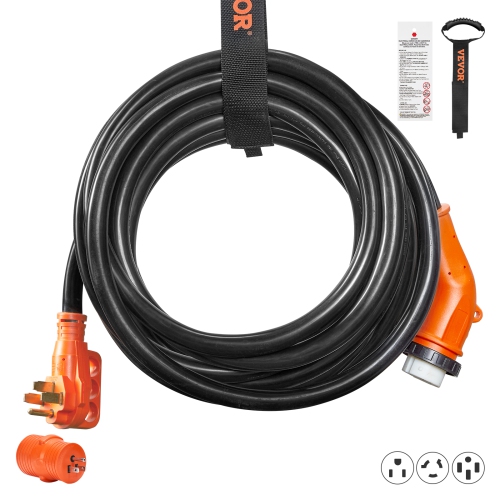
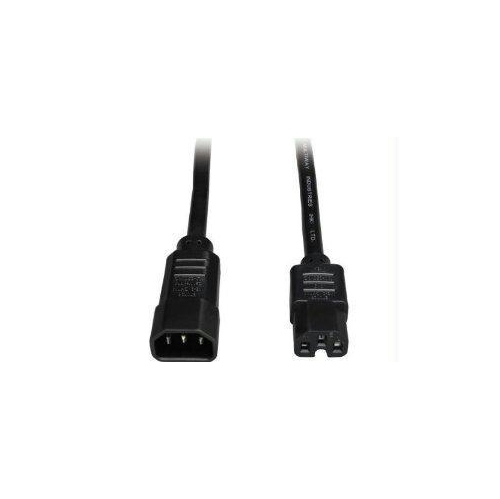
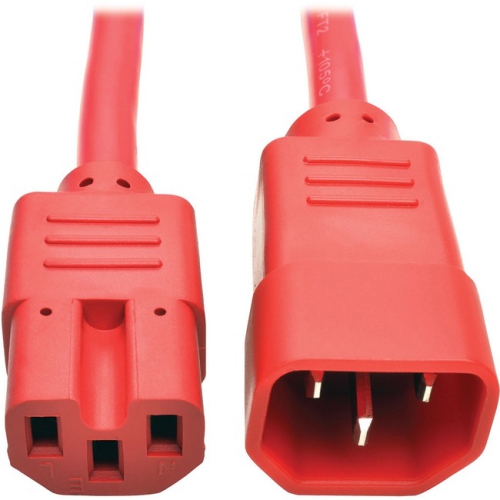
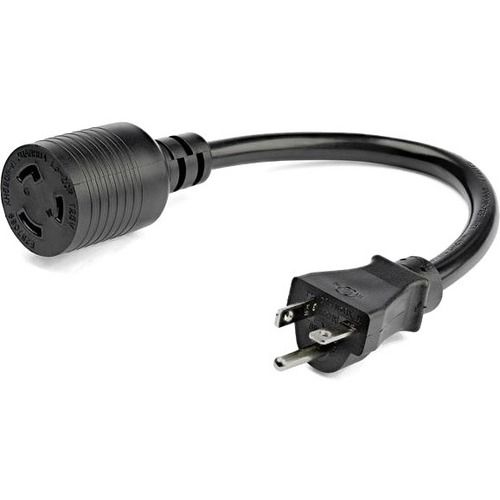
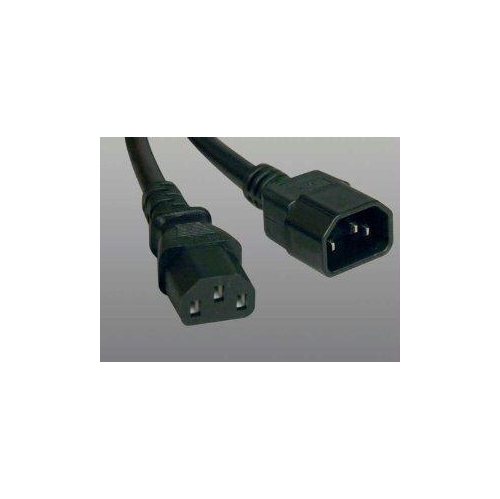
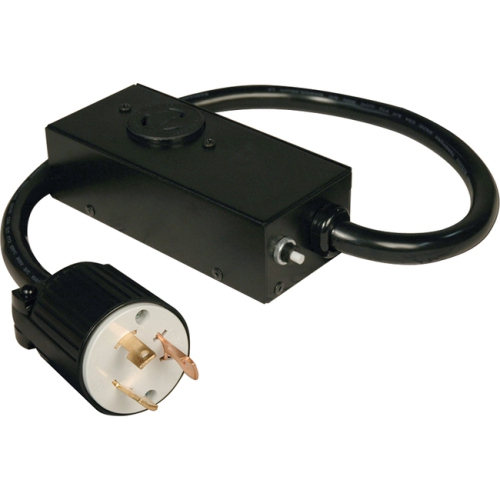
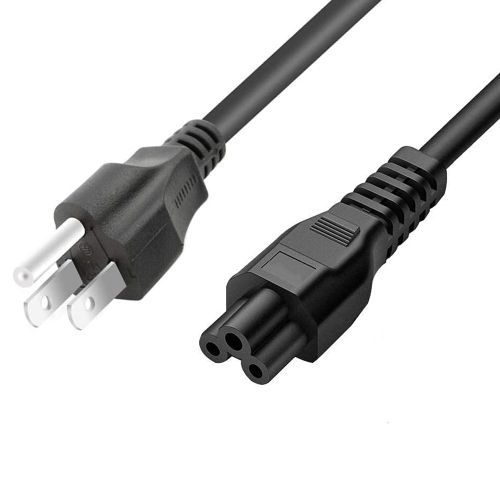
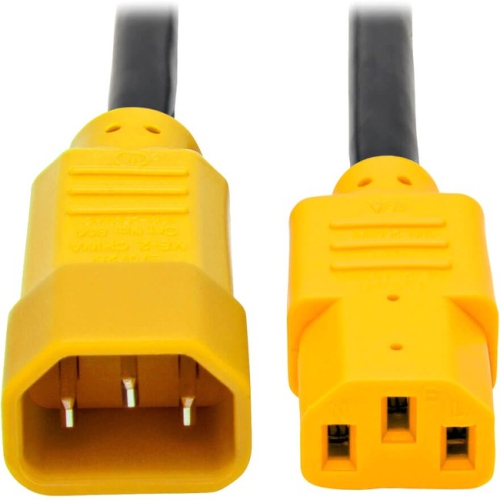
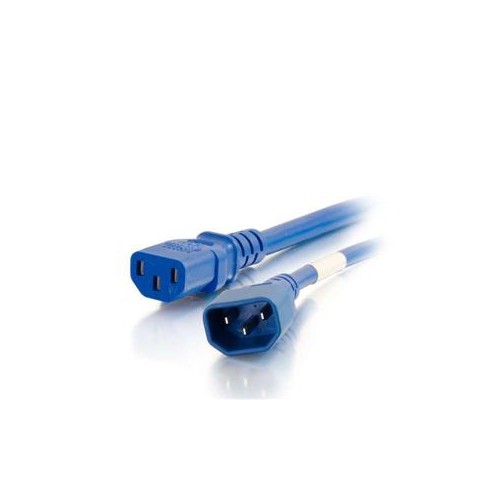
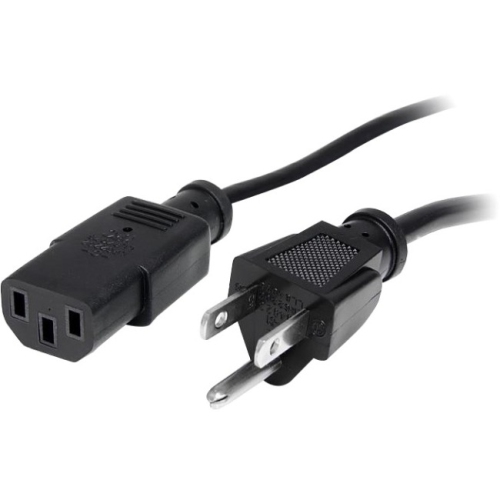
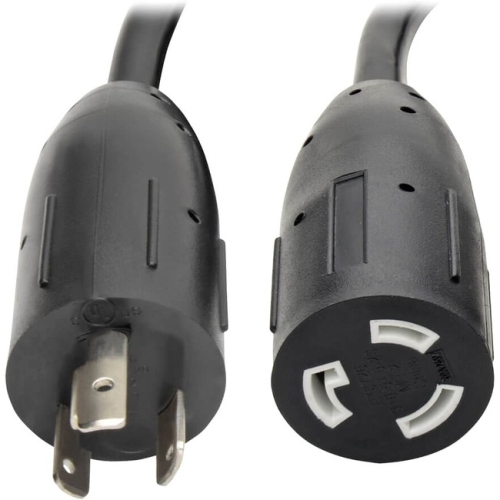
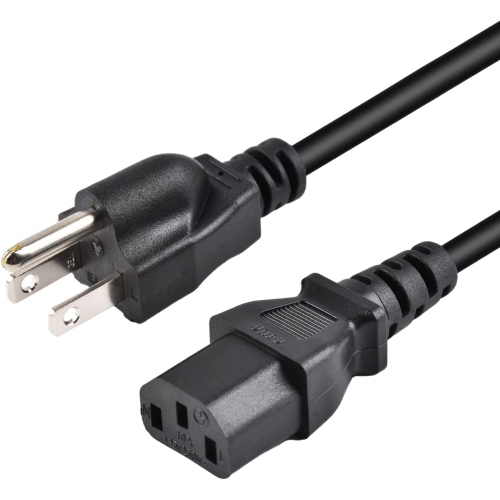
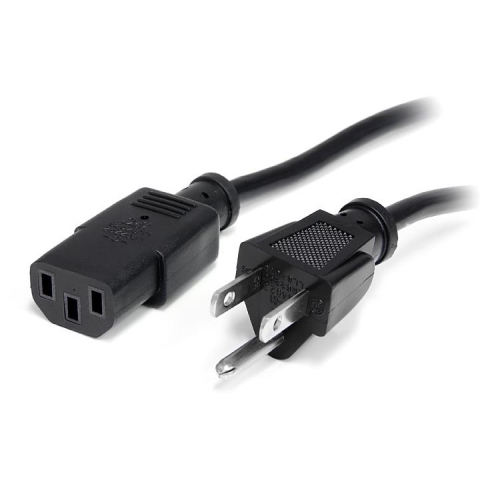
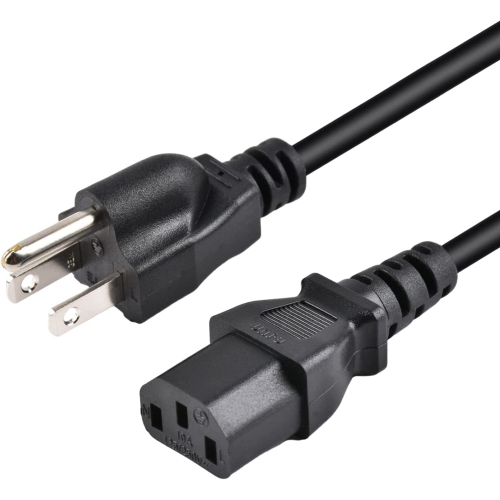
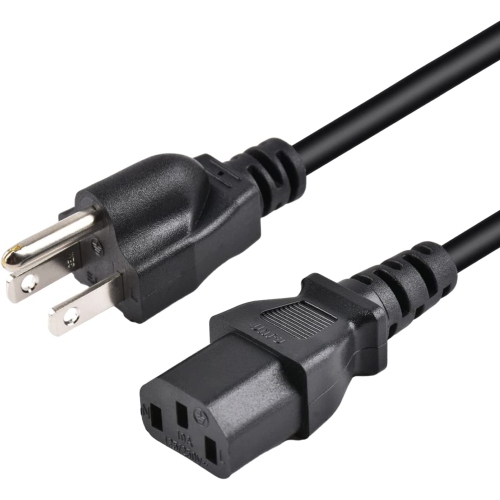
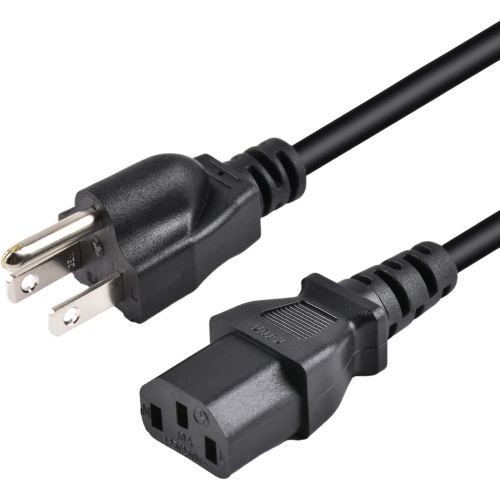
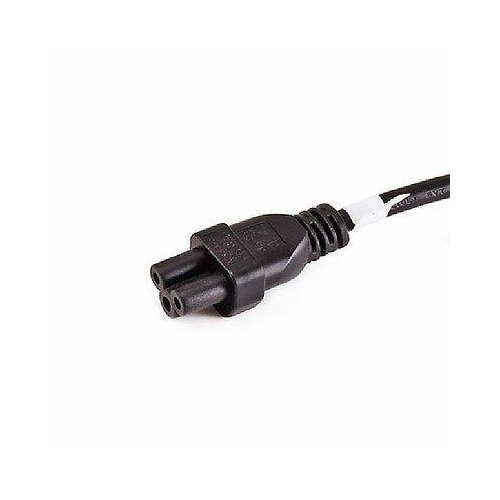
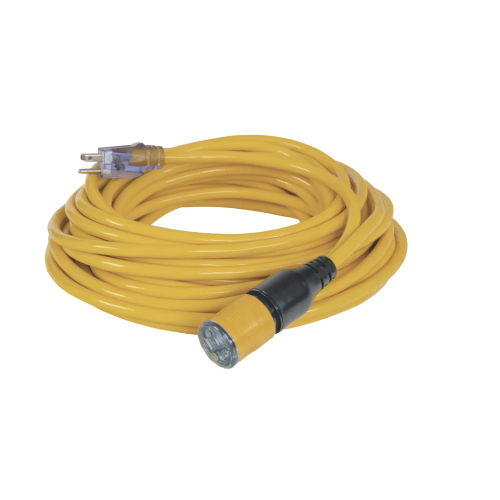
Construction affects how a heavy-duty power cord handles repeated movement, contact with work surfaces, and everyday handling. Copper conductors are common, while the outer jacket may use rubber, vinyl, or other insulating compounds selected for different applications. Jacket thickness and composition influence flexibility and resistance to abrasion, moisture, oils, or other substances, but those properties vary by cord. Indoor and outdoor designations are separate from the general heavy-duty description, and suitability for a particular location needs to be stated in the cord’s markings or documentation. An outdoor rating does not mean that a plug connection can be submerged or left in standing water. Recognized Canadian electrical certification marks also help identify cords evaluated to applicable safety standards. At each end, securely formed connectors and effective strain relief help protect the points where the cable enters the plug or socket. Moulded ends can provide a compact, integrated connection, while some specialized equipment uses serviceable connectors that require qualified installation or repair. Grounded equipment needs a compatible grounded cord; removing a grounding pin or using an unsuitable adapter defeats an important protection. Replacement equipment cords also need the correct connector shape, pin arrangement, and electrical rating. Two cables that look similar from a distance may have different equipment-side connections or intended uses. Physical fit includes more than whether the plug enters the socket. A bulky connector may not fit inside a recessed equipment inlet, and an angled plug may direct the cable differently from a straight one. Cord length also affects handling: too little reach places strain on connections, while excessive slack creates loops around feet, chair wheels, or tool stands. High-visibility jackets can make a cable easier to notice against a workshop floor, and lighted ends can indicate that power is present at the connector. That light does not confirm correct grounding, adequate circuit capacity, or the condition of the entire cable. Practical features are most useful when paired with the right electrical specifications rather than treated as replacements for them.
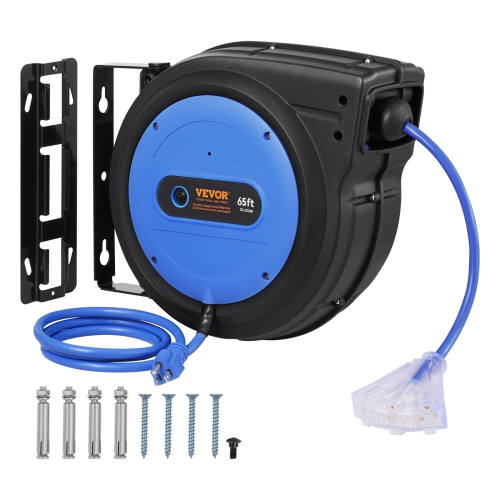
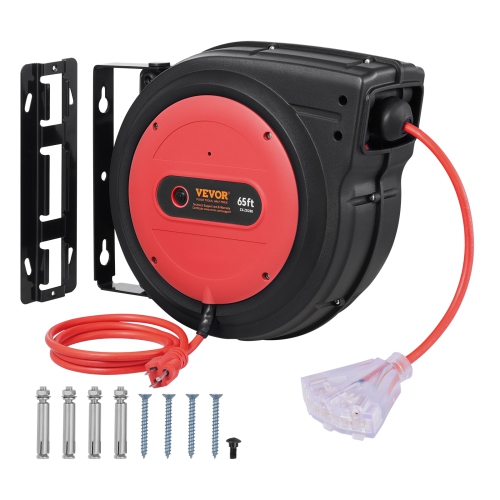
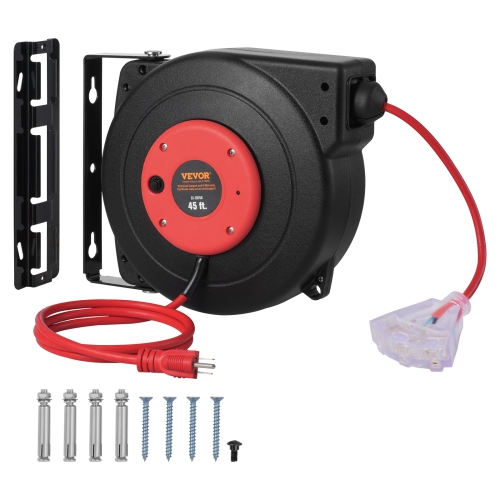
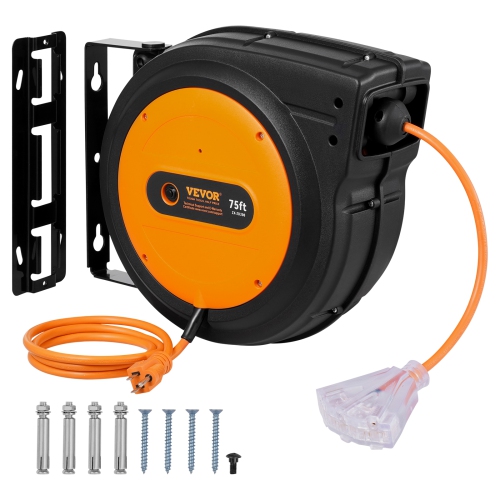
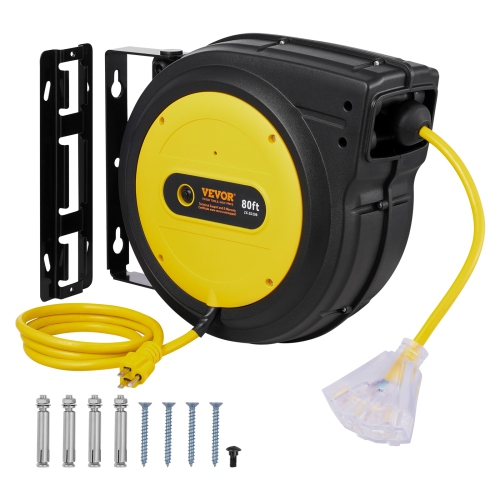
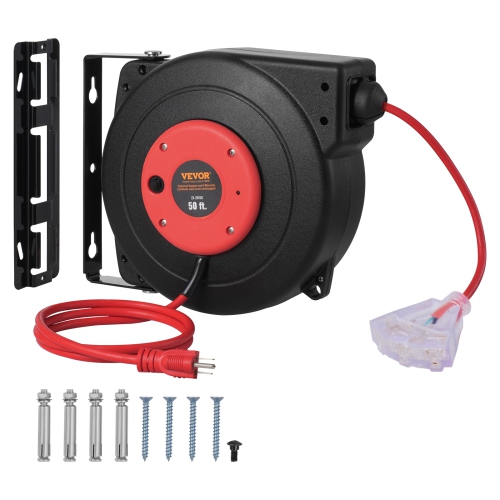
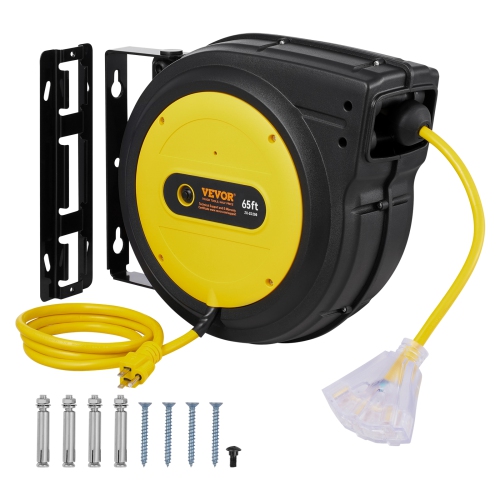
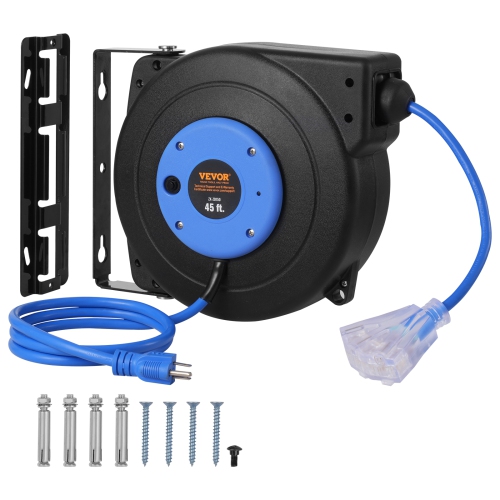
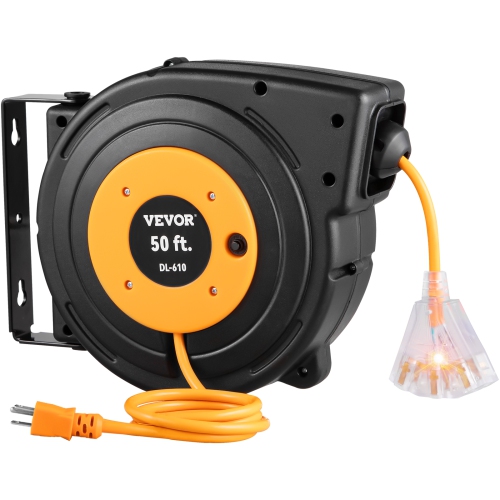
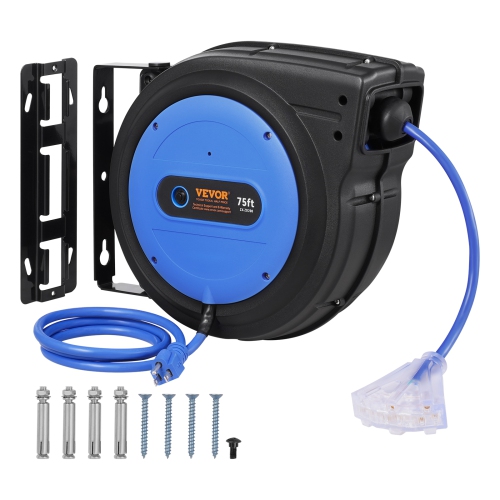
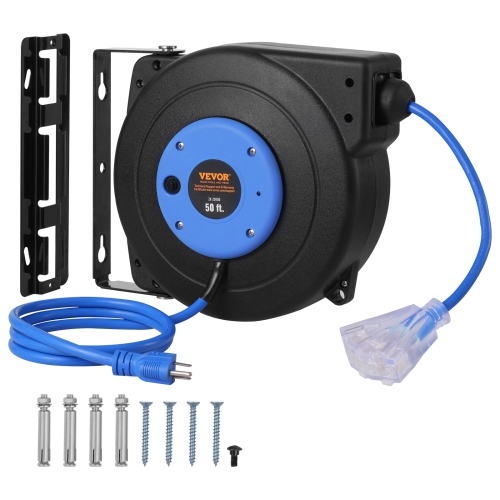
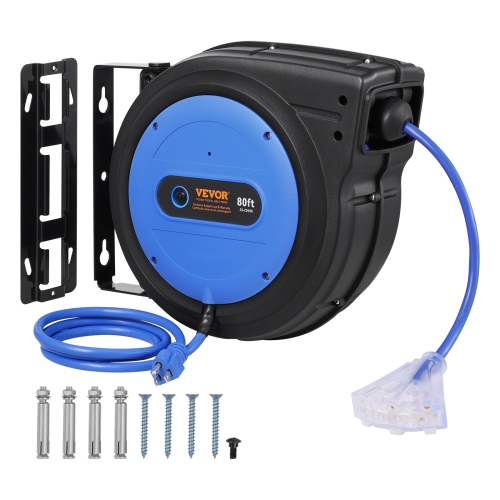
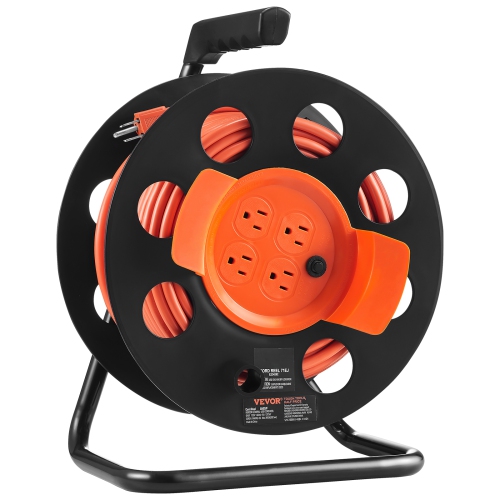
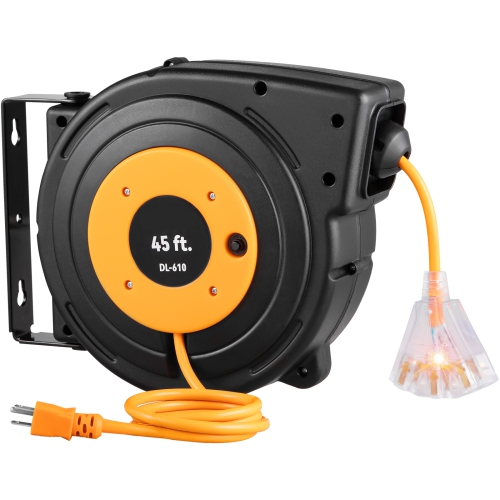
Heavy-duty power cords suit tradespeople, maintenance teams, hobbyists, and homeowners whose equipment calls for a more robust connection, but durability still depends on how the cable is used and stored. A cord serving a portable work light may be moved repeatedly, while one supplying compatible stationary equipment may stay in the same position for long periods. Both uses benefit from routing that keeps the cable away from sharp edges, moving machinery, and places where it can be crushed. Running a cord beneath a rug, through a closing doorway, or across an unprotected vehicle path can conceal damage or place pressure on the insulation. Extension cords are intended for temporary use rather than as a replacement for permanent wiring. Where regular tasks call for adjustable reach and organized storage, Heavy Duty Extension Cord Reels provide a related option for keeping cable contained between uses. Reel ratings deserve attention because the permitted load can differ when the cable is wound and when it is fully unwound. Following those stated limits helps prevent heat from building up within a tightly packed coil. Routine care is straightforward: disconnect the cord by holding the plug rather than pulling the cable, and inspect the jacket, pins, sockets, and strain relief before reuse. Cuts, exposed conductors, loose connections, discolouration, or melted areas are reasons to stop using the cord and have it assessed or replaced. Tape does not restore a damaged cord’s original protective construction. Cleaning should follow the manufacturer’s directions, with the cord disconnected and without immersing electrical connections. For storage, broad, relaxed loops put less stress on the cable than tight bends or knots, and a dry storage location helps keep connectors clean and protected. In a shared workshop or busy utility area, keeping cords separated by length, connector type, and rating makes the correct cable easier to identify. Matching those details to the intended equipment supports dependable everyday use without relying on appearance, jacket colour, or the heavy-duty description alone.
Top selling and popular products
-
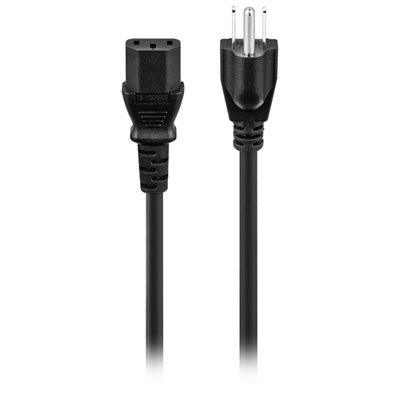 Your price for this item is $9.99
-
 Your price for this item is $12.99
-
 Your price for this item is $29.99
-
 Your price for this item is $10
-
 Your price for this item is $12.99
-
 Your price for this item is $10
-
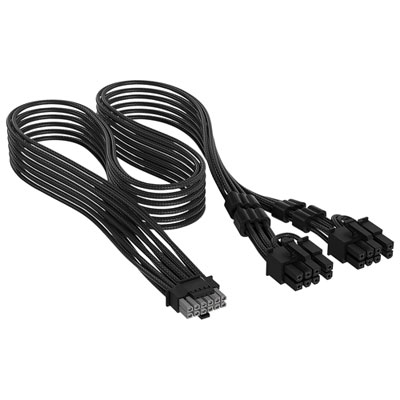 Your price for this item is $24.99
-
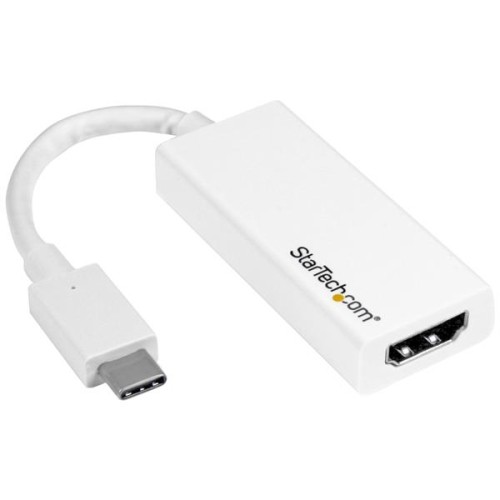 Your price for this item is $35.99
Discover more categories related to Heavy Duty Power Cords
Top Collections:
Best Black Friday Deals This Year, Best Black Friday Deals On Electronics, Kindle Devices, Pokemon Centers, Best Black Friday Deals On Apple Products, Best Cameras for Sports Photography, Dyson Airwrap, Pokémon 30th Celebration Cards, Apple iPhone 17 Pro, Canon G7X Cameras
Some products may be subject to Environmental Handling Fees
(EHF) depending on your province.
Learn more about EHFs.