Home Surge Protectors
Protect your valuable electronics and appliances from unexpected power surges with our selection of home surge protectors. Designed to safeguard your devices against voltage spikes, these surge protectors offer peace of mind and ensure that your sensitive equipment stays safe during electrical fluctuations. Whether you need a surge protector for your entertainment center, home office, or kitchen appliances, we have a wide range of options to suit your needs.
Sort
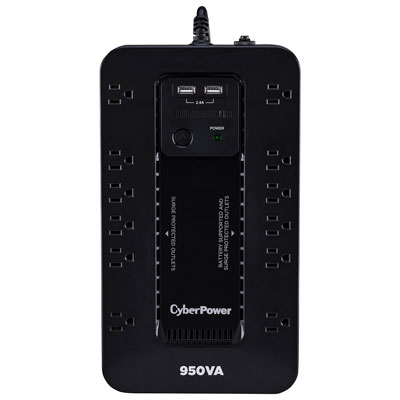
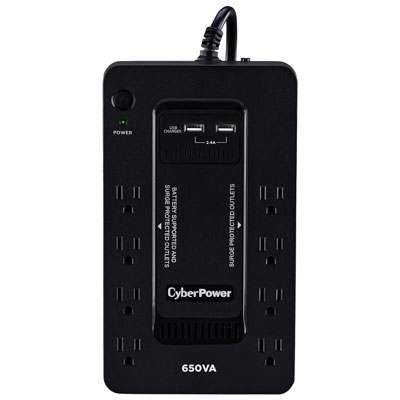
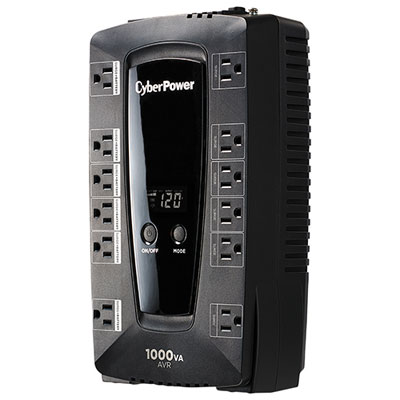
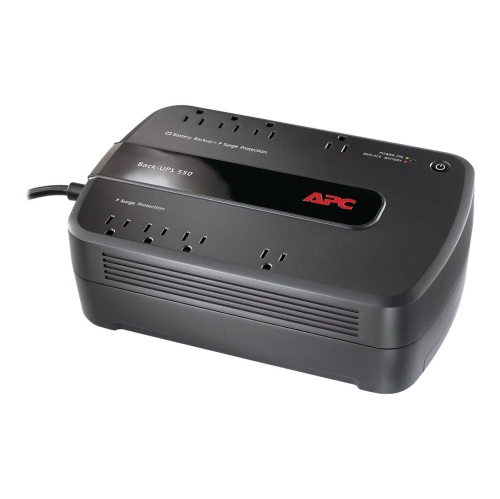
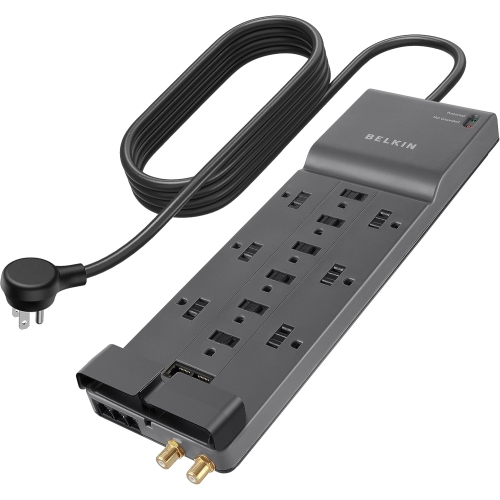
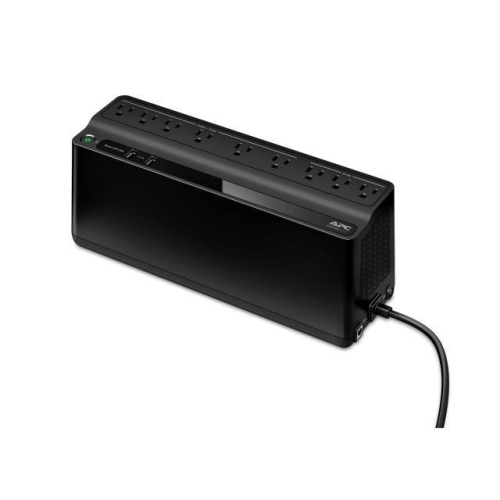

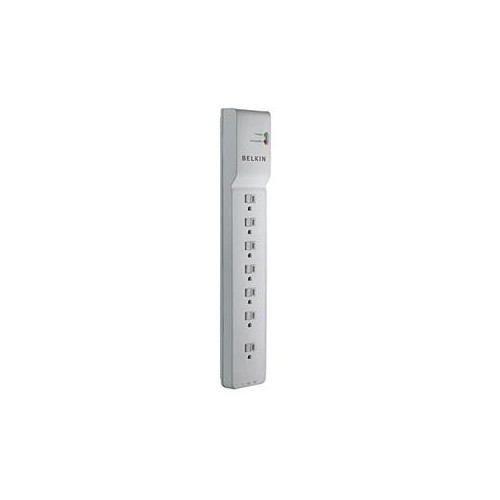
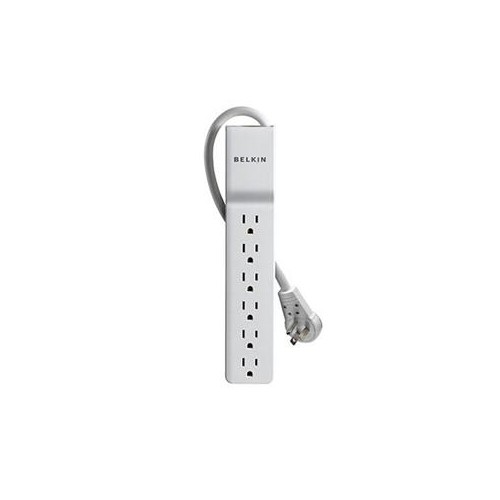
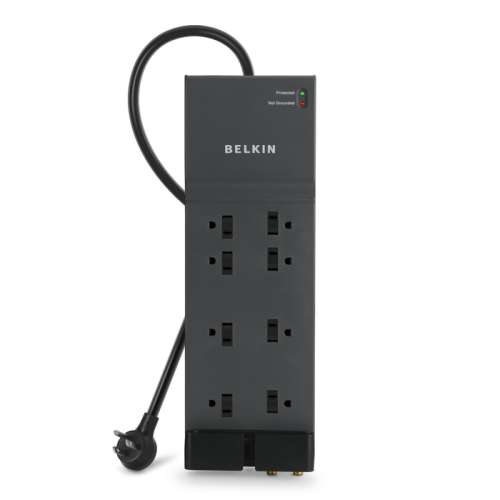
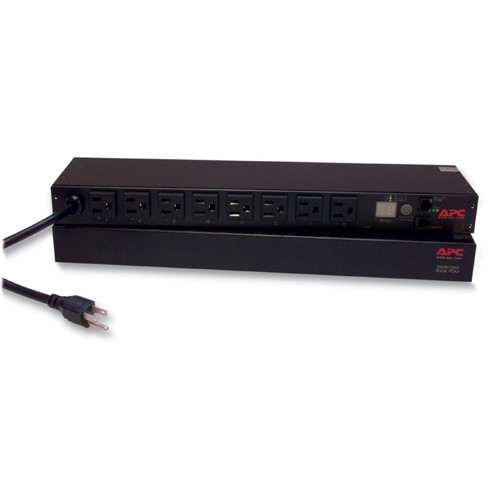


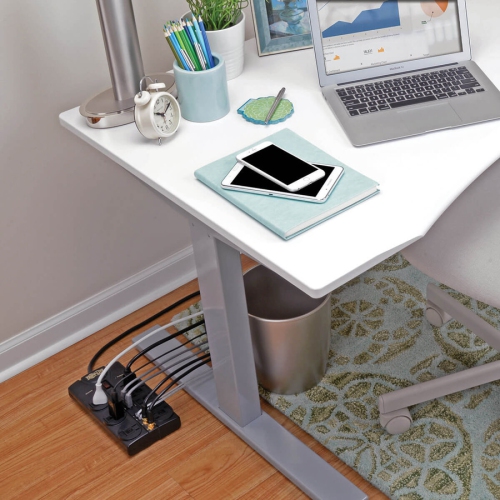
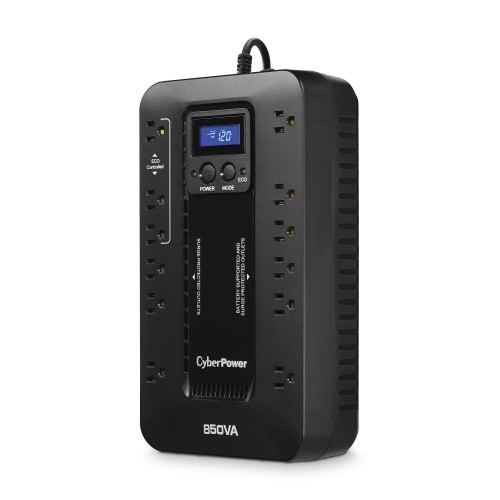
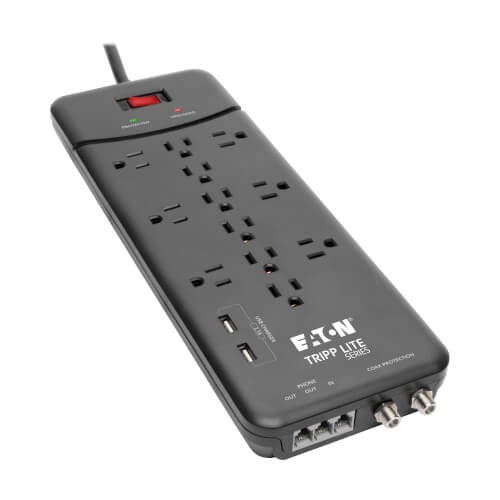
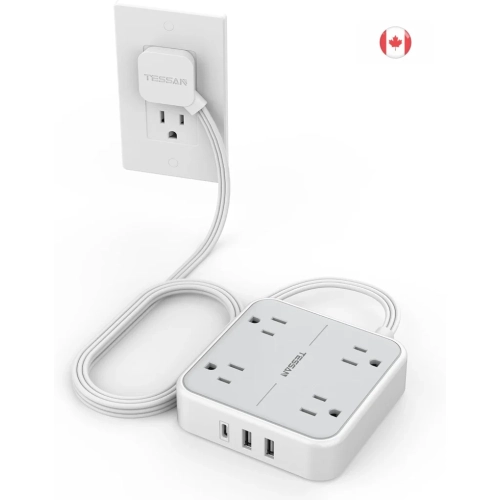
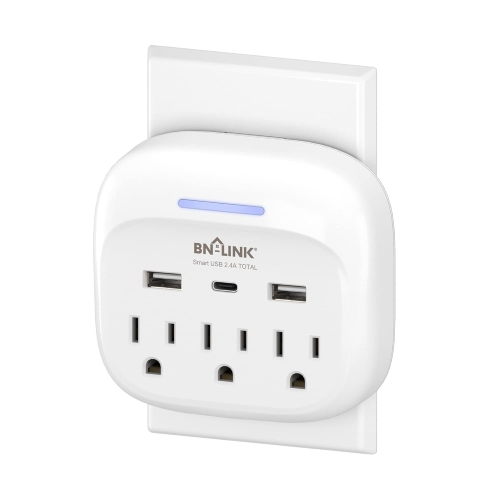
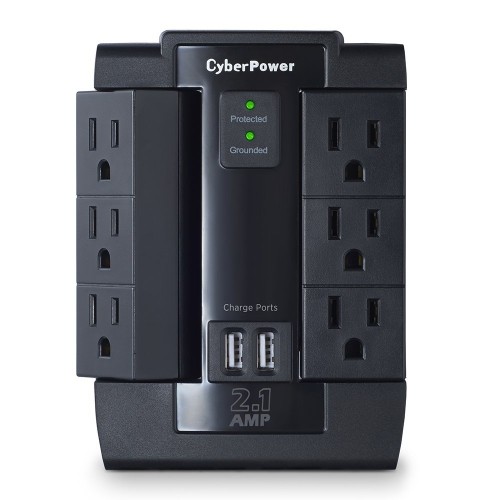
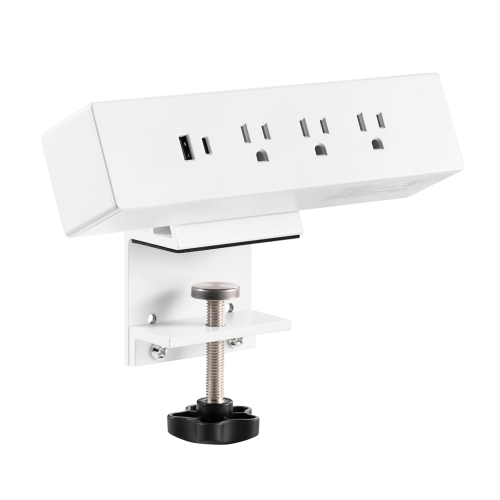
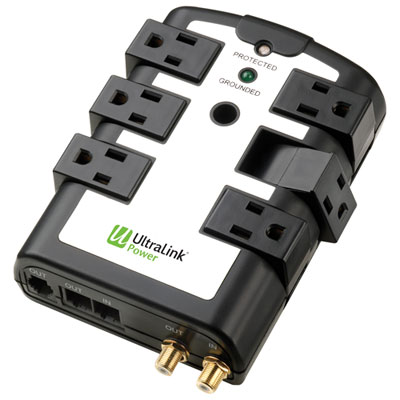
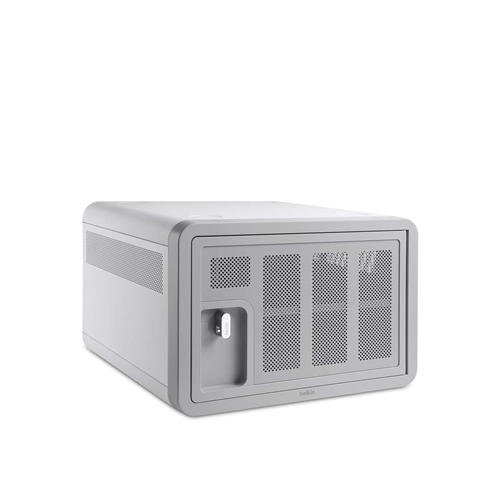
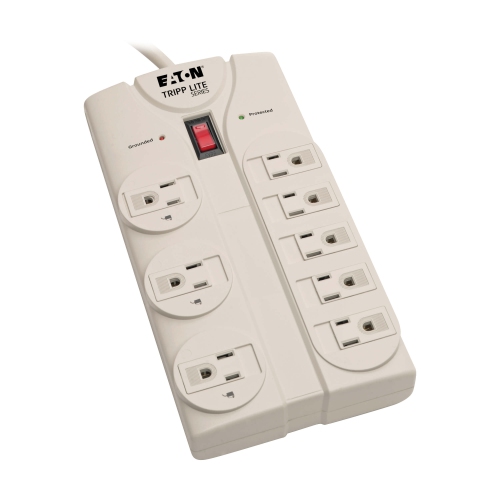
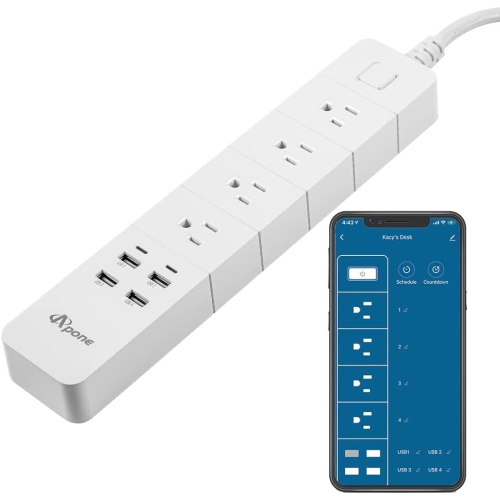
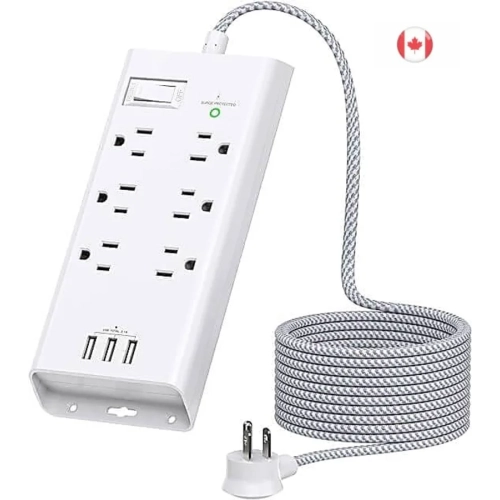
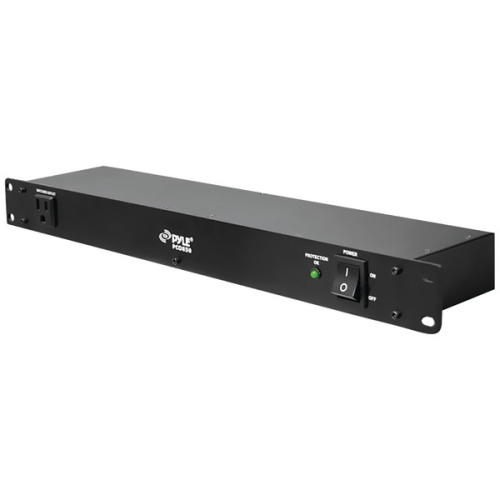
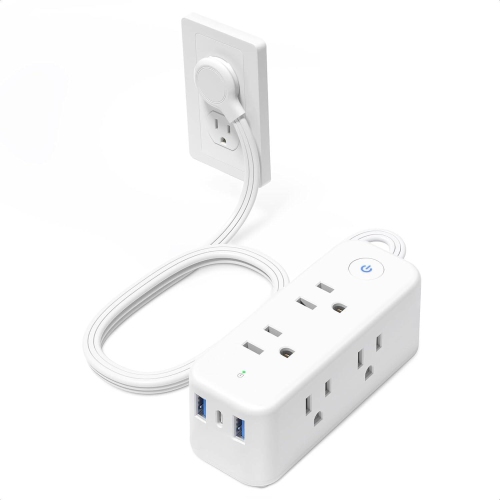

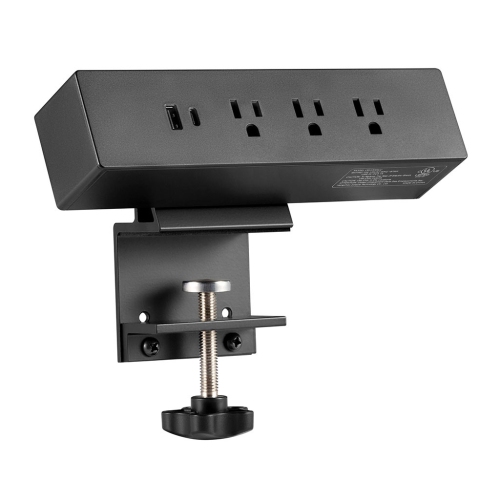
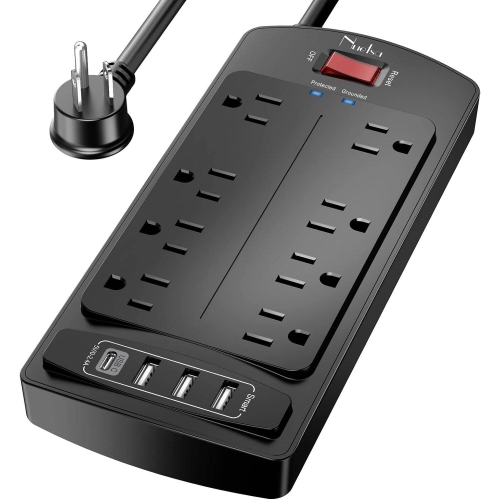
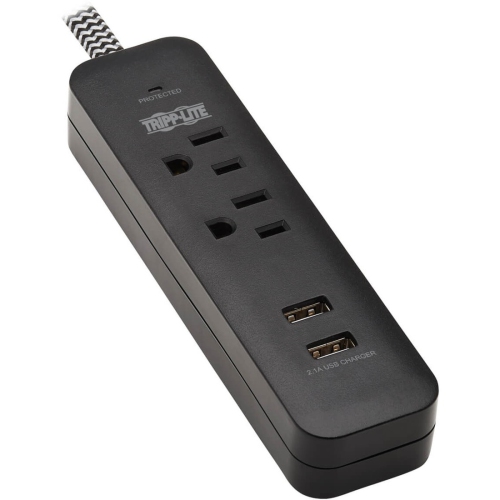
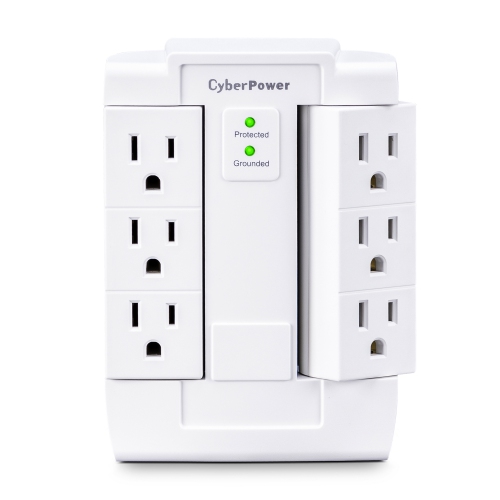
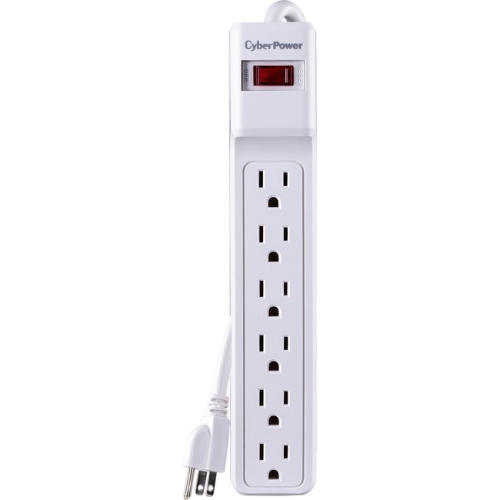
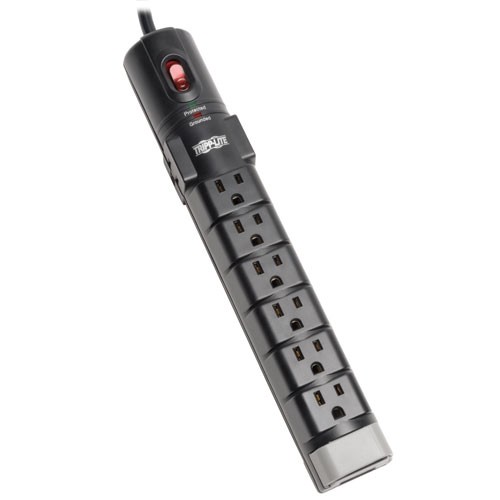
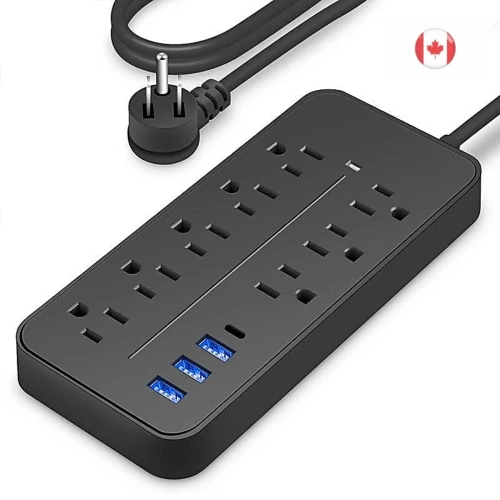
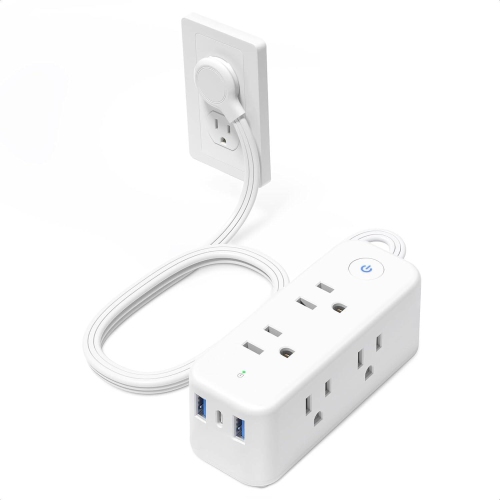
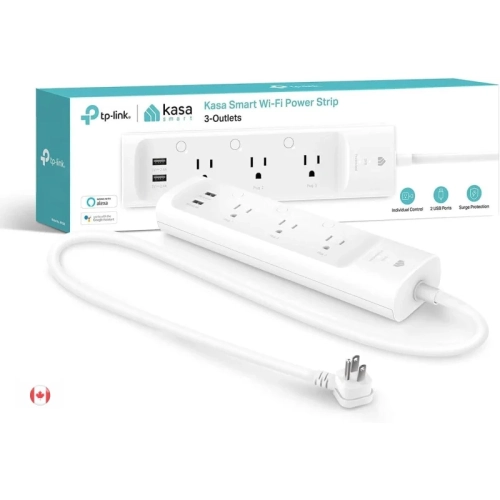
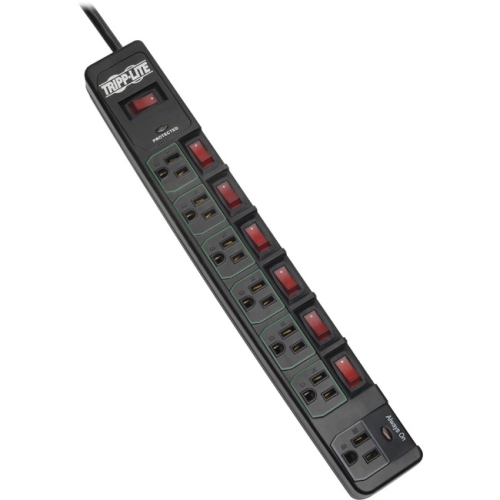
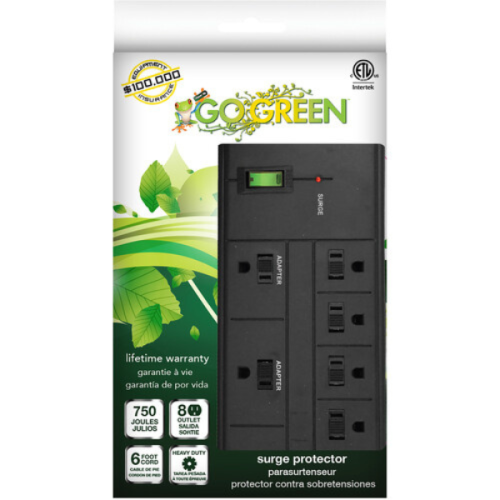
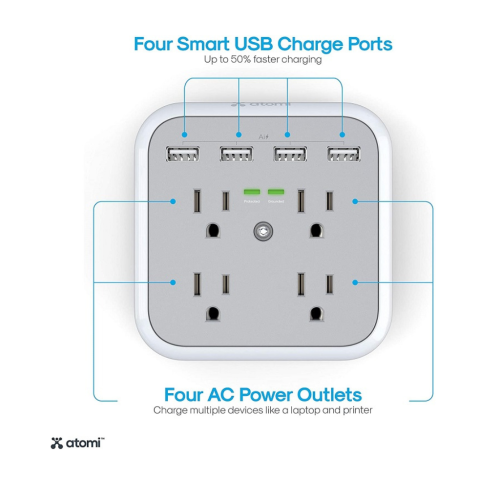
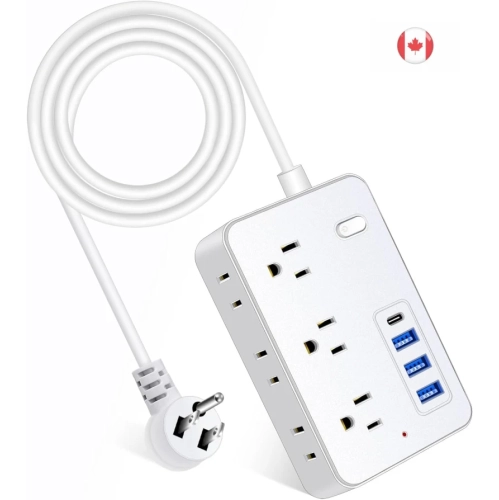
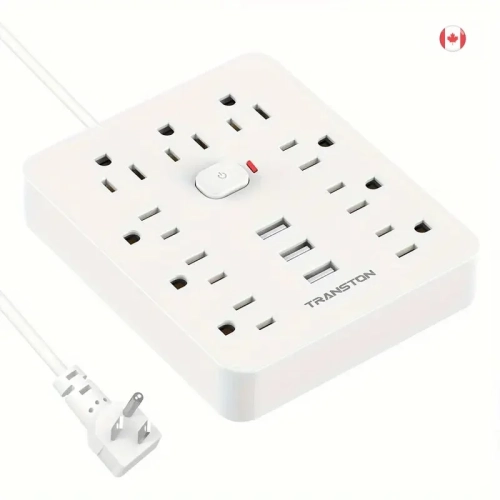
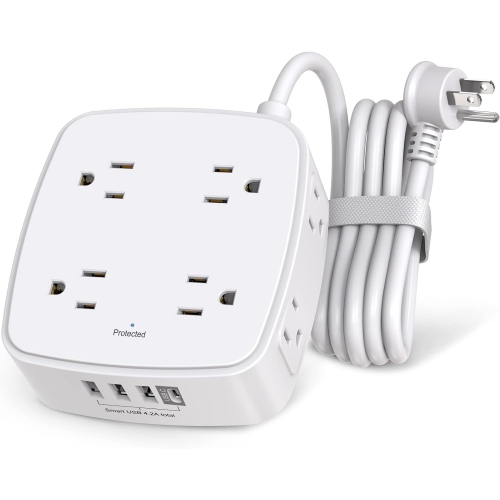
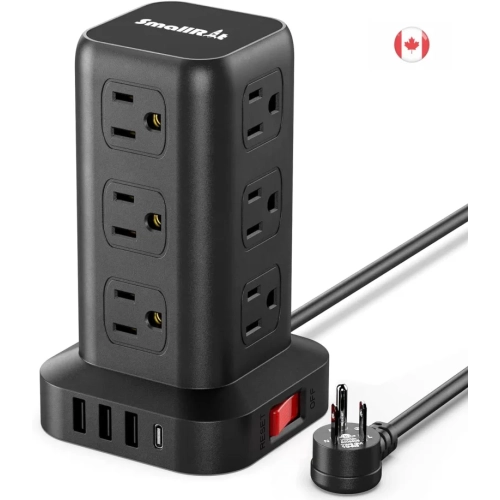
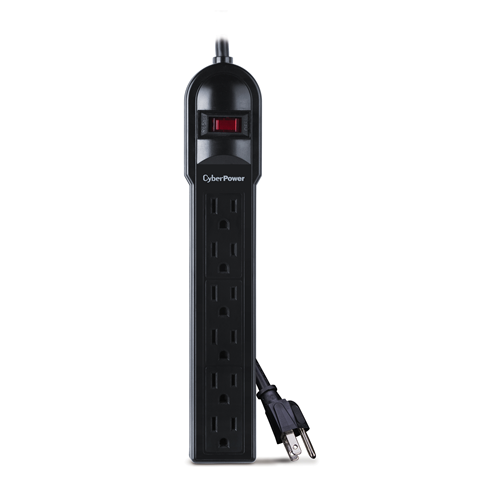
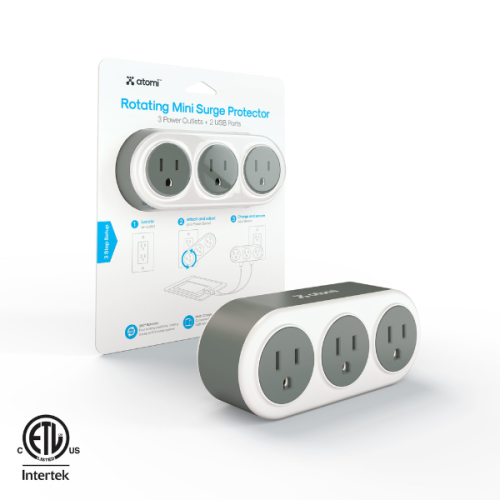

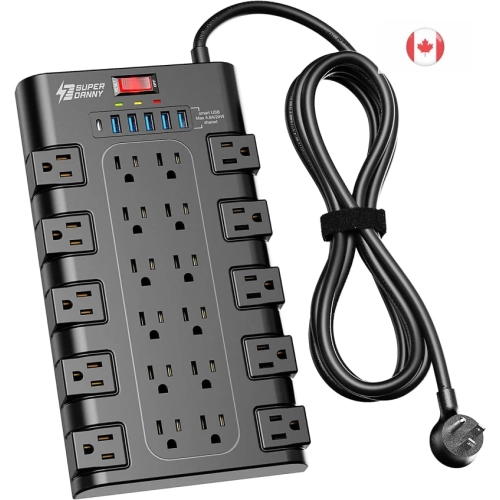

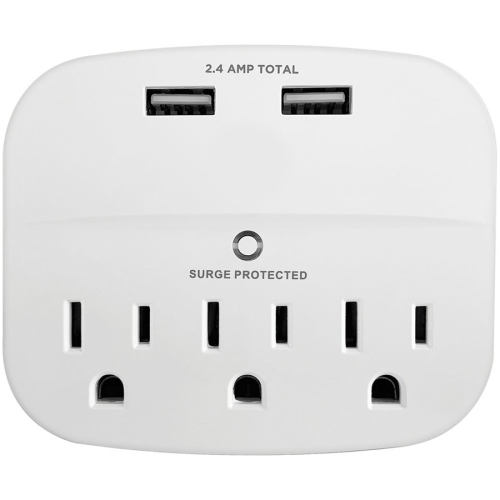
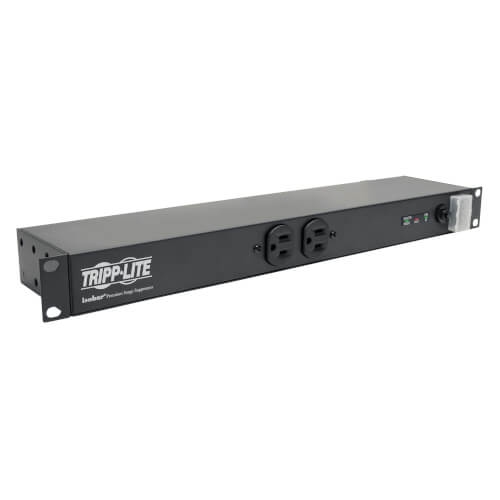
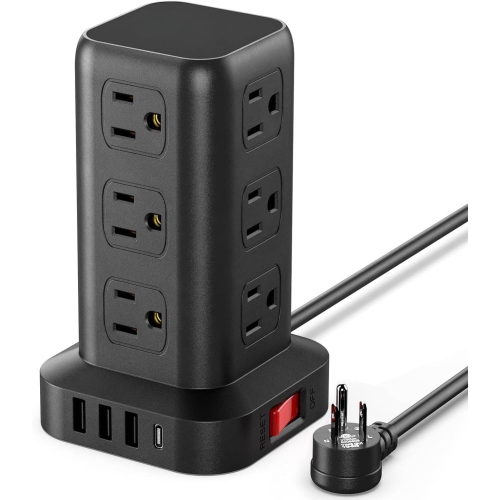
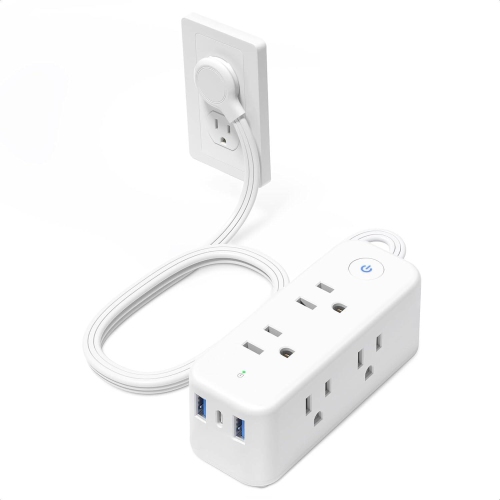
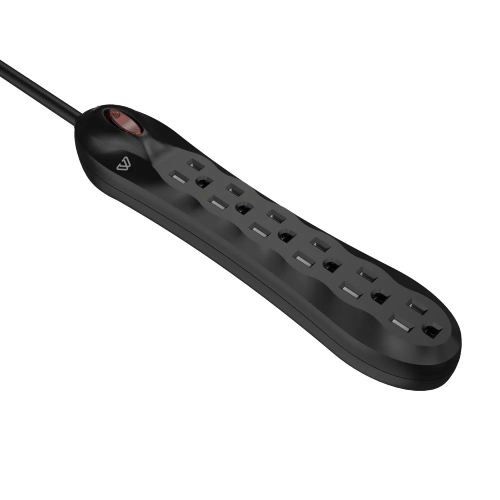
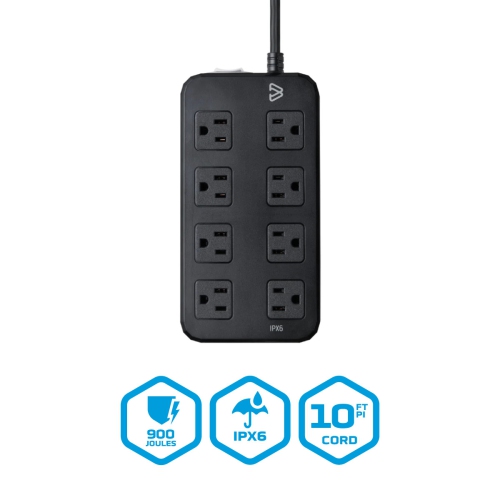
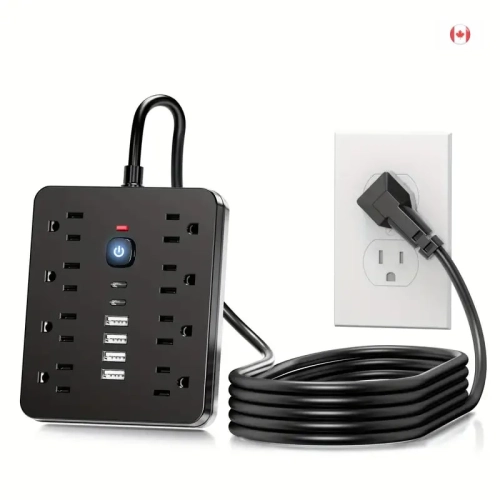
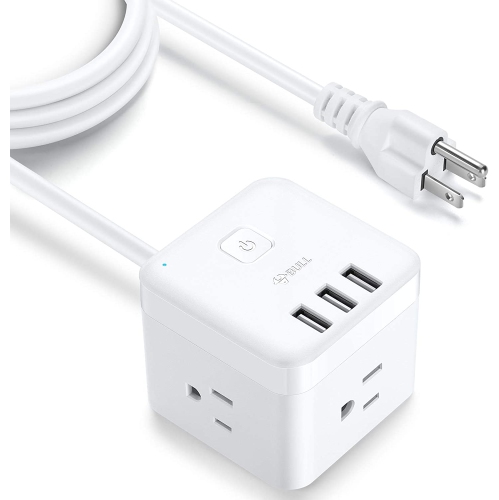

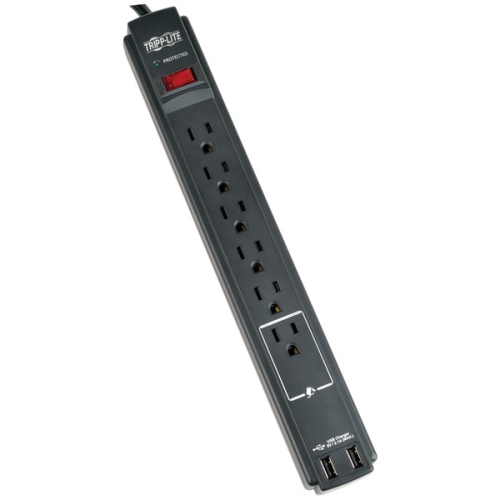
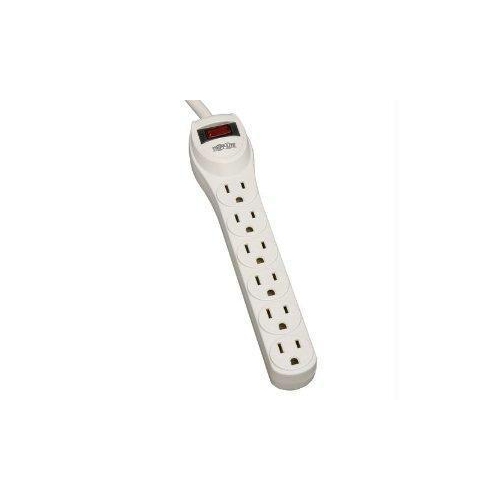
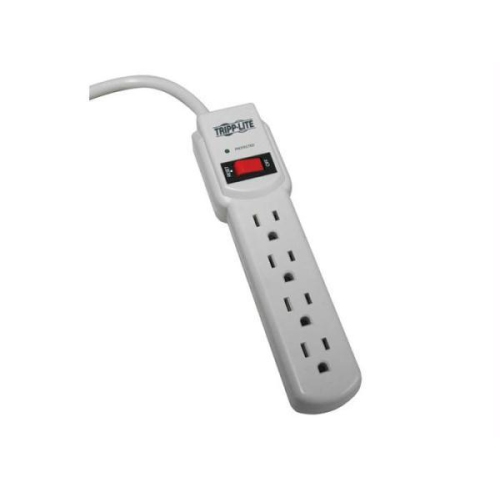
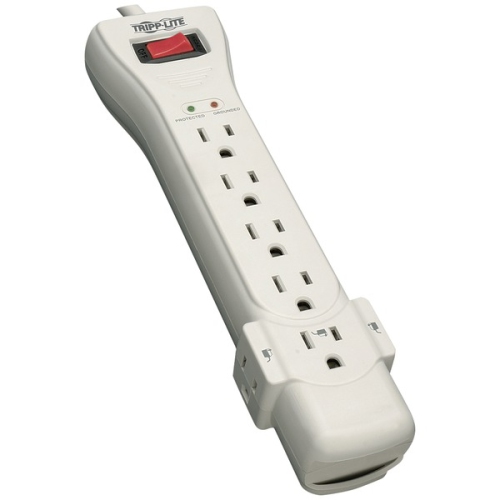
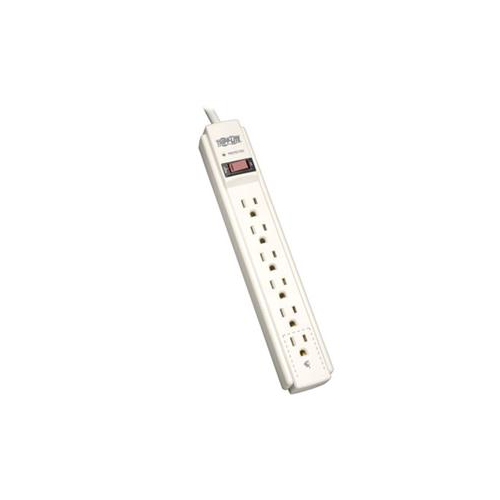
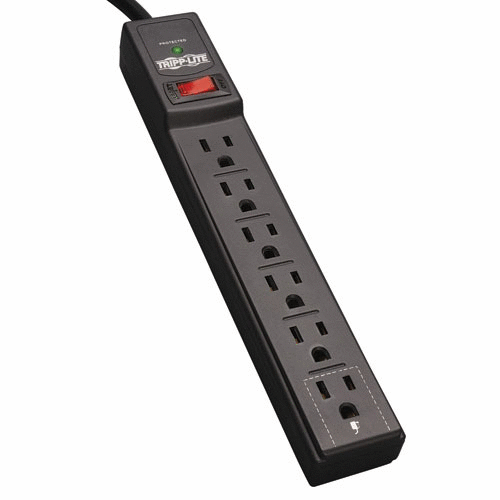
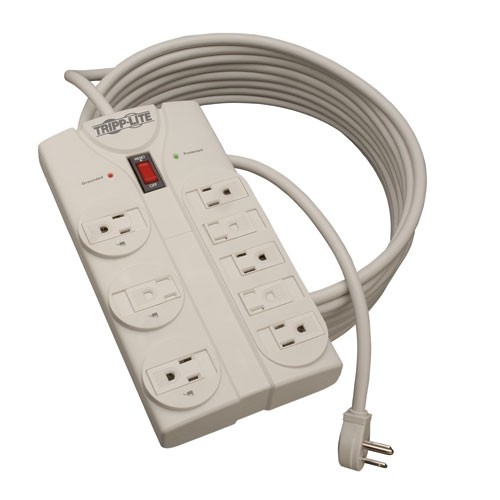
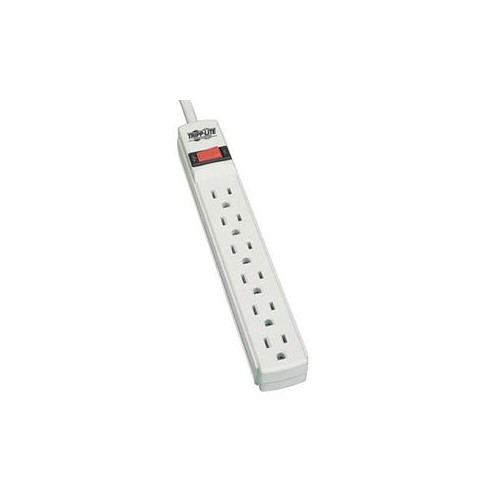
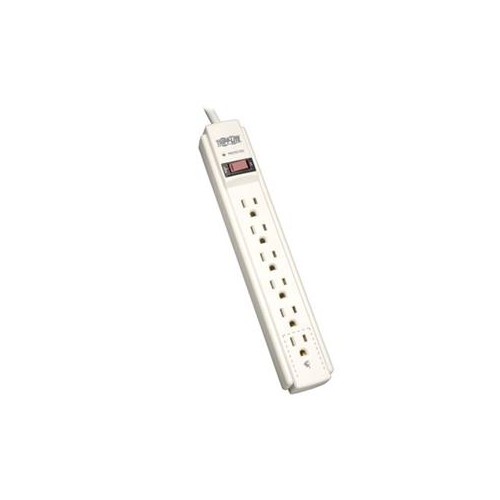
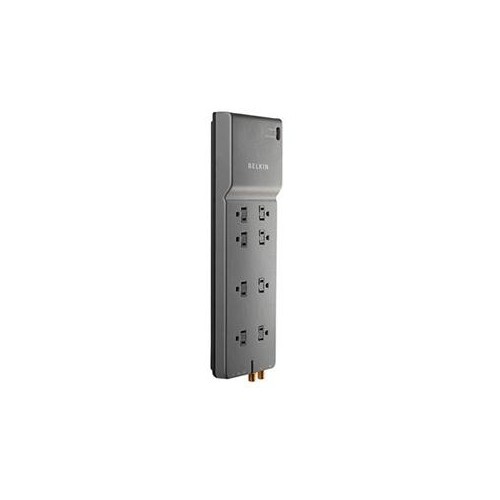
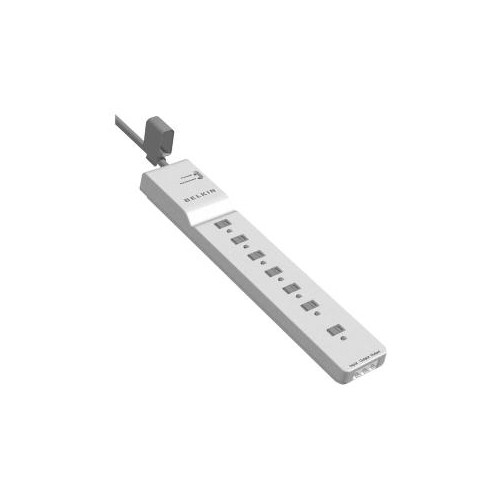
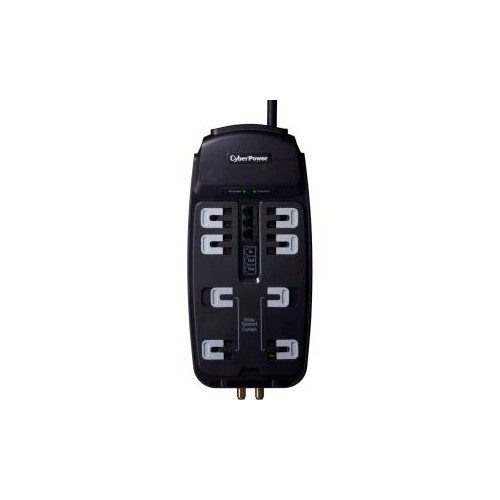
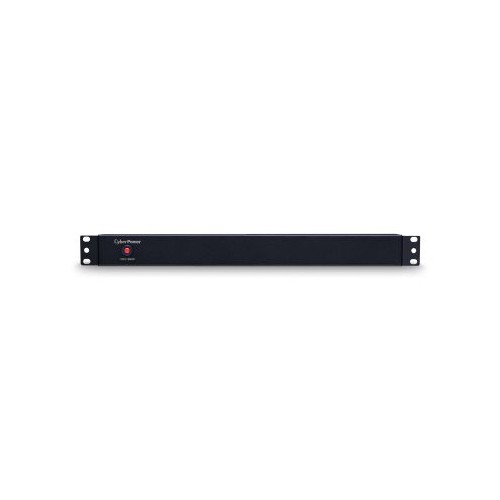
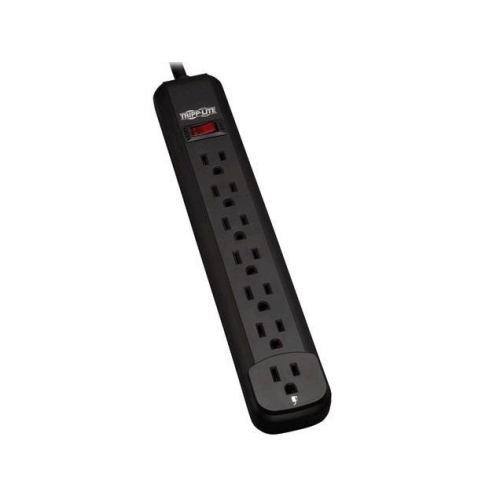
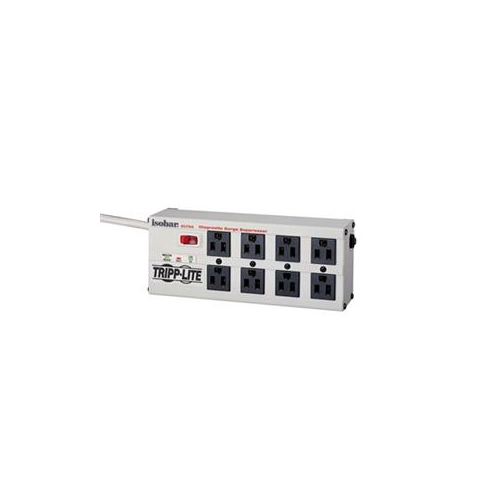
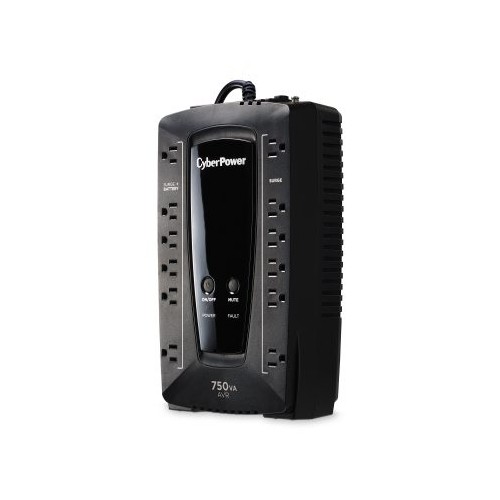
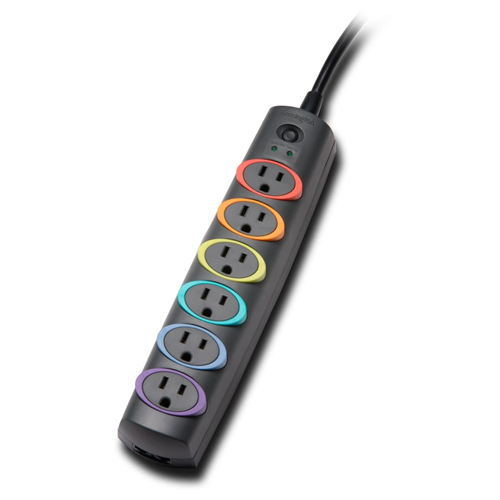
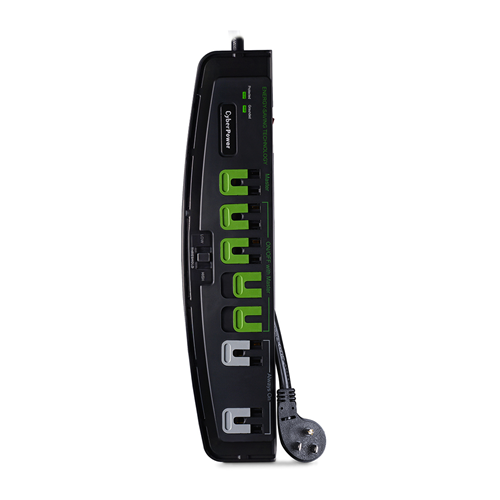
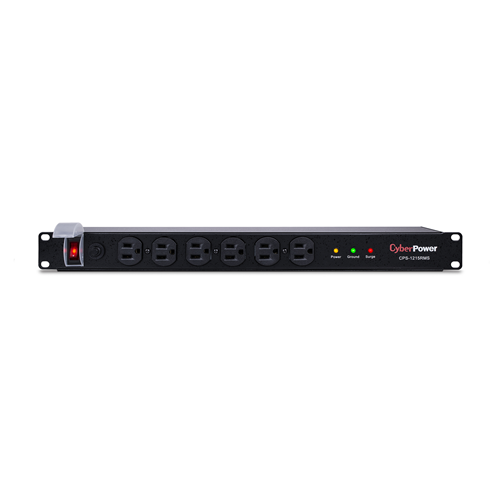
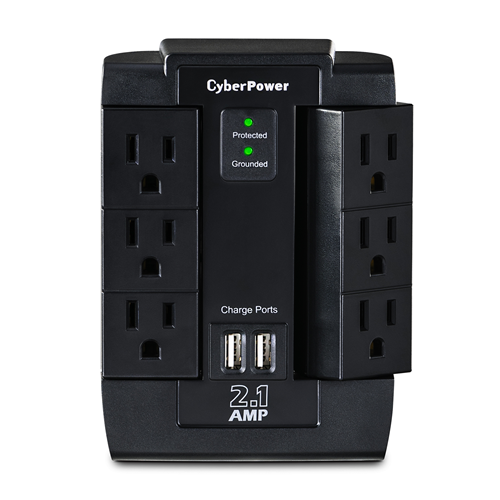
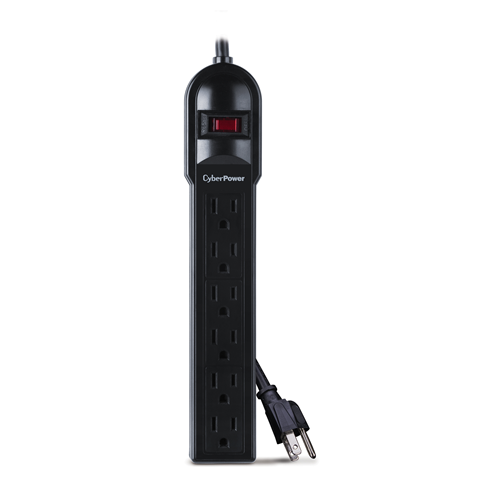
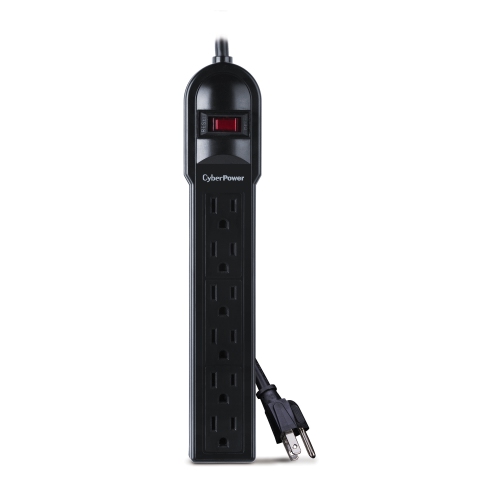
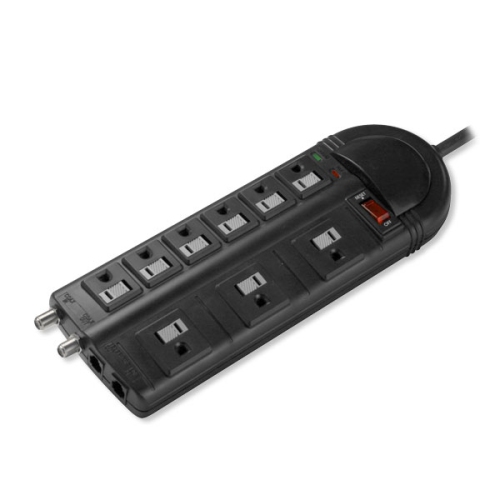
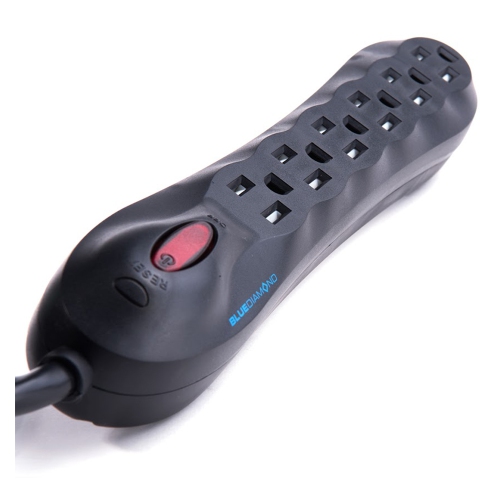
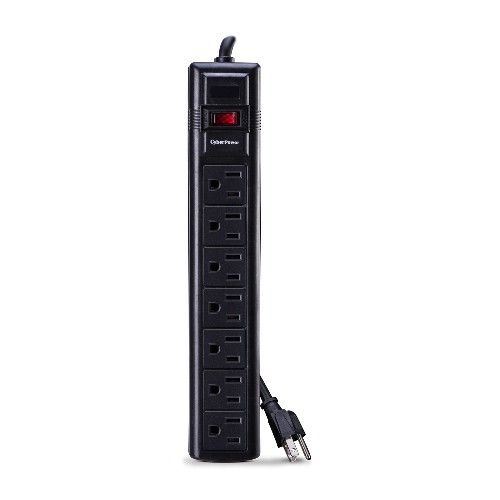
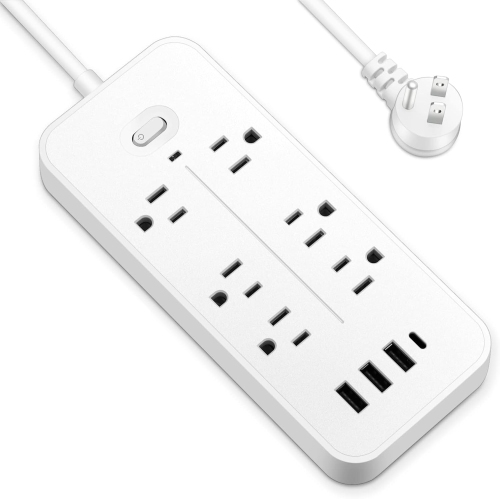
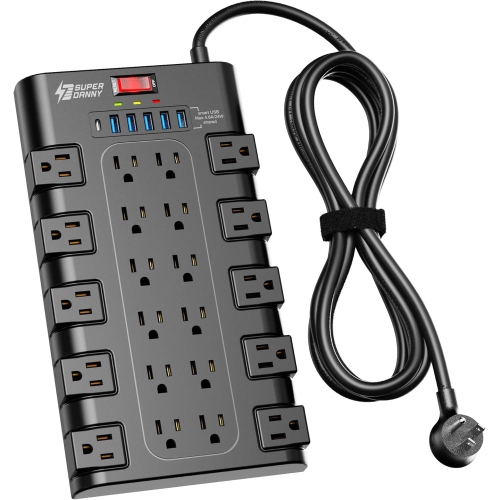
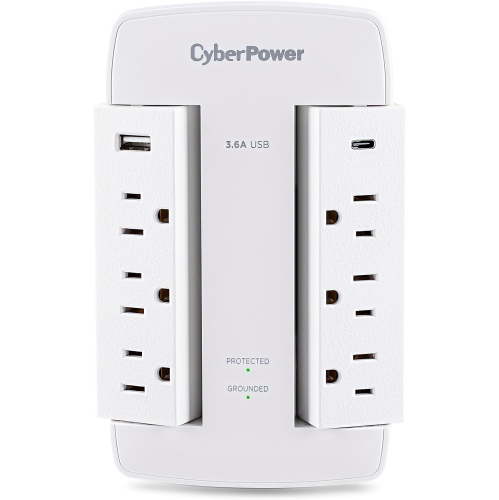
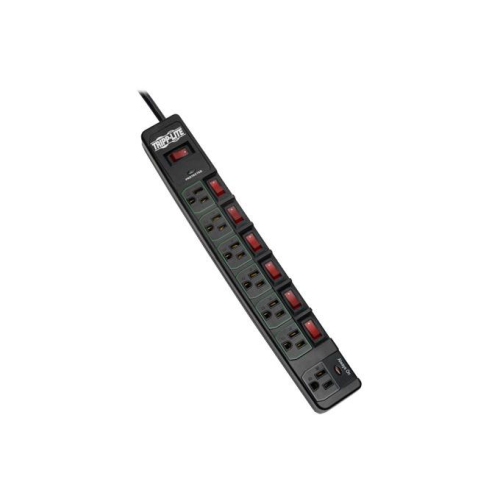
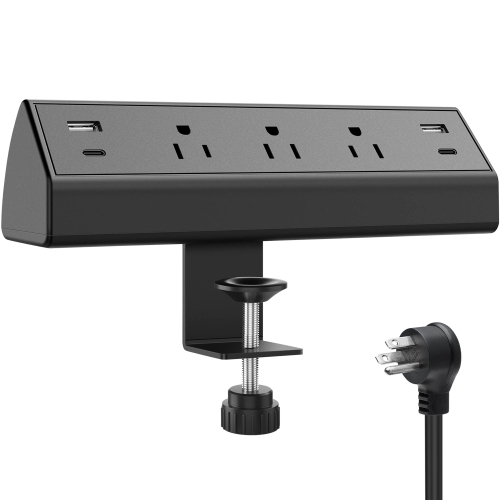
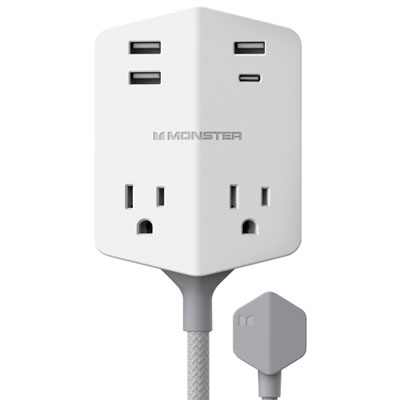
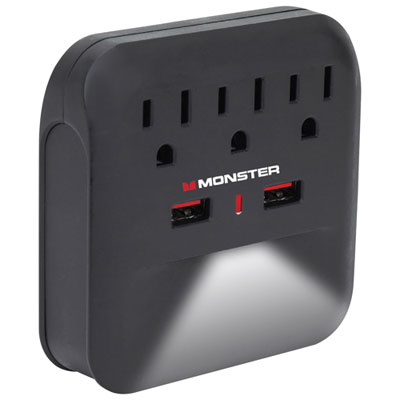
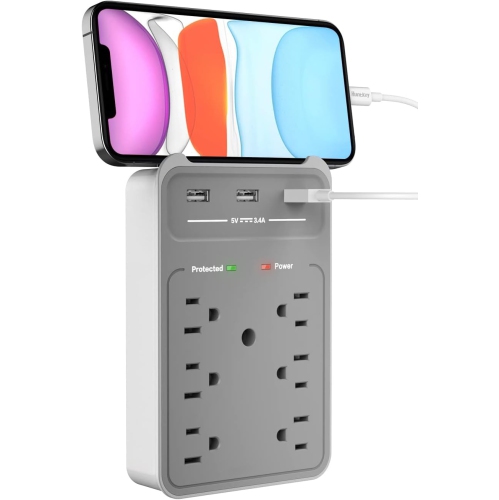
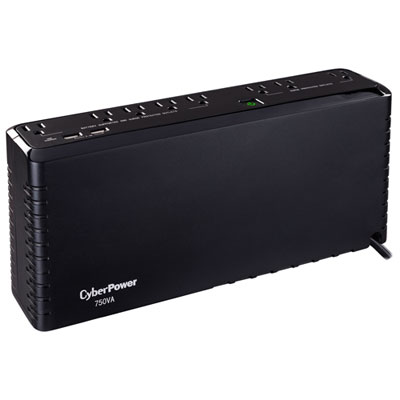
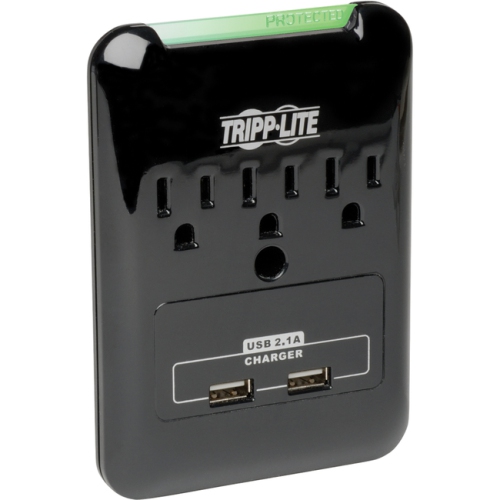
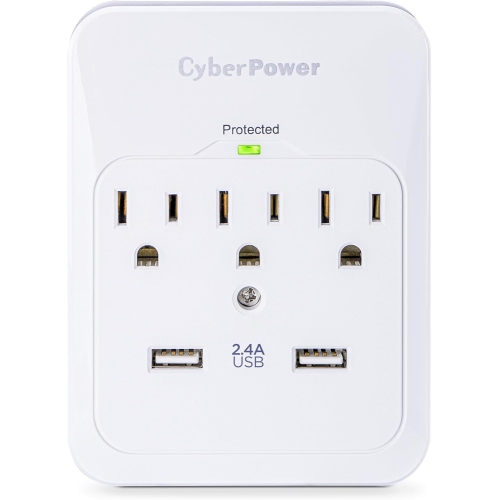
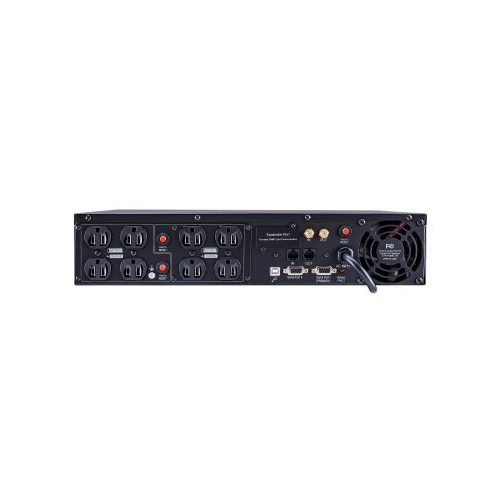
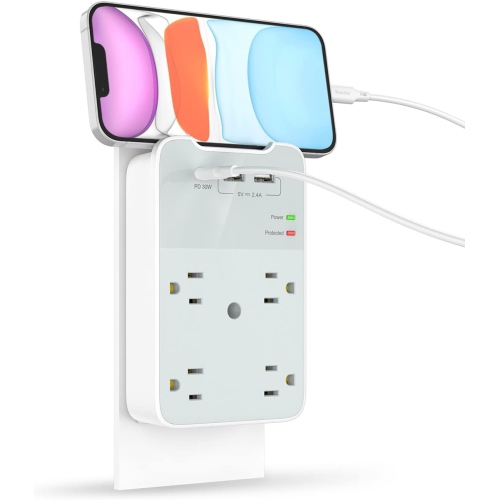
Understand how surge protectors help safeguard home electronics
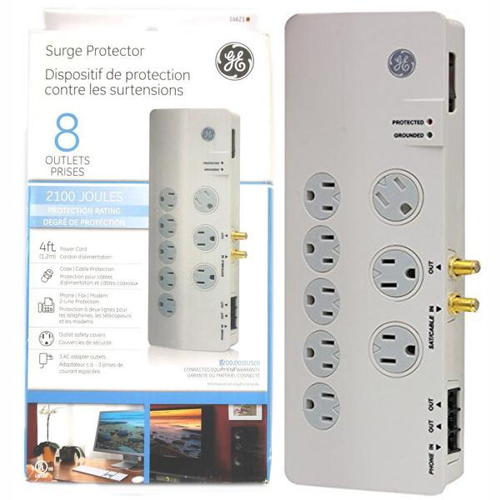
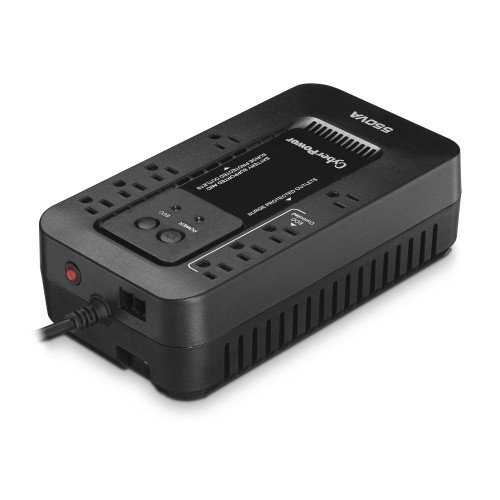
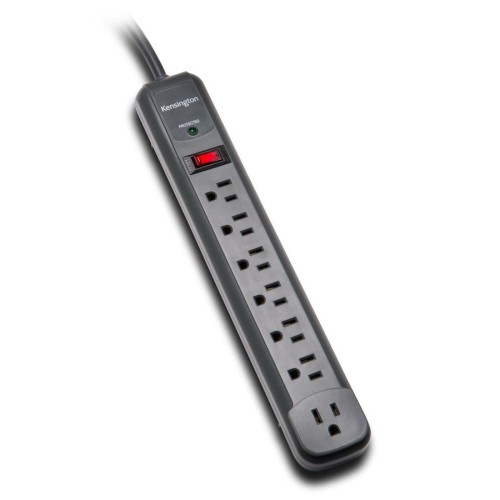
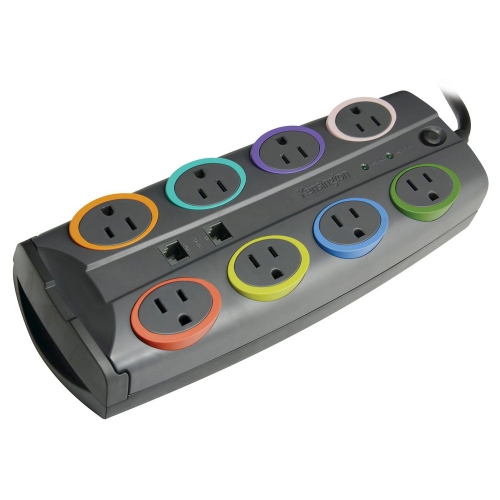
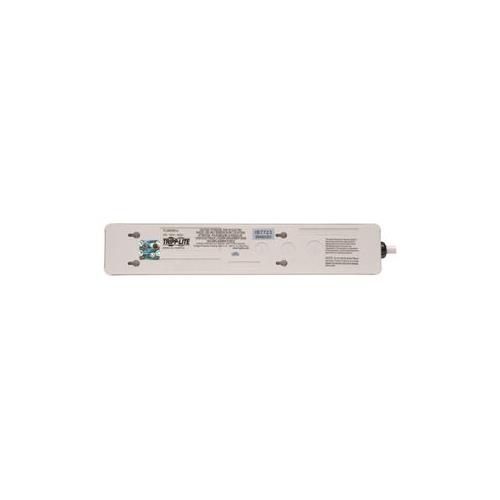
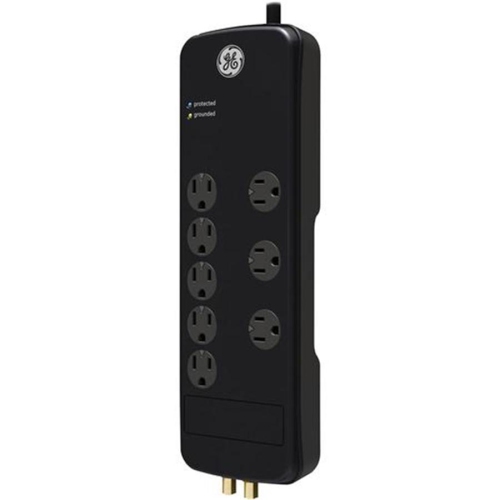
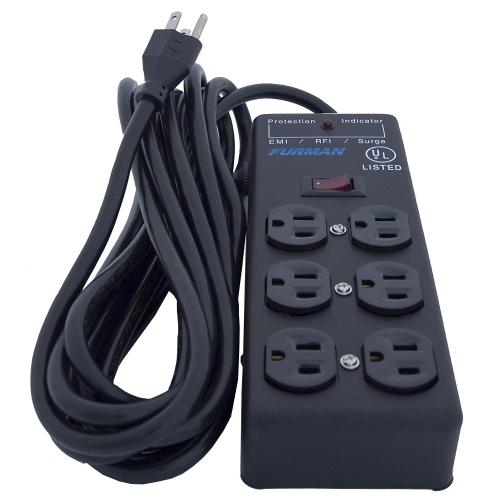
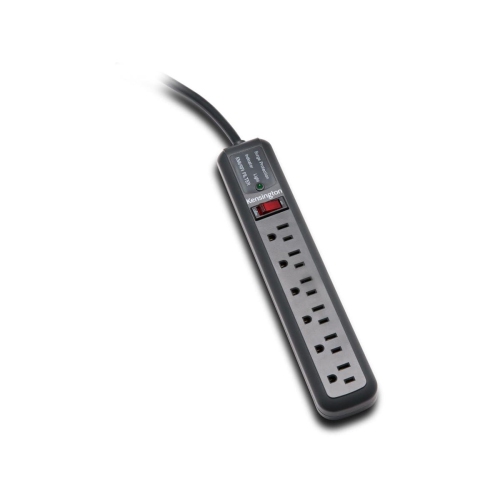
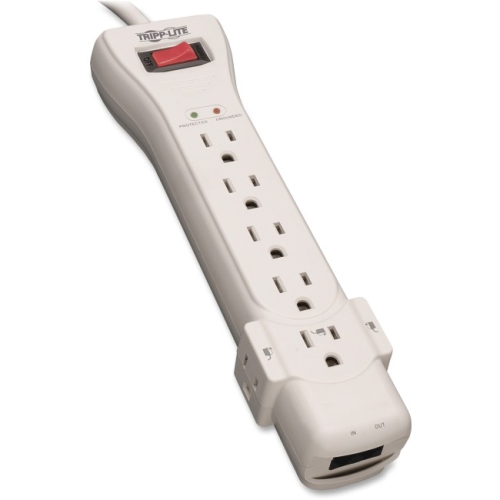
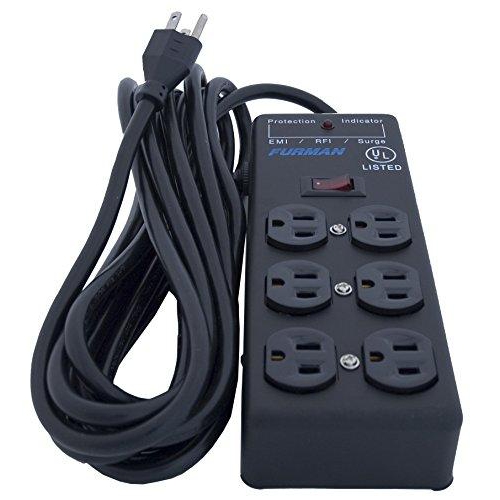
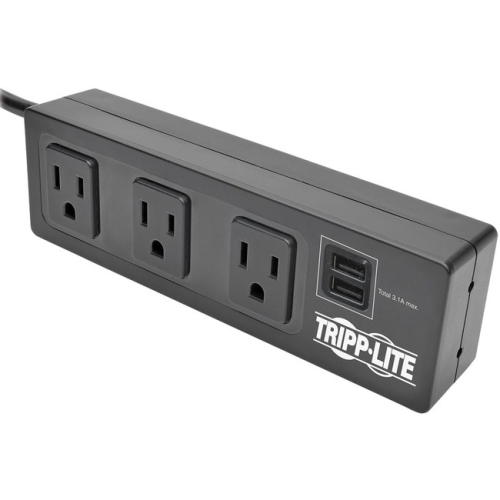
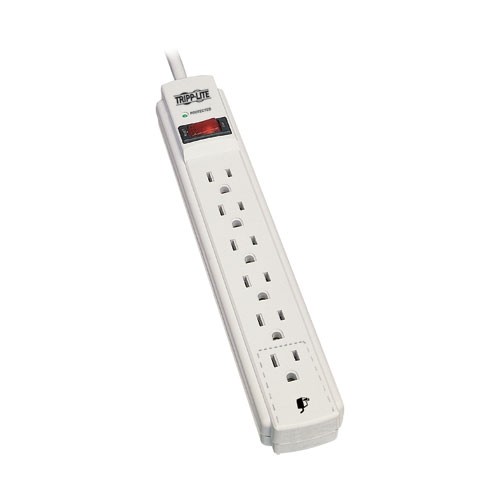
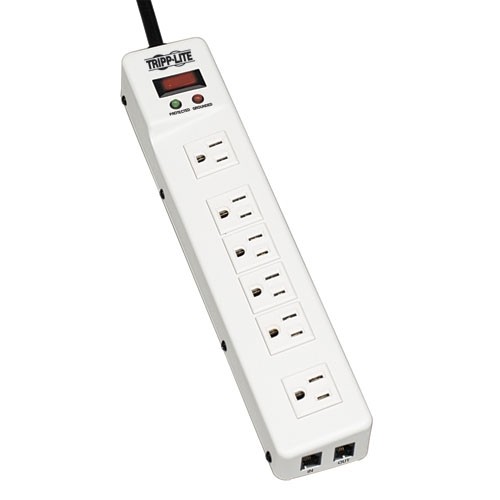
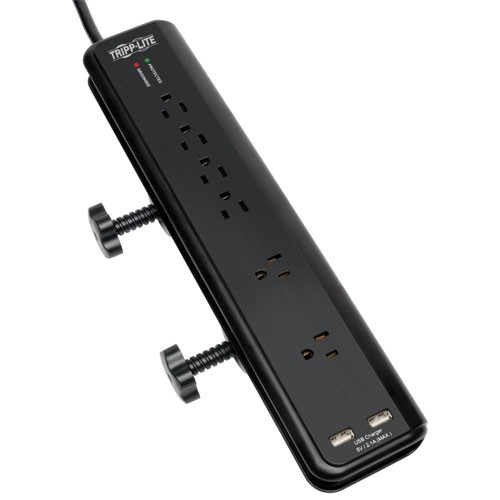
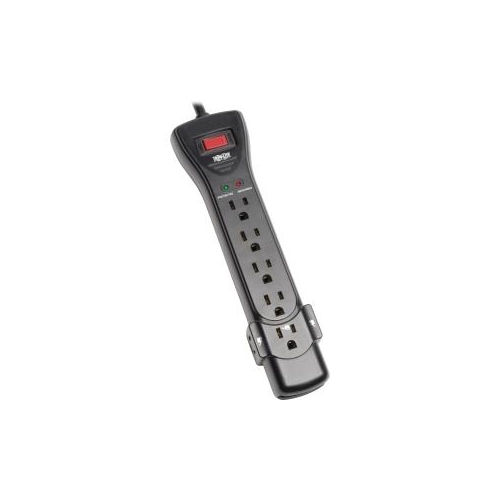
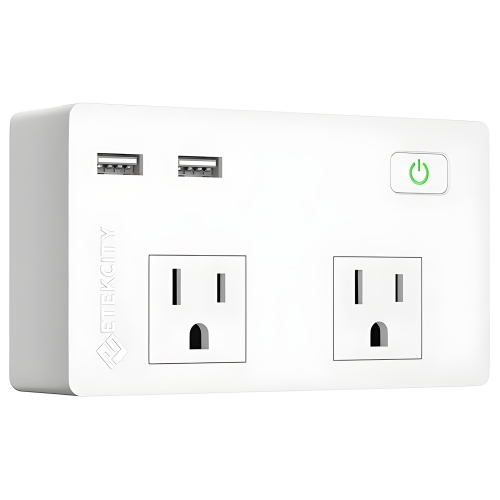
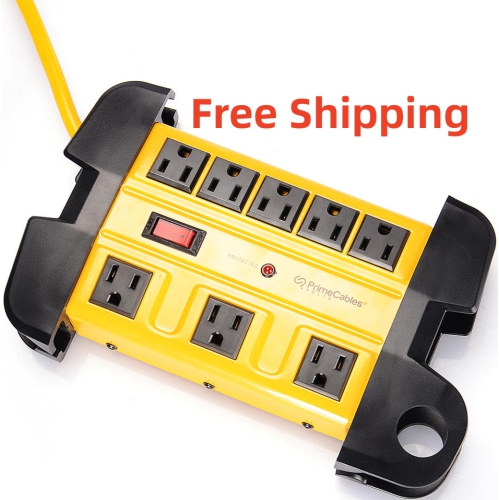
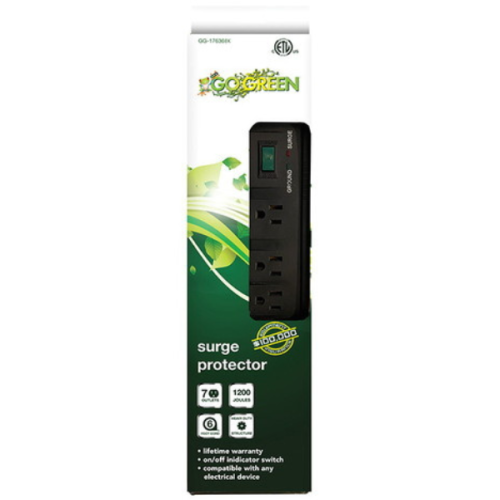
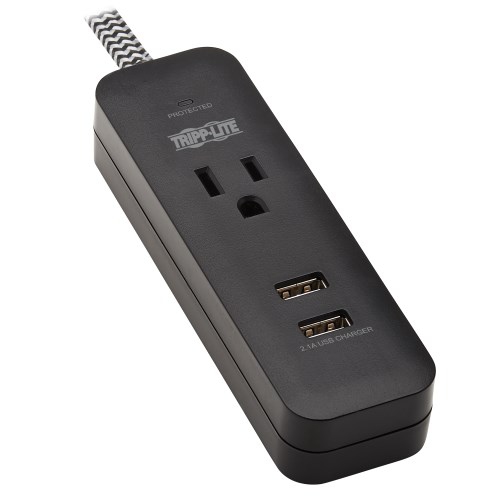
Home surge protectors help reduce the risk that a sudden increase in voltage will damage the electronics and appliances connected to your home’s electrical system. A surge can happen when power returns after an outage, when utility equipment switches, or when lightning strikes nearby. While a circuit breaker is designed to respond to an overload or short circuit, a surge protector is designed to redirect excess voltage away from connected equipment. This makes it useful for televisions, computers, gaming systems, monitors, networking equipment, small appliances and other electronics that may contain delicate internal components. Plug-in models are installed at the outlet and are convenient for everyday use, especially in a home office, entertainment room, bedroom or workshop. A standard power bar may provide additional outlets without offering meaningful surge protection, so look for a product clearly identified as a surge protector and review its specifications before purchasing. A compact model can be useful where space is limited, behind a media console, beside a desk or in a travel bag; explore Compact Surge Protectors for options suited to smaller setups. When comparing products, consider the number and spacing of outlets, cord length, plug design, USB charging ports, mounting options and whether the unit can accommodate bulky adapters without blocking neighbouring sockets. A joule rating indicates how much surge energy the device is designed to absorb over its service life, while response specifications and clamping voltage can provide additional information about how it handles excess voltage. Indicator lights are also helpful because they show whether protection is active, although the exact meaning of each light varies by product. Keep in mind that surge protection is not a substitute for safe wiring, a properly functioning breaker panel or an electrician’s assessment of an older electrical system.
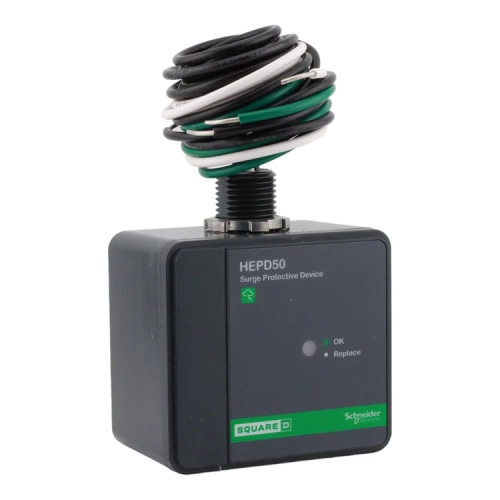
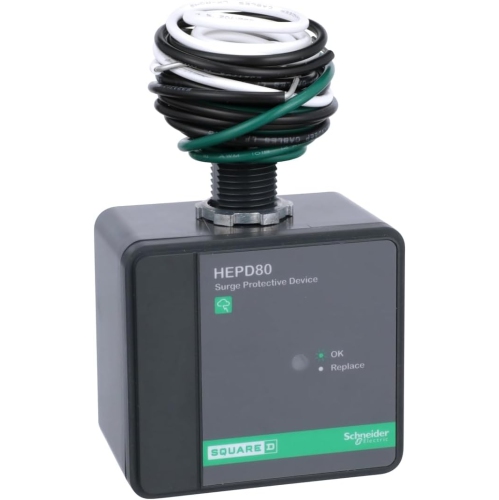
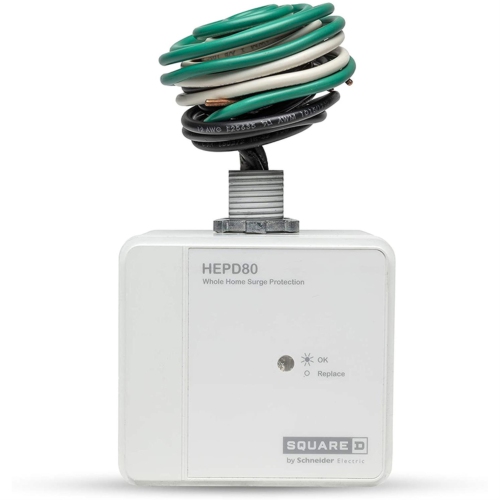
For broader coverage, a whole-home surge protector is installed at or beside the main electrical panel and helps manage surges before they travel through the branch circuits in your home. These units are generally categorized as Type 1 or Type 2 devices and can provide protection for hardwired equipment that cannot be connected to a plug-in protector, including furnaces, heat pumps, refrigerators, dishwashers, washing machines and other major appliances. Because installation involves the electrical panel and may require work near energized components, whole-home units should be installed by a licensed electrician rather than treated as a do-it-yourself project. The electrician can confirm compatibility with the panel, assess the home’s grounding and bonding, select an appropriate installation location and verify that the device is connected according to local electrical requirements. Grounding quality is especially important: a surge protector needs a properly grounded, low-impedance path to divert excess voltage effectively. The electrician can also explain whether the home would benefit from a layered approach, combining a panel-mounted protector with point-of-use devices for sensitive electronics. This arrangement offers protection at the service entrance while adding another layer near equipment that is particularly important or expensive to replace. When selecting a whole-home model, check its voltage and system compatibility, surge-current capacity, certification markings, connection method, enclosure design and warranty terms. Some include an audible alarm or visual status indicator that makes it easier to tell when the protection circuit has been compromised. If an indicator shows that the device is no longer protecting the system, follow the manufacturer’s instructions and arrange for replacement. No surge protector lasts indefinitely, and a unit that has absorbed a significant event may need to be changed even if the connected equipment continues to work normally.
Home surge protectors can be useful for households with a dedicated office, a large entertainment setup, smart-home equipment or several sensitive devices sharing one outlet. They can also suit students setting up a desk in a residence, remote workers arranging a workspace, families protecting a child’s game console and monitor, or anyone organizing electronics in a basement, garage or spare room. A plug-in protector can be a practical housewarming gift because it is easy to use and often helps tidy a crowded outlet, while a whole-home unit is a thoughtful consideration for a homeowner planning electrical upgrades or moving into an older property. During the warmer and cooler parts of the year, changes in weather, storms and power interruptions can make it especially useful to review how essential electronics are connected, without waiting until after an outage or electrical event. Place plug-in units where air can circulate, avoid connecting one surge protector into another, keep cords away from walkways and moisture, and never use a damaged cable, cracked housing or loose plug. Devices with heating elements or high power demands may have specific connection requirements, so confirm the manufacturer’s guidance before plugging them into a surge protector. For computers and networking equipment, a protector with enough outlets and suitable spacing can keep the modem, router, display and accessories together, while an entertainment setup may benefit from coaxial or network-line protection if those connections are included and compatible. Choosing protection based on the equipment in each room, the available outlet layout and the type of electrical coverage needed can make the setup more organized and help reduce the impact of unexpected voltage events.
For broader coverage, a whole-home surge protector is installed at or beside the main electrical panel and helps manage surges before they travel through the branch circuits in your home. These units are generally categorized as Type 1 or Type 2 devices and can provide protection for hardwired equipment that cannot be connected to a plug-in protector, including furnaces, heat pumps, refrigerators, dishwashers, washing machines and other major appliances. Because installation involves the electrical panel and may require work near energized components, whole-home units should be installed by a licensed electrician rather than treated as a do-it-yourself project. The electrician can confirm compatibility with the panel, assess the home’s grounding and bonding, select an appropriate installation location and verify that the device is connected according to local electrical requirements. Grounding quality is especially important: a surge protector needs a properly grounded, low-impedance path to divert excess voltage effectively. The electrician can also explain whether the home would benefit from a layered approach, combining a panel-mounted protector with point-of-use devices for sensitive electronics. This arrangement offers protection at the service entrance while adding another layer near equipment that is particularly important or expensive to replace. When selecting a whole-home model, check its voltage and system compatibility, surge-current capacity, certification markings, connection method, enclosure design and warranty terms. Some include an audible alarm or visual status indicator that makes it easier to tell when the protection circuit has been compromised. If an indicator shows that the device is no longer protecting the system, follow the manufacturer’s instructions and arrange for replacement. No surge protector lasts indefinitely, and a unit that has absorbed a significant event may need to be changed even if the connected equipment continues to work normally.
Home surge protectors can be useful for households with a dedicated office, a large entertainment setup, smart-home equipment or several sensitive devices sharing one outlet. They can also suit students setting up a desk in a residence, remote workers arranging a workspace, families protecting a child’s game console and monitor, or anyone organizing electronics in a basement, garage or spare room. A plug-in protector can be a practical housewarming gift because it is easy to use and often helps tidy a crowded outlet, while a whole-home unit is a thoughtful consideration for a homeowner planning electrical upgrades or moving into an older property. During the warmer and cooler parts of the year, changes in weather, storms and power interruptions can make it especially useful to review how essential electronics are connected, without waiting until after an outage or electrical event. Place plug-in units where air can circulate, avoid connecting one surge protector into another, keep cords away from walkways and moisture, and never use a damaged cable, cracked housing or loose plug. Devices with heating elements or high power demands may have specific connection requirements, so confirm the manufacturer’s guidance before plugging them into a surge protector. For computers and networking equipment, a protector with enough outlets and suitable spacing can keep the modem, router, display and accessories together, while an entertainment setup may benefit from coaxial or network-line protection if those connections are included and compatible. Choosing protection based on the equipment in each room, the available outlet layout and the type of electrical coverage needed can make the setup more organized and help reduce the impact of unexpected voltage events.
Top selling and popular products
-
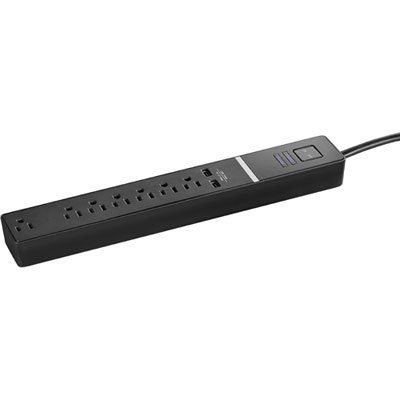 Your price for this item is $24.97
 -
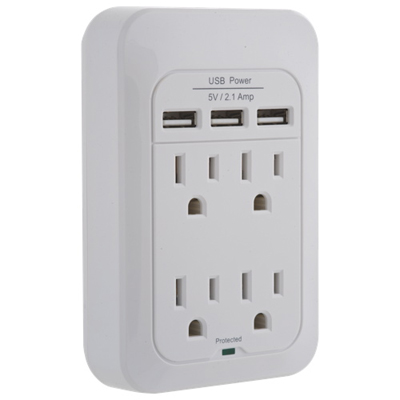 Your price for this item is $28.97
 -
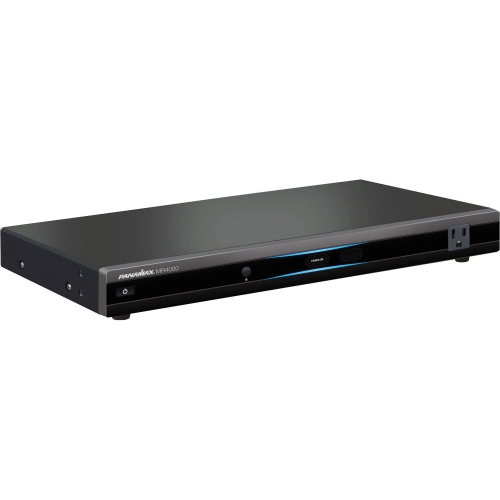 Your price for this item is $389.82
 -
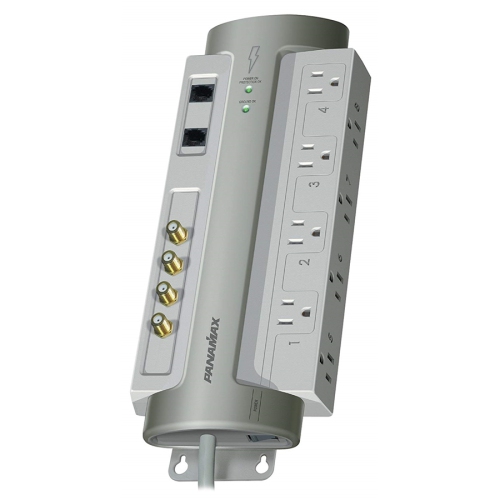 Your price for this item is $190
 -
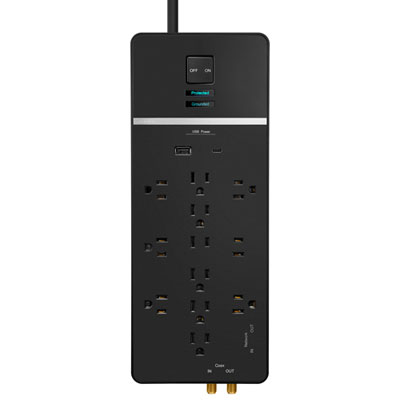 Your price for this item is $89.99
 -
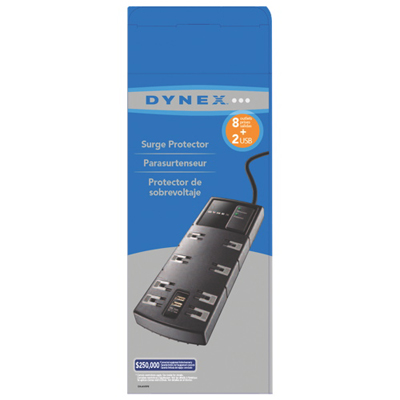 Your price for this item is $29.97
 -
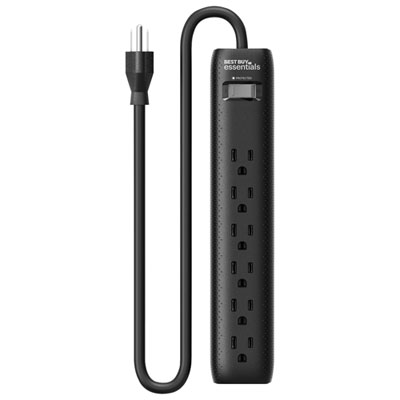 Your price for this item is $14.99
 -
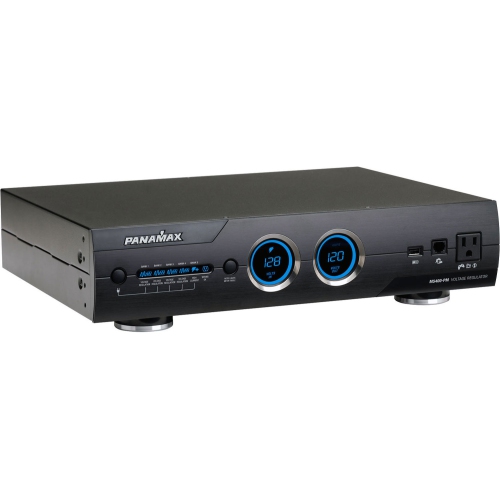 Your price for this item is $1329
Discover more categories related to Home Surge Protectors
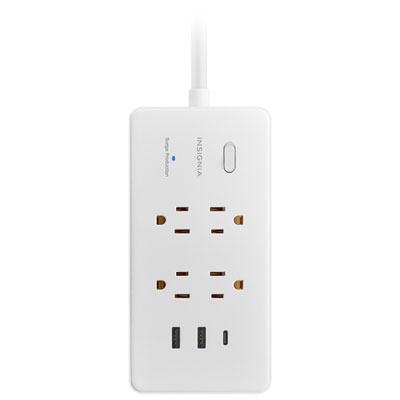
Top Collections:
Pokemon Centers, Kindle Devices, Best Budget Office Chairs, Apple iPhones 16, Best Laptops for Writers, iPhone 15 Apple, Canon G7X Cameras, Refurbished Apple Laptops, Alarm Clock, Motorola Razr Phones
Some products may be subject to Environmental Handling Fees
(EHF) depending on your province.
Learn more about EHFs.