Kindle Tablets
Explore a wide selection of Kindle Tablet options designed to enhance your reading and entertainment experience. Whether you're looking for a device to enjoy your favorite books, browse the web, or stay connected on the go, you'll find versatile choices to suit your lifestyle. Discover the convenience and flexibility that a Kindle Tablet can bring to your daily routine, making it easier than ever to access content wherever you are. Find the right Kindle Tablet to match your needs and enjoy seamless performance at your fingertips.
Sort
How e-readers and tablets suit different reading habits
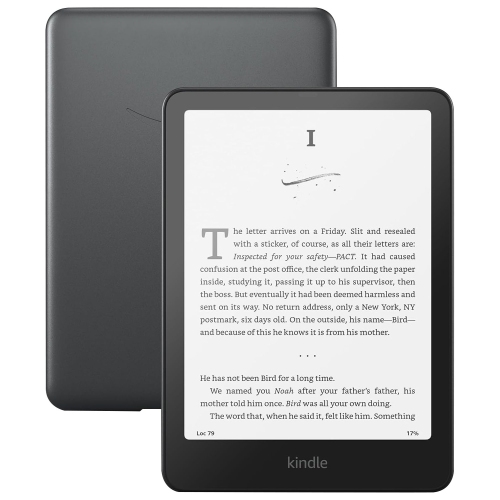
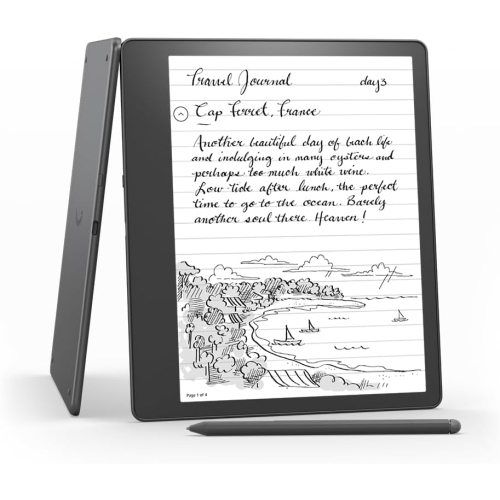
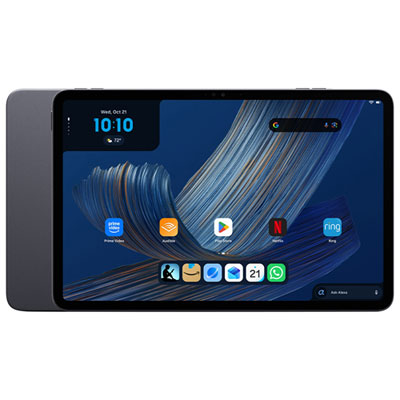
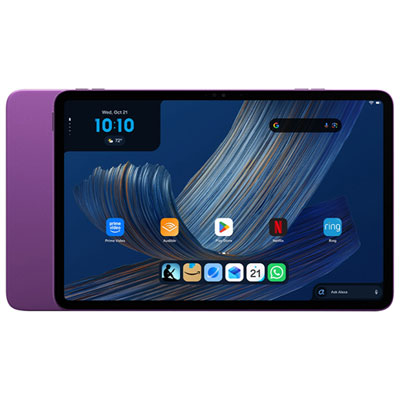
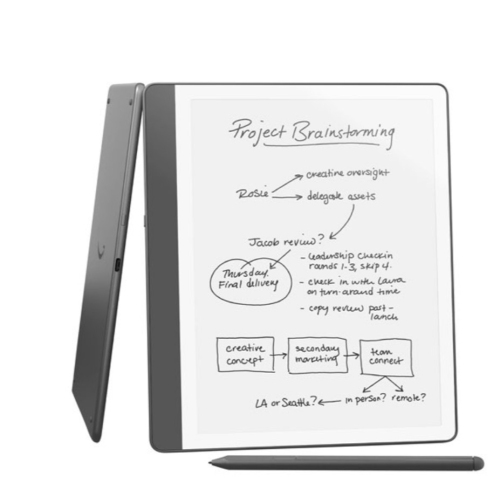
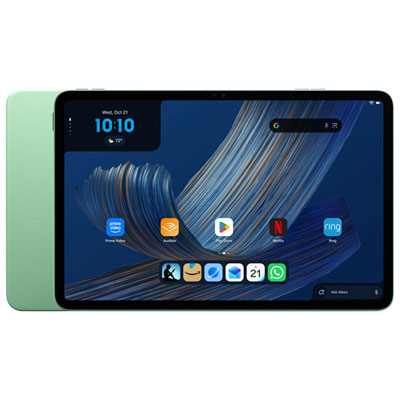
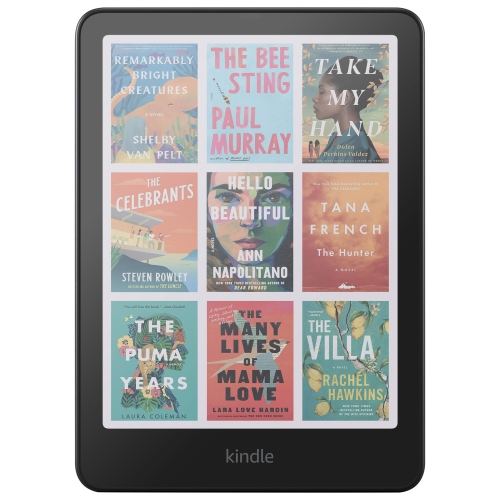
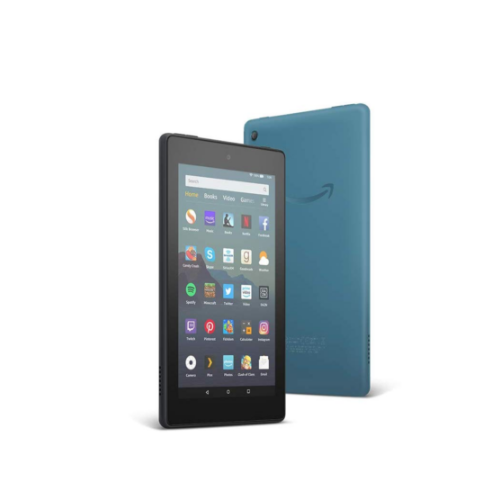
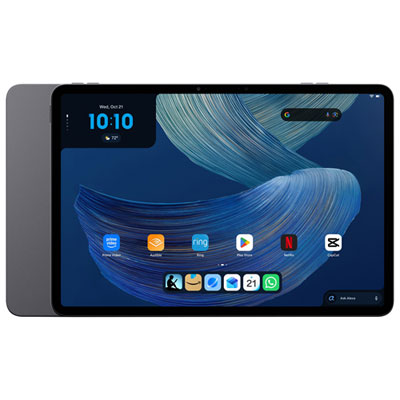
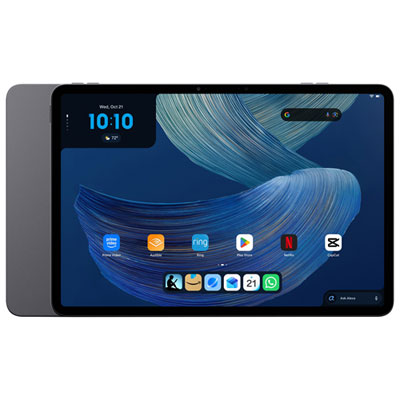
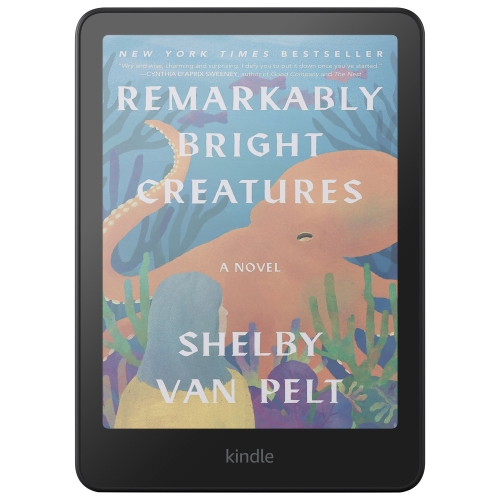
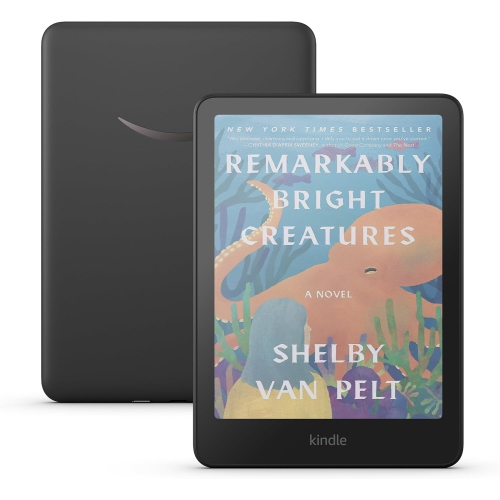
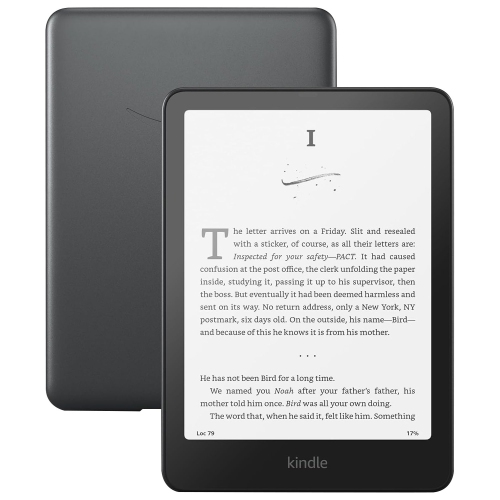
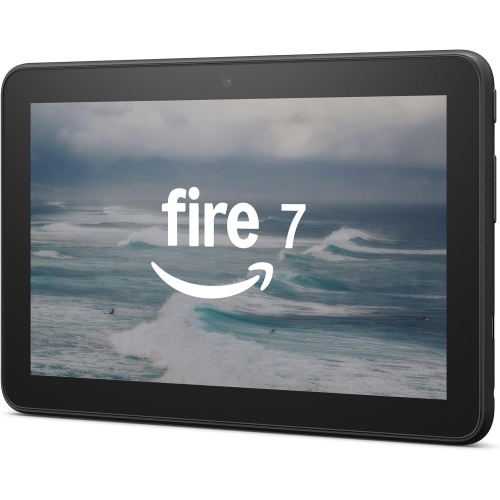
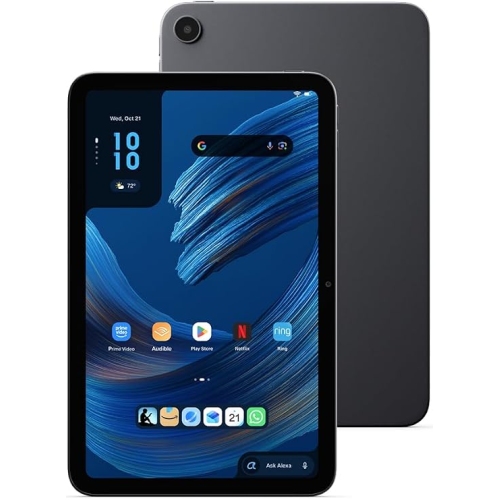
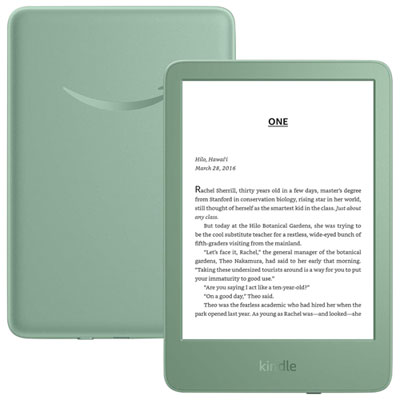
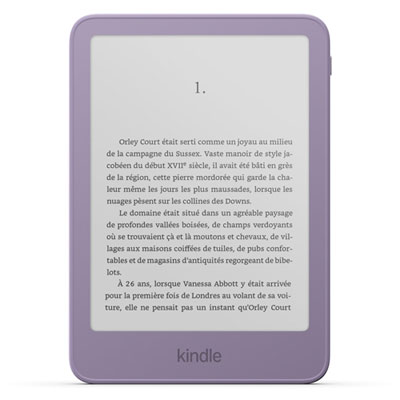
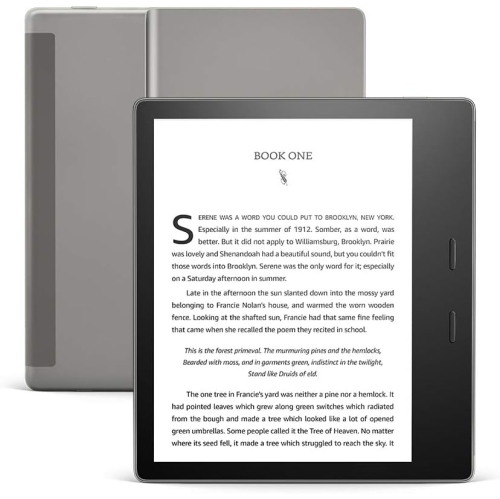
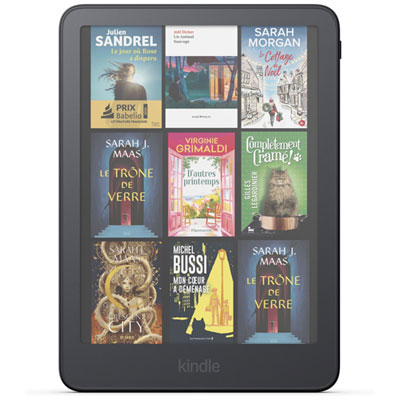
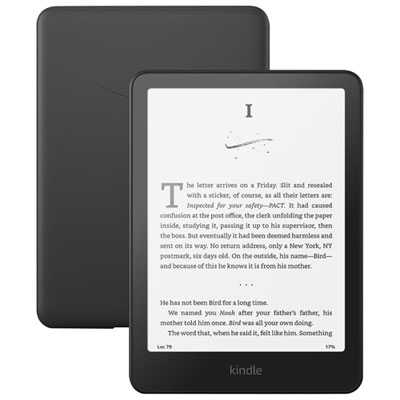
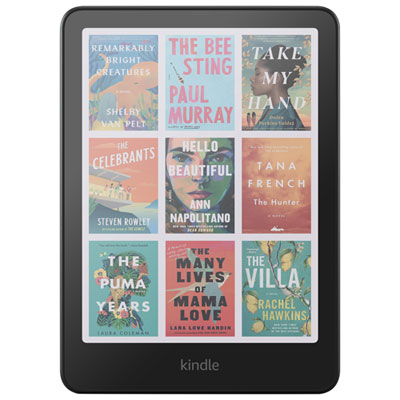
The Amazon Kindle family consists of dedicated e-readers, not general-purpose tablets. These devices use electronic-paper screens designed primarily for reading digital books, while full-colour media tablets typically use LCD or OLED screens for apps, web browsing, games, and video. That distinction matters when choosing a device for a particular reading habit. An e-reader suits someone who wants to settle into a novel, carry several books without filling a bag, or read with fewer interruptions from unrelated apps. A general-purpose tablet is better suited to someone who also wants to stream shows, join video calls, browse websites, or work across several applications. A reading app can bring digital books to a tablet, but it does not give that tablet an electronic-paper display. Electronic paper reflects ambient light, creating a page-like appearance that remains readable in bright surroundings. Many e-readers also have an adjustable front light, which illuminates the screen surface for reading when room lighting is limited. Tablet screens offer smoother motion and richer multimedia, making them useful for animated content and interactive publications. For text-heavy books, an e-reader’s relatively simple interface helps keep attention on the page. For richly illustrated textbooks, magazines, or comics, colour reproduction, screen size, and the ability to enlarge small details may matter more. Colour electronic-paper displays also exist, although their appearance and refresh behaviour differ from conventional tablet screens. Battery expectations are another practical difference: an e-reader can often go much longer between charges than a tablet, but actual use depends on lighting, wireless activity, and reading time. Someone who reads a chapter during a commute has different needs from someone who spends hours switching between books, documents, and other media. Choosing between these device categories starts with the content that will fill most of that screen time.
Reading comfort depends on more than the display technology. Screen size, weight, grip, and text controls all affect how a device feels over a long session. A compact e-reader can be easier to hold in one hand on public transit or tuck into a small bag, while a larger screen can show more text at once and reduce page turns when using enlarged type. Larger displays can also help with charts and fixed-layout documents, though they do not automatically make every document easy to navigate. A novel with adjustable text generally adapts more comfortably to a small screen than a scanned page whose layout remains fixed. Font size, line spacing, margins, and contrast settings can make a meaningful difference for readers who prefer larger print or a less crowded page. Physical page-turn buttons, touchscreen controls, and automatic display rotation are worth considering according to how the device will be held; these features vary by model. Someone reading while seated with a device on a stand may prefer different controls from someone holding it while reclining. Storage needs also depend on the reading material. Text-based books generally use much less space than illustrated publications, audiobooks, or large documents, so a large personal library does not always require the highest storage capacity. Wi-Fi supports downloading books and syncing reading progress, and downloaded titles can generally be read without a continuous connection, subject to the service’s access rules. Compatibility deserves particular attention before building a digital library. Not every e-reader supports every bookstore, file format, audiobook service, or Canadian public-library lending service. Support described for another country should not be assumed to apply in Canada. Features such as handwritten notes, audiobook playback, and text-to-speech also vary rather than coming standard with every device. For reading across multiple screens, compatible accounts and apps can help keep bookmarks and progress together, provided syncing is enabled.
Materials, protection, and everyday handling contribute to how well an e-reader fits into a routine. Device housings may use plastic, metal, or a combination of materials, and the finish can influence grip as much as appearance. A smooth back may feel comfortable in the hand, while a textured cover can provide a more secure hold during a long reading session. A protective case adds some weight and bulk, but it can shield the screen from keys and other objects inside a bag. Fit is important: a case should match the device’s exact dimensions and generation, with openings that leave charging ports and controls accessible. Screen size alone is not enough to establish compatibility. A folding cover or stand can support hands-free reading at a desk or table, particularly when following instructions or referring to notes. Even with a cover, an electronic-paper screen should be protected from bending, concentrated pressure, and being packed tightly beneath heavy objects. Clean the display gently with a soft, dry, lint-free cloth, and follow the manufacturer’s care directions rather than applying household cleaners. Water resistance, where specified, is not the same as protection against every liquid or every type of exposure; the device’s stated limits still matter, and charging connections should be dry before use. Charging cable type is another detail to confirm, especially when organizing a shared charging area at home. For a gift, the recipient’s reading habits and existing digital library are often more useful clues than appearance alone. An enthusiastic fiction reader may appreciate a lightweight device with comfortable text controls, while a student working with diagrams and annotated documents may need a larger display or more flexible software. For a child, age-appropriate content controls and a manageable grip deserve attention. Someone with reduced hand strength may benefit from a lighter device or a supportive stand. The most suitable choice is one that makes familiar reading routines easier, whether that means carrying books on a trip, enlarging text, or keeping a favourite story close at hand.
Top selling and popular products
-
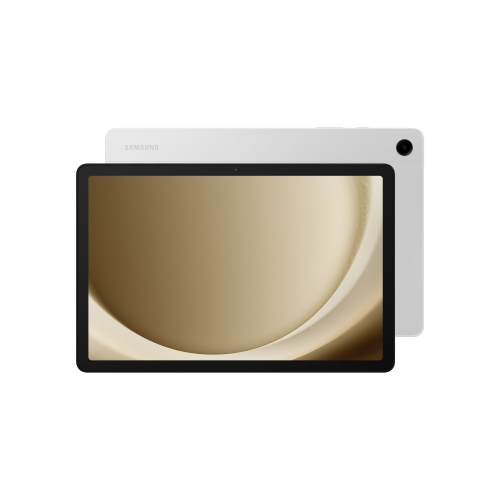 Your price for this item is $499.99
-
 Your price for this item is $1749.99
-
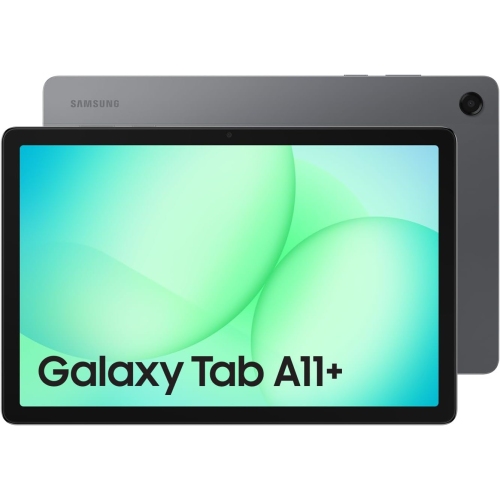 Your price for this item is $394.99
-
 Your price for this item is $579.99
-
 Your price for this item is $979.99
-
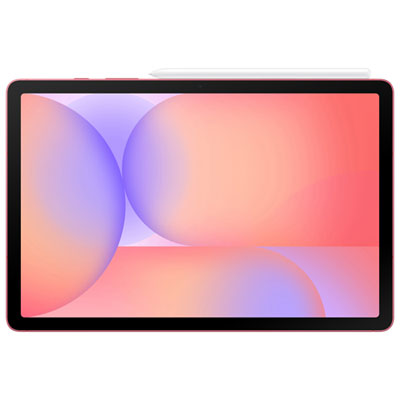 Your price for this item is $579.99
-
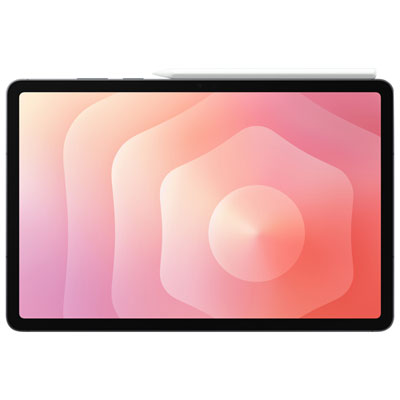 Your price for this item is $1099.99
-
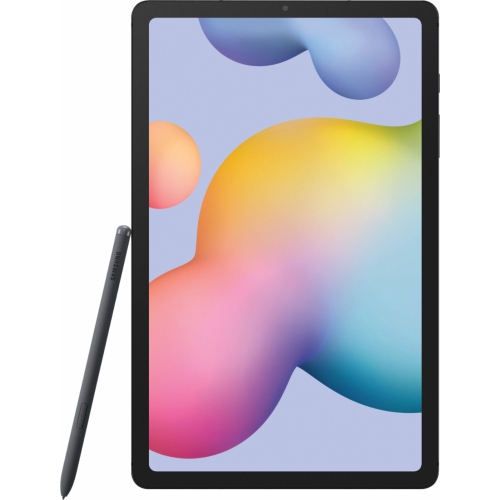 Your price for this item is $699.99
Discover more categories related to Kindle Tablets
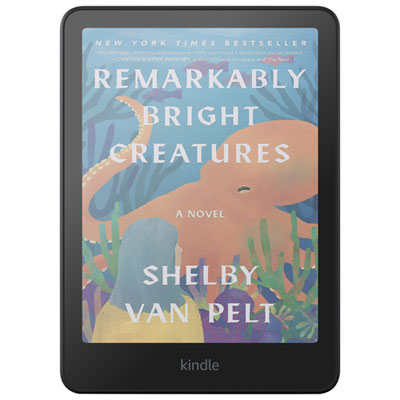

Top Collections:
Best Black Friday Deals This Year, Best Black Friday Deals On Electronics, Kindle Devices, Best Black Friday Deals On Apple Products, Best Budget Office Chairs, Best Cameras for Sports Photography, Dyson Airwrap, Canon G7X Cameras, Best Laptops for Writers, Samsung Galaxy Phones
Some products may be subject to Environmental Handling Fees
(EHF) depending on your province.
Learn more about EHFs.