Learning Essentials for Dorm Rooms
Learning essentials for dorm rooms help create a productive and organized study space, making it easier to stay on top of assignments and coursework. From practical storage solutions to tech tools that support academic success, these items are designed to fit seamlessly into any dorm. Find everything needed to set up a comfortable and efficient area for studying, collaborating with classmates, and managing daily tasks. Explore learning essentials for dorm rooms to ensure every student is ready for the school year ahead.
Sort

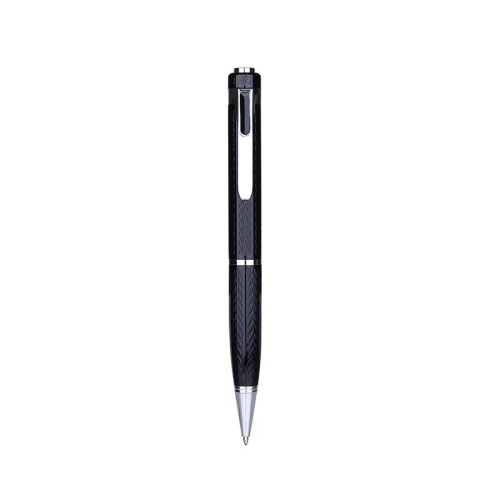


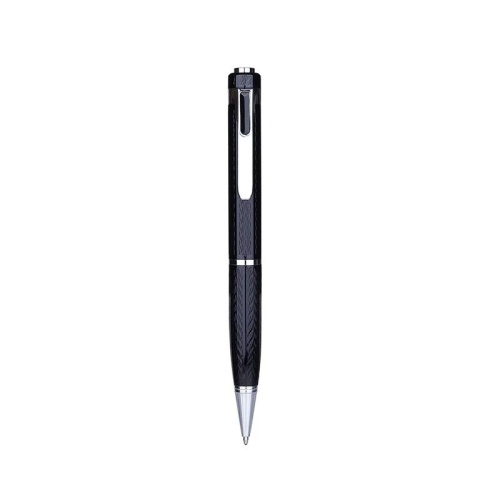
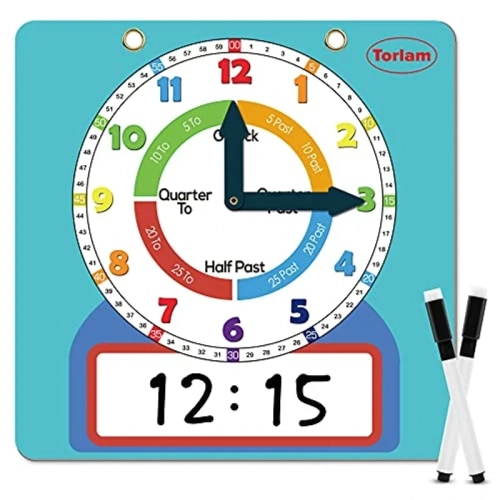
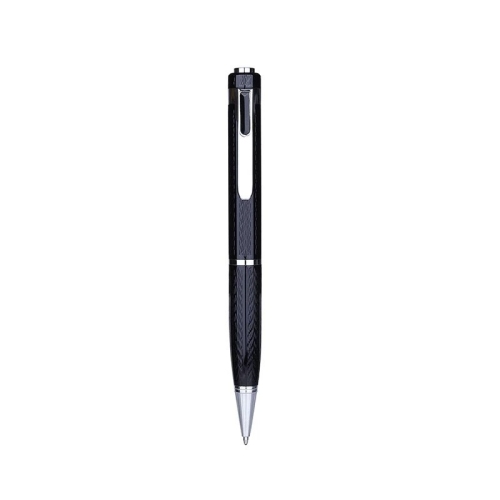
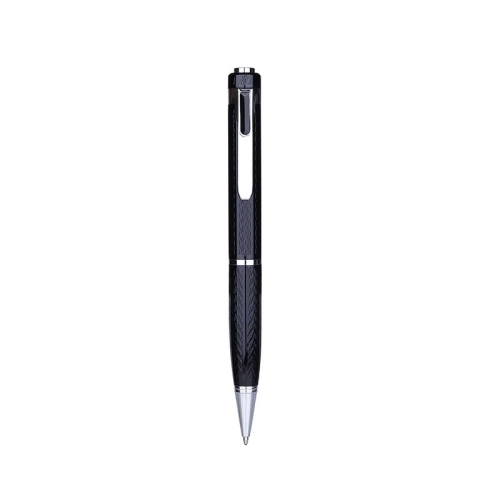
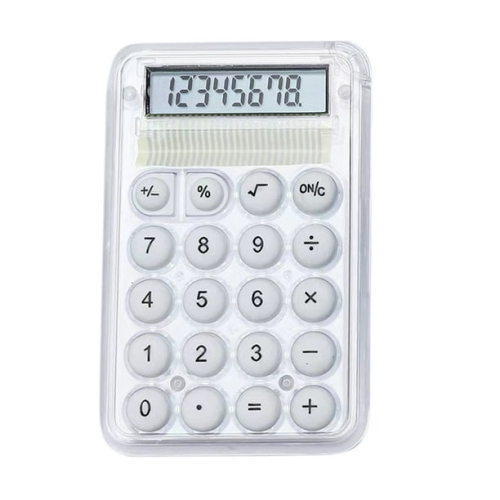
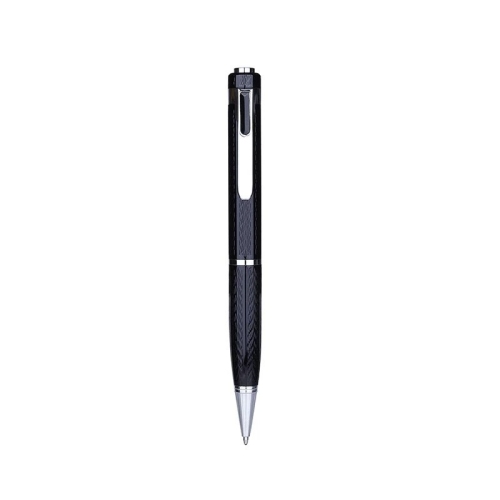






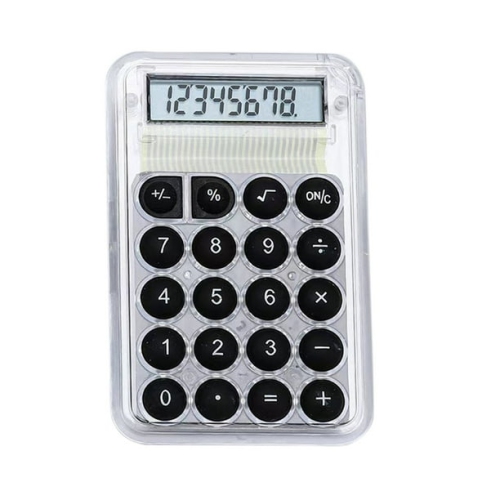




Study setups that leave room for shared living
Learning essentials for dorm rooms bring together study technology, note-taking supplies, task lighting and compact organization tools that support coursework in a shared living space. A useful setup makes room for reading, writing, research and online classes without taking over the entire room. For many college and university students, a laptop is the main connection to course materials, assignments and campus learning platforms. Its suitability depends on the demands of the program: writing papers and reviewing presentations place different demands on a device than design work, coding or video editing. Software requirements, keyboard comfort, battery life and the number of connection ports all matter alongside size and weight, especially when a computer travels between a residence desk, lecture hall and library. A tablet with compatible pen input can complement that setup for annotating readings, sketching diagrams or keeping handwritten notes together, although it may not replace a computer required for specialized software. Screen space deserves attention, too. A compact monitor can make it easier to compare research with a draft or follow a lecture while taking notes, provided the desk has enough depth for a comfortable viewing distance. Stands and adjustable supports can help position a screen without sacrificing the space needed for a notebook. Their footprint, weight capacity and stability matter more than appearance alone. Metal frames generally provide rigidity, while padded contact points can help protect a device or work surface from scuffs. Portable equipment benefits from a well-fitting sleeve or padded bag, particularly when it shares space with books and charging cables. Compatibility brings these pieces together: charging connections, display inputs, pen support and operating-system requirements need to match the student's existing equipment. For online coursework, reliable Wi-Fi reception and clear microphone pickup also contribute to a setup that works beyond simply opening a document. A mix of digital tools leaves enough room for paper-based work and makes the desk easier to reset when studying is finished.
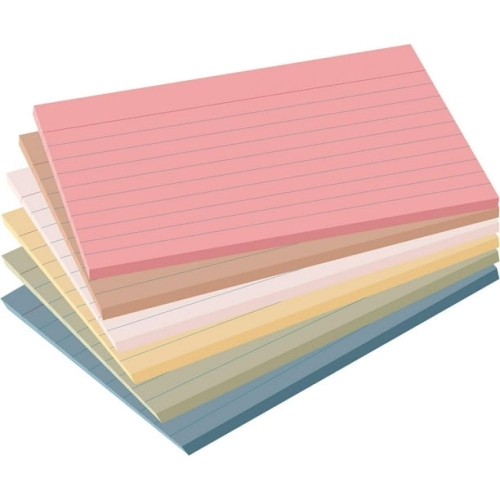
Paper supplies and desktop organization remain useful even when most coursework is submitted online. A notebook provides space to work through calculations, outline an essay or capture an idea without switching between applications. Flashcards support active recall by placing a prompt on one side and an answer on the other, making them useful for vocabulary, terminology and short facts that benefit from repeated practice. Ring-bound formats keep related cards together, while dividers and labelled folders separate notes by course or assignment. A planner or calendar makes deadlines visible at a glance, and a countdown timer can mark a focused study block without requiring repeated phone checks. These tools serve different purposes, so a compact collection that reflects a student's habits is often more useful than a crowded desktop. A small whiteboard can hold a weekly schedule or a difficult formula, while a document holder keeps reference material upright beside a screen. In a narrow residence room, vertical storage and shallow organizers preserve room for writing; dimensions and access matter when drawers must open beside a chair or beneath a shelf. Smooth, wipeable surfaces are practical around pencil marks and everyday spills, while sturdy bindings, reinforced folder edges and secure fastenings help supplies withstand frequent handling. Dry-erase surfaces need compatible markers and appropriate cleaning to avoid residue, and fabric organizers benefit from care that follows their material instructions. Lighting and seating complete the physical workspace. An adjustable task light directs illumination towards a page or keyboard, while a shaded design can help limit light spilling towards a roommate's bed. Placement matters: a lamp positioned to the opposite side of the writing hand can reduce shadows across handwritten notes. An adjustable chair that fits beneath the desk, with feet supported and shoulders relaxed, is more useful than one chosen only for its style. Where residence furniture is fixed, a suitable footrest or carefully positioned screen support may help improve comfort without requiring a larger furniture change.
Shared-room study also depends on managing sound, connections and the small accessories that tend to disappear beneath papers. Headphones can support recorded lectures, language practice and concentrated reading, while models with active noise cancellation may reduce steady background sounds such as ventilation or distant traffic. They do not remove every distraction, and comfort becomes particularly important during longer sessions. Ear-cup fit, headband adjustment, weight and the feel of the cushioning all influence whether headphones remain comfortable through a seminar or an afternoon of revision. A clear microphone is useful for group projects and online presentations, especially when other conversations are happening nearby. Easy-to-reach mute controls help students participate without broadcasting every sound in the room. Charging and cable organization deserve the same attention as the devices themselves. A power bar or surge protector needs to meet residence rules and suit the connected equipment; the number of sockets alone does not establish whether it is appropriate. Cables should reach without stretching across a walkway, and tidy routing helps keep charging connections accessible when a laptop needs to leave for class. Small pouches or divided containers can keep adapters, pens and spare cables together, making a desk easier to clear when it doubles as a place to eat or prepare for the day. Care routines can stay simple: unplug equipment before cleaning when directed, use cleaning methods suited to the surface and keep liquids away from electrical connections. For students moving into residence, useful study accessories can also make thoughtful gifts from family or friends, particularly when chosen around existing equipment, available desk space and personal study preferences. A selection of Dorm Room Study Essentials works best when each addition has a clear role, whether that means keeping notes within reach, making calls easier to hear or creating a comfortable place to finish an assignment. The result is a study space that supports everyday coursework while remaining manageable in a room shared with the rest of student life.
Top selling and popular products
-
 Your price for this item is $17.99
-
 Your price for this item is $18.99
-
 Your price for this item is $26.99
-
 Your price for this item is $20.88
-
 Your price for this item is $11.99
-
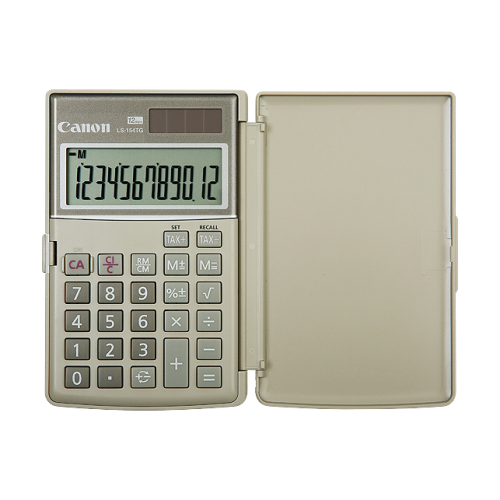 Your price for this item is $33.68
-
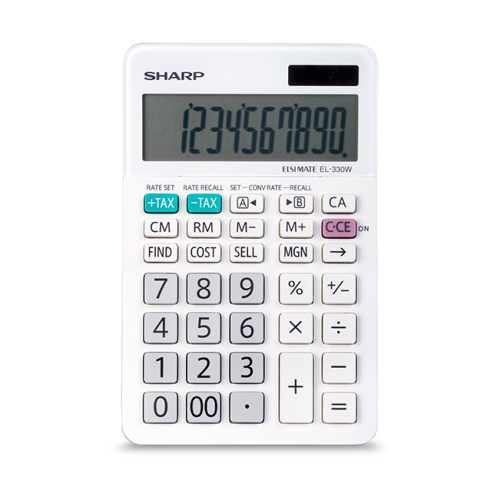 Your price for this item is $39.68
-
 Your price for this item is $16.99
Discover more categories related to Learning Essentials for Dorm Rooms



Top Collections:
Pokemon Centers, Best Black Friday Deals This Year, Best Black Friday Deals On Electronics, Kindle Devices, Best Budget Office Chairs, Best Black Friday Deals On Apple Products, Best Cameras for Sports Photography, Pokémon 30th Celebration Cards, Dyson Airwrap, Canon G7X Cameras
Some products may be subject to Environmental Handling Fees
(EHF) depending on your province.
Learn more about EHFs.