LED Indicators
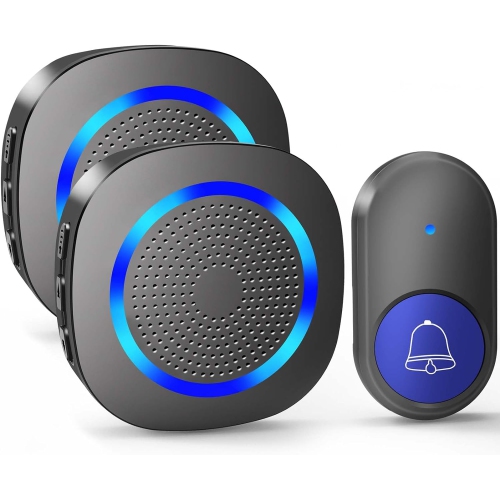
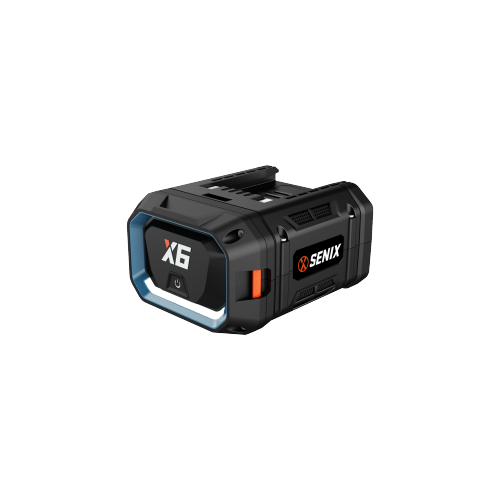
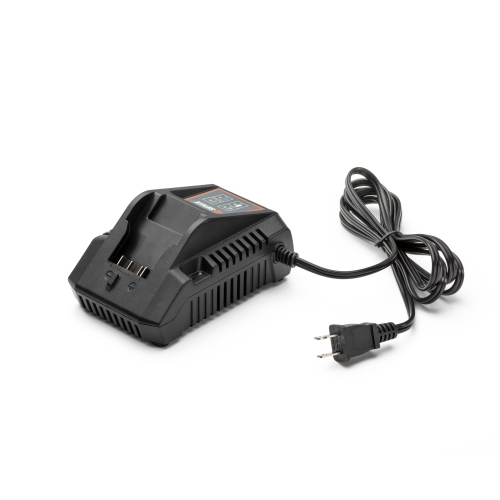
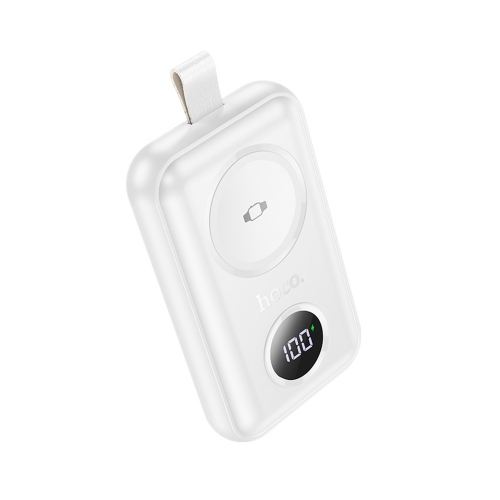
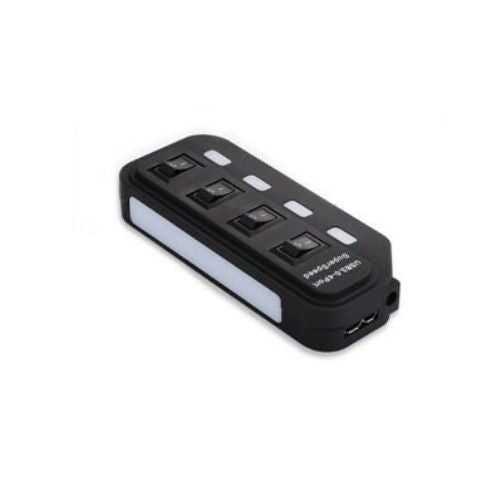
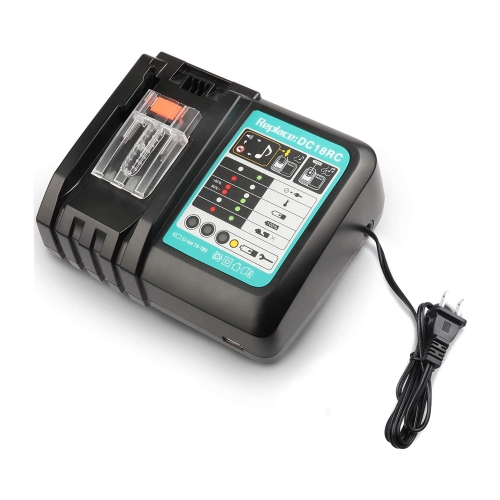
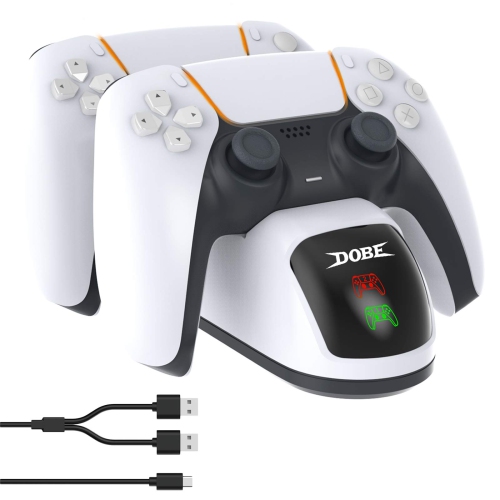
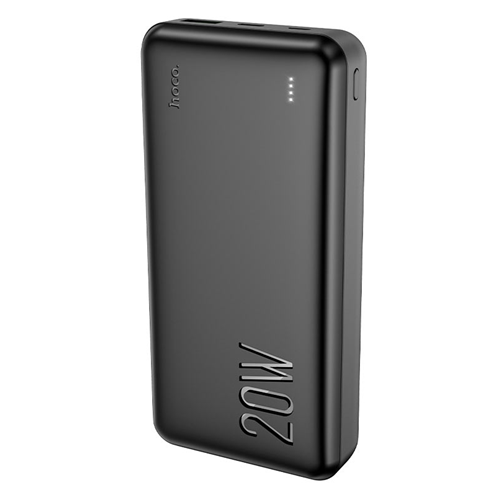
Looking for a way to add a touch of modernity and functionality to your electronic devices? Look no further than LED indicators. These small yet powerful lights are designed to provide clear and concise information about the status and activity of your devices. From indicating power on/off, battery levels, connectivity, and more, LED indicators offer a convenient and intuitive way to stay informed at a glance.
Sort


















![KMD Extended Battery Pack for Dualsense P5 Controller []](https://multimedia.bbycastatic.ca/multimedia/products/500x500/174/17404/17404596.jpeg)
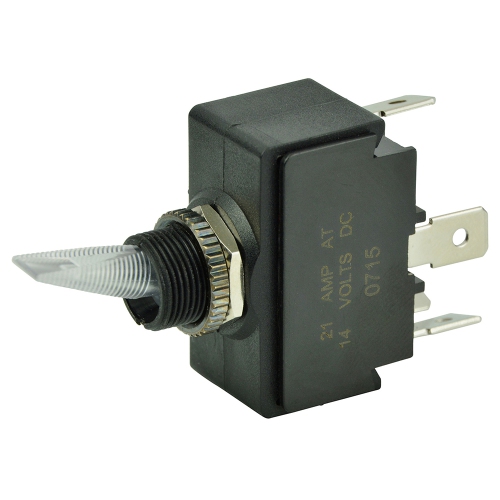
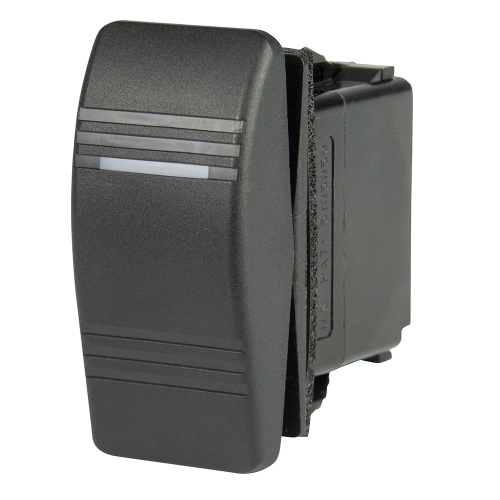
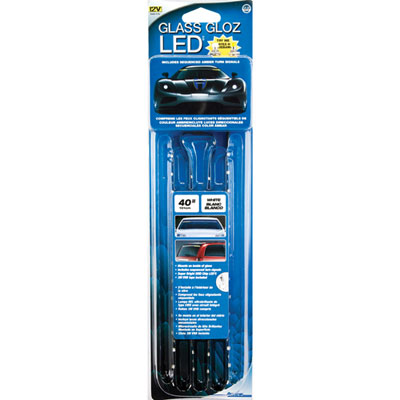
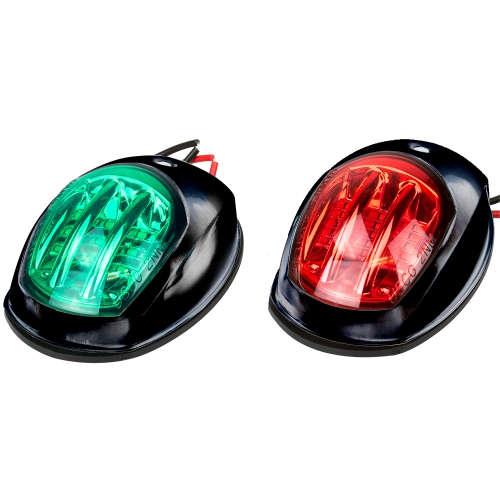
How colours and flashing patterns communicate equipment status
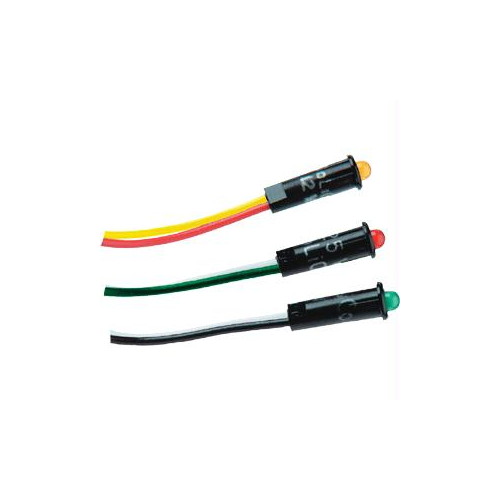
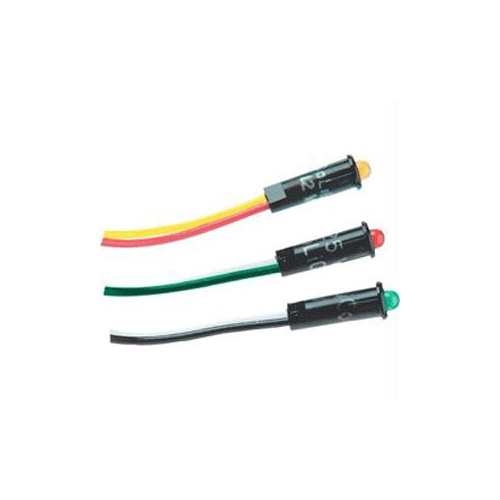
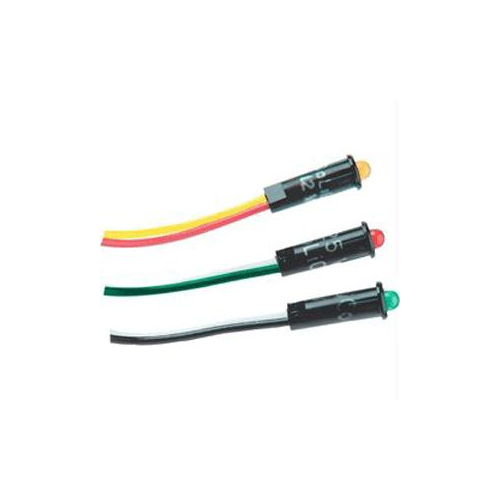
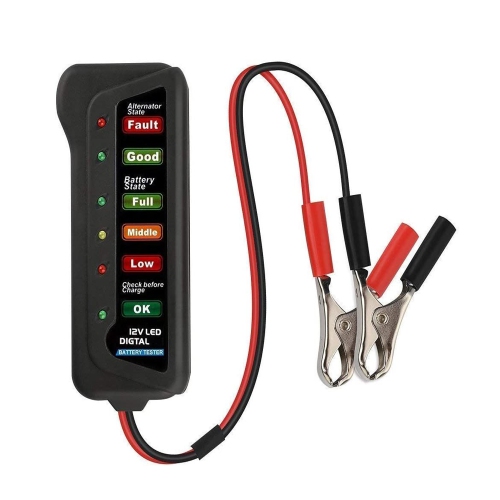
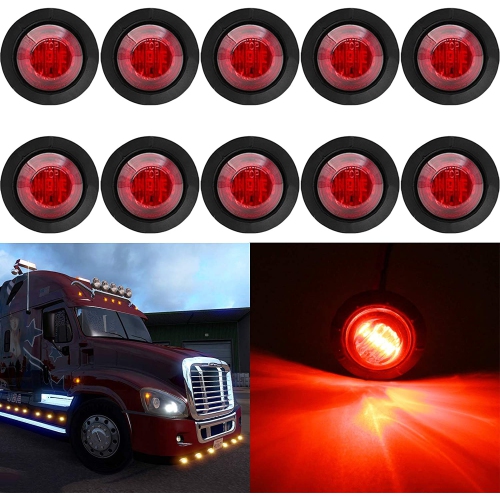
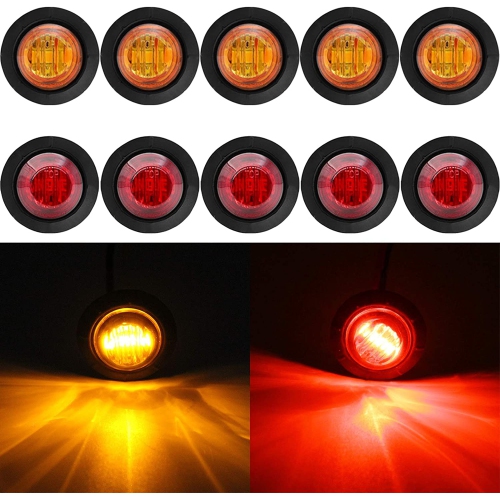
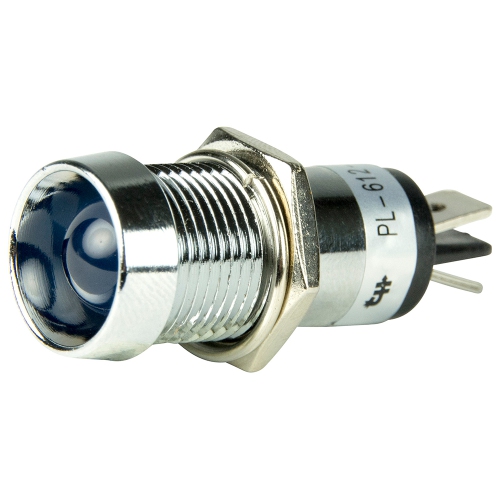
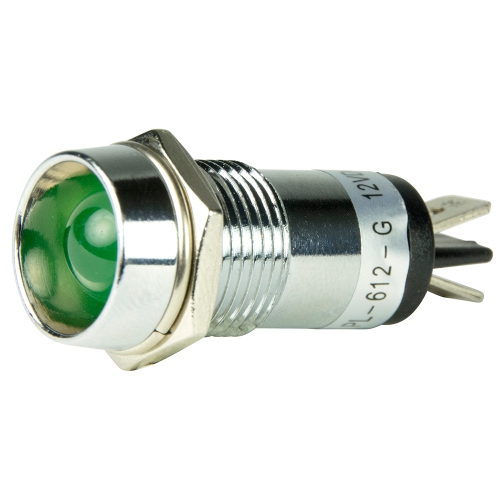
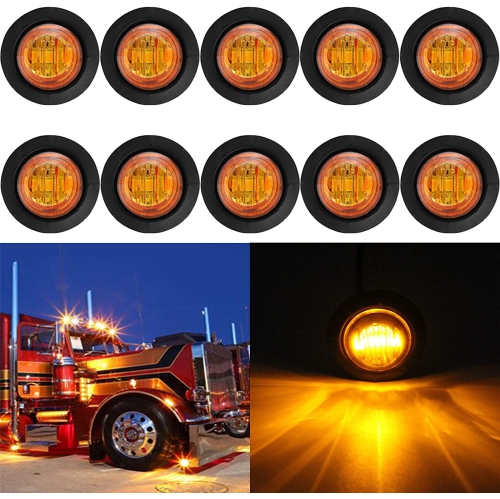
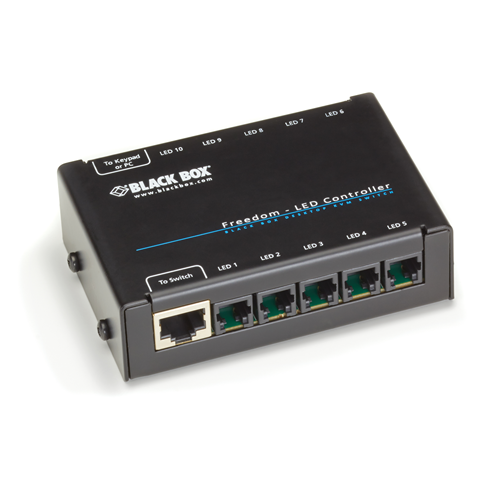
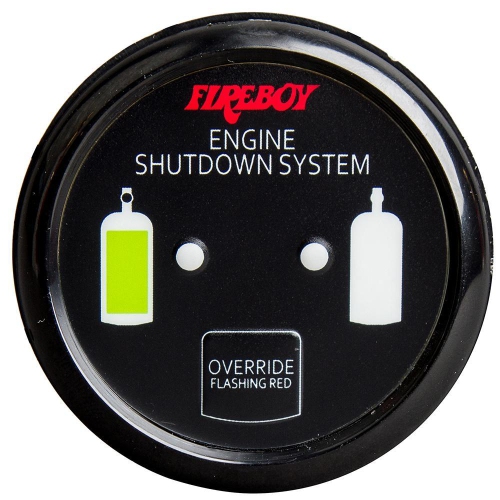
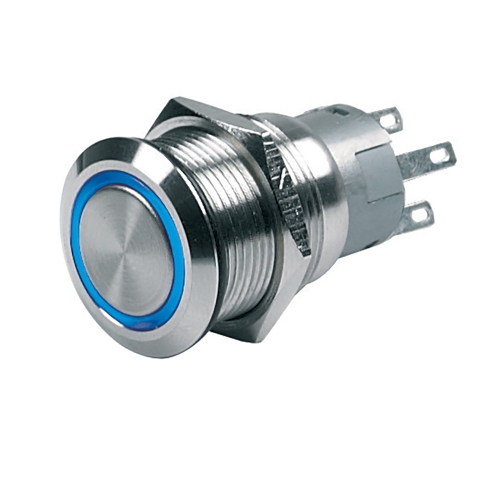
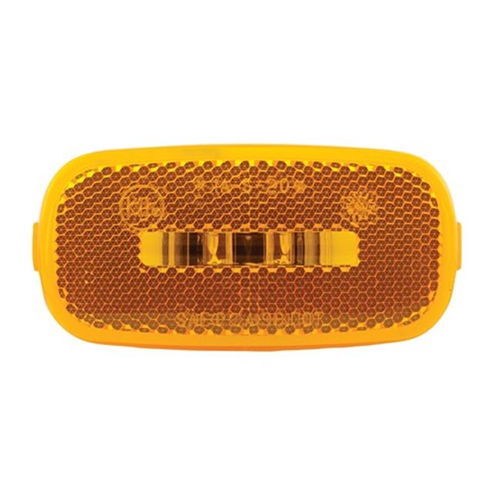
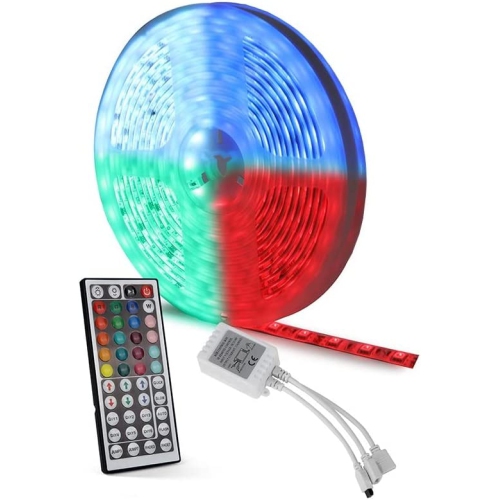
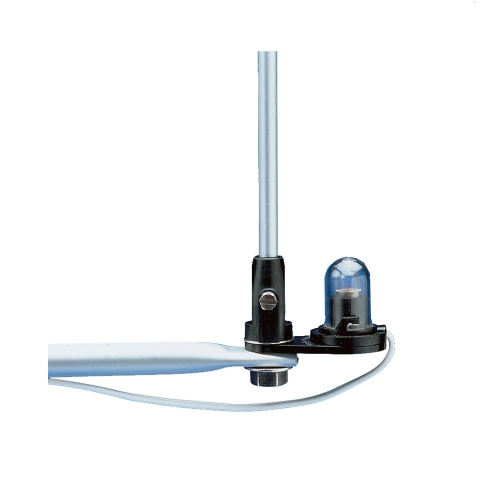
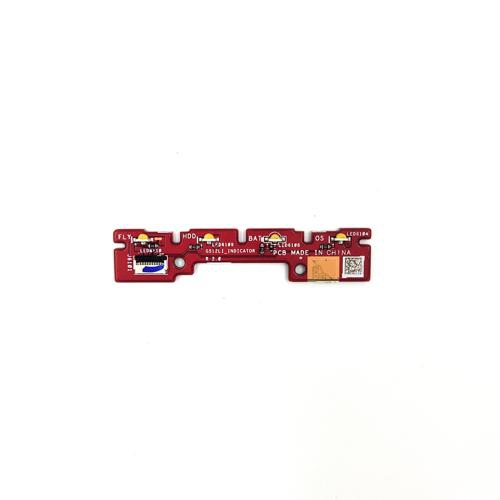
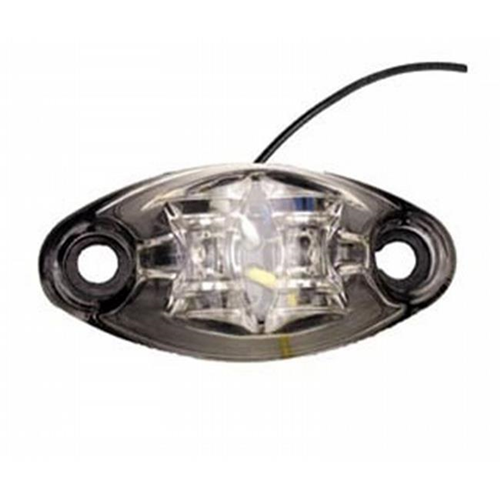
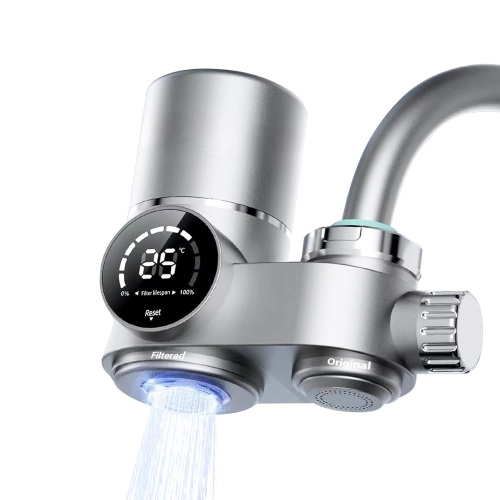
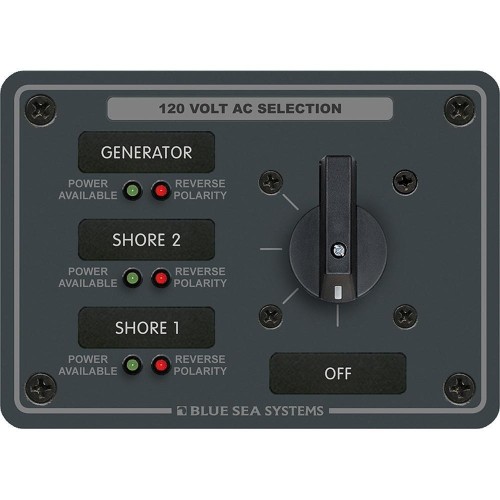
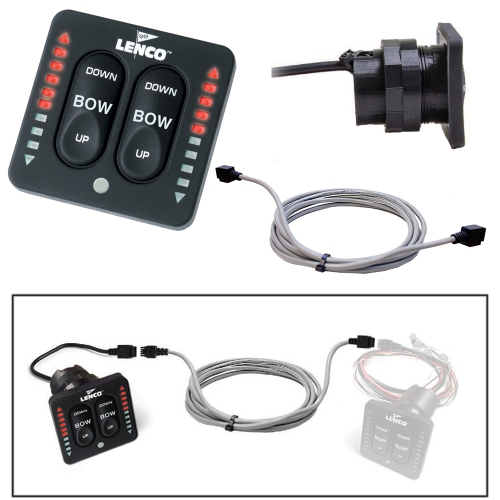
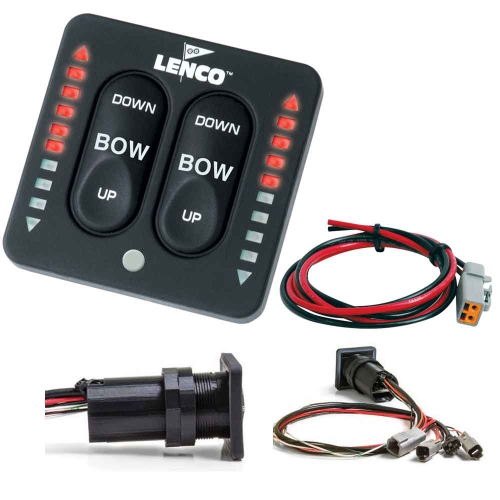
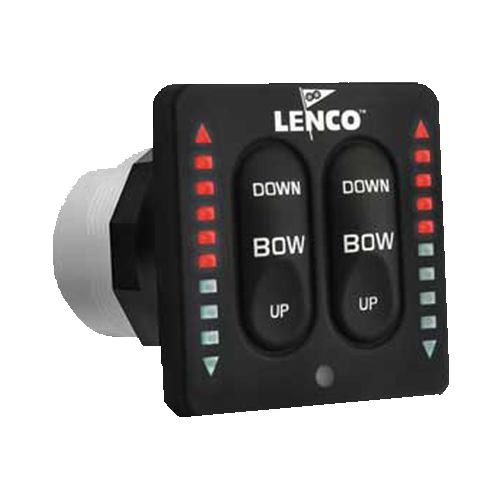
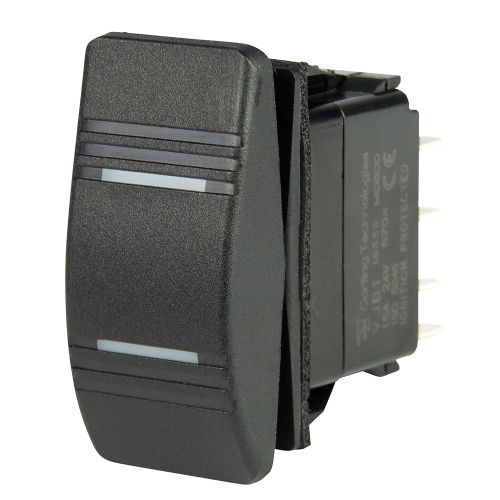
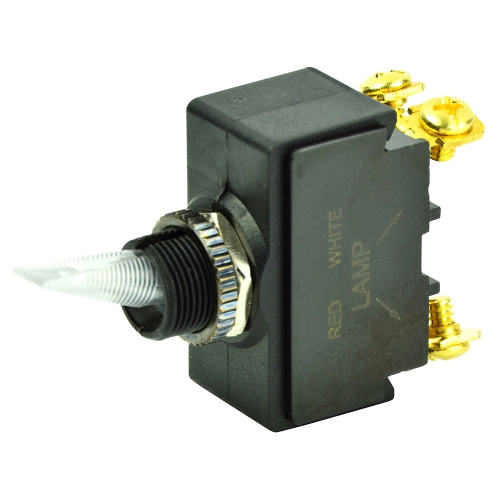
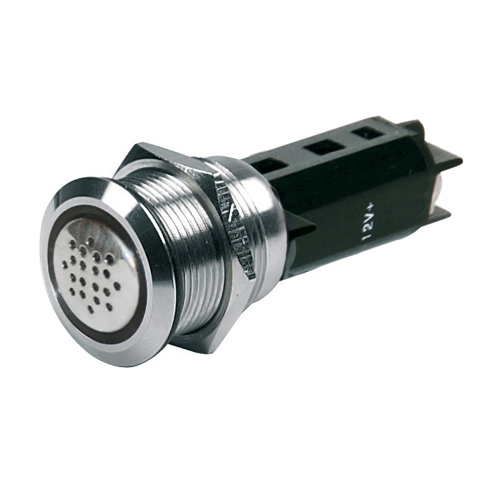
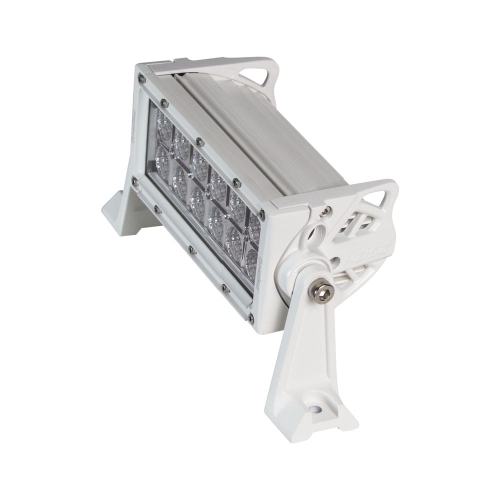
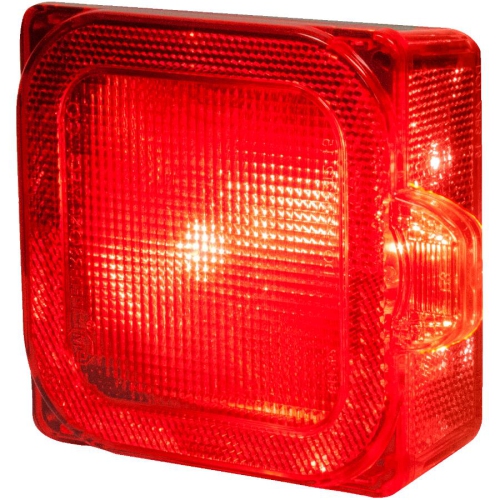
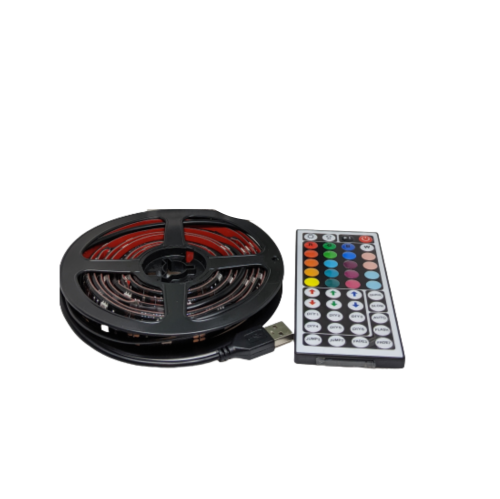
LED indicators are compact visual signals that show what an electronic device, appliance, machine, vehicle, or control panel is doing at a glance. They may confirm that power is connected, show that a function is active, or draw attention to a warning that needs to be checked. A steady green light commonly indicates normal operation or an enabled circuit, while red may signal an error, stop condition, or fault. Amber or yellow often represents a caution state, and blue or white may identify a particular mode, connection, or selected function. Flashing patterns can provide another layer of information, such as a system starting up, searching for a connection, or waiting for input. Because LED indicators are small and easy to see, they are useful in places where a written display would be impractical, from a workshop power supply to a home electrical project. They are also helpful in dim rooms, utility areas, garages, equipment cabinets, and vehicle interiors where a clear point of light can be easier to read than a switch label. When choosing an LED indicator, begin with the purpose of the light and the information it needs to communicate. A simple power indicator may only need one colour and a steady output, while a control panel may benefit from several colours or a flashing function. Consider the brightness as well: an indicator that is easy to see across a room may be useful for a warning panel, whereas a softer light can be more comfortable on a bedside device or household appliance. Lens colour, lens shape, viewing angle, and bezel style can all affect how the light appears from different positions.
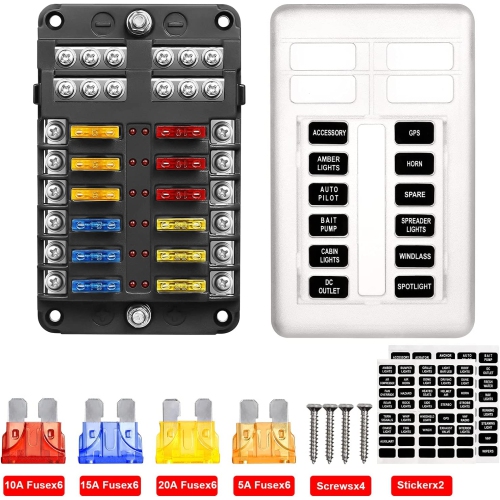
Compatibility is one of the most important considerations when selecting LED indicators. Check the required voltage and current before installation, since indicators may be designed for low-voltage DC systems such as 12V or 24V, or for higher-voltage AC or DC applications such as 120V or 240V. The electrical specifications should match the circuit rather than relying on appearance alone. Some styles include built-in resistors or other components for a particular voltage, while others require additional circuit protection or a separate resistor. If an indicator is being used as part of a vehicle, appliance, hobby electronics project, or switchboard, confirm the polarity, operating voltage, connection method, and intended application. Common connection options include wire leads, screw terminals, and quick-connect tabs, each of which suits a different installation approach. Wire leads can be convenient when there is flexibility in routing, screw terminals can make a connection easier to inspect or adjust, and quick-connect tabs can provide a tidy fit when matching connectors are already in place. Physical dimensions matter just as much. Measure the available space and check the required panel cutout before ordering, as common mounting sizes can range from approximately 6 millimetres to 30 millimetres. Also review the mounting depth, bezel diameter, terminal position, and whether the indicator is secured with a nut, clip, or other mounting hardware. For locations exposed to dust, splashes, vibration, or changing temperatures, look for construction and protection ratings suited to the setting. A firmly mounted indicator with a properly secured connection is more likely to remain clear and dependable when equipment is switched repeatedly or used in a busy work area.
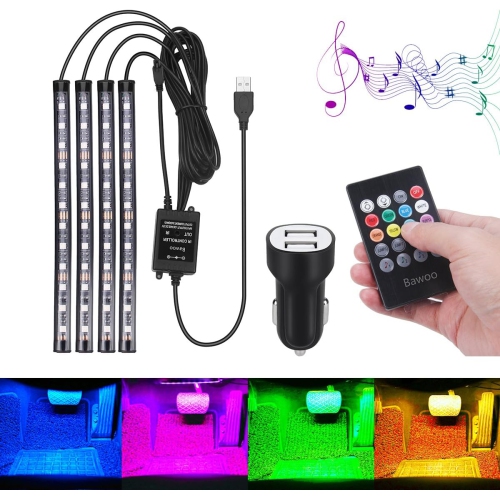
LED indicators can be useful for homeowners, makers, technicians, automotive enthusiasts, facility staff, and anyone updating a control surface or replacing a worn-out signal lamp. They can add an immediate status reference to a custom electronics project, help identify which circuit is active in a workshop, or make a row of switches easier to understand when several functions are grouped together. A homeowner might use one to confirm that a pump, fan, charger, or auxiliary system has power without opening a cabinet, while a hobbyist may use different colours to separate operating states on a custom enclosure. They can also be a practical gift for someone who enjoys repairing equipment, building audio projects, working with hobby circuits, or organizing a garage workspace. For decorative uses, an indicator-style light can provide a small accent around a desk, media area, display cabinet, or gaming setup, although decorative lighting and status indicators serve different purposes. Those looking for larger illuminated lettering or visual décor may prefer browsing LED Signs, while LED indicators are generally selected for compact status feedback and functional installation. Before completing a project, read the specifications carefully, compare the indicator’s electrical rating with the equipment, and make sure the installation can be completed safely. Disconnect power before working on wiring, use appropriate tools and connectors, and consult a qualified professional for mains-voltage applications or unfamiliar circuits. With the right colour, voltage, mounting size, and connection style, an LED indicator can make everyday equipment easier to understand, monitor, and operate during bright summer days, darker evenings, and the cooler months ahead.
Compatibility is one of the most important considerations when selecting LED indicators. Check the required voltage and current before installation, since indicators may be designed for low-voltage DC systems such as 12V or 24V, or for higher-voltage AC or DC applications such as 120V or 240V. The electrical specifications should match the circuit rather than relying on appearance alone. Some styles include built-in resistors or other components for a particular voltage, while others require additional circuit protection or a separate resistor. If an indicator is being used as part of a vehicle, appliance, hobby electronics project, or switchboard, confirm the polarity, operating voltage, connection method, and intended application. Common connection options include wire leads, screw terminals, and quick-connect tabs, each of which suits a different installation approach. Wire leads can be convenient when there is flexibility in routing, screw terminals can make a connection easier to inspect or adjust, and quick-connect tabs can provide a tidy fit when matching connectors are already in place. Physical dimensions matter just as much. Measure the available space and check the required panel cutout before ordering, as common mounting sizes can range from approximately 6 millimetres to 30 millimetres. Also review the mounting depth, bezel diameter, terminal position, and whether the indicator is secured with a nut, clip, or other mounting hardware. For locations exposed to dust, splashes, vibration, or changing temperatures, look for construction and protection ratings suited to the setting. A firmly mounted indicator with a properly secured connection is more likely to remain clear and dependable when equipment is switched repeatedly or used in a busy work area.
LED indicators can be useful for homeowners, makers, technicians, automotive enthusiasts, facility staff, and anyone updating a control surface or replacing a worn-out signal lamp. They can add an immediate status reference to a custom electronics project, help identify which circuit is active in a workshop, or make a row of switches easier to understand when several functions are grouped together. A homeowner might use one to confirm that a pump, fan, charger, or auxiliary system has power without opening a cabinet, while a hobbyist may use different colours to separate operating states on a custom enclosure. They can also be a practical gift for someone who enjoys repairing equipment, building audio projects, working with hobby circuits, or organizing a garage workspace. For decorative uses, an indicator-style light can provide a small accent around a desk, media area, display cabinet, or gaming setup, although decorative lighting and status indicators serve different purposes. Those looking for larger illuminated lettering or visual décor may prefer browsing LED Signs, while LED indicators are generally selected for compact status feedback and functional installation. Before completing a project, read the specifications carefully, compare the indicator’s electrical rating with the equipment, and make sure the installation can be completed safely. Disconnect power before working on wiring, use appropriate tools and connectors, and consult a qualified professional for mains-voltage applications or unfamiliar circuits. With the right colour, voltage, mounting size, and connection style, an LED indicator can make everyday equipment easier to understand, monitor, and operate during bright summer days, darker evenings, and the cooler months ahead.
Top selling and popular products
-
 Your price for this item is $30.58
 -
 Your price for this item is $30.54
 -
 Your price for this item is $38.85
 -
 Your price for this item is $92.99
 -
 Your price for this item is $917.79
 -
 Your price for this item is $844.31
 -
 Your price for this item is $30.62
 -
 Your price for this item is $34.93
Discover more categories related to LED Indicators
Top Collections:
Pokemon Centers, Kindle Devices, Best Budget Office Chairs, Apple iPhones 16, Canon G7X Cameras, iPhone 15 Apple, Alarm Clock, Refurbished Apple Laptops, Flip Phones, Best Laptops for Writers
Some products may be subject to Environmental Handling Fees
(EHF) depending on your province.
Learn more about EHFs.