Lightweight E-Readers for Students
Lightweight e-readers for students offer a convenient way to access textbooks, novels, and study materials on the go. Designed to fit easily into backpacks or bags, these devices help students keep their reading organized and accessible during busy school days. With a variety of options available, it’s easy to find lightweight e-readers for students that suit different reading preferences and academic needs. Explore models with user-friendly interfaces and portability that make study sessions more flexible and enjoyable.
Sort
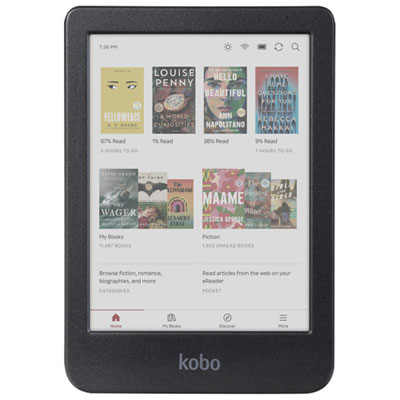
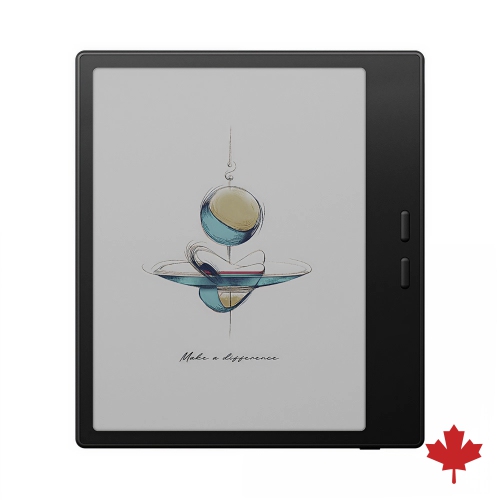
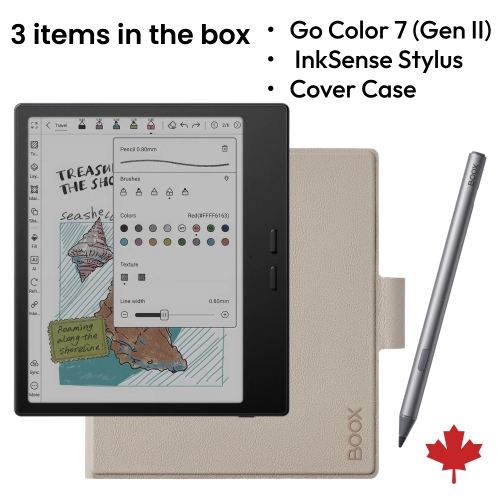
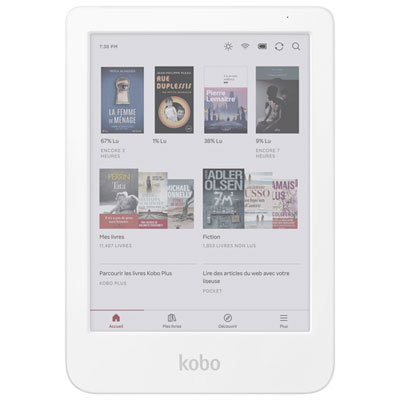
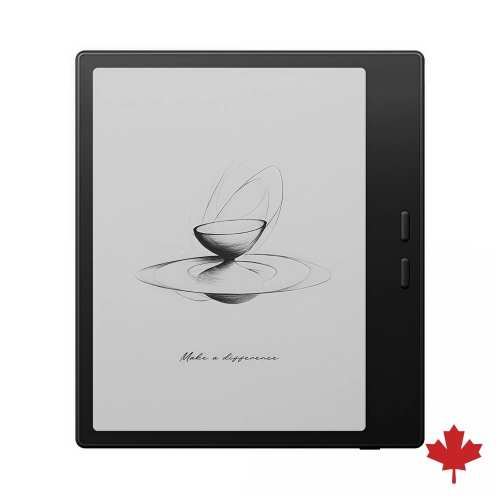
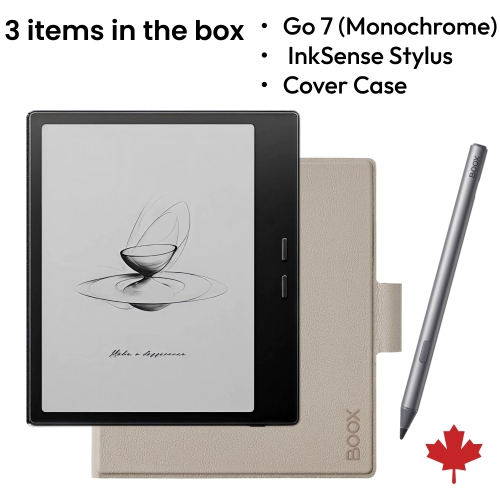
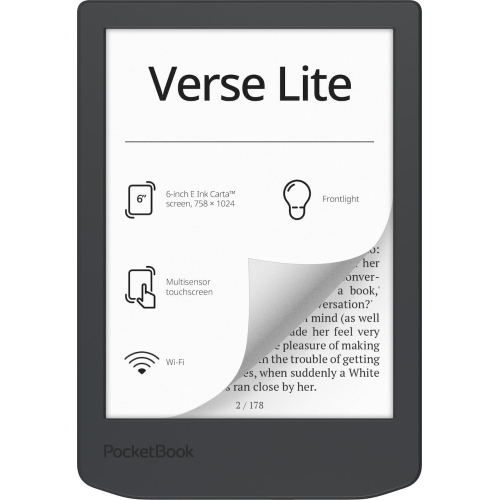
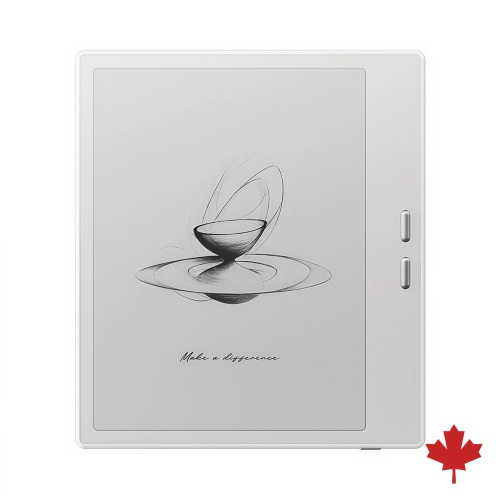
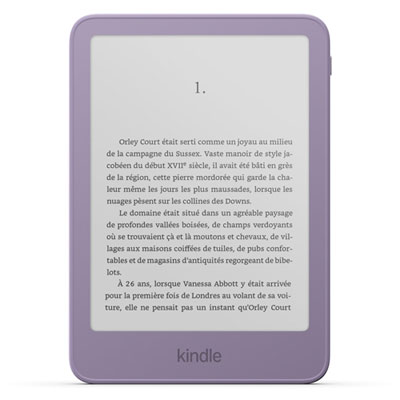
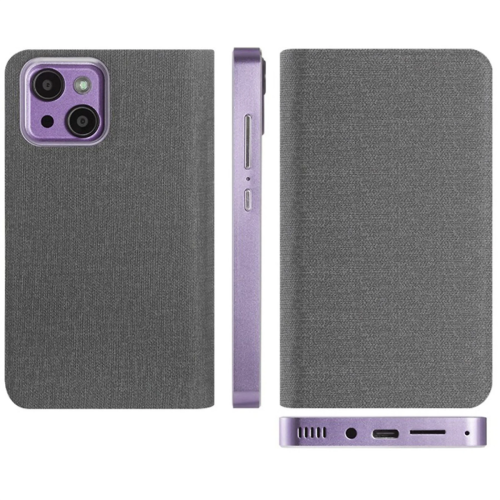
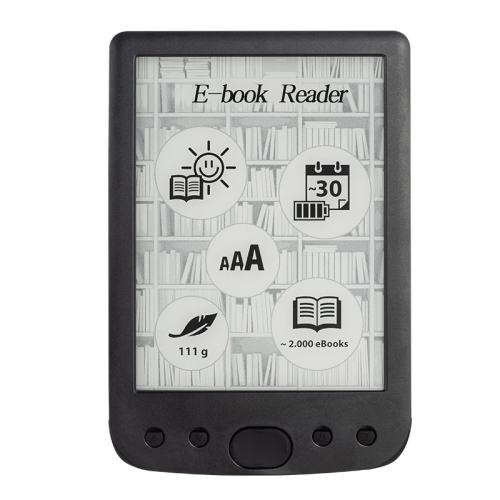
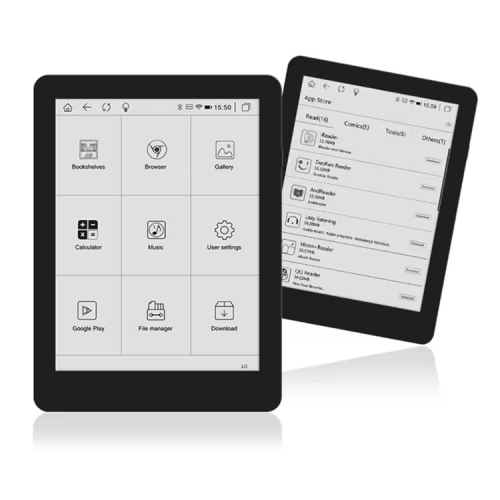
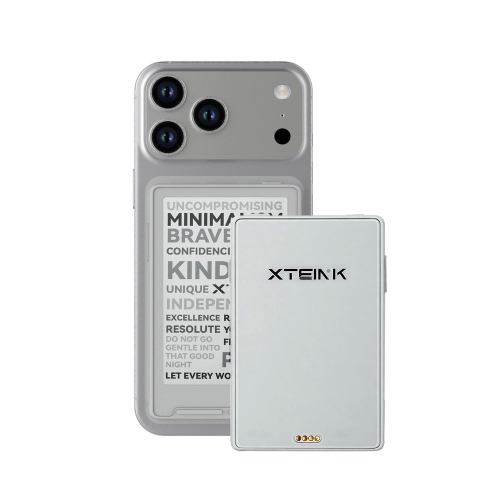
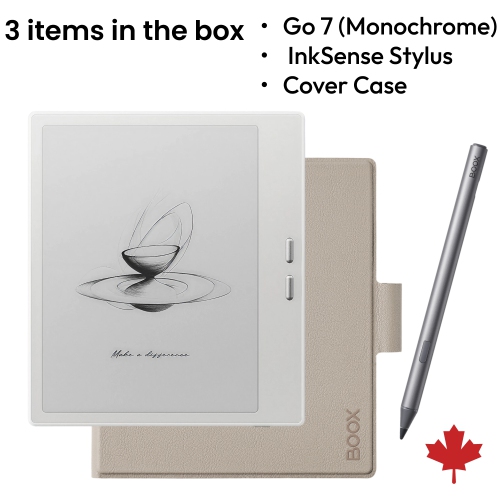
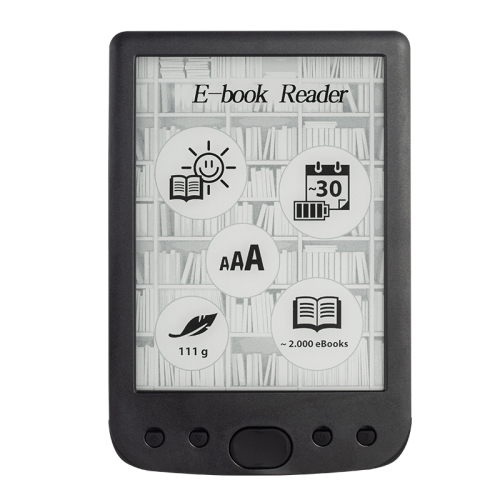
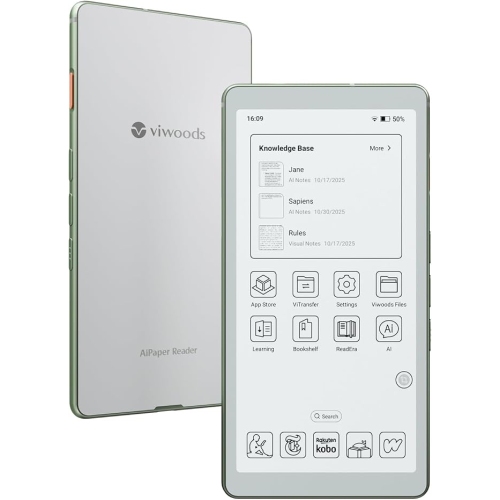
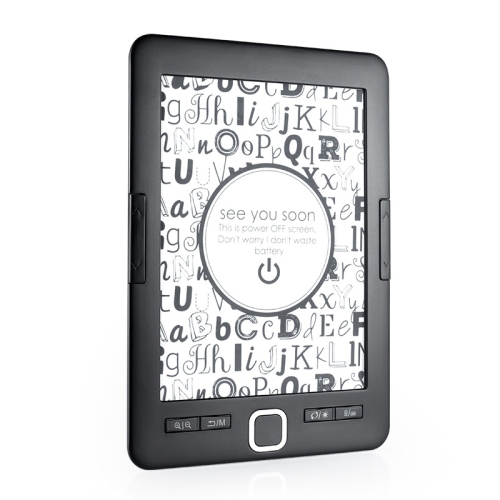
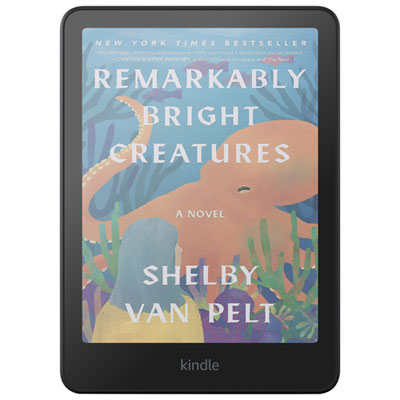
A full reading list without the backpack bulk
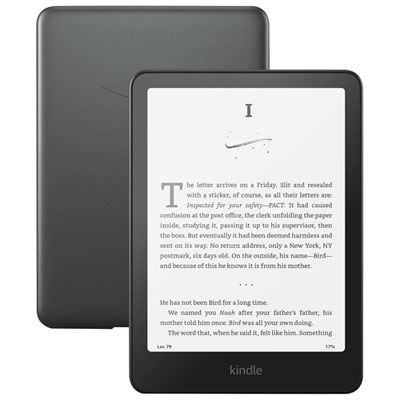
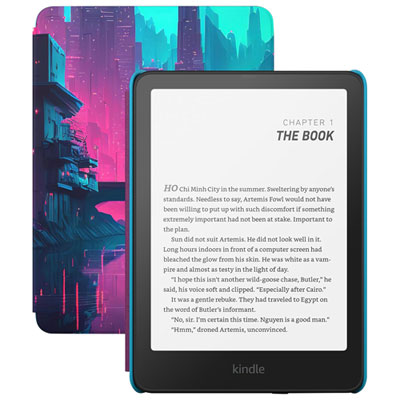
Lightweight e-readers for students make it easier to carry a reading list without filling a backpack with paperbacks. A compact device can hold assigned novels, reference books and personal reading in one place, leaving more room for a laptop, notebooks and lunch. That portability is especially useful for students who move between lectures, spend time on public transit or like to read a few chapters between classes. Within the broader category of Lightweight E-Readers, the right balance of screen size, weight and grip depends on how and where the device will be used. A smaller reader is easier to slip into a bag pocket and hold in one hand, while a larger display can show more text at once and reduce page turns. The weight of a protective cover also matters when holding the device through a long chapter. Many dedicated e-readers use E Ink displays, which present text with a paper-like appearance rather than the continuously lit display found on a typical tablet. Models with adjustable front lighting allow the page brightness to be changed for different reading spaces, and some also offer adjustable light warmth. Neither feature replaces comfortable room lighting, but both can help personalize the reading experience. Text size, font choice, line spacing and margin controls can make dense passages easier to follow without changing the original book file. Physical page-turn buttons may appeal to readers who prefer a steady grip, while touch controls keep navigation familiar. Students reading mostly novels and essays often have different needs from those studying illustrated material, so display clarity and document layout matter as much as low weight. A dedicated reader is particularly well suited to sustained reading; it is not necessarily a substitute for the laptop or tablet needed for coursework, video lessons or interactive assignments.
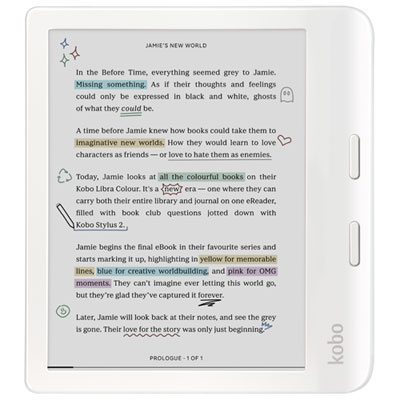
For academic use, the connection between an e-reader and the assigned material is just as important as the hardware. Digital books do not all use the same file types or access rules, and a textbook that opens through a course website may require a browser or app that a dedicated reader cannot run. Compatibility with the required books, borrowing service and course platform helps determine whether a device fits a student’s routine. Reflowable ebooks let text adjust to the screen and chosen font size, making them a natural match for smaller displays. Fixed-layout PDFs behave differently: a scanned journal article or textbook page may preserve its original dimensions, leaving small text that requires zooming and panning. Tables, footnotes, equations and two-column layouts can be particularly demanding on a compact screen. A larger display may be more comfortable for those documents, although colour illustrations and interactive content can still call for another type of device. Annotation tools also vary. Basic highlighting, bookmarks and dictionary lookup can support close reading, while searchable notes help a student return to a passage before a seminar. Some readers support a stylus for handwritten notes, but that capability is not universal, and a compatible pen may be separate. Exporting highlights, moving personal documents onto the reader and syncing reading progress are additional features whose usefulness depends on the supported services and file permissions. For students borrowing ebooks from a Canadian public library, compatibility with that library’s lending service is worth confirming, since borrowing methods differ between devices. Wi-Fi is useful for downloading books and syncing supported content, while downloaded reading can often continue without a connection. Storage needs depend on the material: text-based books generally take up much less space than image-heavy documents or audiobooks. Audio playback, Bluetooth support and text-to-speech should also be treated as model-specific features rather than standard capabilities. These distinctions matter when a reading list includes a mix of literature, research papers and accessible formats.
An e-reader intended for daily student use needs to feel manageable in the hand and withstand being carried alongside other essentials. Lightweight construction often combines a plastic housing with a recessed or flush screen, though materials and finishes differ. A textured back or a cover with a secure handhold can make a slim device easier to grip during a commute or a long reading session. The display still needs protection from pressure and impact, especially in a crowded backpack where a charger or the corner of a hardbound book could press against it. A fitted cover that protects the screen, or a padded sleeve used in a separate compartment, helps keep it away from loose objects. Water resistance can be useful around accidental splashes, but the level of protection varies and does not make every reader suitable for immersion. Care is usually straightforward: a soft, lint-free cloth removes fingerprints, while cleaning methods should follow the device manufacturer’s directions. Spraying liquid directly onto the screen or using abrasive cleaners can damage surfaces and coatings. Battery life is another practical part of portability. Dedicated readers can often go longer between charges than multipurpose tablets, but actual use depends on front-light brightness, wireless activity, audio playback and time spent reading. A charging cable that works with a student’s other devices can simplify what goes into a bag, provided the connector and power requirements match. Beyond assigned reading, the same lightweight device can hold a novel for the trip home or a borrowed book for a break between study sessions. It can also be a thoughtful gift for a secondary school, college or university student who already enjoys reading. The most useful fit reflects that person’s habits: comfortable controls for long chapters, compatible access to their books and enough protection for everyday travel. Those practical details help a reader become a familiar part of student life rather than another device left charging on a desk.
Top selling and popular products
-
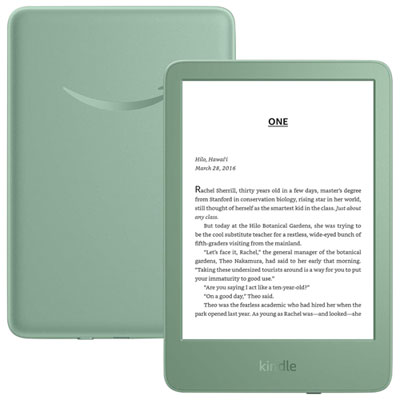 Your price for this item is $164.99
-
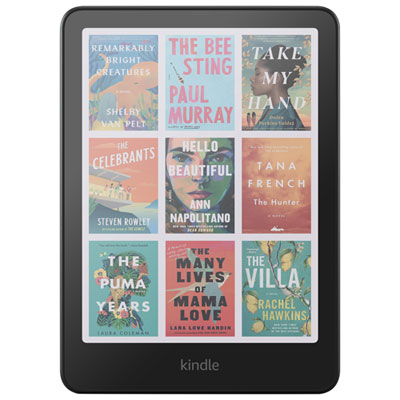 Your price for this item is $399.99
-
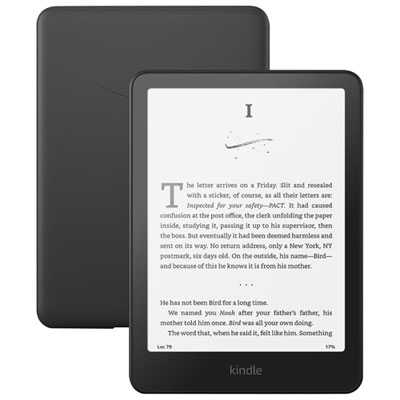 Your price for this item is $179.99
-
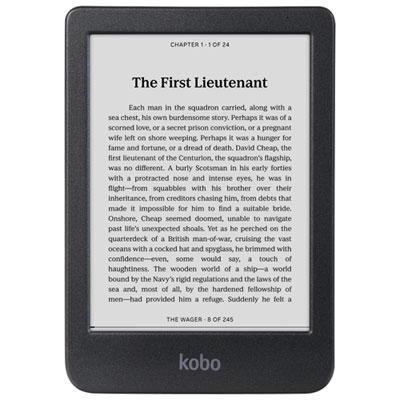 Your price for this item is $179.99
-
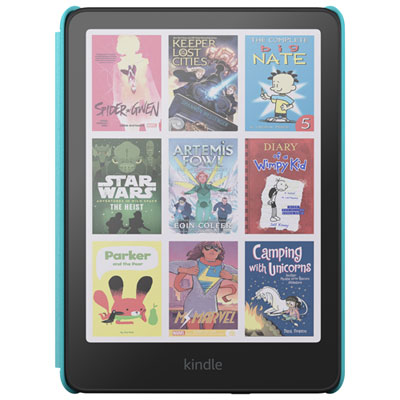 Your price for this item is $349.99
-
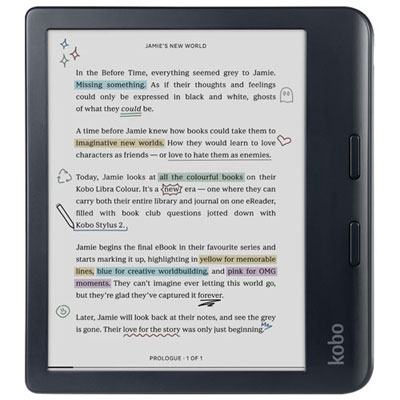 Your price for this item is $259.99
-
 Your price for this item is $229.99
-
 Your price for this item is $199.97
Discover more categories related to Lightweight E-Readers for Students
Top Collections:
Best Black Friday Deals This Year, Best Black Friday Deals On Electronics, Kindle Devices, Best Black Friday Deals On Apple Products, Best Budget Office Chairs, Best Cameras for Sports Photography, Dyson Airwrap, Canon G7X Cameras, Best Laptops for Writers, Samsung Galaxy Phones
Some products may be subject to Environmental Handling Fees
(EHF) depending on your province.
Learn more about EHFs.