Long Range Wireless Headsets
Long Range Wireless Headsets offer the freedom to move around your home or office without losing connection or sound quality. Designed for those who need reliable performance at greater distances, these headsets are ideal for multitasking, taking calls, or enjoying entertainment without being tethered to a device. Explore a wide selection of Long Range Wireless Headsets that combine comfort, convenience, and advanced wireless technology, making it easy to stay connected wherever you go.
Sort




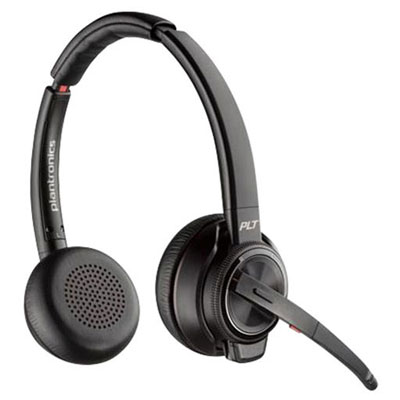
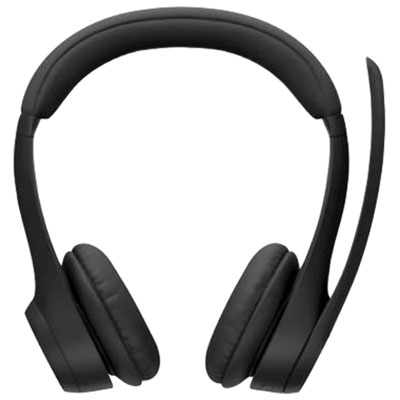
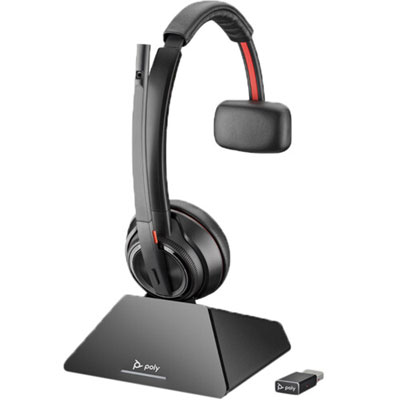
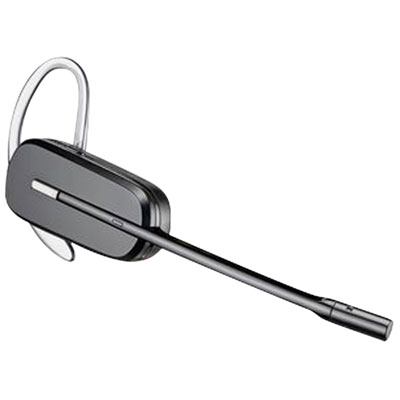
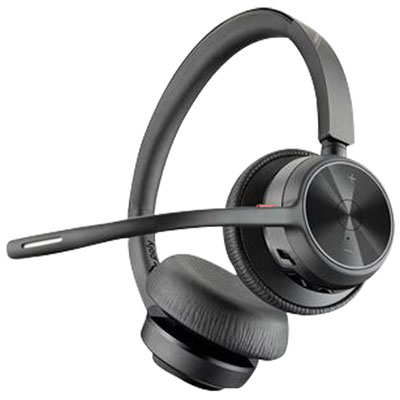

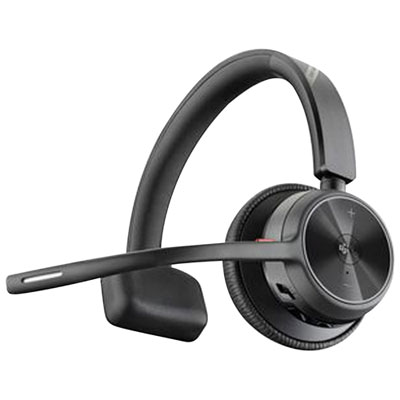
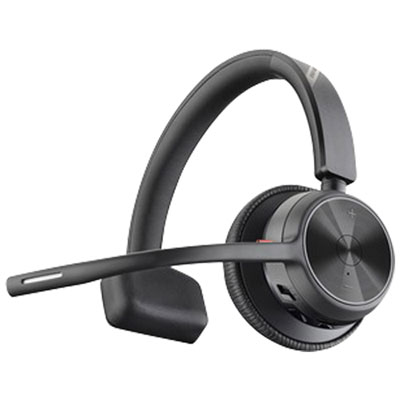
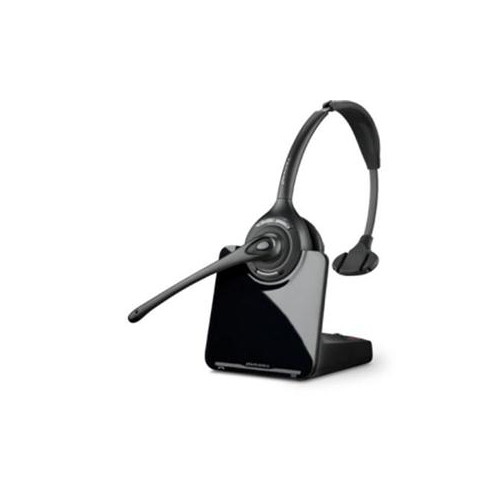
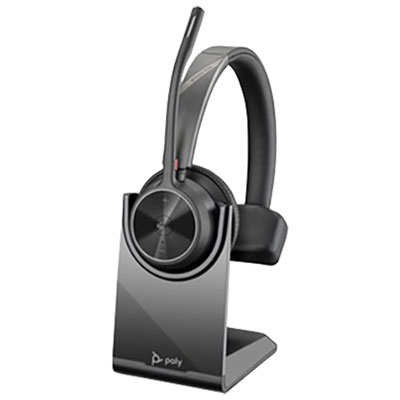
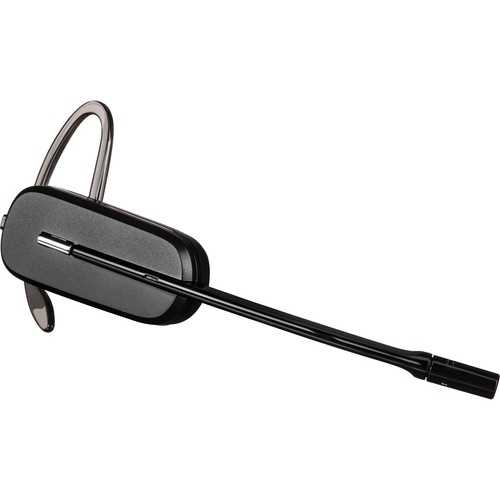
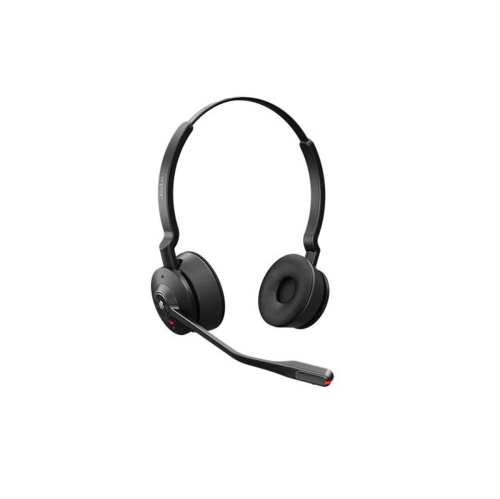

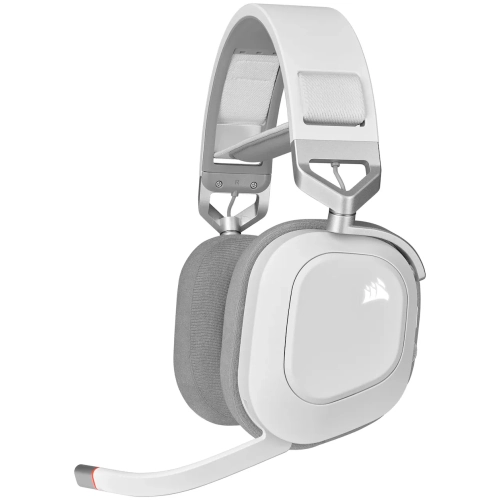

Wireless freedom depends on more than advertised range
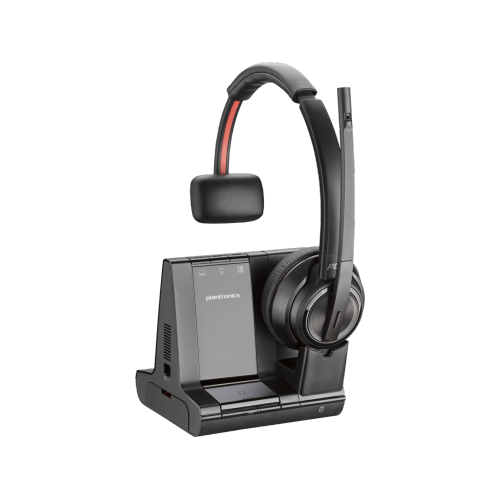
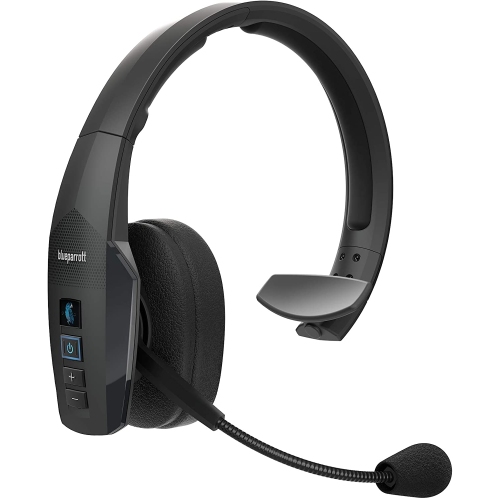
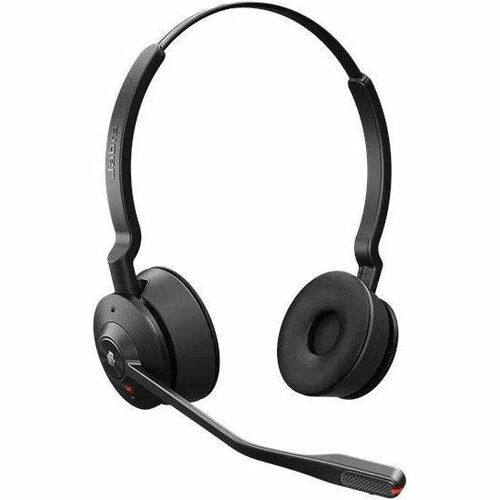
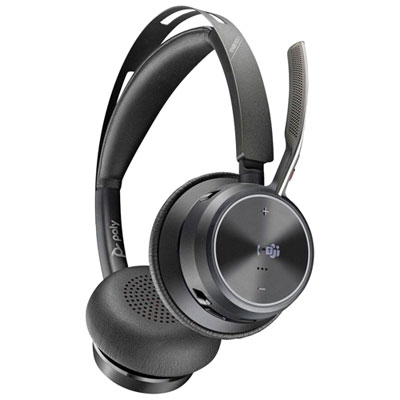
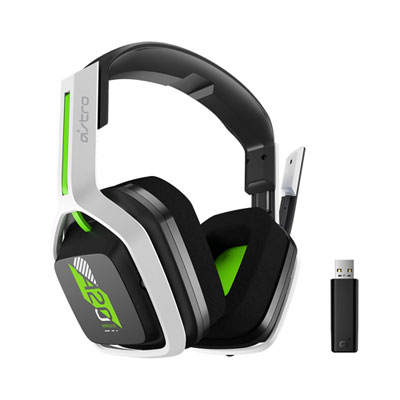
Long-range wireless headsets keep calls, conversations, and audio connected when the wearer moves away from a computer, desk phone, or other paired device. Their reach depends on the wireless technology, the headset and transmitter design, and the layout of the space—not simply on whether the connection is wireless. DECT headsets typically communicate with a dedicated base and are particularly well suited to office calls where movement between a desk, filing cabinet, and nearby meeting area is part of the day. Some DECT systems advertise distances of 100 metres, approximately 330 feet, or more under ideal conditions, but that figure should not be treated as guaranteed coverage through rooms and corridors. Headsets using a dedicated 2.4 GHz USB receiver are common for computer audio and gaming, combining freedom of movement with a connection designed for responsive sound. Bluetooth headsets offer convenient pairing with compatible phones and computers, although their usable distance varies considerably with the equipment at both ends of the connection. Bluetooth is not a fixed-range standard, and a longer advertised distance does not automatically mean clearer speech or better audio. Walls, concrete floors, metal shelving, closed doors, and nearby wireless traffic can all reduce practical reach. A clear path across an open room is very different from a route through several offices. The position of the base or receiver matters, too: an accessible location above the desk generally gives the signal a clearer path than a spot tucked behind a metal computer tower. For a headset connected through a base or USB receiver, range is measured from that device rather than from a phone carried in a pocket. That distinction is useful for customer service staff, reception teams, remote workers, and gamers who want to step away briefly without immediately losing their connection. Extended reach adds flexibility, but the most useful coverage is reliable audio throughout the places where the headset will actually be worn.
Comfort becomes just as important as range when a headset stays on through a string of meetings, a long gaming session, or an afternoon of customer calls. Lightweight frames reduce the amount of weight resting on the head, while an adjustable headband helps position the ear cups without placing unnecessary pressure on the temples. People who wear glasses may notice the difference between soft, flexible cushioning and firmer pads that press the arms of their frames against the head. Fabric ear cushions offer a different feel from smooth leatherette, and both benefit from regular cleaning appropriate to their materials. Replaceable cushions are a useful detail for a headset that sees daily use, since padding can flatten or show wear before the electronics need replacing. A single-ear design leaves one ear uncovered for conversations with nearby colleagues, while a two-ear design provides audio to both ears and can make it easier to focus on a call or game. Neither design replaces any hearing protection required in a workplace. Microphone performance deserves equal attention: a boom that can be positioned near the corner of the mouth helps capture speech without sitting directly in the path of each breath. Microphone noise reduction is intended to reduce unwanted background sound sent to the listener; active noise cancellation, when included in the ear cups, reduces some of the sound heard by the wearer. These are separate features, and neither increases wireless range. Sidetone, which feeds a little of the wearer’s own voice back into the headset, can make conversation feel more natural and help prevent speaking too loudly. Easy-to-find mute and volume controls are especially useful when attention is on a presentation or shared screen. For gaming and video, low audio delay also matters, since a strong wireless signal alone does not guarantee that voices, effects, and on-screen action will stay closely synchronized.
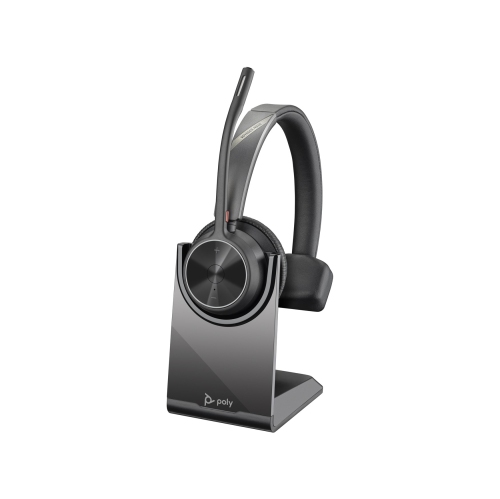
The right connection and charging arrangement help a long-range wireless headset fit into an everyday routine. A DECT headset usually needs its compatible base rather than pairing directly with a phone over Bluetooth, while a USB wireless headset depends on support for its receiver and the device receiving it. Compatibility with a computer does not necessarily mean compatibility with every gaming console, desk phone, or calling application. Desk-phone call answering may require a supported handset lifter or electronic hookswitch connection, and headset buttons may behave differently across calling software. Multipoint Bluetooth and systems that connect to more than one device can be useful for moving between computer meetings and mobile calls, but the number of connections and the way switching works vary by design. For someone whose day revolves around video meetings and customer conversations, Wireless Headsets for Home Office offer another way to explore work-focused designs. Battery specifications are most useful when talk time, listening time, and standby time are kept separate: a long standby rating says little about how long the microphone and speakers can operate continuously. Volume, enabled sound-processing features, and connection settings can also affect running time. A charging cradle provides a consistent place to leave the headset between sessions, while quick charging or supported use during charging can help reduce interruptions. Care is generally straightforward: wipe contact surfaces as directed by the manufacturer, keep moisture away from charging ports, and avoid pulling or twisting the microphone boom beyond its intended movement. A stand or protective case helps prevent crushed cushions and bent parts when the headset is not being worn. For gift giving, practical details often matter more than the longest distance printed on the packaging. A comfortable fit, compatibility with the recipient’s existing equipment, clear microphone pickup, and dependable coverage between their usual work areas are the qualities most likely to make a long-range wireless headset useful day after day.
Top selling and popular products
-
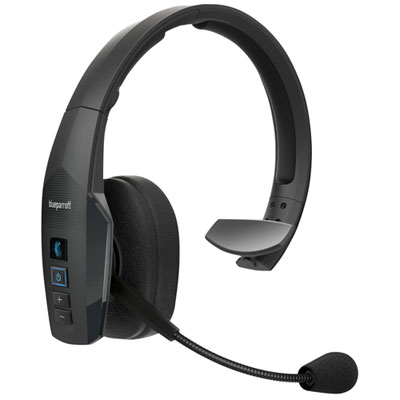 Your price for this item is $238.97
-
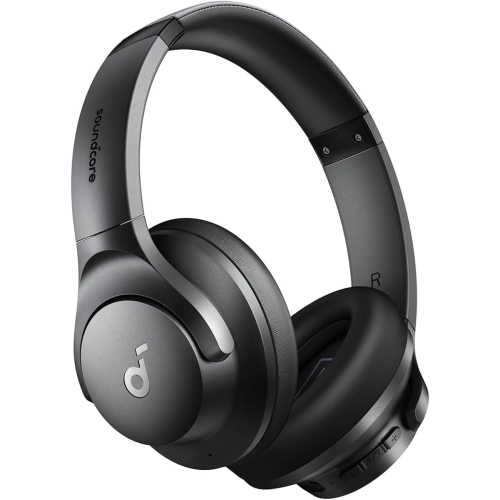 Your price for this item is $49.99
-
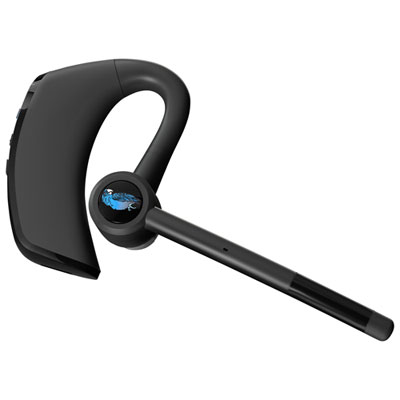 Your price for this item is $129.99
-
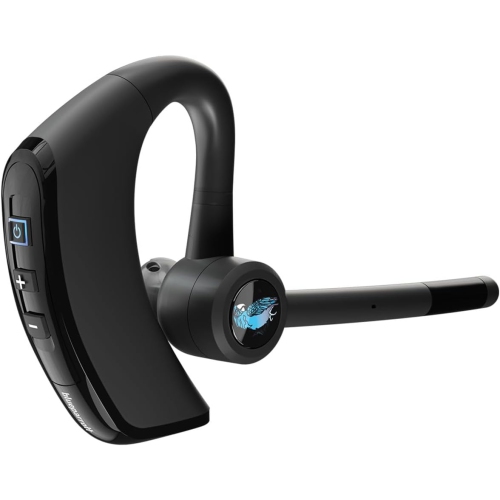 Your price for this item is $189
-
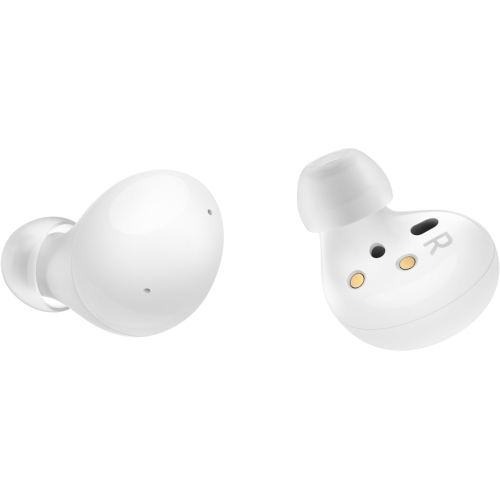 Your price for this item is $129.85
-
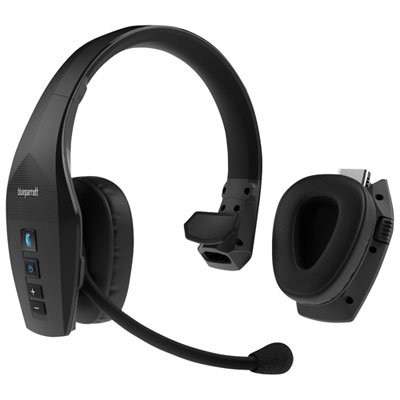 Your price for this item is $359.99
-
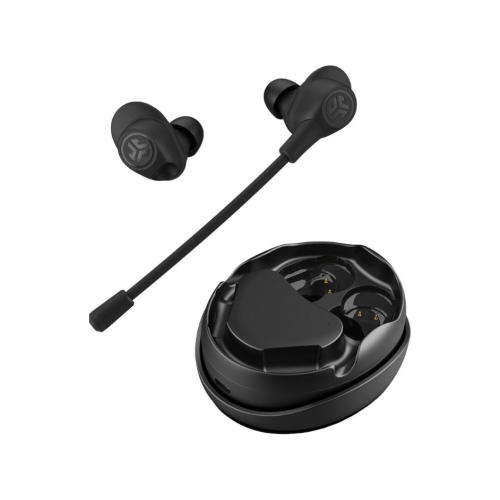 Your price for this item is $107.99
-
 Your price for this item is $78
Discover more categories related to Long Range Wireless Headsets

Top Collections:
Pokemon Centers, Best Cameras for Sports Photography, Kindle Devices, Samsung Galaxy Phones, Canon G7X Cameras, Pokémon 30th Celebration Cards, Refurbished Apple Laptops, iPhone 15 Apple, Laptops for Students, Budget Smartphones
Some products may be subject to Environmental Handling Fees
(EHF) depending on your province.
Learn more about EHFs.