Magnetic Breakers
Magnetic breakers are essential components for safeguarding electrical circuits from overloads and short circuits, ensuring the smooth operation of your electronic devices and appliances. Designed to quickly interrupt the flow of electricity when necessary, these innovative breakers offer a reliable solution for protecting your home or office against potential electrical hazards. Explore our range of magnetic breakers to find the perfect fit for your needs, whether you're looking to upgrade an existing system or embark on a new electrical project.
Sort
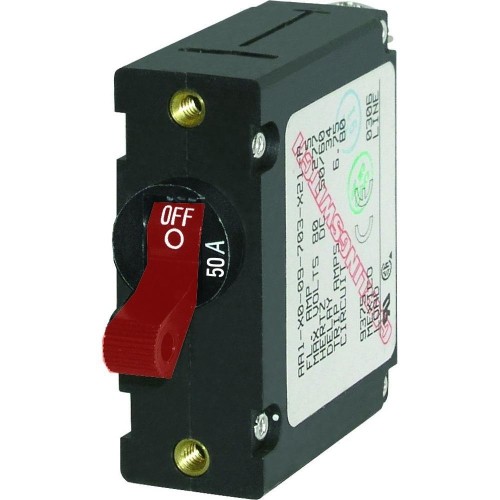

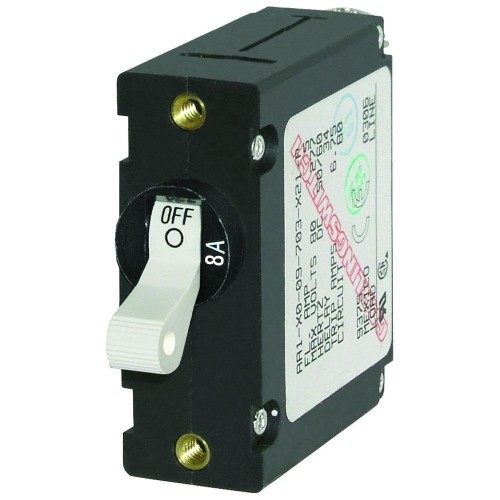
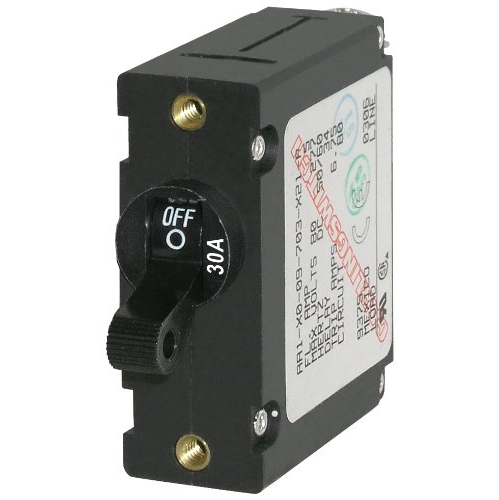
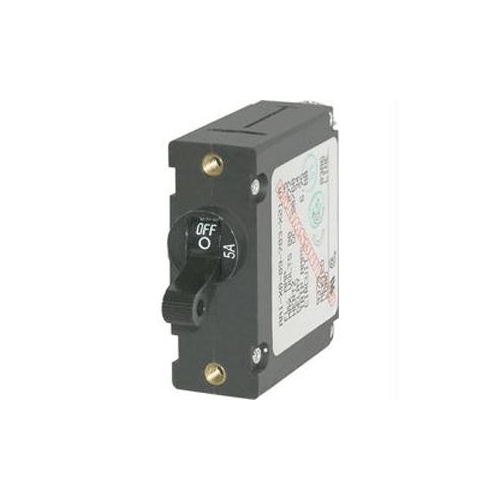
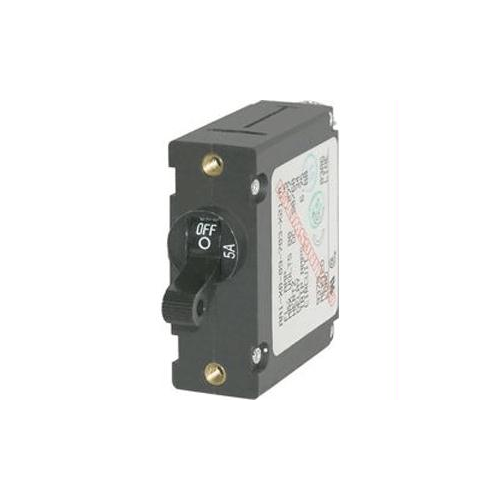

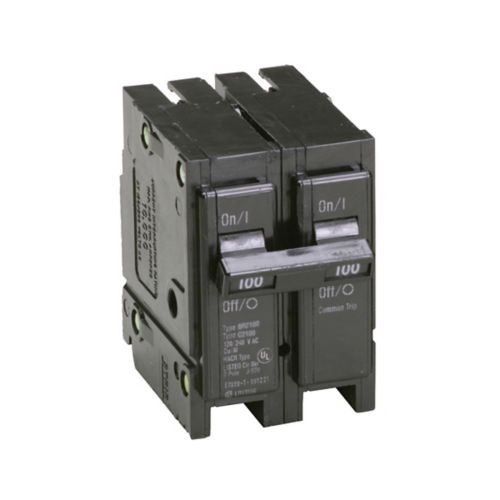
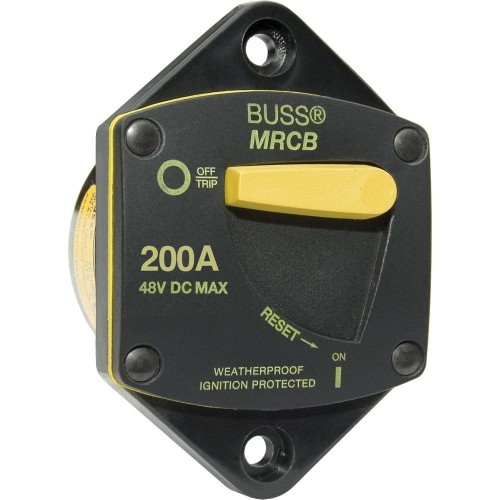
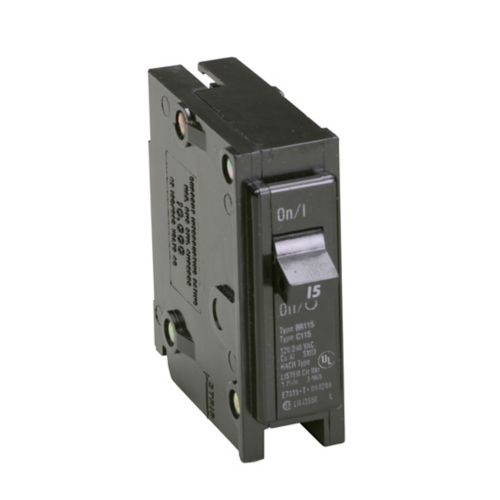
Magnetic Breakers
Magnetic breakers are circuit protection devices designed to respond quickly when an electrical circuit experiences a sudden, exceptionally high current caused by a short circuit or severe fault. Inside a magnetic circuit breaker, current passes through a coil that creates an electromagnetic field. When the current rises sharply beyond the breaker’s trip threshold, the magnetic force pulls a trip mechanism and opens the contacts, stopping the flow of electricity in a fraction of a second. This instant response helps limit damage to wiring, connected equipment, and other components in the circuit. Unlike protection that relies only on heat buildup, a pure magnetic breaker reacts to current magnitude rather than the surrounding temperature, which can be useful in equipment rooms, industrial areas, transportation systems, and other settings where temperatures may vary. Magnetic breakers are not intended to replace proper wiring, grounding, fusing, or installation practices, but they can form an important part of a carefully designed electrical protection system. Some breakers combine magnetic and thermal functions. A thermal-magnetic breaker uses an electromagnetic trip for fast response to short circuits and a bimetallic strip for slower response to sustained overloads. This two-stage approach helps address both sudden faults and situations where a circuit is carrying more current than its wiring can safely handle over time. Other designs use hydraulic-magnetic technology, in which a fluid-filled delay mechanism helps control the timing of the magnetic trip. These breakers can be selected for specific time-delay behaviour and may be useful where equipment has a brief start-up surge but still requires dependable protection against a longer-lasting fault.
Choosing the right magnetic breaker begins with identifying the electrical system and the equipment it is intended to protect. Check the required voltage, current rating, number of poles, frequency, trip characteristics, interrupting rating, and whether the breaker is designed for AC, DC, or a particular application. The breaker must also fit the intended enclosure, panel, mounting arrangement, and connection method. A breaker rated for one system should not be assumed to be suitable for another simply because the amperage appears similar. Motor-driven equipment, compressors, transformers, lighting systems, power supplies, and other loads can have different inrush characteristics, so the trip curve or time-delay behaviour may matter as much as the basic current rating. A breaker that trips too readily can interrupt normal start-up conditions, while one selected with an unsuitable response may not provide the protection the circuit requires. For systems using direct current, browse DC Circuit Breakers to focus on products designed for that type of electrical flow. It is also worth reviewing the available approvals, terminal configuration, operating temperature range, and expected environmental conditions, especially when the breaker will be used in a workshop, utility area, recreational vehicle, marine application, control cabinet, or equipment exposed to vibration and changing temperatures. During warmer weather, enclosed electrical spaces can become noticeably hotter, while cooler months may bring condensation or temperature swings in garages and outbuildings. A properly selected breaker should match the conditions stated by the manufacturer rather than being chosen solely by size or appearance.
Magnetic breakers are generally purchased by homeowners managing electrical upgrades, tradespeople assembling control systems, facilities teams maintaining commercial equipment, and technicians working on machinery or specialized power distribution. They may also be useful for builders, makers, and hobbyists who are creating a properly engineered low-voltage or control setup, provided they understand the system requirements and follow applicable electrical codes. These are practical components rather than typical gift items, although they can be a thoughtful choice for an electrician, maintenance professional, workshop owner, or technically minded person who has specifically identified a need for a certain rating and configuration. Before ordering, compare the breaker’s specifications with the installation documentation and confirm that it is approved for the intended use. Do not select a replacement based only on the old breaker’s physical dimensions or the fact that both show the same amperage. A frequent trip can point to an overloaded circuit, a short circuit, equipment failure, loose connection, moisture, or an incorrectly selected breaker; replacing it without finding the cause can create a serious hazard. Work on energized equipment can result in shock, arc flash, fire, or fatal injury, so power should be isolated and verified with suitable test equipment, and installation should be completed by a licensed electrician or another qualified professional in accordance with Canadian electrical requirements. If a breaker trips repeatedly, feels hot, shows discolouration, or produces a burning smell, stop using the affected equipment and arrange for a professional inspection. With the correct rating, compatible mounting, suitable trip response, and safe installation, magnetic breakers can provide fast, dependable protection for circuits that need an immediate response to high-current faults.
Choosing the right magnetic breaker begins with identifying the electrical system and the equipment it is intended to protect. Check the required voltage, current rating, number of poles, frequency, trip characteristics, interrupting rating, and whether the breaker is designed for AC, DC, or a particular application. The breaker must also fit the intended enclosure, panel, mounting arrangement, and connection method. A breaker rated for one system should not be assumed to be suitable for another simply because the amperage appears similar. Motor-driven equipment, compressors, transformers, lighting systems, power supplies, and other loads can have different inrush characteristics, so the trip curve or time-delay behaviour may matter as much as the basic current rating. A breaker that trips too readily can interrupt normal start-up conditions, while one selected with an unsuitable response may not provide the protection the circuit requires. For systems using direct current, browse DC Circuit Breakers to focus on products designed for that type of electrical flow. It is also worth reviewing the available approvals, terminal configuration, operating temperature range, and expected environmental conditions, especially when the breaker will be used in a workshop, utility area, recreational vehicle, marine application, control cabinet, or equipment exposed to vibration and changing temperatures. During warmer weather, enclosed electrical spaces can become noticeably hotter, while cooler months may bring condensation or temperature swings in garages and outbuildings. A properly selected breaker should match the conditions stated by the manufacturer rather than being chosen solely by size or appearance.
Magnetic breakers are generally purchased by homeowners managing electrical upgrades, tradespeople assembling control systems, facilities teams maintaining commercial equipment, and technicians working on machinery or specialized power distribution. They may also be useful for builders, makers, and hobbyists who are creating a properly engineered low-voltage or control setup, provided they understand the system requirements and follow applicable electrical codes. These are practical components rather than typical gift items, although they can be a thoughtful choice for an electrician, maintenance professional, workshop owner, or technically minded person who has specifically identified a need for a certain rating and configuration. Before ordering, compare the breaker’s specifications with the installation documentation and confirm that it is approved for the intended use. Do not select a replacement based only on the old breaker’s physical dimensions or the fact that both show the same amperage. A frequent trip can point to an overloaded circuit, a short circuit, equipment failure, loose connection, moisture, or an incorrectly selected breaker; replacing it without finding the cause can create a serious hazard. Work on energized equipment can result in shock, arc flash, fire, or fatal injury, so power should be isolated and verified with suitable test equipment, and installation should be completed by a licensed electrician or another qualified professional in accordance with Canadian electrical requirements. If a breaker trips repeatedly, feels hot, shows discolouration, or produces a burning smell, stop using the affected equipment and arrange for a professional inspection. With the correct rating, compatible mounting, suitable trip response, and safe installation, magnetic breakers can provide fast, dependable protection for circuits that need an immediate response to high-current faults.
Top selling and popular products
-
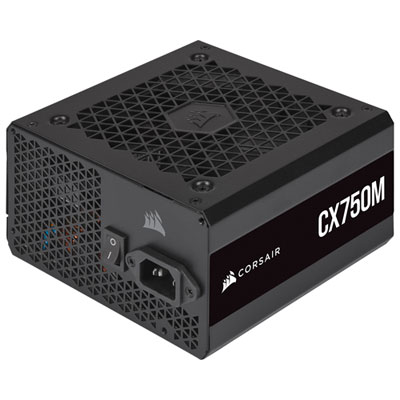 Your price for this item is $124.99
 -
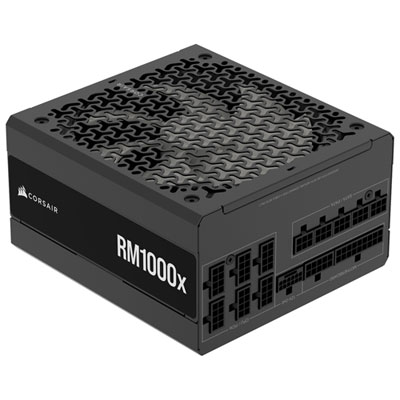 Your price for this item is $264.99
 -
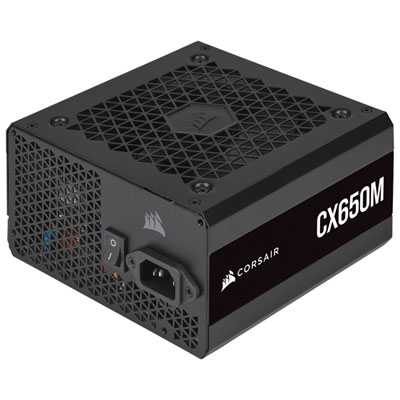 Your price for this item is $109.99
 -
 Your price for this item is $209.99
 -
 Your price for this item is $60.47
 -
 Your price for this item is $199.99
 -
 Your price for this item is $149.99
 -
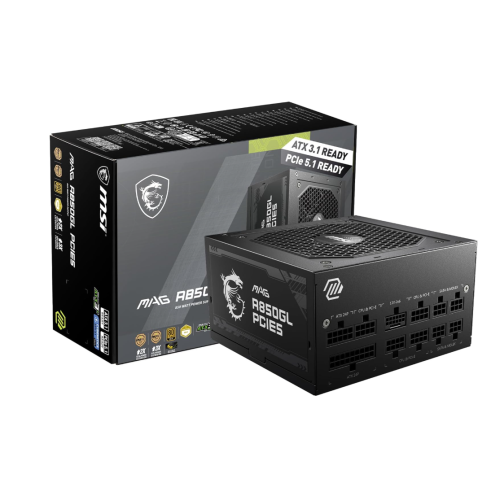 Your price for this item is $207.68
Discover more categories related to Magnetic Breakers
Top Collections:
Pokemon Centers, Kindle Devices, Budget Smartphones, Budget 4K TVs, Apple iPhones 16, Canon G7X Cameras, iPhone 15 Apple, Alarm Clock, Budget-Friendly Wireless Earbuds, iPhone 14 256GB
Some products may be subject to Environmental Handling Fees
(EHF) depending on your province.
Learn more about EHFs.