Circuit Breakers
Our circuit breakers are designed to automatically interrupt the flow of electricity when a fault or overload occurs, preventing potential hazards such as electrical fires and damage to appliances. Whether you need to replace an old breaker or upgrade your existing system, we have a variety of options to suit your needs. From standard breakers to specialized ones for specific applications, our collection offers reliable and efficient solutions for all your electrical needs. Explore our range of circuit breakers today and ensure the safety and functionality of your electrical system.
Sort

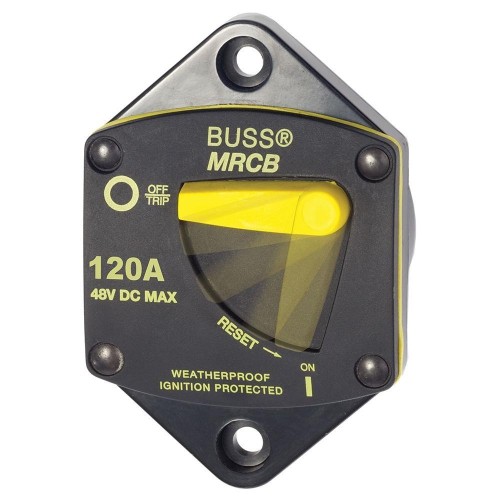
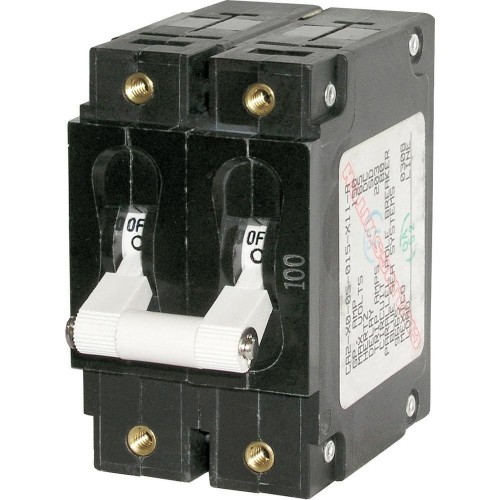


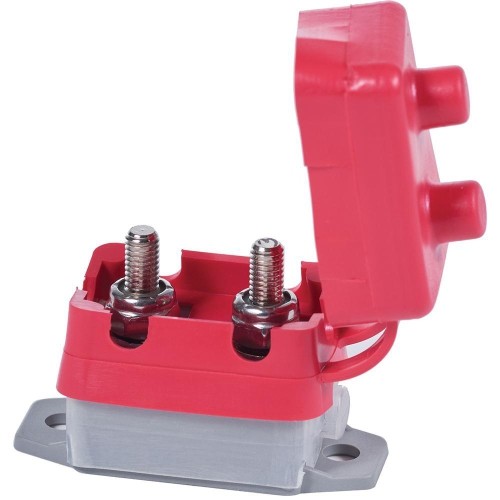
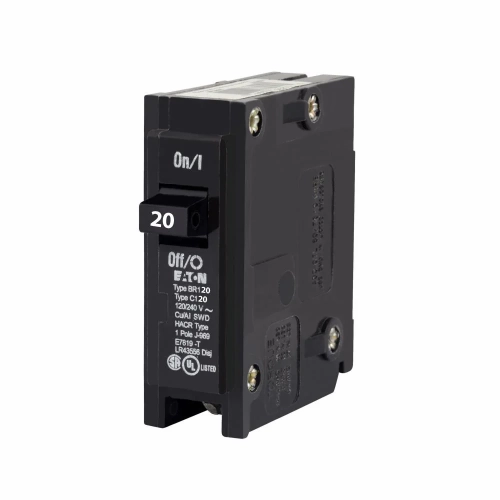
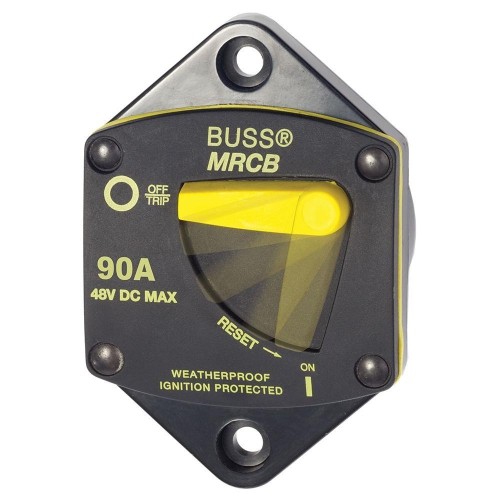
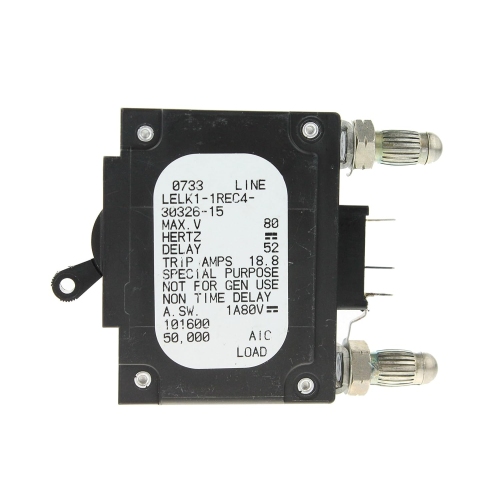
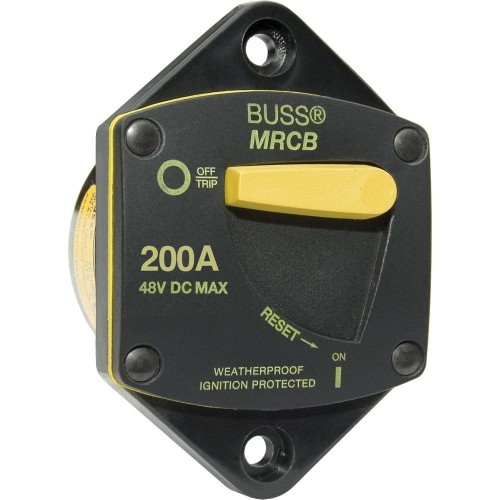
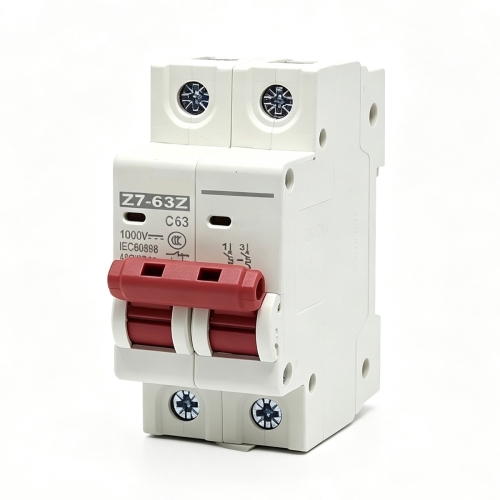
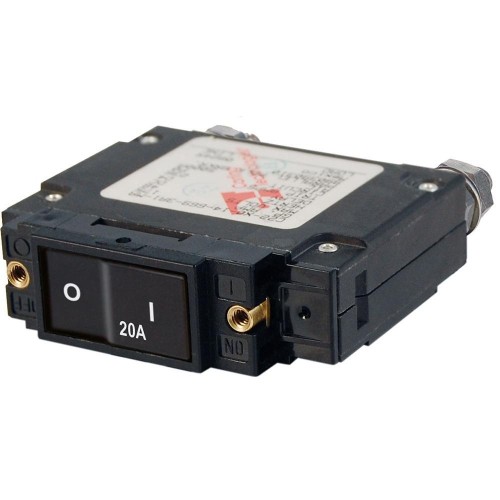
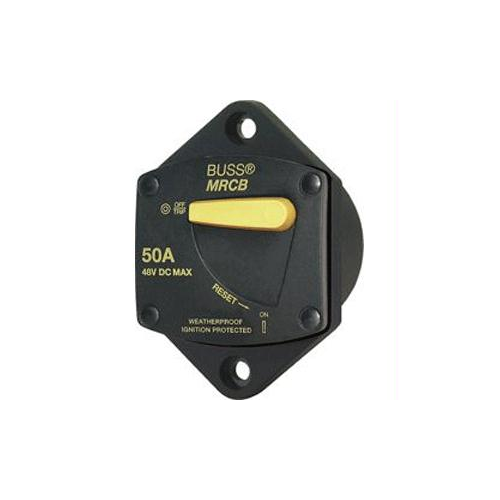
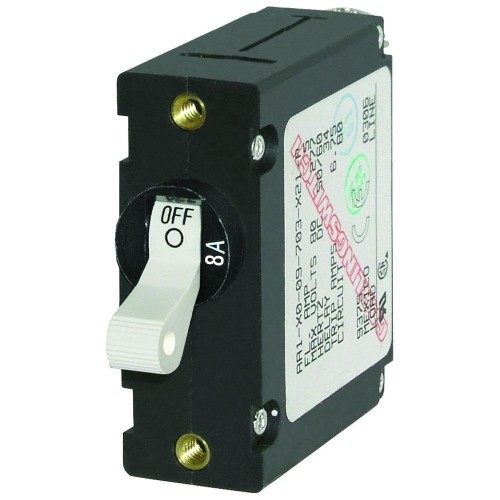
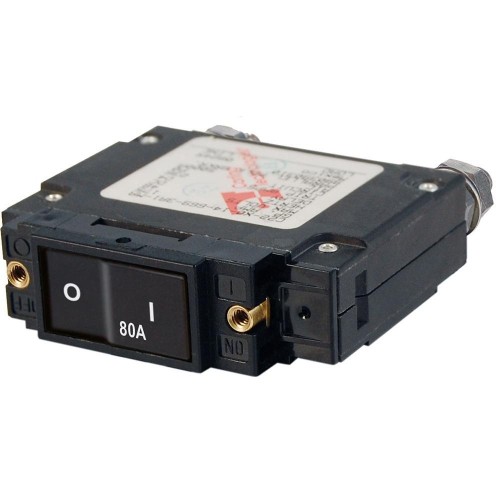
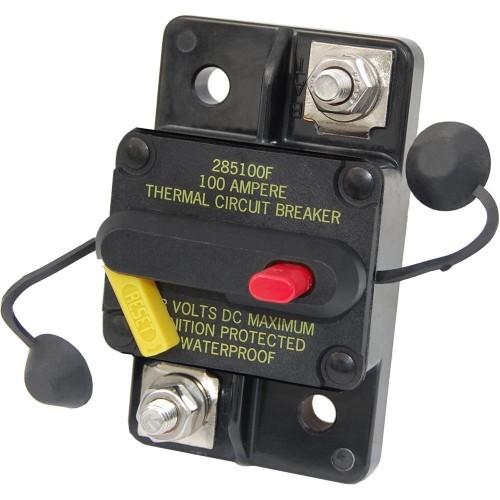
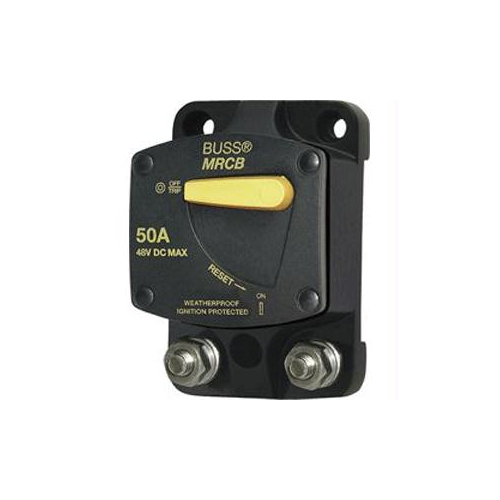

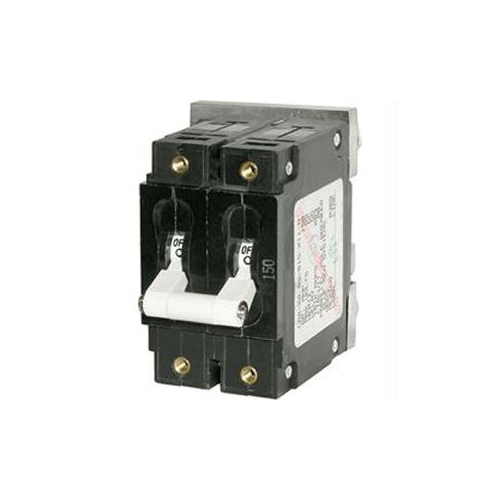
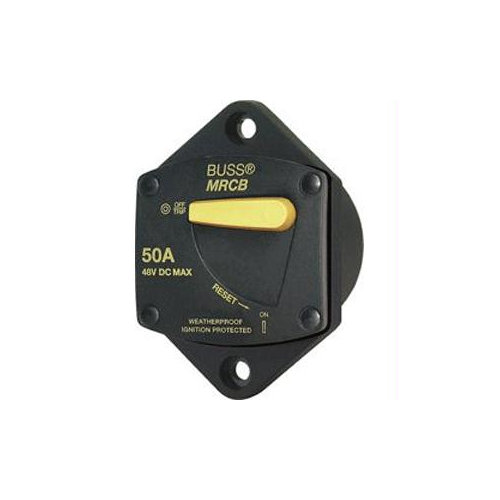
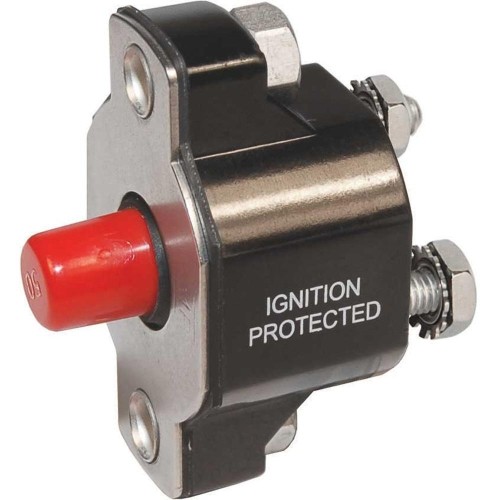
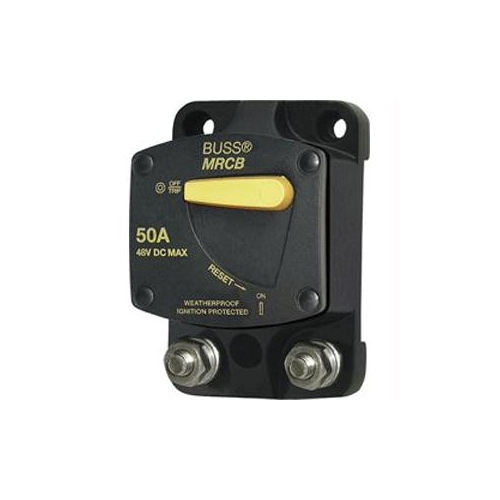
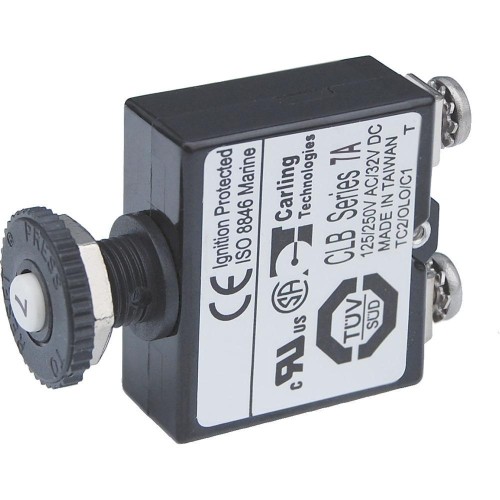
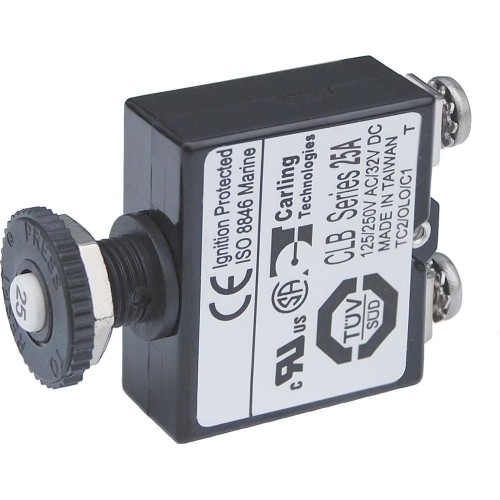
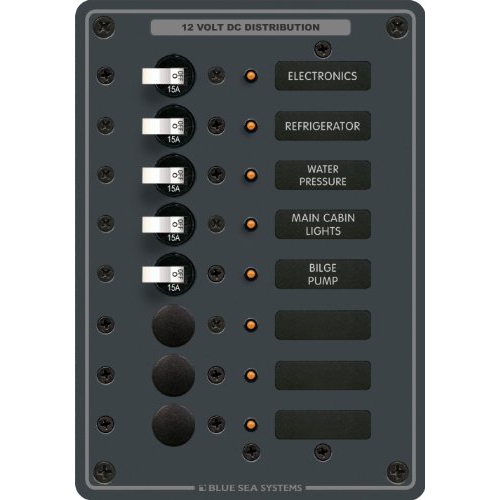
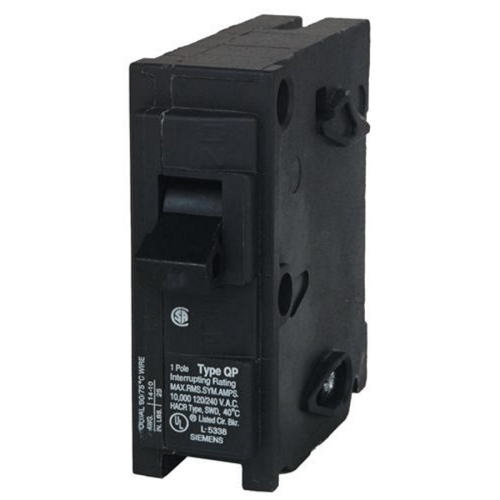

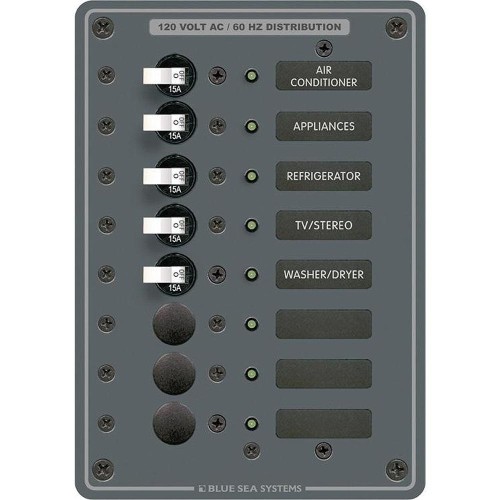
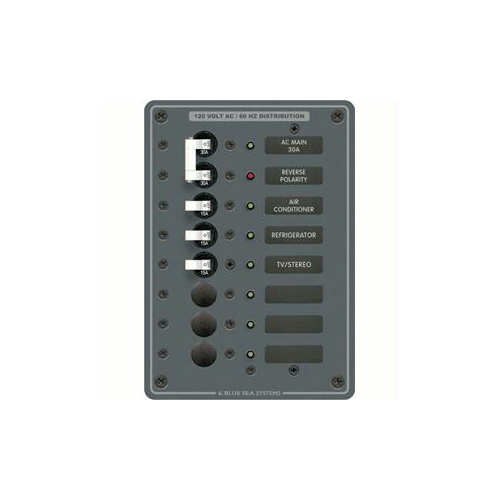
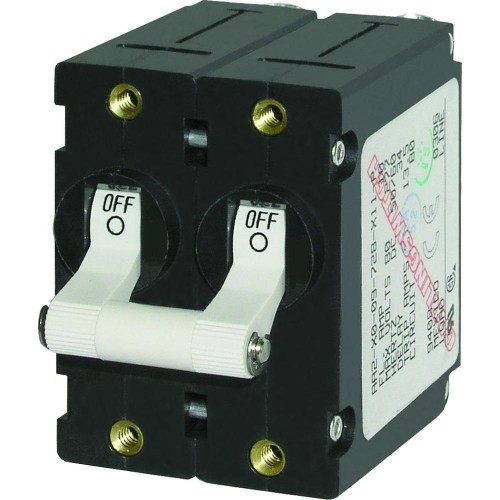
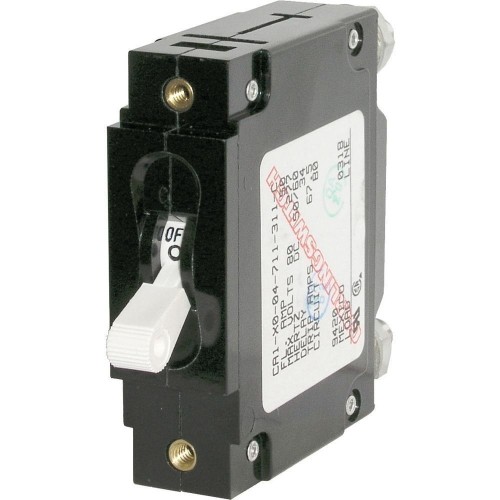
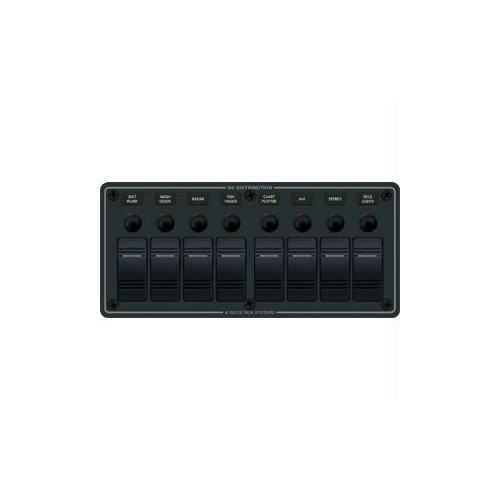
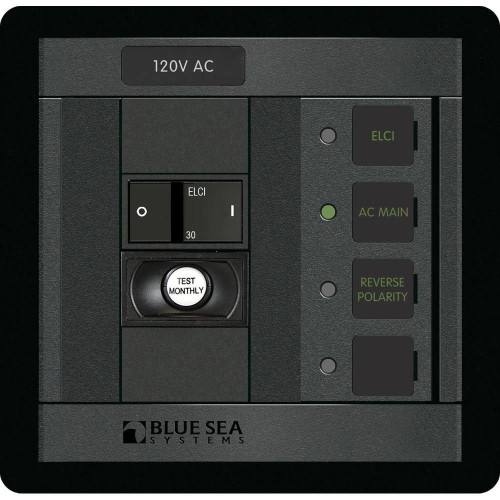


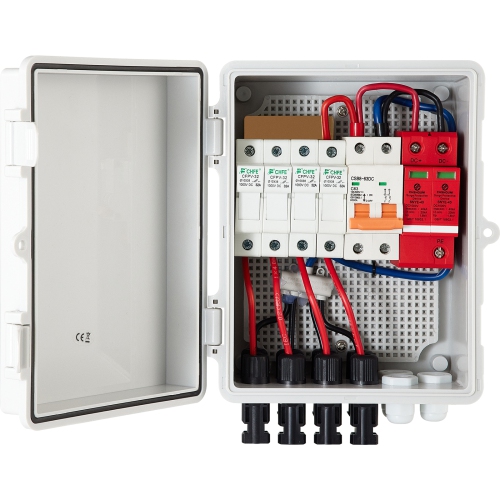
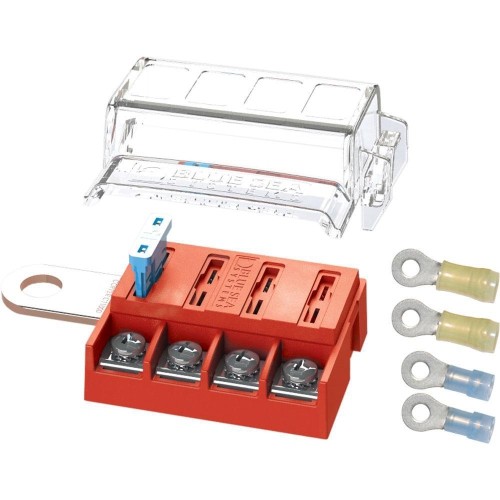

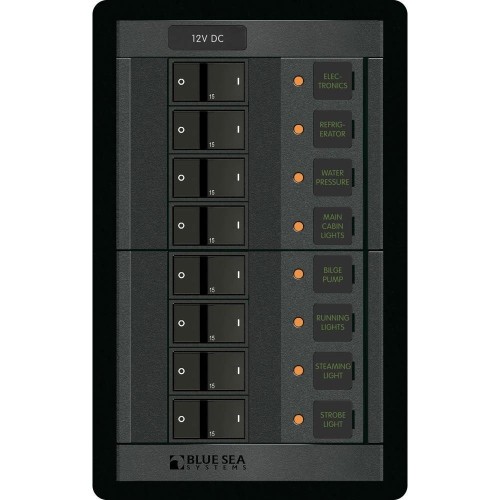
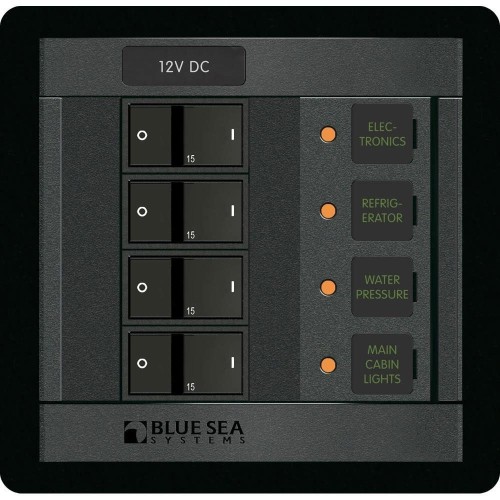
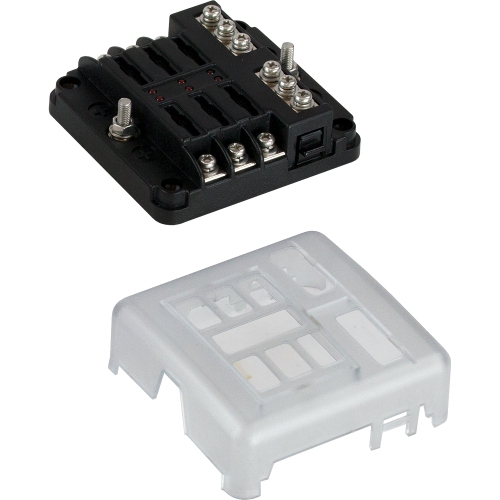
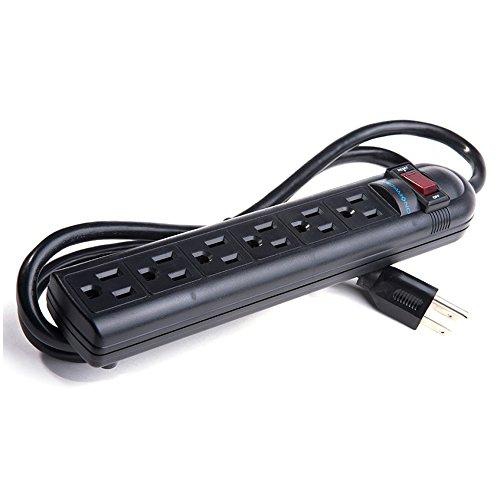
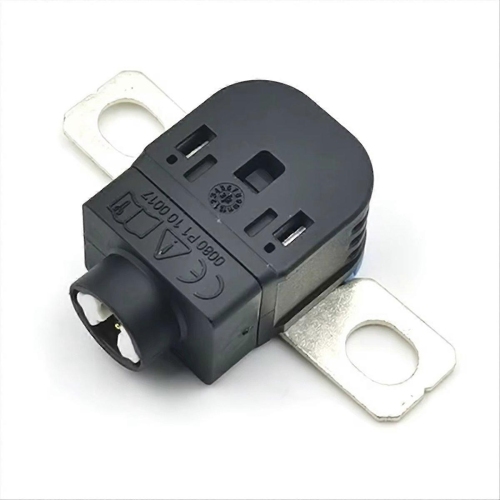
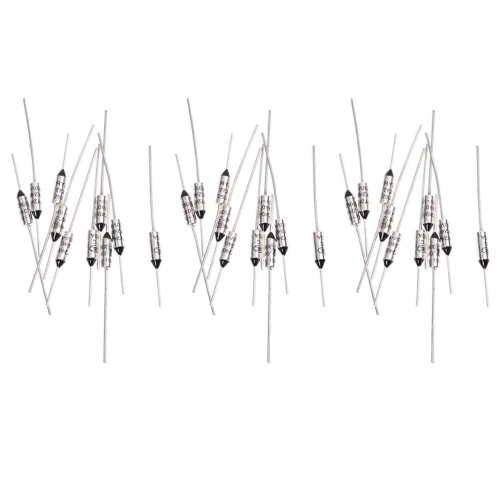
Understanding overload protection, specialty breakers and safe replacement
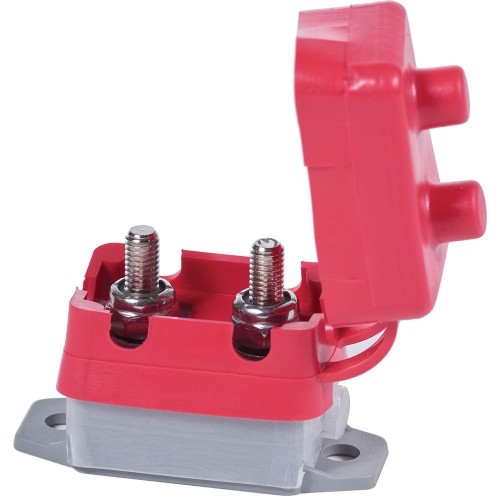
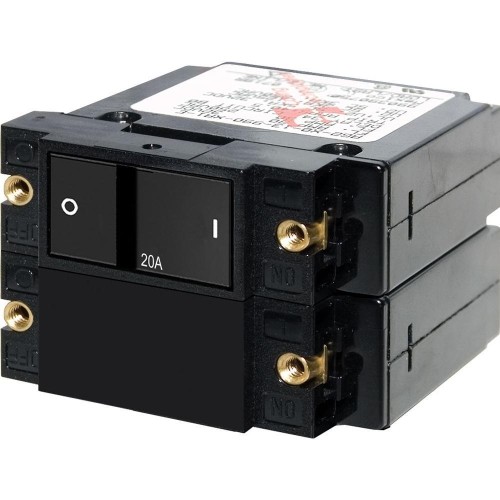
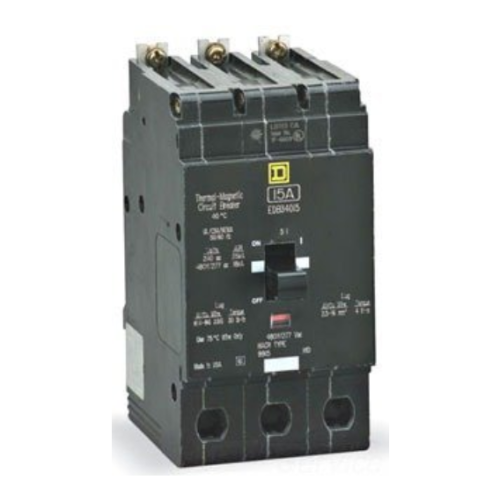
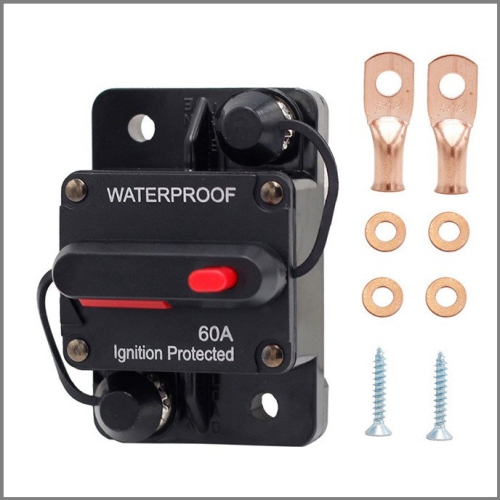
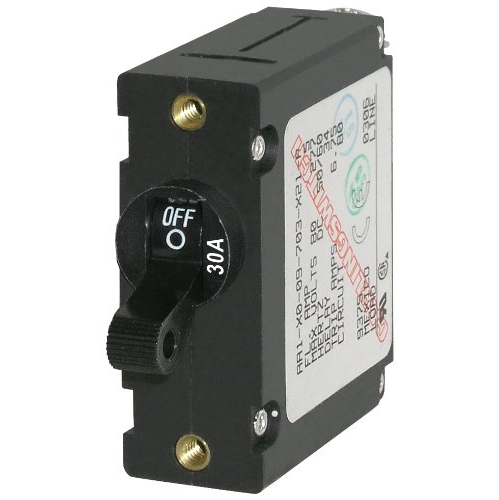
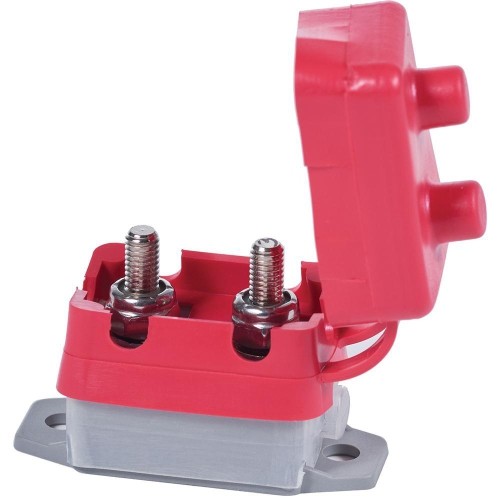
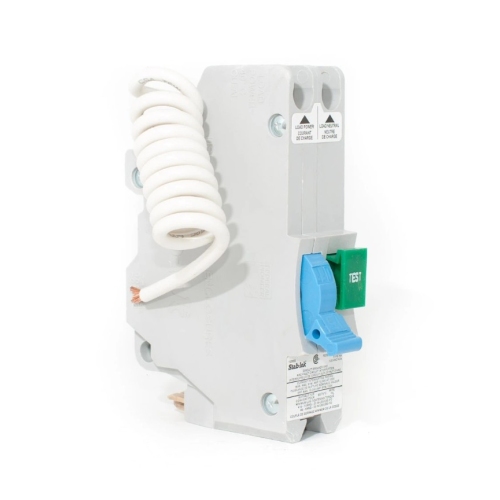
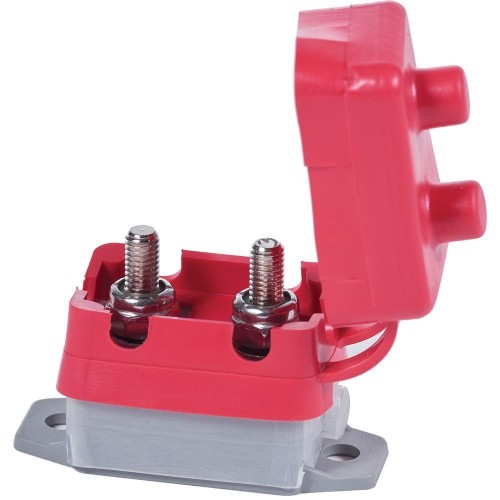
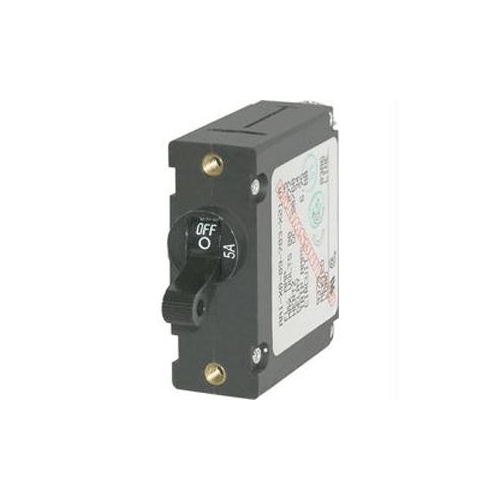
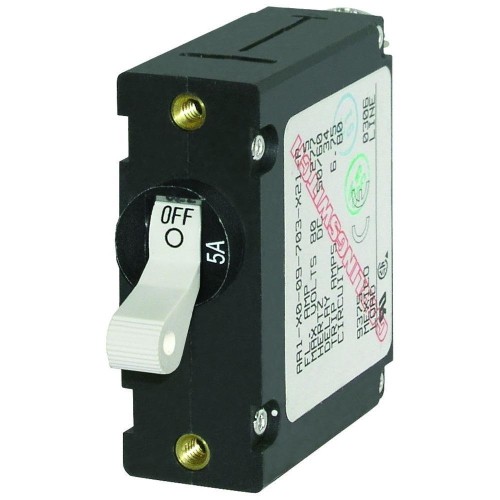
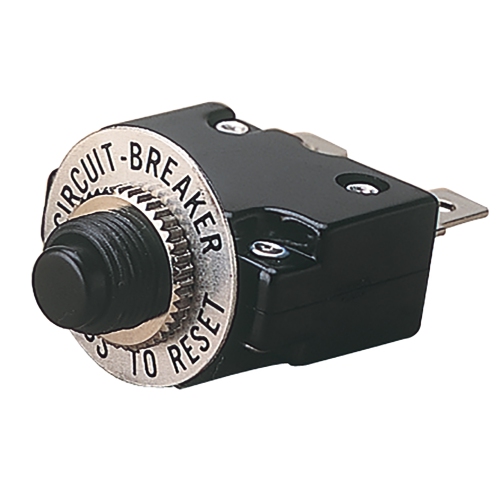
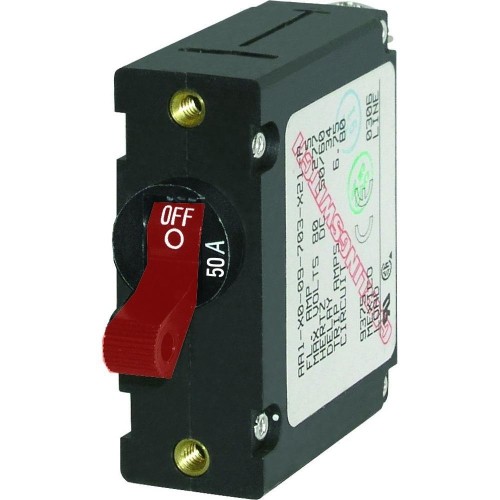
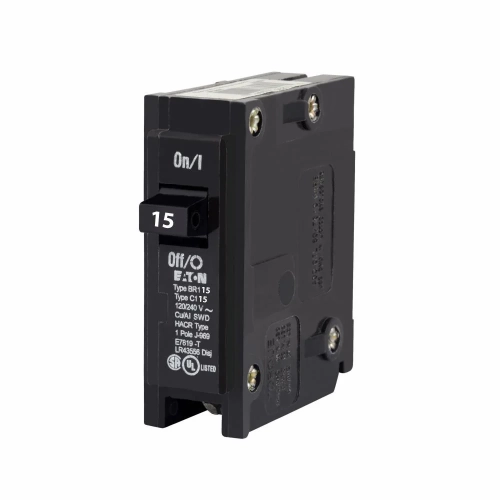
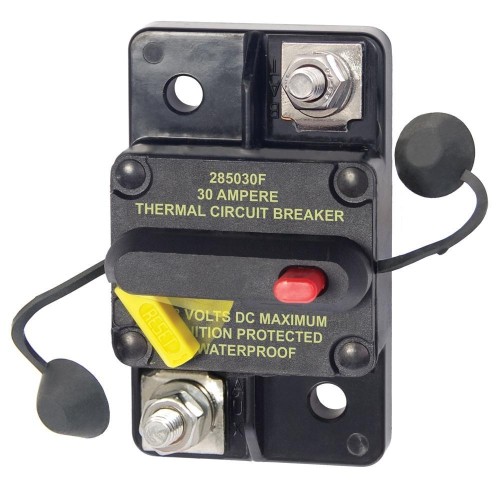
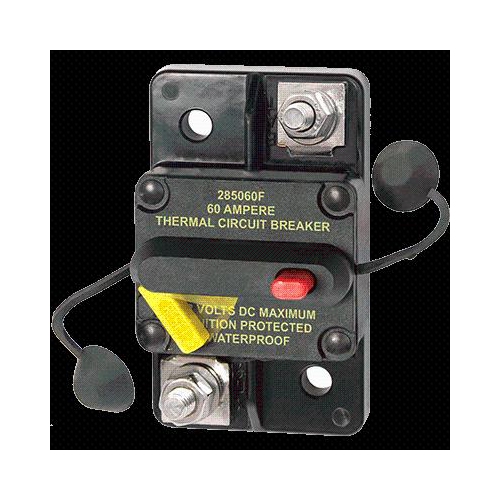
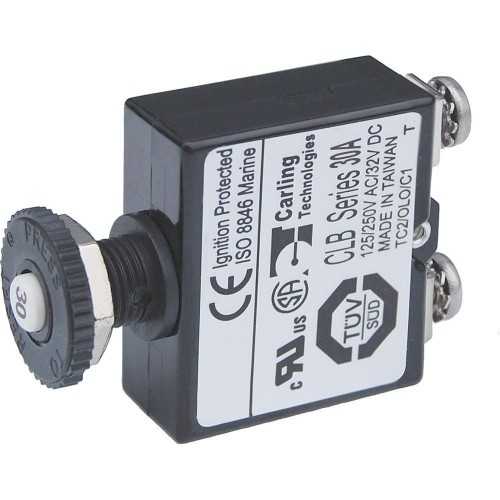
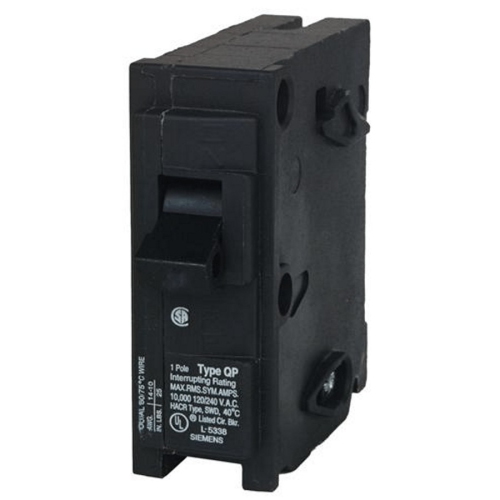
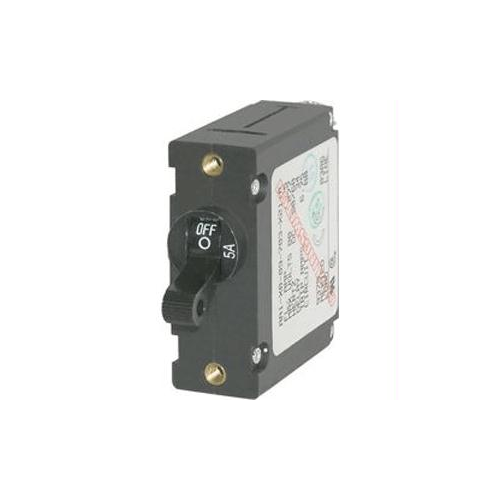
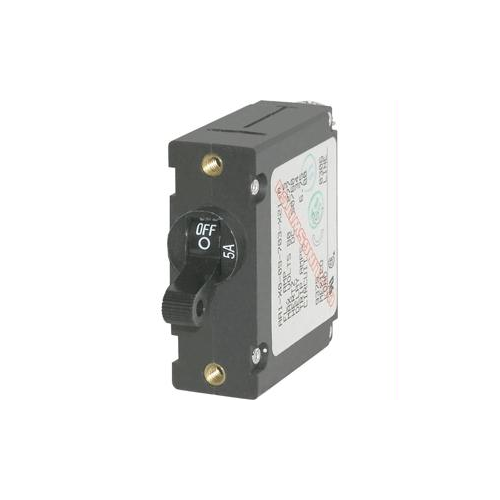
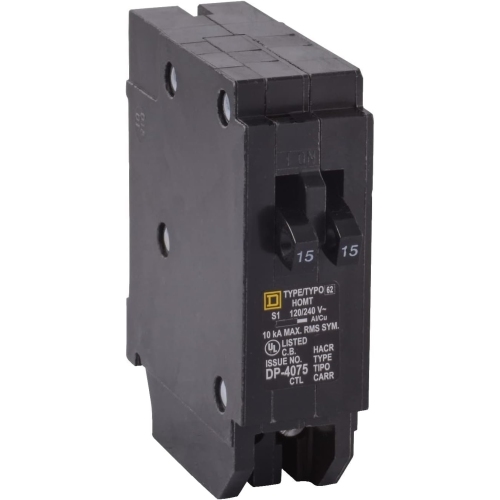
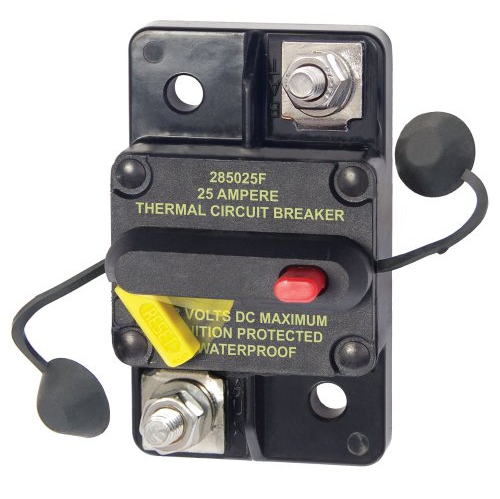
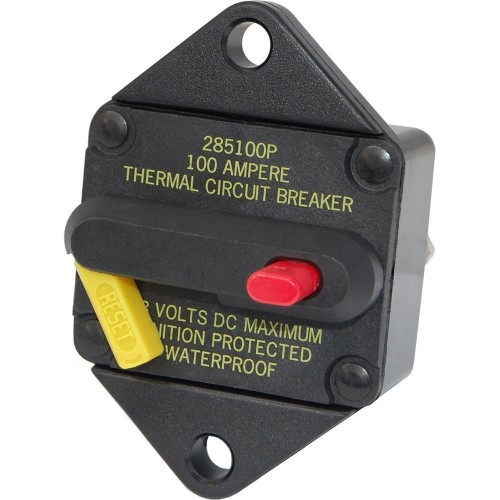
Circuit breakers are safety devices designed to protect electrical wiring, appliances and people when a circuit carries more electricity than it should. In a typical electrical panel, a breaker monitors the flow of current and switches the circuit off if it detects an overload or short circuit. This helps prevent wires from becoming dangerously hot and limits the risk of damage caused by an electrical fault. Unlike a traditional fuse, which must be replaced after it melts, a compatible breaker can generally be reset after the underlying problem has been identified and corrected. Circuit breakers can also serve as manual shutoffs when power needs to be disconnected from a particular area or group of outlets. When exploring Electrical Panel Breakers, it is important to treat the breaker as part of a complete electrical system rather than as a universal replacement component. The panel type, breaker design, number of poles, amperage, voltage rating and connection method all need to match the existing installation. A breaker with the wrong specifications may fail to provide proper protection, may not fit securely, or may create a serious electrical hazard. For that reason, replacement and installation should be handled by a qualified electrician who can confirm the condition of the panel, wiring and connections before work begins.
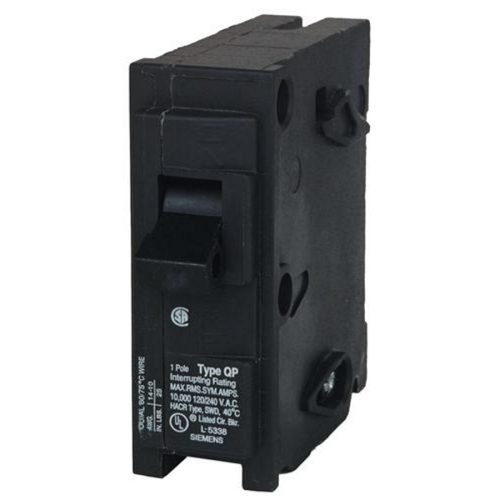
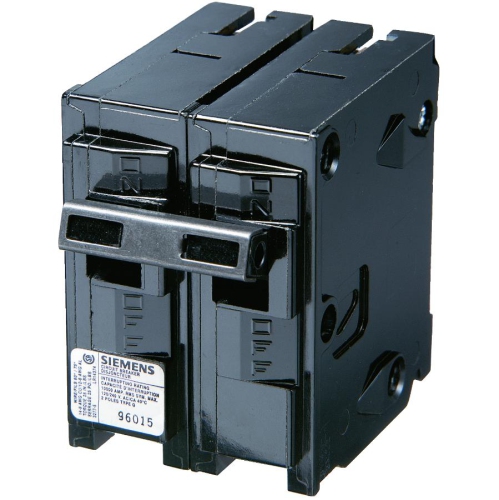
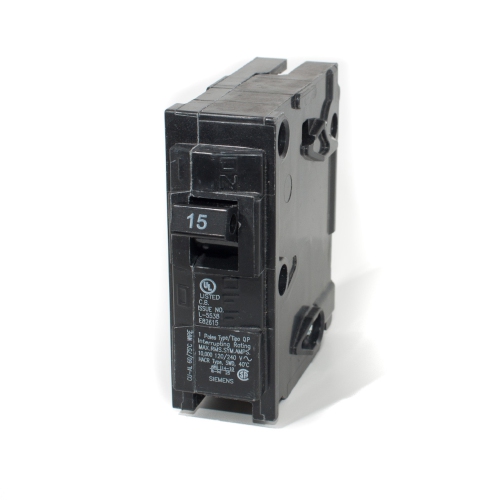
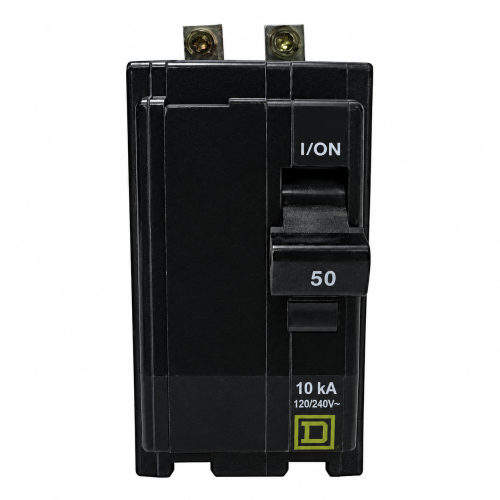
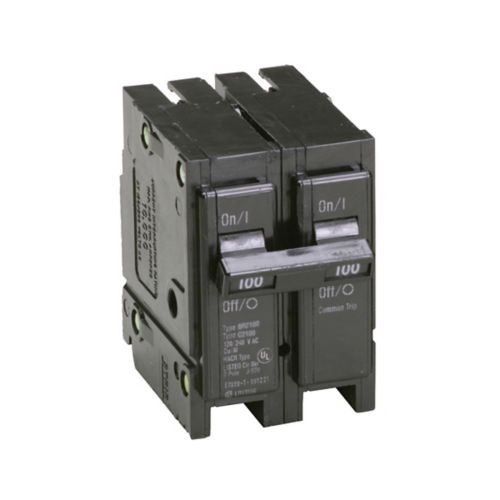
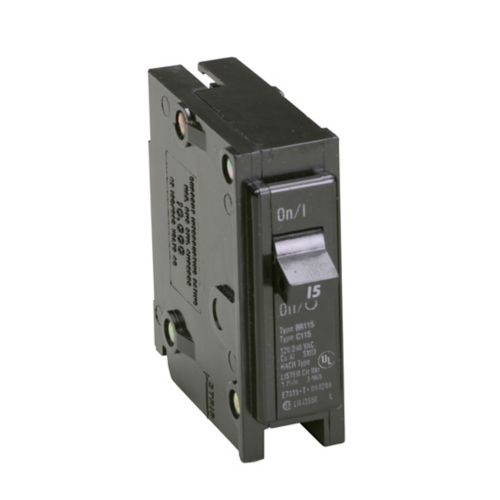
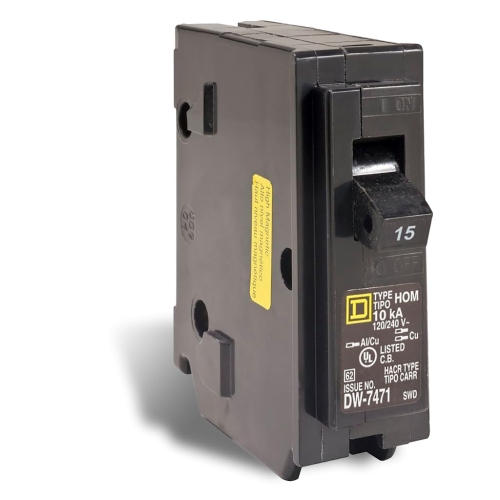
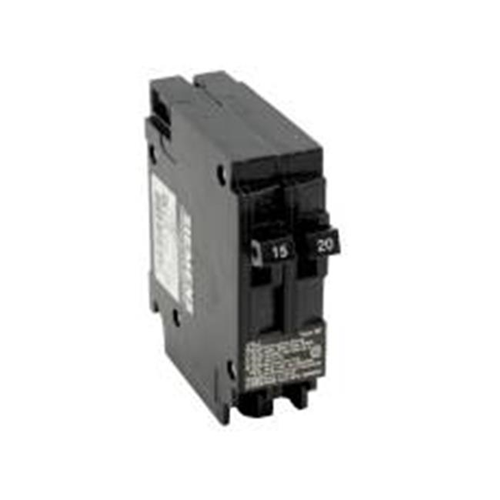
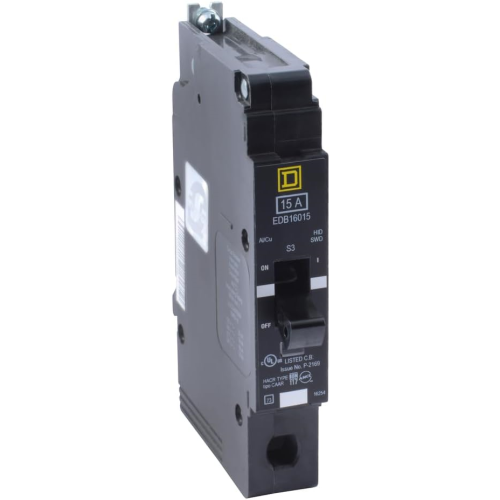
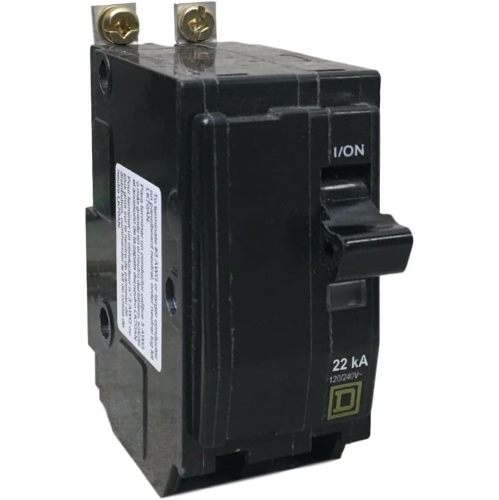
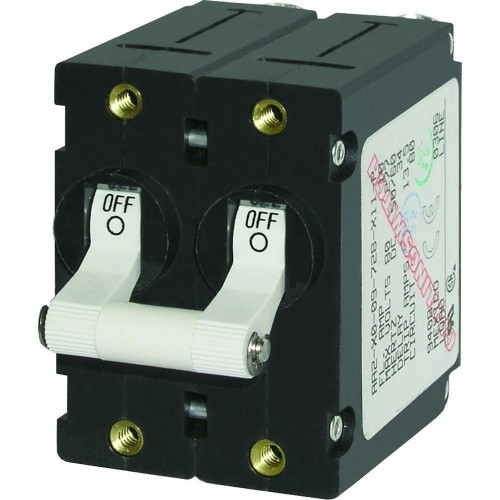
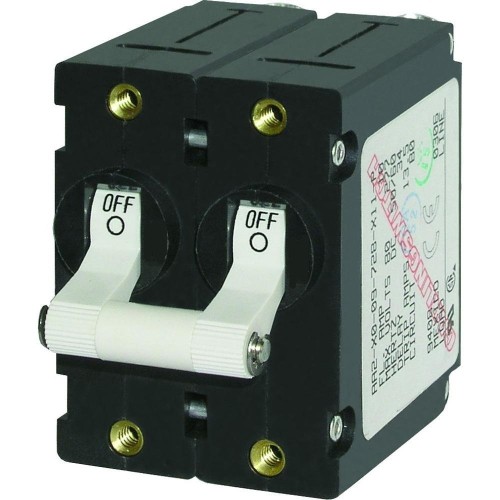
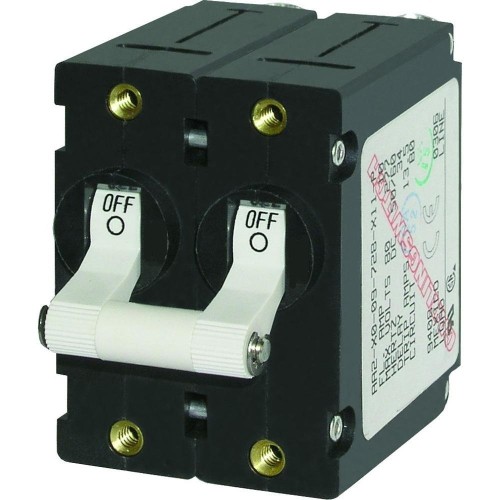
Single-pole breakers are commonly used for standard 120-volt circuits that supply lighting, wall outlets and many everyday household devices. They are often available in ratings such as 15 or 20 amps, although the correct rating depends on the circuit wiring and the requirements of the electrical installation. Double-pole breakers connect to two hot conductors and are used for higher-voltage circuits, often supplying equipment such as electric ranges, clothes dryers, central air conditioning systems, water heaters or other demanding appliances. These circuits may require ratings in the 30- to 50-amp range, but the correct amperage must always be determined from the appliance specifications and the electrical code requirements for the installation. Specialty protection is also available for particular situations. Ground-fault circuit interrupter, or GFCI, protection is intended for areas where electricity may come into contact with water, including kitchens, bathrooms, laundry areas, garages and outdoor locations. It quickly interrupts power when it senses an imbalance that could indicate current travelling through an unintended path, helping reduce the risk of electric shock. Arc-fault circuit interrupter, or AFCI, protection detects electrical arcing patterns that may occur when wiring is damaged, loose or deteriorating. By responding to these potentially dangerous sparks, AFCI breakers can help reduce the risk of fire within walls and other concealed spaces. Some installations may call for combination protection, depending on local requirements and the design of the circuit.
Before choosing a circuit breaker, note the information printed on the existing breaker and inside the electrical panel, including the manufacturer, model or series, pole configuration, amperage and voltage. Physical appearance alone is not enough to confirm compatibility, since breakers that look similar can use different mounting systems or be approved only for specific panels. A breaker that trips repeatedly should not simply be replaced with one carrying a higher amperage rating. Frequent tripping can indicate an overloaded circuit, a short circuit, a faulty appliance, damaged wiring or another issue that requires diagnosis. Unplugging devices and resetting the breaker may help identify whether a portable appliance is involved, but a breaker that will not reset, feels hot, produces a burning smell, makes unusual sounds or trips again immediately should be left off until a licensed professional inspects it. The same care applies after renovations, during panel upgrades and when adding high-demand equipment. During the warmer season, air conditioners, pool equipment and outdoor tools can place additional demand on household circuits; during cooler months, portable heaters, electric blankets and other heating devices can do the same. Keeping the panel directory accurate, avoiding overloaded power bars and using the appropriate protection for wet or outdoor areas can support safer everyday use. Circuit breakers are practical components for homeowners, landlords, contractors and property managers who need dependable electrical protection, but they are not casual do-it-yourself accessories. Selecting the correct type and arranging professional installation helps ensure that the breaker responds as intended when an overload, short circuit, ground fault or arc fault occurs.
Single-pole breakers are commonly used for standard 120-volt circuits that supply lighting, wall outlets and many everyday household devices. They are often available in ratings such as 15 or 20 amps, although the correct rating depends on the circuit wiring and the requirements of the electrical installation. Double-pole breakers connect to two hot conductors and are used for higher-voltage circuits, often supplying equipment such as electric ranges, clothes dryers, central air conditioning systems, water heaters or other demanding appliances. These circuits may require ratings in the 30- to 50-amp range, but the correct amperage must always be determined from the appliance specifications and the electrical code requirements for the installation. Specialty protection is also available for particular situations. Ground-fault circuit interrupter, or GFCI, protection is intended for areas where electricity may come into contact with water, including kitchens, bathrooms, laundry areas, garages and outdoor locations. It quickly interrupts power when it senses an imbalance that could indicate current travelling through an unintended path, helping reduce the risk of electric shock. Arc-fault circuit interrupter, or AFCI, protection detects electrical arcing patterns that may occur when wiring is damaged, loose or deteriorating. By responding to these potentially dangerous sparks, AFCI breakers can help reduce the risk of fire within walls and other concealed spaces. Some installations may call for combination protection, depending on local requirements and the design of the circuit.
Before choosing a circuit breaker, note the information printed on the existing breaker and inside the electrical panel, including the manufacturer, model or series, pole configuration, amperage and voltage. Physical appearance alone is not enough to confirm compatibility, since breakers that look similar can use different mounting systems or be approved only for specific panels. A breaker that trips repeatedly should not simply be replaced with one carrying a higher amperage rating. Frequent tripping can indicate an overloaded circuit, a short circuit, a faulty appliance, damaged wiring or another issue that requires diagnosis. Unplugging devices and resetting the breaker may help identify whether a portable appliance is involved, but a breaker that will not reset, feels hot, produces a burning smell, makes unusual sounds or trips again immediately should be left off until a licensed professional inspects it. The same care applies after renovations, during panel upgrades and when adding high-demand equipment. During the warmer season, air conditioners, pool equipment and outdoor tools can place additional demand on household circuits; during cooler months, portable heaters, electric blankets and other heating devices can do the same. Keeping the panel directory accurate, avoiding overloaded power bars and using the appropriate protection for wet or outdoor areas can support safer everyday use. Circuit breakers are practical components for homeowners, landlords, contractors and property managers who need dependable electrical protection, but they are not casual do-it-yourself accessories. Selecting the correct type and arranging professional installation helps ensure that the breaker responds as intended when an overload, short circuit, ground fault or arc fault occurs.
Top selling and popular products
-
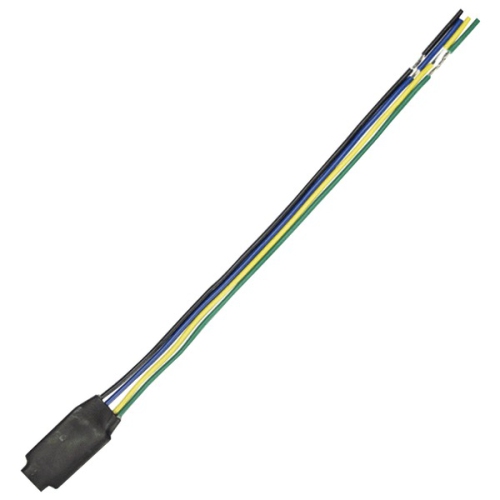 Your price for this item is $49.98
 -
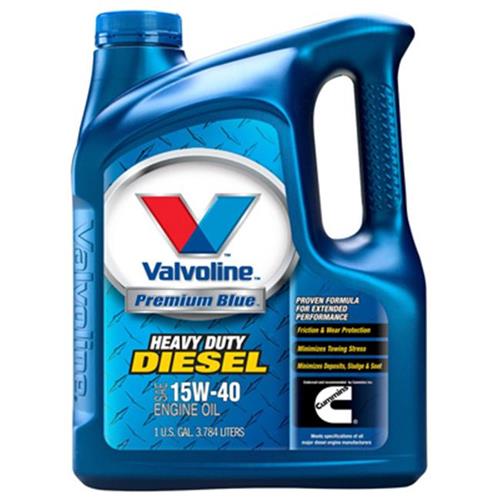 Your price for this item is $61.04
 -
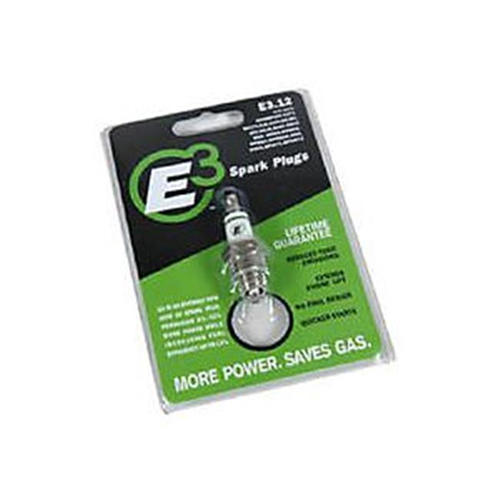 Your price for this item is $28.03
 -
 Your price for this item is $959.99
 -
 Your price for this item is $143.99
 -
 Your price for this item is $124.99
 -
 Your price for this item is $460.99
 -
 Your price for this item is $799.99
Discover more categories related to Circuit Breakers
Top Collections:
Pokemon Centers, Best Cameras for Sports Photography, Kindle Devices, Samsung Galaxy Phones, Canon G7X Cameras, Pokémon 30th Celebration Cards, Refurbished Apple Laptops, iPhone 15 Apple, Laptops for Students, Budget Smartphones
Some products may be subject to Environmental Handling Fees
(EHF) depending on your province.
Learn more about EHFs.