Mobile Gaming Devices
Looking to take your gaming experience on-the-go to the next level? Dive into the world of mobile gaming devices, where power and portability combine to deliver immersive gameplay right at your fingertips. Whether you're a casual gamer looking for entertainment on your daily commute or a serious gamer seeking high-performance features, explore a range of options designed to meet your gaming needs. From sleek smartphones with cutting-edge processors to dedicated gaming tablets with stunning graphics, find the perfect device to elevate your mobile gaming adventures.
Sort


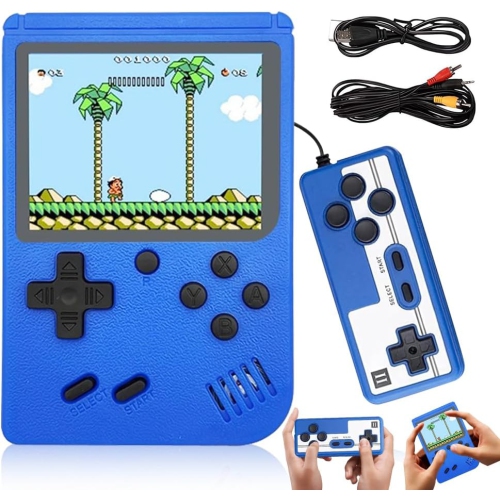
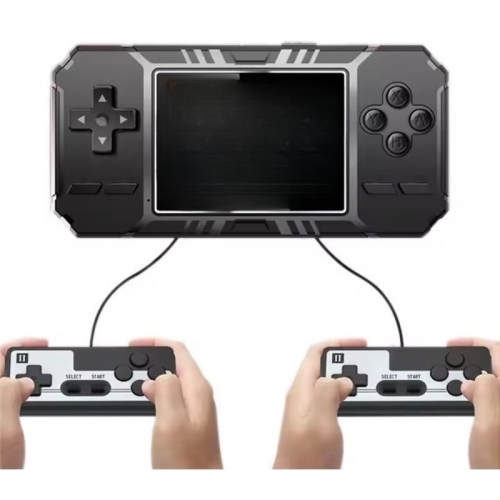
Where you play shapes the device that fits best
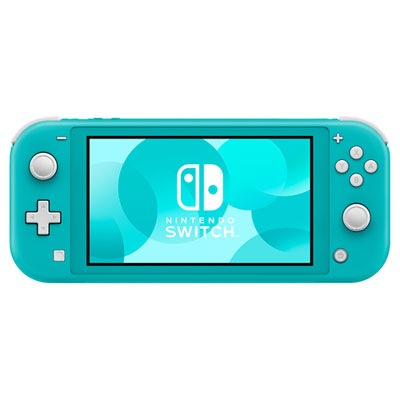
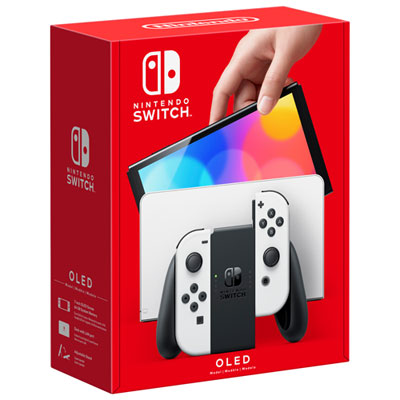
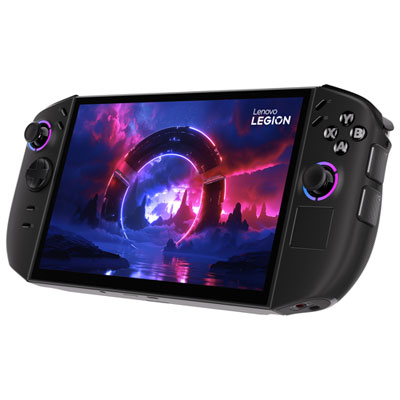
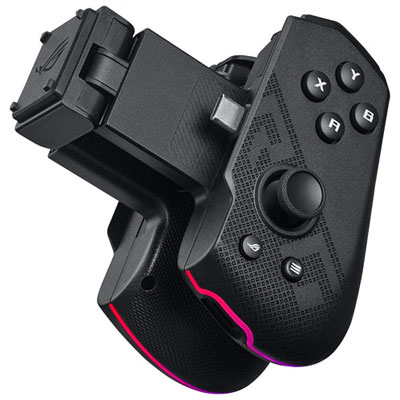
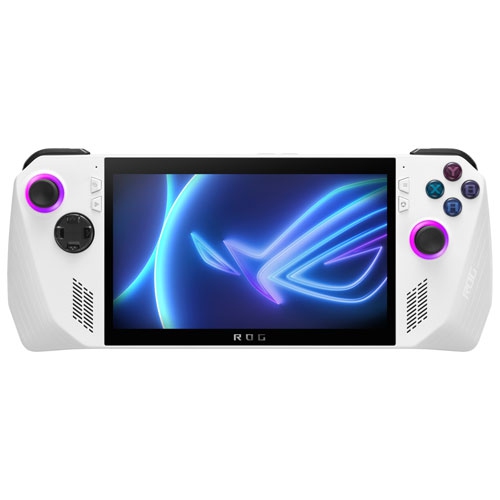
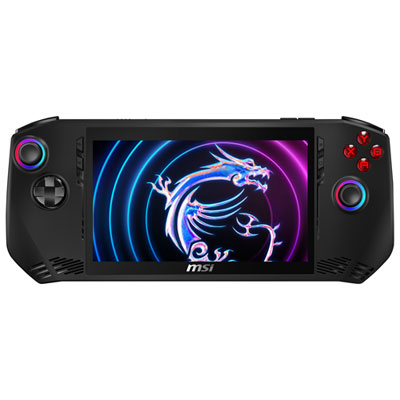
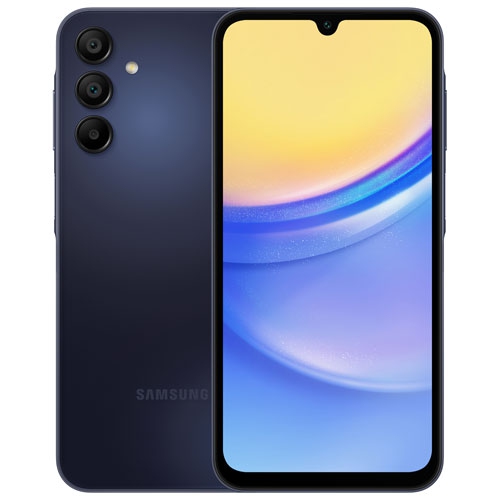
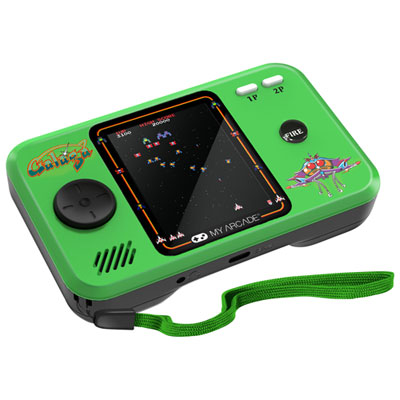
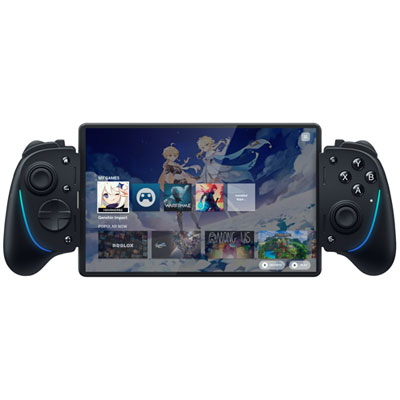
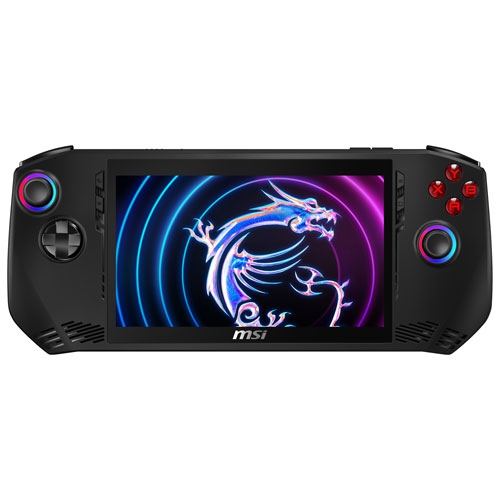
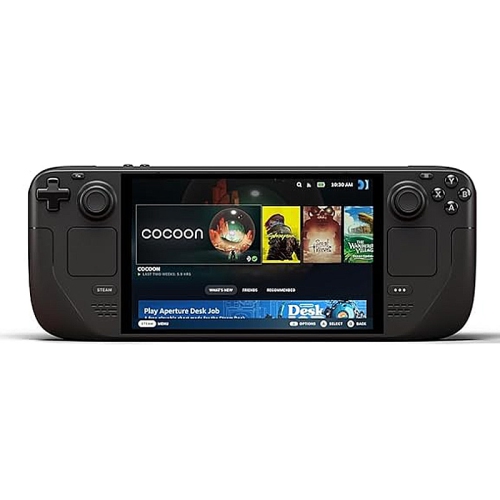
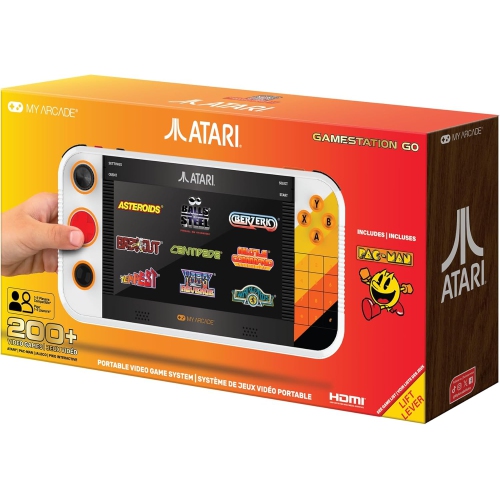
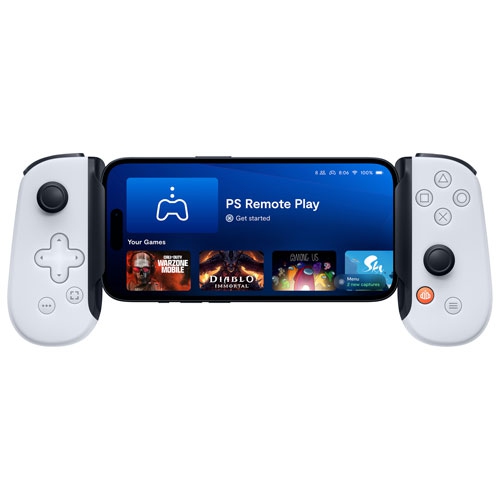
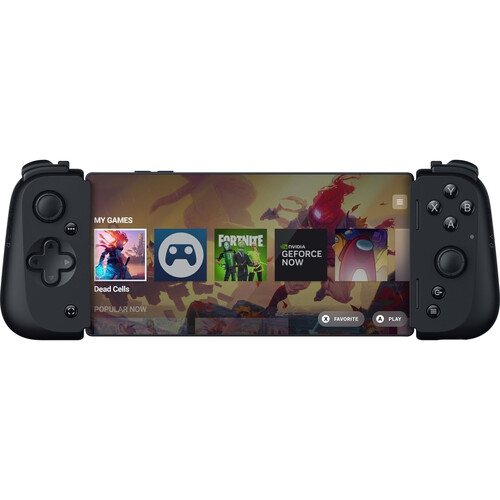
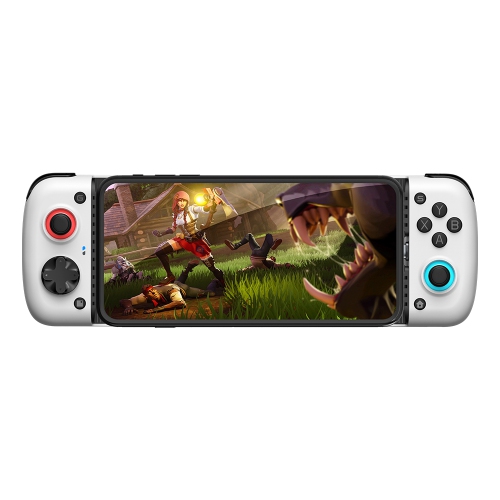
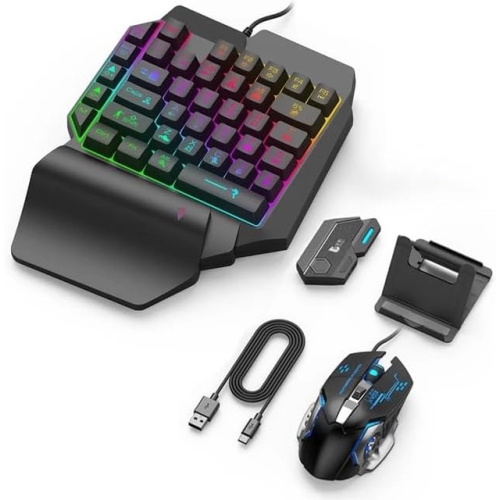
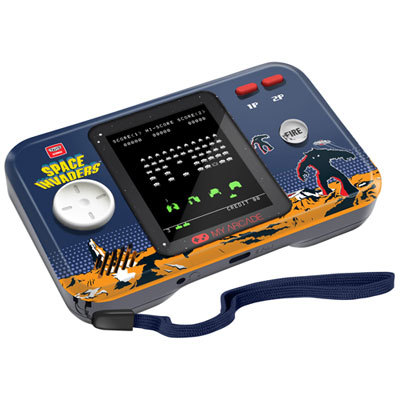
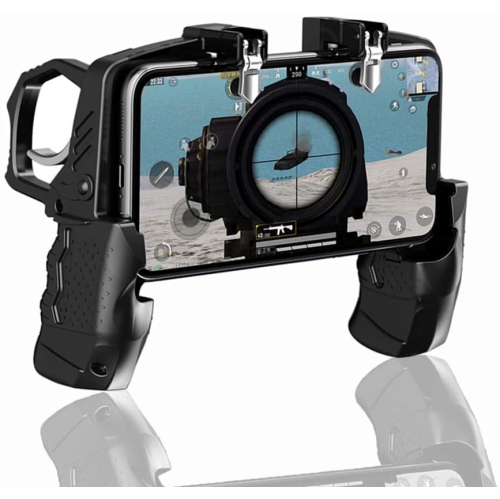
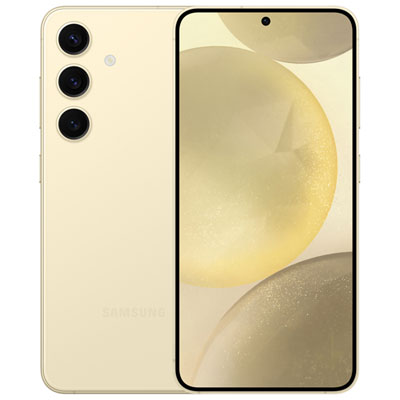
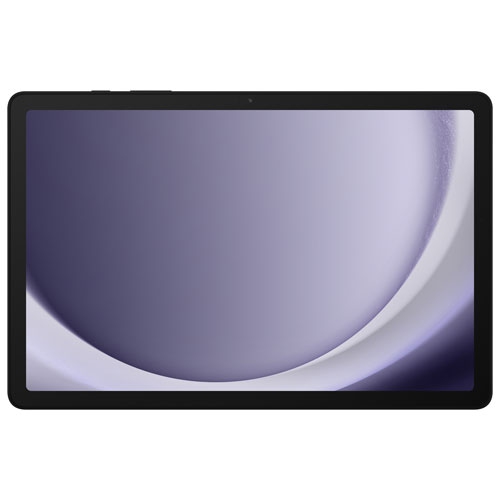
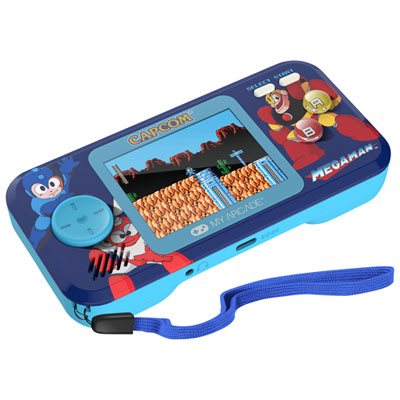
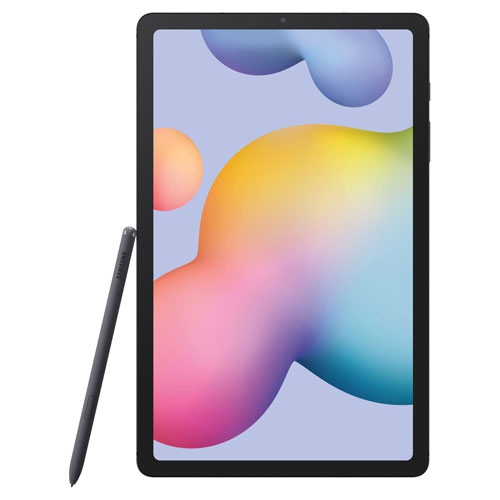
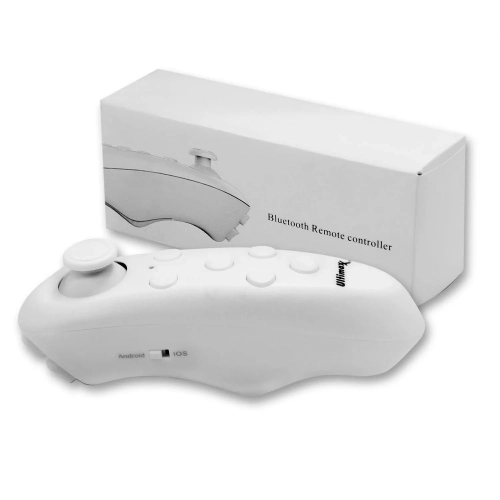
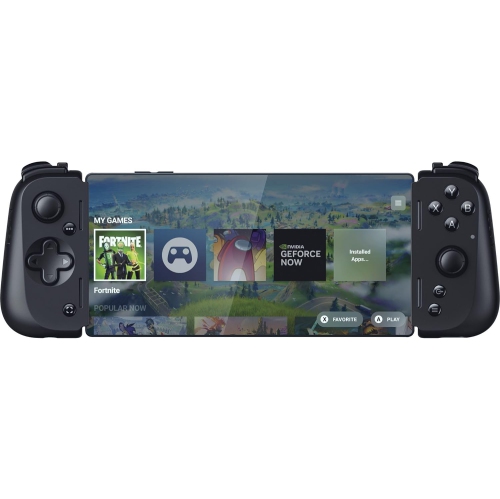
Mobile gaming devices bring full-featured play beyond the living room, combining portability with the controls, displays and performance needed for enjoyable gaming on the move. This broad category includes dedicated handheld gaming systems, portable gaming PCs, gaming-focused smartphones and compact Android devices designed for games and other entertainment. Each type offers a different experience, so choosing the right one starts with considering where and how it will be used. A dedicated handheld console is often a straightforward choice for players who want a simple, self-contained system with physical controls and access to a curated library of games. Portable gaming PCs are suited to players who want the flexibility of a computer in a handheld format, including access to demanding PC titles, digital game libraries and adjustable graphics settings. Gaming smartphones can be a practical option for people who already use their phone for everyday tasks and want a device that handles competitive mobile games, cloud gaming, streaming and other apps with speed and responsiveness. Android-based handhelds may appeal to players who prefer a larger screen and built-in controls for mobile games, streaming services and compatible classic game collections. Browse Handheld Gaming Systems to compare portable options that can fit different play styles, spaces and budgets. These devices can turn a quiet afternoon at home, a long journey or a waiting period into an opportunity to play, while their compact designs make them easier to store and carry than a traditional console setup.
Screen quality is one of the first details to compare because it affects nearly every moment of play. A sharp, bright display can make small text easier to read, reveal more detail in colourful worlds and improve visibility in rooms with changing light. Screen size also influences comfort: a larger display may be easier to see during longer sessions, while a more compact device can slip into a small bag and feel convenient for travel. Refresh rate and response time matter particularly for fast action, racing and competitive games, where smooth movement can make controls feel more immediate. Performance is equally important. Look for a processor and graphics hardware that match the games you expect to play, since demanding PC games may require more power than casual mobile titles or streaming services. Memory and storage affect how many games and apps can remain installed, while expandable storage can provide extra flexibility for a growing library. Battery capacity, charging speed and power-saving settings help determine how long a device can be used away from an outlet. It is also worth checking whether the device supports Wi-Fi, Bluetooth accessories, wired headphones, external displays or a dock, depending on your preferred setup. Physical controls can make a major difference: responsive joysticks, comfortable grips, well-spaced buttons and programmable controls may help reduce hand fatigue when a short session turns into an evening of play. Built-in speakers are convenient for casual use, while a headphone jack or wireless audio support can make late-night gaming more considerate in shared spaces. Parents and gift-givers may also want to review parental controls, account settings, age ratings and multiplayer options before choosing a device. A reliable protective case, screen protector, charging accessory or carrying pouch can be useful additions, especially for a handheld that will travel between home, school, work or family visits.
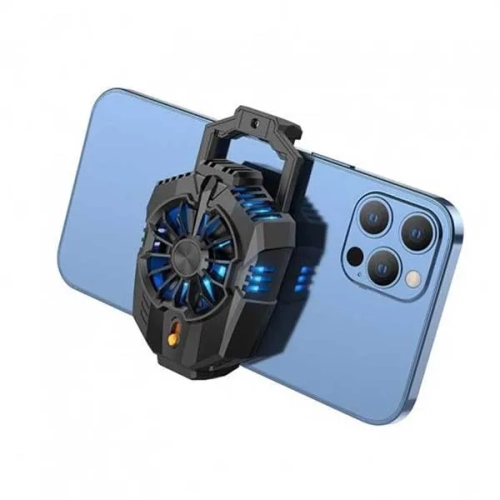
Mobile gaming devices can suit a wide range of players and make thoughtful gifts for people who enjoy games but do not always have access to a television or desktop setup. They can be a good fit for commuters, students, frequent travellers, families sharing one screen and experienced players looking for a second way to enjoy their libraries. They may also appeal to someone discovering gaming for the first time, provided the interface and game selection are approachable. For a younger player, a simpler dedicated system with clear parental controls may be easier to manage than a more open portable computer. For a PC gamer, compatibility, operating system support, storage and access to existing digital libraries may matter more than a slim design. For someone who enjoys mobile games, a responsive touchscreen, strong cooling, dependable battery life and physical controls can provide a more comfortable alternative to tapping on a standard phone. During the cooler months, a handheld can be especially convenient for relaxed play indoors, whether it is used on the sofa, at a kitchen table or in a softly lit corner while other family members watch something else. Portable devices are also useful for passing time during travel, though it is wise to consider battery limits, offline game support and access to charging when planning a longer trip. Before choosing, compare the device’s operating system, game compatibility, control layout, display, storage, connectivity and overall size rather than focusing on one specification alone. The best match is the one that feels comfortable in the hands, supports the intended games and fits naturally into the player’s daily routine. A device that starts quickly, stays responsive and is easy to carry is more likely to become a regular companion, whether it is used for a few quick rounds between errands or a longer gaming session at home.
Screen quality is one of the first details to compare because it affects nearly every moment of play. A sharp, bright display can make small text easier to read, reveal more detail in colourful worlds and improve visibility in rooms with changing light. Screen size also influences comfort: a larger display may be easier to see during longer sessions, while a more compact device can slip into a small bag and feel convenient for travel. Refresh rate and response time matter particularly for fast action, racing and competitive games, where smooth movement can make controls feel more immediate. Performance is equally important. Look for a processor and graphics hardware that match the games you expect to play, since demanding PC games may require more power than casual mobile titles or streaming services. Memory and storage affect how many games and apps can remain installed, while expandable storage can provide extra flexibility for a growing library. Battery capacity, charging speed and power-saving settings help determine how long a device can be used away from an outlet. It is also worth checking whether the device supports Wi-Fi, Bluetooth accessories, wired headphones, external displays or a dock, depending on your preferred setup. Physical controls can make a major difference: responsive joysticks, comfortable grips, well-spaced buttons and programmable controls may help reduce hand fatigue when a short session turns into an evening of play. Built-in speakers are convenient for casual use, while a headphone jack or wireless audio support can make late-night gaming more considerate in shared spaces. Parents and gift-givers may also want to review parental controls, account settings, age ratings and multiplayer options before choosing a device. A reliable protective case, screen protector, charging accessory or carrying pouch can be useful additions, especially for a handheld that will travel between home, school, work or family visits.
Mobile gaming devices can suit a wide range of players and make thoughtful gifts for people who enjoy games but do not always have access to a television or desktop setup. They can be a good fit for commuters, students, frequent travellers, families sharing one screen and experienced players looking for a second way to enjoy their libraries. They may also appeal to someone discovering gaming for the first time, provided the interface and game selection are approachable. For a younger player, a simpler dedicated system with clear parental controls may be easier to manage than a more open portable computer. For a PC gamer, compatibility, operating system support, storage and access to existing digital libraries may matter more than a slim design. For someone who enjoys mobile games, a responsive touchscreen, strong cooling, dependable battery life and physical controls can provide a more comfortable alternative to tapping on a standard phone. During the cooler months, a handheld can be especially convenient for relaxed play indoors, whether it is used on the sofa, at a kitchen table or in a softly lit corner while other family members watch something else. Portable devices are also useful for passing time during travel, though it is wise to consider battery limits, offline game support and access to charging when planning a longer trip. Before choosing, compare the device’s operating system, game compatibility, control layout, display, storage, connectivity and overall size rather than focusing on one specification alone. The best match is the one that feels comfortable in the hands, supports the intended games and fits naturally into the player’s daily routine. A device that starts quickly, stays responsive and is easy to carry is more likely to become a regular companion, whether it is used for a few quick rounds between errands or a longer gaming session at home.
Top selling and popular products
-
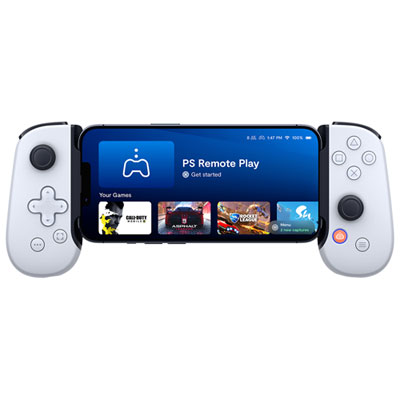 Your price for this item is $138.97
 -
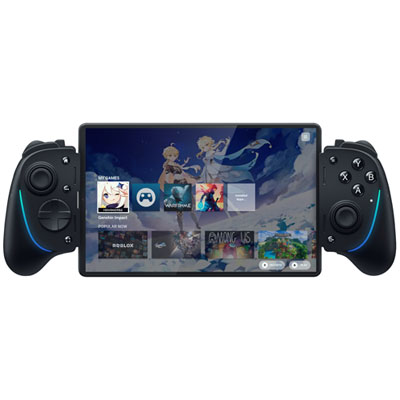 Your price for this item is $138.99
 -
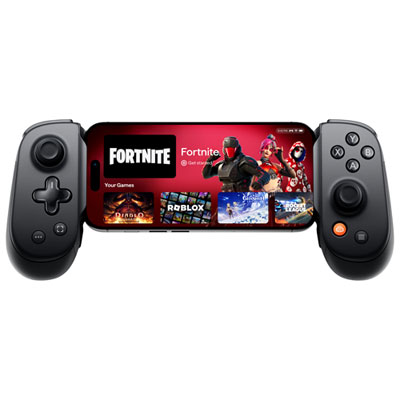 Your price for this item is $239.99
 -
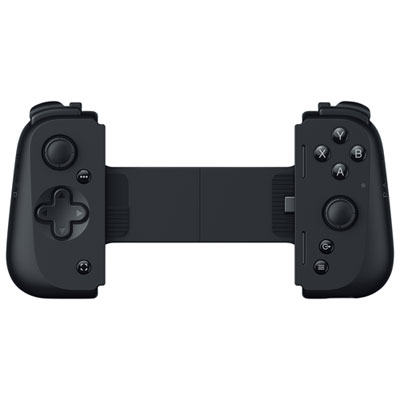 Your price for this item is $82.99
 -
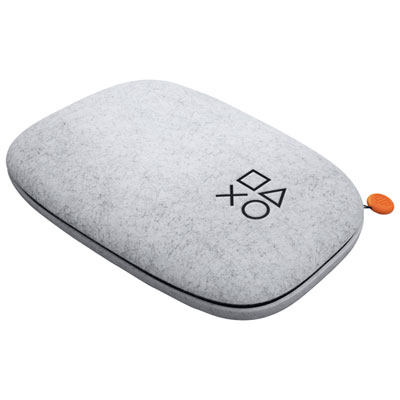 Your price for this item is $34.99
 -
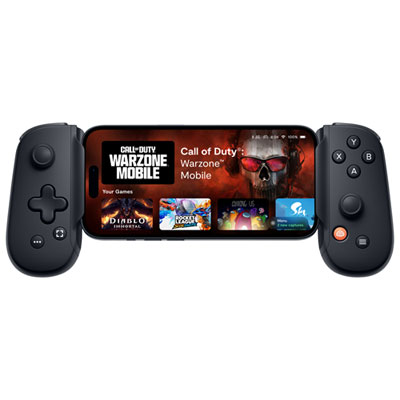 Your price for this item is $138.97
 -
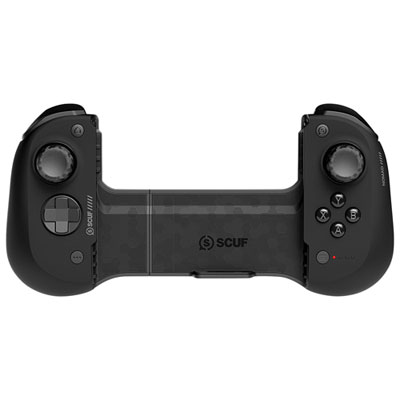 Your price for this item is $99.99
 -
 Your price for this item is $34.99
Discover more categories related to Mobile Gaming Devices

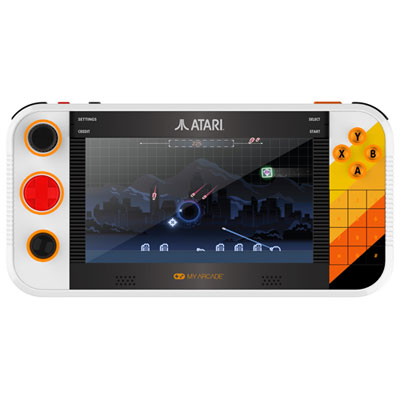
Top Collections:
Pokemon Centers, Kindle Devices, Best Budget Office Chairs, Apple iPhones 16, Best Laptops for Writers, iPhone 15 Apple, Canon G7X Cameras, Refurbished Apple Laptops, Alarm Clock, Motorola Razr Phones
Some products may be subject to Environmental Handling Fees
(EHF) depending on your province.
Learn more about EHFs.