Office Cleaning Supplies
Maintaining a clean and organized office space is essential for productivity and creating a positive work environment. Whether you're setting up a new office or looking to replenish your current supplies, our wide range of office cleaning supplies has got you covered. From disinfectants and wipes to trash bags and air fresheners, we offer everything you need to keep your workspace sparkling clean. With high-quality products designed to tackle dirt, dust, and germs, you can ensure that your office remains a healthy and hygienic place for everyone. Browse through our selection of office cleaning supplies and discover the tools that will help you maintain a pristine workspace effortlessly.
Sort















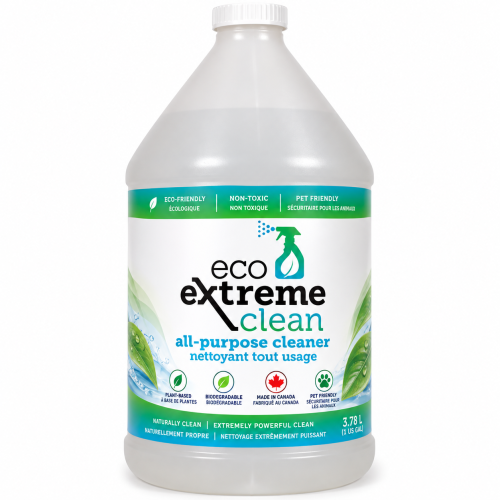
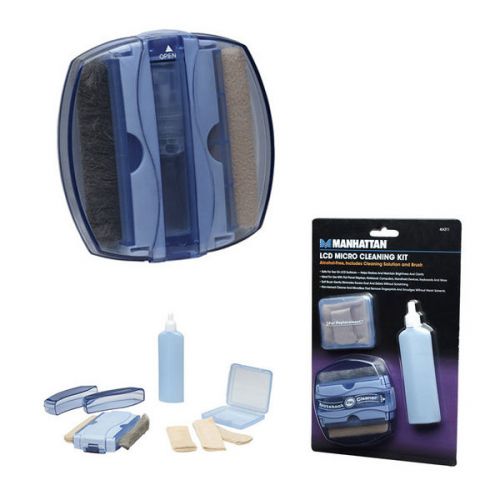
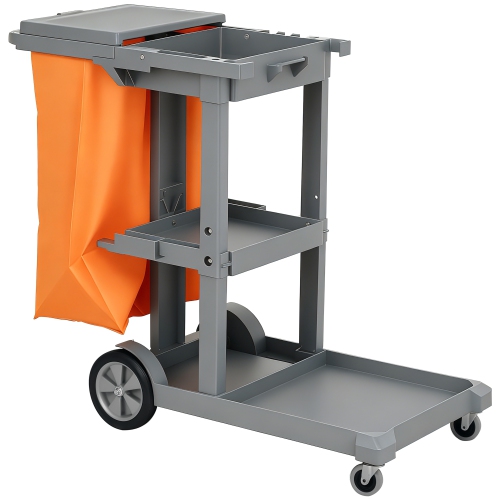
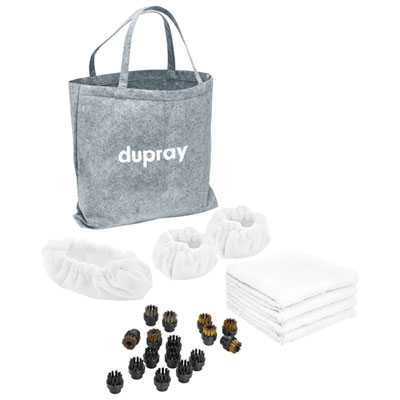

Why different office surfaces need different cleaning approaches
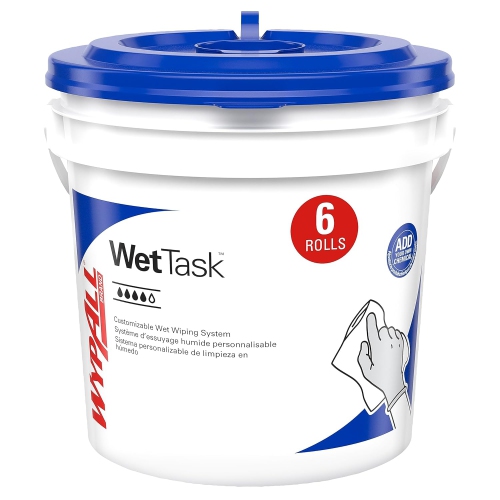
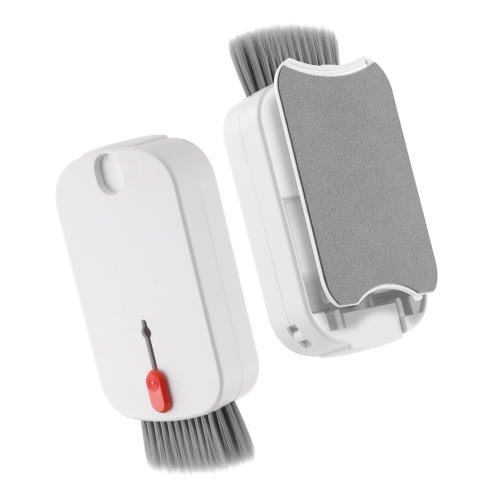
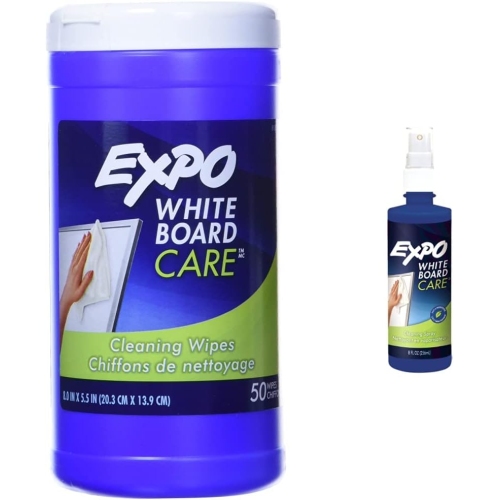
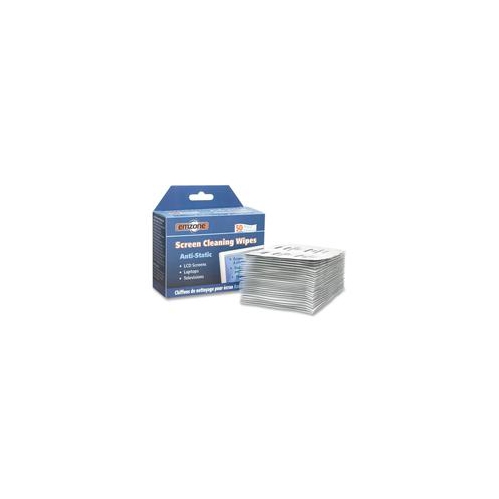
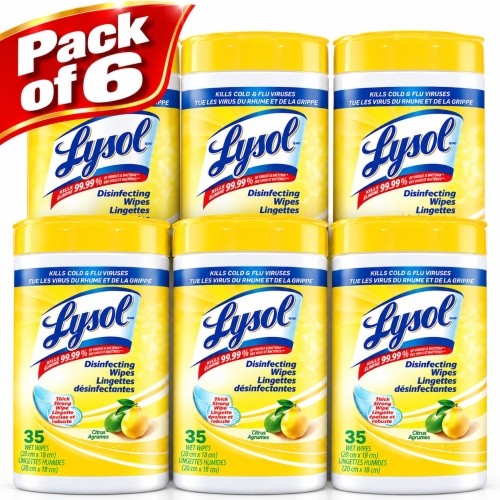
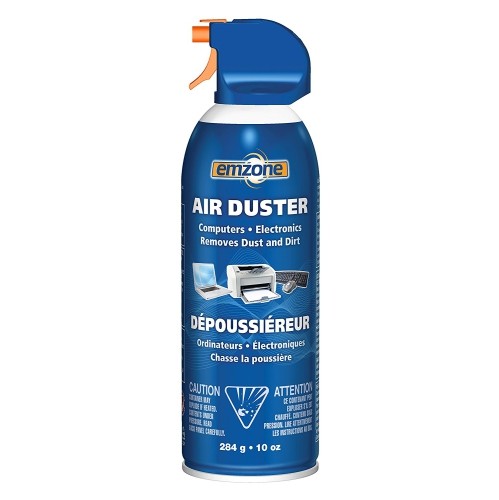
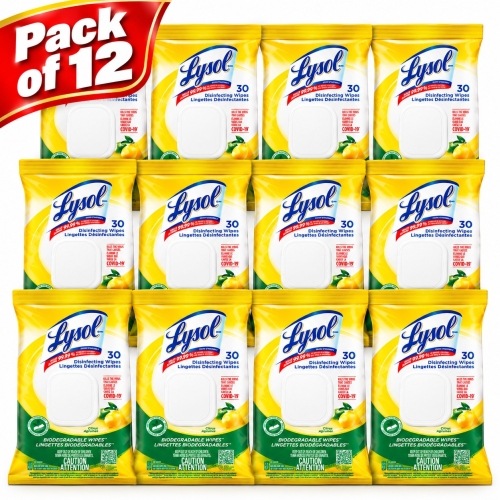
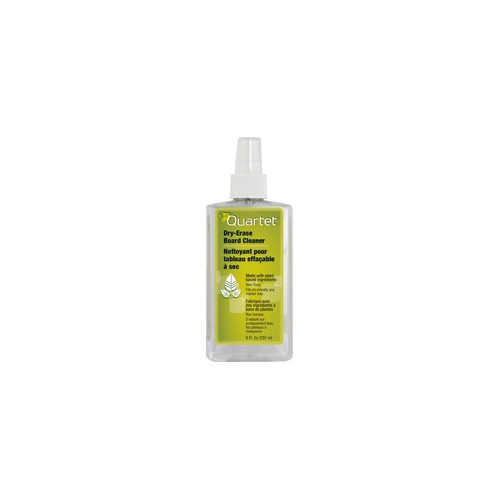
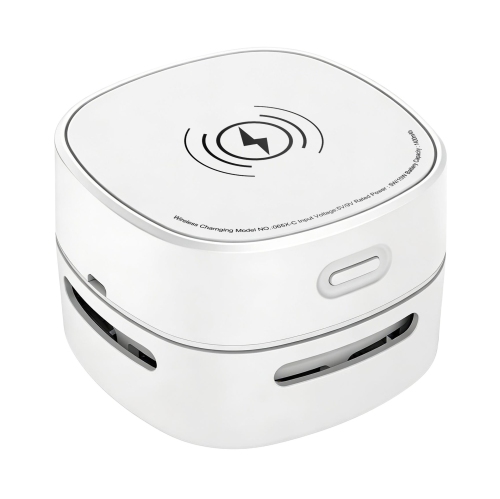
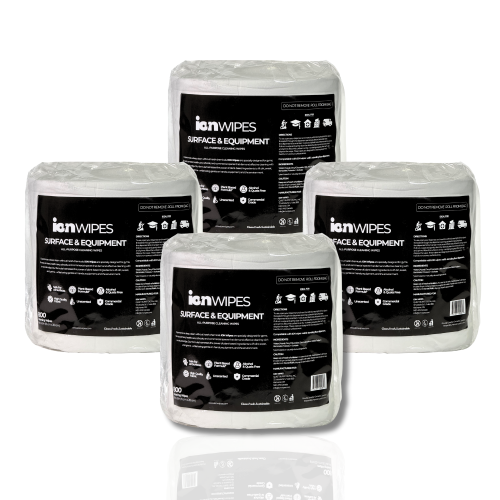
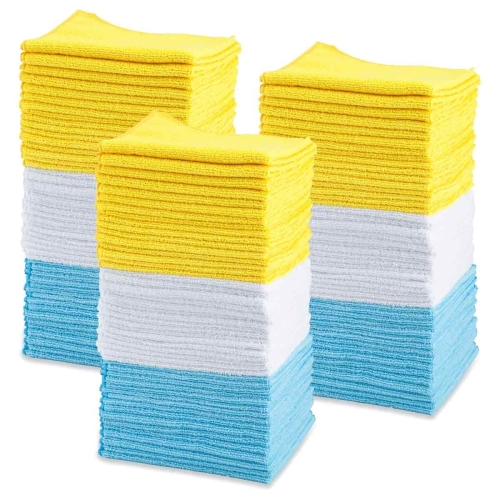
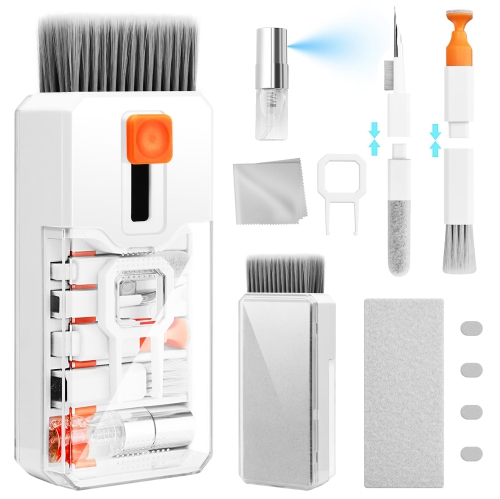
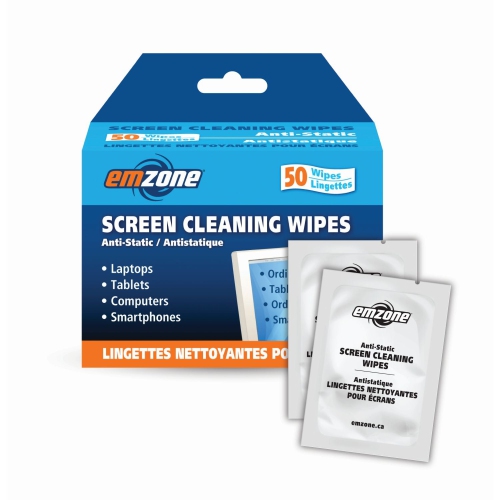
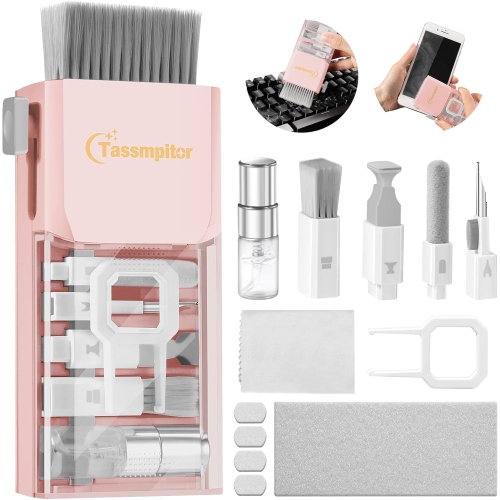
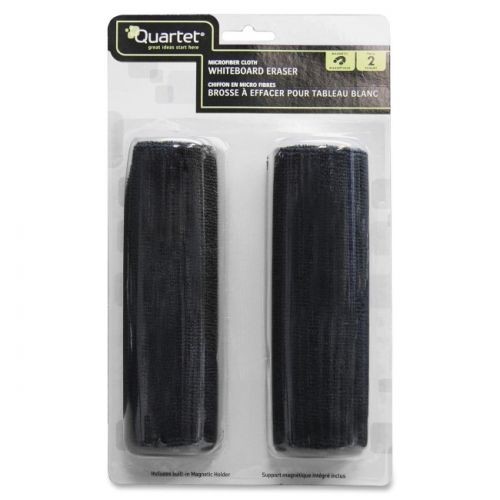
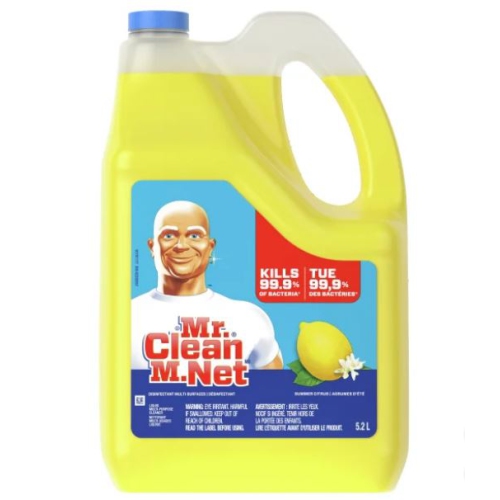
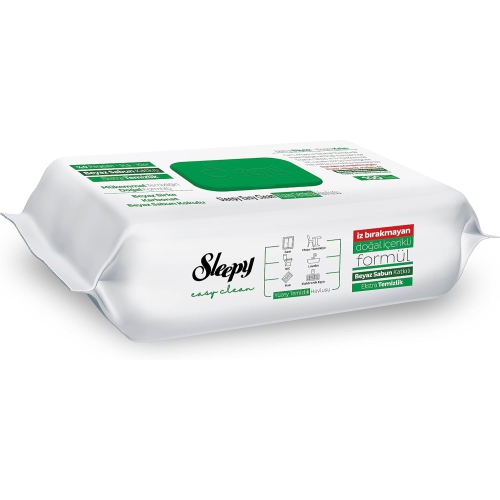
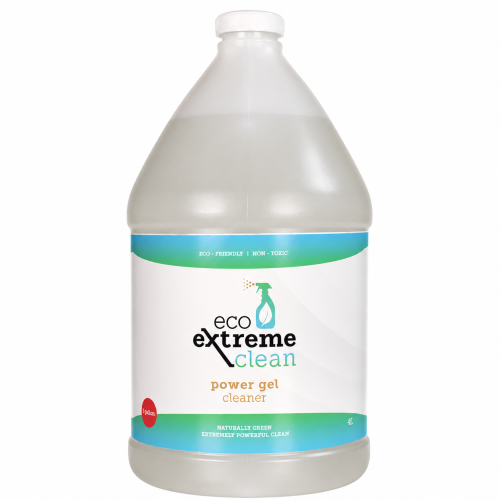
Office cleaning supplies include surface cleaners, microfibre cloths, dusters, floor-care tools, waste liners, hand soap, and paper products for the daily upkeep of shared workspaces. They serve different purposes across desks, meeting rooms, reception areas, washrooms, and staff kitchens, where the materials being cleaned matter as much as the amount of traffic. A reception counter marked by fingerprints needs a different approach from a carpeted meeting room or a lunch table with dried coffee rings. General-purpose cleaners help remove everyday dirt and residue from compatible washable surfaces, while glass cleaners are intended for suitable windows, mirrors, and glass partitions. Disinfectants have a separate role: they are formulated to act on the microorganisms specified on their labels when used as directed. Cleaning and disinfecting are not interchangeable, and a surface may need to be cleaned before a disinfectant is applied. The required wet contact time and approved surface types are important considerations, particularly around shared touchpoints such as door handles and meeting tables. Material compatibility also helps protect office furnishings. Finished wood, laminate, stainless steel, natural stone, painted surfaces, and upholstery can respond differently to moisture, abrasive pads, and cleaning chemicals. Gentle cloths and suitable formulations help limit scratching, streaking, and damage to finishes. Screens, keyboards, and other electronics require particular care, with cleaning methods that follow the equipment manufacturer’s directions rather than a general surface-cleaning routine. Microfibre cloths are useful for collecting dust and wiping compatible surfaces because their fine fibres can lift small particles; cloth texture, absorbency, and edge construction influence how they perform. A smooth cloth may suit glass, while a more absorbent cloth can be practical around sinks and counters. Disposable wipes offer convenience for some tasks, but their cleaning purpose and material compatibility still depend on the label. Fragrance-free options may be preferable in occupied spaces where strong scents are distracting or unwelcome. For office managers, facilities teams, reception staff, and people maintaining a home office, the most useful assortment reflects the surfaces actually present and the tasks that recur throughout a normal working day.
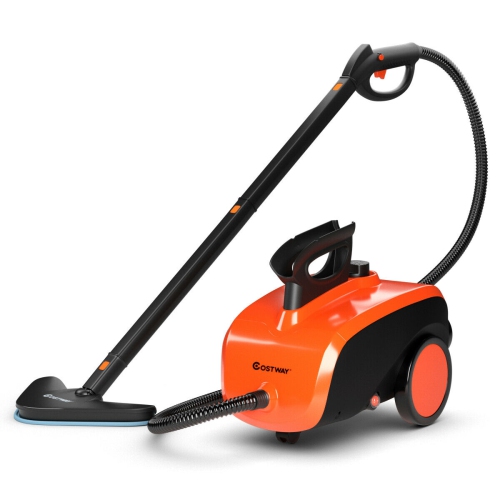
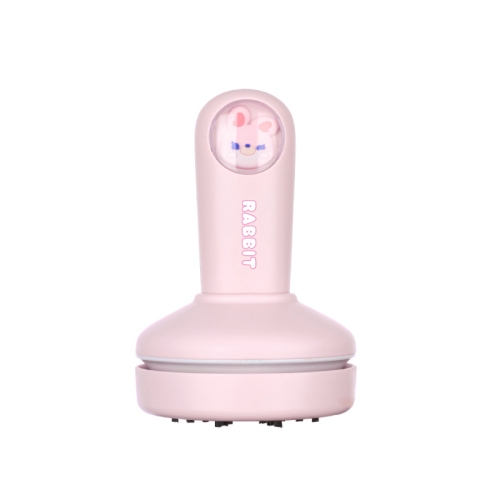
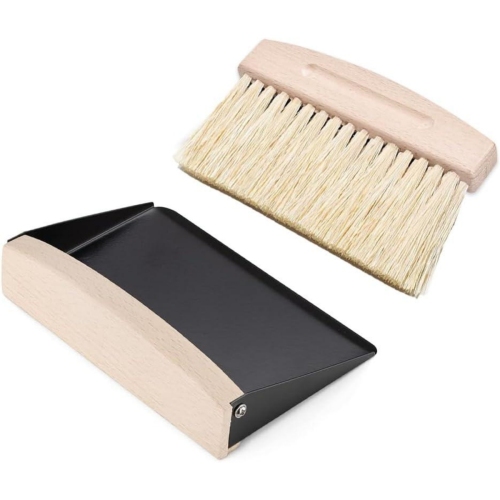
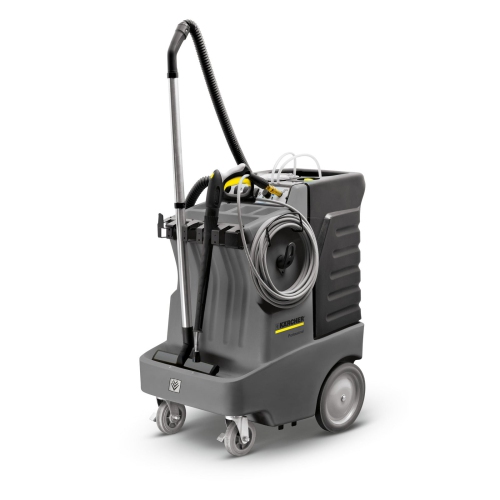
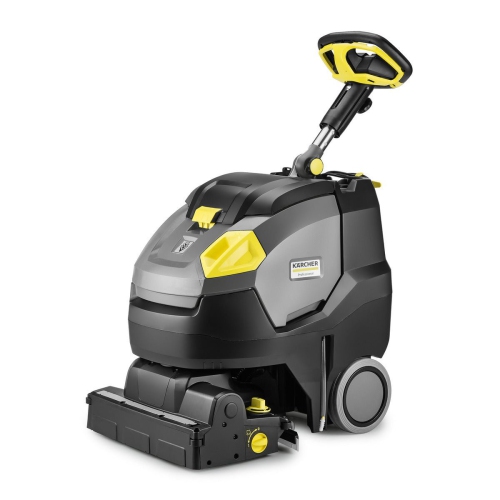
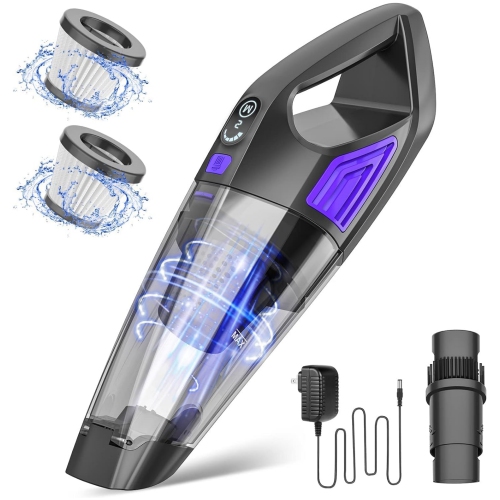
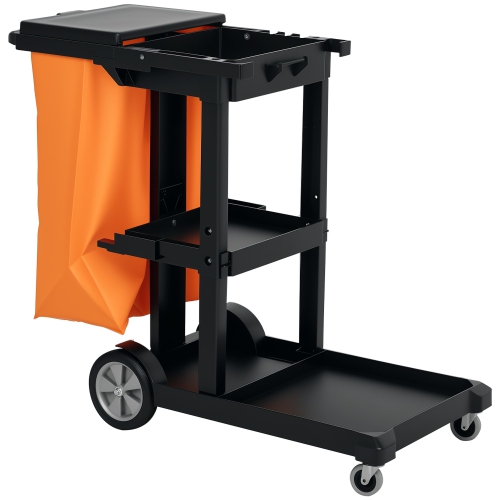
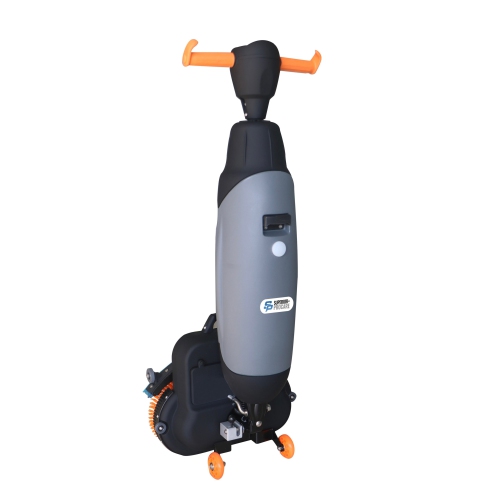
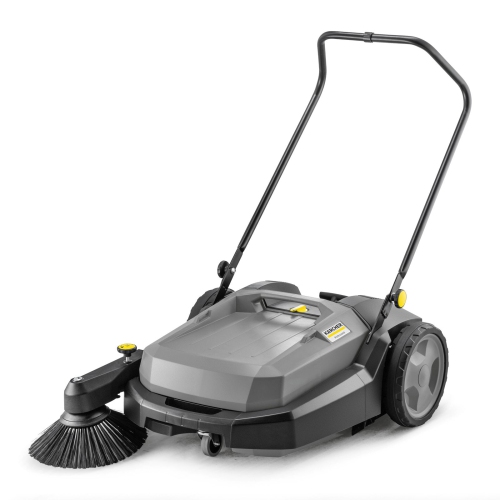
Floor-care supplies and cleaning tools support everything from a quick tidy beneath a desk to the upkeep of corridors used by dozens of people. Hard flooring and carpet have different needs, so broom bristles, mop materials, vacuum attachments, and cleaning solutions should suit the flooring manufacturer’s recommendations. Fine dust on a smooth floor, grit near an entrance, and crumbs beneath a lunch table each call for tools that can collect debris without simply moving it into corners. Dustpans with a close-fitting edge help gather small particles, while angled broom heads can reach along baseboards and around furniture legs. Mop heads vary in absorbency, texture, and attachment style; a secure fit and a handle that feels comfortable make repeated tasks easier to manage. Excess water can damage some flooring, which makes moisture control an important consideration rather than a measure of cleaning thoroughness. For carpeted spaces, appropriate vacuum attachments help reach edges, chair bases, and upholstered seating, subject to the care instructions for each material. Noise level, equipment weight, cord reach, and ease of manoeuvring are practical considerations when cleaning takes place near occupied desks. Extendable dusters can help with accessible ledges and higher surfaces, although their reach does not replace safe access equipment where it is needed. Durability often comes down to details that receive regular wear: handle joints, bristle attachment, bucket grips, and replaceable cleaning heads. Reusable cloths and mop heads also need care suited to their fibres, including laundering instructions that preserve their cleaning performance. Keeping them clean and allowing them to dry fully helps avoid carrying residue from one task to the next. Colour-coded cloths can make it easier to keep washroom tools separate from those used on desks or food-preparation counters. Clearly labelled storage keeps this system understandable for anyone sharing the cleaning duties. A compact caddy may suit a small office, while a trolley can keep tools together across several rooms. Secure storage, upright containers, and readable original labels matter wherever cleaning chemicals are kept, particularly in workplaces that welcome visitors or children.
Washroom, kitchen, and waste-management supplies round out office cleaning by supporting spaces that are used repeatedly throughout the day. Hand soap, paper towels, toilet tissue, and compatible dispensers are everyday essentials, with dispenser fit and refill format affecting how easily they can be maintained. Hand sanitizer can be useful where a sink is not immediately accessible, but it does not replace soap and water in every situation, including when hands are visibly dirty. Washroom cleaners need to suit the fixtures being treated, whether that means ceramic bowls, taps, partitions, or counters. Non-scratch tools can help preserve finishes, while gloves appropriate to the task and cleaning product provide a barrier during handling. Protective equipment requirements come from the product label and the nature of the work; cleaning chemicals should never be mixed unless the manufacturer explicitly directs it. In a staff kitchen, coffee splashes, crumbs, food residue, and marks around appliance handles create a different set of cleaning needs from those at a workstation. Products used on food-contact surfaces require particular attention to label directions, including any rinsing step before food preparation resumes. Dishwashing supplies, absorbent cloths, and suitable cleaners help keep sinks, counters, and shared eating areas ready for use. For this part of the workplace, Kitchen Cleaning Supplies offers a related category for kitchen-focused needs. Waste liners should fit the bin’s dimensions and the type of waste it receives: a small desk bin holding paper differs from a kitchen bin that may contain damp food packaging. Liner thickness, seam strength, and closure style influence resistance to tearing, leaks, and spills during removal. Bins with smooth, accessible interiors are easier to wipe clean, and lids or foot-operated openings may be useful in shared rooms. Odour control begins with removing waste and cleaning the bin rather than simply adding fragrance. Across these spaces, supplies that are straightforward to identify, comfortable to handle, and compatible with existing fixtures support a more consistent routine. The result is a workplace where meeting tables are ready for the next discussion, washroom counters are free of splashes, and the kitchen sink is not surrounded by residue from the previous lunch break.
Top selling and popular products
-
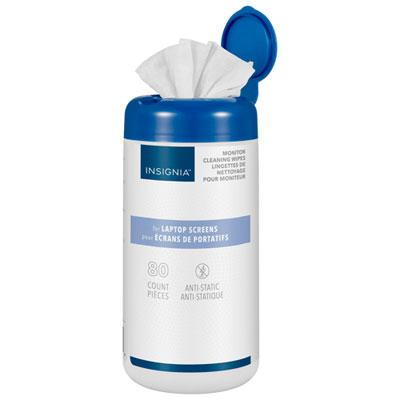 Your price for this item is $9.99
-
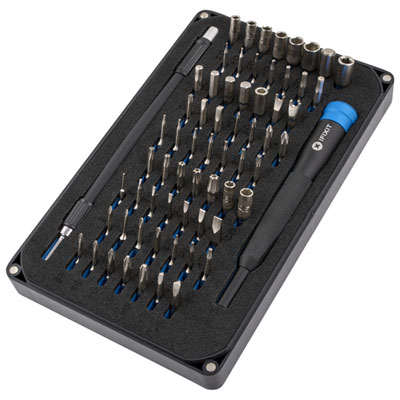 Your price for this item is $54.98
-
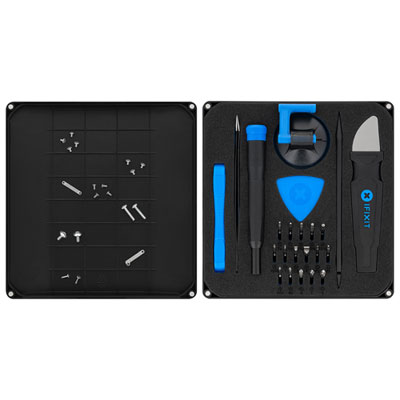 Your price for this item is $43.99
-
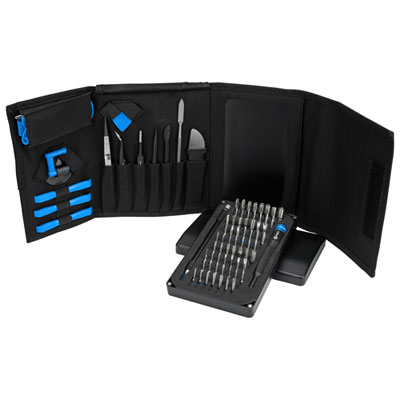 Your price for this item is $108.99
-
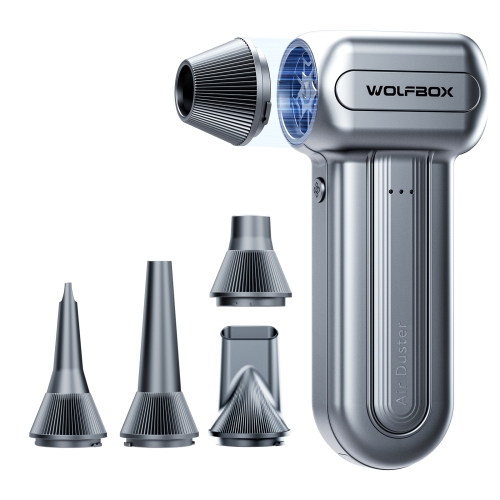 Your price for this item is $59.99
-
 Your price for this item is $67.99
-
 Your price for this item is $33.99
-
 Your price for this item is $19.99
Discover more categories related to Office Cleaning Supplies
Top Collections:
Best Black Friday Deals This Year, Best Black Friday Deals On Electronics, Kindle Devices, Best Black Friday Deals On Apple Products, Best Budget Office Chairs, Best Cameras for Sports Photography, Dyson Airwrap, Canon G7X Cameras, Best Laptops for Writers, Samsung Galaxy Phones
Some products may be subject to Environmental Handling Fees
(EHF) depending on your province.
Learn more about EHFs.