Hand Cleaning Wipes
Hand cleaning wipes offer a convenient and effective solution for maintaining hygiene on the go. Whether you're traveling, at work, or simply out and about, these portable wipes ensure your hands stay fresh and clean without the need for soap and water. Ideal for quick clean-ups, they are perfect for removing dirt and germs with ease. With a variety of options available, you can find hand cleaning wipes that suit your preferences, whether you prioritize fragrance-free formulas or those enriched with moisturizing ingredients. Explore the selection to discover how hand cleaning wipes can become an essential part of your daily routine.
Sort


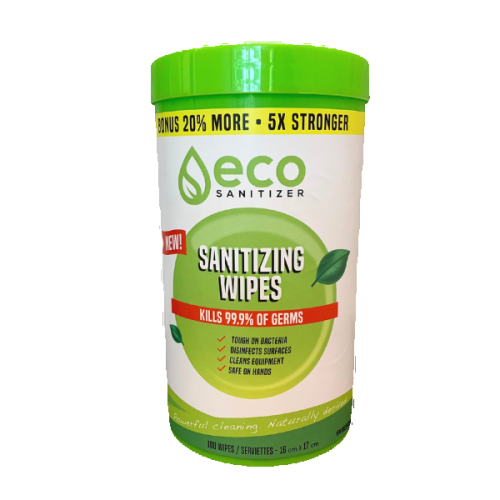
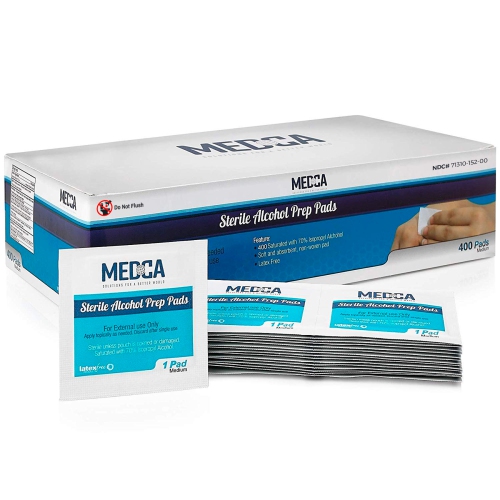
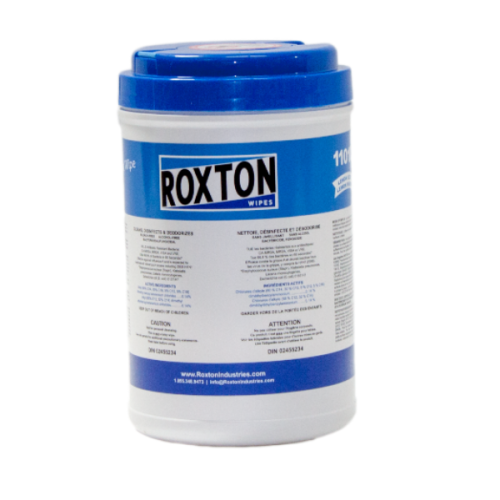


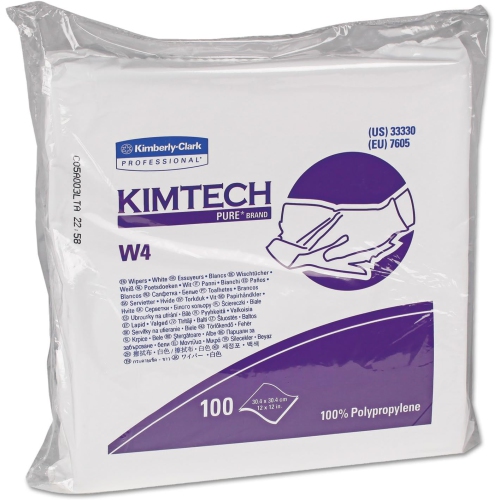
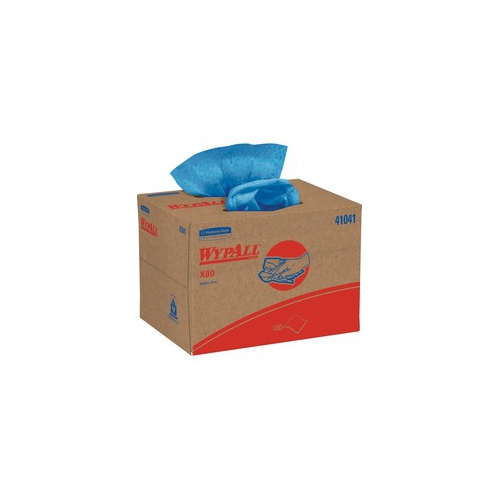


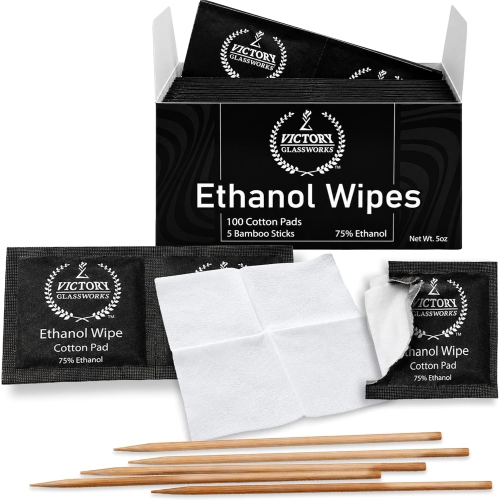
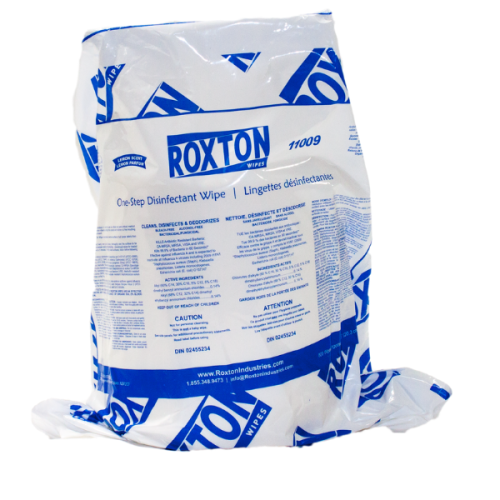
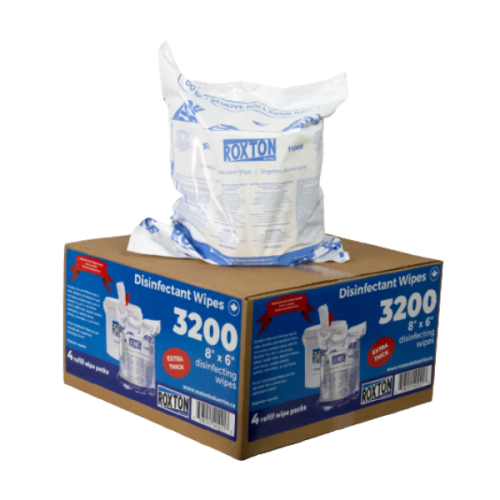
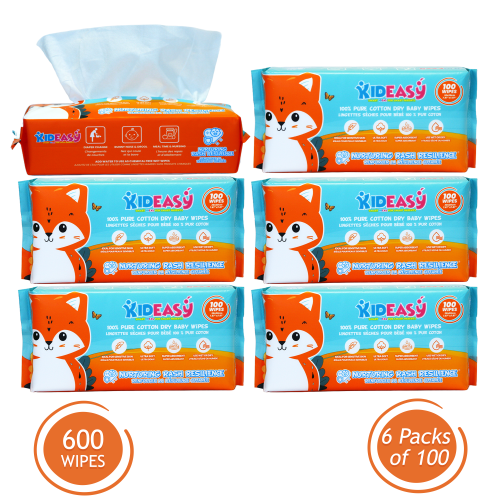
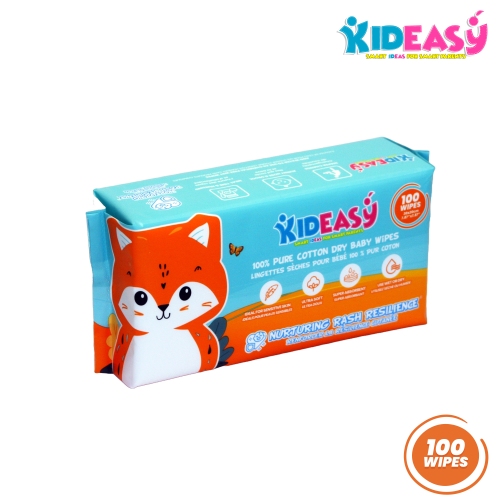
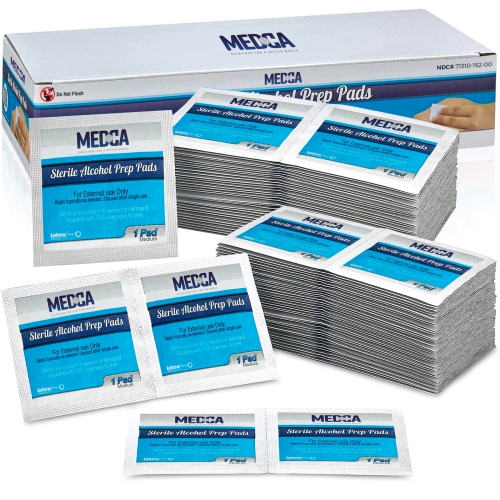
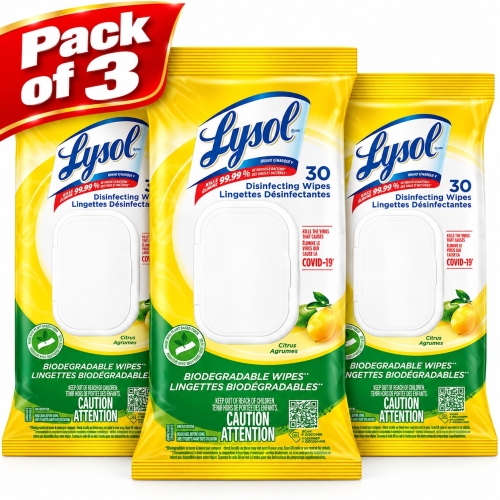
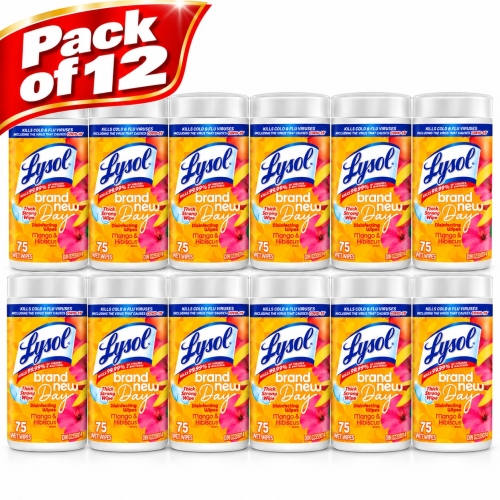
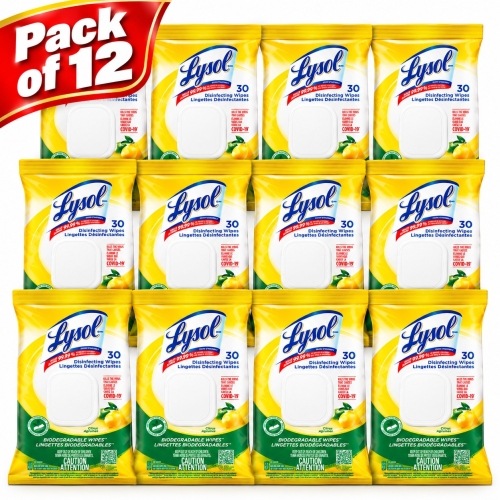
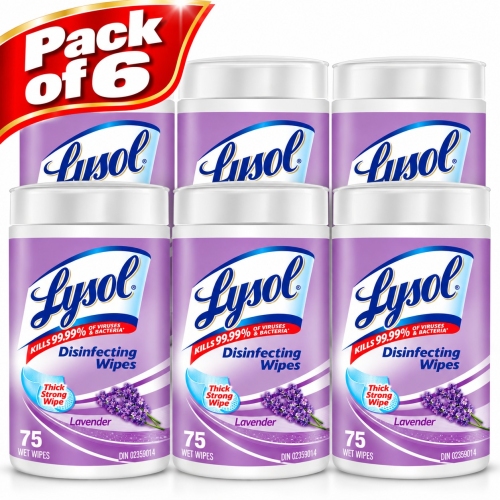
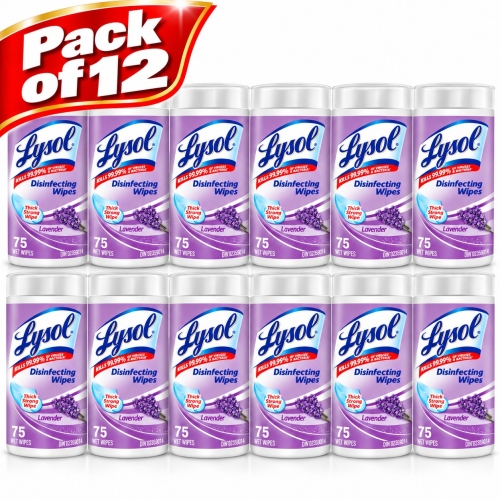
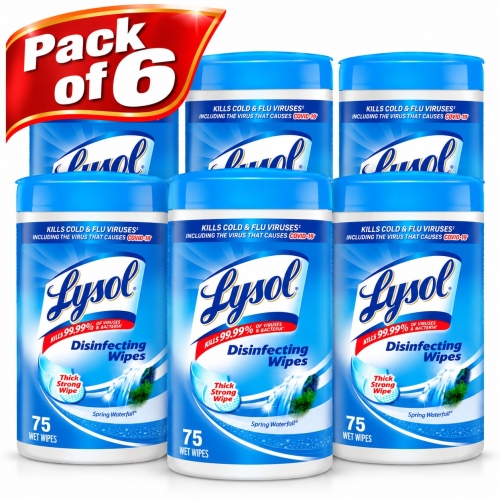
Help for sticky fingers when a sink isn’t nearby
Hand cleaning wipes are pre-moistened, disposable cloths designed to clean the hands without a separate washcloth or a nearby sink. They offer a practical way to lift away light dirt, sticky food residue, and everyday grime while travelling, commuting, or spending time away from home. A wipe tucked into a lunch bag can help with jam-covered fingers, while a resealable pack in a vehicle keeps a small mess from spreading to door handles and seat belts. The main distinction within this category is between wipes that clean and wipes specifically labelled to sanitize hands. Cleaning wipes help remove residue through their cleansing formula and the physical action of wiping; hand sanitizing wipes contain an active ingredient intended to reduce certain germs when used according to the label. These functions are not interchangeable, and a general cleansing claim does not establish that a wipe sanitizes. Likewise, a sanitizing claim does not mean a wipe is suitable for removing heavy grease or thoroughly cleaning visibly dirty hands. Soap and running water remain the preferred choice when hands are visibly dirty or greasy, and wipes serve a different role from a full handwash. Intended use also matters: hand wipes are formulated for skin, whereas disinfecting wipes for counters, appliances, and other hard surfaces should not be used on the body. For shoppers comparing hand care with other personal cleansing needs, Cleansing Wipes covers a broader category, with suitability depending on each package’s stated purpose. Keeping these distinctions clear makes it easier to match the format to the task, whether that means tidying fingers after a snack, freshening hands during a long journey, or choosing a labelled hand sanitizing option for occasions when soap and water are not accessible. Familiar packaging alone is not enough to determine use; the directions on the pack are the most useful reference.
The feel of a hand cleaning wipe depends on both the cloth and the liquid it holds. Many use non-woven materials made from plant-derived fibres, synthetic fibres, or a blend, with differences in thickness, softness, stretch, and resistance to tearing. A soft, flexible cloth can move comfortably around fingertips and between fingers, while a more textured surface may help loosen stubborn residue. Texture should still feel appropriate for skin: a wipe meant for frequent everyday use has a different purpose from a heavy-duty hand cleaning towel intended for workshop grime. Larger sheets offer more surface area for broad hands or messier tasks, but dimensions alone do not tell the whole story. A thin sheet that folds over or tears easily can be less convenient than a smaller cloth that stays intact during use. Moisture level matters, too. The wipe needs enough liquid to work across the hands without requiring hard rubbing, while the finish may range from quick-drying to slightly lotion-like, depending on the formula. Ingredients such as glycerin or aloe may be included to help skin feel comfortable, although no single ingredient guarantees that a formula will suit everyone. Fragrance-free options may appeal to people who dislike lingering scents or have sensitivities to fragrance. “Unscented” and “fragrance-free” are not necessarily equivalent claims, so the ingredient list is worth checking when fragrance avoidance is important. Alcohol-based hand sanitizing wipes and alcohol-free wipes also require a closer look at their intended purpose and active ingredients; alcohol-free does not automatically mean suitable for sensitive skin, and it does not by itself establish sanitizing performance. People whose hands feel dry with frequent cleansing may prefer a comfortable, low-residue formula alongside their usual hand moisturizer. For children, age suitability and adult supervision are important, particularly with sanitizing formulas. Hand wipes should not be assumed suitable for a baby’s face, a child’s mouth, or irritated or broken skin unless the label specifically supports that use.
Packaging often determines how well hand cleaning wipes fit into a daily routine. Individually wrapped wipes slip neatly into a pocket, handbag, or small travel pouch, keeping each cloth sealed until it is needed. Soft packs can fit into a backpack or stroller organizer without taking up the space of a rigid container, while canisters provide an easy-to-reach format for a desk or shared staff area. In any format, a secure closure helps retain moisture, and an opening that dispenses one wipe at a time limits unnecessary handling of the remaining cloths. A flip-top lid may be convenient for repeated use, while an adhesive seal needs a clean contact area to close properly. Sheet count, wipe dimensions, and the amount of space a pack occupies are all useful considerations for households, commuters, caregivers, and people who travel regularly. Someone cleaning small fingers after a snack may use a pack differently from someone removing residue after handling tools, so the formula and cloth strength should match the actual mess rather than simply the pack size. Heavy-duty formulas should be used only for the substances and skin applications identified on their labels. With sanitizing wipes, complete coverage and the labelled wet contact time are essential; a quick pass over the palms may not meet the directions. Fingertips, thumbs, backs of hands, and spaces between fingers all need attention, and hands should be allowed to dry as directed before handling food or touching the eyes. Once opened, packs should be closed promptly and stored according to the package instructions, with any expiry date observed. A dried-out sanitizing wipe should not be relied on to perform as intended, and adding water or another liquid can alter the formula. Used wipes belong in the rubbish rather than the toilet. With an appropriate skin-use formula, a cloth that holds together, and packaging that keeps its contents moist, hand cleaning wipes can be a useful part of an everyday carry kit without replacing access to proper handwashing.
Top selling and popular products
-
 Your price for this item is $10.99
-
 Your price for this item is $649.99
-
 Your price for this item is $70
-
 Your price for this item is $65
-
 Your price for this item is $70
-
 Your price for this item is $90
-
 Your price for this item is $75
-
 Your price for this item is $43.99
Discover more categories related to Hand Cleaning Wipes
Top Collections:
Best Black Friday Deals This Year, Best Black Friday Deals On Electronics, Kindle Devices, Pokemon Centers, Best Black Friday Deals On Apple Products, Best Cameras for Sports Photography, Dyson Airwrap, Pokémon 30th Celebration Cards, Apple iPhone 17 Pro, Canon G7X Cameras
Some products may be subject to Environmental Handling Fees
(EHF) depending on your province.
Learn more about EHFs.