Outdoor Cable Ties
Keep your outdoor spaces organized and secure with our wide range of outdoor cable ties. Whether you're looking to tidy up your garden, secure cables on your patio, or keep your camping gear neatly bundled, our collection of outdoor cable ties has got you covered. With durable materials and various lengths available, these cable ties are designed to withstand the elements and provide reliable support for all your outdoor needs.
Sort





Why UV ratings matter more than tie colour
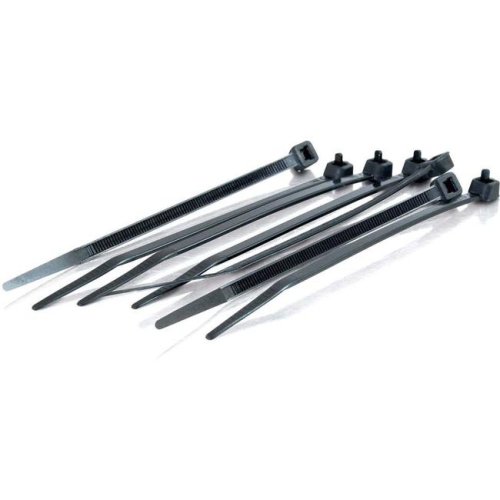
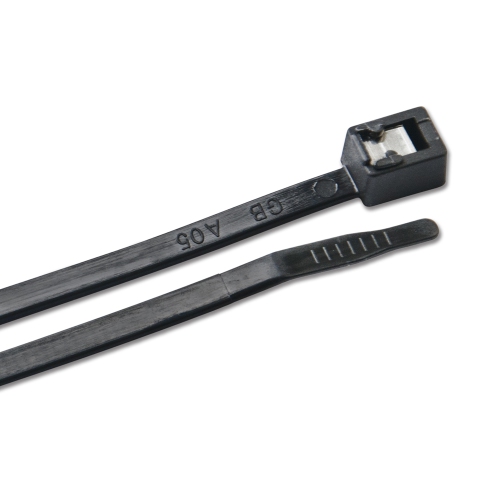
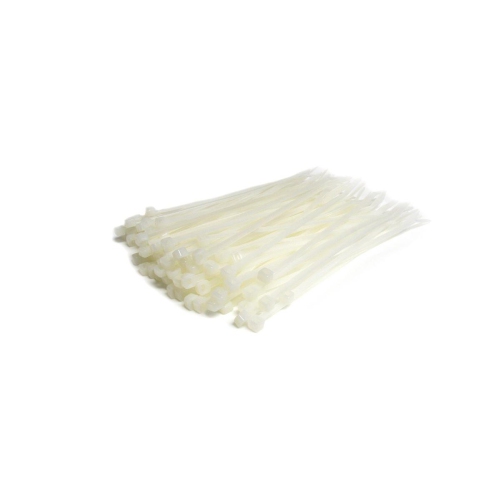
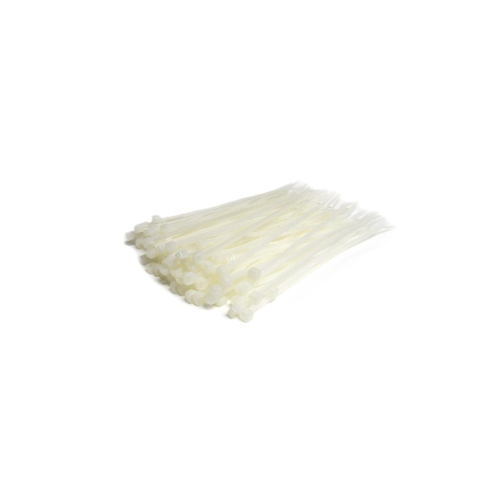
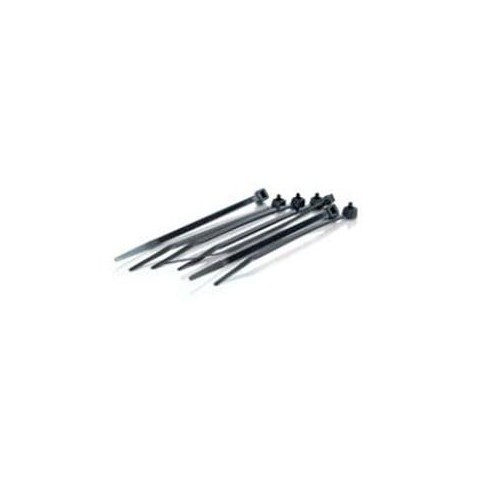
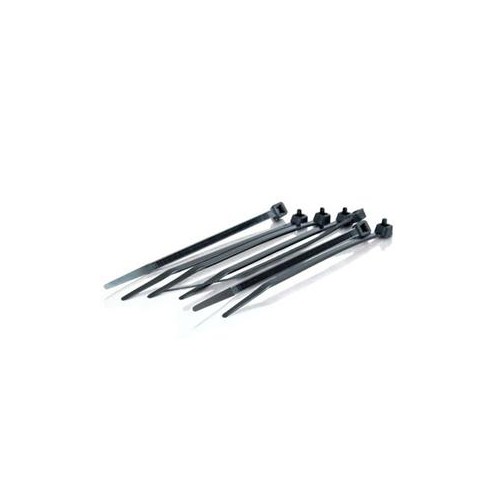
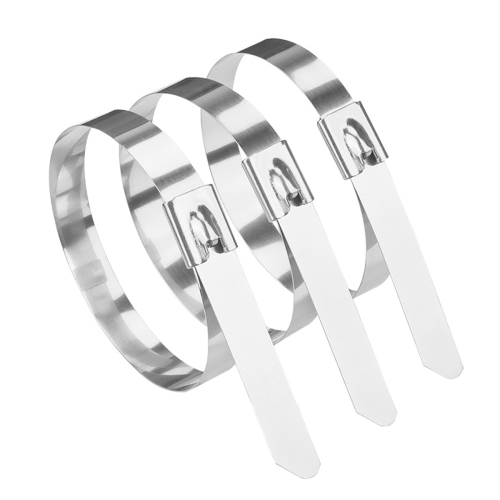
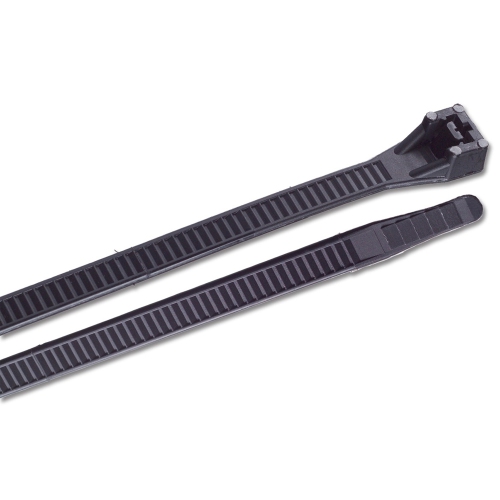
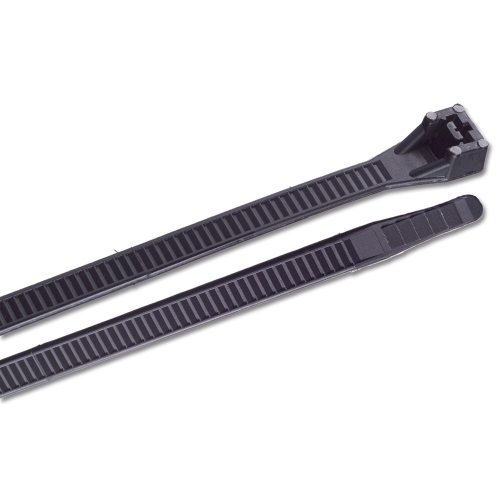
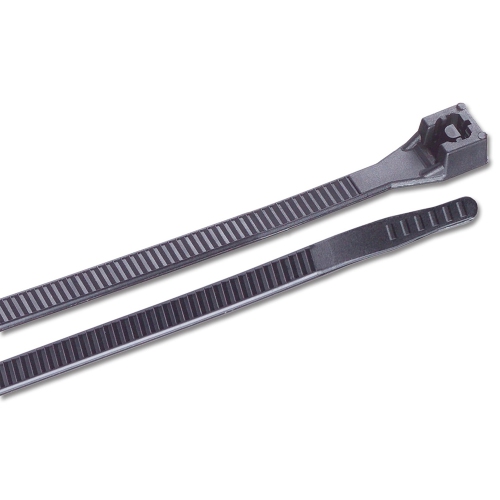
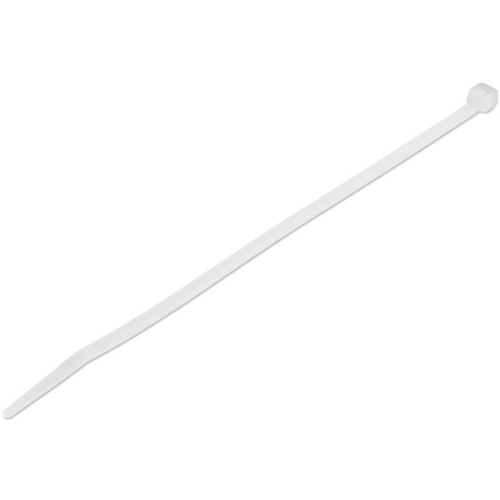
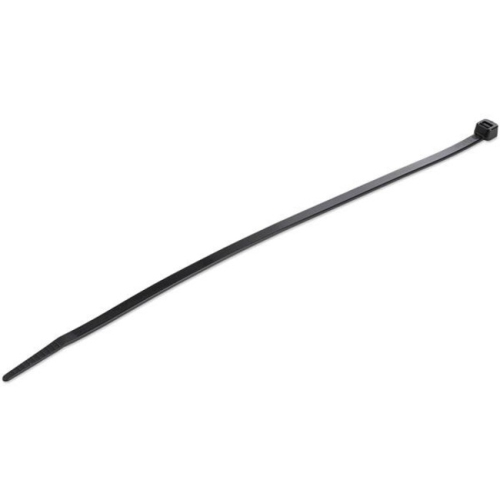
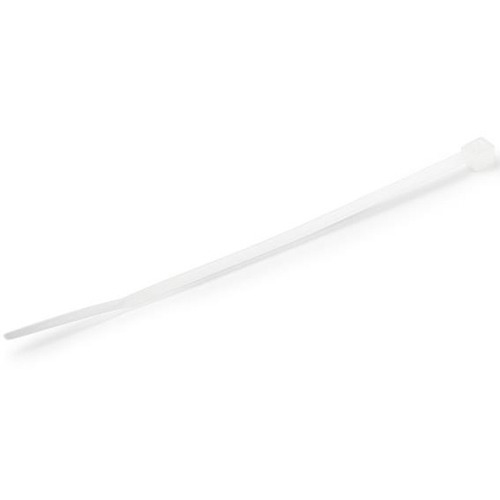
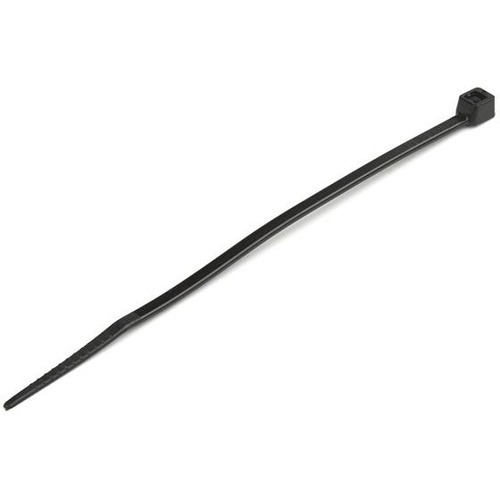
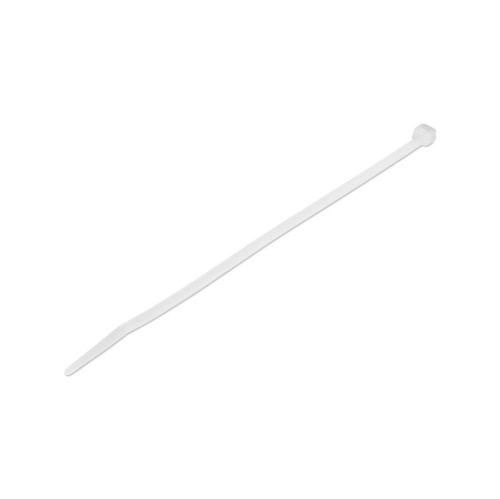
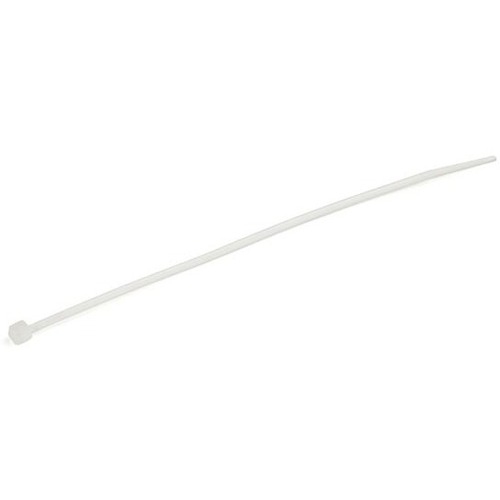
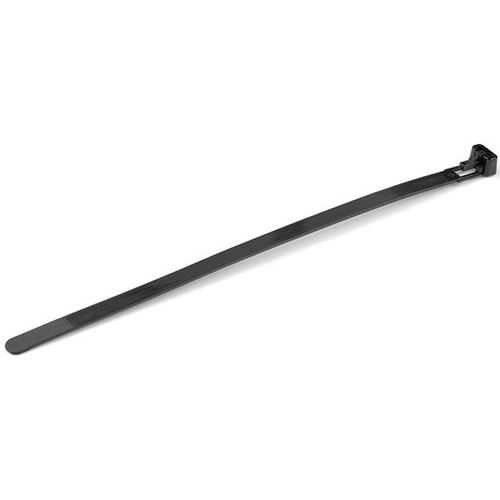
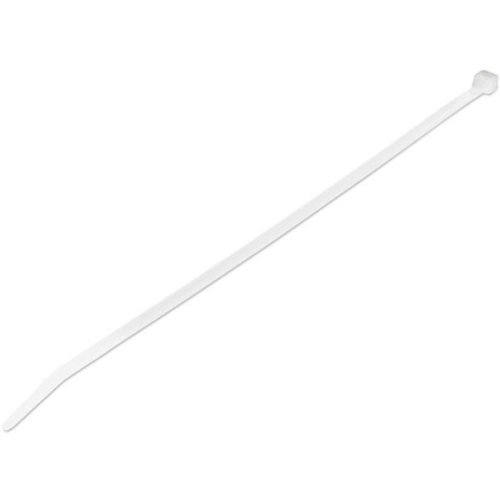
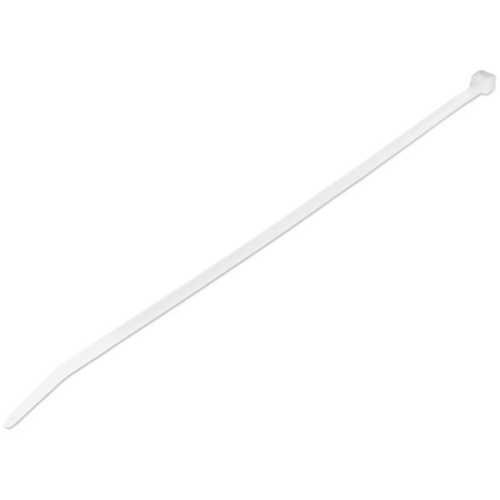
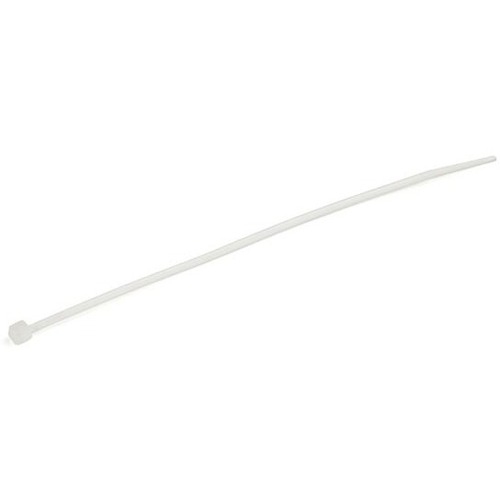
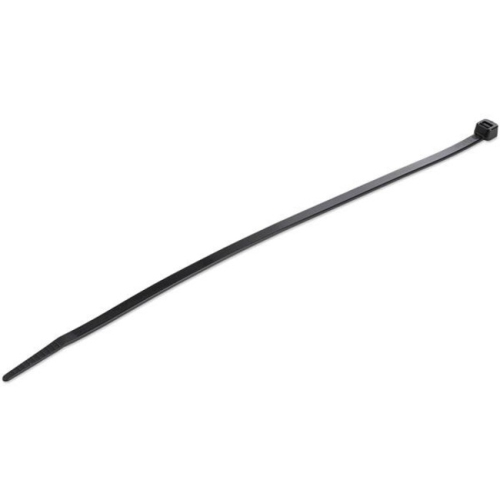
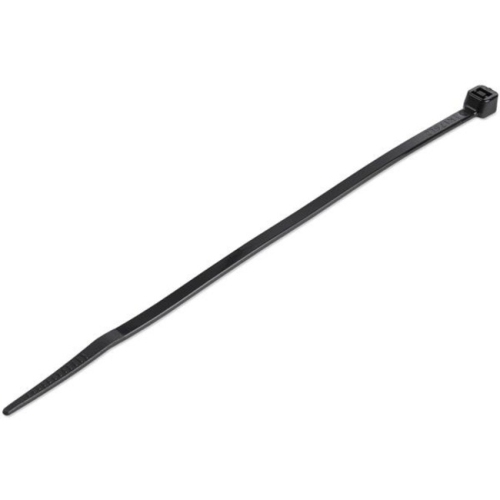
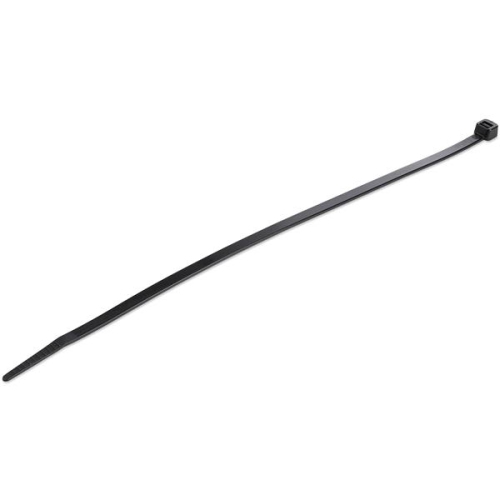
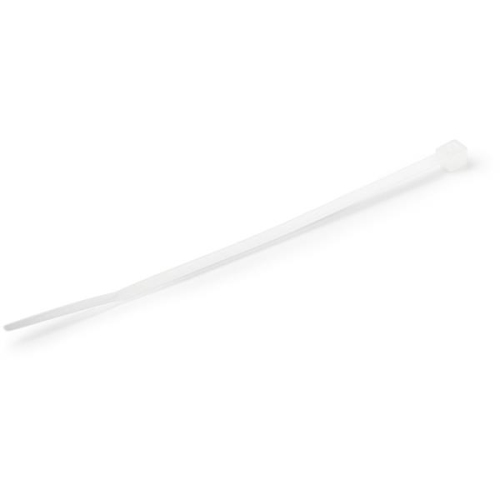
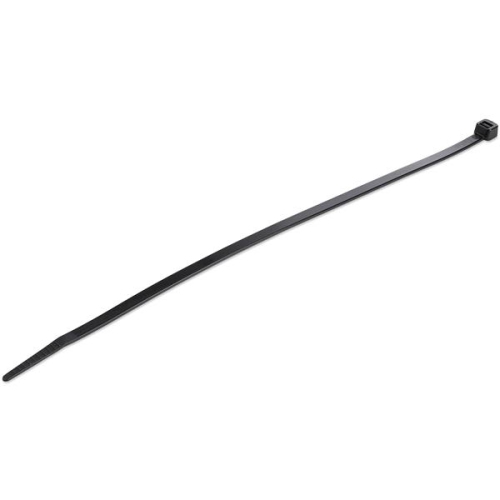
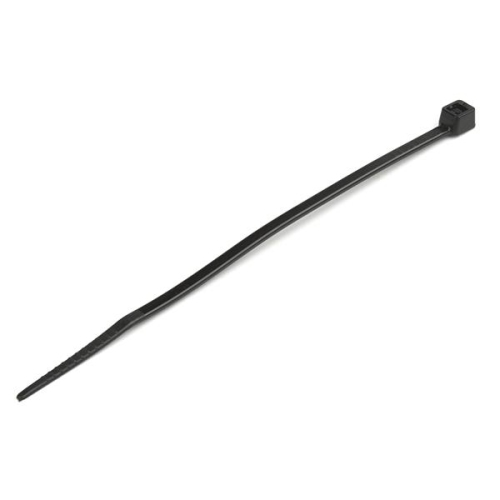
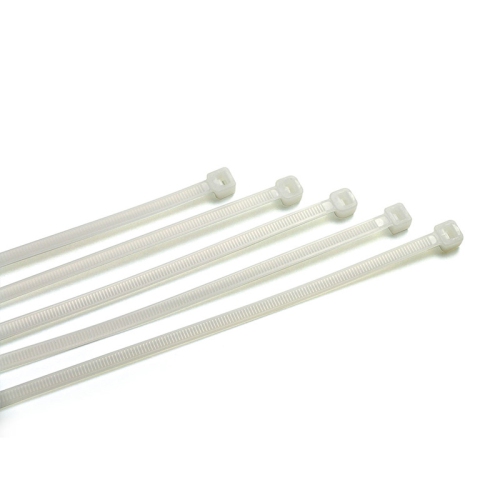
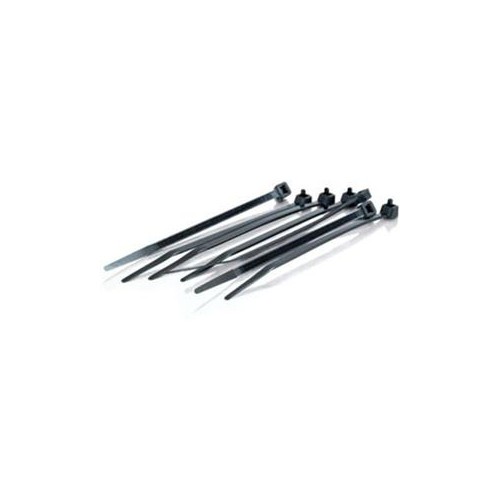
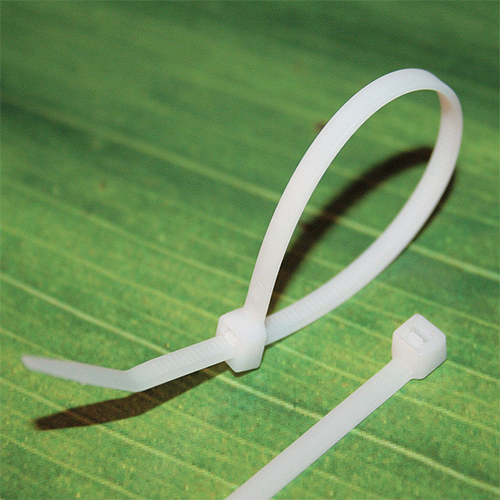
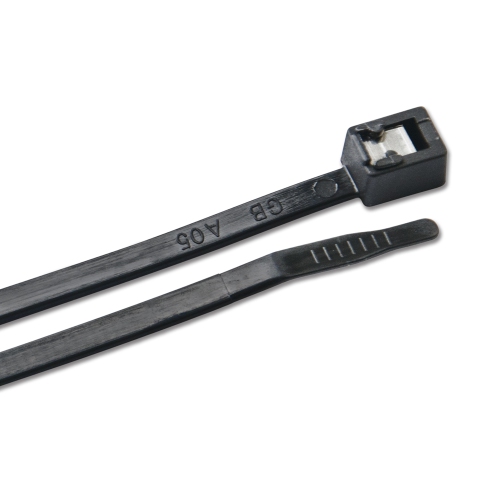
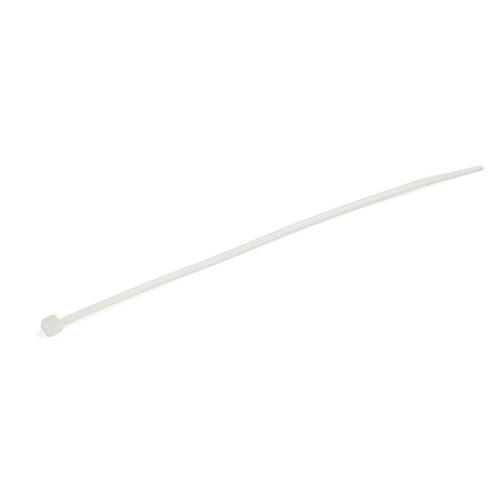
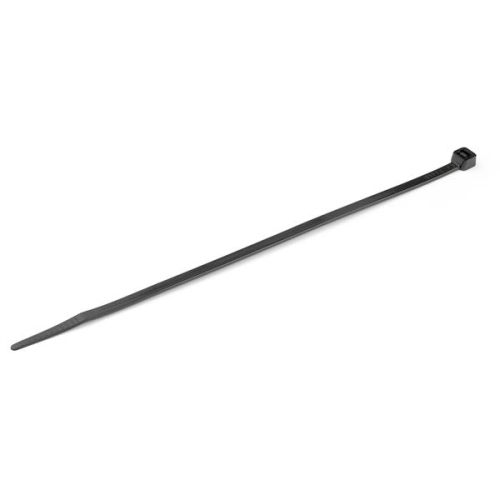
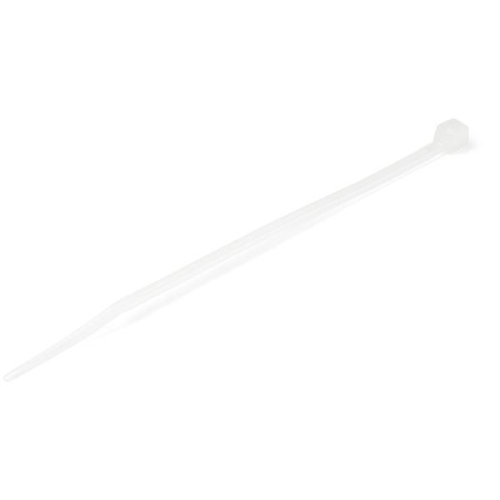
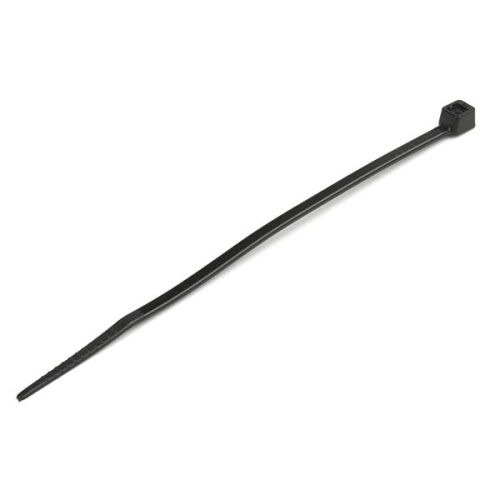
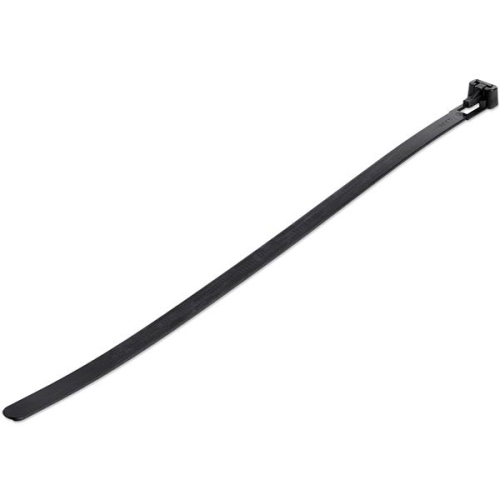
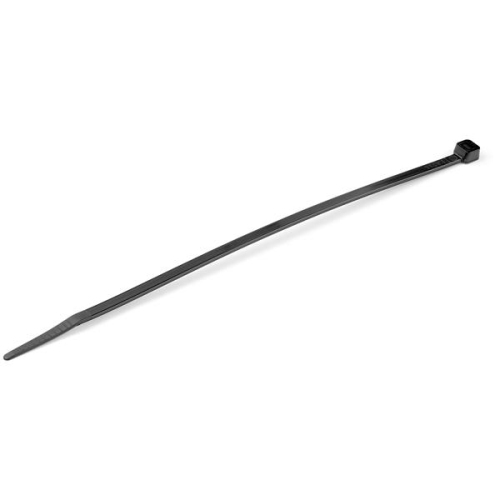
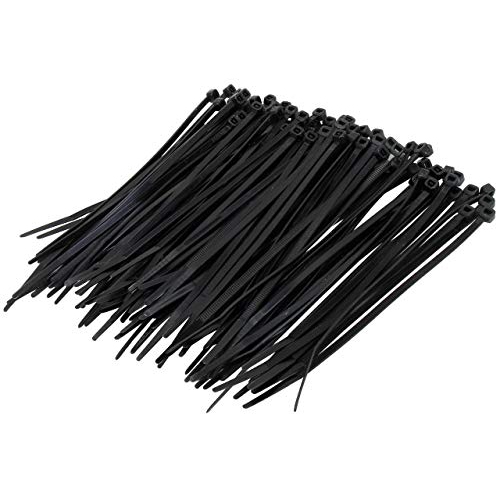
Outdoor cable ties are fasteners designed to bundle cables or secure lightweight components where exposure to sunlight, moisture, and changing temperatures can affect ordinary indoor ties. Often called outdoor zip ties, they provide a compact way to keep wiring organized along a fence, group low-voltage lighting cables beneath a deck, or attach identification tags to outdoor equipment. Their usefulness comes from a simple design: a flexible strap passes through a locking head and tightens around the bundle, leaving little bulk around the fastening point. The important distinction is the material specification, not just the appearance. A tie intended for outdoor use should carry an appropriate outdoor or UV-resistance rating from its manufacturer. Black ties are common in this category because some formulations use carbon black to help protect the material from ultraviolet light, but colour alone does not confirm that a tie is suitable for prolonged sun exposure. UV-stabilized nylon 6/6 is a common material, offering flexibility during installation and a secure hold once tightened. Other materials, including stainless steel, serve applications with different demands for corrosion resistance, heat tolerance, or fastening strength. No material is suited to every location, and outdoor-rated does not mean a fastener will last indefinitely. A shaded cable run under an eave presents different demands from a bundle attached to an exposed post or a fastening point beside equipment that produces heat. Manufacturer specifications help distinguish ties suited to these different uses, including any limits on exposure to water, chemicals, or temperature. For homeowners, installers, gardeners, and people maintaining outdoor workspaces, these details matter more than a general heavy-duty label. A well-matched tie keeps a small fastening task unobtrusive, whether it is holding a loose length of irrigation tubing against a support or keeping several outdoor-rated signal cables together near their entry point into a building. The tie organizes the connection; it does not make the cables, connectors, or equipment themselves suitable for outdoor use.
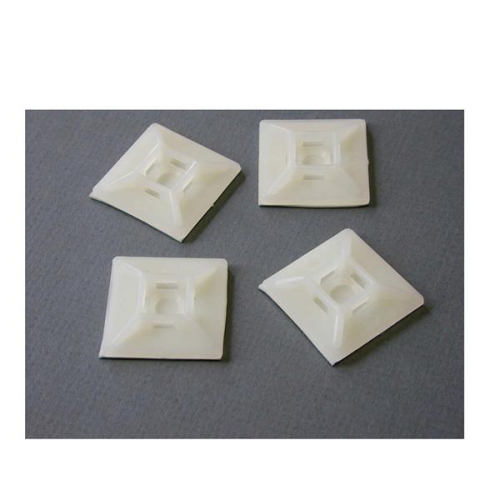
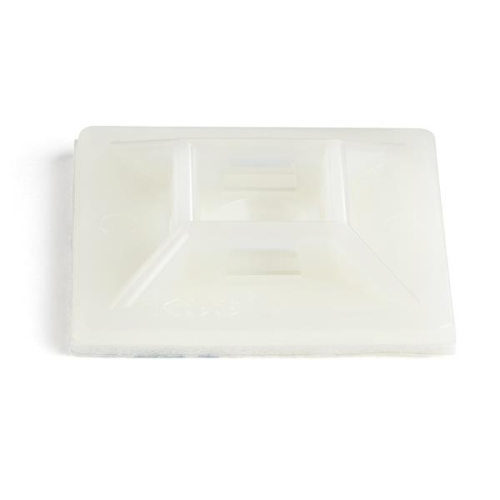
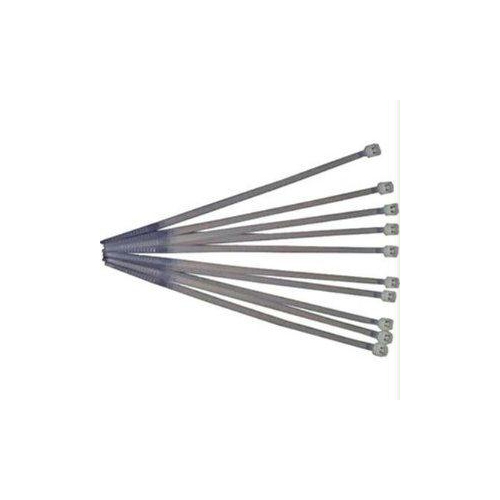
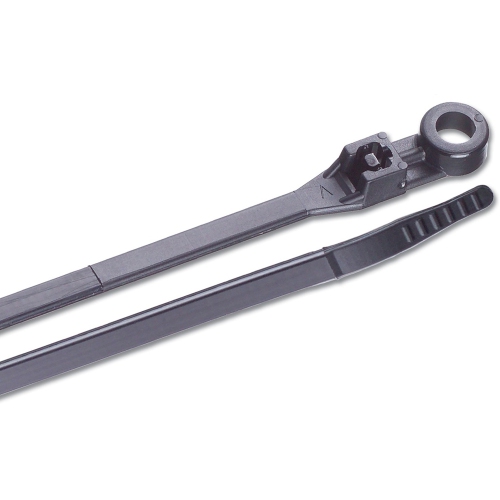
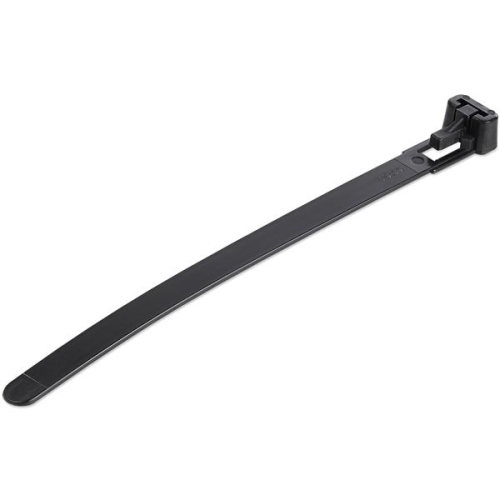
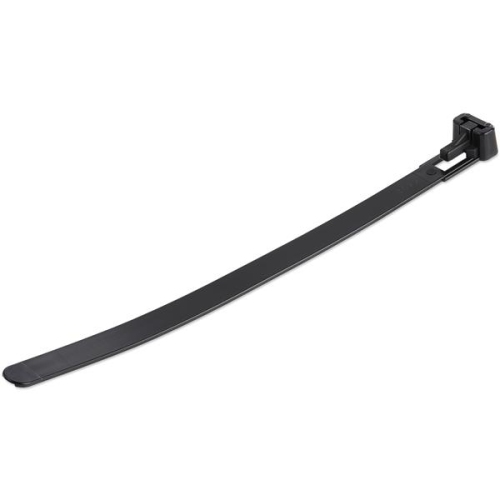
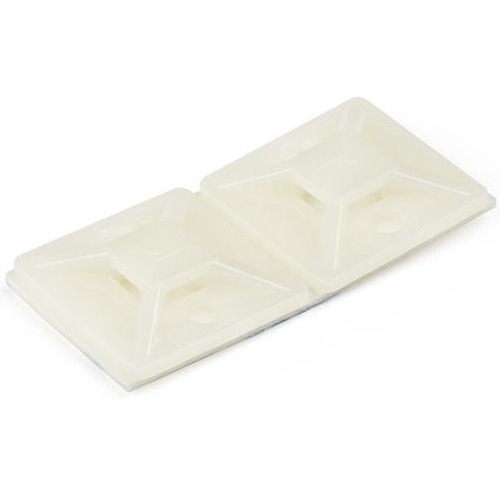
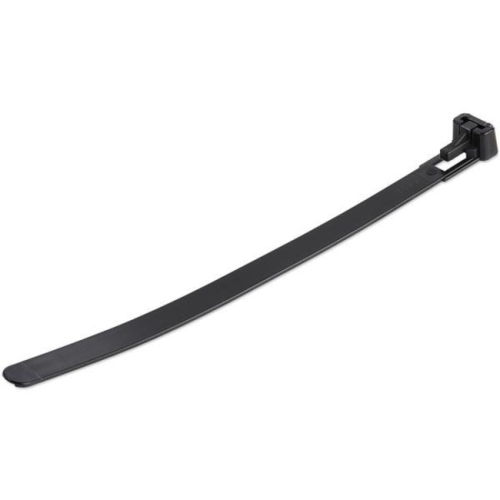
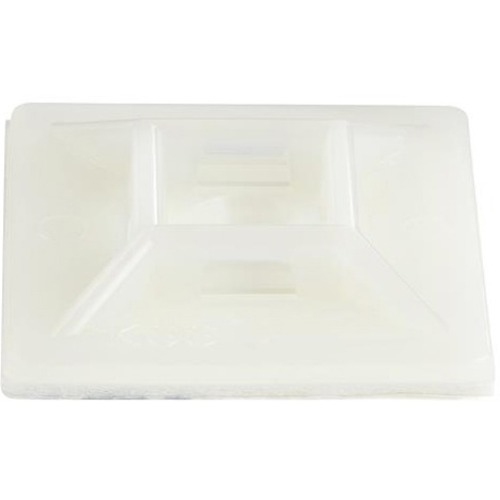
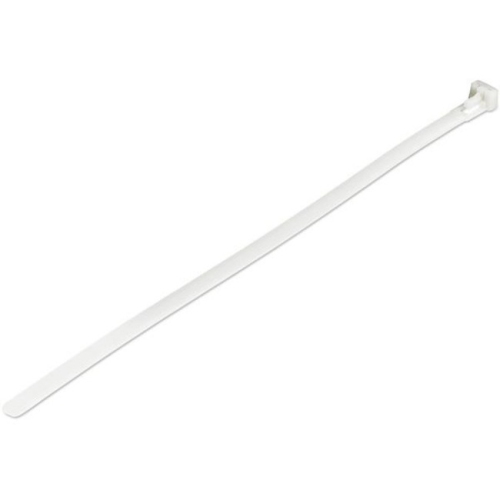
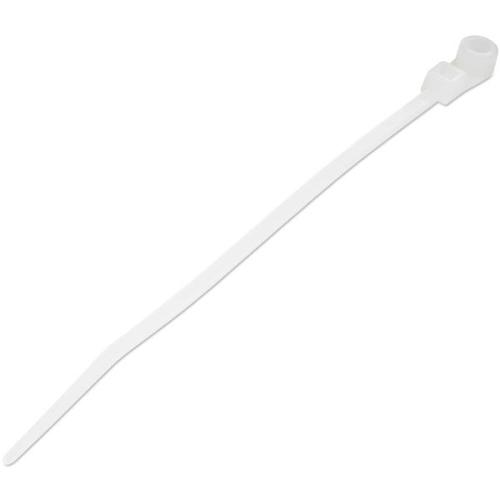
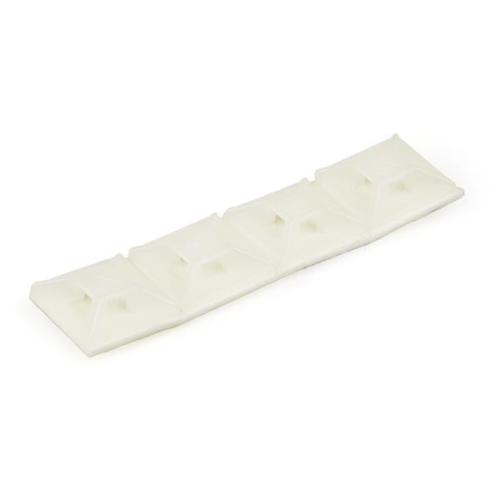
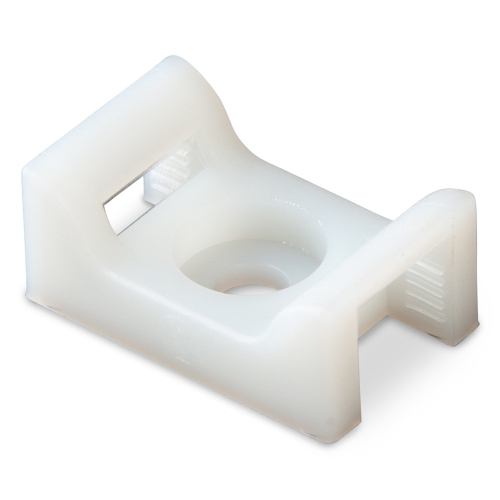
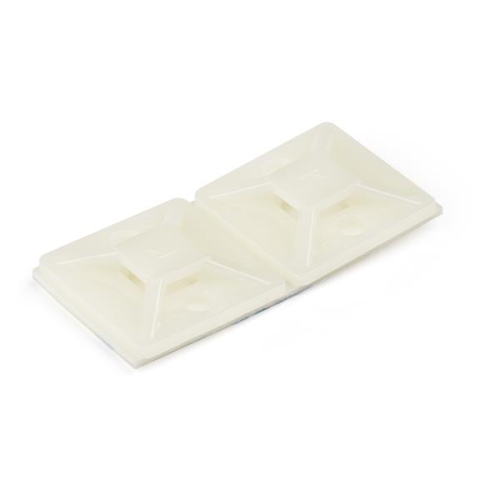
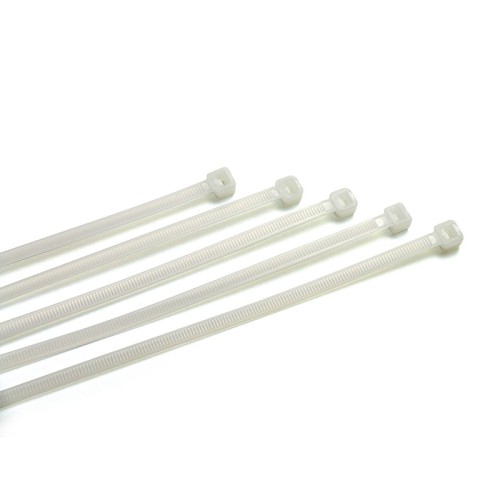
Length, width, and rated loop tensile strength help define how an outdoor cable tie fits a task. Length determines how much material can wrap around the cable bundle and its support, with enough remaining to pass through the locking head and pull securely into place. The stated maximum bundle diameter is often more useful than overall length when comparing sizes, especially where a tie must encircle both a cable and a railing or post. Width affects how much space the strap occupies and how pressure is distributed across the surface beneath it. A wider tie may suit a larger bundle, while a narrower profile can fit more neatly around small leads or through a purpose-made mounting slot. Neither dimension should replace the manufacturer's strength rating. Rated loop tensile strength describes performance under specified test conditions; it is not a safe working load for lifting, suspending overhead objects, or protecting people from falls. Everyday cable management also depends on restraint rather than maximum tightness. A tie should hold the bundle in place without flattening cable jackets, pinching soft tubing, or forcing a sharp bend near a connector. Network cables, fibre-optic cables, and other sensitive wiring may have particular limits on compression and bend radius, making a gentler fastening method more appropriate. Locking style is another practical distinction. Standard self-locking ties are generally intended for a single installation and need to be cut away for removal. Releasable ties have a mechanism that allows adjustment or reopening, which can be useful around equipment that needs regular access, provided their outdoor rating and strength suit the application. Mounting-head ties and compatible fixing bases can support a more orderly cable route, but each part of the fastening system needs to suit the surface and exposure. An outdoor-rated tie cannot compensate for an adhesive base that releases from a damp or textured wall. For larger bundles and more demanding fastening tasks, Industrial Cable Ties offer a related category to explore, with outdoor suitability still determined by the specifications of each tie.
Durability depends as much on placement and handling as it does on the material. On a patio lighting installation, for example, ties can keep low-voltage leads close to a support instead of leaving loose loops where feet, furniture, or maintenance tools may catch them. Along a garden fence, they can attach labels or hold suitable tubing in a tidy route without taking up much space. Around a growing plant, however, a fixed loop can become restrictive as the stem thickens; purpose-made adjustable plant supports are often a better fit for direct contact with stems. Similar care applies to movement elsewhere. A cable bundle beside a gate needs sufficient clearance from hinges and enough flexibility for its intended motion, rather than a fastening pattern that pulls tight whenever the gate opens. Outdoor ties are useful organizing accessories, but they are not substitutes for electrical connectors, approved wiring supports, structural fasteners, or repairs to damaged insulation. Fixed electrical installations must follow applicable requirements, and cable ties should only be used where permitted for that application. Stainless steel ties require particular attention around soft cable jackets: suitable coatings or protective separation may be needed, and cut metal ends can be sharp. With plastic ties, a clean, flush-cut tail reduces the pointed edge that can scratch a hand reaching behind a fixture. Removal also deserves care, since cutting a tightly fitted tie can nick the insulation underneath. Periodic inspection is sensible wherever fasteners remain exposed. Cracking, brittleness, a slipping locking head, or visible damage are reasons to replace a tie rather than tighten it again. Any stated installation temperature should be distinguished from the operating temperature range, because a material that performs well once fitted may be less flexible during installation in cold conditions. Unused ties benefit from storage according to the manufacturer's directions, away from unnecessary sunlight and heat. Keeping a few suitable lengths organized with the rest of the fastening supplies makes small repairs easier, while matching each tie to its bundle, support, and exposure helps maintain a clean, dependable outdoor cable layout.
Length, width, and rated loop tensile strength help define how an outdoor cable tie fits a task. Length determines how much material can wrap around the cable bundle and its support, with enough remaining to pass through the locking head and pull securely into place. The stated maximum bundle diameter is often more useful than overall length when comparing sizes, especially where a tie must encircle both a cable and a railing or post. Width affects how much space the strap occupies and how pressure is distributed across the surface beneath it. A wider tie may suit a larger bundle, while a narrower profile can fit more neatly around small leads or through a purpose-made mounting slot. Neither dimension should replace the manufacturer's strength rating. Rated loop tensile strength describes performance under specified test conditions; it is not a safe working load for lifting, suspending overhead objects, or protecting people from falls. Everyday cable management also depends on restraint rather than maximum tightness. A tie should hold the bundle in place without flattening cable jackets, pinching soft tubing, or forcing a sharp bend near a connector. Network cables, fibre-optic cables, and other sensitive wiring may have particular limits on compression and bend radius, making a gentler fastening method more appropriate. Locking style is another practical distinction. Standard self-locking ties are generally intended for a single installation and need to be cut away for removal. Releasable ties have a mechanism that allows adjustment or reopening, which can be useful around equipment that needs regular access, provided their outdoor rating and strength suit the application. Mounting-head ties and compatible fixing bases can support a more orderly cable route, but each part of the fastening system needs to suit the surface and exposure. An outdoor-rated tie cannot compensate for an adhesive base that releases from a damp or textured wall. For larger bundles and more demanding fastening tasks, Industrial Cable Ties offer a related category to explore, with outdoor suitability still determined by the specifications of each tie.
Durability depends as much on placement and handling as it does on the material. On a patio lighting installation, for example, ties can keep low-voltage leads close to a support instead of leaving loose loops where feet, furniture, or maintenance tools may catch them. Along a garden fence, they can attach labels or hold suitable tubing in a tidy route without taking up much space. Around a growing plant, however, a fixed loop can become restrictive as the stem thickens; purpose-made adjustable plant supports are often a better fit for direct contact with stems. Similar care applies to movement elsewhere. A cable bundle beside a gate needs sufficient clearance from hinges and enough flexibility for its intended motion, rather than a fastening pattern that pulls tight whenever the gate opens. Outdoor ties are useful organizing accessories, but they are not substitutes for electrical connectors, approved wiring supports, structural fasteners, or repairs to damaged insulation. Fixed electrical installations must follow applicable requirements, and cable ties should only be used where permitted for that application. Stainless steel ties require particular attention around soft cable jackets: suitable coatings or protective separation may be needed, and cut metal ends can be sharp. With plastic ties, a clean, flush-cut tail reduces the pointed edge that can scratch a hand reaching behind a fixture. Removal also deserves care, since cutting a tightly fitted tie can nick the insulation underneath. Periodic inspection is sensible wherever fasteners remain exposed. Cracking, brittleness, a slipping locking head, or visible damage are reasons to replace a tie rather than tighten it again. Any stated installation temperature should be distinguished from the operating temperature range, because a material that performs well once fitted may be less flexible during installation in cold conditions. Unused ties benefit from storage according to the manufacturer's directions, away from unnecessary sunlight and heat. Keeping a few suitable lengths organized with the rest of the fastening supplies makes small repairs easier, while matching each tie to its bundle, support, and exposure helps maintain a clean, dependable outdoor cable layout.
Top selling and popular products
-
 Your price for this item is $53.68
 -
 Your price for this item is $20.99
 -
 Your price for this item is $25.99
 -
 Your price for this item is $25
 -
 Your price for this item is $26.99
 -
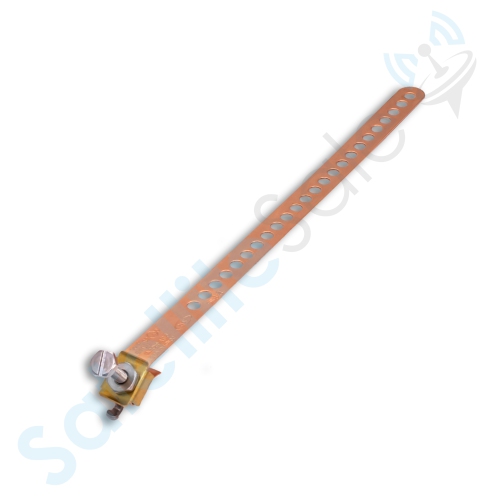 Your price for this item is $33.99
 -
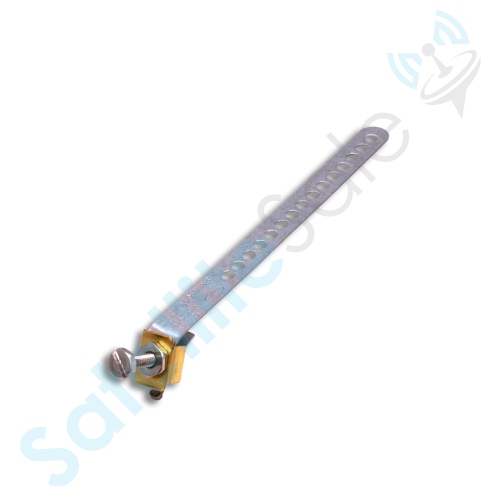 Your price for this item is $6.99
 -
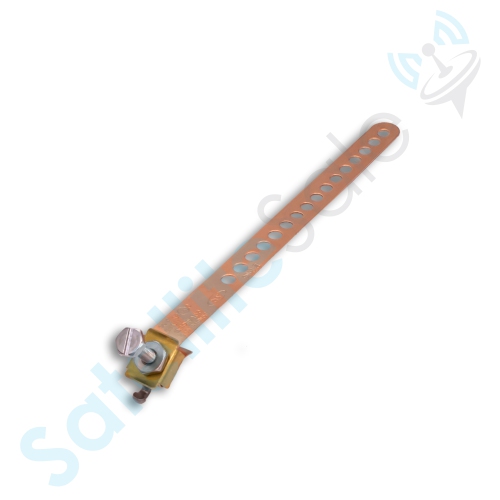 Your price for this item is $6.99
Discover more categories related to Outdoor Cable Ties
Top Collections:
Pokemon Centers, Kindle Devices, Best Budget Office Chairs, Apple iPhones 16, Best Laptops for Writers, iPhone 15 Apple, Canon G7X Cameras, Refurbished Apple Laptops, Alarm Clock, Motorola Razr Phones
Some products may be subject to Environmental Handling Fees
(EHF) depending on your province.
Learn more about EHFs.