Power Supply Boards
Power supply boards are essential components that ensure your electronic devices run smoothly and efficiently. Whether you're upgrading your home entertainment system, setting up a new gaming rig, or repairing a household appliance, these crucial elements provide the necessary power distribution to keep everything functioning optimally. At Best Buy Canada, you'll find a diverse selection of power supply boards designed to meet various needs and specifications. Explore our collection to find the perfect match for your electronics and enjoy seamless performance and reliability.
Sort
Reliable power conversion for repairs, testing, and electronics projects
Power supply boards are the working foundation inside many electronic devices, converting and managing electrical power so other components can operate reliably. In a typical application, a board receives high-voltage alternating current (AC) from a wall outlet and converts it into the lower-voltage direct current (DC) required by a television, appliance, computer, control system, or custom electronics project. Some boards are designed as replacement parts for specific consumer electronics, while others are flexible modules intended for repair work, prototyping, automation, testing, or hobby projects. Common options include AC-to-DC switching modules, board-mount power supplies, ATX breakout boards, and replacement television or appliance boards. ATX breakout boards can turn the output of a compatible computer power supply into an accessible benchtop source, often exposing +12 V, -12 V, +5 V, and +3.3 V connections for testing and development. Compact AC-to-DC boards may accept mains input and provide a regulated 12 V or 24 V output, while board-mount models are made to be installed directly into a larger circuit or system. Replacement boards are typically much more specific, with compatibility determined by the exact device model, board number, connector arrangement, and revision. For related power accessories, browse Power Supply Adapters to compare other ways of delivering the correct power to compatible electronics.
Choosing the right power supply board starts with identifying the equipment or project it will serve and confirming its electrical requirements before comparing features. Input voltage and frequency must match the available source, particularly when a board is intended for connection to household AC. Output voltage should match the receiving device, and the board’s maximum current rating must meet or exceed the system’s needs; a board that supplies too little current can lead to instability, overheating, or failure to start. Wattage is calculated from voltage multiplied by current, but leaving suitable capacity above the expected load can help accommodate startup demands and future additions. Check whether the output is regulated, as regulated power remains more consistent when the load changes, and look for the correct polarity, terminal layout, plug type, and connector size. Physical dimensions matter just as much: a board may have the correct electrical specifications but still be unsuitable if its mounting holes, clearance, heat dissipation, or cable routing do not fit the enclosure. For computer-related work, an ATX breakout board should be matched to the available power supply and the rails required by the project. For a repair, compare the original board’s markings and connectors carefully rather than relying on appearance alone. Other details can include overload protection, short-circuit protection, thermal protection, isolation, switching frequency, efficiency, and rated operating temperature. A datasheet or manufacturer specification sheet is especially useful when the board will be installed inside equipment, used for continuous operation, or connected to sensitive components. Since some power supply boards expose hazardous mains voltage, installation and servicing should be performed by someone with the appropriate electrical knowledge, with the unit disconnected from power and installed according to the applicable instructions and local requirements.
Power supply boards can be useful to electronics technicians replacing a failed internal board, makers building a custom project, students learning how different voltage rails work, and computer enthusiasts creating a practical testing station from spare components. They can also be a thoughtful gift for someone who enjoys repairing electronics, assembling circuits, experimenting with microcontrollers, or maintaining a home workshop, provided the recipient already has a clear project and the necessary tools. In a repair setting, the board may restore an otherwise functional television, monitor, appliance, or control system, but the correct replacement depends on exact compatibility rather than a general description such as “12 V board.” In a workshop, an ATX breakout board can make common computer power supply outputs easier to access, helping with bench testing, fans, lighting, motors, and other compatible low-voltage projects. A compact switching module may be suitable where space is limited, while a board-mount unit can help keep an integrated design neat and organized. Before purchasing, record the original input and output ratings, take note of every connector and mounting point, and inspect the surrounding components for signs of heat damage or a separate fault that could affect a replacement board. Keep ventilation around the board, avoid exceeding its rated load, secure exposed connections, and use an appropriate enclosure when required. With careful attention to voltage, current, form factor, connections, protection features, and installation conditions, the right power supply board can provide a dependable foundation for repairs, testing, and electronics projects during every season.
Choosing the right power supply board starts with identifying the equipment or project it will serve and confirming its electrical requirements before comparing features. Input voltage and frequency must match the available source, particularly when a board is intended for connection to household AC. Output voltage should match the receiving device, and the board’s maximum current rating must meet or exceed the system’s needs; a board that supplies too little current can lead to instability, overheating, or failure to start. Wattage is calculated from voltage multiplied by current, but leaving suitable capacity above the expected load can help accommodate startup demands and future additions. Check whether the output is regulated, as regulated power remains more consistent when the load changes, and look for the correct polarity, terminal layout, plug type, and connector size. Physical dimensions matter just as much: a board may have the correct electrical specifications but still be unsuitable if its mounting holes, clearance, heat dissipation, or cable routing do not fit the enclosure. For computer-related work, an ATX breakout board should be matched to the available power supply and the rails required by the project. For a repair, compare the original board’s markings and connectors carefully rather than relying on appearance alone. Other details can include overload protection, short-circuit protection, thermal protection, isolation, switching frequency, efficiency, and rated operating temperature. A datasheet or manufacturer specification sheet is especially useful when the board will be installed inside equipment, used for continuous operation, or connected to sensitive components. Since some power supply boards expose hazardous mains voltage, installation and servicing should be performed by someone with the appropriate electrical knowledge, with the unit disconnected from power and installed according to the applicable instructions and local requirements.
Power supply boards can be useful to electronics technicians replacing a failed internal board, makers building a custom project, students learning how different voltage rails work, and computer enthusiasts creating a practical testing station from spare components. They can also be a thoughtful gift for someone who enjoys repairing electronics, assembling circuits, experimenting with microcontrollers, or maintaining a home workshop, provided the recipient already has a clear project and the necessary tools. In a repair setting, the board may restore an otherwise functional television, monitor, appliance, or control system, but the correct replacement depends on exact compatibility rather than a general description such as “12 V board.” In a workshop, an ATX breakout board can make common computer power supply outputs easier to access, helping with bench testing, fans, lighting, motors, and other compatible low-voltage projects. A compact switching module may be suitable where space is limited, while a board-mount unit can help keep an integrated design neat and organized. Before purchasing, record the original input and output ratings, take note of every connector and mounting point, and inspect the surrounding components for signs of heat damage or a separate fault that could affect a replacement board. Keep ventilation around the board, avoid exceeding its rated load, secure exposed connections, and use an appropriate enclosure when required. With careful attention to voltage, current, form factor, connections, protection features, and installation conditions, the right power supply board can provide a dependable foundation for repairs, testing, and electronics projects during every season.
Top selling and popular products
-
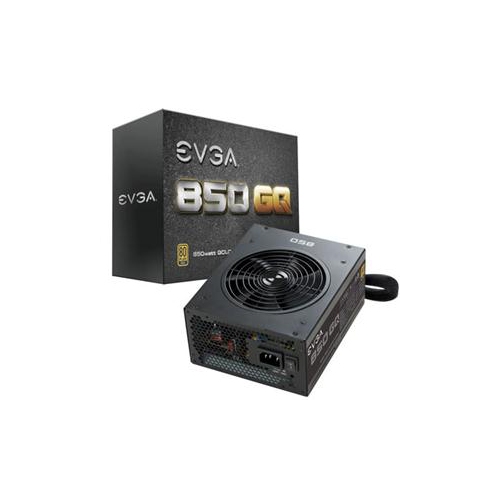 Your price for this item is $264.68
 -
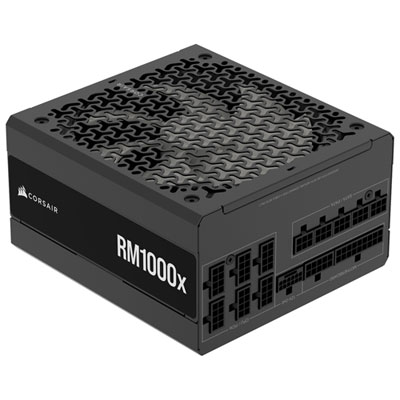 Your price for this item is $234.98
 -
 Your price for this item is $294.99
 -
 Your price for this item is $99.95
 -
 Your price for this item is $209.99
 -
 Your price for this item is $199.99
 -
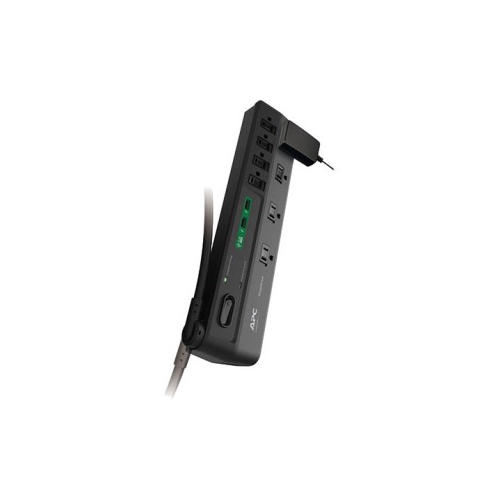 Your price for this item is $60.47
 -
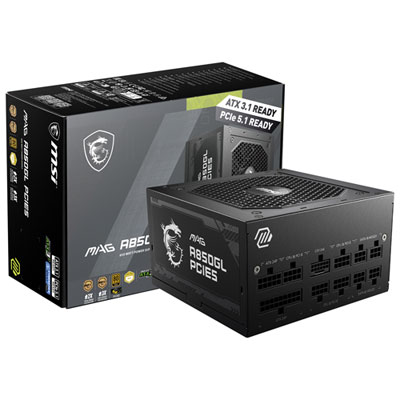 Your price for this item is $144.98
Discover more categories related to Power Supply Boards
Top Collections:
Pokemon Centers, Kindle Devices, Best Budget Office Chairs, Apple iPhones 16, Best Laptops for Writers, iPhone 15 Apple, Canon G7X Cameras, Refurbished Apple Laptops, Alarm Clock, Motorola Razr Phones
Some products may be subject to Environmental Handling Fees
(EHF) depending on your province.
Learn more about EHFs.