Rack PDUs
When it comes to optimizing power distribution for your equipment, rack PDUs are essential components that efficiently manage and distribute power within your server racks. These versatile units come in various configurations to suit your specific needs, whether you require basic power distribution or advanced monitoring capabilities. With features such as multiple outlets, surge protection, and remote monitoring options, rack PDUs offer a reliable solution for keeping your electronic devices powered up and running smoothly. Explore our selection of rack PDUs to find the perfect fit for your setup.
Sort
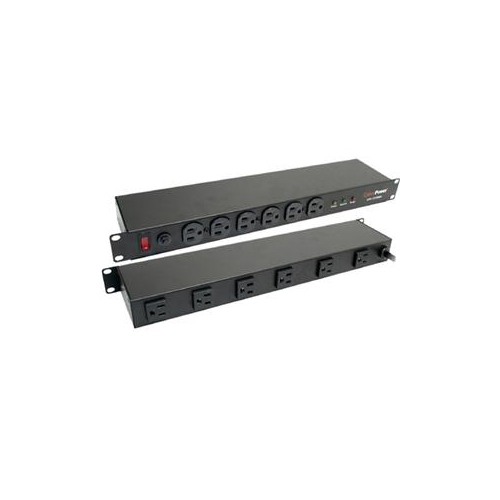
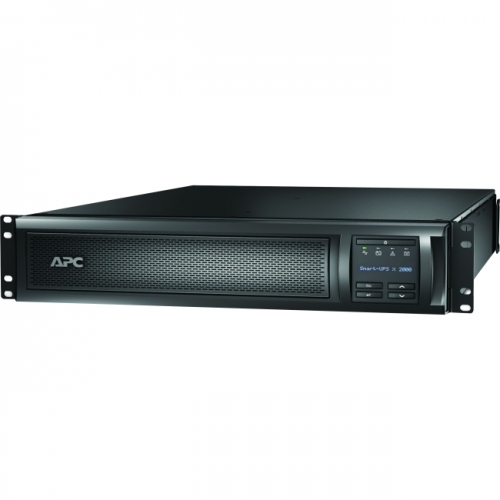

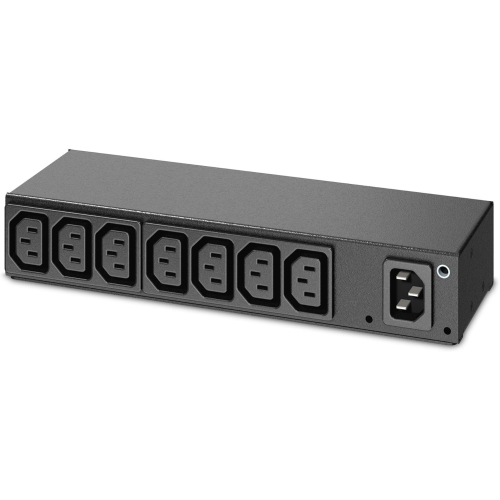
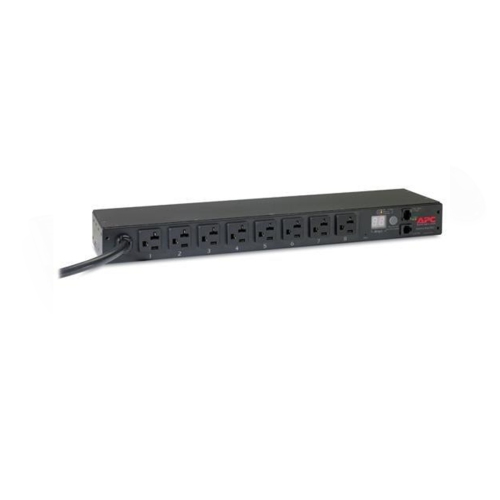



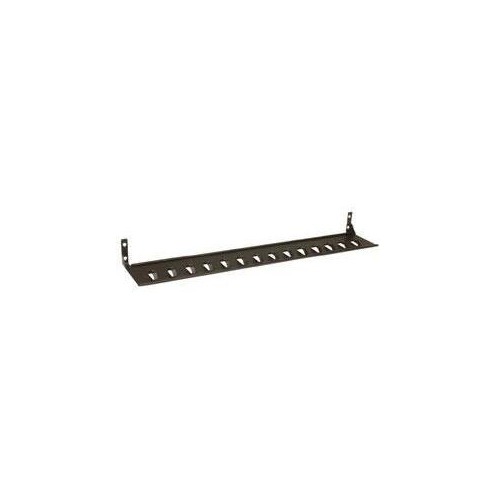
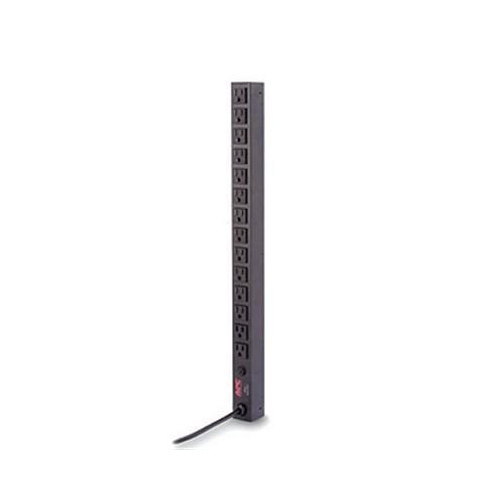
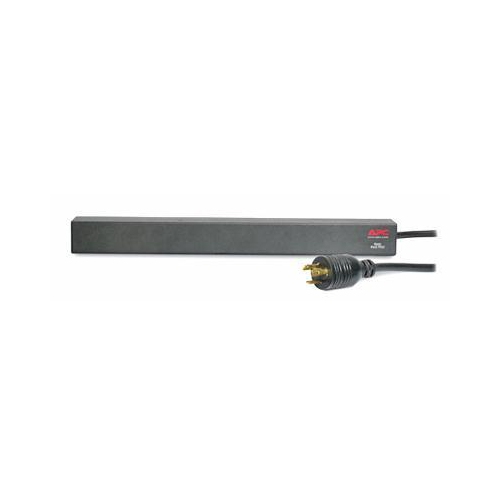

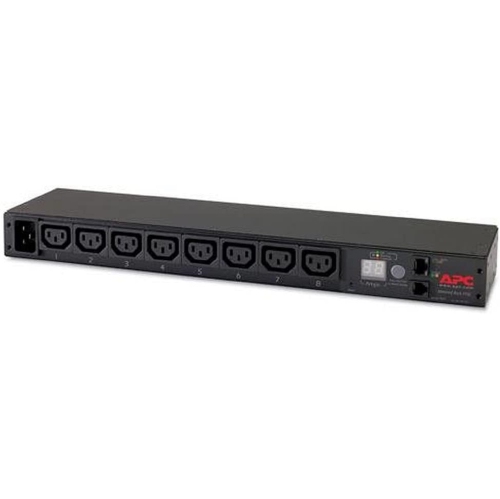
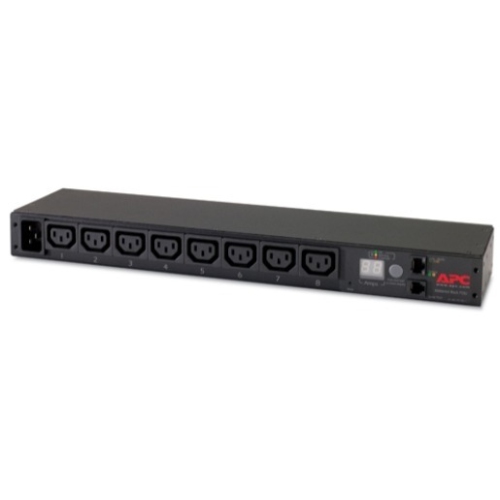
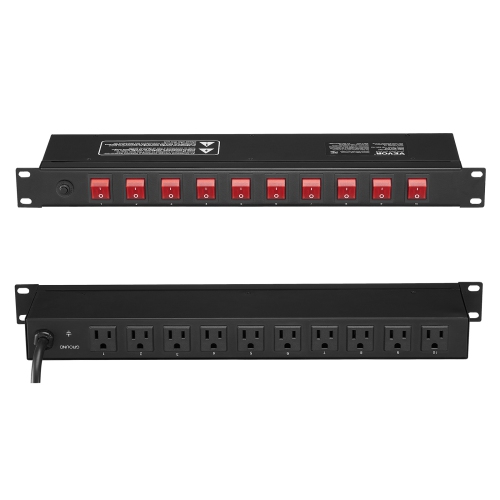
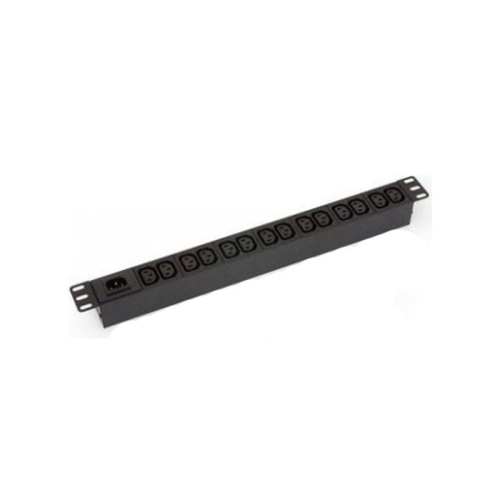
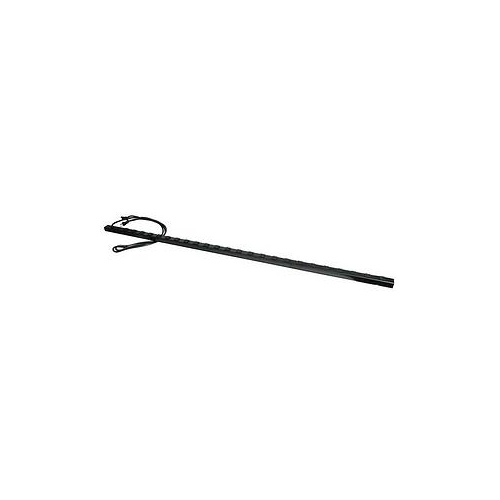
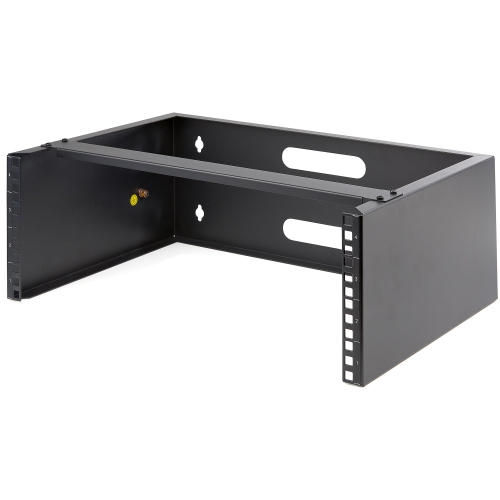
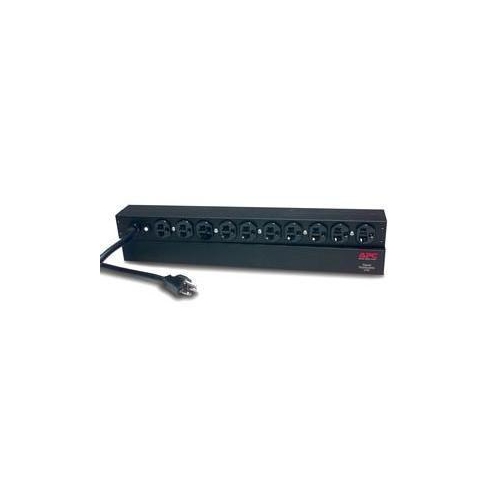
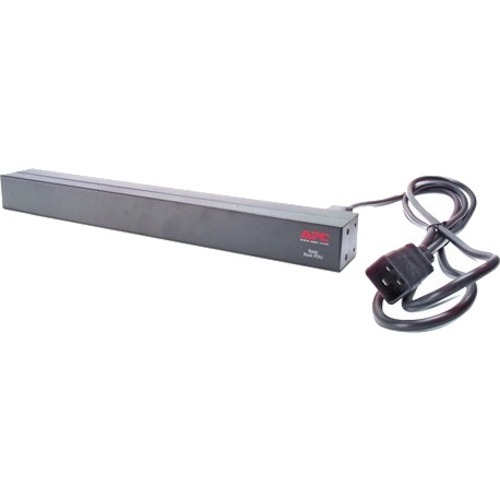
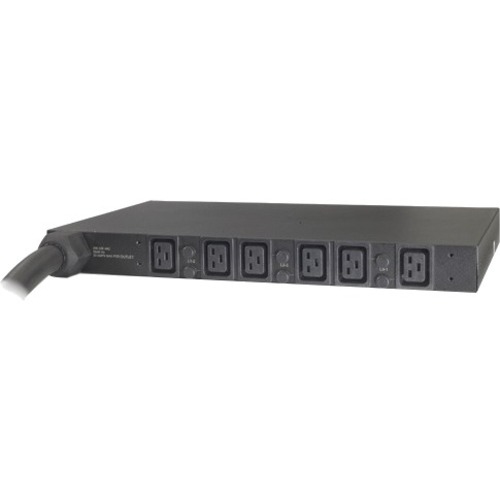
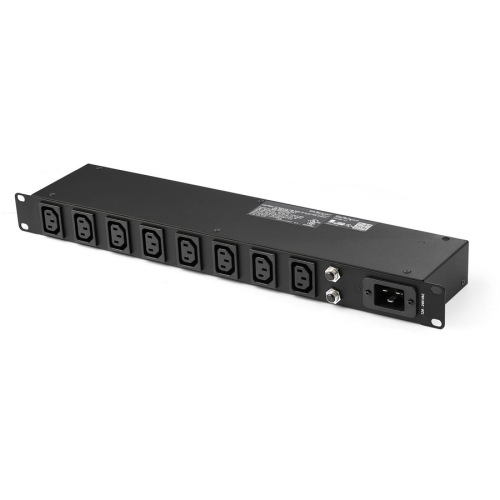

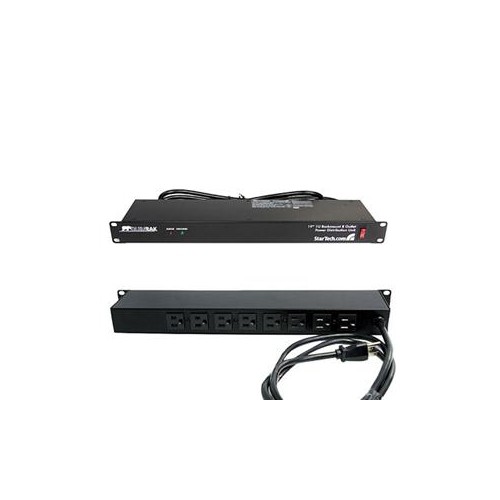
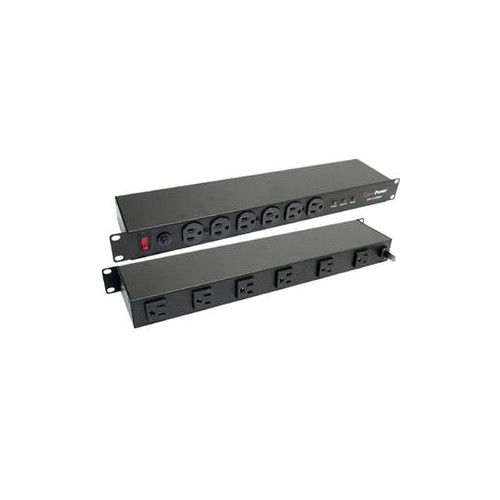



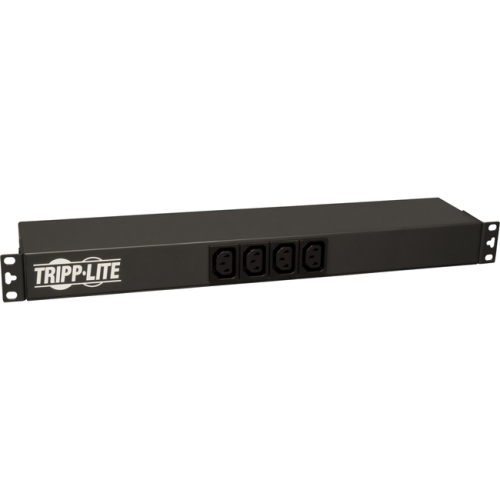
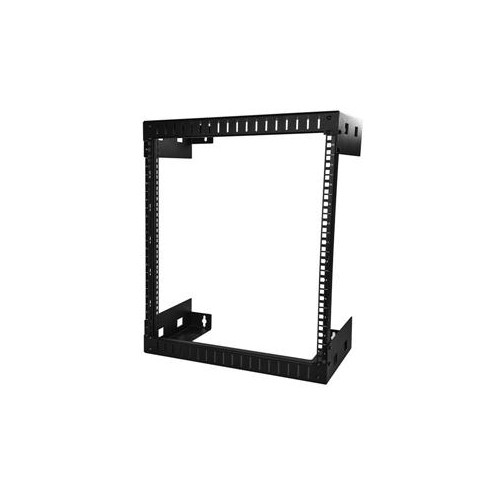
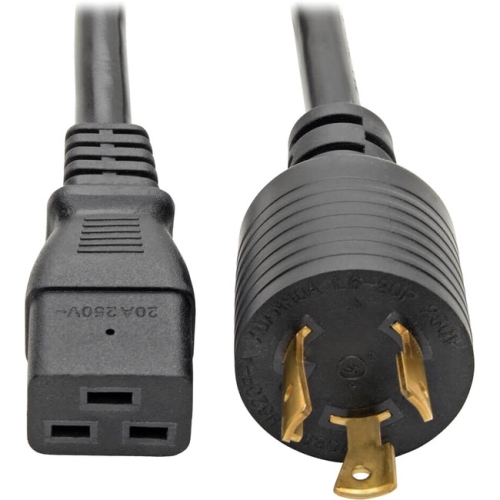
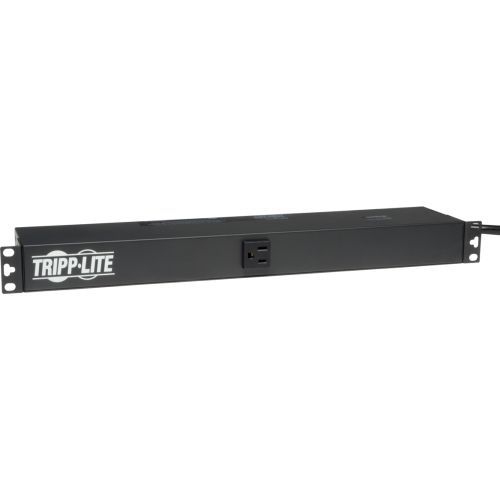
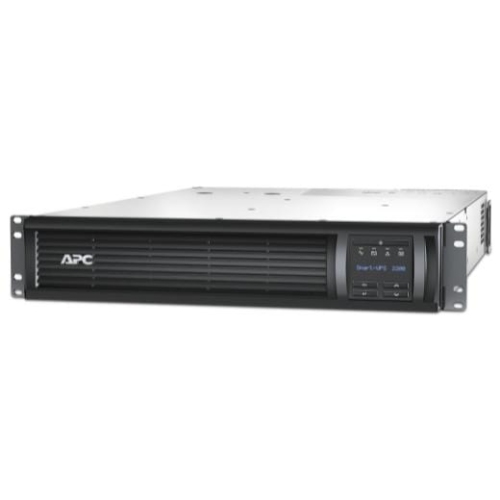
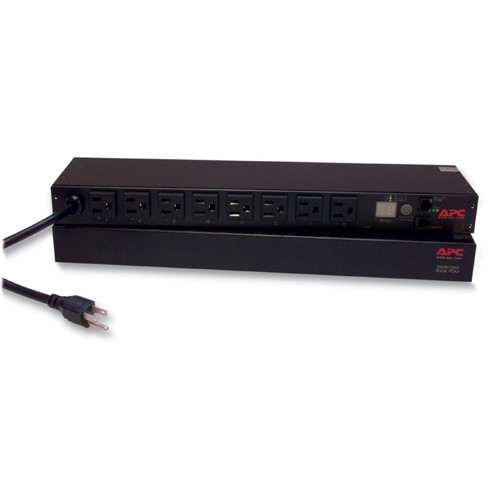
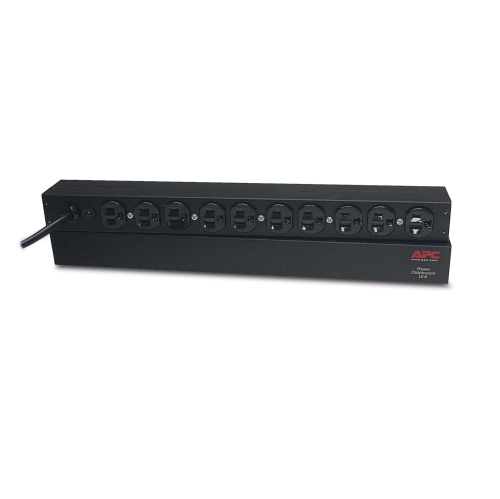
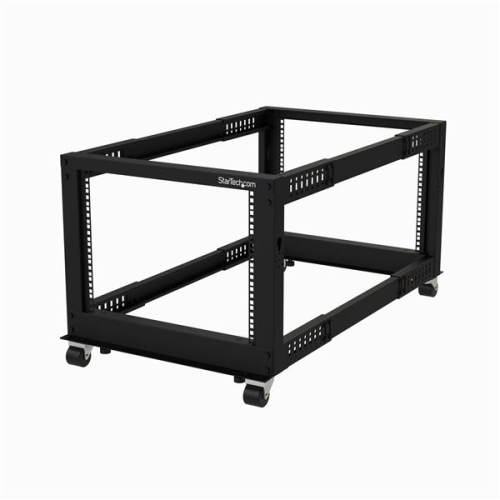

Organized power distribution for servers and network hardware
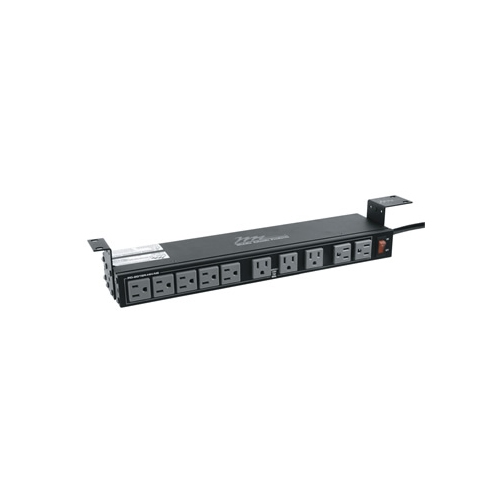
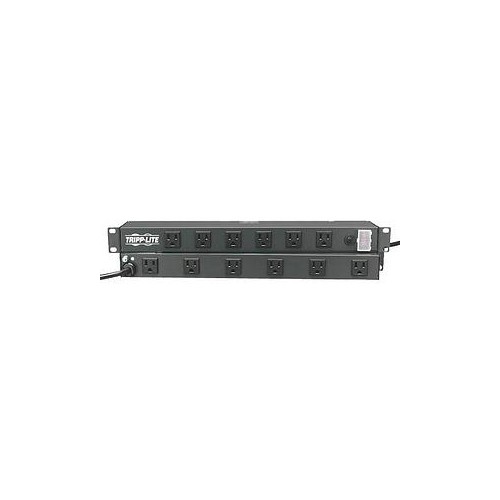
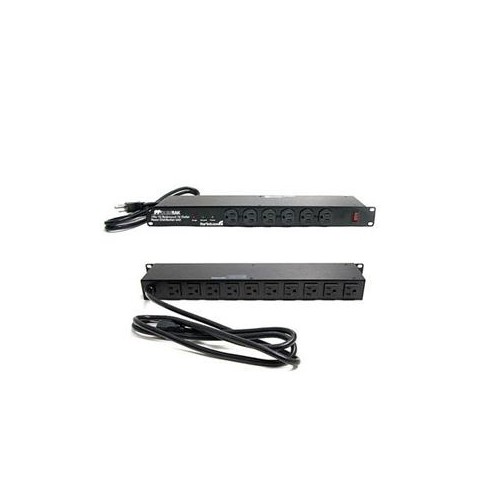
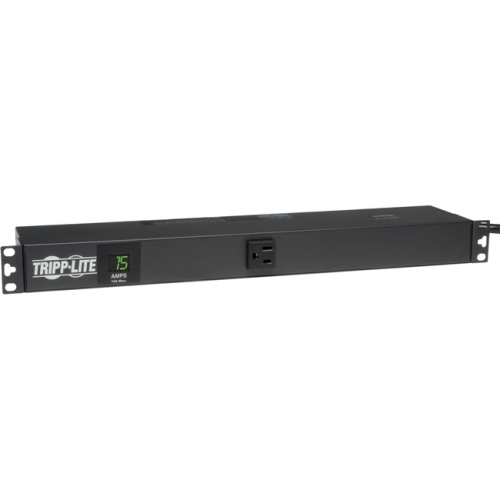
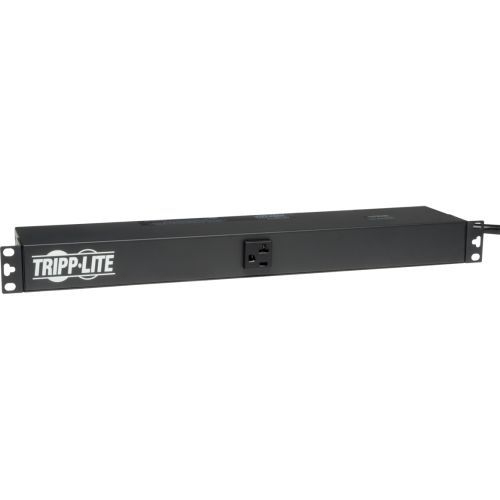
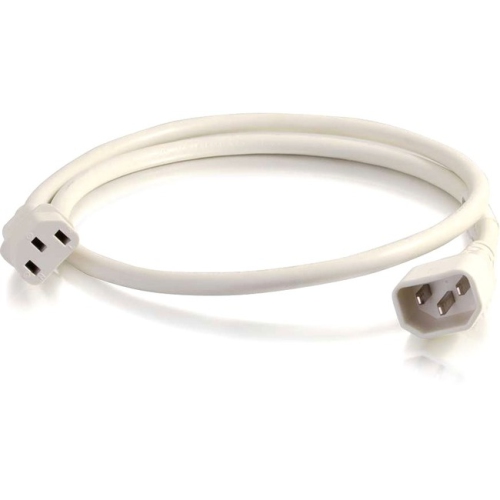
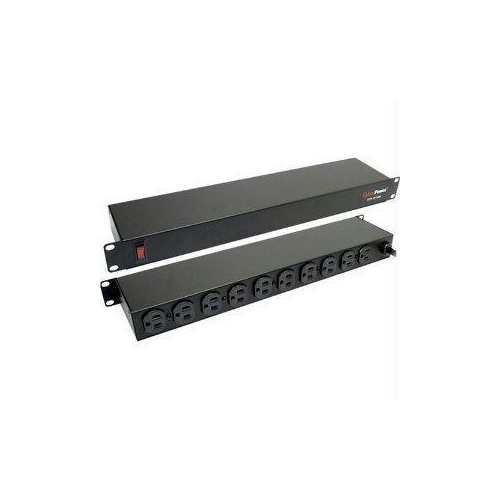
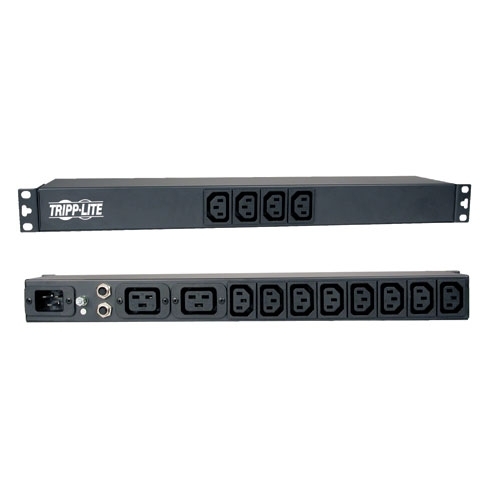
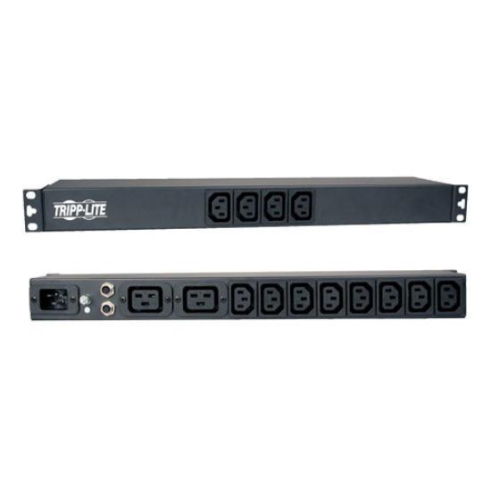
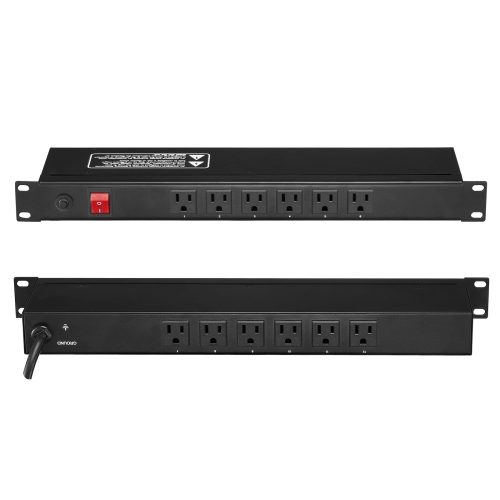
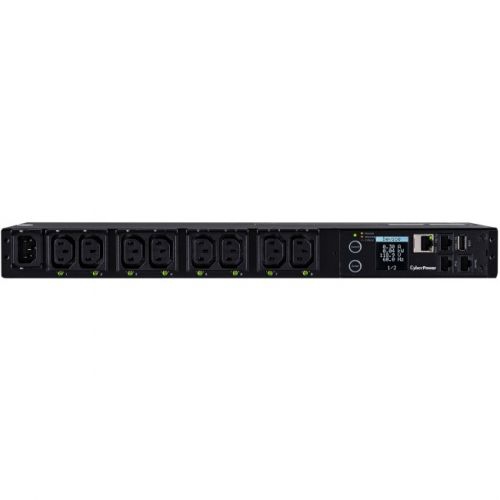
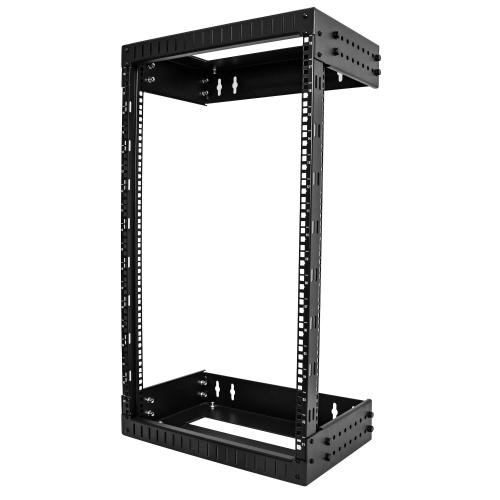
Rack PDUs are specialized power distribution devices designed to organize and deliver electrical power to equipment installed inside a standard server or network rack. Unlike a household power bar, a rack PDU is built for the needs of data centres, communications rooms, server closets, studios, laboratories, security installations and advanced home networks. It connects to a dedicated power source and provides multiple outlets for servers, network switches, storage systems, routers, firewalls, audio-visual equipment and other rack-mounted hardware. A properly selected unit can help keep cables orderly, make the available outlets easier to reach and provide a more dependable way to distribute power throughout an equipment cabinet. When comparing Rack Mountable Power Distribution Units, begin by considering the equipment you need to connect and the electrical service available at the installation site. Count every device, including equipment that may be added later, and check the plug style, voltage, amperage and current requirements listed on each device. The PDU must be compatible with the circuit and should not be loaded beyond its rated capacity. It is also important to distinguish between a PDU and a backup power device: a PDU distributes power, while an uninterruptible power supply is intended to provide battery backup during an outage. Depending on the installation, the two may be used together, with the UPS feeding the PDU and the PDU distributing that protected power to rack equipment.
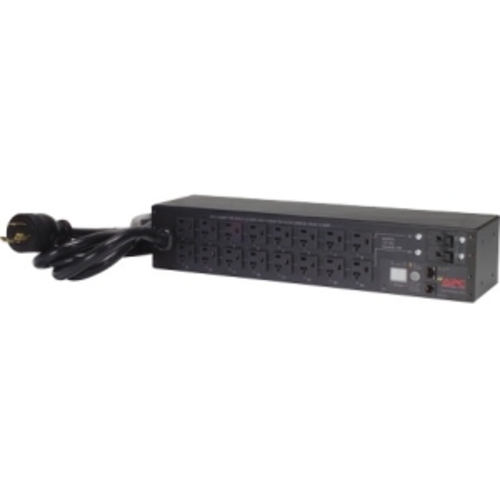
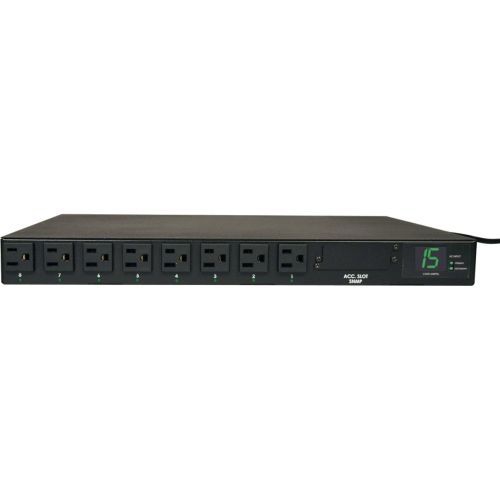
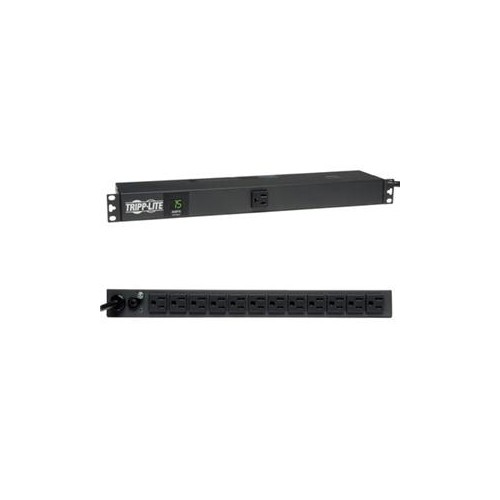
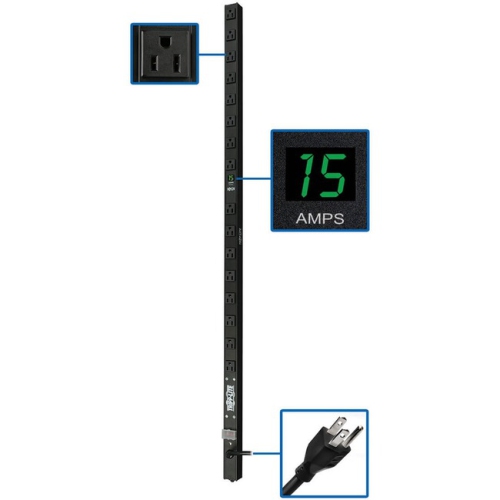
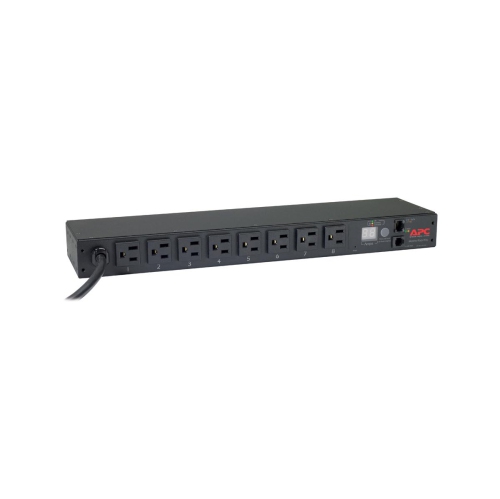
The main PDU types differ in how much information and control they provide. Basic PDUs are straightforward, cost-effective choices for distributing standard voltage and current to several connected devices. They are well suited to smaller racks, network cabinets, workshops and installations where equipment can be managed locally. Metered or monitored PDUs add visibility by showing information such as voltage, current draw or total load. A local display can be helpful when a technician is standing in front of the cabinet, while network monitoring can make it possible to review electrical conditions from another location, depending on the model and system setup. These readings can help identify an overloaded circuit, unusual changes in consumption or a rack that is approaching its practical capacity before a problem interrupts connected equipment. Switched PDUs offer an additional level of management, allowing individual outlets or outlet groups to be turned on or off, and in some cases enabling remote power cycling. This can be useful for restarting a device that is not responding, controlling equipment in a locked communications room or scheduling power to selected components. Remote features require careful configuration and should be protected with strong account credentials and appropriate network security. For any PDU, pay close attention to the number and arrangement of outlets, the location of the input cord, the length of the cord and the type of plugs used by your equipment. Outlet spacing matters when adapters or larger power supplies are involved, since closely positioned sockets can make neighbouring outlets difficult to use.
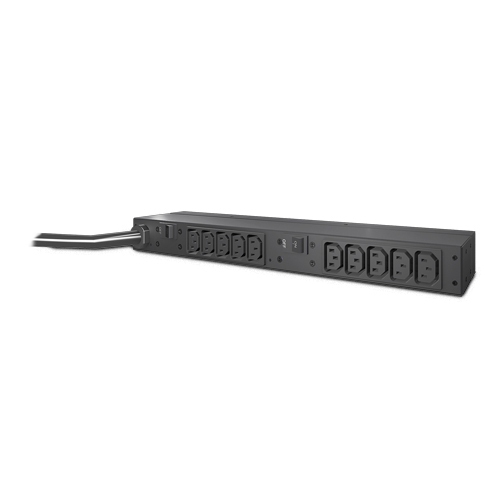
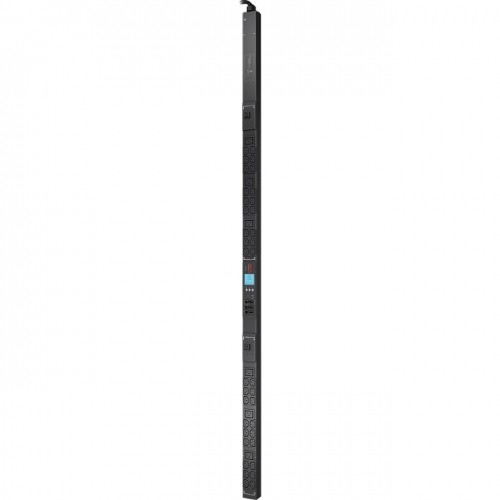
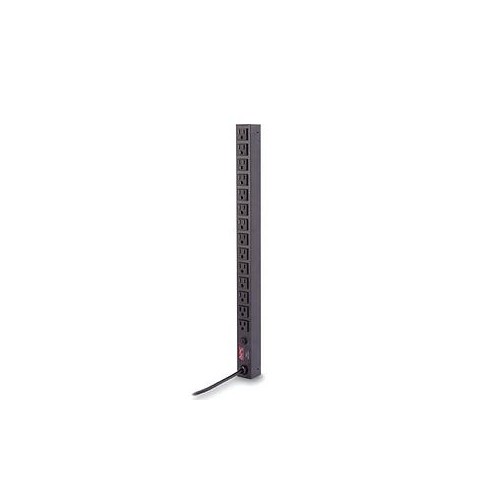
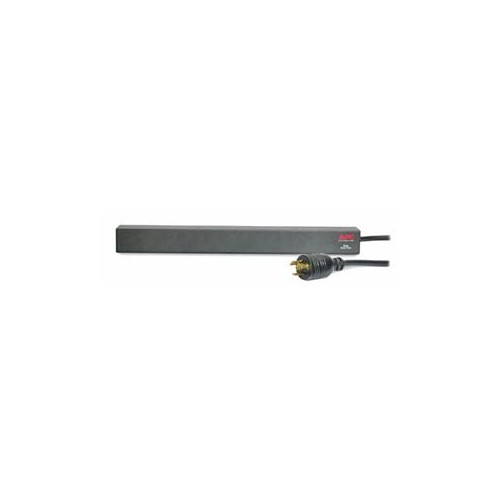
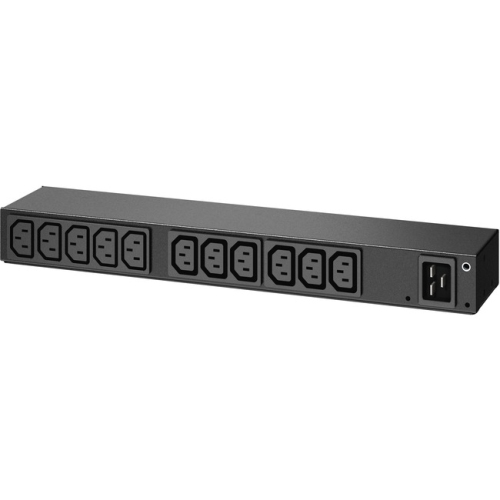
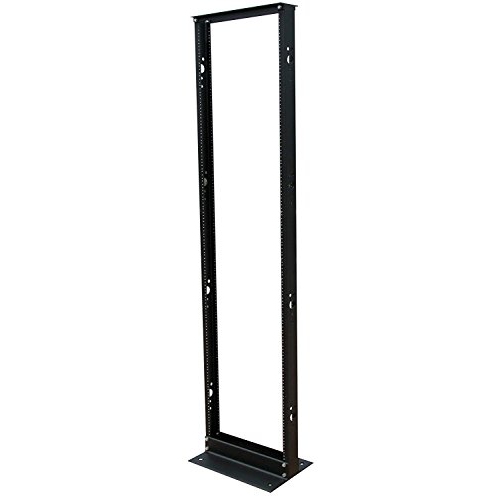
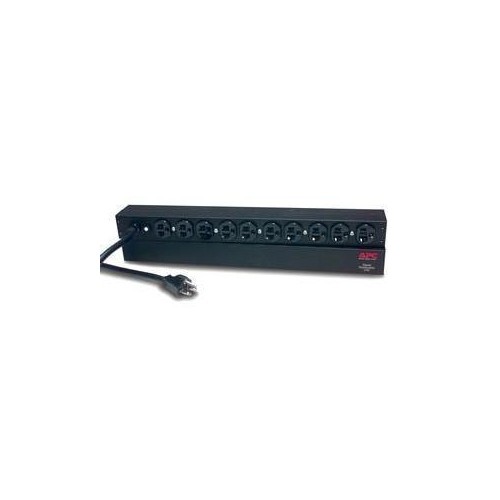
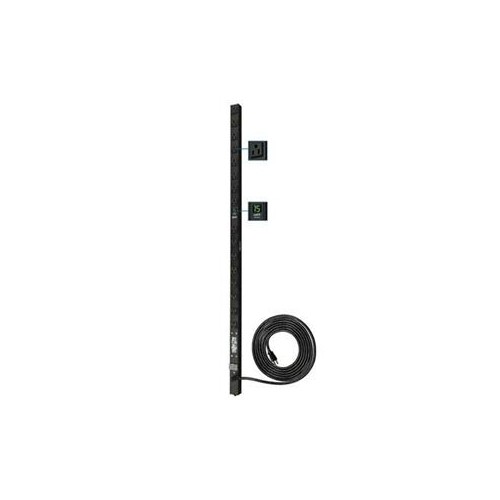
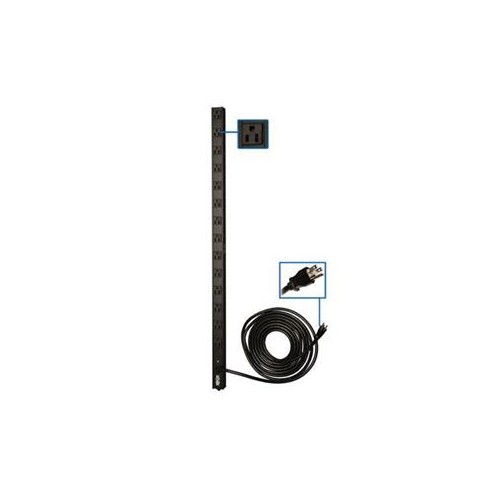
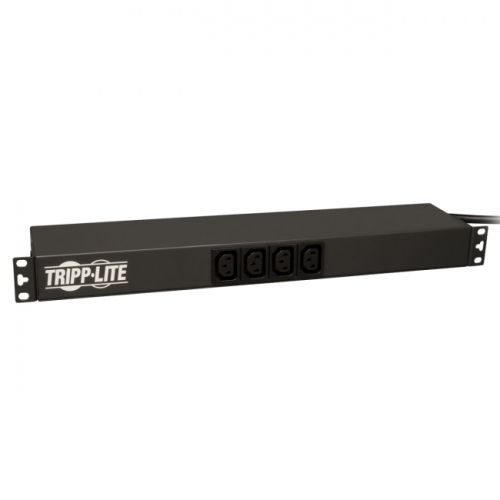
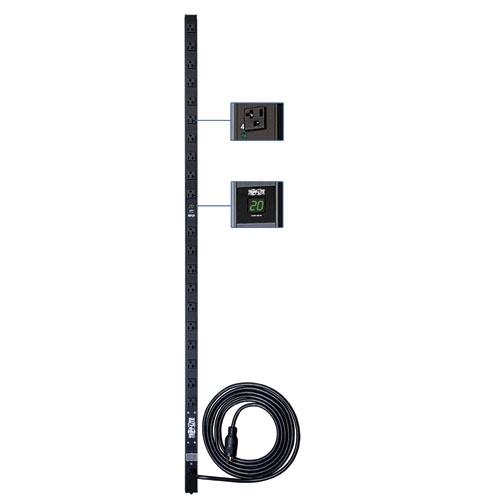
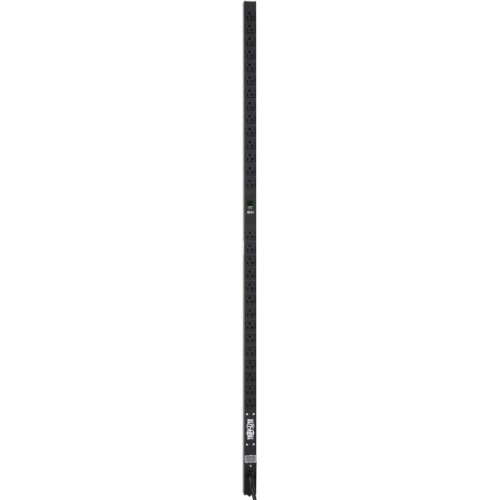
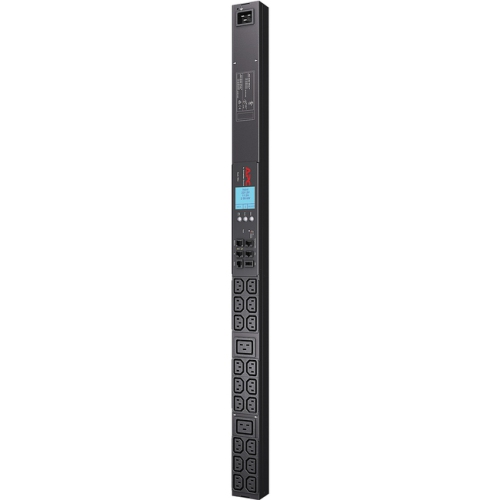
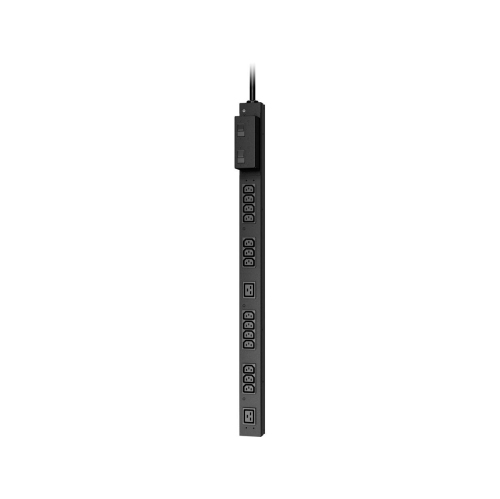
Mounting style is another practical decision. Horizontal rack PDUs generally occupy one or two rack units and install through the same front or rear mounting points used by other rack equipment. They can be a convenient fit when the cabinet has open rack space and when outlets need to be easily visible from the front or rear. Vertical models, often called zero-U PDUs, attach along the side or rear channels of a compatible cabinet and do not use the horizontal rack space where servers and switches are installed. This can preserve valuable mounting capacity in a densely populated enclosure and place outlets closer to the equipment power supplies. Before choosing a vertical unit, confirm that the cabinet has suitable mounting channels and enough clearance for the PDU, cables and airflow paths. Cable management is worth planning at the same time: shorter leads can reduce tangling, while clearly labelled cables make maintenance much easier when several nearly identical devices are installed. Rack PDUs are commonly selected by IT administrators, small-business owners, telecommunications technicians, security professionals, audio-visual installers and people building a capable home lab or media network. They can also be a thoughtful practical gift for someone setting up a server rack, recording space or connected workshop, provided the recipient’s cabinet dimensions and electrical requirements are known. During the cooler months, when more people spend time indoors maintaining home offices, entertainment systems and technical workspaces, a well-organized rack can make routine troubleshooting less frustrating. Whether the installation is a compact network cabinet or a full equipment enclosure, check the rack size, outlet format, mounting method, electrical rating and desired monitoring features together so the finished setup is safe, accessible and ready for future expansion.
The main PDU types differ in how much information and control they provide. Basic PDUs are straightforward, cost-effective choices for distributing standard voltage and current to several connected devices. They are well suited to smaller racks, network cabinets, workshops and installations where equipment can be managed locally. Metered or monitored PDUs add visibility by showing information such as voltage, current draw or total load. A local display can be helpful when a technician is standing in front of the cabinet, while network monitoring can make it possible to review electrical conditions from another location, depending on the model and system setup. These readings can help identify an overloaded circuit, unusual changes in consumption or a rack that is approaching its practical capacity before a problem interrupts connected equipment. Switched PDUs offer an additional level of management, allowing individual outlets or outlet groups to be turned on or off, and in some cases enabling remote power cycling. This can be useful for restarting a device that is not responding, controlling equipment in a locked communications room or scheduling power to selected components. Remote features require careful configuration and should be protected with strong account credentials and appropriate network security. For any PDU, pay close attention to the number and arrangement of outlets, the location of the input cord, the length of the cord and the type of plugs used by your equipment. Outlet spacing matters when adapters or larger power supplies are involved, since closely positioned sockets can make neighbouring outlets difficult to use.
Mounting style is another practical decision. Horizontal rack PDUs generally occupy one or two rack units and install through the same front or rear mounting points used by other rack equipment. They can be a convenient fit when the cabinet has open rack space and when outlets need to be easily visible from the front or rear. Vertical models, often called zero-U PDUs, attach along the side or rear channels of a compatible cabinet and do not use the horizontal rack space where servers and switches are installed. This can preserve valuable mounting capacity in a densely populated enclosure and place outlets closer to the equipment power supplies. Before choosing a vertical unit, confirm that the cabinet has suitable mounting channels and enough clearance for the PDU, cables and airflow paths. Cable management is worth planning at the same time: shorter leads can reduce tangling, while clearly labelled cables make maintenance much easier when several nearly identical devices are installed. Rack PDUs are commonly selected by IT administrators, small-business owners, telecommunications technicians, security professionals, audio-visual installers and people building a capable home lab or media network. They can also be a thoughtful practical gift for someone setting up a server rack, recording space or connected workshop, provided the recipient’s cabinet dimensions and electrical requirements are known. During the cooler months, when more people spend time indoors maintaining home offices, entertainment systems and technical workspaces, a well-organized rack can make routine troubleshooting less frustrating. Whether the installation is a compact network cabinet or a full equipment enclosure, check the rack size, outlet format, mounting method, electrical rating and desired monitoring features together so the finished setup is safe, accessible and ready for future expansion.
Top selling and popular products
-
 Your price for this item is $581.68
 -
 Your price for this item is $1303.99
 -
 Your price for this item is $867.99
 -
 Your price for this item is $748.99
 -
 Your price for this item is $250.68
 -
 Your price for this item is $407.99
 -
 Your price for this item is $54.99
 -
 Your price for this item is $102.99
Discover more categories related to Rack PDUs
Top Collections:
Pokemon Centers, Kindle Devices, Best Budget Office Chairs, Apple iPhones 16, Best Laptops for Writers, iPhone 15 Apple, Canon G7X Cameras, Refurbished Apple Laptops, Alarm Clock, Motorola Razr Phones
Some products may be subject to Environmental Handling Fees
(EHF) depending on your province.
Learn more about EHFs.