Radio Frequency Antennas
Looking to enhance your wireless connectivity? Look no further than our wide selection of radio-frequency antennas. Whether you're looking to boost the signal strength of your Wi-Fi network, improve the range of your two-way radios, or optimize the performance of your GPS devices, we have the perfect antenna solution for you. With a variety of styles and designs to choose from, our collection of high-quality radio-frequency antennas is designed to meet all your wireless communication needs. Say goodbye to weak signals and hello to seamless connectivity with our range of reliable and efficient antennas.
Sort



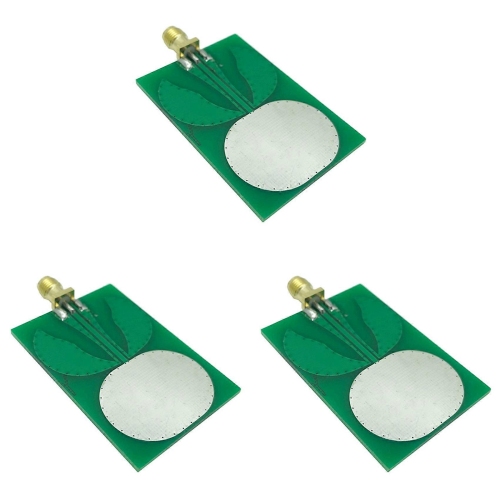
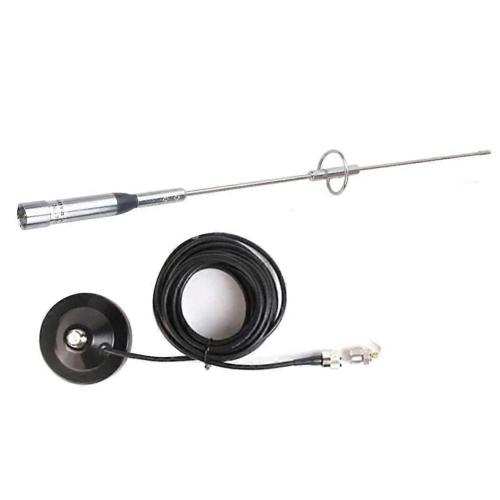
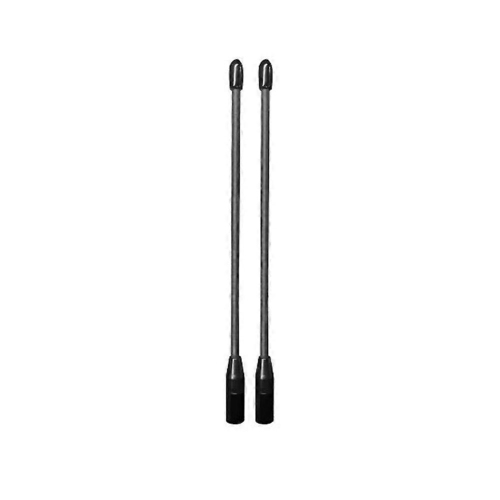
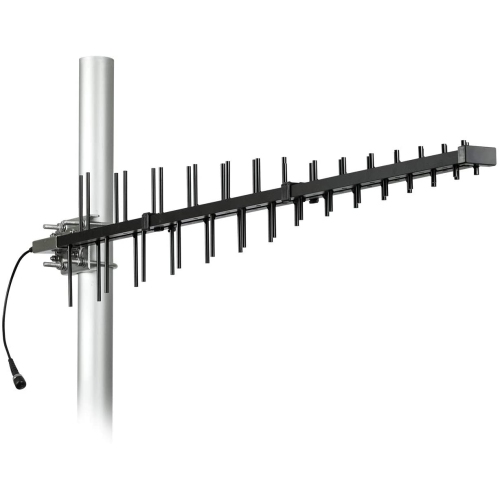






Why antenna compatibility matters more than size
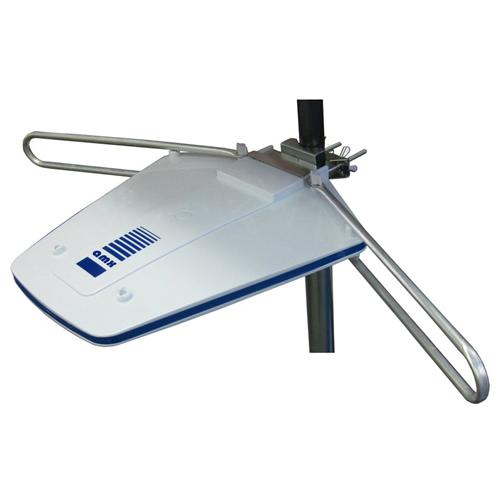
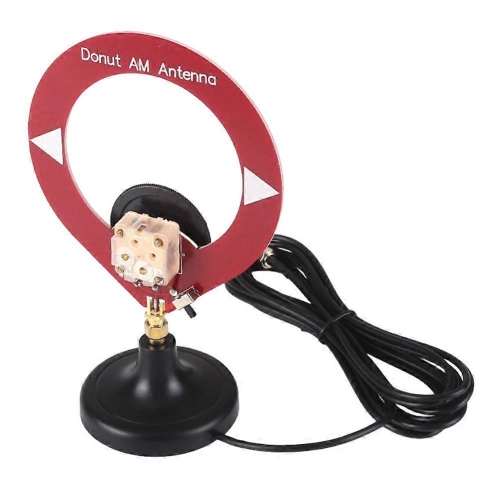
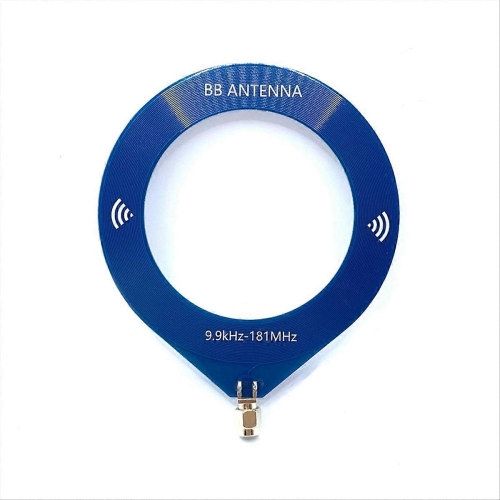
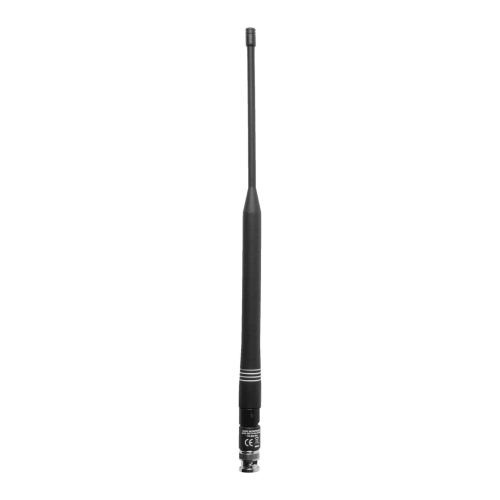
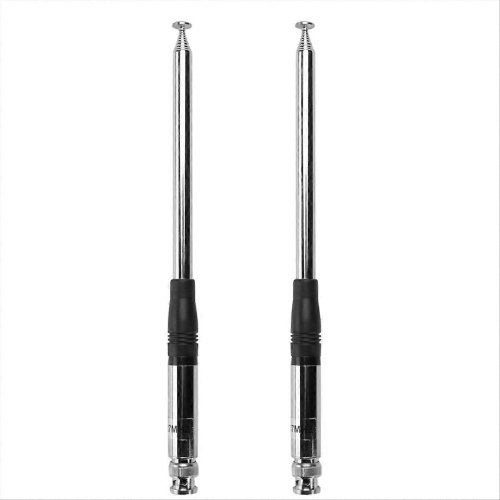
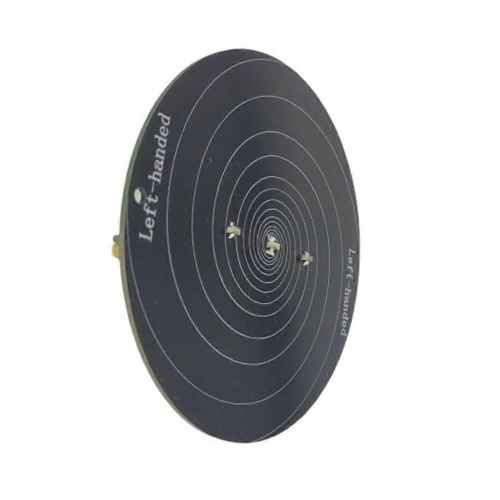
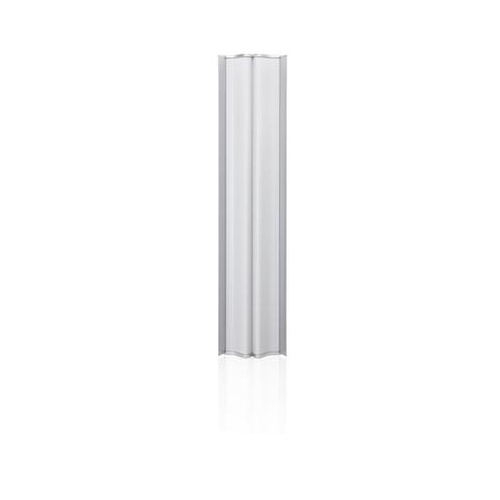
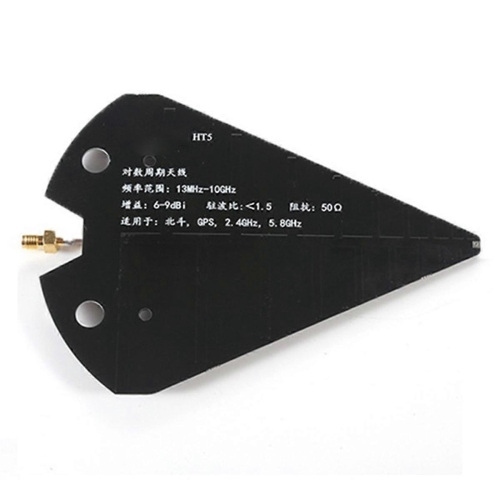
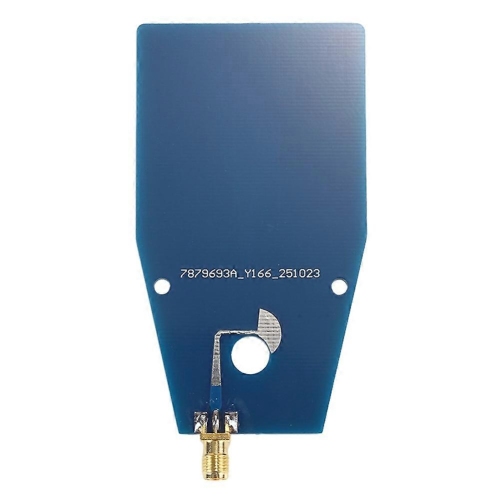
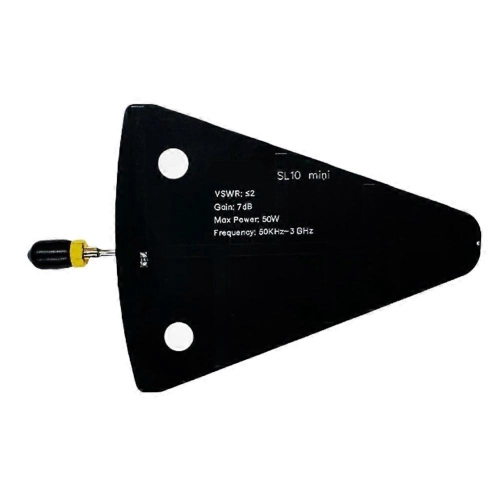
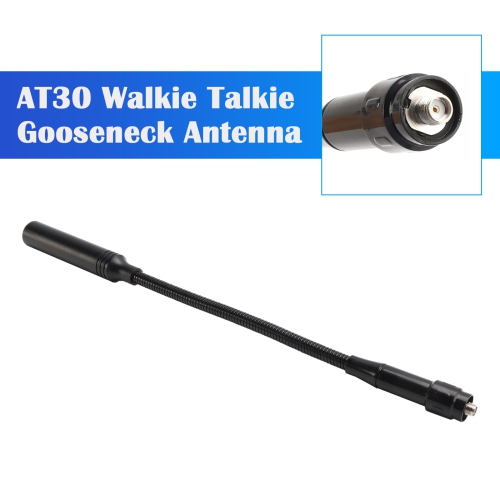
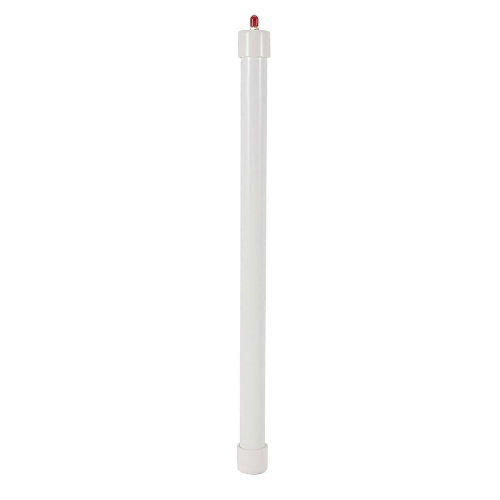
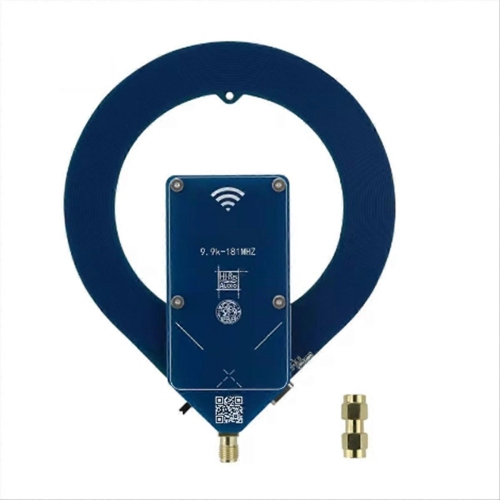
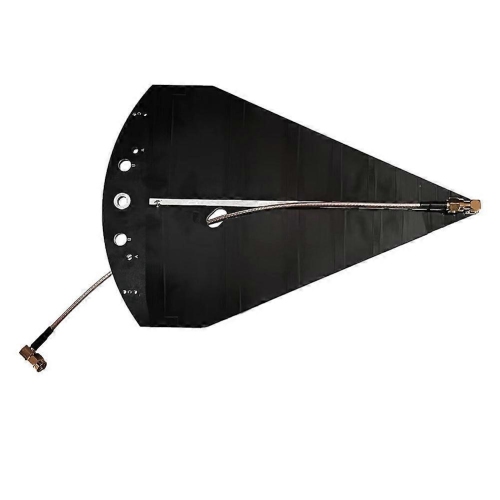
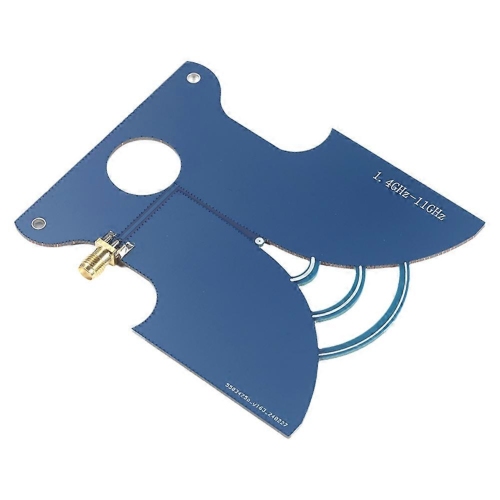
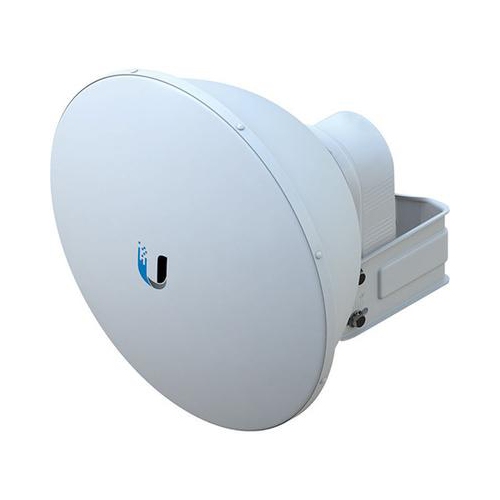
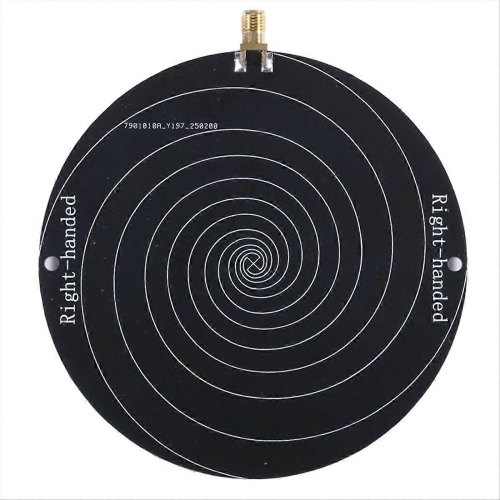
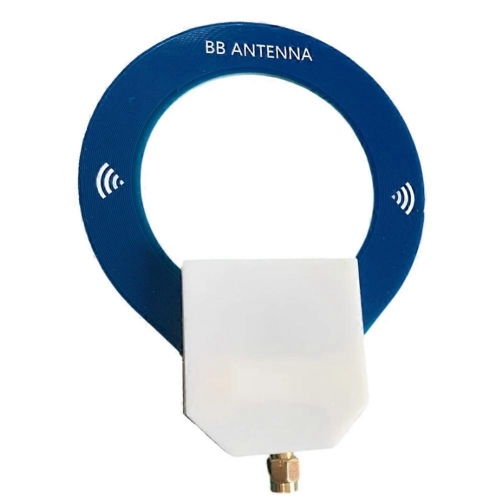
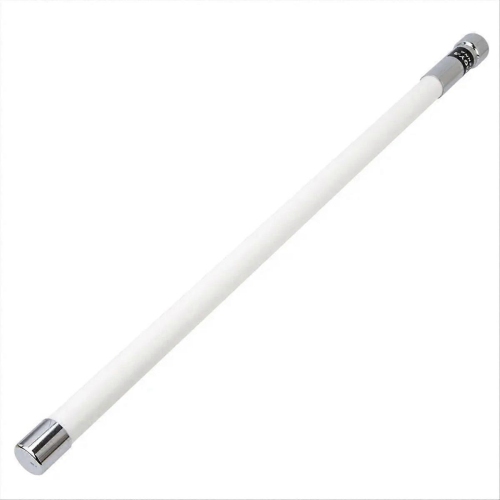
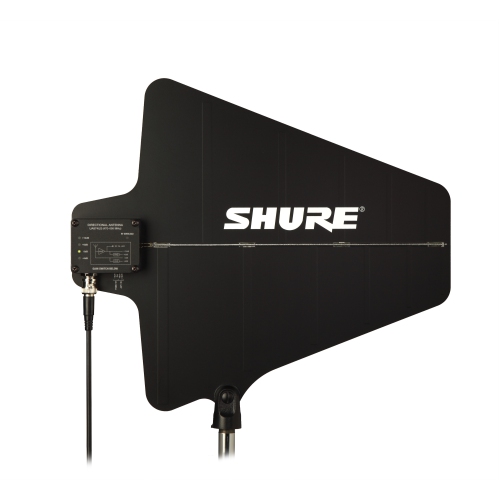
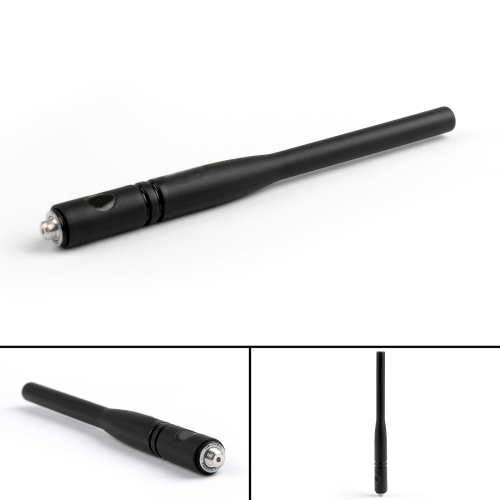
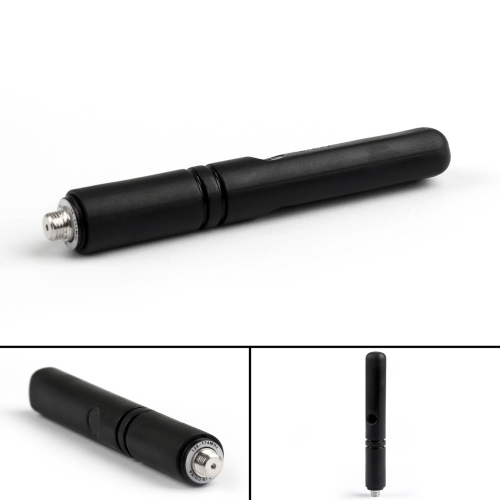
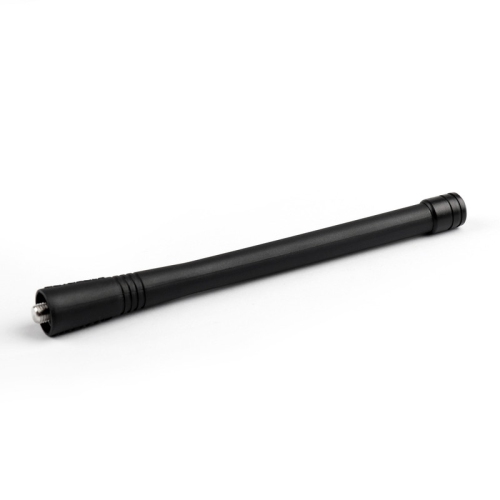
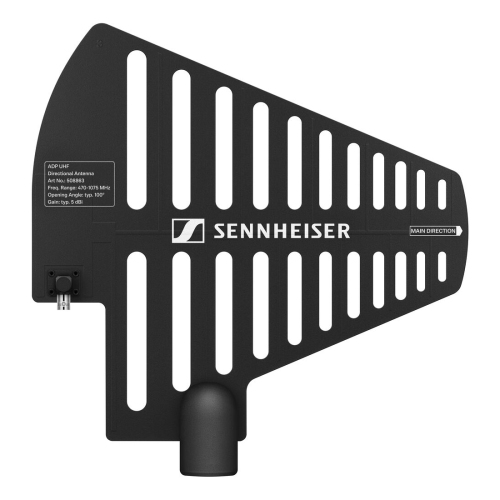
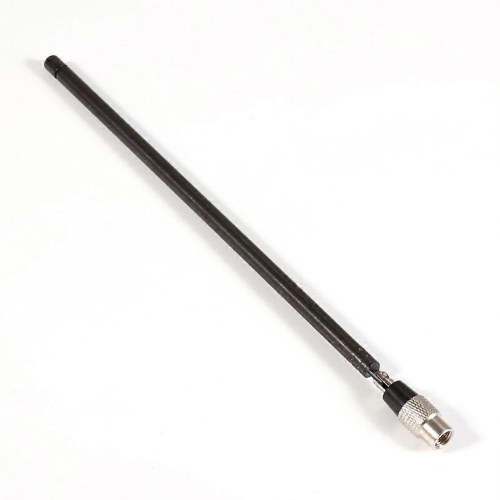
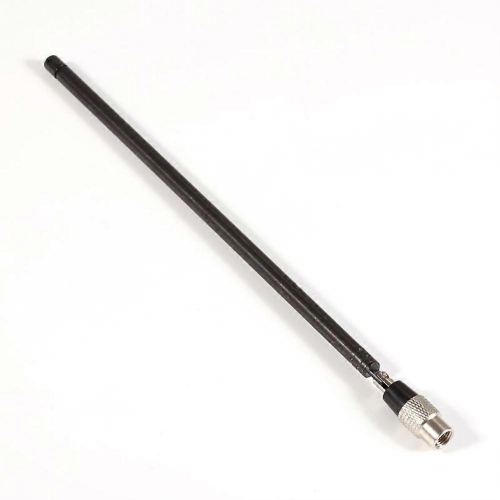
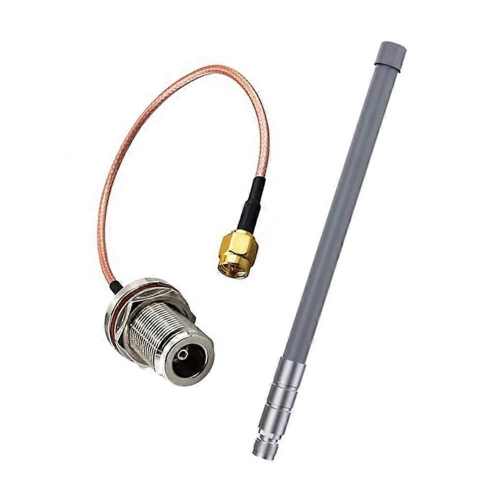
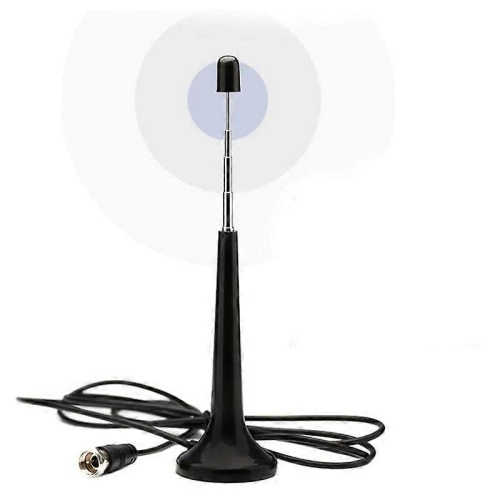
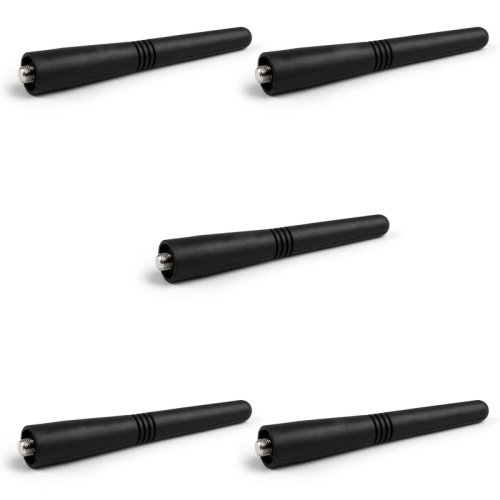
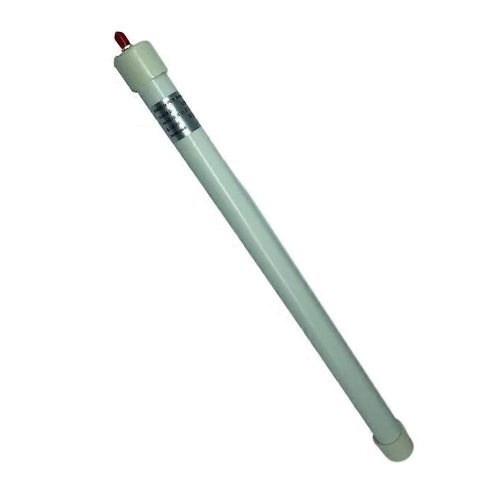
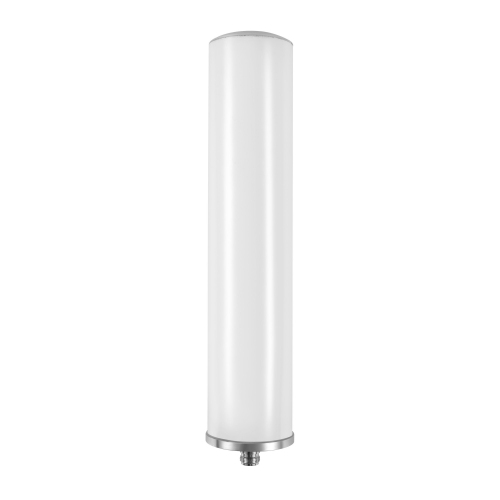
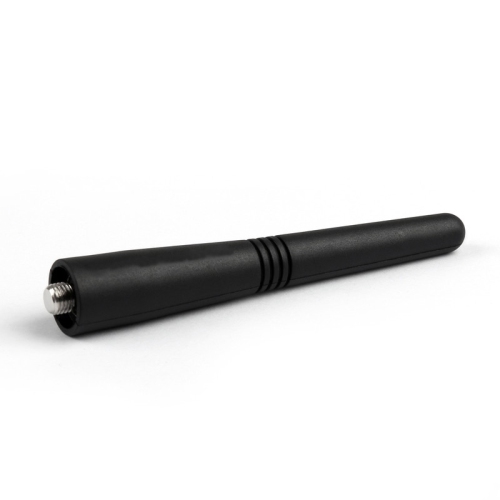
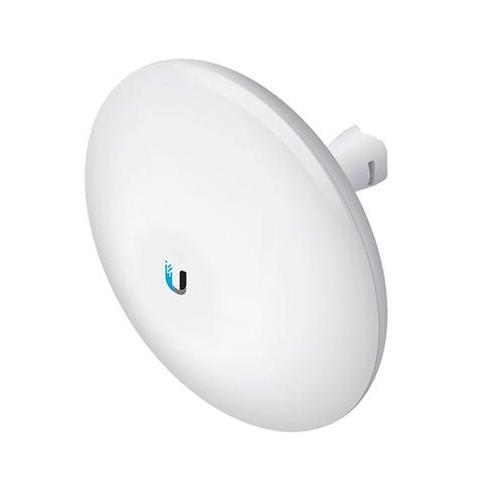
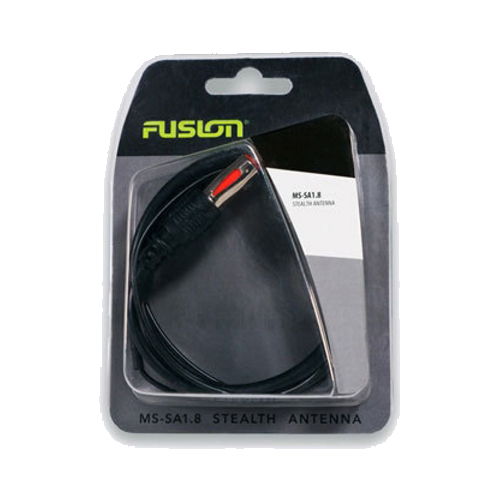
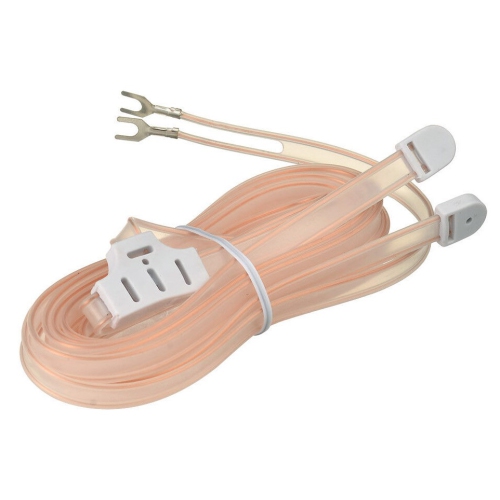
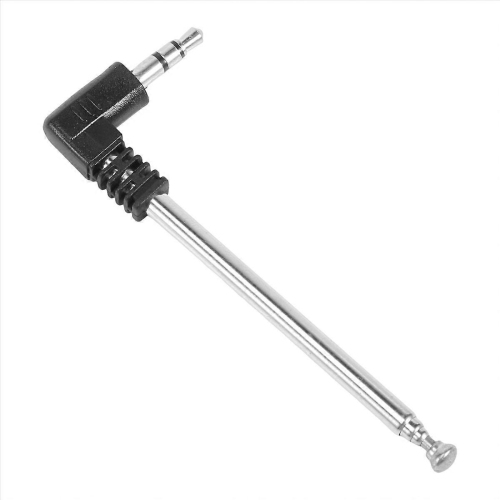
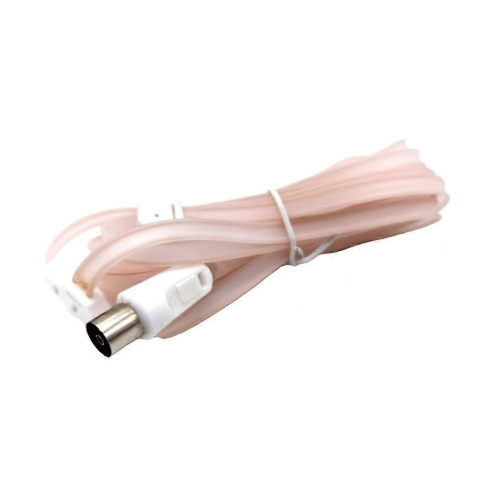
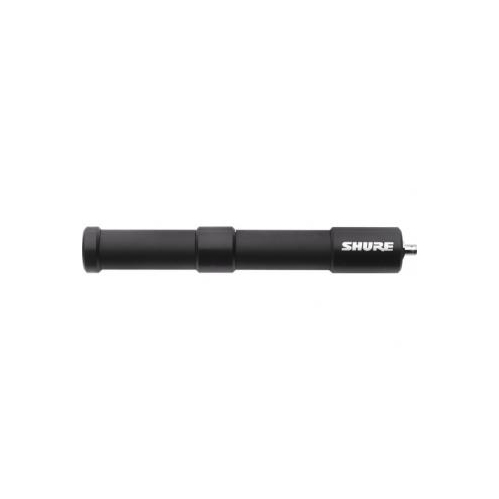
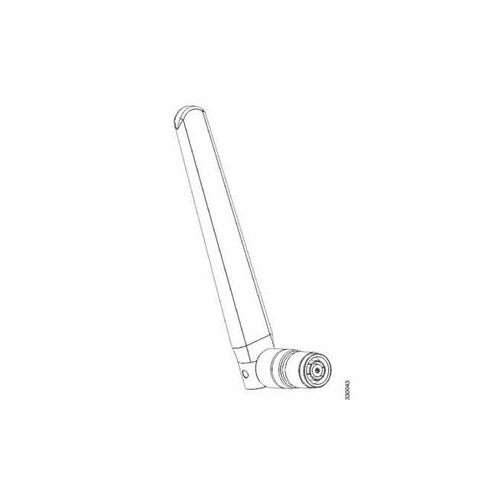
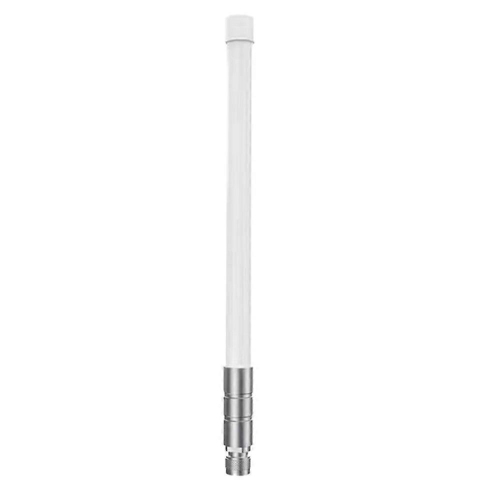
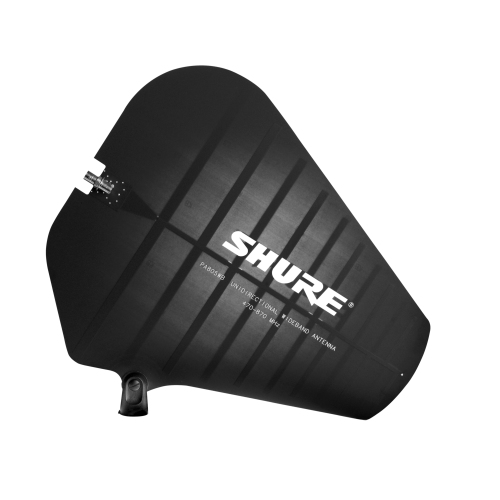
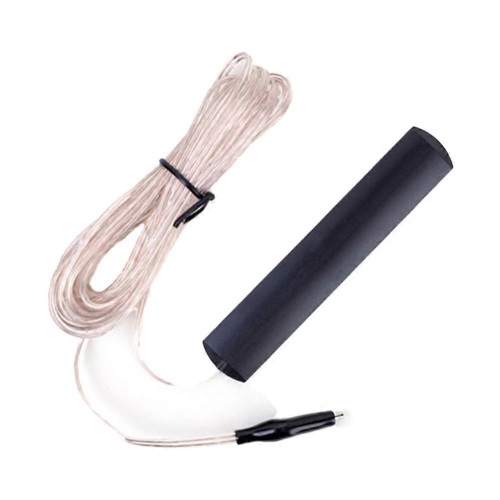
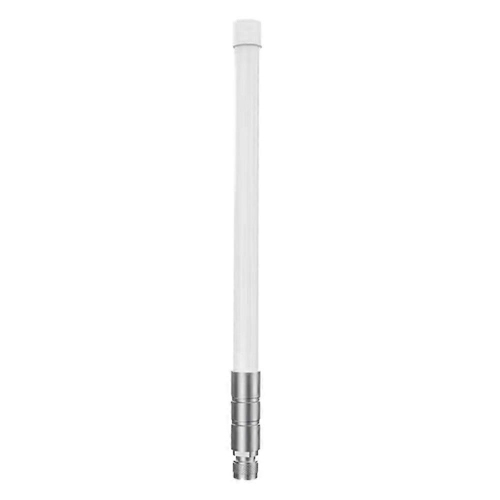
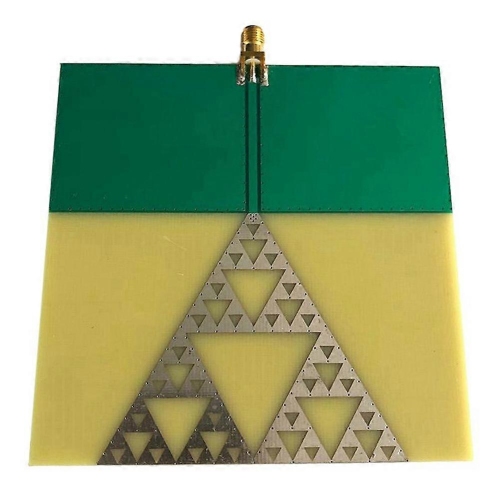
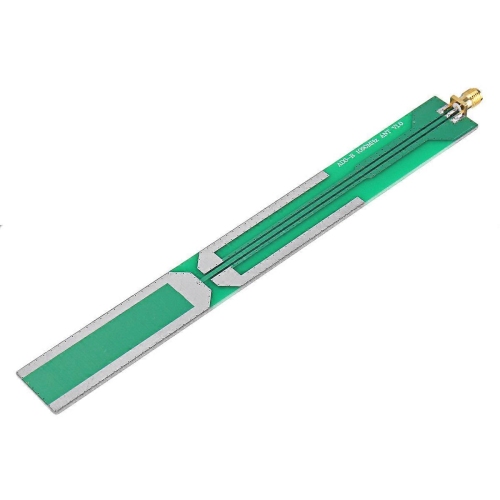
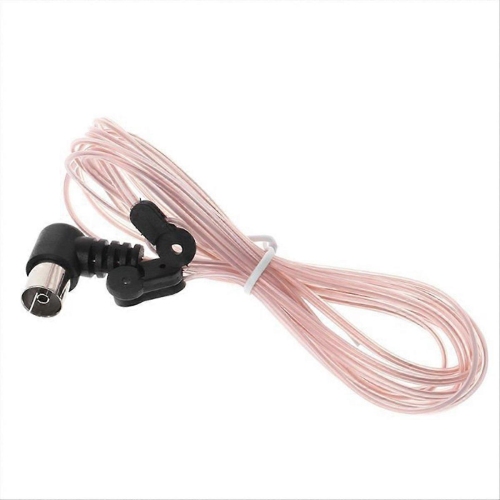
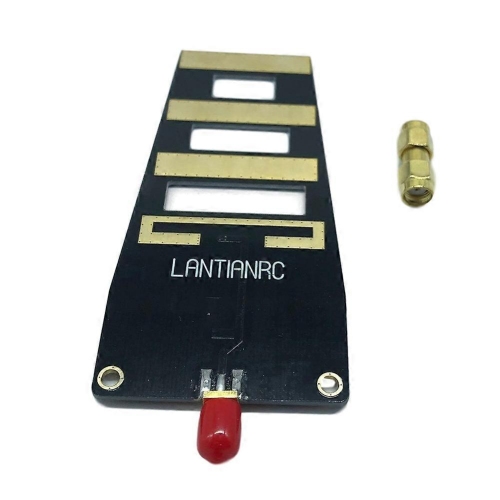
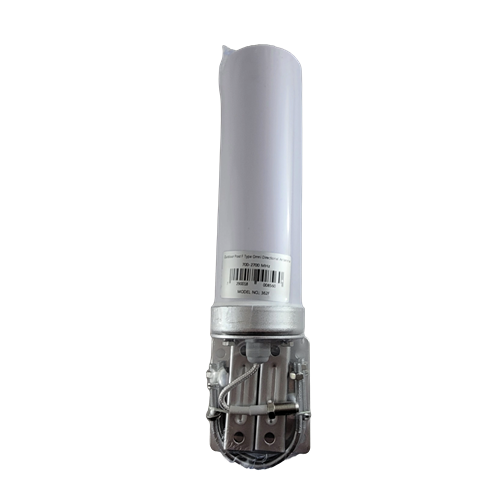
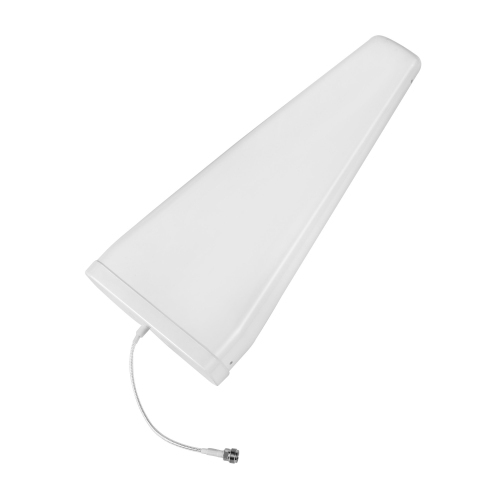
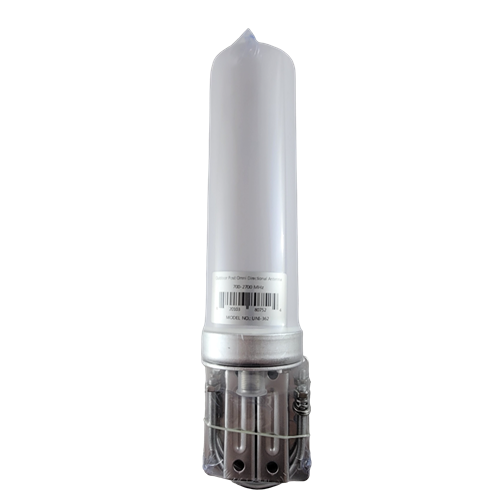
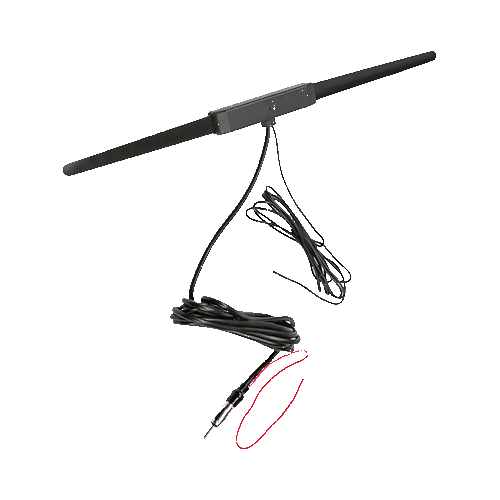
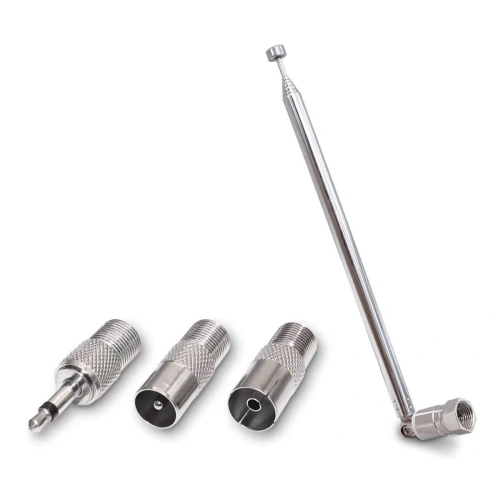
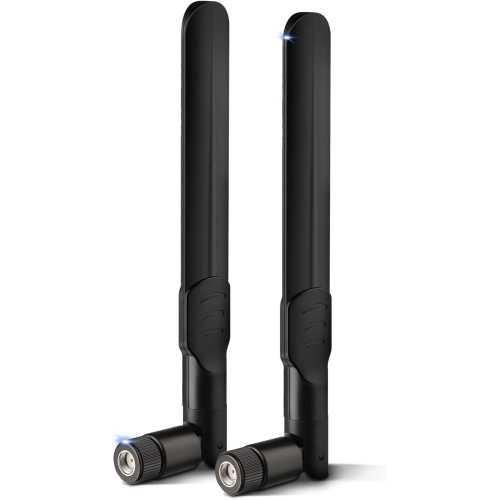
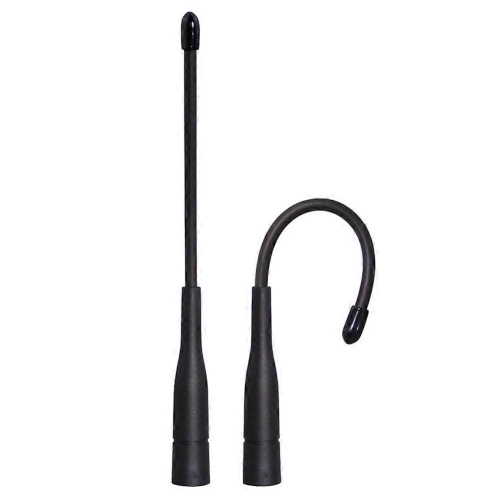
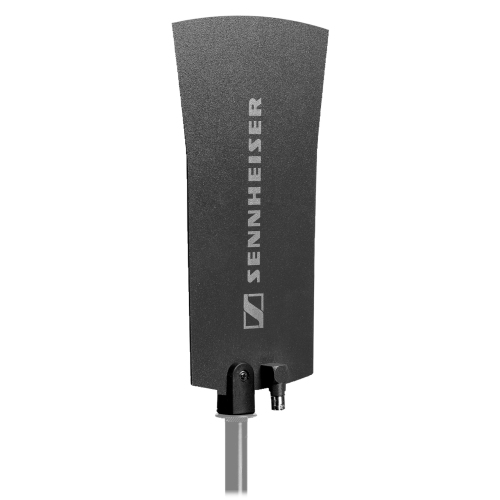
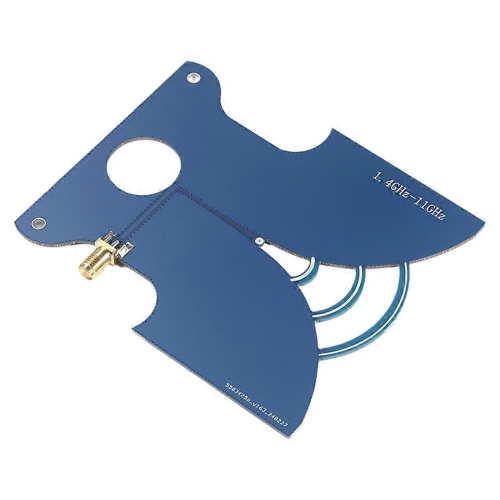
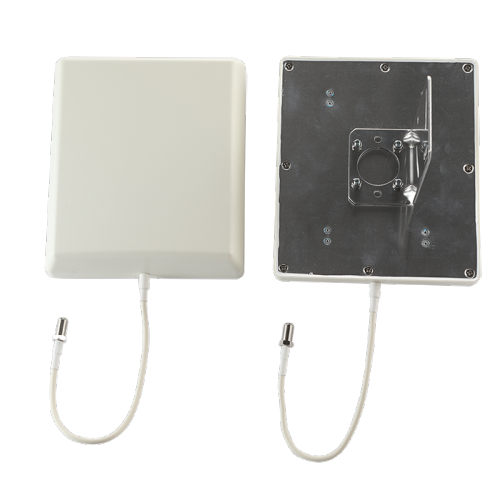
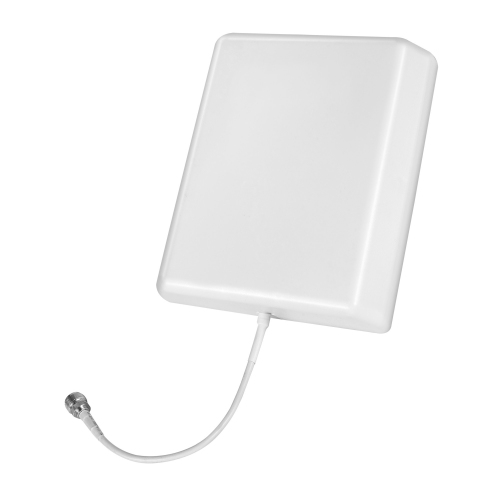
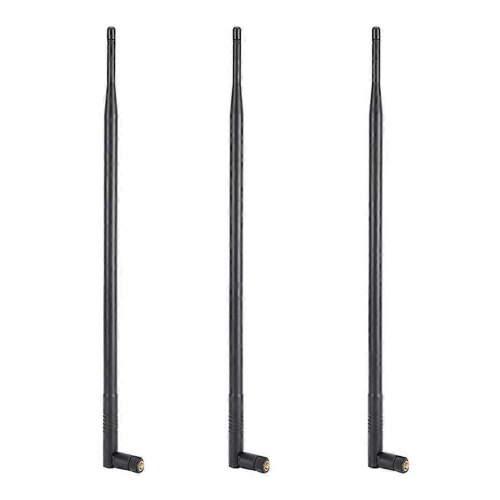
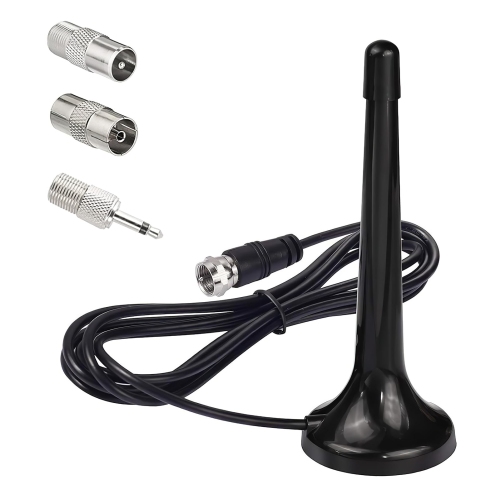
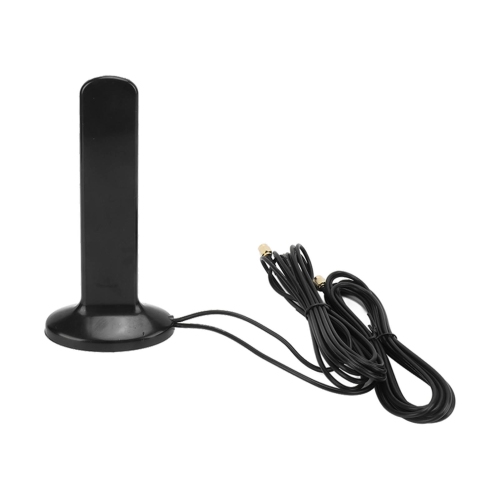
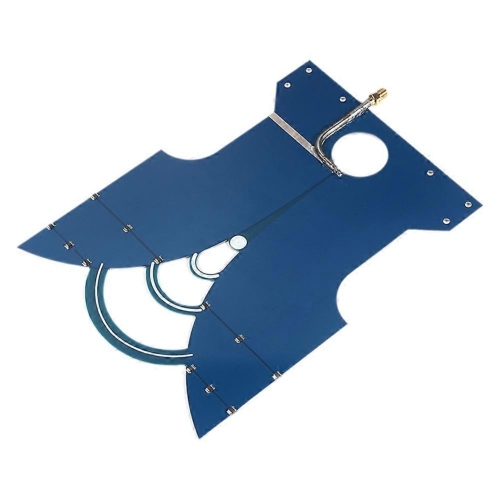
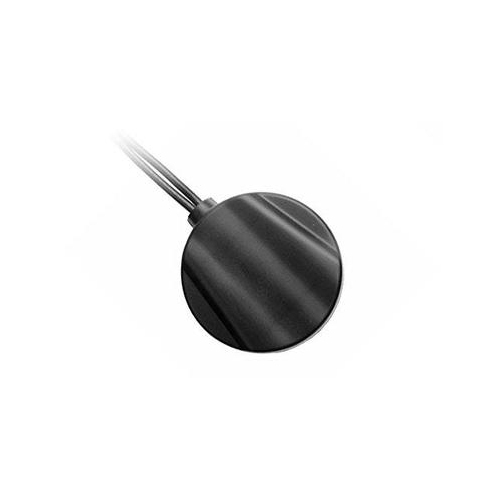
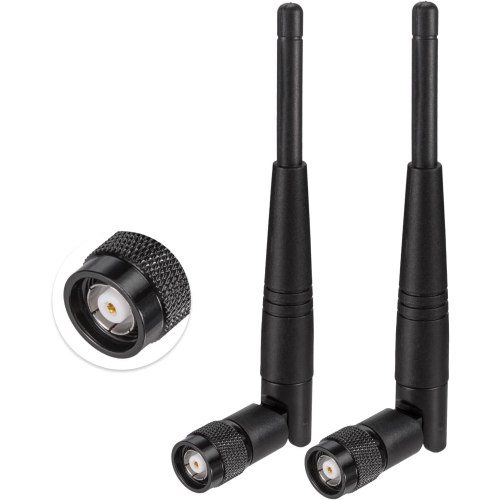
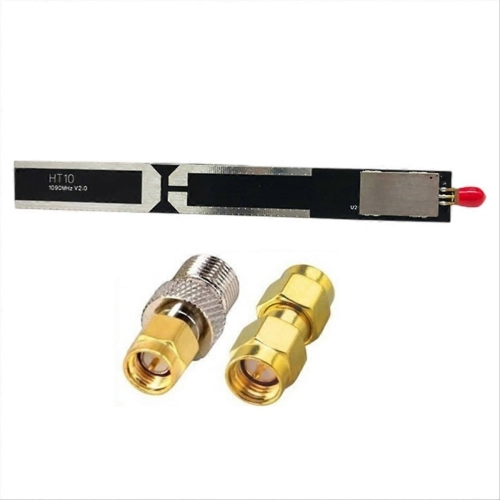
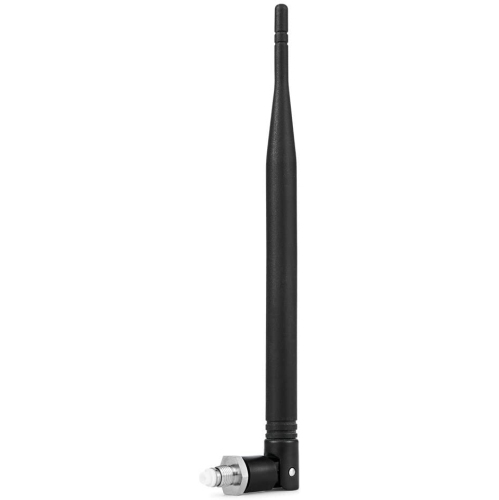
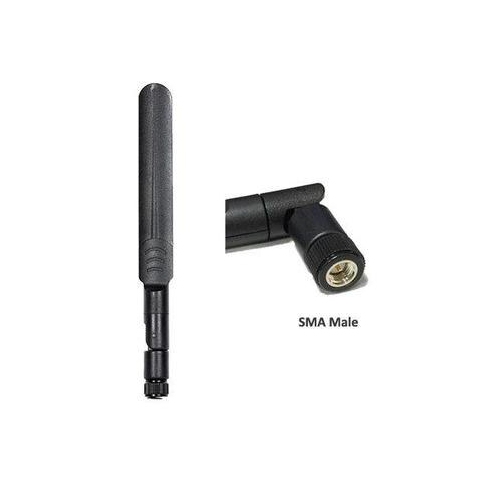
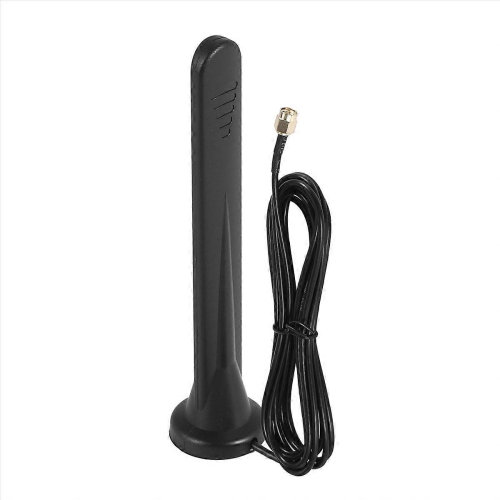
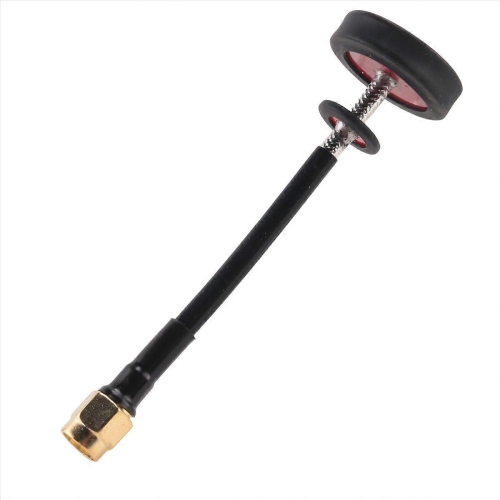
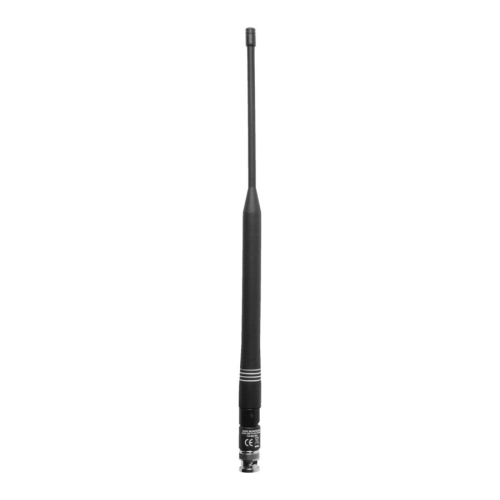
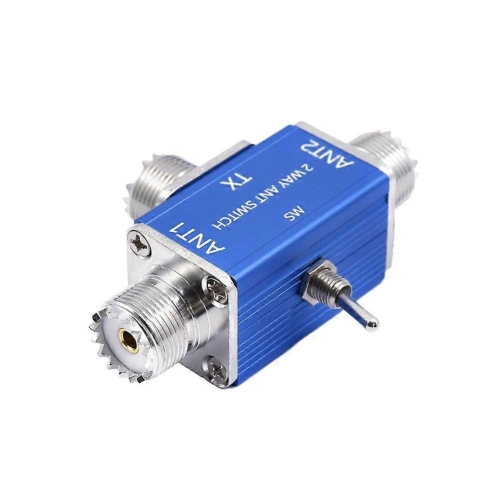
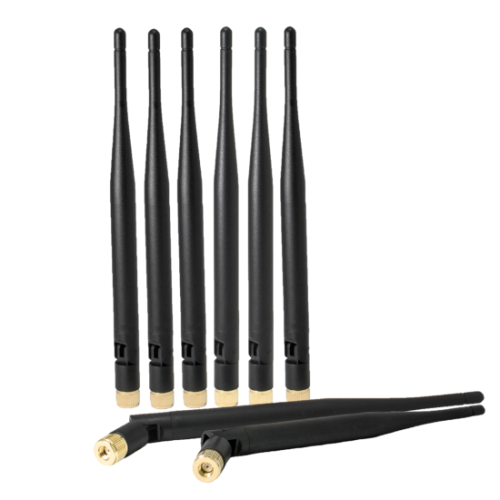
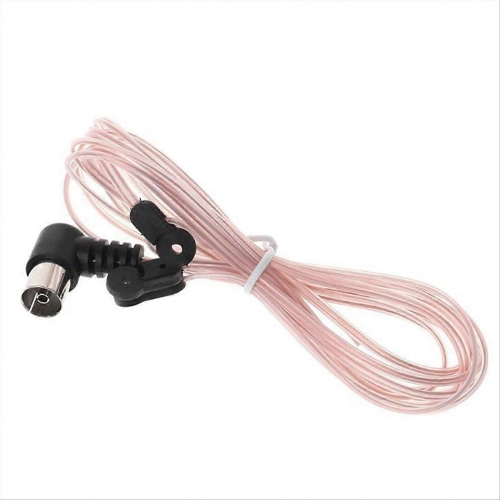
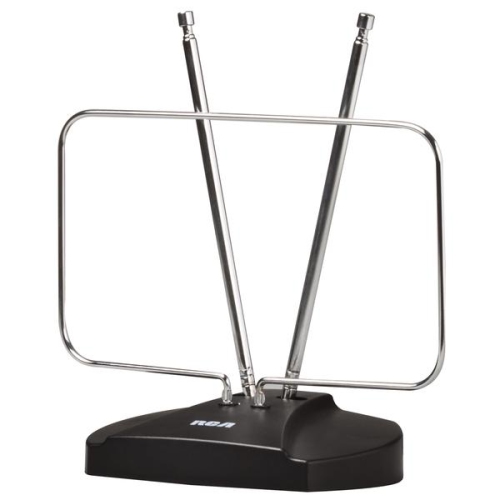
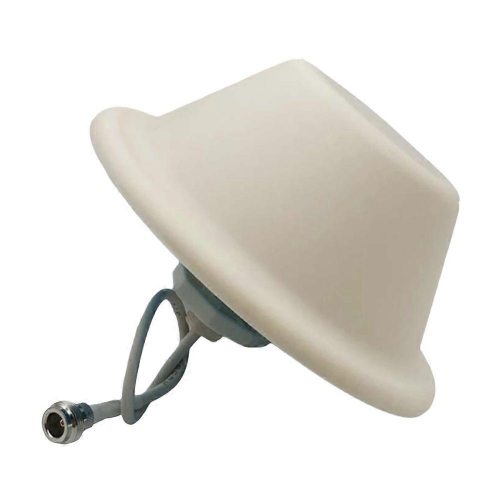
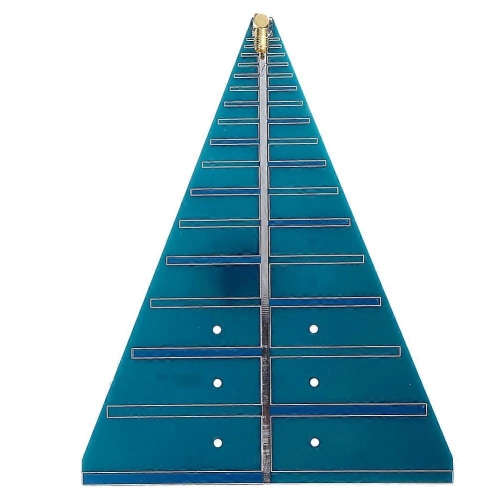
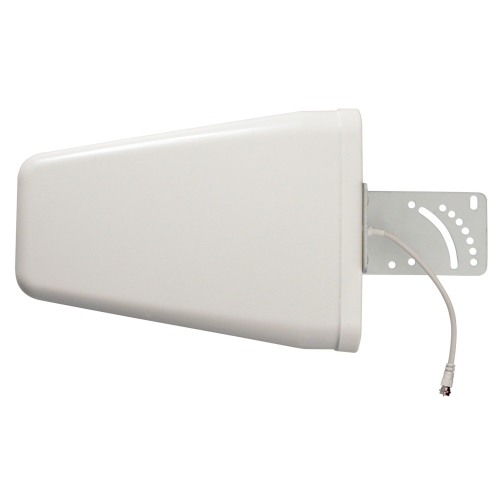
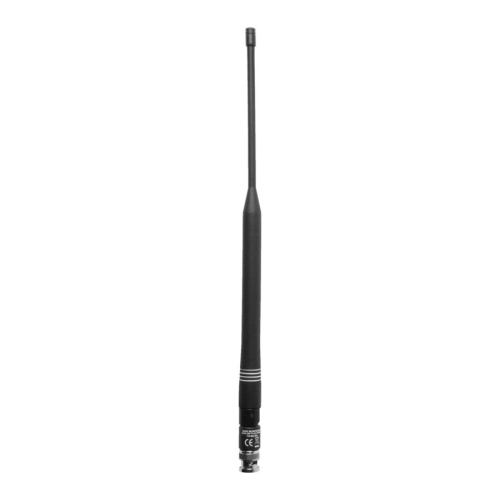
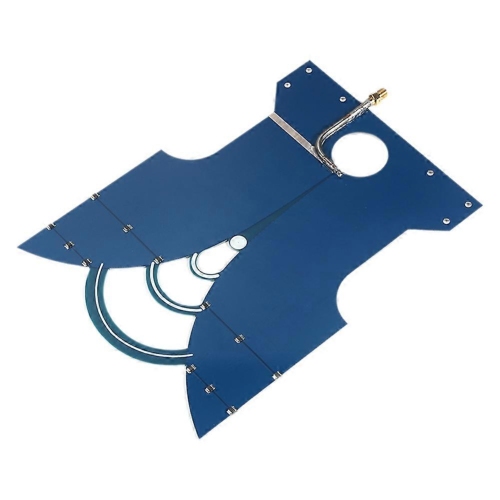
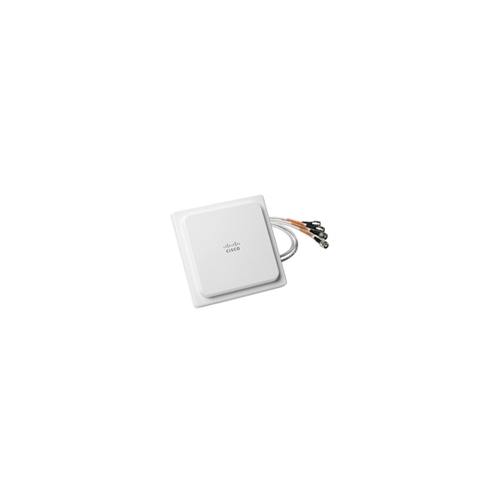
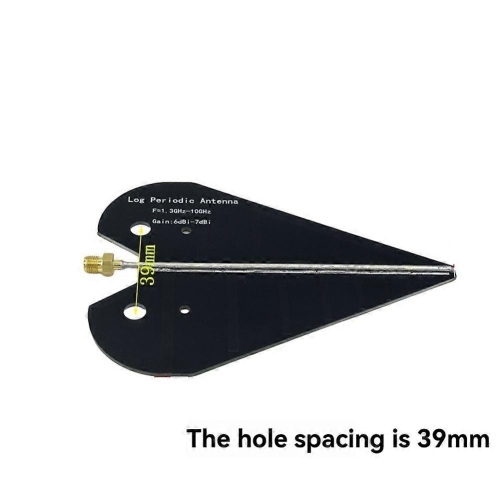
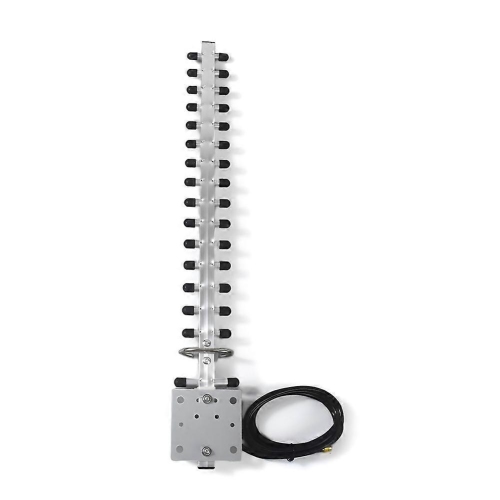
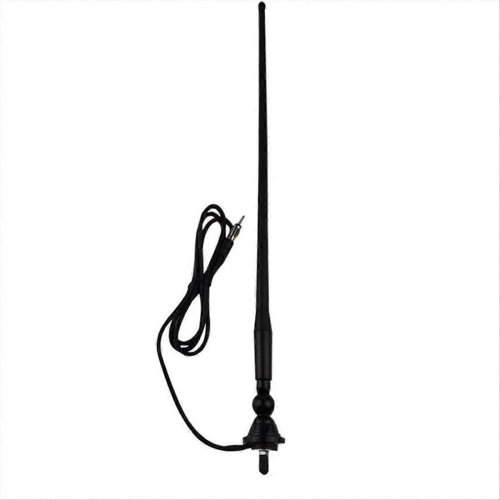
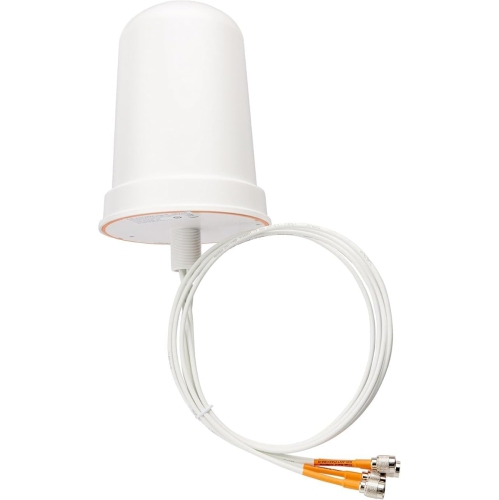
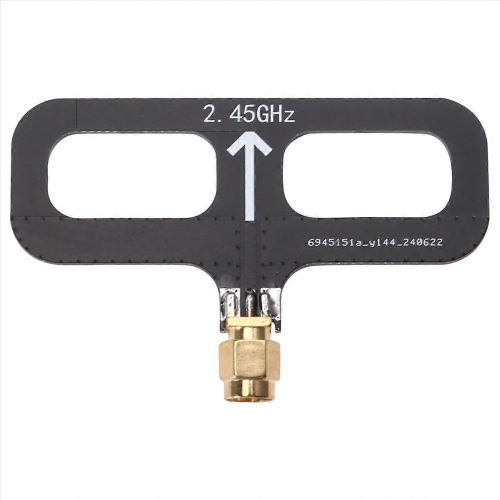
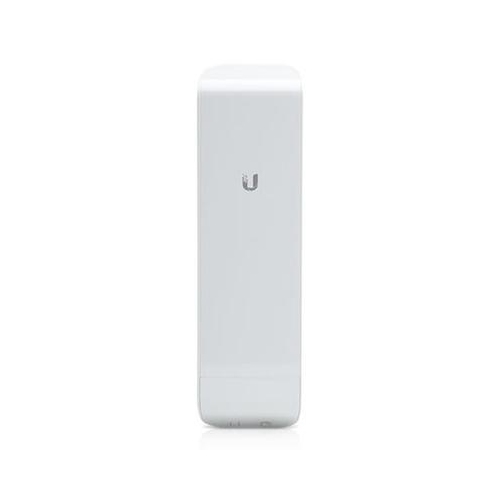
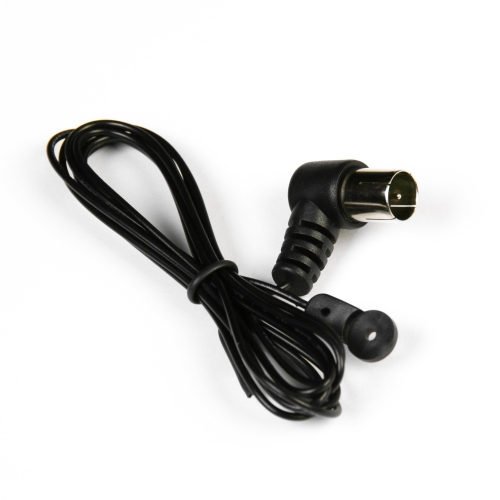
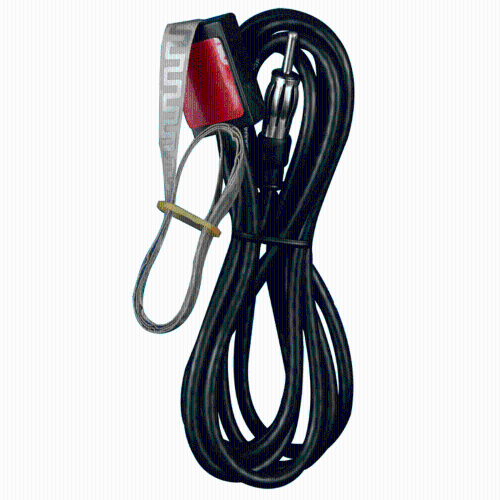
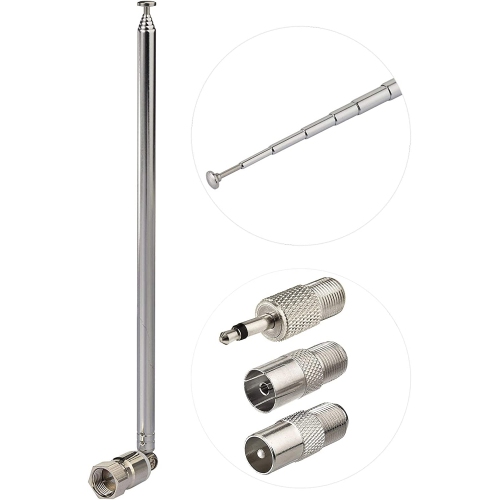
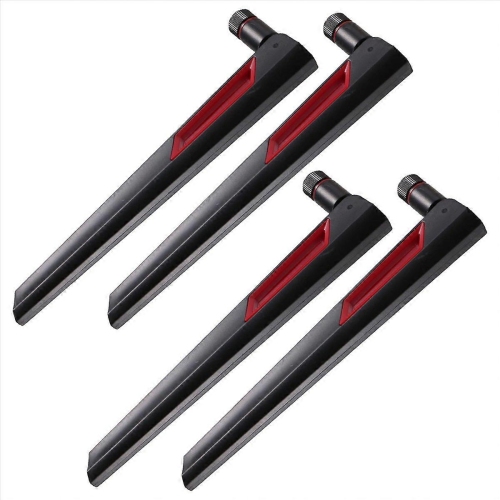
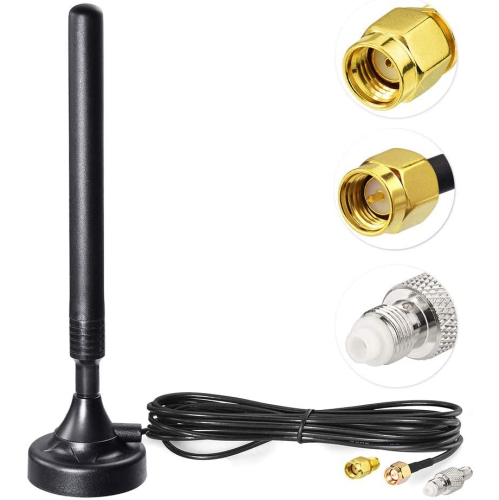
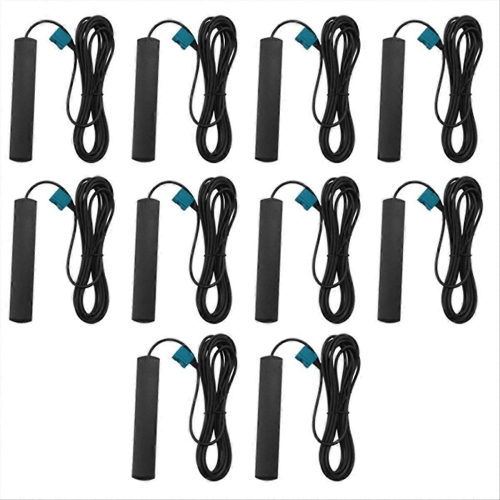
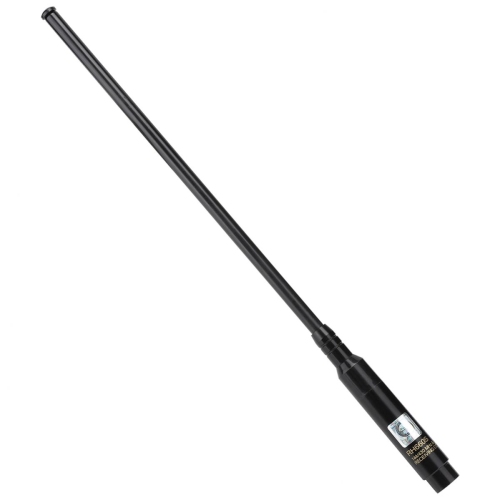
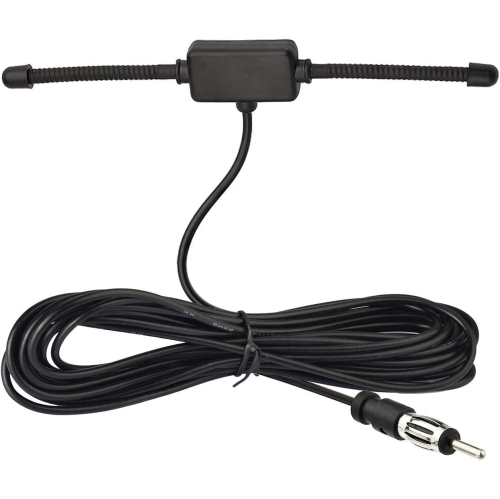
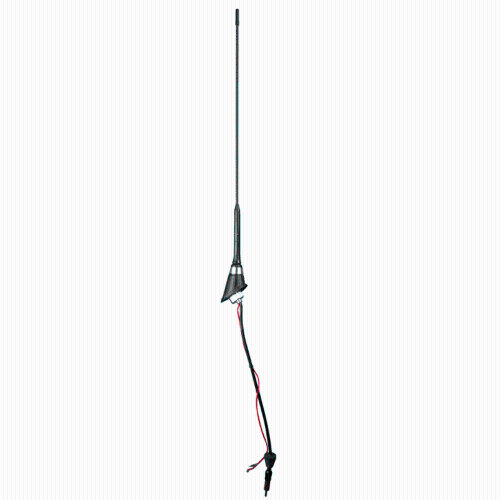
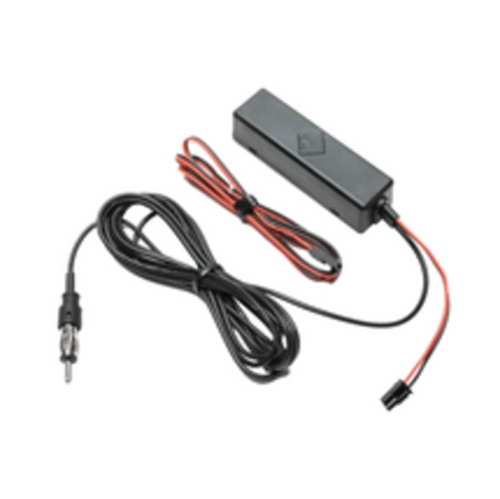
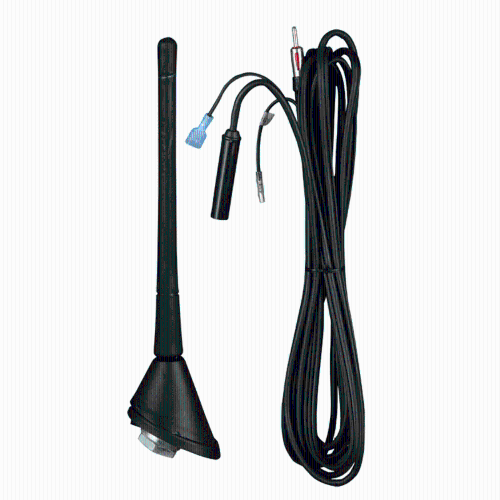
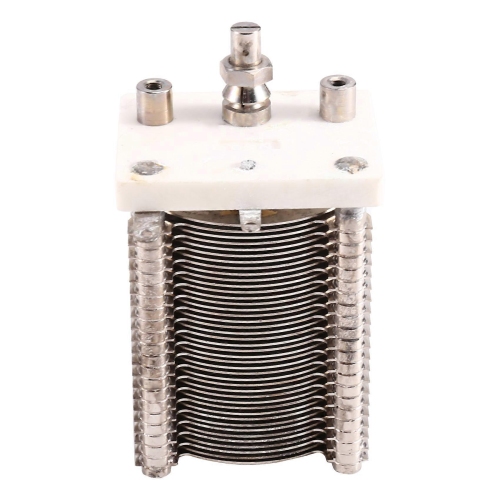
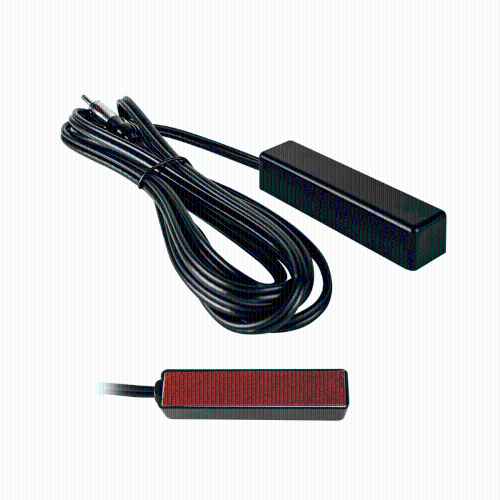
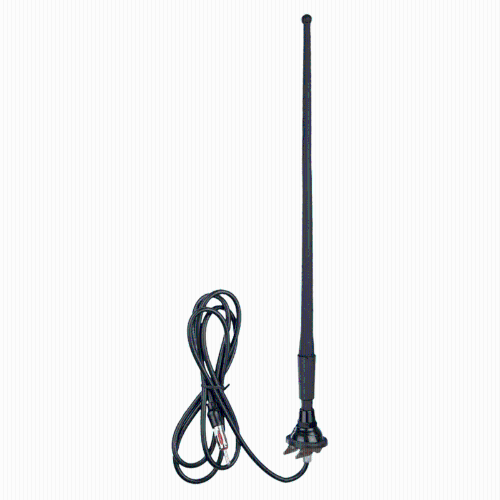
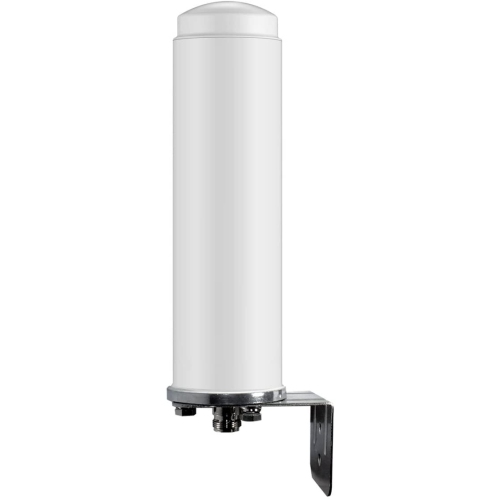
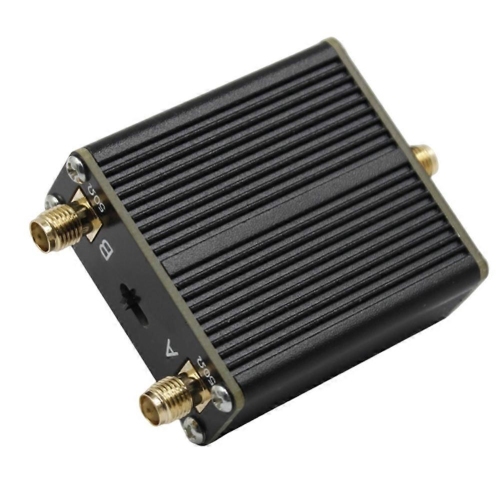
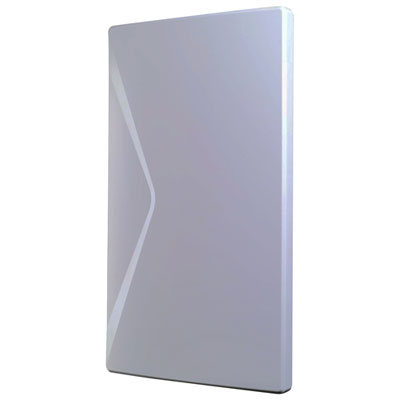
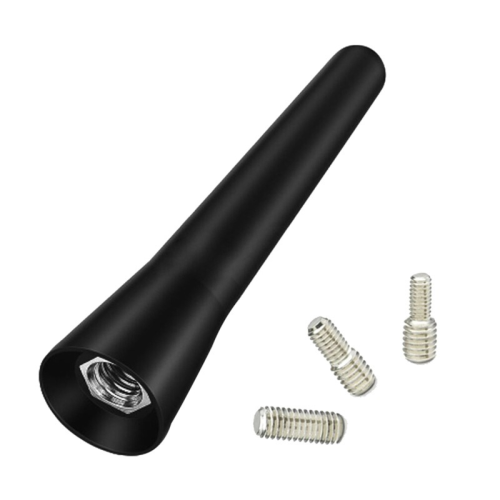
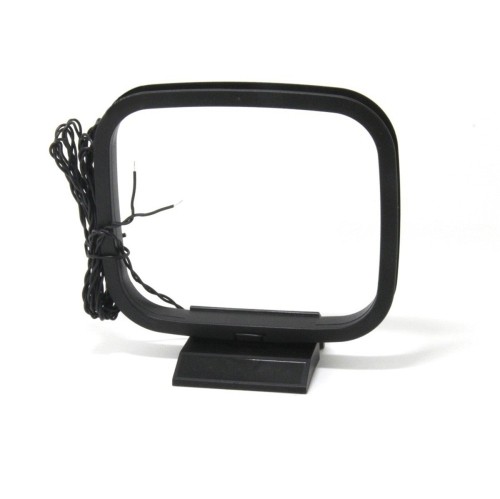
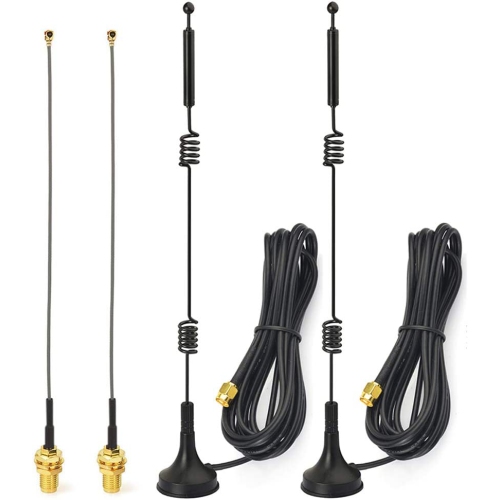
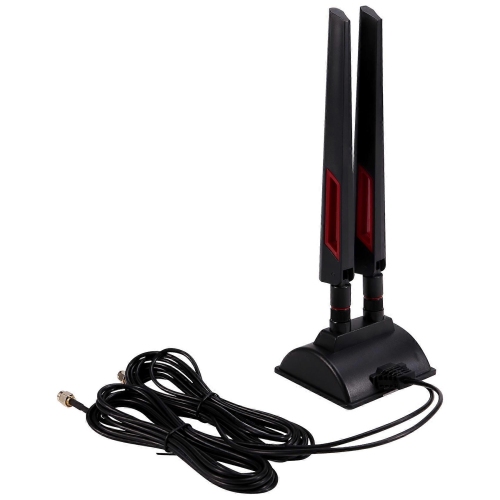
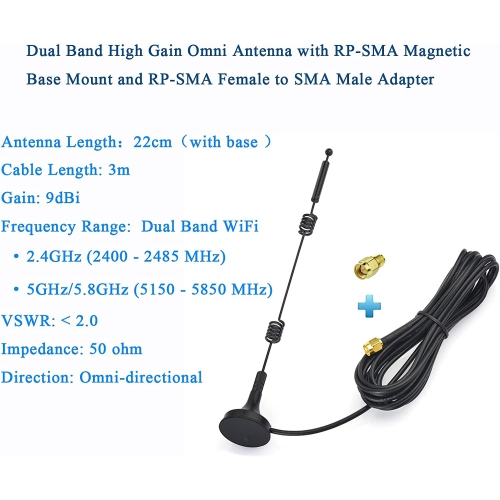
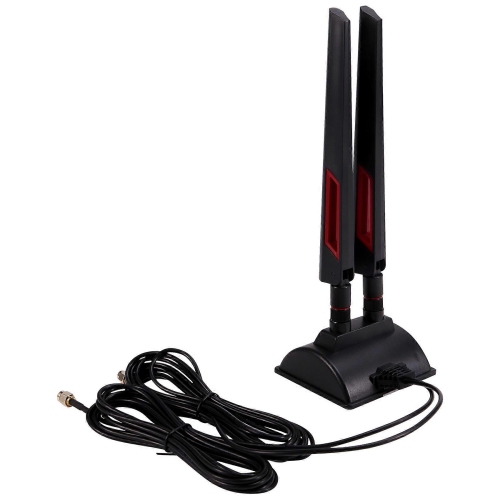
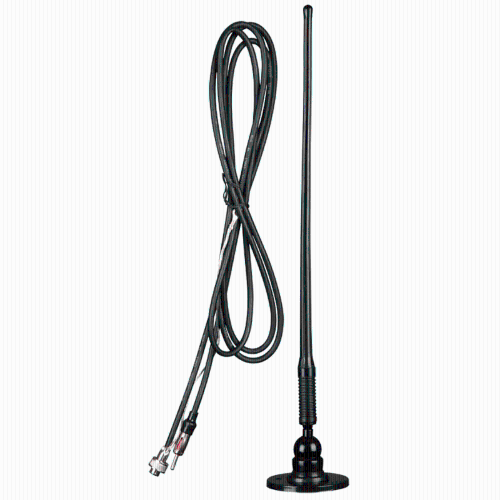
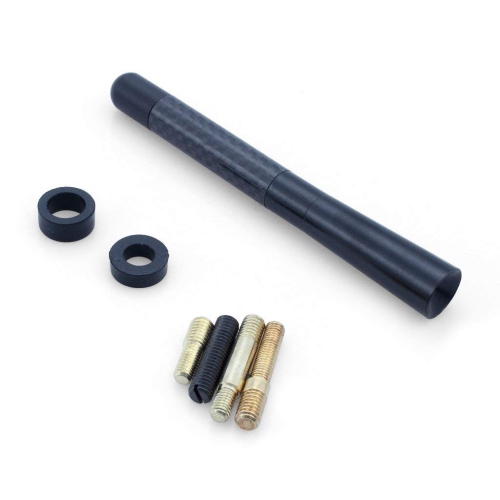
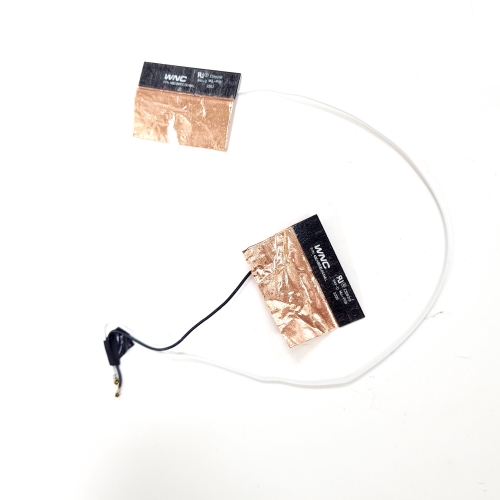
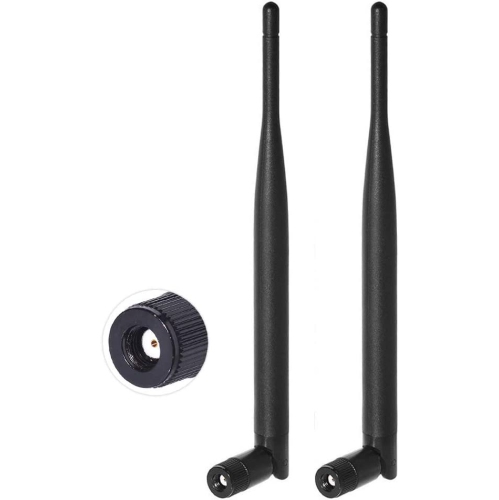
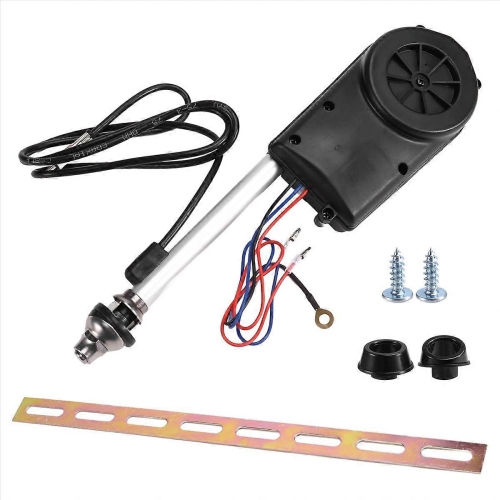
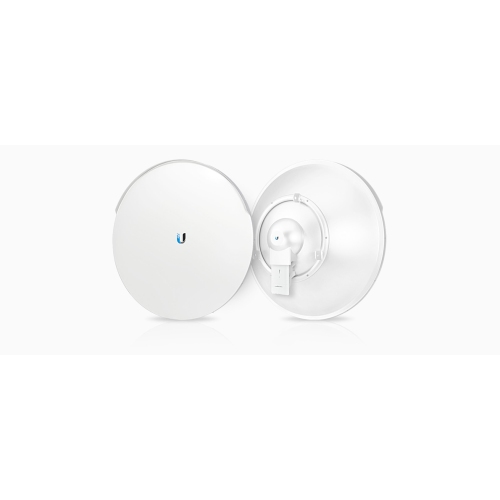
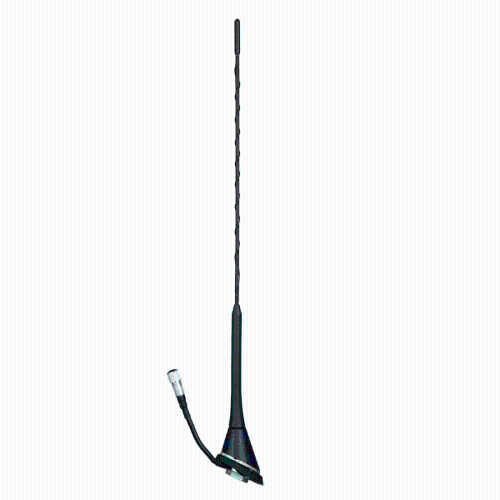
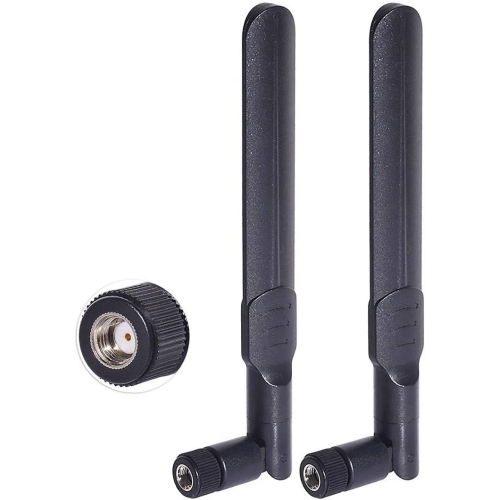
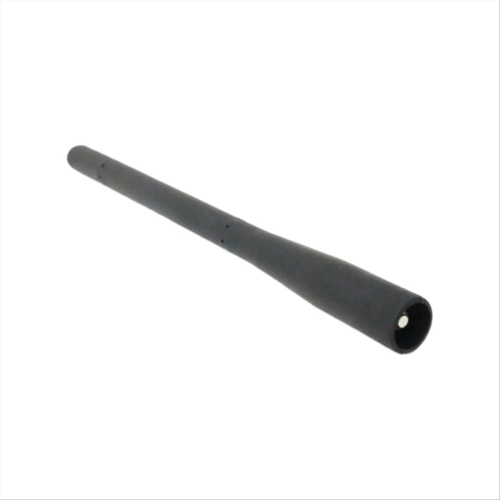
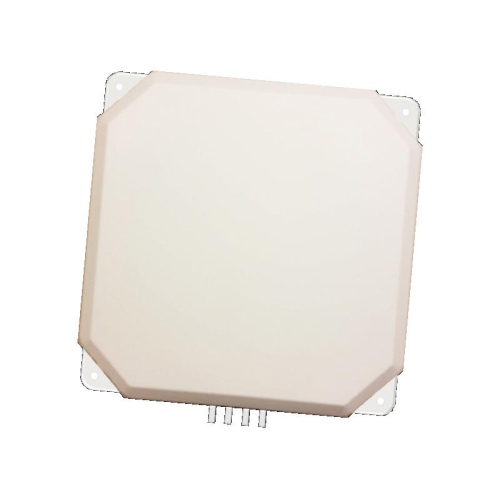
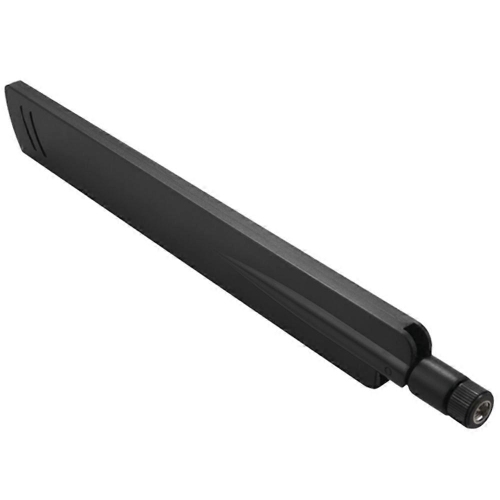
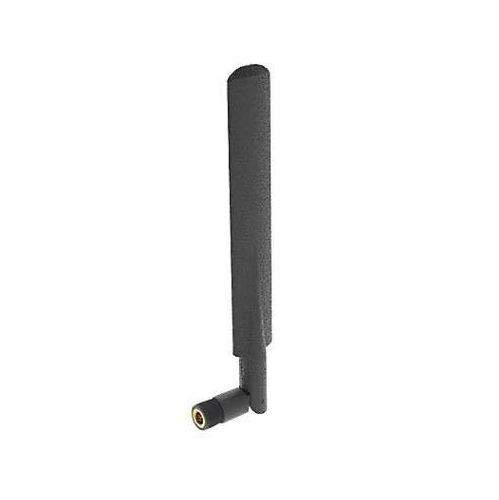
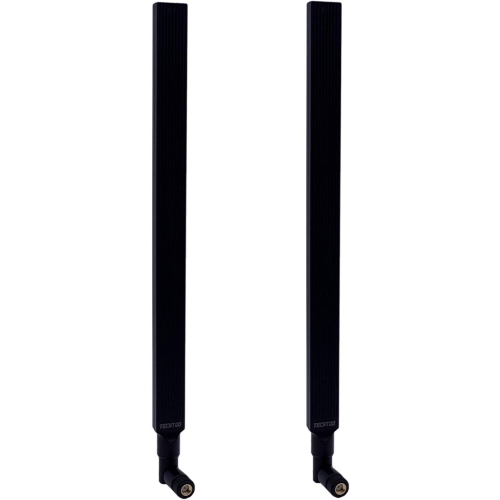
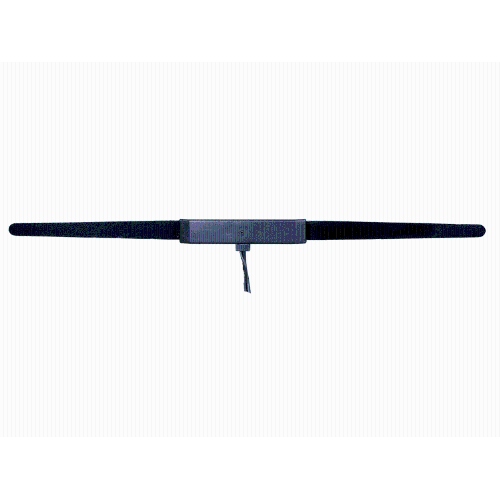
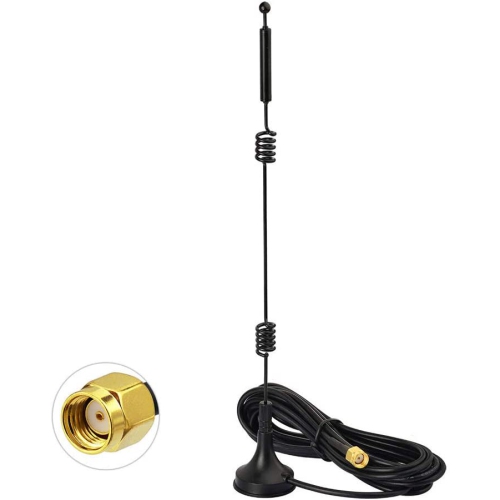
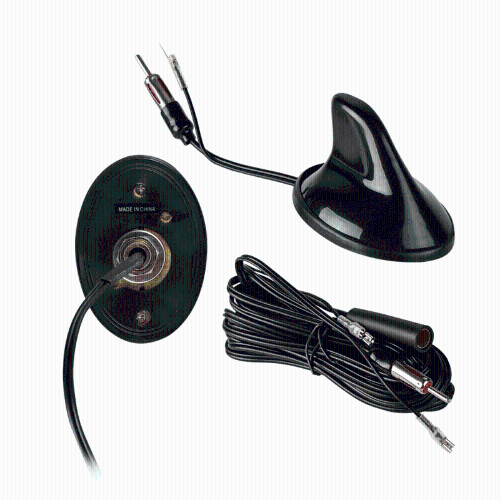
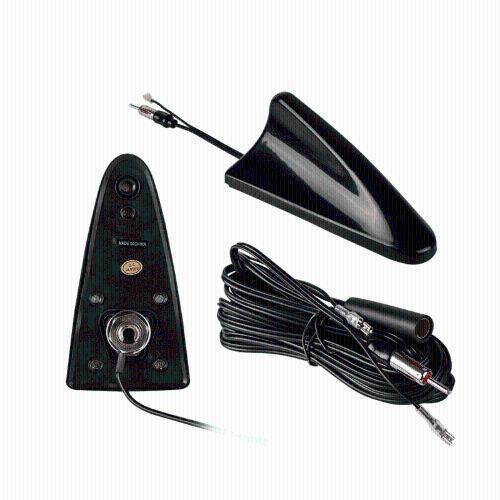
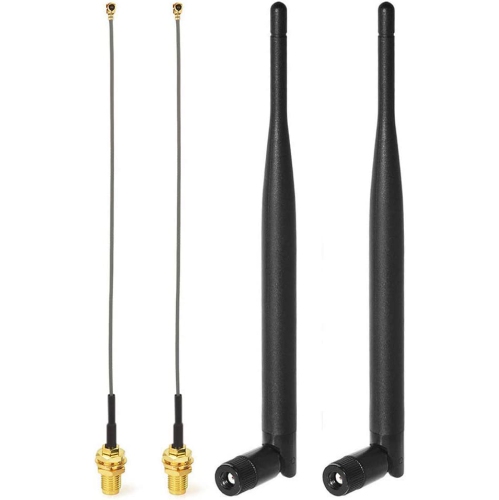
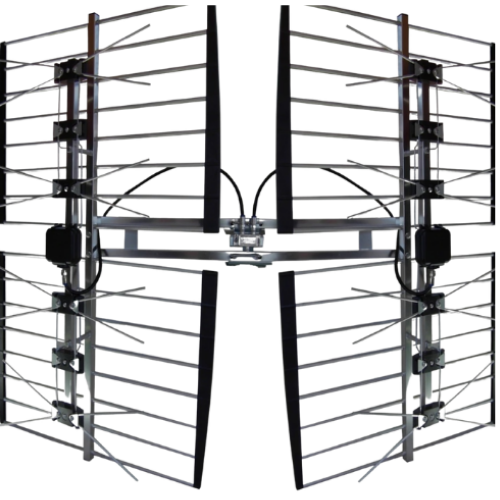
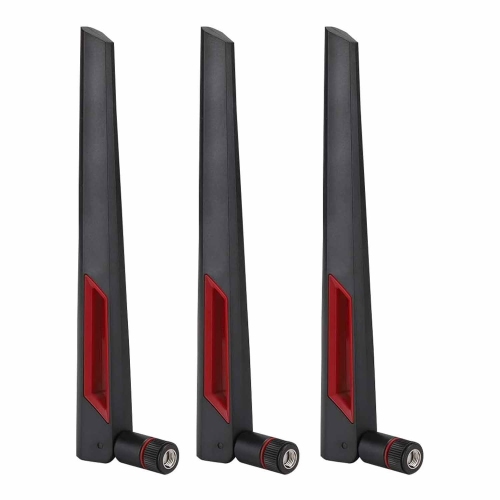
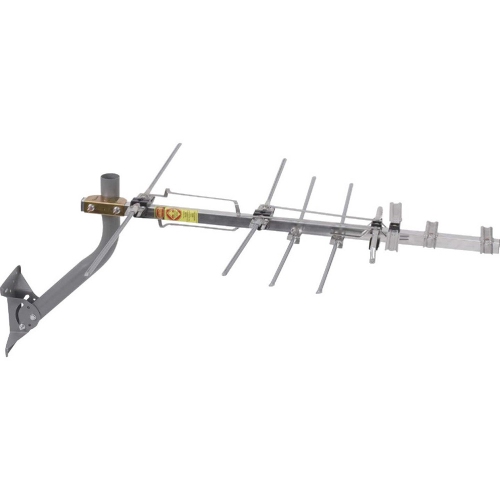
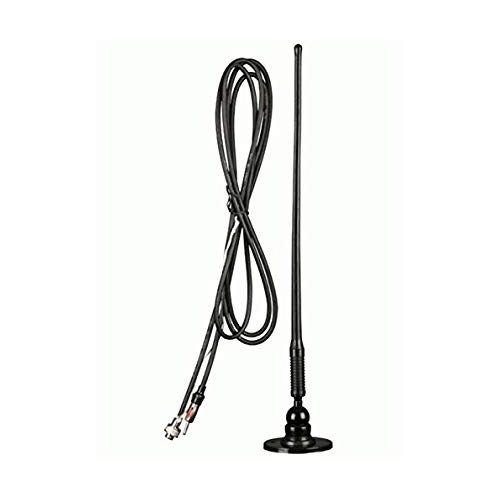
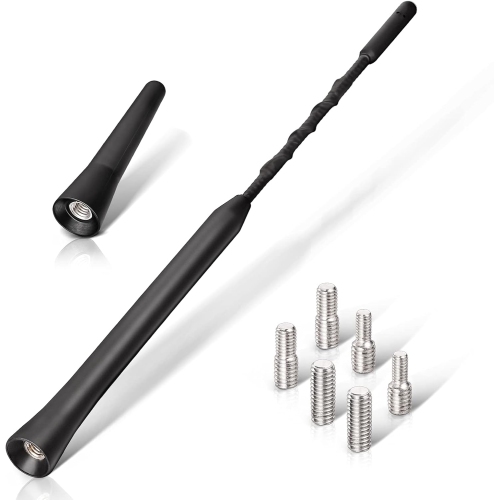
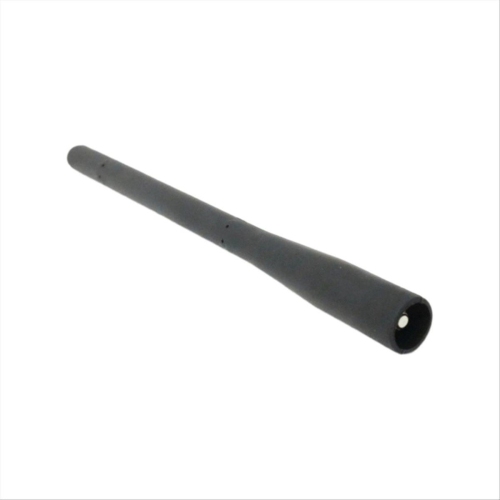
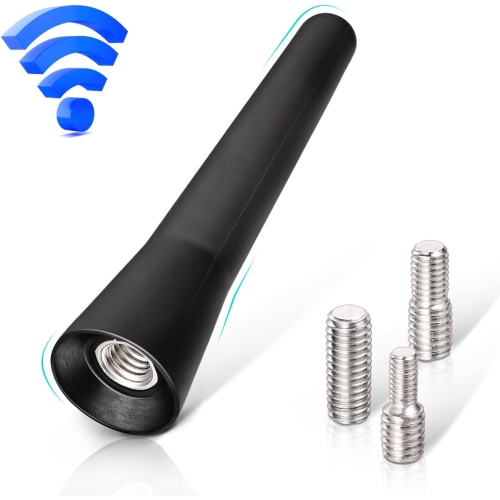
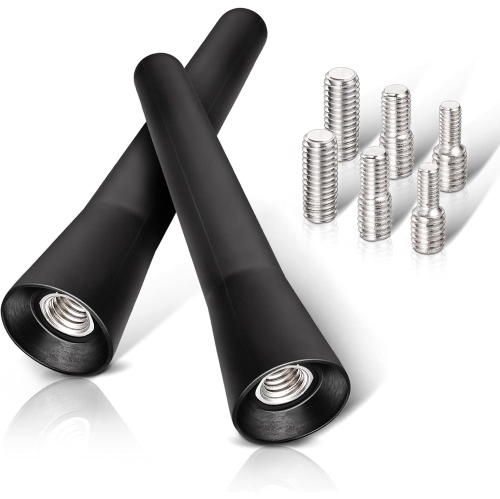
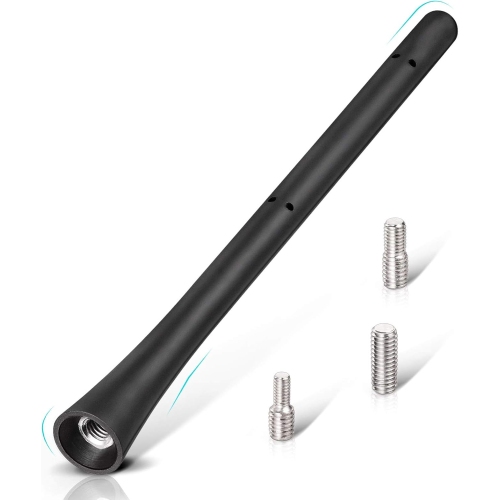
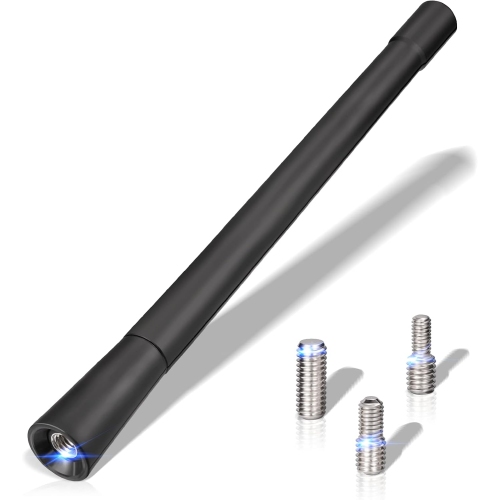
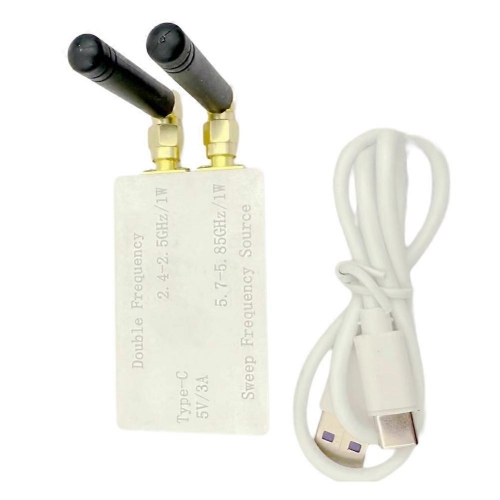
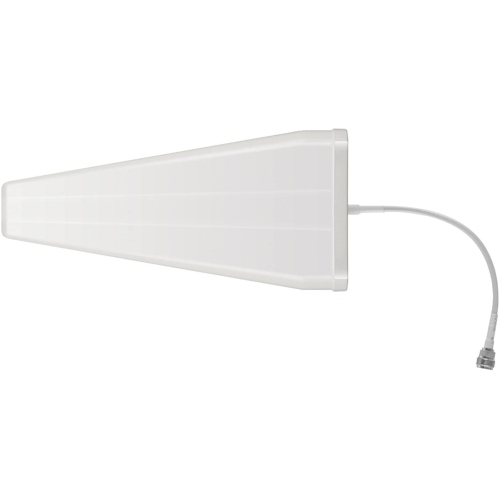
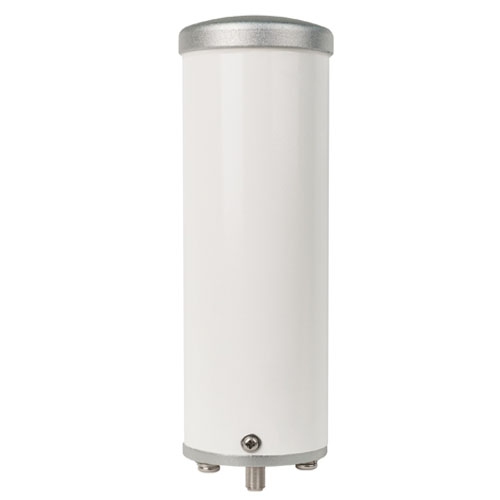
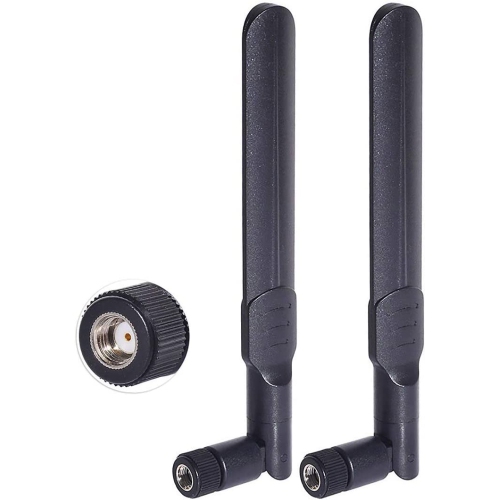
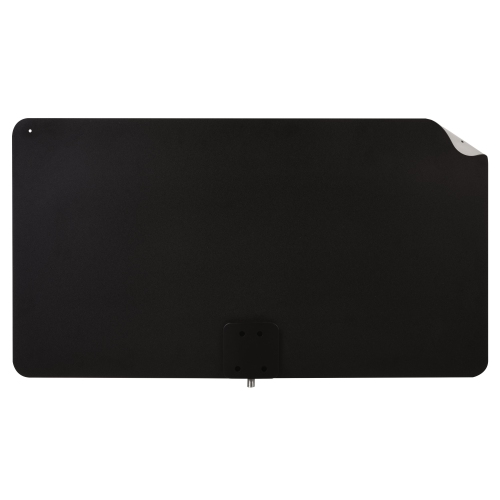
Radio frequency antennas, often called RF antennas, convert electrical signals into radio waves for transmission and incoming radio waves into electrical signals for reception. They form the link between electronic equipment and the signals travelling through the air, supporting uses such as broadcast radio, over-the-air television, two-way communication, and wireless networking. An antenna’s suitability depends on the frequencies it is designed to handle, its radiation pattern, and its compatibility with the connected device. Frequency range is usually stated in megahertz (MHz) or gigahertz (GHz), and matching that range to the equipment is more important than choosing by size or appearance. A long telescopic rod, a compact hinged antenna, and a flat directional panel can serve very different purposes even when their connectors look similar. Some designs cover a narrow band, while others support multiple bands or a broader frequency range. For a listener setting up a radio on a kitchen shelf, a simple receiving antenna may be enough to improve reception when positioned away from interfering electronics. Someone connecting equipment between two fixed locations may need a more focused design with a clear path towards the other end of the connection. Directional antennas concentrate reception and transmission in particular directions, while omnidirectional designs generally provide coverage around the antenna in a broad horizontal pattern. Neither approach is automatically better: the useful choice depends on where the signal source or receiving equipment sits. Antenna gain describes how strongly a design concentrates its response in certain directions compared with a reference antenna; it does not mean that a passive antenna creates additional power. Higher gain can be useful for a fixed connection, but it may also narrow coverage in ways that are less suitable for equipment spread across different floors. For networking applications, Wireless Antennas relate more specifically to equipment such as compatible routers and access points, where supported Wi-Fi bands and antenna connections help determine fit.
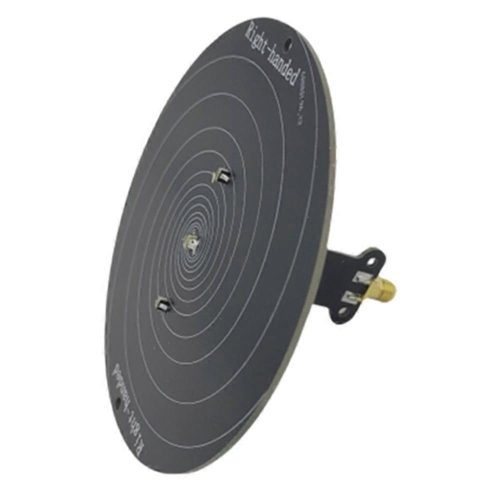
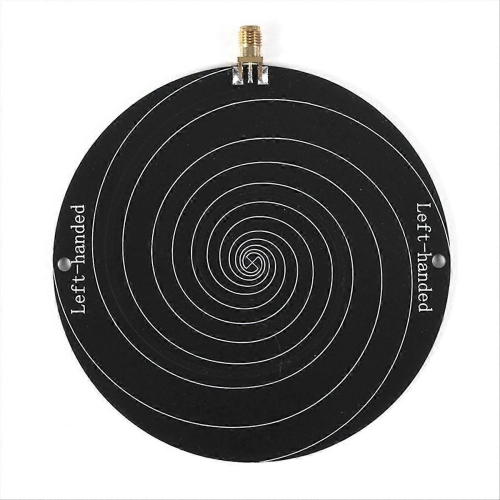
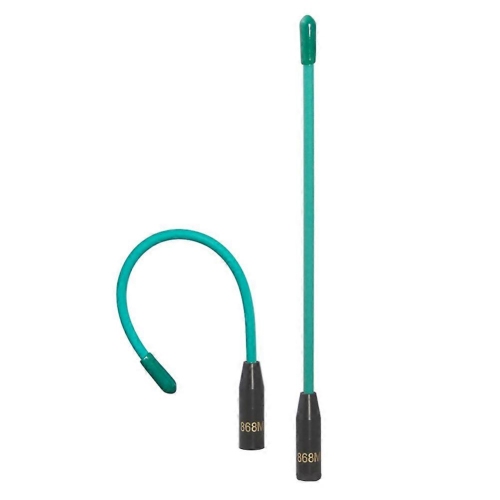
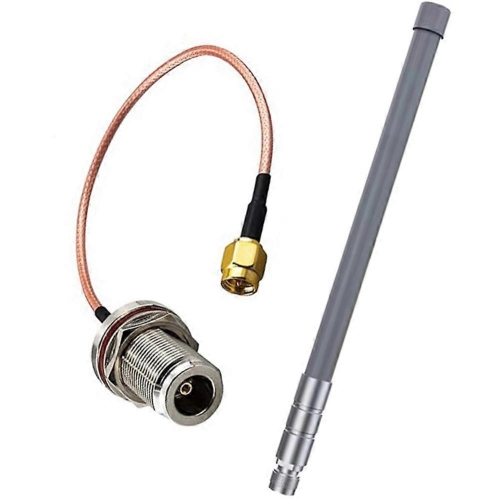
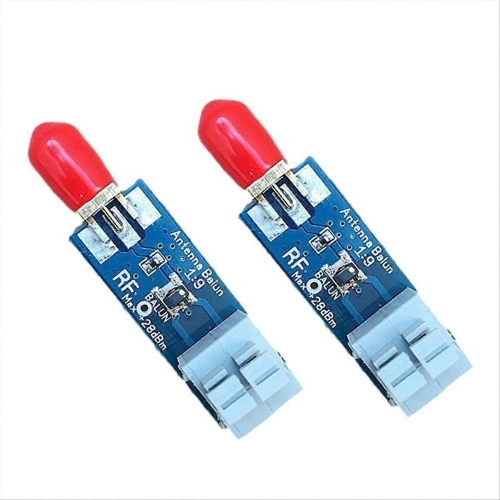
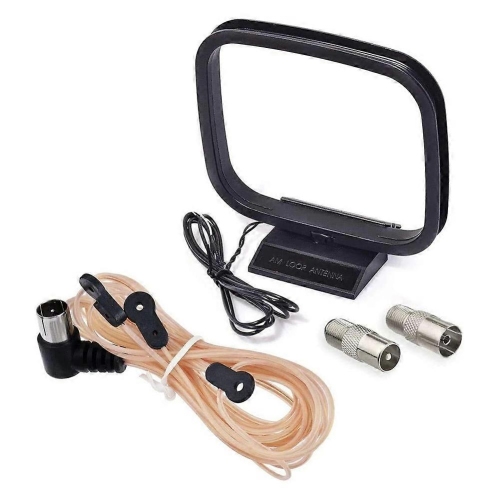
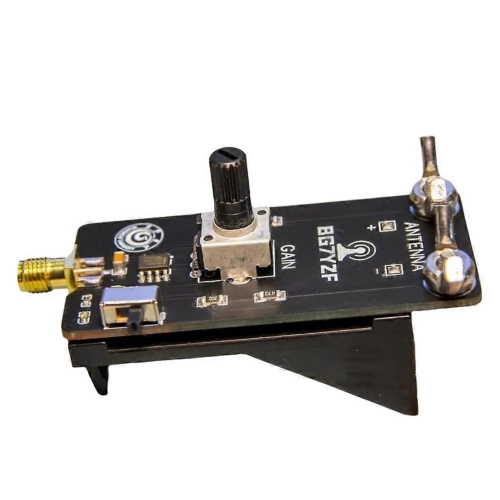
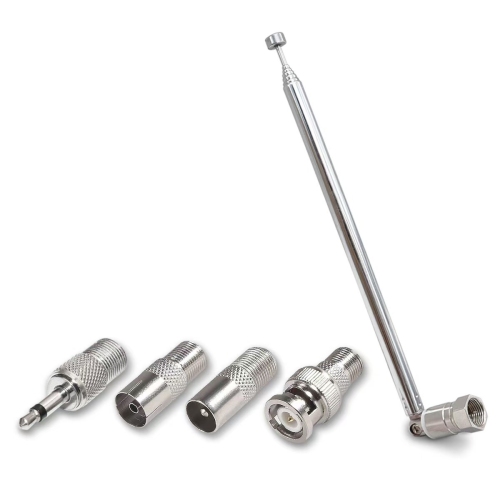
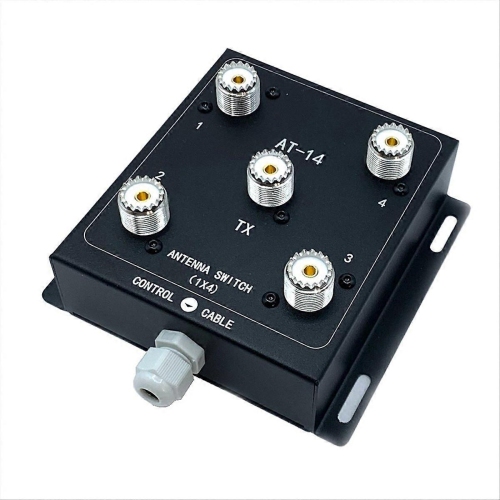
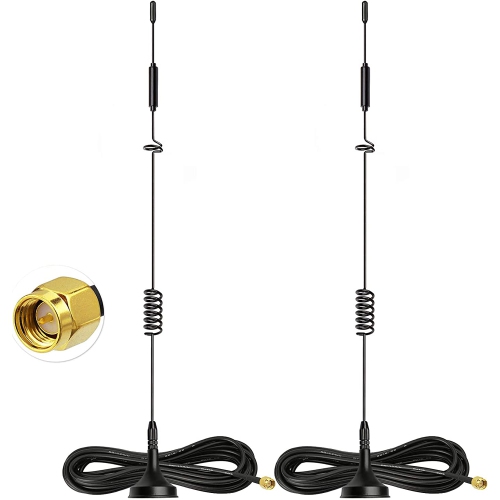
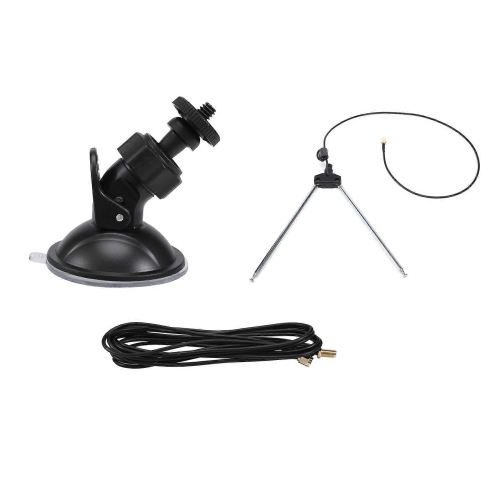
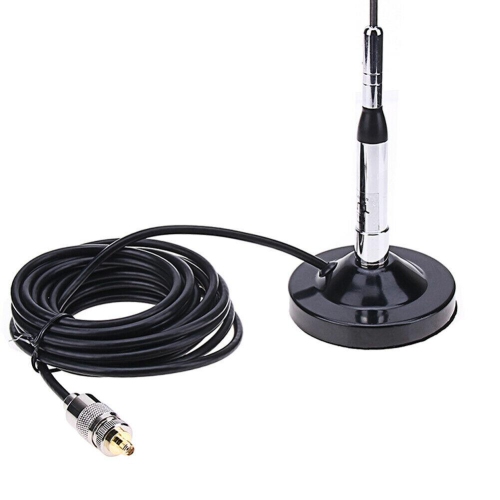
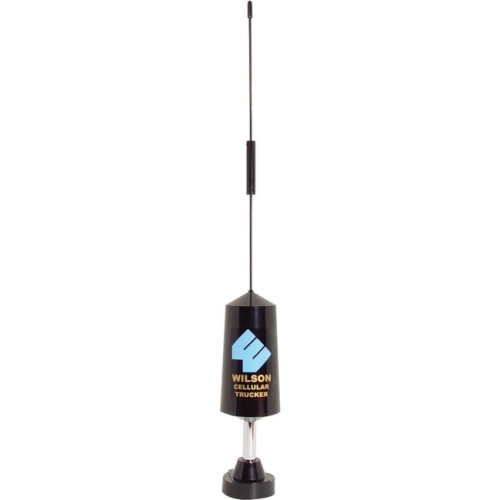
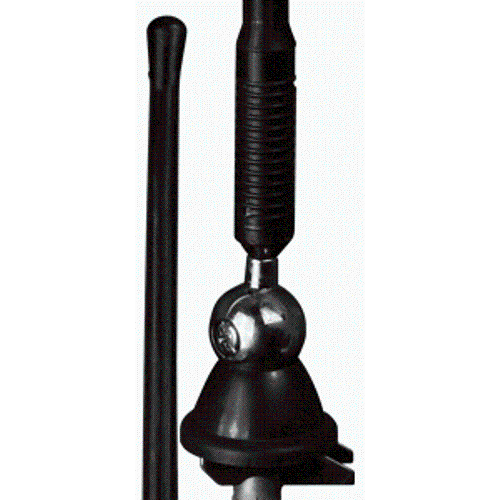
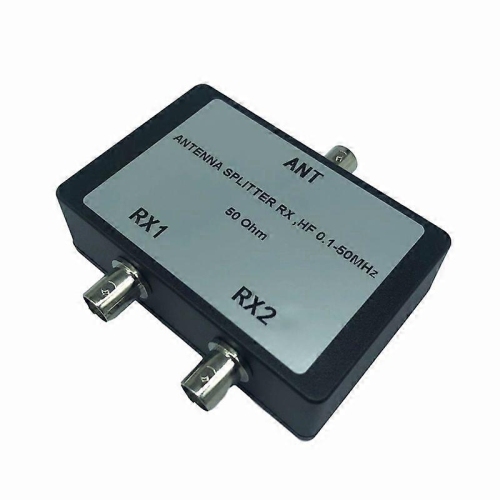
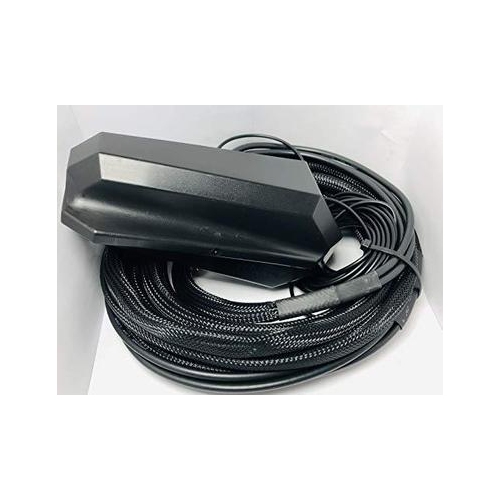
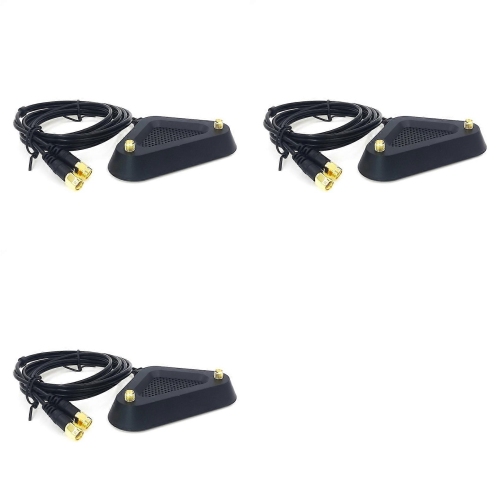
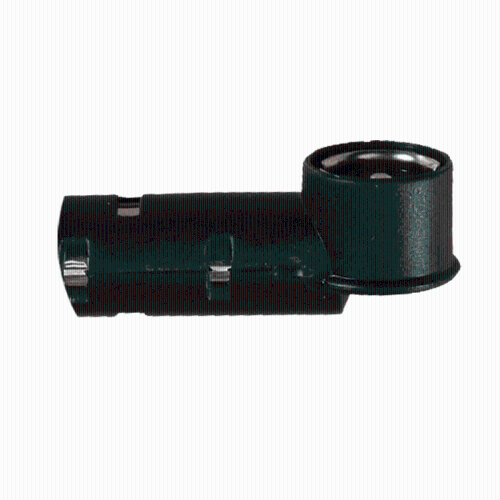
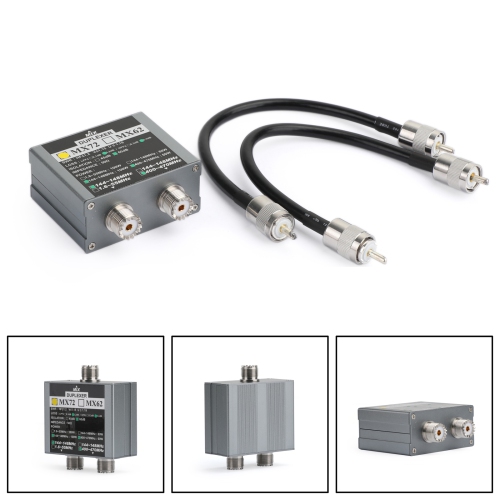
Physical compatibility matters just as much as frequency coverage. RF antenna connectors vary in size, thread arrangement, and centre-contact configuration, so two fittings that appear alike may not connect correctly. Standard and reverse-polarity connectors are a common source of confusion, particularly with networking hardware. Matching the exact connector specification helps avoid a loose connection, damaged contacts, or an adapter chain that adds bulk and signal loss. Impedance is another important specification: many radio and wireless systems use 50-ohm connections, while television receiving systems commonly use 75-ohm connections. The antenna, cable, and equipment should suit the same system requirements rather than simply fit together mechanically. Cable length also affects performance. A longer cable offers more freedom to place an antenna near a window or above nearby obstructions, but it introduces signal loss, especially at higher frequencies. A short, suitable cable run can therefore be more useful than extra length coiled behind a cabinet. For desktop equipment, a freestanding base can separate the antenna from the metal computer case and make small placement adjustments easier. A hinged design may help an antenna clear the back of a device without putting strain on its socket, while a wall or mast mount can hold a larger assembly in a stable position. Magnetic mounts need an appropriate metal surface, and some antenna designs rely on a conductive ground plane as part of their operation. Mounting requirements should be checked rather than assumed. Polarization, which describes the orientation of the radio wave’s electric field, also influences the connection; compatible orientation at both ends can improve signal transfer. In a practical setup, moving an antenna away from a metal filing cabinet or adjusting its angle may help more than replacing it with a physically larger model. Equipment with multiple antenna connections may depend on specified spacing, port assignments, or matching antenna characteristics, so replacing only one part of that arrangement deserves attention to the device documentation.
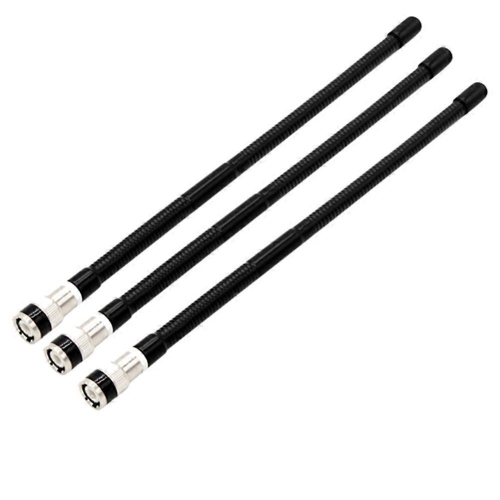
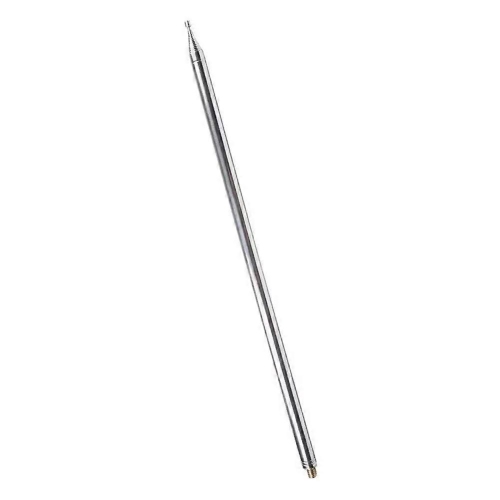
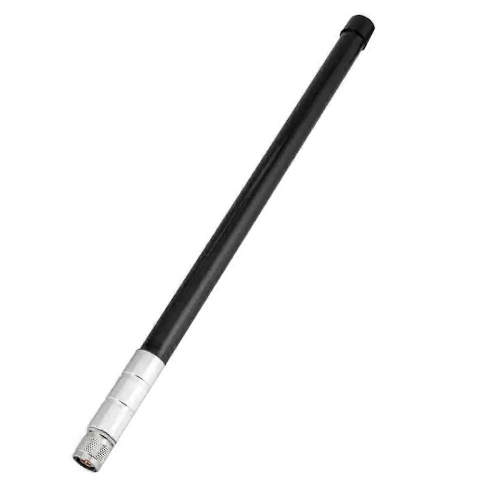
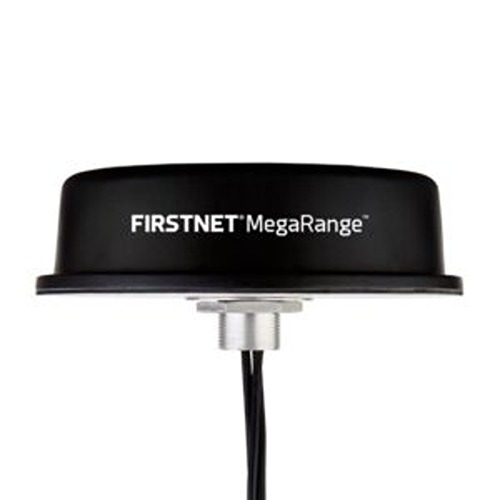
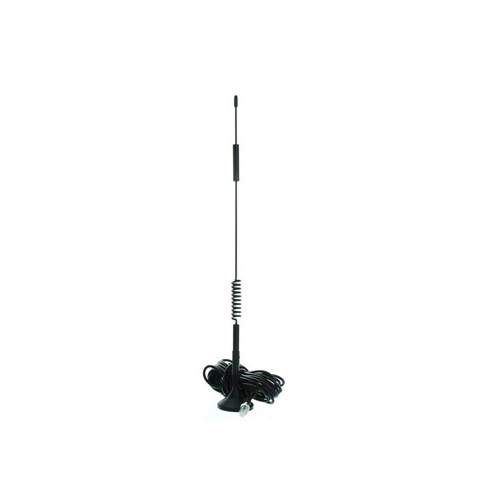
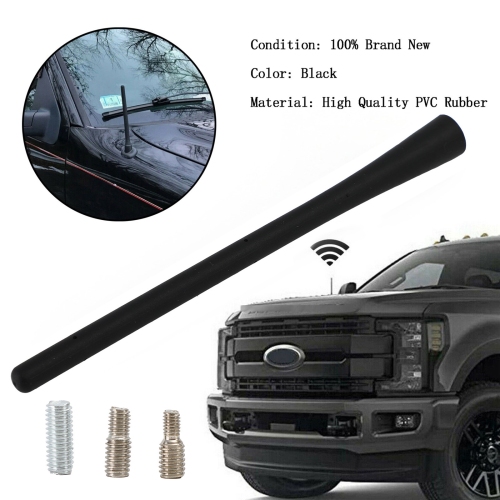
Materials and construction influence how comfortably an antenna fits into daily use and how well it stands up to handling. Metal elements may be exposed or enclosed within a plastic or fibreglass housing, depending on the design. A protective housing helps keep delicate components from being bent or touched, while a telescopic element offers adjustable length in a compact form but requires gentler handling at its narrower sections. For an antenna that will be repositioned often, a secure hinge, a stable base, and strain relief where the cable enters the housing are useful details. Fixed installations benefit from sturdy brackets and hardware suited to the mounting surface, with enough clearance to keep the antenna from pressing against nearby objects. Outdoor-rated construction is important for an exterior installation, and any mast, cable entry, or grounding arrangement should follow the equipment instructions and applicable local requirements. Antennas and masts must be kept well away from overhead electrical lines. Inside the home, routing cable along a clear path prevents pinching behind furniture and reduces the chance of someone pulling the antenna off a shelf. Care is generally straightforward: disconnect equipment as directed before cleaning, remove surface dust with a soft cloth, and avoid forcing telescopic sections or twisting the cable to undo a threaded connector. Periodic checks for loose fittings, damaged insulation, or a wobbling mount can catch problems before they interrupt reception. RF antennas can be useful to radio hobbyists, households using broadcast reception, and people maintaining compatible communication or networking equipment. They can also make a thoughtful gift for an enthusiast when the recipient’s frequency bands, connector type, and intended use are known. Receiving a signal and transmitting one place different demands on an antenna, so a transmitting setup also needs an appropriate power rating and a suitable match to the radio. Reception quality ultimately depends on the complete signal path, including the source, distance, obstructions, interference, cabling, and receiver. An antenna matched to those practical conditions is a better foundation for reliable operation than size or gain alone.
Top selling and popular products
-
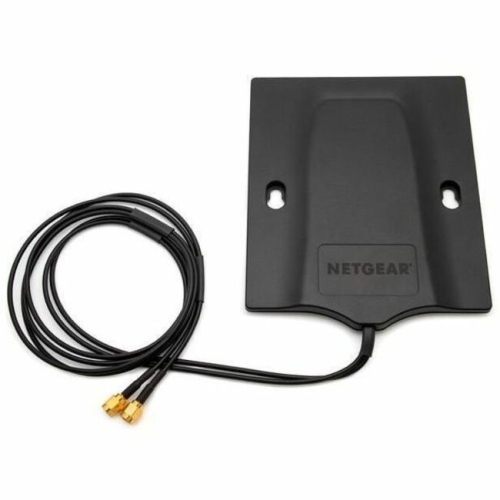 Your price for this item is $105.2
-
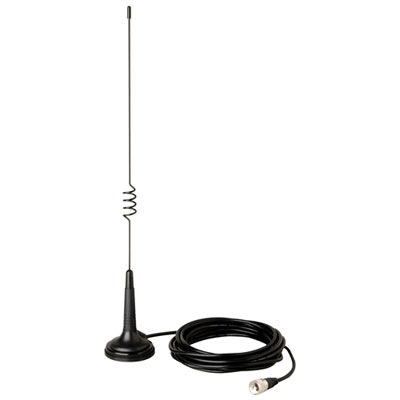 Your price for this item is $59.99
-
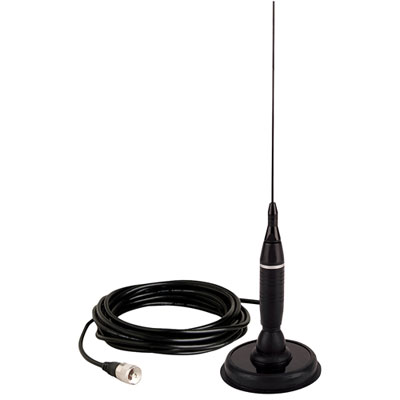 Your price for this item is $69.99
-
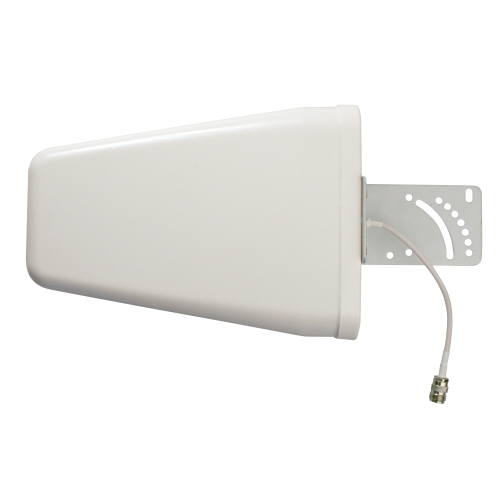 Your price for this item is $129.99
-
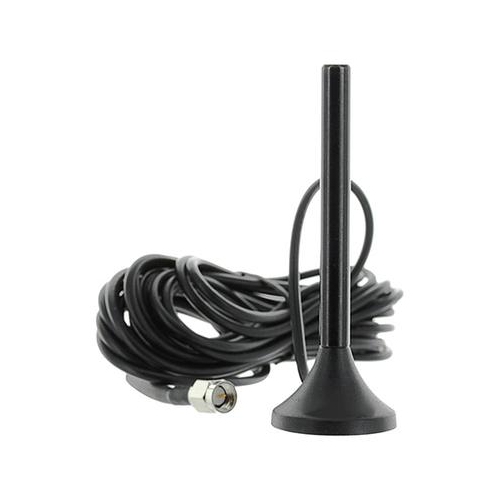 Your price for this item is $39.99
-
 Your price for this item is $144.99
-
 Your price for this item is $139.99
-
 Your price for this item is $14.49
Discover more categories related to Radio Frequency Antennas
Top Collections:
Pokemon Centers, Best Cameras for Sports Photography, Kindle Devices, Samsung Galaxy Phones, Canon G7X Cameras, Pokémon 30th Celebration Cards, Refurbished Apple Laptops, iPhone 15 Apple, Laptops for Students, Budget Smartphones
Some products may be subject to Environmental Handling Fees
(EHF) depending on your province.
Learn more about EHFs.