AM Radio Antennas
Looking to enhance your AM radio listening experience? Look no further than our wide selection of AM radio antennas. Whether you're a radio enthusiast or simply enjoy catching up on news and talk shows, a high-quality antenna can make all the difference in receiving clear and crisp AM signals. From long-range outdoor antennas to compact indoor options, we have the perfect solution to help you optimize your AM radio reception. Explore our diverse range of AM radio antennas and take your listening pleasure to new heights.
Sort
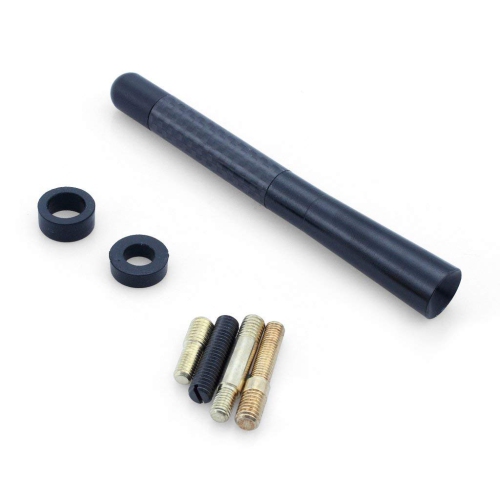
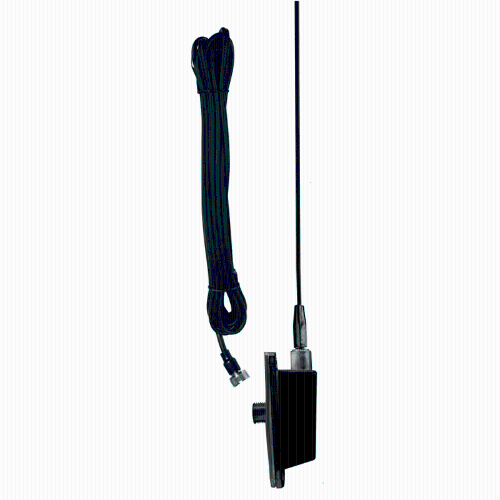
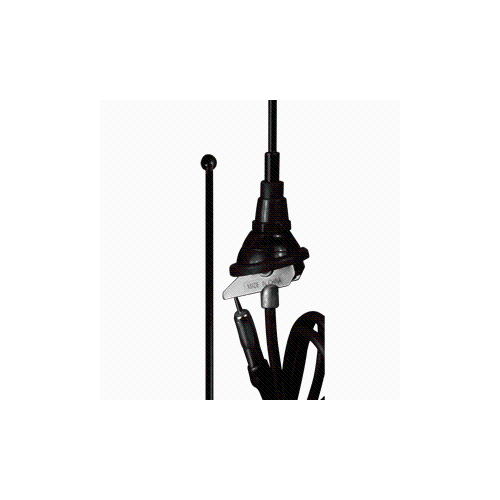
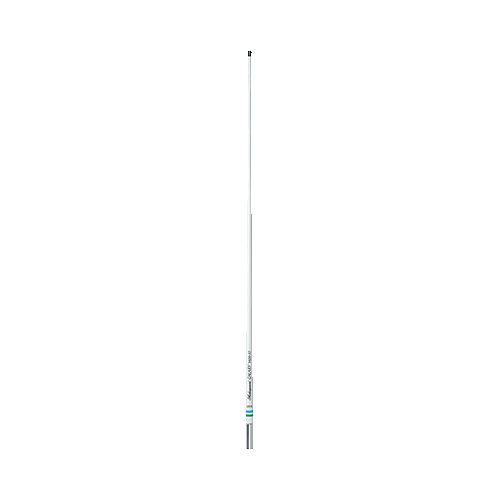
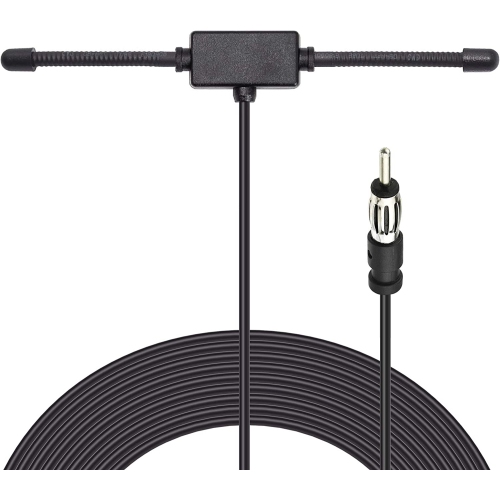
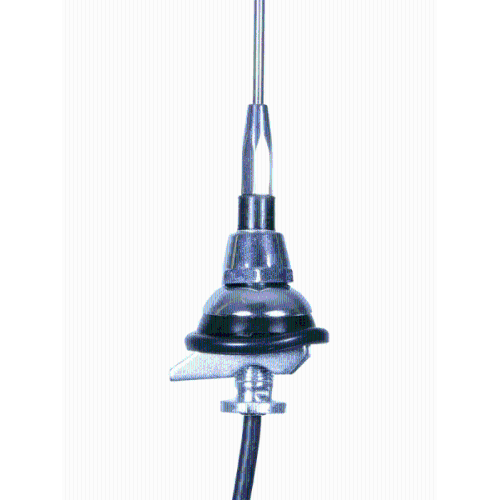
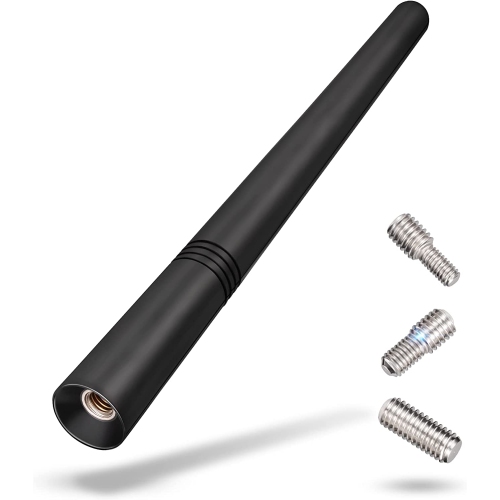
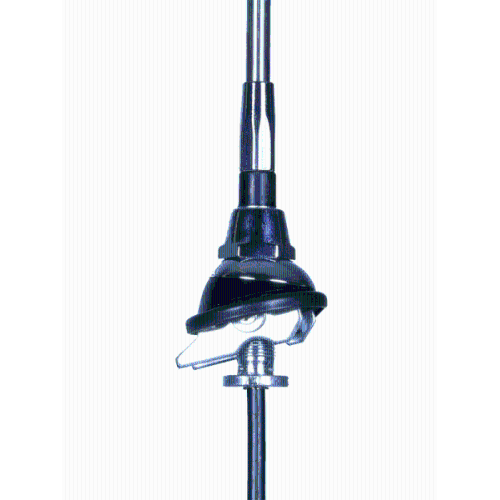
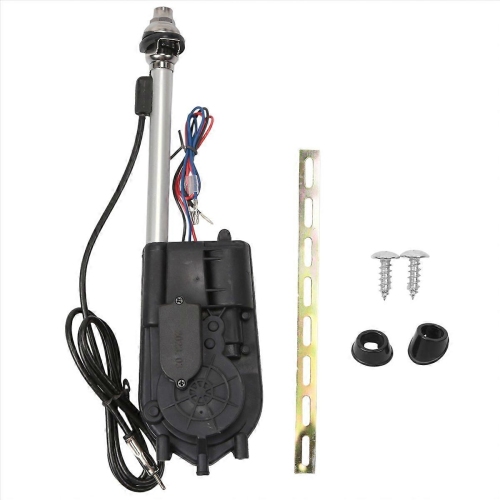
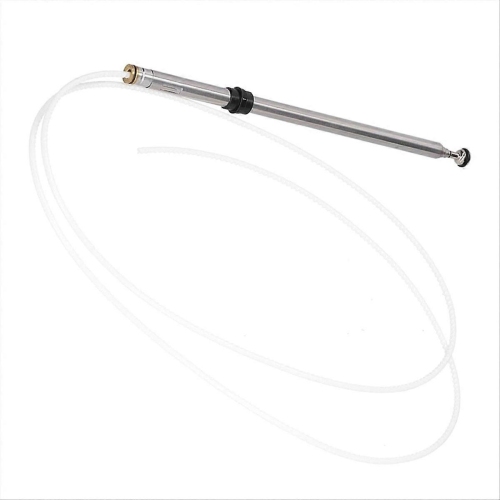
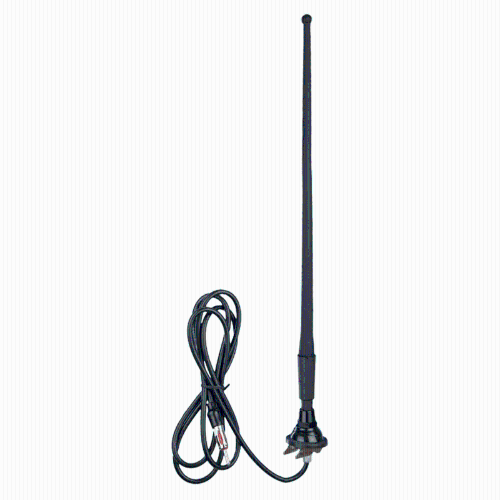
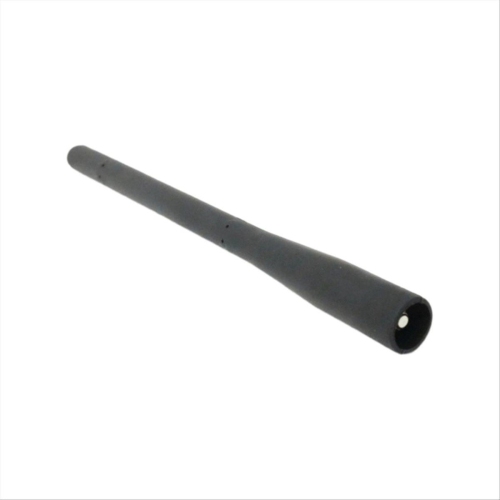
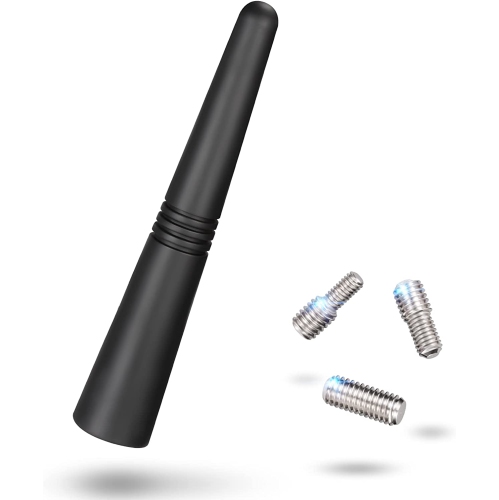
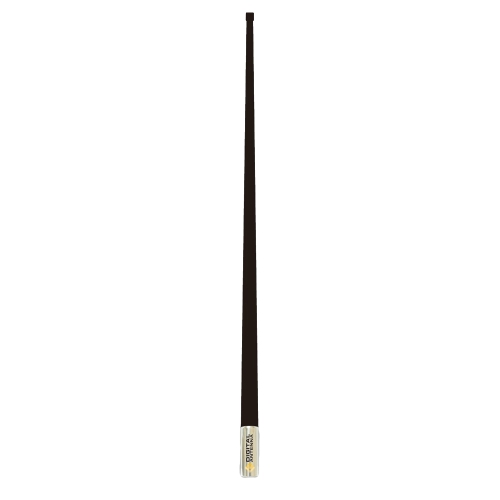
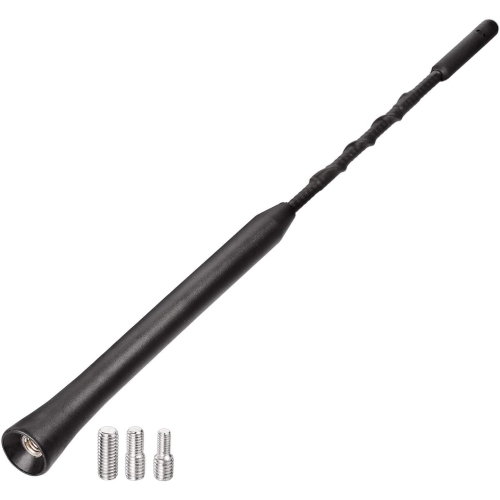
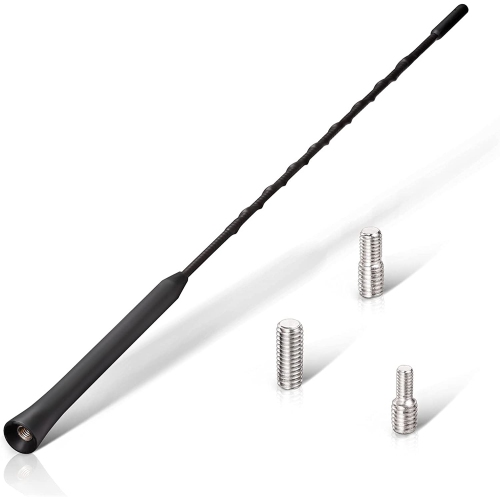
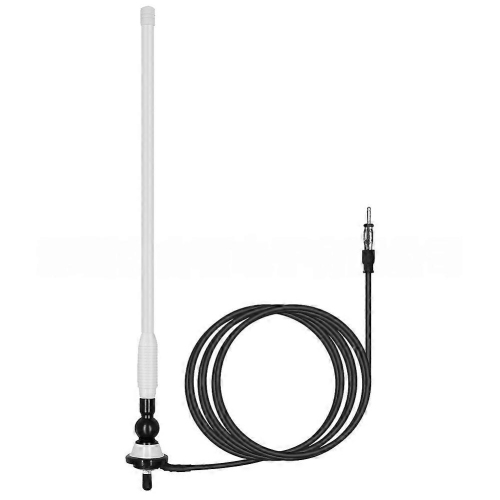
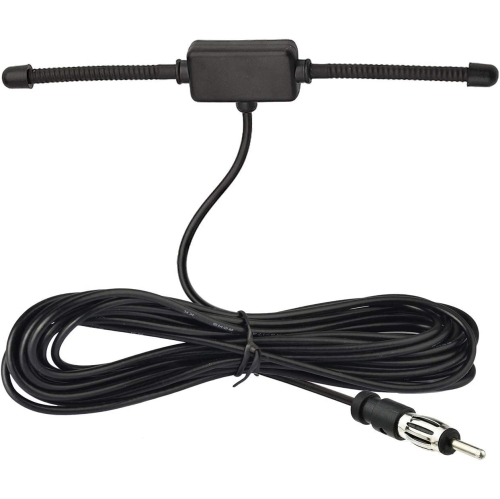
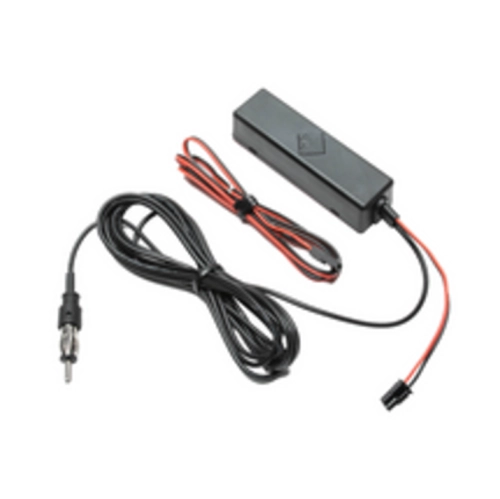
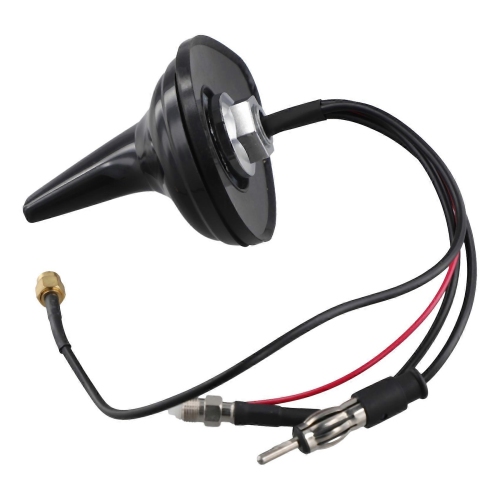
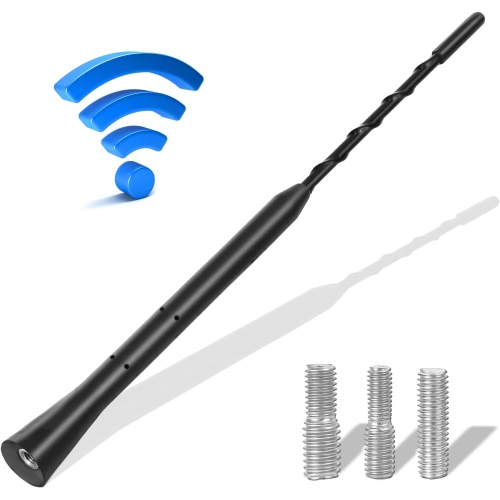
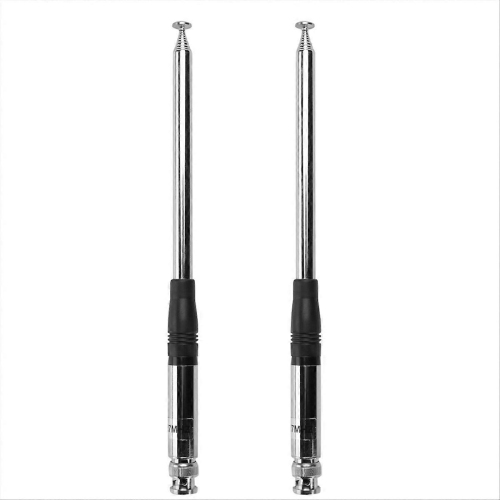
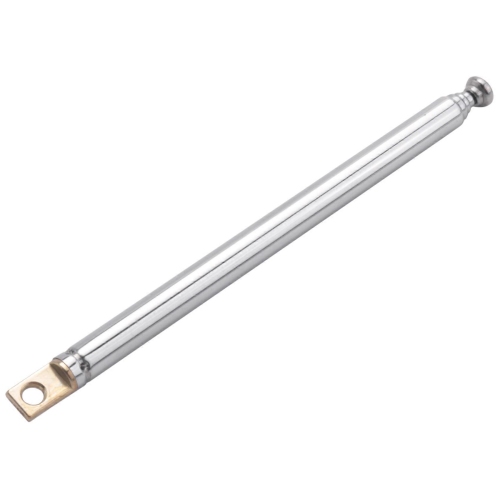
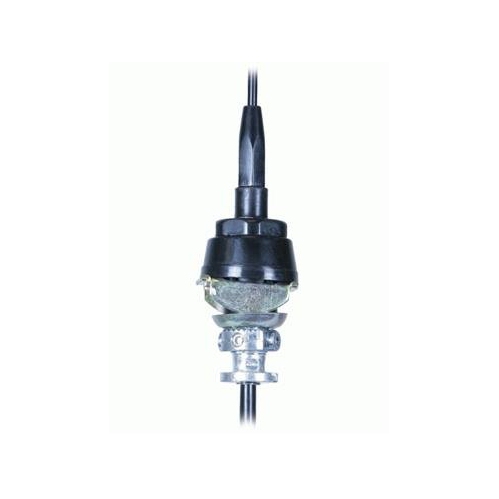

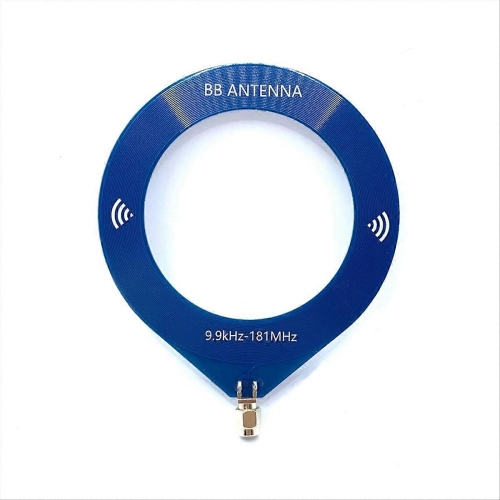
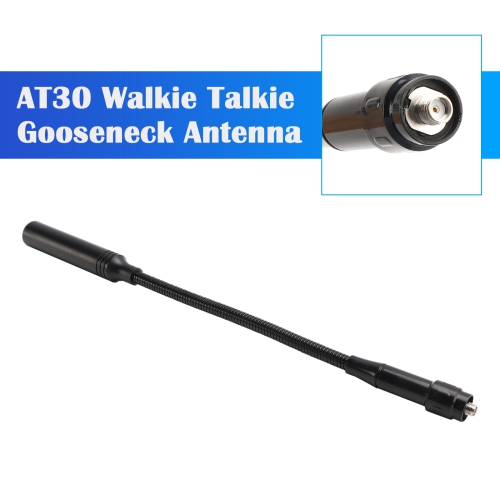
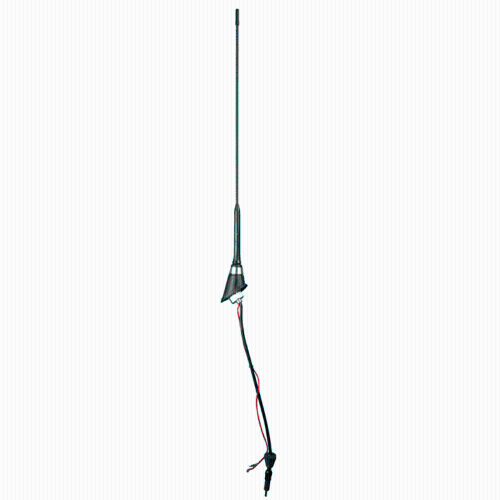
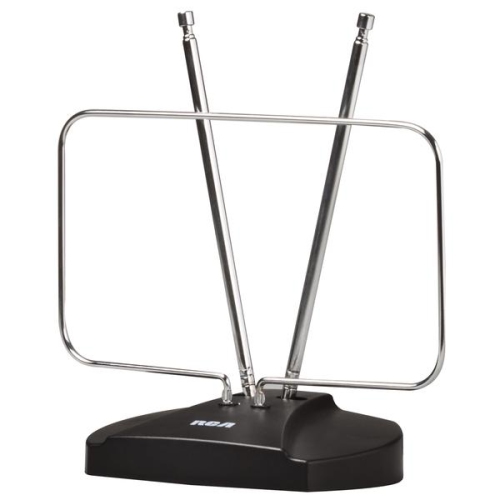
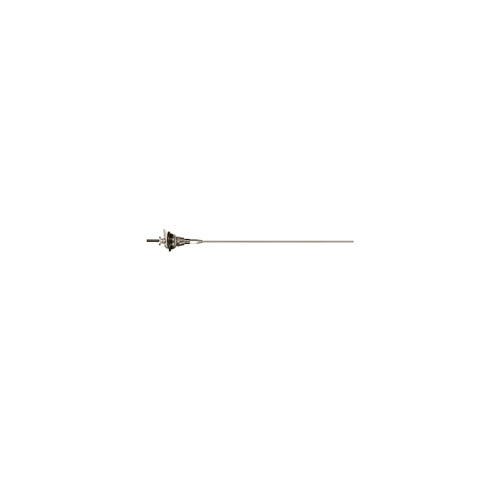
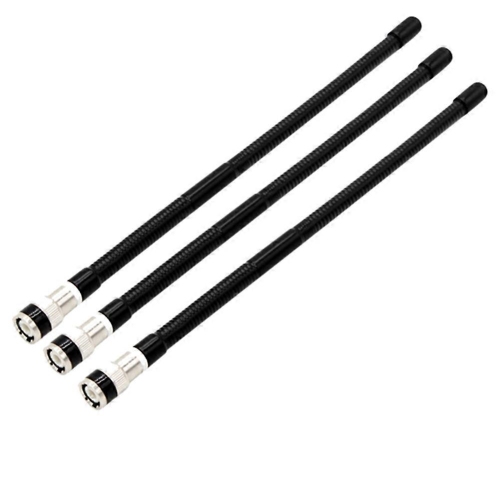
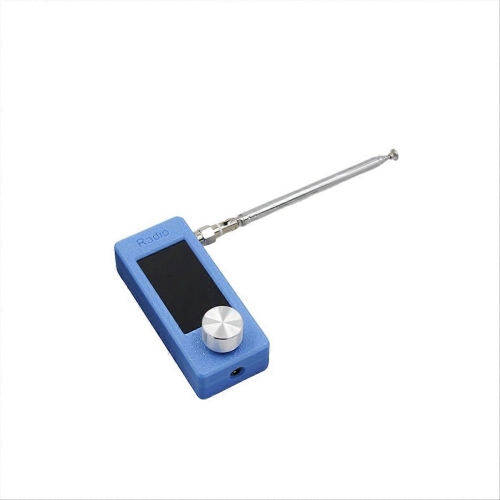
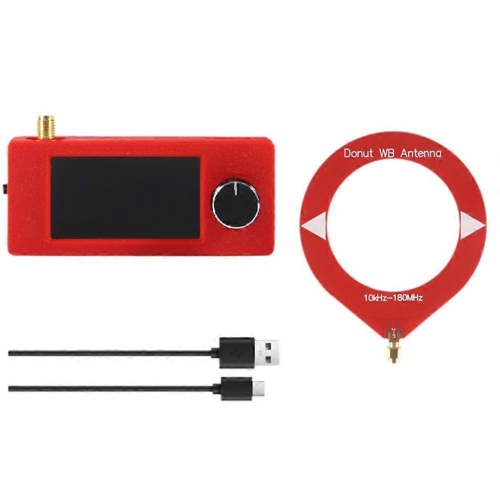
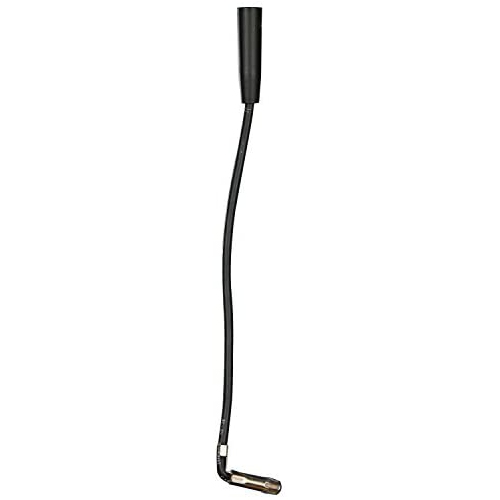
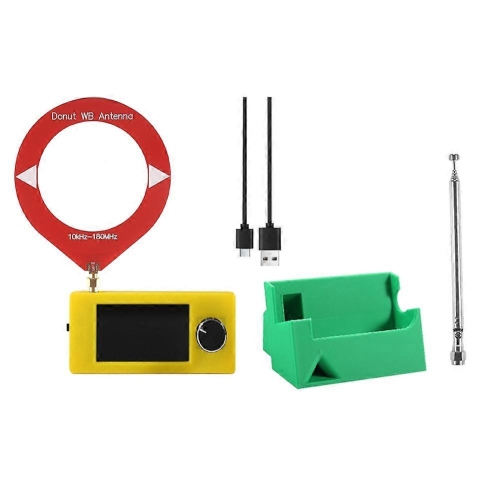
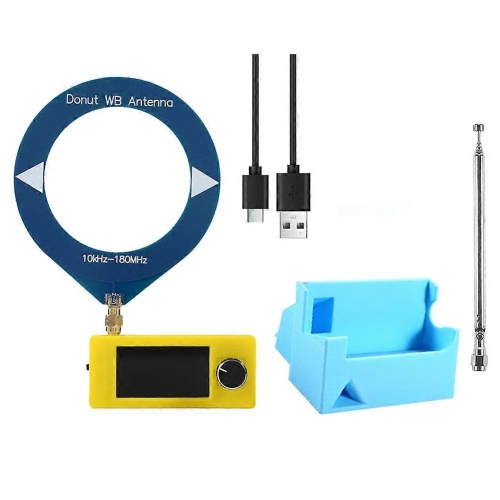
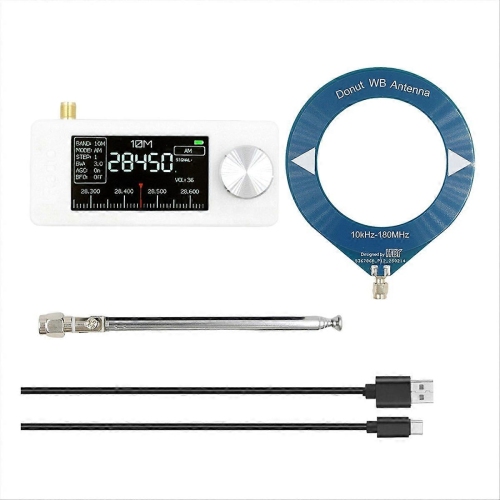
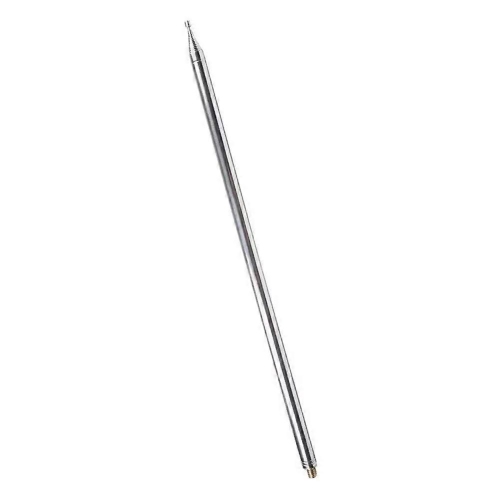
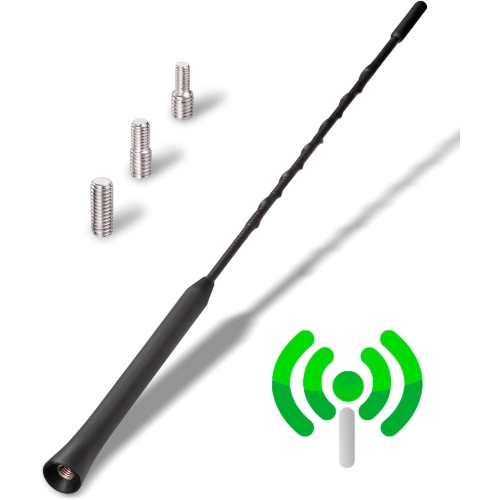
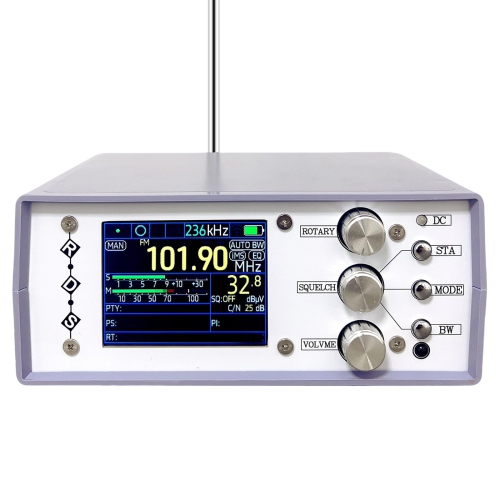
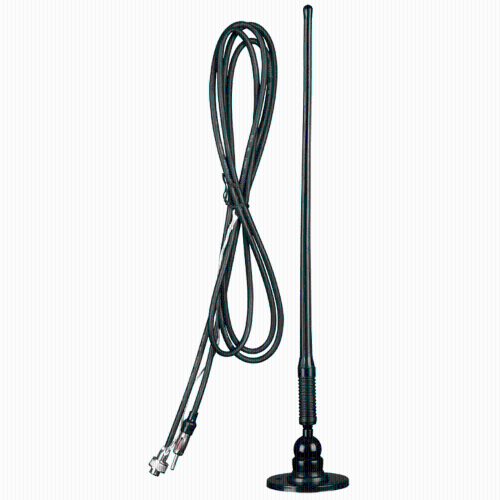
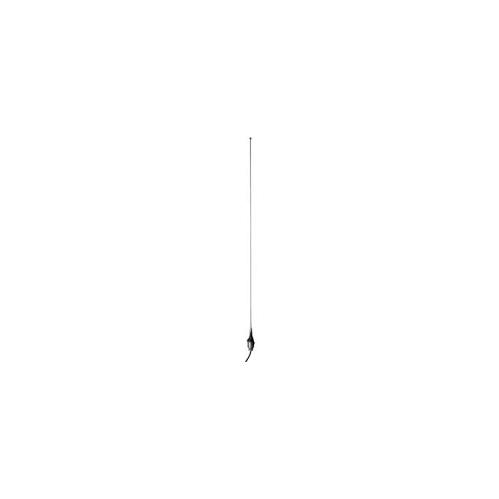
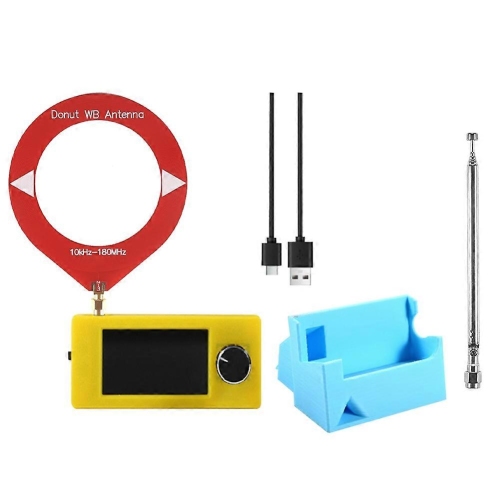
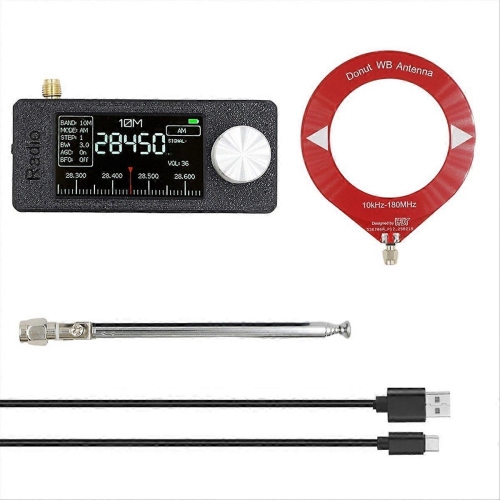
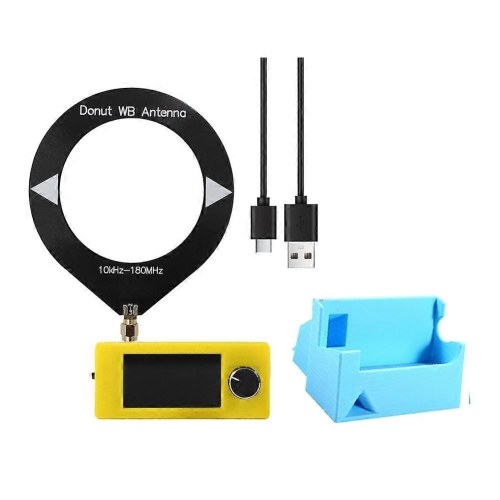
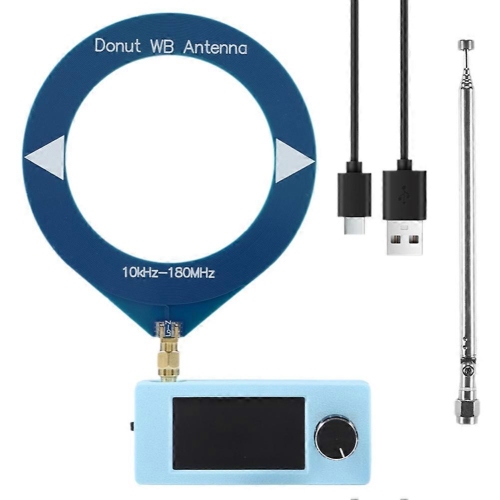
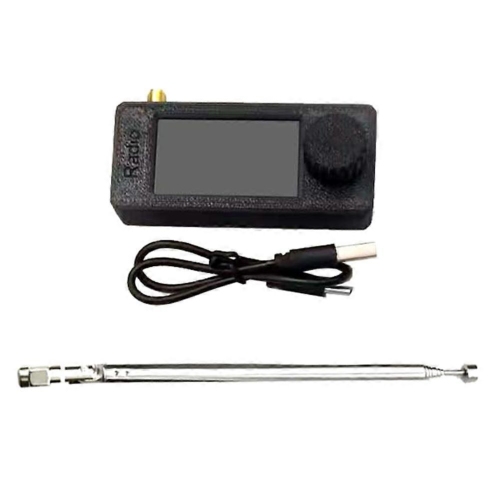
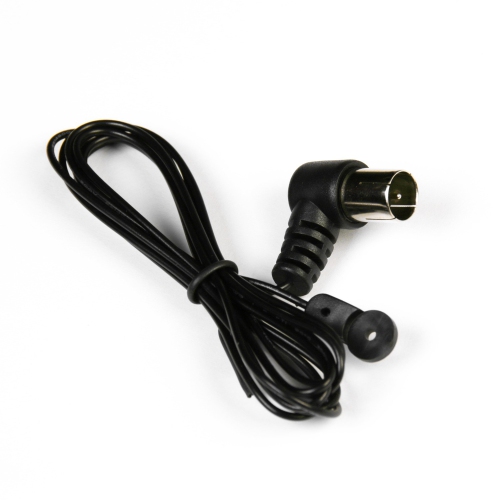
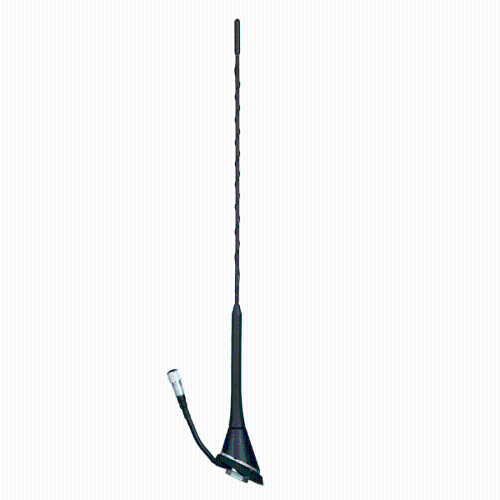
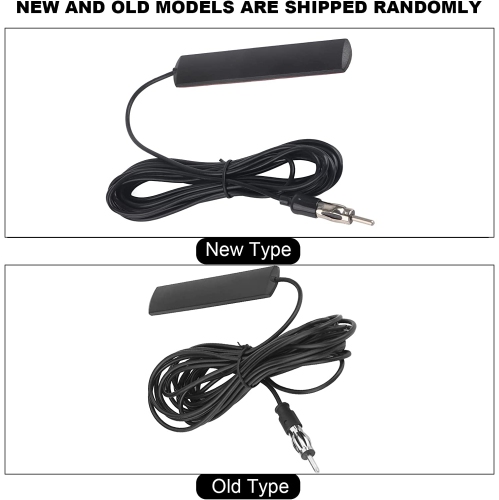
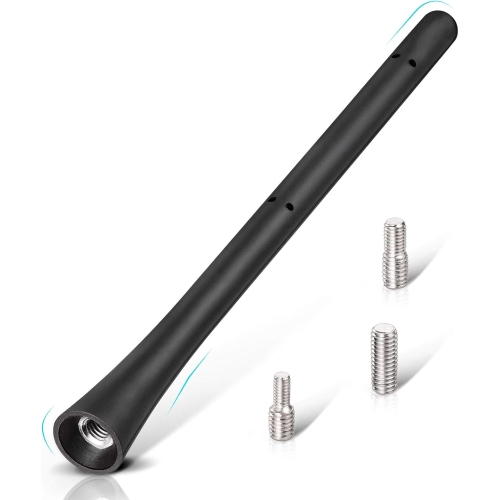
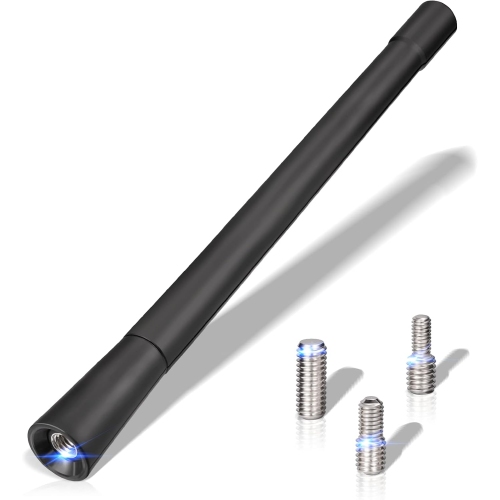
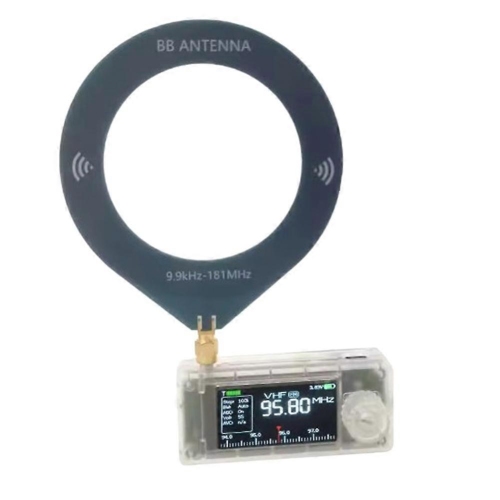
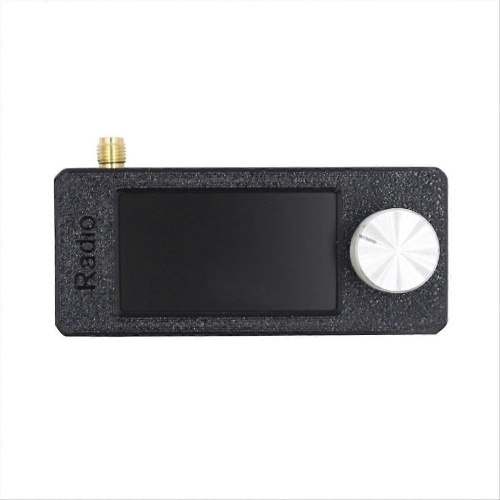
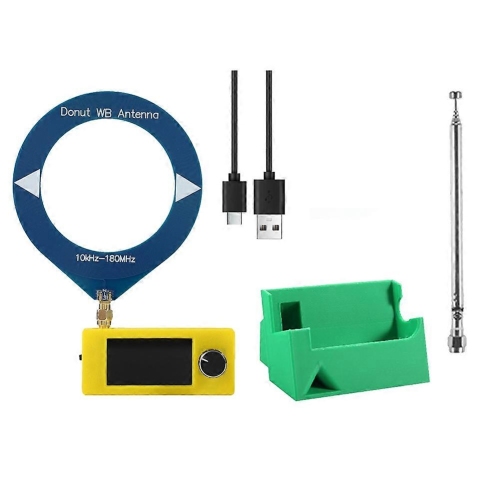
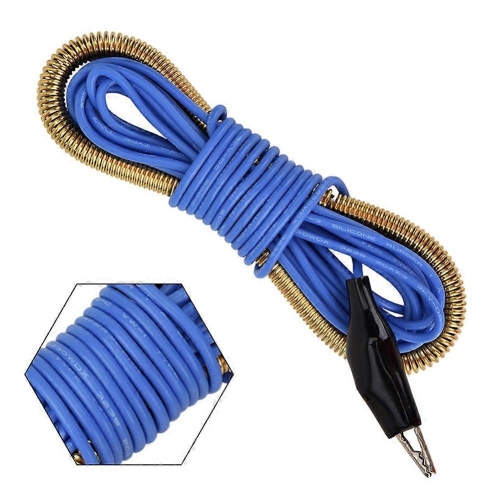
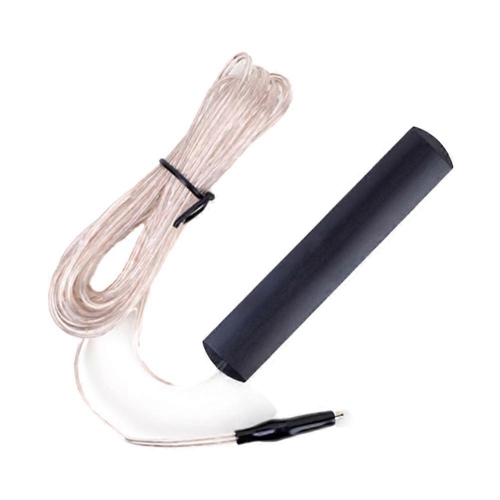
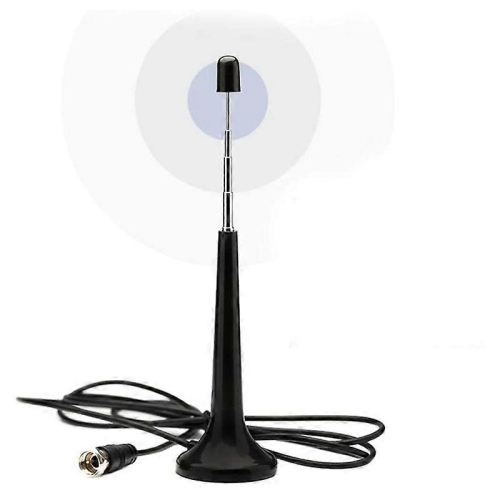
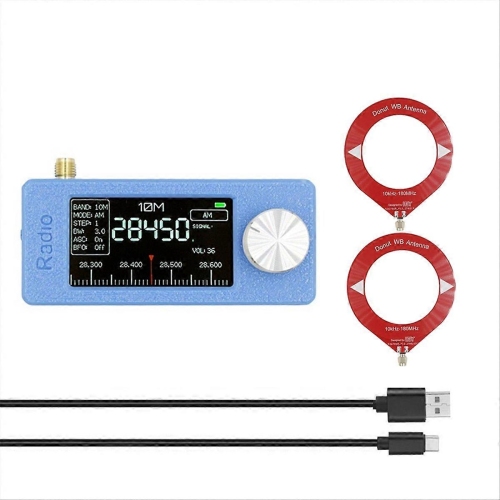
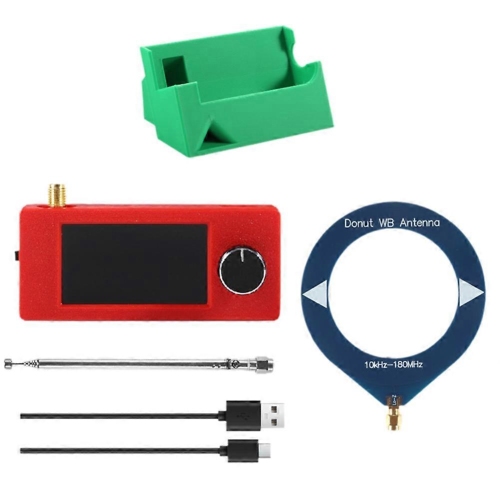
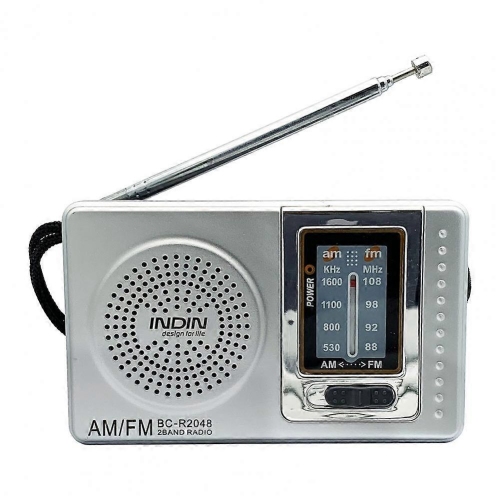
Better reception for local stations and distant broadcasts
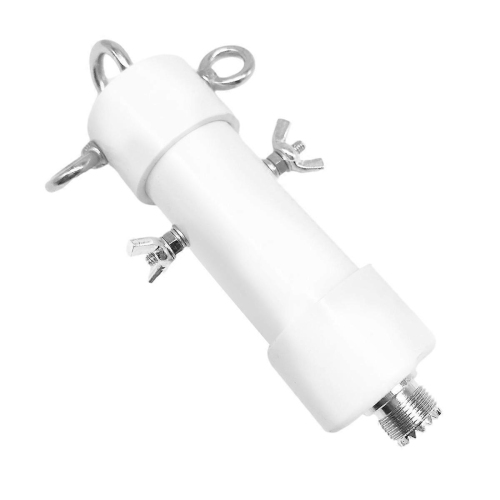
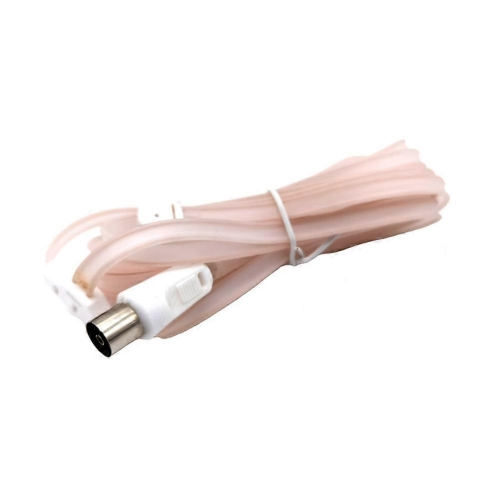
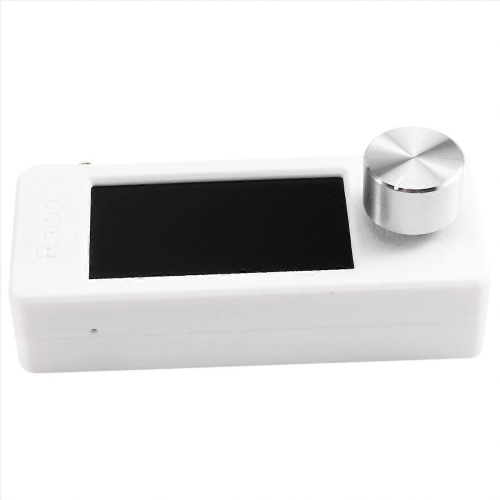
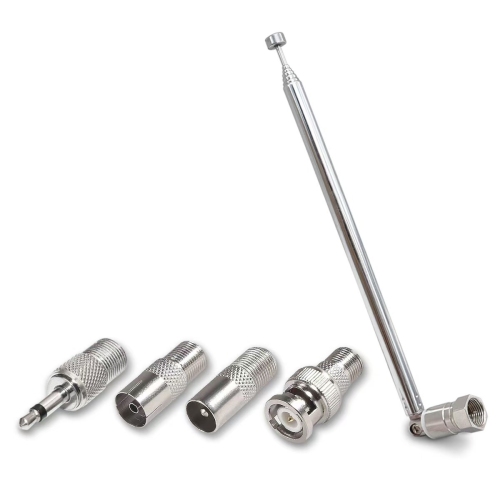
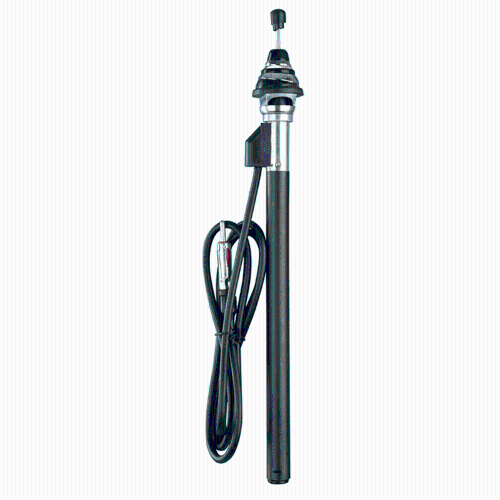
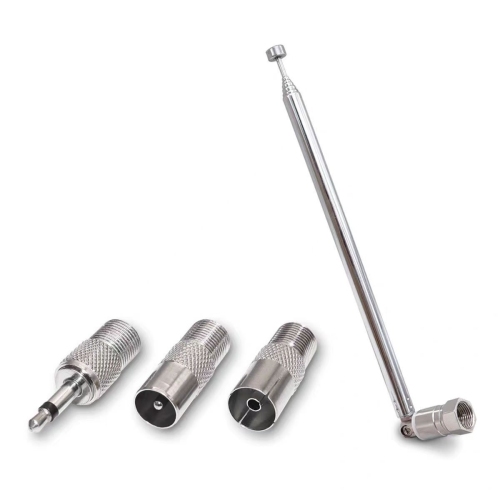
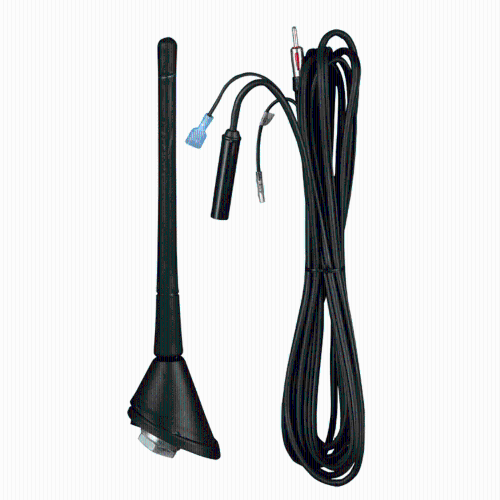
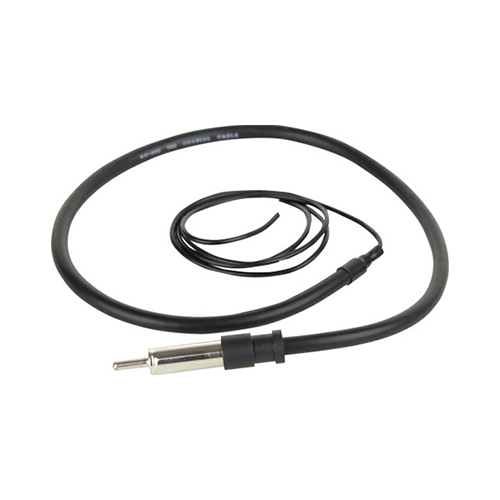
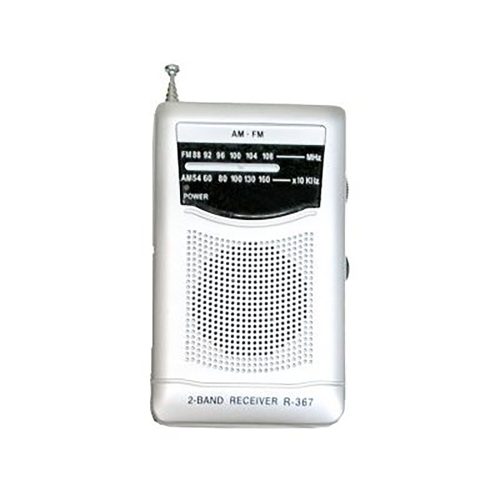
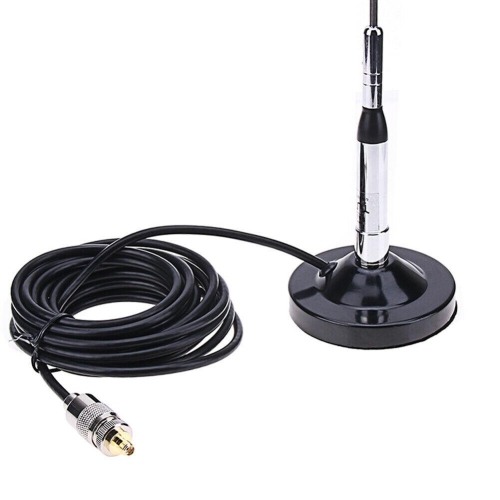
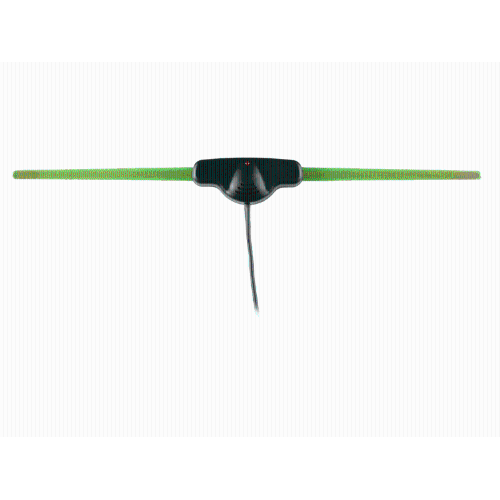
AM radio antennas are designed to help radios receive medium-wave broadcast signals with greater clarity, consistency, or range. They can be useful when a built-in antenna struggles with weak stations, background hiss, fading audio, or interference from nearby electronics. A suitable antenna may make it easier to listen to local news, weather reports, sports coverage, talk radio, music, traffic updates, emergency information, and distant stations that are difficult to receive with a basic portable radio alone. AM reception can vary considerably from one room to another, so an antenna that performs well in one location may need to be positioned differently in another. Walls, wiring, metal shelving, appliances, and nearby electronic devices can all influence reception. Browsing AM radio antennas alongside other radio frequency antennas can help listeners compare designs and find an option that matches their radio, listening space, and reception goals. These accessories are suitable for home audio enthusiasts, hobbyists who enjoy exploring distant broadcasts, collectors restoring older radios, and anyone who wants to improve the performance of an everyday AM receiver. They can also make thoughtful gifts for a radio enthusiast, a parent or grandparent who enjoys familiar broadcasts, or someone setting up a simple listening area at home or at a cottage.
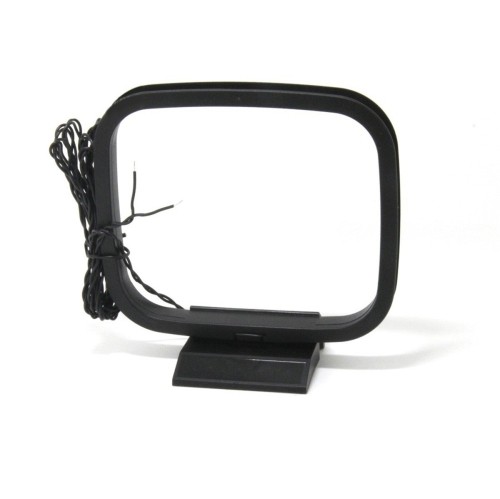
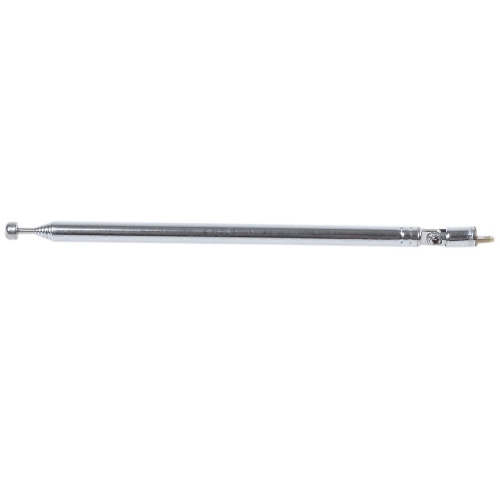
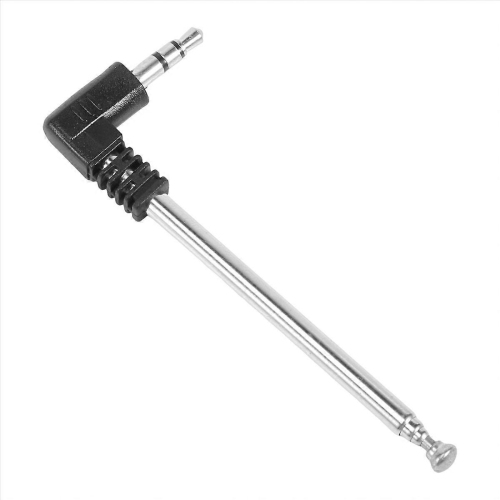
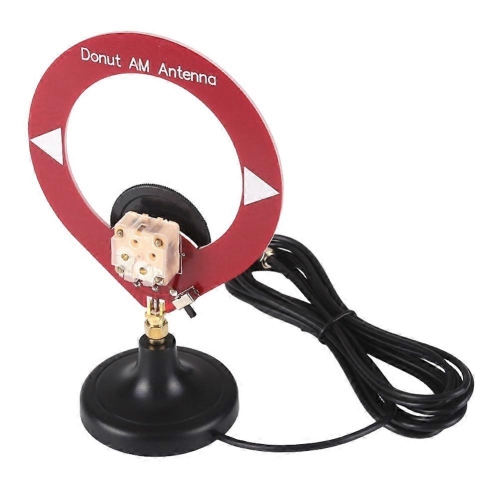
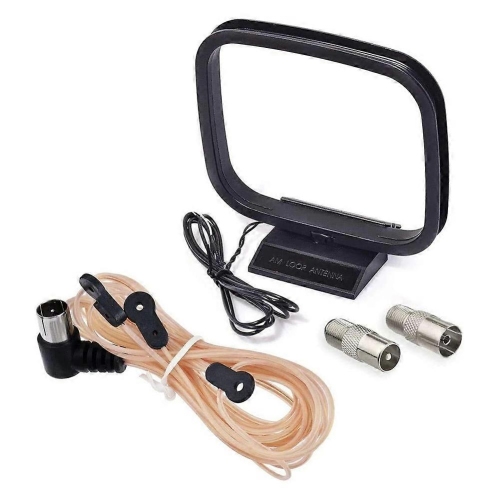
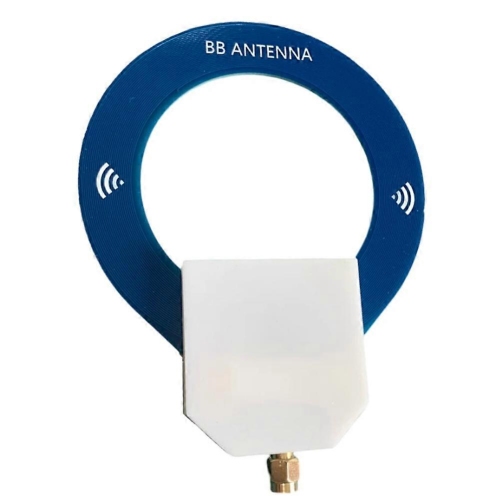
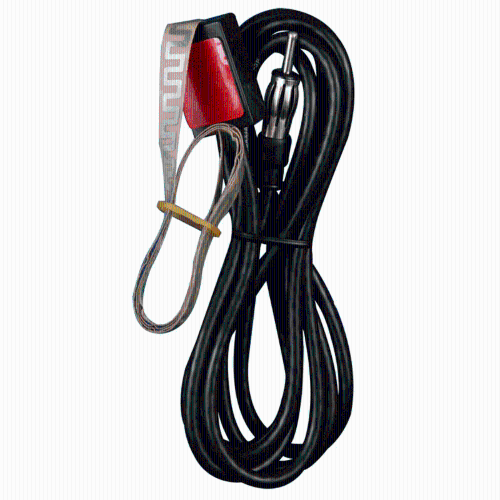
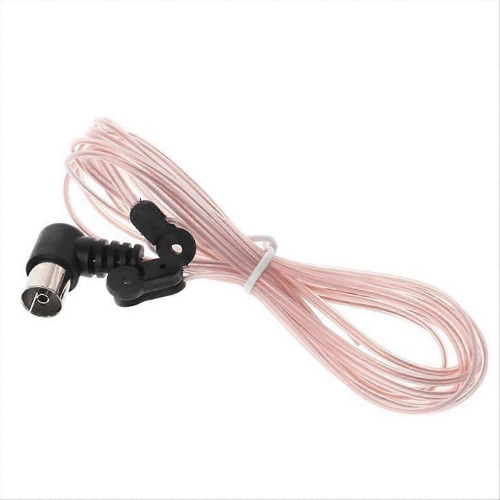
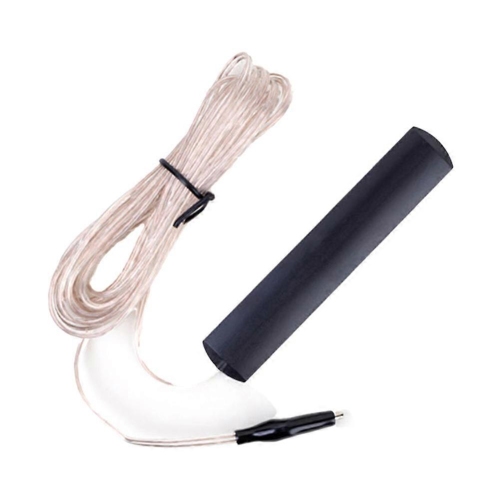
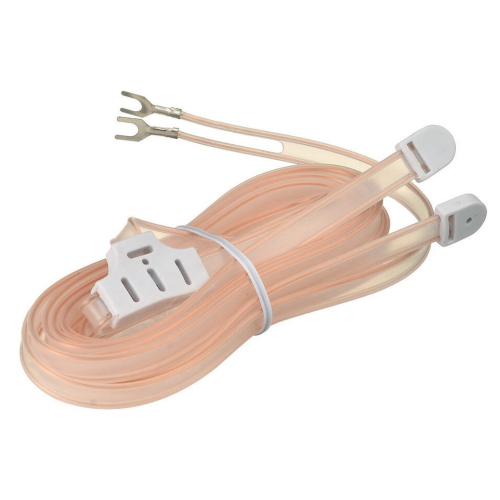
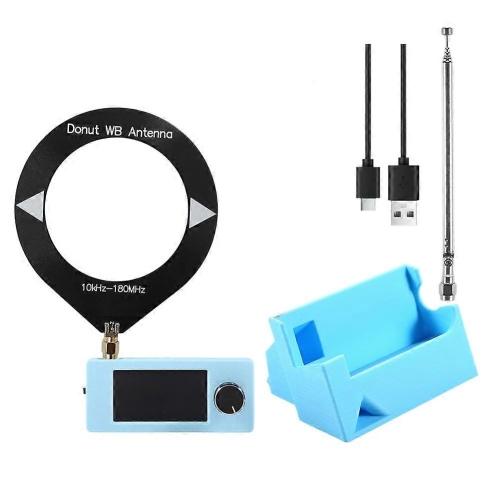
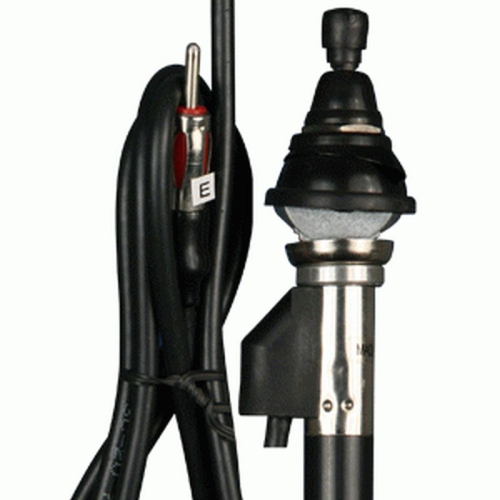
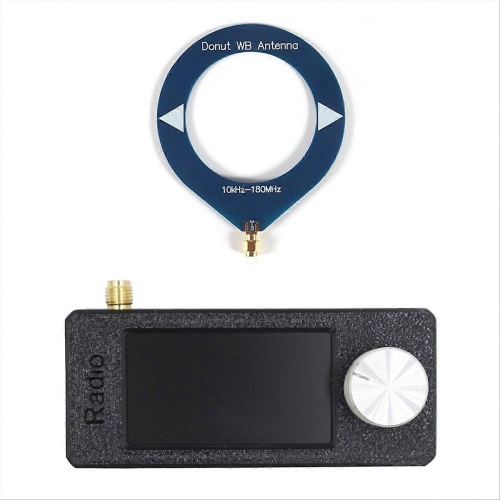
The most common AM antenna designs include compact loop antennas, tunable loop antennas, and long-wire antennas. A small loop antenna may be a practical choice for a home stereo, clock radio, or receiver with a compatible antenna connection. Its compact shape is easy to place on a shelf, beside a receiver, or near a window without taking up much room. Tunable loop antennas include a control that lets the listener adjust the antenna to the station being received. This can help improve selectivity and signal strength, particularly when trying to separate two stations that are close together on the dial or when a favourite station is weak indoors. Long-wire antennas use a length of insulated wire to capture more of the surrounding radio signal. Depending on the design and installation instructions, the wire may be positioned along a wall, across a room, in an attic, or outdoors. This type can suit listeners looking for additional range, although it requires more room and careful placement. Before choosing an antenna, check how the radio connects to an external antenna. Some receivers have dedicated terminals or an antenna jack, while others rely on an internal ferrite rod or another built-in system. A passive loop may work without a direct connection when it is placed close to a portable radio, using inductive coupling to transfer the signal. Compatibility information, dimensions, cable length, mounting options, and included accessories are all worth reviewing before purchase.
Placement and adjustment are important parts of getting the best results from an AM radio antenna. AM loop antennas are directional, so rotating the loop gradually can change the strength and clarity of the broadcast. Start with the radio tuned to the desired station, then turn the antenna slowly until voices or music sound strongest and static is reduced. A small movement can make a noticeable difference, especially in a room where the signal is affected by walls, furniture, or wiring. Keep the antenna and radio away from televisions, computers, wireless chargers, LED power supplies, microwaves, and other devices that can introduce buzzing or electronic noise. Moving the setup closer to a window or an outside wall may help, while placing it directly beside a power bar or tangled cables may make reception worse. Long-wire antennas should be installed securely and kept clear of hazards, with outdoor installations following local safety requirements and the antenna manufacturer’s instructions. An antenna can improve a weak signal, but it cannot guarantee reception where a station is out of range or blocked by local conditions. Reception may also change between daytime and nighttime, as AM signals can travel farther after dark and stations may adjust their transmission patterns. During the cooler months or as the weather warms, an antenna can be useful for a kitchen radio, workshop receiver, cottage setup, or quiet listening corner where dependable access to broadcasts matters. With the right design, placement, and adjustment, an AM radio antenna can bring greater detail and stability to familiar stations while making it easier to explore broadcasts beyond the strongest local signals.
The most common AM antenna designs include compact loop antennas, tunable loop antennas, and long-wire antennas. A small loop antenna may be a practical choice for a home stereo, clock radio, or receiver with a compatible antenna connection. Its compact shape is easy to place on a shelf, beside a receiver, or near a window without taking up much room. Tunable loop antennas include a control that lets the listener adjust the antenna to the station being received. This can help improve selectivity and signal strength, particularly when trying to separate two stations that are close together on the dial or when a favourite station is weak indoors. Long-wire antennas use a length of insulated wire to capture more of the surrounding radio signal. Depending on the design and installation instructions, the wire may be positioned along a wall, across a room, in an attic, or outdoors. This type can suit listeners looking for additional range, although it requires more room and careful placement. Before choosing an antenna, check how the radio connects to an external antenna. Some receivers have dedicated terminals or an antenna jack, while others rely on an internal ferrite rod or another built-in system. A passive loop may work without a direct connection when it is placed close to a portable radio, using inductive coupling to transfer the signal. Compatibility information, dimensions, cable length, mounting options, and included accessories are all worth reviewing before purchase.
Placement and adjustment are important parts of getting the best results from an AM radio antenna. AM loop antennas are directional, so rotating the loop gradually can change the strength and clarity of the broadcast. Start with the radio tuned to the desired station, then turn the antenna slowly until voices or music sound strongest and static is reduced. A small movement can make a noticeable difference, especially in a room where the signal is affected by walls, furniture, or wiring. Keep the antenna and radio away from televisions, computers, wireless chargers, LED power supplies, microwaves, and other devices that can introduce buzzing or electronic noise. Moving the setup closer to a window or an outside wall may help, while placing it directly beside a power bar or tangled cables may make reception worse. Long-wire antennas should be installed securely and kept clear of hazards, with outdoor installations following local safety requirements and the antenna manufacturer’s instructions. An antenna can improve a weak signal, but it cannot guarantee reception where a station is out of range or blocked by local conditions. Reception may also change between daytime and nighttime, as AM signals can travel farther after dark and stations may adjust their transmission patterns. During the cooler months or as the weather warms, an antenna can be useful for a kitchen radio, workshop receiver, cottage setup, or quiet listening corner where dependable access to broadcasts matters. With the right design, placement, and adjustment, an AM radio antenna can bring greater detail and stability to familiar stations while making it easier to explore broadcasts beyond the strongest local signals.
Top selling and popular products
-
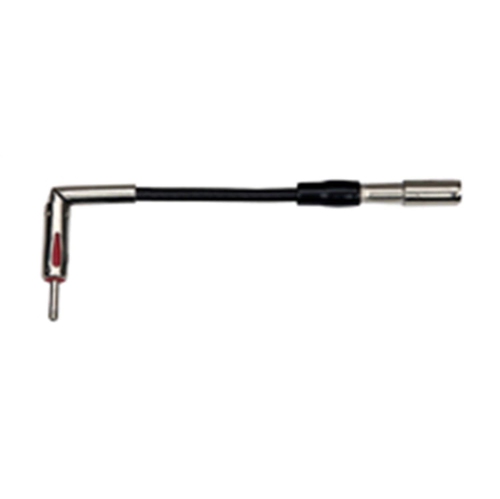 Your price for this item is $42.08
 -
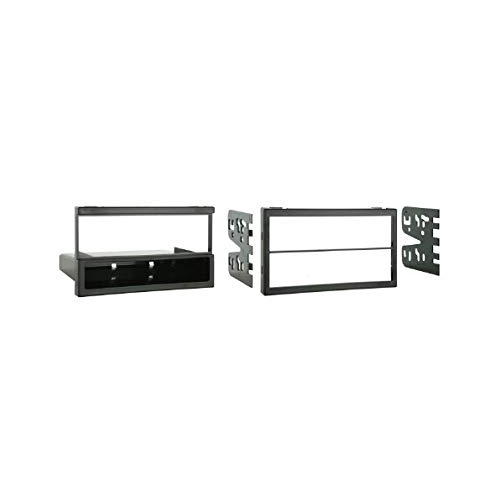 Your price for this item is $53.66
 -
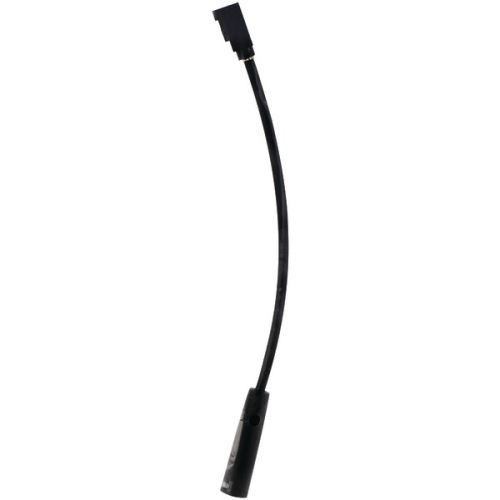 Your price for this item is $33.48
 -
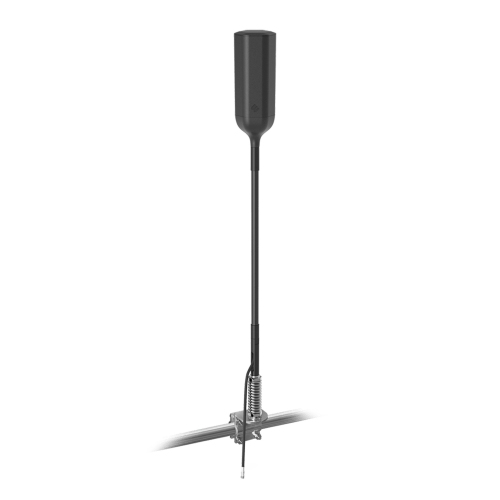 Your price for this item is $199.99
 -
 Your price for this item is $34.84
 -
 Your price for this item is $46.62
 -
 Your price for this item is $78.93
 -
 Your price for this item is $151.57
Discover more categories related to AM Radio Antennas
Top Collections:
Pokemon Centers, Best Cameras for Sports Photography, Kindle Devices, Samsung Galaxy Phones, Canon G7X Cameras, Pokémon 30th Celebration Cards, Refurbished Apple Laptops, iPhone 15 Apple, Laptops for Students, Budget Smartphones
Some products may be subject to Environmental Handling Fees
(EHF) depending on your province.
Learn more about EHFs.